• Skip to primary navigation
  • Skip to main content
  • Skip to primary sidebar
  • Home
  • About
  • Contact
  • Privacy + Terms
  • Affiliates

The Chaos and the Clutter

  • Facebook
  • Twitter
  • Pinterest
  • Google Plus
  • RSS
  • Email
  • School at Home
  • Sensory
    • Sensory Processing Disorder
    • Awesome Sensory Play Activities
      • Sensory Bins
      • Sensory Bottles
      • Sensory Bags
  • Family Games
    • Minute to Win It Games
  • Special Needs Parenting
    • Childhood Anxiety
    • Reactive Attachment Disorder
    • Sensory Processing Disorder
  • Store
  • Course Login

Archives for 2019

Bugs Sensory Bottle

By Sharla Kostelyk

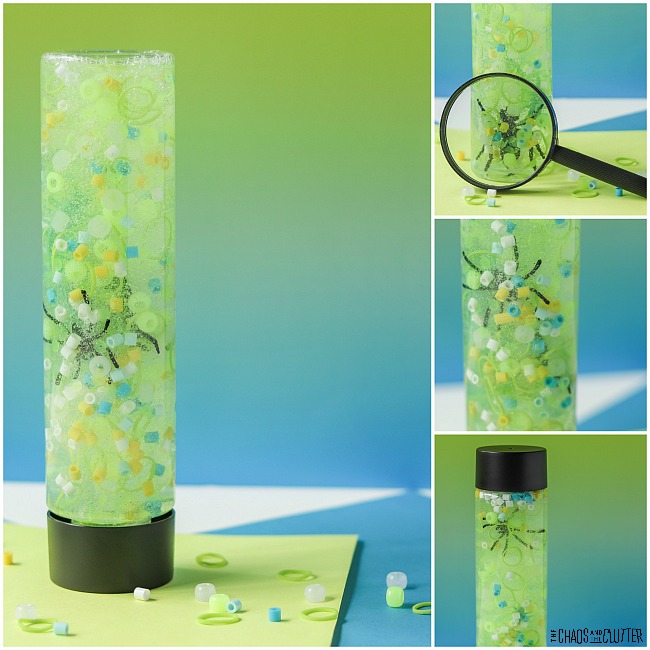
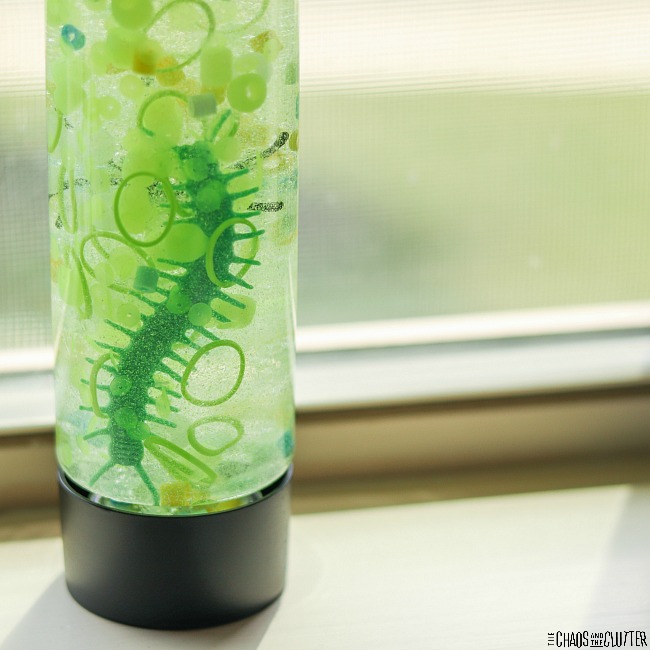
This bugs sensory bottle is almost too beautiful to play with! The colours are very inviting. Kids are generally fascinated with insects. This is a great vehicle for that.
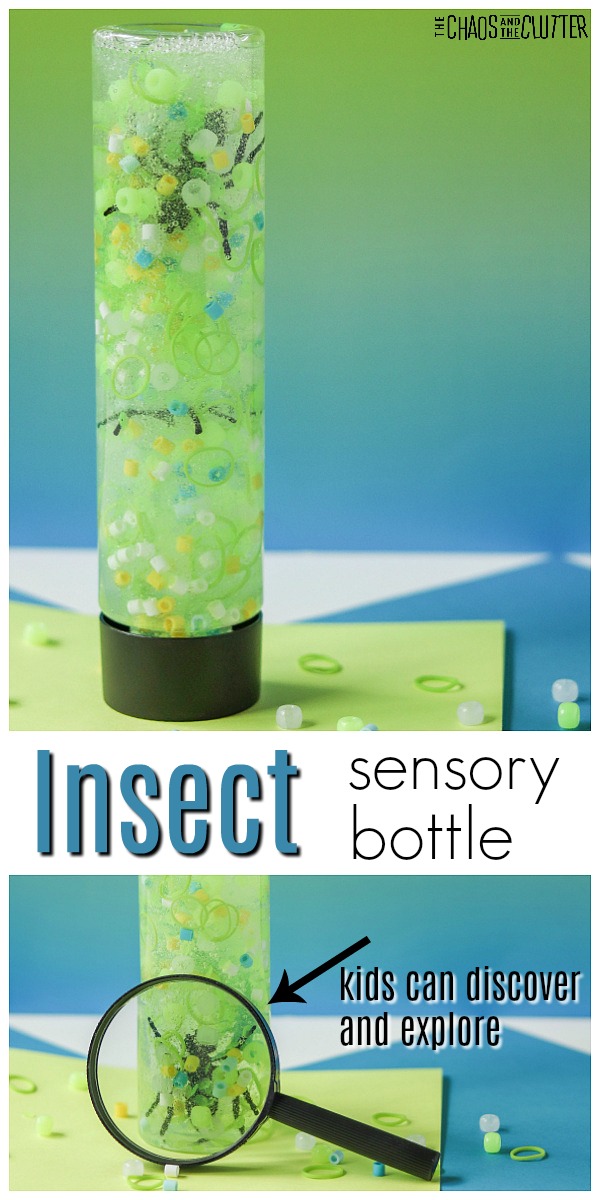
the top image shows a bottle filled with green and blue. In the bottom image, a magnifying glass shows a black plastic spider inside the bottle. The words "Insect sensory bottle" are in text. An arrow points to the bottle with the words "kids can discover and explore".

Bugs Sensory Bottle:

Supplies needed:

  • Voss style empty water bottle
  • clear dish soap*
  • small plastic bugs
  • spider ring
  • yellow and green glitter
  • various types of yellow, white, and blue beads
  • green mini rubber bands
  • super glue
  • magnifying glass

*any dish soap will do, but I like the thickness of Dawn
Instructions:

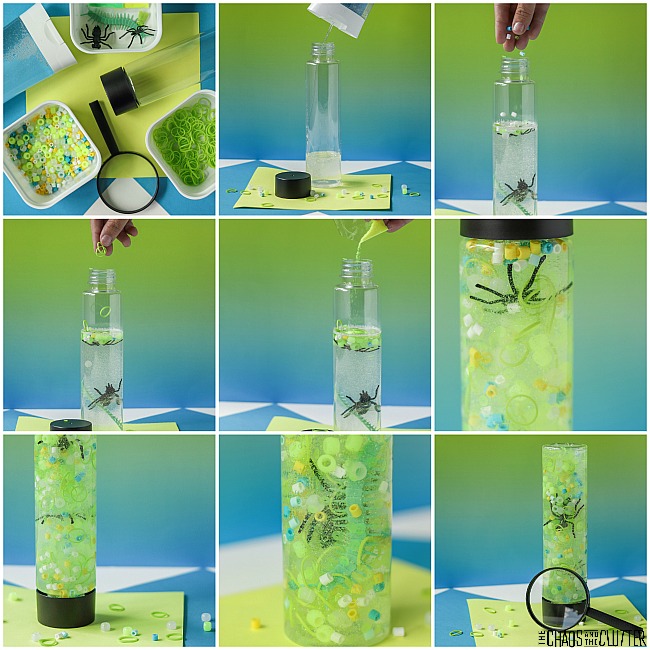
  1. Pour clear dish soap into the bottle until it’s about 2/3 of the way full.
  2. Add in the plastic bugs and the spider ring.
  3. Sprinkle the beads in.
  4. Next, drop the small rubber bands in. This is a great way to make use of all those leftover rainbow loom elastics that are floating around your house!
  5. Pour the glitter into the bottle.
  6. Fill any remaining space with water.
  7. Super glue the lid in place and allow to dry before handing it over to your child to play with.
  8. Set out a magnifying glass so that kids can explore all the different insects in the bottle.
This sensory bottle contains small parts. Even though the lid is glued in place, kids are determined little creatures and they may be able to find a way to get it open. As with all sensory activities, adult supervision is required at all times.

Learning and sensory benefits:

Unit study – This discovery bottle can be used in a bug/insect unit study. Students can jot down their observations of the different bugs such as number of legs, antennae, and other visual characteristics.

Sensory – This activity provides visual and proprioceptive sensory input. The use of the magnifying glass adds more of a visual element. The complimentary colours are pleasant to look at and will encourage kids to explore what they can find. Math – Your child can count how many of a certain coloured bead there are or how many bugs are in the bottle. They can also guess if there are more green beads or blue beads etc.
Science – You can set out books about bugs to encourage children to do their own research and learning.

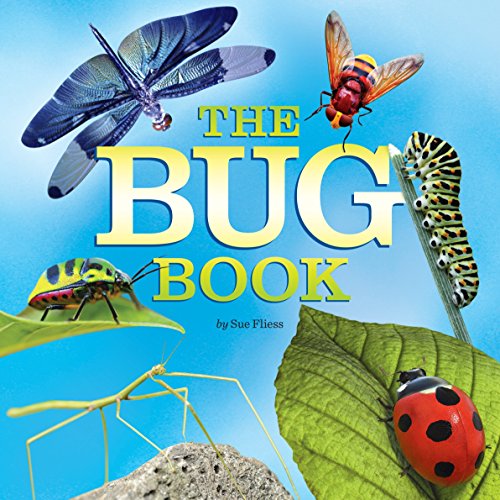
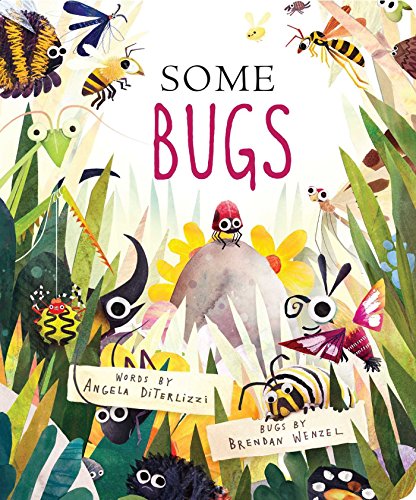
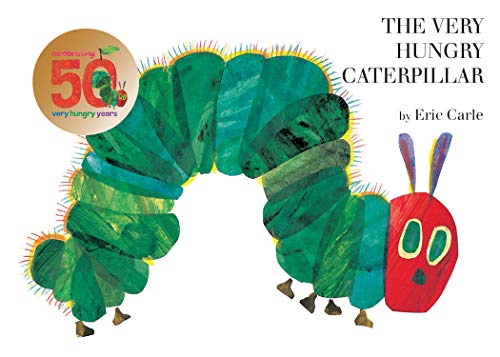
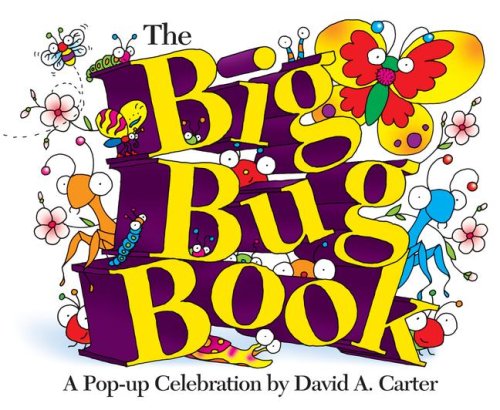
Bugs GaloreBugs GaloreBugs GaloreThe Bug BookThe Bug BookThe Bug BookSome BugsSome BugsSome BugsThe Very Hungry CaterpillarThe Very Hungry CaterpillarThe Very Hungry CaterpillarThe Big Bug Book: A Pop-up CelebrationThe Big Bug Book: A Pop-up CelebrationThe Big Bug Book: A Pop-up CelebrationThe Ants Go Marching: A Count-and-Sing BookThe Ants Go Marching: A Count-and-Sing BookThe Ants Go Marching: A Count-and-Sing Book

Communication – Vocabulary and communication skills are encouraged by kids asking questions and talking about their observations. They can talk about how quickly the glitter falls, what they feel and see, what types of bugs are included, what colours they observe, and any other things they notice.

Check out these other sensory bottles:
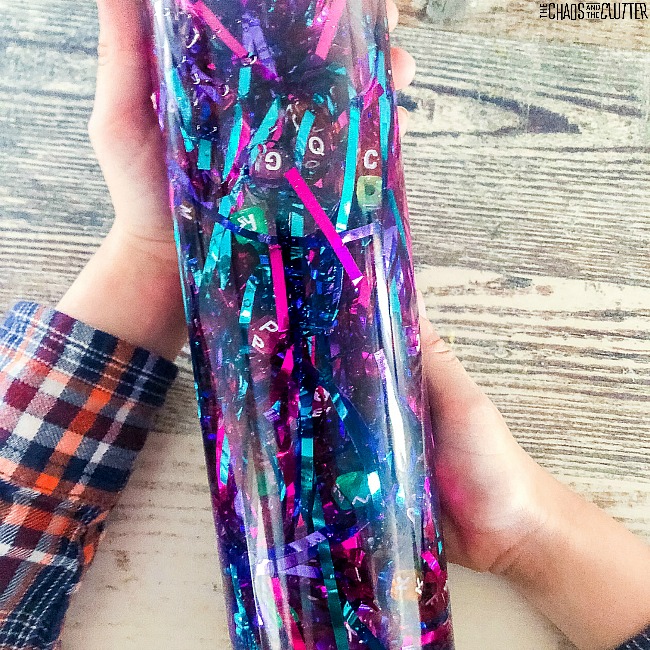
ABC I Spy Sensory Bottle

At the Beach Sensory Bottle

Filed Under: Sensory Tagged With: sensory bottles, sensory play

Bug Slime without Borax

By Sharla Kostelyk

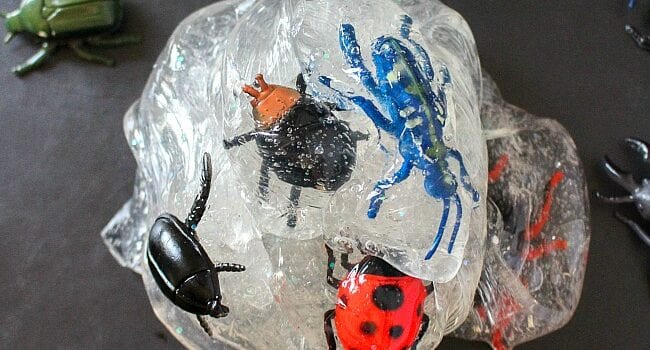
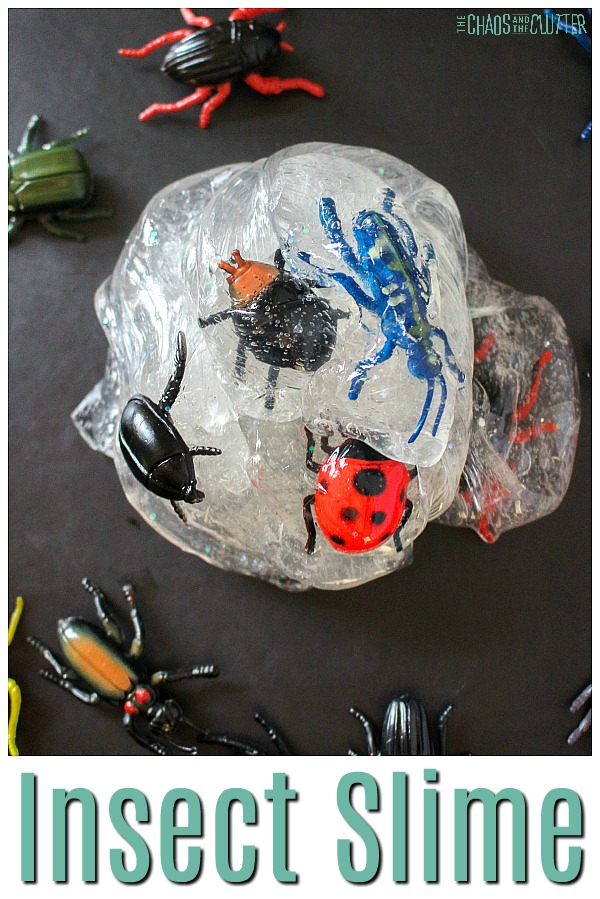
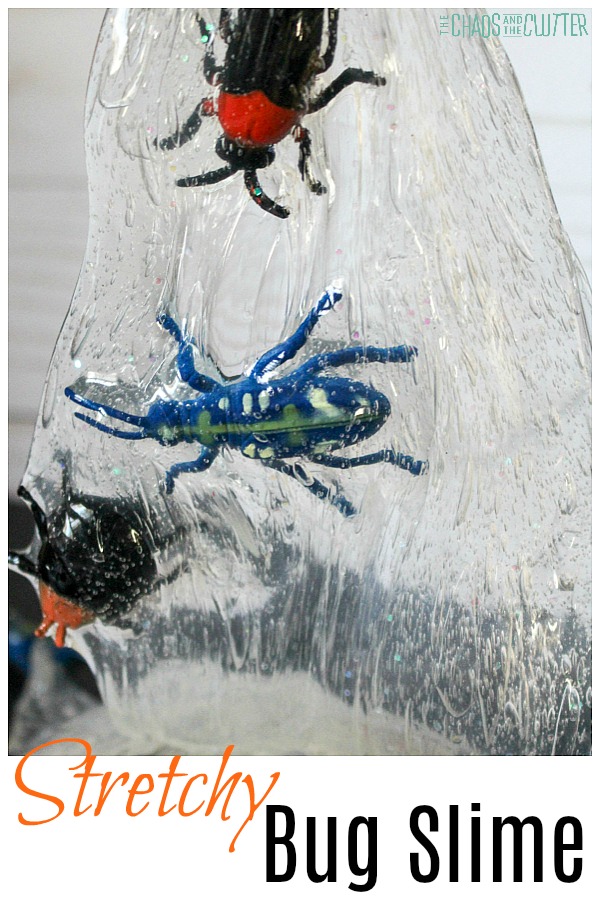
This bug slime without borax would go well with an insect theme unit. It also is a nice one for Spring or Summer. It’s a way for kids to play with bugs without them being real bugs! Bug Slime #sensoryplay #slimerecipes #slime #insectsMy kids love slime that is super stretchy. That is one of the things we really like about this particular recipe. It has a good amount of stretch to it.
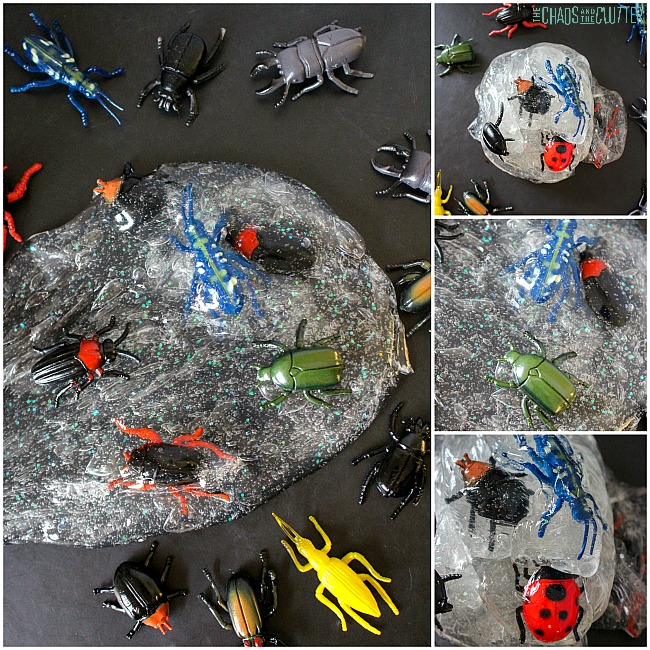
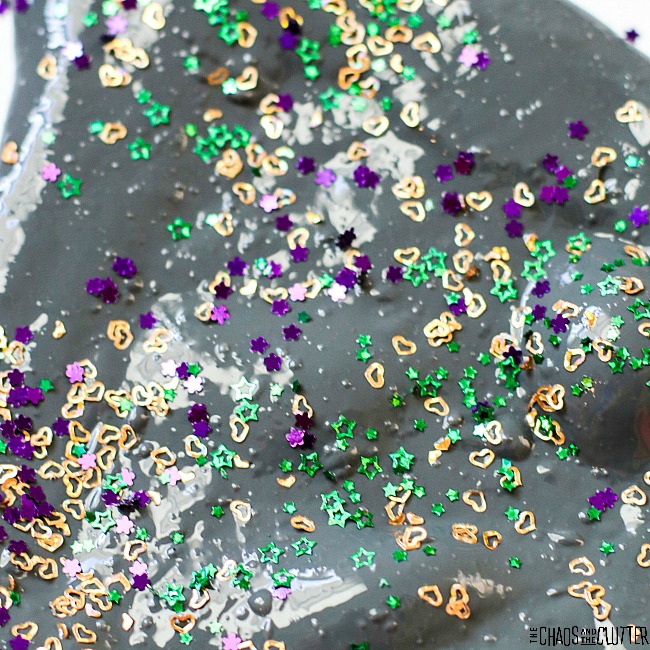
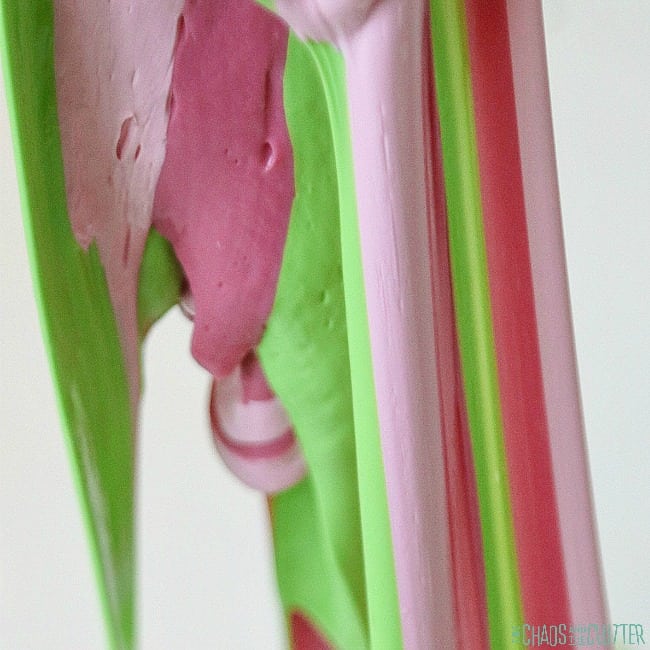
Incorporating the insects into the slime allows for this to be used in your school or homeschool in a science unit. The clear slime allows kids to examine each of the insects and make observations about their characteristics.

Bug Slime without Borax Recipe:

  • 5 oz. Elmers clear school glue
  • 1/2 cup water
  • 1/2 tsp baking soda
  • 1 Tbsp. contact solution (be sure to use contact solution that includes both boric acid and sodium borate in the ingredient list or it won’t work)
  • a variety of plastic bugs

Instructions:

  1. In a bowl, pour 5 oz clear glue.
  2. Add 1/2 cup water.  Mix until the glue has broken up and is incorporated into the water.
  3. Mix 1/2 cup baking soda in.  Baking soda will help determine your slime thickness.
  4. Add 1 Tbsp. of contact solution. Mix immediately. The slime will be ready to knead when it begins to pull away from the sides of the bowl. 
  5. Knead the slime. It will be sticky at first, but keep kneading it. This should make it less sticky. If you find that it is still too sticky, you can add a little bit more contact solution, a little at a time.
  6. Once your slime has formed, you can add your bugs and knead them inside.  
  7. Store in an airtight container.

Slime makes an excellent sensory play material. It incorporates the visual, tactile, and proprioceptive sensory systems. Kids can pull, knead, stretch, and squish the slime.

Check out some of our other slime recipes:

Mardi Gras Slime Peppermint Scented Slime Stretchy Bug Slime

Filed Under: Sensory Tagged With: sensory play, slime

Lemonade Oobleck Summer Sensory Play for Kids

By Sharla Kostelyk

Oobleck is a great sensory play opportunity for kids. This lemonade oobleck brings the feel of summer into play even if it’s the middle of winter. It combines sensory and science to create a very cool sensory play material. I was inspired by our lemonade sensory soup.

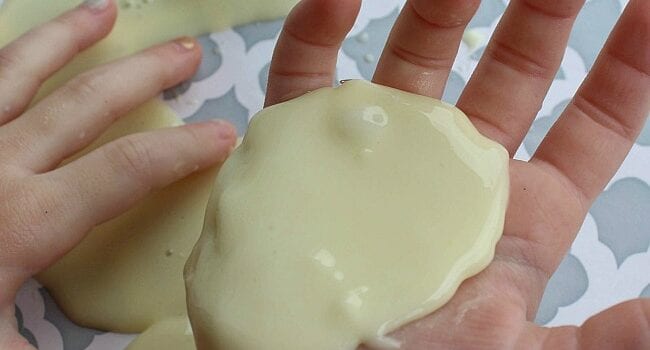
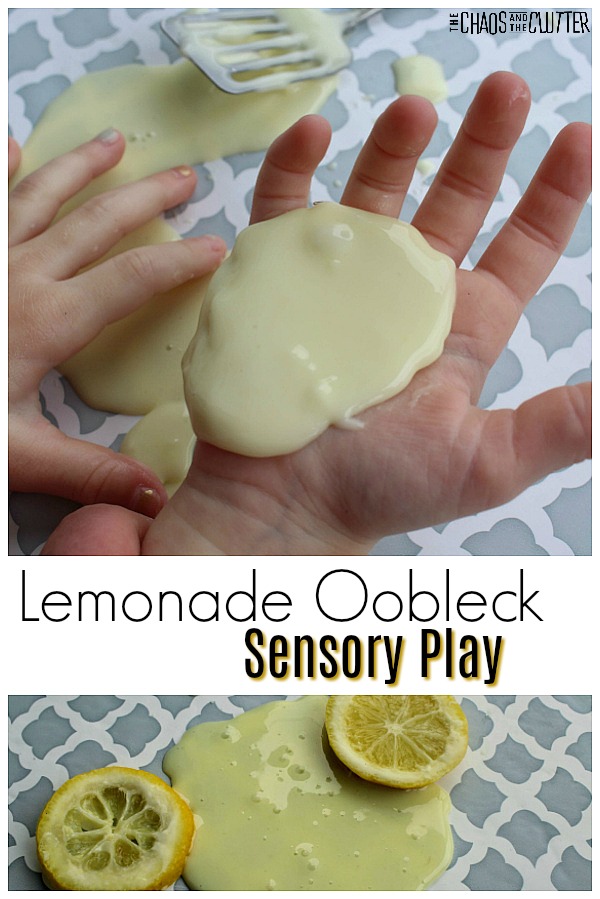
A young child's hands are visible. With one hand, he is touching a light yellow slimey substance that is on a table and with the other hand, he is holding the yellow substance in the palm of his open hand. The words "Lemonade Oobleck Sensory Play" appear on white in the middle of the image and at the bottom, the light yellow substance is spread on a table and there are two lemon slices on top of it.This scented sensory play recipe is so simple. Only 3 ingredients are needed. Kids can easily make this oobleck slime themselves. Younger ones that need mom or dad’s help can help to measure and pour by stirring.
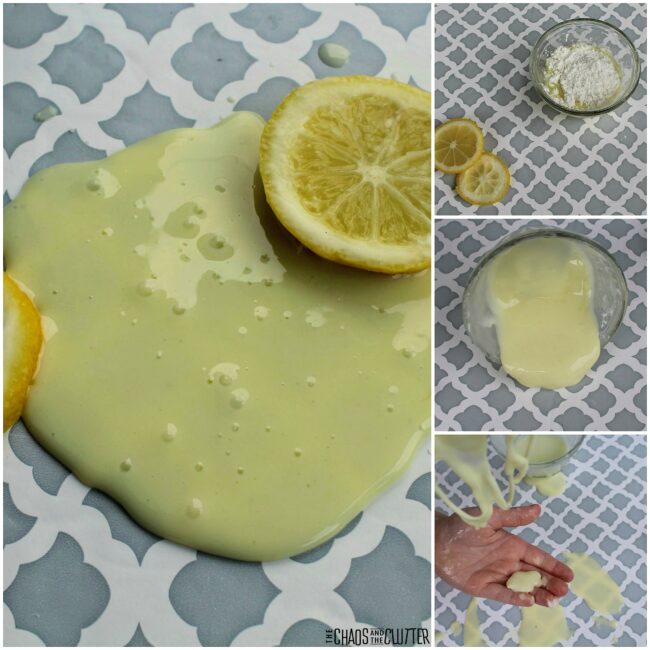
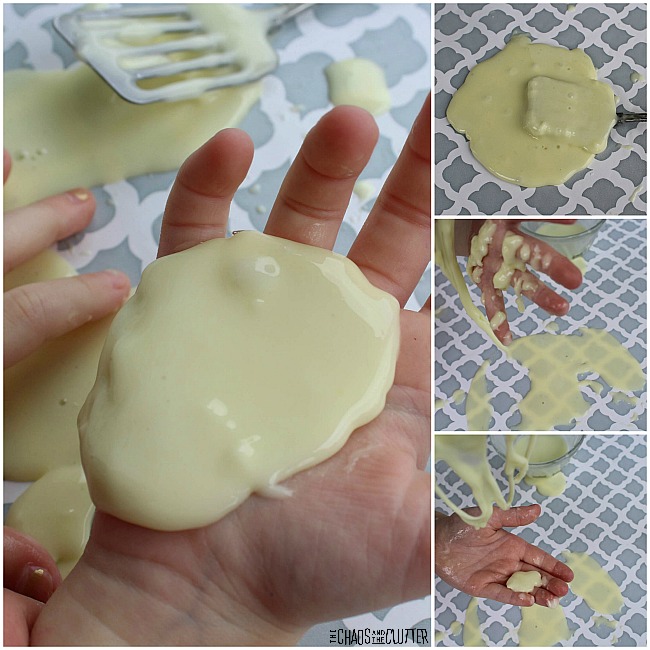
Lemonade Oobleck Recipe:

Materials needed:

  • 1 cup of cornstarch
  • 1/2 cup of water
  • 2 Tbsp. of powdered lemonade mix
  • bowl
  • craft/popsicle stick

Directions:

  1. Pour the water into the bowl.
  2. Add the powdered lemonade mix and stir with the popsicle stick until well mixed.
  3. Add the cornstarch and mix.

Sensory and Learning Opportunities:

Math – Kids can measure the ingredients. Doubling the recipe or halving the recipe provides a more advanced math learning opportunity.

Science – This hands-on science project is a great example of suspension, as the grains of cornstarch are suspended in the water, but over time will settle to the bottom if allowed to rest for an extended amount of time.

Is it a liquid? Is it a solid? That depends on how you touch it. When pressure is applied, the cornstarch bonds together to form a solid. Yet, when a soft touch is applied, it remains in its liquid state.

To expand on the science lesson, research non-Newtonian fluids and why oobleck can be both a liquid and a solid. Read more about the science behind this substance. Sensory – Lemonade oobleck provides visual, tactile, proprioception, and olfactory sensory input. Children can see (visual) the colour and explore shape as it changes from liquid to solid. They can touch (tactile) and feel the texture of the state of matter change.
Their proprioception will be engaged while they apply pressure to the oobleck to form it into a solid. And they will smell (olfactory) the scent of lemon.

Vocabulary and communication – Kids can communicate their observations of this sensory science activity. They can ask questions and expand their vocabulary as they learn.

Looking for more great sensory play recipes? Join thousands of others who are loving the five day email series, Sensory Activities and Solutions and you’ll get a free sample of our Sensory Play Recipes eBook.

Check out some of our other scented sensory play recipes:

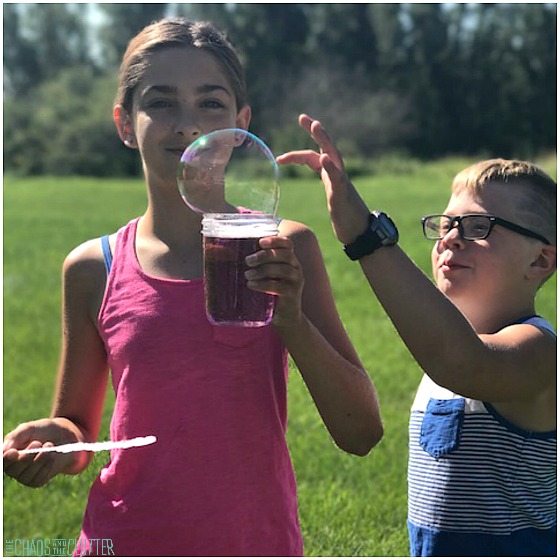
Calming Lavender Scented Bubbles

Peppermint Scented Slime

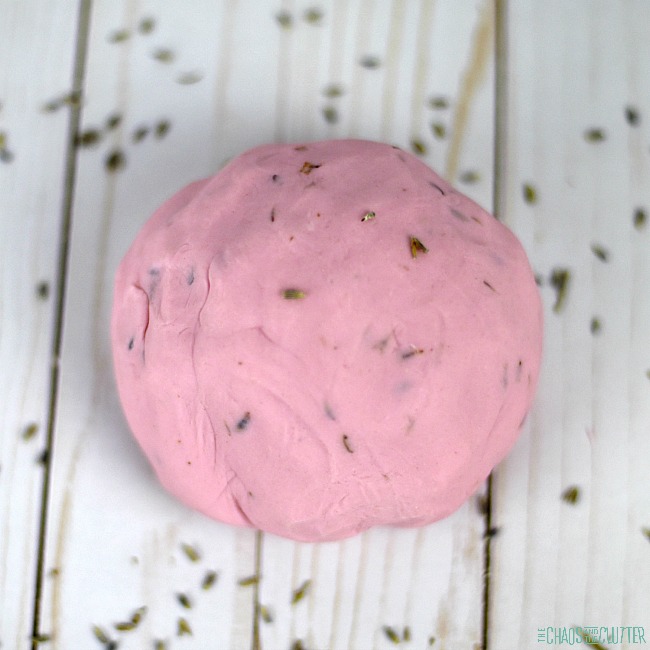
Lavender Scented Playdough

Filed Under: Sensory Tagged With: sensory play

4th of July Stars and Stripes Sensory Bin

By Sharla Kostelyk

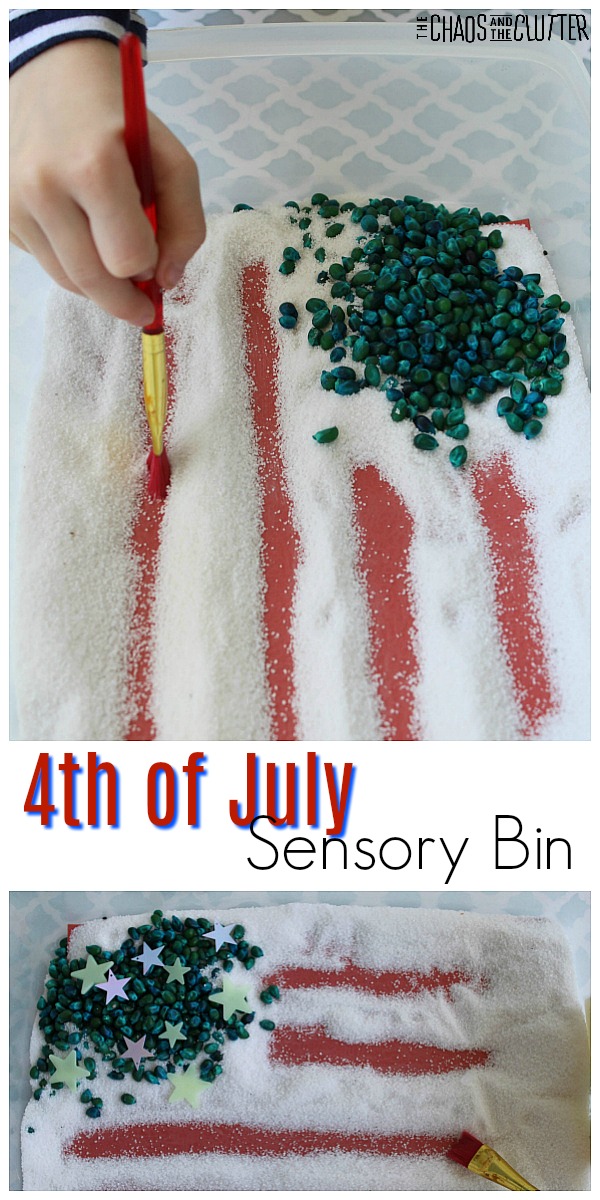
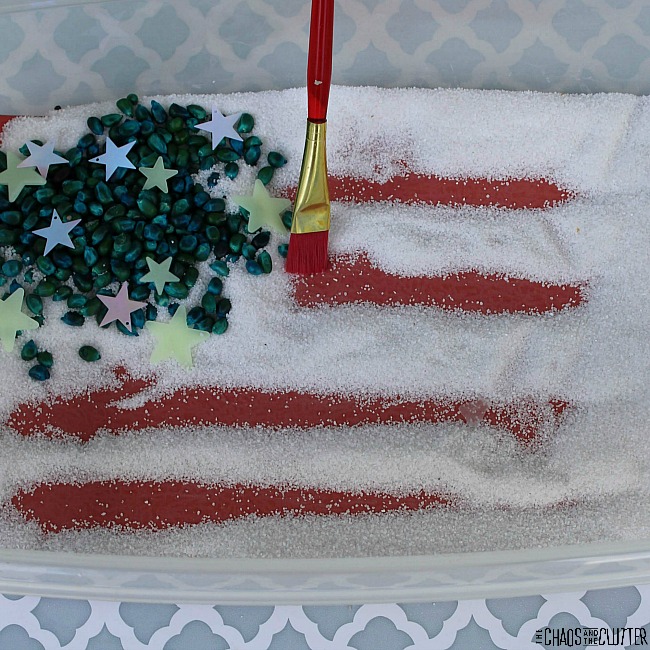
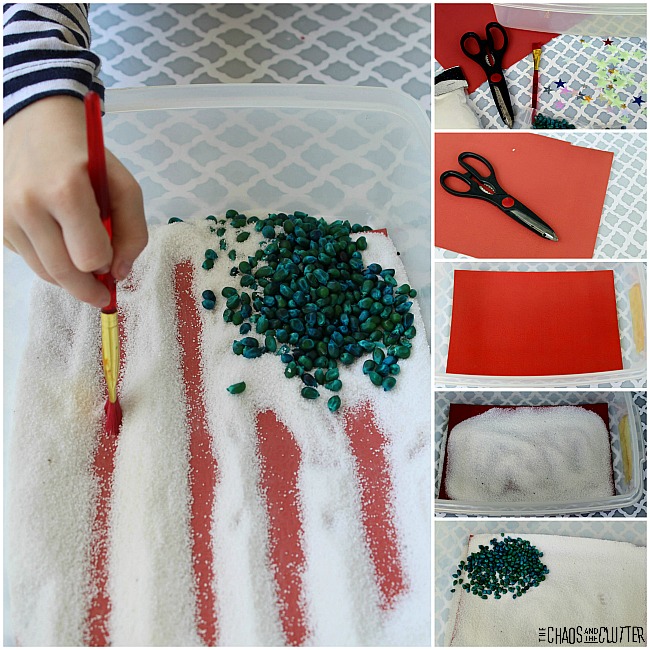
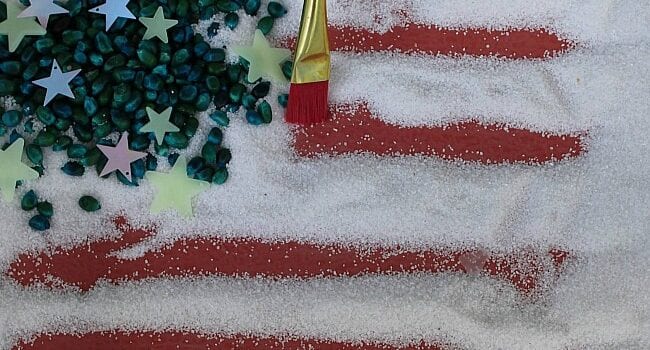
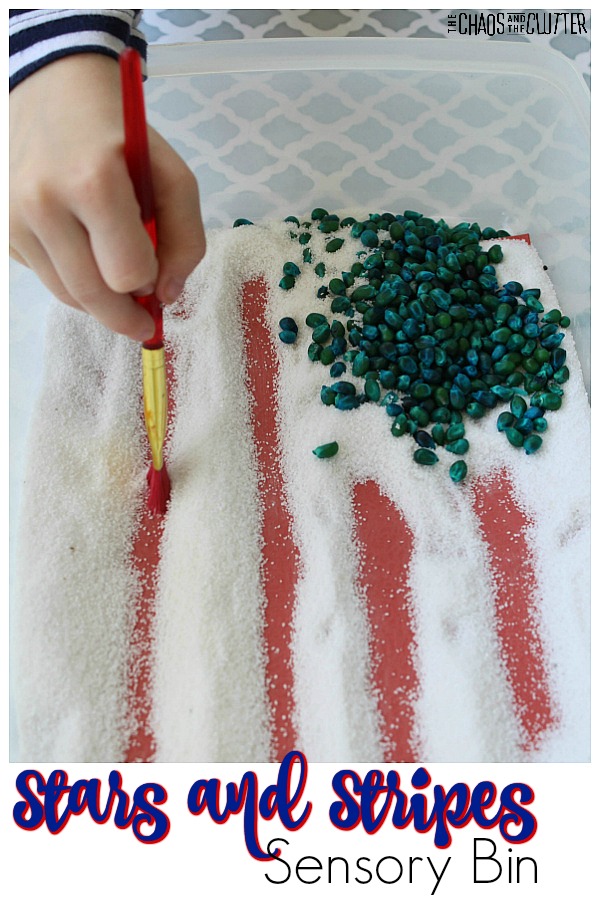
There’s something that I should probably get out of the way before we start. I’m Canadian. I actually had someone else make this sensory bin for me and take the photos of it because it just wouldn’t be authentic for me to have my kids playing in this 4th of July Stars and Stripes Sensory Bin! In the top part of the image, a young child's hand holds a red paintbrush and is brushing aside white sand to reveal red paper underneath. There is a pile of blue popcorn kernels in the corner. The words "4th of July Sensory Bin" are in the middle of the image. On the bottom is a sensory bin with red stripes in white sand, a pile of blue popcorn in the top corner, and stars sprinkled on top of the popcorn kernels.

Rest assured that the sweet little hands you see in the bin are 100% American! I wanted to be as authentic as possible, so I want to be up front about the whole US thing!

Even though I’m Canadian, I wanted to have an example of something like this for my American friends and readers. This sensory bin would be great for your 4th of July celebrations. It imitates the USA flag.

I love how interactive this sensory activity is. It doesn’t look like the American flag until the child begins to use their paintbrush to create the stripes. They will love seeing the stripes appear.

Stars and Stripes Sensory Bin:

Materials needed:
  • popcorn kernels
  • hand sanitizer
  • blue food colouring
  • white craft sand (or salt if you don’t have white sand)
  • red card stock paper
  • star confetti
  • small glow in the dark stars
  • paint brush
  • plastic bin with lid
  • scissors
  • resealable plastic bag
Directions:
To make the blue dyed popcorn:
  1. Place 1/2 a cup of unpopped popcorn kernels, 2 generous drops of hand sanitizer and several drops of blue food colouring in a resealable plastic bag and seal.
  2. Shake well.
  3. Allow the kernels to dry in the bag overnight or spread them out on a paper towel on a cookie sheet to dry for several hours.
To assemble the sensory bin:
  1. Cut a sheet of red card stock so that it fits inside the bin. Place it in the bottom of the bin.
  2. Pour white craft sand (or salt) over the red paper.
  3. In the upper left section, pour the blue dyed popcorn kernels.
  4. Add a paint brush and an assortment of stars.
  5. Invite your child to brush some of the sand away to create the stripes.
  6. Encourage your child to add the stars to the area where the popcorn kernels are.
  7. When not in use, replace the lid on the bin for easy storage for future play!

This patriotic sensory play activity is also a good way to talk to kids about the American flag and its history. You can read a book such as F is for Flag together.
Looking for some great sensory play recipes? Join for a five day email series on Sensory Activities and Solutions and get a free sample of our Sensory Play Recipes eBook.

Check out these other fun Summer sensory bins:

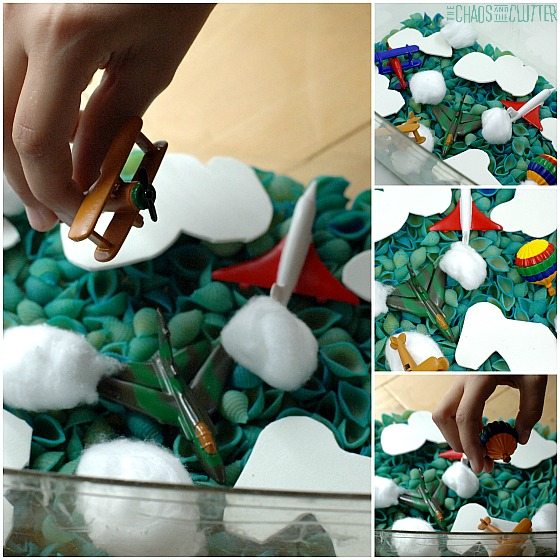
Sky Sensory Bin

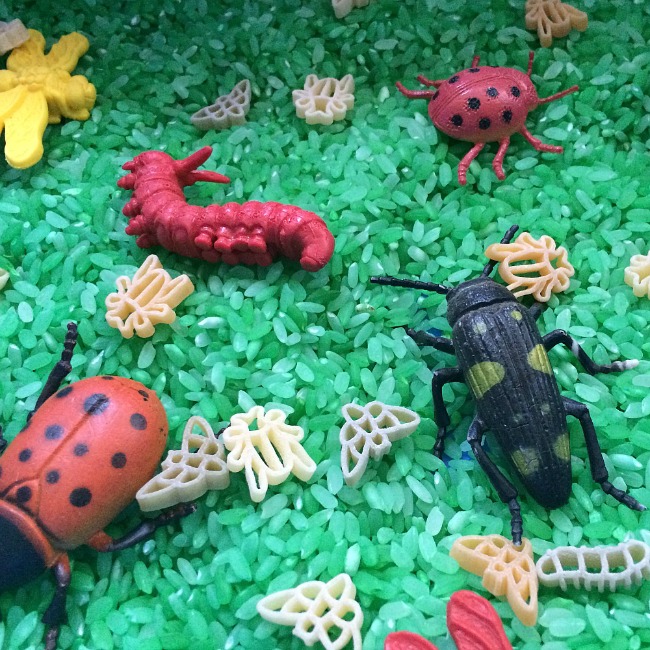
Insect Sensory Bin

Summer Sensory Bin

Filed Under: Sensory, Sensory Bins

Playdough Made with Hair Gel

By Sharla Kostelyk

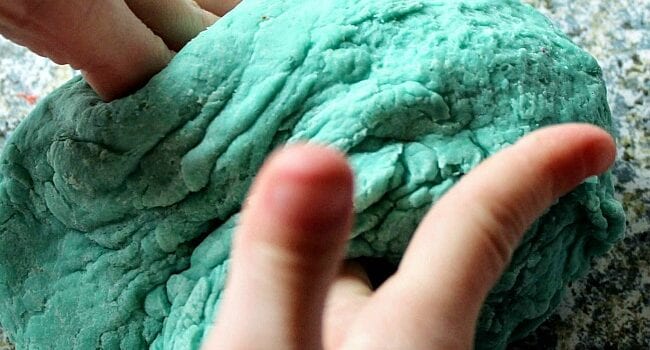
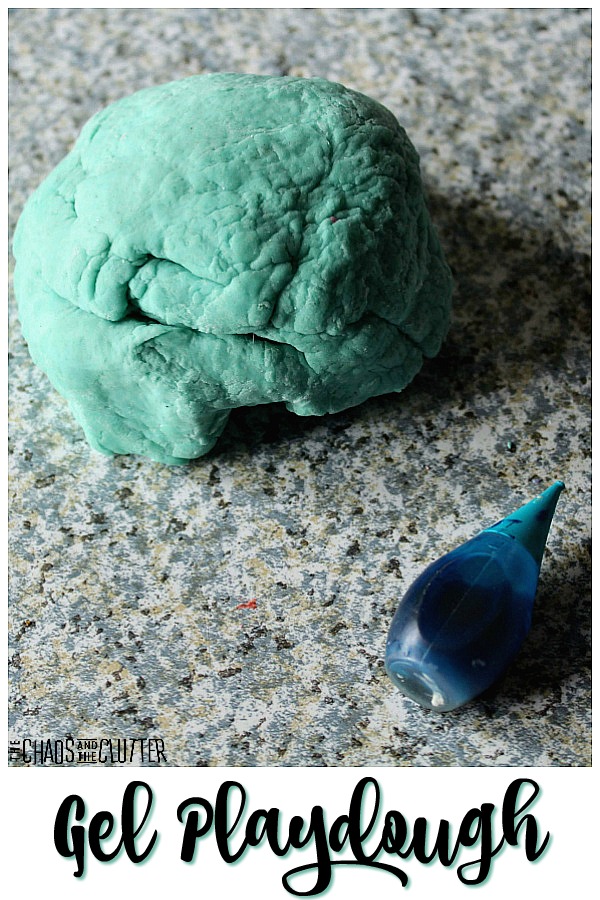
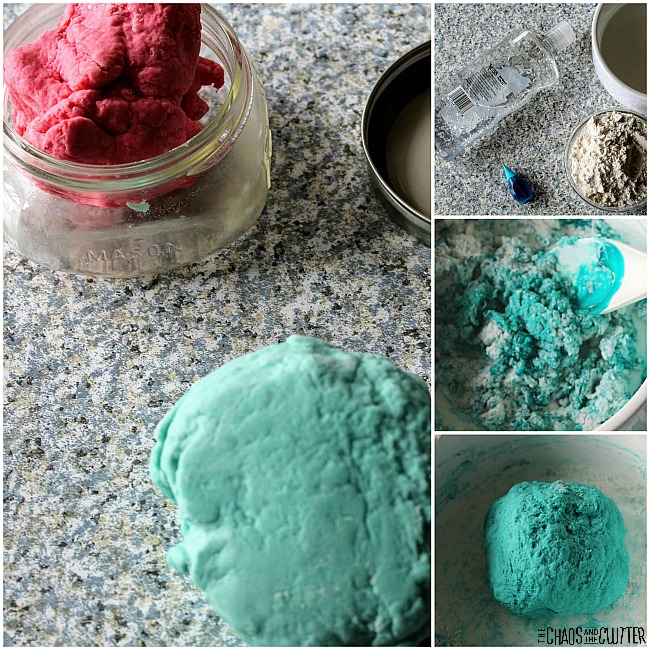
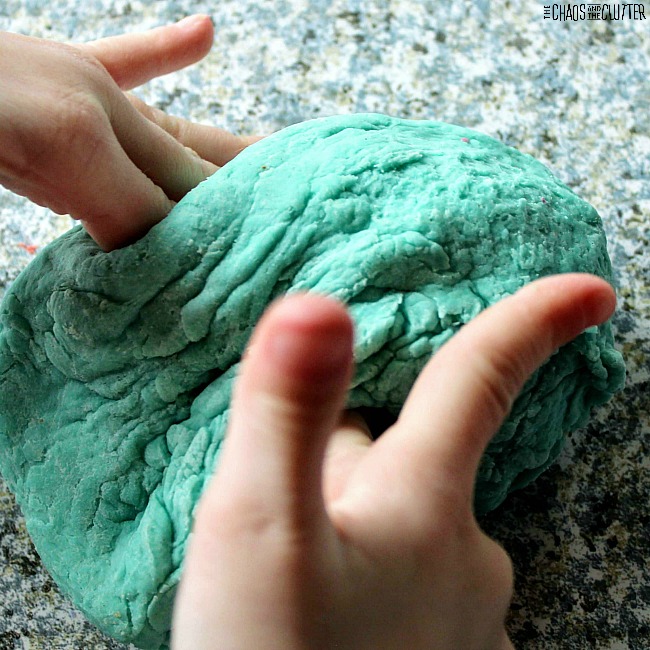
Homemade playdough is always so much better than store bought. Over the years, we have come up with some go-to playdough recipes that are sure to work. While there is nothing wrong with a guaranteed recipe, I wanted to try something different. This playdough made with hair gel certainly fits that description!Playdough made with hair gel #playdough #sensoryplay #kidsactivities
One of the nicest things about this recipe is that it doesn’t need cream of tartar. I don’t always have cream of tartar in the house, so it’s nice to be able to make playdough without it.

Playdough Made with Hair Gel:

Ingredients:
  • 1/2 cup of clear hair gel*
  • 1/4 cup of water
  • neon food colouring
  • 1 to 1 1/2 cups of flour
*Note: This doesn’t need to be good quality hair gel. The containers from the Dollar Store work just as well as the expensive kind.
Directions:
  1. Place 1/4 cup of water and 1/2 cup of the clear hair gel in a medium sized bowl.
  2. Add 5 drops of neon food colouring to the liquid mixture.
  3. Stir until this is well combined.
  4. Add 1 cup of flour to the liquid.
  5. Begin stirring until the contents begin to clump.
  6. At this point, you can decide if you need to add additional flour. If the mixture feels sticky, add an additional 1/4 cup of flour, and continue to stir.
  7. When the flour has been incorporated, test it for stickiness.
  8. Add additional flour if needed.
  9. When the playdough is no longer sticky, it is ready to play with!
  10. Store in an airtight container when not in use. 

Sensory play ideas with playdough:

  • Shape it onto a playdough mat.
  • Play Stuck in the Mud with toy cars.
  • Roll it, squish it, press it, shape it.
  • Use stamps or cookie cutters with the playdough.
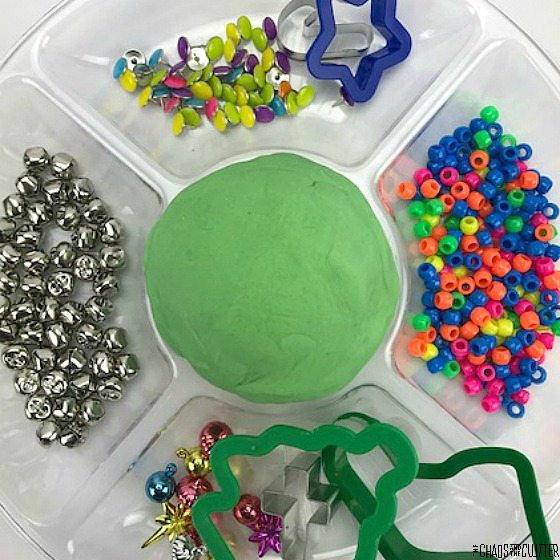
  • Put out a variety of small objects like beads, sequins, and buttons for kids to press into the play dough. This is a great way to work on fine motor skills.
  • Another good fine motor activity is to cut rolls of playdough with scissors.
  • Make pretend food.

Some of our other homemade playdough recipes:

Calming Lavender Scented Playdough Peppermint Essential Oil Playdough 

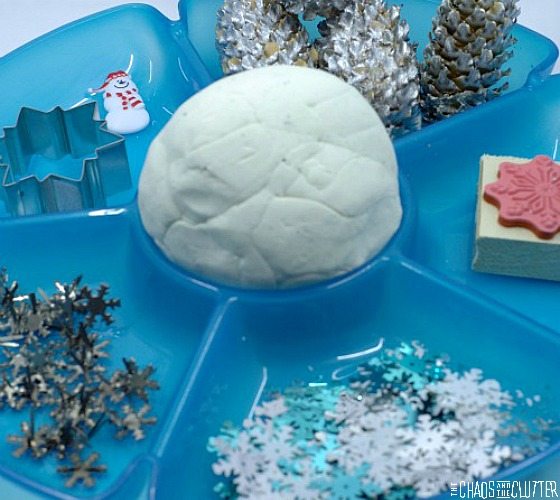
Glittery Snow Playdough Snow Playdough and invitation to play


Filed Under: Sensory Tagged With: sensory play

How to Create Sensory Bins Your Child will Love

By Sharla Kostelyk

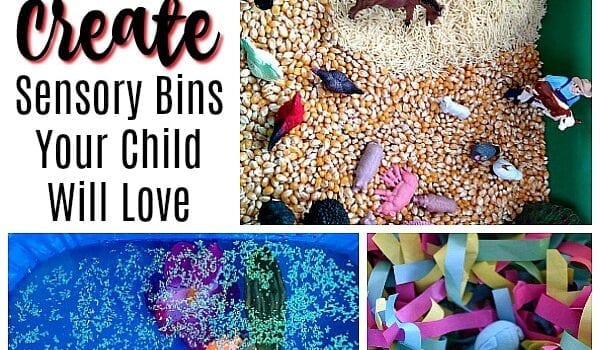
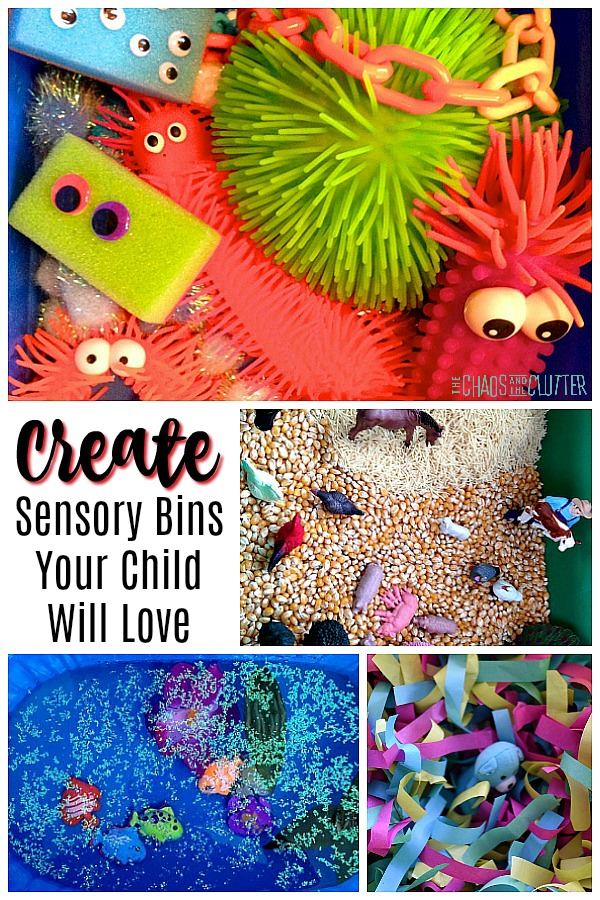
It’s easy to create sensory bins your child will love. Sensory play allows kids to explore through their senses, to improve their vocabulary, practise their fine motor skills, and so much more. Sensory bins are an easy and versatile way to introduce this. Create Sensory Bins Your Child Will Love #sensoryplay #sensory #kidactivitiesNot all sensory bins are created equal. While just plunking a few items in a bin will still result in your child enjoying some sensory input and play, there are ways that you can create sensory bins your child will love.

Those awesome tubs will encourage hours of imaginative play. They will engage multiple senses and bring out the best of their imagination.

How to create sensory bins your child will love:

Incorporate as many senses as possible.

Most sensory bins will engage the visual and tactile senses, but the more senses you can engage, the better. Consider adding auditory (sound) elements. Add smell to provide olfactory input. Place things in the bin to challenge proprioception (pressure). Or even add a taste element to the bin.

Ideas to add sound:

    • items with crunchy textures
    • jingle bells
    • sound shakers
    • fill a small container with seeds or beads
    • bubble wrap
    • sound machine
    • instruments
    • answer buzzers

Ideas to add smell:

  • cinnamon sticks
  • essential oils
  • smell bottles
  • baby powder
  • flowers
  • citrus (lemons, limes, oranges, grapefruit)
  • coffee beans or grounds
  • chocolate or chocolate powder
  • tea or tea bags
  • herbs
  • grass

Ideas to add taste or oral sensory input:

  • harmonica
  • cooked noodles
  • edible playdough
  • dry cereal
  • edible water beads
  • ice cubes
  • whipped cream
  • pudding
  • jello
  • water
  • sprinkles
  • candy
  • snow

Ideas to add proprioception input:

  • bubble wrap
  • slime
  • playdough
  • cloud dough
  • rubber bands
  • packing peanuts

Use a variety of textures.

Incorporating different textures adds to the sensory experience. When possible, try to incorporate things that are opposites, such as something hard and something soft.

Ideas for adding texture:

  • paper shreds
  • cotton balls or cotton batting
  • ice
  • rocks or pebbles
  • fabric
  • bubble wrap
  • sandpaper
  • water beads
  • bricks or blocks
  • jello

Consider your child’s interests and passions.

Think about the things that your child is interested in. What do they talk a lot about? What are they passionate about? Incorporate that into a sensory bin.

They can even help you plan it out. Maybe your daughter is in a huge dinosaur phase. She probably knows more about dinosaurs than you do, so have her plan out what to include. Allow her to choose the sensory bin base and what items to place inside.

Choose a theme.

It’s easy to create a sensory bin around a theme. Themes also allow for great imaginative play for kids. You can find a huge list of sensory bin theme ideas here.

Include items that can be used for scooping, pinching, and pouring.

Include cups, bowls, tweezers, tongs, spoons, measuring cups or spoons, sieves, funnels, tubes, empty toilet paper or paper towel rolls, small shovels, jars, ladles, slotted spoons, strainers, tea infuser, and bottles. These will encourage a lot of exploration as well as providing opportunity for good fine motor practise.

Make each sensory bin unique.

It’s fun for kids to discover a new sensory bin. Surprising them with a fun new theme or new sensory bin fillers keeps them interested.

Let your child play.

Sensory bins work best when you allow your child to lead. This fuels their imagination. When their play is self-directed, children learn more and better retain what they learn. Create the sensory bin (either for your child or with your child) and then sit back and watch your child play.

These may also interest you:

Check out The Mega List of Sensory Bin Fillers and Tools for lots of great ideas of what to include in your next sensory tub.

If you feel stuck on deciding what to make, this list of sensory bin themes will help get your creativity going.

Filed Under: Sensory

  • « Go to Previous Page
  • Page 1
  • Interim pages omitted …
  • Page 8
  • Page 9
  • Page 10
  • Page 11
  • Page 12
  • Interim pages omitted …
  • Page 18
  • Go to Next Page »

Primary Sidebar

Categories

We are a participant in the Amazon Services LLC Associates Program, an affiliate advertising program designed to provide a means for us to earn fees by linking to Amazon.com and affiliated sites.

Copyright © 2026 • The Chaos and the Clutter • Site Design by Jeni @ The Blog Maven

Return to top of page

Copyright © 2026 · Chaos and the Clutter 2.0 on Genesis Framework · WordPress · Log in