• Skip to primary navigation
  • Skip to main content
  • Skip to primary sidebar
  • Home
  • About
  • Contact
  • Privacy + Terms
  • Affiliates

The Chaos and the Clutter

  • Facebook
  • Twitter
  • Pinterest
  • Google Plus
  • RSS
  • Email
  • School at Home
  • Sensory
    • Sensory Processing Disorder
    • Awesome Sensory Play Activities
      • Sensory Bins
      • Sensory Bottles
      • Sensory Bags
  • Family Games
    • Minute to Win It Games
  • Special Needs Parenting
    • Childhood Anxiety
    • Reactive Attachment Disorder
    • Sensory Processing Disorder
  • Store
  • Course Login

Archives for 2019

Sensory Sound Eggs

By Sharla Kostelyk

This activity is a great auditory sensory activity. It is simple to set up and very engaging for kids. These sensory sound eggs are easy to use in the home or as a classroom activity.
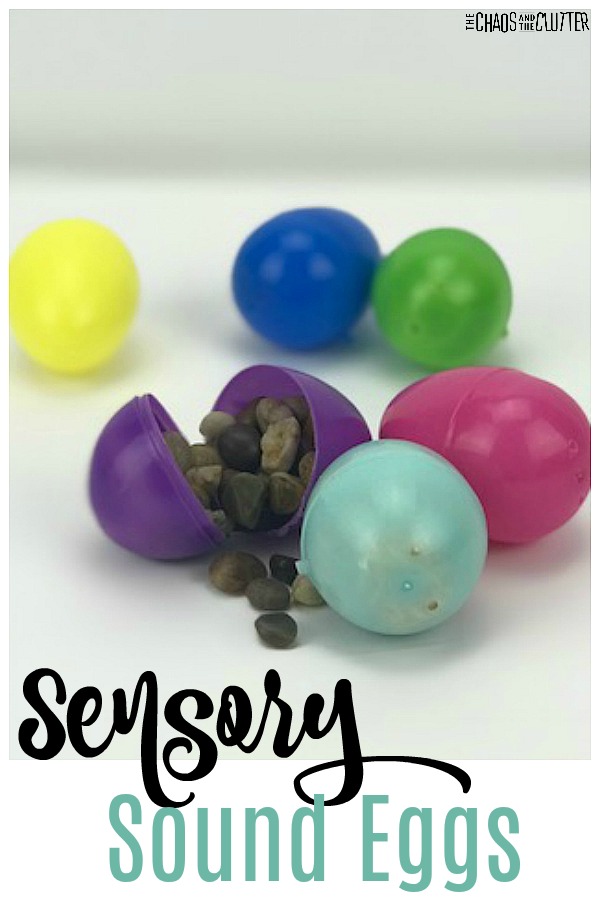
Sensory Sound Eggs #sensoryplay #easteractivity #auditorysystem #sensory #spdSensory sound eggs are great at helping children with early auditory discrimination skills. As they use their sense of sound and other clues such as weight to determine what item is in each egg, they are developing important skills.

Sometimes, the simplest activities are the best ones. For me, that is actually always true because if an activity is too complex, it just doesn’t happen! This is very inexpensive to do. If you buy plastic eggs right after Easter, you can get them on sale for ridiculously cheap!
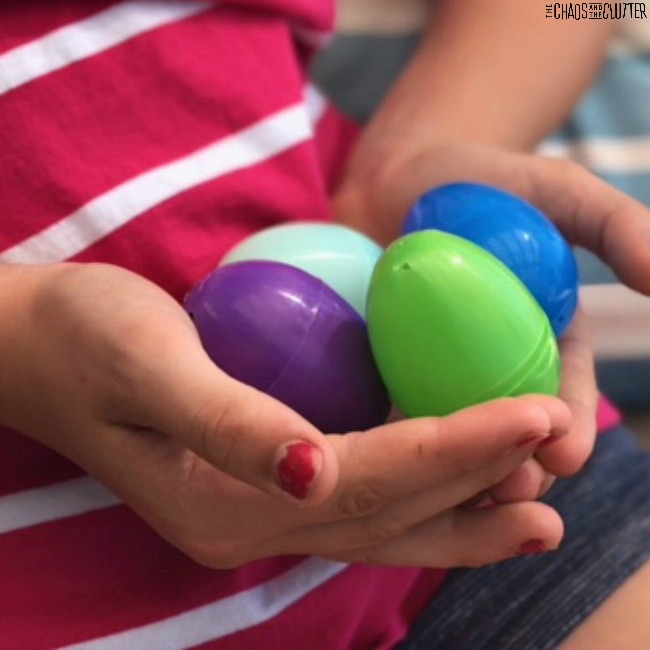
And you can fill them with things you already have around the house making this something you can do on the spur of the moment.

How to Make Sensory Sound Eggs:

Supplies needed:

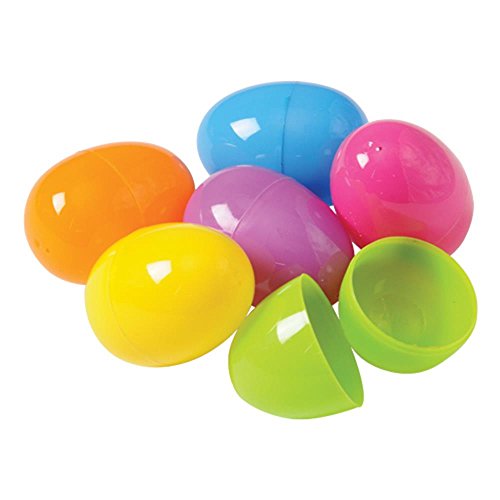
  • plastic Easter eggs
  • jingle bells
  • popcorn seeds
  • dry rice
  • rocks
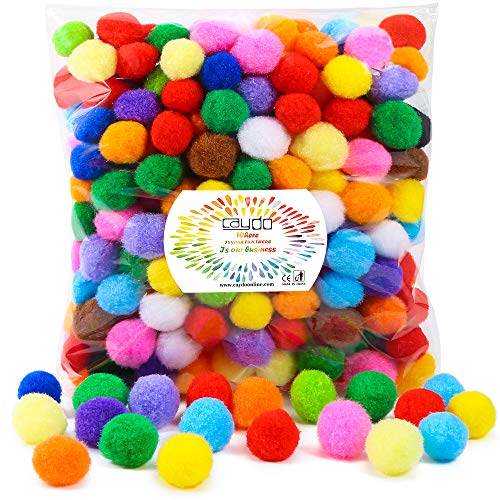
  • pompoms or cotton balls
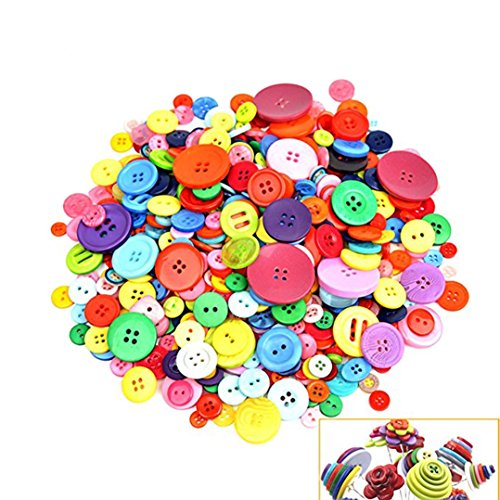
  • buttons

Plastic Easter EggsPlastic Easter EggsPlastic Easter EggsMixed Colour ButtonsMixed Colour ButtonsMixed Colour Buttons1 Inch Pompoms1 Inch Pompoms1 Inch Pompoms

Directions:

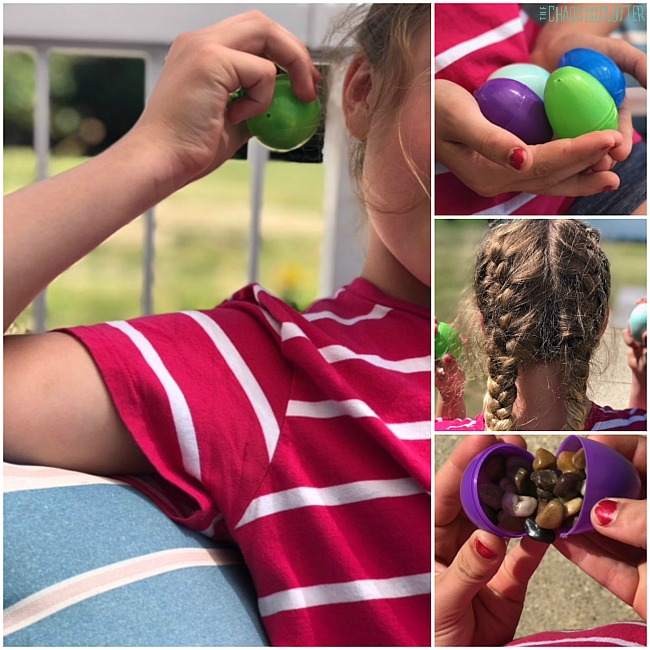
  1. Fill each empty egg with some of one of the items.
  2. Close the eggs. Place tape around the middle of the eggs to ensure they won’t open when using with younger children. Some of the items could be a choking hazard, so adult supervision is needed with this and any other sensory activity.
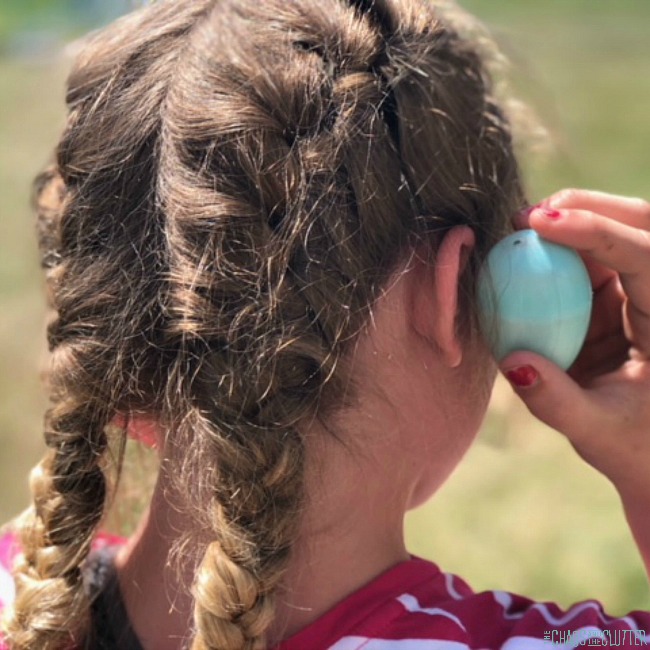
  3. Have the child guess what item is in each egg based on the sound it makes when shaken.
Ways to Adapt this Sensory Activity:

Try this activity using other fillers in the eggs such as coffee beans or coffee grounds, beads, water, salt, or whatever else your imagination can come up with.

Have your child think of ideas for fillers and create their own sound eggs. You can then take a turn at guessing what’s in them.

Auditory Match Up

One game you can play is to make two eggs with each filler and have kids try to match the eggs that are the sound matches. 
Discussion Points:

Talk about why the items make different sounds (weight, shape, size).

This simple idea is included in our eBook The Sensory Science Book Volume 1 in the Senses chapter. The book includes easy to put together sensory activities that correspond with science units for school or home. Other activities you may be interested in:
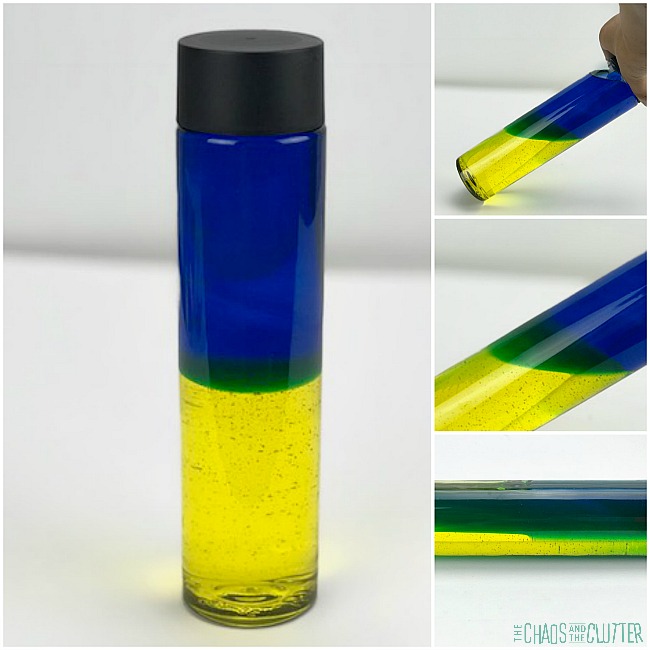
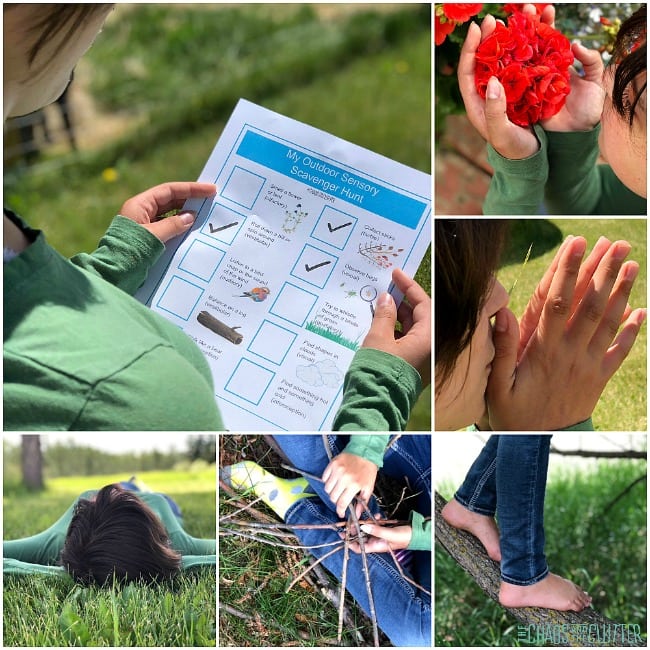
Colour Mixing Sensory Bottle Sensory Scavenger Hunt 

Filed Under: Sensory Tagged With: sensory play

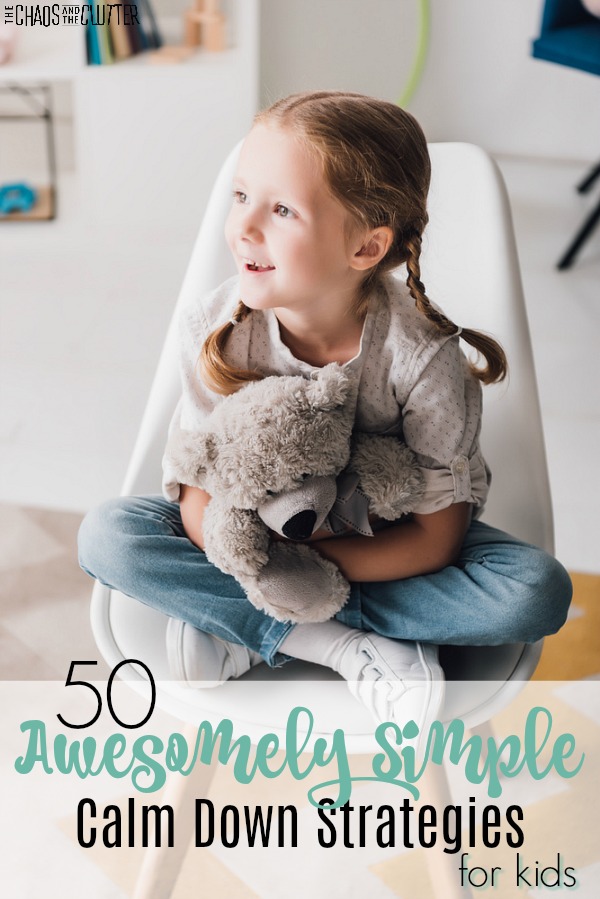
50 Awesomely Simple Calm Down Strategies for Kids

By Sharla Kostelyk

Calm down strategies for kids don’t have to be complicated to be effective. The key is to find the ones that work best for your child. Each child is different and therefore, their preferred methods for calming will be as well. 50 Awesomely Simple Calm Down Strategies for Kids #calmdown #calmdowncards #calmdownstrategies #specialneedsparentingCalm down techniques work for any child (or adult for that matter!). They are especially good to use for kids with autism, ADHD, Sensory Processing Disorder, FASD, early childhood trauma, Reactive Attachment Disorder, or anxiety.
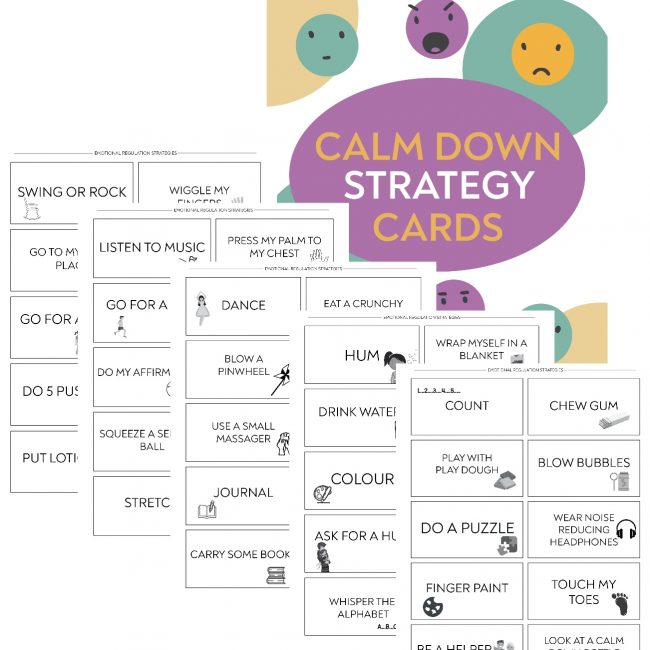
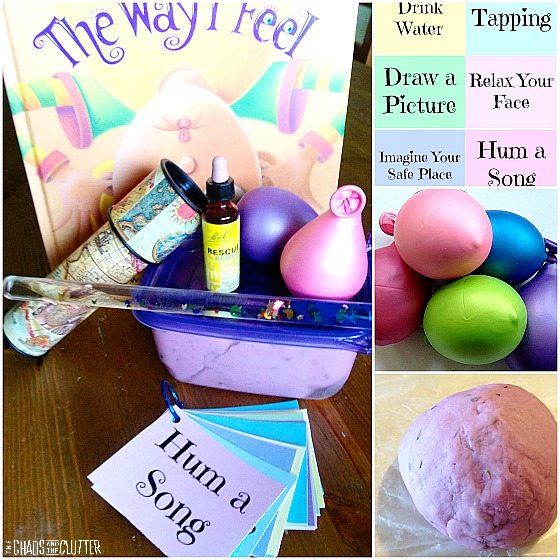
I’ve put together 50 calm down strategies that are so simple that anyone can do them. These don’t require expensive equipment or a lot of time. 

The formula for success is to practise these with your child when they are calm, discover which ones they respond to, and then have them use those in the times when they are needed. It can be very helpful to use calm down strategy cards. This allows the child to have a visual cue. This reminder can be especially helpful when they are beginning to feel out of control.

I suggest only including the strategies that you know work for your child. Otherwise, it could cause frustration for your child. You can discover which ones they prefer when you are practising with them while they are calm rather than trying to discover it when they are upset.

Simply pop your email into the form below and you’ll be able to print off the cards for yourself. Then, cut out the cards, hole punch them, and put them on a binder ring for your child to keep in their pocket, backpack, or calm down kit.

By helping your child or student learn the calming methods that are effective for them, you will help them gain independence. It feels empowering for kids to be able to regain control on their own.

50 Calm Down Strategies for Kids:

  • Hum
  • Wrap Yourself in a Blanket
  • Drink Water
  • Draw a Picture
  • Colour
  • Breathe
  • Ask for a Hug
  • Read a Book
  • Whisper the Alphabet
  • Pray
  • Listen to Music
  • Press Your Palm to Your Chest
  • Go for a Run
  • Relax Your Face
  • Do my Affirmations
  • Push on the Wall
  • Squeeze a Sensory Ball
  • Play with a Fidget
  • Stretch
  • Jump
  • Count
  • Chew Gum
  • Play with Playdough
  • Blow Bubbles
  • Do a Puzzle
  • Wear Noise Reducing Headphones
  • Finger-paint
  • Touch Your Toes
  • Be a Helper
  • Look at a Calm Down Bottle
  • Dance
  • Eat a Crunchy Snack
  • Blow a Pinwheel
  • Pop Bubble Wrap
  • Use a Small Massager
  • Hug a Teddy Bear
  • Journal
  • Take a Shower
  • Carry some Books
  • Close Your Eyes
  • Swing or Rock
  • Wiggle Your Fingers
  • Go to Your Quiet Place
  • Play the Harmonica
  • Go for a Walk
  • Trace Shapes on Your Hand with Your Finger
  • Do 5 Pushups
  • Name Your Emotions
  • Put Lotion On
  • Do Yoga

You may also be interested in reading:

How to Create a Calm Down Kit for Children 

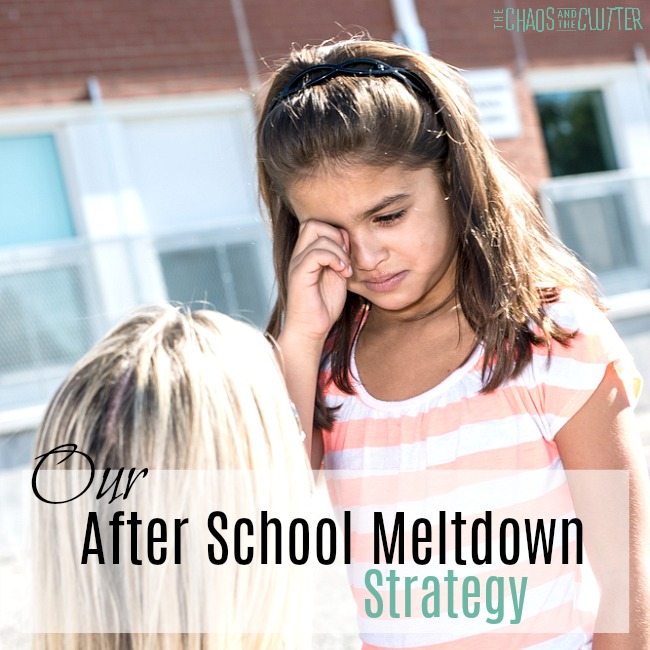
The After School Meltdown Strategy That Really Works 


Filed Under: Special Needs Parenting

Powerful positive affirmations for kids to change their mindset

Unicorn Affirmations

By Sharla Kostelyk

When I was growing up, my dad used to say to me, “whether you think you can or think you can’t, you’re absolutely right”. His version of the Henry Ford quote was designed to teach me about the power of our mindset. One of the most effective ways to help kids change their mindset is by teaching them to use positive affirmations. Positive Affirmations for Kids #growthmindset #positiveaffirmations #unicorn #mindsetThe thing about something that you hear or say over and over is that it gets stuck in your brain. It becomes part of your inner voice. This is true for both positive and negative words.
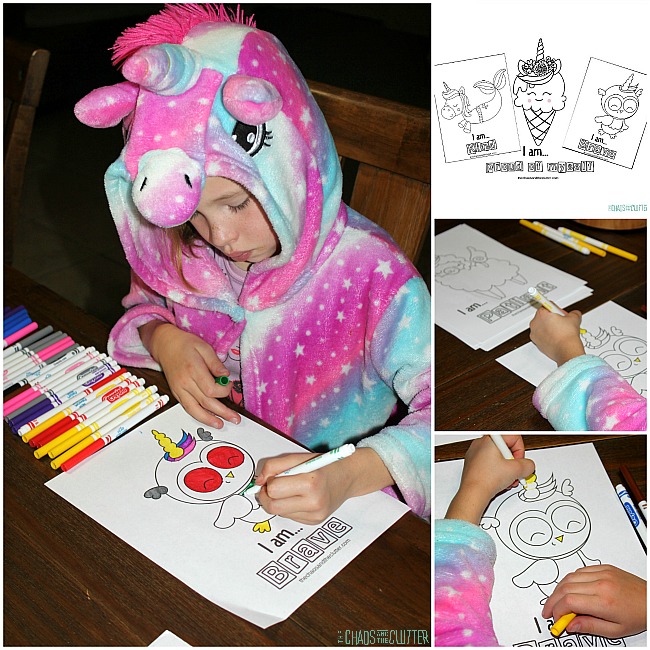
During certain times in my life, my dad’s repetition of that quote has come to mind. That quote has even come out of my own mouth in talking to my children. In that same way, affirmations that we tell our kids or that they tell themselves will live in their minds and be brought forward in the future.

As parents, we want as many of those as possible to be positive.

When one of my kids is struggling, do I want the first thought that comes to mind to be “I can’t do this” or do I want it to be “I can figure this out”?

Obviously, I want it to be the latter. But in order for that to happen, I need to ensure that they are practising positive affirmations.A positive affirmation is a statement meant to overcome negative thoughts. Negative thoughts contribute to self-sabotage, stress, pessimism, anxiety, and depression. Therefore, you want to retrain your child’s brain to replace those negative thoughts with positive ones.
How do I use positive affirmations with kids?

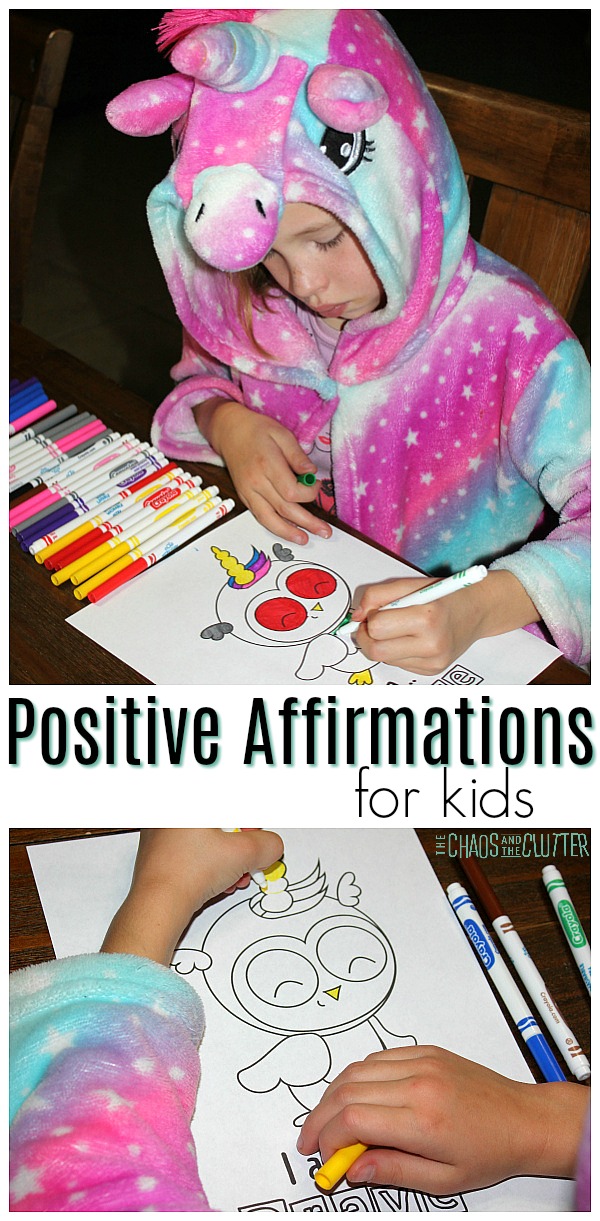
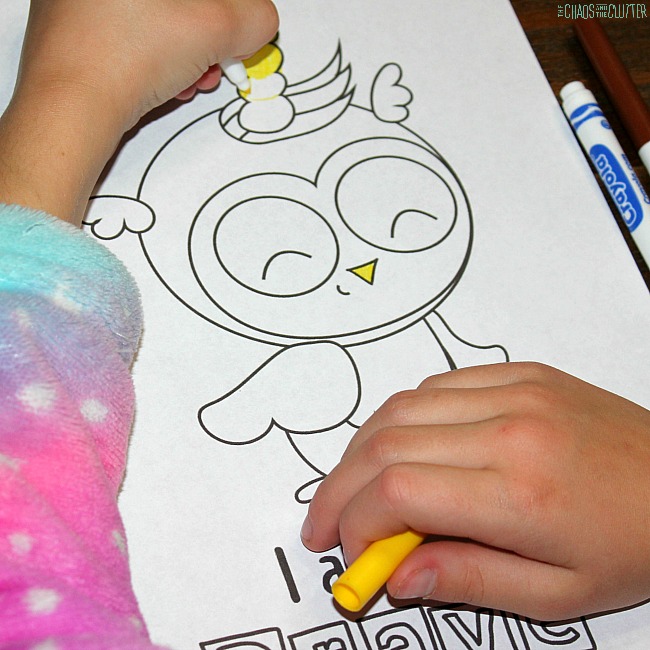
  1. Repetition, repetition, repetition. The key to this method being effective is having the affirmation repeated often. It also helps if the affirmation is said out loud by others, “you are kind”, by the child, “I am kind”, and is reinforced in other ways such as singing a song about it or colouring it.
  2. Use affirmations in the present tense. Even if the statement is something your child has not yet mastered and is still working towards, it is more powerful to say “I am a good friend” than it is to say “I will be a good friend”.
  3. Affirmations need to be specific.
  4. Allow your child to choose their own affirmations. You can of course make suggestions, but the most effective ones will be those that resonate with them. 

How do I teach my child to be positive?

One complaint I hear from a lot of parents is that their child is negative. Some kids seem to be born with a “glass half empty” mentality. While positive affirmations are not going to completely change a child’s personality, they will improve your child’s outlook.

The way that a child sees themselves shapes the way they see the world. When a child sees themselves negatively, they will also see everything around them through that lens.

Practising positive affirmations can help a child to see themselves in a more positive light. This then allows them to see those people and circumstances around them more optimistically as well.

Practising intentional gratitude will also help a child to be more positive. They can do this by:

  • writing or saying five things they are grateful for each day
  • writing thank you notes
  • drawing what they are thankful for
  • using Post-its to jot down what they are grateful for
  • making positive observations about what they see, smell, touch, taste, or hear

We have a gratitude hallway covered in Post-its. It makes me smile. The kids add Post-its whenever they want.

Please note:

Positive affirmations do not address underlying trauma or special needs. They aren’t a “quick fix”. But even for children who have early childhood trauma issues or other factors that negatively affect their mindset, positive affirmations are not harmful. They can be one tiny piece of the puzzle towards healing.

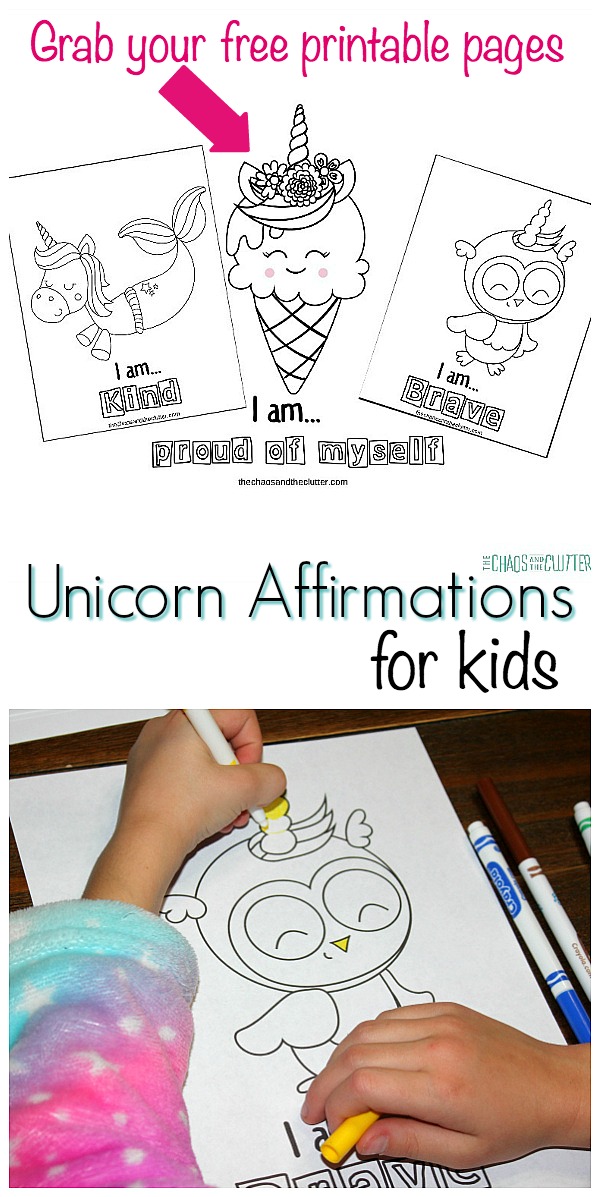
Adorable Unicorn Affirmations for Kids:

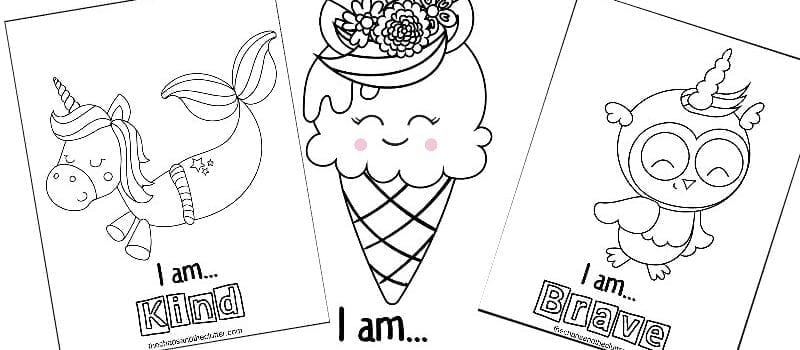
These free printable unicorn affirmation pages are adorable! They include the following positive affirmations:

  • I am confident.
  • I am happy.
  • I am kind.
  • I am brave.
  • I am patient.
  • I am loved.
  • I am a good friend.
  • I am proud of myself.
  • I am safe.
  • I am awesome.

To download your printable unicorn affirmation pages for kids to colour, just submit your email below.

Unicorn Affirmations printables for kids #mindset #growthmindset #unicorns #positiveaffirmations #affirmations

Filed Under: Parenting in the Chaos, Printables, Special Needs Parenting

The Best Things to Include in a Calm Down Kit

By Sharla Kostelyk

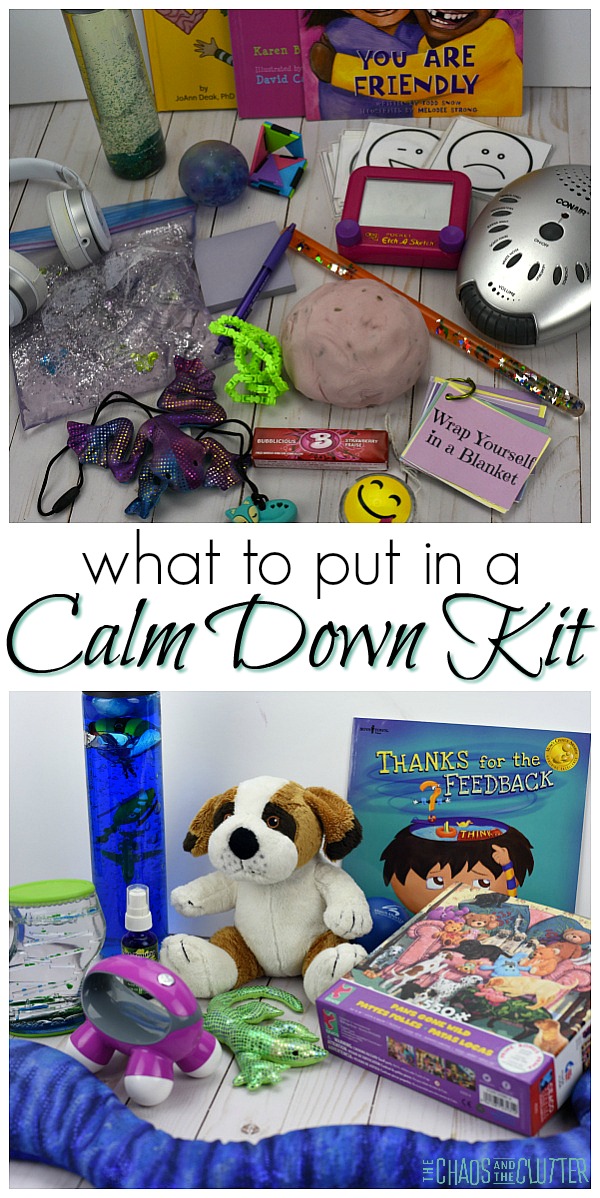
When I created a calm down kit for our daughter, it was a turning point for all of us. It helped her in so many ways. It gave her tools and strategies to calm herself and help regulate her emotions. She is empowered. These suggestions of the best things to include in a calm down kit should be helpful for you to create your own.Items to put in a calm down kit for kids

It is important to note that what works best in a calm down kit for one child will not necessarily work for another. You’ll start to see in time what is most effective for your child.

It’s only once you’ve used the kit a number of times that you’ll get a sense of what items might not be necessary and even what type of things to perhaps include more of.

It’s important to teach your child to use the kit and “practise” using it when they are calm. During a meltdown or period of anxiety, a child can go into fight, flight, or freeze mode, making it difficult for them to make decisions and think logically.

Practising using the calm down kit during down times will enable them to know what things help in times of distress.

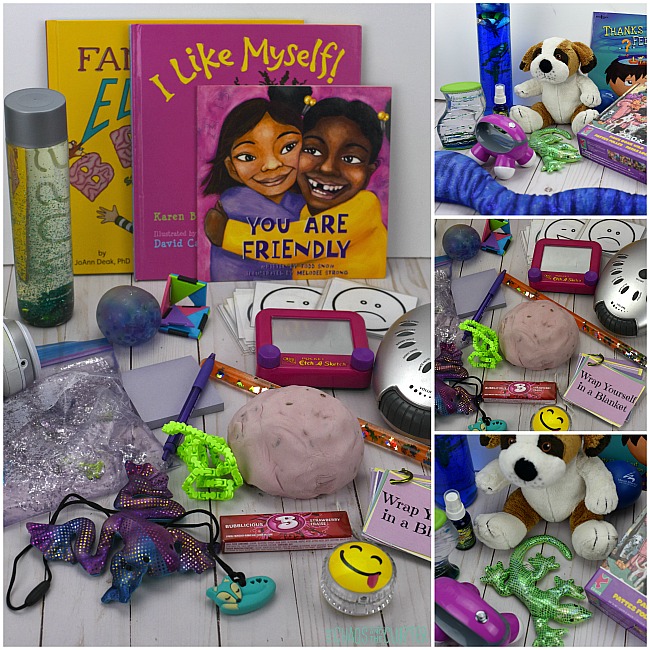
What to Include in a Calm Down Kit:

  • calm down cards
  • small container of bubbles
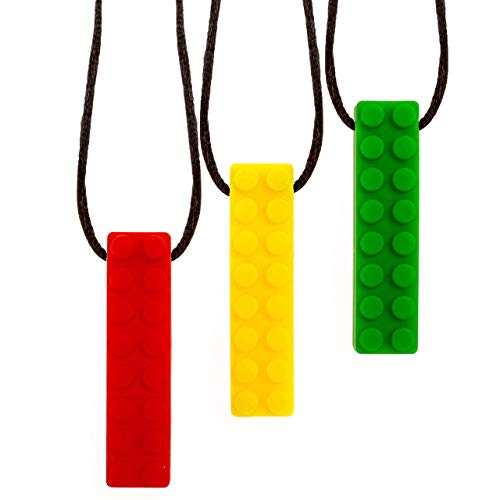
  • chewelry
  • weighted stuffed animal
  • calm down bottle
  • emotion cards
  • weighted blanket or soft blanket
  • playdough (this calming lavender playdough is perfect)
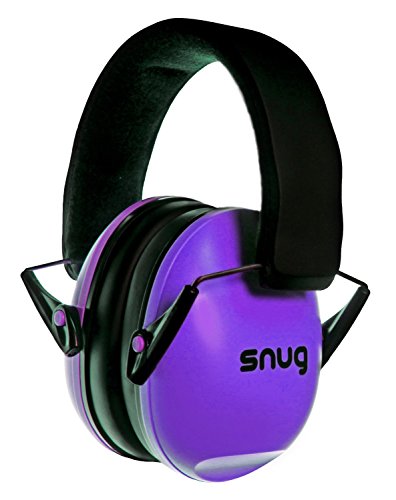
  • noise cancelling headphones
  • stress ball (easily make your own)
  • water bottle with a chewable straw
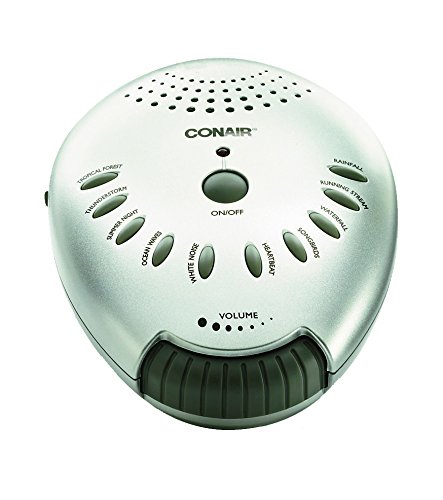
  • sound machine
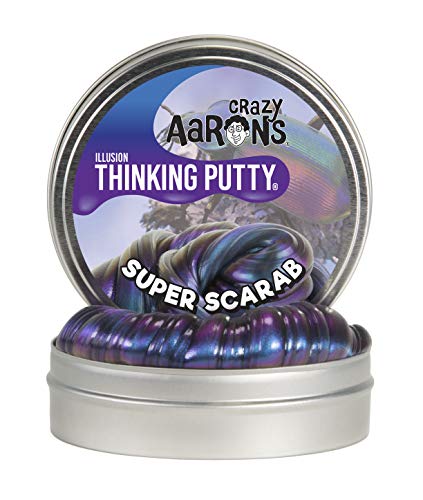
  • slime or silly putty
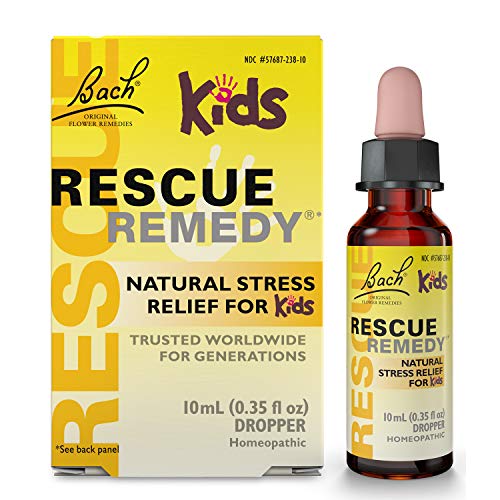
  • Rescue Remedy
  • fidgets
  • I Spy wand
  • kaleidoscope
  • favourite book or a book about feelings
  • affirmations colouring book and crayons
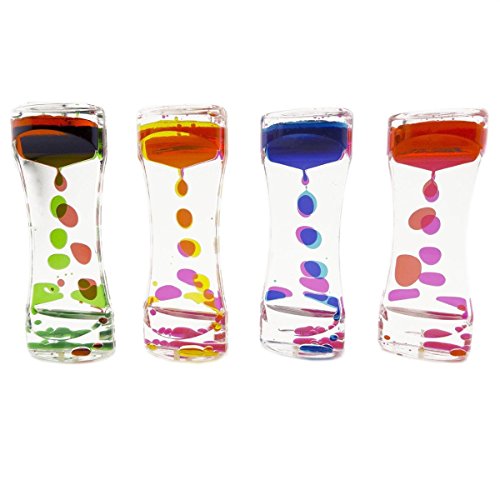
  • liquid motion bubble timer
  • squishies
  • small framed photo of their family or beloved pet
  • mini Etch-a-Sketch
  • palm massager
  • harmonica
  • smell bottles
  • textured sensory balls
  • pinwheel
  • sensory bag

Lego Sensory Chew NecklaceLego Sensory Chew NecklaceLego Sensory Chew NecklaceNoise Cancelling HeadphonesNoise Cancelling HeadphonesNoise Cancelling HeadphonesConair Sound Therapy Sound MachineConair Sound Therapy Sound MachineConair Sound Therapy Sound MachineKids Rescue Remedy Natural Stress Relief DropsKids Rescue Remedy Natural Stress Relief DropsKids Rescue Remedy Natural Stress Relief DropsCrazy Aaron's Thinking PuttyCrazy Aaron’s Thinking PuttyCrazy Aaron's Thinking PuttyRetro Voyage Map KaleidoscopeRetro Voyage Map KaleidoscopeRetro Voyage Map KaleidoscopeWonder TubesWonder TubesWonder TubesLiquid Motion Bubble TimersLiquid Motion Bubble TimersLiquid Motion Bubble TimersPalm MassagerPalm MassagerPalm Massager

For younger kids, it is sometimes best to use pictures on the calm down prompt cards even if the child can read. If they are in a state of fight, flight, or freeze, reading will be difficult for them. The easier you make it, the better.

What to Include in a Calm Down Kit for Older Kids:

  • anything from the list above
  • calm down cards
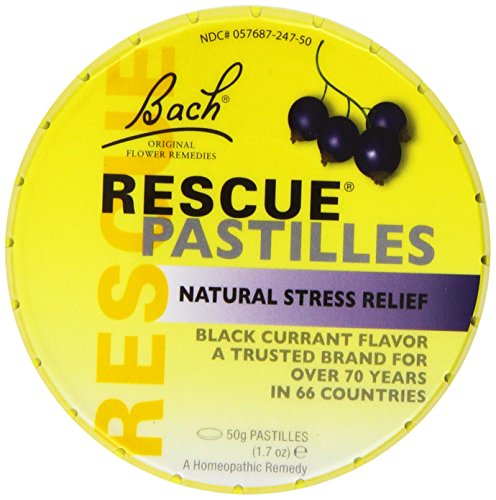
  • hard candies to suck on
  • favourite book
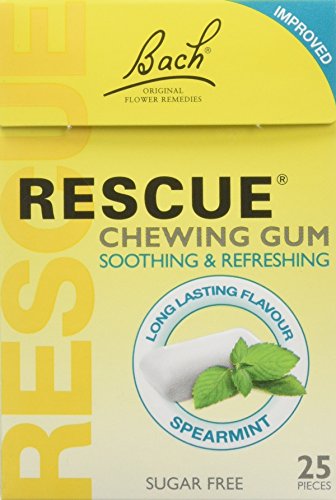
  • chewing gum
  • puzzle
  • Rubik’s cube
  • bubble wrap (for popping)
  • Big Life Journal
  • colouring book and markers or pencil crayons
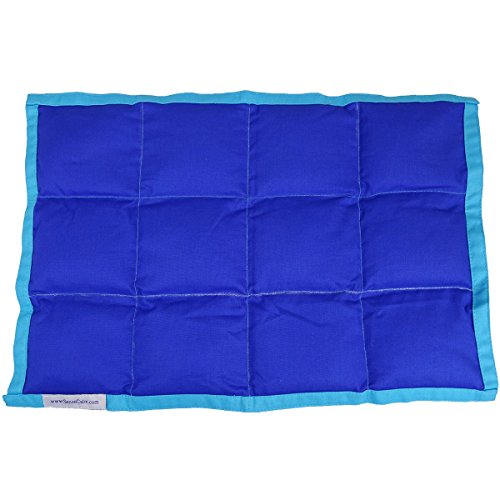
  • weighted lap pad
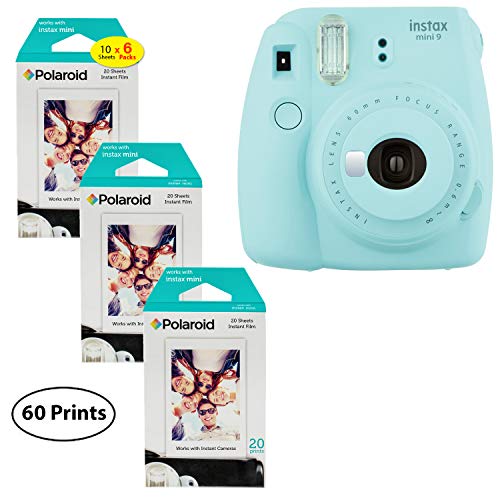
  • instant camera (for taking “selfies” to better understand their emotions)
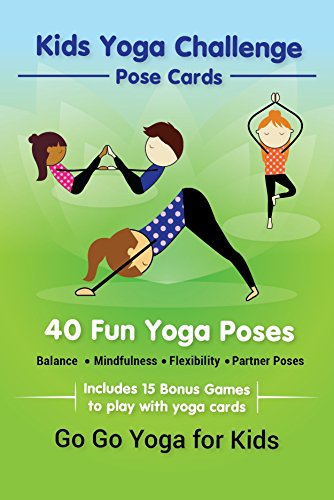
  • yoga pose cards
  • journal and pen
  • knitting or crocheting (for kids who know how to knit or crochet)

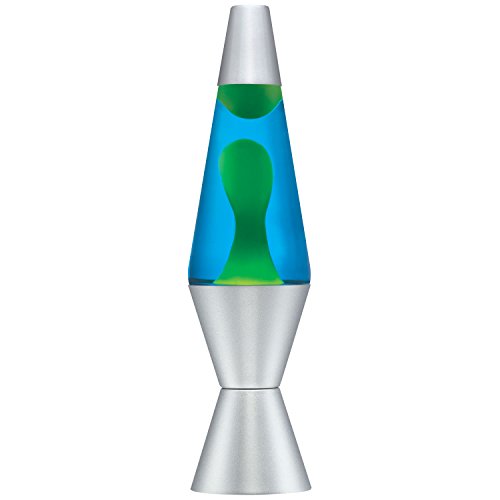
Big Life JournalBig Life JournalBuy NowLava LampLava LampLava LampSensory Weighted Lap PadSensory Weighted Lap PadSensory Weighted Lap PadRescue Remedy Rescue Chewing GumRescue Remedy Rescue Chewing GumRescue Remedy Rescue Chewing GumBach Rescue Remedy Hard CandyBach Rescue Remedy Hard CandyBach Rescue Remedy Hard CandyKids Yoga Challenge Pose CardsKids Yoga Challenge Pose CardsKids Yoga Challenge Pose CardsInstant CameraInstant CameraInstant Camera

If possible, provide a quiet area in the home or classroom that the child can go to use their calm down kit. This could be a corner with a bean bag chair or exercise ball to sit on. One thing to keep in mind when making an anti-anxiety kit for your child is to personalize it. One way to do this is to consider their sensory preferences (ie: a child who is sensory avoidant for auditory would prefer noise cancelling headphones in their kits whereas a child who is sensory seeking for auditory would prefer an audiobook or harmonica in theirs).
Another way to personalize the kit is to consider what interests your child has and include those. If your child loves dinosaurs, you could include this dinosaur chew necklace, this dinosaur squeeze ball, this dinosaur sensory slap bracelet, and this dinosaur fidget.

Creating a personalized kit for each child is also a great way for them to feel known and special. You can choose any theme that suits them.

Get printable calm down cards to include in your kit.

Read about how we use our calm down kit and other tips here:

Create Your Own Calm Down Kit for Children

Filed Under: Sensory, Special Needs Parenting

Calming Lavender Scented Playdough

By Sharla Kostelyk

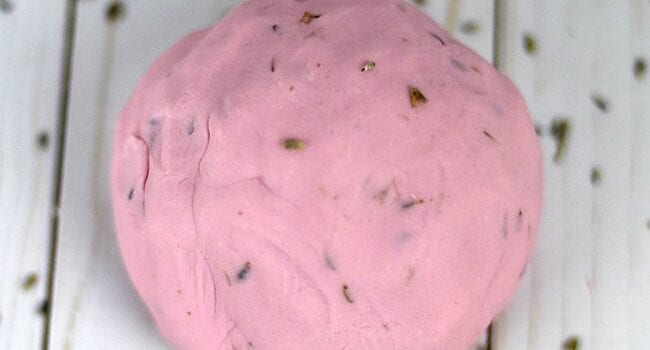
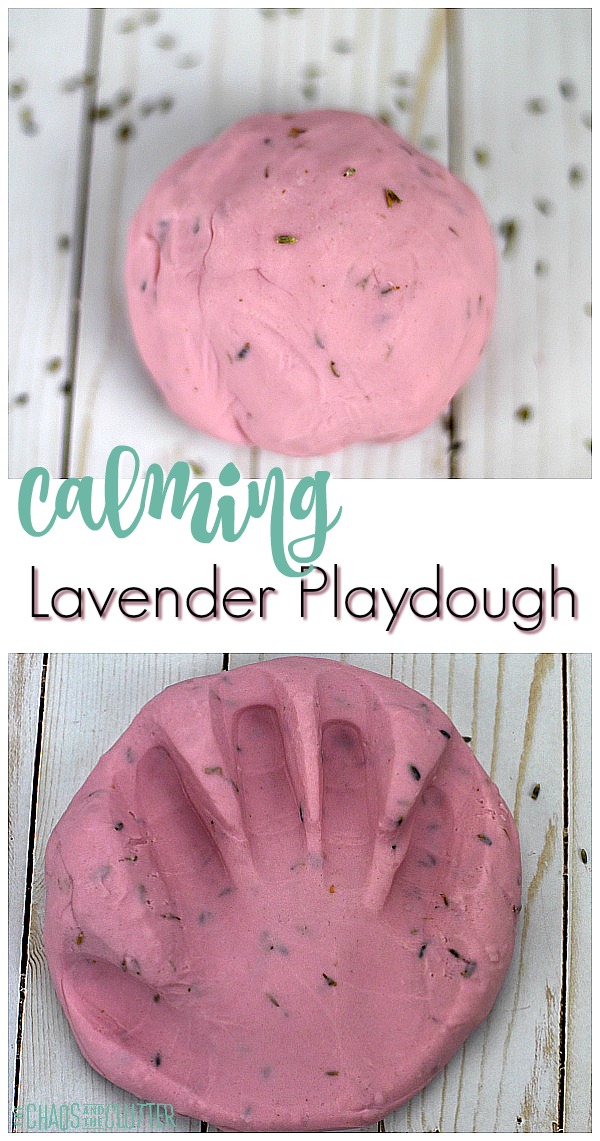
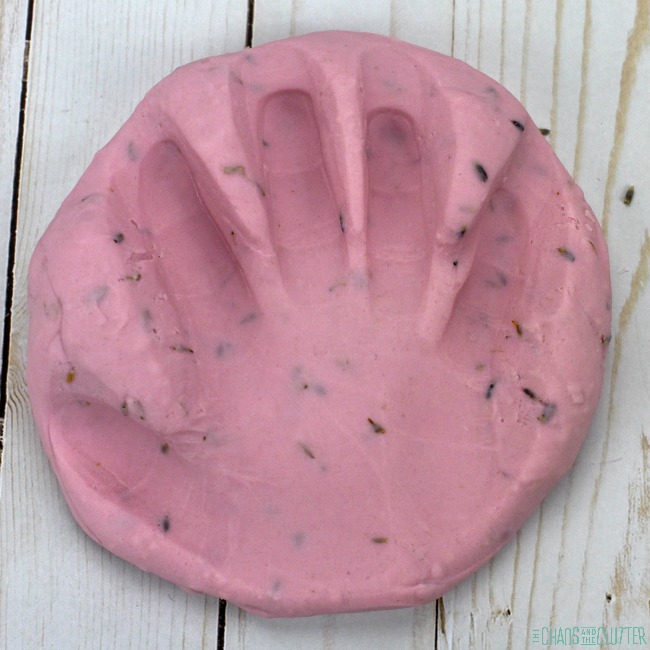
I made a calm down kit for my youngest daughter for her anxiety and I wanted to include some lavender scented playdough. The playdough makes a good sensory outlet for her and lavender is a soothing scent. I chose purple because purple is supposed to be the most calming colour and it also happens to be her favourite. It turned out really well. Calming Lavender Scented Playdough for sensory play #sensoryplay #playdough #lavender #specialneedsparentingI have since made this recipe several times. I have made it on the stovetop or in the KitchenAid. The reason that I prefer that method is because it is easier on my arms. Either method works though.
Lavender Scented Playdough Recipe:

  • 2 cups flour
  • 1/2 cup salt
  • 3 Tbsp. cream of tartar
  • 1 Tbsp. lavender or 3 drops lavender essential oil
  • 2 Tbsp. vegetable oil
  • 2 cups water (boiling if using the KitchenAid method)
  • purple food colouring
  • glitter (optional – I used purple)

Stovetop instructions:

  1. Mix the dry ingredients including the lavender together in a pot and stir in the oil, water and food colouring.
  2. Cook over medium heat, stirring constantly, being sure to scrape the sides and bottom.
  3. Cook until dough forms a ball.
  4. Remove from heat.
  5. Place it on a piece of wax paper.
  6. Knead.
  7. If you are adding glitter, add it in at this point.
  8. Let cool. Store in an airtight container or in a resealable bag.

KitchenAid instructions:

If you’re not a fan of getting a sore arm from stirring the playdough, you can instead make it in a KitchenAid mixer. To use this method (which I highly recommend!):

  1. Place the dry ingredients into the mixer.
  2. Add the oil and food colouring and begin mixing with the flat beater (the one for making dough).
  3. Add 2 cups of boiling water and continue to mix until a playdough texture is achieved.
  4. Next, take the dough out of the mixer and knead for one minute. If you’re adding glitter, add it at this stage and knead to combine it throughout the dough.
  5. Allow to cool. Store in an airtight plastic container or in a resealable bag.

Playdough handprintOnce the playdough is made, it can be played with just like regular playdough.
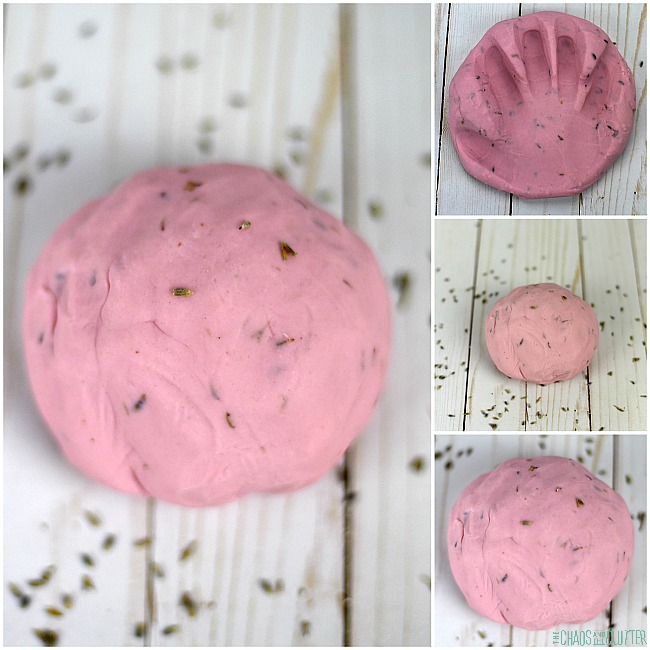
As kids knead and pull and shape the dough, the lavender scent and the proprioceptive sensory feedback will provide a calming effect.

You can include a container of lavender playdough in your child’s calm down kit.

Ideas for Sensory Play with Playdough:

  • squish
  • knead
  • pull
  • smash
  • cut with plastic scissors (great for fine motor)
  • twist
  • roll
  • use a rolling pin
  • press cookie cutters in
  • stretch
  • stamp
  • play
  • shape onto a playdough mat
  • press buttons, beads, pipe cleaners, pompoms, dry pasta, shells, small toys, rocks, sticks, pine cones, googly eyes, leaves, keychains, or gems in

For kids who are sensory avoiding, you can put the playdough into a medium sized resealable bag and seal. The child can then squish and squeeze to their heart’s content without the texture of the dough actually touching their hands. They can also trace shapes or letters into the dough through the bag. This playdough engages the tactile, olfactory, visual, and proprioceptive senses.
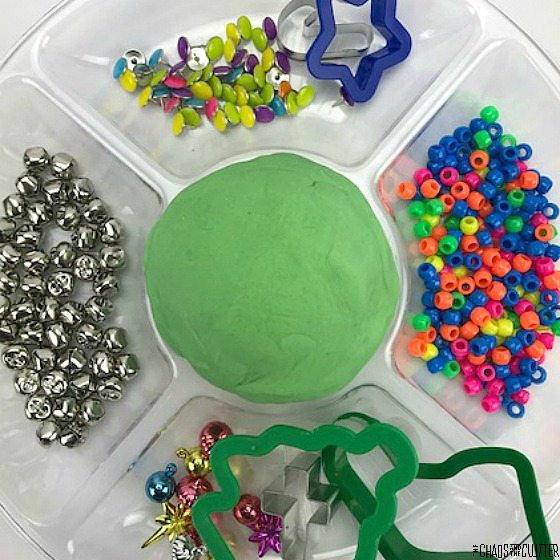
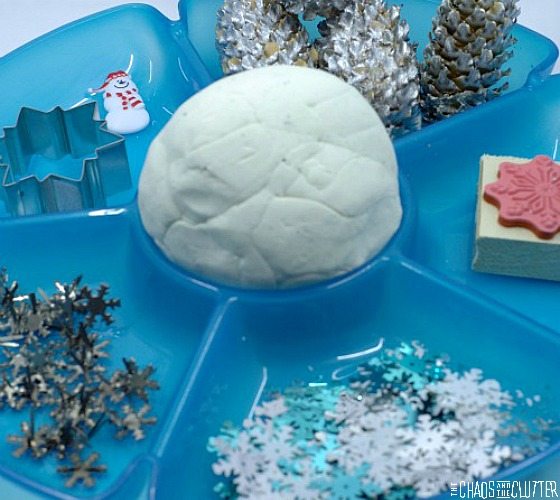
Looking for more great sensory play recipes? Join for a five day email series on Sensory Activities and Solutions and get a free sample of our Sensory Play Recipes eBook.

Some of our other popular playdough ideas:

Peppermint Scented PlaydoughSnow Playdough Snow Playdough and invitation to play

Filed Under: Sensory Tagged With: playdough stations, sensory play

Sensory Meltdown Tips from Moms Who’ve Been There

By Sharla Kostelyk

If you’re a parent or teacher who has experienced a sensory meltdown, you know that there is no fun to be had there. It’s upsetting for the child, for the adult present, and awkward and uncomfortable for anyone within a one mile radius! While I have my own tried and true strategies for helping my kids through these, I know that one size does not fit all, so I wanted to gather sensory meltdown tips from other moms who’ve been there.

I know that their words are going to help you. Not only will you gather more tools for yourself by learning what works for them, you will be able to know without a doubt that you are not alone. I know that you will hear yourself in some of what they say.

Sensory Meltdown Tips from Moms Who've Actually Been There #sensory #SPD #sensoryprocessingdisorder #parentingtips #sensorymeltdownsIf you’re new to the term “sensory meltdown”, I encourage you to take a few minutes and read about the difference between a tantrum and a sensory meltdown. You can also read about meltdown prevention and strategies that really help. (just click that link above or the photo below)

Sensory Meltdown Tips from Moms Who’ve Been There:

“Stay calm yourself, as hard as that may be.” ~ Dyan from And Next Comes L

“Stop talking! As parents it’s our instinct to comfort our child and say “it’s okay” or ask what they need, but every word you say during a meltdown is just more sensory input your child’s brain needs to decode.” ~ Kaylene from Autistic Mama

“If you can start documenting the meltdowns, do it. Even something as simple as a journal to mark down things like possible triggers, time of day, location, etc. The more you can keep track, the better. Then you might be able to determine possible causes and figure out the most appropriate solutions.” ~ Kori from Kori at Home

You can find a sensory trigger log to help you document in the More Calm in the Chaos Planner for Moms.

“We try to leave the situation and I hold him tightly in a hug (if he will let me). I’ve learned that getting mad or raising my voice never helps. So I try to talk calmly and use words like “I understand you feel overwhelmed…” ” ~ Angela from Teaching Mama

“Counteract negative sensory input with positive sensory input. By doing so it’s easier to bring the child back to the present and move forward. We do this by making sure we have sensory kits ready at home or on the go. Once the child is calm and brought back to the present moment we can communicate feelings appropriately and come up with a solution together to solve the initial sensory issue.” ~ Renae from Every Star is Different

“Doctor recommended lollipops for grocery store trips. Taste, smell and texture helped my boys stay calm long enough to do quick shopping. Oldest son is autistic and seemingly constantly was in a state of meltdown. I was a single mom. Kids went everywhere with me. Lollipops helped.” ~ Samantha M.

More Sensory Meltdown Tips by Moms with Experience:

“We always have a box of sensory stuff in our car as well as I have a big purse that I throw a few things in for any outing. Her ear muffs, chewy necklace, snack( usually a cracker of some sort) and a spill proof water bottle. She does horrible in crowds and will chew her fingers raw if we don’t have her chewy necklace and with the ear muffs we have cut our meltdowns in half because she isn’t overwhelmed by the noises but still can hear somewhat.” ~ Ari C.

“I always have earplugs in my bag for unexpected noise. We have invested in a swing ( daughter is 12 and swing takes up to 30stone in weight so will last) Swinging helps a lot and is calming so we get her on the swing. A rocking chair I picked up from the charity shop is good too.” ~ Samantha T.

“My son loves the brushing and joint compressions still at 14. He gets so relaxed and calm. If we venture out to eat, and it gets to be overwhelming, I can do his joints in his fingers and he loves it.” ~ Jill L.

“During meltdowns, we rock together and I will also tap on his head. Learned that one from a chiropractor.” ~ Michelle W.

“It’s absolutely about prevention. Once a child is in a meltdown, their brains cannot think things through as they normally would. Recognize, avoid, accommodate.” ~ Amanda W.

You can also read helpful tips on how to stop sensory overload from turning into a sensory meltdown, as I know that is a common issue for parents.


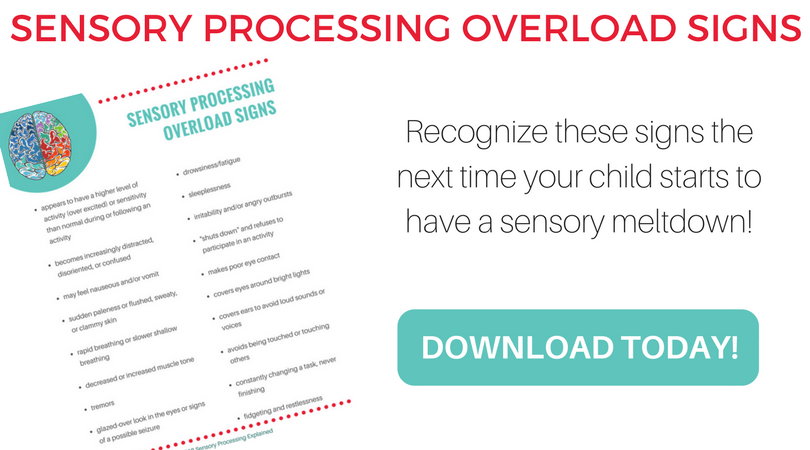
Being able to recognize the signs of sensory overload can help you to take action before it turns into a full blown sensory meltdown. My friend Heather and I created a free cheatsheet to help you see the signs. Read more about the signs of sensory overload here or get your own copy of the cheatsheet to print off and keep as a reminder here. 

Filed Under: Sensory, Special Needs Parenting

  • « Go to Previous Page
  • Page 1
  • Interim pages omitted …
  • Page 13
  • Page 14
  • Page 15
  • Page 16
  • Page 17
  • Page 18
  • Go to Next Page »

Primary Sidebar

Categories

We are a participant in the Amazon Services LLC Associates Program, an affiliate advertising program designed to provide a means for us to earn fees by linking to Amazon.com and affiliated sites.

Copyright © 2026 • The Chaos and the Clutter • Site Design by Jeni @ The Blog Maven

Return to top of page

Copyright © 2026 · Chaos and the Clutter 2.0 on Genesis Framework · WordPress · Log in