• Skip to primary navigation
  • Skip to main content
  • Skip to primary sidebar
  • Home
  • About
  • Contact
  • Privacy + Terms
  • Affiliates

The Chaos and the Clutter

  • Facebook
  • Twitter
  • Pinterest
  • Google Plus
  • RSS
  • Email
  • School at Home
  • Sensory
    • Sensory Processing Disorder
    • Awesome Sensory Play Activities
      • Sensory Bins
      • Sensory Bottles
      • Sensory Bags
  • Family Games
    • Minute to Win It Games
  • Special Needs Parenting
    • Childhood Anxiety
    • Reactive Attachment Disorder
    • Sensory Processing Disorder
  • Store
  • Course Login

Archives for 2019

The Surprising Calming Tool that works for Angry Kids and Teens

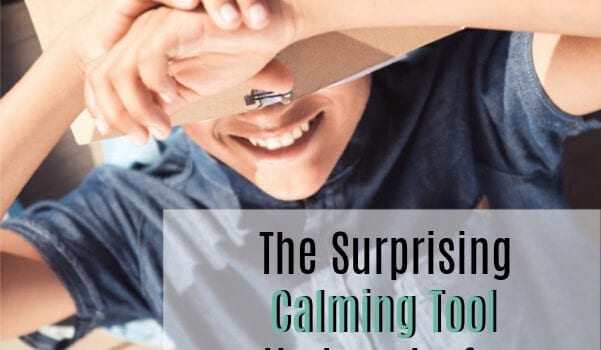
A boy wearing a buttoned up jean shirt lies on his back holding a coil bound notebook over his eyes. He is smiling. The words "The Surprising Calming Tool that works for Older Kids and Teens" is overlaid on the image.

By Sharla Kostelyk

A few months ago, we had to take our son’s phone away in the morning. Not a great start to the day…

We are really strict around here when it comes to technology because we know the related dangers. One of our jobs as parents is to protect our kids. He had made some bad choices that he knew would result in getting the phone taken away for a time, but he was pretty angry at getting caught.

The morning turned ugly quickly. We got to hear all about how other people’s parents don’t have such “stupid rules”. There were even some manipulation tactics pulled out designed to distract from the real issue, but we held firm.
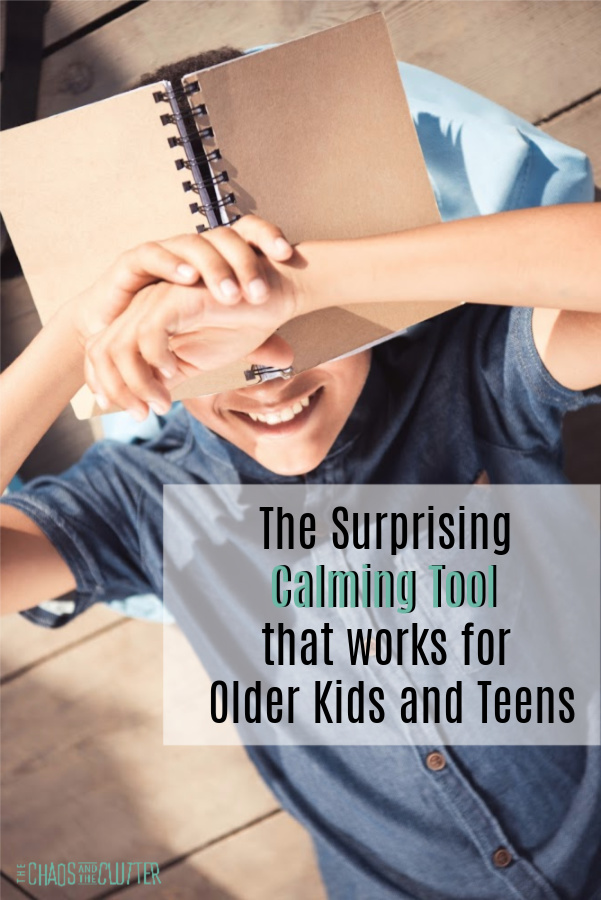
The Surprising Calming Tool that works for Older Kids and Teens #parenting #parentingtips #kbnFast forward to the evening and me picking this particular son up from his sports practise…

He was still seething. He gave me a combination of the silent treatment and if-looks-could-kill-glares on the drive home. Once home, things did not improve.

He slung harsh words, stomped around, snapped at siblings. I gave him a wide berth as I was afraid that an explosion of emotion could happen at any moment.

The rest of us had already eaten, so he ate his supper at the counter in the kitchen. There just happened to be something right next to his plate on the counter. I wish I could take credit and say that I planned ahead and placed it there for just this purpose, but I didn’t.

Here’s where the magic comes in. I stood there and watched in amazement as his anger just melted away and he became my sweet boy again.

What was this magic anger cure?

Sensory play! It seems ridiculously simple, but it works. It can work for your child too. (read more on the importance of sensory play)

You see, a few days before, I had made three colours of cloud dough and they were sitting in a bin on the counter next to this boy who was ruminating in his anger. As he sat there, he mindlessly started touching the dough, then began squeezing it tightly to make shapes with it.

He didn’t know what he needed, but once he began to get that need met, his brain craved more.

He sat there for more than an hour and a half! His breathing slowed, his face became softer, and after awhile, he began to talk a bit about the texture of the dough.

I took the opportunity to ask him if he’d like to try an even silkier feeling dough and I pulled out two ingredients to make a different cloud dough (flour and baby oil). I mixed it right there in front of him and asked him if he wanted to give it a try.

He smiled at me. (THIS IS HUGE. He had professed his hatred of me just hours earlier and now was offering me a genuine smile.)

He came over and tried out the new dough. We talked about the smell of baby oil and why it felt different than the other dough. We laughed about other things.

My husband got home in the middle of this and was surprised to find us in the kitchen playing, our son’s face and demeanour calm.

It’s funny because even though we have both seen the magic of sensory play before, it never stops being surprising just how effective it can be.
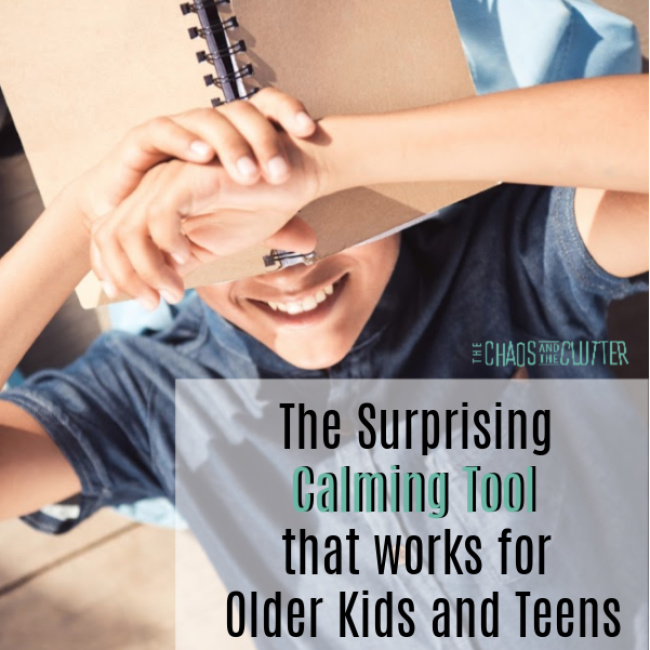
Those of you with teen boys know that it isn’t going to work to say “hey, come play in a sensory bin”. Teen girls you can usually entice with slime (because it’s “cool”). And some boys enjoy slime too.

But there are some ways that you can entice your older kids and teens to engage in sensory play.

The most effective method I’ve found is something I call “sensory strewing“.

I’ve found that the benefits of sensory play only seem to expand with my kids as they get older, so I just place sensory play opportunities around them.

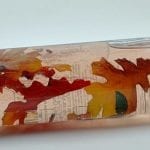
Like the Fall sensory bag that I “happened” to have left on one of the couches that this same son ended up playing with this morning before school.

I also leave things out like playdough stations or sensory bins on a regular basis. I’ve had other moms watch in astonishment as their normally “crusty” teen sits with their hands in a bin of water beads or mindlessly kneading playdough and talking up a storm. It’s transformative.

Other suggestions:

  • asking the kids to help me test out a new playdough or slime recipe “for the blog”
  • asking my older kids to teach younger kids who are here visiting how to use a sensory bin
  • get them to help me bake things that require kneading or mixing by hand

I hope in sharing this story with you, you’ll be encouraged to use sensory play to help a child in your life calm or regulate themselves. It has worked wonders in our house!

Get a free sample of our Sensory Play Recipes eBook when you sign up for our Sensory Solutions and Activities email series. These recipes will help you create sensory play opportunities for your child, even if they are a tween or teen.

You may also find these resources helpful:

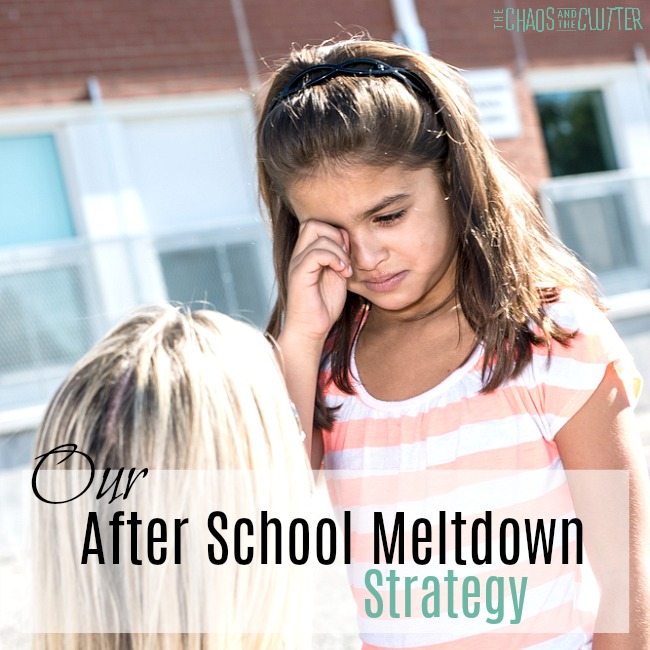
The Mega List of Sensory Bin Fillers and Tools The After School Meltdown Strategy that really works Sensory Meltdowns: What They Are and What To Do 
Filed Under: Sensory, Special Needs Parenting

Unicorn Fluffy Slime

By Sharla Kostelyk

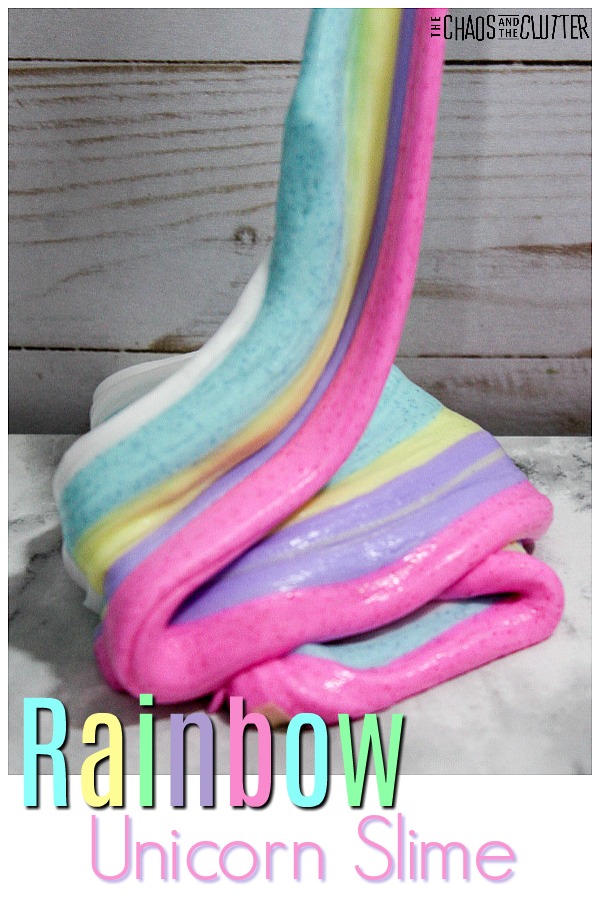
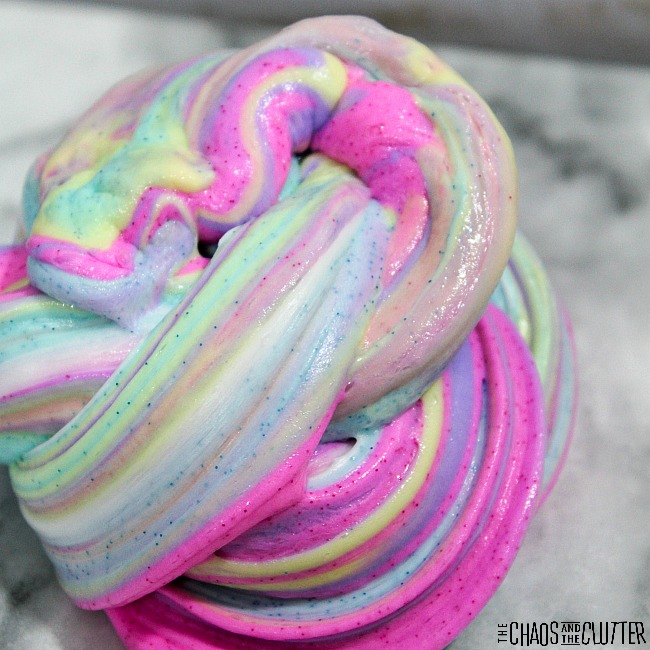
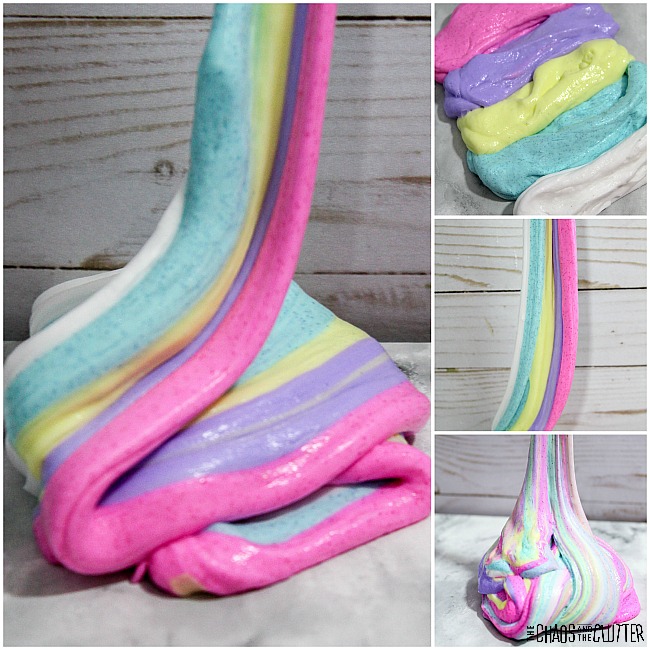
When I was in the 5th grade, I was obsessed with unicorns. Most of the girls in my class were. So when unicorns made a comeback a few years ago (I mean really, how can unicorns ever go out of style?!), I wasn’t surprised. This unicorn fluffy slime is like a gift to my grade 5 self. Rainbow Unicorn Slime #unicorn #slimerecipes #sensoryplay #slime #unicornslimeMy girls love unicorns too. So a unicorn slime was in order. We decided on a rainbow unicorn fluffy slime. Of course, we used pretty colours and lots of glitter!
Unicorn Slime

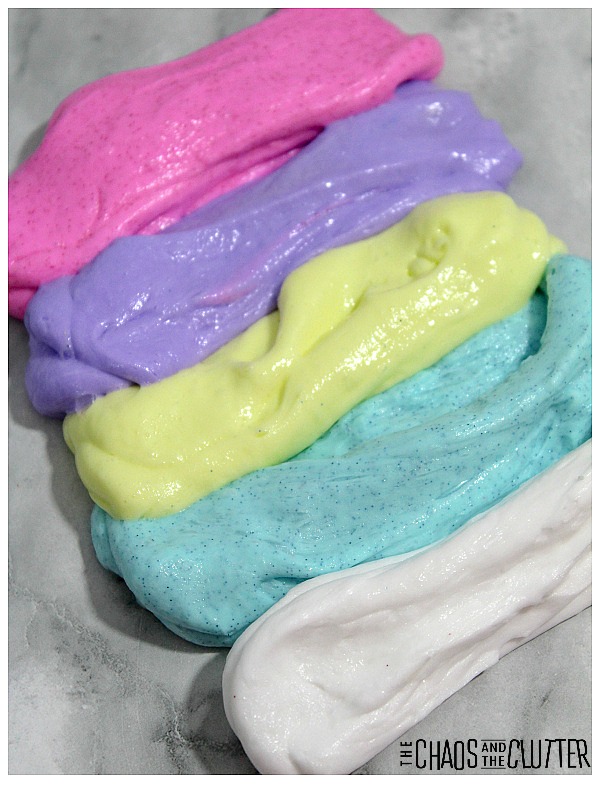
To make this unicorn slime, you need to like making slime because you’re going to need to make 5 colours. You’ll make each colour separately.

For those wanting a sensory activity for your kids that promotes proprioceptive input (heavy work), there will be a lot of kneading, pulling, and stretching to make these 5 colours. This is a great way to get in that heavy work which helps kids with self-regulation.

Unicorn Fluffy Slime Recipe

Slime Ingredients:

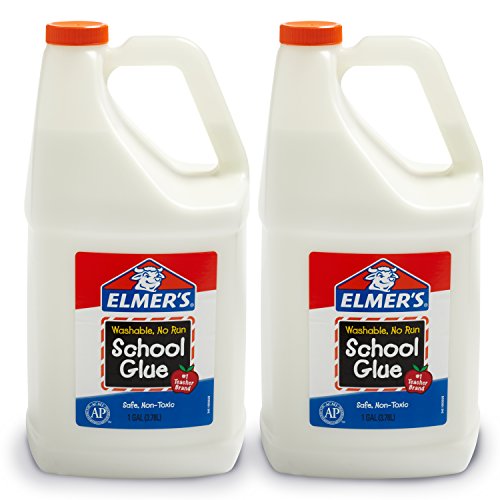
  • 4 oz. (1/2 cup) Elmer’s white school glue
  • 1/2 cup shaving cream
  • 1/2 cup foaming hand wash
  • 1/2 tsp. corn starch
  • 1/2 tsp. body lotion
  • 1/2 tsp. baking soda
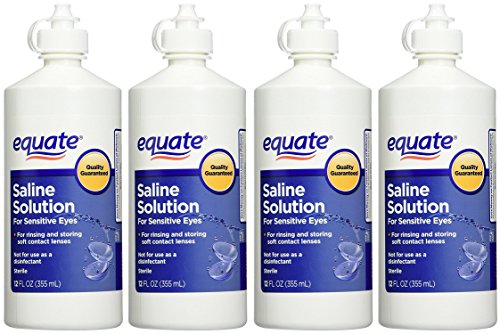
  • 3/4 Tbsp. contact solution
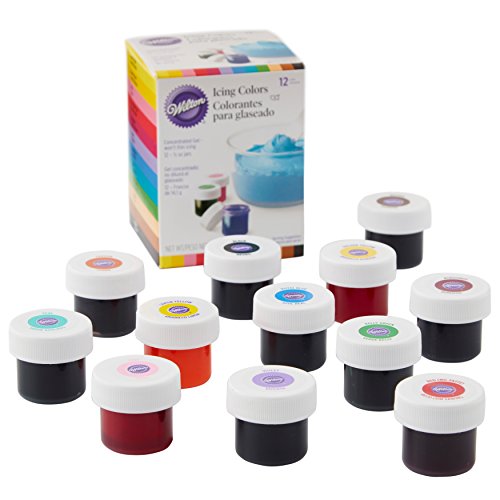
  • candy colour or food colouring (yellow, pink, purple, and teal)
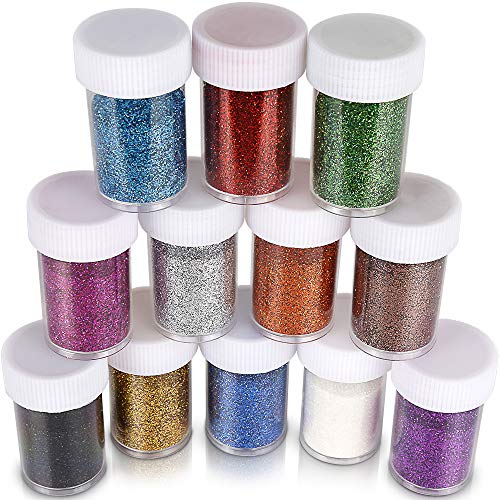
  • glitter (yellow, pink, purple, teal, and iridescent)

unicorn fluffy slime

How To Make Unicorn Slime:

  1. Pour 1/2 cup of white glue into a bowl.
  2. Add 1/2 cup of shaving cream. I like my slime a bit on the fluffier side, so I add a bit more than 1/2 a cup. Mix.
  3. Stir in 1/2 cup of foaming hand wash and mix well. The mixture will be very foamy at this point.
  4. Add 1/2 tsp of baking soda and 1/2 tsp. of body lotion.
  5. Put in a few drops of food colouring or candy colour. You’re going for pastel colours, so you won’t need to add much. Always best to add less at first. You can always add more later.
  6. Now is the time to add the glitter! Add the colour that corresponds with the colour of slime you’re working on. Use the iridescent for the white.
  7. Add in 1/2 tsp. of baking soda. You may need to add a bit more (see troubleshooting notes below).
  8. Put in 3/4 Tbsp. contact solution. Again, you may need slightly more (troubleshooting notes below). You have the right amount when the slime starts to pull away from the side of the bowl when mixing.
  9. Knead the slime.
  10. Repeat the same steps for each of the other colours, omitting step #5 when you make the white slime. You will have a total of 5 types of slime. One white, one yellow, one teal, one purple, one pink.
  11. Swirl all the slime together.
  12. Store your slime in an airtight container.

homemade unicorn slime process

Elmer's White School GlueElmer’s White School GlueElmer's White School GlueSaline SolutionSaline SolutionSaline SolutionWilton ColorsWilton ColorsWilton ColorsFine GlitterFine GlitterFine Glitter

Slime Troubleshooting:

I suggest always using Elmer’s school glue. Using less expensive glues hasn’t given me good results in the past, so I’ve learned to stick with the tried and true.

If you’re wondering how to fix slime that’s too runny, I’ve got you covered. Baking soda will thicken the slime, but you’ll only want to add a tiny bit at a time and make adjustments as you stir.

Or maybe you’re wishing you knew how to fix slime that’s too sticky. Add more saline solution one drop at a time to make your slime less sticky.

To ensure that you get stretchy slime, you need to read the ingredients on your saline solution and be sure that it contains sodium borate and boric acid. unicorn slime


Sign up for our Sensory Solutions and Activities email series and get a free sample of our Sensory Play Recipes eBook so that you can create more sensory fun.

More Fun Slime Recipes:

Unique Types Of Slime

Crunchy Slime With Mardi Gras Beads

Cool Slime Ideas 

How To Make Stretchy Slime

Glow In The Dark Slime With Glitter

Minnie Mouse Slime Rainbow Confetti Party Slime 

Filed Under: Sensory Tagged With: sensory play, slime

Sensory Strewing

By Sharla Kostelyk

Strewing is a concept I first became familiar with as a homeschooler. It made so much sense to me. It took me years though to transfer that same concept over into something I call sensory strewing. Sensory Strewing is a great way to help kids discover their own sensory preferences and meet their sensory needs. #sensory #spd #sensoryprocessingexplained #sensoryprocessingdisorder #specialneedsparenting

What is Strewing?

Strewing just means to scatter things about. When it comes to homeschooling, strewing is an intentional scattering of educational materials or making things available for kids to learn and be creative on their own.

Many parents do strewing without even realizing that they are doing it. Leaving a book on the coffee table in the hopes that it will catch your child’s eye or using toy bins that tip down so that kids can see what’s inside are forms of “unintentional strewing”.

Parents who purposefully do strewing do so with the intention of allowing their kids to discover things on their own that will enhance their learning and creativity.

What is Sensory Strewing?

Full disclosure, I may have made up the term. Although, perhaps others have used it before me. I took the idea of strewing for a child’s learning and transferred that to a child’s sensory needs.

When it comes to sensory, kids know what feels good to them. They know what is uncomfortable for them as well. That is what makes sensory strewing such a wonderful idea.

It allows kids to explore their own sensory preferences and meet their own sensory needs. It offers opportunities to also discover new sensory preferences or go out of their “sensory comfort zone” by trying new things.

Sensory strewing works best if your child is already familiar with sensory play and with the sensory systems. This resource is a great way to help them learn the 8 sensory systems.

Important note: When sensory strewing, you want to consider sensory avoiders as well as sensory seekers. While it may be easier to find things for sensory seekers, leave out items such as noise cancelling headphones for avoiders.

Of course another purpose of sensory strewing is to offer a non-threatening way to help sensory avoiders venture into trying new sensory elements.

How we do Sensory Strewing in our Home:

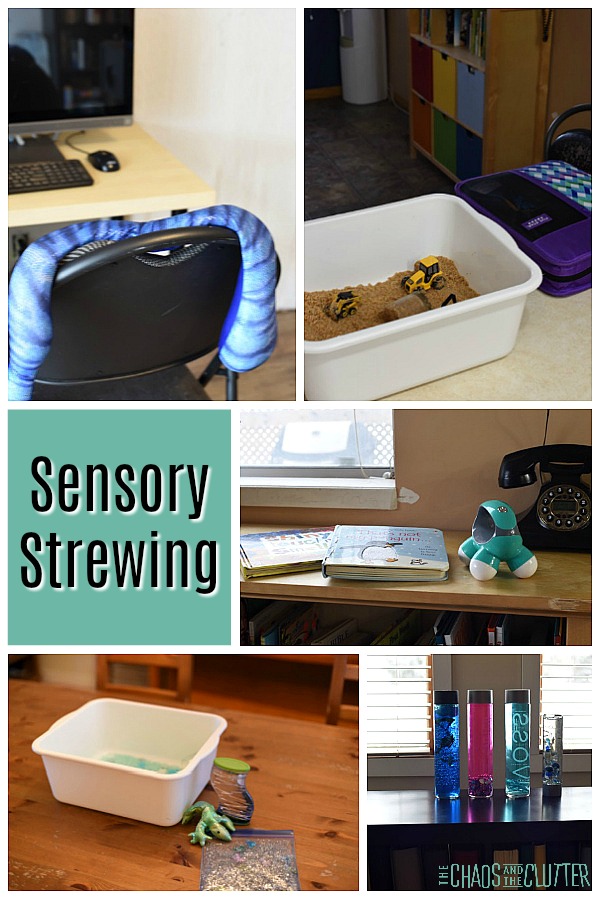
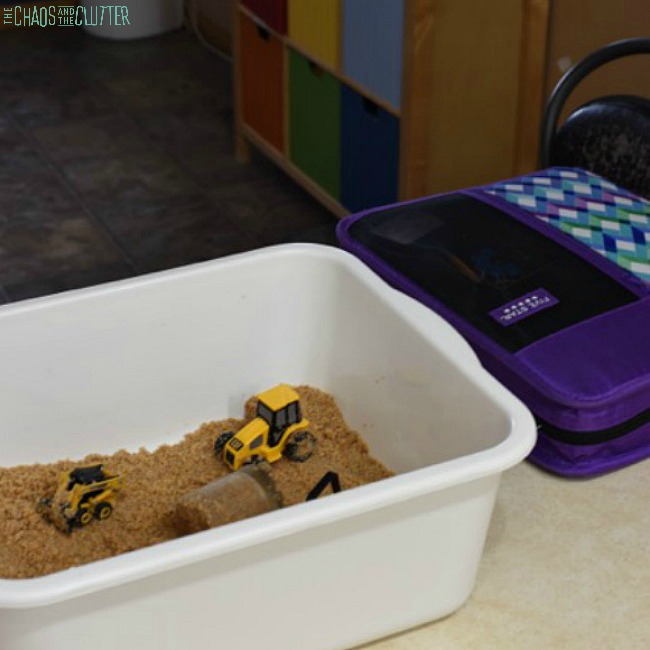
I strategically place sensory play opportunities or sensory tools in areas I know my kids will be. I place sensory doughs or sensory bins on the counter where they sit to eat their breakfast. As they take bites of their cereal or toast, their hands find their way into the bin and they begin playing.

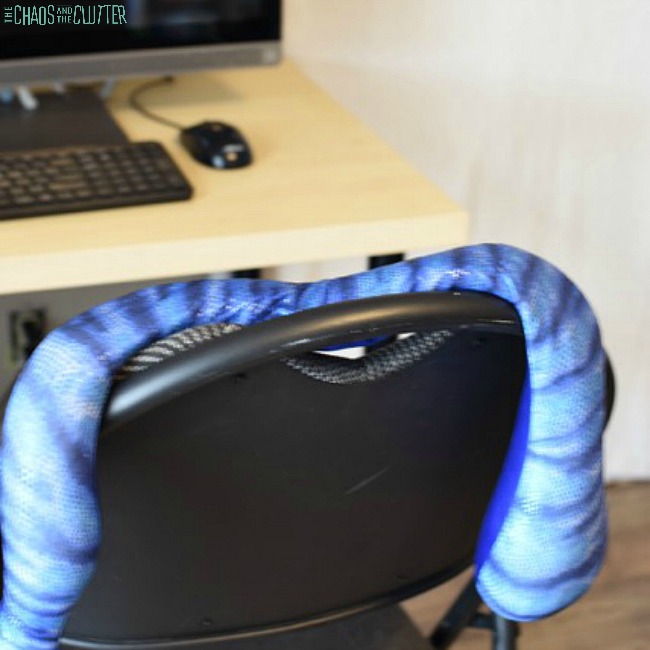
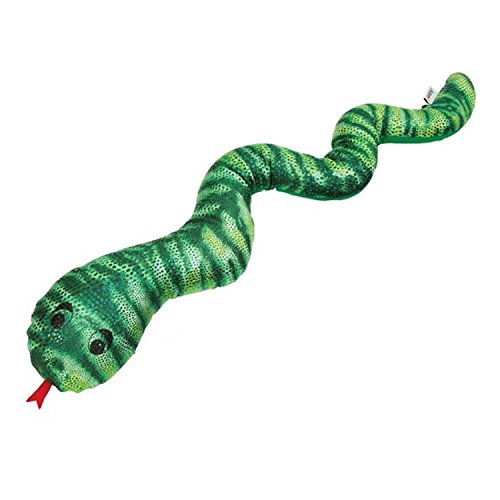
I place weighted sensory bottles, weighted stuffed animals, and weighted lap pads intentionally near where I know my kids sit to read. This weighted snake hung over the back of the computer chair may end up on their shoulders or on their lap.

I leave out baking supplies in plain view knowing that my girls love to bake, which will lead them to rolling and kneading and mixing.
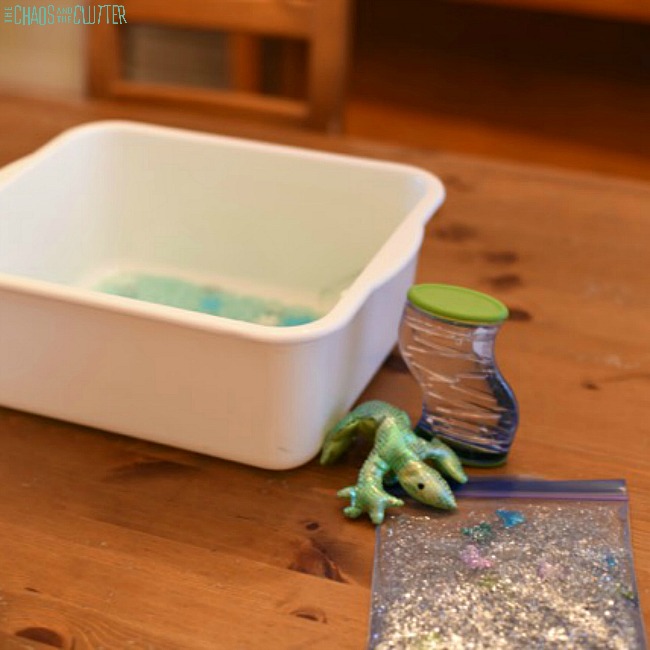
We have a variety of musical instruments, both purchased and homemade within eyesight.

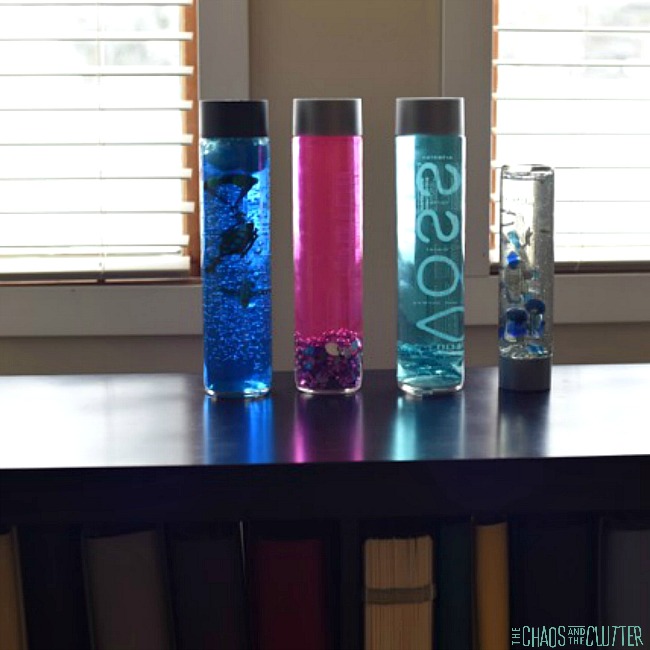
I rotate the sensory bins, sensory bottles, and sensory bags to that they are always discovering new ones. Sometimes I introduce a new one to them, but usually, I just leave it in the open for them to find.

In the higher traffic areas of our house such as the playroom, kitchen, dining room, and living room, I leave out sensory rich toys, games, art supplies, fidgets, and opportunities for sensory play. I leave them on the coffee table, the bookshelves, the kitchen table, counter, and windowsill.
I also take this concept outside. Our yard is filled with opportunities for sensory input. We have a climbing wall, sandbox, trampoline, merry-go-round (amazing for vestibular input!), ropes course in the trees, and of course, the trees themselves for climbing. Seasonal items such as shovels, snow forms, bubbles, sidewalk paint, and parachutes get strategically placed as well.
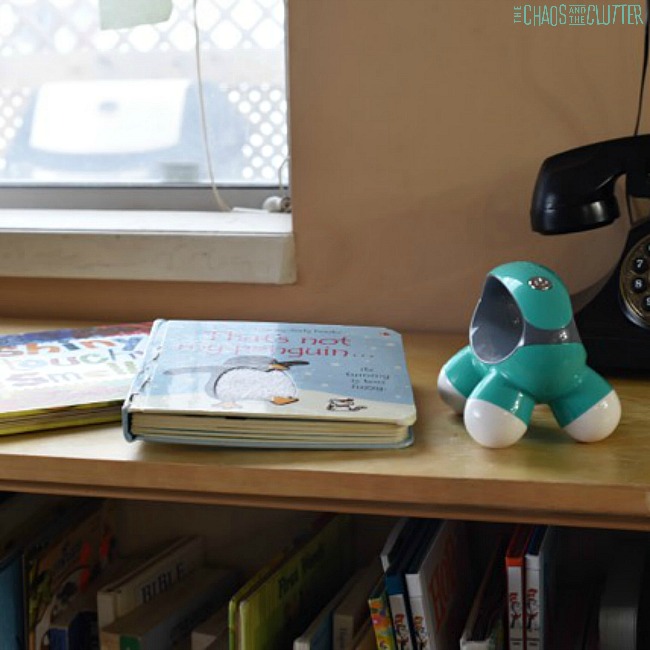
Instead of having all the books (including the sensory rich ones) on the bookshelf, I rotate a few on top of the bookshelf along with a fidget or palm massager. You don’t want to create clutter with your strewing. In fact, if there is too much clutter in the house, your kids won’t notice the items you have intentionally left out for sensory purposes.
Sensory Strewing is About Discovery:

Strewing is all about creating opportunity. It is not your responsibility to have your child take advantage of every single opportunity you’ve laid out. Part of this process lets you discover what sensory activities and tools most appeal to your child. That’s the beauty of it.

If you get involved and “remind” your child about something you’ve set out or point things out to them, it defeats the purpose.

There are times for guiding your child through sensory play, but strewing is not about that. Sensory strewing about the thrill of the discovery. It’s about letting your child take the lead and delighting in their finds. In this, you are the observer.

Sensory Strewing Ideas:

Kitchen

Leave out snacks that are crunchy, straws, and chewing gum. These are all excellent for gustatory input as well as for proprioception. Sucking through a straw can also be calming.

Playdough Stations

apple tree made out of playdough on a blue backgroundApple Tree Colour and Counting Playdough Game
Calming Lavender Scented Playdough
Rolled out play dough with cinnamon sticks and star anise pressed into it.Chai Tea Playdough
Dinosaur Fossils in Playdough
Frozen Inspired Elsa Microwave Playdough
Gingerbread Playdough Station
Melting Ice Cream Playdough
Nativity Playdough Invitation to Play
Peppermint Essential Oil Christmas Playdough
Peter Rabbit Playdough Invitation to Play
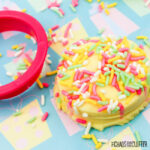
pink circle cookie cutter next to yellow playdough covered in candy sprinklesPudding Playdough
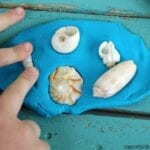
Seashell Fossils in Playdough
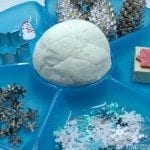
Snow Playdough and invitation to playSnow Playdough
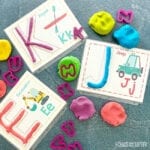
Transportation Alphabet Playdough Mats
Valentine’s Day Playdough Station
Valentine’s Chocolate and Strawberry Playdough

Outdoor Sensory Strewing Ideas

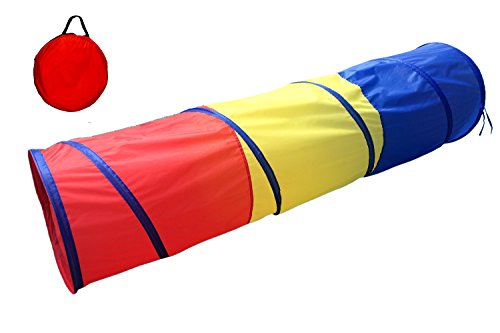
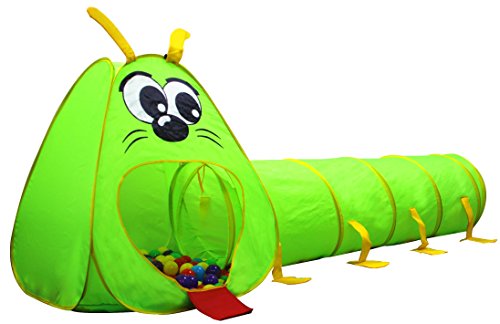
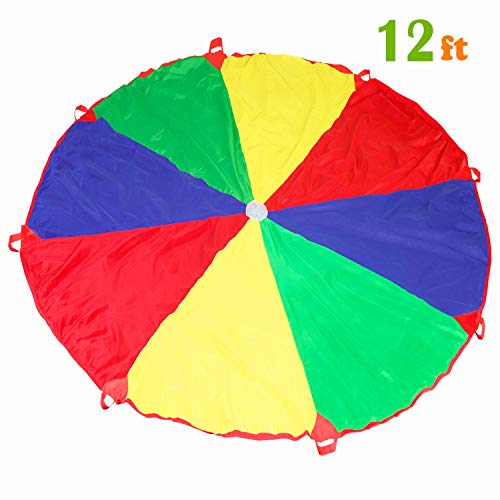
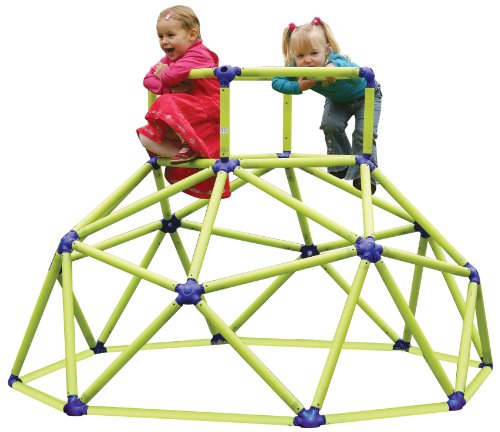
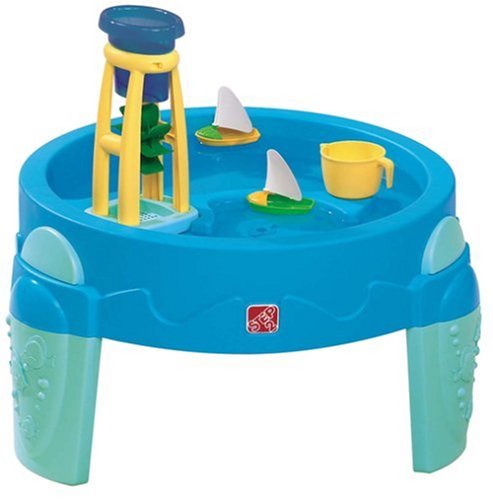
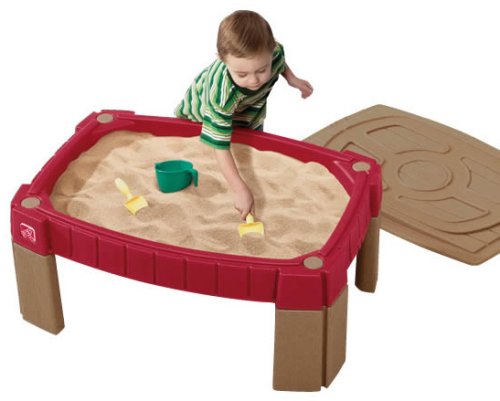
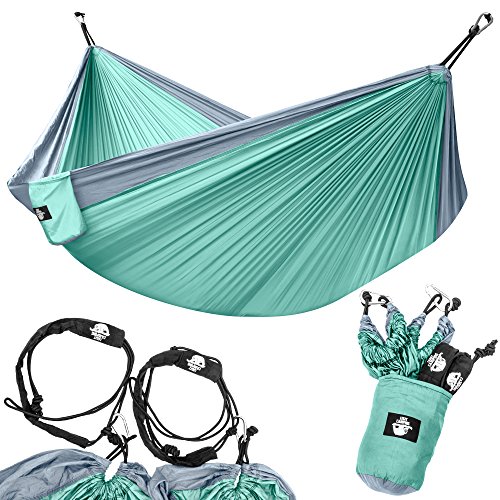
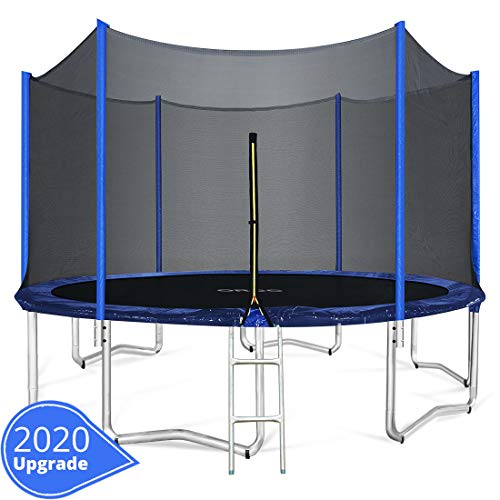
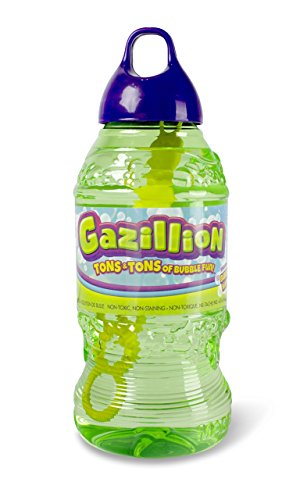
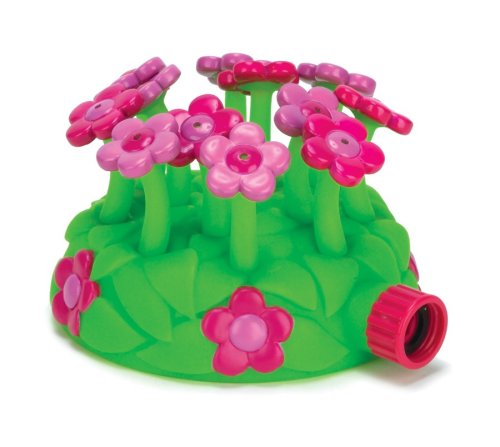
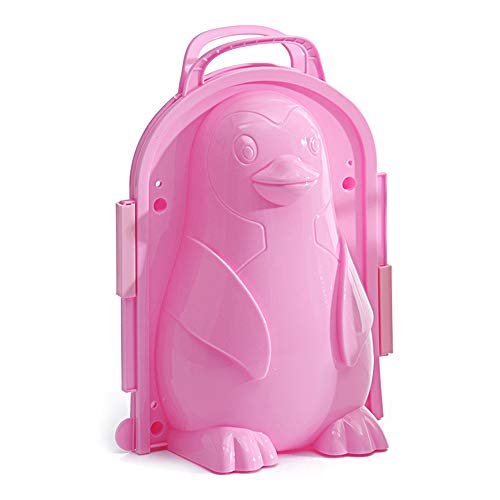
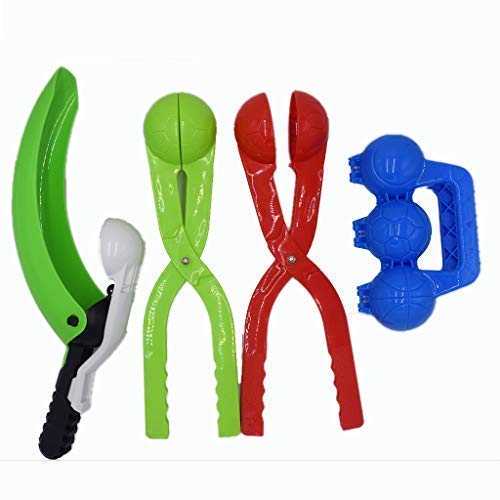
6-ft Play Tunnel for Kids6-ft Play Tunnel for Kids6-ft Play Tunnel for KidsCaterpillar Play Tunnel and TentCaterpillar Play Tunnel and TentCaterpillar Play Tunnel and TentKids Play Parachute 12ftKids Play Parachute 12ftKids Play Parachute 12ftMonkey Bars Climbing TowerMonkey Bars Climbing TowerMonkey Bars Climbing TowerWater TableWater TableWater TableSand TableSand TableSand TableDouble HammockDouble HammockDouble HammockTrampoline with NetTrampoline with NetTrampoline with NetGazillion BubblesGazillion BubblesGazillion BubblesSunny Patch Blossom Bright SprinklerSunny Patch Blossom Bright SprinklerSunny Patch Blossom Bright SprinklerPenguin Snow ToyPenguin Snow ToyPenguin Snow ToySnowball MakerSnowball MakerSnowball Maker

Touch and Feel Books

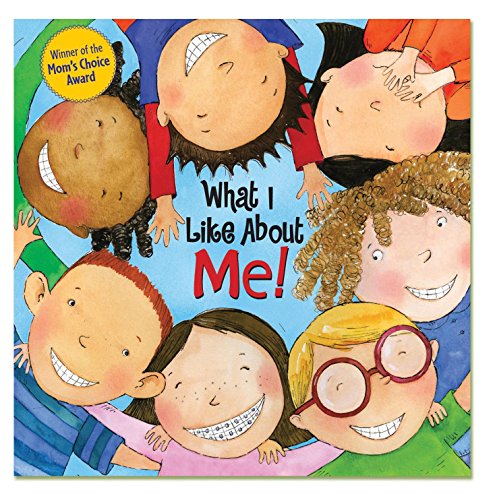
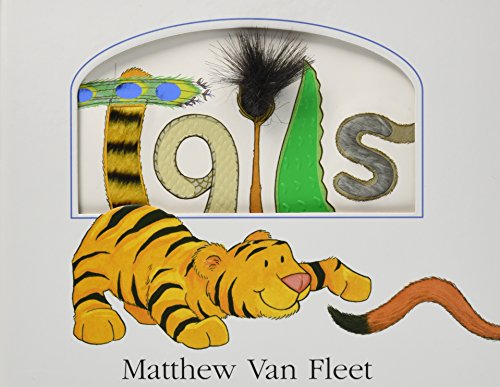
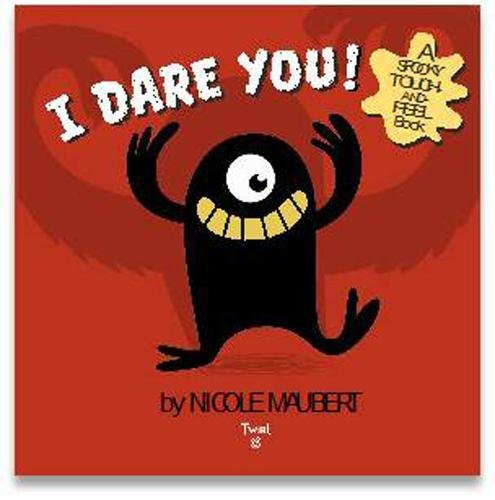
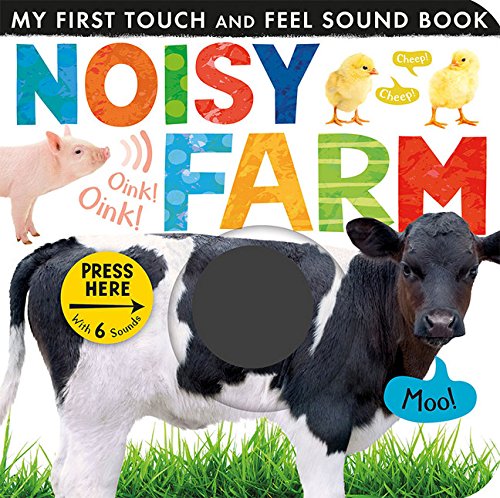
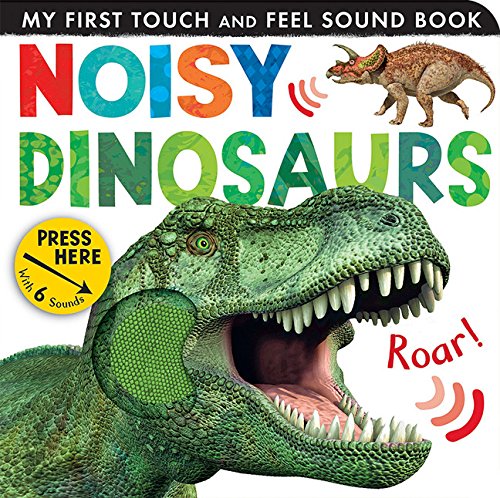
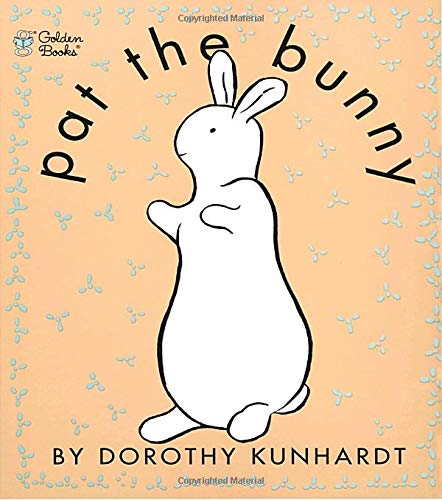
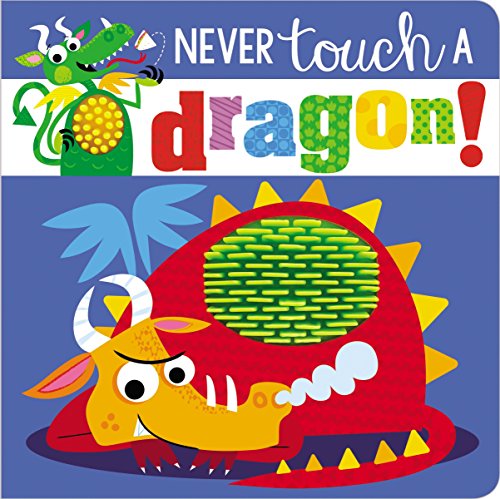
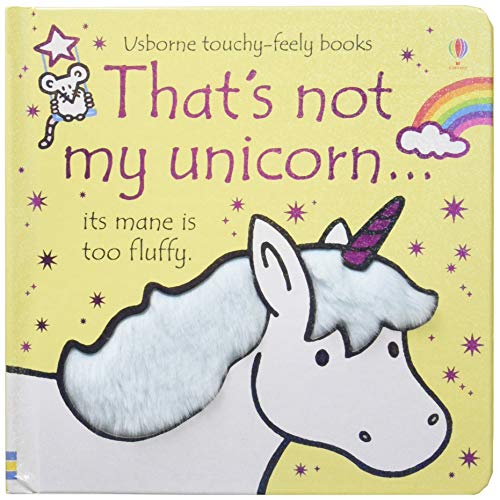
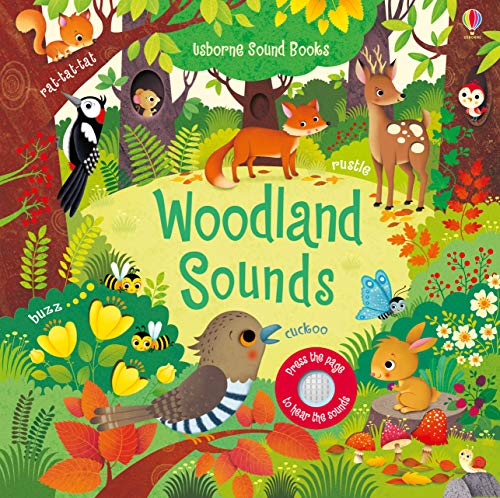
See, Touch, Feel: A First Sensory BookSee, Touch, Feel: A First Sensory BookSee, Touch, Feel: A First Sensory BookWhat I Like About Me!What I Like About Me!What I Like About Me!TailsTailsTailsI Dare You!I Dare You!I Dare You!Noisy Farm (Touch and Feel Sound Book)Noisy Farm (Touch and Feel Sound Book)Noisy Farm (Touch and Feel Sound Book)Noisy Dinosaurs (Touch and Feel Sound Book)Noisy Dinosaurs (Touch and Feel Sound Book)Noisy Dinosaurs (Touch and Feel Sound Book)Pat the Bunny (Touch and Feel Book)Pat the Bunny (Touch and Feel Book)Pat the Bunny (Touch and Feel Book)Never Touch a DragonNever Touch a DragonNever Touch a DragonThat's Not My Unicorn...That’s Not My Unicorn…That's Not My Unicorn...That's Not My Truck...That’s Not My Truck…That's Not My Truck...Woodland SoundsWoodland SoundsWoodland Sounds

Weighted items

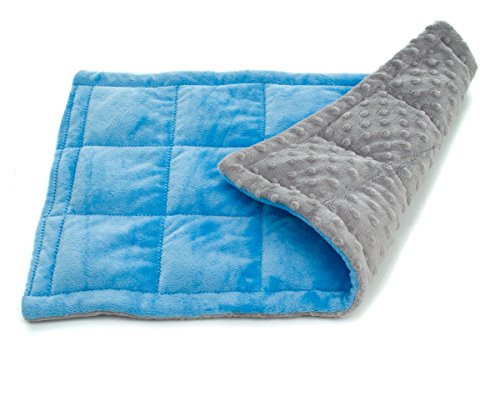
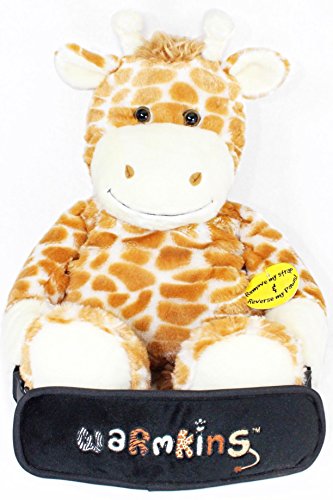
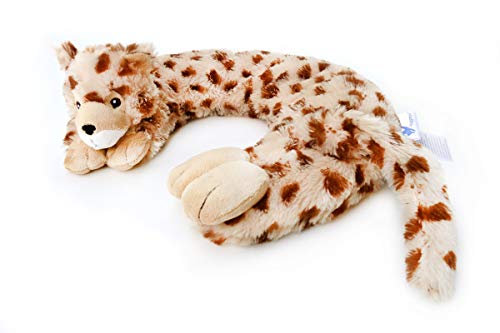
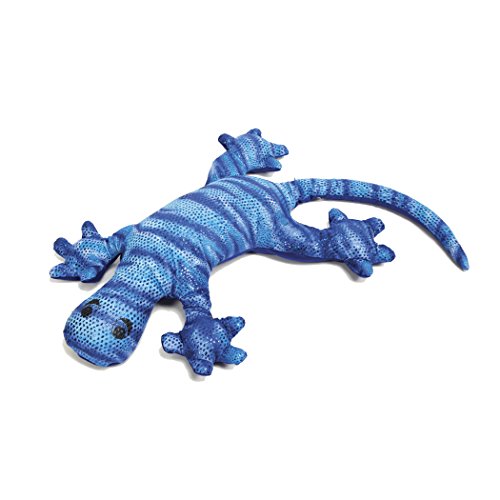
Weighted Lizard 2kgWeighted Lizard 2kgWeighted Lizard 2kgWeighted sensory lap padWeighted sensory lap padWeighted sensory lap padWeighted Stuffed GiraffeWeighted Stuffed GiraffeWeighted Stuffed GiraffeWeighted Stuffed CowWeighted Stuffed CowWeighted Stuffed CowCheetah Neck Wrap and Weighted Lap PadCheetah Neck Wrap and Weighted Lap PadCheetah Neck Wrap and Weighted Lap PadWeighted Snake, 1kgWeighted Snake, 1kgWeighted Snake, 1kg

Sensory Bags

American Girls Doll Sensory Bag
Arctic Sensory Bag
Butterfly Sensory Bag
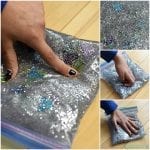
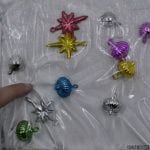
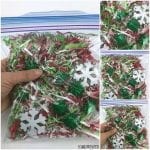
Christmas Ornaments Sensory Bag
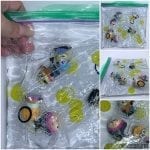
Despicable Me Minions Sensory Bag
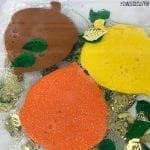
Easy Fall Sensory Bag
Fill an Ornament Christmas Sensory Bag
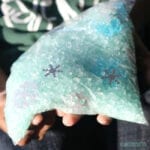
bag with blue liquid and stickers with faces on themHow to Make an Emotions Sensory Bag
Money Sensory Bag
Nativity Sensory Bag
Ocean Sensory Bag
Simple Christmas Sensory Bag
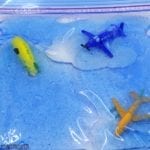
Squishy Sky Sensory Bag
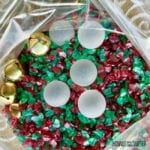
Snowballs and Jingle Bells Sensory Bag
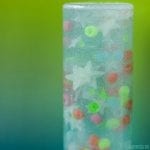
Snowflake Sensory Bag
Sprinkles Sensory Bag
I Spy Christmas Sensory Bag
Squishy Mermaid Sensory Bag
Squishy Shark Sensory Bag
St. Patrick’s Day Sensory Bag
Superheroes Sensory Bag for Superkids
The Best Christmas Sensory Bags #sensory #sensoryplayThe Best Christmas Sensory Bags
Trolls Sensory Bag
Unicorn Sensory Bag

Sensory Bottles

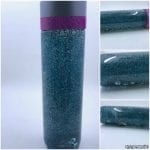
sensory bottle laying on the book 5 Little Ducks5 Little Ducks Activities for Preschool
American Girls sensory bottle squareAmerican Girls Sensory Bottle
Bring a bit of the North home with this Arctic Sensory BottleArctic Sensory Bottle
Astronaut Sensory Bottle
At the Beach Nature Sensory Bottle
At the Beach Sensory Bottle
Baseball Mini Sensory Bottle
a child's hands hold a blue calm down bottle. The child's hands are all that is visible as the child is snuggled underneath a green blanket.Bedtime Calming Sensory Bottle
Bugs Sensory Bottle
Christmas Counting I-Spy Discovery (Sensory) BottleChristmas Counting I-Spy Discovery Bottle
Christmas Ornaments Sensory Bottle
Christmas Tree Sensory Bottle
Colour Mixing Sensory Bottle
Deconstructed Christmas Tree Sensory Bottle
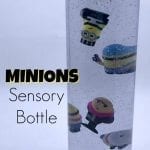
Minions Despicable Me Sensory BottleDespicable Me Minions Sensory Bottle
Dinosaur Sensory Bottle
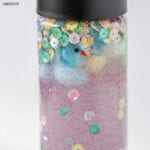
blue plush mini chick and pastel sequins in a bottle with clear liquid and glitterEaster Sensory Bottle
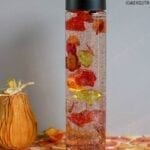
Fall Leaves Sensory Jar
Football Mini Sensory Bottle
Glitter Sensory Bottle
Glow in the Dark Sensory Bottle
close up of a sensory bottle with orange pumpkins and purple huesHalloween Sensory Bottle
A very close-up picture of the harvest sensory bottle with one of the sunflowers at the front.Harvest Sensory Bottle
small jars with colored glitter in them, googly eyes, and facial expressionHow to Make an Emotions Sensory Bottle
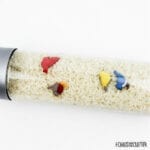
clear bottle on its side filled with dry rice and colourful bird buttonsI Spy Birds Sensory Bottle
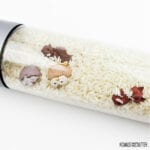
clear bottle filled with dry rice and forest animal buttonsI Spy Forest Animal Babies Sensory Bottle
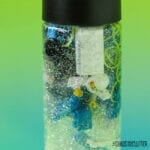
Lego Sensory Bottle
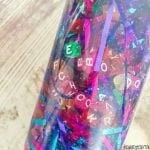
A closeup picture of a sensory bottle filled with bright colours of alphabet beads and bright coloured tinsel.Lightweight ABC I Spy Sensory Bottle
This melted snowman sensory bottle is adorable!Melted Snowman Sensory Bottle
Mermaid Calm Down Bottle
Mermaid Tail Sensory Bottle
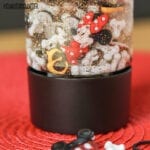
Mickey Mouse and Minnie Mouse Sensory Bottle
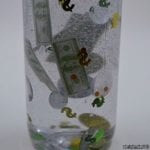
Money Sensory Bottle for Math Unit
Monster Sensory Bottle
Nativity Sensory Bottle Snow Globe
Nature Sensory Bottle
New Year’s Eve Noisemakers
New Year’s Eve Sensory Bottle
This New Year's sensory bottle is especially for the kids but can also add to the decor of any New Year's celebrations.New Year’s Sensory Bottle for Kids
Ocean Discovery Bottle that keeps items suspended including the glow in the dark jellyfish and starfishOcean Sensory Bottle
Pretty Princess Sensory Bottle
clear bottle with seeds and mini pumpkins in itPumpkin Patch Sensory Bottle
Rainbow Rainfall Sensory Bottle - This discovery bottle is easily made with straws and beads.Rainbow Rainfall Sensory Bottle
Sensory Smell Bottles
Shark Week Sensory Bottle
Simple Fall Sensory Bottle
A Sky sensory bottle to encourage exploration and imagination.Sky Sensory Bottle
Snowflake Sensory Bottle and simple science lessonSnowflake Sensory Bottle and Science Lesson
This Space themed discovery bottle is naturally weighted which provides more sensory input.Space Sensory Bottle
Spring Sensory Bottle with butterflies, flowers and bugsSpring Sensory Bottle
St. Patrick's Day Sensory BottleSt. Patrick’s Day Sensory Bottle
Superheroes Sensory Bottle
Thanksgiving Sensory Bottle
The Grinch Sensory Bottle
Unicorns and Fairies Sensory Bottle
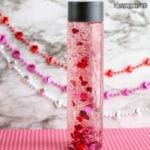
Valentine’s Calm Down Bottle
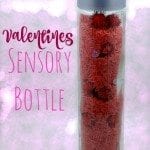
The contents of this Valentines sensory bottle can later be used to create the base of a Valentine's Day sensory bin.Valentines Sensory Bottle
Van Gogh Inspired Starry Night Sensory Bottle
One Year of Awesome Sensory Bottles
Zoo Mini Sensory Bottle

Sensory Bins

4th of July Stars and Stripes Sensory Bin
Alphabet Sensory Bin for Preschool Letter Recognition
dry oats, green and red pompoms, felt strip, and a child's hand grabbing plastic tweezersApple Pie Sensory Bin
Arctic Animals Sensory Bin
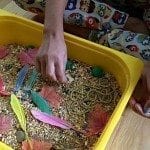
Autumn Sensory BinAutumn Sensory Bin with Birdseed and Cinnamon
Bath Time Sensory Bin with Ice and Gelatin
Bee Life Cycle Sensory Bin
bright green tray with dry black beans, purple pompoms, plastic eyeballs, green ribbon curls, a green pincher, and striped play pumpkinBeetlejuice Sensory Bin
Birthday Cake Sensory Bin
Birthday Party Sensory Bin
Bright Butterfly Sensory Bin
Bugs Sensory Bin
Calming Lavender Sensory BinCalming Lavender Sensory Bin
hands playing with candy corn and tiny construction vehiclesCandy Corn Construction Sensory Bin
Candy Sensory Bin - The Chaos and The ClutterCandy Sensory Bin
Christ-Centered Easter Sensory Bin
Christmas Gifts Sensory Bin
Christmas Sensory Bins
Citrus Sensory BinCitrus Sensory Bin
coffee sensory binCoffee Sensory Bin
Construction Sensory Bins
Create your own Sensory Bin...a creative challenge for kidsCreate Your Own Sensory Bin
Creating a Colour Themed Sensory Bin
Desert Sensory BinDesert Sensory Bin
Dig for Fossils Sensory Bin
Dinosaur Sensory Bin
Dollar Store Sensory Bin
Easter Egg and Bunny Sensory BinEaster Egg and Bunny Sensory Bin
yellow and purple with toy sparkly eggs and the letters to spell Easter Egg HuntEaster Egg Hunt Sensory Bin
Eggs and Carrots Easter Sensory Bin
Eyeball Sensory Bin...even popular with older kids.Eyeball Sensory Bin
Fall Sensory Bin
20 Fall Sensory BinsFall Sensory Bins
Farm Theme Unit Study
a hand holds a small toy frog on a plastic lily pad set on blue water beadsFrog Life Cycle Sensory Bin and Activities
Frog Sensory Bin
Frog Sensory BinFrog Sensory Bin with Play Puffs
Frozen inspired sensory binFrozen Sensory Bin
Frozen Treasure Find
Garden Sensory Bin
Going on a Bug Hunt Sensory Bin
History Sensory BinHistory Sensory Bin
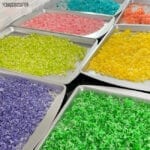
seven metal trays each with a different colour of rice on itHow to Dye Rice for Sensory Play
teal bin filled with oatmeal and paintbrushes used to uncover emotion stickers on the bottom of the binHow to Make an Emotions Sensory Bin
Human Body Sensory Bin
I Spy Sensory Bin
Insect Sensory Bin with Pasta
The “No Rules” Garden
Joy Sensory BinJoy Sensory Bin
matching two cards of a cartoon sad giraffeJungle Sensory Bin with Printable Feelings Cards
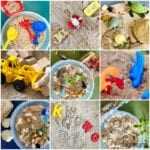
Kinetic Sand Sensory Bins
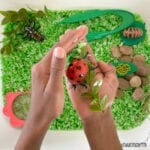
small hands hold a plastic ladybug and leavesLadybug Life Cycle Sensory Bin and Activities
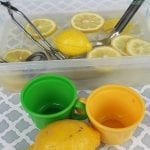
Lemonade Sensory Soup
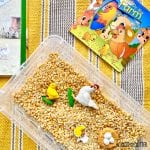
Life Cycle of a Chicken Sensory Bin
Magnets, Magnets, and More Magnets
Monsters Sensory Bin
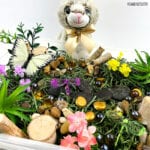
plush bunny sits by a sensory bin filled with moss, grass, and toy butterfliesNature Inspired Easter Sensory Bin
Nature Inspired Spring Sensory Soup
Non-Food Sensory Bin BasesNon-Food Sensory Bin Fillers
Nutrition Sensory BinNutrition Sensory Bin
O Holy Night Nativity Sensory Bin
Our Best Sensory BinsOur Best Sensory Bins
Over 100 Sensory Bin Themes
Penguin Sensory BinPenguin Sensory Bin
Peter Rabbit Sensory Bin
Pirate Week Kick Off!
Praying Mantis Life Cycle Sensory Bin
Dollar Store Pumpkin Patch Sensory Bin
Small child's hand is shown scooping and playing with the ingredients of the pumpkin spice latte sensory bin.Pumpkin Spice Latte Sensory Bin
Rainbow Activity and Party Ideas
Scented Valentine’s Sensory Bin
Science Sensory Bins for Hands-on Learning
Sea Turtle Life Cycle Sensory Bin
Seaside Sensory Bin
Seek and Find Sensory Bin
Sensory Activities with Baby Oil
separating sensory bin basesSensory Bin Cleanup
green and blue water beads and toy frogs on top. Red filler and heart shaped erasers on the bottom.Sensory Bin Starter Kit
frog sensory bin in a bagHow to Host a Sensory Bin Swap
Sensory Bins Book
Spring Flowers Sensory BinSilk Flowers Sensory Bins
Valentine's Sensory BinSimple Valentines Sensory Bin
Snowflake Sensory Bin
Glow in the Dark Solar System sensory binSolar System Sensory Bin
Spring Sensory Bins
Simple St. Patrick's Day Sensory Bin for kidsSt. Patrick’s Day Sensory Bin
Summer Sensory Bin
Summer Sensory Bin IdeasSummer Sensory Bins
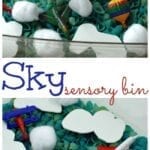
This Sky sensory bin is perfect for flight units or for kids who want to explore and use their imaginations.Take Flight with a Sky Sensory Bin
Cheerio type cereal, little apple candies, cinnamon sticks, cardboard strips, and a small bowl in a binTaste Safe Apple Pie Sensory Bin
Taste Safe Hot Cocoa Sensory Bin
Cereal, mini pumpkin candies, and marshmallows in a pumpkin pie sensory bin.Taste Safe Pumpkin Pie Sensory Bin
Thanksgiving Sensory Bin
colored rice in a bin with bright colored pompoms, dice, tweezers, and a magnifying glassThe Day the Crayons Quit Sensory Bin
Under the Sea Theme Party
Valentine’s Pluffle Sensory Bin
Valentine’s Week Fun
Water Beads Sensory Tray
C Sensory BinLearning Activities for the Letter “C”
Horse Sensory Bin
Ice Cream Theme Unit Study
Learning Activities for the Letter “K”
Simple Spring Sensory Bin
Puzzle Piece Sensory Bin
Winter Sensory TrayWinter Sensory Tray
Winter Theme Unit
Winter Wonderland Sensory BinWinter Wonderland Sensory Bin
Zoo Theme Week

Musical Instruments

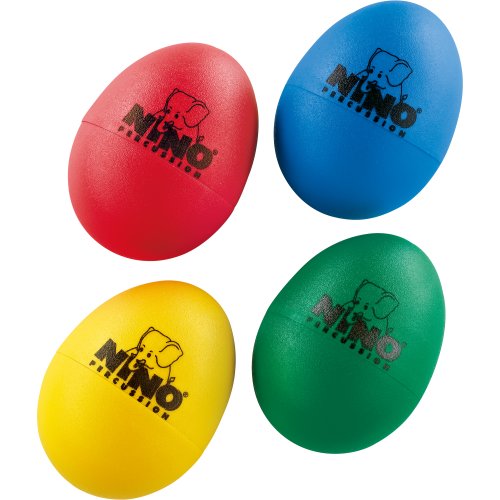
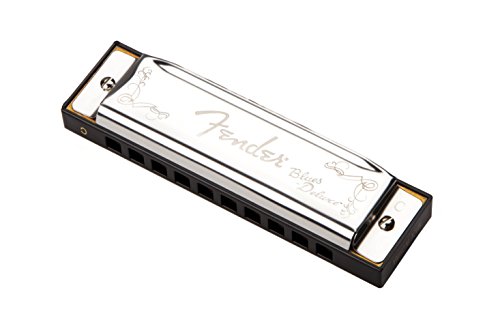
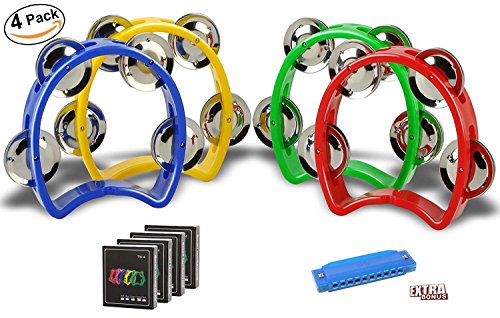
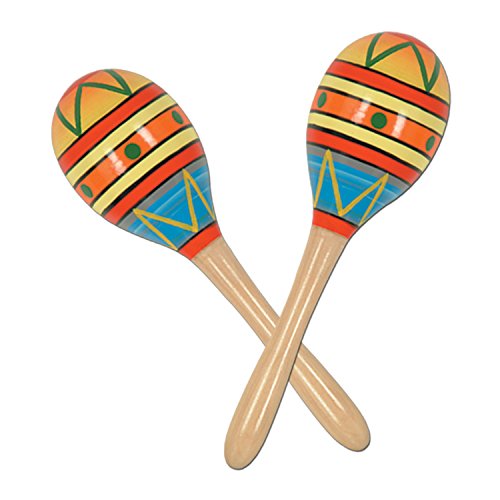
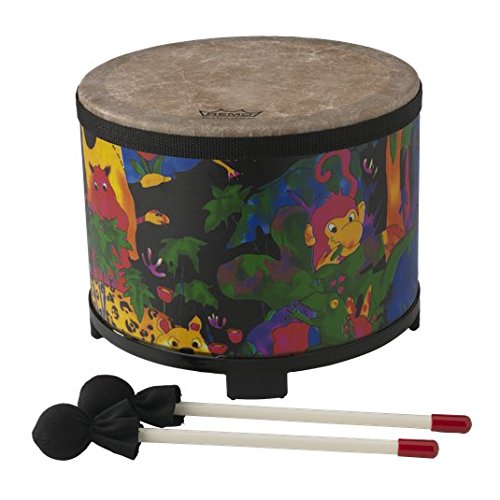
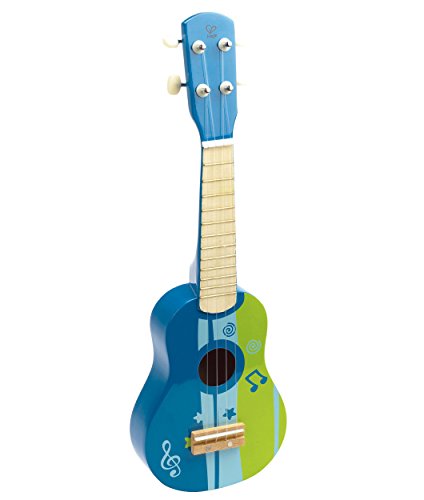
Egg ShakersEgg ShakersEgg ShakersHarmonicaHarmonicaHarmonicaMini Plastic TambourineMini Plastic TambourineMini Plastic TambourineMaracasMaracasMaracasKids Percussion Floor Tom DrumKids Percussion Floor Tom DrumKids Percussion Floor Tom DrumWooden Toy UkuleleWooden Toy UkuleleWooden Toy Ukulele

Fidgets and Chewelry

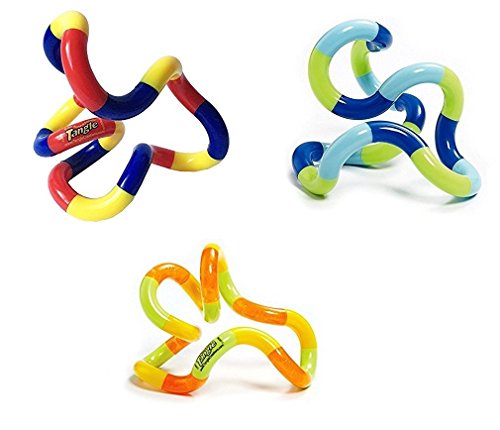
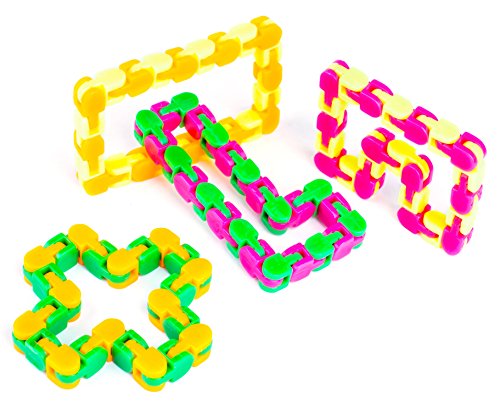
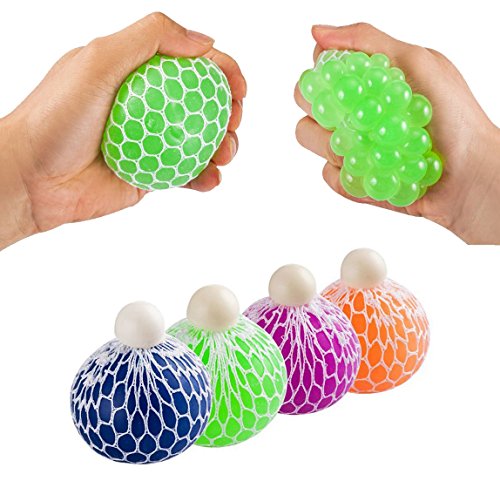
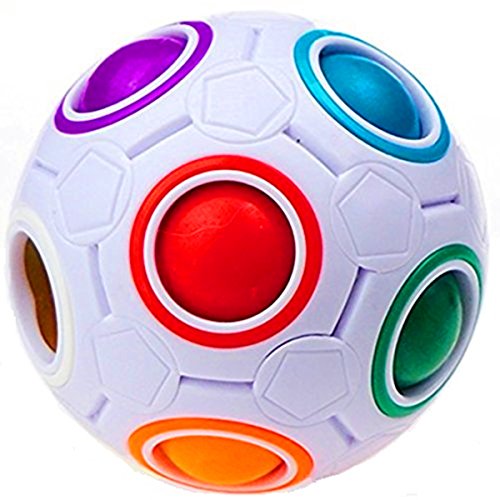
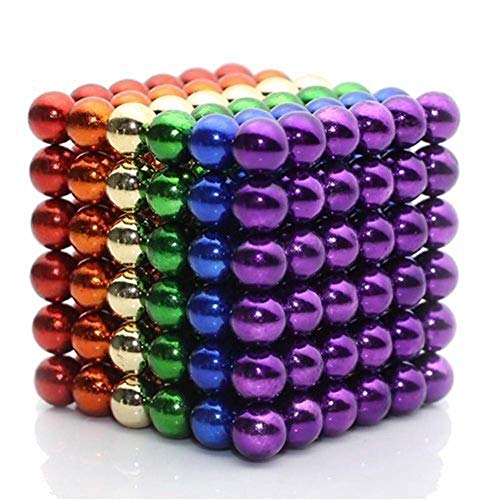
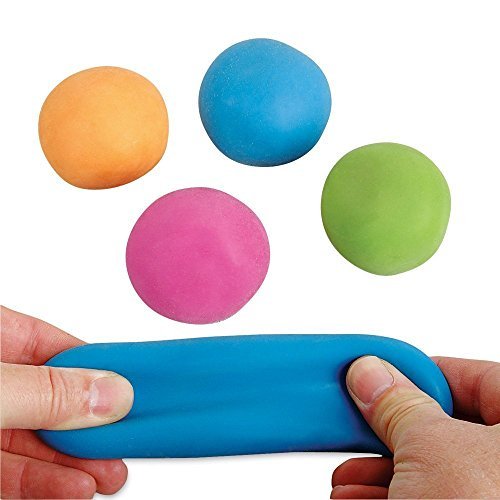
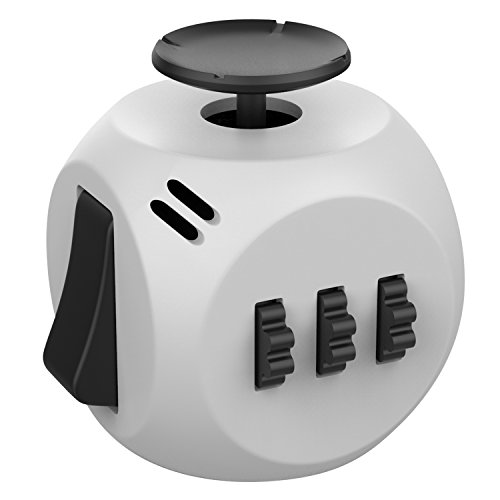
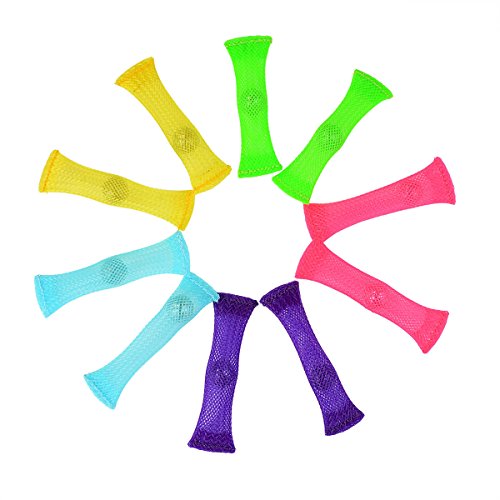
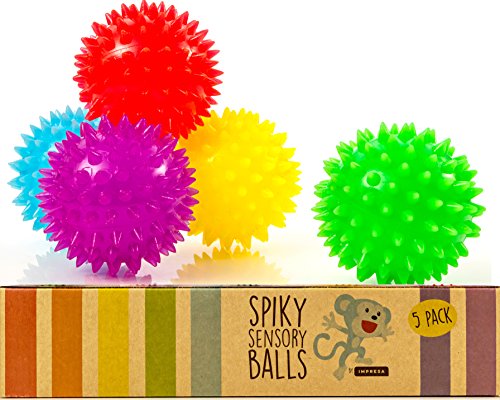
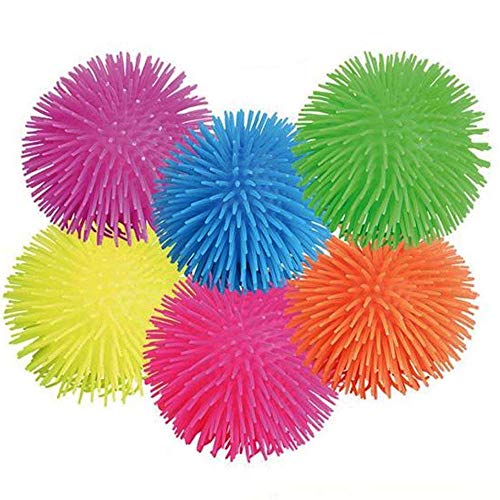
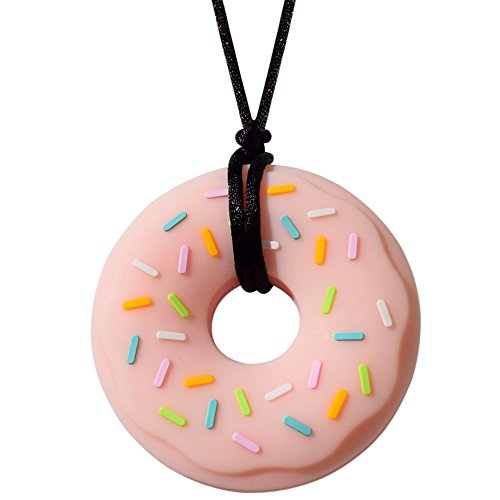
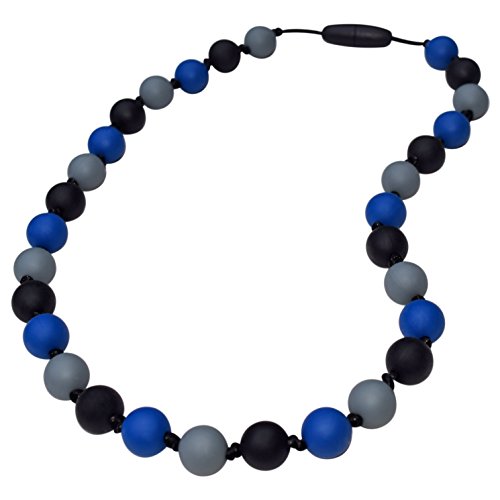
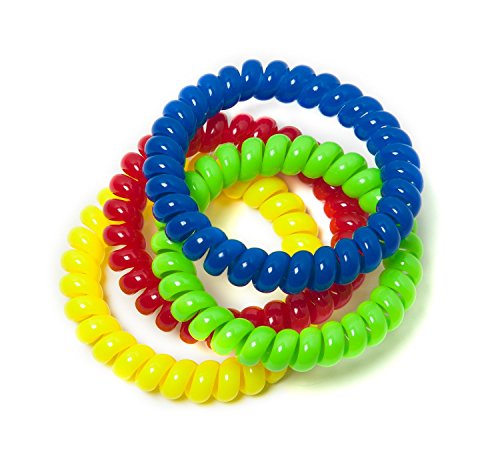
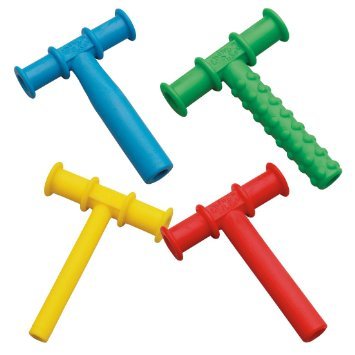
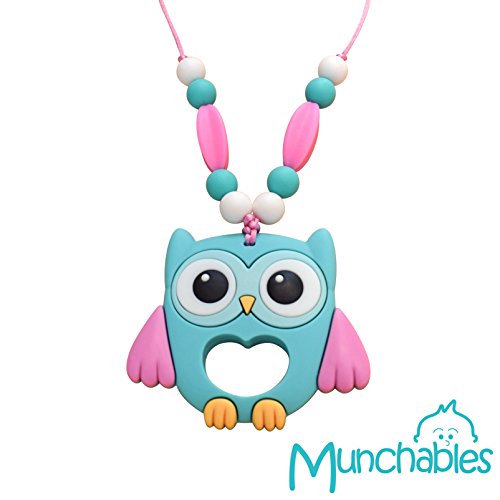
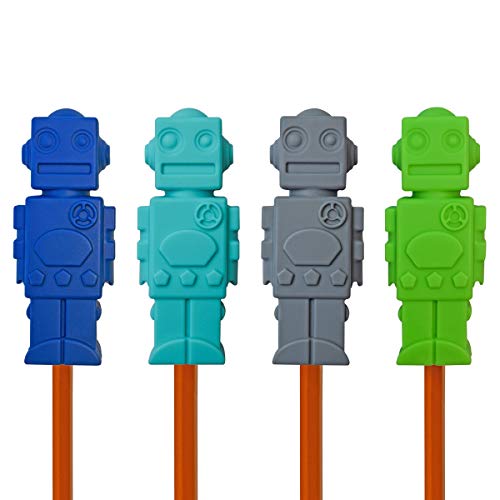
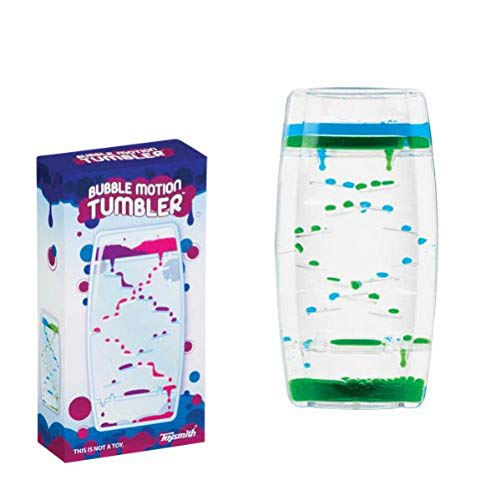
TANGLE FidgetsTANGLE FidgetsTANGLE FidgetsClick Fidget ToysClick Fidget ToysClick Fidget ToysMesh Squishy BallMesh Squishy BallMesh Squishy BallRainbow Ball FidgetRainbow Ball FidgetRainbow Ball FidgetMagnety Magic FidgetMagnety Magic FidgetMagnety Magic FidgetPull and Stretch Bounce BallPull and Stretch Bounce BallPull and Stretch Bounce BallFidget CubeFidget CubeFidget CubeMarble Fidget ToysMarble Fidget ToysMarble Fidget ToysSpiky Sensory BallsSpiky Sensory BallsSpiky Sensory BallsPuffer BallsPuffer BallsPuffer BallsSensory Chewelry NecklaceSensory Chewelry NecklaceSensory Chewelry NecklaceChewelry NecklaceChewelry NecklaceChewelry NecklaceChewable Coil BraceletChewable Coil BraceletChewable Coil BraceletChewy TubesChewy TubesChewy TubesOwl Chewelry NecklaceOwl Chewelry NecklaceOwl Chewelry NecklaceSensory Chew Pencil ToppersSensory Chew Pencil ToppersSensory Chew Pencil ToppersBubble Motion TimerBubble Motion TimerBubble Motion Timer

Get some sensory play ideas to add to your strewing by singing up for our Sensory Solutions and Activities email series. You’ll also get a free sample of our Sensory Play Recipes eBook.
Filed Under: Sensory, Special Needs Parenting

Surefire Clues Your Child has Sensory Issues

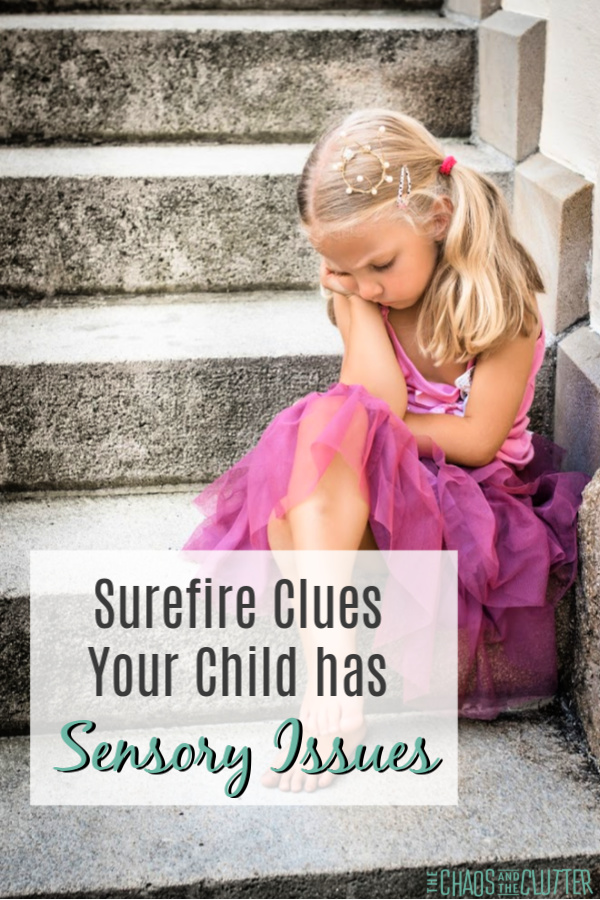
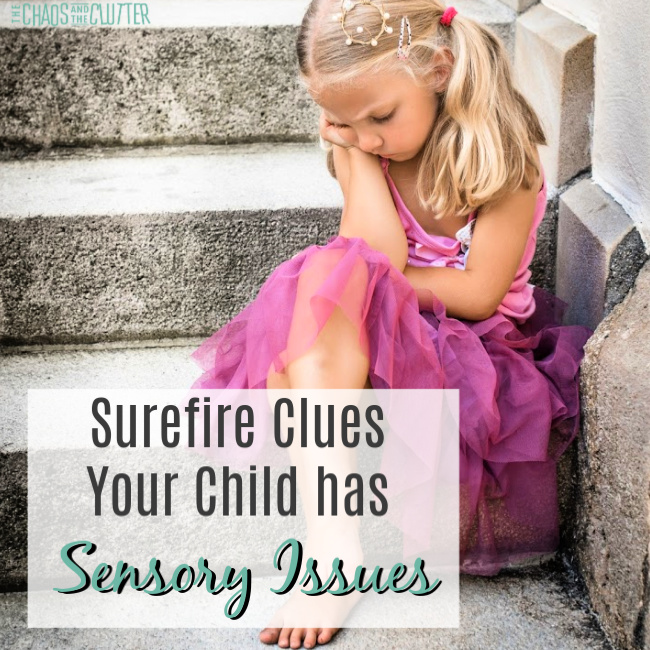
A little girl in a pink princess dress with blonde pigtails and a gold decoration in her hair sits with one leg crossed over the other on a grey outdoor staircase. The words "Surefire Clues Your Child has Sensory Issues" are overlaid on the image.

By Sharla Kostelyk

Do some of your child’s behaviours or reactions ever leave you scratching your head? Maybe you’ve noticed that their responses don’t seem typical for a child of their age or development. Your child may have sensory issues.
I still remember how helpless I felt watching our oldest daughter struggle when she was younger. Gracelyn came to us when she was just three days old, weighing 4 pounds and 14 ounces. It was love at first sight!
As she grew a bit older, some of her behaviours baffled us. She would spin around and around and around and never seemed to get dizzy. She would strip off her clothes in winter to put on a bathing suit just as we were about to walk out to door to get groceries. When we finally did get out the door to go shopping, she would reach out and touch everything on the shelves and even sometimes touch people as we walked past.
Surefire Clues Your Child has Sensory Issues #sensory #spd #sensoryprocessingdisorder #parenting #parentingtipsGracelyn had a freakishly high pain tolerance and it would sometimes lead to injury as she also seemed to have no concept of danger. She broke things by accident because she wasn’t aware of her own strength.
One of the many things she broke was the necklace I had worn at my wedding. I knew it was just a “thing”, but I cried nonetheless.

She would have meltdowns for what seemed to be no reason. She pulled down all the decorations in her room and started to pick holes in her walls. This girl was the pickiest eater I had ever met. To this day, the only fruit she has ever eaten is a banana. She didn’t seem to have any attention span and would flit from one activity to another, leaving a huge mess behind her everywhere she went.

She preferred to be upside down to being right side up. And upside down is how I was starting to feel my life was while I tried to figure out how to parent her!

Does my child have sensory issues?

If you’re a parent or caregiver who’s wondering if sensory might be the answer to some of the challenging behaviours you are experiencing with your child, I’ve put together a list that may help end the mystery or at least get you on the right path to uncovering answers for your child.

Note that some of the items on the list seem to contradict each other. That’s because in each of the sensory systems, your child can be hypersensitive or hyposensitive, meaning that they can be sensory seeking or sensory avoiding.

To make things even more confusing, a child can be sensory seeking in one sensory system and sensory avoiding in another!

Signs Your Child has Sensory Issues:

Does your child…

  • Chew on their sleeves or pencils
  • Complain of tags or seams in clothing or socks
  • Seem hungry all the time or never seem hungry
  • Have a hard time falling asleep
  • Cover their ears to block out noise
  • Spin in circles and never get dizzy
  • Bounce off the walls
  • Hide under desks or tables
  • Have frequent meltdowns over seemingly small things
  • Seem overly picky or have sensitivity to food textures or tastes
  • Want to wear gymnastic suits or bathing suits rather than clothes
  • Get distracted by background noise
  • Complain of headaches
  • Avoid getting their hands or face messy
  • Need to touch everything
  • Seem to not understand their own strength
  • Avoid hugs or hug too hard
  • Have difficulty concentrating
  • Cry about lights or sun being too bright
  • Fidget
  • Tire easily
  • Complain often of being too hot or too cold
  • Avoid grooming
  • Have a super high or super low pain tolerance
  • Gag easily
  • Avoid or seek out certain smells or textures
  • Have poor body awareness
  • Seem clumsy
  • Accidentally break things
  • Take their shoes and socks off at every chance
  • Hang upside down
  • Fear climbing or spinning
  • Constantly move
  • Prone to motion sickness or becomes dizzy easily
  • Wet the bed
  • Rage
  • Speak loudly (does not seem to have volume control)?

If you found yourself nodding at some of the items on this list, your child may be struggling with sensory issues or challenges. They may even have Sensory Processing Disorder. Speak to your child’s doctor or seek out the advice of an Occupational Therapist to help confirm this.

In the meantime, arm yourself with knowledge and strategies to help your child.

Can a child have sensory issues and not be autistic?

It is common for children on the autism spectrum to have sensory issues or SPD (sensory processing disorder). However, not all children with SPD have autism. In fact, many children with sensory issues do not have autism.

SPD is often a secondary diagnosis to autism, ADHD, RAD, and FASD. It is also found in children without any other diagnosis.

How can I help my child with sensory issues?

The most important step is to increase your knowledge about sensory. This will allow you to not only have the tools and skills to be able to help your child, but give you a deeper understanding of why their responses are the way they are.

Join me for a free 5 part email series Sensory Solutions and Activities. This will give you a solid foundation in sensory basics along with helpful tips and you’ll get the Sensory System Behaviours Easy Reference Cards.

Learn what you can. Here are some of the best books on sensory processing for parents.

Read 10 things you can do to make every day easier for sensory kiddos.

Teach your child about sensory processing so that they have the language to better explain themselves. This will also help them understand their sensory signals and preferences.

Learn to recognize the signs of sensory overload in your child. You’ll find this very helpful. This can also help you prevent sensory meltdowns.

This will start you on the path towards better understanding of your child’s sensory issues. You will gain the tools you need to be able to help them. Life for them and for you will start getting easier.

It can be overwhelming in the beginning, but trust me, it gets better. Our daughter (and 4 of our other kids who also turned out to have SPD) are all doing amazing now. There is so much hope.

Filed Under: Sensory, Special Needs Parenting

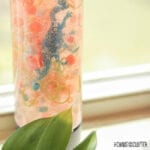
Colour Mixing Sensory Bottle

By Sharla Kostelyk

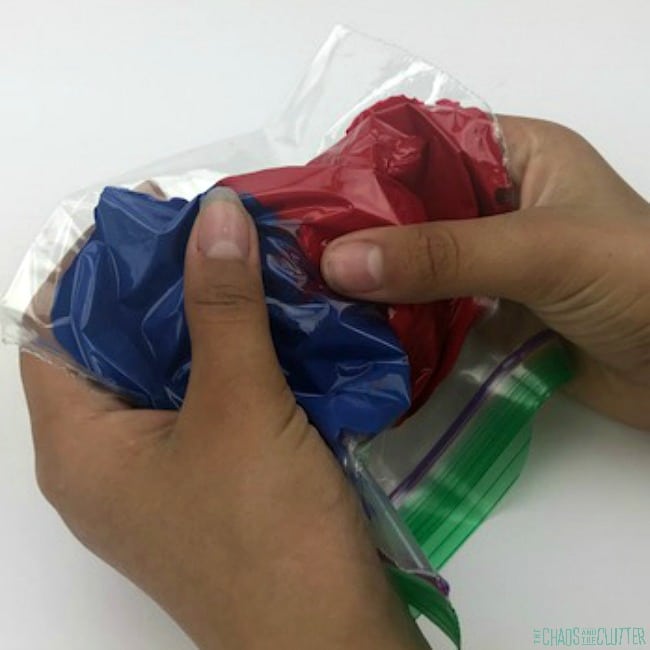
I love when you can combine learning and fun! This colour mixing sensory bottle does just that. It brings science and the wonder of discovery to sensory play.

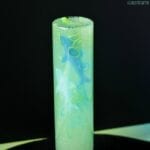
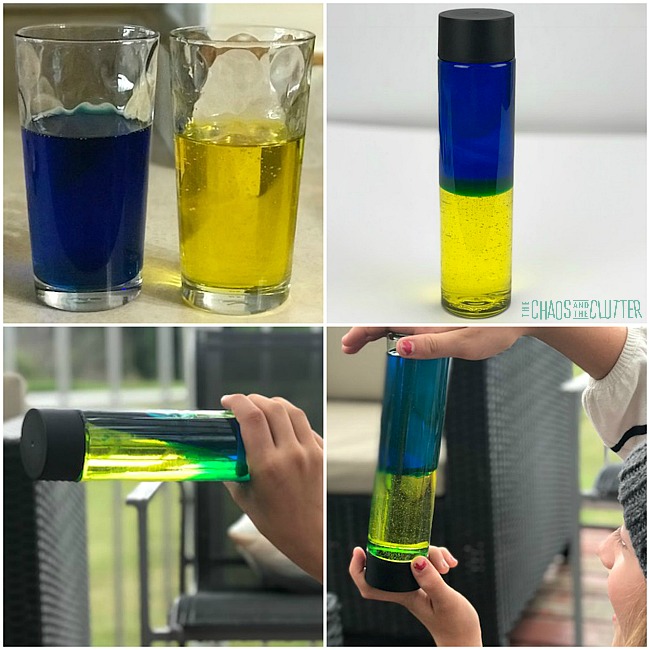
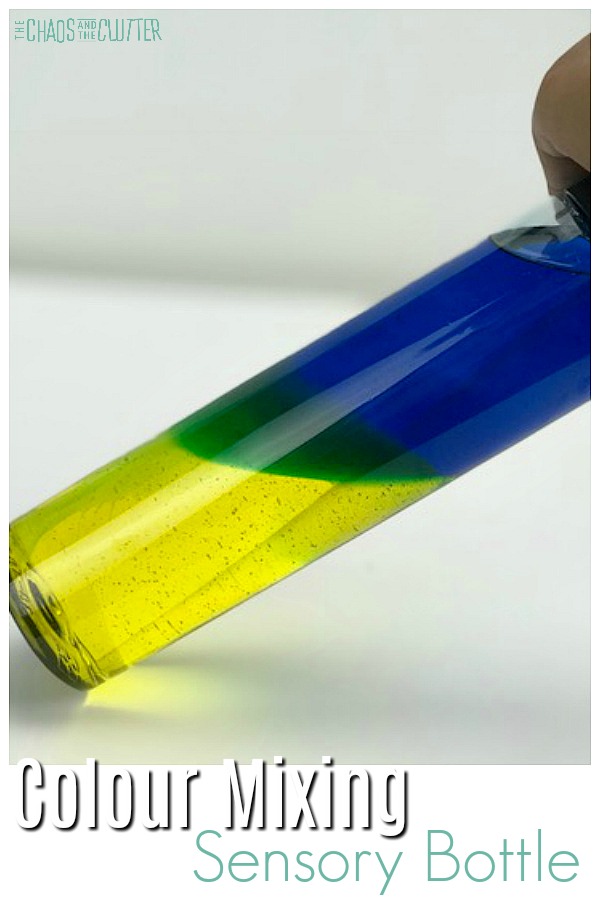
Colour Mixing Sensory Bottle #sensoryscience #sensorybottles #sensoryplay #homeschool #scienceThis activity is effective for teaching the science concepts of colour (for younger children) and density (for older children. By using different densities, the two colours are able to mix to form a new colour and then separate again.
When held up to the light or sunlight, the colours created in this colour mixing sensory bottle are beautiful.

Even I was surprised at how cool this simple science activity was. I wasn’t sure if it would work and was delighted when it did. My kids were even more delighted!

Due to the weight of the corn syrup, these sensory bottles are on the heavy side, making this a wonderful activity for proprioceptive sensory input. These also of course involve the visual sensory system as children use their eyes to explore the colours changing.

How to Make Colour Mixing Sensory Bottles:

Materials needed:

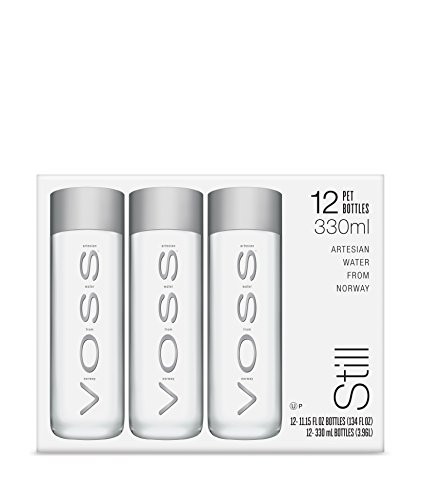
  • empty plastic water bottle (330 mL/11 oz. size)
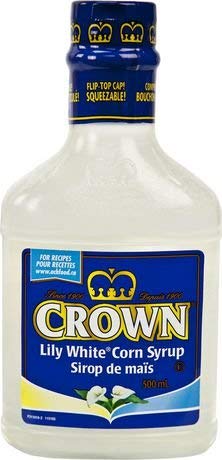
  • clear corn syrup
  • mineral oil
  • food colouring
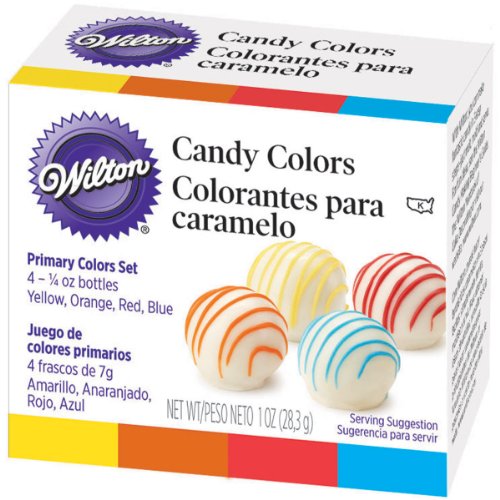
  • Wilton oil-based candy colour in primary colours*
  • funnels or measuring cups with a spout
  • plastic or glass containers of similar size
  • spatula

White Corn SyrupWhite Corn SyrupWhite Corn SyrupWilton Oil Based Primary Colors SetWilton Oil Based Primary Colors SetWilton Oil Based Primary Colors SetVOSS Plastic BottlesVOSS Plastic BottlesVOSS Plastic BottlesMineral OilMineral OilMineral Oil

Directions:

  1. In a glass or clear plastic container that is similar in size to the empty water bottle, add clear corn syrup and a few drops of yellow food colouring. Mix well.
  2. In another glass or clear plastic container that is similar in size to the empty water bottle, add mineral oil and a small bit of blue food colouring paste*. Mix well. Add a very small amount of the dye as you can always add more once you see the colour. You don’t want the blue to be too dark.
  3. Pour the yellow corn syrup mixture into the empty water bottle to about the halfway point. You may need to use a spatula to get it all transferred.
  4. Next, pour the blue mineral oil to nearly the top.
  5. Top with the lid. If you want to secure the lid, you can do so using a hot glue gun.

*It is important that you use an oil based food colouring in this step. Water based dyes will not work.

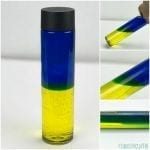
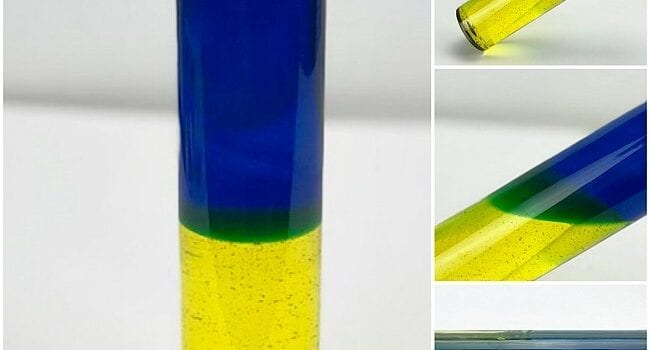
The yellow and blue should stay separated when the bottle is upright. If you tilt the bottle, you will begin the see the colours combine to form green.
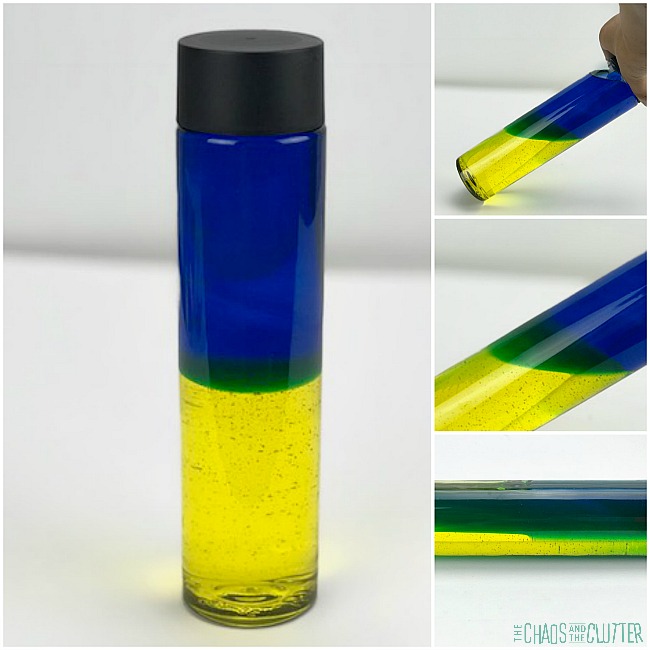
You can create other colour mixing sensory bottles by adding yellow and red which when combined will make orange and blue and red which will form purple when mixed.

Note: It works best to have the lighter colour be the one that is mixed with the corn syrup.

What makes the colours separate?

The difference in densities between the corn syrup and mineral oil is what keeps the colours separate. They sit on top of each other unless tipped. The colours will then mix to form a new colour, but when brought upright again, the colours will separate because of the density of the liquid they are in. For younger children, give a simple explanation on density, but focus most of the science lesson on the colour mixing.

For older children, use this science experiment as a way to introduce density. Follow up with this video that helps further explain density. You can then expand the discussion from there.

More sensory science:

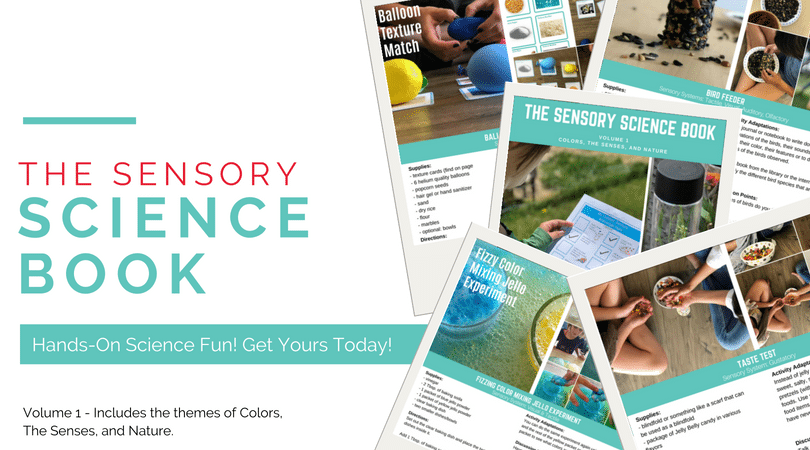
This activity appears in the Colours section of The Sensory Science Book Volume 1. In it, you can find other incredible activities to help children discover the world around them. 

Experiment with other colour mixing examples.

Colour Mixing Sensory Bags 

Colour Mixing Jello Experiment10 Jello Science Experiments

If you’re looking for more fun ideas for your child, get a free sample of our Sensory Play Recipes eBook.

Filed Under: Homeschooling, Sensory, Simple Science Tagged With: sensory bottles, sensory play

The Best of the Best Books on Sensory Processing for Parents

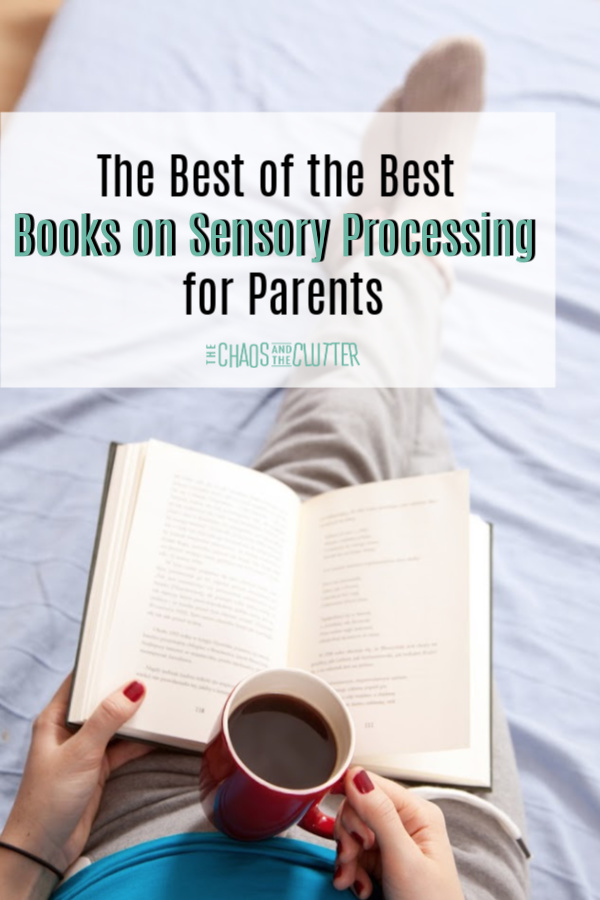
a woman sits on a bed with her legs outstretched in front of her. In one hand, she holds an open book and in the other hand, a red mug filled with coffee. Her face and upper body are not visible. She is wearing a blue shirt and tan pants and has on red nail polish. The words "The Best of the Best Books on Sensory Processing for Parents" are overlaid on the image.

By Sharla Kostelyk

When our daughter was a preschooler, I had never heard of sensory processing disorder. In fact, even the term “sensory processing” was foreign to me. This was the early days of the internet. But after watching our precious girl struggle every day, I was on the hunt for answers. I was able to get my hands on a few books on sensory processing for parents.

The Best of the Best Books on Sensory Processing for Parents #sensoryprocessing #spd #sensoryprocessingdisorder #specialneedsparenting #parentingbooksI devoured everything I could get my hands on. Unfortunately, a lot of the books I could find at that time were geared towards Occupational Therapists and other professionals. Sometimes, I felt like I needed a dictionary beside me to understand what I was reading.
But one of those books had a checklist in it. That checklist was like hitting gold! Going through it made it abundantly clear that sensory processing issues were at the root of many of our daughter’s struggles.

That was the day that I called and got a referral for our daughter to start seeing an Occupational Therapist. During the next few months, the OT came into our home weekly and taught me so much. I was able to adapt her environment and learn new ways of approaching things to better meet her needs.

Our daughter was diagnosed with Sensory Processing Disorder. With that diagnosis came a new understanding for all of us.

Over time, I learned how to meet her sensory needs and slowly, her challenging behaviours stopped. She became happier, calmer, and more in control of her body and her emotions. I was sold!

I wanted to do everything I could to help her. So I read more, attended seminars, asked questions. It’s a good thing that I did, because that knowledge would come in handy. Over the course of the next ten years, four more of our kids would also be diagnosed with sensory processing disorder.

Of course in most families, five kids with sensory issues would be unusual, but as SPD is often a secondary diagnosis to other things and we had adopted children with special needs, it turns out not to be that unusual in our case.

Sensory Processing Explained:

Years after making these discoveries with our daughter, I thought back on those early days. So many of the books I had read had used language I wasn’t familiar with. It was difficult to understand what I was reading and I had no idea how to apply what I was learning to our everyday life.

It was that experience that led me to begin writing about sensory issues here. That led to receiving dozens of emails from parents expressing their gratitude that I put things in a way that was easy for them to understand and actually use with their kids.

So last year, I teamed up with my good friend Heather who is an OTA. We dreamed of writing a book that was easy for parents and teachers to understand and that would make a difference in the lives of kids. We paired her OT knowledge with my experience of parenting kids with sensory needs and created a book that I’m so proud of.

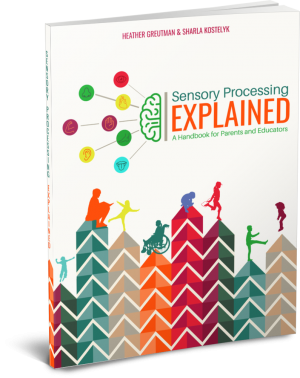
Sensory Processing Explained walks readers through sensory processing. It begins with the 8 sensory systems and details some of the basics. Once that foundation is established, it goes into practical tips and tools for everyday life scenarios. We took the struggles that our readers were telling us about and gave them solutions.

The book also includes a section for parents and another for educators with tips for both. There are also applicable printable resources.

Heather and I wanted to help kids by helping their teachers and parents better understand them and therefore better be able to meet their needs.

The Best Sensory Processing Books for Parents:

If you have a child that you suspect may have Sensory Processing Disorder, the first step I suggest you take is to speak to their Paediatrician or a qualified Occupational Therapist to have an assessment ordered. The second step is to get your hands on some good books on sensory processing.

When a parent or caregiver can understand sensory processing, they can better recognize their child’s sensory triggers. They can also learn to make accommodations to their home and lifestyle to better meet their child’s needs.

I highly recommend that you start with these books:

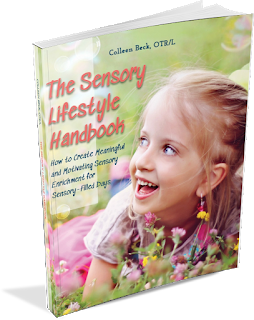
Sensory Processing Explained: A Handbook for Parents and EducatorsSensory Processing Explained: A Handbook for Parents and EducatorsBuy NowThe Sensory Lifestyle Handbook by Colleen BeckThe Sensory Lifestyle Handbook by Colleen BeckBuy NowThe Out-of-Sync Child: Recognizing and Coping with Sensory Processing DisorderThe Out-of-Sync Child: Recognizing and Coping with Sensory Processing DisorderThe Out-of-Sync Child: Recognizing and Coping with Sensory Processing Disorder

I will admit to being completely biased in recommending our book, Sensory Processing Explained, but I feel confident in suggesting it because of the incredible feedback we’ve received from parents, teachers, and therapists.

The Sensory Lifestyle Handbook is a deep dive into sensory diets. That term may not be familiar to you now, but the book will help you come up with a sensory diet strategy that fits your child.

The Out-of-Sync Child is an “oldie but a goodie”. This book helped me quite a bit way back when we were first starting out on our sensory journey (back in the day when SPD was still called Sensory Integration Disorder). The author is very well respected.

Once you’ve read these books, you should have a solid foundation of sensory processing and be well on your way towards better helping your child.

To learn more about sensory processing, join me for a free 5 part email series Sensory Solutions and Activities and get your Sensory System Behaviours Easy Reference Cards.

Filed Under: Sensory, Special Needs Parenting

  • « Go to Previous Page
  • Page 1
  • Interim pages omitted …
  • Page 15
  • Page 16
  • Page 17
  • Page 18
  • Go to Next Page »

Primary Sidebar

Categories

We are a participant in the Amazon Services LLC Associates Program, an affiliate advertising program designed to provide a means for us to earn fees by linking to Amazon.com and affiliated sites.

Copyright © 2026 • The Chaos and the Clutter • Site Design by Jeni @ The Blog Maven

Return to top of page

Copyright © 2026 · Chaos and the Clutter 2.0 on Genesis Framework · WordPress · Log in