Browsing through the shelves at the bookstore, I happened across perhaps one of the coolest children’s books I have ever seen! As a side note, I do not allow myself to go into bookstores often as I get lost in all that there is to see there and spend far too much time (and money) so this was a rare treat. The book that caught my eye was called The Black Book of Colors.
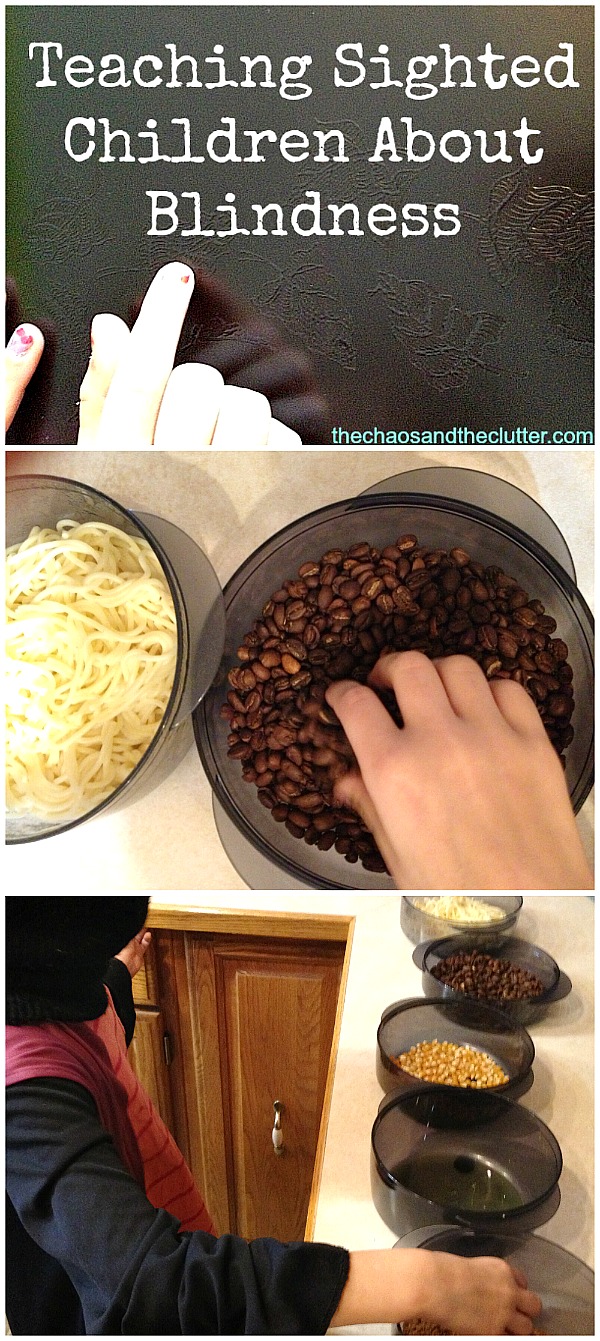 The title of the book intrigued me so I opened it up to take a peek and was met with black pages with raised black pictures that had to be felt more than seen. On the opposing page was text in white along the bottom with the braille version at the top. The book explained what colors “look” like to someone who is blind.
 I decided to turn it into a small unit study so I planned a few activities for the kids to go along with the book.
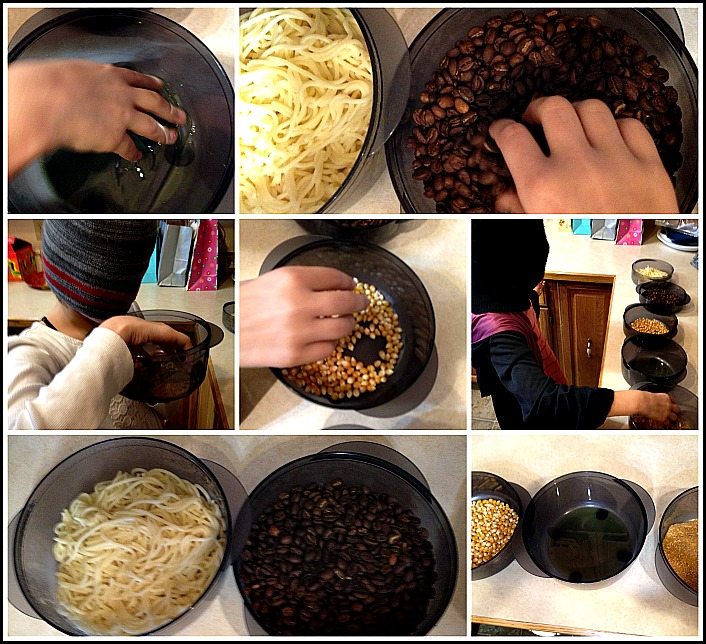
I set up containers of coffee beans, cooked spaghetti, dish soap, popcorn kernels, and taco spice seasoning. I blindfolded the kids and brought them into the kitchen one at a time. They had to guess what was in each container using their other senses, hearing, tough, smell, and even taste if they were brave enough! It was a fun activity that led naturally into discussion about how those who are blind use their other senses to navigate the world.
 I read the Black Book of Colors to the kids and they later took turn reading it themselves and feeling the pictures and Braille letters.
The kids also took turn trying to navigate their way through the house while blindfolded and talked about their observations. They also took turns helping to guide each other using their voices.
I found a wonderful online resource for sighted kids who wanted to learn more about blindness. It has information about Louis Braille, braille trivia and games.
There is a Braille alphabet printable at Enchanted Learning.
Lastly, we watched the Helen Keller Nest video and the kids completed the corresponding workbook. They love Nest videos and found this one especially interesting.
 As all sensory bins go, the only limits really are your imagination, but here are some suggestions as to what you can use as a base that are not food. I’ve added links to many of them so that you can check out examples of how they can work in a sensory tub.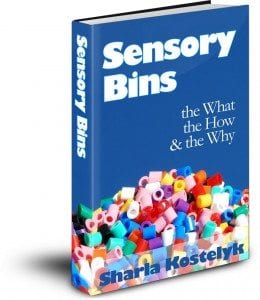
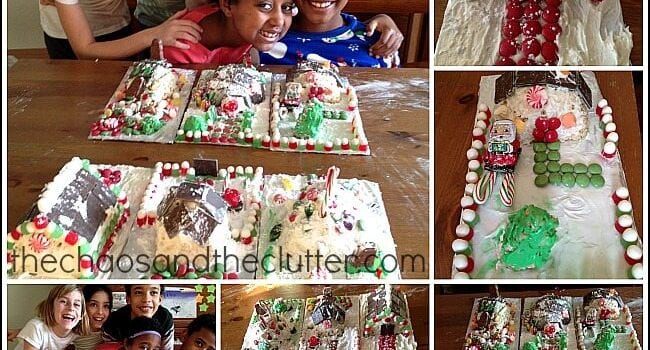
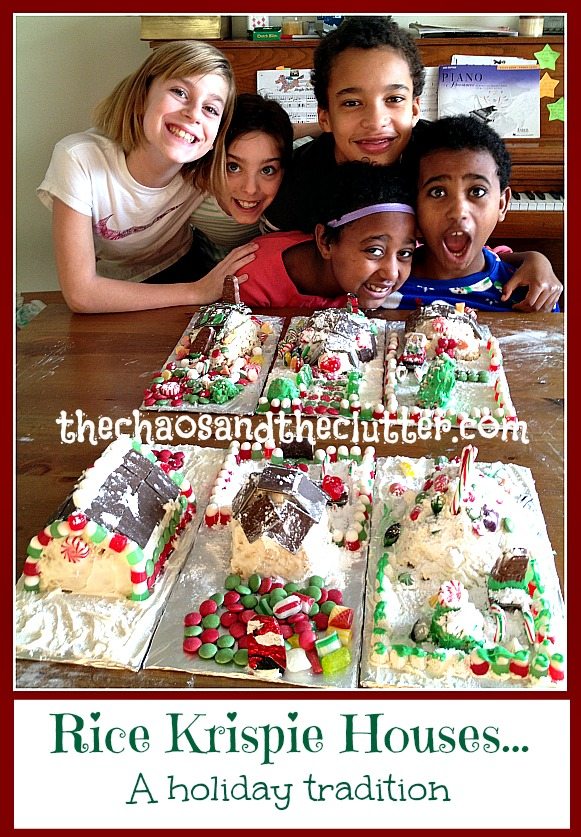 Rice Krispie houses are easy to make and as an added bonus, as long as you use
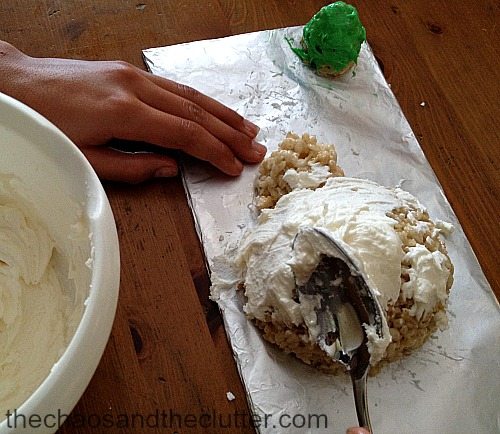
 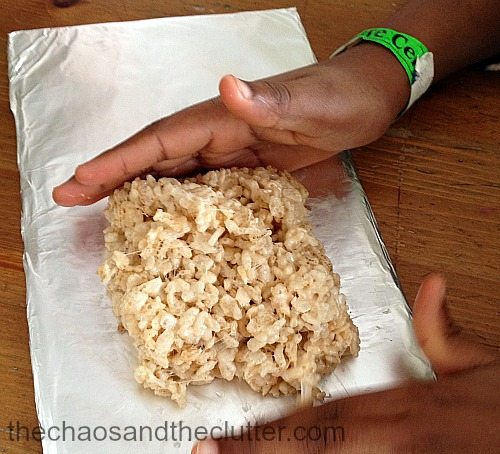 Next, cover the structure and the base with white icing. You can use store bought icing or make your own. We made a simple butter, icing sugar and milk icing. We make a small amount of green icing for the trees.
 Next comes the really fun part…decorating the houses with candy. There are no rules or instructions for this part. I like to buy the mint chocolate square wafers because they make good shingles for the roof or shutters or doors. I try to provide an assortment of candies so that they can create whatever they want. (two
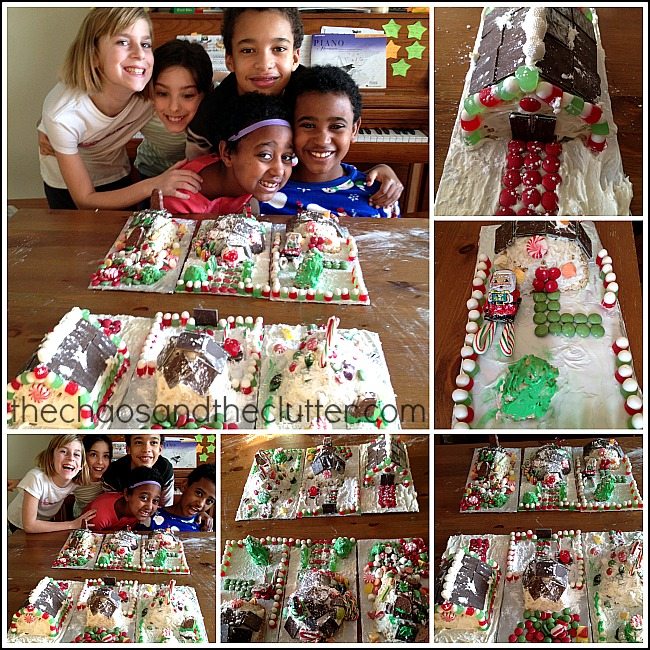
 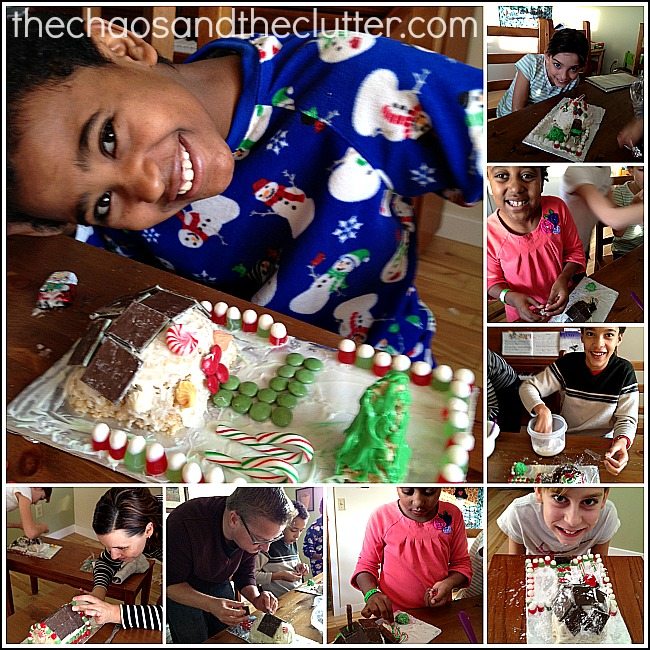 To finish off the cute little houses, sprinkle a little bit of icing sugar on top for the look of snow. And then of course there is the eating! Our kids certainly were happy to have their own candy houses to eat.
 What are your Christmas traditions? I love