• Skip to primary navigation
  • Skip to main content
  • Skip to primary sidebar
  • Home
  • About
  • Contact
  • Privacy + Terms
  • Affiliates

The Chaos and the Clutter

  • Facebook
  • Twitter
  • Pinterest
  • Google Plus
  • RSS
  • Email
  • School at Home
  • Sensory
    • Sensory Processing Disorder
    • Awesome Sensory Play Activities
      • Sensory Bins
      • Sensory Bottles
      • Sensory Bags
  • Family Games
    • Minute to Win It Games
  • Special Needs Parenting
    • Childhood Anxiety
    • Reactive Attachment Disorder
    • Sensory Processing Disorder
  • Store
  • Course Login

Special Needs Parenting

Puzzle Piece Sensory Bin

By Sharla Kostelyk

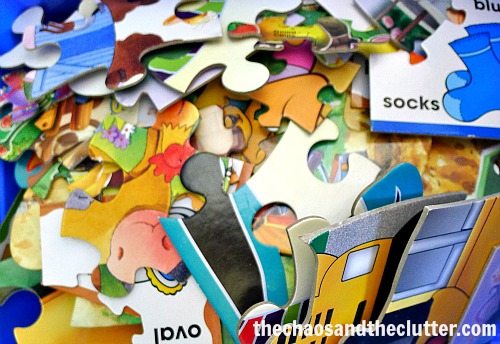
The symbol for autism is a puzzle piece so that’s where the idea for this sensory bin came from. This is a great way to use puzzles you aren’t using anymore or those you’ve lost some of the pieces for.

I put a plea out on Facebook for mismatched puzzle pieces and my friend A. responded with two big bags filled with all shapes, colours and sizes of puzzle pieces!

I threw them into two bins and called them our sensory bin for the week! This was for sure the easiest sensory bin I’ve ever made!
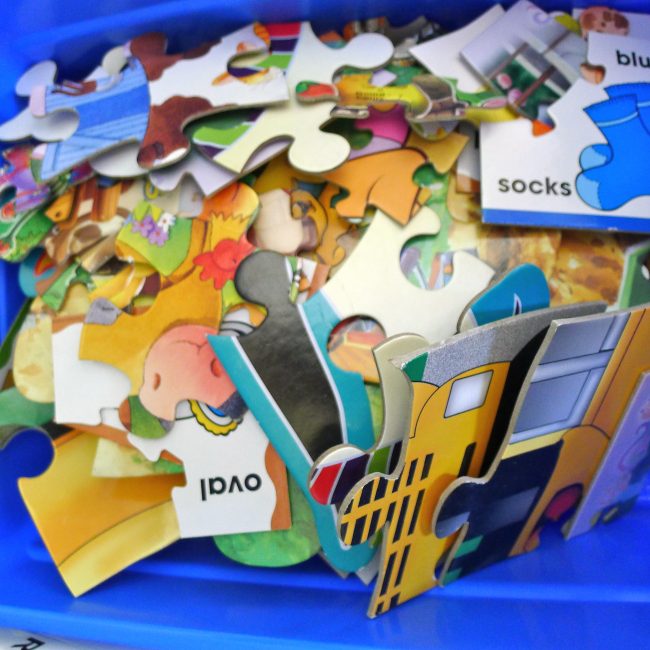
Puzzle Sensory Bin:

Supplies needed:

  • assorted puzzle pieces
  • plastic bin

Directions:

  1. Dump all the puzzle pieces in a plastic bin.
  2. Invite your child to play.

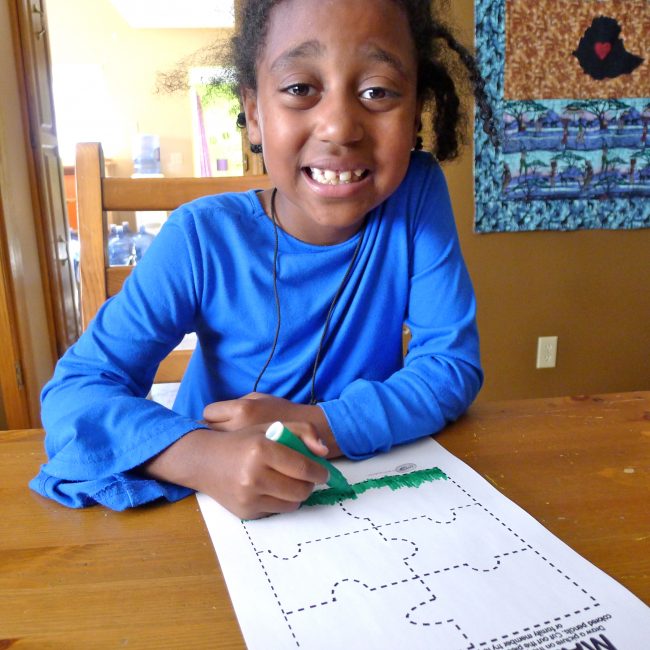
We also used the puzzle piece in other ways too such as making paper puzzles and cardboard ones. We discussed how Aspergers makes some things a challenge for Einstein and makes some things easier. We watched some YouTube videos geared at explaining autism to kids.

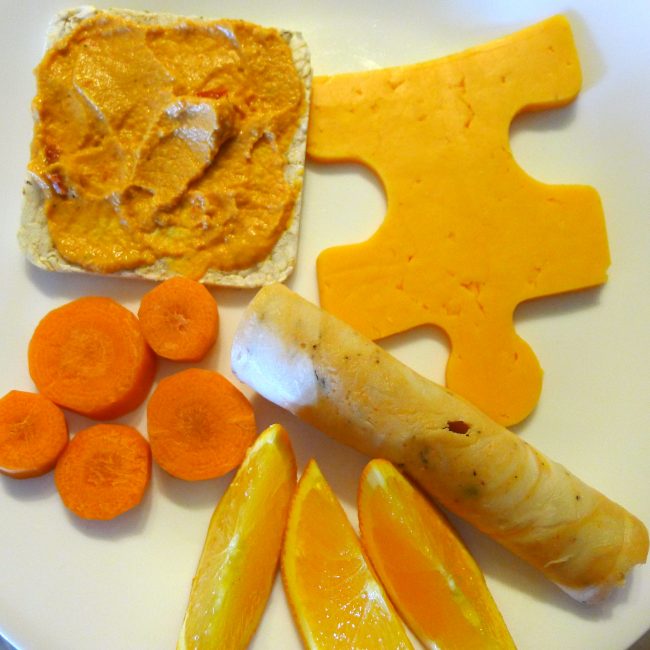
For our lunch on Friday, we made a special a la Einstein plate for everyone. It had the puzzle piece tribute in the form of cheese and it was all orange, Einstein’s favourite colour.
If you are looking for information on making sensory bins, you may be interested in my book. The Ultimate Guide to Sensory Bins
 

Filed Under: Homeschooling, Sensory Bins, Special Needs Parenting

How to Make Sensory Balls

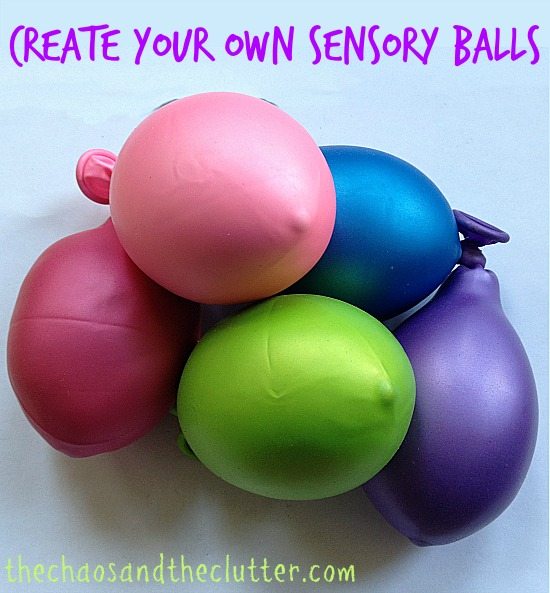
Create Your Own Sensory Balls (for pennies each)

By Sharla Kostelyk

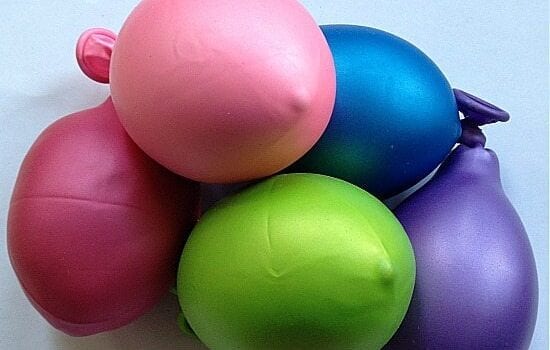
I have been busy making activity bags (also known as busy bags ironically!) for Dancing Queen and one of the things I decided to make for her were sensory balls. Making your own stress ball or sensory ball is easy to do and so inexpensive. Now that I know how easy these are to make, I keep some in the van, one in my purse, one in each of the kids’ backpacks, one in each of the calm down kits, and some in almost every room of the house.

How to make a stress ball (also called sensory balls) for just pennies each.

How to make a stress ball:


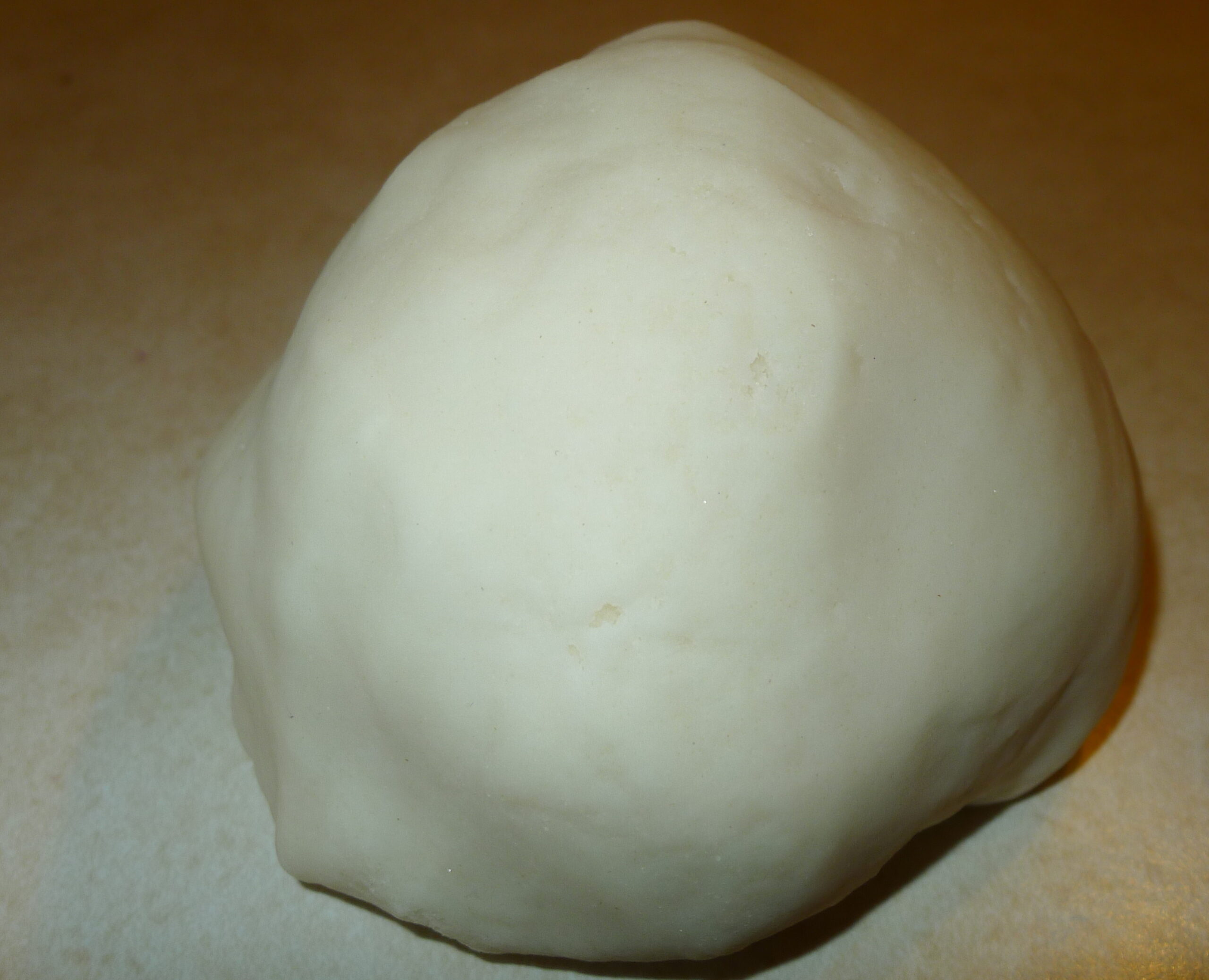
The first time I made sensory balls, I filled balloons with homemade playdough. I didn’t bother to add scent or food colouring because once it was inside the “ball”, it wouldn’t be seen or smelled.

The next step seemed easy enough…stuff some of the playdough into a balloon. This was much easier said than done!!! I tried holding the balloon open with my fingers and shoving it in with the other hand. I tried holding it open with the fingers from two hands while having one of my girls shove playdough in and that resulted in little cuts on my fingers from her nails.

At this point, I still did not have one full stress ball! I then came up with the idea to insert a coupler (cake decorating tool) into the top of the balloon and make skinny snakes with the playdough and get them in that way. It was still tedious, but it was much easier than the other methods I had tried.After making about five of these playdough filled balloons, I began to think that there must be an easier way to make these sensory balls. I did a google search and read about filling them with flour. I made a funnel out of paper and quickly filled five balloons with flour.

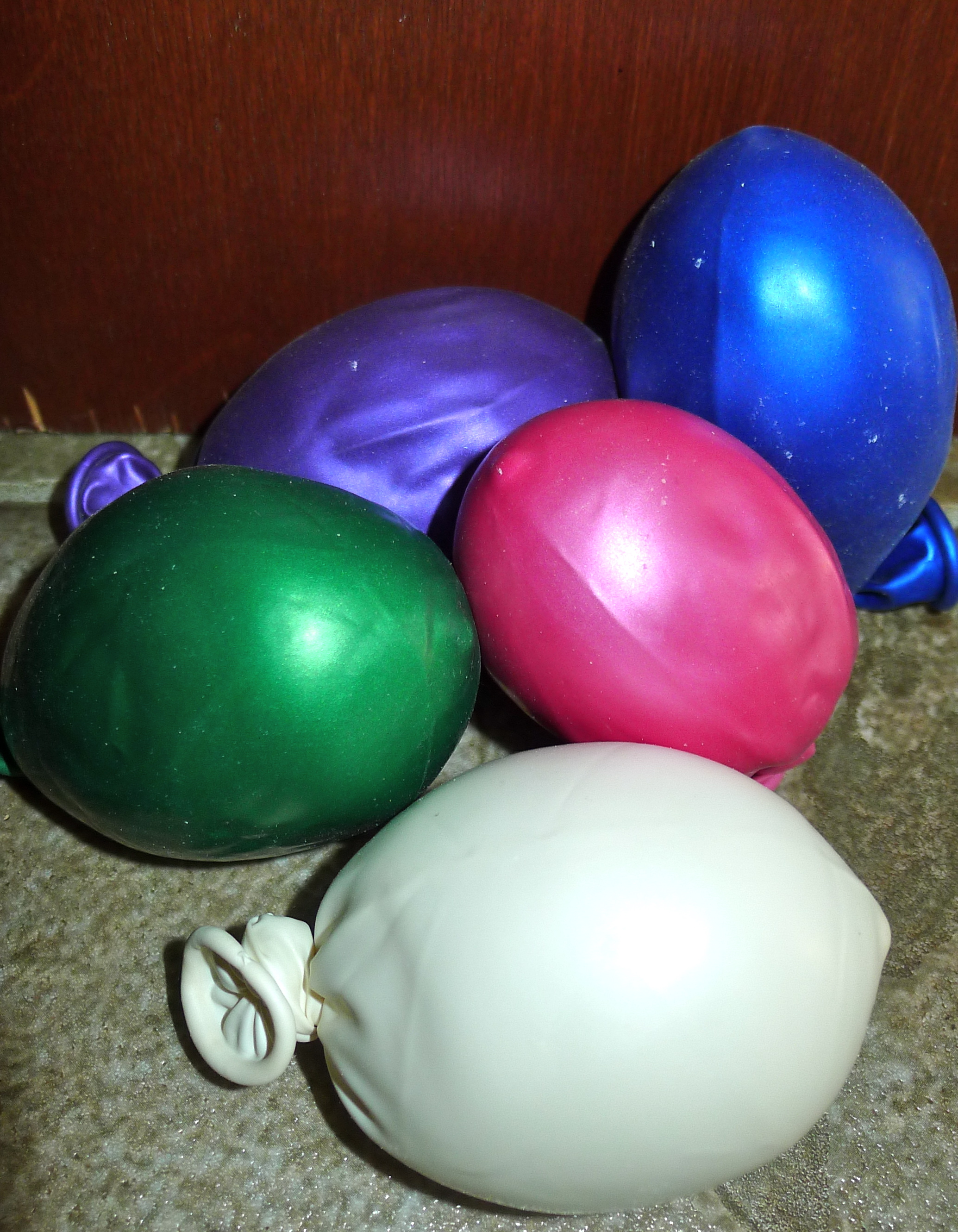
The flour filled sensory balls felt very similar to the playdough filled ones. They had somewhat of a softer feel and did not hold their shape when pressed in the way the playdough filled ones, but when surveyed, every one of my kids preferred the flour filled sensory balls. I also filled a few with dry rice (also using the paper funnel) for a different sensory experience. None of my kids like the rice filled ones.Now when I make sensory balls, I don’t bother with the playdough ones at all. I fill all of them with flour instead of messing with the playdough or bothering with rice. The kids really like squeezing the sensory balls and they are a fraction of the cost that store-bought stress balls are.

*note: use the helium quality balloons for best results

Update: We’ve made these using just flour another half a dozen times or so over the past few years. They sometimes last for many months at a time. You can use permanent marker to draw a face on them or write the name of the child it belongs to. Remind kids not to bite them as they will break if bitten hard enough.

We take our sensory balls with us everywhere. The kids each have one in their backpacks. I have one in my purse for waiting rooms or in the van. Our kids also include them in their anti-anxiety kit and we have one in our sensory room.

Important note: Balloons present a choking hazard and a mouthful of flour isn’t very fun either, so only use these if you know your child won’t be putting it in their mouth and always provide supervision. If you have a child who always needs to put things in their mouth, give them an alternative sensory item for chewing.

For sensory information and resources for the home or classroom, check out Sensory Processing Explained: A Handbook for Parents and Educators. 

Join me for a free 5 part email series, Little Hearts, Big Worries offering resources and hope for parents.

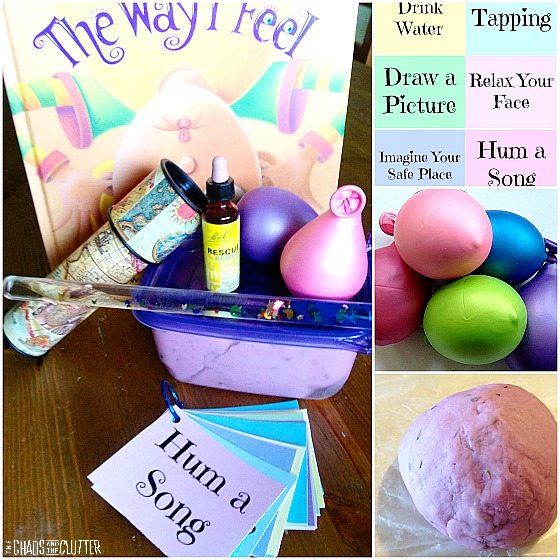
Create Your Own Anti-Anxiety Kit

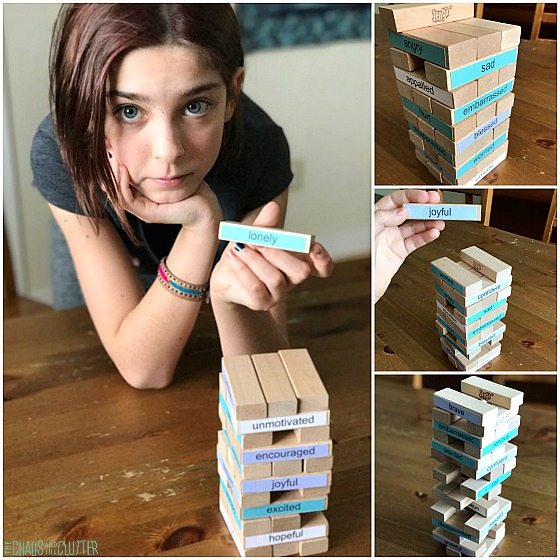
Make Your Own Feelings Jenga Game

Filed Under: Crafts and Activities, Sensory, Special Needs Parenting Tagged With: sensory play

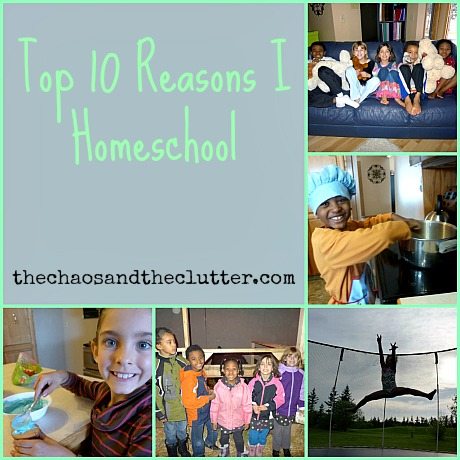
10 Reasons Why I Homeschool

By Sharla Kostelyk

I think that there is a misperception out there that because I homeschool, I judge those who don’t chose to homeschool. I don’t. In fact, our oldest two kids are in school this year. But homeschooling really, really works for me and here are 10 of the many, many reasons why:

1. I like my kids! I really enjoy getting to know my kids and spending time with them.  That’s not to say that there aren’t days when I don’t consider how nice it would be to go to the grocery store without kids in tow, but I really do like having my kids around! I miss the two that are in school this year.

2. Flexibility – We can homeschool when we want to and where we want to. We can move through curriculum as quickly or as slowly as we want to or need to. We can stop in the middle of something and decide that if a program isn’t working for us, we can ditch it and try something else. If the kids decide that they are super interested in something mid-year, we can add in a unit study about it at the time they are actually interested and will better retain what they learn. If we have friends or family visiting from out of town, we can set the schoolwork aside and work on relationships, which are far more important than book learning any day. If the opportunity comes up for a mid-week, mid-year family vacation, we can go without a second thought.

3. It works for my kids. A comment that we get often about our younger five kids is “you have such happy kids!” That says a lot I think about whether or not homeschooling is working for them.

4. Relationships – Homeschooling allows us to have the time to get to know our kids as individuals and form strong relationships with each of them. It also allows them to form strong sibling relationships. And it has allowed us to form relationships with other homeschoolers and homeschool moms both in person and online. It also allows more time for extended family relationships as at least once a month one of my kids will go and spend a day with their Oma and Opa…making memories that they will treasure for a lifetime.

5. The kids get to be kids – I love that with homeschooling, the kids don’t feel pressured to grow up before their time. They play with toys longer, climb trees longer, and don’t become interested in things like brand name clothes, members of the opposite sex (as more than friends), popular music, etc. until much later than their school-ages peers. (note: this is a generalization and I can only speak for what I see with my own kids and the friends their same age who are in school)

6. Daddy time – The Husband’s work schedule is somewhat flexible and homeschooling allows him to spend as much time as possible with the kids. This is a very good thing.

7. Unique needs of our family – Our family has some unique needs. We have a daughter with a chronic lung condition that requires a lot of care, appointments, and even occasional hospital stays. Homeschooling allows us to take time off when we need to, work around her schedule, and homeschool through the summer if we want to make up for lost time.

Our family has five children who are adopted and with whom we want to make extra efforts in terms of attachment and homeschooling allows us the time and ability to pour into them.

Our family includes some kids with special needs including one with Aspergers (a form of autism), several kids with Sensory Processing Disorder, two kids recovering from trauma, two kids whose first language was not English, one with a cognitive and speech delay, and two with a neurodevelopment disorder. I cannot imagine any school that would be able to meet their needs in the same way that I can. Homeschooling allows me to incorporate their therapy, sensory needs, and tailor what we do to how they learn best.  I can also tailor things to allow their natural gifts and strengths to shine. Homeschooling allows my kids to be who they are without being concerned about what others think of them. Instead of an environment where they are comparing themselves to others and therefore feeling “less than” or “different”, they are in an environment where they are comparing themselves to only themself and feeling confident. I love seeing how wonderful their self-esteem is!  They are also fairly encouraging of each other.

8. Faith and Character– I feel that it is our responsibility to instill our values and morals into our kids. Homeschooling allows me to weave faith into almost everything we do. If we are studying science, I can talk about God’s creation. I can use the Bible as a textbook. I can model the relationship I am building with God and am able to see the fruit when I hear the kids turn to prayer in the middle of the day for praise and petition.

I can offer opportunities for my kids to really learn about the world, about the needy, the orphans, the persecuted and as a family, we can try to make a difference in our community and the world. Through our years as foster parents, our work in the adoption community, and our travels to Ethiopia, our eyes have been opened and we want to pass along that compassion and willingness to serve to our children. (The Husband is actually helping to build a home with Habitat for Humanity today.)

9. Love of learning – I am a learner. I love to learn and for me, school almost took that out of me, but now as an adult, I have found that again and zealously pursue learning about things that interest me. Homeschooling has taught me at least as much as it has taught my kids. I want my kids to love learning too! I want them to love books and reading and wondering and for their curiosity to never end. I want to nurture their imaginations and their desire to know and understand.

10. They grow up too fast! – As we have witnessed first-hand with our older boys who are now 15 and 17, the years go by way too fast! Though when they are young, the days may seem long, before you know it, they are grown and you can never get those years back. Having my kids gone for 40 hours a week during those precious years just isn’t something I want to do. I want to cherish this time and use it to make their childhood full of family memories!

Filed Under: Homeschooling, Special Needs Parenting

Dollar Store Sensory Bin

By Sharla Kostelyk

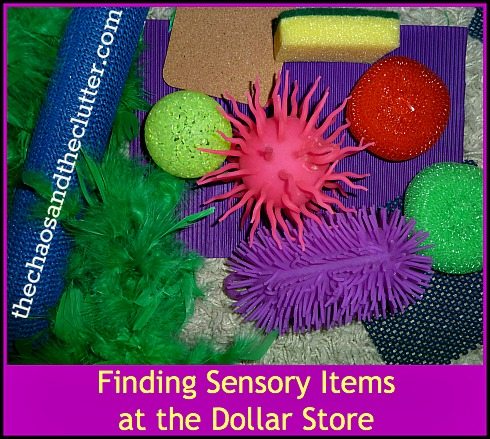
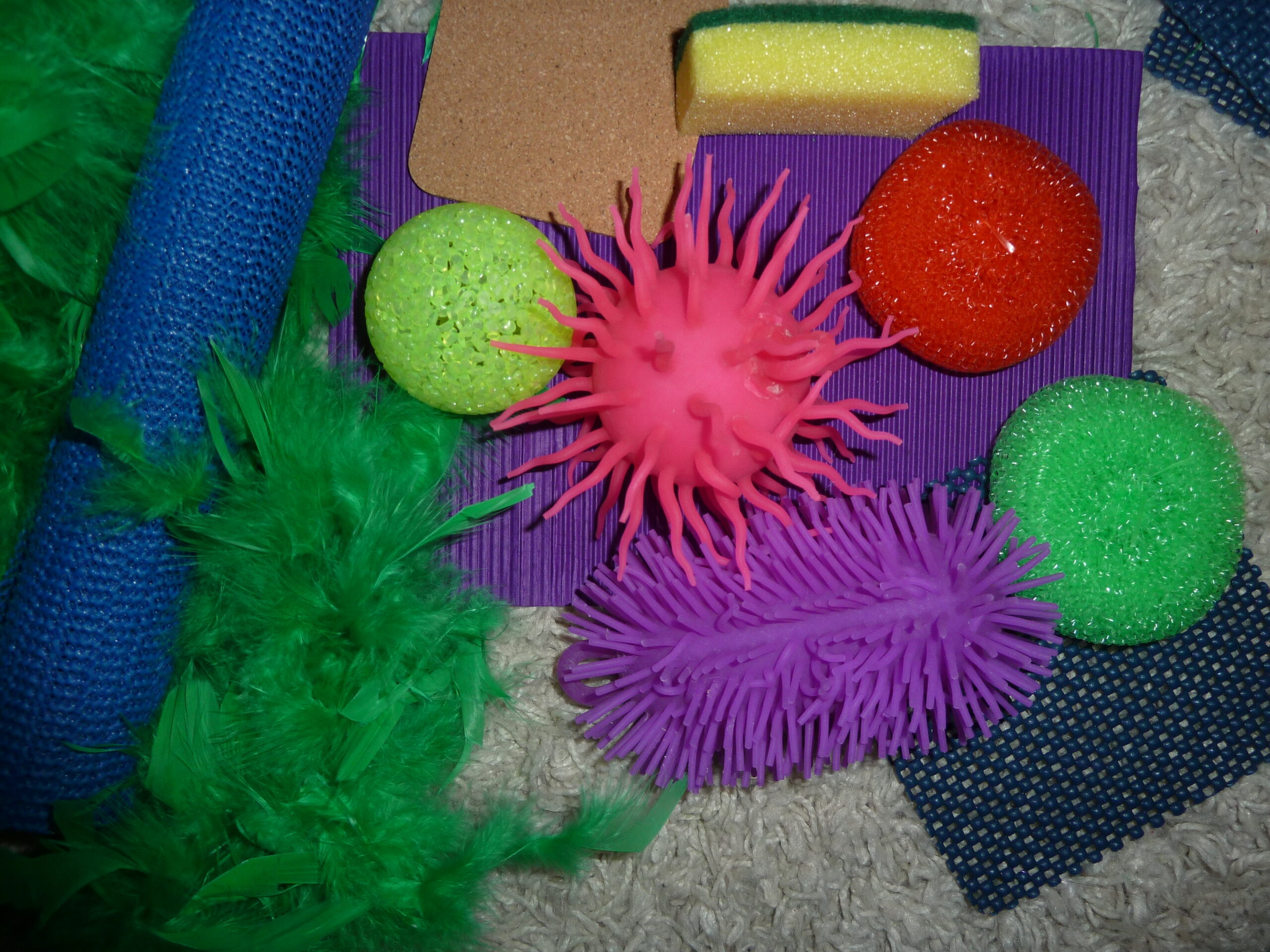
Sensory bins can be great fun for kids of all ages.  Though normally used for Preschoolers and kids with Sensory Processing Disorder (SPD), the bins are a big hit with all of my kids.  Four of my kids have SPD so I make them every week, but they can get expensive. Yesterday, I visited the dollar store and picked up these items:

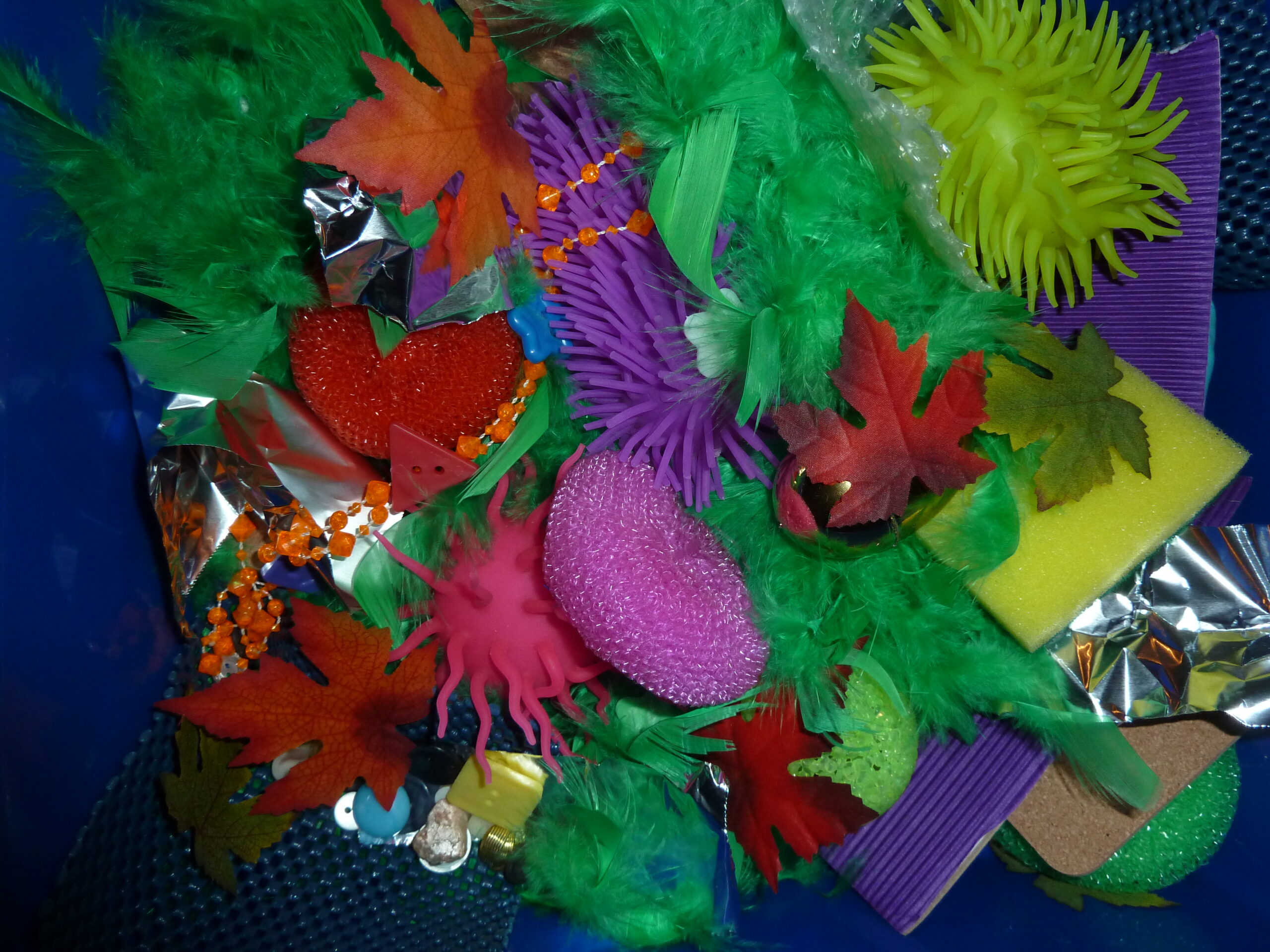
feather boa, cork coasters, brightly coloured scouring pads, sponges, non-slip pads, sandpaper, squishy balls, textured ball, netting, coloured corrugated cardboard

I paired those items up with things from around the house such as a beaded necklace, tin foil, bubble wrap, cotton balls, buttons, screws, rocks, beads, plastic leaves, dry pasta, sequins, velcro, and a few toys to make a sensory bin.

The bin ended up costing about $11 to make and most of the items can be re-purposed or re-used in future sensory bins.

You can find other great sensory bin ideas in my book and by following my Sensory Bins board on Pinterest.

 The Ultimate Guide to Sensory Bins

Filed Under: Crafts and Activities, Homeschooling, Sensory Bins, Special Needs Parenting

  • « Go to Previous Page
  • Page 1
  • Interim pages omitted …
  • Page 17
  • Page 18
  • Page 19

Primary Sidebar

Categories

We are a participant in the Amazon Services LLC Associates Program, an affiliate advertising program designed to provide a means for us to earn fees by linking to Amazon.com and affiliated sites.

Copyright © 2026 • The Chaos and the Clutter • Site Design by Jeni @ The Blog Maven

Return to top of page

Copyright © 2026 · Chaos and the Clutter 2.0 on Genesis Framework · WordPress · Log in