• Skip to primary navigation
  • Skip to main content
  • Skip to primary sidebar
  • Home
  • About
  • Contact
  • Privacy + Terms
  • Affiliates

The Chaos and the Clutter

  • Facebook
  • Twitter
  • Pinterest
  • Google Plus
  • RSS
  • Email
  • School at Home
  • Sensory
    • Sensory Processing Disorder
    • Awesome Sensory Play Activities
      • Sensory Bins
      • Sensory Bottles
      • Sensory Bags
  • Family Games
    • Minute to Win It Games
  • Special Needs Parenting
    • Childhood Anxiety
    • Reactive Attachment Disorder
    • Sensory Processing Disorder
  • Store
  • Course Login

Homeschooling

Easy Science for Kids – Chromatography

By Sharla Kostelyk

Science is not my favourite subject to teach. To be honest, it’s hard to even wrap my brain around some of the more advanced concepts so other than nature studies and Science Fair projects, we do very little science in our homeschooling. Last weekend, our girls were invited to a birthday party with a science theme. The birthday girl’s dad is a friend of mine who is a high school Physics teacher and he is PASSIONATE about SCIENCE! I stayed and watched and I have to admit that his enthusiasm was infectious and by the end of the party, I began to believe that maybe science could be fun and that maybe I could be capable of teaching it.
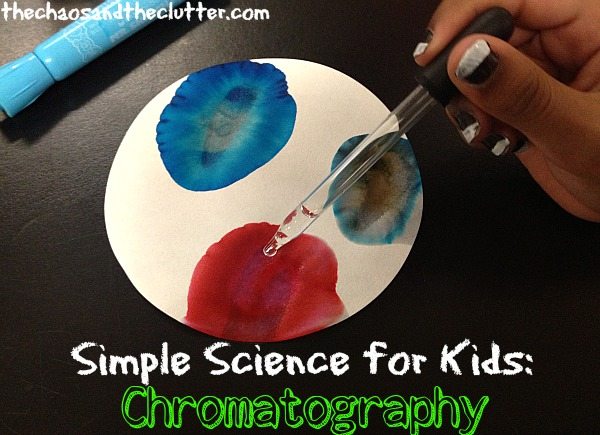
Simple Science for Kids: Chromatography

One of the hands-on activities he had the kids do was a lesson in chromatography and it was one that I later repeated with all my kids at home. This easy science demonstration can be done with materials you likely have in your home already.

All that you need for this experiment is filter paper, markers, droppers, and water. It does works best on filter paper but you can also use coffee filters or paper towels. We tried with each of these and they all work well enough to demonstrate the principle, although filter paper did give the most clear results. For the water, we used droppers, a spray bottle and a paintbrush and all of them worked equally well for distribution of water.

Have the kids colour an area on the filter paper and then add a few drops of water to that area. Have them observe what happens to the colour. They will be able to see that not only does the colour spread, it separates into the colours that make up that particular colour. Be sure to have them try using a black marker as it separates into several colours.
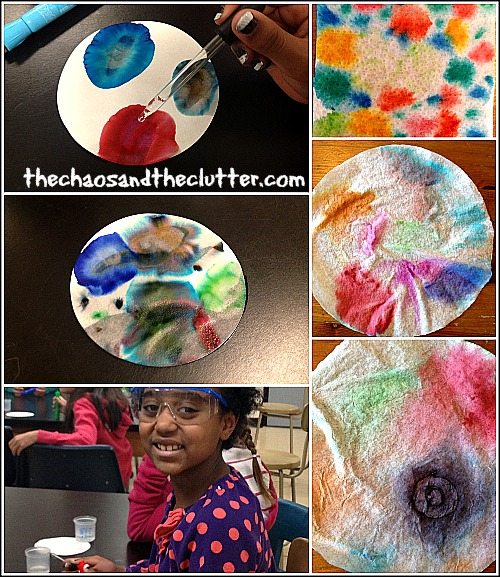
easy science for kidsChromatography is the separation of mixtures so this simple experiment is an easy introduction for kids to that concept and also gives further study into colours and shades.

If you are looking for more easy science ideas, you may want to follow my Simple Science board on Pinterest.
Filed Under: Homeschooling, Simple Science

Helping Children Pray by Creating a Prayer Wall

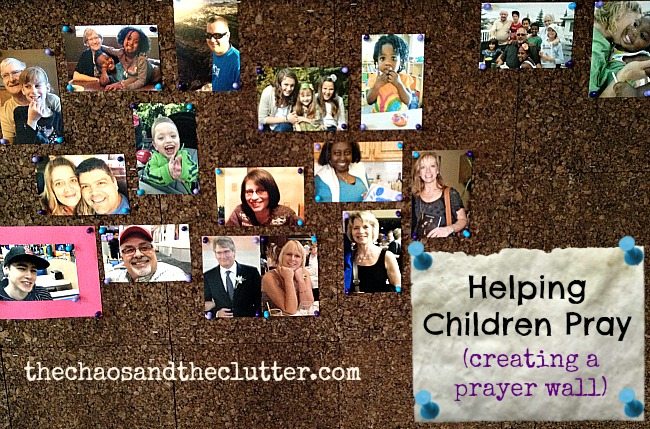
Helping Children Pray (creating a prayer wall in your home or classroom)
By Sharla Kostelyk

Creating a prayer wall in your home or classroom is easy to do. It can be instrumental in your child’s journey of faith. I have previously written about teaching children to pray and in that article, I mentioned our prayer wall and what an incredibly powerful tool it has been for us.

Creating a prayer wall can be as simple as placing names or pictures on your fridge with magnets or writing the prayer requests on a whiteboard. Children can even draw pictures themselves to create a prayer wall.

We used to use our fridge for pictures, but have found that since we start our homeschool days with prayer, it was better for us to make something in our homeschool classroom that we could use as a visual reminder. It is not only a reminder for myself and the kids of who and what to pray for, but also, an amazing visual of answered prayers.

We created our prayer wall by gluing cork to plywood to make a giant cork board. We can then pin pictures to it using pushpins. Some of our prayer wall includes pictures that are highly personal such as birth family members of some of our adopted children, so I have taken pictures that do not show the entire wall but will still give the general idea.

Helping Children Pray (creating a prayer wall in your home or classroom)We have a small stack of other pictures that I keep nearby of family members and loved ones so that I can rotate some of the pictures out from time to time and also in case they are needing extra prayer for something, we can add them to the wall. I have the wall divided into sections which is not the easiest to see in this picture because of the areas I left out of the picture, but an example is the top right corner. That section is reserved for things that are on a bit of a deadline. In this case, my dad and my aunt were both having surgery on the same day, so their pictures were there so that we could be praying for them specifically and daily.

On our prayer wall, we also have a red piece of paper and the picture on that is the person of the month (or day or week or year). The reason that person’s picture is on the red paper is so that it will catch our eye whenever we are walking through the classroom or sitting in the room and we can be reminded to silently (or not so silently) pray for that person.

Our prayer wall includes friends of ours who are battling cancer, children we love who have medical needs, family members who are serving a mission in another country, grandparents, those pursuing adoption, and many other specific people who have prayer needs.

One of the things I love about having these photos up is that the kids really do seem to remember the prayer requests more easily. When I am tucking them in at night and we can no longer see the prayer wall, they often bring up the people whose pictures are currently there in their bedtime prayers.

Another thing I love is when we are able to rejoice together about an answered prayer. One of our friends who they have been praying for for many, many months now is now cancer free and we can now be praising God for that answered prayer and seeing the reminder of that right there on our wall!

Filed Under: Homeschooling, Parenting in the Chaos

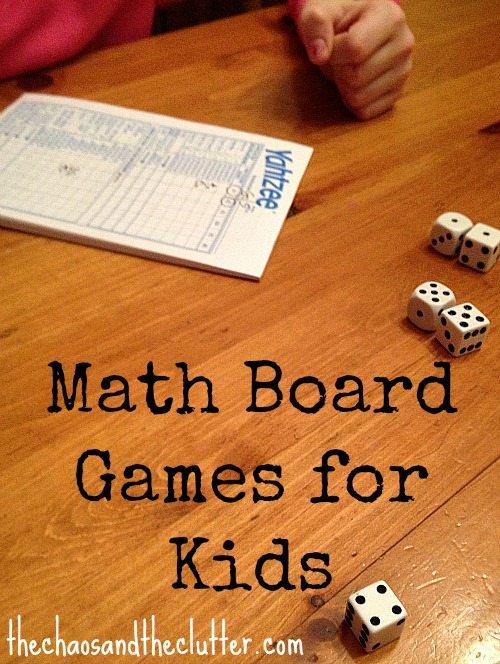
Math Board Games for Kids

By Sharla Kostelyk

When I wrote about how I teach math in our homeschool, several readers were interested in knowing which board games we use that help with math. Those questions led me to creating this list.

Math Board Games for Kids

I find that board games are particularly effective for teaching my special needs kids but many children learn best by doing and all kids can benefit from playing board games. Playing board games also involves building memories and spending quality time together as a family. 

Math Board Games

Here are just some of the math board games for kids that can be used to help them learn or improve their math skills. Games are fun, hands-on and a great way to help your child remember new or old concepts.

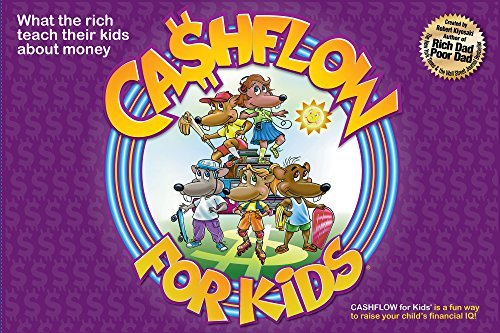
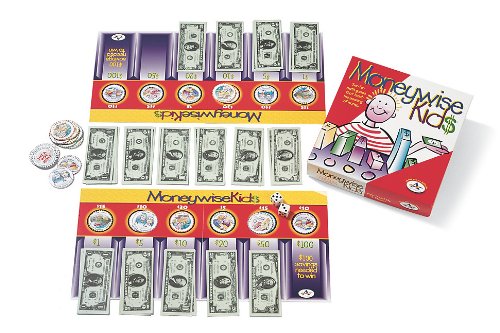
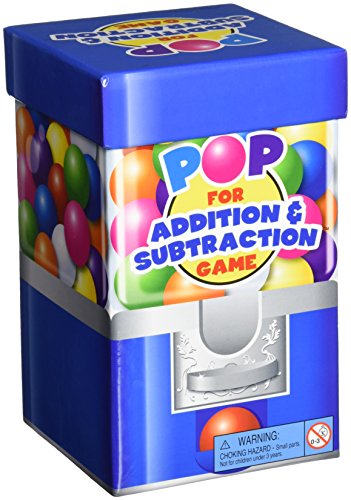
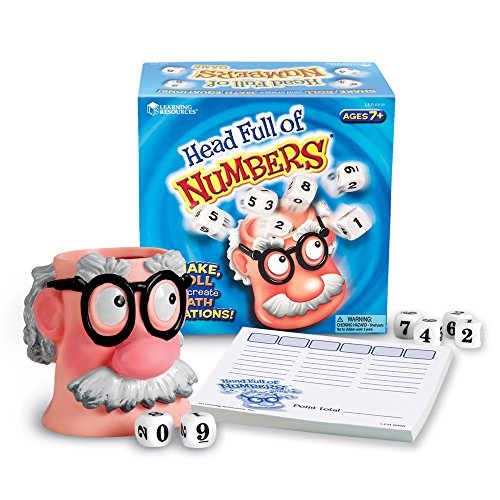
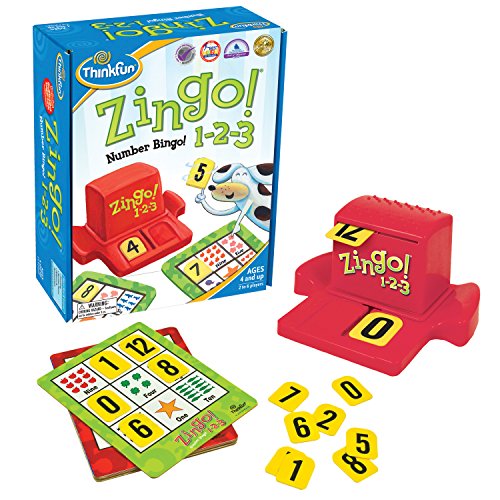
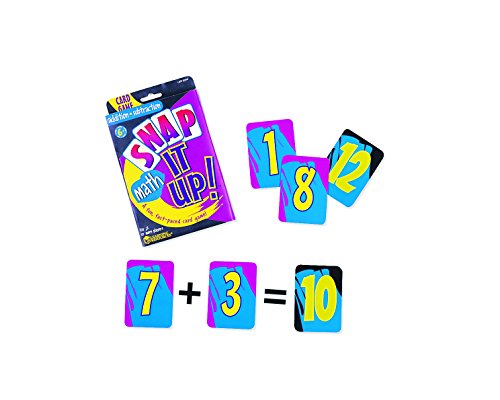
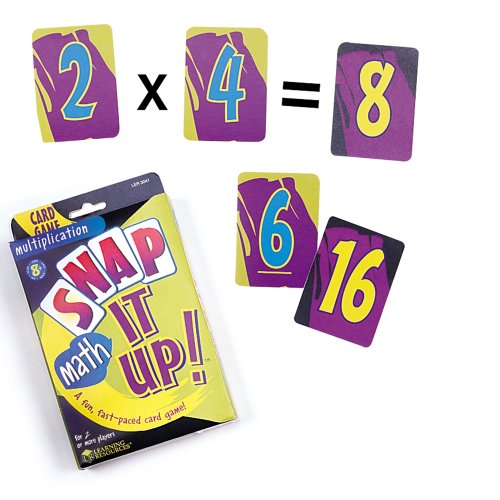
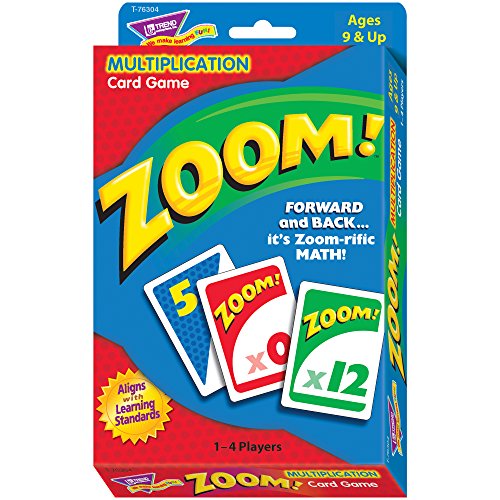
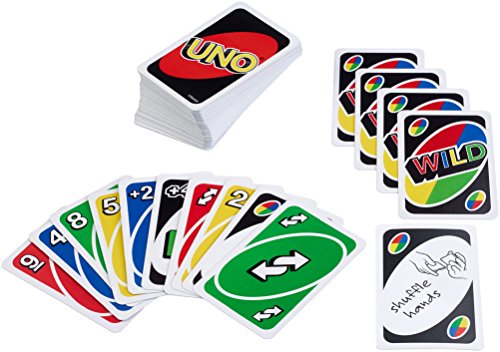
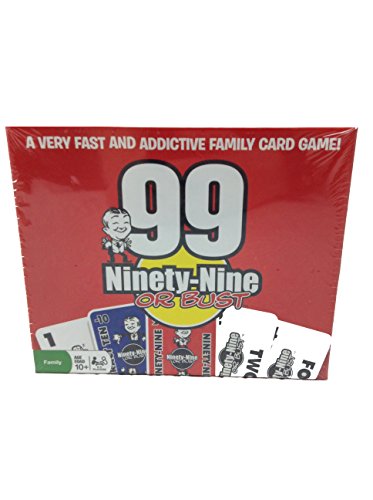
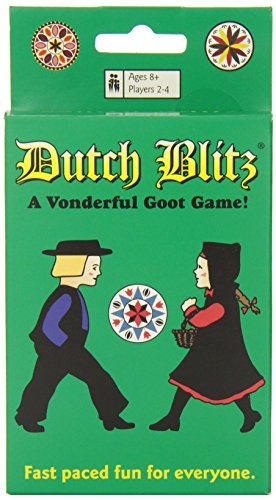
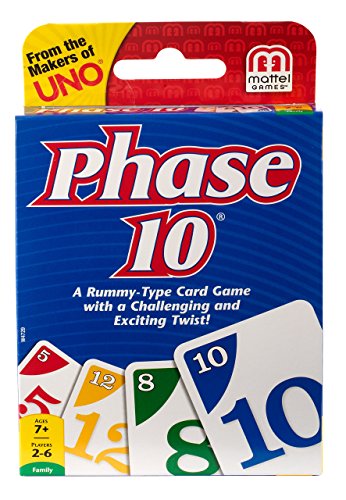
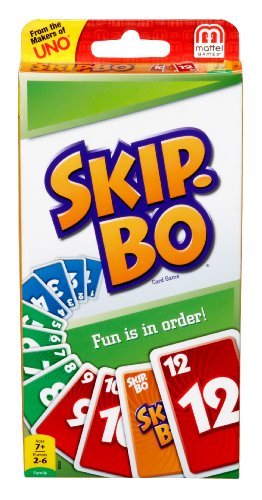
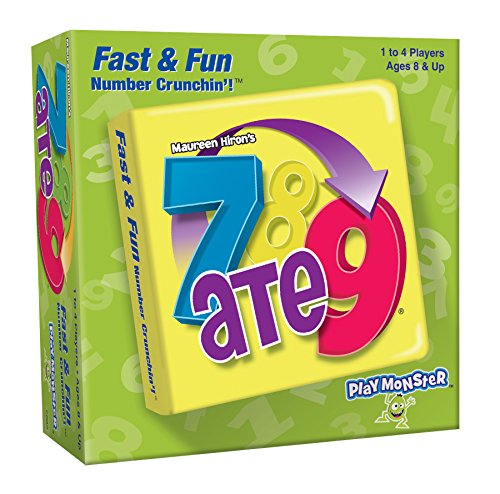
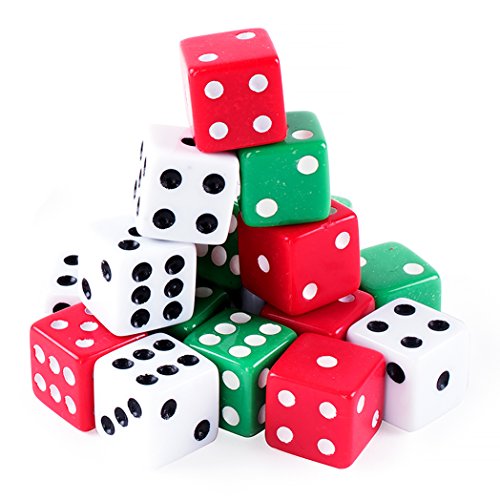
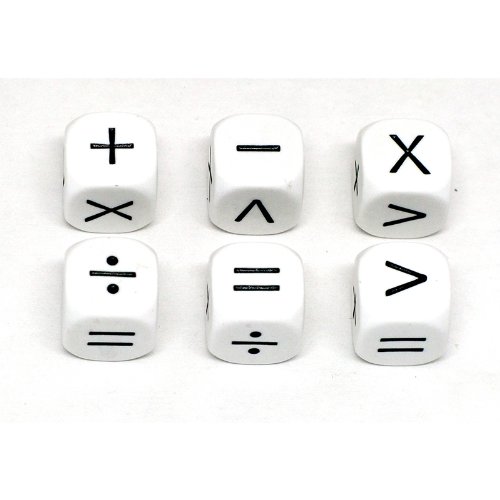
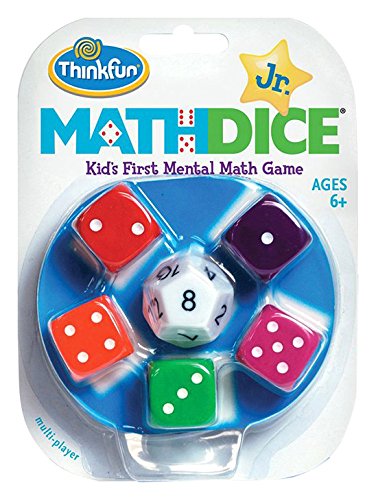
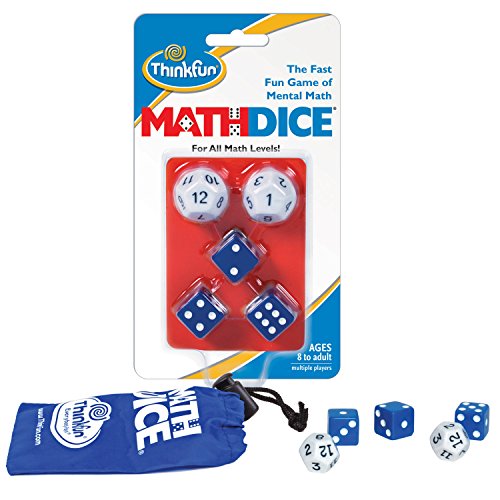
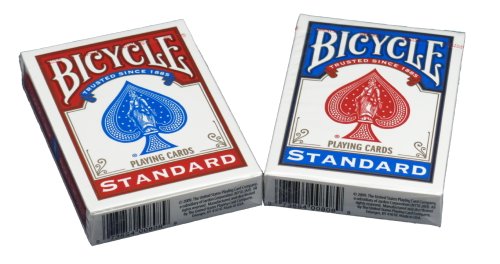
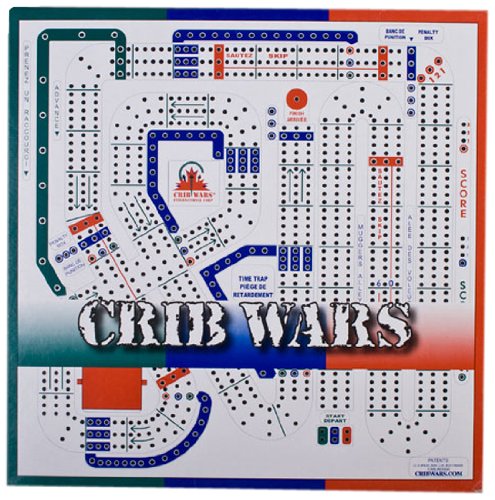
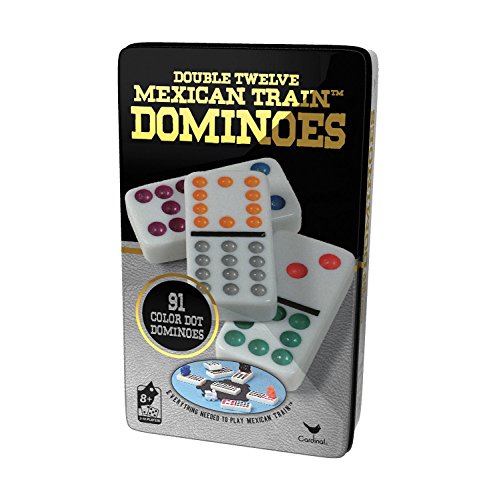
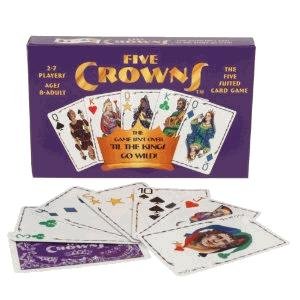
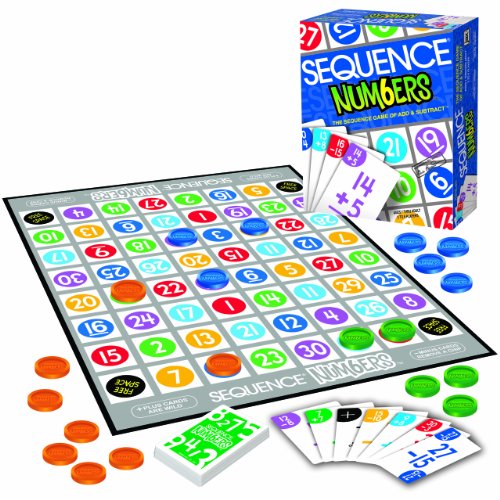
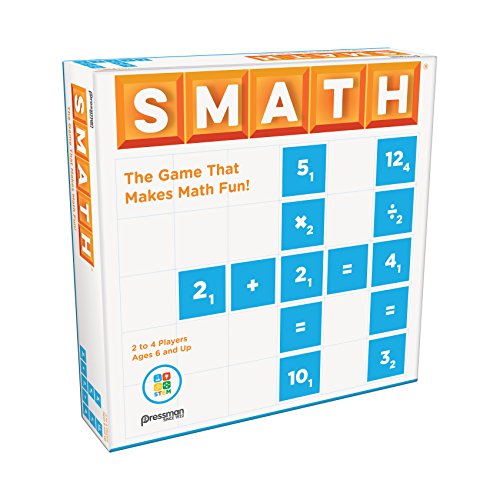
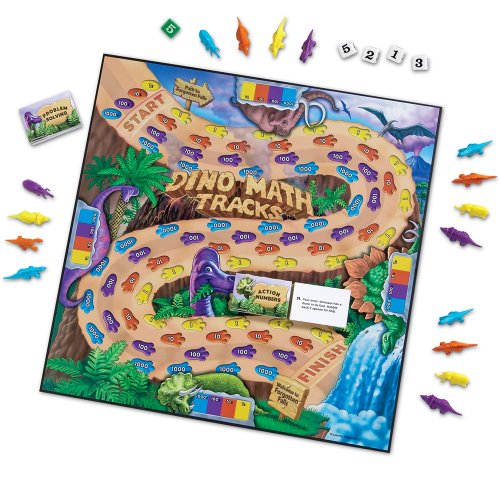
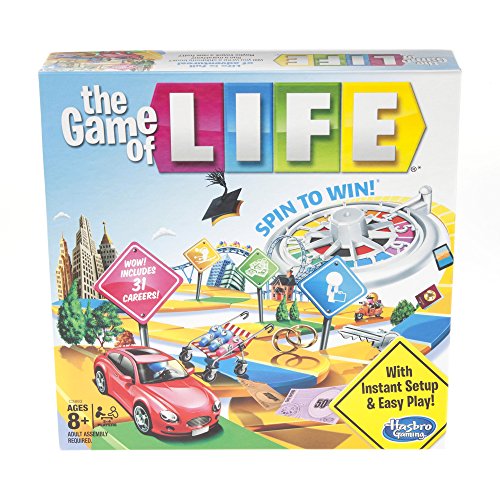
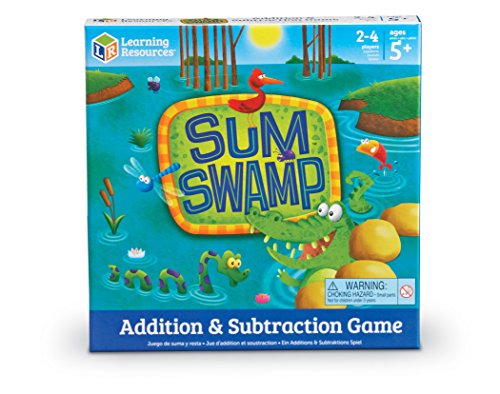
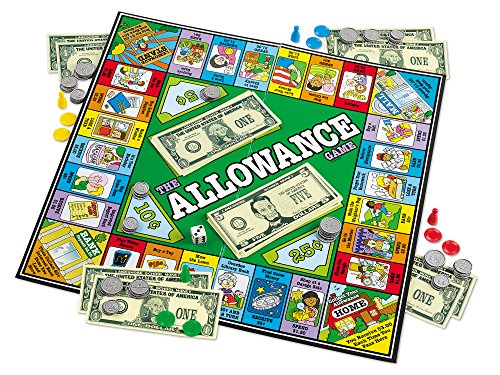
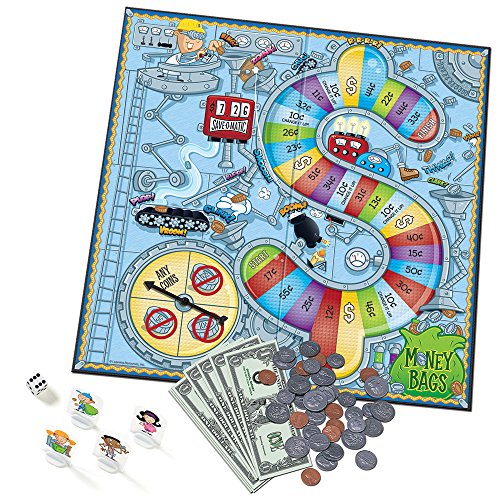
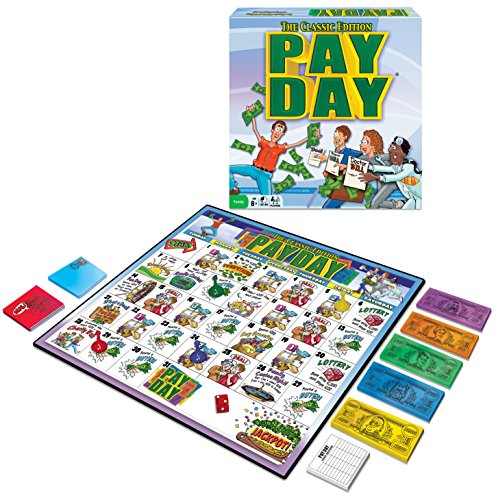
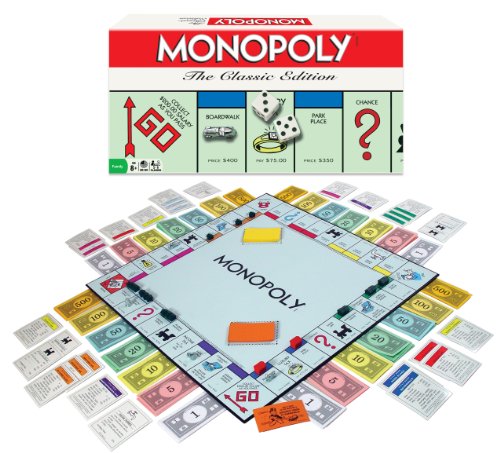
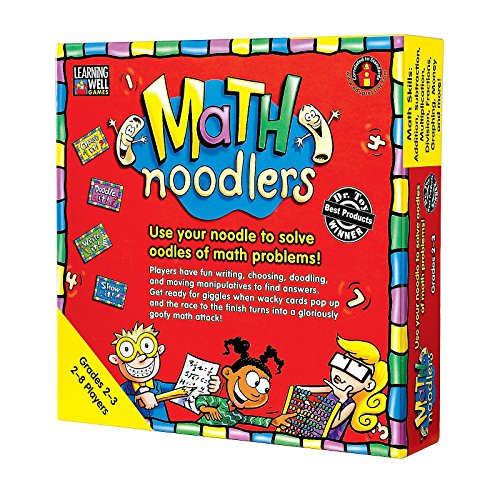
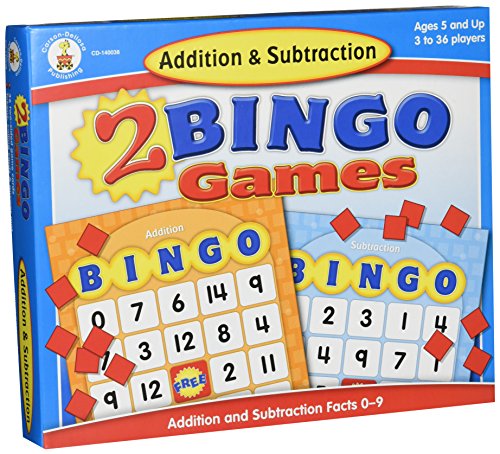
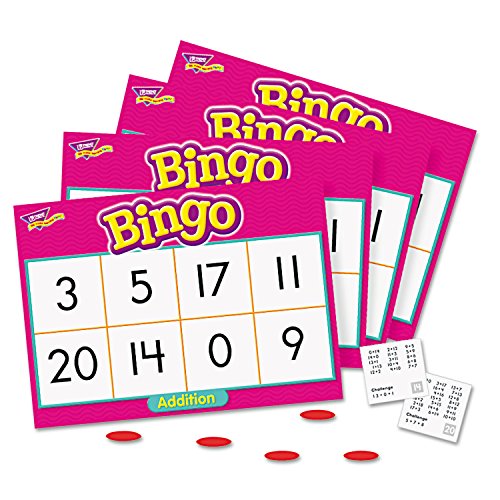
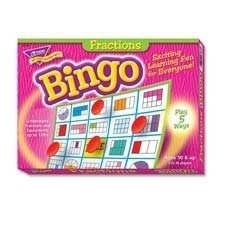
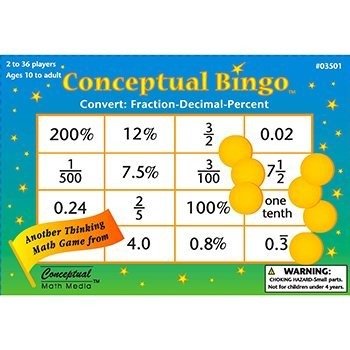
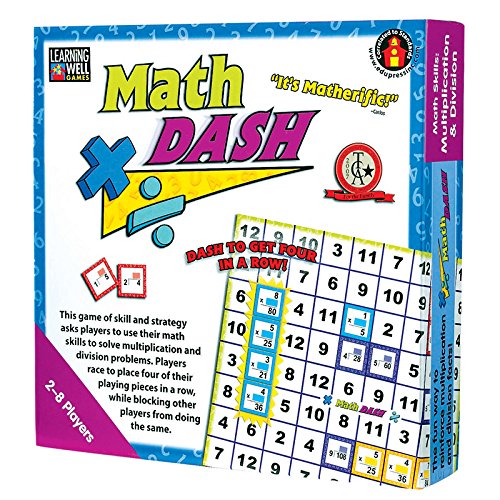
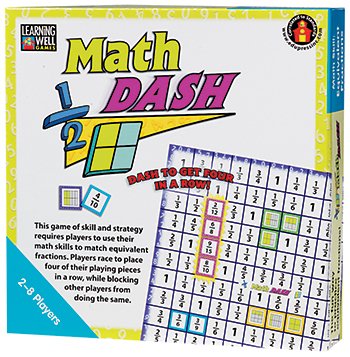
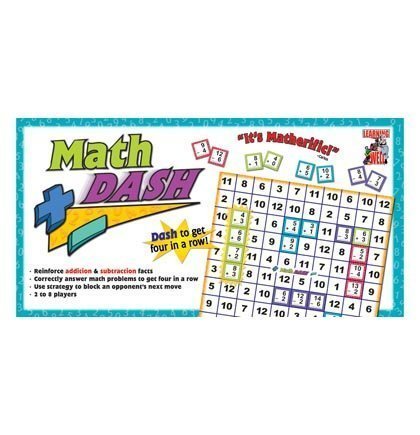
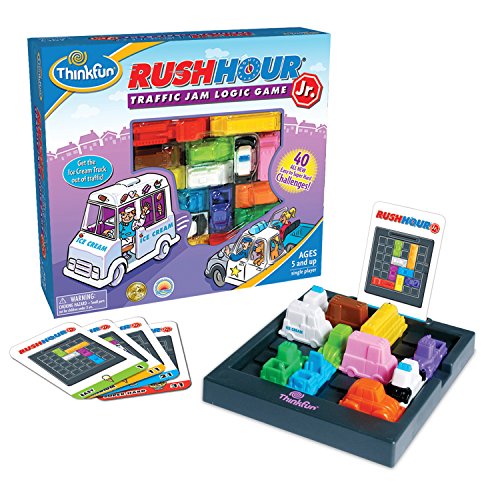
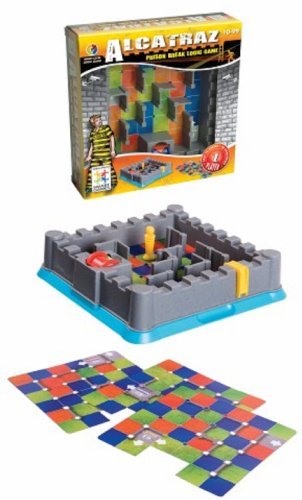
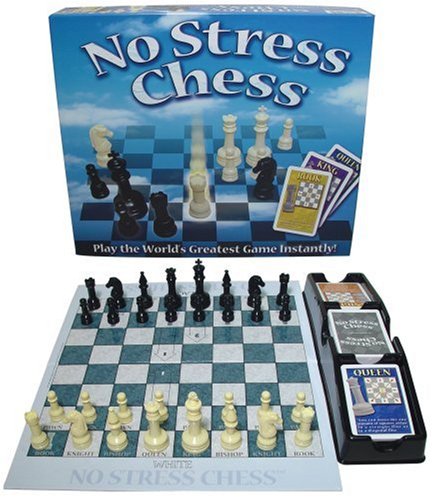
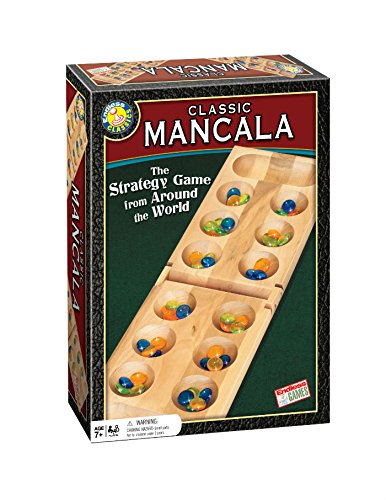
Dave Ramsey's ACT Your Wage! [Hardcover] [2010] (Author) Dave RamseyDave Ramsey’s ACT Your Wage! [Hardcover] [2010] (Author) Dave RamseyCASHFLOW for KidsCASHFLOW for KidsMoneywise KidsMoneywise KidsLearning Resources Pop For Addition & Subtraction GameLearning Resources Pop For Addition & Subtraction GameLearning Resources Head Full Of NumbersLearning Resources Head Full Of NumbersThinkFun Zingo 1-2-3ThinkFun Zingo 1-2-3Learning Resources Snap It Up! Math: Add/Sub Card GameLearning Resources Snap It Up! Math: Add/Sub Card GameSnap! AdditionSnap! AdditionLearning Resources Snap It Up! Multiplication Card GameLearning Resources Snap It Up! Multiplication Card GameTrend Enterprises Zoom! Learning Game (100 Piece)Trend Enterprises Zoom! Learning Game (100 Piece)Uno Card GameUno Card GameNinety-Nine or Bust GameNinety-Nine or Bust GameDutch BlitzDutch BlitzPhase 10 Card Game Styles May VaryPhase 10 Card Game Styles May VarySKIP BO Card GameSKIP BO Card Game7 ATE 97 ATE 9Assorted Colorful Dice in White, Red, Green for Board Games,Assorted Colorful Dice in White, Red, Green for Board Games,Koplow Games Operators Dice Classroom AccessoriesKoplow Games Operators Dice Classroom AccessoriesThinkFun Math Dice Junior GameThinkFun Math Dice Junior GameThink Fun Math DiceThink Fun Math DiceYahtzee GameYahtzee GameTenzi Game dice color may vary .Tenzi Game dice color may vary .Learning Resources Pizza Fraction Fun Jr. GameLearning Resources Pizza Fraction Fun Jr. GameSumokuSumokuLearning Resources Buy It Right Shopping GameLearning Resources Buy It Right Shopping GameBicycle Playing Card Deck, 2-PackBicycle Playing Card Deck, 2-PackCrib Wars Board GameCrib Wars Board GameCardinal Double 12 Color Dot Dominoes in Collectors Tin (StylesCardinal Double 12 Color Dot Dominoes in Collectors Tin (StylesFive Crowns Card GameFive Crowns Card GameSequence NumbersSequence NumbersSmath GameSmath GameLearning Resources Dino Math Tracks GameLearning Resources Dino Math Tracks GameThe Game of Life - Amazon ExclusiveThe Game of Life – Amazon ExclusiveLearning Resources Sum Swamp Game, 8 PiecesLearning Resources Sum Swamp Game, 8 PiecesLakeshore Allowance GameLakeshore Allowance GameLearning Resources Money Bags Coin Value GameLearning Resources Money Bags Coin Value GamePaydayPaydayMonopoly Board Game The Classic EditionMonopoly Board Game The Classic EditionTrouble GameTrouble GameEdupress Math Noodlers Game, Grades 2-3 (EP62350)Edupress Math Noodlers Game, Grades 2-3 (EP62350)Addition and Subtraction BingoAddition and Subtraction BingoAddition Bingo GameAddition Bingo GameSubtraction Bingo GameSubtraction Bingo GameTelling Time Bingo GameTelling Time Bingo GameMultiplication Bingo GameMultiplication Bingo GameMultiplication & Division Bingo GameMultiplication & Division Bingo GameFractions Bingo GameFractions Bingo GameFractions, Decimals, & Percents Bingo GameFractions, Decimals, & Percents Bingo GameConceptual Bingo // Convert: Fraction-Decimal-PercentConceptual Bingo // Convert: Fraction-Decimal-PercentTelling Time: How to Tell Time on Digital and AnalogTelling Time: How to Tell Time on Digital and AnalogLEARNING WELL GAMES Multiplication Division Math DashLEARNING WELL GAMES Multiplication Division Math DashEdupress LRN2347 Math Dash Equivalent FractionsEdupress LRN2347 Math Dash Equivalent FractionsLEARNING WELL GAMES Addition Subtraction Math DashLEARNING WELL GAMES Addition Subtraction Math DashCool MathCool MathRush Hour Jr Board GameRush Hour Jr Board GameRush Hour Logic GameRush Hour Logic GameAlcatraz Prison Break Logic Game by SmartGamesAlcatraz Prison Break Logic Game by SmartGamesNo Stress ChessNo Stress ChessMancala GameMancala Game

We haven’t played all of the games on this list but have played over half of them. Some are very obviously for specific math concepts while others teach overall skills such as patterning, sequencing, planning, logic, spacial concepts, and problem solving. Based on those skills, almost any board game can be used for math learning!

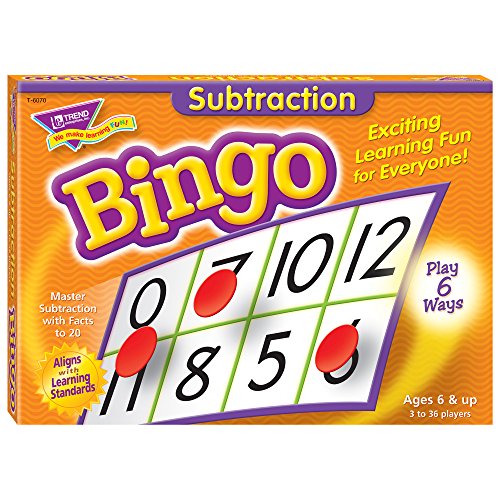
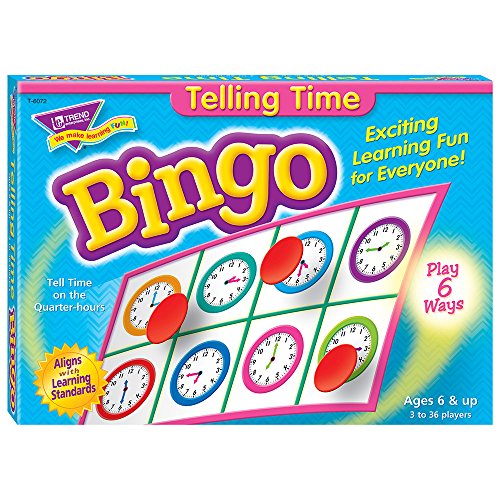
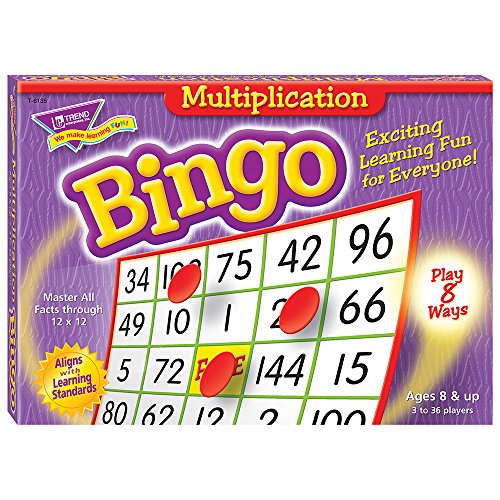
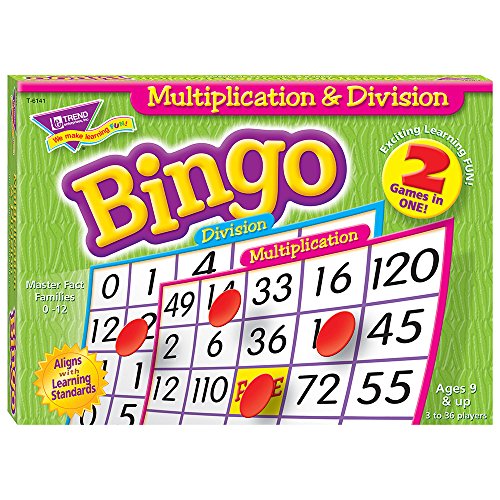
I have been using the math Bingo games since my oldest boys were young. They are very easy to figure out and a direct way to practise addition, subtraction, multiplication, and division. There is even a Bingo game for fractions, decimal points and percentages.

For logic and spacial concepts, I like games such as Alcatraz and Rush Hour as they can be played anywhere and keep kids entertained while secretly improving their brains!

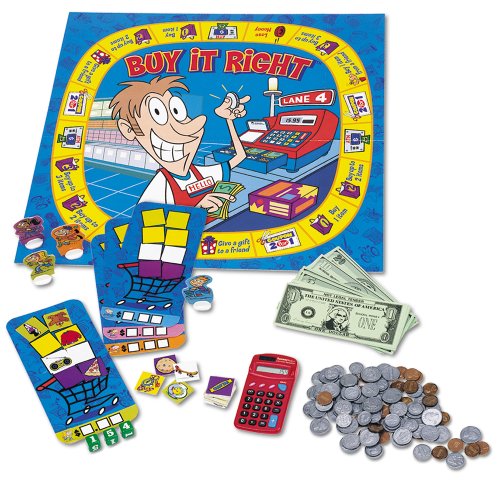
Monopoly, PayDay and the Game of Life are wonderful introductions to money, not to mention advanced concepts such as real estate purchasing, budgeting, income and expenses, and the curve balls life can throw your way! For older children, these concepts and discussions about financial life skills can be made through two other games that I love, Cashflow for Kids, which is based on the Rich Dad, Poor Dad books and the idea of getting out of the rat race, and Act Your Wage, a Dave Ramsey game about living within your means that the whole family (adults included) can benefit from playing. Financial skills are something that many kids don’t learn about until it is too late and these board games are a great way to broach the topics and introduce important concepts without it being too intimidating.

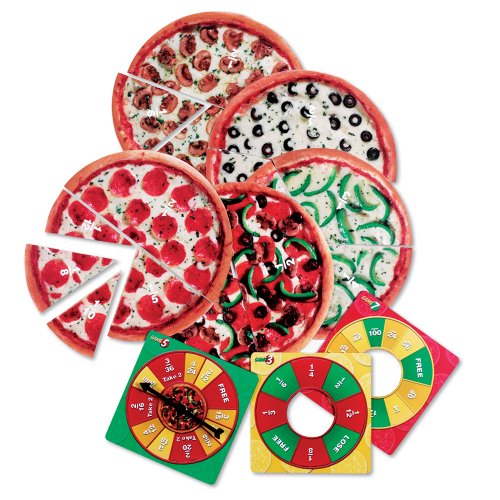
There are many fractions games out there but Fractions Supreme is my favourite. It’s another game that we’ve had since our oldest kids were young. It makes fractions less intimidating through pizza!

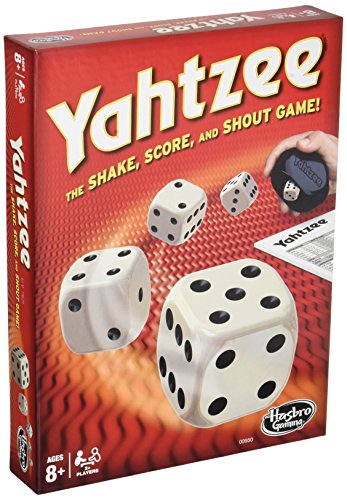
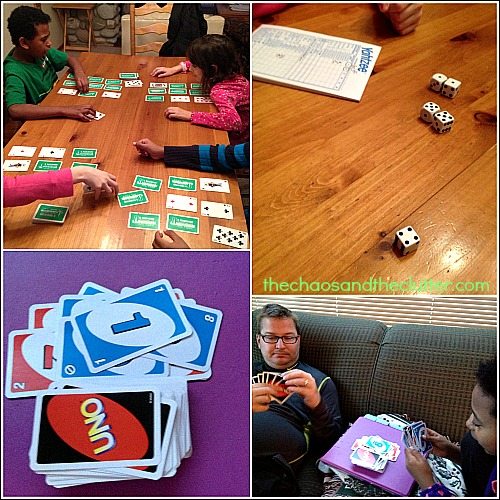
We play A LOT of dice and card games here. We play games with regular dice as well as specific math dice. Our go-to game is called The Dice Game (we are very creative in naming things!). It uses 6 dice. I tried to type out the rules of the game to explain it to you but managed to confuse myself so I found the basic rules to send you to! Our family plays a few slight variations of what is explained there but it’s the same general idea. We rotate who the scorekeeper is each game to give everyone another chance to practise their math skills. Another dice game we love to play is the classic Yahtzee.

The card games we play most often are Nines (read instructions by clicking that link), Go Fish, War, Speed, and Canasta. We also play card games that require different cards such as Dutch Blitz and Uno. I always have a deck of some type of cards in my purse so that if we are stuck in a waiting room, we have entertainment that also has learning value.

This picture is actually just one day of game playing in our family! We also really enjoy strategy games which probably also could be counted as math games too but I will save that list for another day!

a day of board game play

Math board games for kids are just one more way to make learning fun! What games are your family’s favourites?

Filed Under: Homeschooling

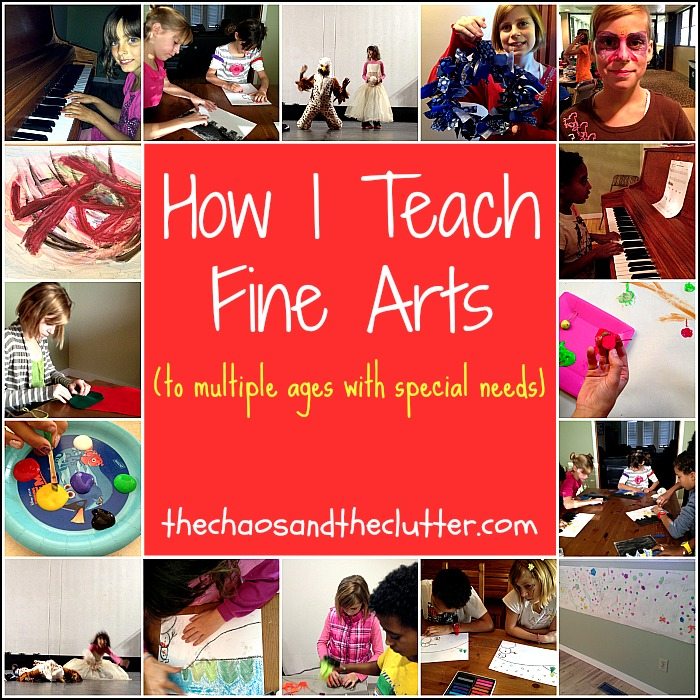
How I Teach Fine Arts to Multiple Kids with Special Needs

How I Teach Fine Arts to multiple ages with Special Needs

By Sharla Kostelyk

How I Teach Fine Arts to multiple ages with Special Needs

Music

The kids have a fantastic piano teacher who comes to the house Tuesday mornings to teach them piano and theory. They have a recital coming up next week. They really enjoy their piano lessons (although practising is another story for some of them!).

Having a teacher come into our home works for so many reasons. I can homeschool the other kids while lessons are going on with each one. There is no travel time. The kids feel most comfortable at home and are able to relax. We have tailored the lessons (both the content and the length) to each of the kids and their individual needs.

Music Appreciation

For music appreciation, we are using the Zeezok Music Appreciation Program. It studies individual composers and their music. We are currently learning about Haydn. We also in the past have used Color the Classics in which the kids color pictures pertaining to a particular composer and his life while listening to that composer’s music. Both of these programs work well with my kids because they use a variety of senses, are easy to adapt and we can set our own pace.

Art

Art is not my gift. I enjoy scrapbooking and crafting but can’t sketch beyond a stick man. I was always afraid to teach art so for all these years, my kids have taken Homeschool Art Classes through our local Recreation department. This year, one of the instructors had to recuse herself and the classes for three of my kids were cancelled. I consider art to be important so I mustered up the courage to give art lessons at home a try thanks to the Simple Start in Chalk Pastels tutorials. I shared how I used the Christmas Chalk Pastels tutorials to finally accomplish effective art lessons taught by yours truly last month. I have since started using one of the other books to continue their art lessons.

I love how easy they are to teach and the finished products are gorgeous! What I like the best though is that there is something about us sitting at the table and doing chalk pastels together that seems to calm the kids. It’s a great way to start the day so we usually do it first thing in the morning and it seems to work on chaos days to settle things down a bit if we pull them out in the afternoon.


Art Appreciation

I use mainly books to teach the kids art appreciation. We have several, including M is for Masterpiece, Famous Paintings, and the Usborne Introduction to Art. 

We also have visited art galleries and art exhibits and discussed different art periods and influences throughout history.

Drama

The kids have taken homeschool drama classes over the years and some of them have attended one day or one week drama workshops. We haven’t had the opportunity to take them to many live theatre events but sometimes are able to attend one put on by a local high school. It is also sometimes possible to get very inexpensive tickets for dress rehearsals for major productions.

Fine arts are something that I do consider important to learn but even more critical is that some of my special needs children seem to have an aptitude for creativity. I want to give them a chance to explore and improve on those talents.

Miss Optimism has always loved fashion and may just become a fashion designer one day. We got her a sewing machine for Christmas/her birthday and she will start taking lessons soon (though lack of teaching has not stopped her from sewing a housecoat, cell phone snuggies, purses, and a quilt!).

Filed Under: Homeschooling

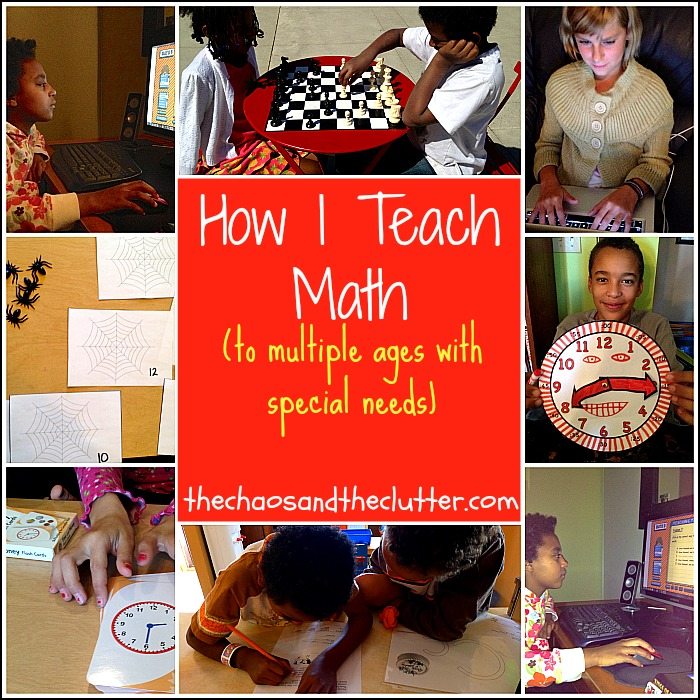
How I Teach Math to Multiple Ages with Special Needs

How I Teach Math to multiple ages with special needs

By Sharla Kostelyk

I should start off by saying that Math is not my forte. In fact, I barely passed high school math and I am scared of it. Yes, I have a fear of math. For the most part, my kids have inherited my math skills and it is a weak point for them, with the exception of Snuggle Puppy and Dancing Queen. Dancing Queen has cognitive delays and is functioning at a preK level in everything else, but she is doing exceptionally well in her third grade math!

How I Teach Math to multiple ages with special needsMath is the thing about homeschooling that I am the least confident about and probably worry about the most. For this reason, it is also the thing that I am the least eclectic about, in that I use a set curriculum for most of it. We started way back then using Abeka and then switched to Math U See. Math U See served us well for a number of years because of the teacher on the DVD, the manipulatives and the slow pace but then we hit a plateau and no one seemed to be progressing.

If there is one thing that I have learned by homeschooling, it is that if something doesn’t work, change it. Also, what works for one family, will not necessarily work for another and you may even have to use one curriculum with one child and another for your other children. I knew going into this year that we were going to have to find something new.

In my quest to find a math curriculum that would be a good fit for us, I compiled a list of different reviews and opinions. I researched and second guessed and finally settled on Teaching Textbooks. So far, it’s been a really good fit for all of the kids except Einstein. I would have predicted that he would like it the most since it is on the computer but it has been like pulling teeth to get him to do his math. I may have to give him the option of buckling down with Teaching Textbooks or going back to Math U See.

For the other kids, Teaching Textbooks has been wonderful. They have enjoyed being able to do it on the computer, the immediate feedback it offers, listening to the instructions and that it is not full of busy work. I like that it includes things like days of the week and months of the year and that it goes over old concepts and mixes them in with the new so that there is ample practise and review opportunities.

The other reason it works so well for us is that the kids all have their own usernames and passwords and it saves their information to the disk so they can move at their own pace.

We also use Take it to Your Seat Math Centers in their workboxes, math printables and hands-on activities in their workboxes, multiplication flash cards, money and time flashcards, the Multiplication Rap CD, the Math U See Skip Counting CD, and unit studies.

We did a unit study earlier this year on telling time and I have one planned for later this year on money. As my kids need a lot of repetition, practise, hands-on, and practical application practise, I am have a lot of hands-on activities planned for the money unit and am going to set up a mock store at home with a cash register and pretend money for them to practise with.

We also play A LOT of cards and board games so the kids pick up math skills very naturally that way. Some of the board games are designed to teach math skills specifically while others reinforce those skills in a less obvious way. (Update: I’ve created a more specific list of math board games because of the questions about this. You can read the full list and details of how we use games for math here or by clicking the picture below.)

Math Board Games for Kids


Filed Under: Homeschooling

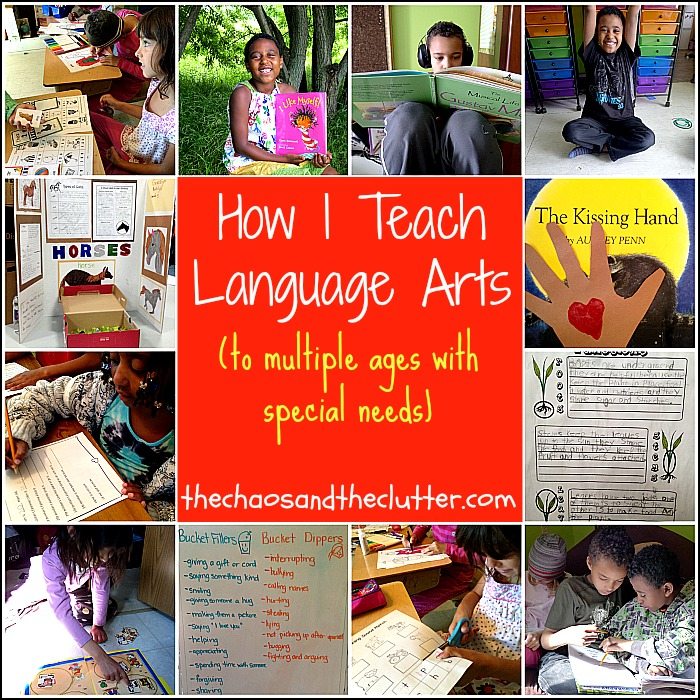
How I Teach Language Arts to Multiple Ages (and Special Needs)

How I Teach Language Arts to multiple ages with special needs

By Sharla Kostelyk

I have probably the world’s most eclectic program put together for our language arts homeschool program. I have tweaked it over the years and am always looking at ways to add to it that would be effective with my kids or take things out that are no longer working well.

How I Teach Language Arts to multiple ages with special needs

Workboxes

Workboxes are a big part of our homeschool days. I find it an easier way to organize our day and the kids respond very well. There are so many benefits to this system including small things like the fact that the kids have to get up out of their desks in between each activity and that physical change is good for them. Our son Einstein who has Aspergers likes that with the workbox system lets him know exactly when the work will be done. I have written an in-depth explanation of how we use our workboxes if you would like more details in how to implement this in your classroom.

There are several language arts activities put into the weekly workbox rotation. These change from week to week but include audio books for them to listen to at the listening station, file folder games, Take It to Your Seat Centers from Evan Moor (we have all levels and all types), and printables from different websites.

Most of the printables I find at:

Free Homeschool Deals
Confessions of a Homeschooler
This Reading Mama (some excellent language arts resources here)
3 Dinosaurs
1+1+1=1.

language arts workbox activities

Spelling

I have in the past used actual programs such as All About Spelling which is a really great program and helped a lot but what works for us right now is a very unstructured made by me program based on the book A Measuring Scale for Ability in Spelling. This little gem of a book is one that I have had since one of my sisters-in law gave it to me in about my first year of homeschooling (for the record, that is over a dozen years ago at least!).

It contains a list of the 1,000 most common words, in the order of their frequency in the English language. I sometimes use this list to choose sight words for the kids to learn. It just makes sense to me that teaching them the most commonly used words would be the most useful.

The words are then divided into groupings based on determining spelling at grade level. I also find this tool useful and these lists are what I use for impromptu spelling tests. For me, the grade level bit isn’t as relevant as with the kids’ special needs, my expectations are adjusted but it helps give me an idea of where they are at.

Phonics/Reading

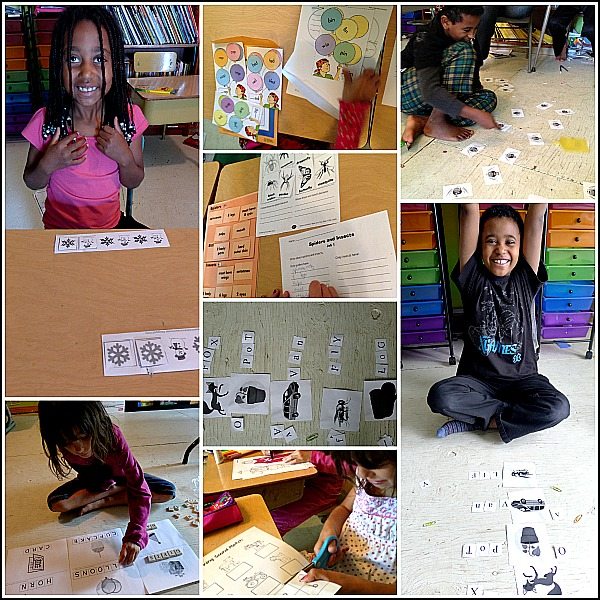
As with everything, I have found that hands-on works the best for most of our kids in learning phonics. We use letter cubes for blends and sentence building tiles.

We always have one or two chapter books on the go that are read-aloud and each day, we also read at least one or two other read-alouds. These are some of our favourites.

We also do activities to accompany the books we read. We expand the learning using food, sensory bins, crafts, writing, and notebooking.

I do one-on-one reading with my early readers. This is a bonding time as well as a learning one.

Snuggle Puppy and I reading

Grammar

I love Daily Grams! I have been using it for many years and I like that it’s not busy work. It doesn’t make the kids do 25 of the same thing over and over on a page. It teaches letter writing, punctuation, plurals, capitalization, dictionary skills, sentence combining, synonyms and antonyms, contractions, and more.

Handwriting

We have been using A Reason for Handwriting for a number of years. It allows the kids to go at their own pace.

Poetry 

We haven’t done a lot of work on poetry except for a brief study of Haikus, but each week the kids work on memorizing a poem. Sometimes it’s just a goofy poem like something from Shel Silverstein while other times it is a short poem by Frost or Blake. Right now, they are memorizing The Cremation of Sam McGee which is a lot longer than I remembered and we may stop halfway because it’s also more morbid than I remembered (!) but they enjoy memorizing poems and it is giving them a foundation in poetry appreciation.

Poems are also a place that we find a lot of our vocabulary words to discuss.

Sentence Writing

I have written about how I teach strong sentence writing which includes a homemade mad-libs type of game and a brainstorming technique found in the book Write a Super Sentence.

sentence writing ideas

Board Games

Our family really enjoys board games and they are such an easy and fun way for kids to learn. Games such as 5 Second Rule (Spit it Out!), Scrabble Junior, Boggle Junior, and Apples to Apples get pulled out on almost a daily basis around here.

Our made up game of dictionary wars which means racing against each other to locate a word in the dictionary.

Pop for Sight Words (we have the first and the second one) have been excellent for our early readers and the way that the game works, it can be played by all different skill levels at the same time with everyone having a chance to win.

Other

Language Arts gets incorporated in many other areas of our homeschooling. The kids gets the opportunity to practise their writing in unit studies, notebooking, science, history, and Bible. The kids enjoy writing most when it is for practical applications such as letter writing or list making.

Filed Under: Homeschooling

  • « Go to Previous Page
  • Page 1
  • Interim pages omitted …
  • Page 10
  • Page 11
  • Page 12
  • Page 13
  • Page 14
  • Interim pages omitted …
  • Page 23
  • Go to Next Page »

Primary Sidebar

Categories

We are a participant in the Amazon Services LLC Associates Program, an affiliate advertising program designed to provide a means for us to earn fees by linking to Amazon.com and affiliated sites.

Copyright © 2026 • The Chaos and the Clutter • Site Design by Jeni @ The Blog Maven

Return to top of page

Copyright © 2026 · Chaos and the Clutter 2.0 on Genesis Framework · WordPress · Log in