• Skip to primary navigation
  • Skip to main content
  • Skip to primary sidebar
  • Home
  • About
  • Contact
  • Privacy + Terms
  • Affiliates

The Chaos and the Clutter

  • Facebook
  • Twitter
  • Pinterest
  • Google Plus
  • RSS
  • Email
  • School at Home
  • Sensory
    • Sensory Processing Disorder
    • Awesome Sensory Play Activities
      • Sensory Bins
      • Sensory Bottles
      • Sensory Bags
  • Family Games
    • Minute to Win It Games
  • Special Needs Parenting
    • Childhood Anxiety
    • Reactive Attachment Disorder
    • Sensory Processing Disorder
  • Store
  • Course Login

Homeschooling

History Sensory Bin

By Sharla Kostelyk

I find it easiest to create sensory bins that have some type of theme to them. If there is something that we are studying in homeschooling, a sensory bin along that theme can further reinforce what the kids are learning as well as providing an opportunity for sensory play.

Last week, the kids watched the classic musical “Annie Get Your Gun“. They adored it and are still singing “no, you can’t get a man with a gu-un”! Granola Girl was even singing it through the aisles in the grocery store the other day!

Since they were already so interested and asking lots of questions, I decided to expand their learning and teach them about the history of Annie Oakley, the woman the movie is based on and about that time in history. I happened to have a Wild West TOOB which had an Annie Oakley figurine in it (I hadn’t even noticed that when I bought it!) so I used that to create a sensory bin that would allow the kids to play and expand on the story they had watched in the movie.
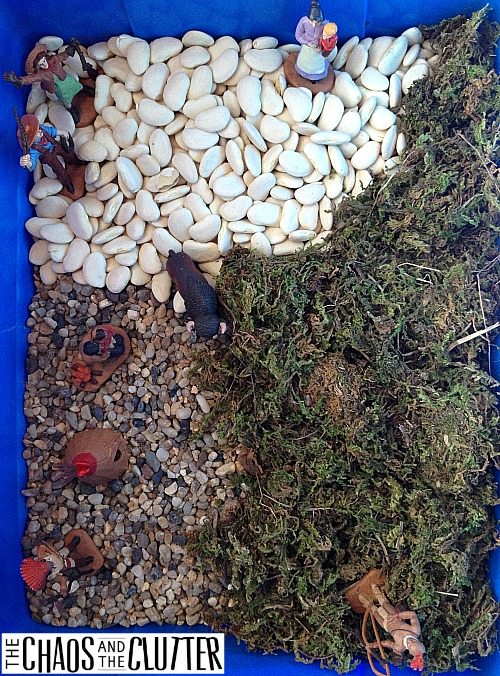
History Sensory BinFor the base of the bin, I used dry white beans in one section, aquarium rocks that we had left over from a science experiment we had done the week before in another section and I finished it off with an area of moss. Then I added the Wild West TOOB figures and let the kids play.

I know that my sensory bin may not be completely historically accurate, but the point of it is to get the kids more interested in history and its characters by letting them explore. They loved that there was an Annie Oakley figure and had such fun reenacting scenes from the movie.

You can create a history sensory bin to go with any period in history (think Ancient Greece or Ancient Egypt) or that is centred on a specific historical figure (think inventors, artists, politicians or heroes).

For hundreds of other sensory bin ideas, you can also follow my Sensory Bins board on Pinterest.

Follow Sharla Kostelyk’s board Sensory Bins on Pinterest.

If you are looking for information on making sensory bins, you may be interested in my book. The Ultimate Guide to Sensory Bins
Join our free 5 part email series Sensory Solutions and Activities and get our Sensory System Behaviours Easy Reference Cards.
Filed Under: Homeschooling, Sensory, Sensory Bins Tagged With: sensory bin, sensory play

Homeschool Momma – What You Need to Hear Today

By Sharla Kostelyk

I’ve been homeschooling for many years, more than a dozen in fact, but I still have days of discouragement and doubt. Sometimes, I still feel like I have no idea what I’m doing. Insecurities creep in and I second-guess myself.

Homeschool Momma: What You Need to Hear Today Image Copyright: oliverstockphoto / 123RF Stock Photo

The words I tell you today are the truth. They are what I need to hear and want you to hear it too.

You know your kids best.

Those little (and not so little) critters running around? You know their moods, their hearts, their triggers, their facial expressions, their fears, their dreams, what works for them and what doesn’t. You love them enough to put in the time to figure out how they learn best. You are best equipped to teach them just by virtue of the depth of your knowledge of them.

What works for one family may not work for another.

Every family is unique. Looking from the outside in, it may seem as if another homeschool family has it all together. You may want to try to emulate what you see them doing but what works for them may not be a good fit for your family. You also aren’t seeing them on their bad days! Since you know your family best, you can best determine what will work for you. This may take trial and error and may need to change in certain seasons of your life.

It’s ok to change your plans.

There are times when even halfway through the year, you may need to change your curriculum or your plans or even your entire homeschool method if you find it’s not working for you. It’s ok to admit that something isn’t working and try something else. After all, you know your kids best!

I started as a very “school-at-home” type of homeschooler and then after two or three years swung over towards the unschooling side, which was a wonderful fit for my disorganized self and for the two sons that were school-age at the time. Fast forward a few years to when some of our younger, special needs children were school-age and attempting to unschool was a disaster. What had worked for years with their brothers was now stressful and painful. I had to re-evaluate and I came to admit that my special needs kids needed more structure, plenty of brain breaks, and more sensory opportunities. Change was hard but worth it.

You don’t have to get it all done today.

You have until your child is 18 or older to teach them everything you think they need to know. You don’t need to tackle algebra when they’re six or even worry about how you’re going to tackle it later. Concentrate on today. Teach them one thing and then another and then another. Eventually, it all adds up to be many things.

Some days it’s ok to throw your plans out the window.

There are days. You know the kind of days I mean…days when no matter what you try to do, things are not going to go as planned and kids are going to whine and moms are going to yell or lock themselves in the bathroom. Those days, sometimes it’s just best to throw the plans out and spend the day cuddling on the couch or enjoying the unseasonably warm weather. A spontaneous field trip or treat may be just what’s needed to turn things around.

Take time to enjoy the little moments.

There are hard days, but it is a privilege to homeschool because you get to be there to witness the little things, the a-ha moment, the light in their eyes when they master a new skill, the hug in the middle of the day for no apparent reason, the no-small-miracle of siblings getting along. Take the time to soak it in. They grow up so quickly. People used to tell me that and I swept it aside in my mind until they were right and my oldest was grown and gone. Now I know all too well how true it is and I am trying to do a better job of savouring the time with my younger ones.

You are succeeding.

You will always feel behind but as long as your child knows that they are loved by you and by God and is learning something, anything, you are succeeding.

I know that there are days when you might look longingly at the big yellow bus and wish your kids were on it because it’s hard and exhausting (I have those days still), but when the breakthroughs come and you see your child’s face light up because they grasp a new concept or created something themselves, think of what you would have missed if they had been on that bus. You have the privilege of this time with them. It’s time you’ll never get back. It’s a gift.

Give hugs liberally. Teach them to love books. Show them God’s love. Be in the moment. Appreciate them. Let them see you help others. Be willing to change. Apologize for your mistakes. Get to know them more every day. Treasure it. Give yourself grace.

Filed Under: Homeschooling

Flower Petal Fingerpaint

By Sharla Kostelyk

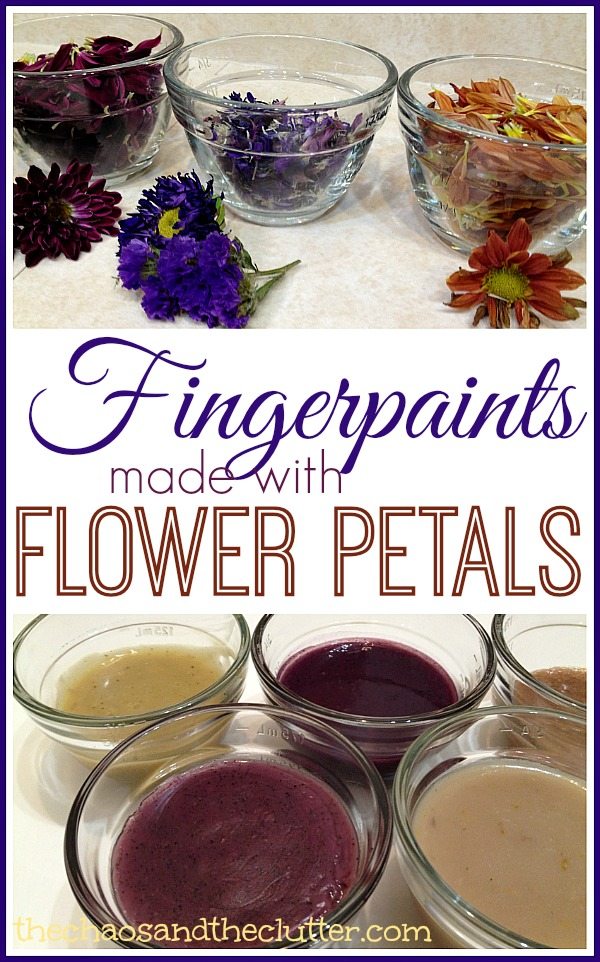
Making flower petal fingerpaint turned out to be an interesting science and art activity. We were surprised by what colours were made with the flowers and even by how the smells changed throughout the process.

Fingerpaints made with Flower PetalsMy neighbour had given me a beautiful fall bouquet of flowers and after a week or so, it had begun to look a bit on the sad side. The flowers were drooping and had started to wither but there were such gorgeous colours in the bouquet that it really seemed a shame to throw it away.
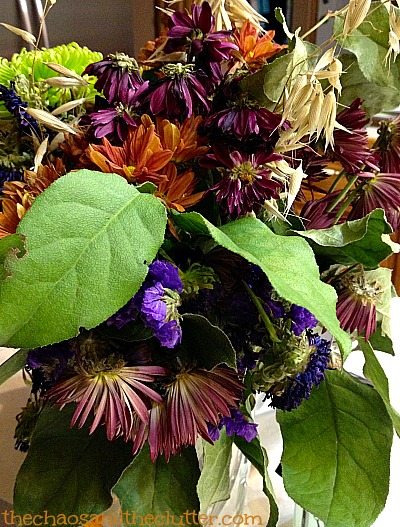
fall flower bouquetI was trying to think of a way to use the flowers and decided to make them into a hands-on history lesson to demonstrate to the kids how clothing and linens used to be dyed using flowers and other items found in nature.
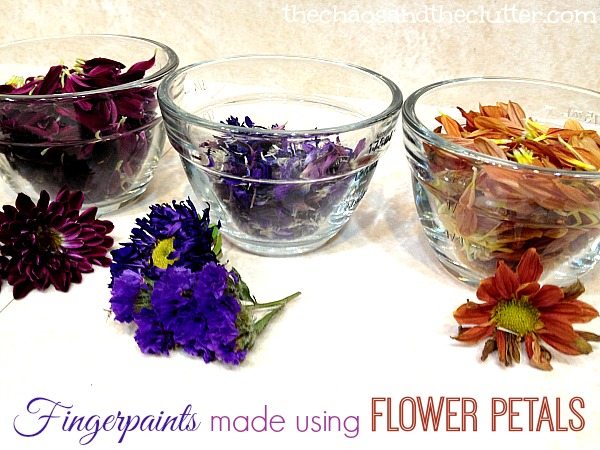
Once the colours were created though, I realized that I could turn them into paints and extend the activity to cover science, art and sensory elements.

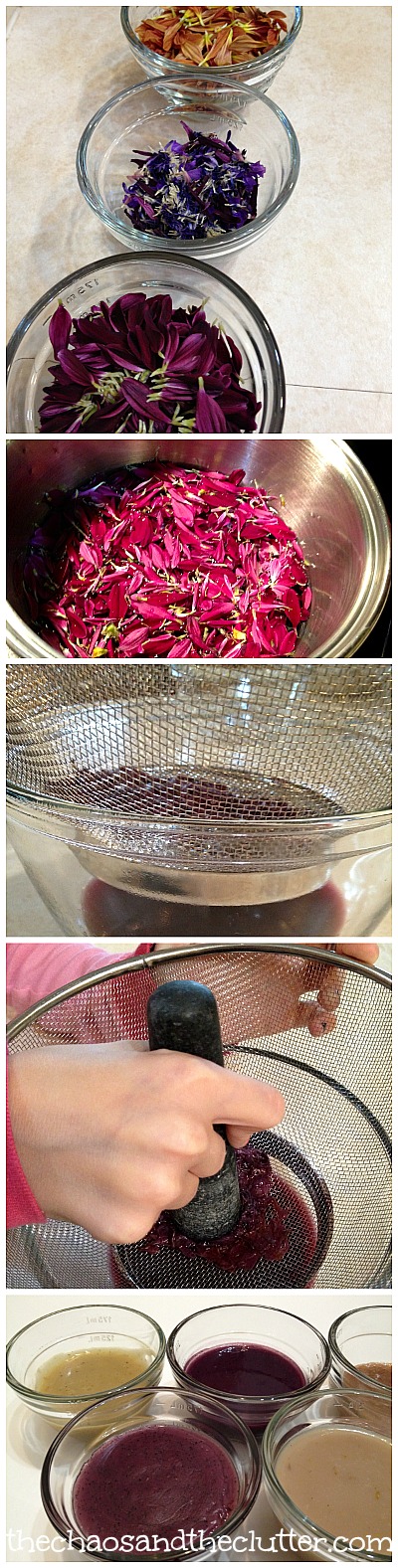
The kids and I started by pulling off the petals and grouping like colours together. We used small clear bowls that have measuring lines on the sides so that it was easy to measure how much of each colour we had collected.

Homemade Fingerpaints made with Flower PetalsWe added water and the petals to a pot and brought the mixture to a boil. Once it was at a rolling boil, we turned it down to simmer and let it simmer for half an hour. We stirred it from time to time and also used a pestle to press the petals to get more colour from them. The reason we let the mixture simmer for so long was so that some of the liquid could boil off and the colour could become more concentrated.
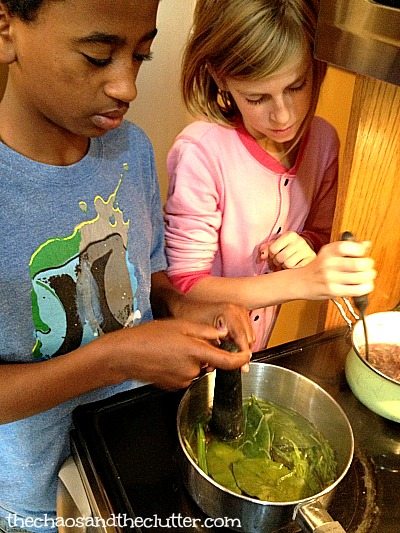
Snuggle Puppy came up with the idea to try to create green paint using the stems and leaves from the bouquet so he filled a pot with those and used the same process. The colour of that one created more of a yellowy colour than green and had a very earthy smell.

making paint from leaves and stemsOnce we had achieved a strong enough colour, we drained the liquid into a bowl placed beneath a strainer and pressed the petals with the pestle.

The liquid then went back into the pot and I whisked in a bit of flour and brought that to a boil, stirring the whole time. Once it was boiling, it only took a few minutes at most for the paint to reach the consistency I was looking for. I then took it off the heat, poured it into the small bowls we had used for the petals earlier and it was ready to paint with.

Flower Petal Fingerpaint Recipe:

3/4 – 1 cup of flower petals
1 1/2 – 2 cups of water
1 Tbsp. flour

Bring water and flower petals to a boil over medium-high heat in a pot. Turn heat to low. Simmer for half an hour.

Place a strainer over a bowl and drain the coloured water through the strainer. Press the petals to get maximum colour.

Put the water back into the pot and whisk in the flour. Bring it to a boil, stirring the whole time. Remove from heat.

steps to making fingerprint using flower petalsThe paints had different smells depending on the type of flowers used. The colours did not turn out the way we expected them to. The purple petals created an unattractive greenish-brown colour. The red flowers created a burgundy-purplish colour. The leaves and stems made a yellowish colour. The orange petals created a light brown.
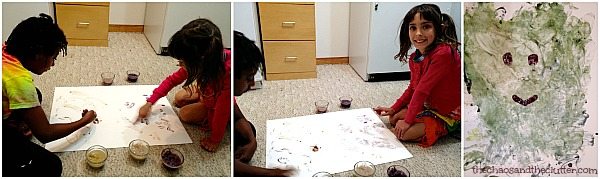
Before we made each colour, I had the kids hypothesize about what colour they thought would result. When other colours were the result, we discussed what factors may have contributed to that. It became a very interesting science lesson.  Honestly, one of the colours looked pretty gross so we had a bit of a laugh over that!

Miss Optimism wanted to know what would happen if she mixed several colours of flower petals together. The result was a purple with specks of a darker shade.

After we had made five colours of flower petal fingerpaint, I let the kids start painting. Granola Girl and Dancing Queen painted a cute looking monster on a large poster paper. This had both sensory (touch, sight and smell) and art elements. I love it when one activity can encompass so many different things!

fingerpainting with flower petal paint

Shaving Cream Painting

Condensed Milk Painting

Pumpkin Puffy Paint

If you are looking for other fun activities to do with your kids, you may want to join our free 5 part email series Sensory Solutions and Activities and get our Sensory System Behaviours Easy Reference Cards.

Filed Under: Crafts and Activities, Homeschooling, Sensory, Simple Science Tagged With: sensory play

Color Sorting Activities

By Sharla Kostelyk

This week, we started back into our homeschool routine. We are still working out the kinks and dragging a bit from summer, but it’s going ok overall.

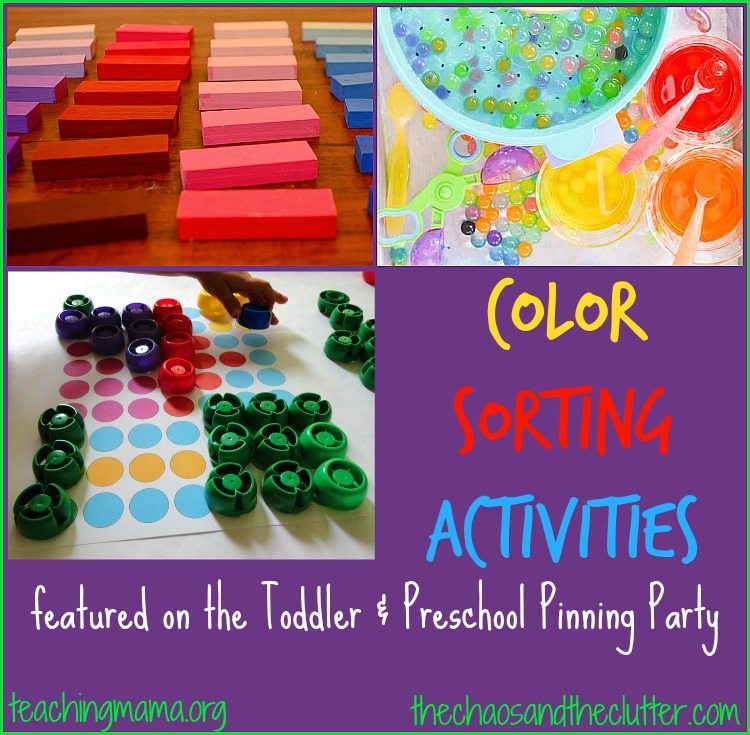
These colour sorting activities are great for preschoolers.

Color Sorting Activities as featured on the Toddler & Preschool Pinning Party

7 Busy Bags for Teaching Colours from here on The Chaos and The Clutter

DIY Montessori Color Tablets with Jenga from Practical Mom

Sort a Rainbow – Fun with Water Beads from A Little Pinch of Perfect

Color Matching Printables for Toddlers from Totschooling

Colours and Fine Motor Busy Bag from here on The Chaos and The Clutter


Filed Under: Crafts and Activities, Homeschooling

Our Typical Homeschool Day

By Sharla Kostelyk

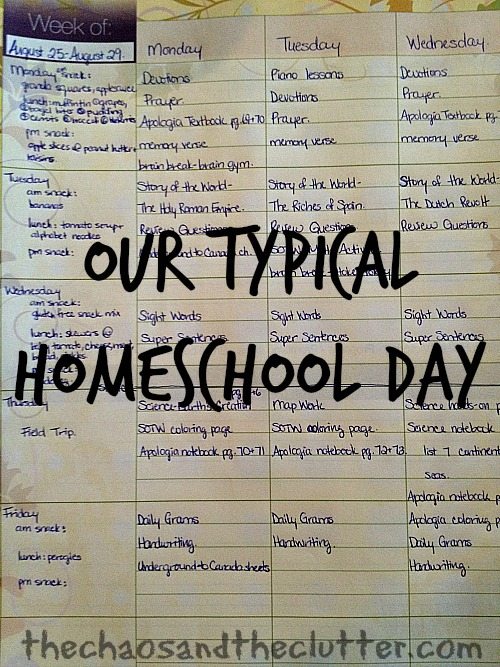
While I don’t know that “typical” homeschool days happen often at our house, we do like to stick to a general schedule and routine. Years ago, I was more of an unschooler but my Special Needs kiddos really need structure so we have found that following at least a general outline works best for us.

Our Typical Homeschool Day

Here is our general homeschool schedule:

Devotions
Prayer (see how we set up and use a prayer wall)
Apologia Textbook reading – Who Is God and How Can I Know Him
memory verse
Brain Break

Story of the World reading
SOTW Review Questions
chapter in whatever book we’re reading
Science Textbook reading
Brain Break

Snack

Sight Words
Super Sentences (you can read how we do that here)
read aloud
Brain Break

After this portion of the day where I have been doing the reading and leading things, the kids transition to their workboxes. You can read a detailed explanation of how we use our workboxes here. I have pre-filled them with any map work, worksheets and activities that correspond with the lessons from the morning.

The workboxes also contain the kids’ Daily Grams, Handwriting, notebooks, journals, and rotating activities. The rotating activities include things like the Sensory Bin, auditory station, file folder games, educational busy bags, Math (because it’s on the computer) and hands-on activities. Many of the rotating activities are sensory stations.

After they are done their workboxes, there are a few kids that have things like reading practise or attachment work but generally, they are done “school” for the day.

We start homeschooling by 9 a.m. and are usually done by lunchtime but this is our first year with this science curriculum and we didn’t do science last year really so it may take until early afternoon to complete everything in our new schedule.

Planning:

I do try to plan as much as I can and be prepared by having photocopying done ahead and materials ready for any hands-on activities. I usually start off well with the planning at the beginning of the year and then it dies off a few months in. Things go so much more smoothly when I plan.

I also try to plan out snacks and lunches for school days so that I’m not scrambling. Lunches are really hard for me to think of so I have just started sharing them on my Facebook page and others are sharing theirs. I find that I’m getting good ideas this way and also staying accountable to actually thinking of something! If you’d like, pop over and share your lunch ideas.

I also jot out generally what is in the workboxes that week.

Here is a rough weekly schedule:

Mondays:

I try not to book appointments. Sometimes it can’t be avoided.

Tuesdays:

piano lessons in the morning (the teacher comes to our home so the kids take turns doing their lessons during our regular homeschool time)

Snuggle Puppy’s program for trauma and attachment

Jui jitsu for Snuggle Puppy in evening

Wednesdays:

in second semester, swimming lessons in the afternoons

Thursdays:

art classes in morning for girls/ outdoor survival classes for boys

Jui Jitsu for Snuggle Puppy in evening

Fridays:

every second week Miss Optimism has her injections

I still need to find a day that would work for Miss Optimism’s sewing lessons and also fit in audiology appointments for Dancing Queen, therapy for Dancing Queen and Snuggle Puppy, and speech therapy for Dancing Queen and Granola Girl.

This also does not account for any field trips. It’s busy y’all!

If you’re interested in finding out more about how we homeschool, you may find these helpful or at least somewhat interesting:

This is how a homeschool day in our house really looks.

Our 2014/2015 Curriculum

Our 2014/2015 Curriculum

How I teach history to multiple ages

How I teach Language Arts to multiple ages with special needs

How I teach Math to multiple ages with special needs

How I teach Fine Arts to multiple ages with special needs

Filed Under: Homeschooling

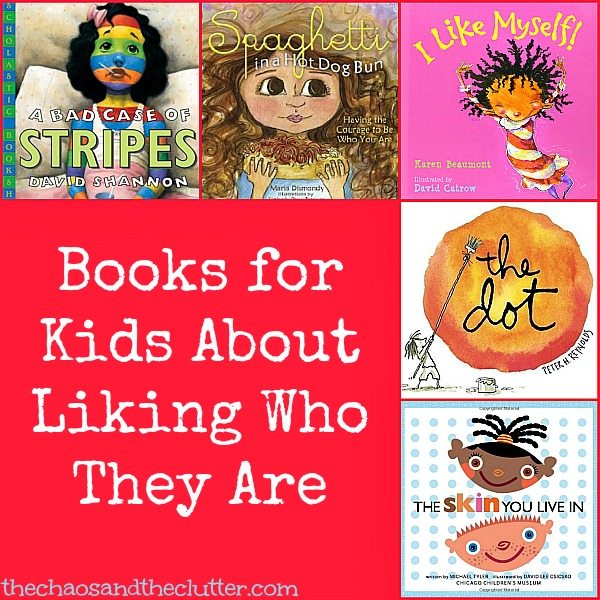
Books for Kids About Liking Who They Are

Books for Kids About Liking Who They Are. These are great self-esteem boosters.

By Sharla Kostelyk

Self-esteem is a word that gets thrown around fairly liberally, but it is important for kids to learn to embrace their uniqueness and to like themselves for who they are. They get so many messages from the media about having to aspire to some sort of unattainable perfection that it is important that we counter that with our own message about them being good enough just the way they are.

Books for Kids About Liking Who They Are. These are great self-esteem boosters.

These messages can be even more important for kids who may feel different because of a special need or a visible difference such as a hearing aid, scarring or being significantly larger or smaller than same-age peers.

Books for Kids About Liking Who They Are

I often use books in helping me reinforce the values I am trying to teach my kids. Here are some books that help teach kids about being okay just being themselves:

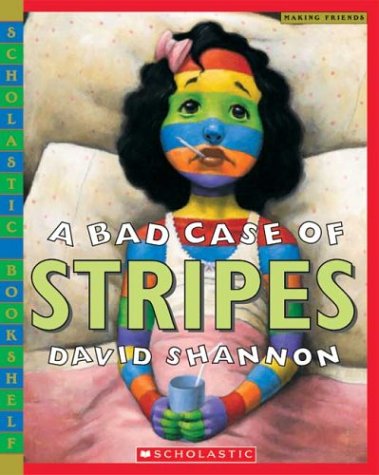
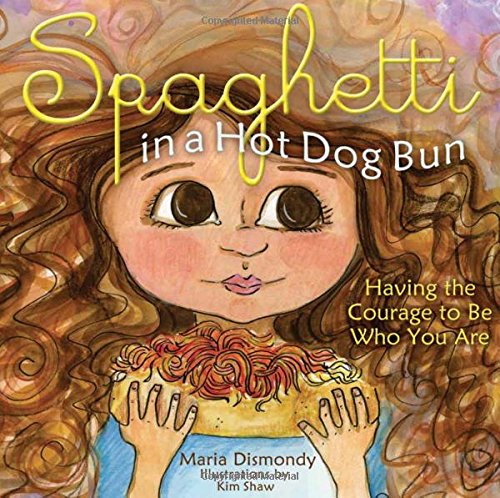
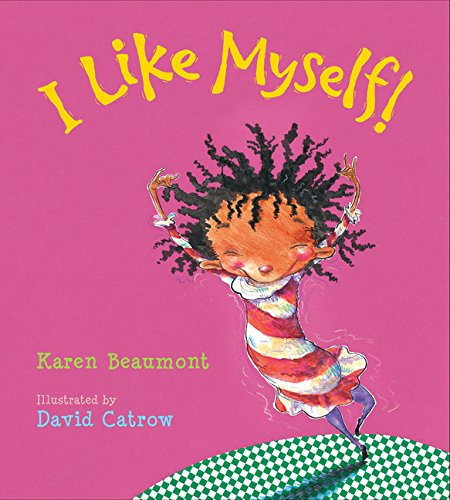
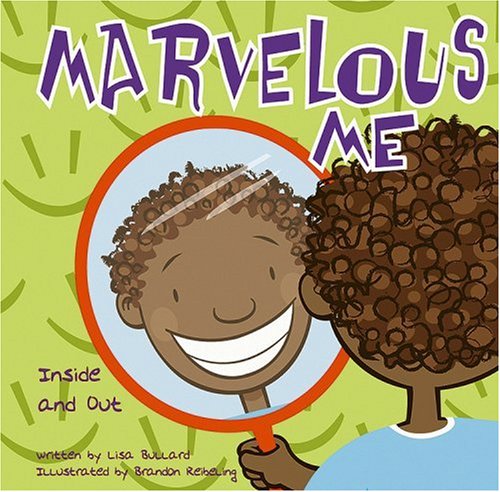
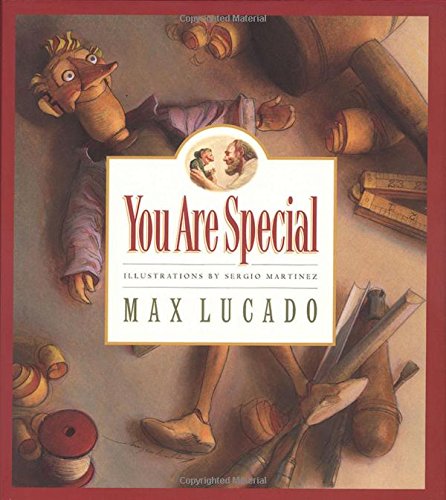
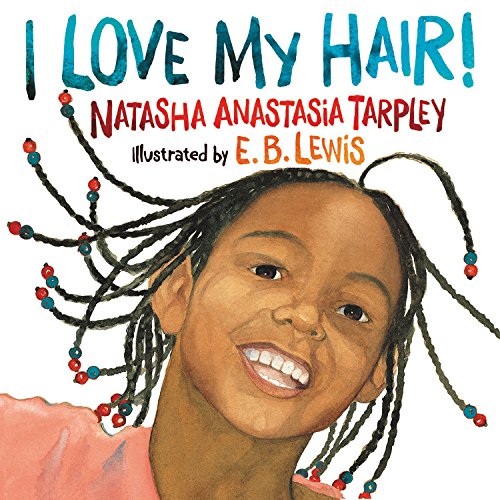
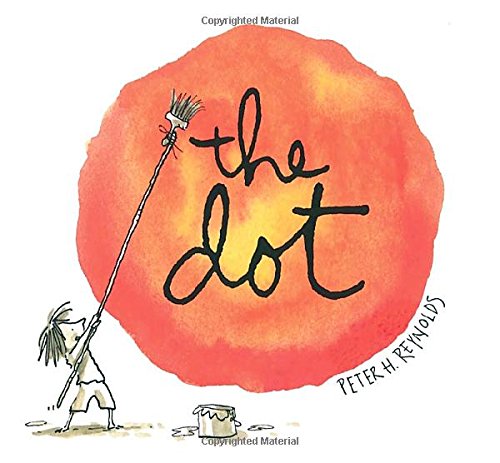
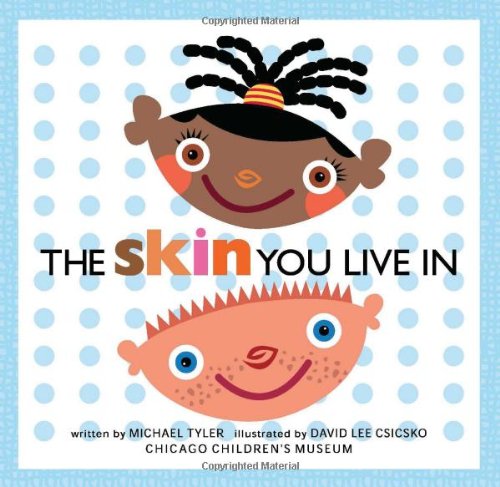
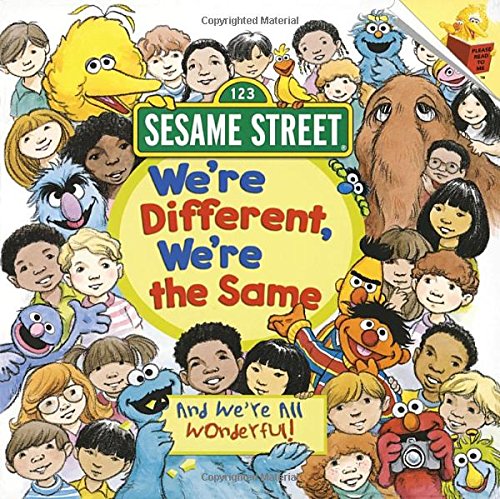
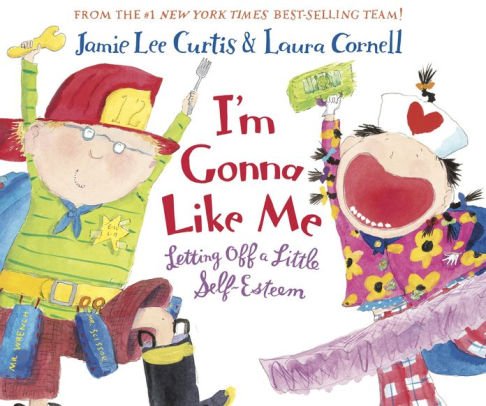
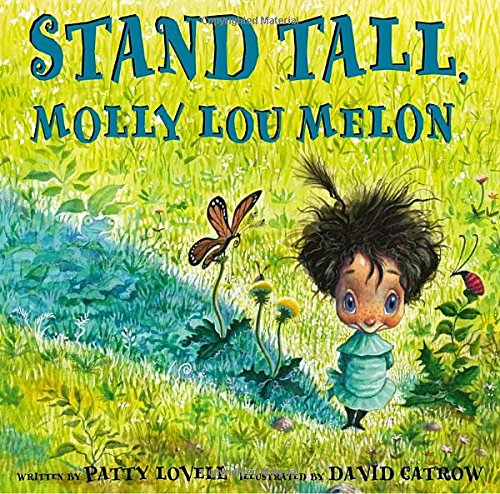
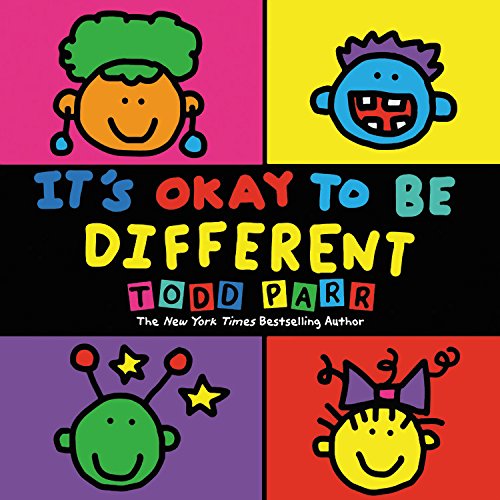
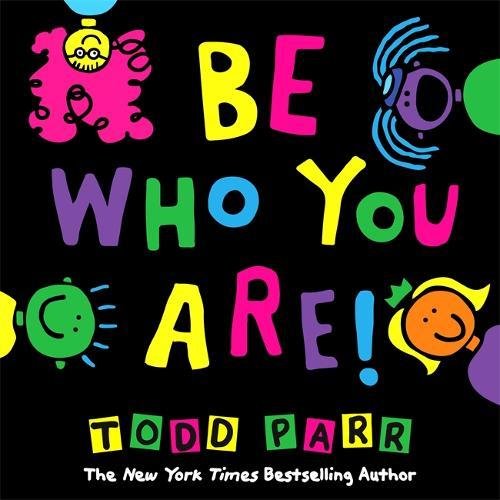
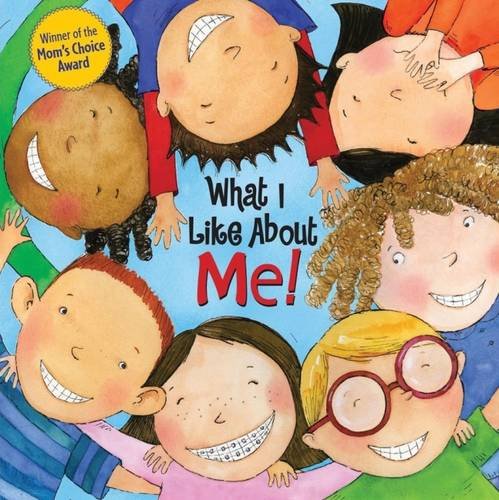
A Bad Case of StripesA Bad Case of StripesSpaghetti in a Hot Dog Bun: Having the Courage To Be Who You AreSpaghetti in a Hot Dog Bun: Having the Courage To Be Who You AreI Like Myself!I Like Myself!Marvelous Me: Inside and OutMarvelous Me: Inside and OutYou Are SpecialYou Are SpecialI Love My Hair!I Love My Hair!The DotThe DotThe Skin You Live InThe Skin You Live InWe're Different, We're the SameWe’re Different, We’re the SameI'm Gonna Like MeI’m Gonna Like MeStand Tall, Molly Lou MelonStand Tall, Molly Lou MelonIt's Okay To Be DifferentIt’s Okay To Be DifferentBe Who You AreBe Who You AreWhat I Like About Me!What I Like About Me!

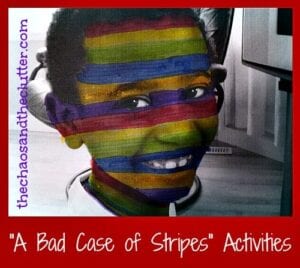
A Bad Case of Stripes – This is one of our all-time favourite read-alouds! We’ve even done some really fun activities to go along with the book and help cement the concept of being who you are.

A Bad Case of Stripes ActivitiesSpaghetti in a Hot Dog Bun – This is a neat book because it lends itself to discussions on bullying, family traditions and embracing your uniqueness. Essentially, it’s a book about having the courage to be who you are, presented in a way that kids can easily understand and relate to.

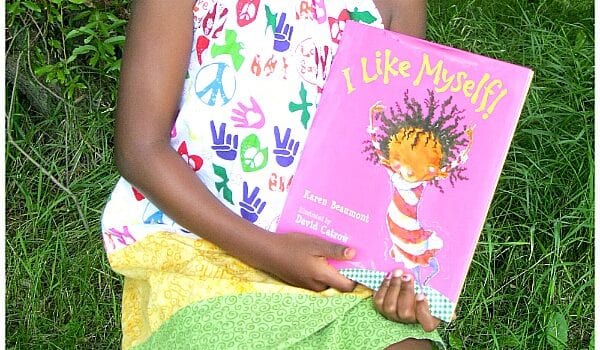
I Like Myself – This is another family favourite. What parent doesn’t want their child to be able to say they like themselves? When I told the kids that I wanted to take a picture of them with their favourite book, this is the one that Dancing Queen chose.

You are Special – The underlying message in this book is that God cherishes each of us, exactly as we are, regardless of how the world perceives us or of how others treat us. It’s a long book for a read-aloud so you may want to break it into parts. Another book by the same author (Max Lucado) called If Only I Had a Green Nose reminds kids that they are created as unique for a reason.

I Love My Hair – This book obviously doesn’t apply to all kids, but if you have a daughter of African descent who struggles with liking her hair, this book is awesome! It has helped Dancing Queen to feel like her hair is another part of herself to be celebrated, not hated.

The Dot – “Just make a mark and see where it takes you.” This book helps kids discover their talents and encourages them to follow their own path.

The Skin You Live In – This is a great book about diversity and self-esteem. It is simple enough for even young children.

The rest of the books in the list above are not ones we have read yet, but they seem to be ones that teach the same lesson. Are there any that you would add to this list?

Filed Under: Homeschooling, Parenting in the Chaos

  • « Go to Previous Page
  • Page 1
  • Interim pages omitted …
  • Page 8
  • Page 9
  • Page 10
  • Page 11
  • Page 12
  • Interim pages omitted …
  • Page 23
  • Go to Next Page »

Primary Sidebar

Categories

We are a participant in the Amazon Services LLC Associates Program, an affiliate advertising program designed to provide a means for us to earn fees by linking to Amazon.com and affiliated sites.

Copyright © 2026 • The Chaos and the Clutter • Site Design by Jeni @ The Blog Maven

Return to top of page

Copyright © 2026 · Chaos and the Clutter 2.0 on Genesis Framework · WordPress · Log in