• Skip to primary navigation
  • Skip to main content
  • Skip to primary sidebar
  • Home
  • About
  • Contact
  • Privacy + Terms
  • Affiliates

The Chaos and the Clutter

  • Facebook
  • Twitter
  • Pinterest
  • Google Plus
  • RSS
  • Email
  • School at Home
  • Sensory
    • Sensory Processing Disorder
    • Awesome Sensory Play Activities
      • Sensory Bins
      • Sensory Bottles
      • Sensory Bags
  • Family Games
    • Minute to Win It Games
  • Special Needs Parenting
    • Childhood Anxiety
    • Reactive Attachment Disorder
    • Sensory Processing Disorder
  • Store
  • Course Login

Homeschooling

Super Science Activities

By Sharla Kostelyk

These are fun science activities that can be done with kids and many of them use items you probably already have around the house!Super Science Activities to do with kids with inexpensive items
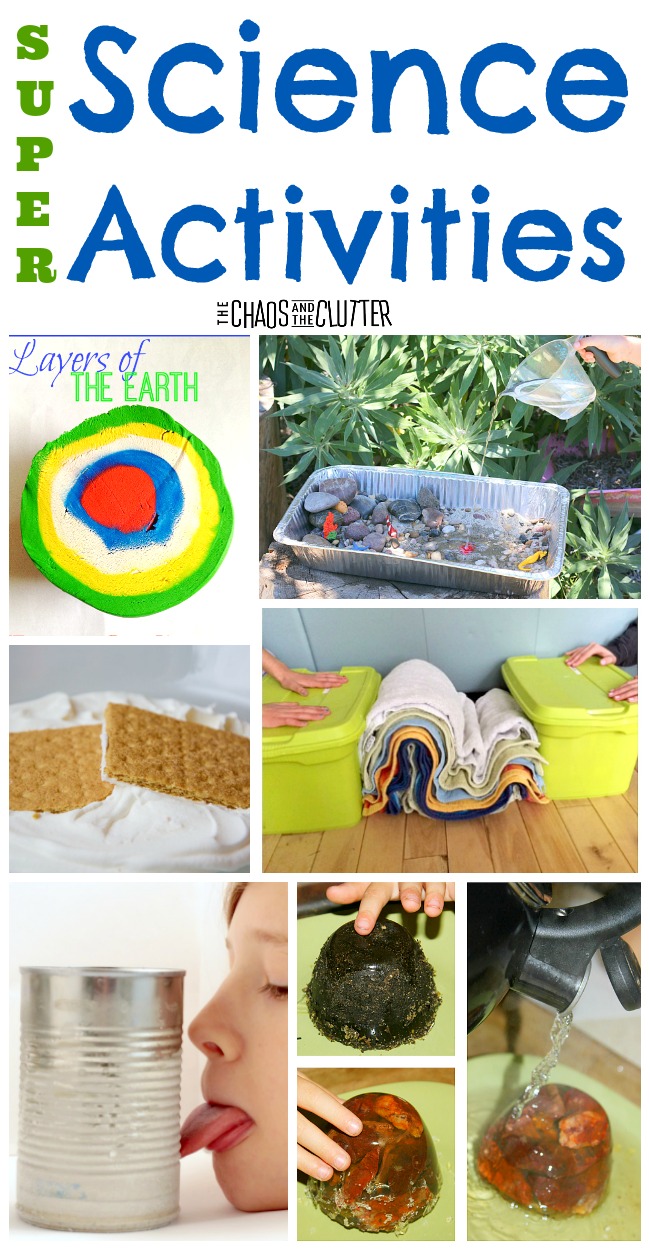
Kitchen Science Activities

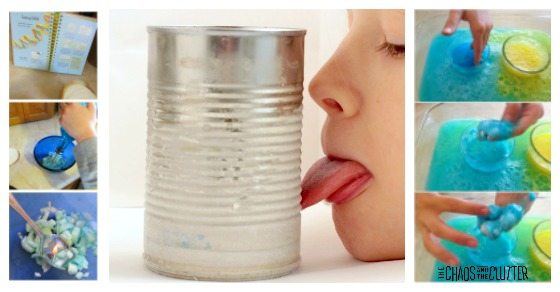
Jello Science Experiments from here on The Chaos and The Clutter (pictured)

Fireworks in Oil and Water from Go Science Girls

Edible Science Experiments for Kids {Printables} The Natural Homeschool

Naked Egg Cell Study from STEAM Powered Family

Testing for Air from Happy Brown House

Onion DNA Experiment from Teach Beside Me (pictured)

Sink or Float Experiment with Lemons from One Perfect Day

Make Your Own Plastic Toys with Milk from STEAM Powered Family

Lima Bean Dissection from Mama Papa Bubba

How to Make Frost from Schooling a Monkey (pictured)

Dancing Rice from Buggy and Buddy

Colourful Celery from here on The Chaos and The Clutter

Apple Science from Coffee Cups and Crayons
super-science-activities-squ

Solar System Science Activities

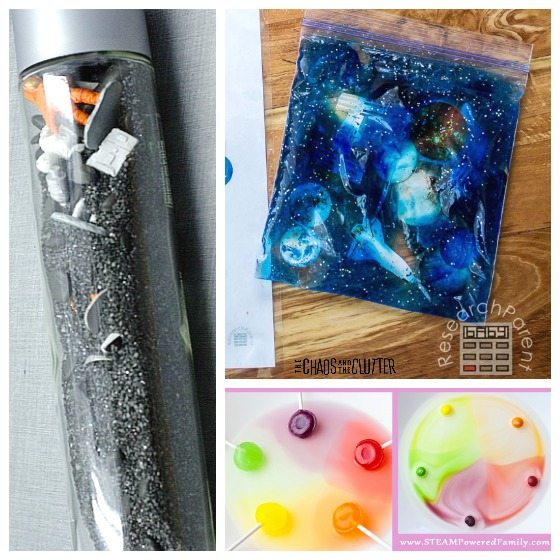
Solar System I-Spy Bag from Research Parent (pictured)

Our Space Explorer Adventure from The Natural Homeschool

Phases of the Moon from The Pinay Homeschooler

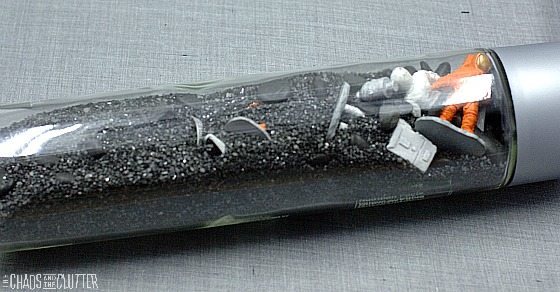
Space Sensory Bottle from here on The Chaos and The Clutter (pictured)

Solar System Unit from here on The Chaos and The Clutter

Space Adventures, Games & Activities for Kids {Printable Sets} from The Natural Homeschool

Candy Science Activities

Colourful Candy Science Experiments from STEAM Powered Family (pictured)

Skittles Density Experiment from Winegums & Watermelons

Dissolving Gobstoppers from Mama Papa Bubba

Gummy Bear Osmosis Science from Raising Lifelong Learners

Science with Candy from Mama Miss
super-science-activities-sm

Outdoor Science Activities

Backyard Science Lab from Racheous

Nature Ideas for Kids: Herb Garden Play from The Natural Homeschool

Frozen Bubbles from P is for Preschooler

Making a Solar Still from Teach Beside Me

Make a Windsock from here on The Chaos and The Clutter

Nature Ideas for Kids from The Natural Homeschool

Earth Science Activities

How Fold Mountains are Made from here on The Chaos and The Clutter (pictured)

Earthquake Science Experiment from here on The Chaos and The Clutter

Erosion vs. Weathering from The Natural Homeschool (pictured)

How do Salt Flats Form from Planet Smarty Pants

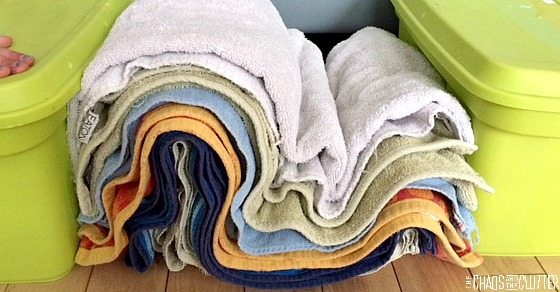
Layers of the Earth from here on The Chaos and The Clutter (pictured)

Graham Cracker Plate Tectonics from Playdough to Plato (pictured)

Making Groundwater from here on The Chaos and The Clutter

Wave in a Bottle from Sugar, Spice and Glitter

Gravity Defying Beads from here on The Chaos and The Clutter

Tide Pool Science Experiment from Buggy and Buddy (pictured)
Filed Under: Homeschooling, Simple Science

Olympics Activities and Crafts for Kids

By Sharla Kostelyk

I love the Olympics. There is something about watching nations come together to cheer on a common cause and hearing inspiring stories about athletes who have beaten the odds or overcome seemingly impossible obstacles that just gets me. Being a homeschooler, the Games also offers me an opportunity to teach my kids about what they can learn from that spirit of determination and to study the host country.

Olympics Crafts and Activities and lots of ideas to get your kids engagedI like to make the learning more fun by also incorporating some Olympics crafts, activities, themed food, and of course, we always have our own little mini Olympics for both Summer and Winter Games complete with medals.
Olympics Activities:

Create Your Own Backyard Olympics from here on The Chaos and The Clutter (this was so, so much fun!)

Olympic Torch Game for Kids from Teach Mama

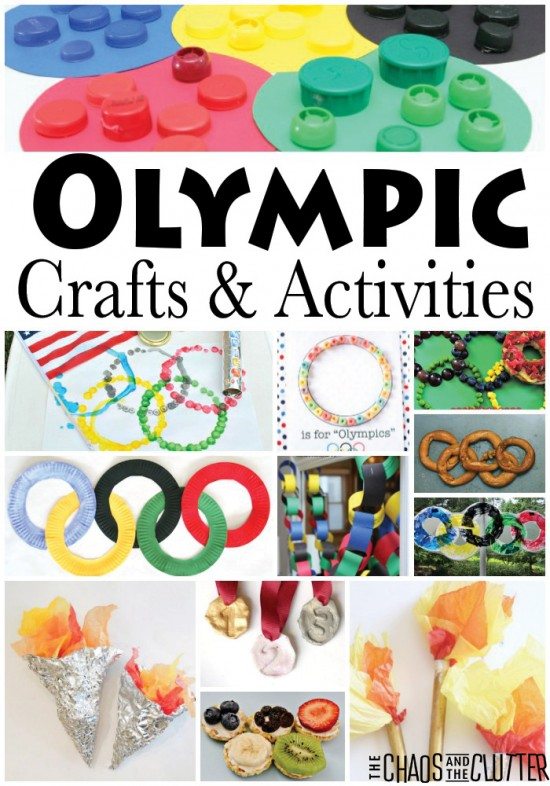
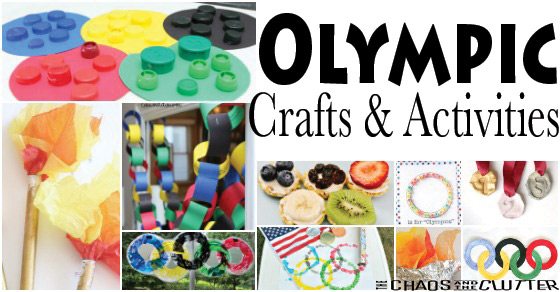
Olympic Torch Obstacle Course from Melissa and Doug (pictured)

Move Like a Gymnast from Creative Family Fun

Olympics Crafts:

O is for “Olympics” from I Can Teach My Child (pictured)

Olympics Paper Chain Countdown from Housing a Forest (pictured)

Coffee Filter Olympic Rings from No Time for Flash Cards (pictured)

Olympic Fun Lego Ring Sorting from Toddler Approved

Paper Plate Olympic Rings from Meaningful Mama (pictured)

Laurel Wreath from Kids Activities Blog

Salt Dough Olympic Medals from The Imagination Tree (pictured)

Olympic Torch Painting Projects from JDaniel4’s Mom

Olympic Torch Craft for Preschoolers from Happy Hooligans (pictured)

Olympic Ring Bottle Cap Sort from Housing a Forest (pictured)

Olympic Sensory Activity from Playtivities

Olympic Torch for the Opening Ceremony from Naturally Educational (pictured)

Olympic-fb

Olympics Food:

Edible Olympic Rings from The Iowa Farmer’s Wife

Olympic Snack Necklaces from Coffee Cups and Crayons

Olympic Ring and Olympic Medal Cookies from I Can Teach my Child

Olympics Inspired Healthy Snack Recipe from See Vanessa Craft (pictured)

Olympic Ring Pretzels from I Can Teach my Child (pictured)

Olympics Printables:

Summer Olympics Pack from 3 Dinosaurs

Summer Olympics Observation Sheet from 3 Dinosaurs

Summer Olympic Pack Colour by Letter from 3 Dinosaurs

More:

What the Olympics Can Teach Our Kids from here on The Chaos and The Clutter

What are you doing to celebrate the upcoming Olympics?

Filed Under: Crafts and Activities, Homeschooling

Solar System Unit

Mnemonic for learning the order of the planets

By Sharla Kostelyk

There are so many inventive hands-on ideas out there to use when creating a solar system unit. It was almost as much planning this homeschool unit study as it was to teach it!

Solar System Unit Study ideas including hands-on learning and printablesI used a variety of teaching materials for this unit including the CKE Earth and Space curriculum and the online course Experiencing Astronomy.Experience AstronomyWe also borrowed several books from the library and also used a few that we own. Here are some that we used for this unit:

The New Astronomy Guide: Stargazing in a Digital Age

The Night Sky Pocket Guide

The Magic School Bus Lost in the Solar System

Space and the Solar System: God’s Amazing Creation

National Geographic Planets

Moonwalk: The First Walk on the Moon

Phases of the Moon

I try to incorporate sensory elements into all of our unit studies. For our solar system unit, I created a glow-in-the-dark solar system sensory bin and a weighted Space sensory bottle.

Space Sensory Bottle

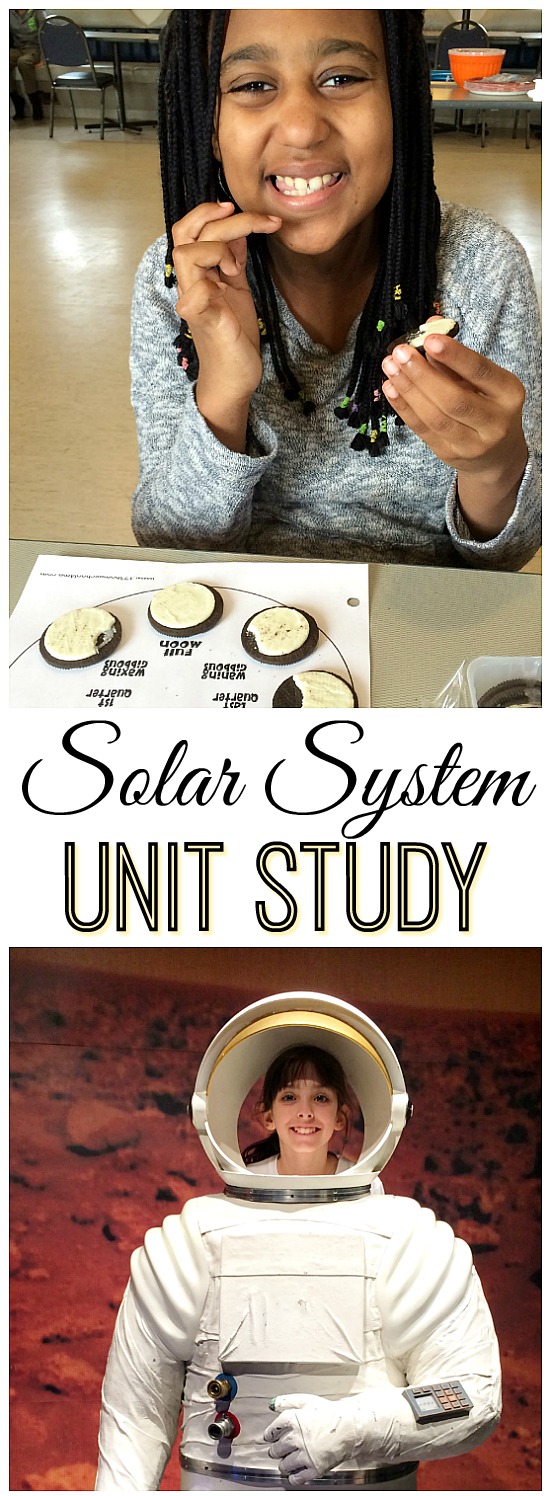
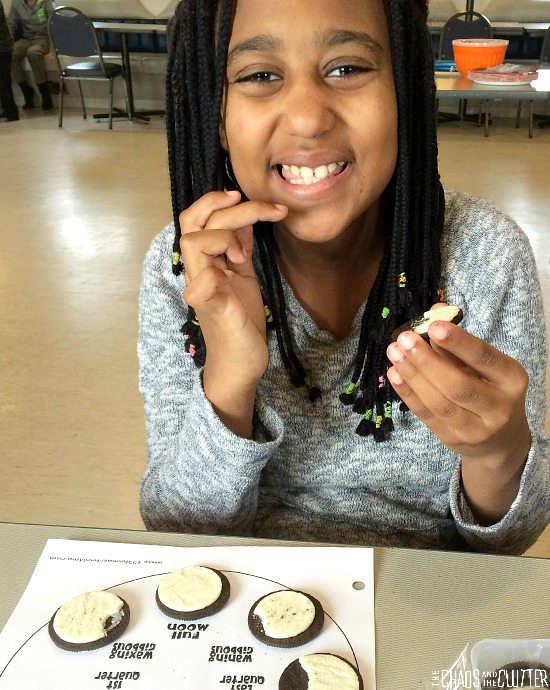
Using a free printable that I found on 123Homeschool4Me, we brought a case of Oreo cookies to our homeschool coop and made the phases of the moon out of Oreos. The kids enjoyed this activity so much that they also did it at home a few days later. They said it was so that they could study the moon phases but I suspect it may have had more to do with the Oreos than the learning!

phases of the moon with Oreo cookiesThe kids completed phases of the moon flip books. We found the printables for those on Teachers Pay Teachers (free). I especially liked that they came in two types, one for older kids and one for younger kids. This worked really well for me with the various ages of my kids.

I used an mnemonic that I learned when I was a girl to help them memorize the order of the planets from the Sun. I know that there is controversy about whether or not Pluto is really a planet, but I had done some research and it seems that it is still considered a planet (sometimes called a dwarf planet) by those at NASA, so I told this to the kids but I included it in my mnemonic (you can click on that link or the photo below if you would like to print it off for yourself).

My Very Eyes May Just See U Now Pluto

Mercury Venus Earth Mars Jupiter Saturn Uranus Neptune Pluto

Mnemonic for learning the order of the planetsMy kids were the most interested by what they learned in Experiencing Astronomy. It’s an online course that Einstein has been taking this year and learning so much but during the course of our solar system unit, I had all of the kids listen to the Experiencing Astronomy videos. They were intrigued and it led to many interesting discussions and learning.

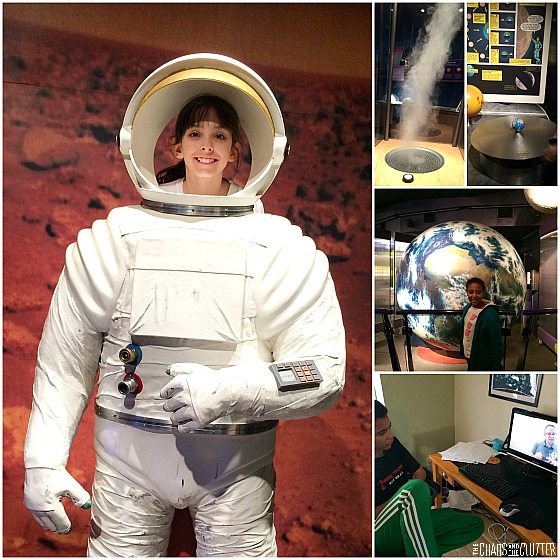
At the beginning of our unit study on the Solar System, I took the kids to the Space and Science Center in the city closest to us and when we finished the unit, my mom took them there again. There is a large area there devoted to the solar system with many hands-on learning opportunities. It was a great way to reinforce their learning.

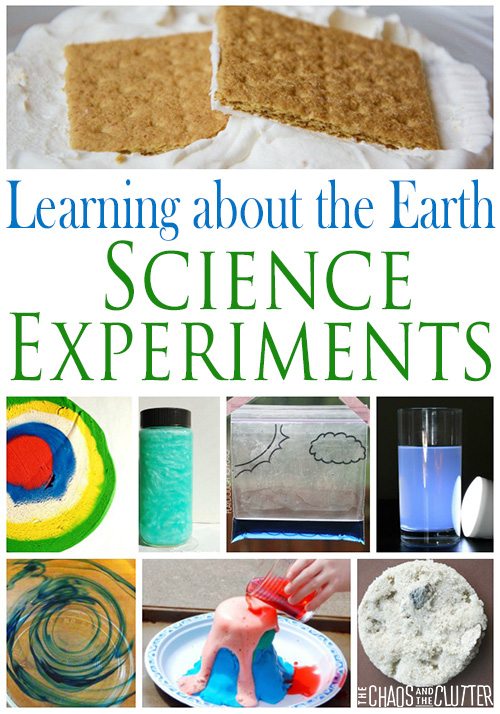
Solar System Unit Study sq.We decided to segment our solar system unit study and do a specific study on Earth. In the course of that study, these are some of the science experiments that we did:
Layers of the Earth

How Fold Mountains are Made

Making Groundwater

Earthquake Experiment

Filed Under: Homeschooling, Simple Science

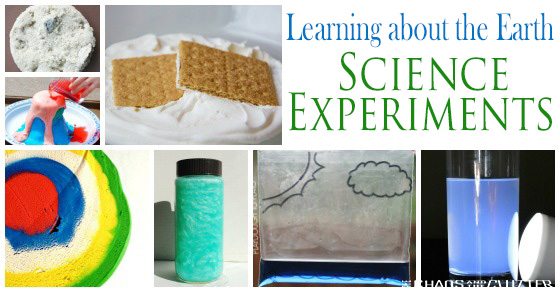
Learning About the Earth Science Experiments

By Sharla Kostelyk

I have to say that I have found it much more interesting to teach science as a homeschooler than I did to learn science as a student. I want my kids to love learning and so in my quest to make science engaging, I look for hands-on activities that will help my kids to retain what they learn. When we were learning about the Earth, we found some awesome science experiments!

Doing these hands-on activities made learning about the Earth interesting and helped the kids to understand the concepts much better than if all of our unit had been reading out of a textbook.  Their favourite ones seemed to be the ones about natural disasters such as earthquakes, tornados and hurricanes. Personally, I found the groundwater one to be the most interesting as it was something I didn’t know before.

These science experiments make learning about the Earth interesting and fun.Layers of the Earth from here on The Chaos and The Clutter (pictured)

How to Make a Volcano with Kids from Happy Brown House (pictured)

Making Groundwater from here on The Chaos and The Clutter

Why is the Sky Blue? from Rookie Parenting (pictured)

How Fold Mountains are Made from here on The Chaos and The Clutter

This is a great hands-on science experiment to explain how fold mountains are formed.Graham Cracker Plate Tectonics from Playdough to Plato (pictured)

Landform Activities from Gift of Curiosity

Earthquake Experiment from here on The Chaos and The Clutter

Tornado made with Soda Bottles

Make a Hurricane from Inspiration Laboratories (pictured)

Hurricane in a Jar from One Time Through (pictured)

Water Cycle in a Bag from Playdough to Plato (pictured)

Make a Rock from Fantastic Fun and Learning (pictured)

These science experiments make learning about the Earth interesting and fun.If you are looking for more fun science ideas, be sure to check out my Simple Science board on Pinterest where you will find tons of hands-on experiments and learning activities.
Follow Sharla Kostelyk’s board Simple Science on Pinterest.

Filed Under: Homeschooling, Simple Science

Hop on Pop Sight Words Game

By Sharla Kostelyk

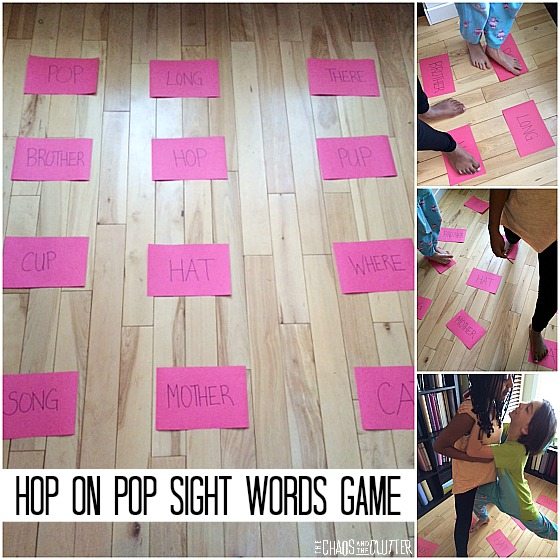
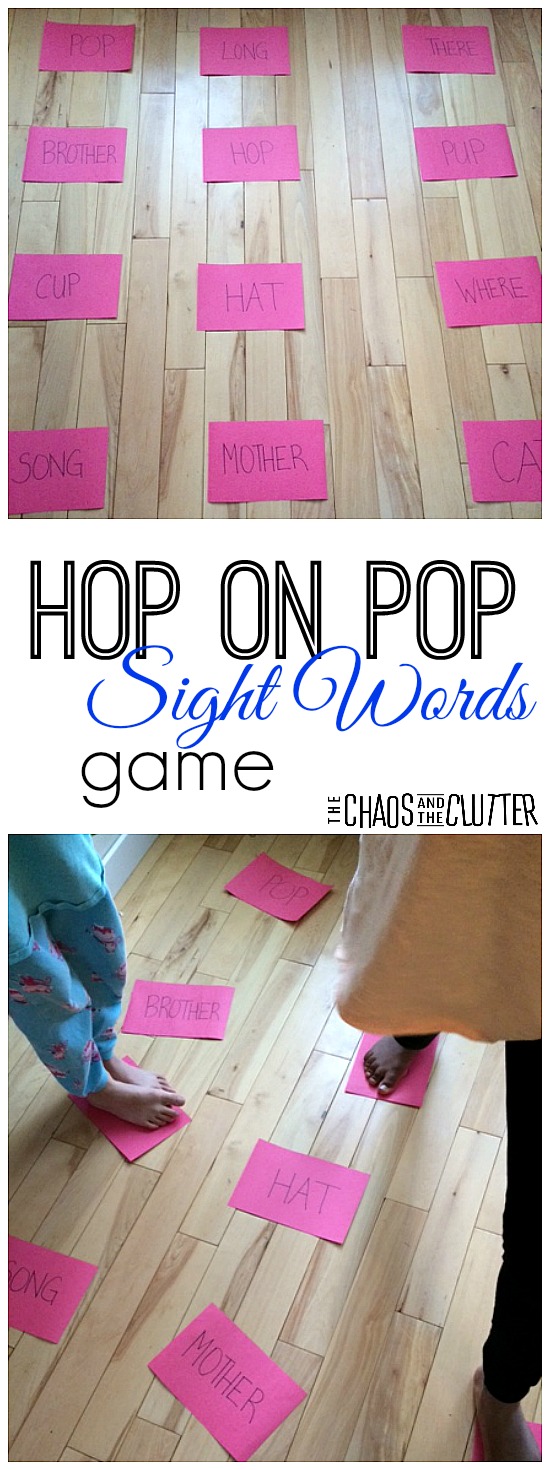
I came up with this game for reinforcing sight words based on the popular Dr. Seuss book, Hop on Pop. It is a great gross motor activity that can also be adapted for rhyming words. It went along well with our Dr. Seuss unit but we have used it other times in our homeschool as well.

This Hop on Pop gross motor game is great for teaching sight words and rhyming.This Hop on Pop sight words game was so easy to make and the kids enjoyed it much more than I thought they did. All I did was write some of the words from the book “Hop on Pop” on pieces of paper and lay them out over the floor.
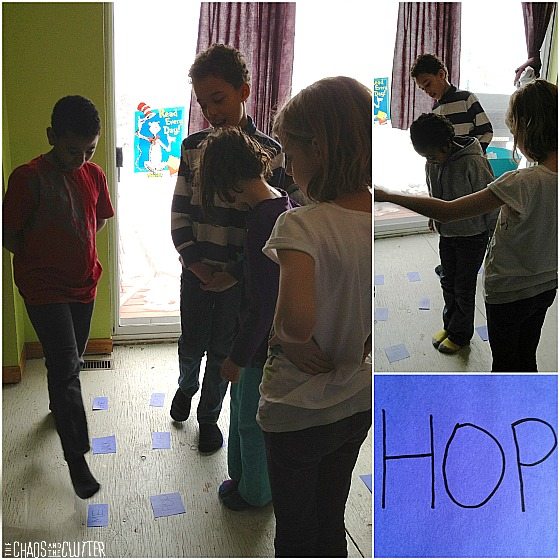
Then I called out “Einstein, hop on ‘three'” or “Snuggle Puppy, hop on ‘house'” and they would ‘hop’ onto the word. It became quite funny, almost like a game of Twister once all five of them were on the ‘board’ because trying to hop onto the words became a bit more challenging with their siblings in the way!

Hop on Pop Sight Words gross motor game

All the kids wanted a turn to “Hop on ‘Pop'” so it became a challenge for me to arrange everyone in such a way that the ‘pop’ word was empty and the child who hadn’t had their turn yet had easy enough access to it! They did all get a turn and in the meantime, we were able to reinforce sight word concepts.

As they have gotten older, we have played different versions of the game including one where I call out their name and one word such as “cat” and they then have to step one foot on “cat” and one foot on the word that rhymes with “cat”. This version works on sight words and rhyming words and because their feet are on two different words at one time, it becomes even more of a Twister-type scenario so we usually only play that version with two kids at a time.

Hop on Pop Sight Words GameIf you are planning some Dr. Seuss fun, you may want to check out our Dr. Seuss muffin tin meal and Dr. Seuss writing activity (which includes a free printable). You may also want to check out my Dr. Seuss Pinterest board.
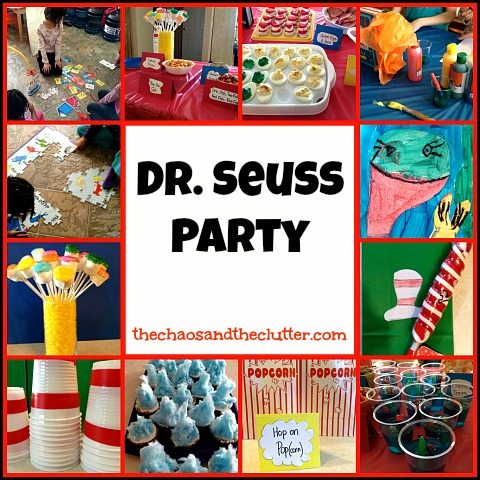
We had the most fun at our Dr. Seuss party. We held it to celebrate Dr. Seuss’ birthday with some of our homeschool friends. It was such a great theme that it was as fun to plan as it was for those who attended.

Dr. Seuss Party

Filed Under: Homeschooling

7 Tips for Reading to Older Children

By Sharla Kostelyk

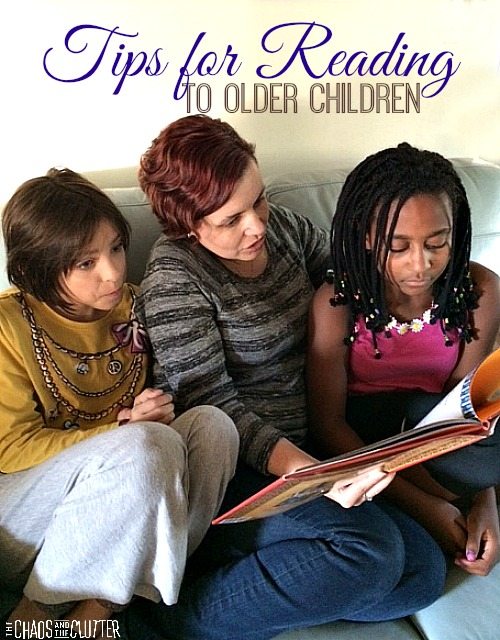
One of the things I’m enjoying most about homeschooling right now is the time the kids and I spend together reading. Sometimes we relax on the couches in the living room while I read to them and other times it’s at the kitchen table or while they are in their desks in the homeschool room.

Reading to your kids doesn't have to end when they are old enough to read on their own. Reading to older kids strengthens bonds, increases curiosity, improves communication, and creates a lifelong love of learning.Last week, I made little tea sandwiches and I read at the table while they ate their sandwiches and sipped tea. I’ve found that the best way to make these read aloud sessions successful is to allow the kids to do other things quietly while I read.
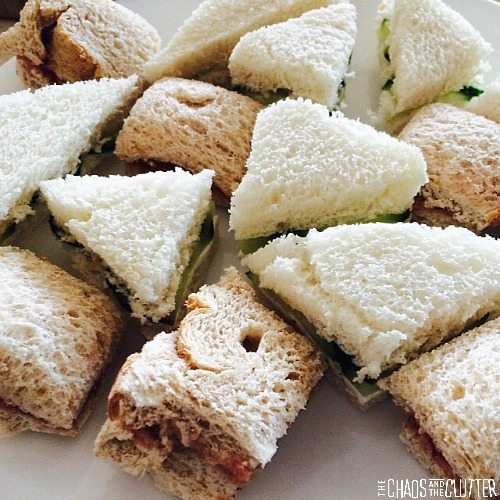
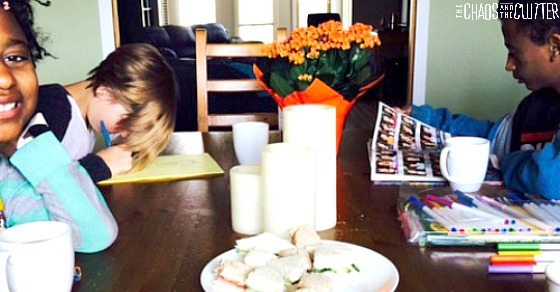
tea sandwiches

My girls often knit, crochet or colour while I read and the boys usually colour or play with Lego. These quiet activities allow them to still listen to the story without getting restless.

Some people believe that reading aloud to their kids ends when their child starts reading on their own, but reading to my older kids has been a wonderful way to learn together, spend time together, facilitate discussions, and introduce them to some of my favourite childhood books. Reading to older children strengthens bonds, increases curiosity, improves communication, and creates a lifelong love of learning.

Tips for reading to older children:

  1. Let them have some say in the books you read. You may have an agenda for what books you want read in a month or a year, but allowing your child to have some input as to the order you read them in or to choose an additional book to add to the list will help them to feel involved and be more attentive.
  2. Use the books as conversation starters. Reading aloud is a wonderful way to bridge discussions on topics that you may not know how to bring up. As kids get older, you can choose material that leads into conversations about relationships, choices, religion, intimacy, addictions, abuse, and other relevant subjects.
  3. Allow the books to lead to other learning. If my kids have questions about something in a book we are reading, I will often set the book down and we will go to the computer and research the answer together. This helps bring alive what we are reading. Two recent examples: In Secrets in the Woods, we were immersed in a chapter about kingfishers, but the kids had never seen one and wondered what they looked like. Once we had seen several pictures of the birds online, they were much more engaged in the story. In The Saturdays, there was a reference to a painting done in the 1800s. We were not able to find such a painting or the artist, but it led to a lively debate about whether the painting was fictitious or not.
  4. Ensure that the reading time is a positive one. If you are demanding that your child sit up straight, pay perfect attention, not ask questions, and do long reports on each book read, your child is not likely to look forward to your reading time. If you are relaxed and the experience is positive, it will only further your child’s interest in books. Though we often read chapter books, we also read a few short picture books every week
  5. Create a relaxing environment. Sit under a tree on a blanket on a warm day, cuddle up in bed under the covers, pile on the couch, sip tea and eat scones, let your kids play quietly. When the weather is nice, we often read on the trampoline outside. I let them bring blankets and we all pile on and relax while we read. They also like sitting on the bean bag chair in the homeschool room while I read. I often let the kids quietly flip through picture books, draw, colour, or play with Lego while I read to them. This helps them to relax further.
  6. Use audio books some of the time. Audio books are a nice change. Once your kids are used to listening, they will enjoy the odd audio book and you will enjoy the break for your vocal cords! When you find a well done audio book, the listener is truly transported into the story. If they get used to being read to aloud, they will have more of an attention span for audiobooks which comes in especially handy on long road trips. We’ve listened to many good ones. The Ramona Quimby audio collection is great. So is The Silver Chair, the BBC version of the Wind in the Willows and so many others.
  7. Let them see your enthusiasm! Choose books that you love. Talk about the magic of being swept away to a distant land or time in history. Let your love of books shine through. It’s contagious!

reading tea partyBonus tip: Once in awhile, throw in a book that has a movie version or one that will soon be coming to the theatre or even one that a high school in your community is doing a live play version of. Watching the movie or going to see the play after you have finished watching the book is a great treat and it allows for further discussions on ways that the book differed from the movie or performance. We are reading The Jungle Book right now with plans to make a special day of going to see the new Disney movie when it opens in theatres in the Spring.
I also often plan an entire unit around a book including crafts, food, activities and sometimes, even a field trip. Here are some of the book activities that we have done:

The Secret Garden

The Black Book of Colours

Have You Filled a Bucket Today?

The Kissing Hand

Charlie and the Chocolate Factory

Today, I Feel Silly

Jump!

A Bad Case of Stripes

Fancy Nancy

Click, Clack Moo. Cows That Type

The read-alouds we’ve used lately:

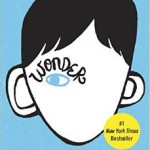
Wonder
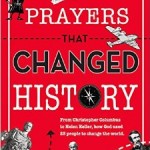
Prayers That Changed History
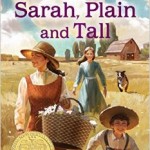
Sarah, Plain and Tall
The Jungle Book
The Saturdays
King Arthur and His Knights at the Round Table
Secrets of the Woods
InLinkz.com


If you are looking for fun or interesting activities to accompany your books, you may want to follow my Book Activities board on Pinterest.

Filed Under: Homeschooling, Parenting in the Chaos

  • « Go to Previous Page
  • Page 1
  • Interim pages omitted …
  • Page 6
  • Page 7
  • Page 8
  • Page 9
  • Page 10
  • Interim pages omitted …
  • Page 23
  • Go to Next Page »

Primary Sidebar

Categories

We are a participant in the Amazon Services LLC Associates Program, an affiliate advertising program designed to provide a means for us to earn fees by linking to Amazon.com and affiliated sites.

Copyright © 2026 • The Chaos and the Clutter • Site Design by Jeni @ The Blog Maven

Return to top of page

Copyright © 2026 · Chaos and the Clutter 2.0 on Genesis Framework · WordPress · Log in