This Sea Turtle Life Cycle Sensory Bin is an easy hands-on way to study these remarkable creatures. Kids can explore science with their senses while they learn how sea turtles are born and live. 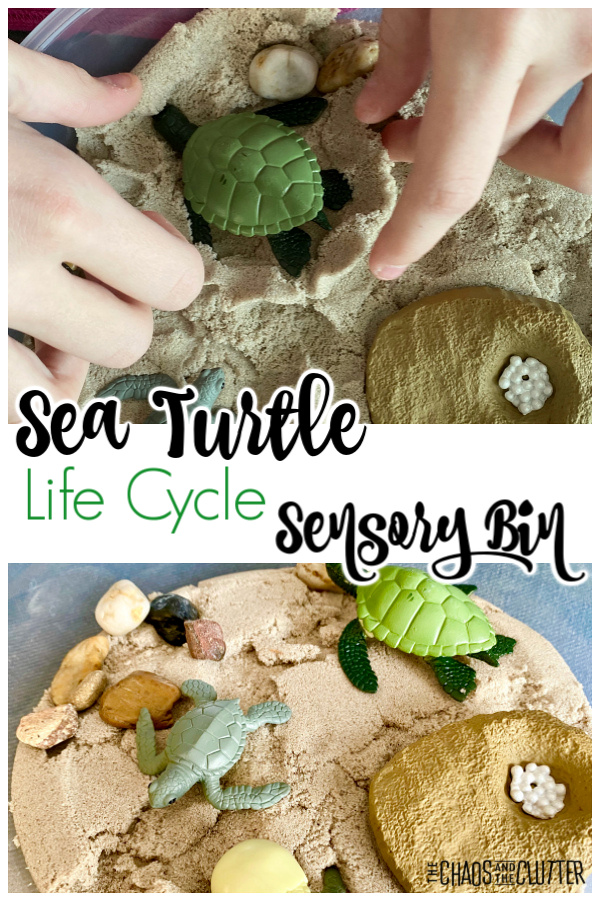
My friend Jamie who lives in Florida volunteers to check on nests and make protected trenches for the baby sea turtles in her area. It’s been so interesting to see her pictures and videos and hear about her experiences. While we may not live anywhere near the ocean, that doesn’t mean that we can’t learn about this amazing phenomenon ourselves.
A few facts to get you started:
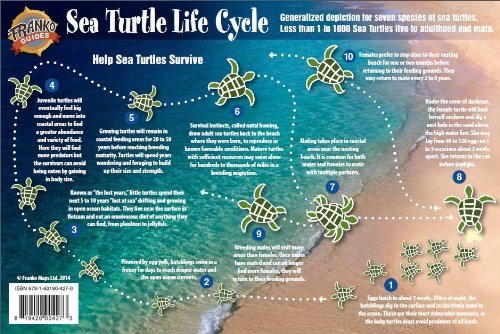
The mother turtles dig holes in the sand or mud to create a nest which they lay their eggs in. They then bury the eggs to protect them.
Less than 1% of the eggs survive and make it to the sea. Some do not fully develop, but most fall victim to predators. Once the hatchlings emerge from their shell, they must dig their way out of the hole and make it to the ocean.
Racoons, crabs, birds, fish, fire ants, dogs, lizards, and coyotes are among the main predators of the eggs and young offspring. 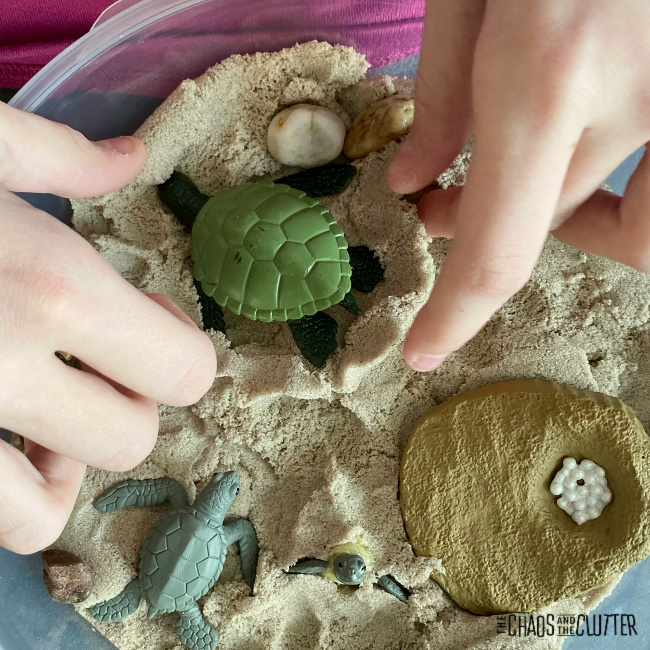
Sea Turtle Life Cycle Sensory Bin:
We saw sea turtles at the Monterey Bay Aquarium on a road trip and our kids were fascinated. We also had the opportunity to see protected areas of sea turtle nests on the beach in Florida on another trip. There, we attended an information evening teaching us about conservation efforts. Education is always the first step towards conservation so the more you teach your kids, the better.
This sensory bin may spark the beginning of an interest for them in learning more.
Supplies needed:
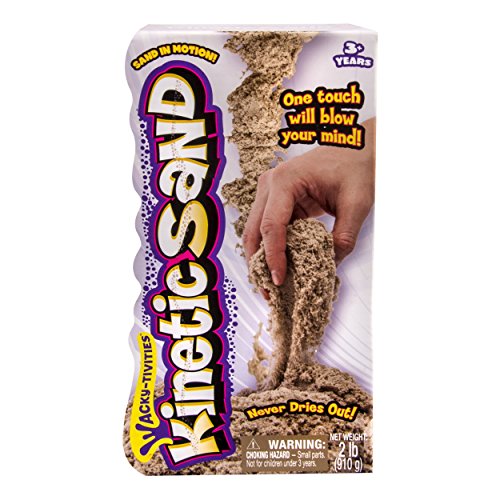
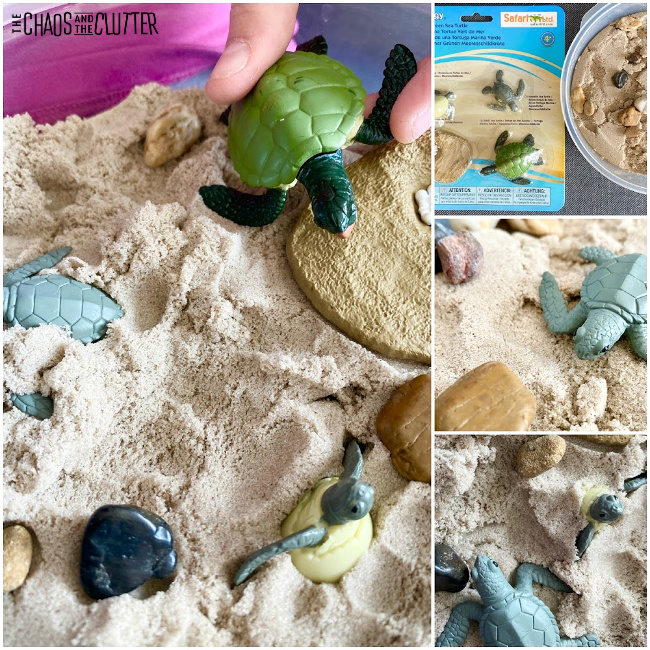
- sand or kinetic sand
- rocks
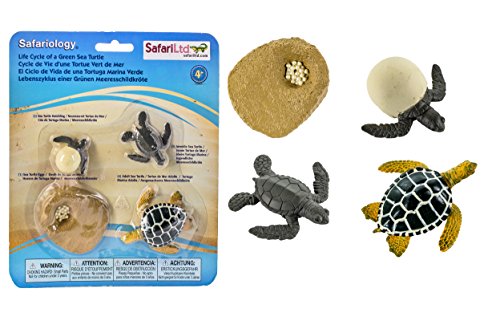
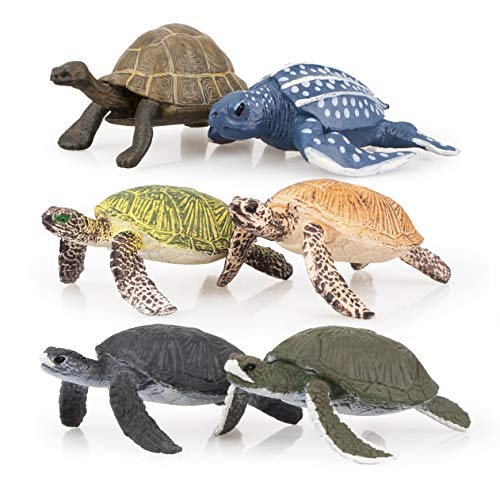
- Sea Turtle Life Cycle pack
Directions:
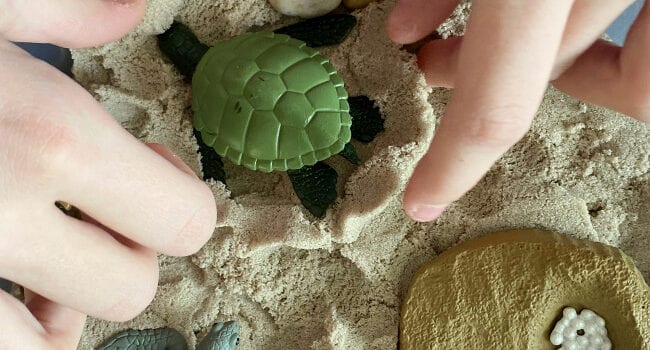
- Fill a small container with sand or kinetic sand.
- Add some rocks.
- Place the figures from the Sea Turtle Life Cycle pack in the sand.
- Encourage play.
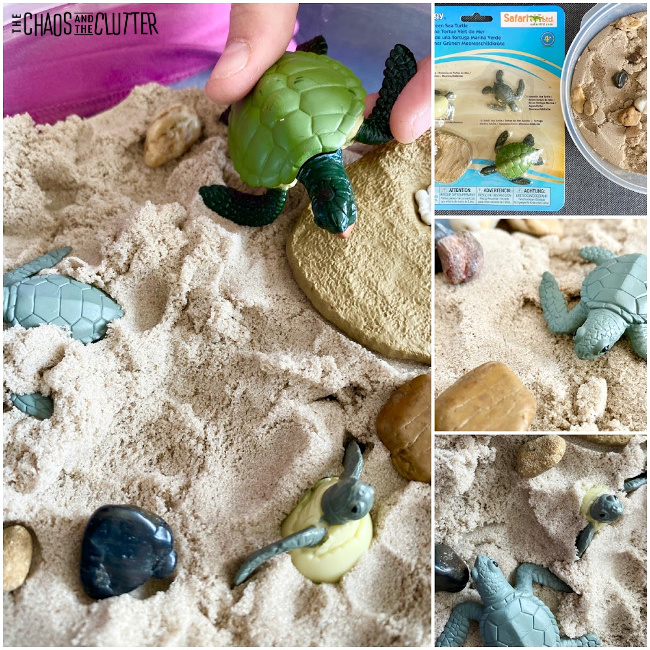 This sensory bin is great for use at home or in the classroom while doing a unit study. It enables kids to reenact what they are learning. Using more of their senses and learning through play allows for better retention. What may seem like a simple activity can allow kids to cement their knowledge and make it more real.
This sensory play activity includes small parts. As with any children’s activity, adult supervision is required.
Resources for Learning about Sea Turtles:
If you want to further your study, here are some resources to delve deeper and expand your knowledge about sea turtles.
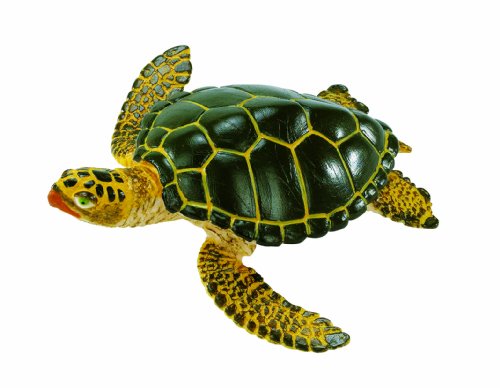
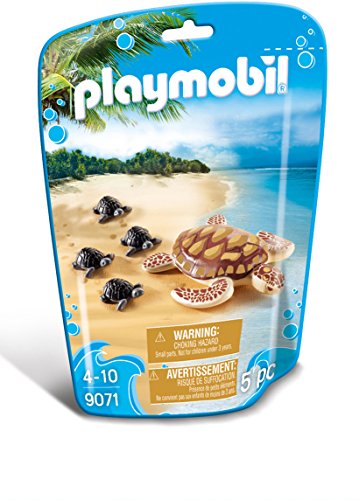
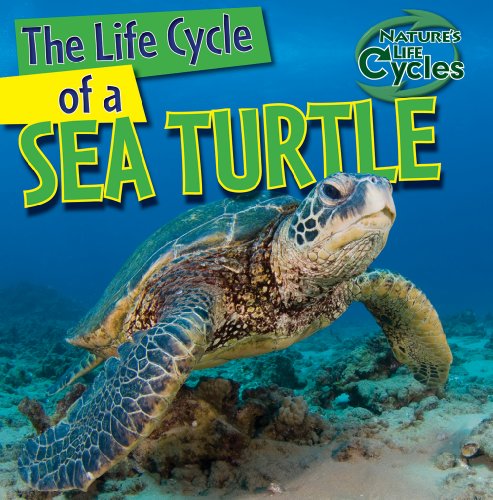
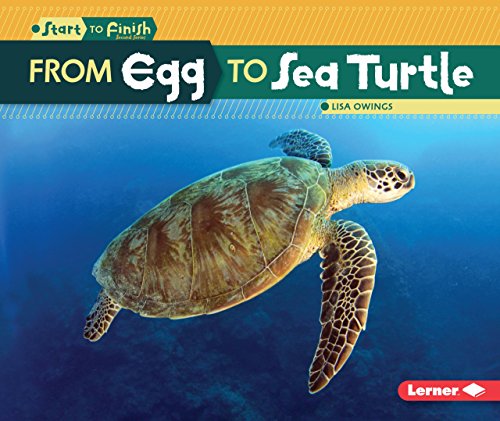
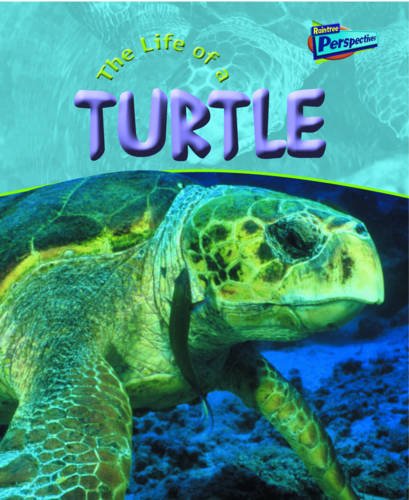
Life Cycle of a Green Sea Turtle Sea Life Green Sea TurtleKinetic SandRealistic Sea Turtle Plastic FigurinesSea Turtle with Babies Building SetSea Turtle Life Cycle Guide Laminated CardThe Life Cycle of a Sea TurtleFrom Egg to Sea TurtleThe Life of a Sea Turtle
- Sea Turtle Life Cycle and Nesting Locations
- Sea Turtle Lifecycle Interactive Diagram
- Green Sea Turtle Facts (includes an open sea cam)
- A Sea Turtle’s Life Cycle Explained Video (short, but quite informative)
- Sea Turtle Life Cycle Video (animated – Australia)
- Make a Sea Turtle Life Cycle Craft out of WikkiSticks
- Sea Turtle Life Cycle Worksheets (free)
- Sea Turtle Life Cycle Printable Pack (free)
Looking for more easy sensory play ideas to inspire learning? Join for a five day email series on Sensory Activities and Solutions and get a free sample of our Sensory Play Recipes eBook.
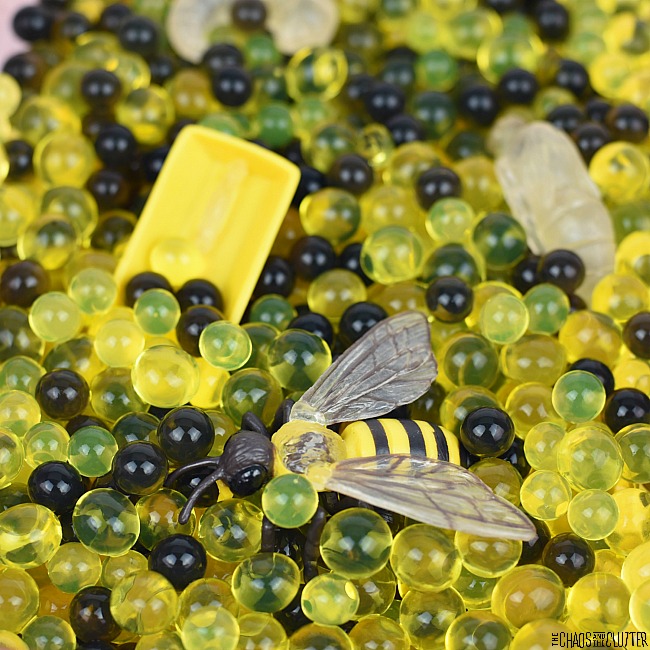
Check out some of our other life cycle sensory bins that can be used for science unit studies:
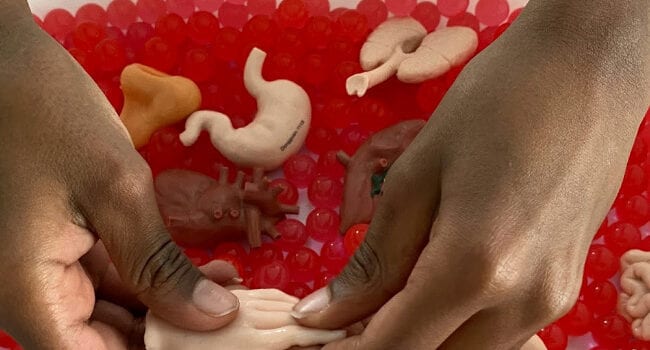
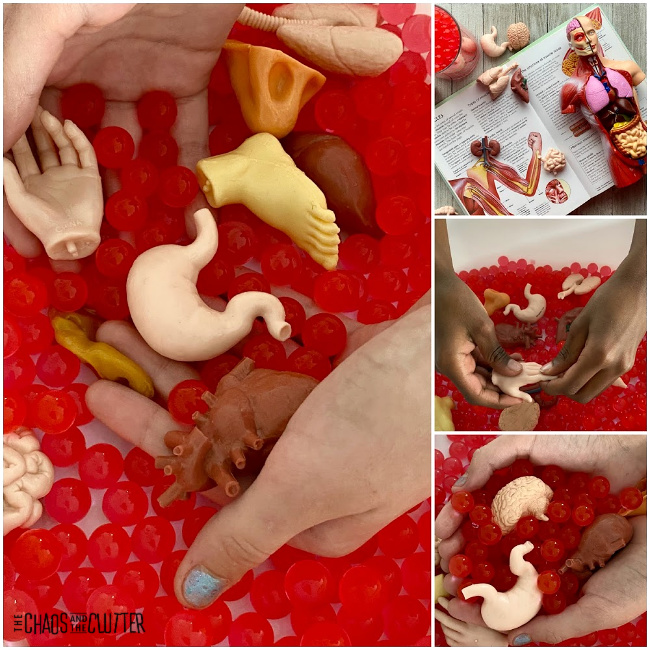
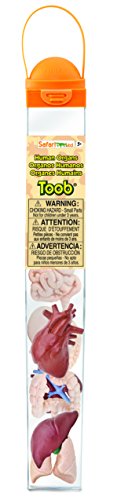
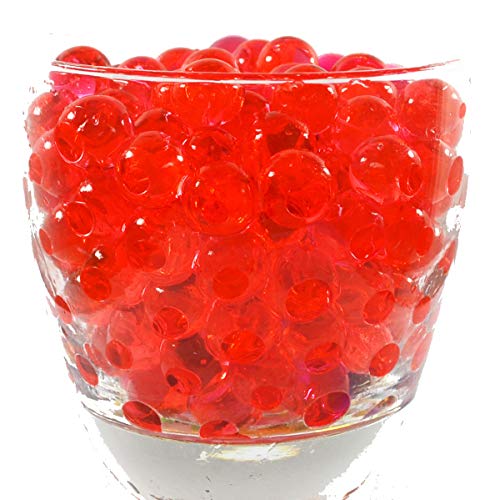
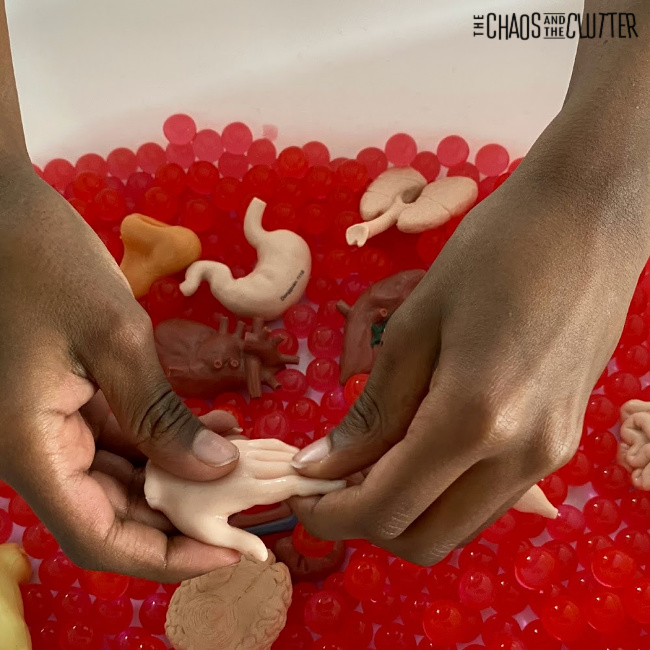
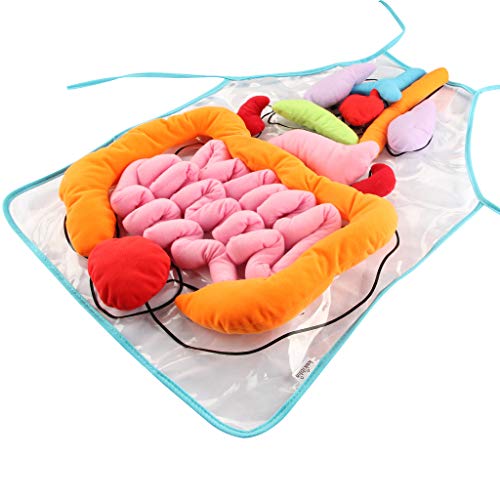
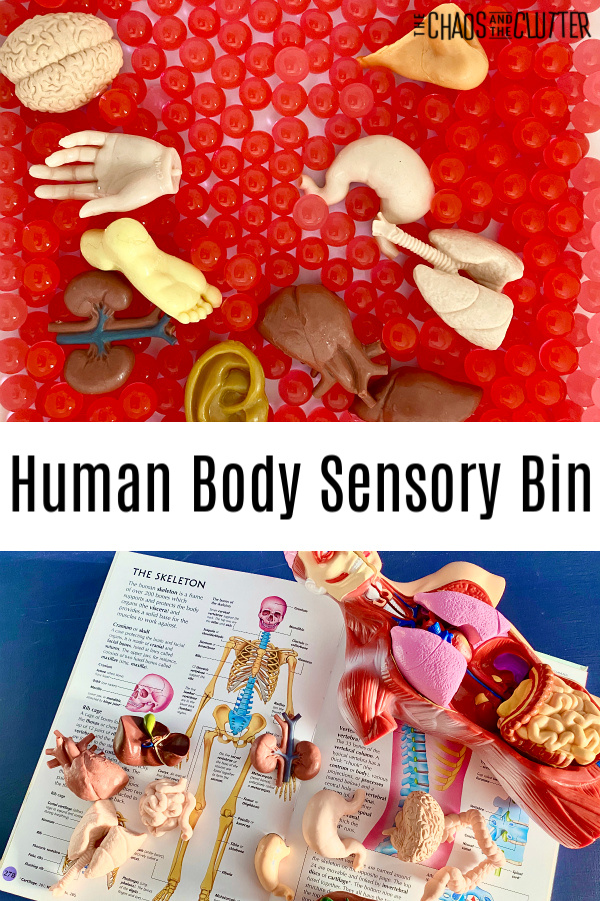 As kids learn about the human body, they can explore through sensory play. This can lead them to asking more questions and finding new discoveries.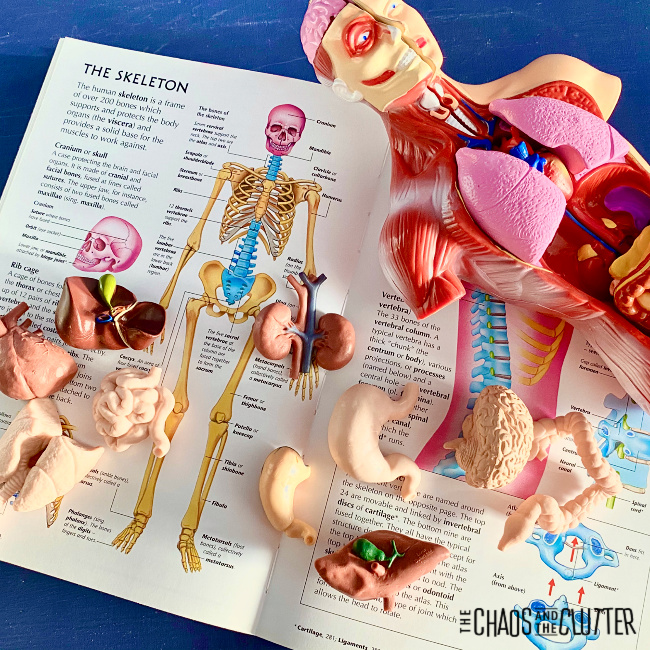
 Directions: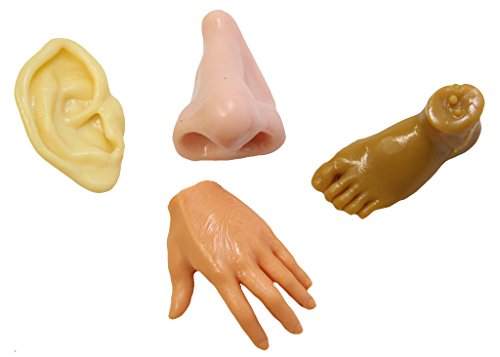
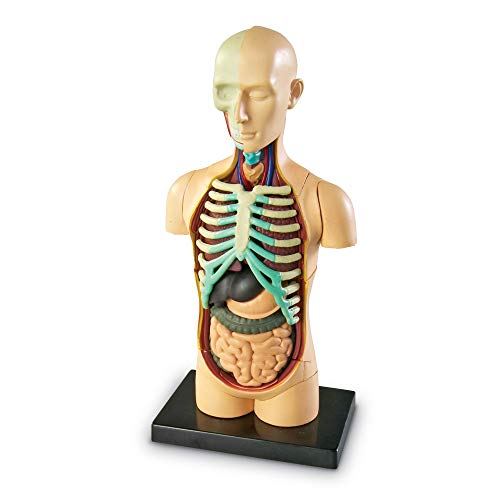
 Some other resources to accompany your human body unit study:
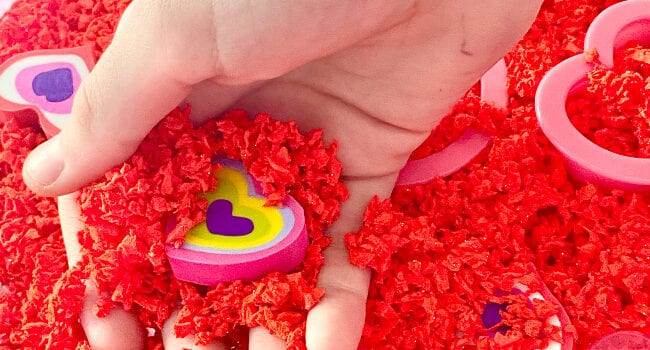
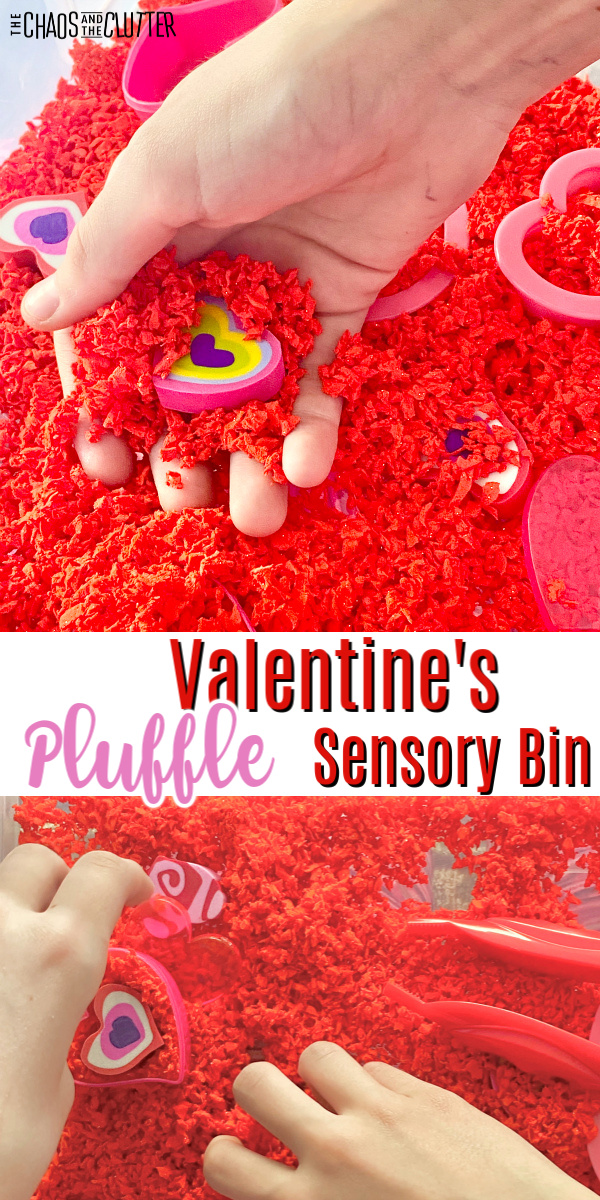 Pluffle is a play foam. I don’t know the science behind it, but it kind of moves on its own. It’s a bit creepy, but also very fun. Kids are pretty fascinated while they watch the movement as it expands.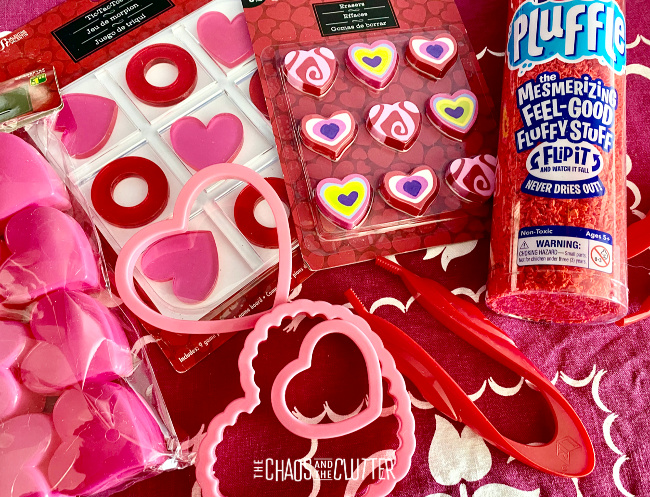
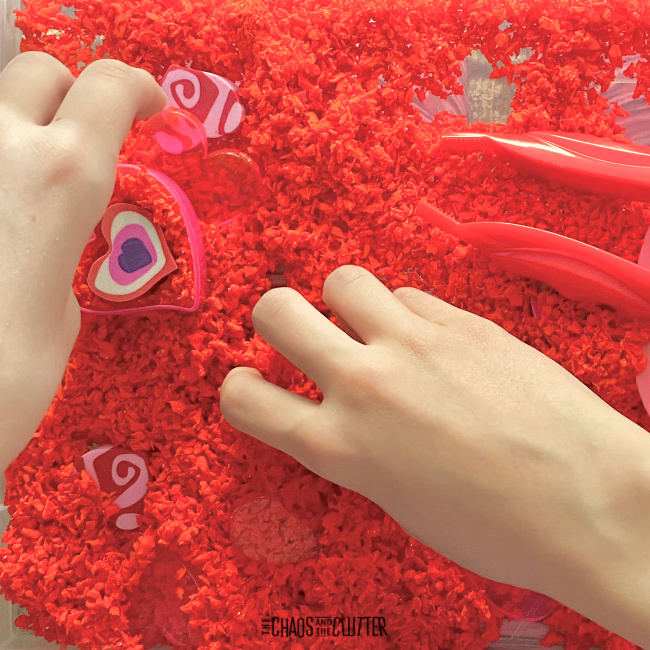
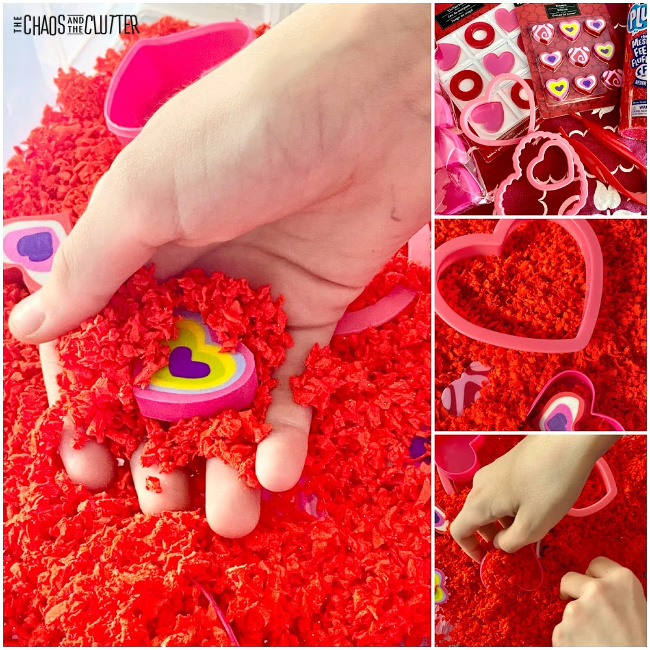 Vocabulary – Talking about patterns, colours, and what textures they are feeling can help kids improve their communication skills and encourage them to ask questions.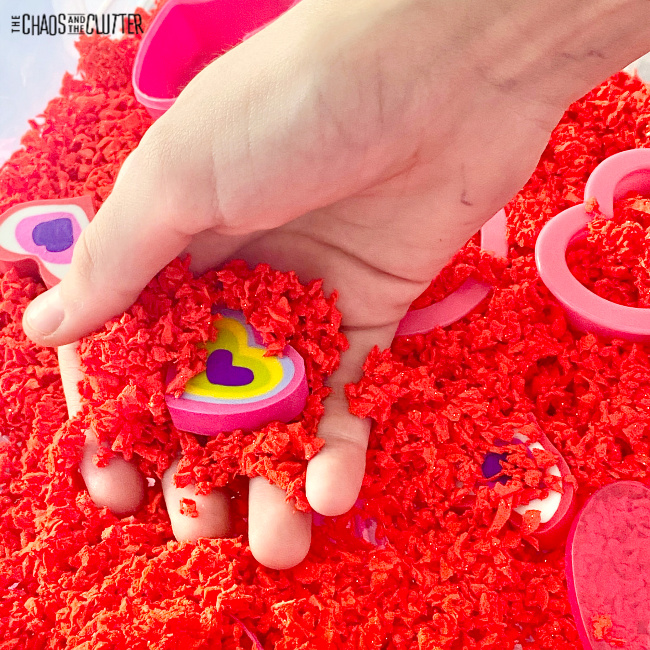
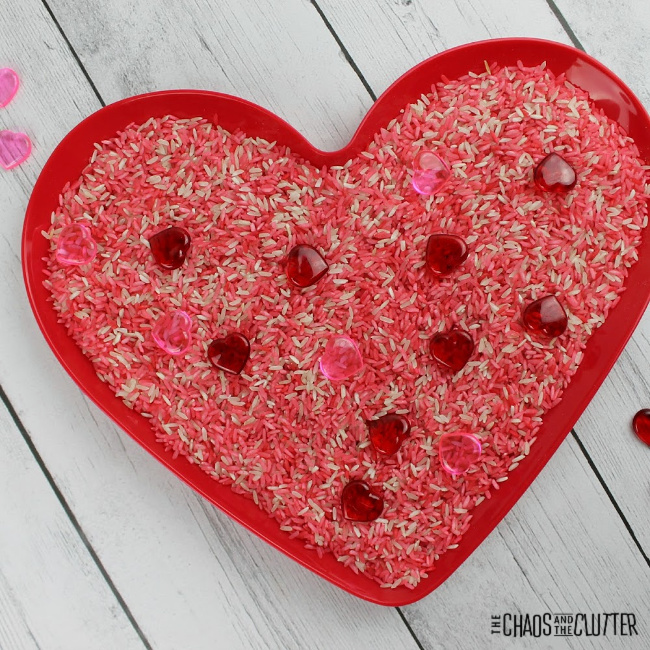
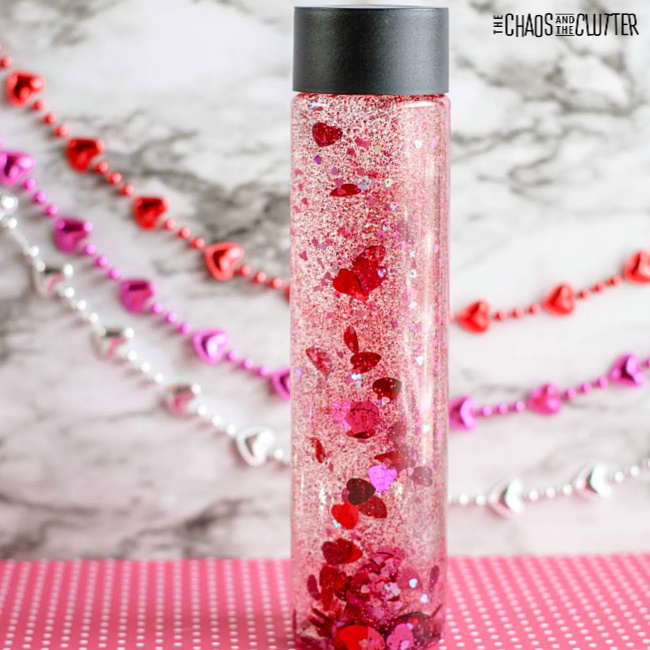
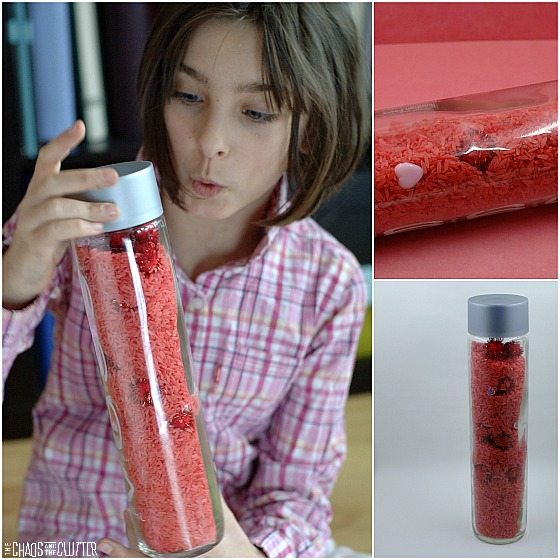
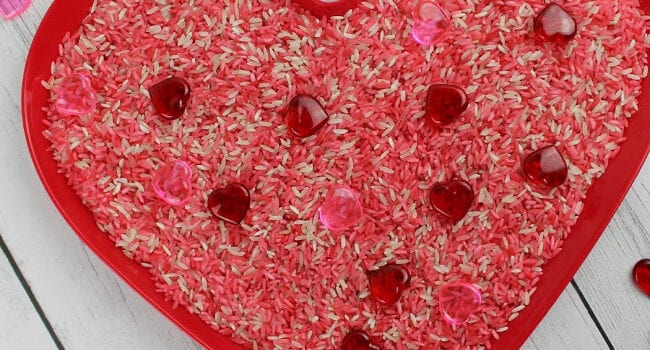
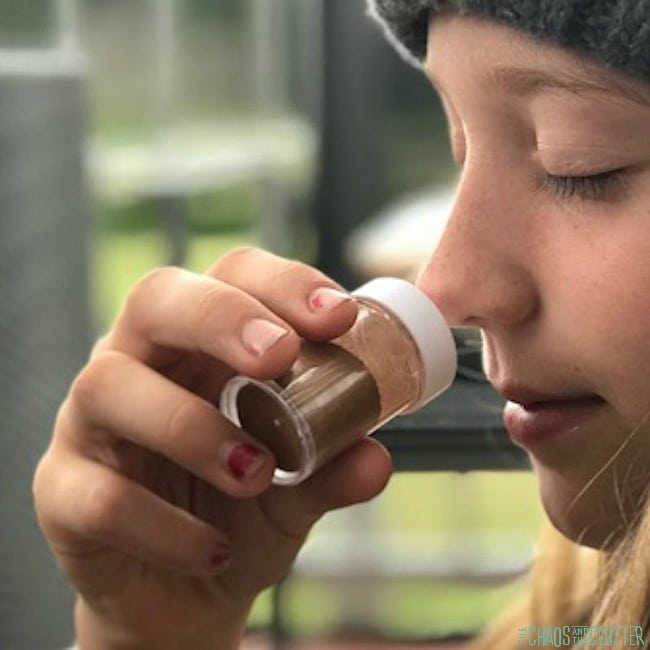
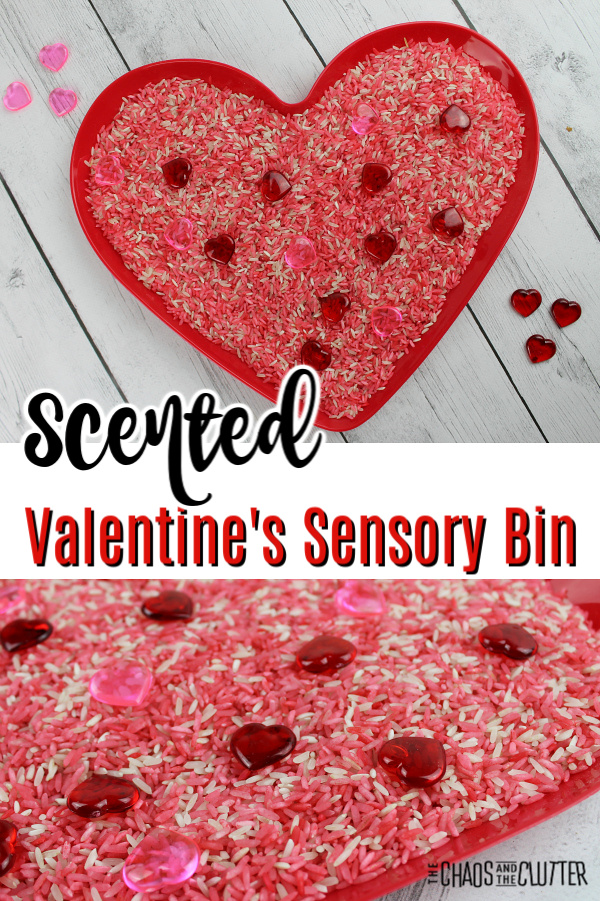 Because of the scent, this activity is reminiscent of cinnamon hearts which are of course a Valentine’s Day staple.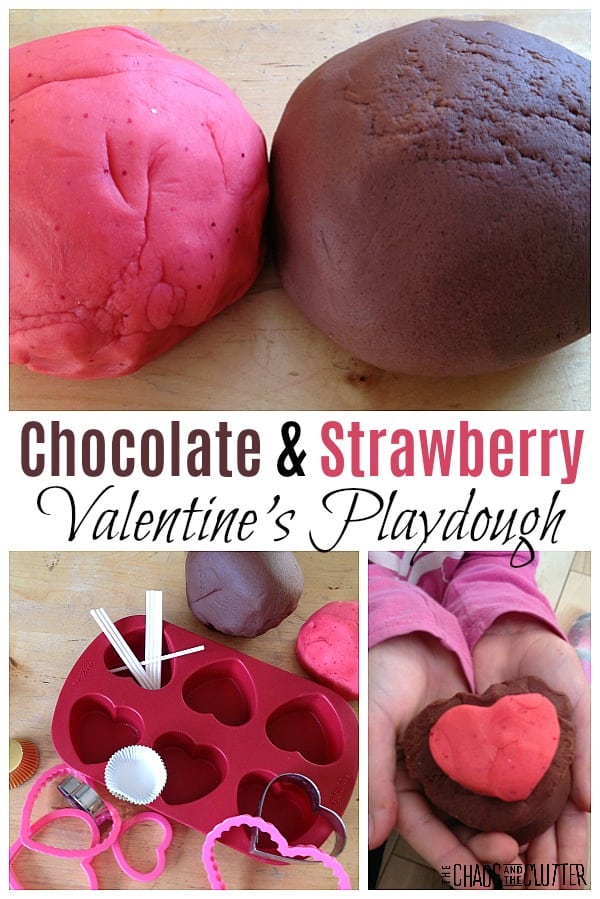
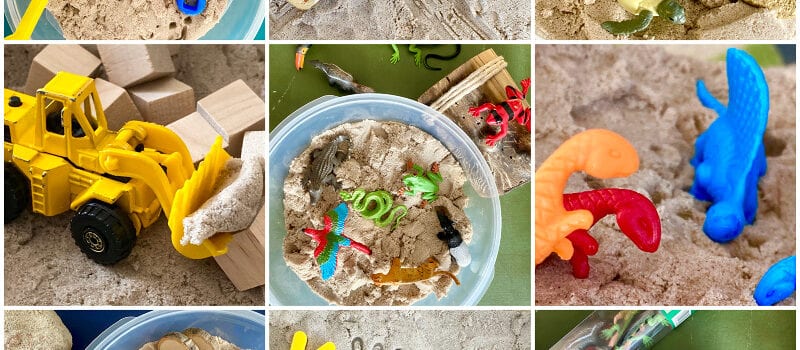
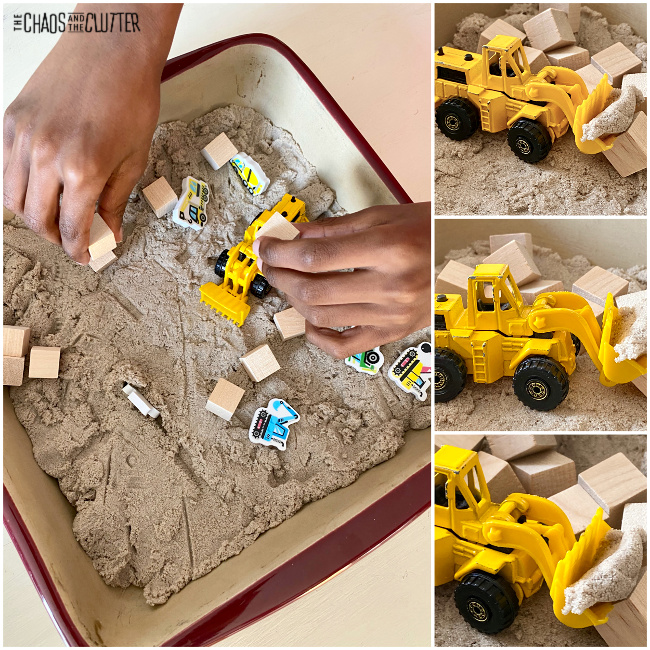
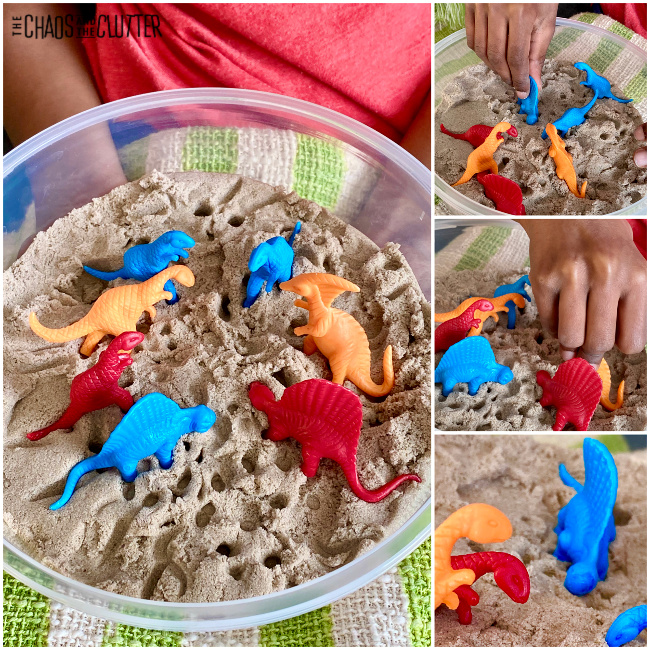
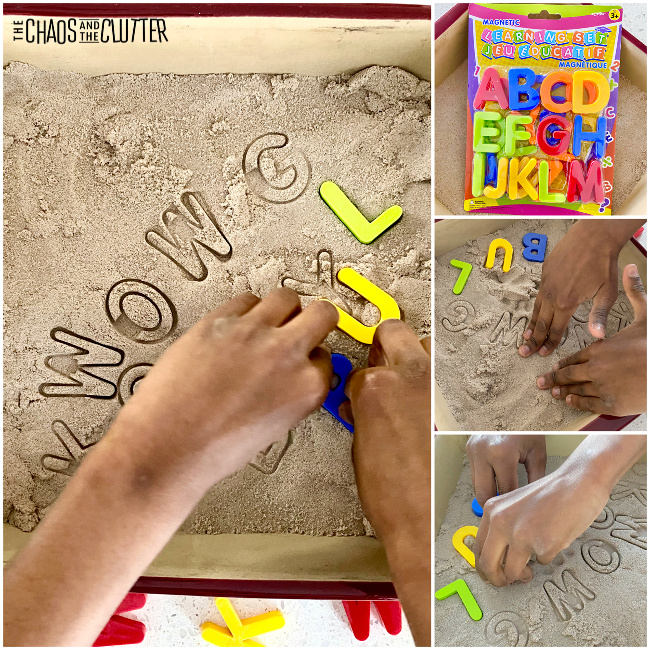
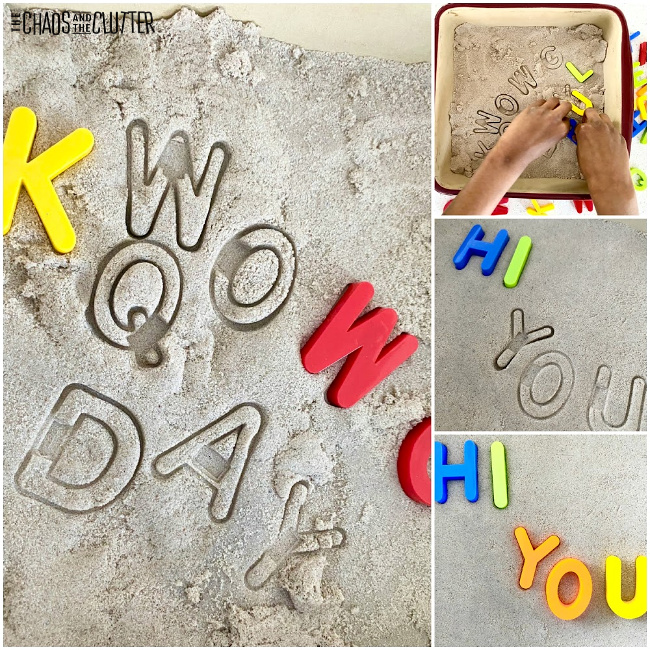
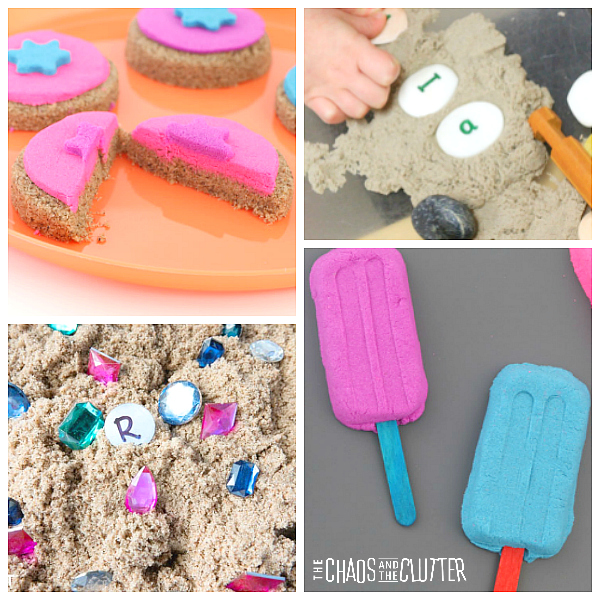
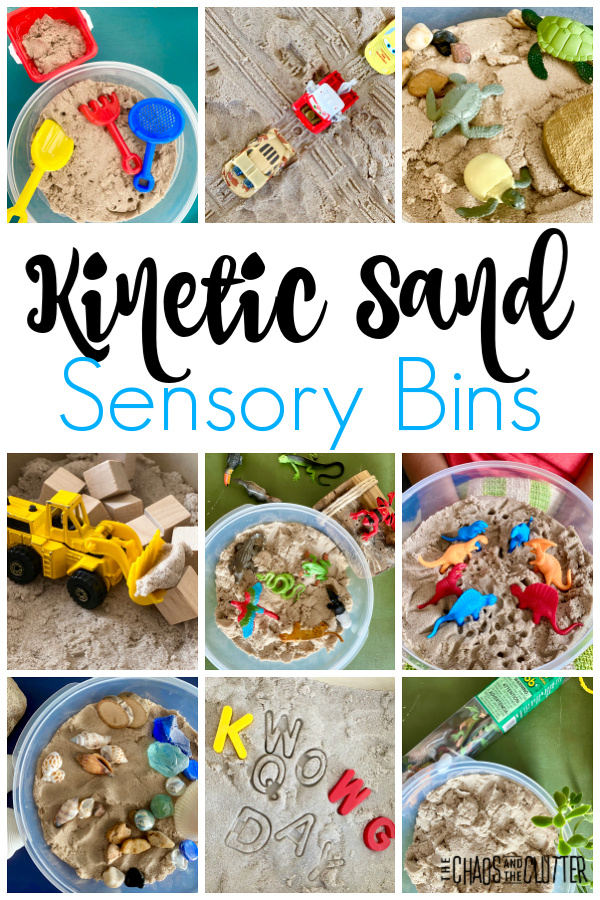 Store bought kinetic sand can be expensive, so I usually make my own using this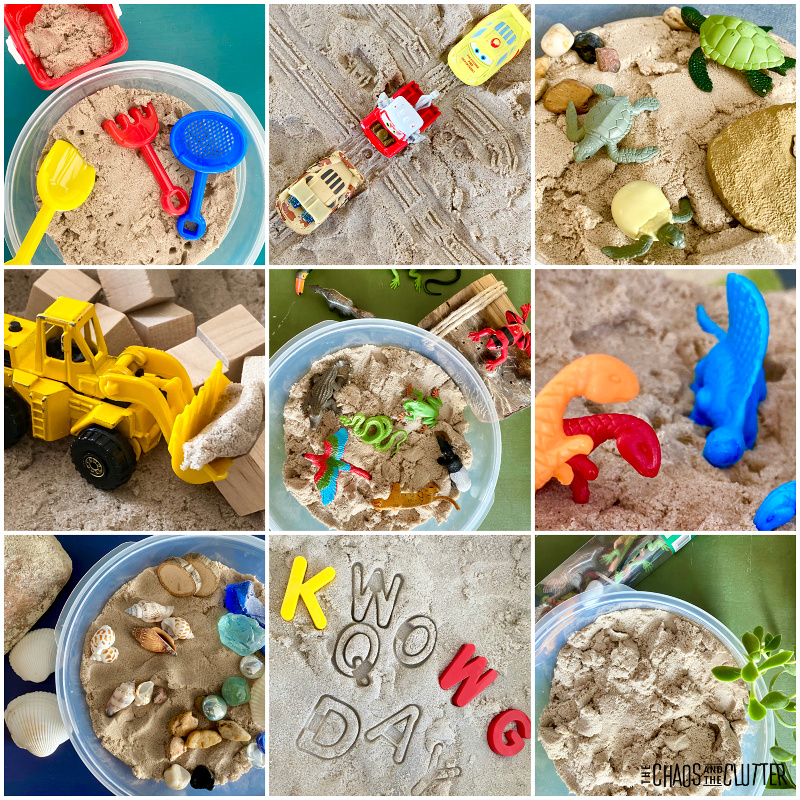
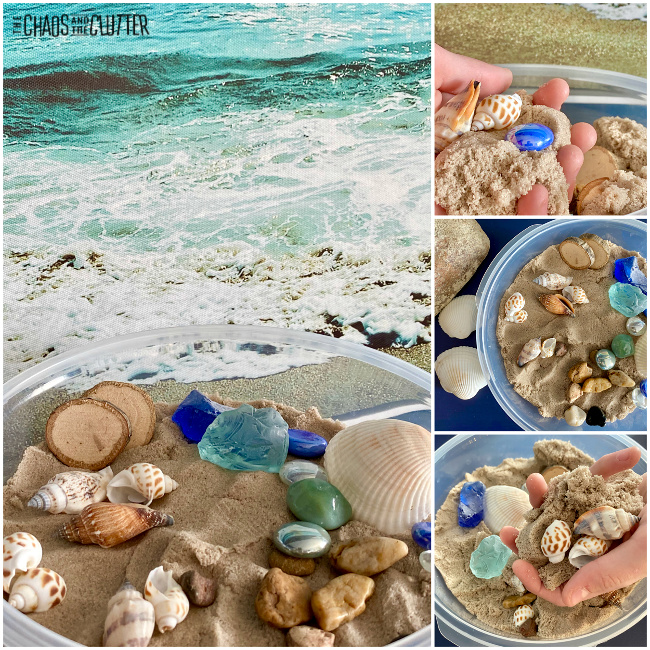
 Looking for more easy sensory play ideas? Join for a five day email series on Sensory Activities and Solutions and get a free sample of our Sensory Play Recipes eBook.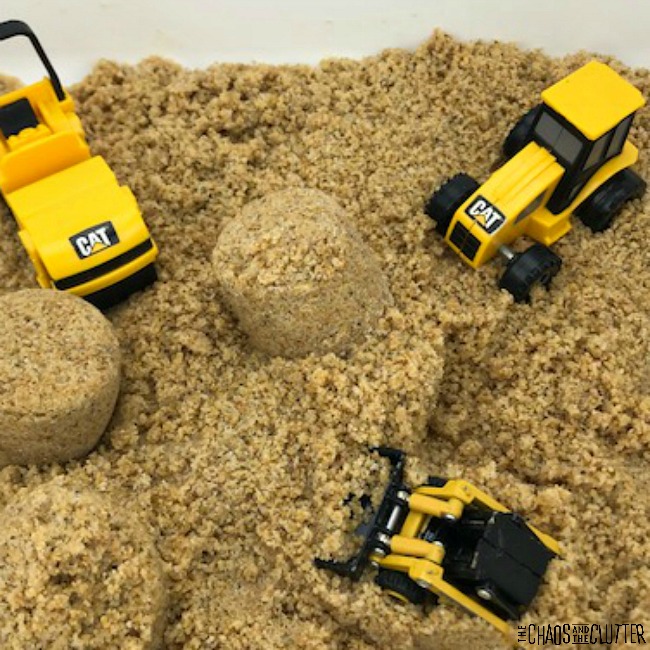
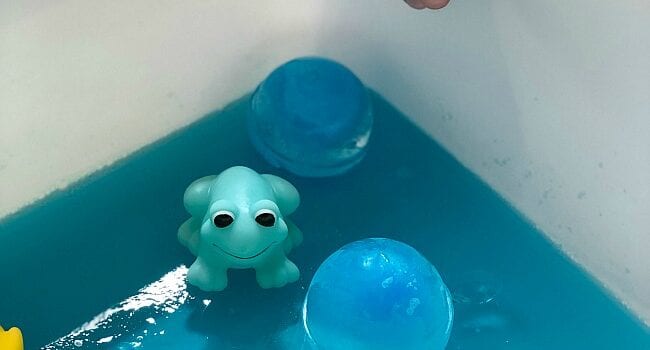
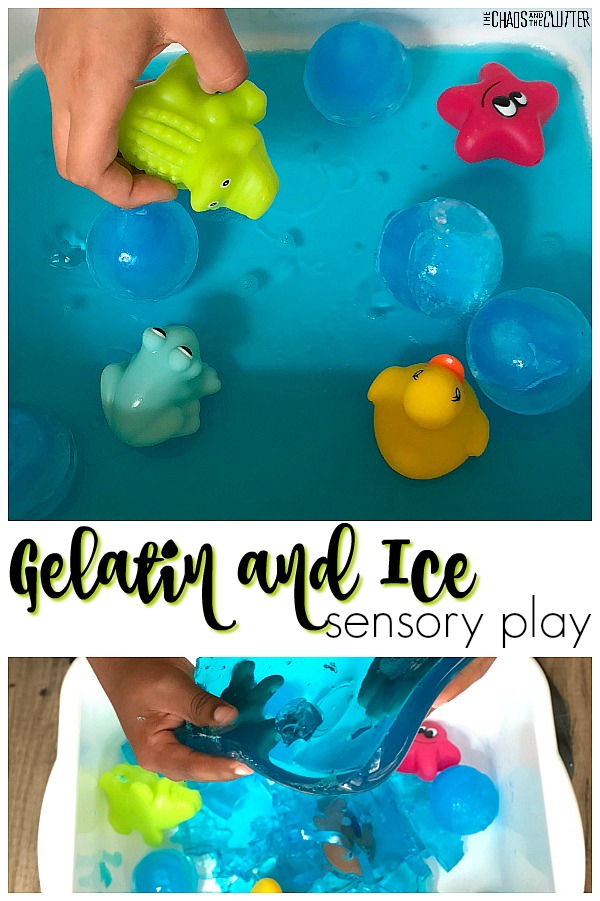 I made the “water” out of gelatin that I dyed blue. When I added the bath toys, it looked good, but I felt like it was missing something. I wanted to create the look of bubbles in the “water” and I also wanted to add in another sensory dimension.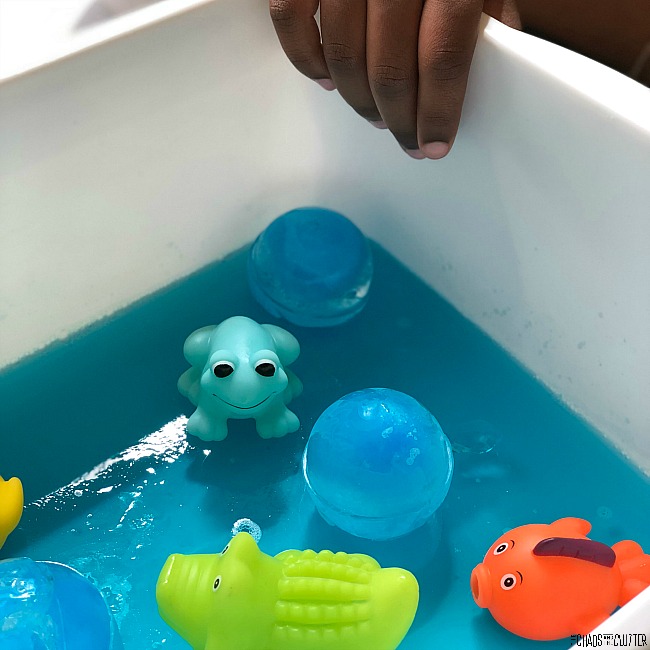
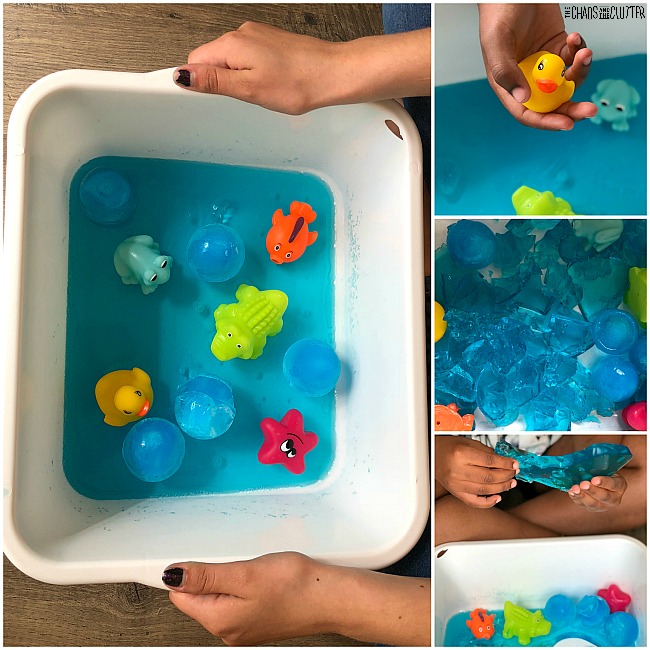 Directions:
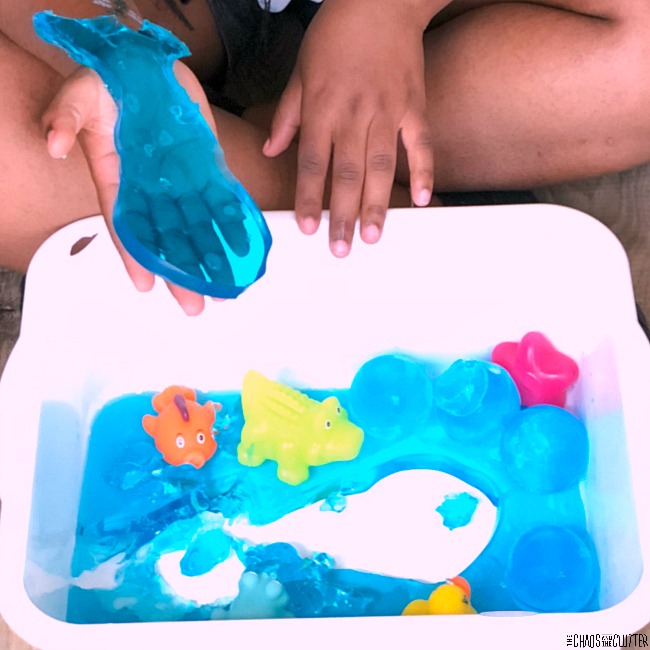 She used a plastic knife and was easily able to cut out a jello fish.
 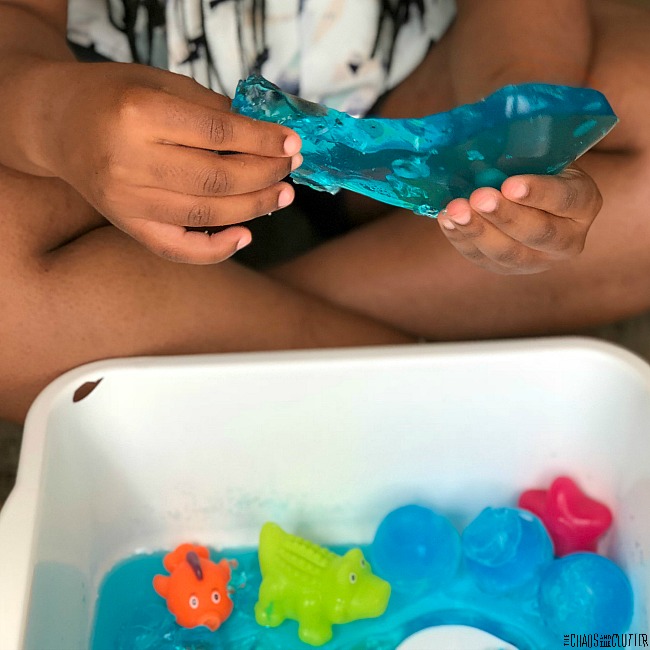 She later wanted to taste it. Since there’s no harm in that since it’s a taste safe sensory bin, she went ahead and took a bite. I hadn’t added any sugar to the gelatin, so she wasn’t a fan of the taste!