• Skip to primary navigation
  • Skip to main content
  • Skip to primary sidebar
  • Home
  • About
  • Contact
  • Privacy + Terms
  • Affiliates

The Chaos and the Clutter

  • Facebook
  • Twitter
  • Pinterest
  • Google Plus
  • RSS
  • Email
  • School at Home
  • Sensory
    • Sensory Processing Disorder
    • Awesome Sensory Play Activities
      • Sensory Bins
      • Sensory Bottles
      • Sensory Bags
  • Family Games
    • Minute to Win It Games
  • Special Needs Parenting
    • Childhood Anxiety
    • Reactive Attachment Disorder
    • Sensory Processing Disorder
  • Store
  • Course Login

Sensory Bins

Over 100 Sensory Bin Themes

By Sharla Kostelyk

I always find that it’s easier to come up with creative sensory bins if I choose a theme. If you are a teacher or homeschooler, it is nice to have sensory play that corresponds to the current unit study. For these reasons, I’ve compiled a list of sensory bin themes.It’s easier to spark your creativity when you have a head start. These sensory bin themes will give you the inspiration and ideas to create your own! You’ll find things for toddlers, preschoolers, and beyond.

You can find examples of sensory bins for each theme by clicking on the link.

Sensory Bin Themes:

Seasons

  • Fall
  • Winter
  • Spring Sensory Soup
  • Spring
  • Summer

Science

Some of the animal sensory bins could work as science units also.

  • Ant Life Cycle
  • Blood (human body unit)
  • Bugs
  • Butterfly
  • Butterfly Life Cycle
  • Chicken Life Cycle
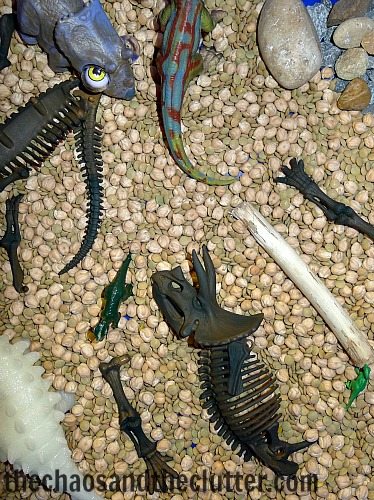
  • Dinosaur
  • Fossils
  • Frog Life Cycle
  • Going on a Bug Hunt
  • Honey Bee Life Cycle
  • Human Body
  • Insects
  • Magnets
  • Moon and Space
  • Ocean
  • Rainbow
  • Solar System
  • Weather

Animals

  • Arctic Animals
  • Birds
  • Hedgehogs
  • Horses
  • Frogs
  • Penguins
  • Pigs
  • Sea Turtle
  • Shark

Sensory Bins Based on Books

  • Are you my Mother?
  • Big Red Barn
  • Brown Bear, Brown Bear
  • Cat in the Hat
  • Chicka Chicka Boom Boom
  • Cloudy with a Chance of Meatballs
  • Goodnight Construction Site
  • Goodnight Moon
  • Green Eggs and Ham
  • If You Give a Mouse a Cookie
  • The Lorax
  • One Duck Stuck
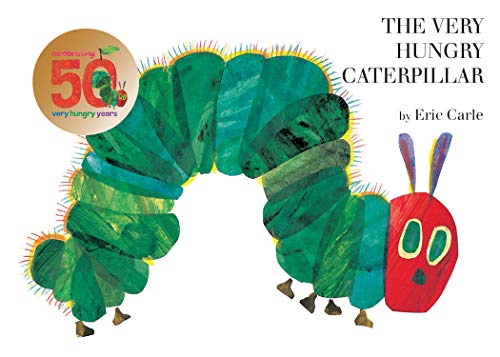
  • The Very Hungry Caterpillar

Alphabet and Reading

  • Alphabet
  • Alphabet Ocean
  • Family (Vocabulary)
  • Learning Names
  • Letter A
  • Letter C
  • Letter Dig
  • Letter Matching Seashells
  • Marshmallow Sight Words
  • Spelling
  • Spell Your Name

Social Studies

  • Community
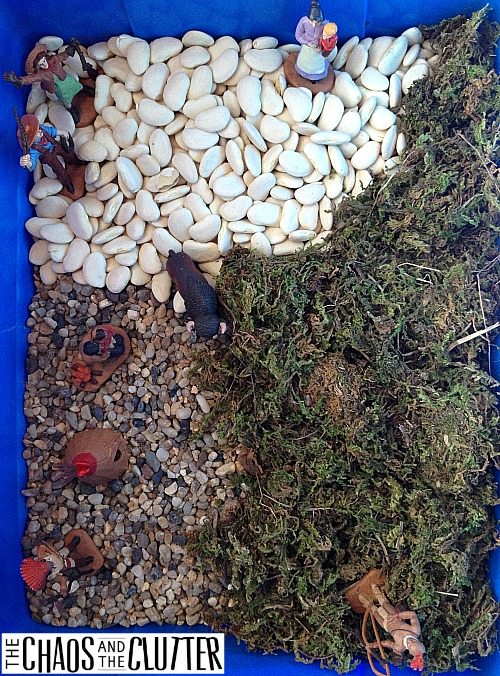
  • History
  • Knights
  • Pirate

Math

  • Caterpillar Math
  • Counting Stars
  • Telling Time

Holidays

  • New Year’s
  • Valentine’s Day
  • St. Patrick’s Day
  • Easter
  • Canada Day
  • Fourth of July
  • Halloween
  • Thanksgiving
  • Christmas

Other Sensory Bin Themes

This list includes every theme you can imagine (and some you never would!) from A to Z.

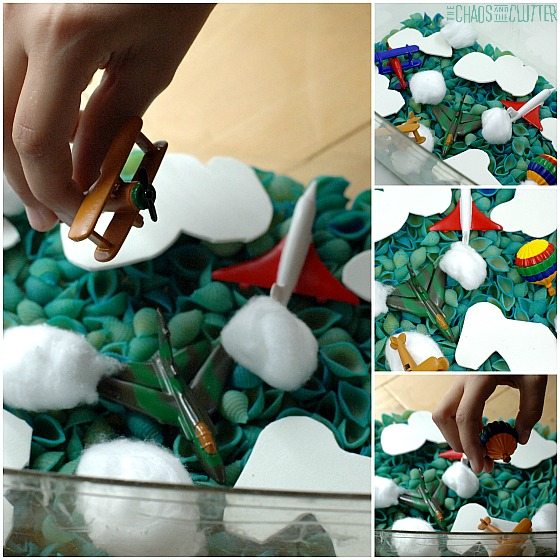
  • Airplanes
  • Apples
  • Autism Awareness
  • Baby Bath
  • Baking
  • Beach
  • Berry Picking
  • Bird Nest
  • Birdseed
  • Birthday Cake
  • Birthday Party
  • Bunny
  • Butterfly
  • Calming Lavender
  • Candy
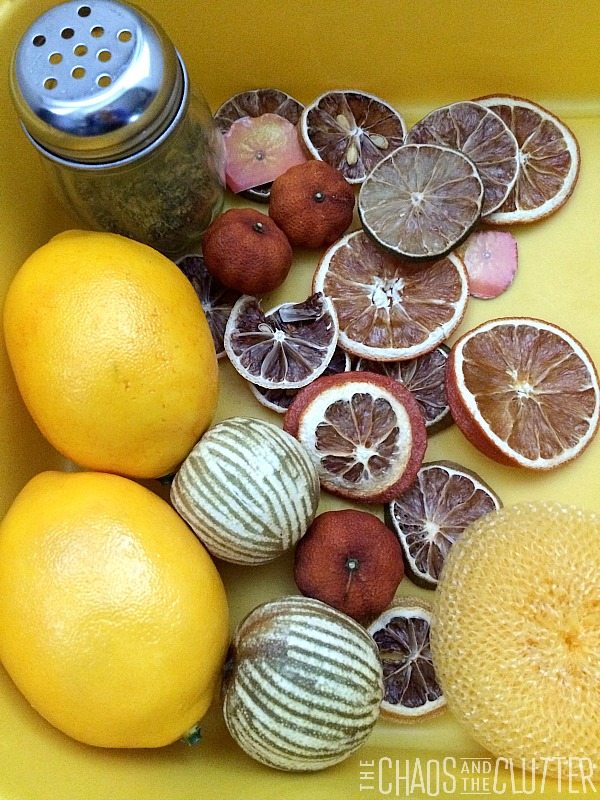
  • Citrus
  • Coffee
  • Construction
  • Colour
  • Desert
  • Dishwashing
  • Dollar Store
  • Duck Pond
  • Emotions (Inside Out)
  • Fairies
  • Farm
  • Fish Tank
  • Flowers
  • Football
  • Frozen
  • Garden
  • Harvest
  • Hot Chocolate
  • Ice Cream
  • Iceberg
  • I Spy
  • Ladybug
  • Lemon
  • Lemonade 
  • Lemonade Stand
  • Mermaid
  • Mint
  • Monsters
  • Mud
  • My Family (All About Me theme)
  • Nature
  • Night Sky
  • Nutrition
  • Paint
  • Peas and Carrots
  • Planting Trees
  • Pompom
  • Popcorn
  • Pumpkin Patch
  • Quarry
  • Rubber Ducks
  • Scarecrow
  • Seaside
  • Seek and Find
  • Shapes
  • Sky
  • Snow
  • Snowflake
  • Snowman
  • Spider
  • Squirrel
  • Starry Night (art inspired)
  • Straight Lines
  • Sunflower
  • Tea Bag
  • Tractor
  • Train
  • Transportation
  • Unicorn
  • Water
  • Water beads
  • Watermelon
  • Wetlands
  • Zoo

Join thousands of others who have signed up for our free sensory solutions and activities email series and get a sample of our Sensory Play Recipes eBook.
Filed Under: Sensory, Sensory Bins

Dig for Fossils Sensory Bin

By Sharla Kostelyk

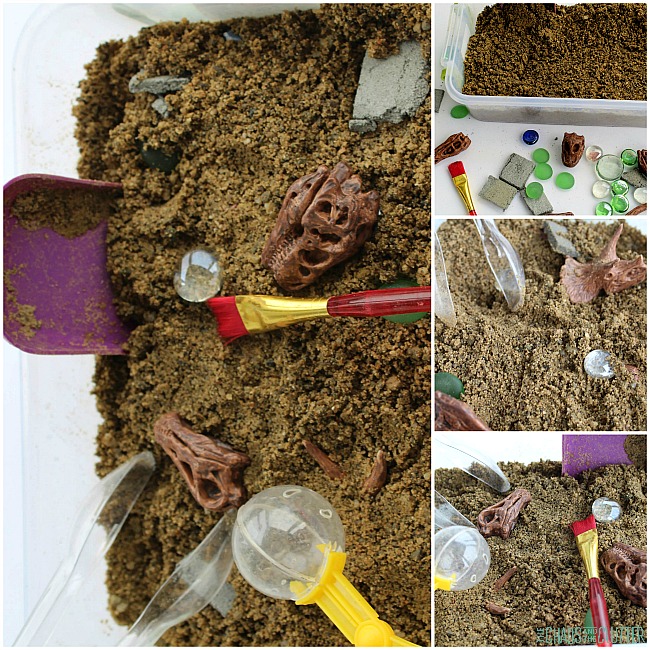
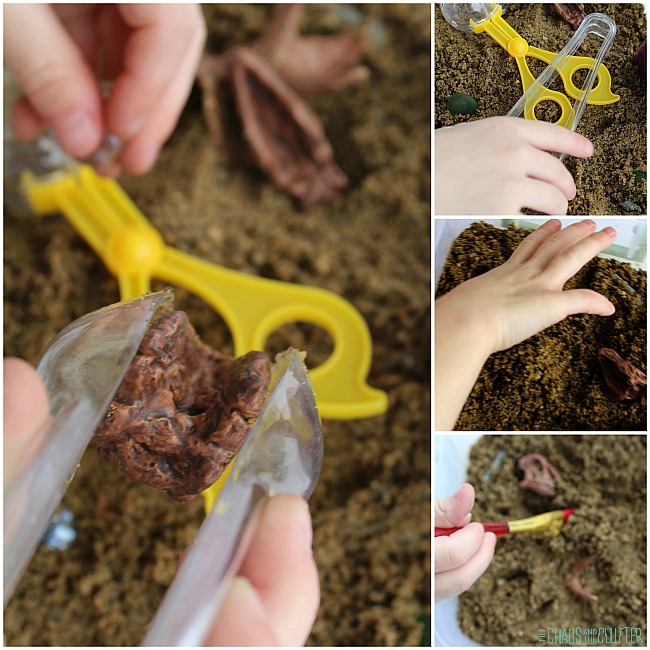
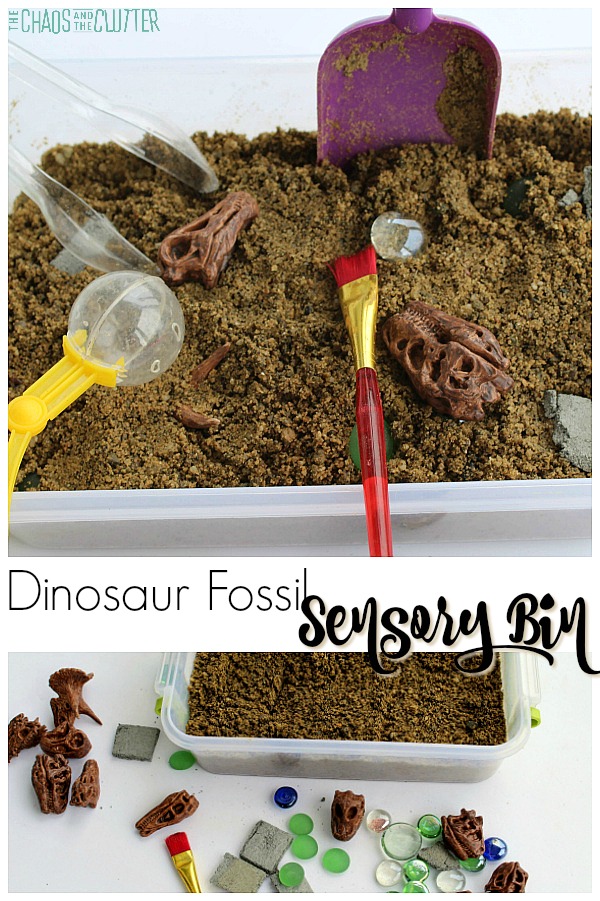
Kids will love to dig and explore in this dinosaur fossils sensory bin. It’s great for fine motor practise as well as supplementing science learning. It pairs well with a dinosaur unit. Dinosaur Fossil Sensory Bin #science #sensoryplay #sensorybins #sensory #kidsactivitiesThere are a variety of textures for kids to explore in this sensory play activity because of the grittiness of the sand, the smoothness of the glass beads, and the rough dinosaur skulls. This provides great tactile input. The bin also allows for visual and proprioception sensory feedback.

Dig for Fossils Sensory Bin:

Supplies:
  • sand
  • plastic bin with lid
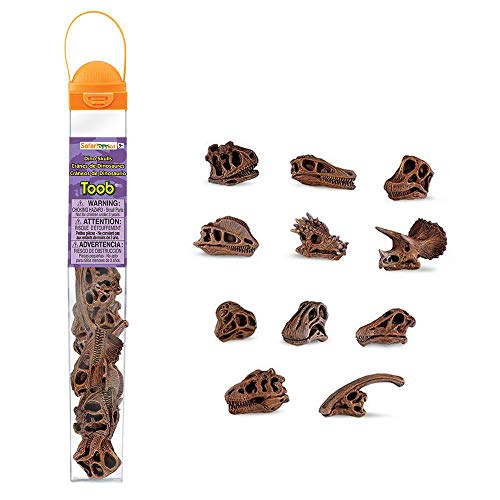
  • dinosaur skull fossils Toob
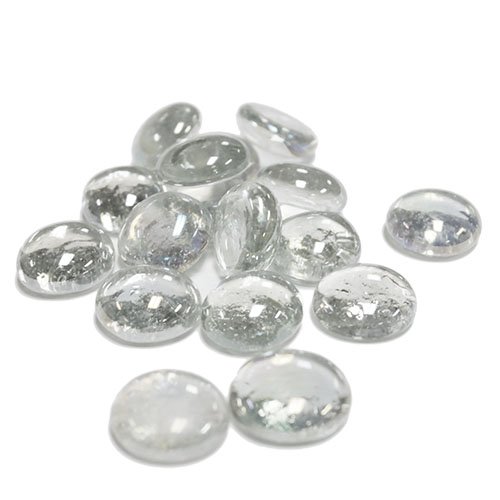
  • glass beads
  • decorative rocks
  • paint brush
  • tongs, plastic shovel or anything else your child can use to practice fine motor skills and excavate dinosaur skulls with
  • optional: magnifying glass

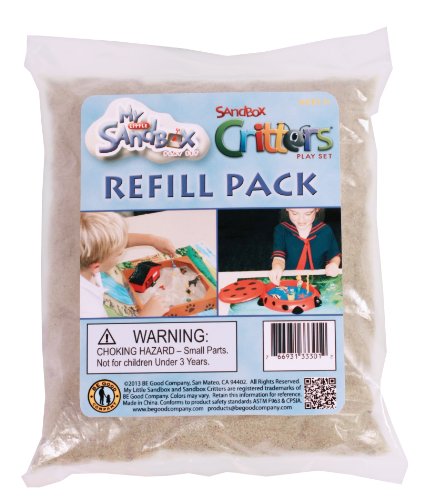
Dinosaur Skulls TOOBDinosaur Skulls TOOBDinosaur Skulls TOOBGlass BeadsGlass BeadsGlass BeadsNatural SandNatural SandNatural Sand

Directions:
  1. Fill a plastic storage bin about halfway up with sand.
  2. Begin adding the rocks, glass beads and dinosaur skulls to the bin.
  3. Bury them in the sand.
  4. Add a few dinosaur skulls to the top and loosely bury them in the sand.
  5. Place tongs, a paint brush and sand toys in the bin.
  6. Invite your child to explore the sensory bin and excavate the contents.
  7. When playtime is over, replace the lid on the bin and give it a good shake so that the next time your child wants to explore the bin, the contents are buried in the sand again!

Learning opportunities:

If you want to expand the learning, you can set out a few books about dinosaurs and dinosaur fossils. This will allow your child to compare the dino skulls with the pictures in the books and determine which type of dinosaur it is.

You can also put out a book about excavation. Children can learn how archeologists uncover their finds. They can then mimic some of what they’ve learned in the excavation sensory bin.

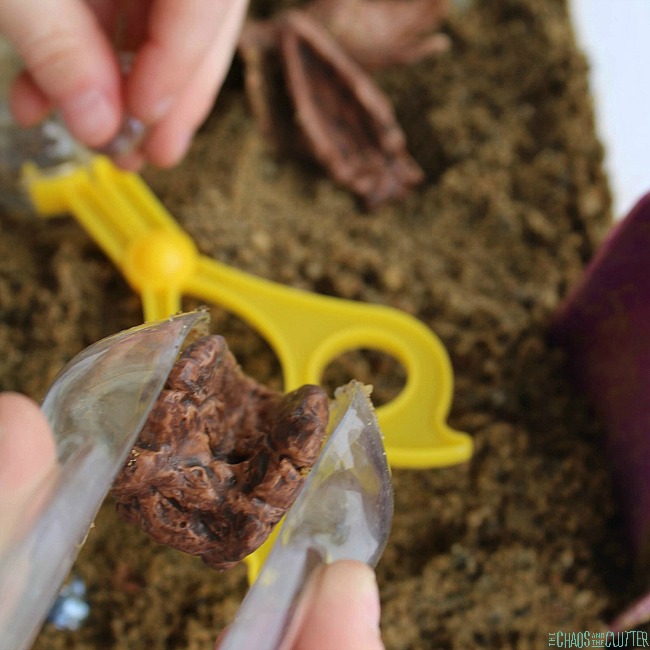
Kids can dig with their hands or with the shovel or scoops. They can use the paintbrush to carefully brush sand off the fossils. The tongs can be used to examine things more closely. You can also include a magnifying glass for closer inspection of the fossils. Check out these other sensory bins:
Dinosaur Sensory Bin Citrus Sensory Bin Citrus Sensory BinHistory Sensory Bin History Sensory Bin

Filed Under: Sensory, Sensory Bins

4th of July Stars and Stripes Sensory Bin

By Sharla Kostelyk

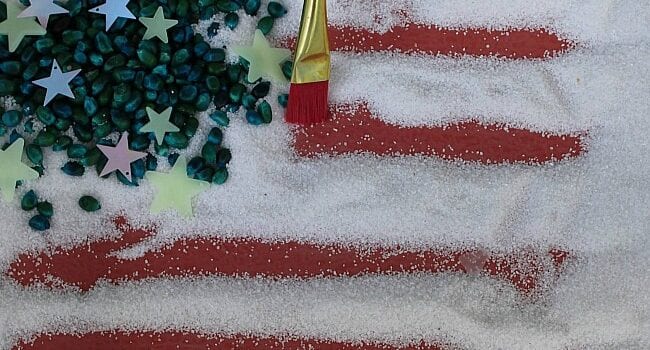
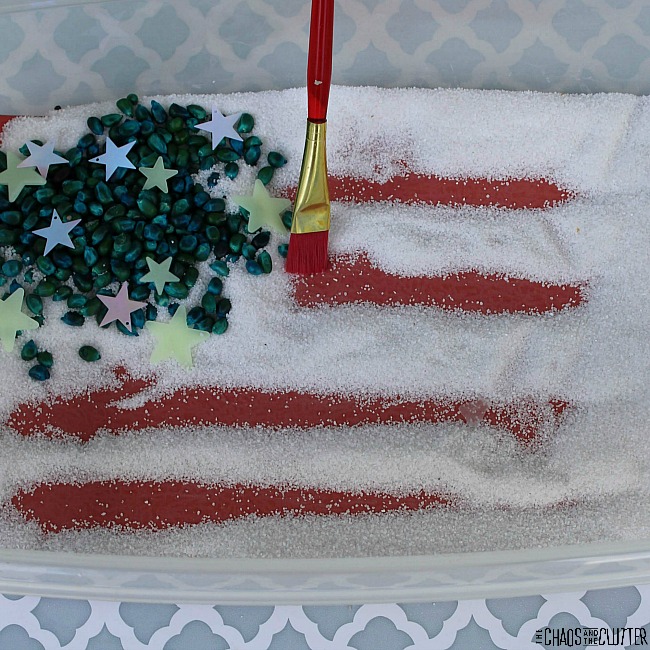
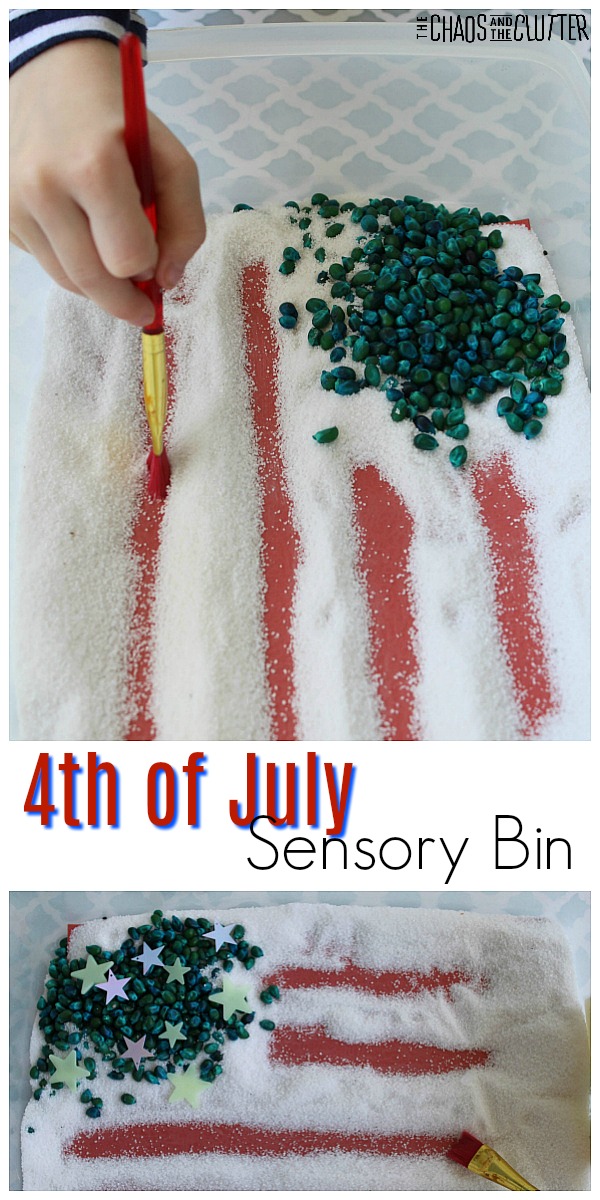
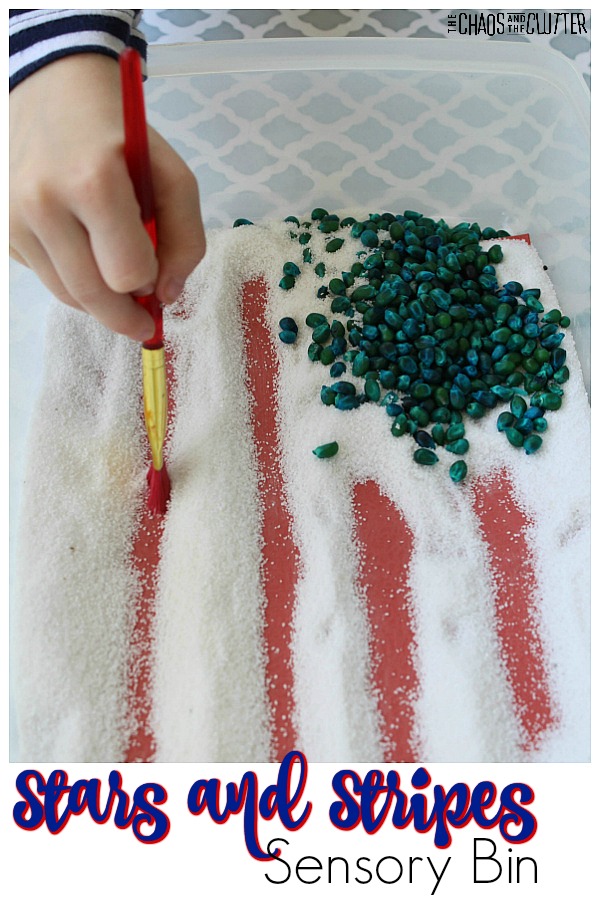
There’s something that I should probably get out of the way before we start. I’m Canadian. I actually had someone else make this sensory bin for me and take the photos of it because it just wouldn’t be authentic for me to have my kids playing in this 4th of July Stars and Stripes Sensory Bin! In the top part of the image, a young child's hand holds a red paintbrush and is brushing aside white sand to reveal red paper underneath. There is a pile of blue popcorn kernels in the corner. The words "4th of July Sensory Bin" are in the middle of the image. On the bottom is a sensory bin with red stripes in white sand, a pile of blue popcorn in the top corner, and stars sprinkled on top of the popcorn kernels.

Rest assured that the sweet little hands you see in the bin are 100% American! I wanted to be as authentic as possible, so I want to be up front about the whole US thing!

Even though I’m Canadian, I wanted to have an example of something like this for my American friends and readers. This sensory bin would be great for your 4th of July celebrations. It imitates the USA flag.

I love how interactive this sensory activity is. It doesn’t look like the American flag until the child begins to use their paintbrush to create the stripes. They will love seeing the stripes appear.

Stars and Stripes Sensory Bin:

Materials needed:
  • popcorn kernels
  • hand sanitizer
  • blue food colouring
  • white craft sand (or salt if you don’t have white sand)
  • red card stock paper
  • star confetti
  • small glow in the dark stars
  • paint brush
  • plastic bin with lid
  • scissors
  • resealable plastic bag
Directions:
To make the blue dyed popcorn:
  1. Place 1/2 a cup of unpopped popcorn kernels, 2 generous drops of hand sanitizer and several drops of blue food colouring in a resealable plastic bag and seal.
  2. Shake well.
  3. Allow the kernels to dry in the bag overnight or spread them out on a paper towel on a cookie sheet to dry for several hours.
To assemble the sensory bin:
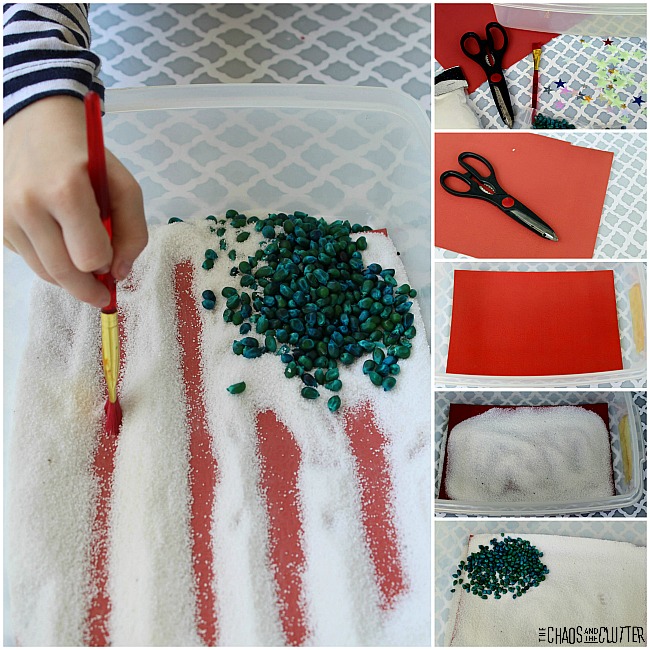
  1. Cut a sheet of red card stock so that it fits inside the bin. Place it in the bottom of the bin.
  2. Pour white craft sand (or salt) over the red paper.
  3. In the upper left section, pour the blue dyed popcorn kernels.
  4. Add a paint brush and an assortment of stars.
  5. Invite your child to brush some of the sand away to create the stripes.
  6. Encourage your child to add the stars to the area where the popcorn kernels are.
  7. When not in use, replace the lid on the bin for easy storage for future play!

This patriotic sensory play activity is also a good way to talk to kids about the American flag and its history. You can read a book such as F is for Flag together.
Looking for some great sensory play recipes? Join for a five day email series on Sensory Activities and Solutions and get a free sample of our Sensory Play Recipes eBook.

Check out these other fun Summer sensory bins:

Sky Sensory Bin

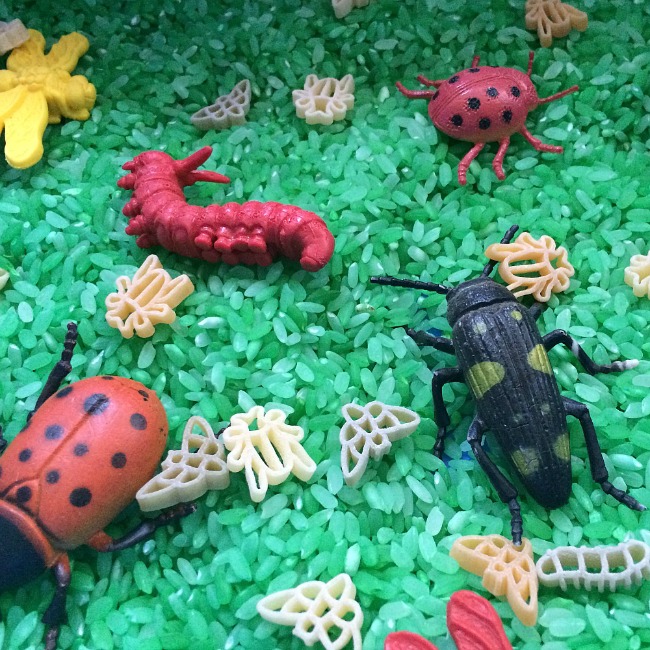
Insect Sensory Bin

Summer Sensory Bin

Filed Under: Sensory, Sensory Bins

Bright Butterfly Sensory Bin

By Sharla Kostelyk

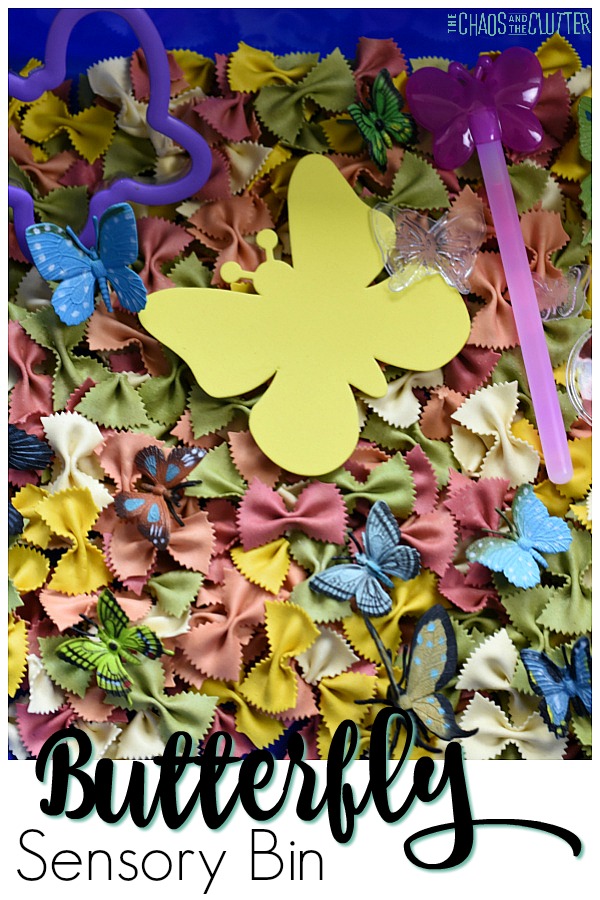
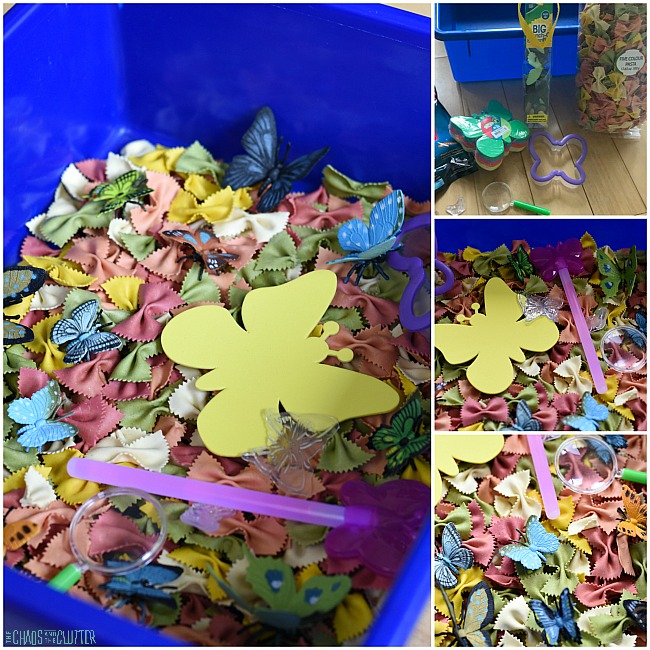
The inspiration behind this butterfly sensory bin was actually a package of pasta! I was at the store and spotted brightly coloured bow tie pasta. As soon as I saw it, I thought “those look like butterflies”. So of course I bought it so that I could make a butterfly sensory bin.

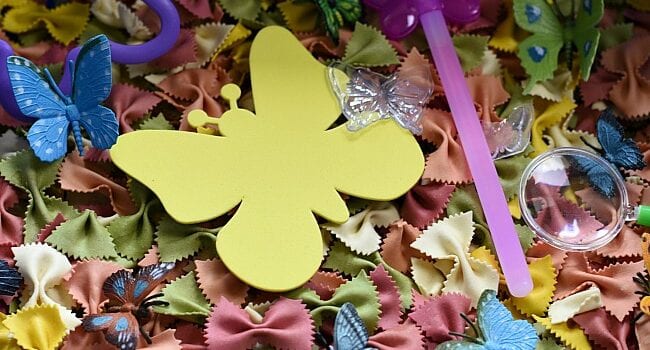
Brightly coloured bow tie shaped dry pasta is in a blue plastic bin. Resting on the pasta are blue and green plastic butterflies, a large yellow butterfly shaped foam piece, a pink butterfly wand, and a purple butterfly shaped cookie cutter. The words "Butterfly Sensory Bin" are on the bottom of the image.The pasta looks so much like little butterflies that the other butterflies in this sensory bin blend in with it. The kids enjoyed exploring with this activity.
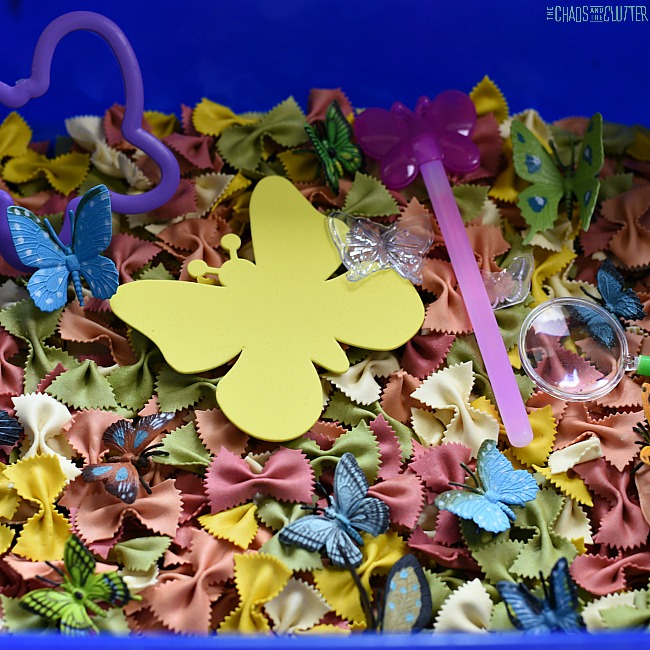
Butterfly Sensory Bin:

Materials needed:

  • brightly coloured bow tie pasta in a variety of colours*
  • clear silicone butterfly stamps
  • butterfly shaped cookie cutter
  • butterfly shaped foam piece
  • small magnifying glass
  • plastic butterflies from the butterfly Toob
  • glow in the dark butterfly wand (I find a 3 pack of these at the dollar store)

*If you can’t find bow tie pasta that’s already coloured, you can buy regular bow tie pasta and colour it yourself. You can find a tutorial on dying pasta for sensory play here.

Directions:

  1. Pour the dry pasta into a plastic bin.
  2. Add the other items.
  3. You can also add small cups or bowls as scoops.
  4. Invite your child to play!

This sensory bin provides visual, auditory, and tactile sensory input.

I always find it interesting the way that each of my kids approaches a sensory bin differently. This one was no different. One of our sons just scooped around in the bin, hiding butterflies and finding them and even mindlessly running his fingers through it to hear the sound of the dry pasta moving. One of our daughters took her time examining the butterflies with the magnifying glass while commenting on their features. She also enjoyed squishing the silicone stamps and foam piece.
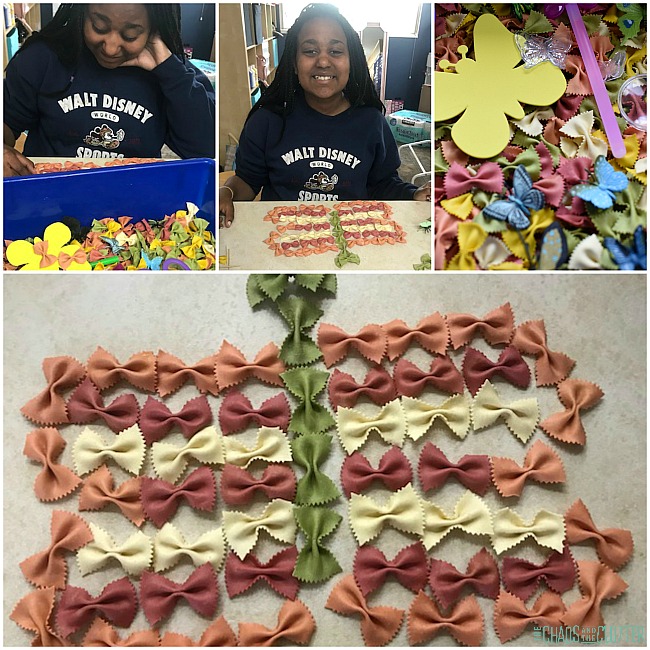
Another of our daughters went about her play very differently. She carefully picked out individual pasta shapes and methodically built a large butterfly on the counter. She planned out the colours and had everything just so. Later, she brushed the pasta into her hands and put the pieces back in the bin.

Ways to expand this and make this sensory bin part of a unit on butterflies:

I bought the shaped foam piece that went in the sensory bin in a large pack. If you do this, you can use the remaining foam to have kids decorate their own. They can use glitter pens, markers, sequins and glue, or stickers.

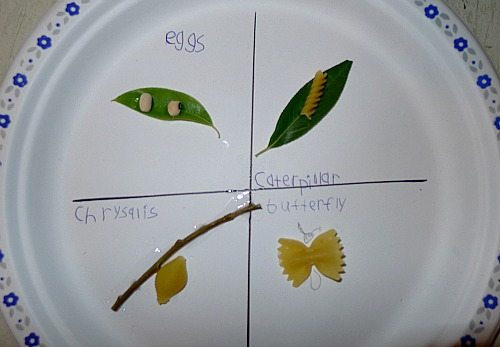
Use pasta, beans, leaves, a twig, and paper plate to create a butterfly life cycle visual.

Raise your own butterflies. We did this one summer and the kids were absolutely fascinated. You can purchase butterfly raising kits that walk you through how to do this. My kids were in awe when the butterflies emerged from their cocoons.
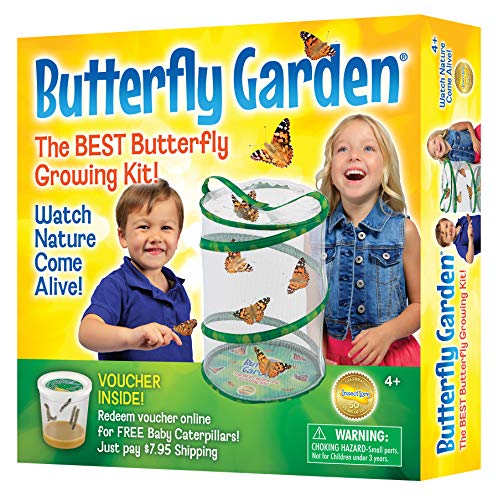
Insect Lore Butterfly Growing Kit - With Voucher to Redeem Caterpillars LaterInsect Lore Butterfly Growing Kit – With Voucher to Redeem Caterpillars LaterInsect Lore Butterfly Growing Kit - With Voucher to Redeem Caterpillars Later

Set out books about butterflies:

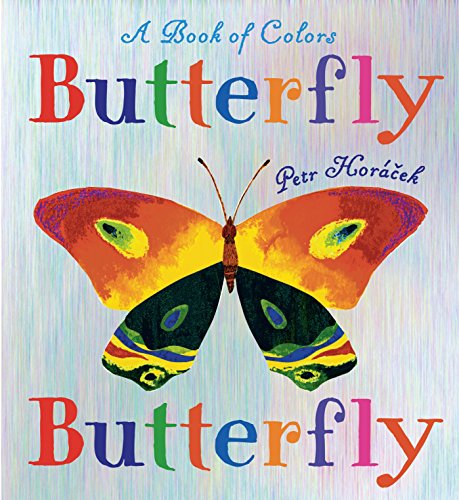
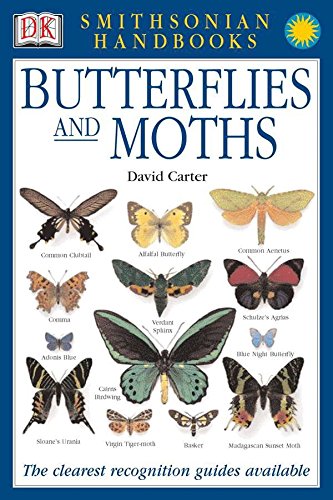
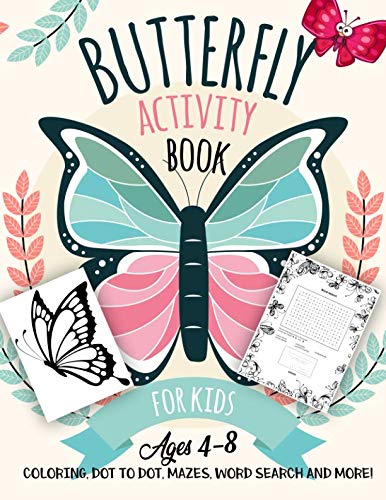
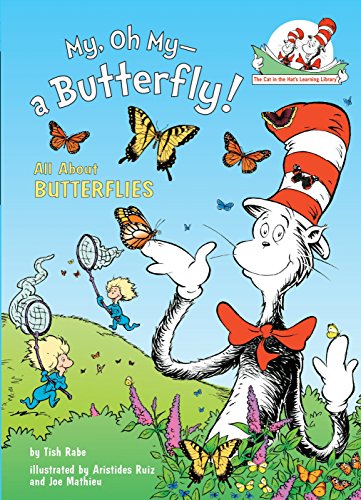
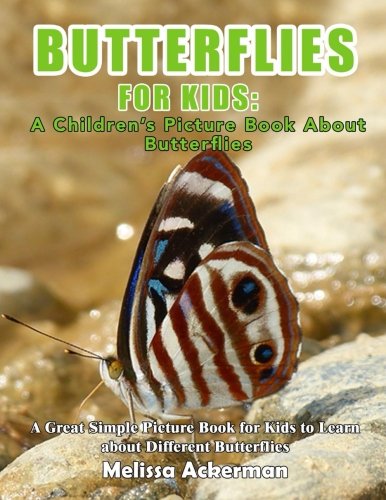
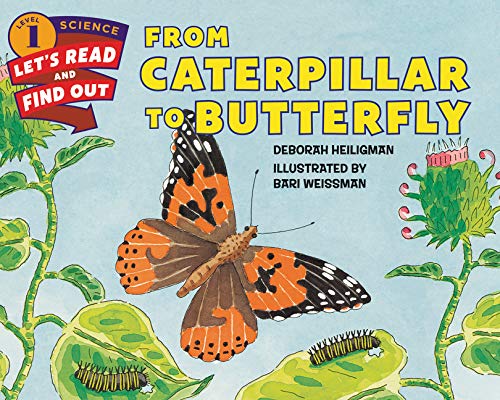
Butterfly Butterfly: A Book of ColorsButterfly Butterfly: A Book of ColorsButterfly Butterfly: A Book of ColorsHandbooks: Butterflies & Moths: The Clearest Recognition Guide AvailableHandbooks: Butterflies & Moths: The Clearest Recognition Guide AvailableHandbooks: Butterflies & Moths: The Clearest Recognition Guide AvailableButterfly Activity Book for Kids Ages 4-8Butterfly Activity Book for Kids Ages 4-8Butterfly Activity Book for Kids Ages 4-8My, Oh My--A Butterfly!: All About ButterfliesMy, Oh My–A Butterfly!: All About ButterfliesMy, Oh My--A Butterfly!: All About ButterfliesButterflies For Kids: A Children's Picture Book About ButterfliesButterflies For Kids: A Children’s Picture Book About ButterfliesButterflies For Kids: A Children's Picture Book About ButterfliesFrom Caterpillar to ButterflyFrom Caterpillar to ButterflyFrom Caterpillar to ButterflyThe Very Hungry CaterpillarThe Very Hungry CaterpillarThe Very Hungry Caterpillar

Butterfly Sensory Bag

Filed Under: Sensory, Sensory Bins Tagged With: sensory play

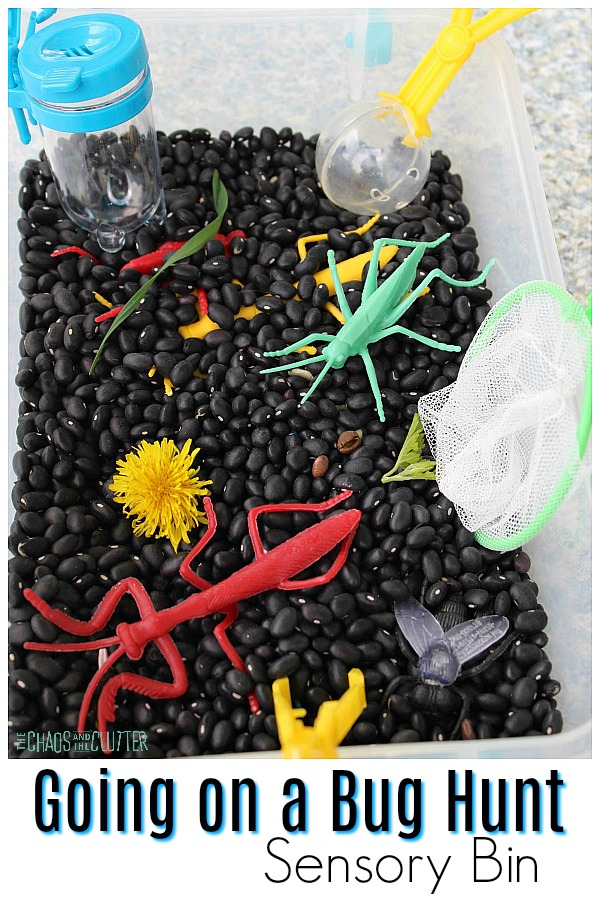
Going on a Bug Hunt Sensory Bin

By Sharla Kostelyk

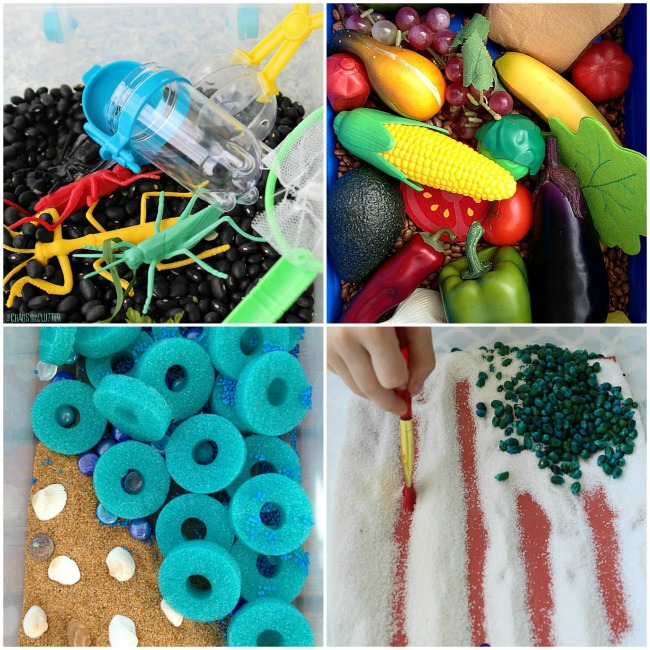
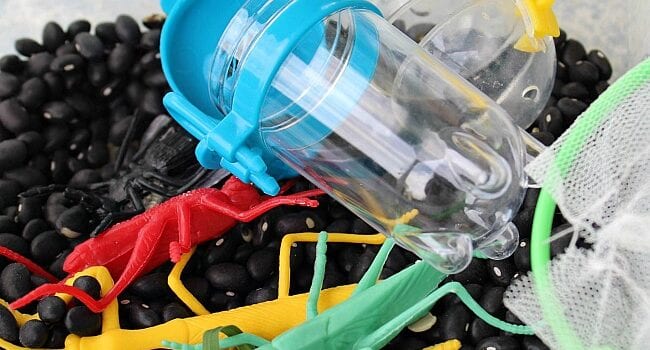
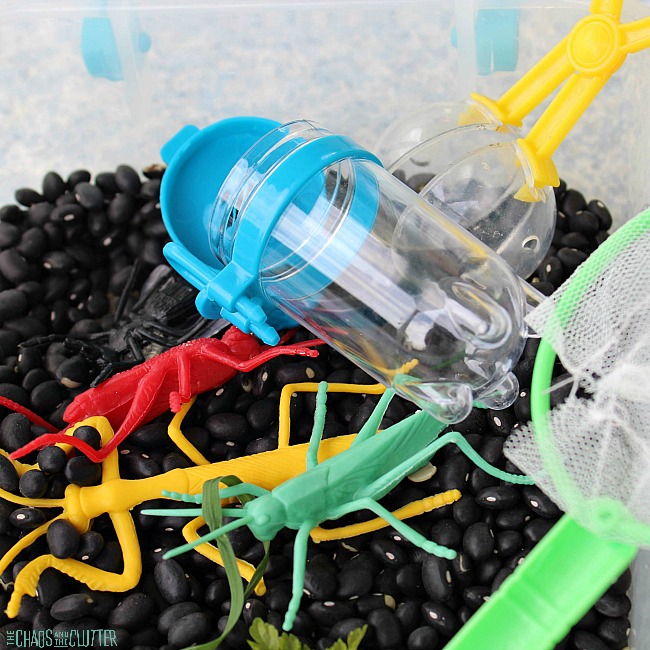
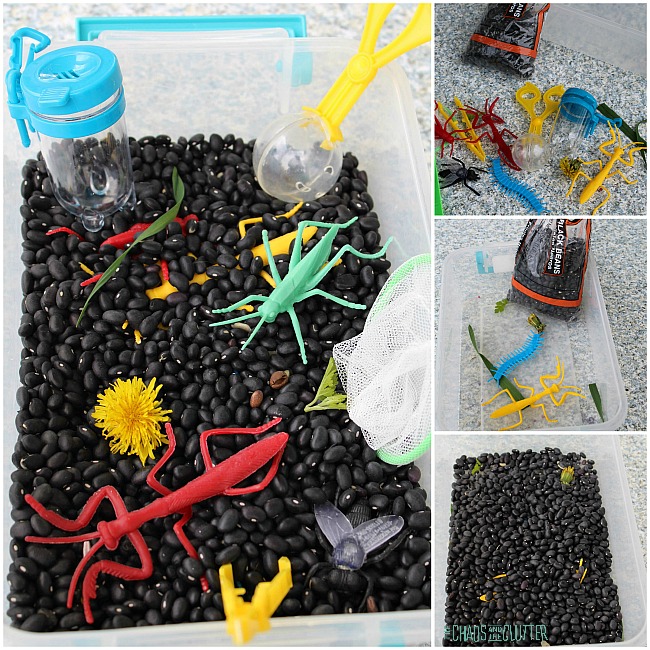
The contrast of the bright colours against the black beans makes this Bug Hunt Sensory Bin so visually appealing. If you’re brave, you can include real life bugs in this sensory activity as well!clear plastic bin filled with black beans, bug net, dandelions, bright coloured toy bugs, and bug container with blue lid
If you’re like me, you can invite your child to add insects that they find but keep your distance and insist that they keep the bin outside! Adding real life insects allows a whole other level of exploration and discovery. This sensory bin encourages interacting with nature and can begin with a nature hunt.
This activity is perfect for classrooms or preschools or homeschools. It can be incorporated into an insect unit in science or be a sensory break option during springtime. 

Bug Hunt Sensory Bin:

Materials needed:
  • plastic bin
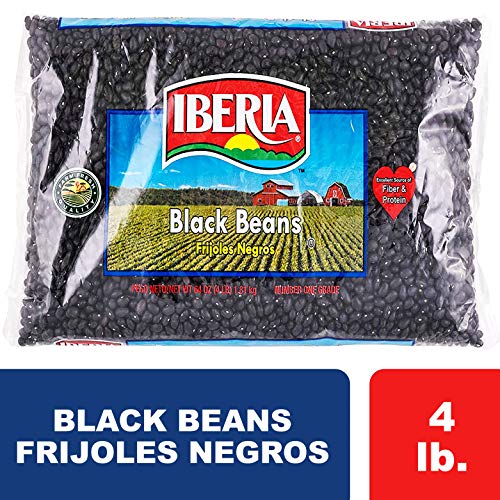
  • dry black beans
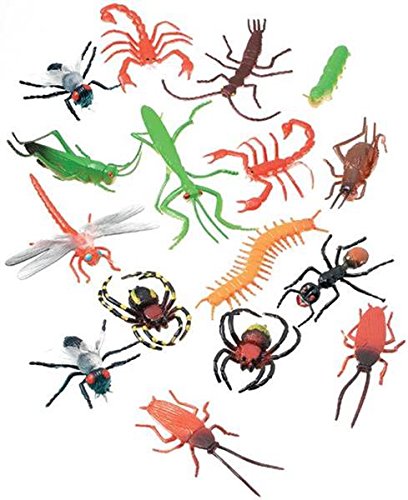
  • plastic bugs (bright colours look best on the black background)
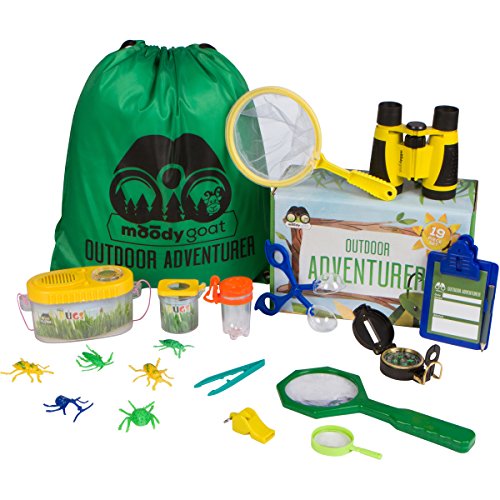
  • Outdoor Discovery Kit you can find it on Amazon or at Dollar Tree. The kit includes a bug net, bug catcher, tweezers, magnifying glass, and bug containers – perfect for catching and observing real bugs!
  • flowers, leaves, and grass

Outdoor Discovery KitOutdoor Discovery KitOutdoor Discovery KitPlastic BugsPlastic BugsPlastic BugsDry Black BeansDry Black BeansDry Black Beans

Instructions:
  1. Begin by putting half of the pretend insects in the plastic bin you plan to use.
  2. Add half of the flowers, grass and leaves that your child has gathered.
  3. Pour the dry black beans into the bin so that the items you have already placed inside are covered.
  4. Add the remaining plastic bugs and flowers, grass, and leaves to the bin. You can push them down a bit into the beans so that they are slightly covered.
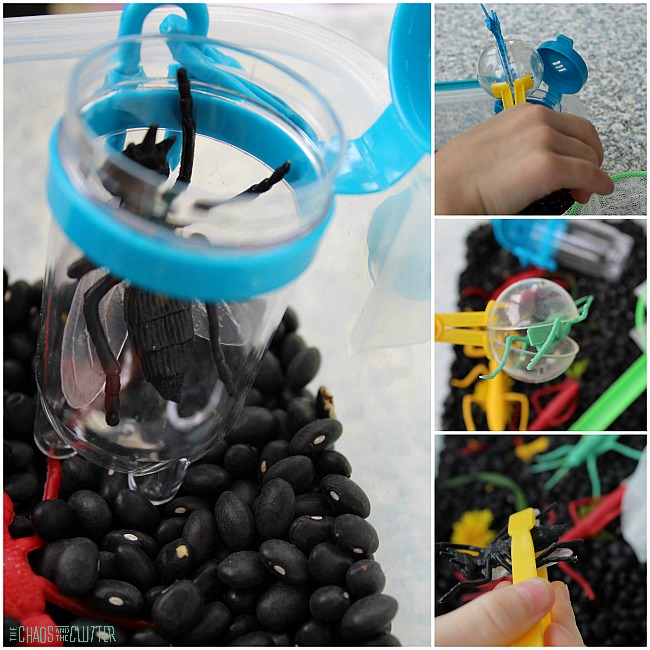
  5. Add tweezers, a small bug net, magnifying glass, and a small container for examining specimens.
  6. Invite your child to go on a bug hunt in the bin. Have them try to identify the types of insects they find.
  7. Optional: Arm your child with the bug catcher and one of the bug containers and have them go on a real bug hunt. They can then add the bug container to the sensory bin or add the bugs themselves to the bin (be sure to do this outdoors!). 

Learning and Sensory Opportunities:

This bug hunt sensory bin offers visual, tactile, and auditory sensory input. If kids carry the bin, this offers proprioceptive feedback as it will be quite heavy. Hands-on learning will be happening while their sensory needs are met. There are opportunities for communication and vocabulary expansion while they explain their observations and ask questions.
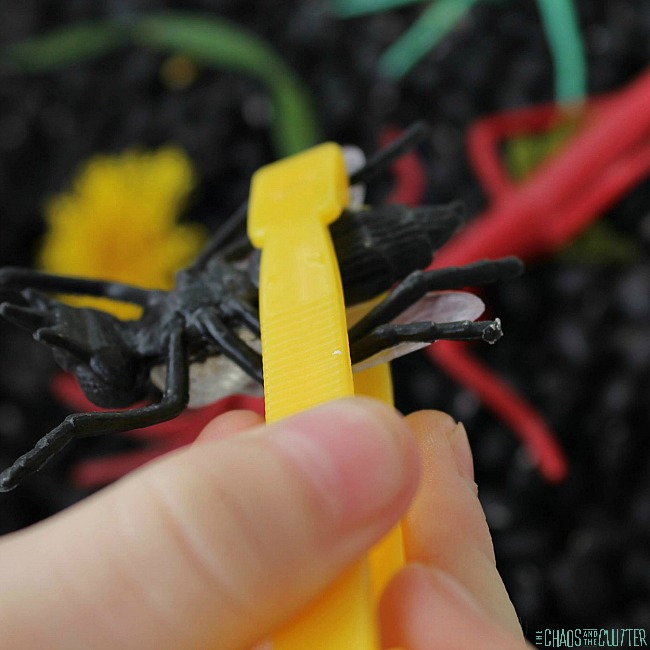
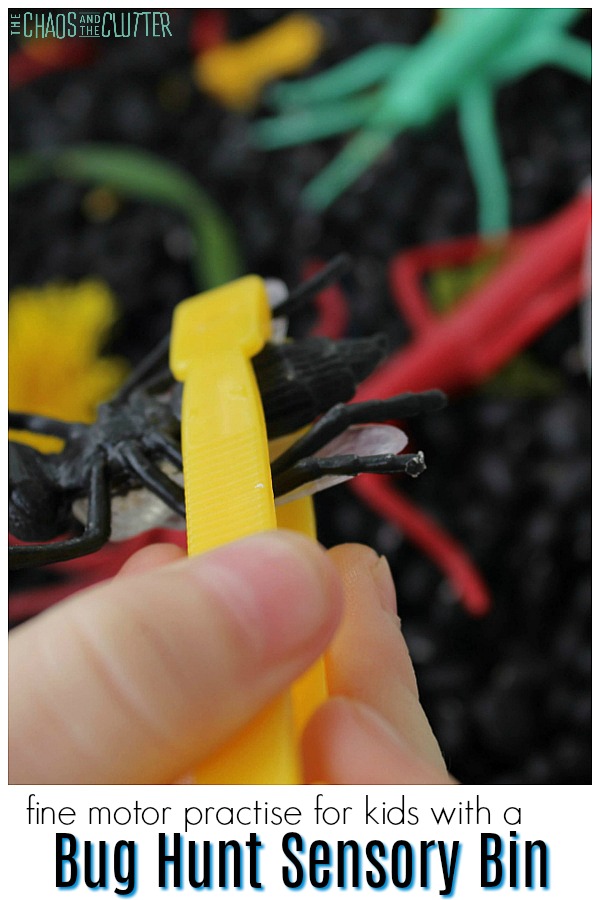
This sensory bin provides excellent options for fine motor practise. The tweezers and the bug catcher each give kids the chance to use and improve their fine motor skills. a child hand pinching yellow tweezers that are holding a black plastic bugChildren can learn about insects as they explore this bin. This can happen with the plastic insects only or with the addition of those found in nature. They can make observations in a nature journal or discuss what they learn. You can set out books about bugs that they can use as references.
Book Suggestions to go along with a Bug Sensory Bin:

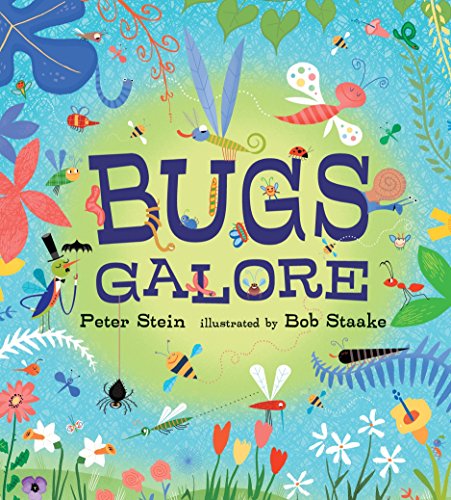
Bugs Galore

This silly book will keep kids engaged with its retro illustrations and plenty of rhymes. Great introduction to bugs for little learners.

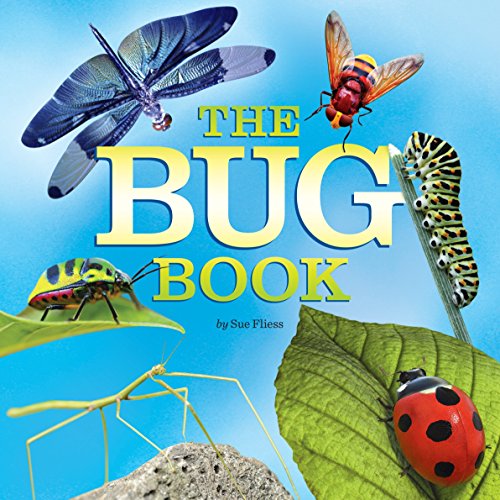
The Bug Book

This book is factual meets fun for preschoolers. Kids can explore all kinds of bugs in vivid photographs to learn more about the insects they might see this summer in their own backyard.

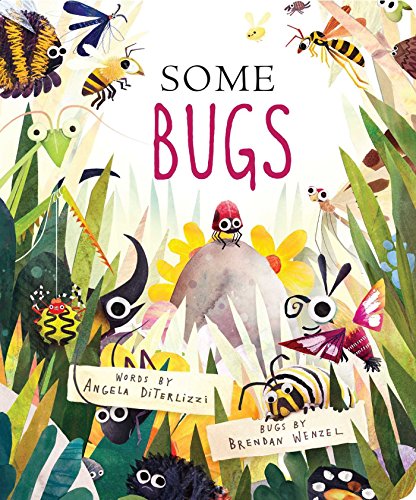
Some Bugs

With cute rhymes and vibrant illustrations, this book embraces the behaviours of backyard bugs and encourages exploration for preschoolers.

The Very Hungry Caterpillar

In this classic book, a very hungry caterpillar (as the title suggests) munches his way through a variety of goodies to transform into a beautiful butterfly.

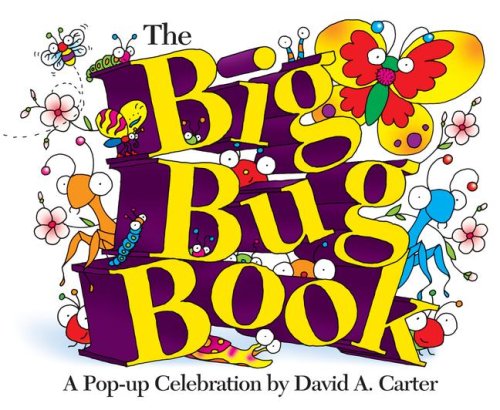
Big Bug Book

I’m a sucker for pop-up books. This one is packed with all kinds of creepy, crawly fun!

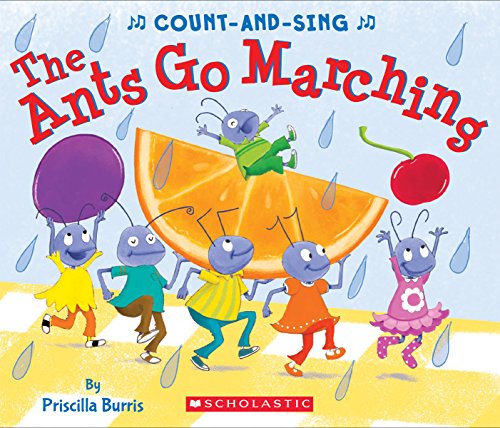
The Ants Go Marching

This book is a good segue into taking your insect unit into other subjects such as math for preschoolers. The repetition and counting up to 5 is a great early learning approach to math that kids can’t get enough of.

Bugs GaloreBugs GaloreBugs GaloreThe Bug BookThe Bug BookThe Bug BookSome BugsSome BugsSome BugsThe Very Hungry CaterpillarThe Very Hungry CaterpillarThe Very Hungry CaterpillarThe Big Bug Book: A Pop-up CelebrationThe Big Bug Book: A Pop-up CelebrationThe Big Bug Book: A Pop-up CelebrationThe Ants Go Marching: A Count-and-Sing BookThe Ants Go Marching: A Count-and-Sing BookThe Ants Go Marching: A Count-and-Sing Book

a child's hand shown holding yellow tweezers that are pinching a black plastic bugCheck out these other great sensory bins to help kids to discover the world around them:
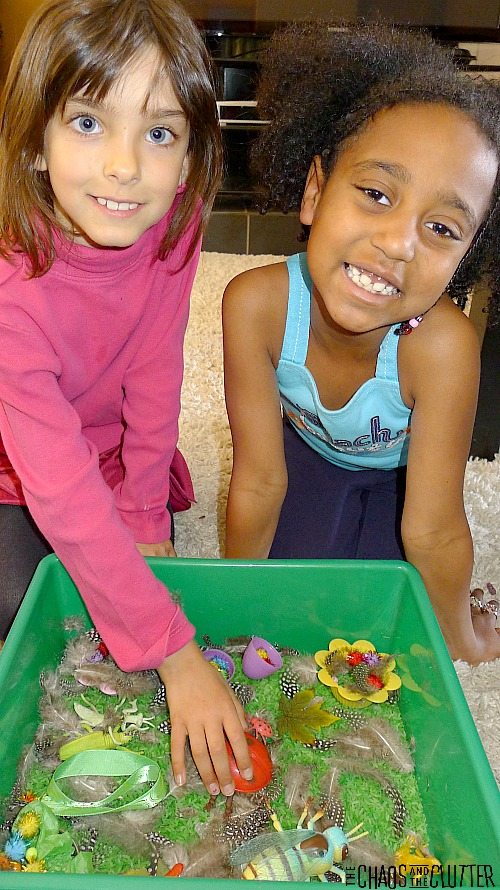
Insect Sensory Bin with Dry Pasta

Simple Spring Sensory BinSimple Spring Sensory Bin for kids

Filed Under: Sensory, Sensory Bins

Nature Inspired Spring Sensory Soup

By Sharla Kostelyk

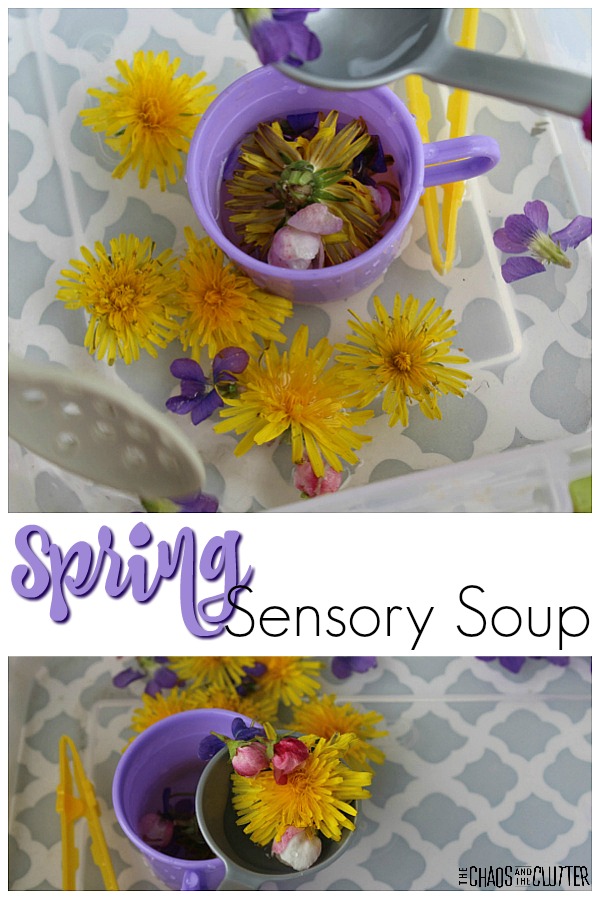
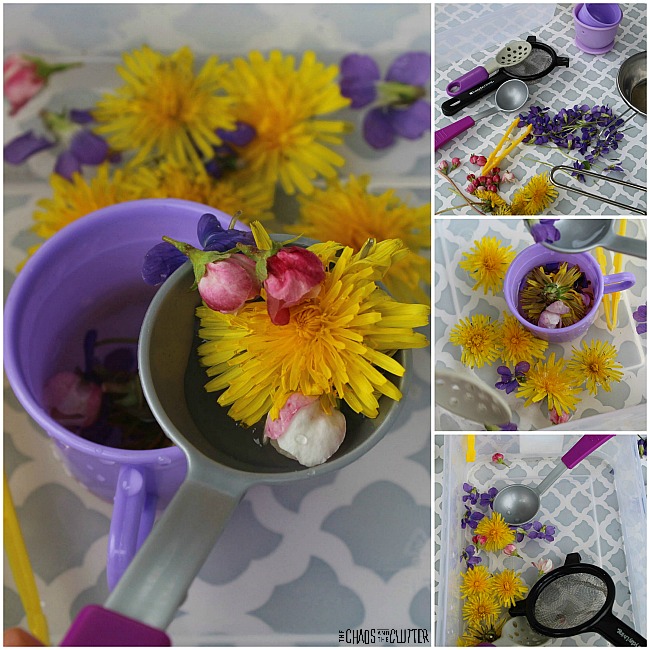
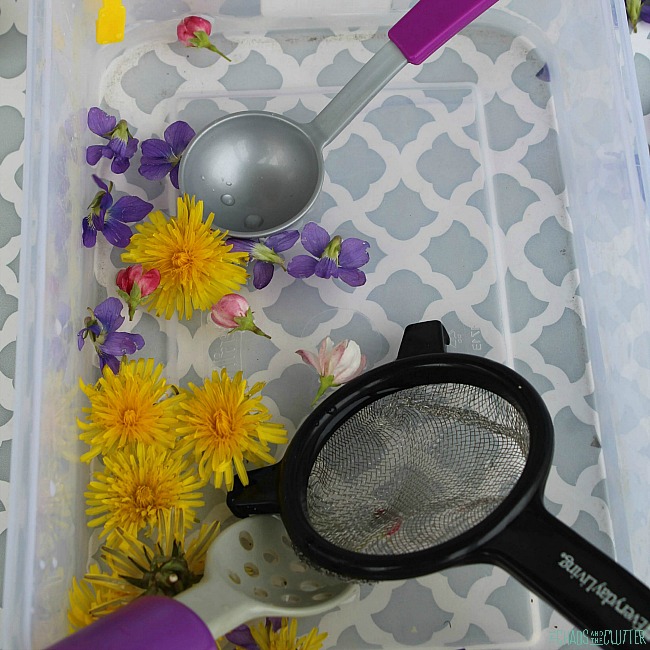
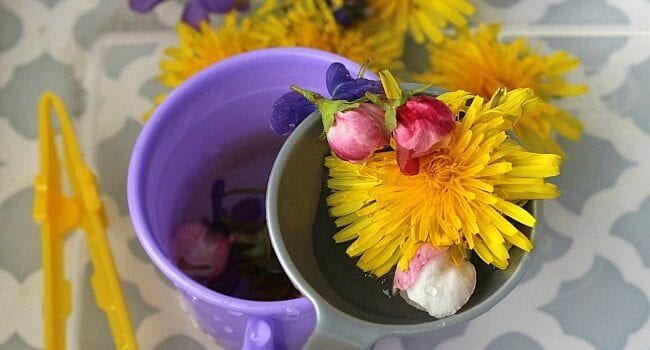
I love this Spring sensory soup activity. It is inspired by nature. Each soup will be different depending on what is available in your area and what your child decides to include.plastic bin filled with water filled with yellow, purple, and pink flowers, leaves, a purple cup, and a grey strainer
I like the idea of being able to gather and use local materials. Other than the plastic bin, this sensory play activity costs nothing!
 
Since you don’t need to buy any supplies, you won’t have to plan ahead before making this.

What is sensory soup?

Sensory soup is essentially a water based sensory bin. Items are added to the water and usually, kitchen gadgets are included as well to encourage kids to scoop, stir, spoon, and pour.
 
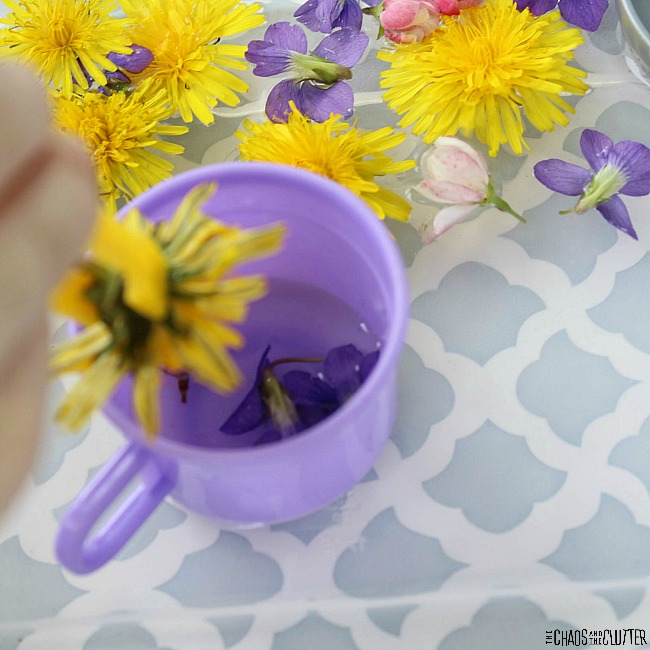
Kids can engage their senses as well as use their imaginations. They can pretend to make a soup, as well as stir and serve the soup.a child's hand dipping a yellow dandelion into water in a purple cup that is inside a sensory bin filled with water and other flowers

Spring Sensory Soup:

Materials needed:
  • plastic bin
  • spoons, ladles and tongs
  • stainer
  • small plastic cups and bowls
  • spring flowers and flower petals gathered from the yard or forest (dandelions, forget-me-nots, tulips, etc.)
  • leaves, grass, weeds, twigs, etc.
  • water
Instructions: 
  1. Explore outside with your child. Collect various flowers, grasses and weeds. Allow your child to take the lead on what they want to choose to include in their soup. You can bring a bag or container with you on your nature walk to gather things as you go.
  2. When you have collected a good assortment of natural items, fill a plastic bin about halfway with water.
  3. Float the flowers, petals, weeds, leaves and anything else you collected in the water.
  4. Add spoons and tongs to the bin. It’s best to include a variety of spoons such as slotted spoons, soup spoons, and ladles. These can be actually kitchen utensils or plastic toy ones.
  5. Add small plastic cups and bowls to the sensory bin.
  6. You can add a strainer or two as well.
  7. Invite your child to stir and serve spring soup using the utensils, cups and bowls.

Learning and Sensory Benefits:

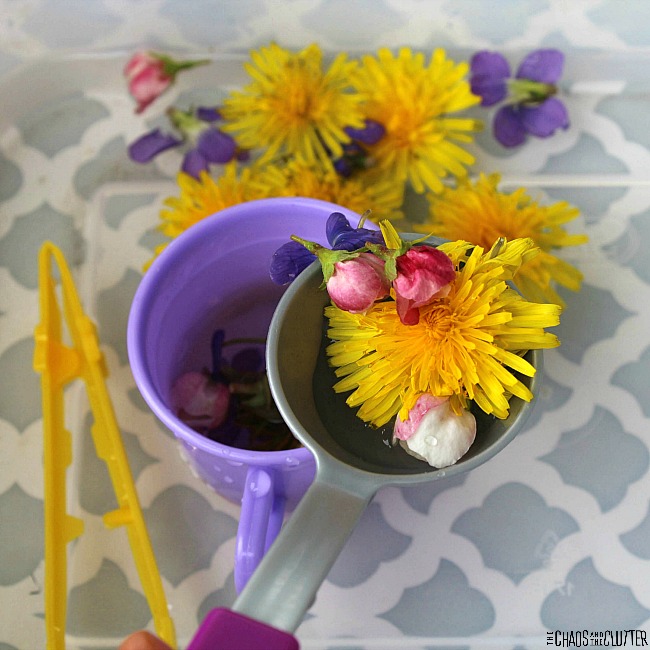
Using the spoons will give kids the opportunity to practice manipulation skills as they transfer the flowers to the cups and bowls.

If you include measuring cups and measuring spoons, your child can practise their math skills.
 
The tongs are good for kids to practice their fine motor skills.
Water play creates the opportunity to splash and pour without worry because any that gets out of the bin will dry out and not create a mess.
 
This Spring sensory soup provides visual, tactile, and olfactory sensory input. Kids can see the different shapes and colours with their eyes. They can explore textures through touch and they can smell the leaves and flowers with their nose. They can also see how the smells change as the flowers mix together in the “soup”.

Join thousands of other people who have found help and guidance in the free 5 part email series, Sensory Solutions and Activities. (You’ll also get a printable list of 175 Great Sensory Ideas.) 

Check out some other Spring Sensory Soup ideas:

Lemonade Sensory Soup 

Calming Lavender Sensory Soup Lavender Sensory Bin

Filed Under: Sensory, Sensory Bins Tagged With: sensory play

  • « Go to Previous Page
  • Page 1
  • Interim pages omitted …
  • Page 4
  • Page 5
  • Page 6
  • Page 7
  • Page 8
  • Interim pages omitted …
  • Page 18
  • Go to Next Page »

Primary Sidebar

Categories

We are a participant in the Amazon Services LLC Associates Program, an affiliate advertising program designed to provide a means for us to earn fees by linking to Amazon.com and affiliated sites.

Copyright © 2026 • The Chaos and the Clutter • Site Design by Jeni @ The Blog Maven

Return to top of page

Copyright © 2026 · Chaos and the Clutter 2.0 on Genesis Framework · WordPress · Log in