• Skip to primary navigation
  • Skip to main content
  • Skip to primary sidebar
  • Home
  • About
  • Contact
  • Privacy + Terms
  • Affiliates

The Chaos and the Clutter

  • Facebook
  • Twitter
  • Pinterest
  • Google Plus
  • RSS
  • Email
  • School at Home
  • Sensory
    • Sensory Processing Disorder
    • Awesome Sensory Play Activities
      • Sensory Bins
      • Sensory Bottles
      • Sensory Bags
  • Family Games
    • Minute to Win It Games
  • Special Needs Parenting
    • Childhood Anxiety
    • Reactive Attachment Disorder
    • Sensory Processing Disorder
  • Store
  • Course Login

Homeschooling

Our Favourite Sentimental Children’s Books

By Sharla Kostelyk

I can admit it. I am a sucker for books that make me cry or tug at the heartstrings. Last year when I was compiling the list of our Top 10 Read-Alouds, I realized just how much I liked these kinds of sentimental books when many of them made that list as well!

You know those books that have you so choked up that it’s hard to keep reading as you try to swallow the lump in your throat? These are some of our all-time favourite sappy kids’ books.
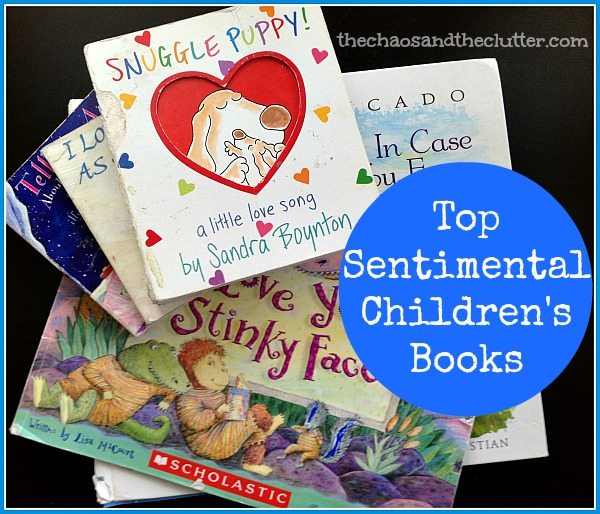
Our Favourite Sentimental Children's Books
Our Favourite Sentimental Kids’ Books:

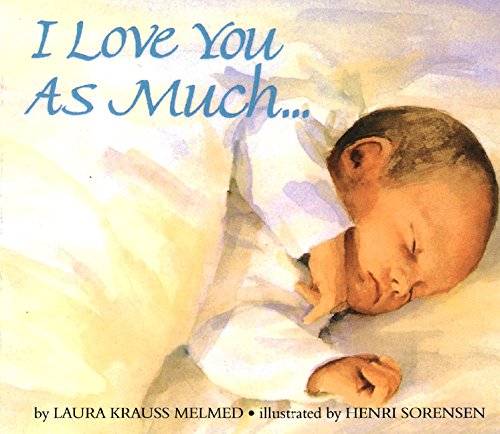
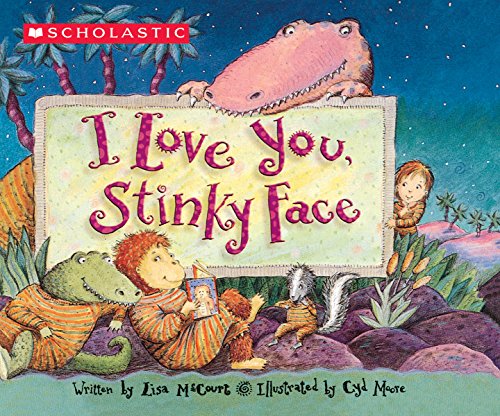
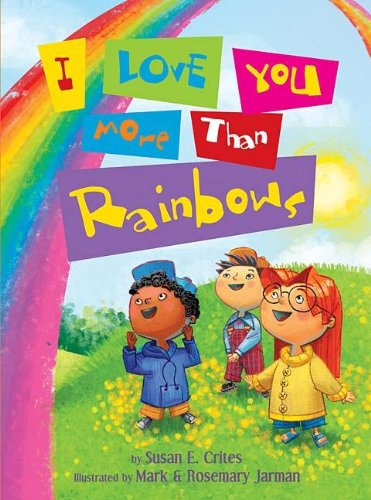
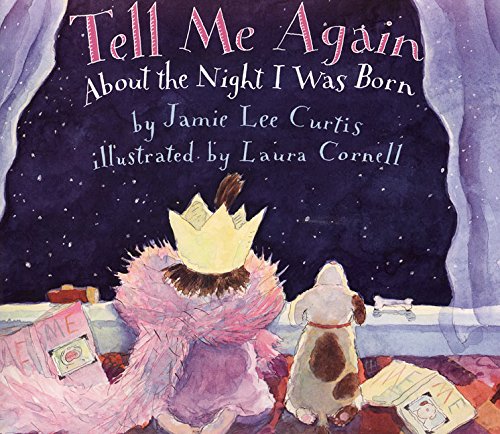
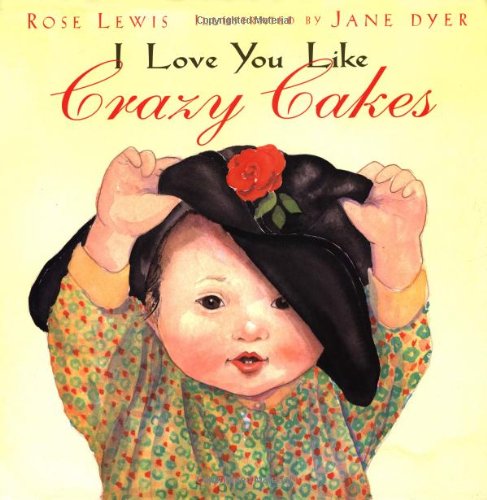
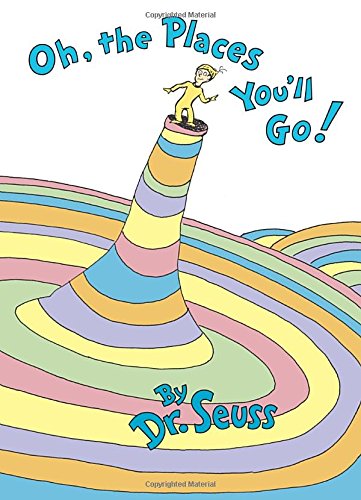
Snuggle Puppy!Snuggle Puppy!Just In Case You Ever WonderJust In Case You Ever WonderJust the Two of UsJust the Two of UsI Promise I'll Find YouI Promise I’ll Find YouI Love You As Much...I Love You As Much…I Love You, Stinky FaceI Love You, Stinky FaceI Love You More Than RainbowsI Love You More Than RainbowsTell Me Again About the Night I Was BornTell Me Again About the Night I Was BornI Love You Like Crazy CakesI Love You Like Crazy CakesOh, the Places You'll Go!Oh, the Places You’ll Go!

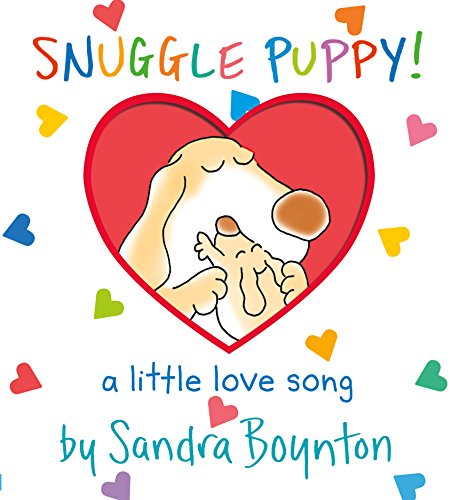
Snuggle Puppy by Sandra Boynton – This book had to make the list! It’s part of how our “Snuggle Puppy” got his pseudonym! This book is fun and sweet and what kid doesn’t like a book that can be read or sung and encourages hugs and kisses?!

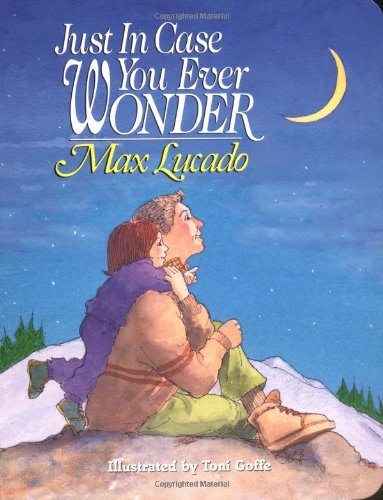
Just in Case You Ever Wonder by Max Lucado is kind of a less creepy version of Love You Forever. It also presents a tiny introduction to the topic of Heaven. It’s a really nice book to read one on one to your child.

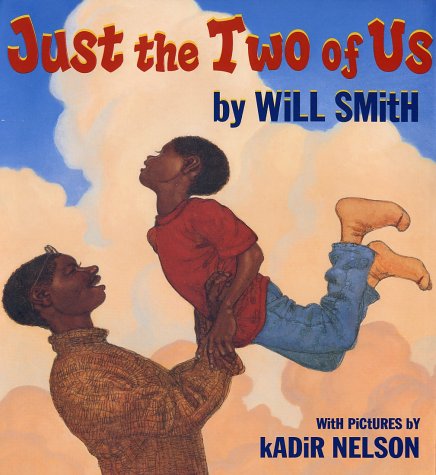
Just the Two of Us by Will Smith is a wonderful book for a father to read to his son. It has great illustrations and the message is heartwarming.

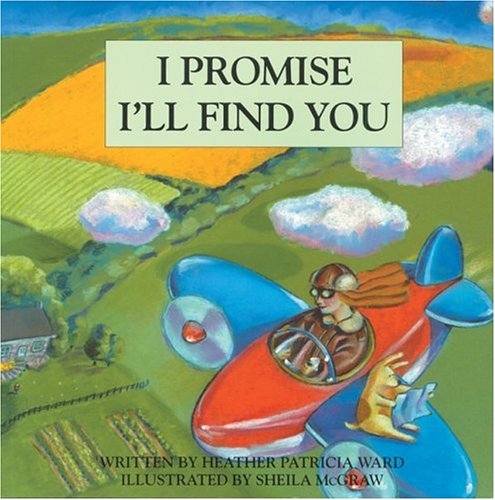
I Promise I’ll Find You by Heather Ward is a book I’ve been reading the kids since my oldest (now 18) was a toddler. Its message is relevant for any child but I think after we began adopting, the words took on a whole new meaning as I read them to children who were looking for safety and security and a feeling of belonging.

I Love You as Much…by Laura Krauss Melmed is just one of those books that you have to read to your baby. It’s simple and sweet and so affirming.

I Love You Stinky Face by Cyd Moore makes the kids giggle and want to be tickled as they are reminded that I love them no matter what!

I Love You More Than Rainbows by Susan Crites has become much more than a book around here. It has become a way that we talk to each other. “I love you more than Slurpees.” “I love you more than chocolate.” “I love you more than my favourite stuffy.”

Tell Me Again About the Night I Was Born by Jamie Lee Curtis and I Love You Like Crazy Cakes by Rose Lewis are just a few examples of the adoption books for kids that we seem to read again and again. I have a growing list of favourite adoption children’s books!

Oh, The Places You’ll Go by Dr. Seuss is a nice everyday read, but it’s especially beautiful for events like your child’s baptism or milestones in their lives such as graduation or their first job.

What are the children’s books that tug at your heart strings?

Filed Under: Homeschooling, Parenting in the Chaos

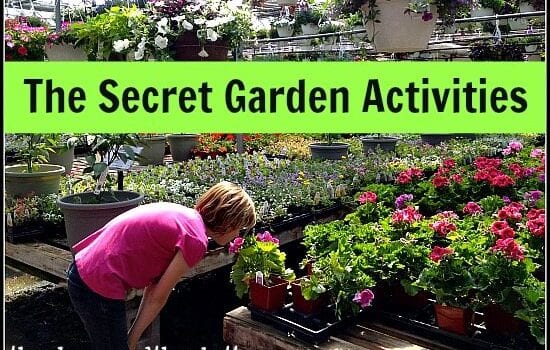
Activities for The Secret Garden

By Sharla Kostelyk

We just finished reading The Secret Garden by Frances Hodgson Burnett. The kids loved the book and expanded their vocabularies and imaginations while listening to the story.

We did a lot of corresponding activities for the book. Listed below are some ideas and resources for you to accompany The Secret Garden.

Activities to Accompany The Secret Garden

Field Trips:

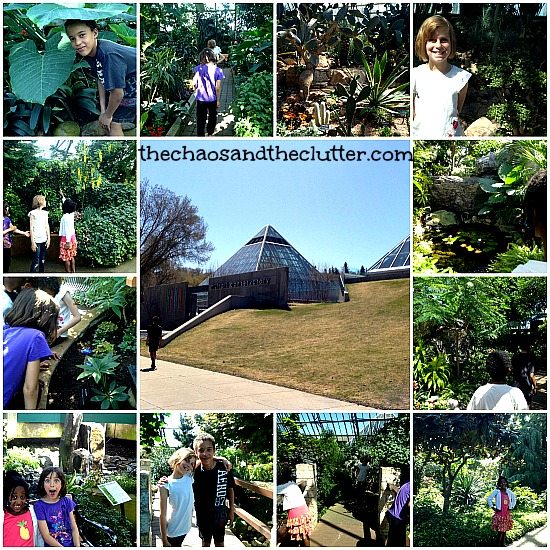
Visit a local greenhouse, nursery or botanical conservatory and discuss which plants and flowers there are the same as the ones mentioned in the book.

We visited the Muttart Conservatory in Edmonton, Alberta and a local greenhouse.

Muttart ConservatoryExplore the outdoors and document the trees, flowers and weeds found in a nature notebook.
Free printables:

Criss Cross and Word Search

Vocabulary & questions

Books to accompany this unit:

How a Seed Grows

The Magic Schoolbus Plants Seeds

Gardening Projects for Kids

Other Ideas:

Have the kids locate India and England on a globe or map and trace the route Mary may have taken to get to England from India by boat.

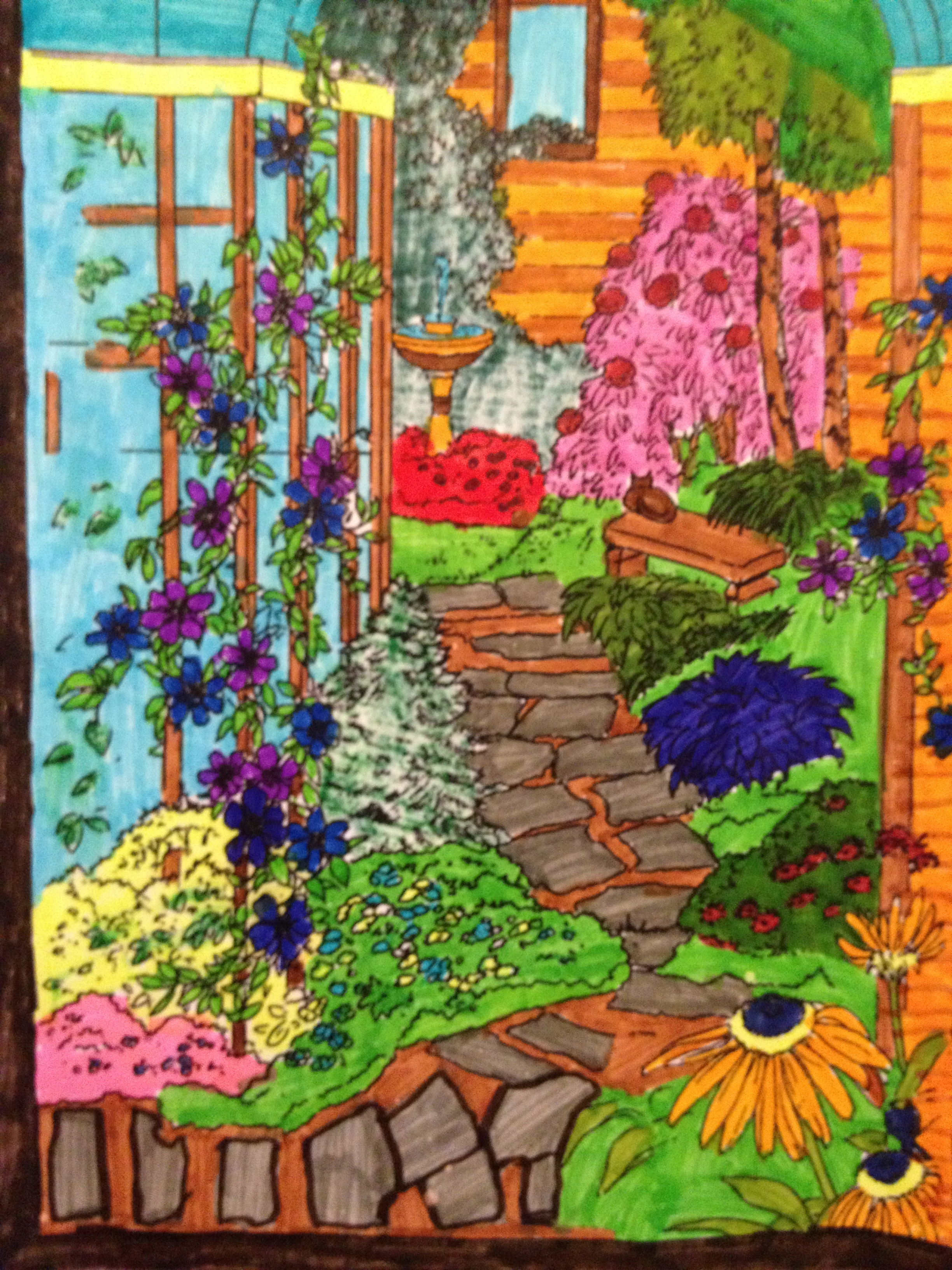
Let your kids do some colouring pages. Here is a link to some Secret Garden themed colouring pages we found to print. Snuggle Puppy did a great job of colouring his!

IMG_1406

Before the secret garden was described in the book, I had the kids draw what they thought it would look like and then as I read the chapter describing what Mary found when entering the secret garden, I had the kids sketch as I read and colour their pictures later.

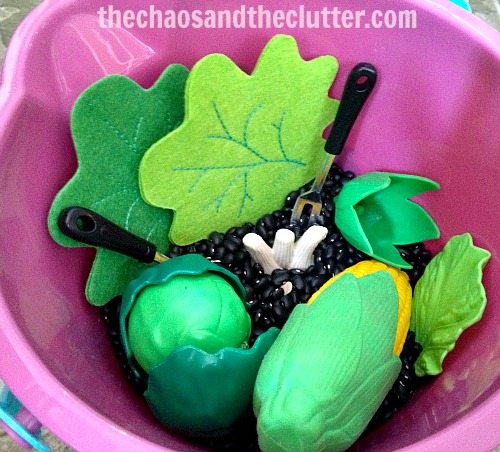
Sensory Bin – There are many great ideas for garden themed sensory bins out there. I chose to make a Garden Sensory Pail to go along with this book.

garden sensory bin in a pail

Garden Themed Meal – You could make a meal together using only things grown in your garden or just make a fun snack or lunch with a garden theme. I chose to make a Garden Themed Muffin Tin Lunch.

Garden Theme LunchGardening – Of course creating your own garden is the best hands-on activity of all! We planted sunflowers, pepper plants and seeds for many vegetables.

End the unit by watching The Secret Garden movie together and afterwards discussing what ways the book and movie differed and which the kids preferred.

Filed Under: Homeschooling

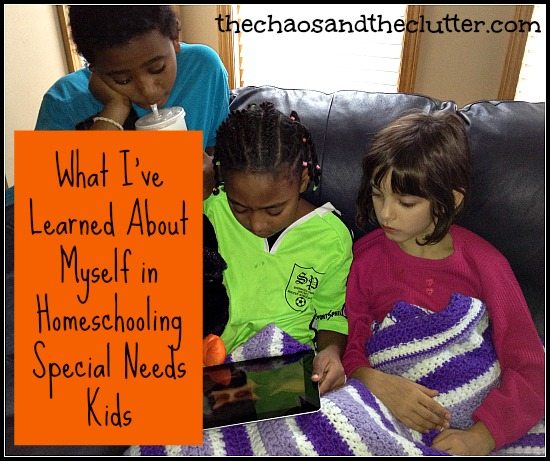
What I’ve Learned About Myself in Homeschooling Special Needs Kids

My Biggest Homeschooling Mistake

By Sharla Kostelyk

What I've Learned About Myself in Homeschooling Special Needs Kids

1. I have more patience than I thought I did. 

Although I used to have quite a lot of patience, I didn’t think it would translate well into teaching my kids. I’ve been surprised to discover that when it comes to teaching them the concepts that they are struggling with, I have a lot more patience than I would have thought I did.

2. I have less patience than I thought I did.

The ironic thing is that in being with my kids so much because of the homeschooling, I have also discovered that when it comes to things such as behaviour and sibling rivalry, I have much less patience than I thought I did! My patience has a limit and this means that at times, I need to take breaks like getting out to have tea with a friend or taking a bath to refill my patience bucket.

3. Sometimes it’s the little things that make the big difference.

I used to think that it was the grand gestures and bells and whistles that made things great. With my special needs kids though, it’s really been the small things that have been the big things.

With 5 of my kids having Sensory Processing Disorder in addition to their other special needs, taking five or ten minutes a week to make a sensory bin has done more than taking hours to plan out learning strategies ever would. Starting our homeschool morning with just a five minute time of prayer and devotion changes the whole day. Throwing the housework or schoolwork aside to rock or snuggle one of the kids or to look them in the eye and really hear what they are saying is what will define the outcomes of their learning more than any book work ever could.

4. Attitude is everything.

By that, I mean that my attitude is everything. As the mom and teacher, I really do set the tone for the whole house. If I am cheerful and speak in a soft, kind voice, the kids will for the most part, mimic that in their interactions with each other. If I am frustrated and angry, the whole house erupts. In our homeschooling, if I approach problems as if they will easily be solved, the kids will try for longer, be less inclined to give up or get frustrated, and seem to get more joy out of learning. Even with this nugget of truth, my attitude is far too often not where it should be. I still have much to learn!

5. It’s not about me.

You would think that I would have learned this about myself just in being a mom, but with our two oldest kids (who are neurotypical), I did not have to change much of what came naturally for me. In homeschooling them, I could go with what was easiest and most natural for me and still have them succeed.

Now in homeschooling our younger five, five of whom have special needs, there is no doubt in my mind that it is not about me. What works for me does not make a lick of difference if it doesn’t work for them. The fact that I am a fly-by-the-seat-of-my-pants, disorganized, unstructured unschooler at heart doesn’t matter because that is not what works for them. They need scheduling and planning and at least some structure. Without it, they cannot function well or succeed, so I go against what I want and instead do what they need.

6. I need to relax.

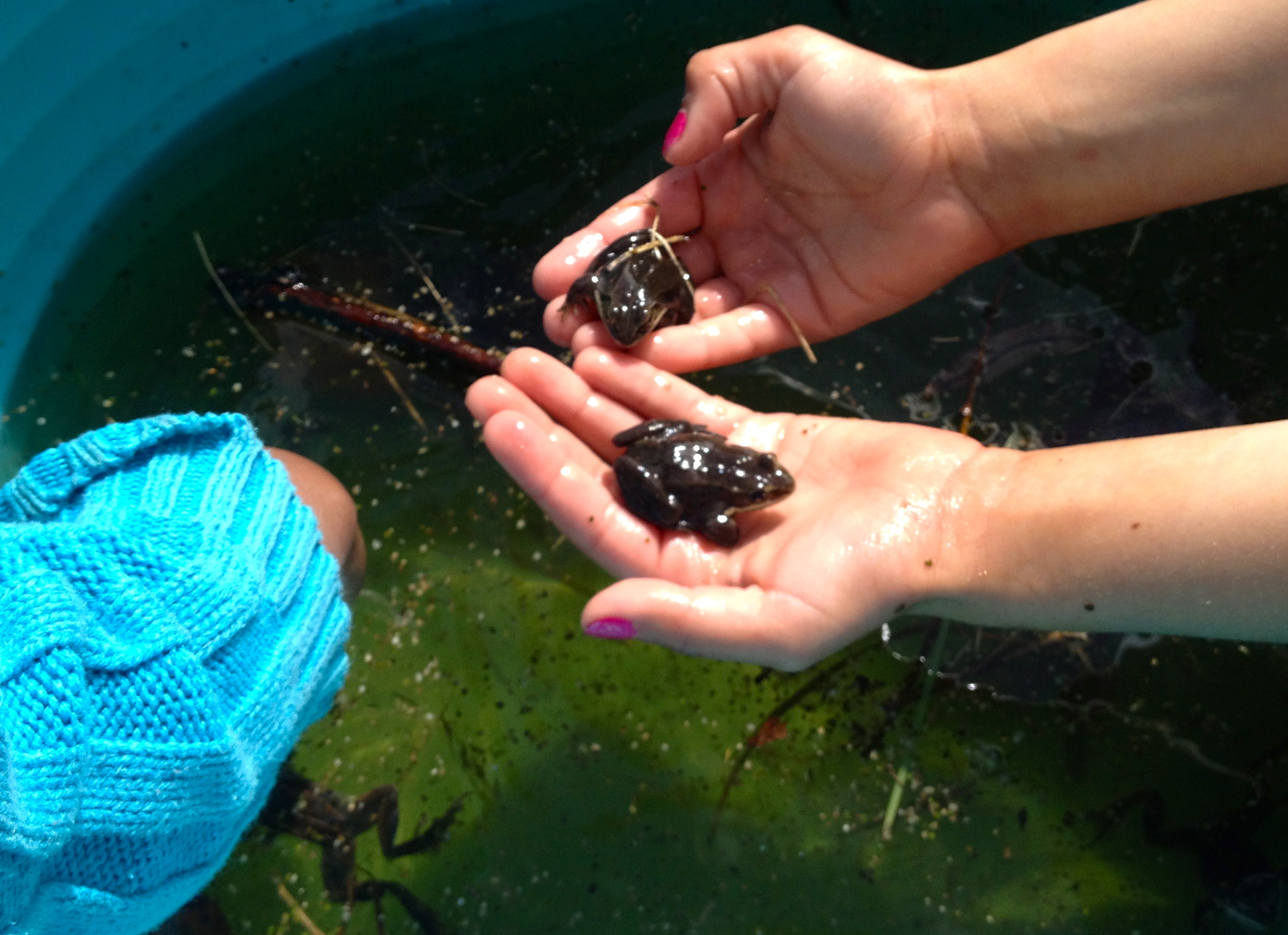
It doesn’t do me any good to worry about tomorrow or worry about the day when I will have five teenagers in the house all at the same time! I need to relax and enjoy today. I need to find joy in the little moments, the everyday banter, the discovery of frogs in the backyard, the excitement over a lost tooth. I need to find joy in the here and now instead of robbing today from my kids while I worry about tomorrow.

discovering frogs

7. Celebrating the small steps is what makes the journey.

When parenting or homeschooling kids with special needs, the progress can be slow, discouragingly so. If I wait to celebrate the big achievements, I will be waiting a long time. Our oldest daughter was 11 by the time she was able to read for the first time and that was accomplished through a ton of work on my part, her part and with the help of tutors and programs galore. Had I waited until she was reading to take notice of her efforts, she would have missed out and I would have as well. By acknowledging the steps along the way and even in acknowledging her efforts along the way, she and I were both able to stay positive and be encouraged.

With special needs kids, the celebrations may not come in big milestones like they do with other kids. It may be in the making eye contact with a playmate, learning the sound of one letter, expressing their feelings appropriately, or going on an outing without a tantrum that the celebration can begin.

8. My best is good enough…and so is theirs.

This is one I am still working on learning. Most days, I still question if my best is good enough. Their best is all I can ask of my kids and therefore, my best is all I can give. I’m trying to come to terms with that.

9. It’s important to balance adjusting my expectations with being careful not to limit potential.

I learned pretty quickly that I needed to adjust my expectations of my kids based on their abilities, limitations, differences, talents, skills, quirks, and personalities. God made each of them unique and my job is not to turn them into little robots or clones of each other. My job isn’t to compare them to each other or place unrealistic expectations and pressure on them. My job is to facilitate their learning and development and help them to reach their fullest possible potential, whatever that potential may be.

10. My kids teach me infinitely more than I could ever teach them!

I could never in my lifetime hope to teach my kids as much as they have taught me. I have learned more from my kids, especially my kids who face challenges than I ever thought possible. They teach me every day the power of determination, motivation, optimism, and a positive attitude. My kids model the type of unrestrained faith and passion for Jesus that I hope to someday achieve. Despite many obstacles, they never give up…they are simply amazing! I want to be just like them when I grow up!

Filed Under: Homeschooling

Balloon Rocket Boat

By Sharla Kostelyk

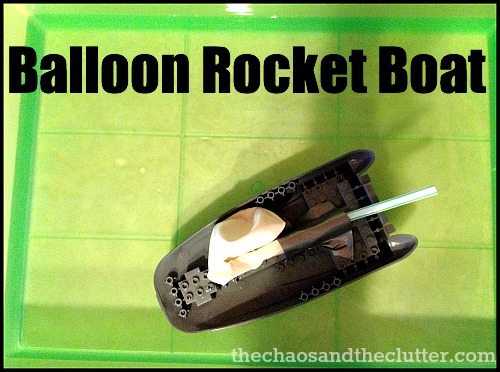
For his Science Fair project, Einstein decided to make a Balloon Rocket Car. We are a last-minute family typically and this year’s science fair was no exception. So it may or may not have been the morning of the event that we finally had all the supplies and were ready to assemble his project! That may explain why the Balloon Rocket Car project became a Balloon Rocket Boat project!

Balloon Rocket Boat

Unfortunately, we couldn’t get the wheels on the car round enough to get it to move well. Had we left ourselves more time, I would have had time to go back to the deli at the grocery store and ask for another foam tray to cut more wheels out of and I would have had time to dig through boxes in our storage room to find my circle cutter with my scrapbook things to cut perfect circles. But… this is real life and it’s our life and as usual, we left things to the last minute!

This was the Balloon Rocket Car…

IMG_1262Necessity is the mother of all invention so The Husband came up with the idea to instead have him make a Balloon Rocket Boat! Einstein took a Lego boat and duct taped a straw down the center of it and secured a balloon onto the end of the straw. We put some water in one of our workbox bins, set the boat on top, and it worked!

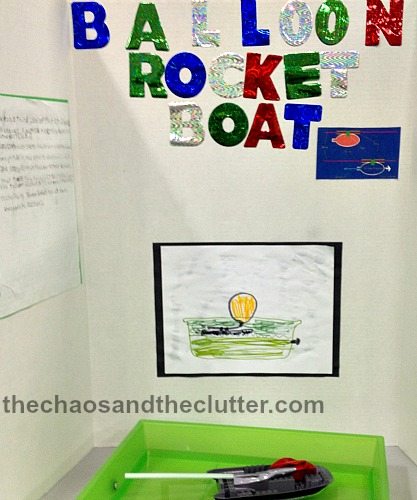
By inflating the balloon through the straw, the boat propelled itself through the water! Einstein then wrote out Newton’s third law and how it applied to this experiment and drew a picture for his display board.

balloon rocket boat project

Filed Under: Homeschooling, Simple Science

How to Prepare for a Science Fair

By Sharla Kostelyk

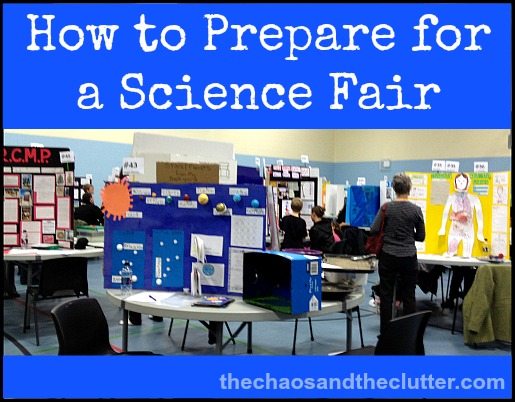
Last night, we participated in our first ever Science Fair. It was a chance for the kids to practise their communication skills in explaining their projects to the judges and visitors and a great push for all of us to inject more science into our learning these past few weeks. As this was the first time we have ever participated in a science fair, there is a lot that I learned to be able to take forward into future events.

How to Prepare for a Science Fair

1. Allow the child to choose their topic.

Children are self-motivated when it comes to things that they are interested in and excited about. If you don’t want to be the one to be assembling the project the night before or nagging constantly to get them to work on it, allowing them to choose their subject will also allow them to take ownership of the project. If it’s a project they are enthusiastic about and interested in, they will likely be the ones asking you if they can work on it than the other way around.

2. Take pictures of the project at home.

I thought that I would be taking so many pictures at the Science Fair but only was able to take a handful between there being so many people often crowded around the tables and so many distractions. Prior to risking a mishap in getting everything to the event, take pictures of everything at home in good lighting. This way, any pictures you are able to take at the event will be a bonus but it will not be something causing you additional stress.

3. Bring extra materials.

Remember the Girl Guide motto, “be prepared”. There are bound to be things that get forgotten or broken. Take extra parts with you. Also be sure to bring tape, scissors, pens, and paper. Triple check before you leave home that you have everything needed for the project and that you have the display board. We even brought a pitcher with water as one of our son’s projects needed water. We knew there would be water at the hall, but also knew there may be a long line of others needing it as well.

4. Bring reference books.

Bringing the reference books along allows your child the chance to be able to access additional information if needed for the judges. In our case, we had not completed Bibliographies to accompany our projects (see tip #5!) so reference books could have served as a replacement for that also.

5. Read the Science Fair requirements ahead of time.

I missed this step. I was e-mailed the judging sheets which included the types of things that were going to be looked at but I didn’t actually open the documents. This was a bit of a big oops! Had I opened the document, I would have read that for this particular Science Fair, there was to be a reference to God or a scripture verse included with the project and that there was to be a Bibliography and a log book. That would all have been very good information to know ahead of time! Learn from my mistake and read all relevant material pertaining to the event.

6. Discuss event etiquette prior.

As my kids are homeschooled and this was our first ever Science Fair, there were things that we needed to discuss at home. We talked about things such as not running in the hall, not touching other children’s experiments and projects no matter how tempting they looked, using good manners, and how to respond to possible scenarios that might arise. If there will be prizes given, discuss how they can respond appropriately if they receive a prize and how they can respond appropriately if they don’t.

7. Practise positive comments.

Whenever many children are gathered where they are all displaying the fruits of their hard work, the chance for comparison, jealousy, pride, and other negatives exist. I talked to my kids ahead of time about things such as everyone having different talents and interests. We practised things they could say that would be honest and positive about the work of the other kids. As I knew that there were going to be comment sheets at each station, we also practised writing a few words that would be appropriate for them to add to the comment sheets of others.

8. Role play the judging.

The part of this experience that my kids were the most nervous about was presenting to the judges. At home, we role played this and I asked them some of the potential questions they may encounter. We also stressed the importance of manners as the judges would be adults and should be treated with respect. They were to offer the judge a seat, give eye contact, use words such as “please” and “thank you”, and thank the judge and shake their hand when finished.

9. Have the child do the work.

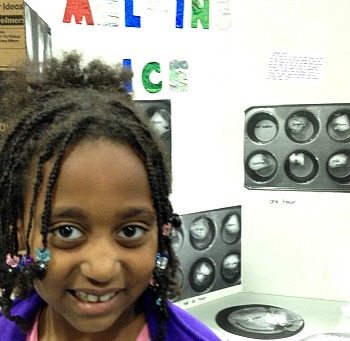
I have to be honest and admit that it was difficult for me at times to step back and allow my kids to do their projects themselves. They used too much glue, didn’t always have things on straight, didn’t space things perfectly, had spelling errors here and there… I had to take some deep breaths and be sure that my perfectionist tendencies didn’t ruin their experience. For my youngest kids, I helped to glue things onto their display boards, but I tried to back off as much as I could and really let it be their project. They were so proud of themselves and really got to shine because I got out of the way!

melting ice

10. Celebrate!

Invite others such as grandparents and friends. Your kids will be feeling proud of themselves and you showing pride in them by attending and even inviting others will only add to their feelings of accomplishment. Afterwards, celebrate a job well done by giving praise and encouragement. Enjoy the night together!

This year’s Science Fair projects:

  • Colourful Celery
  • Melting Ice
  • Balloon Rocket Boat

Filed Under: Homeschooling, Simple Science

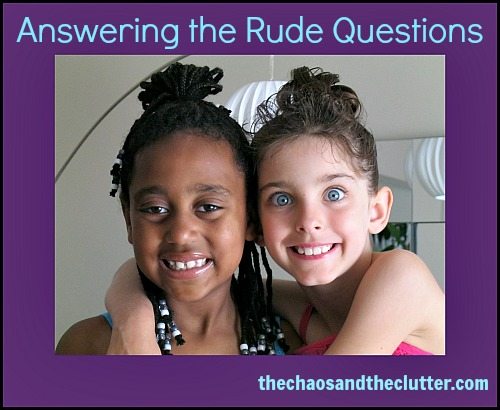
Answering the Rude Questions

By Sharla Kostelyk

Following yesterday’s post about when your family is a walking ad for a certain type of non-traditional role, I received a lot of comments both on the blog, on Facebook and via e-mail. The main issue people raised was not knowing how to handle when strangers ask rude questions. I can only speak for myself and how I have chosen to handle that situation. I can also speak to what I have found to be the most effective method over the years of trial and error in this regard.

I want to first clarify that I am not speaking about the usual curious questions that families that stand out get when in public. These techniques are for using only when the questions or comments are rude and spoken in a tone that conveys that rudeness.

There are three main ways that I think these scenarios can be handled…by being blunt, by being honest or by being cheesy. I will give several examples of each of these in real world scenarios to give you a good foundation on how they work and then I will tell you which one I have found to be by far the most effective.

“How much did she cost?”

Blunt – “I’m sorry about the look on my face but I am honestly shocked that you would speak about my daughter as though she were a piece of furniture!”

Honest – “There is no price tag on human beings. If you are asking how much her adoption cost because adoption is something you are considering, I would be happy to give you the phone number of our adoption agency.”

Cheesy – “Like all of my children, she is priceless!”

“Where is her real mom?”

Blunt – “Her real mom is standing right in front of you.”

Honest – “It is generally accepted to use words such as ‘biological’ or ‘first parent’ when referring to what I assume you are referring to, however I am about as real as it gets!”

Cheesy – “I am so proud to be her real mom. Aren’t I blessed?!”

“How do you handle being with them all day? If I had to homeschool, I think I’d kill myself.” (yes, all of these are honestly questions I have fielded over the years!)

Blunt – “If I had to homeschool your kids, I’d feel the same way!” (ok, I’m kidding! I would NEVER actually say that!)

Honest – “There are certainly days when it is a challenge but I rely on God for my patience when I get to the end of myself and He hasn’t let me down yet.”

Cheesy – “Their childhoods goes by so quickly and I don’t want to miss a moment!”

“My kids knew better at that age.” (in reference to my then-9 year old tantrumming)

Blunt – “Congratulations on raising your neurotypical kids well!” (I probably couldn’t say that with a straight face.)

Honest – “Some special needs are invisible and compassion goes a long way.”

Cheesy – “It has been both a challenge and a privilege to raise a child with special needs but I wouldn’t trade him for the world!”

I previously wrote more on some of the real world questions we have encountered that are so strange they just boggle my mind and on how I chose to respond to them.

Another way that works to some degree is to speak in generalities like in the case where someone asks:

“Were they orphaned?”

Generalities – “Children come to adoption for a variety of reasons. Some of these reasons include poverty, their first family being unable to care for them due to illness, the death of one or both parents, war or famine, or a first parent making an adoption plan for their child.”

“Why don’t you just have your own children?”

Generalities – “People choose adoption for a variety of reasons. These reasons may include infertility, secondary infertility, feeling called to adopt, or wanting to provide a home for one of the more than 147 million orphans in the world.”

The benefit of generalities is that it allows you to answer the question without divulging any of your child’s personal story. The negative of generalities is that when using this technique, the answer is usually followed by many more questions.

The most important thing to keep in mind when answering any question:

The stranger standing in front of you will be in your life for a few minutes. Your kids who are within earshot of the conversation will be in your life forever. I tailor every answer so  that it builds my kids up and lets them know that I love them, am proud of them and would do it again (adopt them, birth them, homeschool them) in a heartbeat!

The most effective way to end the conversation but keep your kids’ hearts intact:

By far the single most effective way to shut down conversations that are making you uncomfortable is to use either the cheesy technique or to bring God into it because who can argue with God? An example would be:

“Why would anyone choose to have this many children?”

God – “God called me to this and I’m so glad He did. It has been a challenge but such an incredible blessing!”

(Do you see how I combined giving God the glory and the cheesy technique?!)

By using the cheesy technique, you are able to stop the conversation before it starts while at the same time reinforcing to your kids that they are a blessing.

Keep the conversation going in the car.

After a rude encounter with a stranger, I feel that it is important to acknowledge it with your kids afterwards to see if it brought up any feelings in them that they need to discuss. You may choose to say something such as, “you know when that woman in the store asked me why you were brown, how did that make you feel?” It’s also appropriate after they have shared your feelings to share your own feelings about the situation too in an age-appropriate way that keeps the child’s dignity intact. You can also turn it into a learning experience by discussing what sorts of questions are and are not appropriate to ask of strangers.

Join me for a free 5 part email series, Little Hearts, Big Worries offering resources and hope for parents.

Filed Under: Adoption, Homeschooling, Special Needs Parenting

  • « Go to Previous Page
  • Page 1
  • Interim pages omitted …
  • Page 13
  • Page 14
  • Page 15
  • Page 16
  • Page 17
  • Interim pages omitted …
  • Page 23
  • Go to Next Page »

Primary Sidebar

Categories

We are a participant in the Amazon Services LLC Associates Program, an affiliate advertising program designed to provide a means for us to earn fees by linking to Amazon.com and affiliated sites.

Copyright © 2026 • The Chaos and the Clutter • Site Design by Jeni @ The Blog Maven

Return to top of page

Copyright © 2026 · Chaos and the Clutter 2.0 on Genesis Framework · WordPress · Log in