• Skip to primary navigation
  • Skip to main content
  • Skip to primary sidebar
  • Home
  • About
  • Contact
  • Privacy + Terms
  • Affiliates

The Chaos and the Clutter

  • Facebook
  • Twitter
  • Pinterest
  • Google Plus
  • RSS
  • Email
  • School at Home
  • Sensory
    • Sensory Processing Disorder
    • Awesome Sensory Play Activities
      • Sensory Bins
      • Sensory Bottles
      • Sensory Bags
  • Family Games
    • Minute to Win It Games
  • Special Needs Parenting
    • Childhood Anxiety
    • Reactive Attachment Disorder
    • Sensory Processing Disorder
  • Store
  • Course Login

Neighborhood Scavenger Hunt for Kids Free Printable

cartoon pictures next to boxes on a paper

By Sharla Kostelyk

Nothing gets the blood pumping like a good scavenger hunt competition! If you are looking for ways to get your kids off screens and running around the neighborhood with friends, you are going to love this Neighborhood Scavenger Hunt printable. Print, play, and conquer! 

The top half of the image shows the printable form to use for the game. The Middle of the image states, "Neighborhood Scavenger Hunt." The bottom half of the image shows examples from the photo scavenger hunt experience.

Whether you just moved to the neighborhood and want your kids to make friends or you’re hosting the annual block party, set aside time for this scavenger hunt. Form teams, tell everyone the rules, and watch the fun (and maybe a little chaos) commence. Here’s how to play.

How to do a Neighborhood Scavenger Hunt

Supplies

  • Copies of the printable scavenger hunt
  • Dry Erase Markers
  • Camera

Instructions

  1. Give each team a copy of the printable, a dry erase marker, and a camera of some sort.
  2. Since this is a photo scavenger hunt, the goal is to take a picture of each of the items on the list as evidence before checking it off. These photos will make such fun scrapbook images later!
  3. The game ends when the first team gets a picture of every item on the list OR at a designated time to meet back at a central location and assess. If neither of the teams finish, the team(s) with the most pictures wins. 

Neighborhood Scavenger Hunt printout for game.

The items included in this scavenger hunt are the following: 

  • Sign
  • Shadow
  • Circle
  • Garbage
  • Animal
  • Person
  • Emotion
  • Tree
  • Fence 
  • Sky
  • House
  • Feet
  • Dancing 
  • Garden
  • Strong
  • Cartwheel

The Benefits of a Neighborhood Scavenger Hunt

Whether you play this game with all the neighbor kids or within your own family, you will have so much fun. Be sure to culminate the game with a special treat like ice cream sandwiches to make it even more memorable. But, it’s not just fun and games. So many excellent skills are being built as your kids play scavenger hunt games. Here are just a few of those skills.

Critical Thinking. In a photo scavenger hunt like this one, there is room for interpretation and some of the items on the list are pretty open ended. What does it mean by “shadow”? The picture taken does not have to exactly match the image on the page. Kids have to think through the intent of the game and figure out how to get an acceptable match. 

Example images for different Neighborhood scavenger hunt topics like trash can, shadow, tree, or sky.

Observation. Once kids have completed the neighborhood scavenger hunt once, they will forever be on the lookout for circles in the neighborhood. Everywhere you go, they will be looking for items on this list. Its such a fun lesson on observing the world around you, and an excellent skill to have. 

Teamwork. Forming teams with a variety of ages and abilities can foster deeper bonds and challenge kids to learn to work together with others for a common goal. This is a valuable life skill since working on teams is a central part of many different careers. This practice is incredible training for life. 

Photography. Hand over a kid-friendly camera or even a phone camera to the kids and expect them to take recognizable photos in order to win the game. You can even coach them ahead of time about framing the subject and checking the lighting and focus. Again, this is great practice even if the results are less than stellar the first time or two.

Image of a circle for the neighborhood scavenger hunt game

Tips for an Incredible Scavenger Hunt Experience

Laminate. My number one tip for these printable scavenger hunt is to laminate the copies. By laminating color copies you prevent accidents like someone’s paper getting torn or ruined by sudden rain. It will also allow you to use the game over and over. 

Get dry erase markers or crayons. If you can find them, the dry erase crayons are much harder to accidentally wipe off than the markers. 

Assign a parent to each team. Have an adult or older teen go along so that they can help kids work through harder questions like “What does strong mean? How could we represent that in a photo around the neighborhood?” This will help prevent gridlock.

Use a child-friendly camera. This puts more of the fun and responsibility in the hands of the kids and gives them an important task. Kids will step up to the plate so beautifully when we empower them with tools and gentle expectations.

Capture scrapbook worthy photos. To make this event something you will look back on for years and smile, you can make a rule that every photo has to contain a member of the team. Photos with our people in them are so precious! 

Grab your free printable Neighborhood Scavenger Hunt here: 

Be sure to check out our other scavenger hunts.

  • Indoor Photo Scavenger Hunt
  • Printable Road Trip Scavenger Hunt
  • Family Scavenger Hunts Bundle
  • Camping Scavenger Hunt
  • The Put Away Scavenger Hunt
  • Photo Scavenger Hunt

Filed Under: Family Games, Printables

Yoga Bingo for Kids Free Printable

cartoon girl sits cross-legged on a yoga mat with words on a grid beside her

By Sharla Kostelyk

When self-regulation is a struggle, simple yoga activities can help. These centering activities for the whole body are a great way to calm down in stressful situations. When your child needs to regain control, suggesting yoga poses can stop the spiral fast. First, your child needs to know how to do the yoga poses. Practice yoga poses using our free printable Yoga Bingo for kids. Spend ten or fifteen minutes on this activity daily for long-term rewards as they help your child regulate his or her sensory, vestibular, proprioception, and tactile sensory systems.

Yoga poses are just one tool in your “calm-down” arsenal. At The Chaos and The Clutter, we are all about arming kids with the tools they need to gain control and self-regulate on their own. Your goal is to help your child become an independent adult who can navigate tricky emotions and stressful situations successfully on their own. You’ll find ideas for sensory bins, strewing, and games to help your child learn self-regulation throughout this website.

Image showing free printable Yoga Bingo for kids.

The Benefits of Yoga for Children

Vestibular System Function. The vestibular system is one of the sensory systems that helps create a sense of balance and spatial orientation to coordinate movement with balance. Yoga provides direct feedback and practice for this system.

Proprioception. Understanding one’s place in space is not as easy for some children as you might expect. Neurons in the muscles, joints, and tendons help a body feel grounded and aware in any environment, able to experience and understand self-movement, force, and body position. Yoga provides practice for all of three of the components of proprioception.

Tactile Sensory Play. The sense of touch may seem normal to you, but what is normal? Not everyone experiences touch the same way. Tactile play can help children who struggle with touch to interpret those brain signals more effectively. Sensory bins or bags are another great way to incorporate tactile play into your day. Yoga, especially when moving through different environments, provides direct tactile feedback for the body.

Physical Strength. Yoga is well known for building core strength and developing the muscles of the limbs as well. Children with sensory disorders often lack muscle strength because of avoidance of certain types of feedback. So any time you can participate in strengthening activities that don’t feel threatening, it’s a good thing. As an example, basketball practice builds physical strength, but because I am no good at it and it’s all about competition, it’s a very threatening experience for me. Yoga, on the other hand, is a competition with yourself. Can you do that pose better today than you did last week? That’s progress. That’s a win. As long as you keep yoga fun and low-key, it won’t be a threatening experience at all. 

Grounding. There are two types of grounding. Grounding for mental health is the process of providing your brain with a distraction. Anything that uses the left brain will help take your brain away from the emotional right sphere and regulate your response. Yoga can be a left-brained activity. Counting, deep breathing, marching to a beat, and naming items in a list are other ways to engage the left brain. The other type of grounding is the process of connecting with gravity or the earth’s electrical energy. There are many theories on this, but yoga outside in the grass would qualify as grounding in this way.

How to Use Yoga Bingo for Kids

As soon as you download this printable, I recommend that you print at least one copy and laminate it so that it will survive the mom purse. Carry it with you as you are out and about with kids, and keep a copy handy at home, too. Make Yoga Bingo a habit with your kids, and they will learn all of the poses quickly and be able to take the pose when asked. Try to fit in ten to fifteen minutes of yoga per day in non-stress situations. Practice when everything is low-stress so that it is an easy ask during high-stress situations. Deep breathing in mountain pose can be done almost anywhere as long as you have practiced.

Finding Time to Fit Yoga into Your Day

Once you have a laminated copy to keep on hand, you can start working yoga training into your day. As you start making yoga bingo a habit, you will find ways to get more and more creative while out and about. Here are some ideas to get you started. 

  • Standing in line at the grocery store? There are actually several yoga poses you can practice while waiting in line. Start with the mountain pose, and then try the tree pose. Once your children complete a pose, have them mark it off on the chart with a dry-erase marker or removable sticker. Then, look for another pose you can do without disturbing others in line. Once you learn them all, it gets easier! 
  • Waiting between appointments? Find a grassy area in the parking lot where your kids can get a little more elaborate. Here, they can practice and learn the cat-cow pose, the downward-facing dog pose, and the camel pose. Bonus: These poses all have animal names, so you can also practice animal sounds and sing Old McDonald Had a Farm, depending on the ages of your kids.
  • Does your wait have to be in a carpeted room? Try some of the seated or floor-friendly poses like the frog pose, boat pose, or the seated forward bend pose. Some of these can even be done in a chair! 

Make Yoga Bingo a Game

Keep it fun and low-key so that yoga is never a chore. If competition is a positive thing, you can give each child a card and have them work towards an individual bingo for the win. But, if competition is threatening or unpleasant for any of your children, work towards a family bingo instead — everybody wins, and as long as everyone participates, you can enjoy a group reward. It doesn’t have to be something you announce, and it doesn’t have to cost money. Just some form of encouragement. Here are some ideas for encouragement when everyone participates in family yoga bingo.

  • group cheer
  • high fives or fist bumps all around 
  • group hug
  • a stop at a local park
  • pizza night (for bigger wins, like a week or month of consistent participation)

So, to recap. Print your copy of yoga bingo for kids right away so you don’t forget about it. If you have a laminating machine, get it laminated for protection, and consider making a copy for each of your kids. Practice yoga for ten to fifteen minutes per day to make sure everyone in the family learns the poses in a short period of time. Make it a game, but don’t make it a competition unless that is good for everyone. Reward positive behavior. When you are ready, encourage yoga poses in stressful situations when appropriate. 

Download and print your Yoga Bingo for kids:

Filed Under: Family Games, Sensory

Camping Scavenger Hunt Free Printable

Worksheet format with camping items next to check boxes with the header "Camping Scavenger Hunt" across the top in large font.

By Sharla Kostelyk

Camping with children is fun, entertaining, and terrifying all at once. On the one hand, we want them to have all of the experiences of camping – from weird toilets to friends at the camp playground. On the other hand, we want to protect them from all the hazards – from snakes in the woods to creeps on the trail. And in the midst of it all, we want everyone to be one big, happy family of happy campers. One of the ways to keep the camping experience happy for everyone is to make sure you have a range of activities on hand to choose from. Our Camping Scavenger Hunt printable is an easy and fun activity to take along on your next camping trip. 

You can make this a raucous game and burn off energy by choosing teams for competition, sending everyone out in droves across the campgrounds, and awarding prizes at the end. Keep it in the family, or join up with other friends for the fun. If you’re looking for even more fun, be sure to try our Camping Minute to Win It Games.

Camping Scavenger Hunt Ideas

The beauty of a printable scavenger hunt with both words and pictures is that it works for all ages. You can get everyone involved from the smallest to the tallest. Little kids can look for the pictured items and circle them or check the boxes. Older kids can practice reading skills as they complete the hunt. Tweens and teens can practice critical thinking skills, observation skills, and teamwork. It’s a win-win situation for everyone.

This list includes a variety of things your kids will commonly find around a campsite. We have so many different scavenger hunts available though! Be sure to check out our Road Trip Scavenger Hunt, or purchase our Scavenger Hunt Bundle for lots of choices. to have on hand. I recommend printing several copies of each scavenger hunt in full color and laminating them to keep them nice and re-useable. Then purchase dry-erase markers to keep with each set. 

Worksheet format with camping items next to check boxes with the header "Camping Scavenger Hunt" across the top in large font.

If you are looking for a fun gift idea, laminate these and add markers as I described, then make a fun Camping Basket gift with S’mores ingredients, roasting sticks, bug spray, a picnic blanket, fire starters, and our Camping Minute To Win It Game!

Our Camping Scavenger Hunt list includes sixteen simple-to-find items including: 

  • Animal
  • Marshmallow
  • Tent
  • Campfire
  • Cooler
  • Bird
  • Firewood
  • Insect
  • Pinecone
  • Picnic
  • Wildflower
  • Fungus
  • Sky 
  • Leaf 
  • Backpack
  • Roasted Item

Learning with the Camping Scavenger Hunt

As I mentioned earlier, kids can work on lots of different skills while they are completing a scavenger hunt. Not only will you be giving them a fun activity, you’ll be stretching their learning muscles at the same time. Here are some of the things they are learning.

Observation Skills. Kids will have to slow down and look around to find a bird at your campsite, especially if they have been noisy. They will have to adapt and get quiet! Finding a fungus might prove to be a challenge and will your kids becoming sleuths. They might even have to look up where fungi like to grow! What a fun chance to get your kids to actually look at the world around you.

Teamwork. Build your teams with a variety of ages and you’ve instantly created a fun lesson in teamwork. Adults can coach the team through any relational issues that come up and the teammates will work together towards a common goal. Learning through play is so powerful.

Memory Work. The more the team members can remember from the list, the more quickly they will be able to work. Encourage the teams to work in batches, looking for three or four items at a time before returning to the list to cross things off and remind themselves what to look for next. 

Critical Thinking. Young students can practice reading the simple words we have included in the scavenger hunt, and can turn on their critical thinking skills to ponder where an item is most likely to be found. 

How to Play A Camping Scavenger Hunt Game

Participation. You can either split your family or group into teams or have everyone participate individually.

Game End. The game can end at a specific time (5:00p.m. EST), after a certain length of time (twenty minutes), or whenever the first person or team finds all of the items. If you want to set a specific time to meet back at a central location, that allows everyone to regroup and determine the winner. The team leaders can all set a timer on their phones to give players a specific length of time such as thirty minutes. If you want to work until someone completes everything on the list, have some way to signal each other. 

Completion. You might find it fun to require picture proof for each item on the checklist. Its also fine to take each person at their word. You decide! Scoring is as simple as one point per item, or first person to complete everything on the checklist. 

Prizes. I recommend finding something simple and fun for everyone to enjoy after the scavenger hunt, like ice cream bars you’ve kept hidden in a cooler, or lollipops. 

Camping Scavenger Hunt 

Supplies Needed:

  • Printable scavenger hunt for each child 
  • Laminator or page protector
  • Dry erase markers

Instructions:

  1. Print out one scavenger hunt sheet for each child or team who will be at the campsite. Get your copy here.
  2. Laminate each page or put each piece of paper in a plastic page protector so it can be used more than once.
  3. Pass out dry erase markers to each child or team leader.
  4. Arrange a time when everyone will complete the scavenger hunt. In order to keep from disturbing other campers, you should probably compete before dark. When someone finds something on their page, they can place an X or checkmark in the box next to it or circle the picture.
  5. The first person or team to mark off everything on their list wins.
  6. If no one is able to finish their list by the time you designate, the person or team with the most checkmarks on their page is the winner.

Filed Under: Family Games, Printables

January Emotions Printables

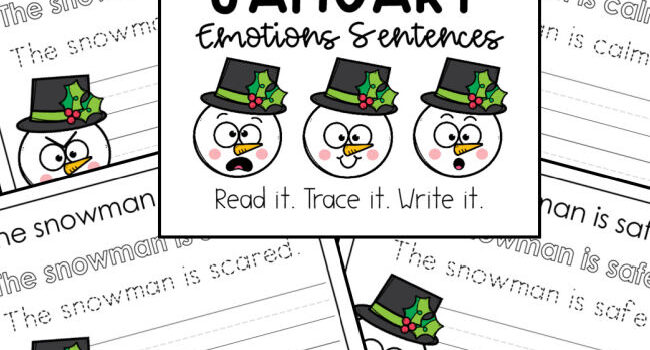
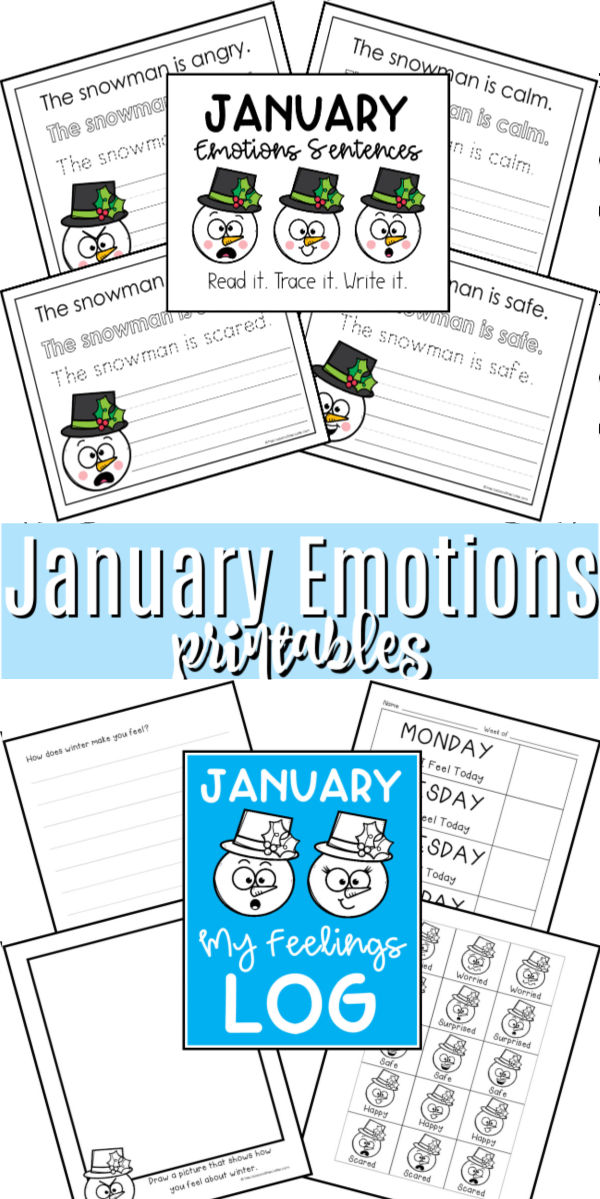
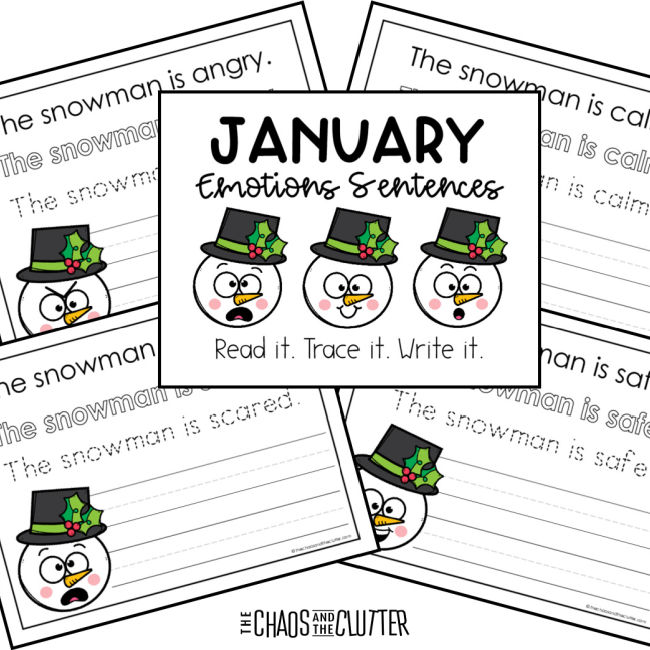
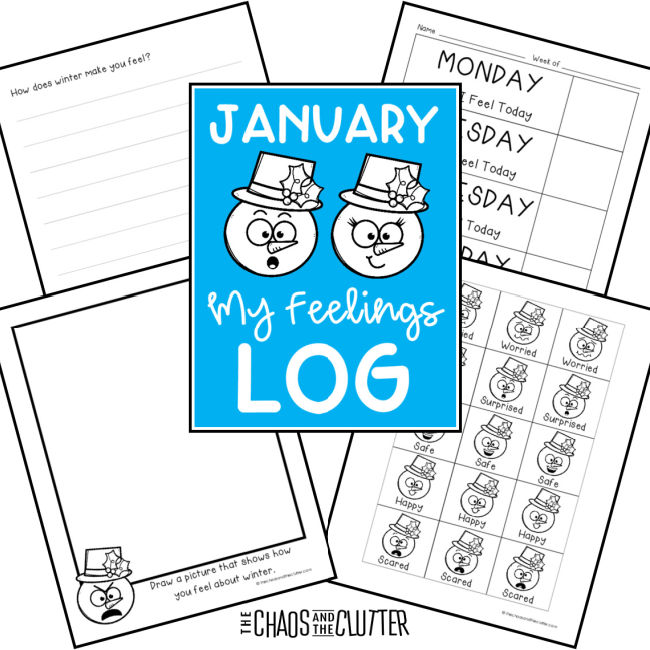
copywork sheets with one sentence each and snowmen

By Sharla Kostelyk

These adorable snowman themed January emotions printables can be a great tool in helping kids identify and talk about their feelings.colouring pages with snowmen on them

January Copywork Emotions Sentences:

Kids need to develop a solid understanding of emotions and to learn how to effectively express their own. These January emotions printing practise worksheets allow kids to practise their printing while also normalizing talking about emotions.

These copywork pages allow students to explore their feelings and discuss them with a trusted adult. copywork sheets with one sentence each and snowmen

Supplies needed:

  • January Emotions printables
  • pencil or pen OR
  • plastic sleeve AND dry erase marker

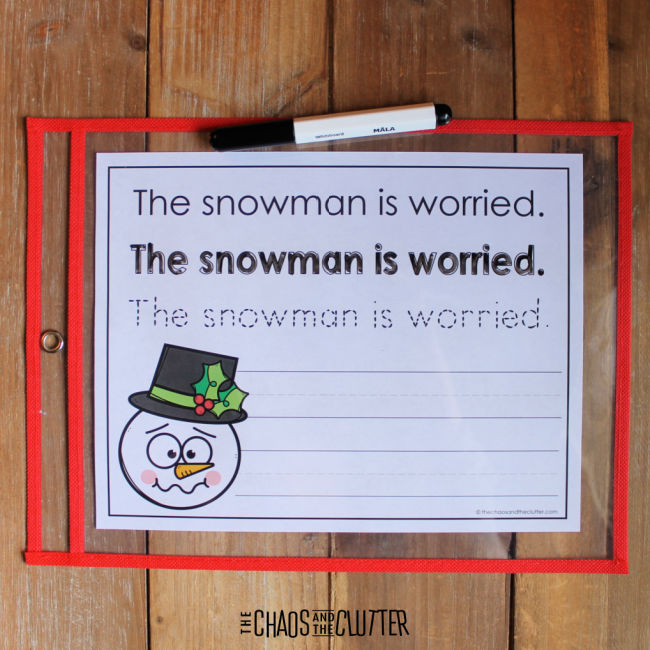
Download the printable pages. If you want them to be reusable, laminate the pages or slip them into a plastic page protector. Kids can then use a dry erase marker to complete their tracing and writing.

For one time use, give the student a pencil, crayons, coloured pencils, or markers and the printed papers. paper in clear plastic with a dry erase marker on top

Instructions for the student:

  1. Read the sentence.
  2. Fill in the outline.
  3. Trace the dotted words.
  4. Write the sentence on the lines provided.
  5. Discuss the different emotions.

These worksheets can be the jumping off point for a discussion with the whole class or one-on-one talk about different emotions. They can be used by teachers, homeschoolers, parents, or therapists.

January Feelings Log:

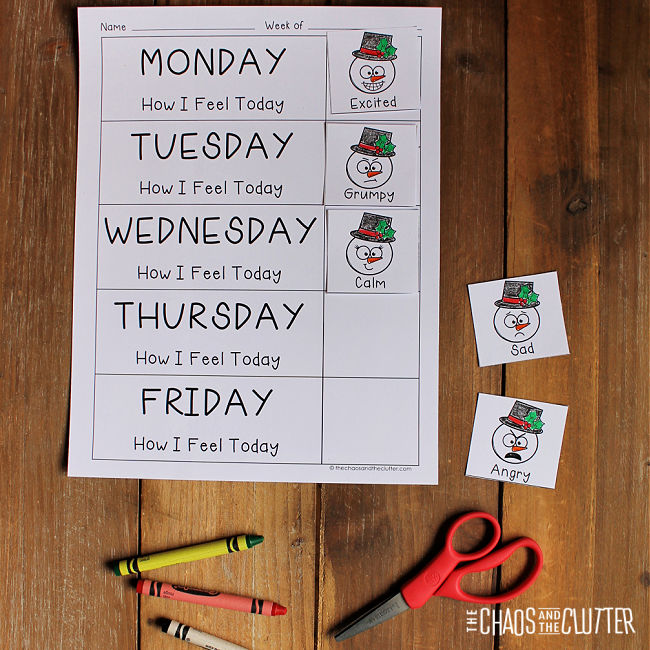
Keeping a daily log of feelings helps kids to look at their emotions and track any patterns they see emerging when looking back through each week. This can provide a lot of insight. 

Doing this quick daily exercise is an easy way to help kids to talk about their feelings and get to the root of why they might be feeling the way they are. Doing this at the same time each day can develop a positive habit. 

It can be a precursor for kids to have a journalling habit in later years.

For some kids, it may be most helpful to do this in the morning to then be able to adjust activities or expectations based on how they are feeling or it may be best to do after supper or before bed to reflect on the day. blank colouring pages with snowmen

Teaching emotions is such a powerful tool. It arms children with a skill that will serve them well for the rest of their life.

I’ve created a special Feelings Log for January. It includes a writing prompt and drawing prompt about winter, and weekly tracking sheet of “Today I feel” along with adorable snowman faces to use to help them better express their emotions.

Supplies needed:

  • printed Feelings Log pages (download here)
  • scissors
  • markers, pencil crayons, or crayons
  • pencil or pen

Enter your email below to download the free January Emotions Printables. You can use this with your child at home or print it off to use with your students in the classroom.

paper on the ground with scissors and crayons

Our other monthly emotions printables:

  • February Emotions Printables
  • April Emotions Printables
  • May Emotions Printables
  • June Emotions Printables
  • July Emotions Printables
  • August Emotions Printables
  • September Emotions Printables
  • October Emotions Printables
  • November Emotions Printables
  • December Emotions Printables

Filed Under: Printables

5 Little Ducks Activities for Preschool

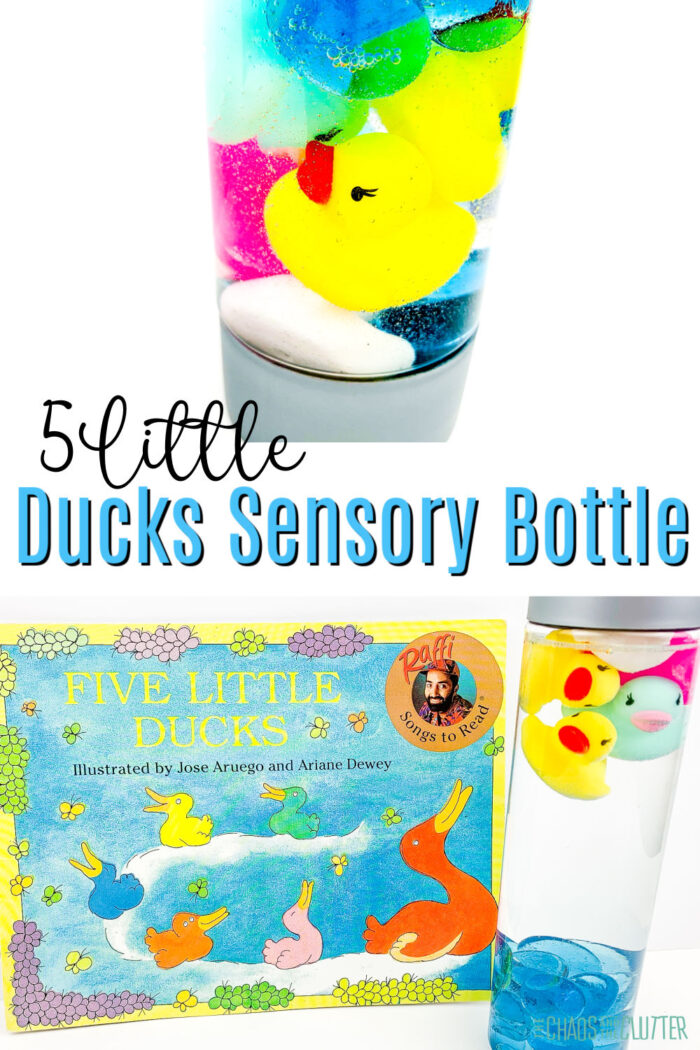
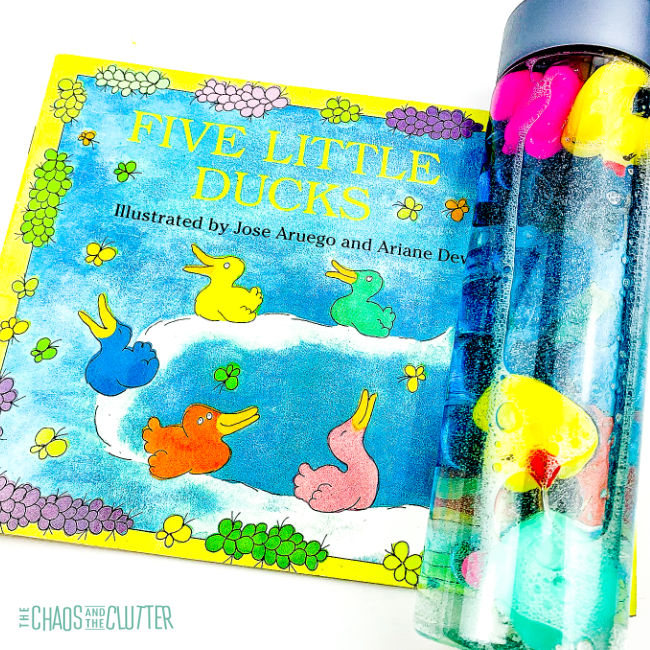
sensory bottle laying on the book 5 Little Ducks

By Sharla Kostelyk

Give your little one a chance to have some fun as they learn with these cute 5 Little Ducts activities. Make your own duck-filled sensory bottle for your kids to play with as they enjoy the book. They’ll have fun using their different senses to play along as you read a sweet nursery rhyme book.sensory bottle with a rubber duck and blue beads in it next to a children's book

5 Little Ducks Sensory Bottle:

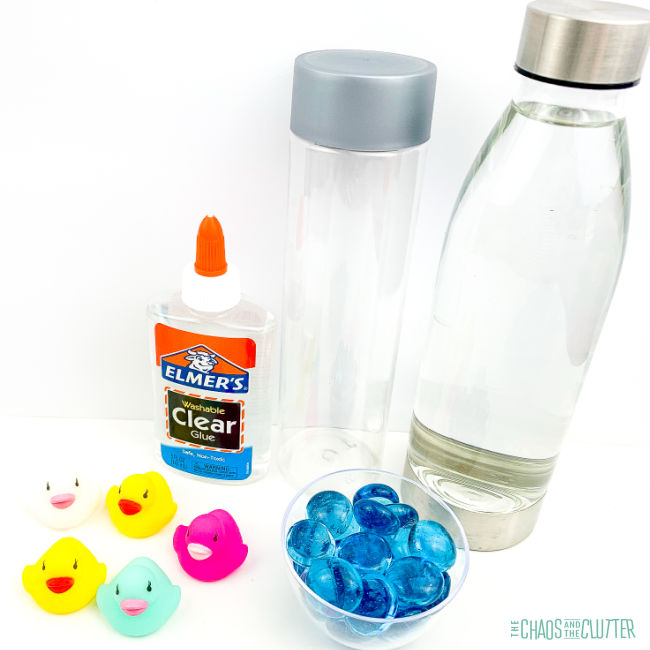
Supplies needed:

  • 16 ounce sensory bottle
  • 5 ounce bottle of Elmer’s Clear Glue
  • 5 small rubber duck toys
  • Blue glass stones/gems
  • Water

glue, two empty bottles, 5 small rubber duck toys, and blue beads

Instructions:

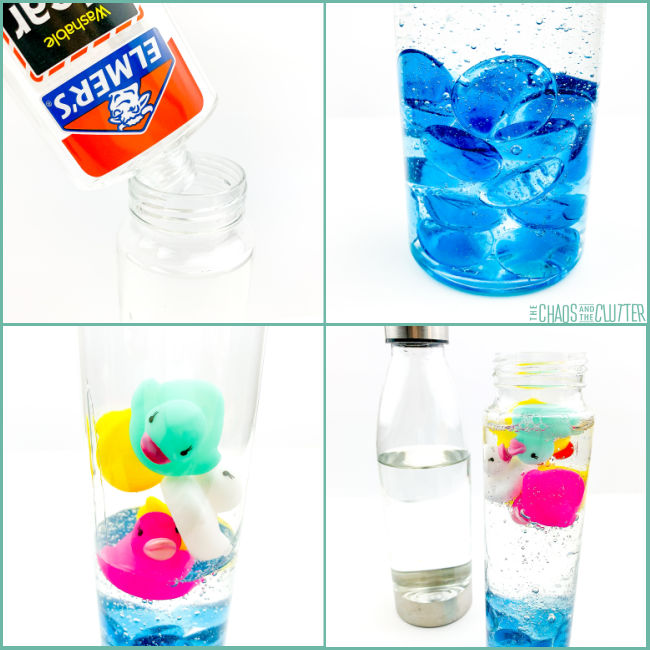
  1. Open the sensory bottle. Pour the whole bottle of glue into the bottle.
  2. Add the glass stones and gems to the bottom of the bottle, then place the ducks inside.
  3. Fill the bottle with water, leaving a little room at the top empty.
  4. Close the lid. Secure the lid with tape or glue, if desired, to ensure the bottle doesn’t leak.
  5. Shake the contents of the bottle until all the glue, gems, and ducks move around freely.

Note: You may have bubbles appear shaking the bottle for the first time. Allow the bubbles to settle and disappear after shaking.

glue, blue beads, small rubber duck toys, and clear bottles

5 Little Ducks Preschool Activities

This cute duck craft is the perfect way to have some fun as you read! That’s because this sensory bottle goes along with the story in the popular children’s book, 5 Little Ducks.sensory bottle laying on the book 5 Little Ducks

In the book, a mother duck patiently awaits Spring, when her five baby ducks – all grown up – return with their new families. Throughout the story, your preschooler will have the chance to practice counting and color recognition, making it a great way to reinforce the concepts they’re learning in school.

Read the book aloud to your kids or watch this YouTube read-along. 

And after you finish reading the story, you can continue the learning process as your little ones make and play with their own sensory bottle. Once the bottle is put together, they can:

  • Count the ducks in the bottle as they are reading, moving the bottle around.
  • Match the colors in the bottle to the colors in the book.
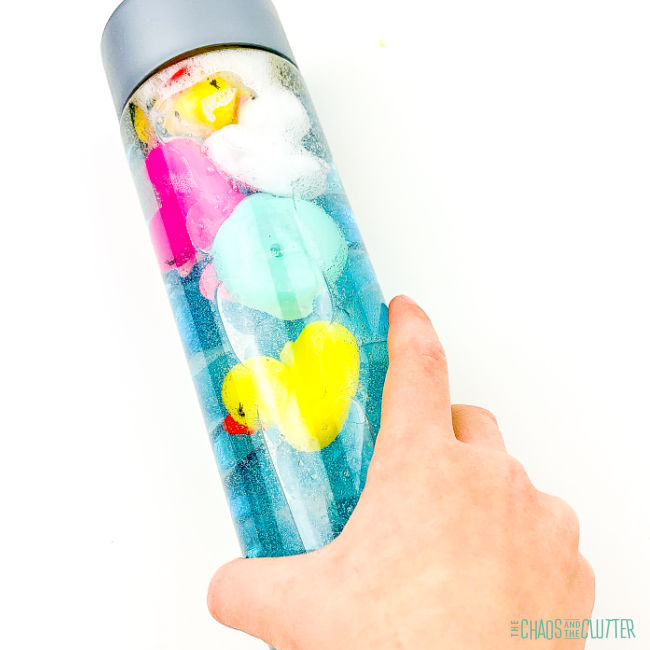
  • Watch the gems sink to the bottom while the ducks float to the top.

small hand holding a sensory bottle with blue water and rubber ducks in it

Other Activities to Correspond with the 5 Little Ducks Book and Song:

  • 5 Little Ducks Storytelling Sensory Tub
  • 5 Little Ducks Math Activities
  • Printable Preschool Number Line for 5 Little Ducks 
  • 5 Little Ducks Printable Pack
  • 5 Little Ducks Activities for Kindergarten
  • Felt Board for 5 Little Ducks Learning and Play
  • 5 Little Ducks Fingerplay
  • Count and Circle 5 Little Ducks Craft
  • Hands on Fun with the 5 Little Ducklings
  • 5 Little Ducks Nursery Rhyme Rocks
  • Printable Duck Puppets and Song

You may be interested in these other book related kids activities:

  • A Bad Case of Stripes Activities
  • Boom Chicka Boom Boom Activities
  • Click Clack Moo Cows That Type Activities

Filed Under: Crafts and Activities Tagged With: sensory bottles, sensory play

A Self-Care Plan That Actually Works

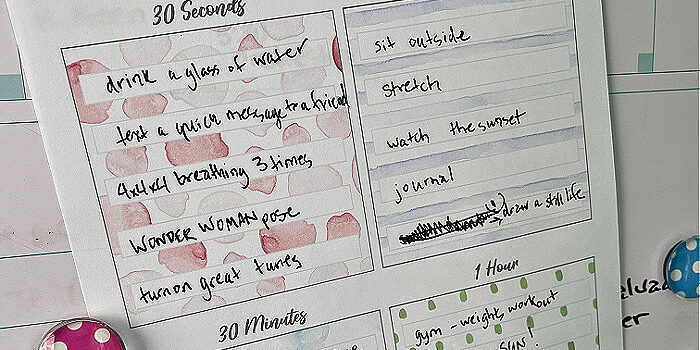
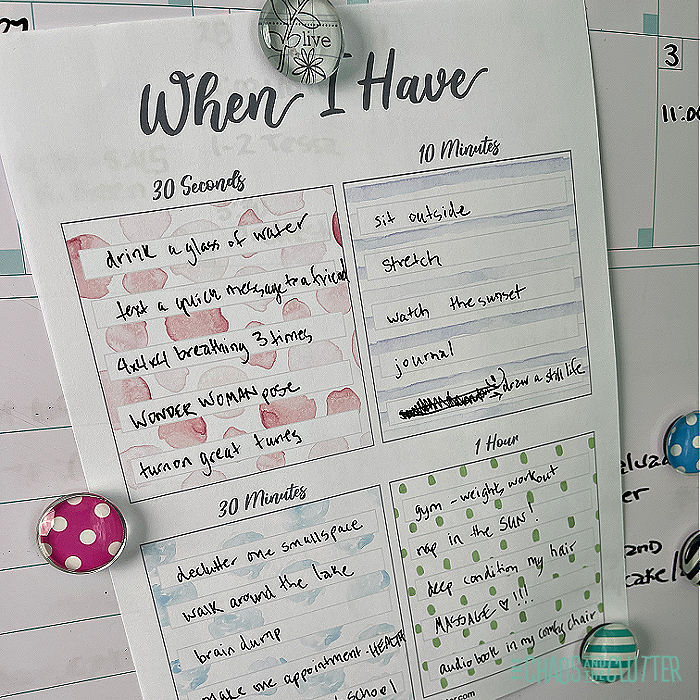
printed sheet on a fridge held by magnets

By Sharla Kostelyk

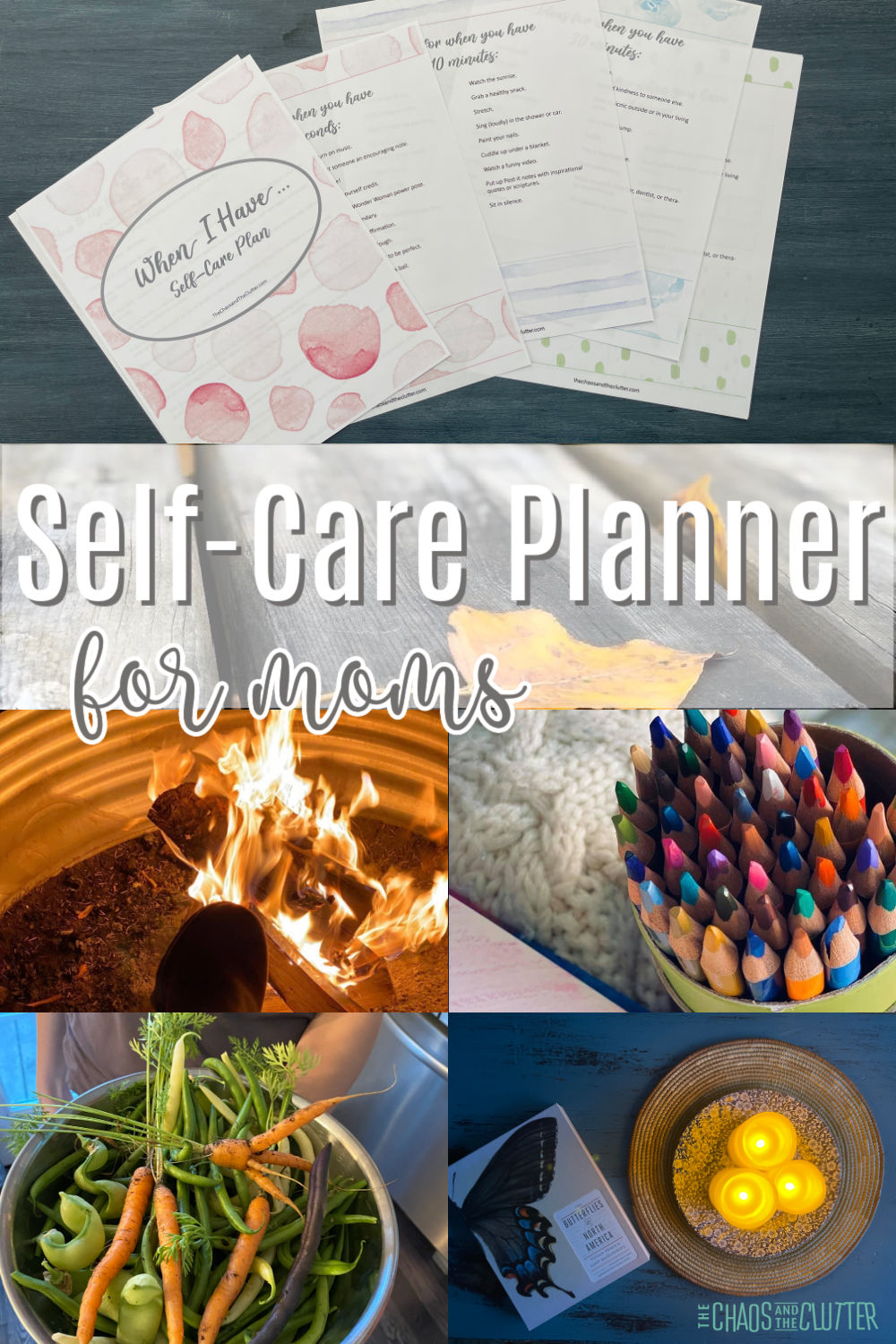
I know that “self-care” is this phrase that gets thrown around a lot, but there’s a reason for that. It’s critical to take care of yourself so that you can be your best self for others.campfire, container pull of coloured pencils, garden vegetables, and a candle and book

When you’re a mom, there are people depending on you and it’s important that you are able to be there for them.

That starts with taking care of you.

I know that it’s easier said than done.

Trust me. I know how busy you are. I am a mom too. When my seven kids were younger, I hardly had a moment to myself.

And that’s why I designed this self-care plan to have realistic time frames for those self-care opportunities you get in a day.

You may not be able to take an entire afternoon for yourself. Most days, you won’t be able to even take half an hour, but 30 seconds or ten minutes? That you can do!

So these ideas are designed for you to be able to take those little pockets of time and use them in ways that will most benefit you.

How to Create your Self-Care Plan:

  1. Download your free copy of the Self-Care Plan.
  2. Sit somewhere quiet that’s comfortable for you and go through the ideas listed on the pages inside.
  3. If you’re in that season of life when you don’t have anywhere quiet, lock yourself in the bathroom for a few minutes.
  4. Think about each activity and how you feel after you complete something like it. Circle the ones that resonate with you as making you feel rested, renewed, recharged, energized, or peaceful.
  5. Take the time to consider what works best for you. Just because going for a run makes your friend feel great, doesn’t mean you have to feel the same way!
  6. Put the lists away for a bit.
  7. The next time you have a few minutes to yourself (preferably within a day or two), come back to the lists and choose the circled activities that most jump out at you.
  8. You may write those in the corresponding section in your self-care plan or open in Adobe PDF and type in your list. Once you type it in, you can save it and print!
  9. Hang your plan somewhere you will see it often such as on your fridge, next to your calendar, or in a room where you spend a lot of time.

printed sheet on a fridge held by magnets

A few things to note for this self-care plan:

Feel free to move things from one list to another. The timelines are just a guideline. There are some activities that could belong on several of the lists so feel free to place them where you feel they would work best for you.

Be as specific as you can be for your personal chart. Where in the suggestions, you might see “learn”, for you that might be “research ancient Roman historical fashion” or it may be “practise Spanish”. The more specific you are, the more likely you are to follow through.

Some of the activities are ones that aren’t necessary to do again and again so if you complete some of those, you can print yourself off another chart and fill it in with new activities. While you’re at it, congratulate yourself for how well you are doing on your self-care journey!

A special thank you to my lovely friend, Heather for allowing me to bring this concept to you!

There are suggestions included to help get your creative juices flowing for each allotted amount of time.

When you have 30 seconds:

  • Take 3 deep breaths.
  • Splash cold water on your face.
  • Drink a glass of water.
  • Give yourself a high five in the mirror.
  • Speak 5 things you’re grateful for.
  • Forgive yourself.
  • Compliment a stranger.
  • Smell a flower.

girl holding daisies

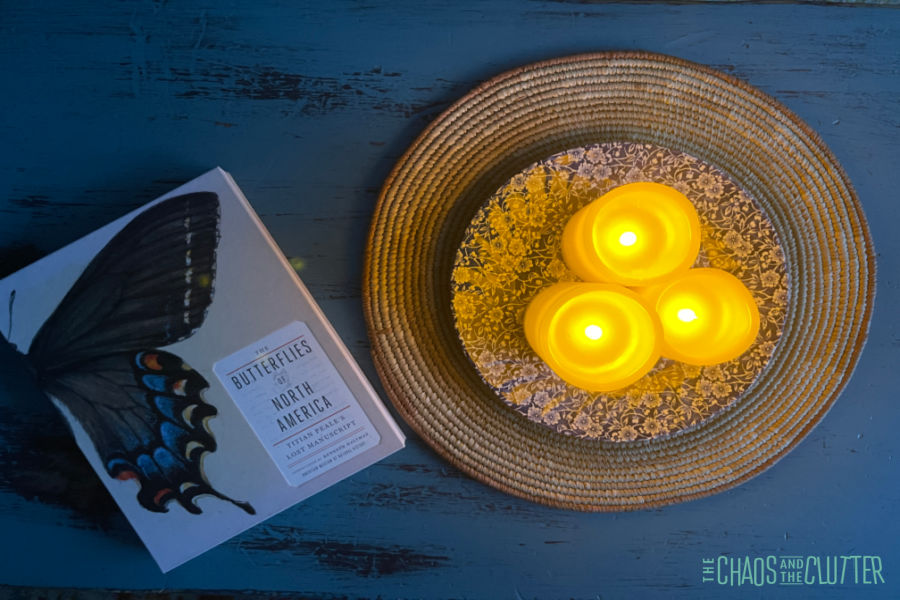
  • Light a candle.
  • Cuddle a pet.
  • Hug a human.
  • Turn on music.
  • Text someone an encouraging note.
  • Smile!
  • Give yourself credit.
  • Do the Wonder Woman power pose.
  • Set a boundary.
  • Speak an affirmation.
  • Squish playdough.
  • Give up trying to be perfect.
  • Squeeze a stress ball.

three candles lit next to an open book

When you have 10 minutes:

  • Enjoy a cup of tea.
  • Enjoy a cup of coffee.
  • Wear something you love.
  • Set daily goals.
  • Listen to great music.
  • Call a friend.
  • Sit outside.
  • Pray.
  • Eat something you love.
  • Meditate.
  • 10 minute tidy.

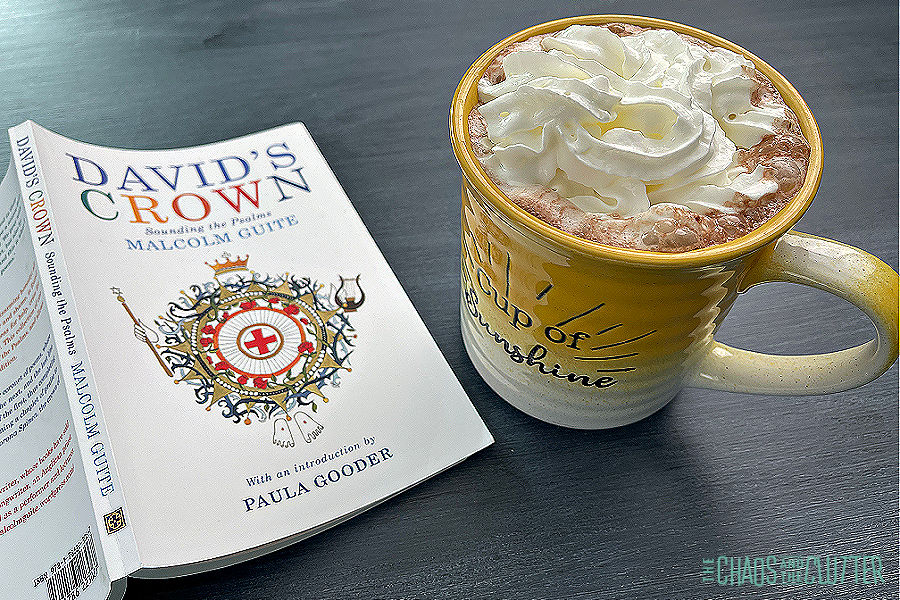
hot chocolate topped with whipped cream in a mug next to an open book

  • Watch the sunrise.
  • Grab a healthy snack.
  • Stretch.
  • Sing (loudly) in the shower or car.
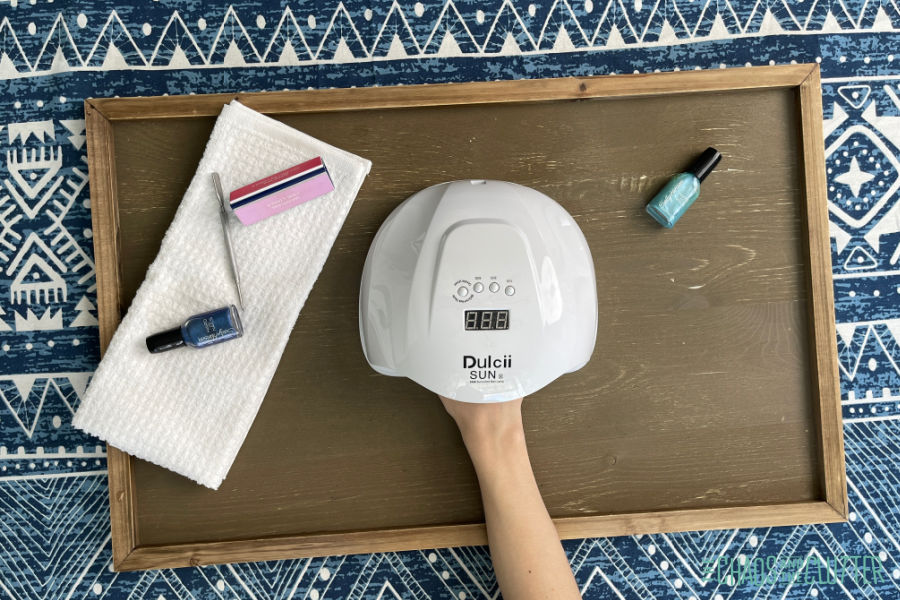
  • Paint your nails.
  • Cuddle up under a blanket.
  • Watch a funny video.
  • Put up Post-it notes with inspirational quotes or scriptures.
  • Sit in silence.

hand in a nail dryer with nail polish nearby

When you have 30 minutes:

  • Go for a walk.
  • Have a nap.
  • Shower.
  • Dance in your kitchen.
  • Declutter.
  • Journal.
  • Read in the sun.
  • Do yoga.
  • Draw.
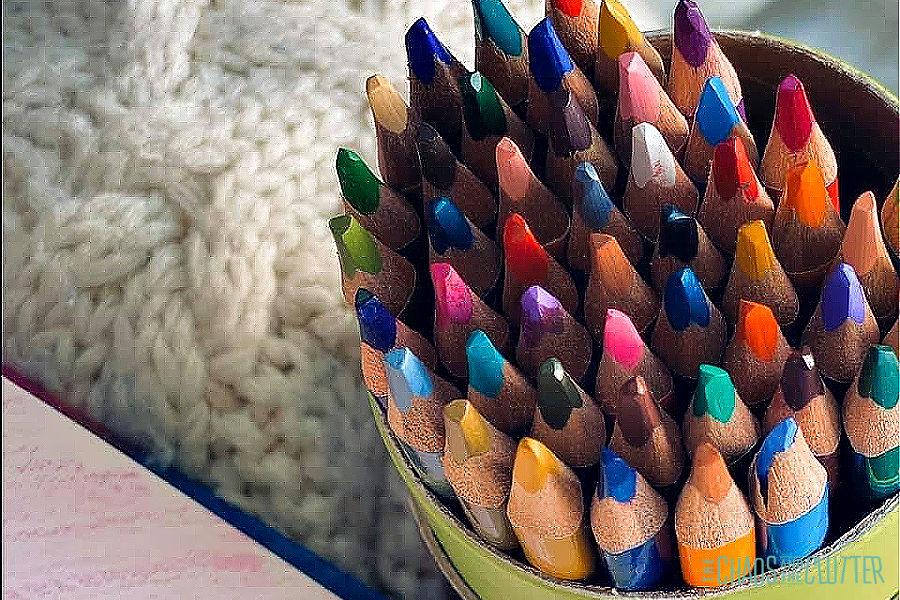
  • Color.
  • Listen to a podcast.

container of colored pencils next to a sweater

  • Plan.
  • Spread kindness to someone else.
  • Have a picnic outside or in your living room.
  • Do a brain dump.
  • Puzzle.
  • Play a board game.
  • Plant something.
  • Make yourself a doctor, dentist, or therapy appointment.
  • Do something creative.

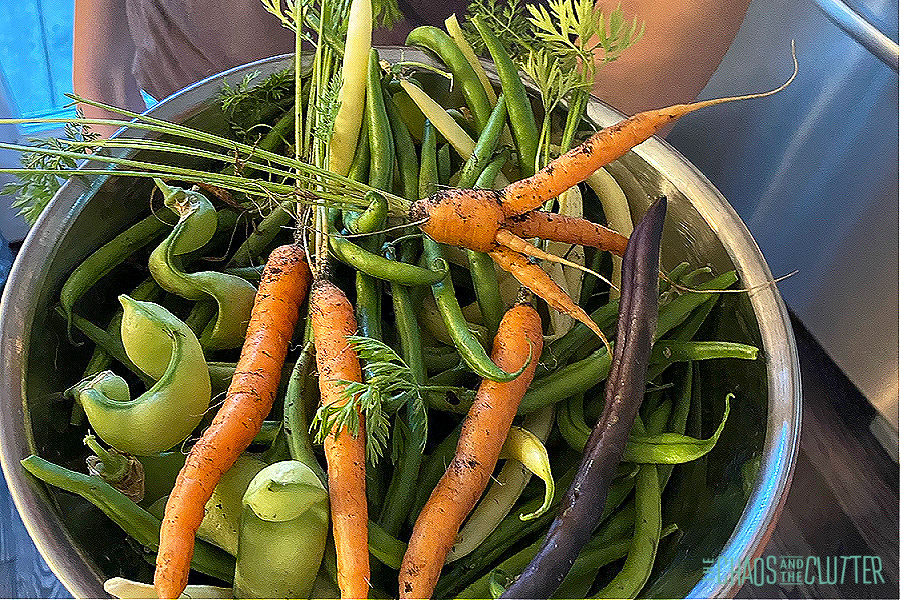
silver bowl filled with carrots and other garden vegetables

When you have one hour:

  • Go for a walk.
  • Have a nap.
  • Shower.
  • Dance in your kitchen.
  • Declutter.
  • Journal.
  • Read in the sun.
  • Do yoga.
  • Draw.
  • Color.
  • Listen to a podcast.
  • Plan.
  • Spread kindness to someone else.
  • Have a picnic outside or in your living room.
  • Do a brain dump.
  • Puzzle.
  • Play a board game.
  • Plant something.
  • Make yourself a doctor, dentist, or therapy appointment.
  • Do something creative.

two books and a coffee cup outside

There is that saying that failing to plan is planning to fail. By having a self-care plan ready, you can increase the chances of succeeding at finally putting yourself on the priority list.

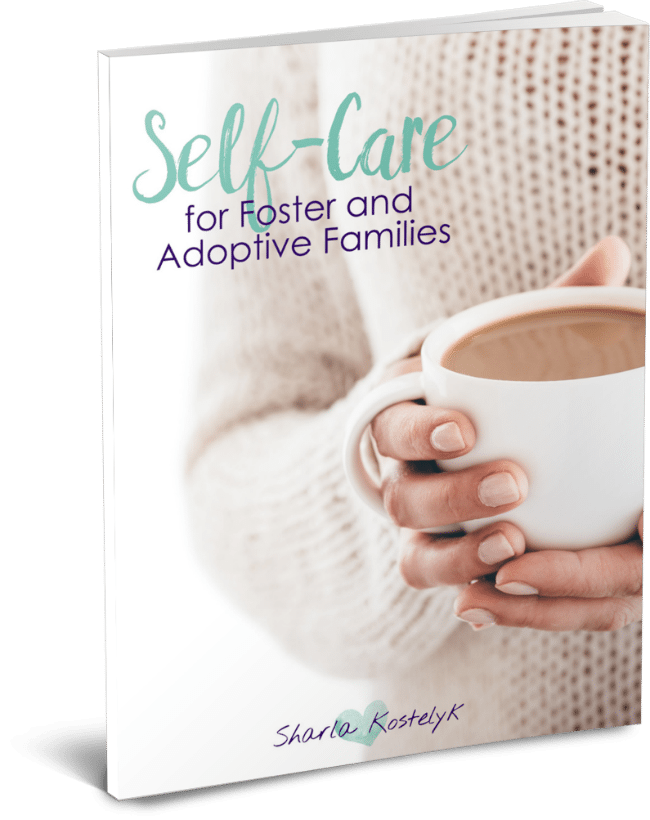
If you are a foster or adoptive family, you may be interested in reading my book Self-Care for Foster and Adoptive Families.

Filed Under: Parenting in the Chaos, Special Needs Parenting

  • « Go to Previous Page
  • Page 1
  • Interim pages omitted …
  • Page 3
  • Page 4
  • Page 5
  • Page 6
  • Page 7
  • Interim pages omitted …
  • Page 128
  • Go to Next Page »

Primary Sidebar

Categories

We are a participant in the Amazon Services LLC Associates Program, an affiliate advertising program designed to provide a means for us to earn fees by linking to Amazon.com and affiliated sites.

Copyright © 2026 • The Chaos and the Clutter • Site Design by Jeni @ The Blog Maven

Return to top of page

Copyright © 2026 · Chaos and the Clutter 2.0 on Genesis Framework · WordPress · Log in