• Skip to primary navigation
  • Skip to main content
  • Skip to primary sidebar
  • Home
  • About
  • Contact
  • Privacy + Terms
  • Affiliates

The Chaos and the Clutter

  • Facebook
  • Twitter
  • Pinterest
  • Google Plus
  • RSS
  • Email
  • School at Home
  • Sensory
    • Sensory Processing Disorder
    • Awesome Sensory Play Activities
      • Sensory Bins
      • Sensory Bottles
      • Sensory Bags
  • Family Games
    • Minute to Win It Games
  • Special Needs Parenting
    • Childhood Anxiety
    • Reactive Attachment Disorder
    • Sensory Processing Disorder
  • Store
  • Course Login

Sharla Kostelyk

Connection Activities for Parents and Kids

By Sharla Kostelyk

Connection is the foundation for human relationships. For some kids, particularly those with attachment issues, anxiety or sensory issues, connection is challenging and may even feel threatening to them. These connection activities can bridge the gap and help foster the parent-child bond.Connection Activities for parents to do with their kids #parenting #connection #attachment
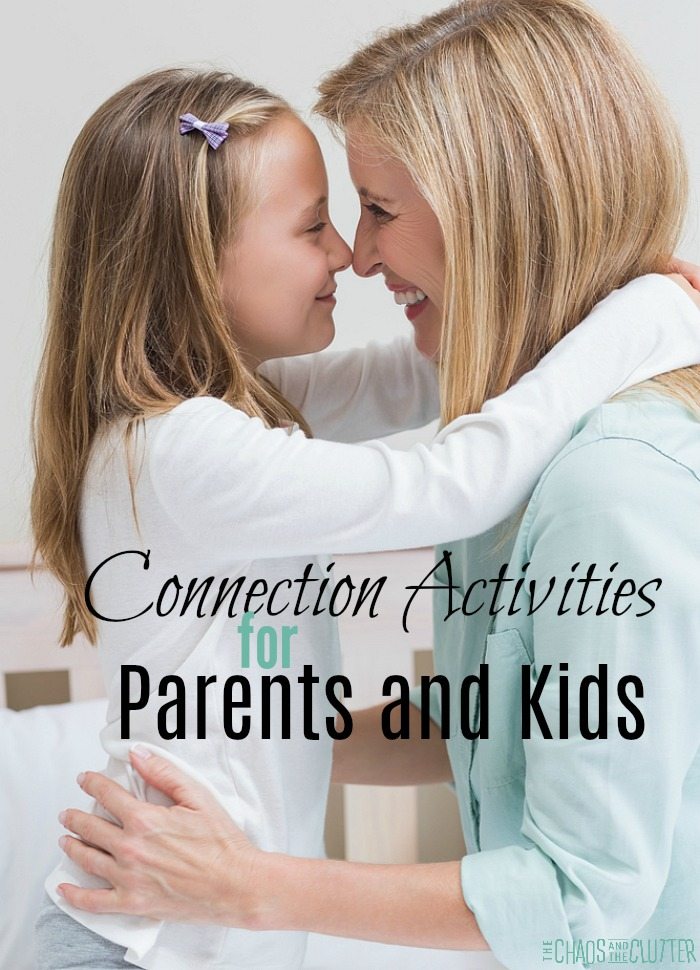
Connection with their primary caregiver comes so naturally for most children, but for others, it can actually feel threatening or uncomfortable. Children who have experienced early childhood trauma (including prenatal trauma or stress), who have had multiple caregivers and homes (foster care, adoption, kinship care), who have sensory issues, or who suffer from anxiety can struggle with connection. The fix is not as simple as incorporating intentional connection activities in your home, but these activities can be a piece of the puzzle and are a step towards better attachment.

While some of these connection activities are straightforward, others require a bit of explanation. I have provided a video below where I explain some of them in more detail as well as explain ways that you can adapt the ideas on this list for kids who are resistant to connecting.

Ideas for Connection Activities:

  • Read together
  • Wear matching clothing
  • Hang family pictures in child’s room
  • Make child a small photo album to carry
  • Give hand massage with lotion
  • Trace shapes or letters on child’s back with your finger
  • Let your child choose your outfit for the day
  • Point out things you have in common
  • Trade Hershey’s Kisses for eye contact and a kiss on the cheek
  • Play a board game or card game
  • Wear matching temporary tattoos
  • Do your child’s hair
  • Give or receive back scratches
  • Have a special one-on-one time after other kids are in bed
  • Give each other pedicures
  • Bake or cook together
  • Snuggle on the couch under a blanket with popcorn to watch a movie
  • Give Smurf and butterfly kisses
  • Hug (but ask permission first)
  • Play clapping games
  • Tuck-ins
  • Choose a special song for each child (see song suggestions below the video)
  • Create art together and hang it prominently
  • Pick your child up to play hooky from school
  • Rock your child
  • Make appointment days special
  • Make up a secret handshake
  • Choreograph a dance together
  • Play “Mother, May I?” or “Simon Says” (Mommy Says)
  • Use the You Are Special plate to mark and celebrate milestones*

You can get a printable version of this list to use as a reminder here.

*Our family uses the You Are Special plate for our kids (or us adults) for supper on their birthday and also to celebrate things such as them overcoming a fear or accomplishing a goal or reaching a milestone (getting their driver’s license, graduating, starting their first job).

The red plate has become such a part of our family culture that if one of the kids is setting the table for a birthday supper, they don’t need a reminder to set out that plate.

Connection Activities Video:

In the video, I touched briefly on how I choose a special song for each of our kids. They call them their “baby song” and they just melt whenever they hear their song. I chose their songs carefully based on who they are and what I felt they most needed to be reminded of or encouraged about. Their songs are personal, so I won’t be saying what they are, but you can find all of them (except for the one I invented for our youngest daughter) on the list included here interspersed with some other song ideas that I think would work well for this.

You might also enjoy reading these articles:
30 Ways to Be Silly with Your Kids

Two Words That Will Transform Your Family

Filed Under: Adoption, Parenting in the Chaos, Special Needs Parenting

American Girls Doll Sensory Bag

By Sharla Kostelyk

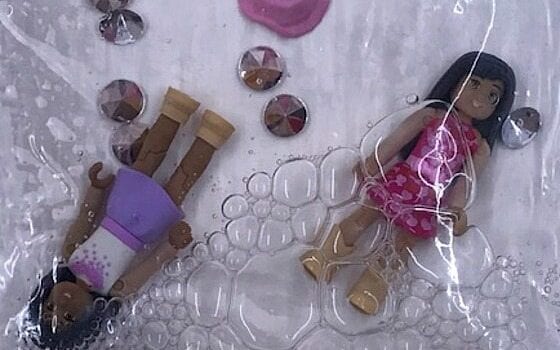
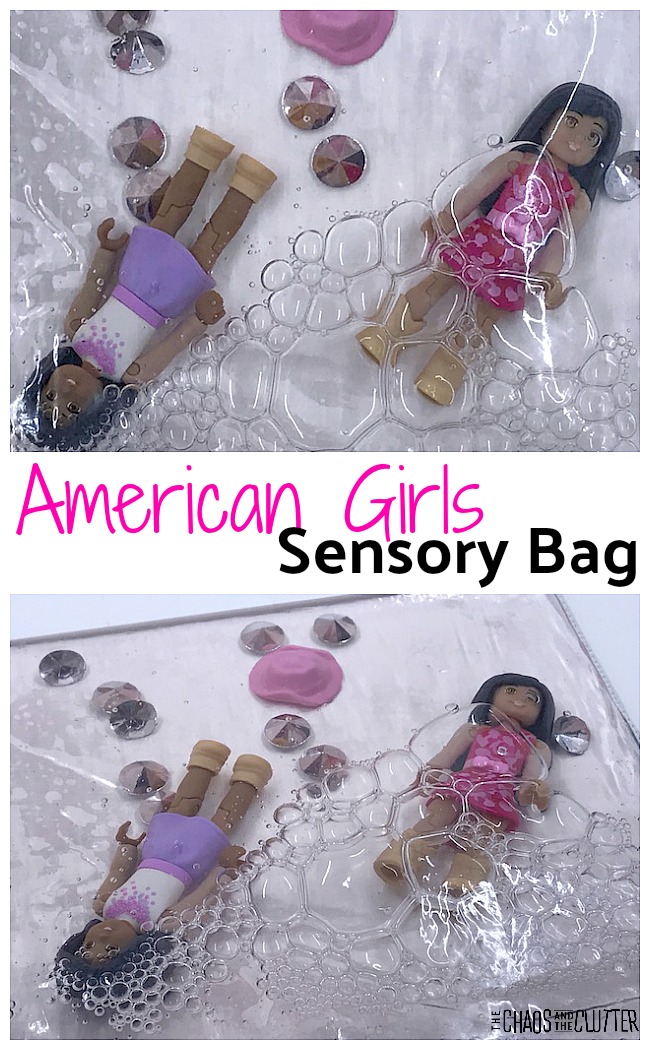
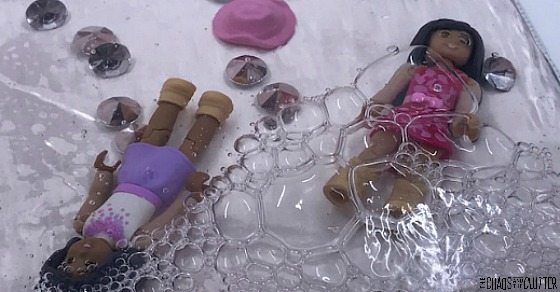
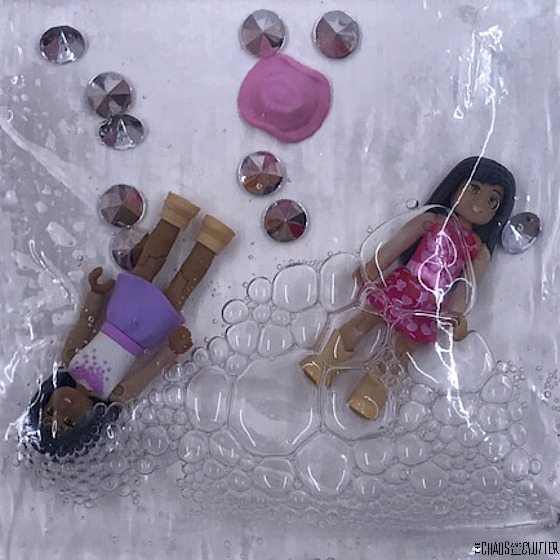
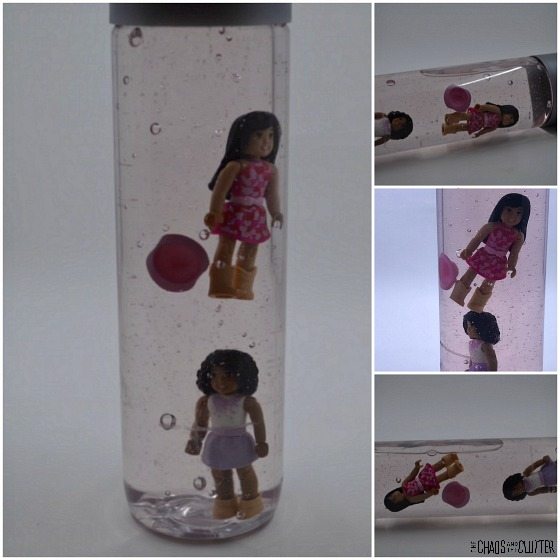
If you have kids who love American Girls, this American Girls Doll Sensory Bag is an easy sensory activity to make for them.

American Girls Sensory Bag #sensoryAmerican Girls Doll Sensory Bag

I found a few American Girls mini figures on sale at the pharmacy recently (a strange place to find materials for sensory play!) and bought them in order to make a sensory bag and sensory bottle with them. I knew my girls would be excited.

Materials needed:

  • resealable plastic bag
  • liquid hand soap (I used a grapefruit one because it had a slight pink tint to it which I thought went well with the theme)
  • American Girls doll mini figures
  • rhinestones
  • optional: duct tape

To make this American Girls Sensory Bag, all you need to do is fill a plastic bag about half full of the liquid hand soap or hand sanitizer, add the rhinestones and American Girls mini figures, remove the excess air, and seal. It’s so simple.

If you want, you can ensure a better seal by using duct tape on all the sides of the sensory bag. As with any sensory activity, children should be supervised while playing. 

Join me for a free 5 part email series Sensory Solutions and Activities and get your Sensory System Behaviours Easy Reference Cards.

American Girls Doll Sensory BottleAmerican Girls sensory bottle square

Unicorn Sensory Bag

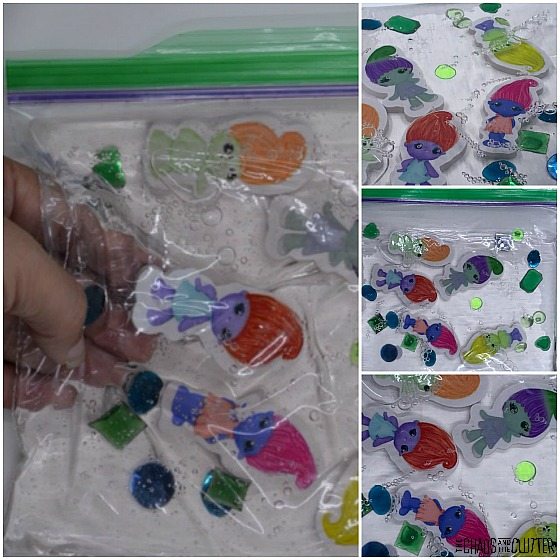
Trolls Sensory Bag

Filed Under: Sensory Tagged With: sensory bags, sensory play

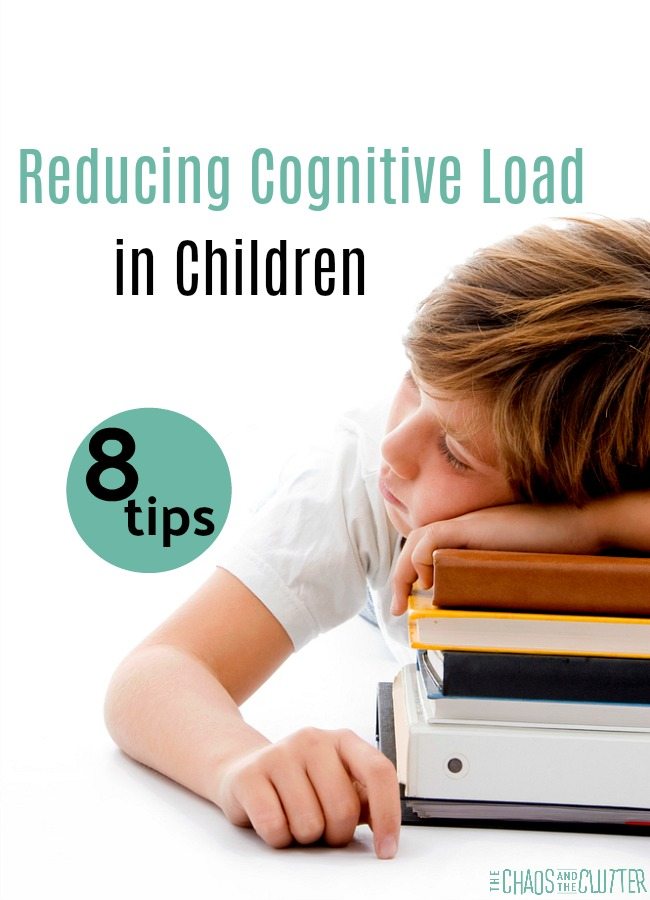
8 Ways to Reduce Cognitive Load in Children

By Sharla Kostelyk

Cognitive load may not be something you have heard of, but it is something that is likely impacting your child. Reducing cognitive load can reduce stress, make learning more effective and increase a child’s confidence.

If you find your child becoming easily distracted, anxious, stuck, or frustrated, cognitive load may be partly to blame. If homework battles are a problem in your home, you’ll want to read this. 8 Tips for Reducing Cognitive Load and Fatigue in Children #parenting #parentingtips

As humans, we do not have infinite capacity for working memory (mental space). It stands to reason that if demands placed on working memory are too high, a child will become frustrated, struggle to understand and may give up altogether. This is why putting in practise strategies for reducing cognitive load is important not only to ensure academic success, but also to ensure that the child’s confidence and self-esteem remain high. What may look to a parent or teacher as defiance or behaviour issues could actually be stemming from cognitive overload and fatigue.

One of the times when cognitive load can become more of an issue is when a child is learning something that take a lot of time and brain space. Examples of this would be things like when a child is learning to read, when a child is addressing past trauma in therapy, when a child is learning a new language, or when a child is involved in something like speech therapy or occupational therapy.

As a parent or teacher, it’s important to keep in mind everything that is going on in a child’s life. This will better help you understand why they may seem to be overwhelmed or be having a harder time with cognitive tasks than usual.

Ways to Reduce Cognitive Load in Children:

Lower Distractions

From visual distractions to noises to even smells and textures, distractions abound in our homes and classrooms. These can be particularly challenging to children who have sensory processing issues.

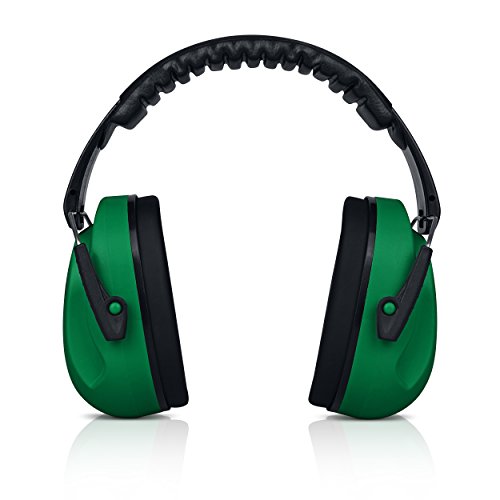
You can lessen distractions by lowering the noise in the room, reduce visual stimulation by keeping items and colours in the room to a minimum and staying away from fluorescent lighting, ensuring your child is wearing clothing that is comfortable for them and sitting somewhere they are comfortable. Minimize conversation. Be mindful of what smells are in the room. Noise cancelling headphones can also be helpful.

Frequent Brain Breaks

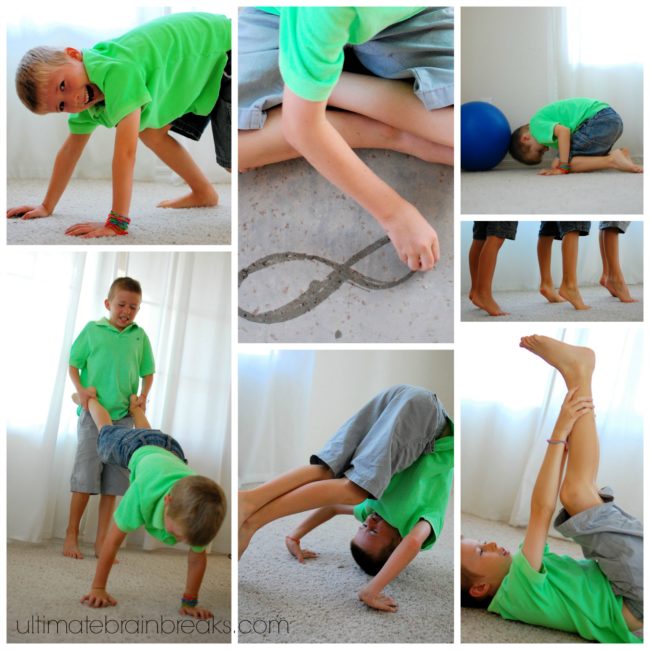
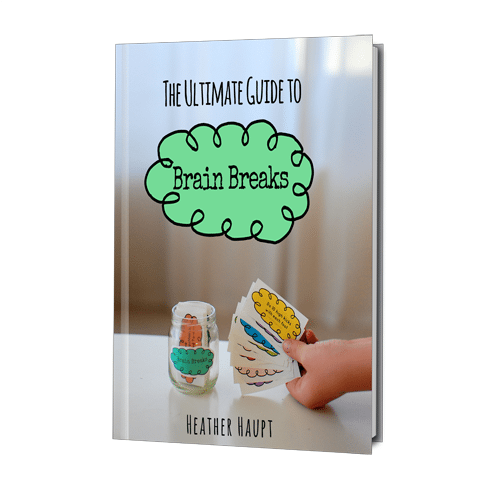
Brain Breaks have been one of our most effective strategies. We have been using them for years and have seen what a difference they make. To me, it only makes good sense. They help kids refocus, reset and get their brain working effectively again.

Brain breaks are critical for learning. One of our favourite resources for this is The Ultimate Guide to Brain Breaks. In it, you’ll discover what brain breaks are, when to use them, how to use them, and my favourite part: 60 brain break exercises with detailed instructions and pictures.

Establish and Maintain Routines

Routines allow children to feel secure and know what to expect. They take demands off their brain by not having to anticipate what may be happening next and also ensure good eating and sleeping habits which also help their brains.

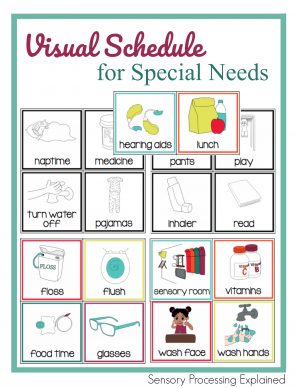
An especially effective way to do this with all children, but especially those with special needs is to use a visual schedule. A visual schedule can be used at home or school and can prepare a child for what to expect. The visual element is less taxing for their brain than a long written out schedule because they can see at a glance when a meal, snack, quiet time, or learning time is coming. 


More Sleep

Getting adequate sleep allows children’s brains to grow and develop optimally and cuts down on attention and learning issues. It’s important for kids to get enough sleep for their age. This chart from the National Sleep Foundation can help you determine how much sleep your child needs. When kids are tired, it is harder for them to process new information and affects their memory.

Simplify

Simplify the instructions for the task or break the task down into small chunks that seem attainable to your child. Overwhelm can cause a child to go into fight, flight or freeze mode and then the brain is essentially offline and no learning can happen.

Use less words and if possible, use visuals. Give the child time to digest the information before requiring a task or response.

Prevent Cognitive Fatigue Before it Happens

If you see signs that your child is becoming irritated, distracted, starting to have negative self-talk, or showing other signs of overwhelm, intervene before negative behaviours or discouragement set in. Offer water, a snack or suggest a brain break. If these don’t seem to be enough to prevent the cognitive fatigue, it may be time to set the task aside for the day and move on to something less taxing on the brain.

Reduce Stress

Anxiety makes it hard to learn as do the effects of early childhood trauma. Instituting strategies to help your child reduce stress makes it easier for their brain to function. Ensuring that your child is in an environment where they feel safe helps them to use the executive functioning parts of their brain.

Do what you can to provide opportunities for them to talk about their feelings and activities to help them calm down. Providing items such as a stress ball or fidgets while they are completing their task can also help.

Reduce Cognitive Load in Other Areas

When a child is concentrating on learning something new or working on a big cognitive task, one of the things that helps is to reduce their cognitive load in other areas. What this looks like will vary from child to child and situation to situation.

If you are using these tips in the classroom for example, if you know that your students are learning lines for a play which requires a lot of memorization, you may want to ease off on the vocabulary or spelling tests or other things that are heavy on memory skills until they get a better grasp of the new material for the drama production.

If you are a parent and your child has just started learning to read, signing them up for their first piano lesson which will require them to also learn to read music is maybe not wise. Once they have a handle on reading, then introducing a new instrument will make things come more easily for them on both fronts.

Ultimate Guide to Brain BreaksUltimate Guide to Brain BreaksEditable Visual ScheduleEditable Visual ScheduleNoise Reducing HeadphonesNoise Reducing Headphones

These 8 strategies can help in reducing cognitive load in children, which in turn can increase their confidence and skill and can greatly reduce anxiety. 

Filed Under: Special Needs Parenting

Great Books for Kids Who Worry

By Sharla Kostelyk

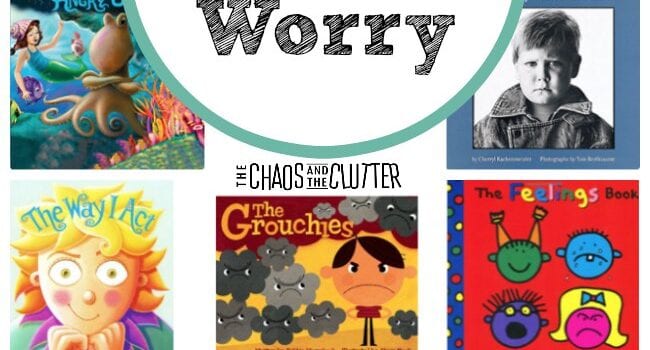
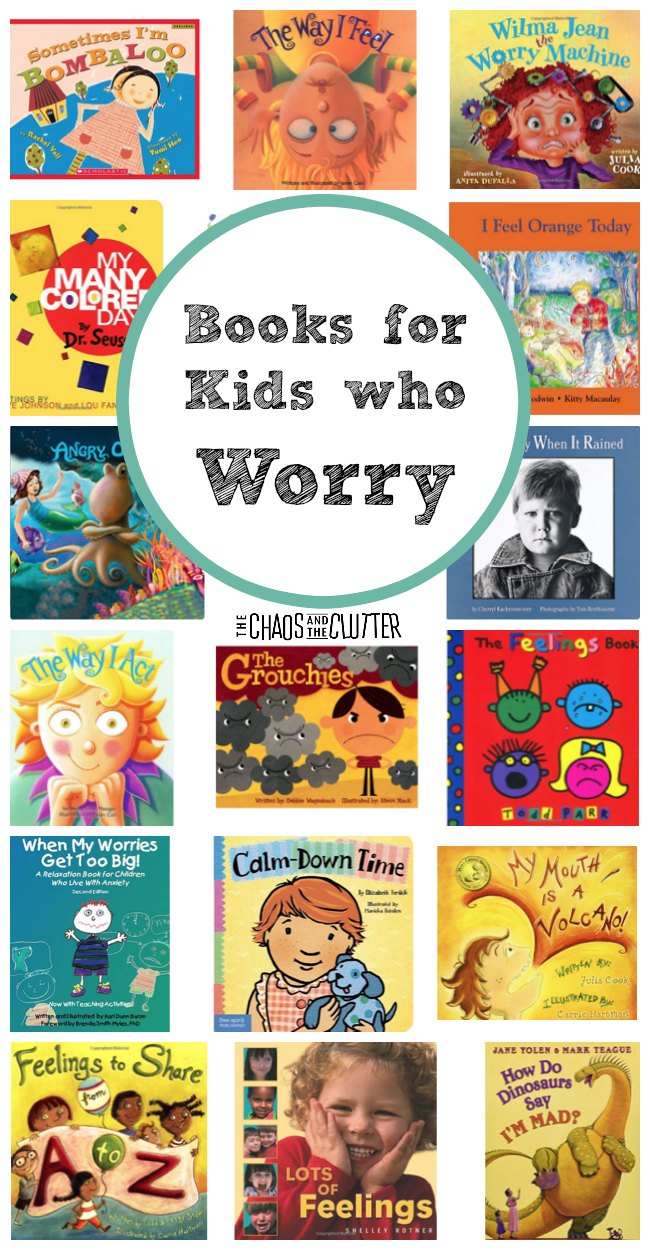
Anxiety is no fun at any age. Therapists and doctors are reporting that childhood anxiety is on the rise. If your child struggles with stress or anxiety, an effective strategy to help them with coping skills and to help them to talk about how this is affecting them is to read books about it. Reading these stories also helps them to see that there are others kids who worry so that they feel less alone. I wanted to share these great books for kids who worry so that you could use them as resources for your child.

These great books for kids who worry can be used as resources for a child who struggles with stress and anxiety due to a variety of reasons. #anxiety #parentingHigh levels of stress and big emotions related to school, social situations, sensory issues, trauma triggers, or other frustration are commonly found in children who live with anxiety. This can lead to meltdowns, aggression, low self-esteem, poor self-regulation, and your child going into fight, flight or freeze mode. Although books are only one strategy that should be used in conjunction with other strategies such as teaching your child calm down techniques, emotional regulation tools and in some cases, sensory strategies, they can be a piece of the puzzle.
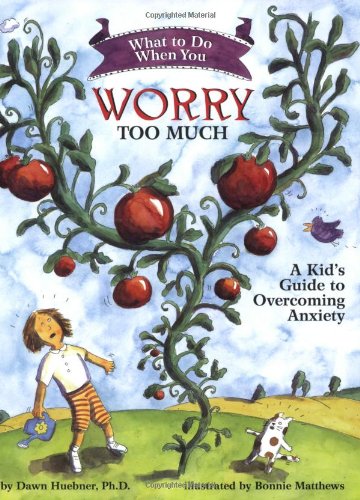
I chose these books because they are my favourites on this topic. You can take a look and see which ones you feel that your child would relate to most or respond best to.

Great Books for Kids Who Worry:

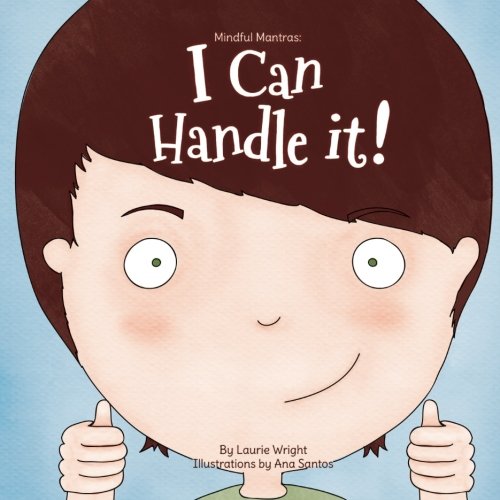
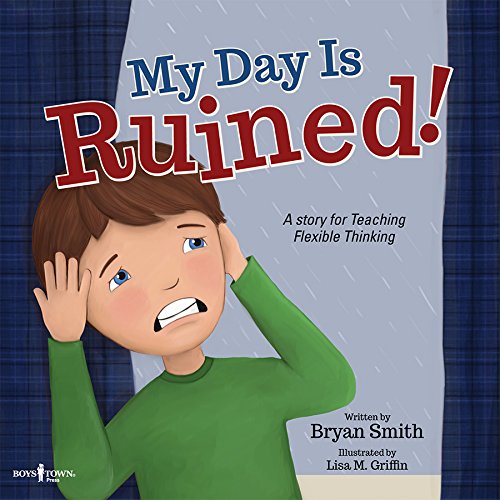
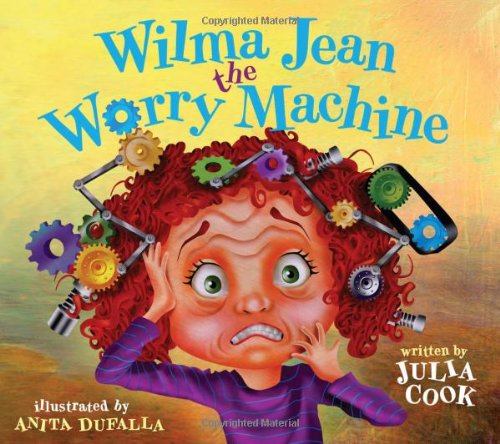
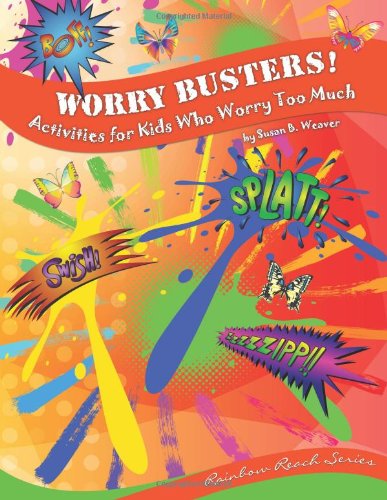
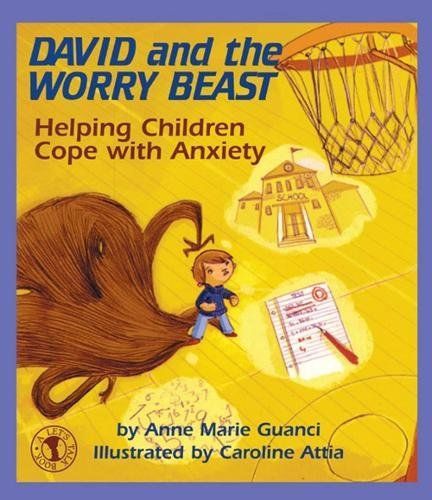
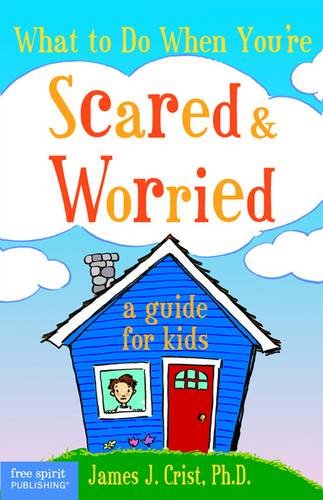
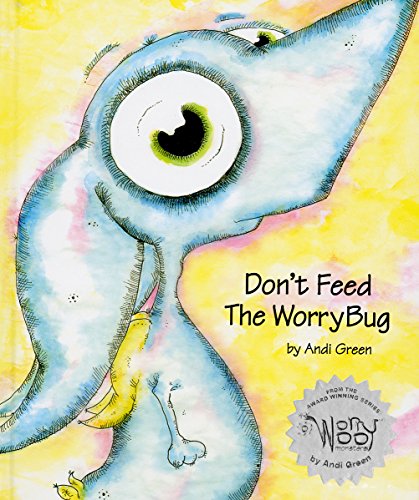
What to Do When You Worry Too Much: A Kid's Guide to Overcoming AnxietyWhat to Do When You Worry Too Much: A Kid’s Guide to Overcoming AnxietyWhen My Worries Get Too Big!When My Worries Get Too Big!I Can Handle It (Mindful Mantras)I Can Handle It (Mindful Mantras)My Day Is Ruined!: A Story Teaching Flexible Thinking (Executive Function)My Day Is Ruined!: A Story Teaching Flexible Thinking (Executive Function)Wilma Jean the Worry MachineWilma Jean the Worry MachineWorry Busters! Activities for Kids Who Worry Too MuchWorry Busters! Activities for Kids Who Worry Too MuchDavid and the Worry Beast: Helping Children Cope with AnxietyDavid and the Worry Beast: Helping Children Cope with AnxietyWhat to Do When You're Scared and Worried: A Guide for KidsWhat to Do When You’re Scared and Worried: A Guide for KidsDon't Feed The WorryBug (Soft Cover Edition)Don’t Feed The WorryBug (Soft Cover Edition)

We have been using When My Worries Get too Big for many, many years now. I like that anything that encourages kids to draw out their feelings or struggles. The book has simple strategies that kids can use for relaxation.

An extremely effective way to lower the worry your child is experiencing is to arm them with a strong emotional vocabulary and help them to better understand and express their feelings. The Teaching Emotions Toolkit contains everything you need to give your child this important skill.

Another great strategy for combatting worry in children is to empower them by creating a calm down kit and teaching them how to use it.

For more ways to help your child, join me for a free 5-part email series, Little Hearts, Big Worries offering resources and hope for parents.

Filed Under: Special Needs Parenting

Simple Christmas Sensory Bag

By Sharla Kostelyk

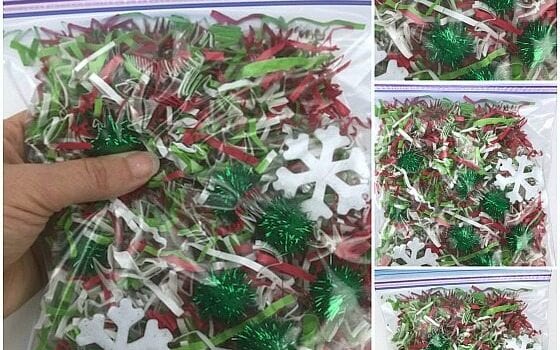
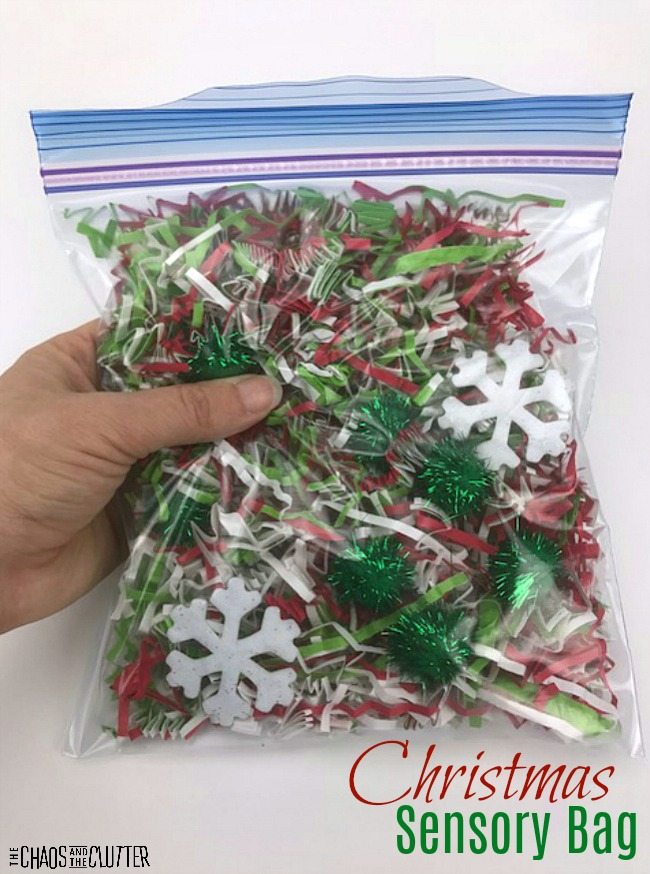
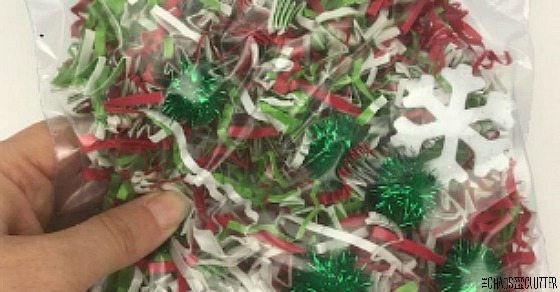
This simple Christmas sensory bag was literally made with items from my craft bin. My daughter wanted a holiday themed sensory bag to include in her Christmas Calm Down Kit. I grabbed a medium sized resealable bag, threw in some things from the craft box, sealed it, and gave it to my daughter. It was so easy to make.

This simple Christmas Sensory Bag makes a delightful scrunching sound when squished. #sensorybag #sensoryactivities #sensoryWhat I like about this particular sensory bag is that it makes a scrunchy sound when you squish it. It also has a few different textures in the bag so it offers tactile, visual and auditory sensory experiences.
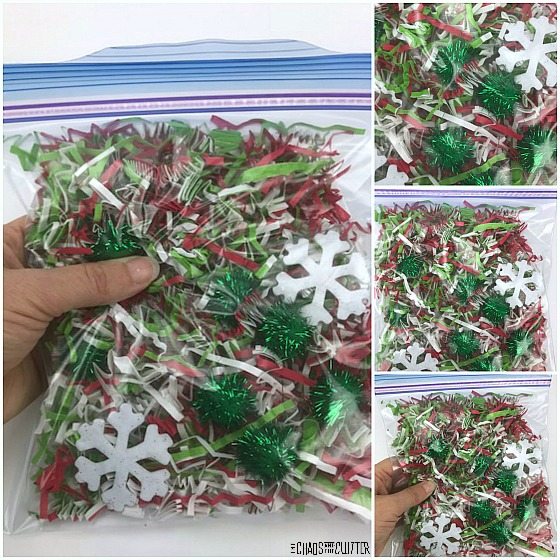
Simple Christmas Sensory Bag:

Materials needed:

  • medium sized resealable bag
  • Christmas coloured crinkly paper shreds
  • green sparkly pompoms
  • felt snowflakes

To assemble this Christmas sensory bag, open the resealable bag, fill it half to three quarters full with the coloured paper shreds and then add the other items. Remove the excess air from the bag and seal.
You could also add jingle bells, Christmas foam shapes, dry rice, red and green beads, pieces of holiday coloured pipe cleaner, scraps of tissue paper, or holiday confetti shapes. This is one of those projects where you can just rummage through your craft supplies and add anything.Depending on the age and ability of the child who is using this, you may want to use duct tape to firm up the seal so that they can’t open it and pull out the contents which could be choking hazards for younger kids. You can finds all kinds of Christmasy duct tape to make it look more festive. Of course, as with all sensory activities, adult supervision should be used.
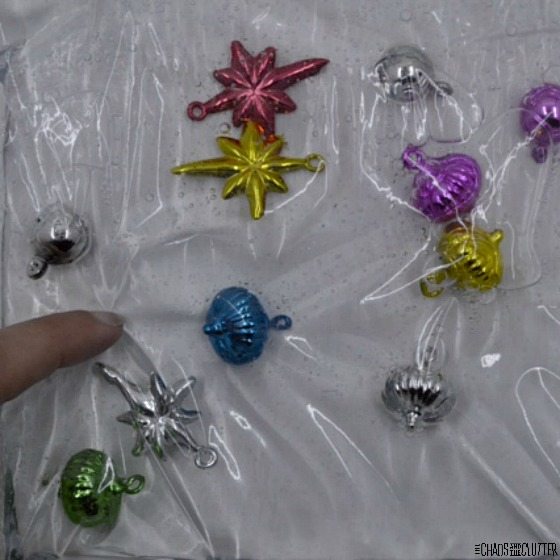
Get 175 sensory activity ideas in convenient printable lists which are ideal for using in the home, classroom or in a therapeutic setting.

Christmas Ornaments Sensory Bag

I-Spy Christmas Sensory Bag

Filed Under: Christmas, Sensory Tagged With: sensory bags, sensory play

Christmas Calm Down Kit for Kids

By Sharla Kostelyk

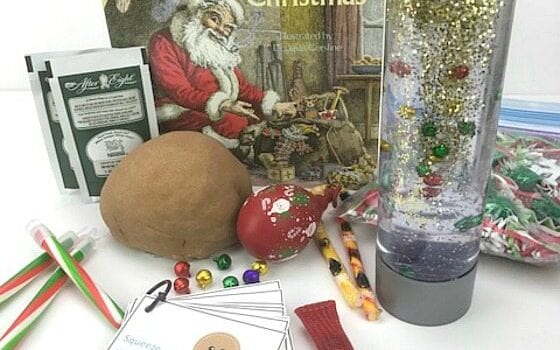
The holidays can be an especially hard time for kids who struggle with anxiety, sensory issues or special needs. As a parent, it can even seem as though your child is sabotaging the holidays. For times when some of our kids struggle with handling big emotions, we have a calm down kit for them to use. It has made such a difference. One of our daughters was beginning to struggle more than usual because of the Christmas season so I decided to make her this Christmas Calm Down Kit.

This Christmas Calm Down Kit is full of suggestions and tools to help lower your child's anxiety over the holidays. #parenting #specialneedsparenting #anxietyAnti-anxiety kits help kids feel more in control of their emotions and reactions. I find that it’s best to clarify how the kit works and explain all the tools when your child is already calm. Introduce them to the holiday calm down kit and explain how each item can be used when they start to feel anxious. Reassure them that if one item doesn’t work, they can try another until they find the one that’s right for them at that time.
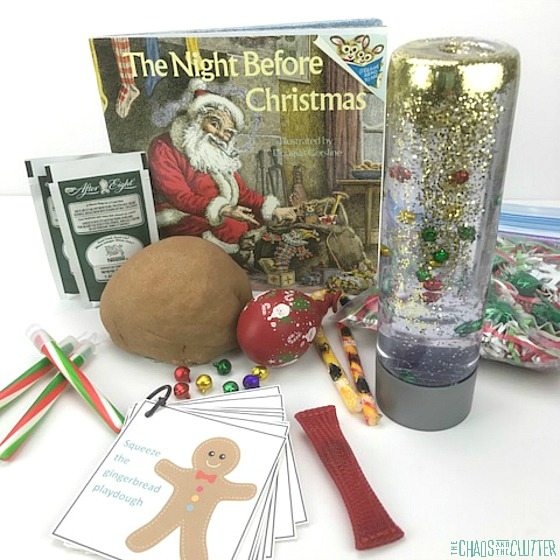
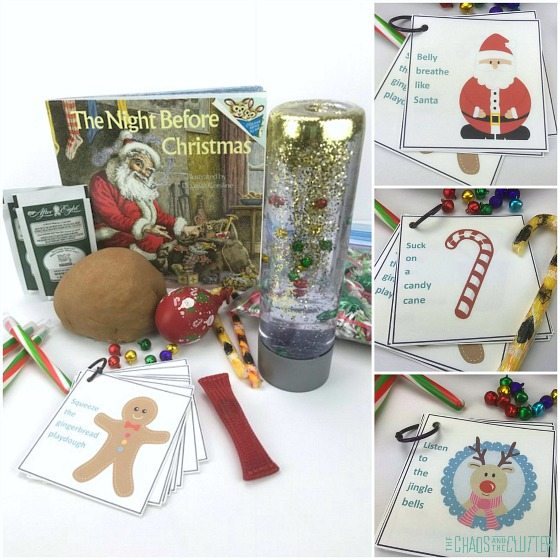
All of the items and ideas should be practised ahead of time. Offer encouragement and praise, but avoid the temptation to suggest which coping strategy they should use unless you see an escalation in their anxiety or it becomes obvious that they need your direction.

Remember that when your child is in a state of fight, flight or freeze, it becomes harder for them to access the reasoning part of their brain.

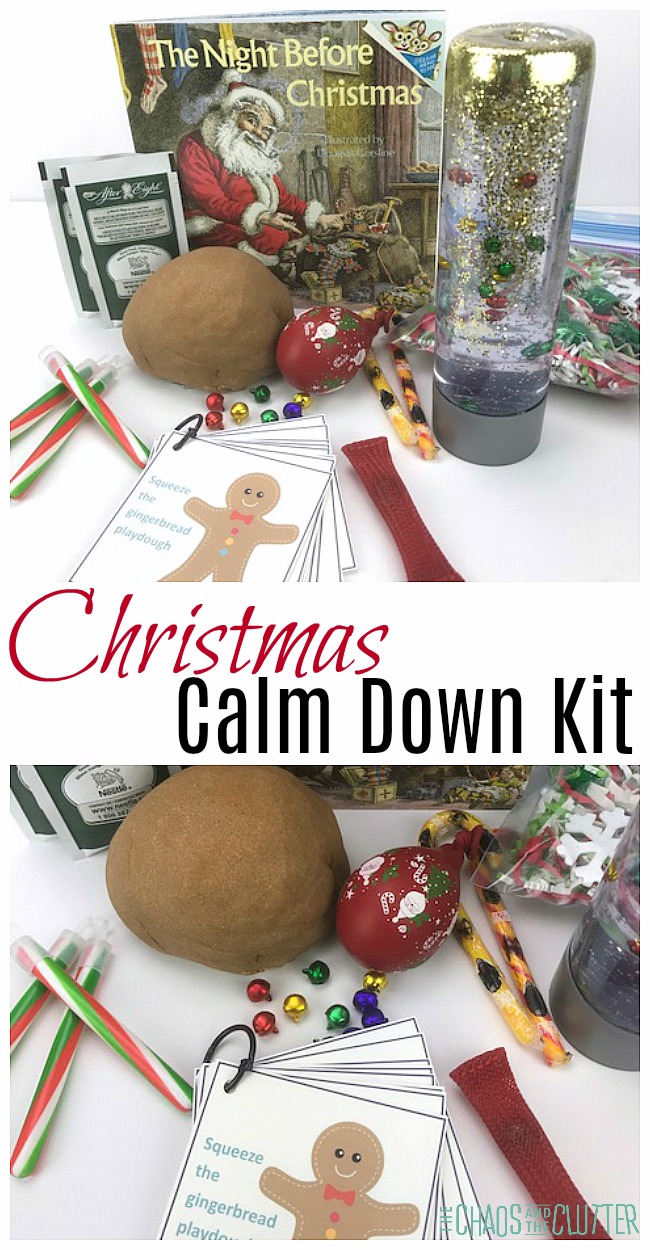
Our Christmas Calm Down Kit:

  • Christmas book
  • red marble fidget
  • homemade sensory ball using a Christmas balloon
  • Christmas glow sticks
  • homemade gingerbread playdough
  • candy canes
  • hot chocolate packets
  • jingle bells
  • Christmas calm down bottle
  • holiday themed sensory bag
  • bubble gum
  • printed Christmas colouring pages and markers

I created printable cards that can serve as reminders of some of her calm down tools. You can print the cards, cut them out, hole punch them and put them on a binder ring. You can also cut some extra and create your own if you have other ideas of calm down strategies that work well for your child.

Get your free printable Christmas Calm Down cards here. 

Most of the calm down cards don’t require much explanation, but to talk to your kids how to “belly breathe like Santa”, have them imagine Santa’s big belly and then breathe in to fill their belly like Santa’s. Have them put their hand on their stomach so that they can feel it fill up with air and then deflate when they exhale.

Other Items for Your Christmas Calm Down Kit:

  • noise cancelling headphones (perfect for loud holiday events)
  • Christmas punch balloons
  • Conair Sound Therapy machine (we have one included in our regular Anti-Anxiety kit and love it)
  • homemade Peppermint Essential Oil Playdough (keep in mind that peppermint is an alerting scent)
  • Rescue Remedy for Kids (natural stress relief drops that seem to really help our daughter if they are given at the beginning of her anxiety episode)
  • Rescue Remedy Gum (full disclosure – some of our kids love it and others hate the taste)
  • palm massager
  • books on expressing feelings (our list is here)
  • Christmas kaleidoscope
  • a fuzzy Christmas blanket
  • special stuffed animal
  • weighted neck roll
  • holiday coloured pinwheel
  • small plastic snowglobe (will act in a similar way to a calm down bottle)
  • Christmas tree shaped chewie

I actually had to help my daughter use her Christmas calm down kit earlier tonight. I found it ironic that I knew I would be writing about this later and was putting it to good use right beforehand. When I write about these kind of things, rest assured that it is coming from first-hand, up-close-and-personal experience!
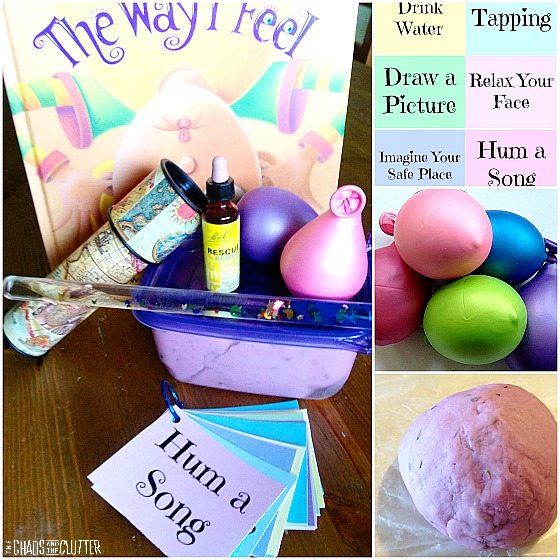
The calm down strategy that worked especially well for my daughter tonight was humming a Christmas carol. She was having a hard time regulating her breathing and behaviour before that, but her crying stopped, her breathing slowed and she was able to start calming herself after trying that visual prompt idea.

The humming provides a lot of natural calming benefits. Humming regulates breathing which lowers your heart rate. It helps to activate the parasympathetic nervous system which also lowers heart rate. It helps you to feel more peaceful as your thoughts become clearer. Humming also releases endorphins, which makes you feel happier. It makes sense that it helped her get back to a more regulated state.

You may also want to read:

Our regular Calm Down Kit (and printable relaxation prompts)

Printable Planner and Tracker for Moms of Special Needs Kids

Parenting a Child Who Sabotages the Holidays

Filed Under: Christmas, Special Needs Parenting

  • « Go to Previous Page
  • Page 1
  • Interim pages omitted …
  • Page 54
  • Page 55
  • Page 56
  • Page 57
  • Page 58
  • Interim pages omitted …
  • Page 128
  • Go to Next Page »

Primary Sidebar

Categories

We are a participant in the Amazon Services LLC Associates Program, an affiliate advertising program designed to provide a means for us to earn fees by linking to Amazon.com and affiliated sites.

Copyright © 2026 • The Chaos and the Clutter • Site Design by Jeni @ The Blog Maven

Return to top of page

Copyright © 2026 · Chaos and the Clutter 2.0 on Genesis Framework · WordPress · Log in