• Skip to primary navigation
  • Skip to main content
  • Skip to primary sidebar
  • Home
  • About
  • Contact
  • Privacy + Terms
  • Affiliates

The Chaos and the Clutter

  • Facebook
  • Twitter
  • Pinterest
  • Google Plus
  • RSS
  • Email
  • School at Home
  • Sensory
    • Sensory Processing Disorder
    • Awesome Sensory Play Activities
      • Sensory Bins
      • Sensory Bottles
      • Sensory Bags
  • Family Games
    • Minute to Win It Games
  • Special Needs Parenting
    • Childhood Anxiety
    • Reactive Attachment Disorder
    • Sensory Processing Disorder
  • Store
  • Course Login

Sharla Kostelyk

At the Beach Sensory Bottle

By Sharla Kostelyk

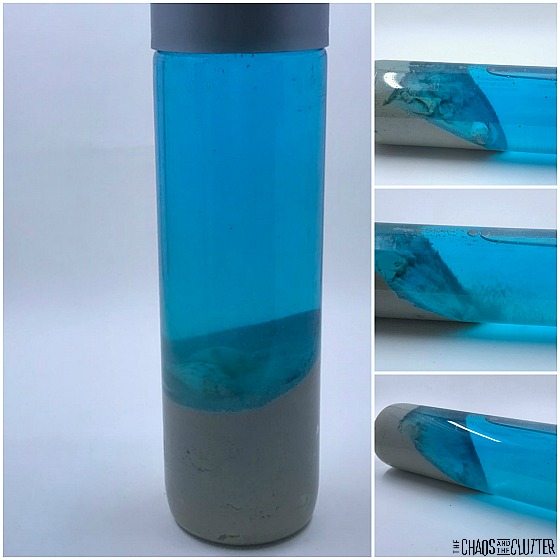
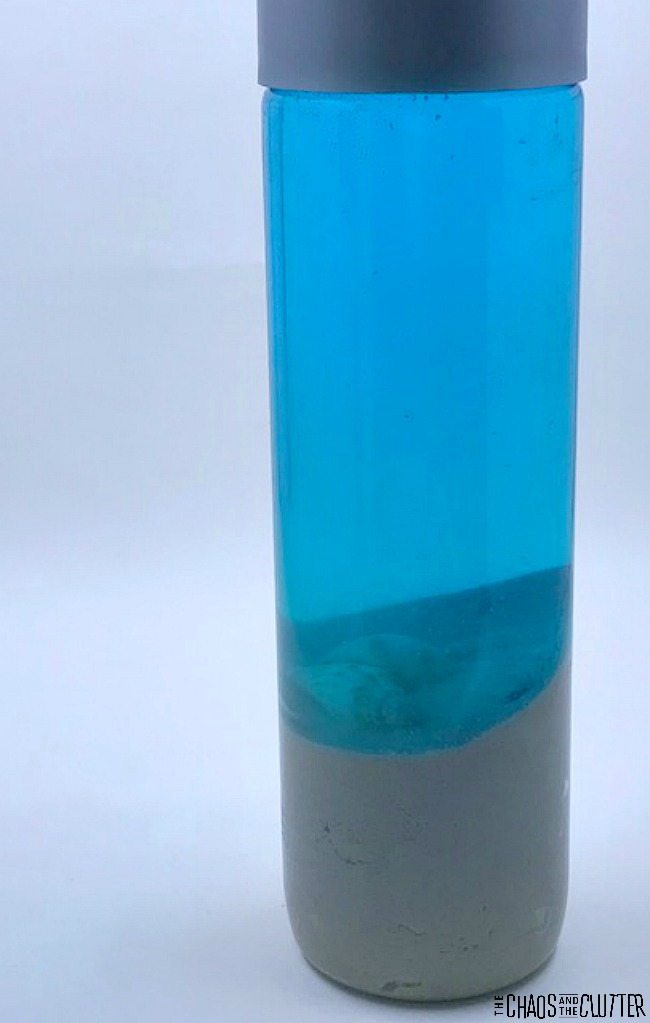
What makes this beach sensory bottle unique is that we made it using kinetic sand. This ensures that the sand stays separate from the water. We used shells that the kids picked at the beach on Vancouver Island a few years ago, making it a nice way to tie memories into their sensory play. We love Vancouver Island. One of our sons was born there so vacationing there always creates special memories.
At the Beach Sensory Bottle

At the Beach Sensory Bottle

Materials needed:

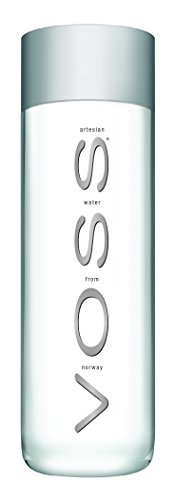
  • water bottle (I used a Voss bottle)
  • water
  • blue food colouring
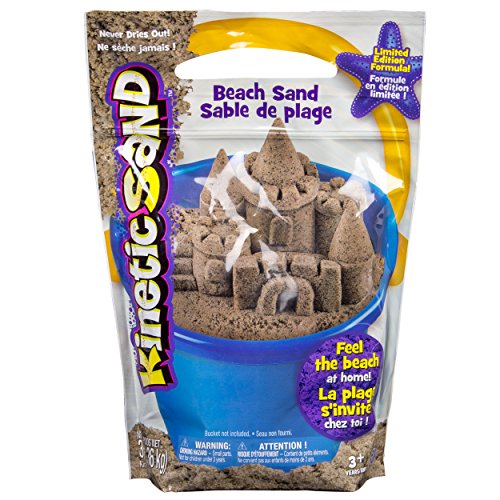
  • kinetic sand
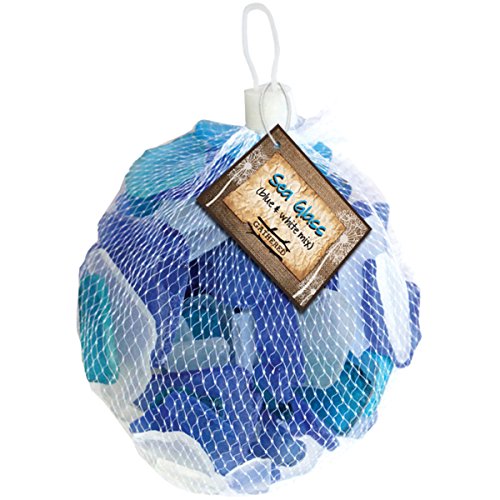
  • blue glass beads or sea glass
  • seashells
  • optional: hot glue

Empty the water out of the water bottle. I know that seems backwards since you’ll be adding water back in, so you can pour it into a measuring cup to use in the bottle afterwards. Fill the bottle about a third of the way with the kinetic sand. Using a funnel makes this easier to do.

Kinetic Sand - Beach SandKinetic Sand – Beach SandVOSS Water Plastic BottlesVOSS Water Plastic BottlesSea GlassSea Glass

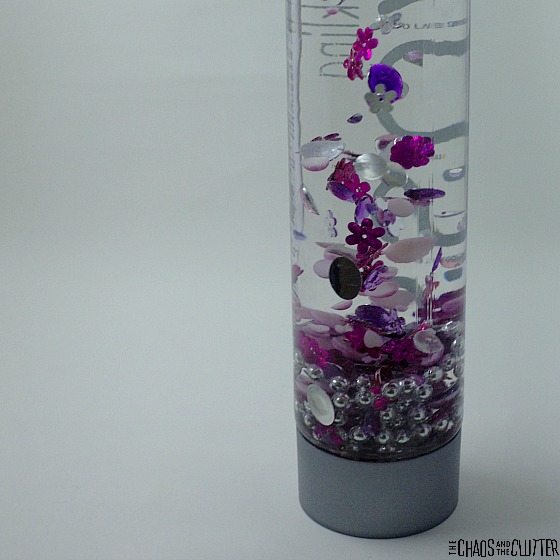
Mix two drops of food colouring into the water and fill the bottle most of the way to the top with the blue water. Drop in the water beads and seashells. Put the top back on the sensory bottle. If you want to, you can secure it in place with hot glue.
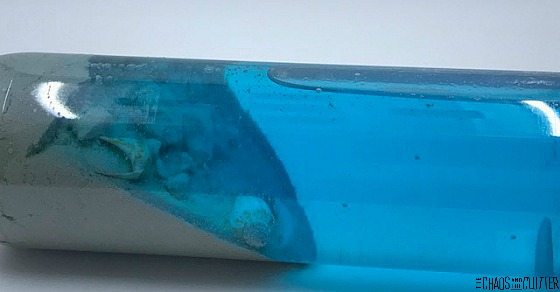
The kinetic sand creates a lovely beach effect when a child tips the bottle or shakes it up. This beach sensory bottle is a nice way to bring the beach home with you, particularly if you use seashells that your child gathered in the sand themselves.

Are you looking for other easy sensory activities that can actually be created at home? Join me for a free 5 part email series Sensory Solutions and Activities (just pop your email into the box below) and get a printable list of 175 Great Sensory Ideas.
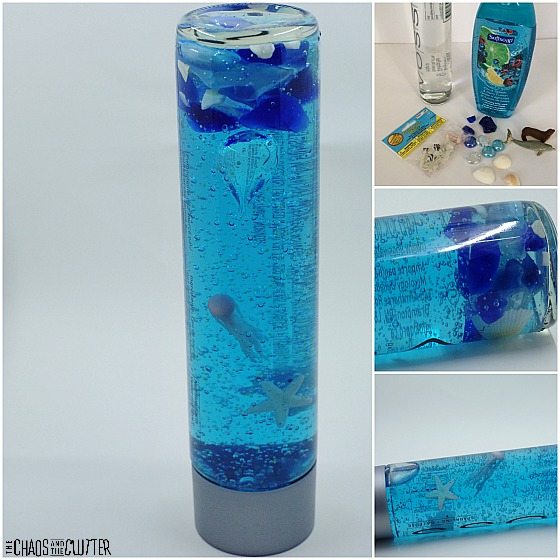
Ocean Sensory Bottle

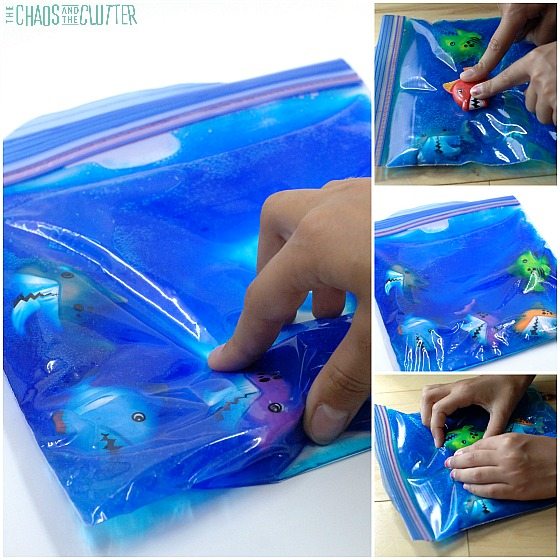
Squishy Shark Sensory Bag

Filed Under: Sensory Tagged With: sensory bottles, sensory play

Our Favourite Adoption Books for Kids

By Sharla Kostelyk

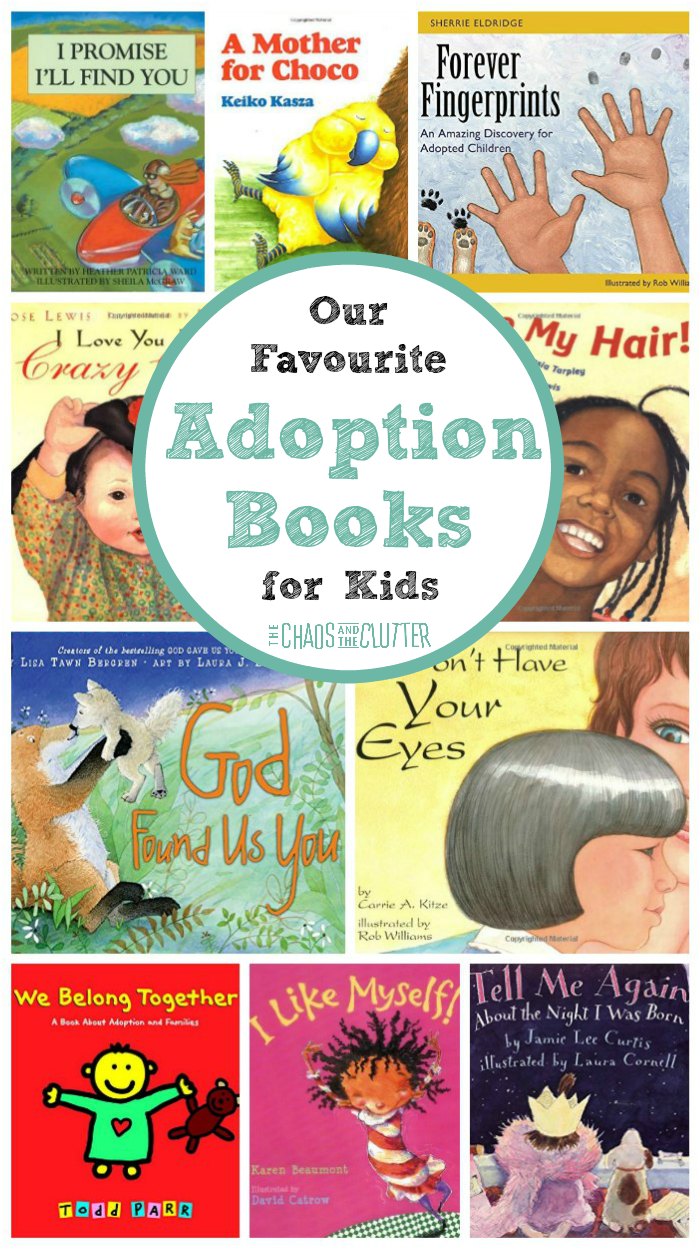
There are so many great children’s books about adoption. When we began our first adoption journey many years ago, it was much harder to find good books. Having adoption books for kids helps them to better understand their story and to ask questions and be able to talk openly about it. It helps them to know that there are other children who have also been adopted.

Our Favourite Adoption Books for Kids #adoption #books #adoptiveparenting

When should you start introducing adoption books to kids?

Adoption should be a topic that is common in your home from day one. When you talk about it (in an age appropriate way) from the very beginning, your child will understand that there isn’t anything shameful or off-limits about it.

Should you have adoption books for kids in your home if your kids are not adopted?

Yes! Please introduce the concept of adoption to your biological children in your home so that when they see adoptive families at the playground, the adopted children or adoptive parents don’t have to educate them about it.

Adoption Books for Kids:

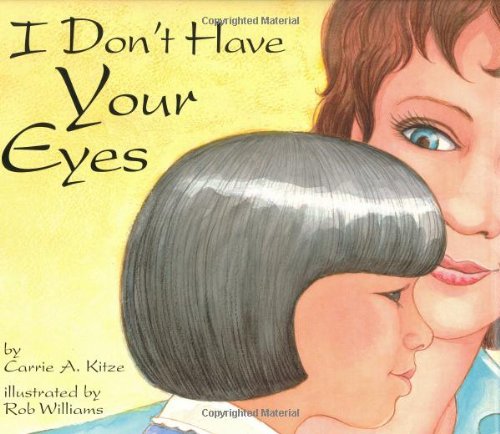
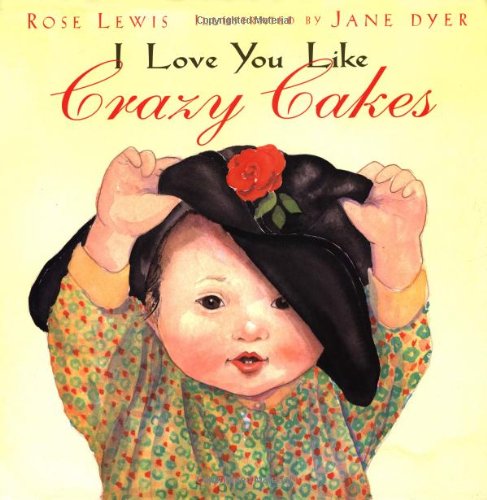
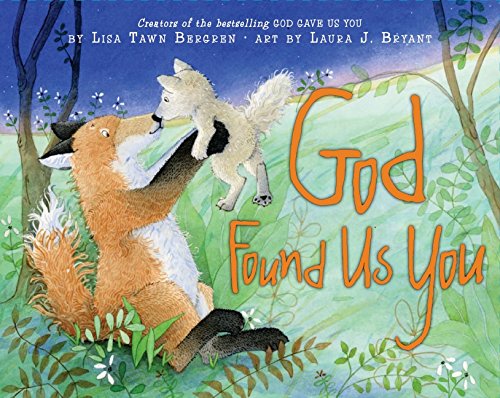
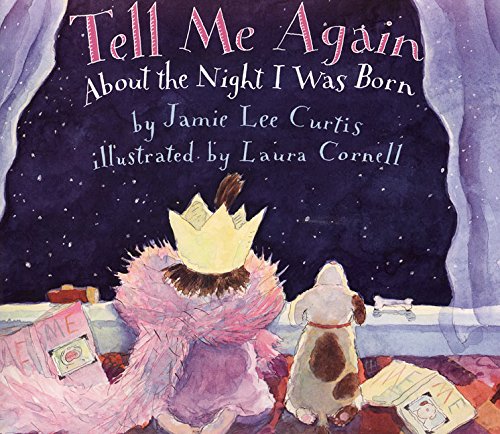
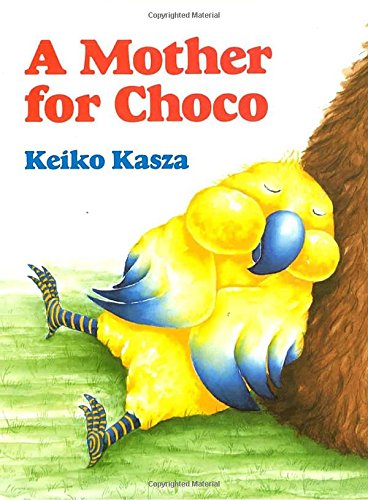
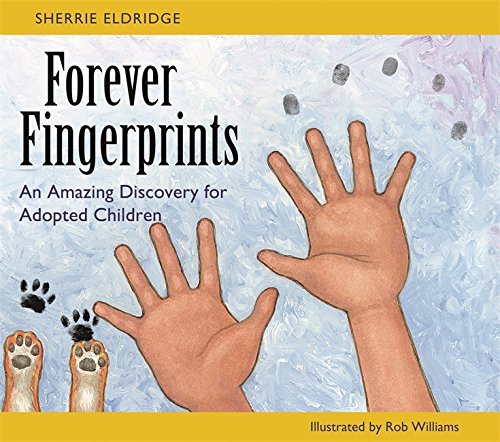
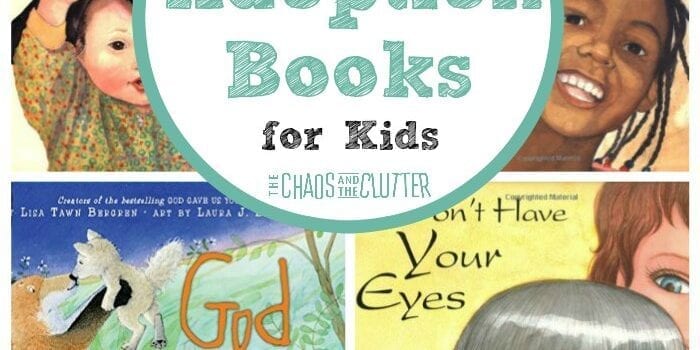
I Don't Have Your EyesI Don’t Have Your EyesWe Belong Together: A Book About Adoption and FamiliesWe Belong Together: A Book About Adoption and FamiliesI Promise I'll Find YouI Promise I’ll Find YouI Love You Like Crazy CakesI Love You Like Crazy CakesGod Found Us YouGod Found Us YouI Like Myself!I Like Myself!Tell Me Again About the Night I Was BornTell Me Again About the Night I Was BornA Mother for ChocoA Mother for ChocoI Love My Hair!I Love My Hair!Forever Fingerprints: An Amazing Discovery for Adopted ChildrenForever Fingerprints: An Amazing Discovery for Adopted Children I Don’t Have Your Eyes by Carrie A. Kitze is one of my all-time favourites. It is heartwarming and an easy introduction to talk to your kids about some of the differences they may have noticed especially in transracial adoption while concentrating even more on the similarities that we all have.

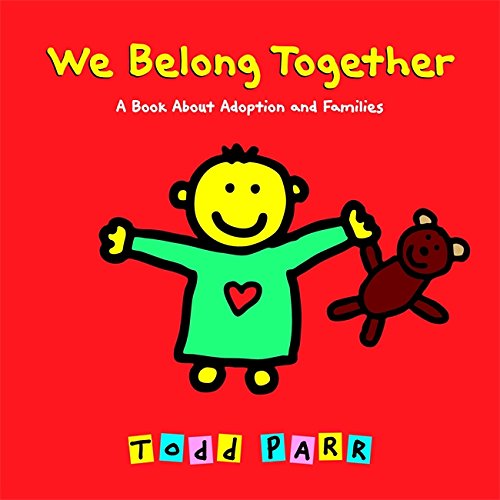
We Belong Together: A Book About Adoption and Families by Todd Parr is a great book for younger children. It is simple and yet profound.

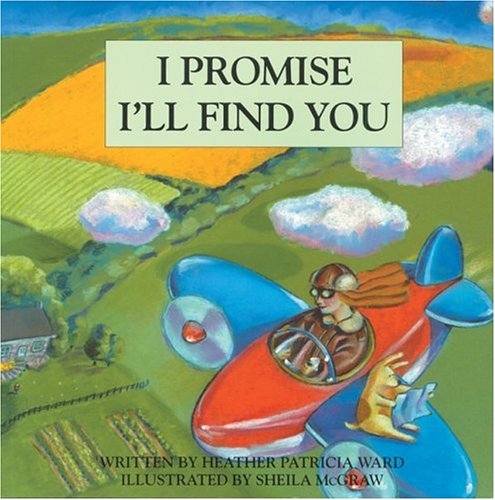
I Promise I’ll Find You by Heather Ward is not directly adoption-related, but it’s always been a favourite children’s book. It is especially good for kids who deal with abandonment issues. They need a lot of reassurance that they now have a parent who would go to the ends of the earth to find them if ever they were apart.

I Love You Like Crazy Cakes by Rose A. Lewis is just cute. The kids and I are now always saying to each other “I love you like crazy cakes” or our own invented version, “I love you like crazy muffins”!

God Found Us You by Lisa Tawn Bergren is a sweet little story about a fox and is applicable to all types of adoption. As the title suggests, this book is from a Christian perspective.

I Like Myself by Karen Beaumont is another book that is not directly adoption related, but I put it in this category because some of my kids need extra work on their self-esteem. This book is fabulous for that! It’s also fun to read as it has funny bits and parts where you can incorporate touch (like when it talks about noses or toes, you can take the opportunity to touch your child’s nose and toes).

Tell Me Again About the Night I Was Born by Jamie Lee Curtis is pretty specific to domestic infant adoption, but we have still been able to use it as a segway into talking about the day that each of our kids came to us and the unique circumstances around that. It is also good at relating the feelings that an adoptive couple may experience and relaying that to your child. It’s a good conversation starter for talking about how you were feeling at different stages in their adoption.

A Mother for Choco by Keiko Kasza is a book that I have a soft spot for because it was one of our very first adoption children’s books. It introduces the concept that being the same is not what makes a family. It is great for young children.

I Love My Hair! by Natasha Tarpley is again not just for adopted children, but as the mom of an African-born daughter, this book has helped us teach her to love her hair and be proud of who she is.

Forever Fingerprints: An Amazing Discovery for Adopted Children by Sherrie Eldridge touches on issues that may be hard for children to bring up on their own such as their feelings about birth family and is an excellent starting point for discussions with your kids.

What about you? What are your favourite adoption-related children’s books? What are your kids’ favourites?

Filed Under: Adoption

Reactive Attachment Disorder Books

By Sharla Kostelyk

Parenting a child with Reactive Attachment Disorder is challenging, isolating, discouraging, and overwhelming. Finding good information is critical on your journey to better understanding your child and accessing effective treatment. I have compiled a resource of what I feel are the best Reactive Attachment Disorder books available to help you on the journey.The Best Reactive Attachment Disorder Books #adoption #specialneeds

I have separated the books into several categories to make it easier for you to find what you need. You may notice that there is a notable title missing from my book lists. The book by Nancy Thomas that many consider the handbook for Reactive Attachment Disorder is not included among my suggestions. While I admire her early research and she was somewhat of a pioneer in this field, I find some of her methods harsh and they go against my own beliefs when it comes to treatment and parenting of children with Reactive Attachment Disorder.

Reactive Attachment Disorder Books:

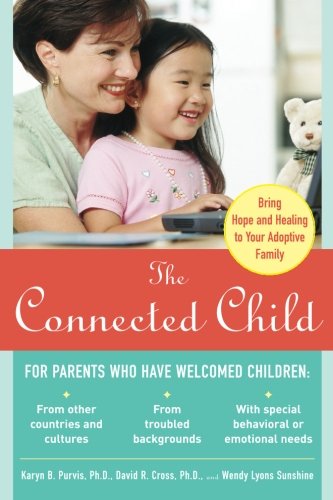
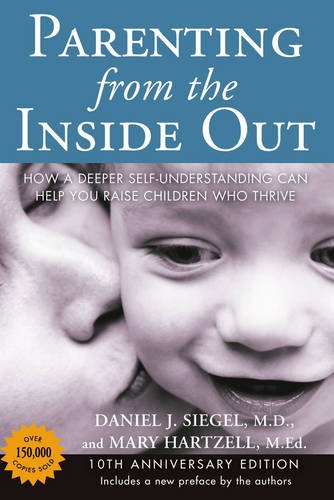
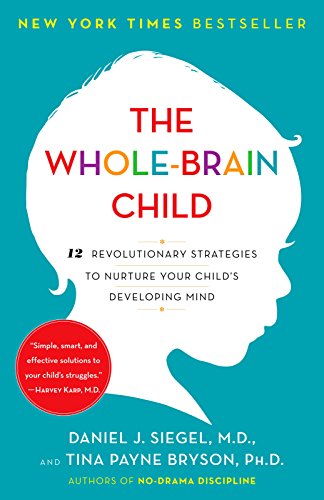
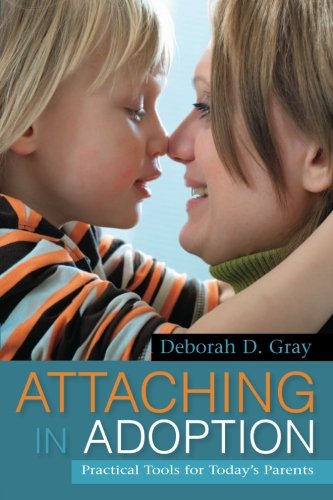
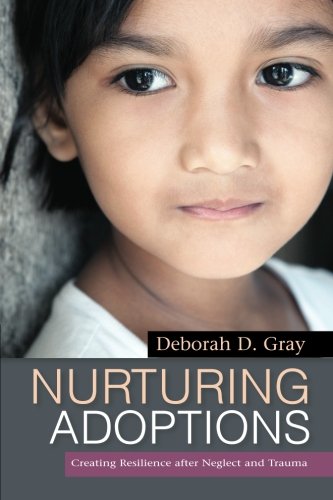
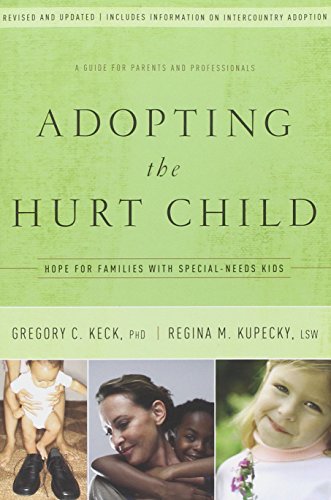
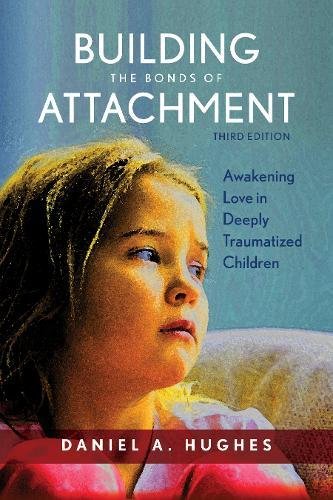
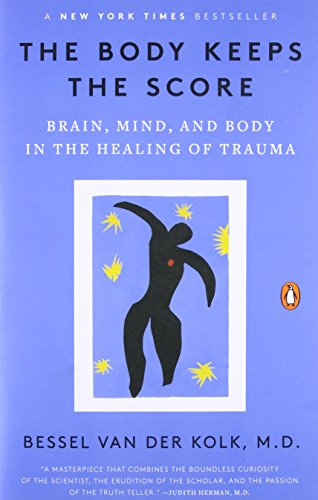
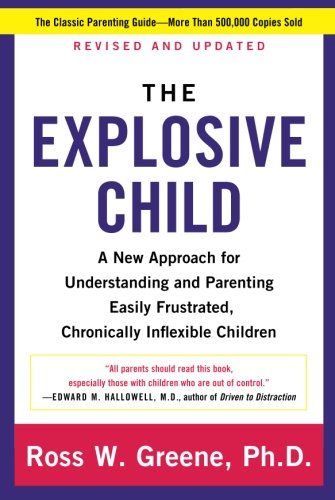
The Connected Child: Bring hope and healing to your adoptive familyThe Connected Child: Bring hope and healing to your adoptive familyParenting from the Inside OutParenting from the Inside OutThe Whole-Brain ChildThe Whole-Brain ChildAttaching in Adoption: Practical Tools for Today's ParentsAttaching in Adoption: Practical Tools for Today’s ParentsNurturing Adoptions: Creating Resilience after Neglect and TraumaNurturing Adoptions: Creating Resilience after Neglect and TraumaAdopting the Hurt Child: Hope for Families with Special-Needs KidsAdopting the Hurt Child: Hope for Families with Special-Needs KidsBuilding the Bonds of Attachment: Awakening Love in Deeply Traumatized ChildrenBuilding the Bonds of Attachment: Awakening Love in Deeply Traumatized ChildrenThe Body Keeps the Score: Brain, Mind, and Body in the Healing of TraumaThe Body Keeps the Score: Brain, Mind, and Body in the Healing of TraumaThe Explosive ChildThe Explosive Child

You will note that some of the book titles reference trauma. RAD and trauma almost always go hand in hand. It is difficult to have one without the other, so versing yourself well on trauma will help you to better understand and respond to your child with Reactive Attachment Disorder.

The above books offer a strong foundation of understanding about Reactive Attachment Disorder while the books below provide more in the way of practical suggestions to help your child.

Books that Offer Practical Help for Reactive Attachment Disorder:

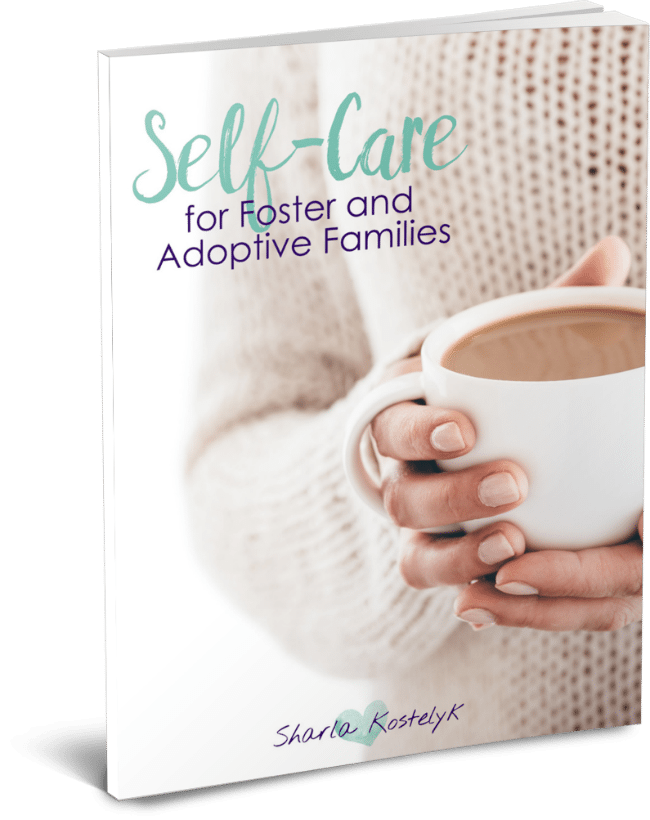
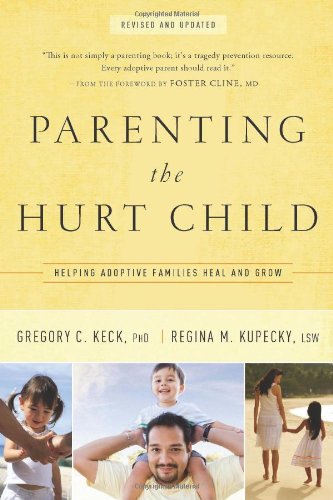
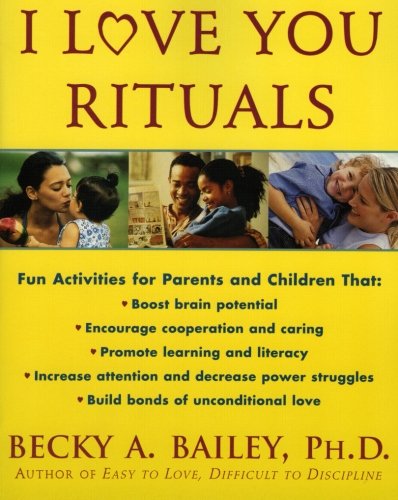
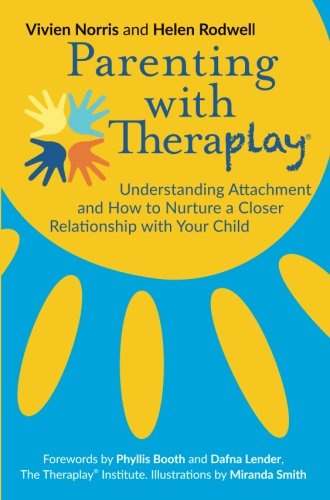
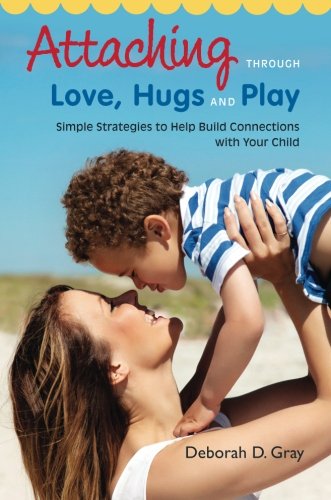
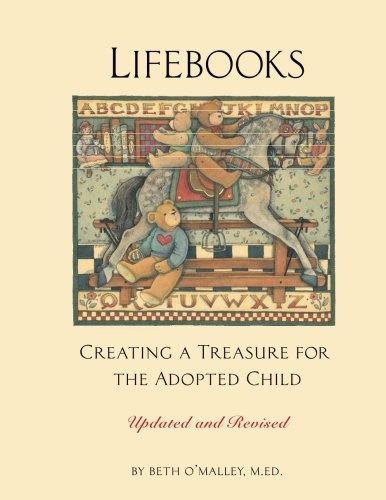
Self-Care for Foster and Adoptive FamiliesSelf-Care for Foster and Adoptive FamiliesParenting the Hurt Child: Helping Adoptive Families Heal and GrowParenting the Hurt Child: Helping Adoptive Families Heal and GrowI Love You RitualsI Love You RitualsParenting with Theraplay: Understanding Attachment and Nurturing a Closer Relationship with Your ChildParenting with Theraplay: Understanding Attachment and Nurturing a Closer Relationship with Your ChildAttaching Through Love, Hugs and PlayAttaching Through Love, Hugs and PlayLifebooks: Creating a Treasure for the Adopted ChildLifebooks: Creating a Treasure for the Adopted ChildTeaching Emotions ToolkitTeaching Emotions Toolkit

One of the biggest questions parents have about raising a child with RAD is how to discipline. Traditional discipline methods are not only ineffective for these children, they can actually compound the issues, making the behaviours more intense. These books offer connective parenting alternatives.

Books for how to Discipline a Child with Reactive Attachment Disorder:

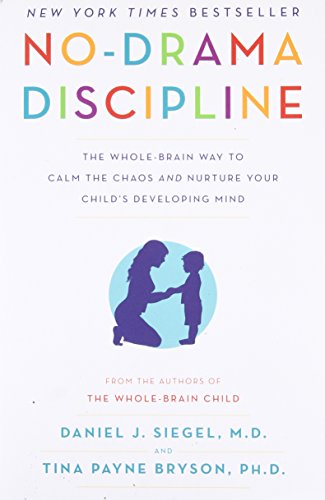
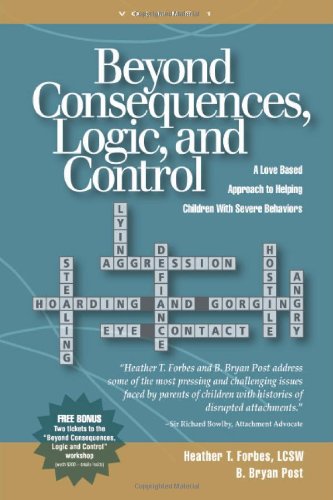
The Connected Child: Bring hope and healing to your adoptive familyThe Connected Child: Bring hope and healing to your adoptive familyNo-Drama Discipline: The Whole-Brain Way to Calm the Chaos and Nurture Your Child's Developing MindNo-Drama Discipline: The Whole-Brain Way to Calm the Chaos and Nurture Your Child’s Developing MindBeyond Consequences, Logic, and Control: A Love-Based Approach to Helping Attachment-Challenged Children With Severe BehaviorsBeyond Consequences, Logic, and Control: A Love-Based Approach to Helping Attachment-Challenged Children With Severe Behaviors

While all of these books offer solutions for parents, they are not designed for children. I wanted to also include some books for kids with Reactive Attachment Disorder. Some of these books are designed to coincide with the discipline methods in The Connected Child while others are to help children understand attachment, loss, their behaviours, or emotions.

Books Designed to Help Kids:

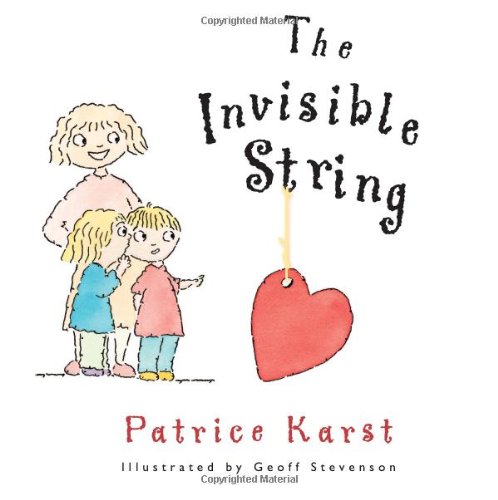
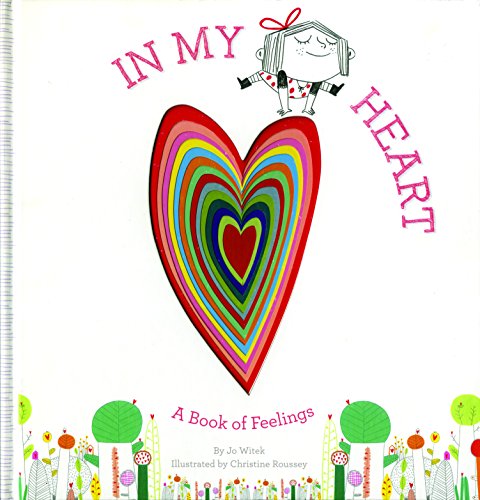
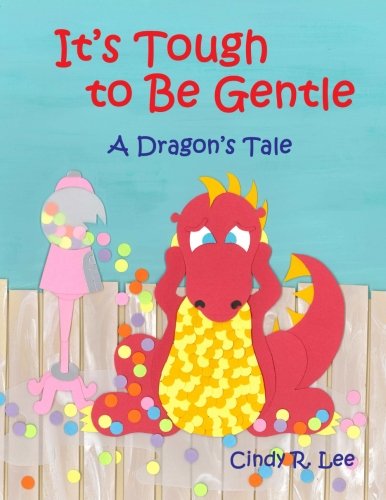
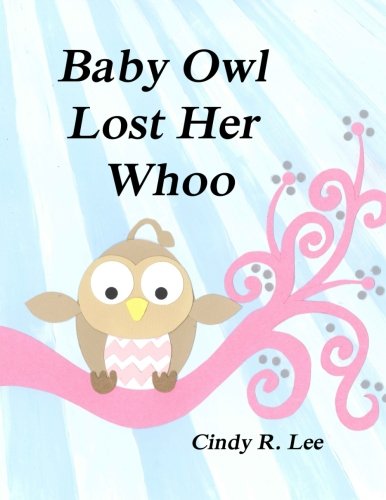
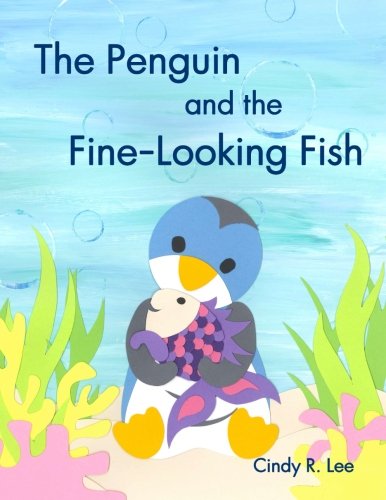
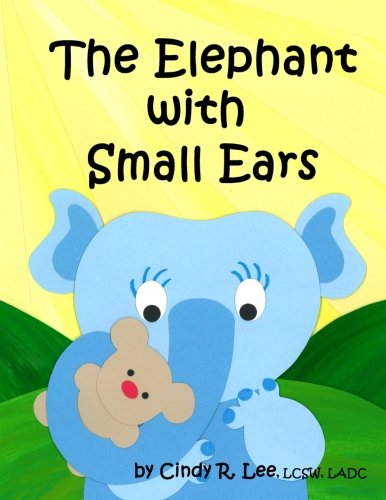
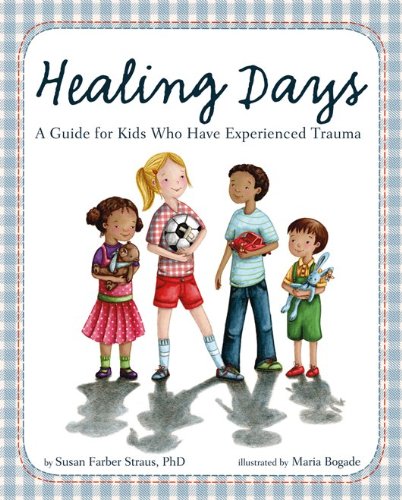
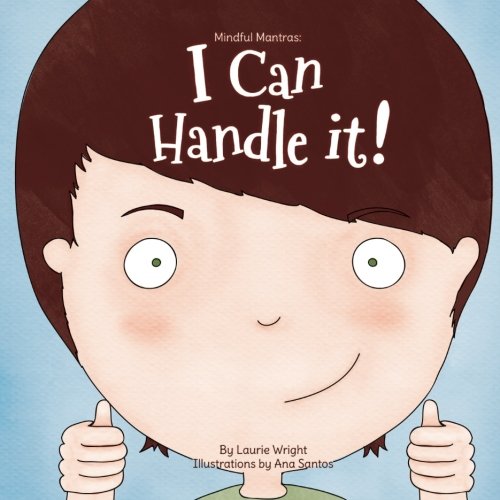
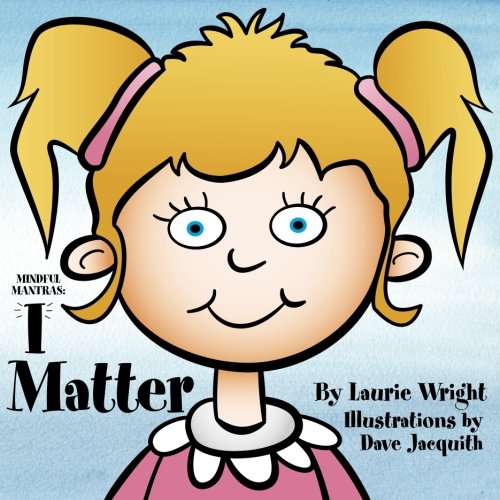
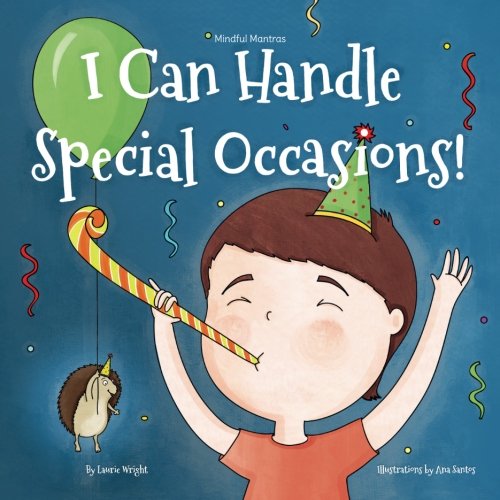
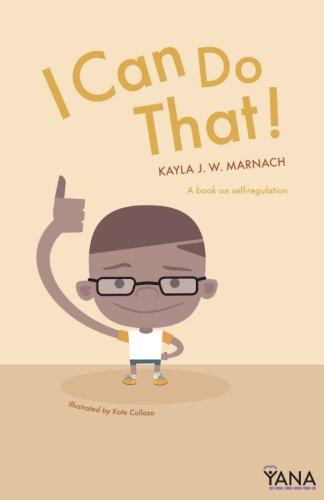
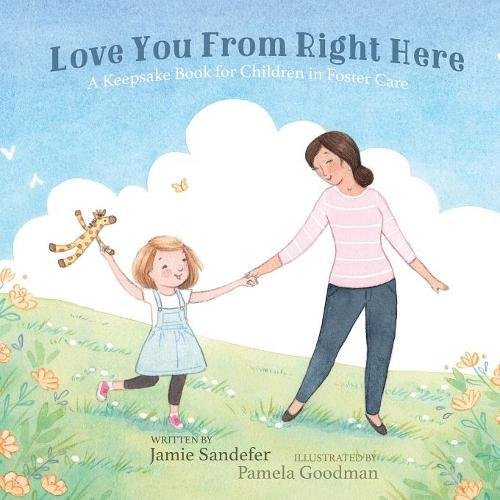
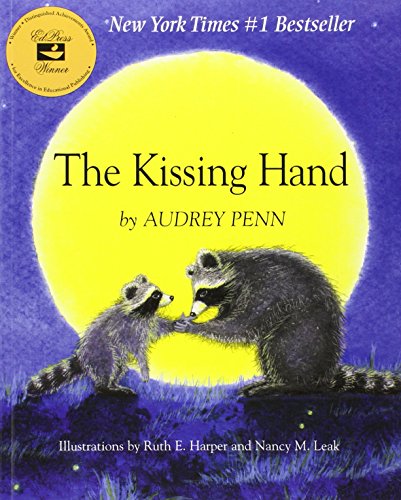
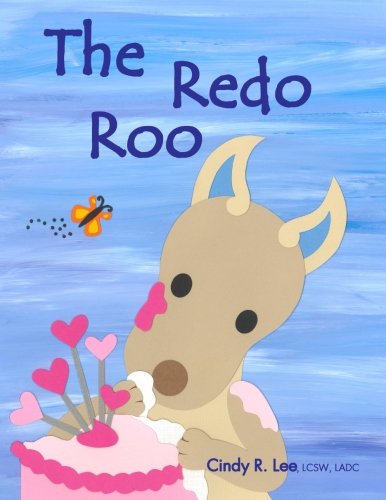
The Invisible StringThe Invisible StringIn My Heart: A Book of FeelingsIn My Heart: A Book of FeelingsThe Kissing HandThe Kissing HandThe Redo RooThe Redo RooIt's Tough to Be GentleIt’s Tough to Be GentleDoggie Doesn't Know NoDoggie Doesn’t Know NoBaby Owl Lost Her WhooBaby Owl Lost Her WhooThe Penguin and the Fine-Looking FishThe Penguin and the Fine-Looking FishThe Elephant With Small EarsThe Elephant With Small EarsHealing Days: A Guide for Kids Who Have Experienced TraumaHealing Days: A Guide for Kids Who Have Experienced TraumaI Can Handle It (Mindful Mantras)I Can Handle It (Mindful Mantras)I Matter (Mindful Mantras)I Matter (Mindful Mantras)I Can Handle Special Occasions (Mindful Mantras)I Can Handle Special Occasions (Mindful Mantras)I Can Do That: A Book on Self-RegulationI Can Do That: A Book on Self-RegulationWhen My Worries Get Too Big!When My Worries Get Too Big!Love You From Right Here: A Keepsake Book for Children in Foster CareLove You From Right Here: A Keepsake Book for Children in Foster CareTeaching Emotions ToolkitTeaching Emotions Toolkit

I hope you’ve found these lists of Reactive Attachment Disorder books helpful. If this topic interests you, you may be interested in signing up for our free email series offering help and hope to parents.

You may also be interested in these articles:

Recognizing the Signs of Reactive Attachment DisorderRecognizing the Signs of Reactive Attachment DisorderWhat I Wish You Knew About Parenting a Child with Reactive Attachment DisorderWhat I Wish You Knew About being a parent to a child who has RAD (Reactive Attachment Disorder)

Filed Under: Adoption, Special Needs Parenting

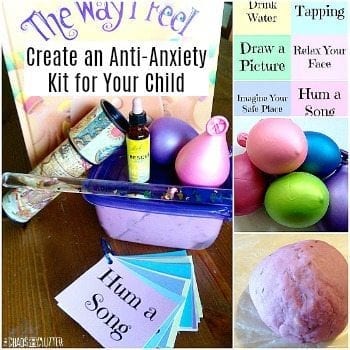
Create Your Own Anti-Anxiety Kit for Children

By Sharla Kostelyk

Our daughter Dancing Queen suffers from PTSD (post traumatic stress disorder) and anxiety disorder. She has been in therapy for a few years now, including a specialized treatment program for trauma and attachment.

We work a lot with her at home, but I have recently been wanting to work more on teaching her to manage some of her anxiety on her own so that she can slowly work towards independence by the time she is an adult. One of the tools I chose to use was creating a calm down kit for her to help her manage her anxiety.

Create an Anti-Anxiety Kit for Your Child - includes free printable relaxation prompt cards - SO HELPFUL!

How to create a calm down kit…

The most important factor in creating a kit for your child is customizing it to what works for your child. If you have seen that there are certain activities or toys that seem to soothe your child, those may be great additions to their kit.

What you want to do in essence is create a toolbox of tools that they can pull out when they need them. You want to give them the strategies and confidence to be able to manage their stress and anxiety on their own.

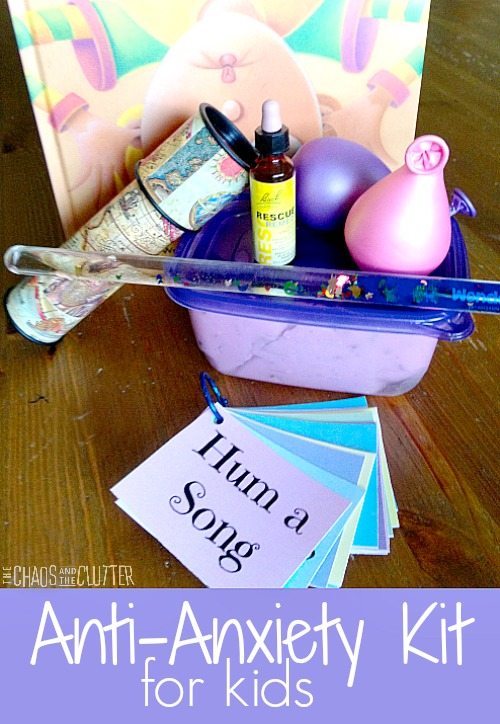
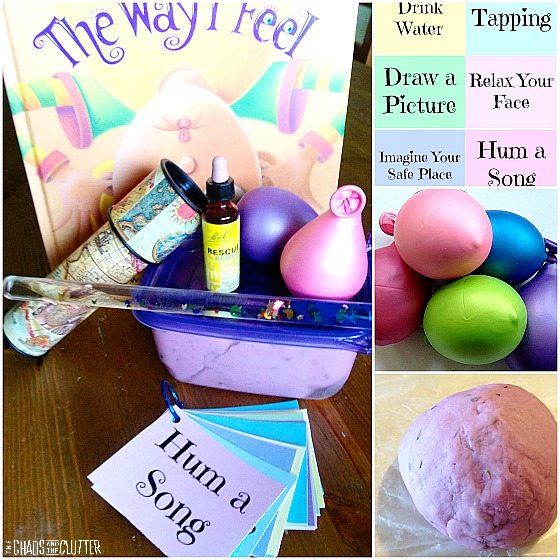
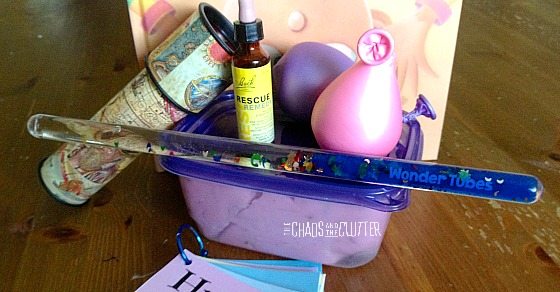
In my daughter’s kit, I included:

  • two stress balls (tutorial on how to make them yourself easily and inexpensively here)
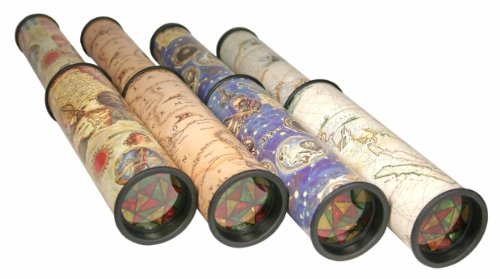
  • a kaleidoscope
  • Wondertube (I-spy tube)
  • piece of fabric
  • lavender scented play dough in purple (soothing colour)
  • small mirror (for checking herself to see if her face is relaxed)
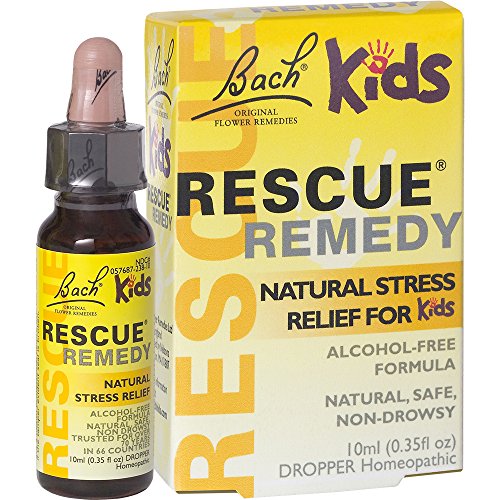
  • Rescue Remedy (natural stress relief drops that seem to really help our daughter if given at the beginning of anxiety)
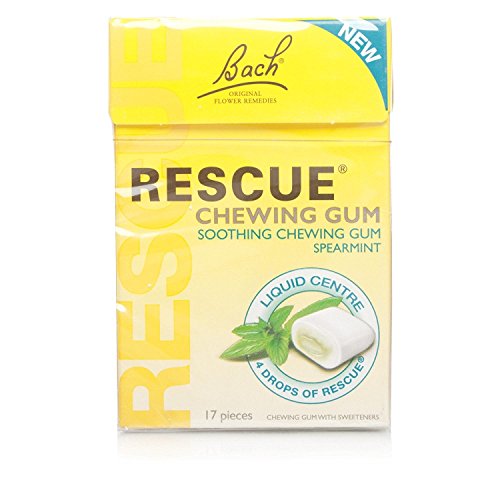
  • Rescue Gum
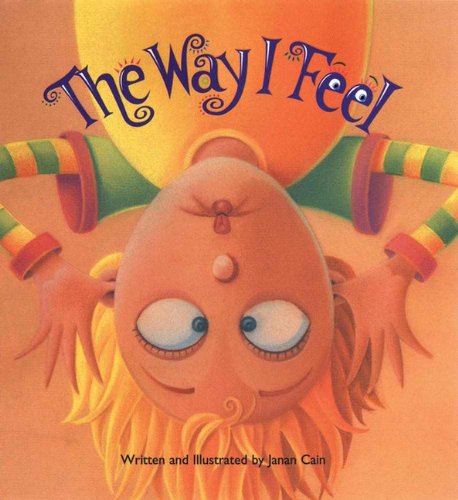
  • the book The Way I Feel
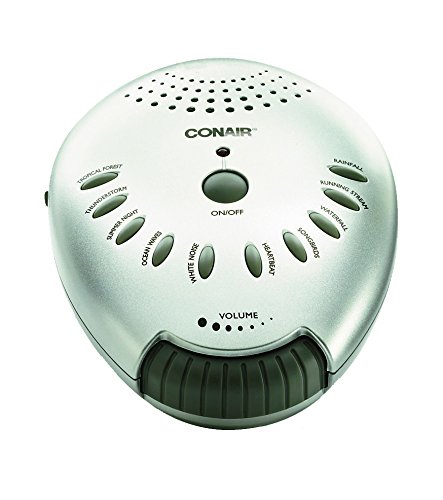
  • sound therapy (her favourite is the tropical rainforest sound or the heartbeat)
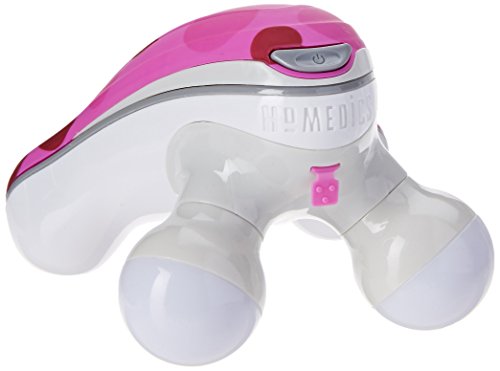
  • mini massager (she is able to massage her scalp or ask me to massage her back or neck with this)
  • relaxation prompt cards*

Treasure Scope KaleidoscopeTreasure Scope KaleidoscopeBach Kids Rescue RemedyBach Kids Rescue RemedyRescue Spearmint Chewing GumRescue Spearmint Chewing GumMini Palm MassagerMini Palm MassagerSound Therapy Sound MachineSound Therapy Sound MachineThe Way I FeelThe Way I Feel

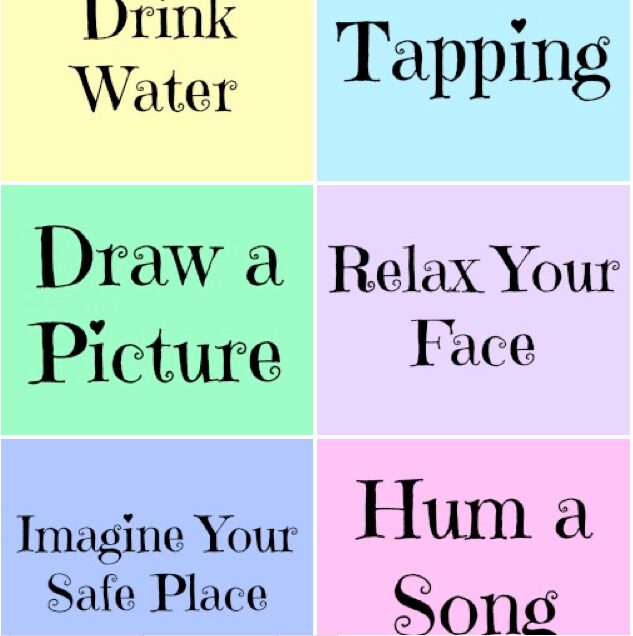
*I have provided printable Relaxation Prompts for Children with some suggested activities or you can make your own. Please read the explanations at the bottom of this post that go into more detail about each of the suggested tools for reducing stress and anxiety.

Relaxation Prompts PrintablesFor younger children, you may need to create cards with pictures.

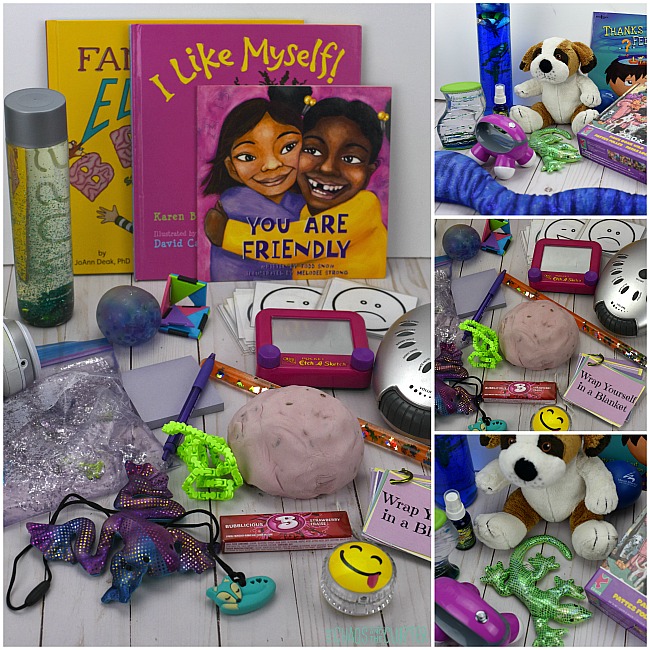
Other suggestions of items that could be included in an anti-anxiety kit…

  • an iPod with headphones
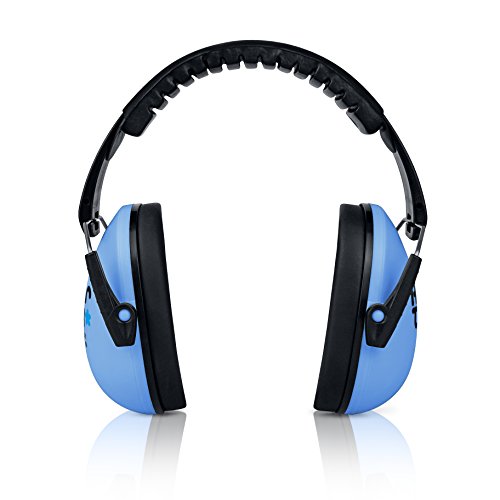
  • noise blocking headphones
  • an iPad with games that are repetitive and calming
  • activities from the Teaching Emotions Toolkit
  • small photo album of loved ones
  • something with vanilla or lavender scent
  • warm, fuzzy socks
  • a favourite book
  • a soothing sounds CD
  • a special blanket
  • stuffed animal
  • weighted vest or neck roll

Teaching Emotions ToolkitTeaching Emotions ToolkitWhen My Worries Get Too Big!When My Worries Get Too Big!Kids Noise Reducing HeadphonesKids Noise Reducing Headphones

Anti-Anxiety Kit square

How to use the anxiety reduction kits…

Before introducing your child to their kit and its contents, sit down with them and discuss the signs that they are beginning to feel anxious. Have them describe to you the changes they feel in their body.

Ask them questions about their heart rate, their breathing, their senses, their temperature (many children describe feeling hot or cold), and any other changes they notice in their bodies as they begin to become anxious.

Next, empower them by telling them that you believe in them and think that they can learn strategies to help them cope with their own stress. You may want to tell them a few strategies you use to cope with your own stress.

Introduce the kit that you have made “just for them” and explain its contents and how each may be used when they start to feel anxious. Let them know that there may be times when they try one thing in the kit and it doesn’t seem to help but that there are other things they can try.

All of the items and ideas in the kit should be practised with you a number of times before the child is expected to try them on their own. Until a child feels confident about their ability to reduce their anxiety themselves, you should stay nearby while they use their kit.

Offer encouragement and praise, but avoid the temptation to suggest which coping strategy they should use unless you see an escalation in their anxiety and it is obvious that they need direction.

Create an Anti-Anxiety Kit for Your Child - includes free printable relaxation prompt cards.

Explanations for the Relaxation Prompt Cards…

Go to a quiet place – sometimes removing themselves from a situation or from the noise and distractions can help minimize stress responses and help a trauma response or time of anxiety to be over faster.

Pray – this one seems fairly self-explanatory. For children who have a foundation of faith, prayer can be comforting.

Listen to music – listening to music or a special relaxation CD with soothing sounds on it is very calming for many children.

Breathe deeply – deep breathing is a skill that must be taught and practised. Your child will be better able to handle stressful situations using their breathing techniques if they have practised them at times when they were not feeling under duress. One way to practise is to have them lay on their back and place a stuffed animal on their stomach or chest and demonstrate how the stuffed animal rises and falls with their breathing and see if they can create higher rises.

Go for a run – running is a good activity for stimulating endorphins, releasing cortisol (very important in children with high anxiety), and providing an EMDR effect on the bottoms of the feet because of the left-right repetitive motion (more about EMDR below)

Wrap yourself in a blanket – wrapping snugly in a blanket or even in a tube of stretchy fabric mimics the feelings of security of being swaddled as an infant and for some children, may provide quick relief from anxiety

Drink water – Being even slightly dehydrated can increase cortisol levels. It’s important for our kids who battle anxiety to drink water frequently.

Tapping – Explaining tapping (Emotional Freedom Technique) would require a post all of its own. It works wonders for some kids and they can even learn to do it to themselves. For other kids, it doesn’t seem to decrease their stress. You can learn more about it and watch how-to videos here.

Draw a picture – Art therapy is an incredible tool and by expressing themselves through art during a time of high emotion, your child may be able to release some of their stress and perhaps even be better able to get to the root of and communicate their feelings.

Relax your face – Have your child practise tightening and relaxing their muscles at a time when they are not in crisis to better understand what relaxed looks and feels like. This is where having a small mirror in their kit will come in handy.

Hum a song – humming is more calming than singing because of the vibrations

Imagine your safe place – our daughter has done imagery work in therapy about her safe place so when she is struggling to feel safe within her feelings or body or memories, going to that place in her mind helps her to feel safe again (this is something you would want to discuss with your child at a time when they are calm so that they could determine what that place is for them)

Put your feelings in a bucket – this is a tool that our daughter learned in therapy and it works very well for her when her feelings are overwhelming her. To make this easier, I am keeping her kit in a large bowl with a lid so that the bowl is readily accessible. It is what it sounds like. The child grabs their feelings (from near their stomach or chest or wherever they feel they are) and puts them into a bowl. When they feel like all their scary feelings are in the bowl, they can put the lid on it and put them away for when they are feeling strong enough to face them. (our daughter chooses to give her feelings to God before she puts the lid on the bowl)

Read a book – there are so many wonderful children’s books about feelings such as I Feel Orange Today, Today I Feel Silly, When I Feel Sad , My Mouth is a Volcano that can help children to recognize and address their feelings.

I also highly recommend When My Worries Get Too Big (a relaxation book for children who live with anxiety).

EMDR – EMDR is a therapy (eye movement desensitization and reprocessing) that has proven highly effective in dealing with trauma. It can be done using taps and can be combined with a positive mantra such as “I’m okay, you’re okay” or “I’m safe, you’re safe” to retrain the brain. I would recommend that you get some instruction on EMDR from a trained therapist because I don’t feel that I am qualified to teach you how, nor do I know your child and the particular circumstances, but EMDR has been the single most effective therapy that we have used with our daughter. I have also used it on myself in the past in dealing with trauma and on some of our other kids.

Ask for a hug – learning to ask for comfort when they need it is a wonderful skill for a child to have

Count slowly – this can be combined with breathing techniques to make it even more effective

Whisper the alphabet – reciting something familiar such as the alphabet is a good anxiety reducing technique and whispering it helps them to focus on something other than their negative emotions in the moment

What to Include in a Calm Down Kit

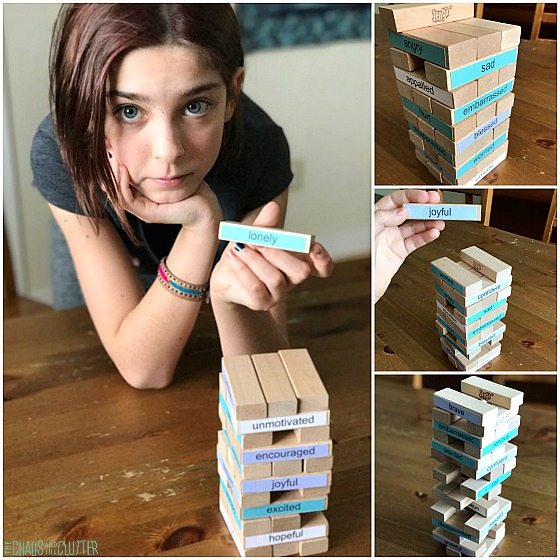
More Calm in the Chaos – The Printable Planner for Moms of Special Needs KidsFeelings Jenga Game

Helping a Child Through TraumaHelping a Child Through Trauma

weighted blanket for sleepSleep Solutions for Children with Sensory Needs

Filed Under: Adoption, Printables, Sensory, Special Needs Parenting

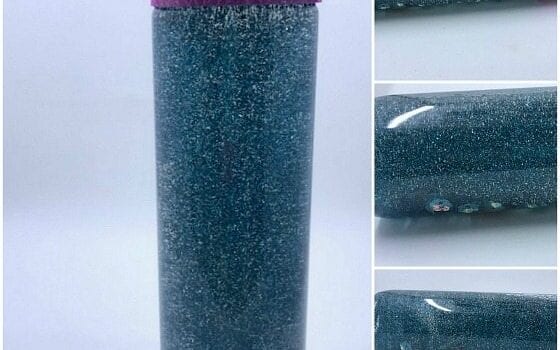
Glitter Sensory Bottle

By Sharla Kostelyk

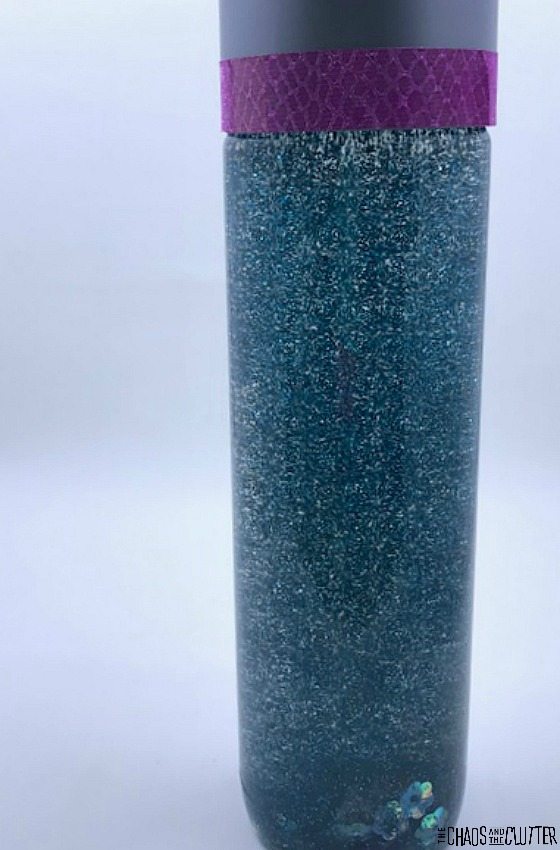
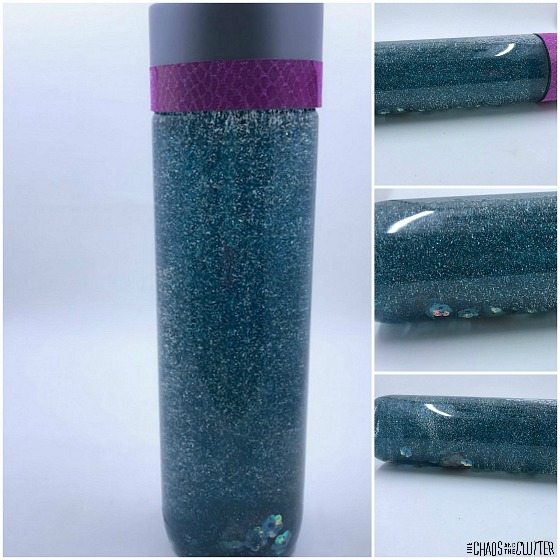
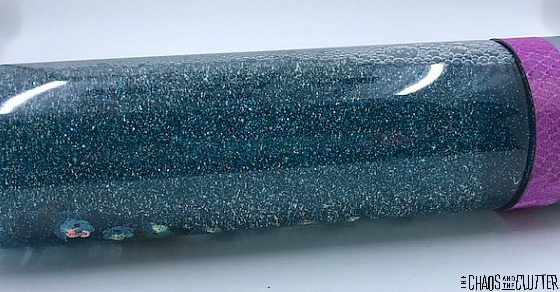
Are your girls as obsessed with mermaids as mine are? Ever since they got their Fin Fun Mermaid Tails, they have been swimming like mermaids, reading about mermaids, drawing mermaids, and pretending to be mermaids. I made them a squishy mermaid sensory bag which they really enjoyed, so I decided to make them another mermaid themed sensory item. This glittery mermaid sensory bottle creates a wonderful calm down effect.

Mermaid Sensory Bottle #sensory #mermaidGlitter Mermaid Sensory Bottle:

Materials needed:

  • water bottle (I used a Voss bottle)
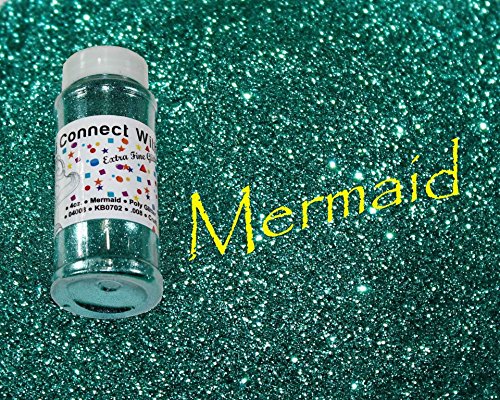
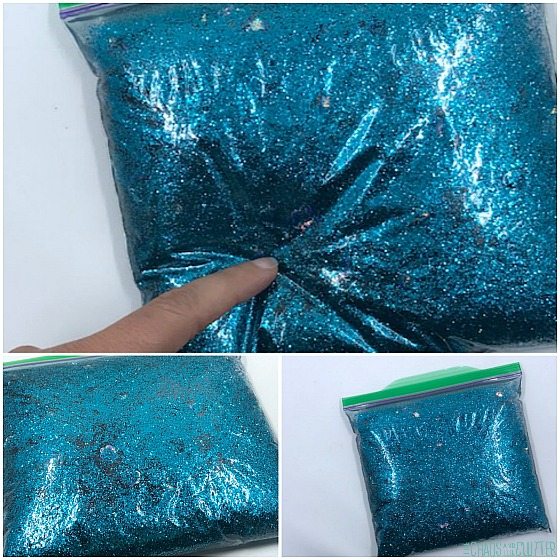
  • mermaid-like glitter
  • blue flower sequins
  • liquid hand soap
  • pink mermaid scale looking washi tape
  • optional: hot glue

  1. Empty water out of the sensory bottle and fill most of the way with liquid hand soap.
  2. Drop in the sequins and a lot of glitter. The key to making this sensory bottle look like a mermaid tail is to use a lot of glitter. Add more than you think you should!
  3. Put the lid back on the sensory bottle, securing it with hot glue if you want it to stay in place. Give it a good shake.

Mermaid, Extra Fine Poly GlitterMermaid, Extra Fine Poly GlitterVOSS Water Plastic BottlesVOSS Water Plastic BottlesLiquid Hand SoapLiquid Hand Soap

Wrap some of the washi tape around the lid. I only put one piece, but if you wanted to, you could cover the whole lid for a different look.

I used many of the same items to create a squishy mermaid sensory bag. My girls were big fans!


Join me for a free 5 part email series Sensory Solutions and Activities (just pop your email into the box below) and get a printable list of 175 Great Sensory Ideas.
Ocean Discovery BottlePretty Princess Sensory Bottle

Filed Under: Sensory Tagged With: sensory bottles, sensory play

Choosing a Special Song to Dedicate to Your Child

By Sharla Kostelyk

When I wrote a list of connection activities for parents to do with their kids, a lot of my readers were fascinated by the idea of choosing a special song to dedicate to your child. They asked questions about it and were especially looking for song suggestions. Choosing a song for each of my kids is something that I’ve done for as long as I can remember. I don’t recall how it started, but once I did it for one, I felt that I had to do it for the others.Choosing a song to dedicate to your child helps them to feel cherished and loved, increases your bond, gives you something that is shared just between the two of you, and creates an anchor for your child also even once they are grown and have moved out of your home. #parentingtips
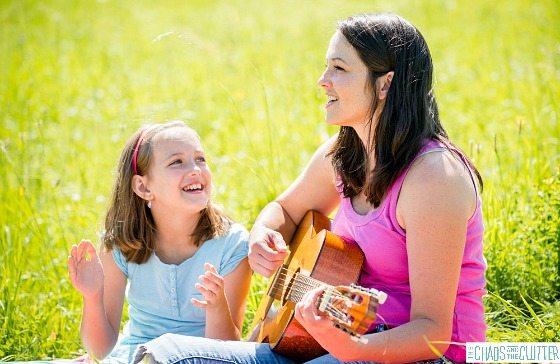
“Mommy, can you please sing me my baby song?” My kids call their special songs their “baby song”. For some of them, it is a song that I would sing them when I rocked them to sleep when they were babies. For our kids that we adopted at older ages, there wasn’t an opportunity to rock them to sleep with their song, but that hasn’t stopped me from rocking them and singing their special song to them.

Most of my kids are too big to be rocked now (all but one are taller than I am!), but they still love their “baby songs”. They still sometimes ask me to sing their songs to them when they are sick or upset. They melt when they hear them. Even my teens get all mushy when their “baby song” comes on in the vehicle or when I sing their song to them.

Choosing a special song to dedicate to your child is something I would really encourage you to do. It helps them to feel cherished and loved. It increases your bond. This parenting tool gives you another thing that is shared just between the two of you, which increases emotional intimacy. It creates an anchor for your child also even once they are grown and have moved out of your home.

As an added bonus, when you have a special song for your child, you can also use it to make a memorable video montage using photos of your child growing up as a gift for their graduation, wedding day or milestone birthday.

The key to choosing a song to dedicate to your child is that it is personal. It can be based on who they are now or on what you hope they become or even as an encouragement or life motto that you wish to impart them with. If you can’t find a song with lyrics that you feel fit your child, write them a song. For our youngest daughter, I couldn’t find just the right song, so I invented one. It’s not very beautiful and I’m tone deaf, so I don’t sing it well, but she absolutely loves it and that’s all that counts. So if you can’t find a song to dedicate to your child, write one yourself.

Suggestions for Special Songs to Dedicate to Your Child:

  • A New Day has Come by Celine Dion
  • Amazing by Janelle
  • Anyway by Martina McBride
  • Baby Mine by Alison Krauss
  • Beautiful Boy by John Lennon (there is also a Celine Dion version)
  • The Best Part of Me by Lee Price
  • Blessed by Elton John
  • Ablaze by Alanis Morissette

  • Blue by Beyonce
  • Butterfly Kisses by Bob Carlisle
  • Cinderella by Steven Curtis Chapman
  • The Climb by Miley Cyrus
  • Dance with my Daughter by Jason Blaine
  • Find Your Wings by Brent Miller
  • Gracie by Ben Folds
  • How You Live (Turn Up the Music) by Point of Grace
  • Humble and Kind by Tim McGraw

  • I Hope You Dance by Lee Ann Womack
  • I See the Light by Mandy Moore and Zachary Levi
  • I Will Love You by Fisher
  • I Won’t Let Go by Rascal Flatts
  • In My Daughter’s Eyes by Martina McBride
  • Lullaby by The Dixie Chicks
  • Lullabye (Goodnight my Angel) by Billy Joel
  • A Mother’s Prayer (Hannah’s Song) by Rachel Aldous
  • Mother to Child by Rosita Stone
  • My Little Girl by Tim McGraw
  • My Wish by Rascal Flatts
  • Naleigh Moon by Josh Kelley (international adoption)
  • The One Thing by Shakira
  • The One Who Knows by Dar Williams
  • Priceless by King & Country
  • Red Robin by Clark Richard
  • Slow Down by Nichole Nordeman

  • So Far to Find You by Casting Crowns (international adoption)
  • Speechless by Alicia Keys
  • Stand by Rascal Flatts
  • This Angel by Jennifer Nettles
  • Try Everything (from Zootopia) by Shakira
  • What I Never Knew I Always Wanted by Carrie Underwood

  • When I Pray for You by Dan + Shay
  • When Love Takes You In by Steven Curtis Chapman (older child adoption specific)
  • Who I Am by Jessica Andrews
  • You Are My Baby by Kimya Dawson
  • You’re Gonna Be by Reba McEntire

Looking for more ideas to connect with your child? Join our free 5 Days to Better Family Connection email series.

You might also be interested in reading these articles about parenting:
Connection Activities for Parents and Kids

Easy Traditions to Build Family Connection

Filed Under: Parenting in the Chaos, Special Needs Parenting

  • « Go to Previous Page
  • Page 1
  • Interim pages omitted …
  • Page 53
  • Page 54
  • Page 55
  • Page 56
  • Page 57
  • Interim pages omitted …
  • Page 128
  • Go to Next Page »

Primary Sidebar

Categories

We are a participant in the Amazon Services LLC Associates Program, an affiliate advertising program designed to provide a means for us to earn fees by linking to Amazon.com and affiliated sites.

Copyright © 2026 • The Chaos and the Clutter • Site Design by Jeni @ The Blog Maven

Return to top of page

Copyright © 2026 · Chaos and the Clutter 2.0 on Genesis Framework · WordPress · Log in