• Skip to primary navigation
  • Skip to main content
  • Skip to primary sidebar
  • Home
  • About
  • Contact
  • Privacy + Terms
  • Affiliates

The Chaos and the Clutter

  • Facebook
  • Twitter
  • Pinterest
  • Google Plus
  • RSS
  • Email
  • School at Home
  • Sensory
    • Sensory Processing Disorder
    • Awesome Sensory Play Activities
      • Sensory Bins
      • Sensory Bottles
      • Sensory Bags
  • Family Games
    • Minute to Win It Games
  • Special Needs Parenting
    • Childhood Anxiety
    • Reactive Attachment Disorder
    • Sensory Processing Disorder
  • Store
  • Course Login

Sharla Kostelyk

Outdoor Sensory Scavenger Hunt for Kids

By Sharla Kostelyk

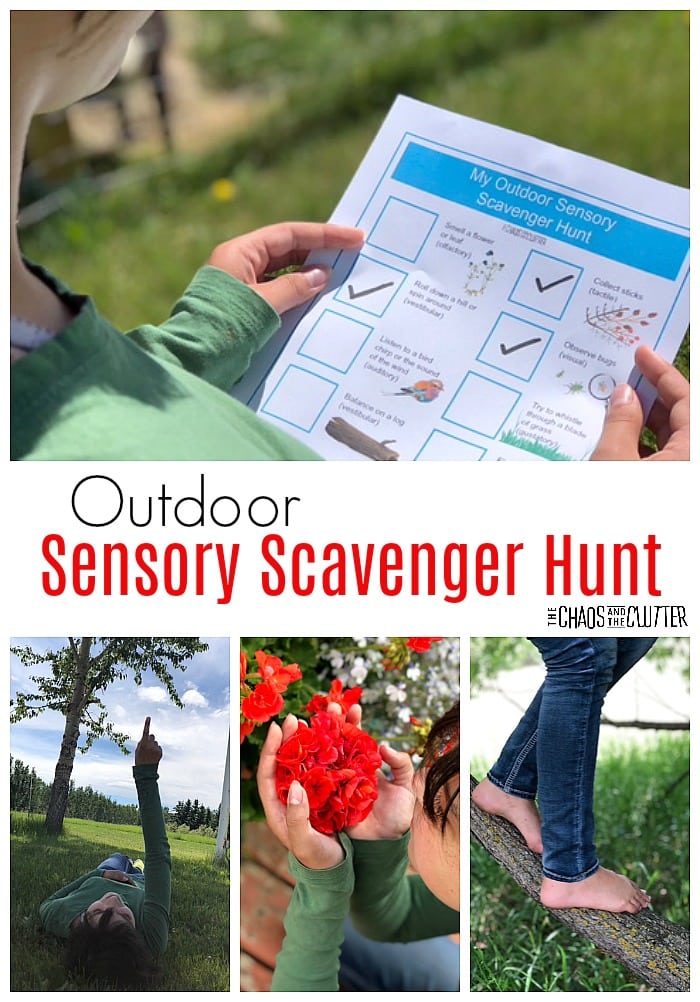
This outdoor sensory scavenger hunt is a great way to not only get kids outside and moving, but to also teach them about all 8 sensory systems. This activity is such a fun way for kids to get their ever important sensory input. Outdoor Sensory Scavenger Hunt #sensory #sensoryplay #sensoryprocessingexplained
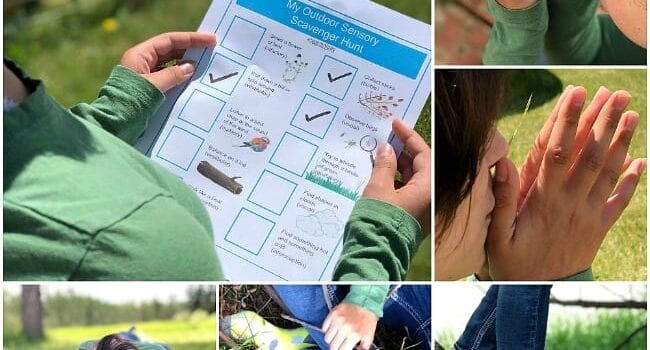
This is a great hands-on sensorimotor activity that encourages children to explore their senses and the world around them.

How to create a Sensory Scavenger Hunt:

Setting up this scavenger hunt couldn’t be simpler! Print off the Sensory Scavenger Hunt checklist or create your own. Give each person a crayon or marker along with their sheet. Go outside and begin the scavenger hunt.

This can be done in your backyard, a nature preserve, or park. All that’s needed is the paper, something to mark it with, and a child eager to explore.
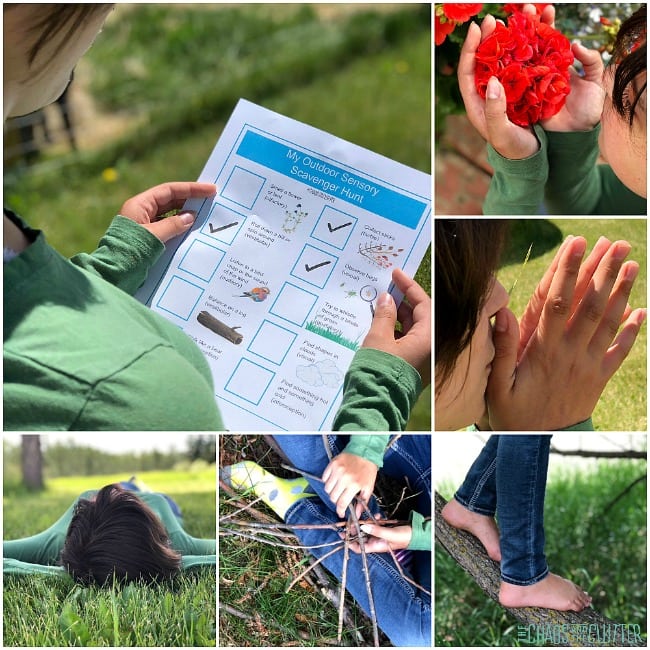
Use the activities on the checklist to teach or reinforce the different sensory systems. Each item lists the sensory system that it corresponds to. This is a great way to help kids learn the terminology.

The scavenger hunt includes samples for the visual, auditory, olfactory, gustatory, tactile, vestibular, proprioception, and interoception senses. 
This is an excellent example of a hands-on way to reinforce the concepts of sensory processing that are taught in the My Sensory Self Workbook for Kids. By allowing kids to actually do things representing each sensory system, it will make the concepts more concrete for them.
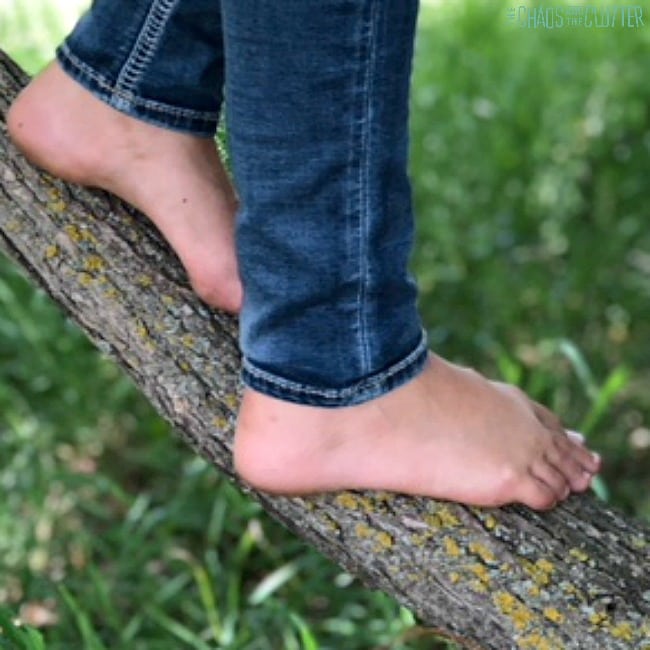
My kids completely loved the sensory scavenger hunt. They appreciated that it went beyond the usual “finding” that goes on in a typical scavenger hunt. One of my daughters particularly liked the rolling and balancing activities while another preferred being still and finding shapes in the clouds.

This activity is such a fun way to explore nature through your senses! Plus, it’s a great boredom buster.

You can also create your own sensory scavenger hunt specific to your backyard or indoor space. Kids can help design the scavenger hunts as well or help brainstorm additional ideas.

This gets great discussions going about all the different senses and how we can use them.

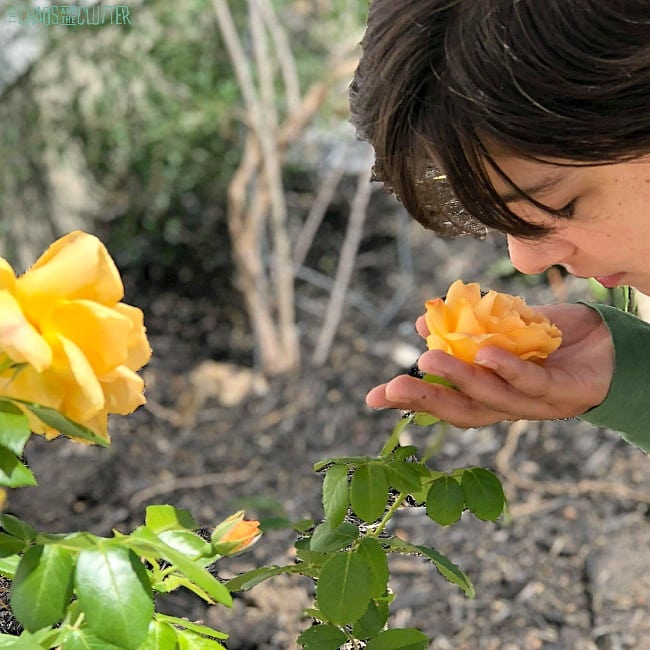
If your child finds rolling or balancing difficult, you can choose other vestibular tasks to replace those. I also have one daughter who can’t stand the smell of flowers, so while her sister loved smelling ALL the flowers in our yard, I let her smell the grass instead.
To get your free printable Sensory Scavenger Hunt, just enter your email address below. 

You can also combine this activity with creating a Nature Sensory Bottle or Nature Sensory Bin by collecting some of the items found along the way. Just like that, you’ll have a double dose of sensory fun!

Filed Under: Sensory, Summer Sensory Activities Tagged With: sensory play

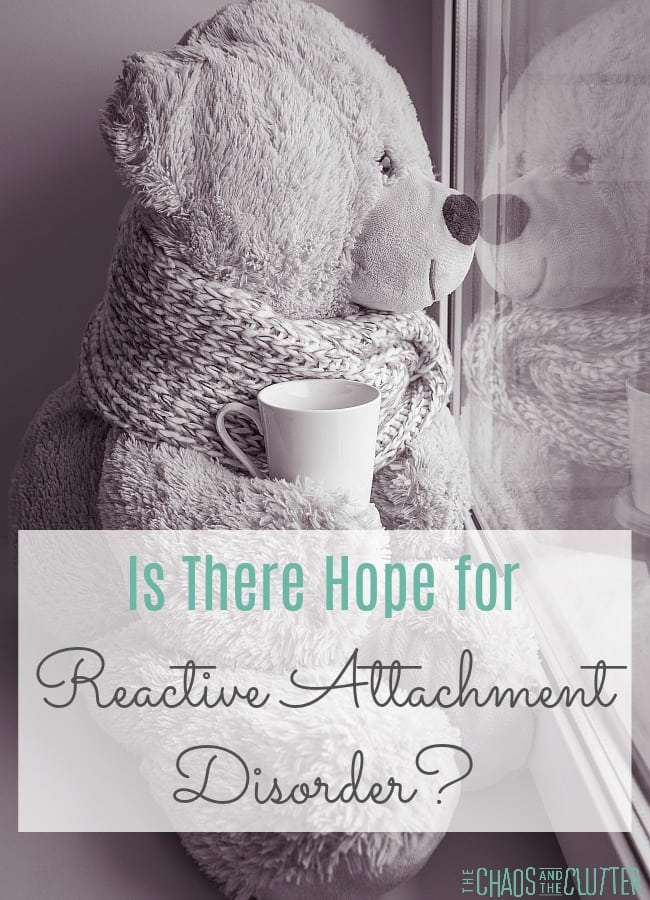
Is There Hope for Reactive Attachment Disorder?

deep levels of healing Karyn Purvis quote

By Sharla Kostelyk

Parenting a child with RAD (Reactive Attachment Disorder) is not for the faint of heart. It can be a discouraging, uphill battle. One of the questions I hear from parents most often is: Is there hope for a child with RAD? As the mom of two children who are diagnosed with Reactive Attachment Disorder, it’s a question I have asked myself often over the years as well. Is there hope for children with Reactive Attachment Disorder? #adoption #parenting #RAD #reactiveattachmentdisorder

Living with the effects of RAD in your home can wear on the whole family over time, especially if you don’t feel like there is light at the end of the tunnel.

For many years, I heard therapists and experts and other parents parenting kids with RAD tell me that there was no hope. It felt like we had tried everything and things were only getting worse. I felt hopelessness and despair.

It wasn’t until my husband and I attended an Empowered to Connect conference in Minneapolis and heard Dr. Karyn Purvis speak that I had my first glimmer of hope.

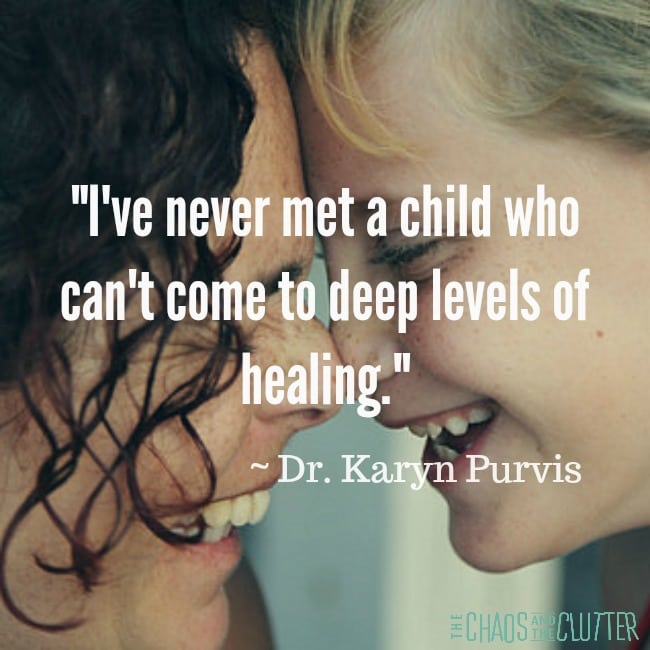
“I’ve never met a child who can’t come to deep levels of healing.” ~ Dr. Karyn Purvis deep levels of healing Karyn Purvis quote

Listening to story after story of children who had been able to come to a place of healing gave me something to cling to. I felt like I had hope for our children’s futures, for our family, for the first time in a long time.

I wish that I could say that after we came home from that conference and put into practise what we had learned, all the negative behaviours magically disappeared and our children quickly learned that they could trust us. They didn’t. I wish I could say that the road got easier. It didn’t.

The road was twisty and long. We were exhausted. We went through harder times than we had before. We asked for help. We accessed services and therapies. We nearly got to the end of our capabilities and our sanity.

For the privacy of our children, I am not sharing specifics of just how difficult things got. But I know that if you are parenting a child who has been diagnosed with Reactive Attachment Disorder, I do not need to share specifics. You know. You live this. I hope that it helps you just even a little bit to know that others have lived it too and have survived.

There is hope.

Our son and our daughter are showing healthy and secure attachment. They turn to us when they are sick or hurting and need comfort. They trust that we will meet their needs.

They make eye contact. They talk about their feelings. They hug us. They ask for what they need instead of “asking” through behaviours. They are able to accept correction and follow our rules (most of the time).

They are choosing me. Our daughter no longer wants to go with strangers or “shop for a new mommy”.

They show empathy and compassion for others. They are gaining confidence in who they are. They are accepting our love and are reciprocating it.

It feels like a miracle.

Their journeys have been different. Our son’s attachment to us came sooner, but his trauma still affects many aspects of his life. Our son has loved us fiercely for a number of years now, but our daughter was not able to allow herself to accept our love or love us in return.

And then, eight and a half years after she came to us, we began to see signs. They were small at first. Sometimes she would grow closer to us and then catch herself and push us away. Tuck-ins became longer as she began to open up to us and share her feelings. She began to sit next to me on the couch.

She was making eye contact and asking for my help with things. She was singing more and dancing with me in the kitchen.

I felt like I was holding my breath at times, afraid that in a puff, the magic would disappear and the angry girl would return. But the content girl stayed.

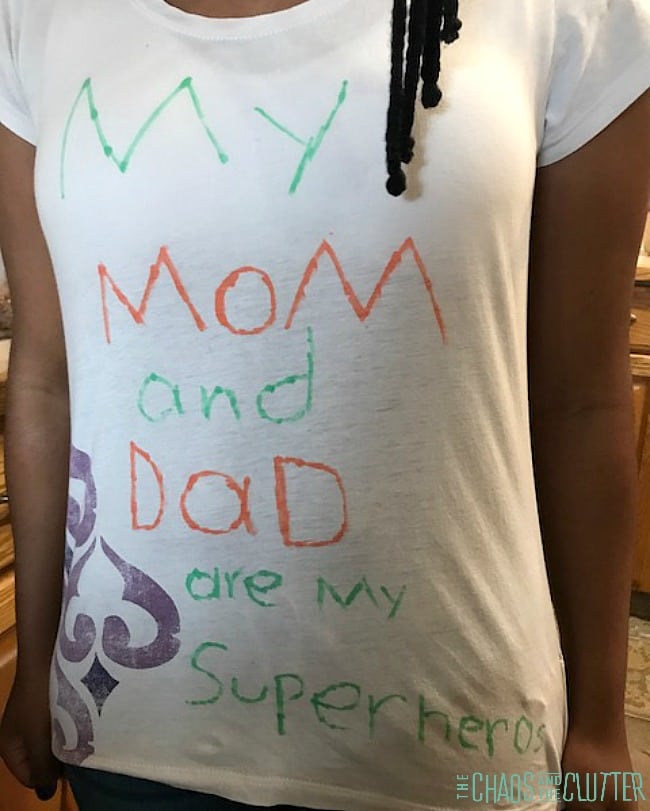
One morning, I noticed as our daughter was about to go to school that she had written something on her shirt in permanent marker. (There was a time when such a thing would have upset me, but one of the many things I have learned on this connective parenting journey is what is really a mountain and what isn’t. I’m not bothered by permanent marker on an old t-shirt now.)

I asked her what she had written on her shirt and she told me that today was Superhero Day at her school and since she didn’t have a superhero costume, she had decided to make hers.

She pulled her coat open to reveal what she had written on her shirt. 

In case you can’t read that, it says, “My Mom and my Dad are my Superheros”!!!

I don’t have adequate words to describe the significance of that. There were so many years where she pushed me away, where she couldn’t accept my love, where she felt that she was betraying her first mom if she even smiled in my direction, where she expressed the depth of her hatred for me with nearly every breath.

I had tears in my eyes as I reflected on how far we had come. I also had tears in my eyes later that week when she wanted to hold my hand everywhere we went and tears in my eyes when I overheard her tell someone “I’m so lucky that I can love two mommies and two daddies”.

And the tears were streaming all the way down my face two weeks ago when she got baptized and shared her story in front of a building full of people, a story of loss and hurt, of sorrow and pain, of losing her first family and her first country and then of losing her hearing, but also a story of redemption and love.

Once she was able to accept our love for her, she was able to accept God’s love for her as well. That day felt like the culmination of our journey. It doesn’t mean that our journey is over, but having a symbol of how far we have all come was pretty special.

Our kids still have early childhood trauma that they are working through. Behaviours still rear their ugly heads sometimes when our kids forget to use their words or forget to talk about their feelings. But there are more good days than bad and there is a lot more joy in our home.

Things aren’t perfect. I don’t expect them to ever be. There is no “magic” cure for RAD, but there is hope. 
Join me for a free 5 part email series, Little Hearts, Big Worries offering resources and hope for parents.

You may also want to read:

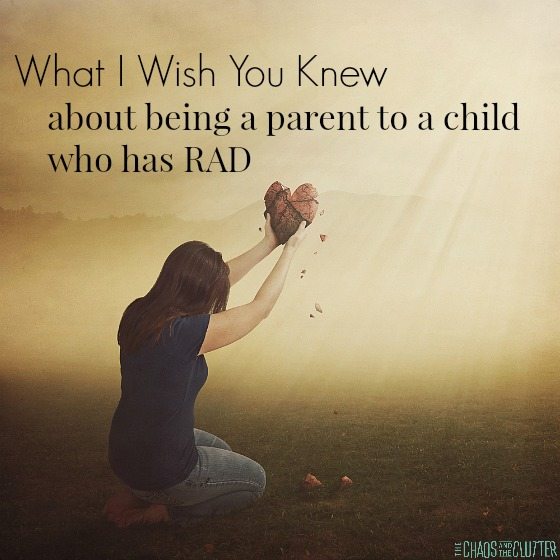
What I Wish You Knew About Parenting a Child with RAD What I Wish You Knew About being a parent to a child who has RAD (Reactive Attachment Disorder)

Reactive Attachment Disorder Books 

Filed Under: Adoption, Special Needs Parenting

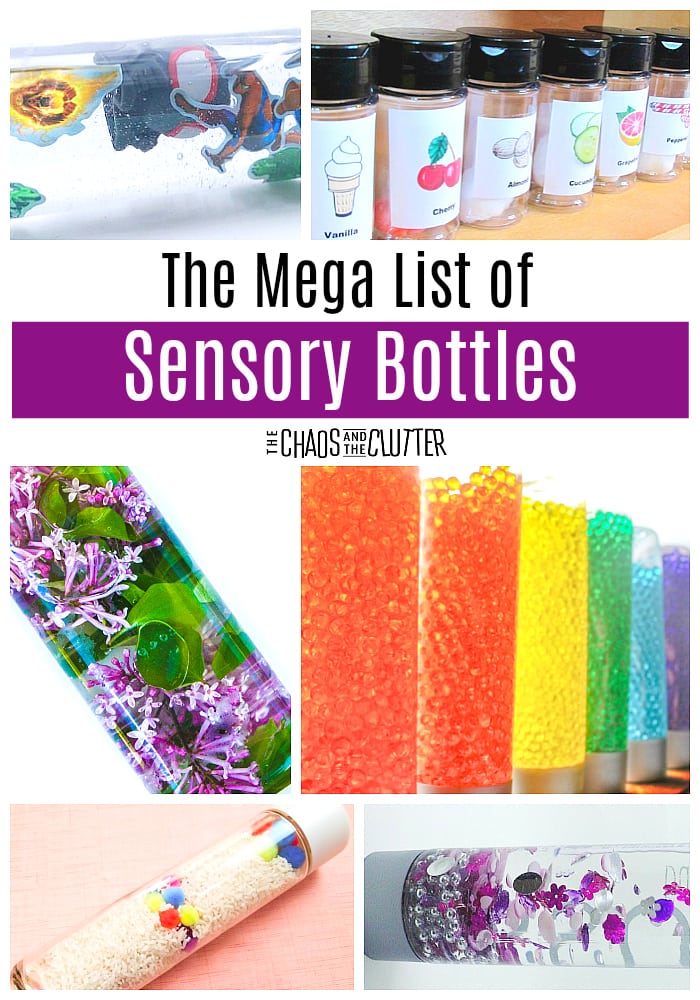
The Mega List of Sensory Bottles

By Sharla Kostelyk

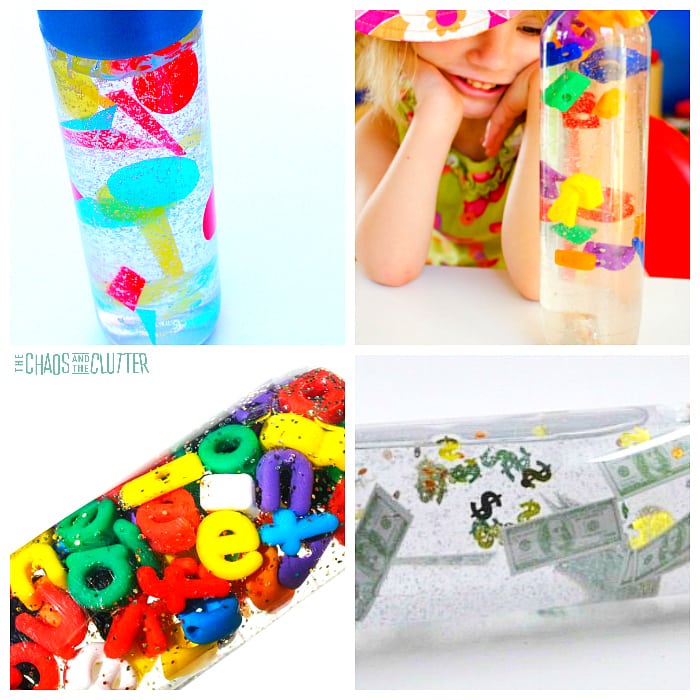
Sensory bottles are easy to make and serve a variety of purposes: exploration, discovery, sensory input, and calming. This mega list of sensory bottles can serve as a how-to or just spark your imagination to come up with your own ideas.

To make a sensory bottle, fill an empty water bottle with the materials you’ve chosen and replace the lid. You will most likely want to secure the lid using a hot glue gun. This is especially important if younger children will be using it. Below, find a video detailing how to make a calm down bottle.

Sensory bottles serve a variety of purposes: exploration, discovery, sensory input, and calming. This mega list of sensory bottles has so many ideas! #sensoryplay #sensorybottles

Sensory Bottles For Anytime:

Glow in the Dark Bottle

Bugs Sensory Bottle

Football Mini Sensory Bottle

Smelling Sensory Bottles from Things to Share and Remember

Pretty Princess Sensory Bottle here on The Chaos and The Clutter

Button Sensory Bottle from Keep Calm and Mommy On

Water-Bead Sensory Bottles for Babies, Toddlers, and Preschoolers from Living Montessori Now

Lilac Sensory Bottle from Parenting Chaos

Light Saber Sensory Bottles Star Wars Activity for Kids from Little Bins for Little Hands

Superheroes Sensory Bottle from here on The Chaos and The Clutter

Batman Sensory Bottle from Growing Hands-On Kids

Sensory Bottles that Glow in the Dark from Fun-a-Day

American Girls Sensory Bottle from here on The Chaos and The Clutter

Minion Sensory Bottle from Little Bins for Little Hands

Teenage Mutant Ninja Turtle Sensory Bottle Activity by Little Bins for Little Hands

Rice Sensory Bottle from Mama Instincts

Water Bead Sensory Bottles from Parenting Chaos

Despicable Me Minions Sensory Bottle from here at The Chaos and The Clutter

Learning Sensory Bottles:

Van Gogh Starry Night Discovery Bottle

ABC Bottle

Money Sensory Bottle for Math Unit from here on The Chaos and The Clutter

Shark Week Bottle

Nature Sensory Bottle

Alphabet Calm Down Bottle from Preschool Inspirations

Sensory Bottles Used to Explore Shapes with Printables from JDaniel 4’s Mom

Alphabet Sensory Bottle from Parenting Chaos

STEAM Camp: How to Make a Magnetic Field Sensory Bottle from Left Brain Craft Brain

Science Discovery Bottles for Sensory Learning from Little Bins for Little Hands

Nature Inspired Sensory Bottles from Rhythms of Play

Farm, Zoo, & Ocean Animal Sensory Bottles from Living Montessori Now

Zoology Sensory Bottles by The Kavanaugh Report

Rust Resistant Magnetic Discovery Bottle from Preschool Inspirations

Sensory Bottle Biomes for Kids by Parenting Chaos

Exploring Liquid Density with Sensory Bottles from Buggy and Buddy

Magnetic Discovery Bottles from Preschool Inspirations

Arctic Sensory Bottle here on The Chaos and The Clutter

Calm Down Sensory Bottles:

Bedtime Calming Bottle

Slow Motion Calm Down Sensory Bottle by Childhood 101

Butterfly Sensory Calm Down Jar from Rhythms of Play

Slow-Falling Beads Sensory Bottle by Teaching Mama

Glitter Bottle Calm Down Tool Sensory Play from Little Bins for Little Hands

Magic Two Ingredient Sensory Bottle from Preschool Inspirations

Easy Glow in the Dark Beads Sensory Bottle from Mom-Inspired Life

Silver and Gold Glitter Sensory Bottles from Fun-a-Day

Seasons & Weather Sensory Bottles:

Season Sensory Bottles from Mama.Papa.Bubba.

Spring Sensory Bottle here on The Chaos and the Clutter

Spring Flower Sensory Bottle from Kids Craft Room

DIY Butterfly Sensory Bottle by Rhythms of Play

Simple Fall Sensory Bottle here on The Chaos and The Clutter

October Fall Sensory Bottle by Teaching Mama

Windy Fall Leaves Sensory Bottle from Rhythms of Play

Weather Sensory Bottles for Circle Time by TwoDaloo

Sky Sensory Bottle here on The Chaos and The Clutter

Sun and Rain Sensory Bottles from Creative Family Fun

Melted Snowman Sensory Bottle here on The Chaos and the Clutter

Penguin Sensory Bottle from Teaching Mama

DIY Frozen-Inspired Snowstorm Sensory Bottle by Rhythms of Play

Snowman Sensory Bottle Snowman by Little Bins for Little Hands

Snowflake Sensory Bottle here on The Chaos and The Clutter

Ocean Sensory Bottles:

Ocean Sensory Bottle here on The Chaos and the Clutter

Nature Beach Bottle

At the Beach Sensory Bottle from here on The Chaos and The Clutter

Glittery Mermaid Sensory Bottle from here on The Chaos and The Clutter

Shark Sensory Bottle from Stir the Wonder

Glittering Mermaid Tail Sensory Bottle from Rhythms of Play

Mini Aquarium in a Bottle: Ocean Sensory Play from A Little Pinch of Perfect

Ocean in a Bottle with 3 Simple Ingredients from Happy Hooligans

DIY Sea Shells Sensory Bottle Calm Down Jar from Rhythms of Play

Sky & Outer Space Sensory Bottles:

Outer Space Discovery Bottle by Artsy Momma

Space Sensory Bottle here on The Chaos and the Clutter

Slow Falling Star Discovery Bottle from Growing Hands-on Kids

Glow Sticks Sensory Bottle from Teaching Mama

Gorgeous Rainbow Sky Sensory Bottles from Kids Craft Room

Galaxy in a Jar by Lemon Lime Adventures

Star Gazing Discovery Bottles by Pre-K Pages

Colours & Rainbow Sensory Bottles:

Rainbow Loom Sensory Bottle from Teaching Mama (because we all have hundreds of those still lying around our houses!)

Colour Mixing Science Sensory Bottle

Rainbow Rainfall Sensory Bottle here on The Chaos and the Clutter

Mini Rainbow Sensory Bottles by The Kavanaugh Report

Rainbow Button Sensory Bottle by Frogs and Snails and Puppy Dog Tails

Rainbow Sensory Bottle with Baby Oil from Ryan and Marsha

Color Mixing Sensory Bottle by Preschool Inspirations

Kindness Potions Sensory Bottles from the Imagination Tree

Amazing Rainbow Sensory and Discovery Bottles from Preschool Inspirations

Holiday Sensory Bottles:

New Year’s Sensory Bottle for Kids here on The Chaos and the Clutter

Christmas Ornaments Sensory Bottle here on The Chaos and The Clutter

Christmas Tree Sensory Bottle

Nativity Sensory Bottle

Deconstructed Christmas Tree Discovery Bottle

Valentines Sensory Bottle by Little Hands for Little Hands

Valentines Sensory Bottle here on The Chaos and the Clutter

Floating Hearts Sensory Bottle from Teaching Mama

St. Patrick’s Day Sensory Bottle here on The Chaos and the Clutter

4th of July Discovery Bottle from Growing Hands-On Kids

4th of July Sensory Bottle from Teaching Mama

Halloween Sensory Bottle from Teaching Mama

Monster Sensory Bottle here on The Chaos and the Clutter

Christmas Sensory Bottle from Teaching Mama

Christmas Tree Sensory Bottle from Stir the Wonder

Christmas I-Spy Discovery Bottle here on The Chaos and The Clutter

Materials to make Sensory Bottles:

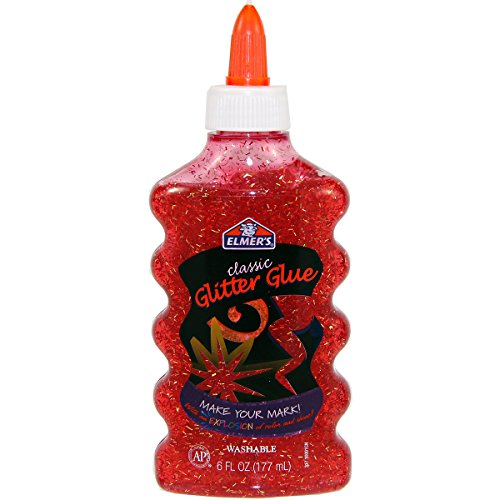
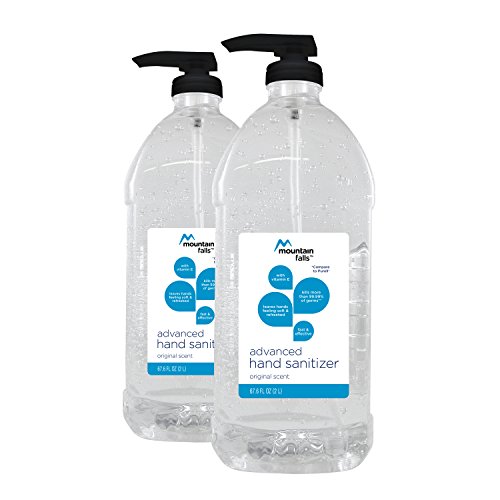
When it comes to making sensory bottles, the only limit is your imagination! You can use such a variety of materials. You need to start with an empty water bottle and filler (such as water, warm water mixed with clear glue or glitter glue, gel, hand sanitizer, sand, or rice).

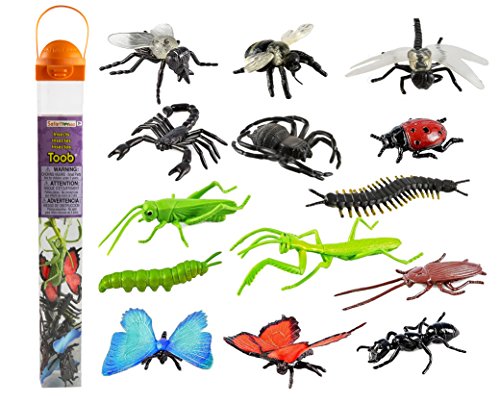
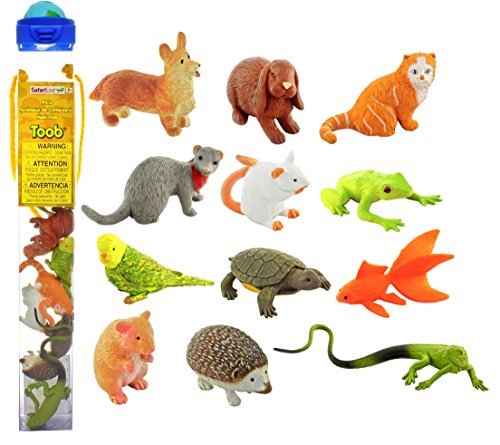
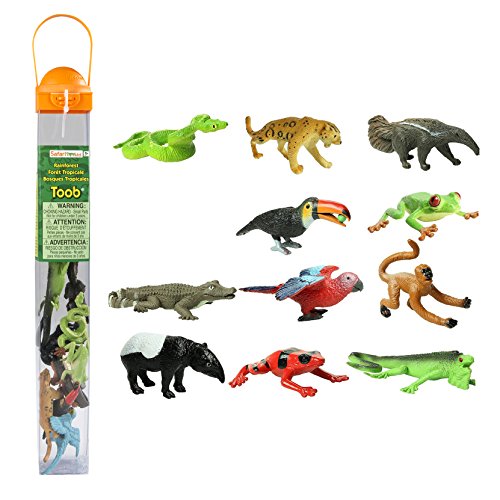
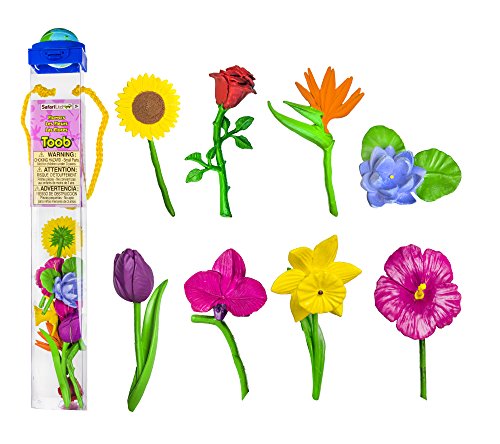
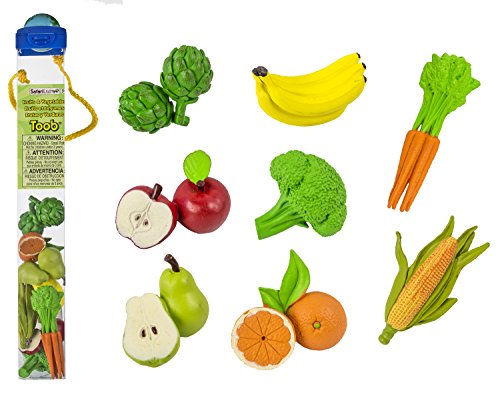
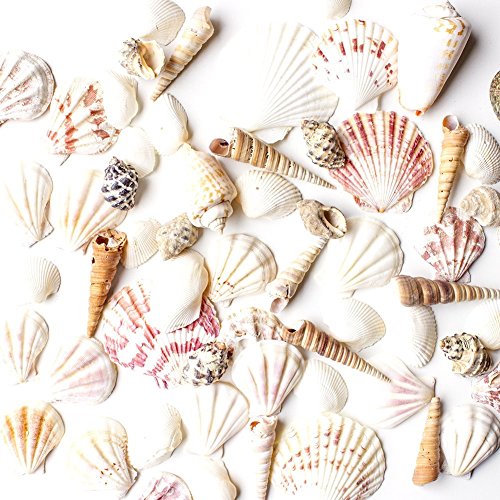
Next, can add whatever you want. Any type of confetti, small toys, objects found in nature, craft supplies, beads, erasers, or sequins work well. The figures in Toobs work well in most sensory bottles, though not all the figures are small enough to fit through the hole in the bottle top.

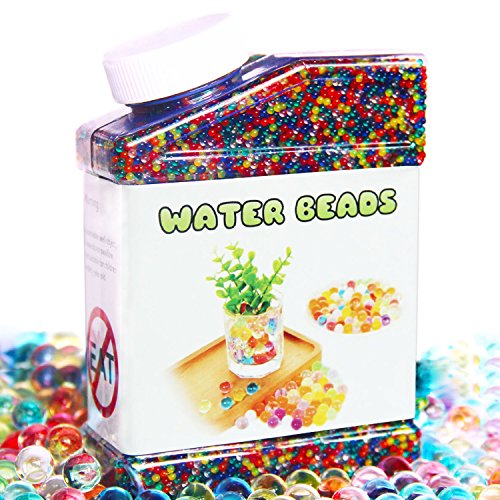
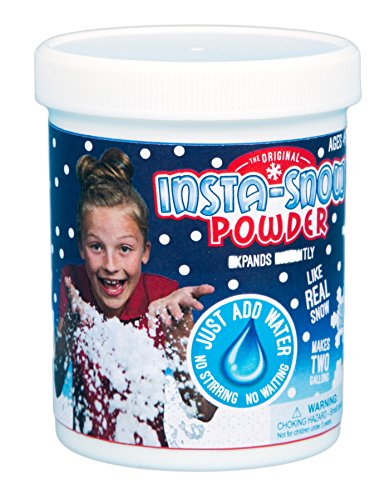
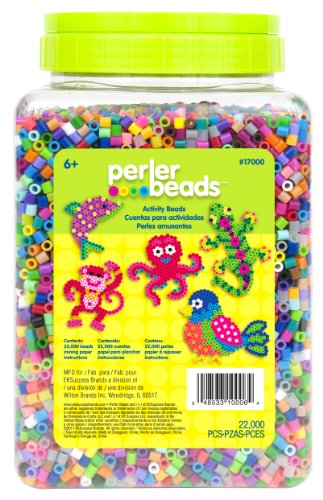
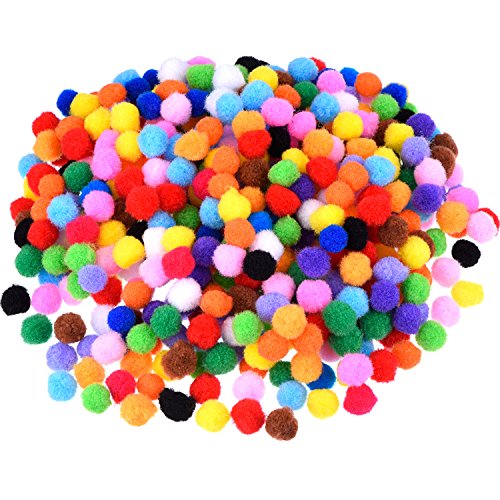
Voss Artesian Still Water 4x500ml Plastic BottlesVoss Artesian Still Water 4x500ml Plastic BottlesSafari Ltd Insects TOOBSafari Ltd Insects TOOBSafari Ltd Pets TOOBSafari Ltd Pets TOOBSafari Ltd Space TOOBSafari Ltd Space TOOBSafari Ltd Rainforest TOOBSafari Ltd Rainforest TOOBSafari Ltd Flowers TOOBSafari Ltd Flowers TOOBSafari Ltd Fruits & Vegetables ToobSafari Ltd Fruits & Vegetables ToobMini Construction ToysMini Construction ToysSea ShellsSea ShellsElmer's Liquid School Glue, ClearElmer’s Liquid School Glue, ClearElmer's Liquid Glitter GlueElmer’s Liquid Glitter GlueHand SanitizerHand SanitizerCreative Converting Swirls ConfettiCreative Converting Swirls ConfettiWater Beads Rainbow PackWater Beads Rainbow PackFishbowl BeadsFishbowl BeadsGlow In The Dark Pigment PowderGlow In The Dark Pigment PowderBe Amazing Insta-Snow JarBe Amazing Insta-Snow JarPerler BeadsPerler BeadsStar BeadsStar BeadsSequins and Spangles Shaker JarSequins and Spangles Shaker JarGlitter PowderGlitter PowderPompomsPompoms

Looking for sensory play ideas and answers to all your questions about sensory processing? Check out Sensory Processing Explained: A Handbook for Parents and Educators. 

Filed Under: Sensory Tagged With: sensory play

Books for Those Adopting an Older Child

By Sharla Kostelyk

These books for those adopting an older child can help a family prepare. They can also help increase the success of those who have already adopted by improving understanding and offering relevant resources. I would go so far as to say that in this situation, there’s really no such thing as being too prepared!
Reading up on what to expect as well as reading books on potentially relevant special needs such as early childhood trauma, attachment issues, and sensory issues can increase the success of your adoption. It is important to prepare yourself and your family as much as you can ahead of time and then continue to learn because there is of course only so much preparation you can do before you know the specific needs of your adopted child.

The Best Books for Those Adopting an Older Child #adoption #adoptiveparenting

In our first 3 adoptions, our kids came to us in the foster care program as babies. Although there are still losses in adoption for kids who arrive when they are young, adopting older children brings with it additional challenges. When we adopted siblings who were 7 and 4 years old at the time we brought them home, we needed different resources.

We found some of the answers we were looking for in books and others in speaking to other adoptive families, therapists, and experts in the fields of attachment, sensory, and early childhood trauma.

For someone adopting an older child, the books I would recommend would be:

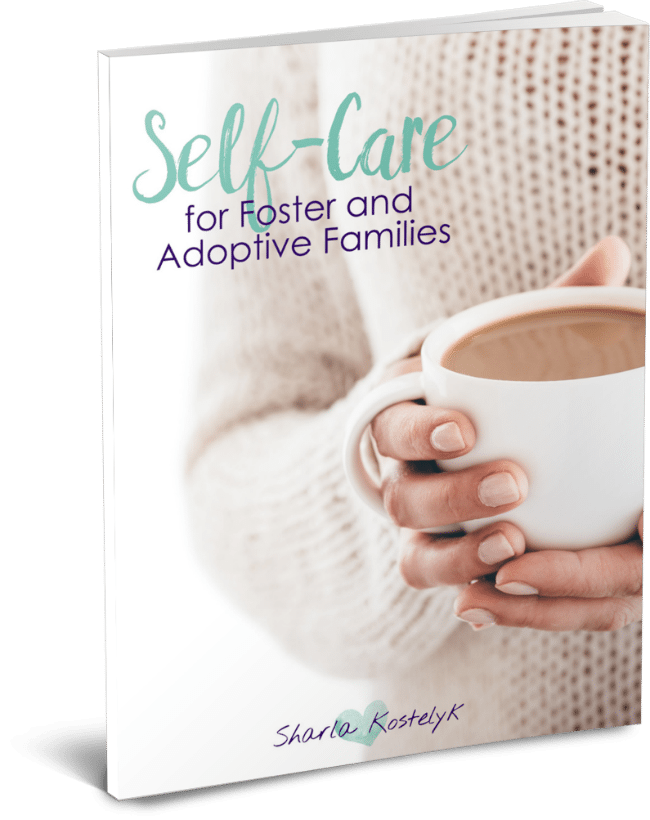
Self-Care for Foster and Adoptive Families – I wrote this book to address a need that I saw was lacking. Self-care is critical for parents adopting older children or children with special needs. The book addresses topics such as secondary trauma, Post Adoption Depression, protecting your marriage, preparation and planning, and building a support network.

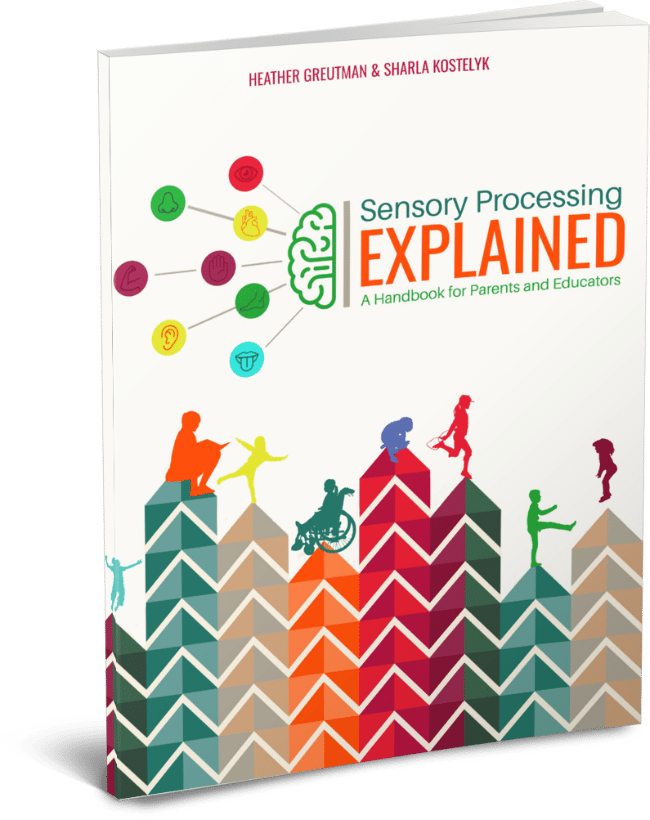
Sensory Processing Explained: A Handbook for Parents and Educators – It is almost taken as a given in many circles that older adopted children will have Sensory Processing Disorder or sensory issues because they fall into so many of the risk factors for it. I think that those considering adoption should familiarize themselves with this condition and the simple, yet effective ways that they can help a child with SPD to successfully navigate their world. 

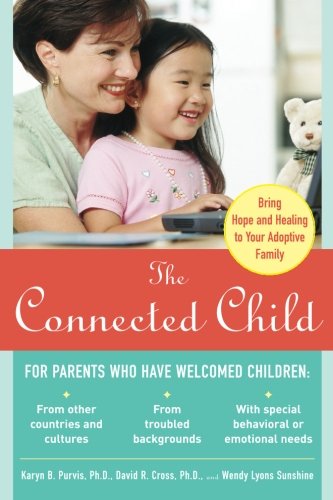
The Connected Child: Bringing Hope and Healing to Your Adoptive Family by Dr. Karyn Purvis. This book offers concrete strategies and should be read before, during and after the adoption. I am a big fan of the late Dr. Purvis and her work and research on attachment and early childhood trauma. I would also recommend checking out her videos.

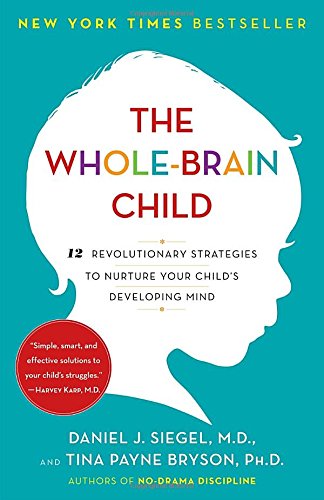
The Whole Brain Child is one of my favourite resources for better understanding how my kids’ brains work. It is helpful for any parent actually, but even more so for parents of kids who have experienced early trauma.

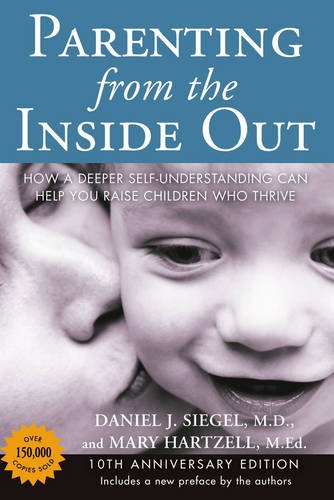
Parenting from the Inside Out – Sometimes having kids who struggle with attachment and trauma can trigger our own past hurts. This book is a wonderful resource in helping you understand yourself and your reactions and enable you to parent more effectively because of it.

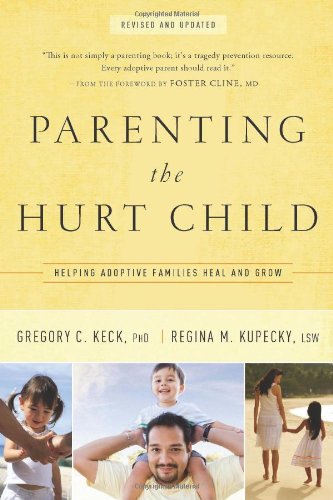
Parenting the Hurt Child: Helping Adoptive Families Heal and Grow by Gregory C. Keck. I love reading a book that has concrete examples of what to do instead of just vague generalities. This book offers actual lists of suggestions that are specific and very doable. I continue to reference this book years later.

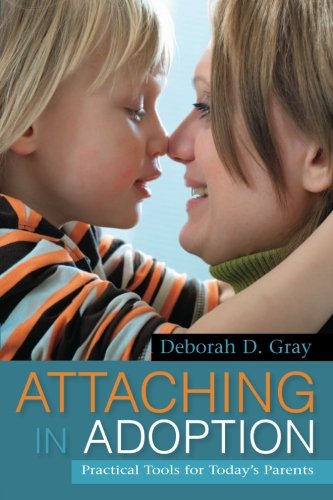
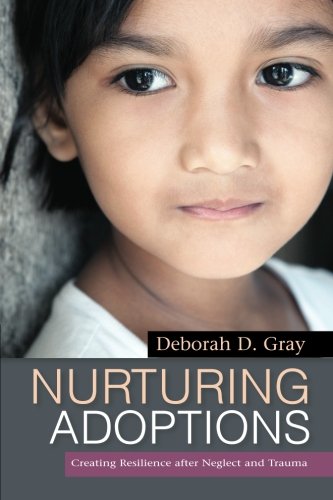
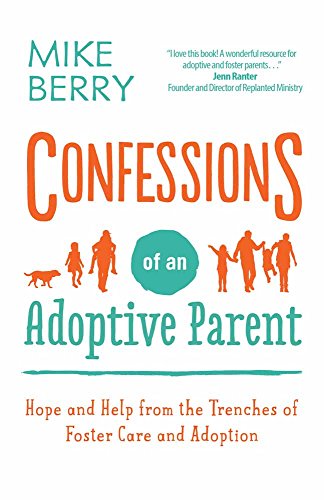
The other books on the list are ones that I have not yet read although I feel confident in recommending them because I have attended seminars by Deborah Gray and read some of her other work. She is an expert in the field and well respected. Mike Berry and his wife write on the popular adoption blog Confessions of an Adoptive Parent and have some wonderful articles there. Their new book by the same title will reflect their years of experience.

Self-Care for Foster and Adoptive FamiliesSelf-Care for Foster and Adoptive FamiliesBuy NowSensory Processing ExplainedSensory Processing ExplainedBuy NowThe Connected ChildThe Connected ChildThe Whole-Brain Child: 12 Revolutionary Strategies to Nurture Your Child's Developing MindThe Whole-Brain Child: 12 Revolutionary Strategies to Nurture Your Child’s Developing MindParenting from the Inside Out: How a Deeper Self-Understanding Can Help You Raise Children Who ThriveParenting from the Inside Out: How a Deeper Self-Understanding Can Help You Raise Children Who ThriveParenting the Hurt Child: Helping Adoptive Families Heal and GrowParenting the Hurt Child: Helping Adoptive Families Heal and GrowAttaching in Adoption: Practical Tools for Today's ParentsAttaching in Adoption: Practical Tools for Today’s ParentsNurturing Adoptions: Creating Resilience after Neglect and TraumaNurturing Adoptions: Creating Resilience after Neglect and TraumaConfessions of an Adoptive Parent: Hope and Help from the Trenches of Foster Care and AdoptionConfessions of an Adoptive Parent: Hope and Help from the Trenches of Foster Care and Adoption

Have you adopted an older child? What books would you recommend?

If you are looking for books specific to Reactive Attachment Disorder, you can read my list of the very best books for parenting RAD. 

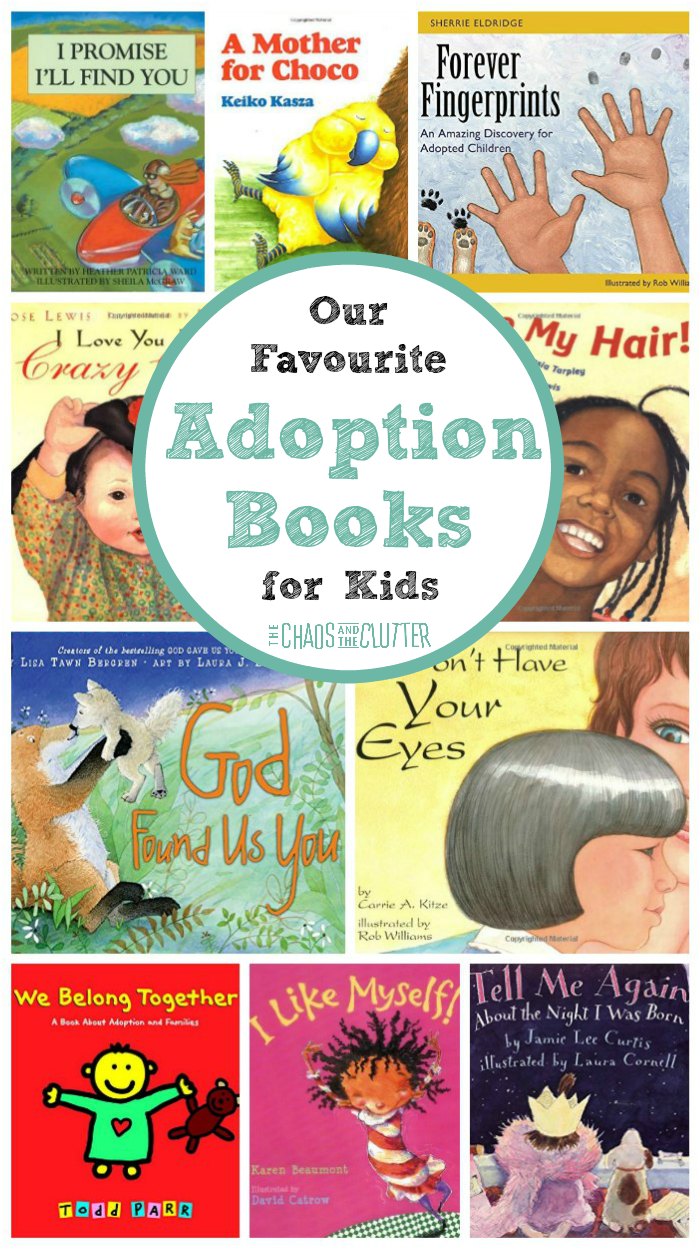
Looking for adoption books that are perfect for kids? Check out our favourite children’s adoption books.  

Filed Under: Adoption

Helping Kids Understand Sensory Processing

By Sharla Kostelyk

Proprioception, vestibular, interoception…sensory processing is complicated enough to explain to adults! So how can we go about explaining sensory processing to kids in a way that they will understand? Proprioception, vestibular, interoception...it's complicated! Teach kids about sensory processing in a way they will understand. #sensoryprocessingdisorder #sensoryprocessingexplained #sensory

A few weeks ago, I was driving with my son. I was a few days away from launching the book Sensory Processing Explained and he was asking me about the book. One of the things he said was “I understand why you wrote that book since so many of the other kids have Sensory Processing Disorder, but I don’t, do I?”. I couldn’t help but laugh.

Although we’ve not bothered to get this particular son an official diagnosis for Sensory Processing Disorder (SPD), I’m quite sure he has it. We already had the diagnosis for many of our other children, so I felt confident in my ability to meet his sensory needs without having it on paper.

His question made me realize that I had failed to explain to him why we did so many sensory activities and had so many sensory interventions. That day, I was finally able to explain that though he didn’t have some of the sensory seeking signs that some people automatically associate with SPD, he had other signs.

I began to tell him about the 8 sensory systems and as soon as I defined Interoception, he laughed out loud. “I guess I do have it!”, he proclaimed. You see, for him, sensory processing issues don’t look like constant spinning or movement. They don’t look like covering his ears when things are loud or complaining about itchy clothing fabrics.

For him, sensory issues present in more of his internal body awareness. He is always hot, even if it is -40° out in the middle of our Canadian winters. He feels hunger and thirst differently than most. His pain tolerance is incredibly high. In fact, his pain tolerance is so high that he hardly complained when his appendix almost ruptured!

He has a few other sensitivities too such as getting dizzy easily (vestibular), so he avoids spinning or amusement park rides that turn. But when it comes to the 5 senses that most people think of, he is quite typical.

It was more than a bit humbling to think that here I had literally written a book on Sensory Processing and yet, I had failed to properly explain it to one of my kids. I realized that I had assumed that they understood it well from all the sensory work that we do without being intentional about teaching it to them.

I have since rectified that. I have taught them the vocabulary, the basics, as well as teaching them to recognize and talk about their own sensory preferences.

Teaching kids about sensory processing is essential, especially for children with sensory issues. All kids need to develop the foundation and vocabulary to understand sensory processing, but it is even more crucial for children with sensory issues or Sensory Processing Disorder to have a solid grasp of the information.

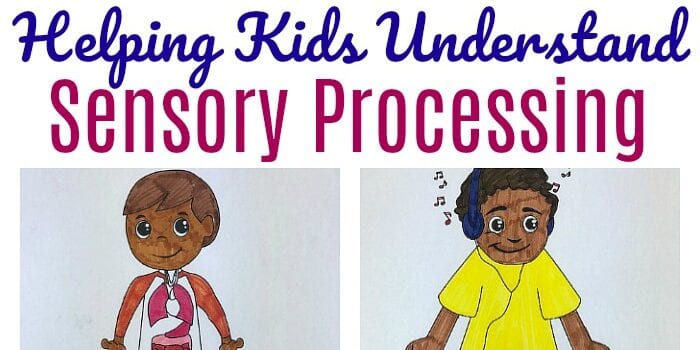
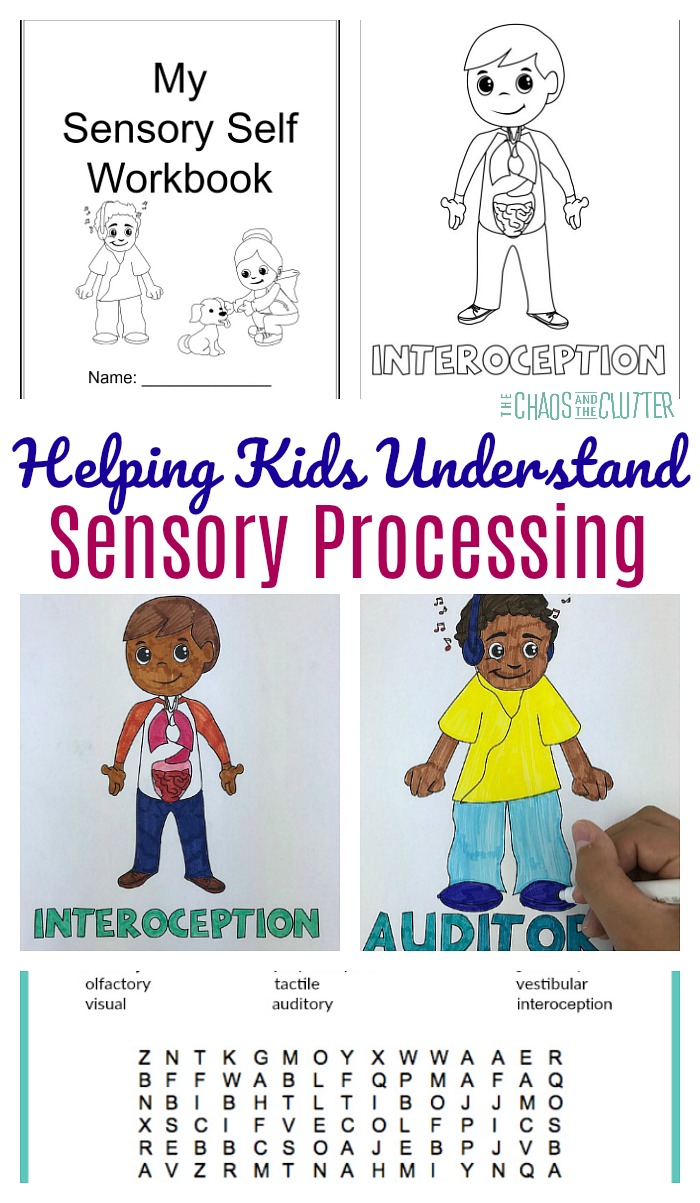
The My Sensory Self Workbook for Kids is a wonderful tool for teaching kids about sensory processing. It contains printable colouring pages, a kid-friendly explanation of each of the 8 sensory systems, a sensory word search, and a questionnaire designed to help kids identify their own unique sensory preferences. 

I created the ideas for the workbook while in the midst of explaining sensory processing to my kids. Their questions helped guide me. They have all really enjoyed filling out their workbooks. Even my older kids enjoyed learning this way and being able to personalize the sheets to their own sensory needs.

Explaining sensory processing to kids:

  • Keep it simple, but factual. Give them the proper vocabulary even at a young age.
  • Use visual cues and activities that they can participate in to secure their understanding. We designed the My Sensory Self Workbook just for kids. It was created to help them not only learn the 8 sensory systems, but to begin to recognize their own sensory preferences.
  • Talk about sensory processing in everyday conversation. For example, when asking at dinner if your child likes a particular food, point out that olfactory and gustatory senses may be at play.
  • If you are working with an occupational therapist (OT), consult with them about what you are teaching at home so that they can reinforce that in their sessions with your child.
  • Speak to your child’s teacher so that they know what you are teaching about sensory processing at home and can further cement it in school.
  • Once your child learns the vocabulary, help them to define their own sensory preferences. Giving them this language will be a powerful tool in helping them learn to advocate for themselves.

Other ideas for teaching kids about sensory processing:

  • Take them on a sensory walk. Explore and discover what you can find to represent each sensory system.
  • Have them make a collage out of pictures to go with each of the sensory systems.
  • Have your child keep a journal of different sensory likes and dislikes that they notice as they go about their day.
  • Do a Sensory Scavenger Hunt.

Talking openly about sensory processing and about Sensory Processing Disorder can help give voice to your child’s feelings. It also allows them to express any questions they may have about it.

Parents and teachers: You may find this free printable download of the signs of sensory overload helpful.

You may also be interested in reading:

Sensory Processing Disorder 

Sensory Processing Explained: A Handbook for Parents and Educators 

Outdoor Sensory Scavenger Hunt

Filed Under: Sensory, Special Needs Parenting

Your Child’s First Day Home (Adoption and Foster Care)

By Sharla Kostelyk

I got a wonderful e-mail question last week asking about what to do on your newly adopted child’s first day home. I hope these suggestions help you to make those first hours easier for your family and for your new foster or adopted child.

When bringing home a newborn, most people are well versed in what to do. Even for first time parents, there are a myriad of books and advice available. But there are no guides written about bringing home a two year old or a six year old or an eleven year old or even a fifteen year old. Tips to helping a child adjust on their first day in your home for foster care or adoption #adoption #fostercare

During our eight years as foster parents, we experienced the “first day” many times and we experienced it again later as the adoptive parents to two older children. While each situation has its own unique circumstances, there are some things you can do to make that first day easier for you and for your new child.

1. Introduce yourself.

This may seem like an obvious one, but the child will likely be feeling overwhelmed and scared and even if someone else has tried to explain who you are before the meeting or if they have met you before, they may be unsure of what to call you.

Depending on the age of the child, you may wish to involve them in this decision. With a toddler, it is probably best if you introduce yourself as “mommy” and “daddy” or whatever version you want to be called. With an older child, they may be more comfortable calling you “auntie” and “uncle” or by your first name. Be sure that the choices you give them are ones that you are comfortable with. If you give them the choice to call you by your first name, they may continue to do that for quite some time and you need to be sure that you are okay with that before presenting them with that option.

Introduce them to everyone in the family including pets.

2. Give them a tour.

Take the child on a short tour of your home, being sure to point out important areas such as the bathroom(s), where they will be sleeping, where you will be sleeping, and if it’s okay to come to your room or call out to you in the night if they are afraid.

Let them know where things like towels and extra toilet paper are. Also show them where to put their things. If they are used to temporary foster homes, they may be used to living out of a suitcase or more likely, out of a plastic bag. Pointing out the dresser drawers and closet space where they can unpack their clothing will help them to feel a bit more stable.

3. Feed them.

Very quickly after arriving in your home, your new child should be given something to eat and reassured that there will be food available. Many older children coming into an adoption situation have experienced hunger whether it be through neglect or poverty and will need a lot of assurance that food will be readily available.

I always liked to open the pantry and fridge for them so that they had a visual of the food as well as letting them know that we would always have breakfast, lunch, supper and snacks. I also told them that they were welcome to help themselves to fruits and vegetables at any time. This is also a good time to ask them if there are foods that they especially like or foods that they don’t like or are allergic to. (as this first day is an exhausting, emotional one for you too, I suggest jotting their food preferences down so that you don’t forget)

4. House rules.

Take time to go over the basic house rules. This is not the time to go over every nuance and detail, but to have a sit down mini-meeting that lays out the non-negotiable house rules and clearly states what the consequences would be for breaking them. I cannot state the importance of this enough.

Many people don’t want to talk about this on the first day because they want things to be as warm and welcoming as possible for the child, but this is actually something the child WANTS and NEEDS to know.

They may have come from a situation where they experienced abuse or a very chaotic life. Setting boundaries will make them feel safe while laying out the consequences for breaking the rules will begin to address any fears they may have about being abused in your home. I suggest no more than five rules for this meeting and that the rules and consequences be written out and then hung up in an area where they can be seen. With tweens and teens, you may also want to have them sign the page.

5. Have a little welcome pack.

This is a day of mixed emotions for this child. On their first day home, they will likely be feeling nervous and likely even scared. Having a small welcome gift will let them know that you are happy to have them there. It’s also a nice ice breaker.

In an adoption situation, you will have more information about the child and will have anticipated this day. This will allow you to personalize the gift according to their age, gender, interests, and maybe even their name.

In the case of a foster child, you may not have much notice, but you will likely know ahead of time the approximate ages of the kids you are usually placed with. Based on that, you can always keep a bit of a stash of small gifts such as stuffed animals, colouring books and crayons, a book, some toiletries, a flashlight or nightlight in case they are afraid of the dark, and a few snacks. Having these items on hand will allow you to make a welcome basket when you need it. 

6. Cocoon.

For many parents, the wait for an adoptive child has been a long one and they are excited to have their family and friends meet their new child. While this is understandable, having visitors over or going out will only add to the feelings of insecurity and being overwhelmed that the child is already experiencing.

Be prepared to cocoon for an extended period of time especially when adopting older children. This not only allows the child to begin to understand the permanence of this (adoptive) placement, but it sets the foundation for healthy attachment to begin. For those not familiar with cocooning, you can read more about it here.

Even with a new foster child, a period of cocooning is a good idea as they adjust to their new surroundings and process their new reality.

You might also want to read:

Self-Care for Foster and Adoptive Families 

Join me for a free 5 part email series, Little Hearts, Big Worries offering resources and hope for parents.

Filed Under: Adoption

  • « Go to Previous Page
  • Page 1
  • Interim pages omitted …
  • Page 51
  • Page 52
  • Page 53
  • Page 54
  • Page 55
  • Interim pages omitted …
  • Page 128
  • Go to Next Page »

Primary Sidebar

Categories

We are a participant in the Amazon Services LLC Associates Program, an affiliate advertising program designed to provide a means for us to earn fees by linking to Amazon.com and affiliated sites.

Copyright © 2026 • The Chaos and the Clutter • Site Design by Jeni @ The Blog Maven

Return to top of page

Copyright © 2026 · Chaos and the Clutter 2.0 on Genesis Framework · WordPress · Log in