• Skip to primary navigation
  • Skip to main content
  • Skip to primary sidebar
  • Home
  • About
  • Contact
  • Privacy + Terms
  • Affiliates

The Chaos and the Clutter

  • Facebook
  • Twitter
  • Pinterest
  • Google Plus
  • RSS
  • Email
  • School at Home
  • Sensory
    • Sensory Processing Disorder
    • Awesome Sensory Play Activities
      • Sensory Bins
      • Sensory Bottles
      • Sensory Bags
  • Family Games
    • Minute to Win It Games
  • Special Needs Parenting
    • Childhood Anxiety
    • Reactive Attachment Disorder
    • Sensory Processing Disorder
  • Store
  • Course Login

Sharla Kostelyk

Pumpkin Puffy Paint

By Sharla Kostelyk

This scented pumpkin puffy paint is a great sensory activity as well as a fun way to create fall artwork. I used real pumpkin (canned although I’m sure cooked pumpkin leftover from a jack-o-lantern would work just as well) and added pumpkin pie spice. These two ingredients give the paint its smell. For me, the smell of pumpkin and spices brings me back to my Gramma’s kitchen and her muffins.
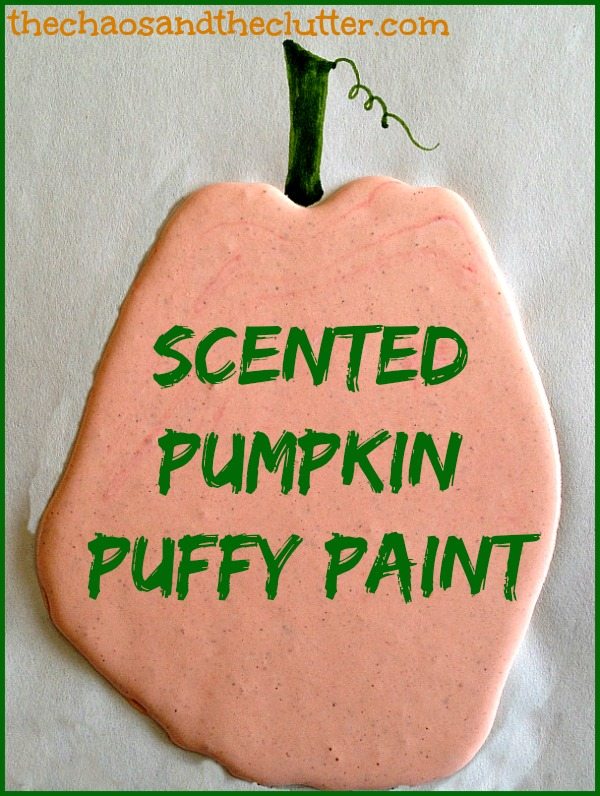
Scented Sensory Pumpkin Puffy Paint

To make this pumpkin puffy paint recipe, stir together:

  • 1/2 cup pureed pumpkin (fresh or canned)
  • 1 cup shaving cream (unscented)
  • 1 cup white school glue
  • 1/2 tsp. pumpkin pie spice (you can use a blend of cinnamon, nutmeg, ginger, and allspice if you don’t have this spice blend)
  • optional: orange food coloring or food paste for extra colour

When you stir the ingredients together, don’t over mix so as to keep it nice and fluffy. There will be specks of texture because of the spice blend but this will only add more realism to the painting.

We used fingerpaint paper but any paper would do. I let the kids have complete freedom on this one to create in whatever way they wanted to. Some of them poured the paint onto their paper, others used a spoon to scoop it on and two of them just got right in there with their fingers. Granola Girl was hesitant at first but really got into the sensory experience!
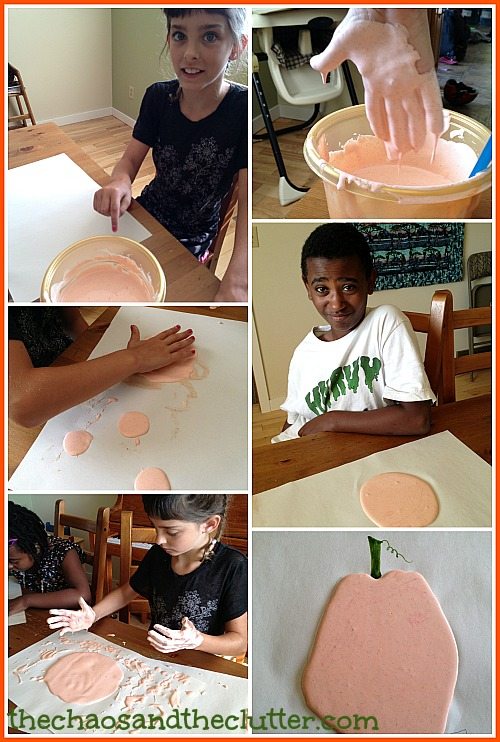
pumpkin puffy paint artwork

As in most of the activities that I plan for them, the kids came up with ideas that I hadn’t thought of to make things more interesting. Snuggle Puppy discovered that once he had waited for his pumpkin to dry just slightly, he was able to create a face in his pumpkin just by blowing on it!
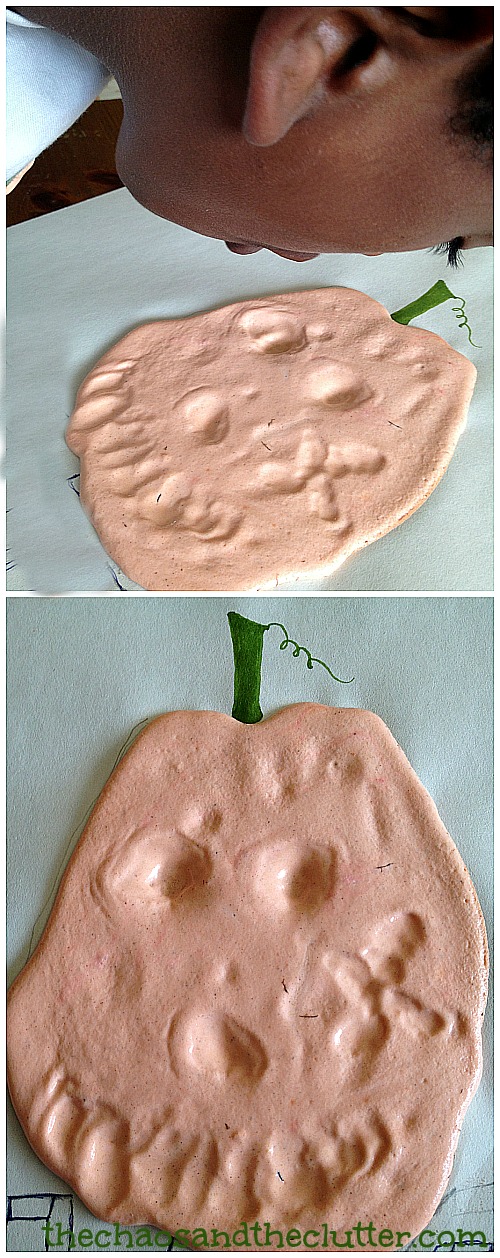
scented pumpkin puffy paint for FallIt worked really well and the pumpkin’s face stayed that way once the paint had completely dried. Snuggle Puppy told me that he added little flecks of eraser to make the face look scarier…that boy has a way of making me laugh!

This puffy paint is great as a sensory activity as it includes both olfactory (scent) and tactile feedback. It is also just a plain fun craft! Once the creations are dry, kids could also cut around them and use them for fall decorations.

If you are looking for other easy and fun sensory recipes, just input your email in the box below to get a sample of our Sensory Play Recipes eBook.
Filed Under: Crafts and Activities, Sensory Tagged With: sensory play

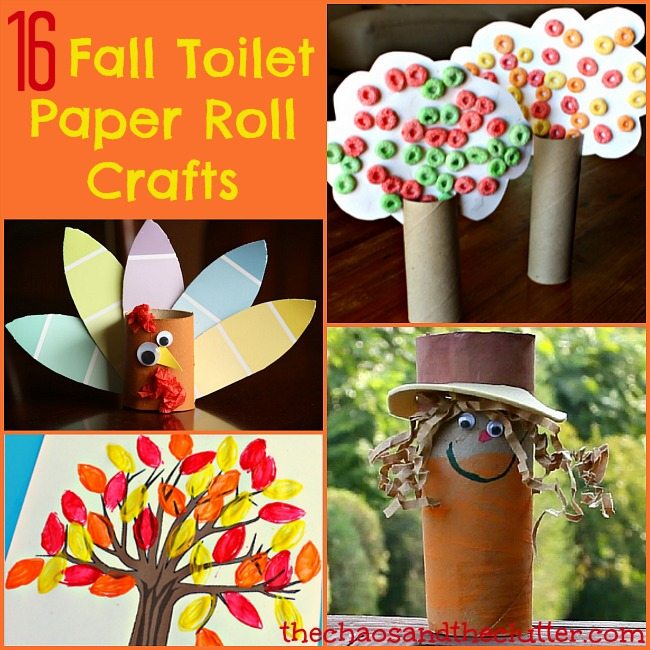
16 Fall Toilet Paper Roll Crafts

By Sharla Kostelyk

One thing there is never a shortage of in a large family is empty toilet paper rolls! I think we could probably construct an entire playhouse out of them if we wanted to. It should come as no surprise that we often make toilet paper roll crafts.

The nice thing about making crafts using toilet paper tubes is that you can teach your kids about recycling and save money on craft supplies. There are endless projects you can make.

16 Fall Toilet Paper Roll Crafts that you can make with kids at home or in the classroomToday, I’m sharing some easy fall toilet paper roll crafts you can make. Some of these would make really cute decorations or place holders for Thanksgiving.
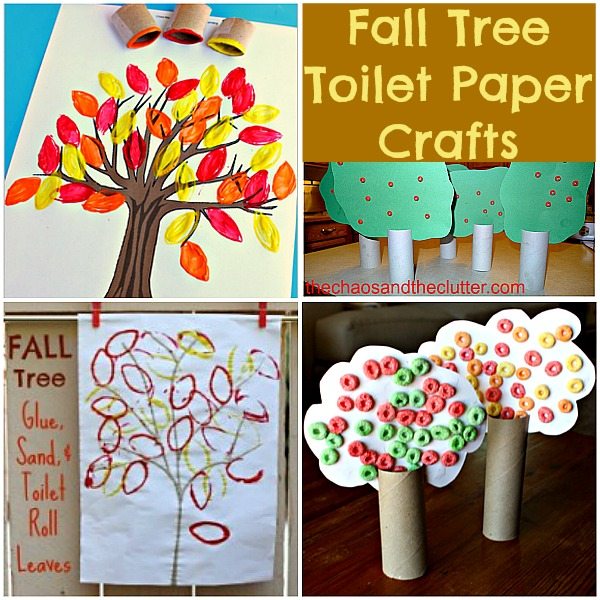
Toilet Paper Roll Fall Trees

Fall Tree Toilet Paper Crafts

Toilet Paper Leaf Stamping from Crafty Morning is an adorable idea.

Apple Bead Tree from right here on The Chaos and The Clutter – We made these when the kids were learning the letter A. It also happened to be in the Fall, so it was a perfect fit!

The Fall Tree Art from Happily Ever After Mom uses sand to give it a textured look.

Fruit Loop Fall Trees from Crafty Morning

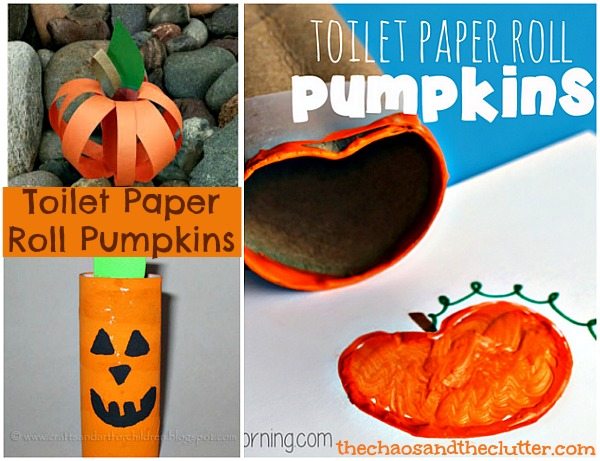
Toilet Paper Roll Pumpkins

Toilet Paper Roll PumpkinsThe Pumpkin Toilet Paper Roll Craft from Crafty Morning achieves the pumpkin outline by bending the toilet paper roll just slightly.

Toilet Paper Pumpkin from Artsy Momma

Toilet Paper Roll Pumpkin Stamp from Crafty Morning

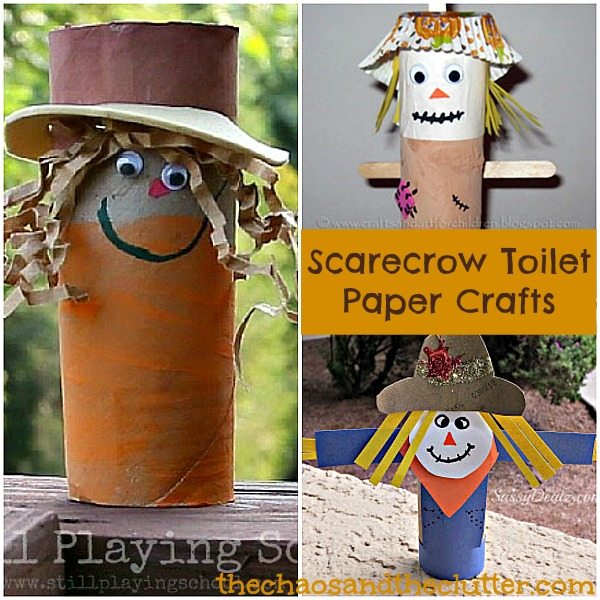
Toilet Paper Scarecrows

Scarecrow Toilet Paper CraftsPaper Roll Scarecrow from Still Playing School

Scarecrow from Artsy Momma

Scarecrow Toilet Paper Roll Craft from Crafty Morning

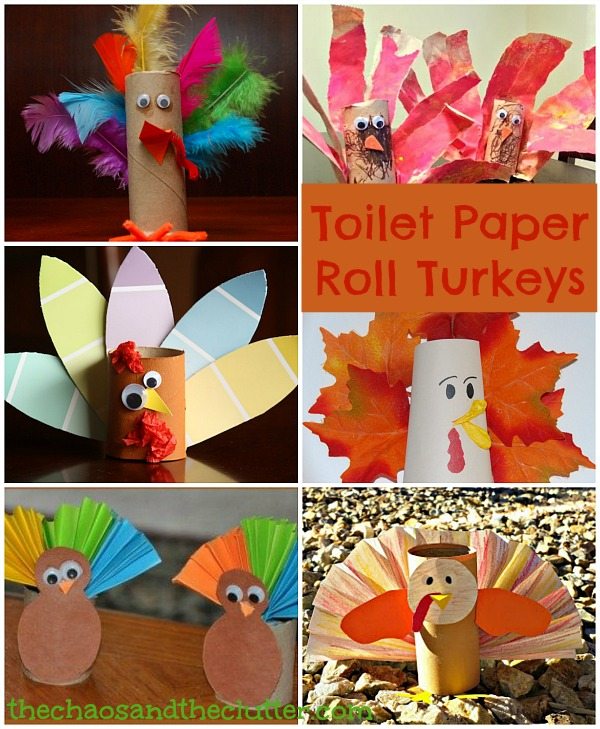
Toilet Paper Roll Turkeys

Toilet Paper Roll Turkeys

These little guys are perfect for Thanksgiving! Toilet Paper Roll Turkey from Meaningful Momma

Paint Chip Turkey from Happy Hooligans – I love the colour possibilities with this one!

Thanksgiving Turkeys from Blog Me Mom

Toilet Paper Roll and Paper Bag Turkey Craft from Where Imagination Grows

Toilet Paper Roll Leaf Turkey from The Preschool Toolbox

Turkey Toilet Paper Roll Craft for Kids from Crafty Morning

Other fall ideas that may interest you:

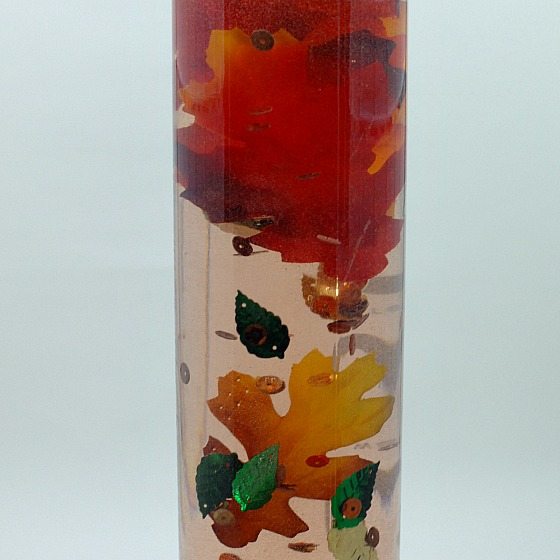
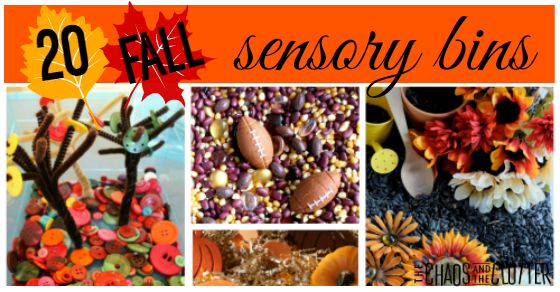
Fall Sensory Bottlefall sensory binsFall Sensory Bins

Filed Under: Crafts and Activities

Rainbow Soap Foam

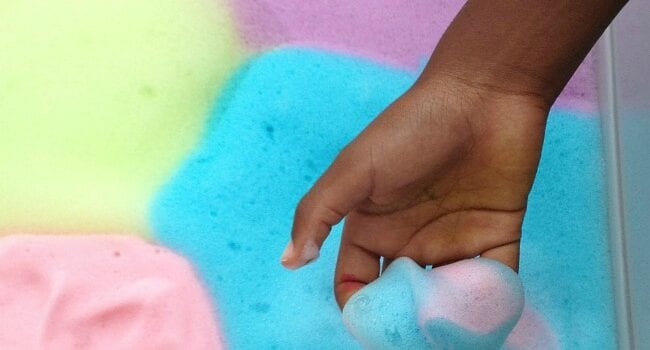
a black child's hand is reaching up from a bin of soap foam holding blue and pink soap foam. The bin contains areas of pink, blue, purple, and yellow soap foam.

By Sharla Kostelyk

I used this fun recipe to create a sensory bin of sorts for the kids to play in. This rainbow soap foam activity was part art activity, part sensory, part colour mixing science experiment, and all fun!

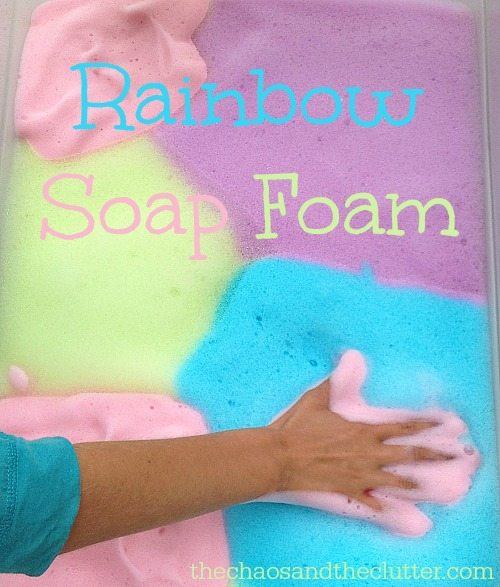
Rainbow Soap FoamRainbow Soap Foam Recipe:

Materials needed:

  • food colouring
  • water
  • Palmolive dish soap
  • hand mixer
  • optional: glitter

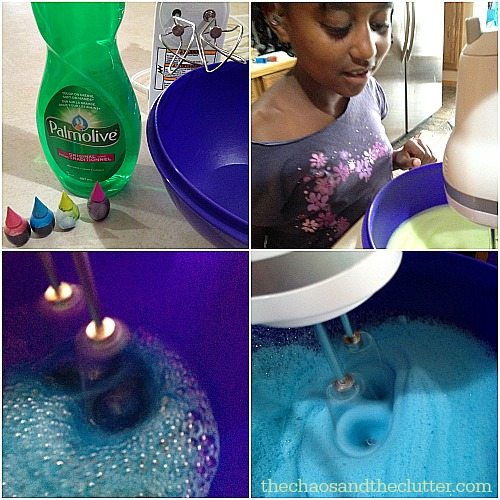
1. In a bowl, add 1/4 cup water, 2 Tbsp. Palmolive dish soap and 5-10 drops of food colouring. I also added some glitter in the same colour as the food colouring to this step.

2. Mix on high with a hand mixer for about 2 minutes, until peaks form.

3. Put the foam into a shallow bin. On a rainy day, you could put it into the bathtub.

4. Rinse the bowl and beaters and follow the instructions again using a different colour of food colouring. Repeat until the desired number of colours are created, adding each to the bin.

making soap foam

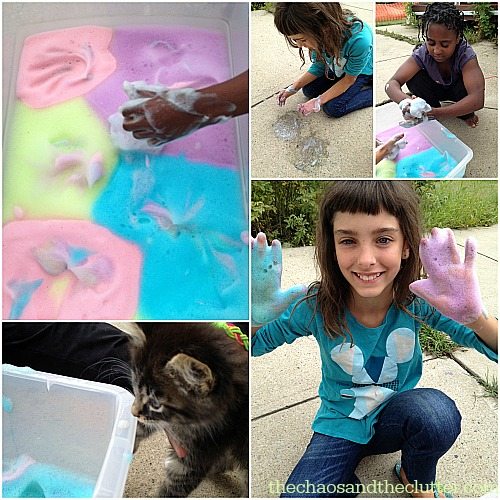
When I had made four colours of soap foam, I brought the bin outside and let the kids play and explore with it. They enjoyed mixing the colours and playing with the foam. They tried to use it to paint on the concrete with their hands, but mostly only the glitter stayed visible.

playing with Rainbow Soap FoamMy girls really enjoyed the textures of the soap foam and seeing the different colours they could create by mixing.
They enjoyed every step of this activity from helping me mix the recipe in the kitchen to playing with the finished product.

Even one of our new kittens came over to see what all the fuss was about!

Be sure to have your kids wash their hands when they are done playing so that they don’t get soap in the eyes accidentally and of course, as with all projects, adult supervision is recommended. 

Find these instructions along with the coolest sensory play recipes around in the Sensory Play Recipes eBook. You’ll find recipes for everything from slimes to oobleck to edible paints and playdoughs and more.

Join our free 5 part email series and get a sample of 5 recipes from our Sensory Play Recipes ebook:

Filed Under: Crafts and Activities, Sensory, Summer Sensory Activities Tagged With: sensory bin, sensory play

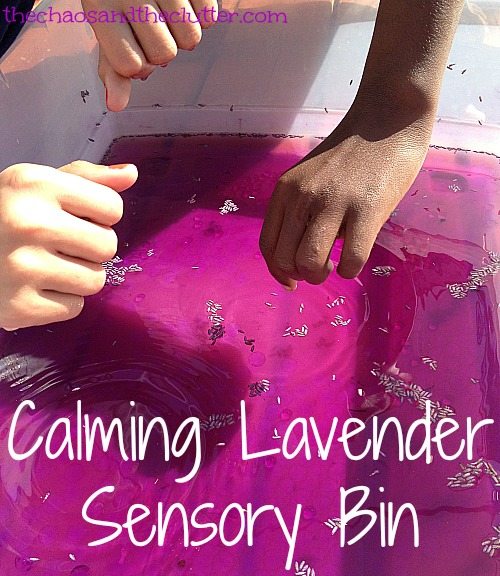
Calming Lavender Sensory Bin

Calming Lavender Sensory Bin

By Sharla Kostelyk

I have been wanting to make a lavender sensory bin for the kids for awhile now. Dancing Queen struggles with anxiety and we do as much as we can to help her regulate her anxiety. She loves the lavender playdough I make. It really does seem to have a calming effect on her. I reasoned that since sensory bins already help my kids with their regulation, a lavender one may have even more of a calming effect which would be good for all of them but especially for Dancing Queen.

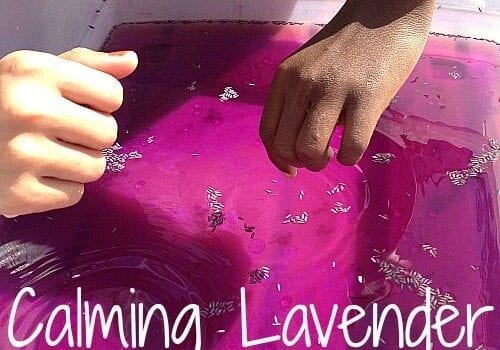
Calming Lavender Sensory BinFor this sensory bin, I used a large shallow tub so that I could put the bin on the deck. I used purple gems and added real lavender and purple water beads. I used a pitcher to add water and it took on a light purple colour because of the water beads.
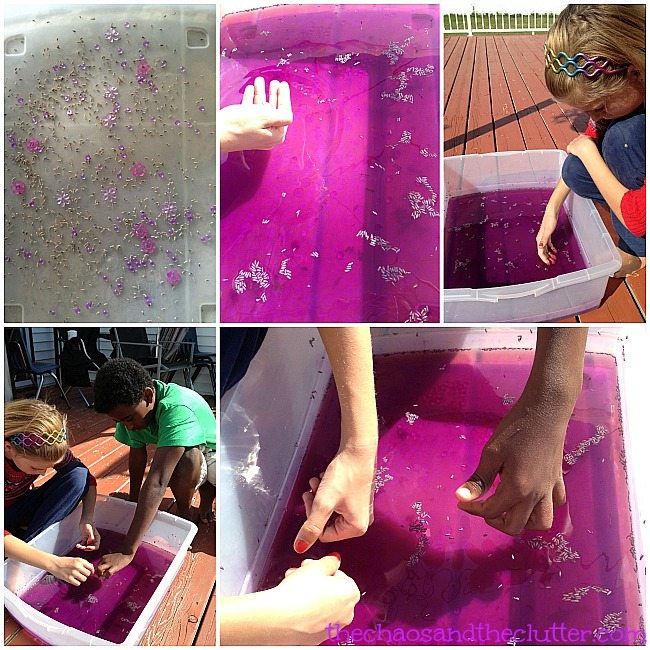
Lavender Sensory BinThe smell of the lavender was really nice. Once the water was added, the scent was considerably stronger but not overpowering. The plastic gems made a good contrast for the texture of the water beads.

In place of the dry lavender, you can use a few drops of lavender essential oil.

The kids enjoyed playing with this lavender sensory bin outside. It held their attention for long periods of time this week. With the water, various textures and smell of the lavender, it really did seem to have a calming effect on them.

One of the nice things about being back into our regular homeschool routine is having a weekly sensory bin. It forces me to come up with new ideas and even though I keep thinking that I will run out of ideas after so many years of making sensory bins, I haven’t run out yet! The kids like experiencing the new bins and look forward to seeing what each week’s theme is going to be.

Join our free 5 part email series Sensory Solutions and Activities and get our Sensory System Behaviours Easy Reference Cards.

If you are looking for information on making sensory bins,you may be interested in my book. The Ultimate Guide to Sensory Bins

Filed Under: Sensory, Sensory Bins Tagged With: sensory bin, sensory play

Color Sorting Activities

By Sharla Kostelyk

This week, we started back into our homeschool routine. We are still working out the kinks and dragging a bit from summer, but it’s going ok overall.

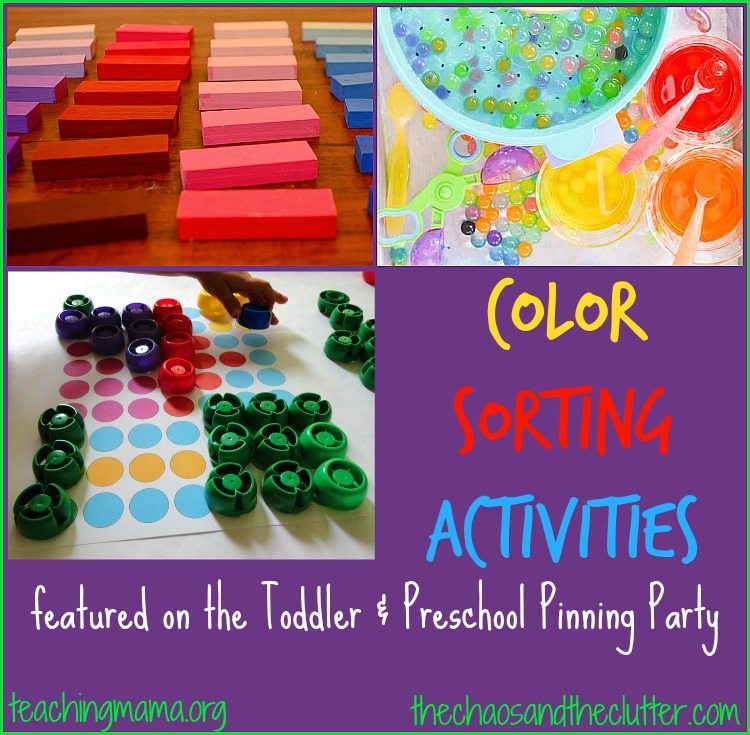
These colour sorting activities are great for preschoolers.

Color Sorting Activities as featured on the Toddler & Preschool Pinning Party

7 Busy Bags for Teaching Colours from here on The Chaos and The Clutter

DIY Montessori Color Tablets with Jenga from Practical Mom

Sort a Rainbow – Fun with Water Beads from A Little Pinch of Perfect

Color Matching Printables for Toddlers from Totschooling

Colours and Fine Motor Busy Bag from here on The Chaos and The Clutter


Filed Under: Crafts and Activities, Homeschooling

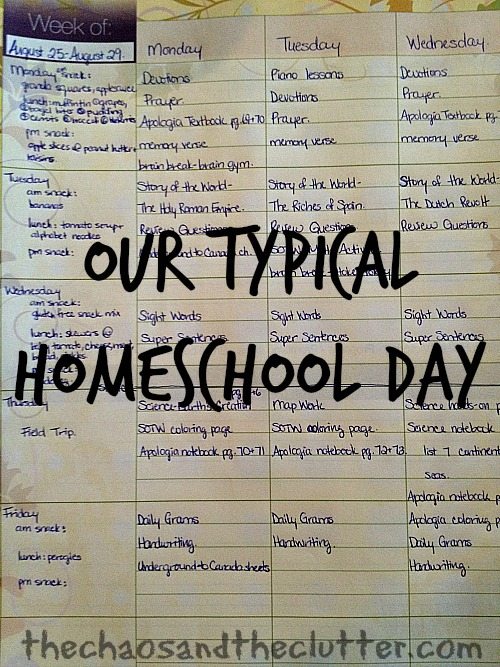
Our Typical Homeschool Day

By Sharla Kostelyk

While I don’t know that “typical” homeschool days happen often at our house, we do like to stick to a general schedule and routine. Years ago, I was more of an unschooler but my Special Needs kiddos really need structure so we have found that following at least a general outline works best for us.

Our Typical Homeschool Day

Here is our general homeschool schedule:

Devotions
Prayer (see how we set up and use a prayer wall)
Apologia Textbook reading – Who Is God and How Can I Know Him
memory verse
Brain Break

Story of the World reading
SOTW Review Questions
chapter in whatever book we’re reading
Science Textbook reading
Brain Break

Snack

Sight Words
Super Sentences (you can read how we do that here)
read aloud
Brain Break

After this portion of the day where I have been doing the reading and leading things, the kids transition to their workboxes. You can read a detailed explanation of how we use our workboxes here. I have pre-filled them with any map work, worksheets and activities that correspond with the lessons from the morning.

The workboxes also contain the kids’ Daily Grams, Handwriting, notebooks, journals, and rotating activities. The rotating activities include things like the Sensory Bin, auditory station, file folder games, educational busy bags, Math (because it’s on the computer) and hands-on activities. Many of the rotating activities are sensory stations.

After they are done their workboxes, there are a few kids that have things like reading practise or attachment work but generally, they are done “school” for the day.

We start homeschooling by 9 a.m. and are usually done by lunchtime but this is our first year with this science curriculum and we didn’t do science last year really so it may take until early afternoon to complete everything in our new schedule.

Planning:

I do try to plan as much as I can and be prepared by having photocopying done ahead and materials ready for any hands-on activities. I usually start off well with the planning at the beginning of the year and then it dies off a few months in. Things go so much more smoothly when I plan.

I also try to plan out snacks and lunches for school days so that I’m not scrambling. Lunches are really hard for me to think of so I have just started sharing them on my Facebook page and others are sharing theirs. I find that I’m getting good ideas this way and also staying accountable to actually thinking of something! If you’d like, pop over and share your lunch ideas.

I also jot out generally what is in the workboxes that week.

Here is a rough weekly schedule:

Mondays:

I try not to book appointments. Sometimes it can’t be avoided.

Tuesdays:

piano lessons in the morning (the teacher comes to our home so the kids take turns doing their lessons during our regular homeschool time)

Snuggle Puppy’s program for trauma and attachment

Jui jitsu for Snuggle Puppy in evening

Wednesdays:

in second semester, swimming lessons in the afternoons

Thursdays:

art classes in morning for girls/ outdoor survival classes for boys

Jui Jitsu for Snuggle Puppy in evening

Fridays:

every second week Miss Optimism has her injections

I still need to find a day that would work for Miss Optimism’s sewing lessons and also fit in audiology appointments for Dancing Queen, therapy for Dancing Queen and Snuggle Puppy, and speech therapy for Dancing Queen and Granola Girl.

This also does not account for any field trips. It’s busy y’all!

If you’re interested in finding out more about how we homeschool, you may find these helpful or at least somewhat interesting:

This is how a homeschool day in our house really looks.

Our 2014/2015 Curriculum

Our 2014/2015 Curriculum

How I teach history to multiple ages

How I teach Language Arts to multiple ages with special needs

How I teach Math to multiple ages with special needs

How I teach Fine Arts to multiple ages with special needs

Filed Under: Homeschooling

  • « Go to Previous Page
  • Page 1
  • Interim pages omitted …
  • Page 92
  • Page 93
  • Page 94
  • Page 95
  • Page 96
  • Interim pages omitted …
  • Page 128
  • Go to Next Page »

Primary Sidebar

Categories

We are a participant in the Amazon Services LLC Associates Program, an affiliate advertising program designed to provide a means for us to earn fees by linking to Amazon.com and affiliated sites.

Copyright © 2026 • The Chaos and the Clutter • Site Design by Jeni @ The Blog Maven

Return to top of page

Copyright © 2026 · Chaos and the Clutter 2.0 on Genesis Framework · WordPress · Log in