• Skip to primary navigation
  • Skip to main content
  • Skip to primary sidebar
  • Home
  • About
  • Contact
  • Privacy + Terms
  • Affiliates

The Chaos and the Clutter

  • Facebook
  • Twitter
  • Pinterest
  • Google Plus
  • RSS
  • Email
  • School at Home
  • Sensory
    • Sensory Processing Disorder
    • Awesome Sensory Play Activities
      • Sensory Bins
      • Sensory Bottles
      • Sensory Bags
  • Family Games
    • Minute to Win It Games
  • Special Needs Parenting
    • Childhood Anxiety
    • Reactive Attachment Disorder
    • Sensory Processing Disorder
  • Store
  • Course Login

Homeschooling

Praying Mantis Life Cycle Sensory Bin

By Sharla Kostelyk

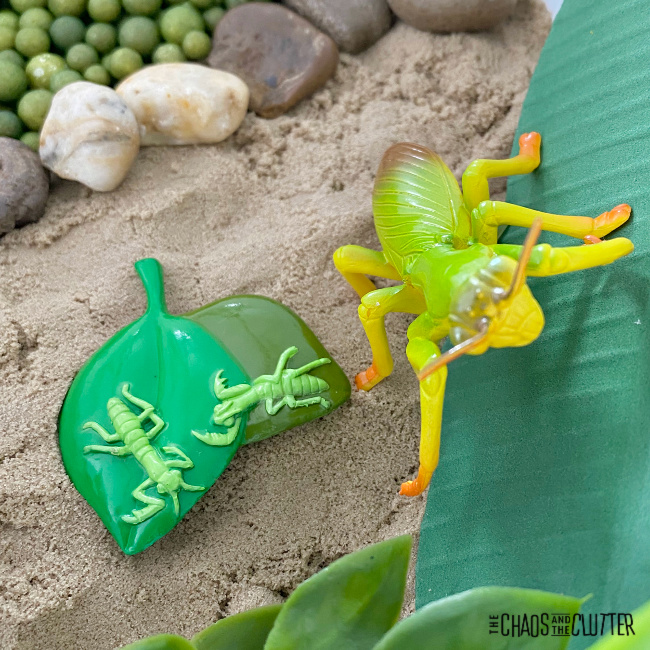
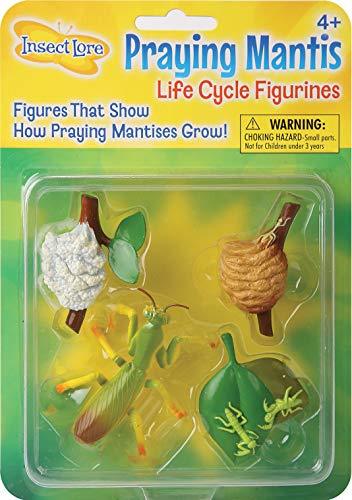
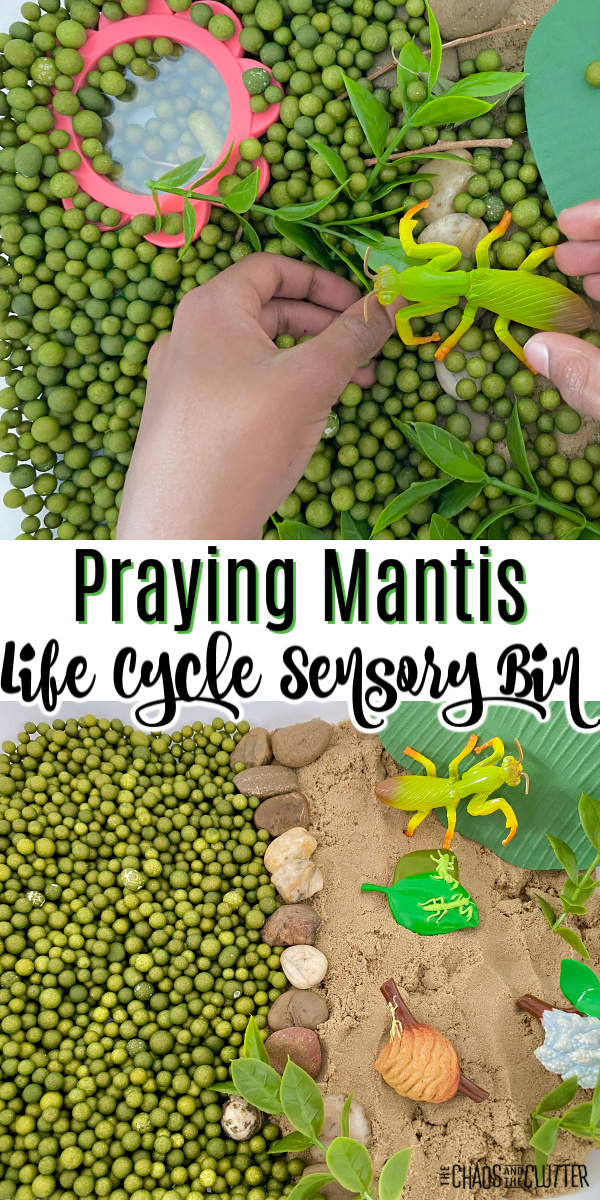
I find that my kids are always fascinated to learn about different life cycles. One of the ways I like to help them reinforce that learning is through sensory play. This Praying Mantis Life Cycle Sensory Bin allows kids to explore through their senses and imaginations. hands hold green toy insect. Text reads "Praying Mantis Life Cycle Sensory Bin" Kids can see how the cycle from soft egg case to hard egg to nymph (young) to adult. The more they learn about this fascinating insect, the more their interest will be piqued. 
Praying Mantis Life Cycle Sensory Bin:

Supplies needed:

  • kinetic sand (you can use regular sand if you prefer)
  • decorative foam balls in green (I found these at the Dollar Store)
  • Praying Mantis Life Cycle Pack
  • magnifying glass
  • rocks
  • various leaves (real or plastic)
  • plastic bin
  • optional: scoops, spoons, or tongs

Directions:

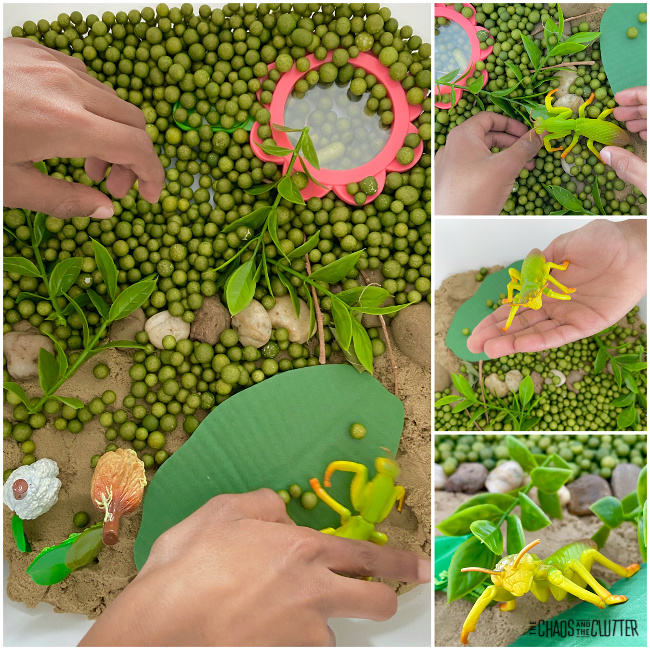
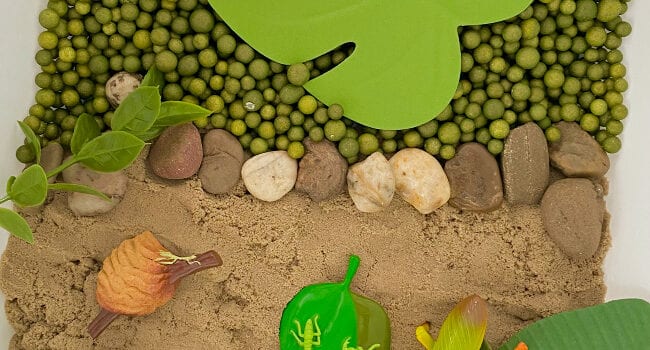
  1. Place kinetic sand and foam balls in a plastic tub.
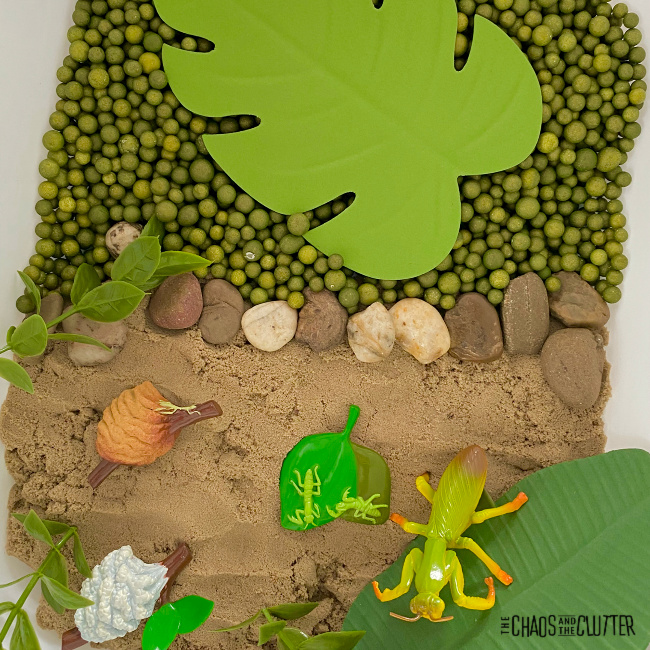
  2. Add rocks, leaves, a magnifying glass, and the figures from the Praying Mantis pack.
  3. If you want, you can also add some scoops or tongs.
  4. Invite your child to play.

This hands-on activity is a great way for kids to get up close and personal with this type of insect. The way it is set up mimics the habitat for some types of praying mantis.

This activity can be used for science at home or in a preschool or classroom. In addition to learning, students will also be getting visual, tactile, and proprioceptive sensory input as they play.

You can use this sensory bin as part of a unit study on insects or on the praying mantis. 

Kids can research their questions such as:

  • What does a praying mantis eat?
  • How long does a praying mantis live?
  • Where do praying mantis live?

Ways to expand the learning:

  1. Read books about insects or about the praying mantis in particular.
  2. If you live in an area where there are praying mantis, you could catch one and place it in a bug habitat to observe before releasing it.
  3. Write a report complete with pictures about the praying mantis. 
  4. Print off the Praying Mantis Life Cycle puzzle. Cut out the pieces and assemble. 

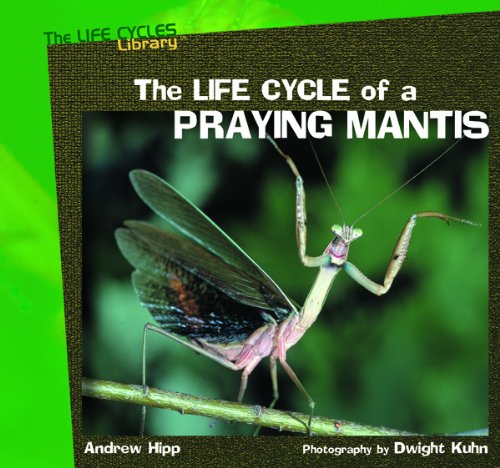
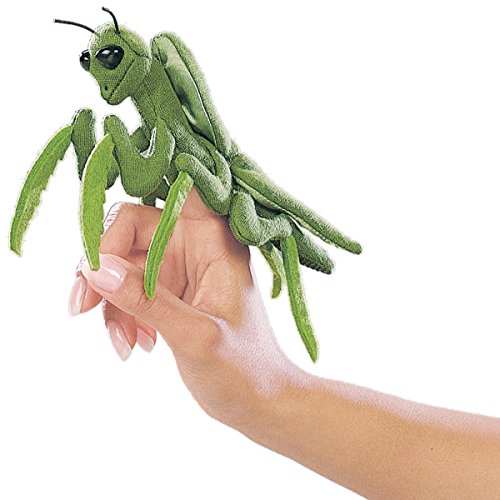
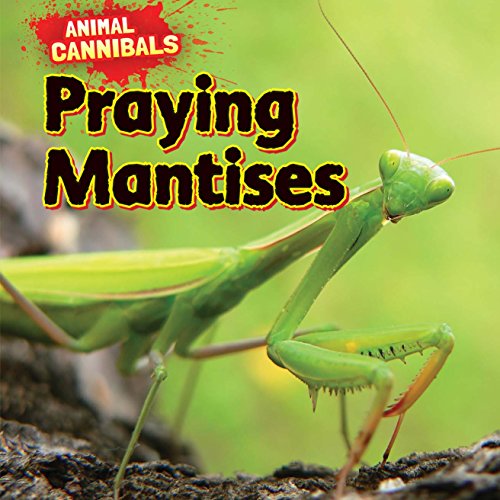
Praying Mantis 4 Piece Life Cycle FiguresPraying Mantis 4 Piece Life Cycle FiguresPraying Mantis 4 Piece Life Cycle FiguresThe Life Cycle of a Praying MantisThe Life Cycle of a Praying MantisThe Life Cycle of a Praying MantisMini Praying Mantis Finger PuppetMini Praying Mantis Finger PuppetMini Praying Mantis Finger PuppetEducational Insights GeoSafari Jr. BugWatchEducational Insights GeoSafari Jr. BugWatchEducational Insights GeoSafari Jr. BugWatchHow to Draw InsectsHow to Draw InsectsHow to Draw InsectsManuelo, the Playing MantisManuelo, the Playing MantisManuelo, the Playing MantisPraying Mantises (Animal Cannibals)Praying Mantises (Animal Cannibals)Praying Mantises (Animal Cannibals)

Learn more about the praying mantis:

National Geographic

Interesting Facts about the Praying Mantises (great pictures here!)

Nature’s Perfect Predator (Praying Mantis video)
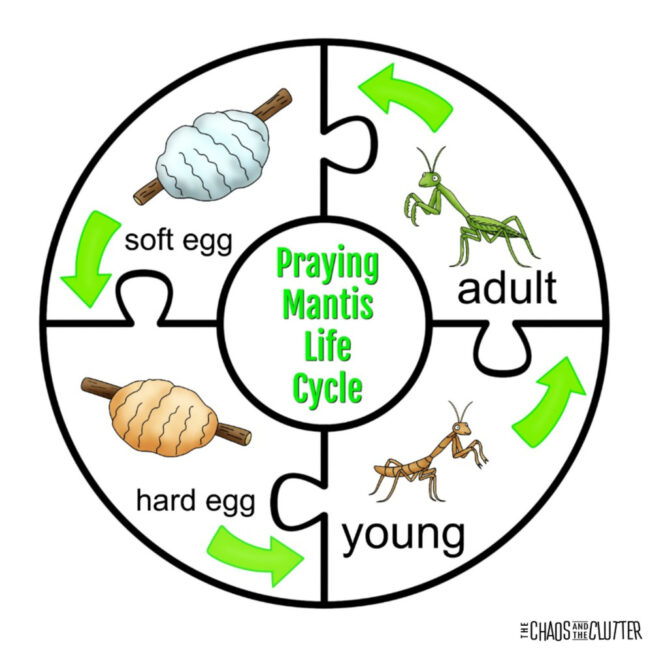
Download your free printable Praying Mantis Life Cycle puzzle to go along with this science activity. 

You may also be interested in checking out these Life Cycle Sensory Bins:
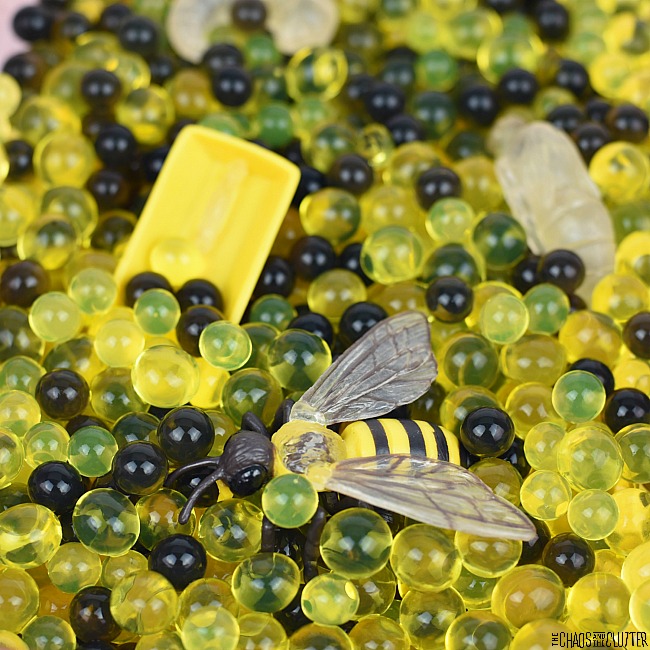
Bee Life Cycle Sensory Bin

Chicken Life Cycle Sensory Bin

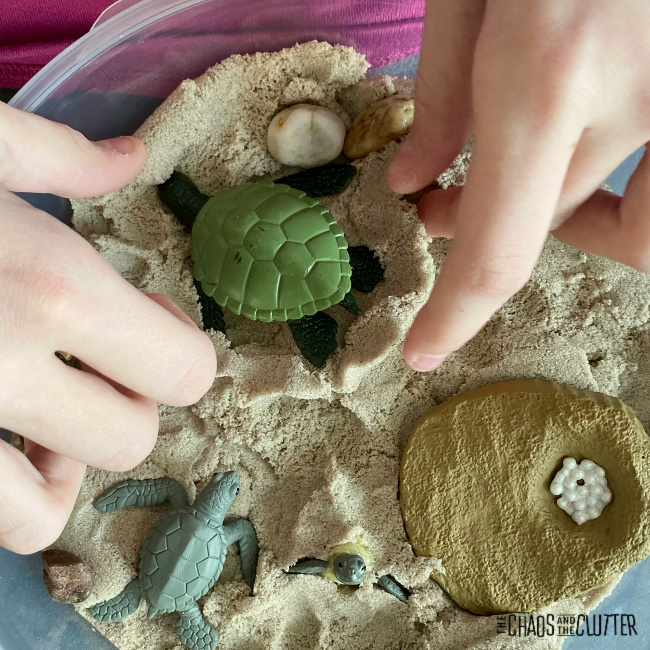
Sea Turtle Life Cycle Sensory Bin
 

Filed Under: Homeschooling, Printables, Sensory Bins

Simple Science: Earthquake Experiment

By Sharla Kostelyk

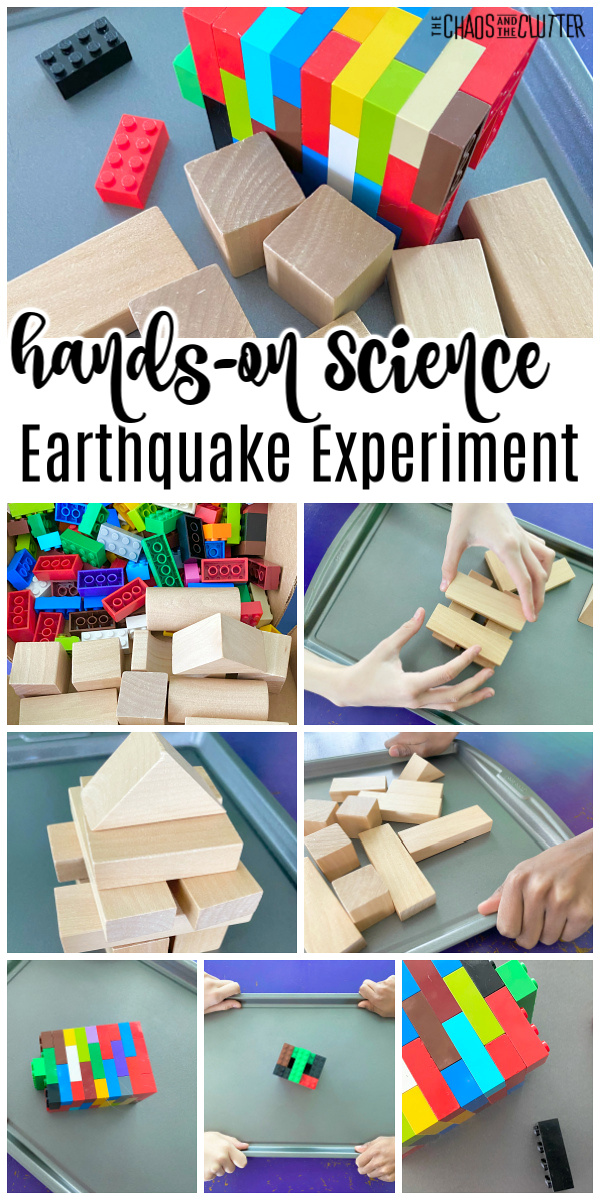
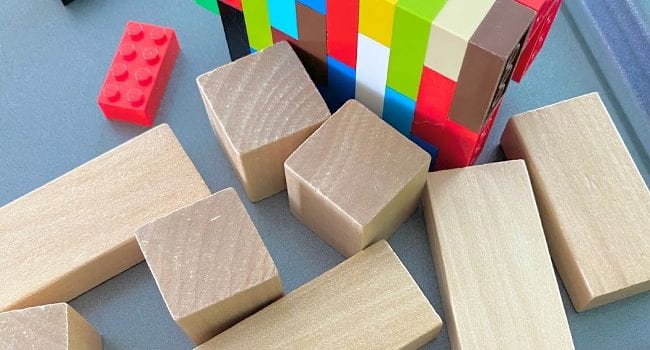
In the past few weeks, we’ve been learning about the Earth’s layers (you can see how to make a Layers of the Earth model here), tectonic plates, volcanoes, and earthquakes. For the teaching on earthquakes, I wanted to give the kids a hands-on activity that would help them remember what they learned.lego bricks and wooden blocks on a cookie tray. Text reads "hands-on science Earthquake Experiment"This earthquake experiment is simple and requires very few items to create. This can easily be done at home and chances are, you already have the items you’ll need. 
Earthquake Experiment:

Supplies needed:

  • metal cookie sheet
  • wooden blocks
  • Lego bricks

Directions:

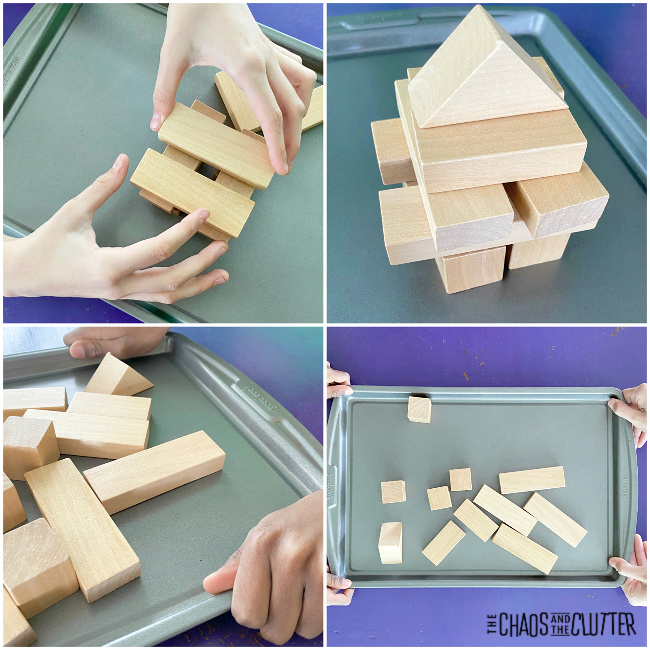
  1. First, have the students construct a tower on the cookie sheet using the wooden blocks.
  2. Have two of the kids sit on either side of the cookie sheet and shake it as if there were an earthquake. Not surprisingly, when we did this, the tower crumbled with very little shaking and the blocks fell.

The metal cookie tray is meant to represent a tectonic plate and the shaking represents the shifting that happens with an earthquake.

Directions Part Two:

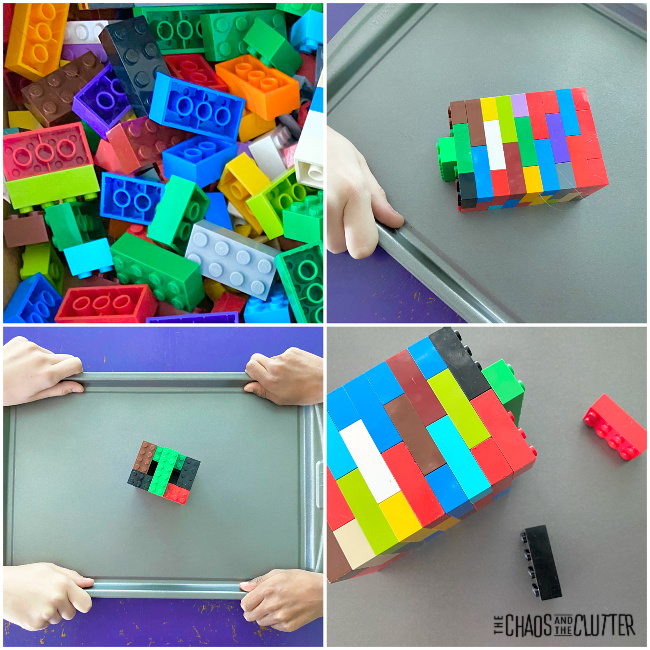
  1. Next, work together to construct a tower with interlocking Lego blocks. Our kids, are always excited when Lego and school collide! Made it approximately the same height and shape as the wooden block tower. For us, it took much longer of course to make the Lego brick tower, which led to a discussion about how sometimes doing things the right way takes more time.
  2. Set the new tower on the cookie sheet and have two kids sit on either side (in order for the experiment to be as scientific as possible, we wanted to use the same people so that they could attempt to create the same earthquake force). At first, they recreated the same shaking they had the first time and the tower stayed intact.
  3. Simulate a larger, more powerful earthquake. When we did this, they became more and more forceful with the shaking, eventually lifting the tray up and banging it up and down as well as side to side before they were able to knock the tower over and dislodge a few of the bricks.

This simple earthquake experiment is an easy way to demonstrate to kids why buildings in earthquake-prone areas need to be built differently to withstand the fallout of the quakes.
Ways to expand your learning about earthquakes:

  • Experiment to show the destruction of earthquakes along fault lines
  • Seismic Waves
  • Tectonic Plates, Earthquakes, and Volcanos
  • What is an Earthquake?

Books for Kids about Earthquakes:

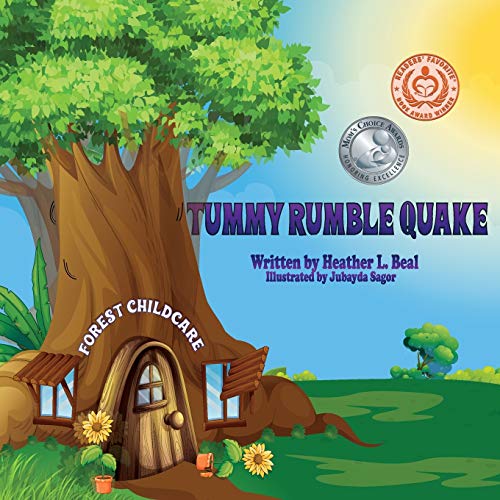
Why Do Tectonic Plates Crash and Slip? Geology Book for KidsWhy Do Tectonic Plates Crash and Slip? Geology Book for KidsWhy Do Tectonic Plates Crash and Slip? Geology Book for KidsEarthquakes and Other Natural DisastersEarthquakes and Other Natural DisastersEarthquakes and Other Natural DisastersTummy Rumble Quake: An Earthquake Safety BookTummy Rumble Quake: An Earthquake Safety BookTummy Rumble Quake: An Earthquake Safety BookEarthquakes! - An Earthshaking Book on the Science of Plate TectonicsEarthquakes! – An Earthshaking Book on the Science of Plate TectonicsEarthquakes! - An Earthshaking Book on the Science of Plate TectonicsJump Into Science: EarthquakesJump Into Science: EarthquakesJump Into Science: Earthquakes


You may also be interested in these other easy science activities for kids about the Earth:

Layers of the Earth Hands-On Science Activity

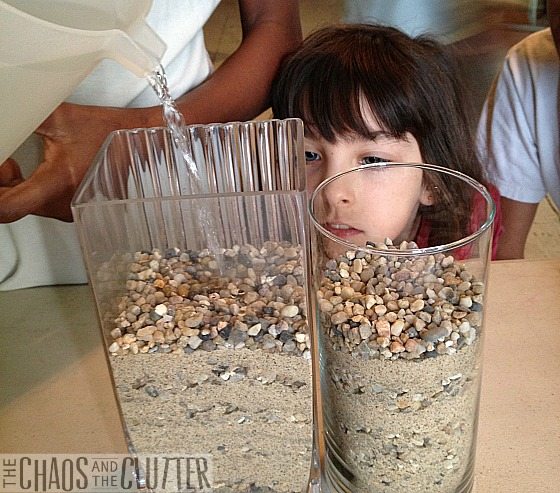
Making GroundwaterScience Groundwater Experiment

How do Fold Mountains FormThis is a great hands-on science experiment to explain how fold mountains are formed.

Filed Under: Homeschooling, Simple Science

2020 Pandemic Journal for Kids

By Sharla Kostelyk

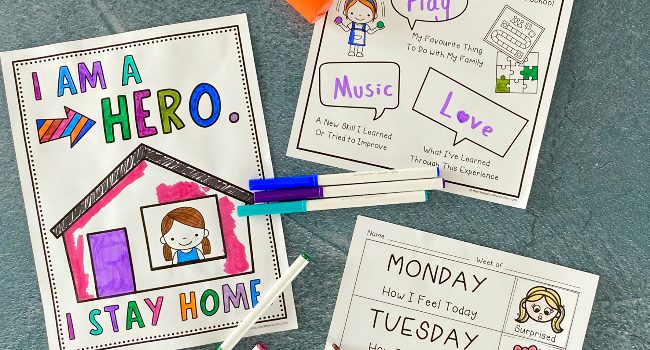
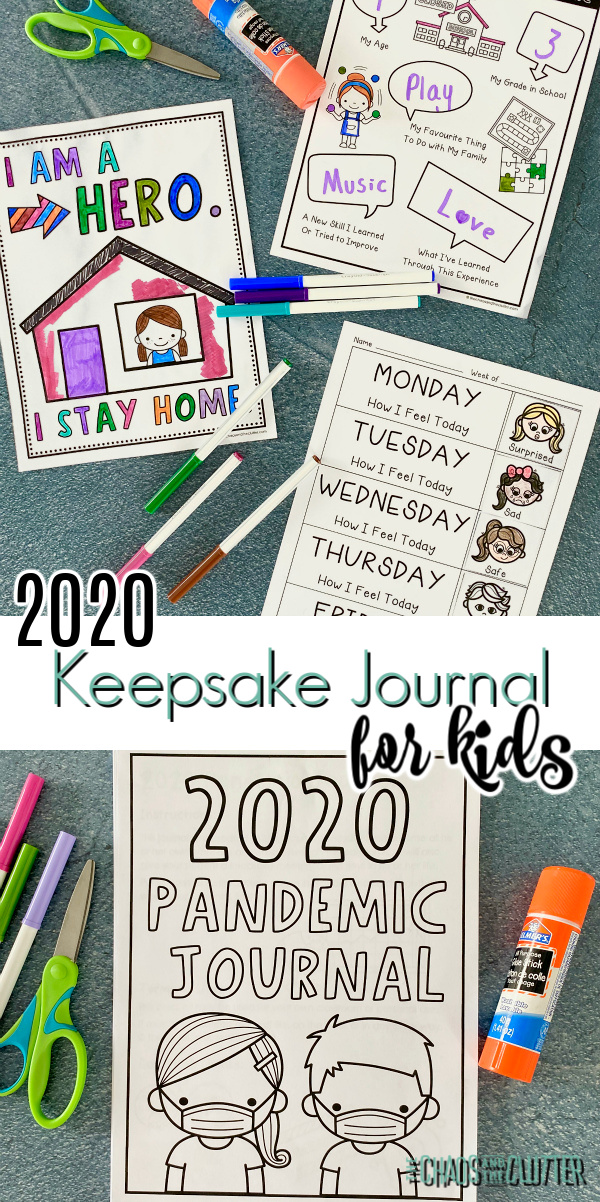
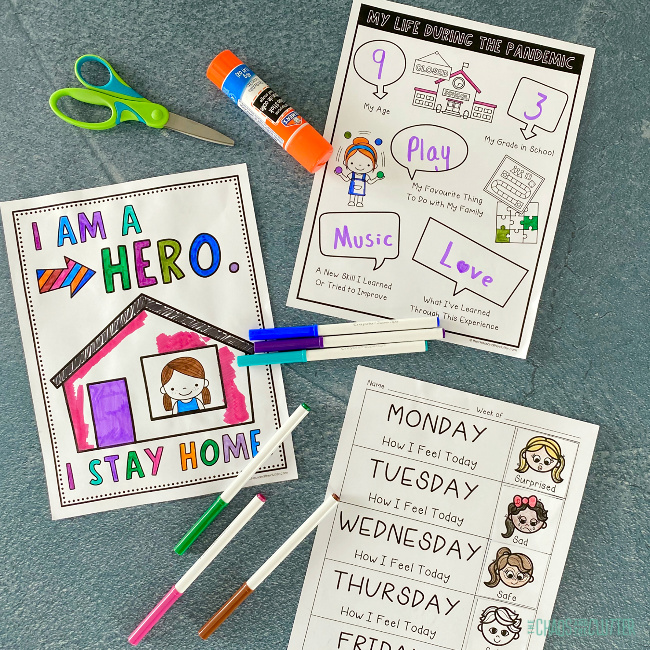
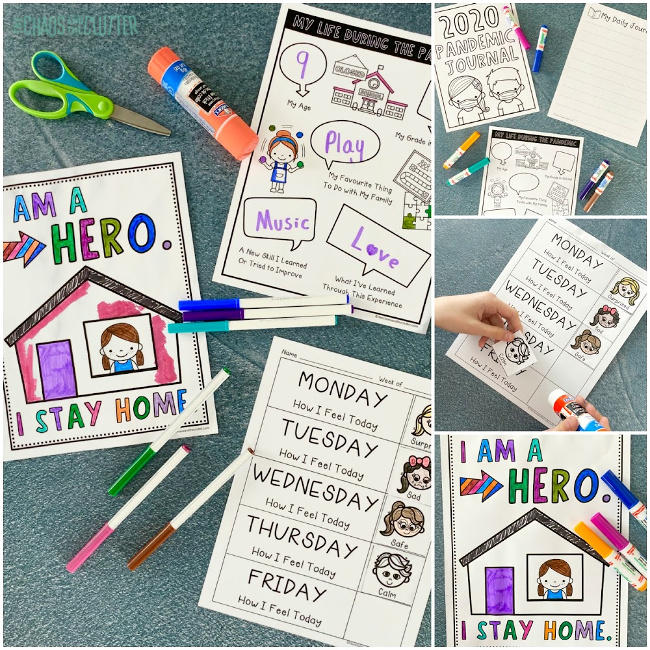
The 2020 Pandemic Journal for Kids is a powerful tool in helping your child focus on the positive, express their feelings in a healthy way, shift their thinking to gratitude and hopefulness, and create a memorable time capsule keepsake.

As much as we try to shelter our child from the stress of what’s happening in the world right now, we can’t shield them from it all. Their reality has been altered. School closures, not being able to hug grandparents or visit friends, not going out to the playground, movies, or even the store, and maybe hearing the hushed whispers of adults are just a few of the changes your child may be facing. 

Even though we are doing our best as parents to make things as normal as possible for them, chances are, they still carry with them some concern. Worry in a child may look like:​

  • teasing or arguing with siblings more than usual
  • being irritable
  • having trouble falling asleep or having nightmares
  • whining
  • outbursts or meltdowns
  • being rigid/inflexible
  • quick or easy to anger
  • easily frustrated
  • big emotions
  • asking a lot of questions
  • aggression

What can you do to help your child through this?

Offer hope. ​

Talk about the future without making promises you can’t keep. The statement “Someday, you’ll be able to tell your kids that you were 9 years old during the 2020 pandemic.” is very powerful. It conveys to them that this will not end the world. That they have a future to look forward to and it also helps them feel like what they are doing now will hold a place in history. 

Help them focus on the positive.

There is so much surrounding them that is difficult right now that it can be easy for kids (and adults) to slip into negative thought patterns. “It’s never going to get better.” “I can’t do …”

By helping them reframe what they are going through in more positive language, kids can shift their thinking to gratitude and hopefulness.

Give them an outlet for expressing their feelings.

When kids are able to identify their feelings, they can better manage them. By tracking their emotions, they can also learn to communicate about them. This helps parents and teachers be able to help them through even the most difficult emotions and enables them to equip their child or student with appropriate calm down strategies and tools to better manage those.

What the 2020 Pandemic Journal for Kids includes:

  • 19 printable pages
  • prompts to help kids document the journey for a time capsule keepsake
  • pages for them to help identify and process their emotions
  • new habit tracker 
  • gratitude journal 
  • encouraging colouring pages
  • ideas to help them focus on the positives
  • and more

How to Use the Journal:

Supplies needed:

  • 2020 Pandemic Journal for Kids (download yours here)
  • pen or pencil
  • markers, crayons, or pencil crayons
  • scissors
  • glue stick or glue

Instructions:

  1. Download the pandemic journal.
  2. Print off the pages. You may want to make multiple copies of some of the pages such as the gratitude page and daily journal. 
  3. Have your child complete the pages of the journal.
  4. If you want to, you can hole punch the papers to keep them in a binder or duo tang. 

How to adapt the Pandemic Journal for Preschoolers:

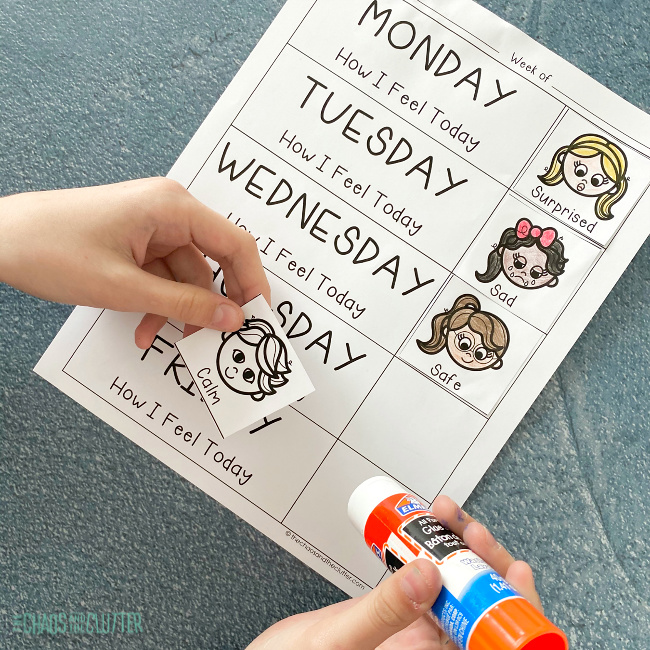
Even preschoolers can easily use this tool. They can colour the title page and colouring pages, a parent can help them fill in the answers for the “my life during the pandemic page” by interviewing them and recording their answers, the Feelings Log pages can be completed by colouring, cutting, and pasting, and all the other sheets can be completed by drawing rather than writing. 

How to adapt the Pandemic Journal for Older Kids and Teens:

This tool can actually serve as an inspiration for your teen or older child to expand on this idea. Perhaps they will want to create a video journal or scrapbook of news articles to accompany their Pandemic Journal. Maybe they will choose to write a report on what they are learning through this experience or about the ways the world came together. 

They can use the pages in the journal to write their experiences, thoughts, and emotions as well as to document the experience through their eyes. Depending on the age, maturity, and personality of your teen, they also want to follow reputable news sources to create a timeline or even write a book about the pandemic as seen through their eyes.

To download your free copy of the 2020 Pandemic Journal for Kids, enter your email address in the box below.

You may also be interested in reading:

Your Complete Guide to School at Home

How to Talk to Your Child about the Pandemic

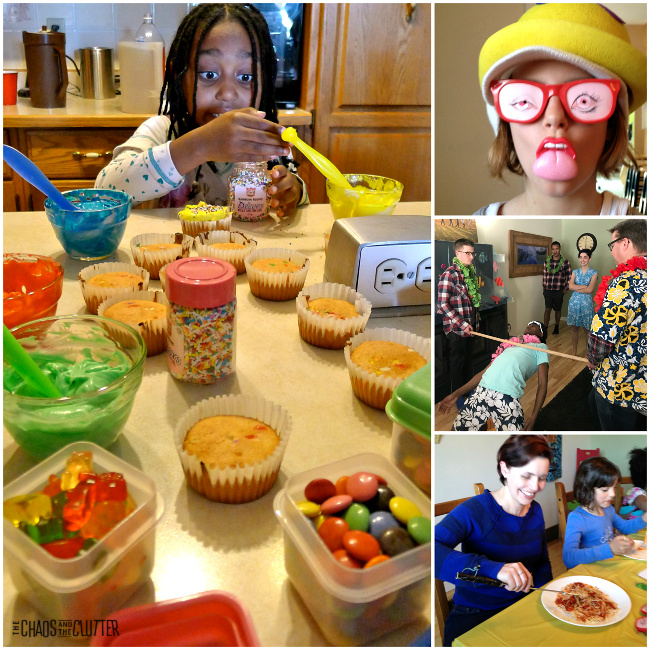
Theme Day Ideas for Family Fun at Home

Filed Under: Homeschooling, Parenting in the Chaos, Printables Tagged With: parenting through pandemic

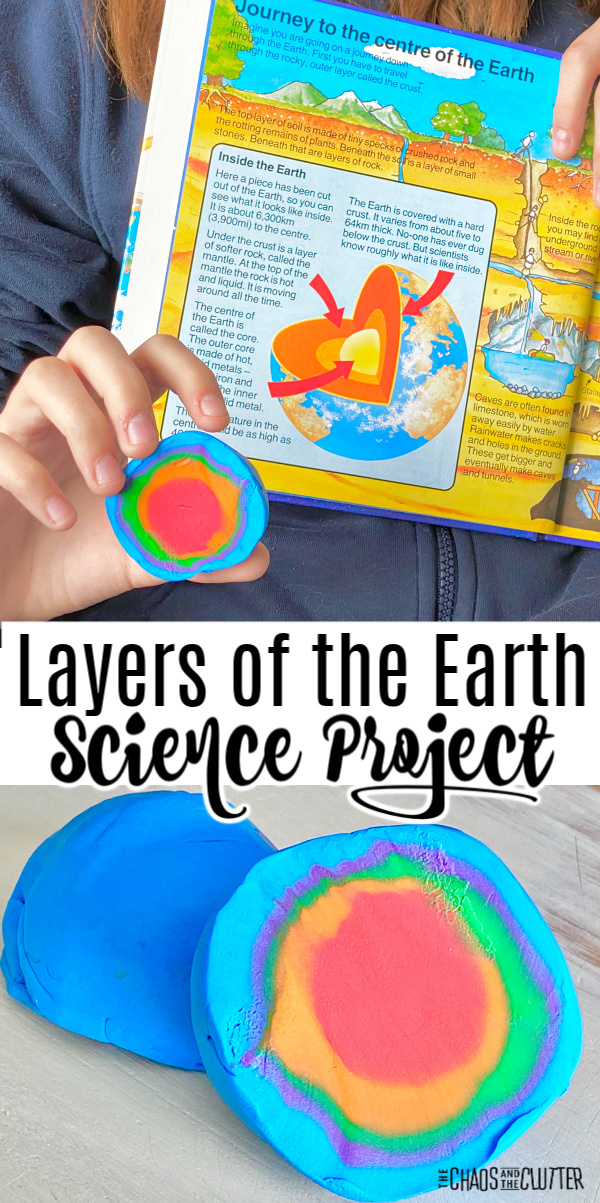
Layers of the Earth Hands on Science Activity

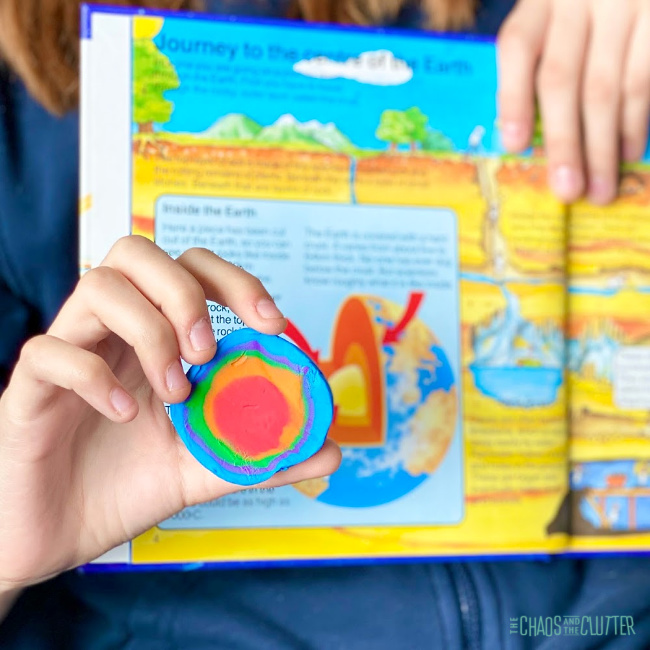
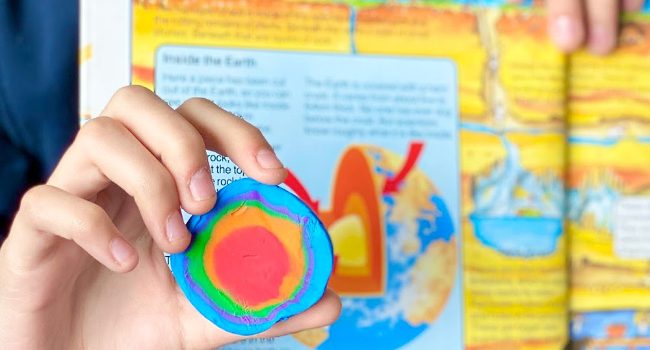
hand holding half a ball with layers of colour and a book open to a page about the layers of the Earth

By Sharla Kostelyk

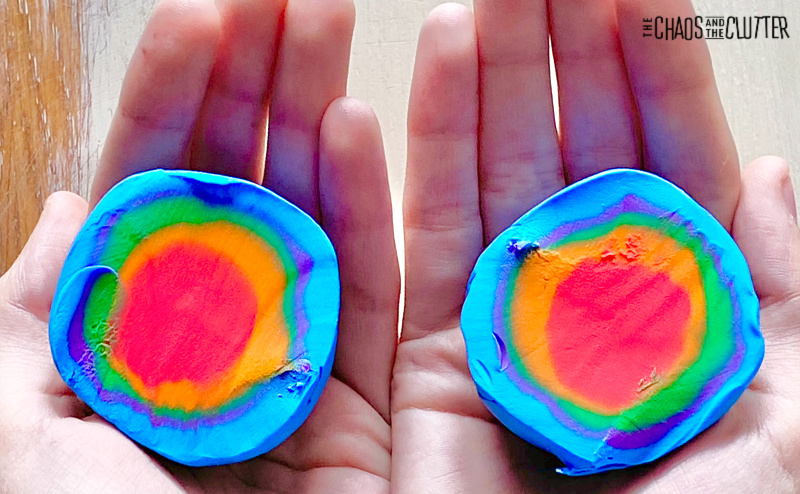
When teaching students about the structure of the Earth, this 3D layers of the Earth project really helps bring it to life. Using a hands-on activity like this helps kids be able to conceptualize what they’re learning and be able to retain it. 3D model made with modelling clay. Text reads "Layers of the Earth Science Project"This project is super easy to make with minimal supplies. Watch the video below to see exactly how to shape your layers of the Earth visual model. 
Layers of the Earth Activity:

To create this 3D model of the layers of the Earth, you will need just a few easy-to-acquire supplies. 

Supplies needed:

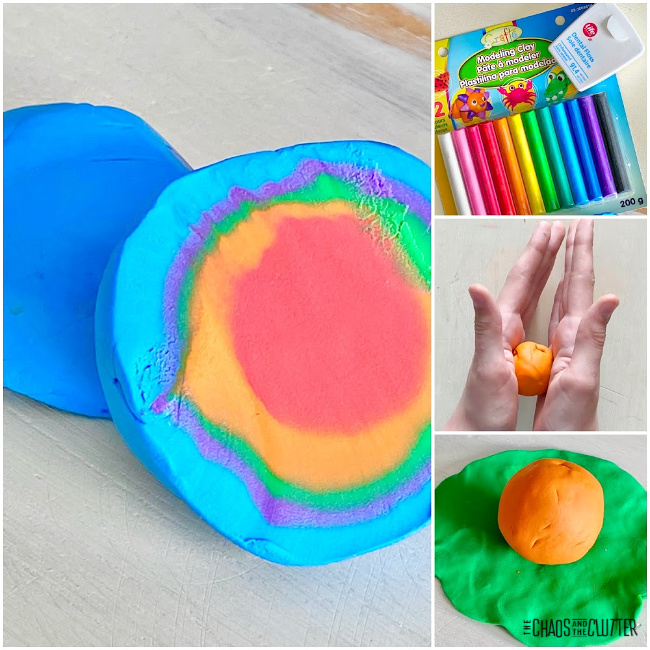
  • 5 colours of modelling clay
  • waxed dental floss

Directions:

  1. Form a ball to represent the inner core. We chose red to represent the intense heat of the inner core.
  2. Next, roll out a circle of another colour and wrap around the ball and roll gently. This next layer represents the outer core.
  3. Each subsequent colour will need more modelling clay than the last. You will need a colour to represent the lower mantle, another for the upper mantle, and the outer layer for the crust.*
  4. Once your ball of 5 layers of modelling clay is complete, use a piece of waxed dental floss to cut the ball down the middle, revealing all the layers underneath.

*Be sure not to press the layers too firmly together so that the colours don’t mix.

Ways to expand on this activity:

  • Have your child draw a diagram depicting the layers and labelling them. 
  • Set out books about the Earth for your child to peruse. 
  • Hang up a learning poster in your classroom or home to give kids another visual cue.
  • Make a Layers of the Earth Soap with the kids.
  • Make some Layers of the Earth Pudding Cups as a related snack.

Earth Books to go along with this science unit:

The Ultimate Book of Planet EarthThe Ultimate Book of Planet EarthThe Ultimate Book of Planet EarthMy First Book About Our Amazing EarthMy First Book About Our Amazing EarthMy First Book About Our Amazing EarthThe Big Earth BookThe Big Earth BookThe Big Earth BookEarth and Space Coloring Book: Featuring Photographs from the Archives of NASAEarth and Space Colouring Book: Featuring Photographs from the Archives of NASAEarth and Space Coloring Book: Featuring Photographs from the Archives of NASA


You may also be interested in these hands-on science activities for kids:

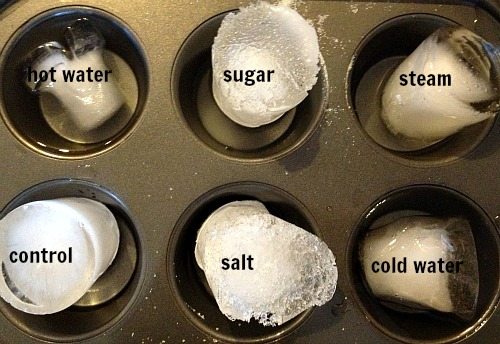
Melting Ice Experiment

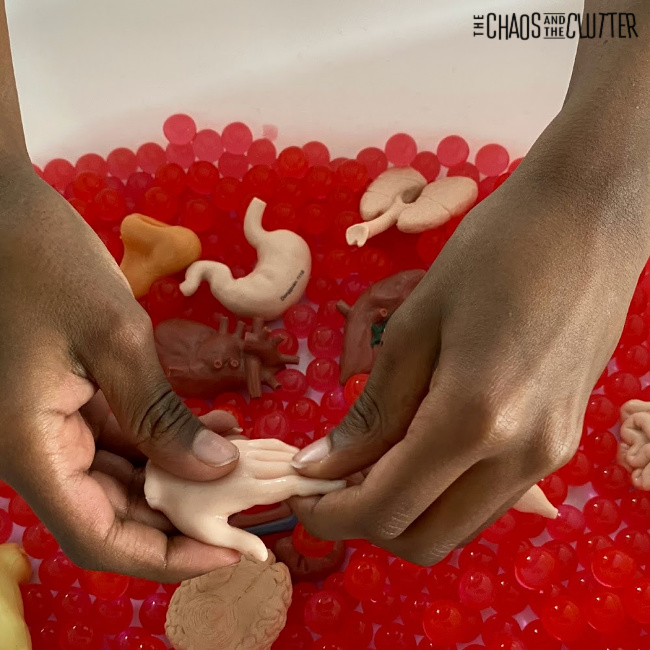
Human Body Sensory Bin

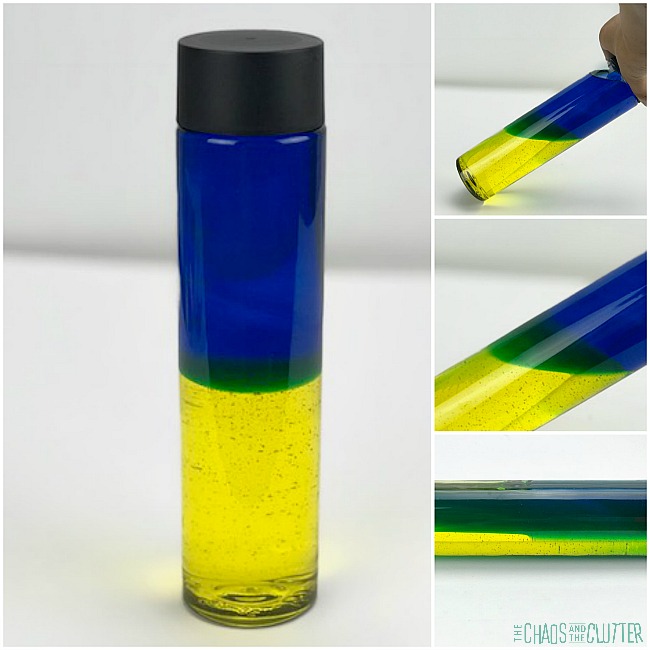
Colour Mixing Sensory Bottle

Filed Under: Homeschooling, Simple Science

April Emotions Printables for Kids

By Sharla Kostelyk

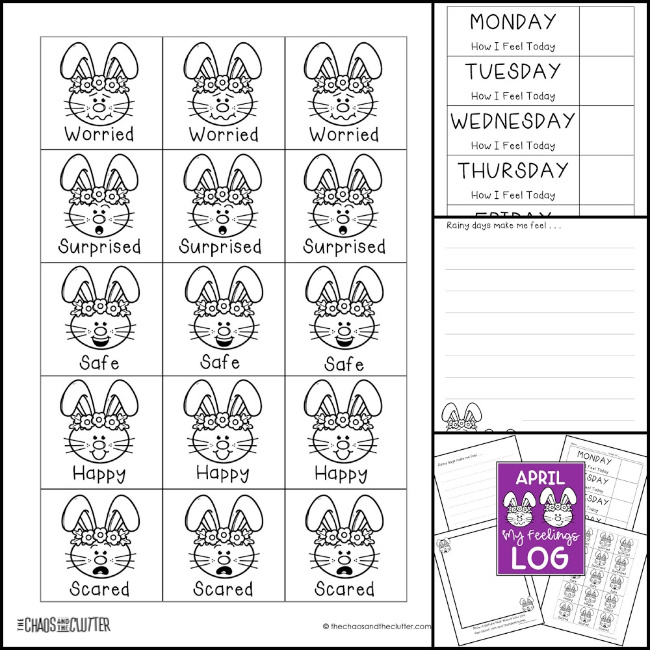
It is so important, especially during hard times that kids learn to communicate about their feelings. With these April Emotions Printables, you can help your child process and talk about their feelings. This will also help them expand their vocabulary of different emotions which can also help them with empathy. April Emotions printables collage of pages printed out

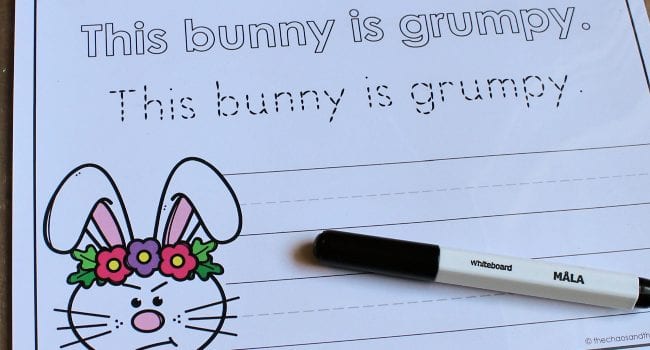
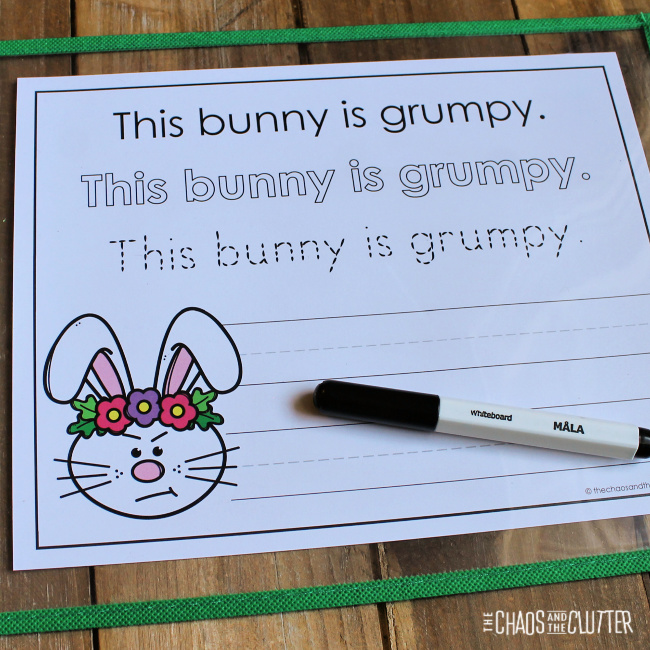
The printable copywork pages help children associate the emotion word with the corresponding facial expression using adorable little Easter bunnies. They also offer extra printing practise.

Right now, kids may be experiencing a wide range of emotions and they likely vary from day to day or even from hour to hour. Keeping track of these feelings can be a healthy way for them to work through them. When kids can name their emotions, they can better manage them. That’s why this month’s My Feelings Log is particularly important to use. 

April Emotions Printables for Kids:

April Copywork Emotions Sentences:

Supplies needed:

  • April Emotions Printable pages (download them here)
  • pen or pencil OR
  • plastic sleeve AND dry erase marker

If you the sheets to be reusable, laminate the pages or slip them in a plastic page protector. Your child can then use a dry erase marker to do the tracing and writing. Or you can have them write directly on the pages with a pen, pencil, marker, or pencil crayons.

Copywork Sentences Instructions for the child:

  1. Read the sentence.
  2. Fill in the outline.
  3. Trace the dotted words.
  4. Write the sentence on the lines provided.
  5. Discuss the various emotions.

These worksheets can be a starting point for a talk about different emotions. You can further expand on this by having the child describe a time when they have felt that emotion. They can also come up with a story describing why the Easter bunny might be experiencing that particular feeling.
April My Feelings Log:

Supplies needed:

  • printed Feelings Log (download here)
  • scissors
  • glue stick
  • markers, pencil crayons (coloured pencils), or crayons
  • pen or pencil

My Feelings Log Instructions for the child:

  1. Choose one icon each day to colour, cut, and paste to your log.
  2. At the end of the month, you can look back and see the various emotions you felt.
  3. Discuss your feelings with a parent or trusted adult.

The bunny emotion visuals can help children better identify and work through their own feelings in a way that feels less vulnerable. Once you know HOW they are feeling that day, you can help them dig into WHY they might be feeling that way. Together, you can then work on strategies for managing that emotion.
Simply enter your email in the box below to download the April Emotions Printable Worksheets. You can print them off to use them with your child at home or with your students.

You may also be interested in reading:

Calming Your Child’s Fight, Flight, or Freeze Response

Calm Down Breathing for Kids

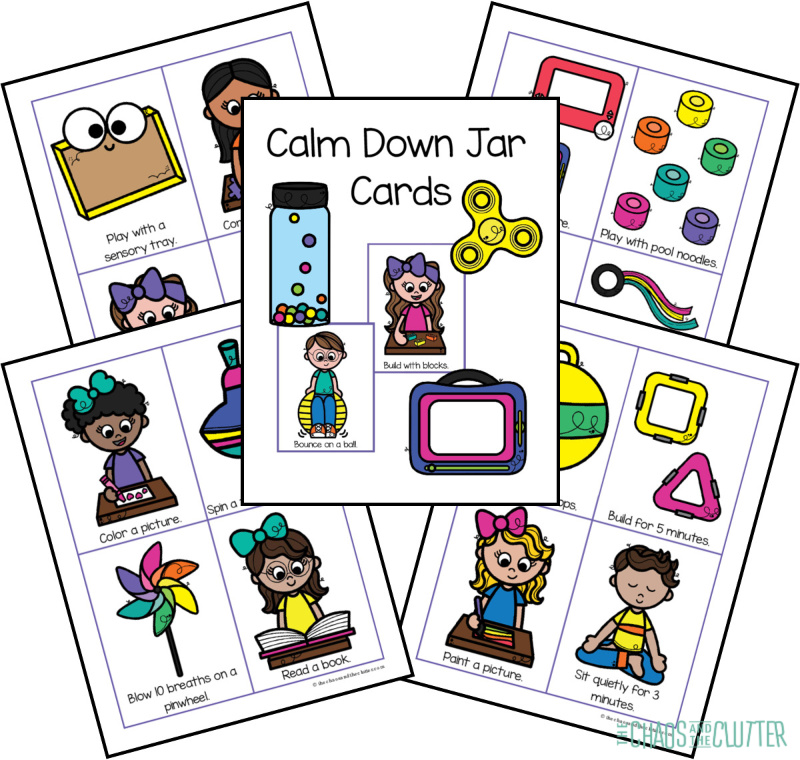
Calm Down Jar Cards

Filed Under: Homeschooling, Printables Tagged With: parenting through pandemic

Life Cycle of a Chicken Sensory Bin

By Sharla Kostelyk

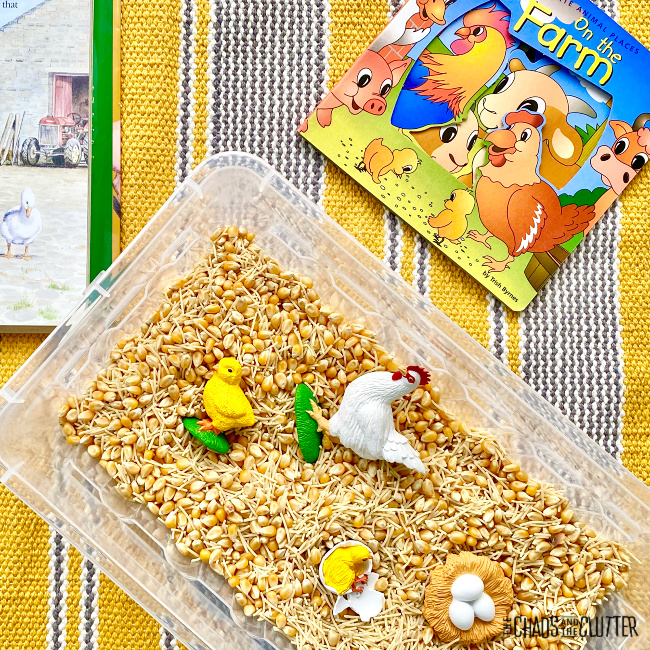
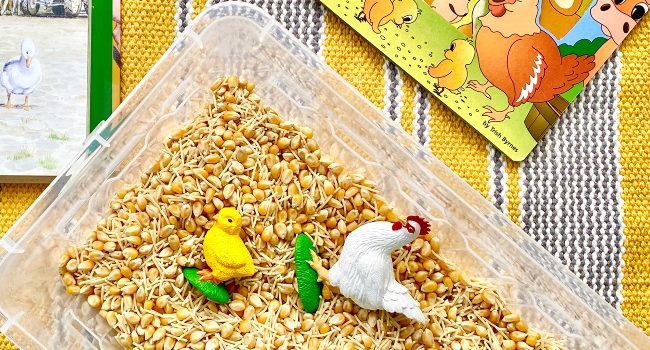
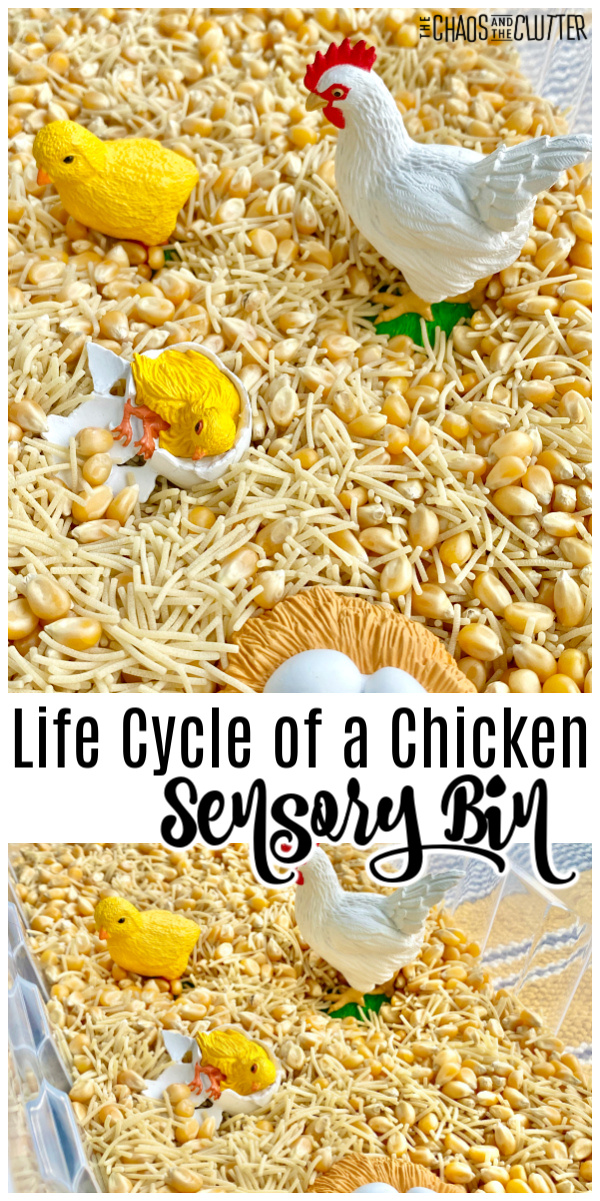
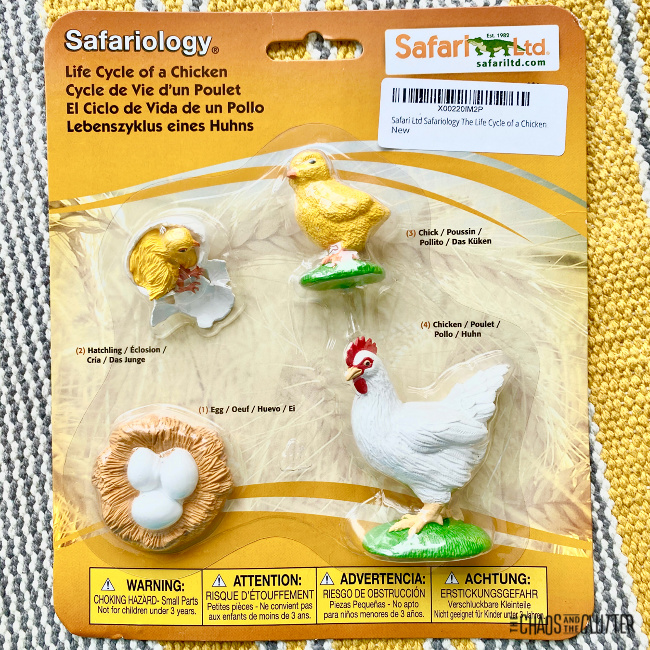
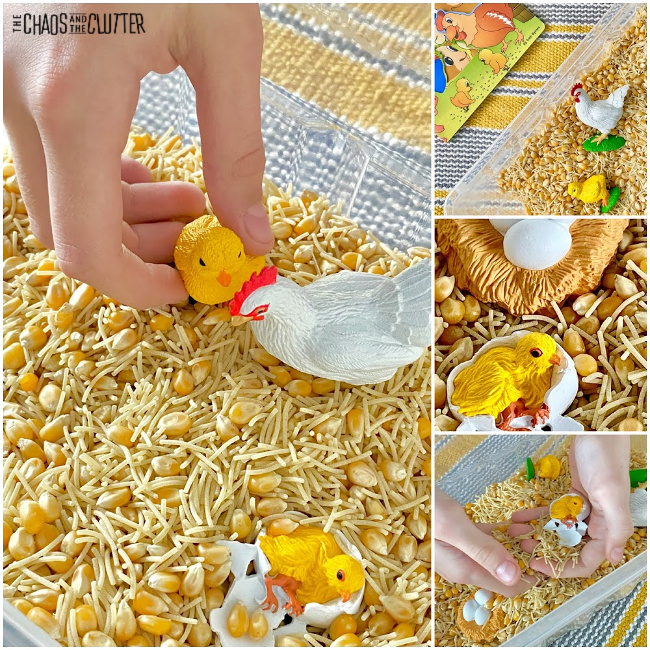
Hands-on learning is the best kind of learning. Let kids explore farm animal science in this Life Cycle of a Chicken Sensory Bin. This lesson can be used with preschoolers and students in early elementary.popcorn seeds, dry noodles, chicken, egg, chicks. Text reads "Life Cycle of a Chicken Sensory Bin"

You can set up this sensory bin as part of a Farm unit. It’s a cute way to introduce the farm unit or set up a sensory station in your home or classroom. This is also a super cute activity to do in the springtime. 

Life Cycle of a Chicken Sensory Bin:

Supplies needed:

  • plastic bin
  • popcorn seeds
  • dry noodles (like the kind you use in chicken noodle soup ironically!)*
  • life cycle of a chicken pack
  • optional: scoops or spoons

Note: *I found my dry noodles at the bulk foods store.

Directions:

  1. Place the popcorn kernels and dry noodles in a plastic bin.
  2. Add the figures from the life cycle of a chicken pack.
  3. Invite your child to explore and play.

Ways to expand this activity:

  • Set out books about farm animals and/or chickens nearby to expand on this activity.
  • Talk about the sounds chickens make and have your child imitate the noise.
  • Discuss what kinds of things we use eggs for.
  • Make a recipe that uses eggs together. 
  • Learn more about chickens and raising chickens using the resources listed below.
  • Visit a local farm. 
  • Raise chicks. 
  • Print off this puzzle. Cut out the pieces for kids to assemble.

The stages of development of a chicken are:

  1. egg development
  2. hatchling
  3. chick
  4. pullet (adolescent)
  5. chicken

If your kids want to learn more about chickens, here are some resources to help you expand their knowledge:

Life Cycle of a Chicken Puzzle (free printable)

Life Cycle of a Chicken Printable Cards

Chick to Hen Life Cycle Craft

Learn the 4 key stages of the chicken life cycle.

How to Collect and Clean Chicken Eggs

Chicken Farm Animals: Baby to Grown

All About Chickens for Kids and Teachers

Sign up to download your FREE Chicken Life Cycle printable puzzle.

Check out some of our other Life Cycle Sensory Bins:

Sea Turtle Life Cycle Sensory BinBee Life Cycle Sensory Bin

Praying Mantis Life Cycle Sensory Bin

Filed Under: Homeschooling, Printables, Sensory Bins, Simple Science Tagged With: sensory play

  • « Go to Previous Page
  • Page 1
  • Interim pages omitted …
  • Page 3
  • Page 4
  • Page 5
  • Page 6
  • Page 7
  • Interim pages omitted …
  • Page 23
  • Go to Next Page »

Primary Sidebar

Categories

We are a participant in the Amazon Services LLC Associates Program, an affiliate advertising program designed to provide a means for us to earn fees by linking to Amazon.com and affiliated sites.

Copyright © 2026 • The Chaos and the Clutter • Site Design by Jeni @ The Blog Maven

Return to top of page

Copyright © 2026 · Chaos and the Clutter 2.0 on Genesis Framework · WordPress · Log in