
• Skip to primary navigation
  • Skip to main content
  • Skip to primary sidebar
  • Home
  • About
  • Contact
  • Privacy + Terms
  • Affiliates

The Chaos and the Clutter

  • Facebook
  • Twitter
  • Pinterest
  • Google Plus
  • RSS
  • Email
  • School at Home
  • Sensory
    • Sensory Processing Disorder
    • Awesome Sensory Play Activities
      • Sensory Bins
      • Sensory Bottles
      • Sensory Bags
  • Family Games
    • Minute to Win It Games
  • Special Needs Parenting
    • Childhood Anxiety
    • Reactive Attachment Disorder
    • Sensory Processing Disorder
  • Store
  • Course Login

Special Needs Parenting

Is My Child Having a Sensory Meltdown?

By Sharla Kostelyk

Maybe you’ve been there. When it comes to sensory meltdowns, I’ve been present for my fair share. I’m taken back to one particular episode my son was having. All the kids and I were at the convenience store waiting in line to pay for our gas fill-up and the Slurpees we had in our hands and he was having what appeared to everyone around us to be a tantrum. He was on the floor of the store, kicking and screaming and I wasn’t sure what to do with the Slurpees we were holding. I knew I had to get him out of that crowded store, but there were people ahead of us and people behind us and then, it happened…

“Isn’t your son too old to be having a tantrum? I never would have let my kids get away with that at his age.”

A lady who was a few people behind us in line piped up loudly to no one in particular. I wished the floor would open beneath me and swallow me up. I wish I could tell you that I turned to her assertively and told her that my ten year old was most certainly not having a tantrum and that his response was neither a reflection on him or on my parenting or that I had calmly handed her a Sensory Meltdown Awareness card, but my response was to turn beet red and stare straight ahead while I prayed for the line to move more quickly. After we paid, I got my son and other kids out of there as fast as I possibly could.
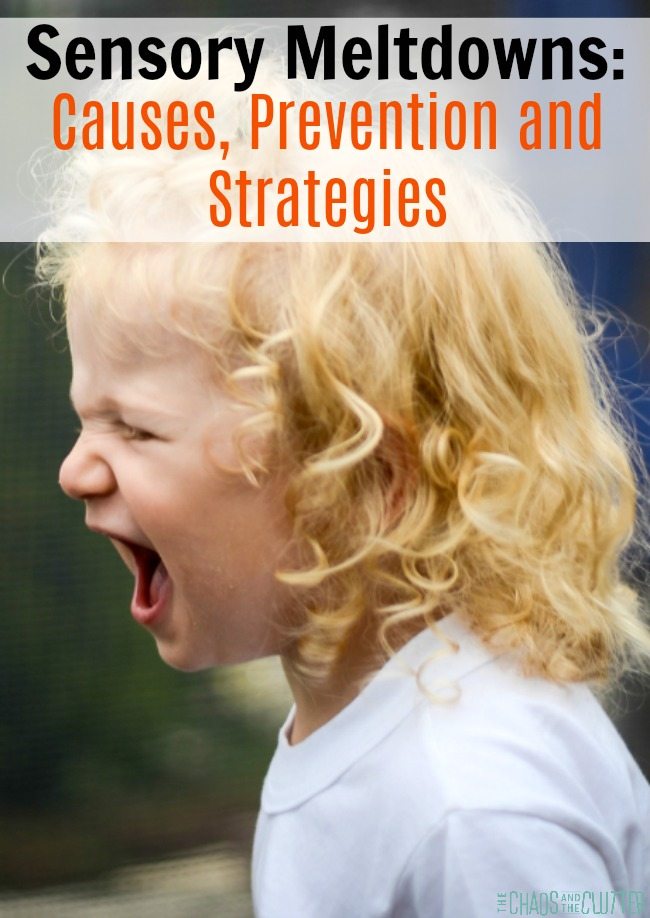
Sensory Meltdowns: Causes, Prevention, Signs, and Strategies. If you're parenting a child who has meltdowns, you have to read this!I wish that back then I had had the language and confidence to be able to turn to that lady and tell her that my son was not having a tantrum. That he was having a neurological response that caused a fight or flight reaction in his brain. That he needed compassion and help instead of judgment and condemnation.

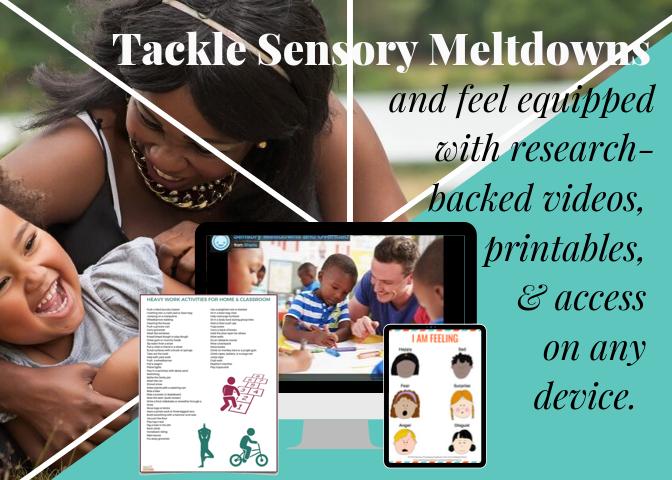
Learn everything you need to know about preventing sensory overload, preventing sensory meltdowns, managing meltdowns once they happen, talking to your child about them while still maintaining a connection, and handling difficult situations like biting, screaming, hitting, kicking, and public meltdowns in our digital course, Overcoming Sensory Meltdowns.
What is a sensory meltdown?

A sensory meltdown is a fight, flight or freeze response to sensory overload. It is often mistaken for a tantrum or misbehaviour.

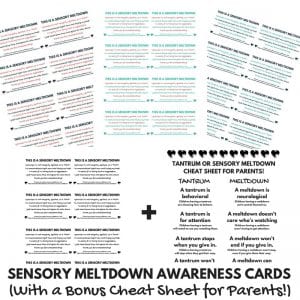
The main way to be able to tell the difference between a tantrum and a sensory meltdown is that tantrums have a purpose. They are designed to elicit a certain response or outcome.

Sensory meltdowns are a reaction to stimuli or something in the environment and are usually beyond the child’s control. A child will stop a tantrum when they get the desired response or outcome, but a sensory meltdown will not stop just by “giving in” to the child.

Another difference between tantrums and sensory meltdowns is that tantrums are often for attention whereas the last thing a child having a sensory meltdown wants is more attention.

Common causes of sensory meltdowns:

  • sensory overload
  • sensory underload (not really a word!), meaning seeking sensory stimuli
  • being in a new or challenging situation
  • change in routine
  • difficulty with transitions
  • inability to accurately communicate
  • lack of sleep
  • hunger or poor nutrition
  • thirst
  • dysregulation

How to respond to a sensory meltdown:

Control your own response – remember that your child is having a neurological response. You cannot help your child calm down if you are not calm yourself.

Talk as little as possible. Once your child is having a fight, flight, freeze response, their ability to access the part of the brain that processed language is essentially shut down. What works best is to say something repetitively in a very calm, soft voice such as “let’s breathe”.

Remove the child from the environment to a place with very little sensory stimuli.

If possible, provide a sensory area for your child to go to with calming music, a soft or weighted blanket, noise cancelling headphones, chewelry, fidgets, a vibrating palm massager, and low lighting.

Use a calm down kit. Be sure to have practised while your child is calm so that the items and techniques will be familiar.

Help them focus on regulating their breathing. Blowing bubbles, blowing a pinwheel or placing their hand on their stomach to feel it rise and fall are good techniques to try.

What does a sensory meltdown look like?

Each child is different and no two meltdowns will look exactly the same even from the same child. Much of the sensory meltdown is due to a fight, flight or freeze response so that will determine some of what you see. Here are some of the things you might see in a sensory meltdown:

  • running away
  • whining
  • hiding
  • avoiding eye contact
  • curling up in the fetal position
  • covering their eyes or ears
  • screaming
  • crying
  • hitting
  • punching
  • pushing
  • biting
  • spitting
  • yawning
  • shutting down, not speaking, not moving

Preventing sensory meltdowns before they start:

While certainly not all sensory meltdowns can be prevented, there are things you can do to reduce the intensity and frequency of them.

Ensure that your child is always well hydrated by keeping your child’s water bottle filled and reminding them to drink from it often.

Provide healthy snacks often throughout the day.

Identify and avoid your child’s sensory triggers. As an example, if you know that your child is triggered by loud noises, use noise cancelling headphones for places that might be an issue or avoid times or locations where it may be too noisy or where sudden, loud sounds may occur. Keeping a sensory triggers log is crucial and can provide you with so much information. There is a Sensory Triggers Log included in the More Calm in the Chaos printable planner.

Be sure that your child is getting sufficient sleep. Being overtired contributes to meltdowns. If they are having a hard time falling asleep or staying asleep, you may want to try these sensory sleep solutions.

Teach your child techniques for calming and for self-regulation. I find that having an anti-anxety kit made specifically for your child and helping them practise with it is very effective for this.

Work on giving them an emotional vocabulary so that they can express their feelings more easily.

Ensure that your child is regularly accessing sensory activities that give them sensory input for all sensory systems. Heavy work activities are especially important.

Carry a small sensory toolkit with you with items such as sensory balls (you can easily make your own) and small fidgets.

Teach calming breathing techniques.

Use social stories.

Be sure to include some routines each day that your child can count on.

Give lots of lead-up and warning before transition times. Transition times are particularly difficult and are often the source of meltdowns if not properly handled.

These Sensory Meltdown Awareness Cards are perfect for handing out to increase understanding and cut back on judgment in public.
Looking for more help in parenting a child with sensory processing disorder? Join me for a free 5 part email series Sensory Solutions and Activities and get your Sensory System Behaviours Easy Reference Cards.

weighted blanket for sleepSleep Solutions for Children with Sensory Needs
How is behaviour affected by your child's sensory systems?What Does Behaviour Have to do with Sensory Systems?

 

Filed Under: Sensory, Special Needs Parenting

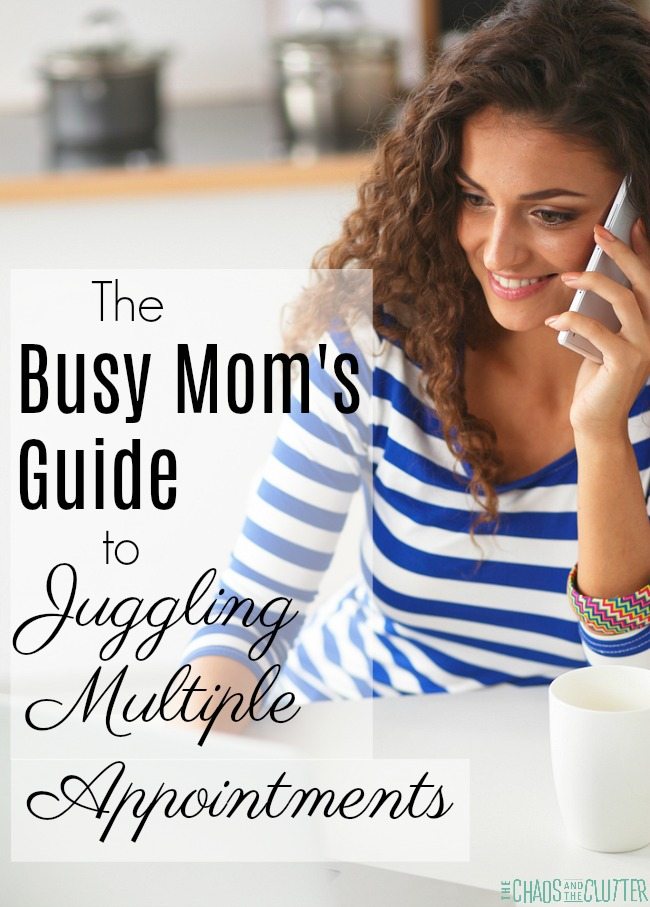
The Busy Mom’s Guide to Juggling Multiple Appointments

The Busy Mom's Guide to Juggling Multiple Appointments

By Sharla Kostelyk

Running around to appointments is a reality for all moms. There’s the dentist, the paediatrician, the annual optometry check-up for each of the kids. For moms who have children with special needs, those appointments are multiplied at least ten fold.

Occupational therapist, speech therapist, physical therapist, psychologist, psychiatrist, medical specialists, geneticists, social skills classes, just to mention a few, all make for a very busy and potentially chaotic schedule.

The Busy Mom's Guide to Juggling Multiple AppointmentsAs the mom of seven kids and with five of them having special needs, I have learned a lot about juggling appointments with life. I have also found some secrets that have made my life so much easier. I hope in sharing them with you, I can help you save a bit of sanity and a lot of time!


These tips will make juggling multiple appointments and errands and classes and life run much more smoothly:

  1. Book the appointments for first thing in the morning. This will ensure that you will get in right on time and there won’t be any waiting. This tip alone will save you so much time!
  2. Ask if it’s possible for them to do their appointment confirmations via text or email. It used to feel like I spent as much time on the phone confirming the appointments as I did actually making the appointments in the first place. Since I switched to having them text or email me to confirm, it has saved me time and frustration.
  3. Have a designated appointment day every week. I have a set day that I leave open for appointments and running errands. I know that I will be out that day, so it’s easy to plan everything. In my life, one day isn’t enough for all the appointments, but it helps.
  4. Batch book. Set aside one time to book all the appointments for the month. This not only saves time, it saves mental energy because you get it all done in one sitting.
  5. Program all the relevant phone numbers into your smart phone (if you have one). Having easy access to the numbers makes it that much easier. I’ve even been known to batch book appointments (see #4) while sitting waiting at an appointment.
  6. Get to know the receptionists. Be extra kind to them. Bring chocolate. I am not kidding. The receptionist is the gate-keeper and if you want those early morning time slots or to be called first when they have a cancellation or to be given grace if you show up late to an appointment because another child’s appointment ran late, be extremely kind to the receptionists.
  7. Location, location! Try to find specialists who are on the same side of the city so that you can book appointments on the same day and not have as much travel time.
  8. Find specialists who are willing to come to your home. People are always shocked to hear this, but it is possible to find trained professionals in many specialities who will come right into your home. Not only will this save you time, your child will feel more comfortable and may do better. We did speech therapy for two of our daughters over Skype from right in our house.
  9. Use the More Calm in the Chaos Planner. I designed this planner especially for moms of kids with special needs. It has everything you could need. When it comes to appointments, it has an Appointments-at-a-glance sheet as well as one that allows you to go more in-depth such as noting questions you want to be sure to ask at the appointment and keeping track of referrals made. It also allows you to keep referral letters, diagnosis papers, prescriptions, and medication logs all in one place and gives you a place to track symptoms or patterns to be able to share with the professionals working with your child. 
  10. Take pictures of important documents. My trick is that I take a picture of important papers so that even if I forget the originals at home (which I’ve been known to do), I can still show the picture of them at the appointment. Examples of things that I take pictures of: dental x-rays, regular x-rays, medical test results, diagnosis letters, audiograms, and prescriptions.

I hope this list of tips and tricks will help streamline your appointments and make your life as a busy mom just a little bit easier. You can also read my tips for surviving waiting rooms with kids for ideas for once you’re actually at the appointments.
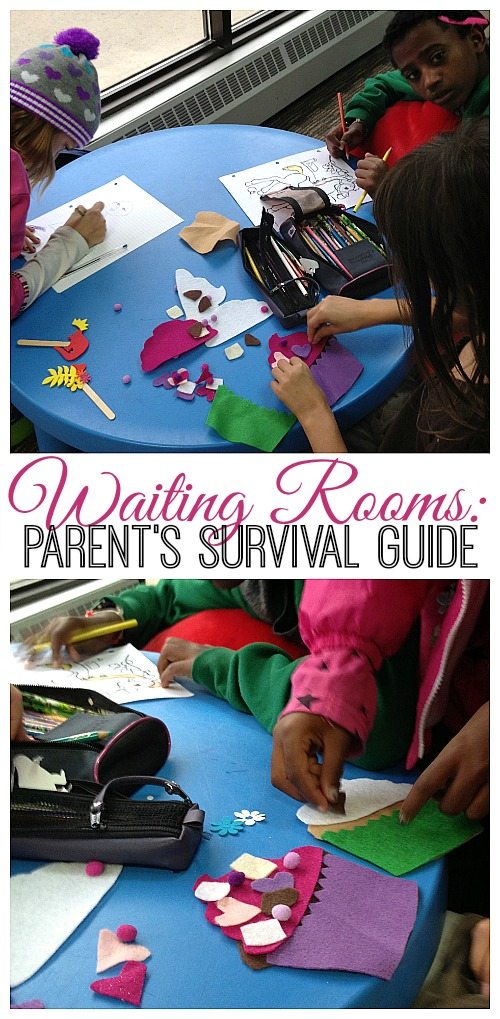
Waiting Rooms: a Parent's Survival Guide

For more helpful tips for parenting children with special needs, join me for a free 5 part email series, Little Hearts, Big Worries offering resources and hope for parents.

Check out how other moms of children with special needs manage their time:

How to Win at Time Management When You’re a Busy Special Needs Parent | My Home Truths

How Visual Schedules Can Assist with Time Management Skills | Kori at Home

7 Tips on How to Make the Morning Routine Easier for Families with Teenagers with Autism | Learning for a Purpose

Filed Under: Special Needs Parenting

Secondary Trauma in Adoptive Moms

By Sharla Kostelyk

This is a heavy topic and one that I’ve put off writing about for far too long. I know there are other mommas like me out there. I know because they email me and private message me and the desperation is evident in their words.

I wanted to share some information about secondary trauma and provide a few suggestions to help combat it before I share a bit about my personal story of living with it.

Secondary Trauma in Adoptive Parents - symptoms, treatment and my personal experience with itSecondary trauma, which is also sometimes referred to as vicarious trauma, can affect therapists, first responders and primary caregivers. By bearing witness to the trauma of others, you can take some of that trauma on for yourself. You can imagine that in adoptive parents whose children have endured abuse, neglect, abandonment, or unspeakable evils prior to coming to them, that trauma can become something they themselves can begin to take on.

The DSM states that trauma can affect those who survive a traumatic event, those who witness a traumatic event or those who hear of a traumatic event that affected someone of significance to them. It then stands to reason that parents who hear of their adopted child’s past trauma would be at risk of developing secondary trauma.

Some of the signs of secondary trauma include:

-having difficulty talking about your feelings
-feeling diminished joy towards things you once enjoyed
-feeling trapped
-having a limited range of emotion but anger and irritation always being present
-having an exaggerated startle response
-intrusive thoughts of your child’s history
-nightmares
-feelings of hopelessness
-trouble sleeping
-worrying
-exhaustion
-apathy
-problems with intimacy
-feeling withdrawn and isolated
-feeling impatient
-questioning your worldview
-feeling detached
-low self-image
-perfectionism

There are some strategies that can help combat symptoms of secondary trauma. Exercise that increases your heart rate for at least 12 minutes a day, five days a week, can decrease symptoms. Focusing on your breathing and using mindfulness have also been shown to help. For mindfulness, you can use yoga, a mindfulness app on your phone, gratitude, prayer, or meditation. Finding a support group of others who have walked a similar road can be therapeutic. Individual or family counselling may also be helpful.

For myself, I find that yoga is helpful once I am actually in the class, but rarely make the time for it. I do regularly use a combination of prayer and purposeful gratitude.

Hearing about your child’s past trauma can trigger your own trauma history which is also something to be aware of. If you find that your symptoms are worsening or significantly interfering with your life, seek the help of a licensed therapist.

One further note regarding trauma: secondary trauma can occur from hearing about your child’s past trauma but, as a foster or adoptive parent, you can also be at risk of developing full PTSD (Post Traumatic Stress Disorder). This can happen as a result of your child’s behaviours, for instance if you are attacked or placed at risk. PTSD can also occur if your spouse or other children are harmed or if behaviours occur that require legal intervention. If you suspect you may be suffering from PTSD, seek help from a medical professional or licensed therapist.

My own story of secondary trauma and PTSD:

I didn’t realize for a long time that I was suffering from secondary trauma. It wasn’t something that was talked about in the adoptive community. I knew that I was struggling. Certain aspects what some of my kids had gone through before they came to me haunted me. While it’s normal to feel sympathy for someone else’s suffering, particularly someone you love, there is a point where it can become unhealthy and I had reached that point. I was taking on their suffering. My secondary trauma left me feeling weak and run down and I believe that it put me at greater risk for PTSD.

I strive to keep my children’s privacy, so I won’t publicly go into details of what triggered my PTSD, but I want to share with other adoptive moms (and dads) that it is so important to take care of your own mental health. Being purposeful about practising self-care is a must.I am now in therapy for my secondary trauma and PTSD and have found tremendous healing with the use of EMDR. It feels great to be myself again!

If you suspect that you may be suffering from secondary trauma or PTSD, I urge you to look into therapy and practising self-care. It can make a world of difference.

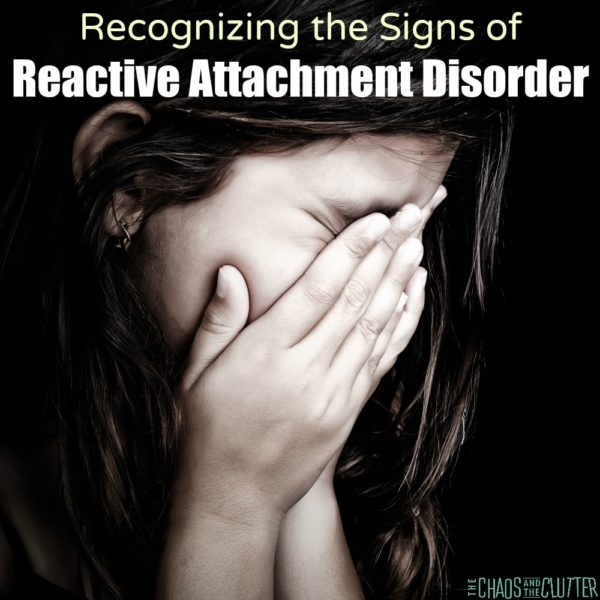
Helping a Child Through TraumaHelping a Child Through TraumaRecognizing the Signs of Reactive Attachment DisorderRecognizing the Signs of Reactive Attachment Disorder

Filed Under: Adoption, Special Needs Parenting

Books for Connected Parenting

By Sharla Kostelyk

What is connected parenting? While connected parenting can certainly be used with any child, the term is most commonly used to describe a type of parenting adopted children who may have experienced early childhood trauma. It looks different than other parenting methods in that it focuses on connection before correction. It takes into account the child’s past hurts and tries to facilitate healing through the parent-child relationship.Connected parenting is also sometimes referred to as therapeutic parenting. If you are new to this parenting style, these books can serve as your guide.

Books for Connected Parenting

Connected parenting is also sometimes referred to as therapeutic parenting. If you are new to this parenting style, these books can serve as your guide. I would recommend starting with The Whole-Brain Child and The Connected Child.

The Whole-Brain Child will give you a better understand of the “why” behind your child’s behaviours. It will also help you understand how your own brain works and give you a better sense of why you react the way you do to certain triggers which can be immensely helpful in parenting children who’ve experienced trauma.

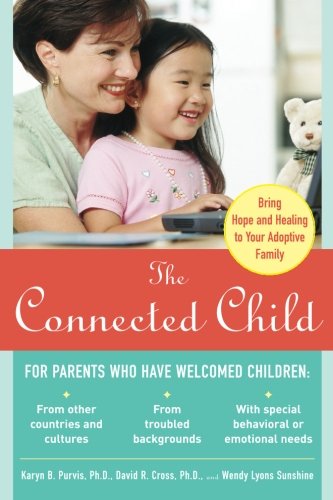
The Connected Child is written by the late Dr. Karyn Purvis, one of the founders of  The Institute of Child Development at TCU. I am privileged to have been able to speak several times. She truly was such an incredible woman who pioneered much of the research on attachment and trauma in children.

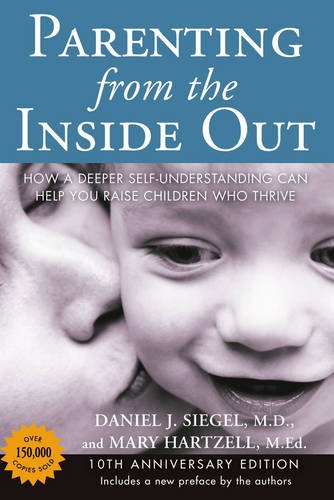
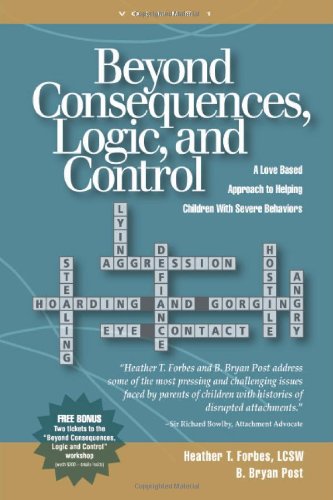
The Whole-Brain Child: 12 Revolutionary Strategies to Nurture Your Child'sThe Whole-Brain Child: 12 Revolutionary Strategies to Nurture Your Child’sThe Connected Child: Bring hope and healing to your adoptiveThe Connected Child: Bring hope and healing to your adoptiveNo-Drama Discipline: The Whole-Brain Way to Calm the Chaos andNo-Drama Discipline: The Whole-Brain Way to Calm the Chaos andParenting from the Inside Out: How a Deeper Self-Understanding CanParenting from the Inside Out: How a Deeper Self-Understanding CanHold On to Your Kids: Why Parents Need to MatterHold On to Your Kids: Why Parents Need to MatterBeyond Consequences, Logic, and Control: A Love-Based Approach to HelpingBeyond Consequences, Logic, and Control: A Love-Based Approach to HelpingAttaching in Adoption: Practical Tools for Today's ParentsAttaching in Adoption: Practical Tools for Today’s ParentsAttaching Through Love, Hugs and Play: Simple Strategies to HelpAttaching Through Love, Hugs and Play: Simple Strategies to HelpNurturing Adoptions: Creating Resilience after Neglect and TraumaNurturing Adoptions: Creating Resilience after Neglect and TraumaBorn for Love: Why Empathy Is Essential--and EndangeredBorn for Love: Why Empathy Is Essential–and Endangered

Join me for a free 5 part email series, Little Hearts, Big Worries offering resources and hope for parents.

Helping a Child Through TraumaHelping a Child Through Trauma

Recognizing the Signs of Reactive Attachment DisorderRecognizing the Signs of Reactive Attachment Disorder

Filed Under: Adoption, Special Needs Parenting

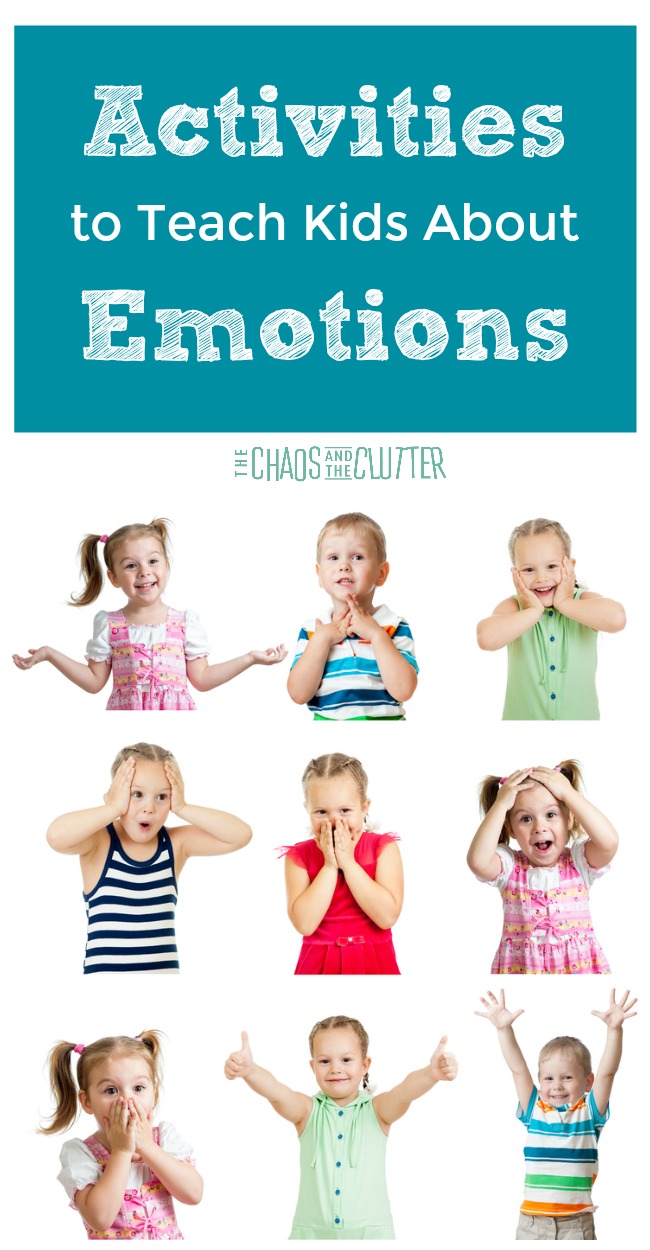
Activities to Teach Kids About Emotions

By Sharla Kostelyk

Giving our kids a solid foundation for emotional health is so important. When we are raising our kids, we want to give them the best foundation as far as their physical health so we make sure that they get enough water and food and exercise and we teach them to tell us when they aren’t feeling well. We even teach them to identify what part of their body is hurting them and we use tools like thermometers to check them for fevers.

Emotional health is no different. Kids don’t come into the world knowing how to care for their emotional health any more than they come into the world knowing how to care for their physical health. It is up to us to teach them.

Part of that comes with giving them the vocabulary. Emotion words can be very challenging for kids to learn, especially those who are on the autism spectrum, have early childhood trauma, or have attachment disorders. It can take a fair bit of repetition and explanation for emotion words to become natural for children and it can take even longer for them to begin to identify their own emotions.Giving our kids a solid foundation for emotional health is so important. These activities to teach kids about emotions are perfect for this.In our house, I try to make learning about emotions fun. It’s also good to make it part of your regular routine. It’s made a big difference for our kids.

Activities to Teach Kids About Emotions

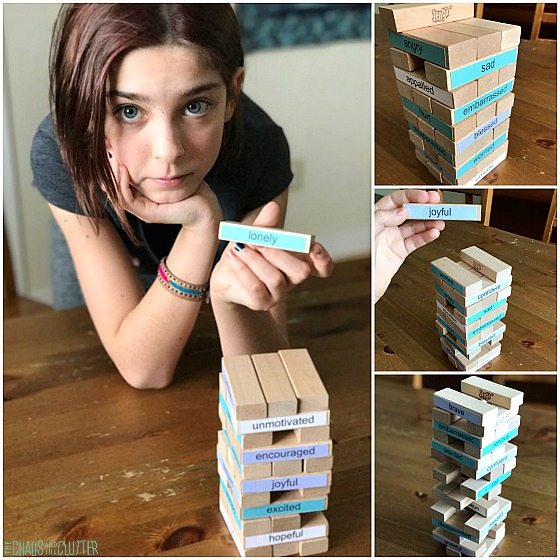
Jenga Feelings Game from here on The Chaos and The Clutter

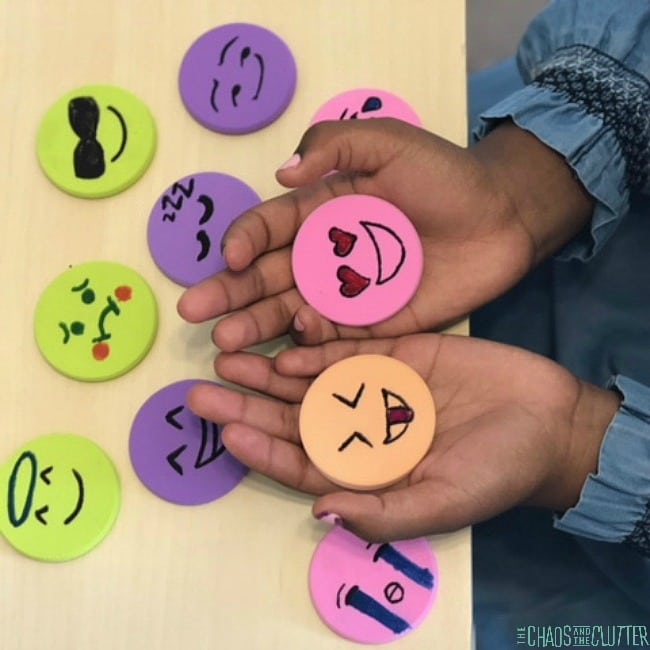
DIY Emoji Squishies from here on The Chaos and The Clutter 

Understanding Emotions Birthday Party Playdough Mats

The Chart that Saved our Emotions (Big Time) by The Natural Homeschool

Emotion Changing Paper Cup Octopus by Easy Peasy and Fun

Strawberry Emotions Matching Game for Toddlers by Simple Fun for Kids

Which Emotion Am I? Guessing Game from Childhood 101

Emotions Discovery Bottles from Lalymom

Emotions Scavenger Hunt from Mosswood Connections

Build a Face Story Stones from Where Imagination Grows

Resources to Teach Kids About Emotions and How to Manage Them from here on The Chaos and The Clutter


Join me for a free 5 part email series, Little Hearts, Big Worries offering resources and hope for parents.

More Activities to Teach Kids About Emotions

Teaching About Emotions and Feelings by Montessori Nature

Montessori Peace Table ~ Why Everyone Should Have One by The Natural Homeschool

Printable Spanish Flashcards: English to Spanish Feelings Flashcards by Look, We’re Learning

Personalized Emotion Game from B-Inspired Mama

Emotions Sensory Bins by Sugar, Spice and Glitter

Create a Feelings Learning Center from Buggy and Buddy

Ideas on How to Teach Kids about Peace {Printable List} by The Natural Homeschool

FREE Printables and Activities on Feelings and Emotions by Homeschool Giveaways

Managing Feelings and Emotions Free Printables by Natural Beach Living

Teaching Emotions Toolkit

Filed Under: Special Needs Parenting

Advice for Parents of Children with Special Needs

By Sharla Kostelyk

I have to admit that I cringed a little when I typed out that title. Advice for Parents of Children with Special Needs. When it comes to parenting, I try to avoid the “advice” word because each child is so different and I’m certainly no expert. So read this knowing that I am stepping tenderly here and this advice is coming with the best of intentions after years of walking this road for many years myself and still stumbling often.

Real Advice for Parents of Children with Special NeedsParenting children who have high needs can be exhausting and overwhelming. It will teach you so much about who you are, both the strength and compassion that you never knew you had and the limitations or weaknesses you hadn’t realized were there. This journey has been such a humbling one for me. I continue to learn daily from my children who are exceptional teachers. I hope that some of what I’ve learned so far can help others.

Expectations. 

This one is tricky because you need to keep your expectations realistic while still not putting limits on your child. My husband and I have always say that our job is to provide the opportunity for each of our individual children to reach their fullest possible potential. Their fullest possible potential may be to become a successful brain surgeon or it may be that they are able to successfully live semi-independantly.

It is important that we not limit our children by their disabilities or challenges, but that we give them the freedom to achieve whatever successes and accomplishments they can in life. It is equally important that we have realistic expectations. If we expect that our children will attain goals that are clearly not attainable, we will set ourselves up for disappointment and set them up for failure.

It is imperative that we keep this in mind when it comes to our parenting as well. We cannot expect too much of ourselves. We are humans, though often being the parent of a child with special needs calls us to be superhuman.

Take breaks.

Advocating for your child, taking them to appointments, caring for them, meeting their needs, reading up on all the latest articles pertaining to their condition, trying new medications or treatments, meeting with others involved in their care, plus the duties that “normal” parenting entails is all too much to sustain over an extended period of time for any person. You need to take breaks.

Accessing child care may not be something that is possible in your situation right now, but there are often programs available in your State or Province that may be able to offer cost relief on respite care or babysitting. In some areas, even the cost of cleaning your home may be covered. When you are already overwhelmed, you may not have the energy or time to look into these options. If this is the case, I suggest delegating a friend, family member, or pastor to look into this for you.

In the meantime, take breaks in your home when you can. Make yourself a bubble bath, go for an evening walk, or read a book unrelated to your child’s condition. You need to take care of yourself in order to better take care of your child. Self-care is critical to your success. This is a marathon, not a sprint and you need to be able to continue strong.

Humour.

The old saying “laughter is the best medicine” exists for a reason. You can feel the weight being temporarily lifted as the laughter releases the tension pent up in your body.

Rent a comedy, read a funny book, but most of all, look for the humour in the everyday. When you child smears an entire jar of Zincofax all over their body, you can choose to cry over the extra work it will take to clean it up, or you can choose to get out your camera and snap a picture of what you know you will laugh over someday. When your autistic son is repeating the same phrase for the four millionth time that week, you can choose frustration or anger, or humour. When you are taking your daughter to the hospital for the fifth time in four weeks, you can feel hopeless, or you can joke about how they should start giving you bonus prizes at that parking lot. It’s all in the attitude and the perspective!

Relationships.

If you are parenting a special needs child and are married, make the time to work on your relationship. This may be easier said than done, but the alternatives are not ones that make this an option not to do. Divorce rates are higher among parents of special needs children. This is something that you need to be aware of and therefore, guard against. Even when you do not agree with each other, know that you are both coming from a place of loving your child and that ultimately, puts you on the same side. Communicate, communicate, communicate. Get outside help if you need it.

We have found that instituting a non-negotiable weekly date night has completely revolutionized our marriage.

Support network.

Build yourself a support network. Of all the advice I’m sharing today, this is perhaps the most important. If you are able to join a support group of other parents who are raising kids with similar challenges to yours, you will no longer feel isolated. Build a strong support system of family and friends and build a sense of community by involving yourself (to the extent that your circumstances will allow) in a church or community centre.

When you have people who you can talk openly with, people who will pray for you, people who care about you, people who will bring meals or offer other practical help, then you will not be carrying this burden alone.


Celebrate.

Celebrate the small victories. Keep a log of where you have been so that when there are improvements with your child, you can look back and see how far they have come. This log can be accomplished through notes, journalling, scrapbooking, or blogging.

As the saying goes “Rome was not built in a day”. Raising a child with special needs is no different. It is the baby steps, the tiny accomplishments that all lead towards the bigger goals. Celebrate it all.

Cherish the gifts that your child possesses instead of focusing on their challenges. Often, special needs come with their own precious treasures and it is those that we need to be thankful for.

Join me for a free 5 part email series, Little Hearts, Big Worries offering resources and hope for parents.

Recognizing the Signs of Reactive Attachment DisorderRecognizing the Signs of Reactive Attachment Disorder

Resources to Teach Kids About Emotions and How to Manage Them

Filed Under: Special Needs Parenting

  • « Go to Previous Page
  • Page 1
  • Interim pages omitted …
  • Page 10
  • Page 11
  • Page 12
  • Page 13
  • Page 14
  • Interim pages omitted …
  • Page 19
  • Go to Next Page »

Primary Sidebar

Categories

We are a participant in the Amazon Services LLC Associates Program, an affiliate advertising program designed to provide a means for us to earn fees by linking to Amazon.com and affiliated sites.

Copyright © 2026 • The Chaos and the Clutter • Site Design by Jeni @ The Blog Maven

Return to top of page

Copyright © 2026 · Chaos and the Clutter 2.0 on Genesis Framework · WordPress · Log in