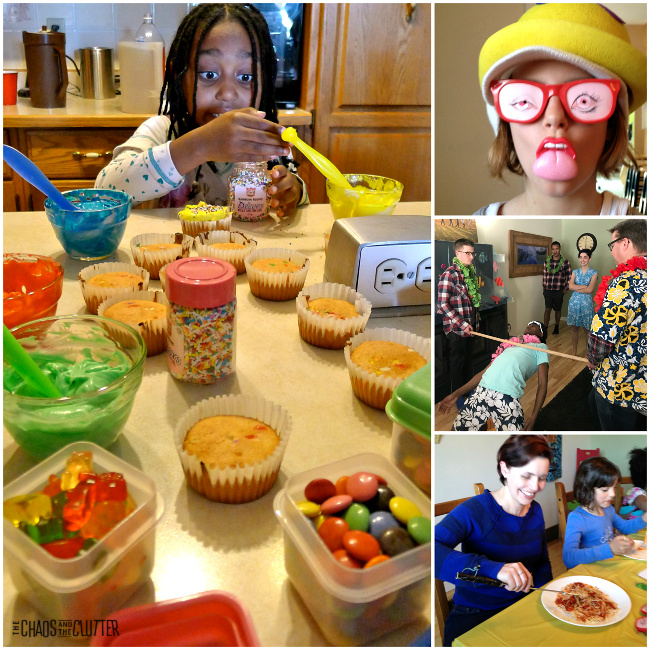
Summer is in full swing. While we can sometimes think of summer as a more carefree time for kids, it can also be full of mixed emotions. Some children struggle with the lack of routine while others thrive in it. Events such as family gatherings or camping trips bring with them their own joys and challenges too.
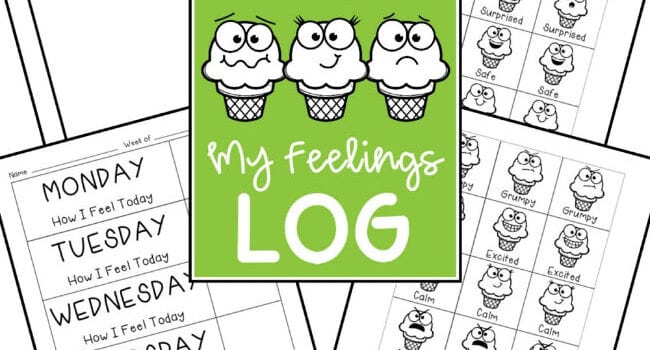
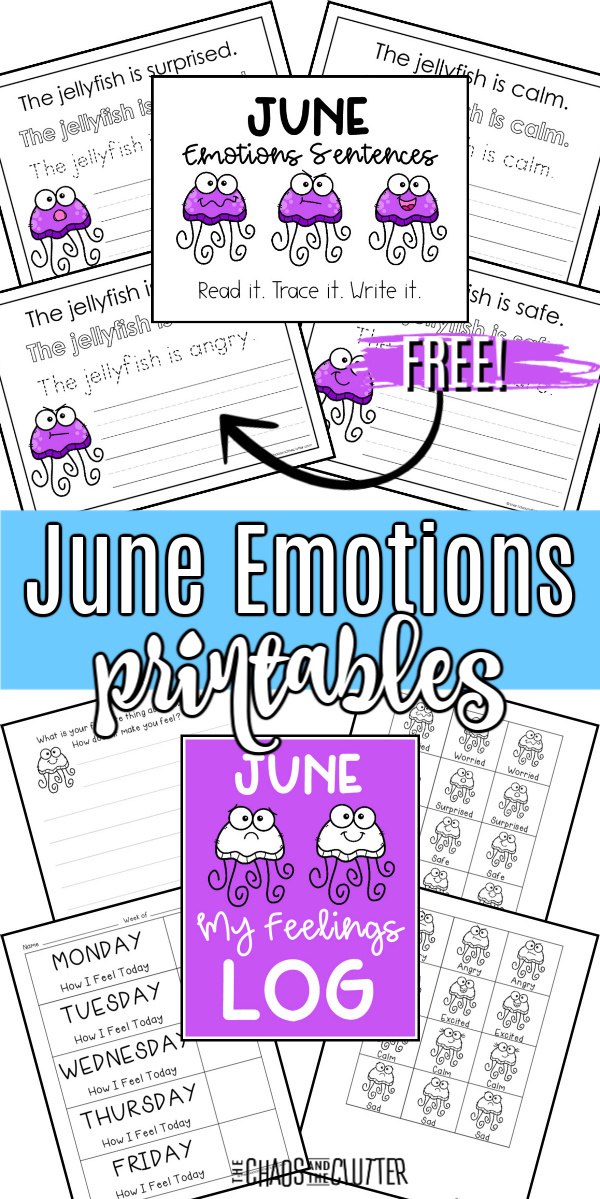
These worksheets are a great tool to help your child practise skills related to their emotions. Increasing a child’s emotional vocabulary is a step towards increasing empathy and emotional regulation.
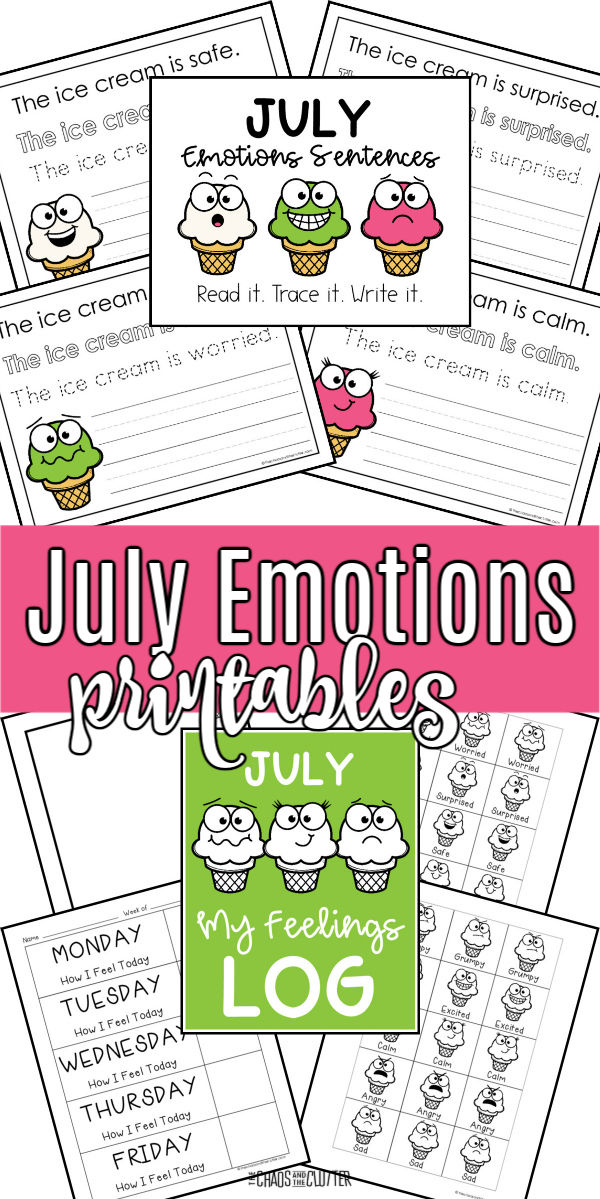
July Emotions Printables for Kids:
July Copywork Emotions Sentences:
Supplies needed:
- July Emotions Printable pages (download Emotions pages here)
- pen or pencil OR
- plastic sleeve AND dry erase marker
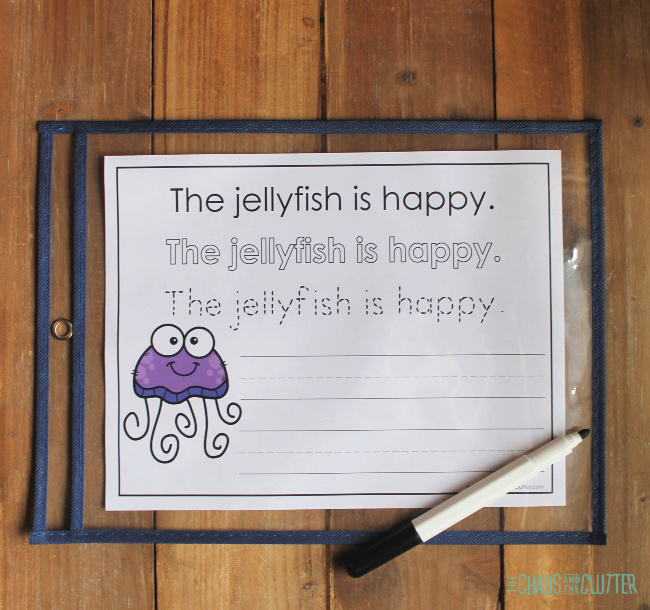
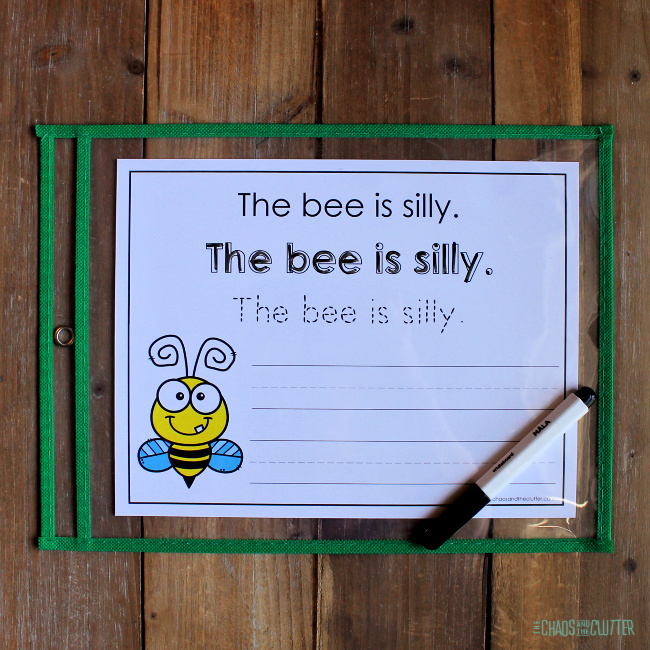
If you want for the sheets to be reusable, simply laminate the pages or slip them into a plastic page protector. Students can then use a dry erase marker to do the tracing and writing themselves. Or they can write directly on the pages with a pen, pencil, marker, or coloured pencils.
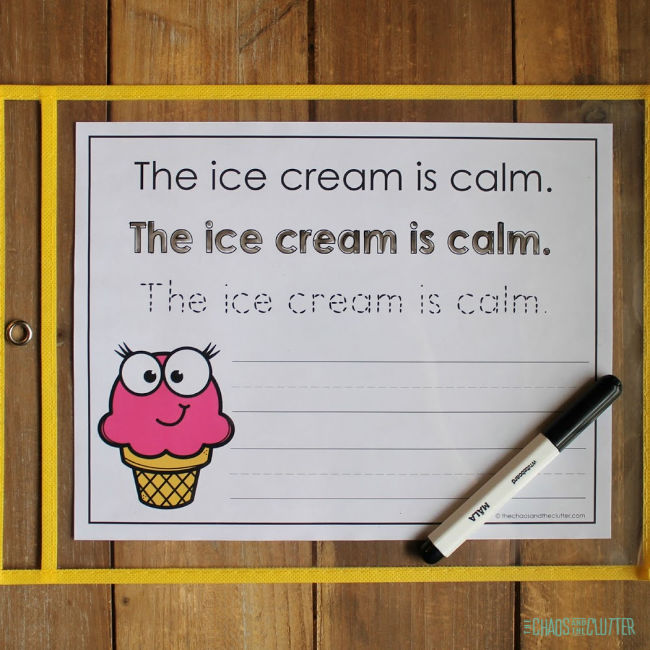
Copywork Sentences Instructions for the child:
- Read the sentence.
- Fill in the outline.
- Trace the dotted words.
- Write the sentence on the lines provided.
- Discuss the various emotions.
It may not seem like copying out sentences would lead to anything significant, but these sentences can do more than help a child practise penmanship. They are a good starting point for discussions about different feelings and they help create a culture where it’s normal to hear and talk about feelings.
You can expand the activity by having your child talk about a particular circumstance or time in their life when they felt that emotion.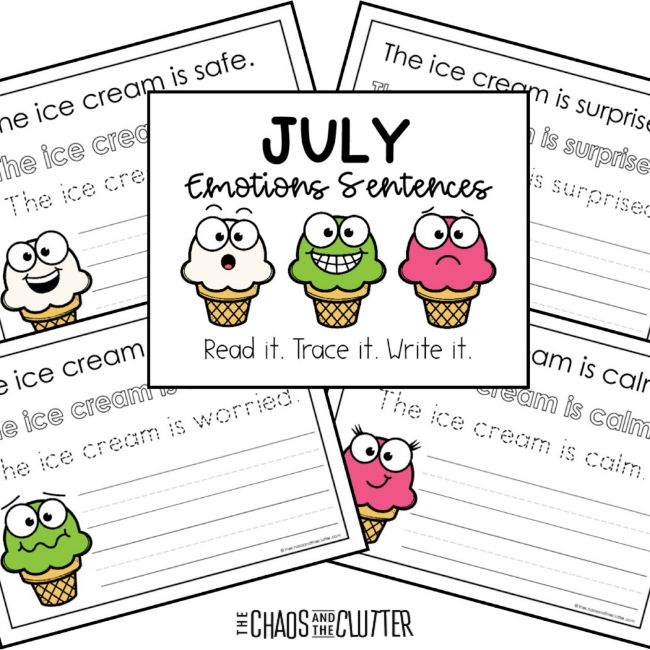
July My Feelings Log:
Supplies needed:
- printed Feelings Log (download Emotions pages here)
- scissors
- glue stick
- markers, pencil crayons (coloured pencils), or crayons
- pen or pencil
My Feelings Log Instructions for the child:
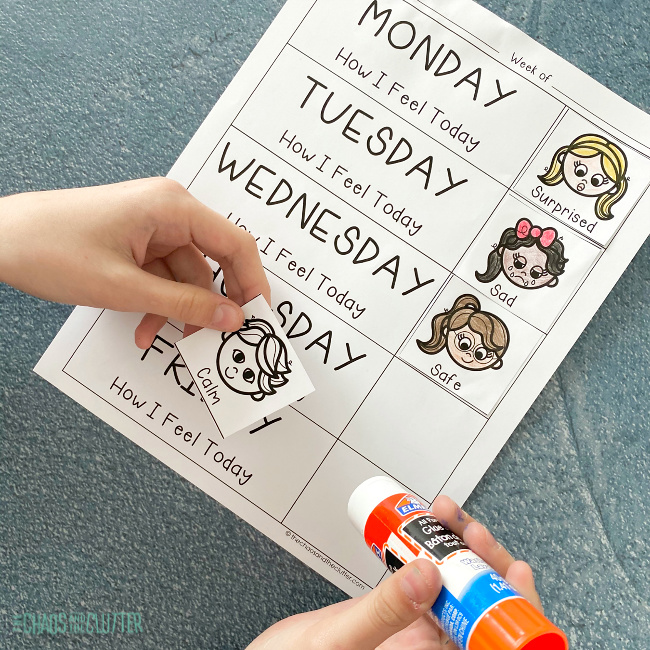
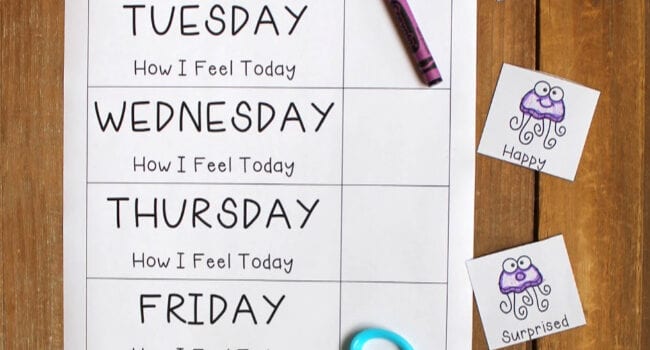
- Choose one ice cream icon each day to colour, cut, and paste into your log.
- At the end of the month, you’ll be able to look back and see all the different emotions you felt.
- Discuss your feelings with a parent or trusted adult.
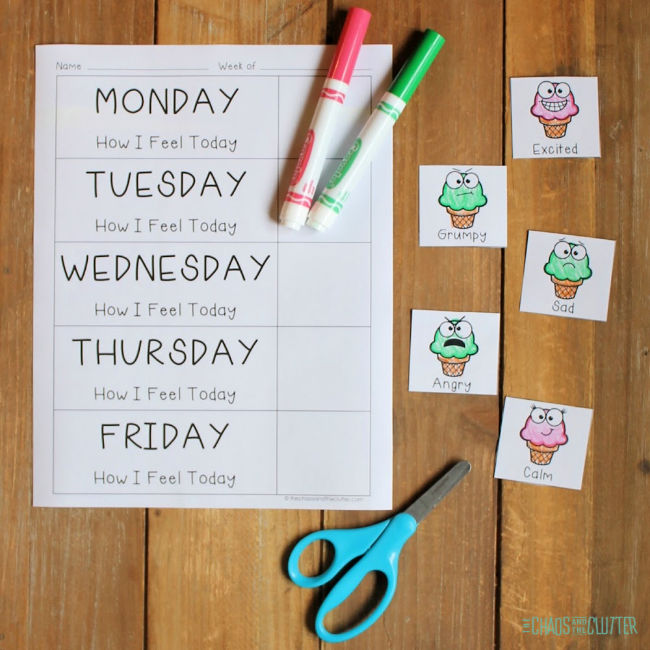
These adorable ice cream visuals can help your child better identify and work through their own emotions. You can sit down together and see which they have chosen. Once you see HOW they are feeling that day, you can help them dig into the WHY behind those feelings. Be sure to explain to them that it’s normal to have more than one emotion in the course of a day.
After figuring out what the feelings are, you can work together with your child on strategies for better managing how they deal with that emotion.
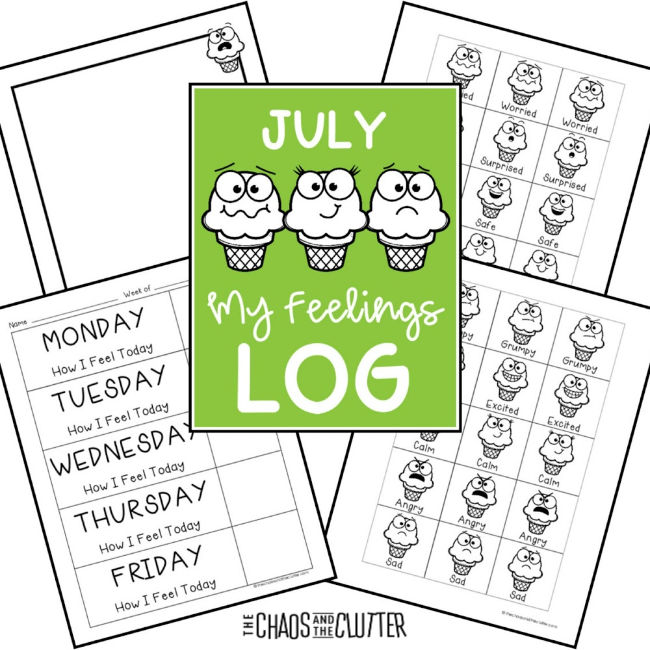 Enter your email in the box below to download the July Emotions Printable Worksheets. Print them off to use at home with your child or with your students.
You may also be interested in:
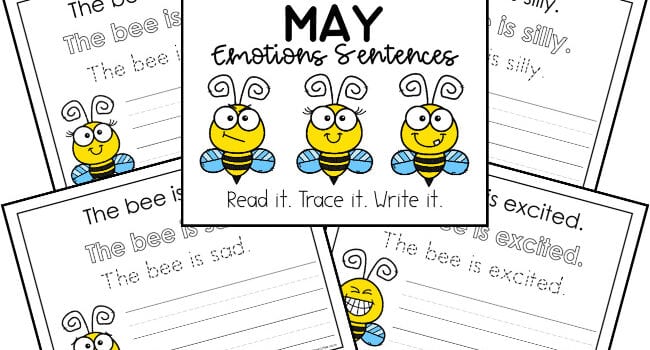
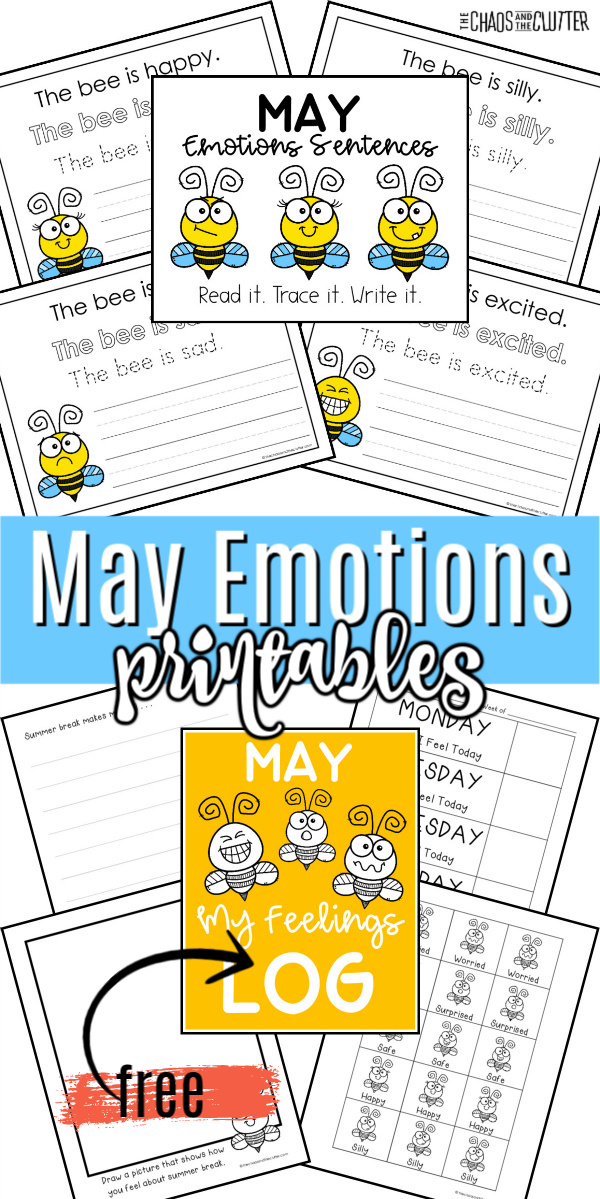
 Repetition is important when it comes to learning any skill. Learning about emotions is no exception. These worksheets are a great tool to add. Increasing a child’s emotional vocabulary is a step towards increasing empathy and emotional regulation.
 Copywork Sentences Instructions for the child: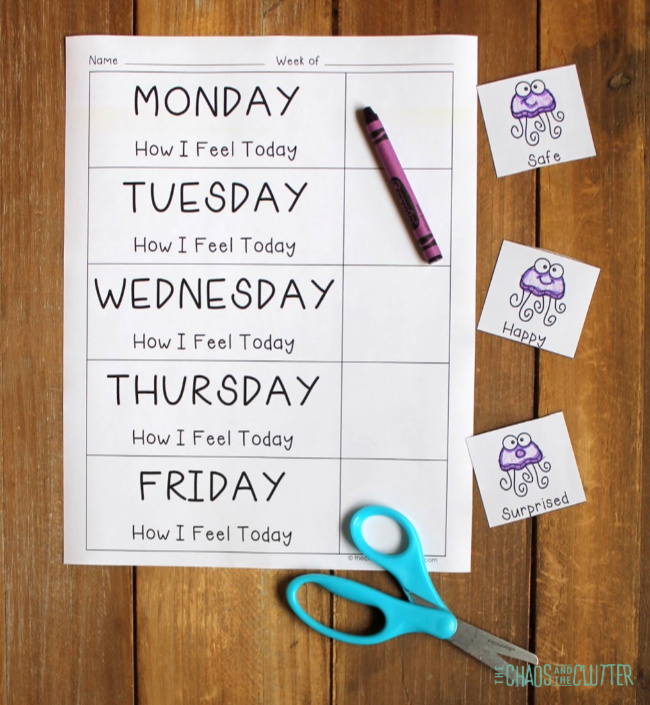
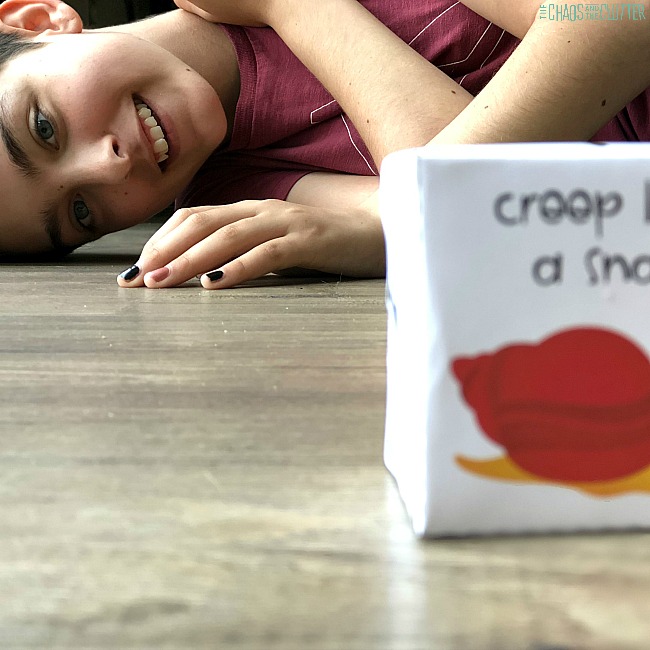
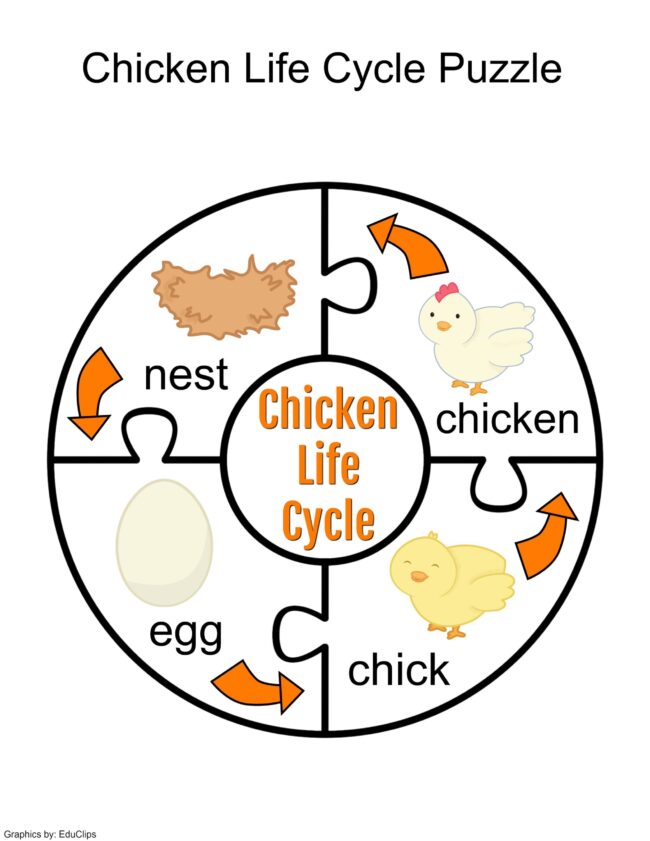
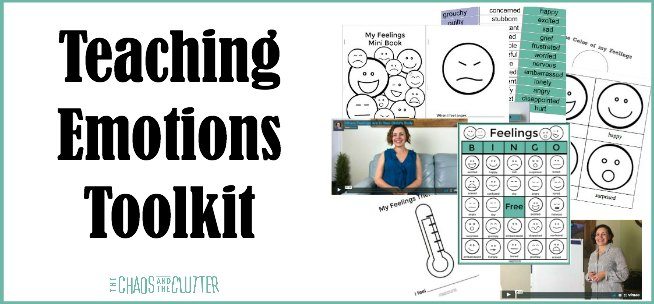
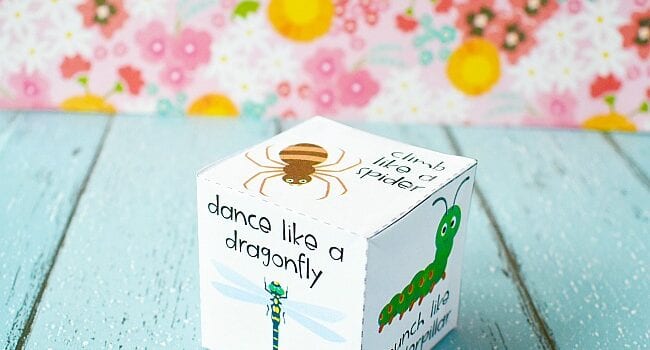
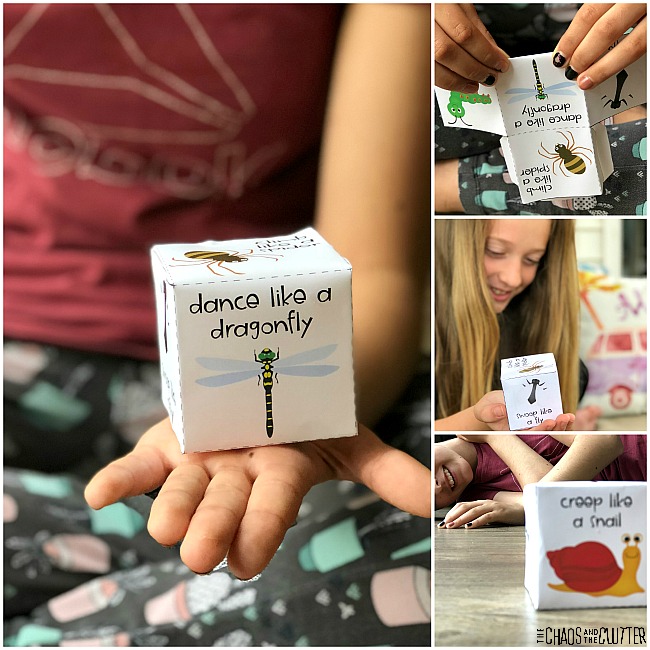
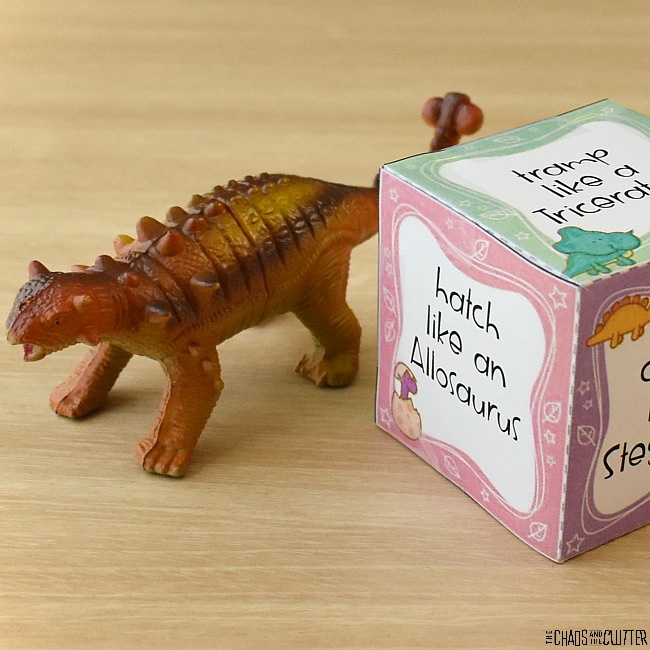
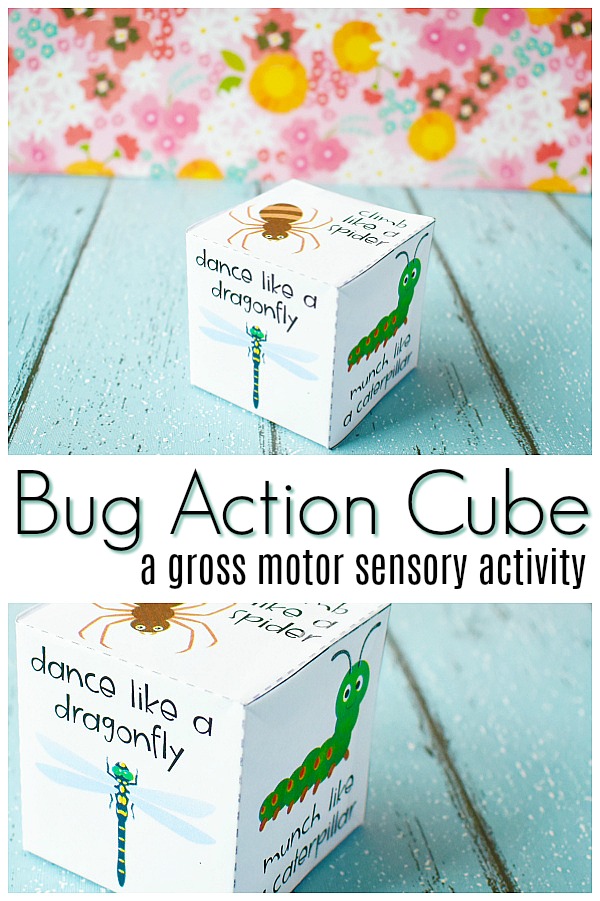 This is a great (and inexpensive) way for kids to burn off energy. If you do an insect learning unit in your classroom or homeschool, it’s also a cute addition to your unit study. You can also pair this cube with our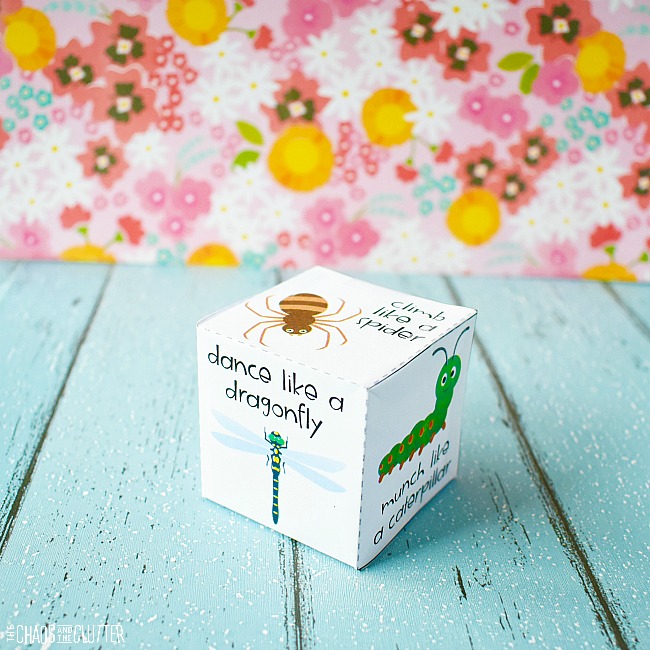

 Copywork Sentences Instructions for the child:
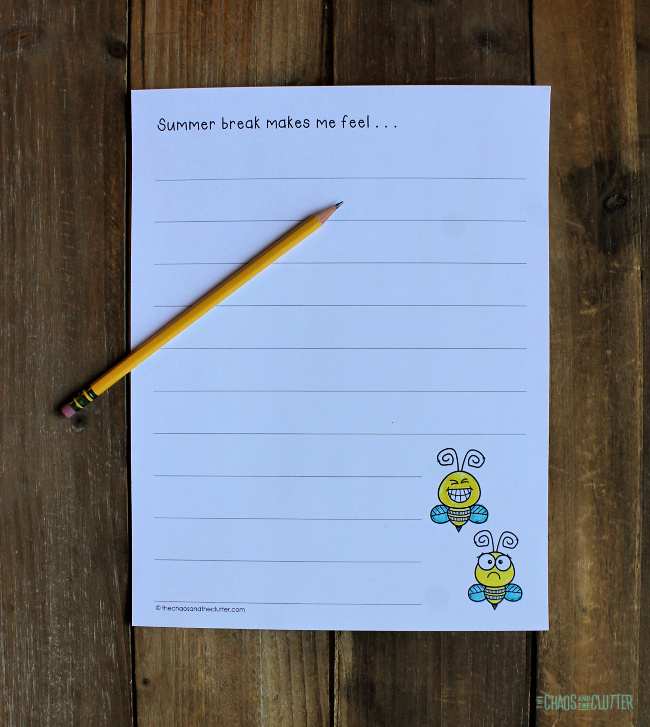 These worksheets can be a jumping off point for a discussion about various emotions. You can further expand this activity by having your child describe a time when they have felt that emotion. They can also come up with a story describing why the bee might be experiencing that particular feeling.
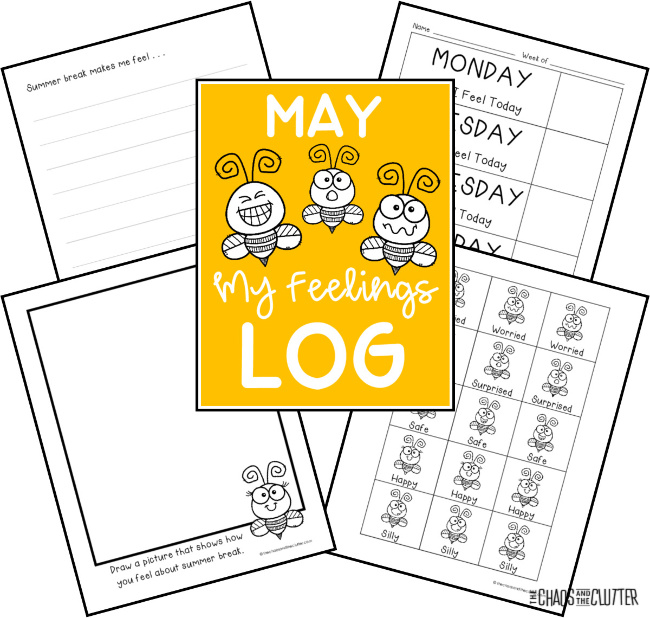 The bee emotion visuals help kids better identify and work through their own feelings in a way that feels less vulnerable because it’s a cute bee face. Once you know HOW they are feeling that day, you can help them dig into the WHY behind those feelings.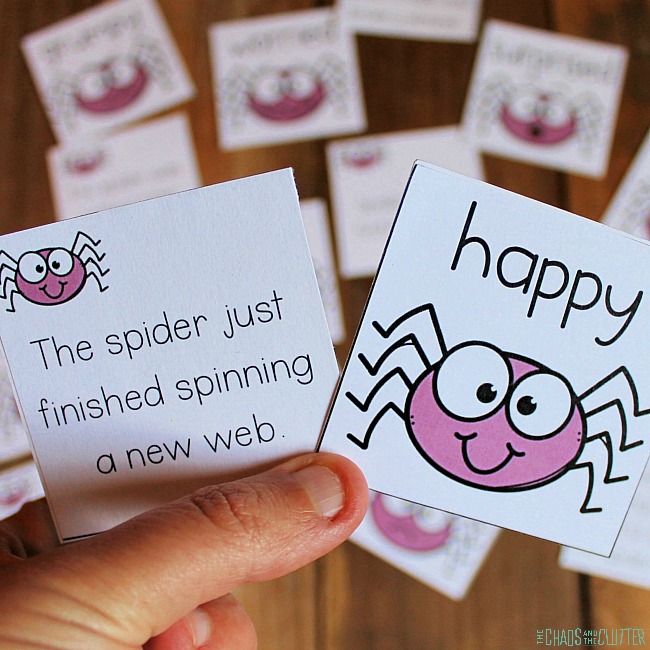
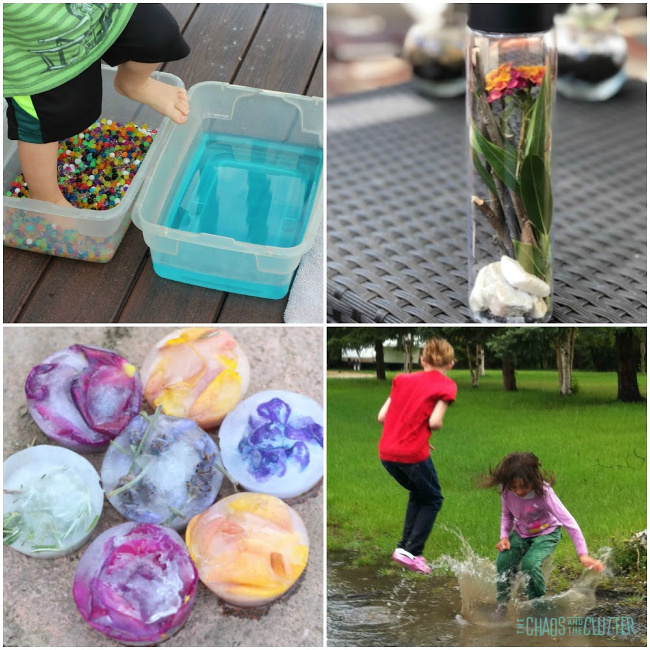

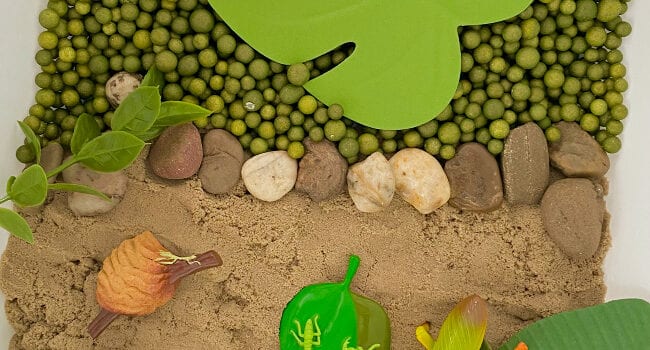
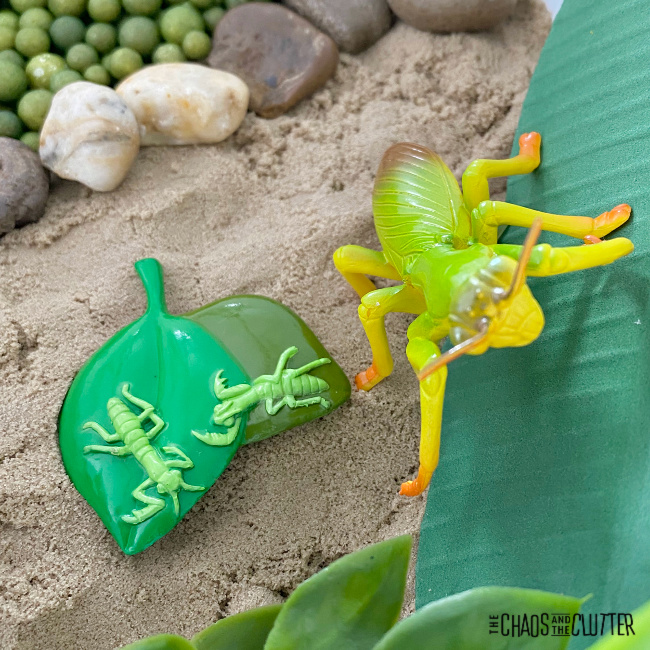
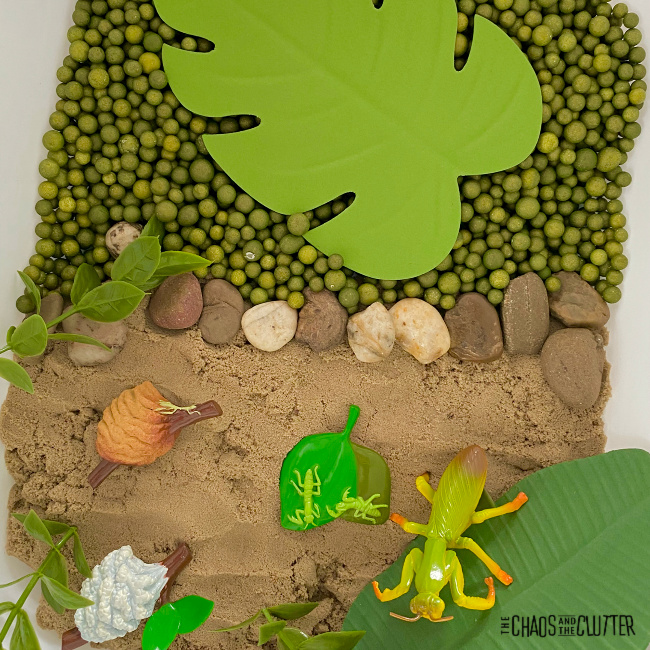
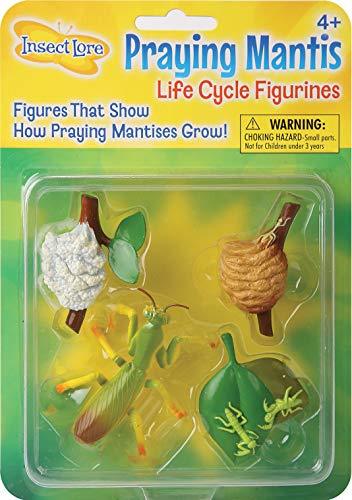
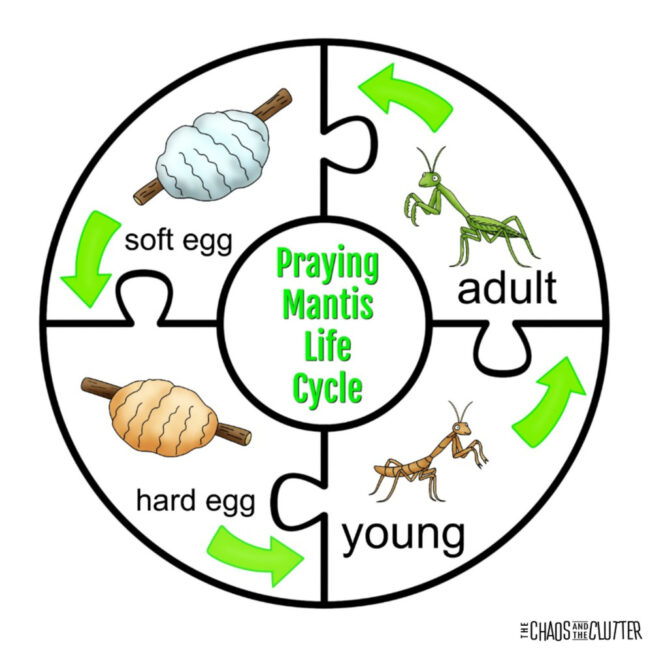
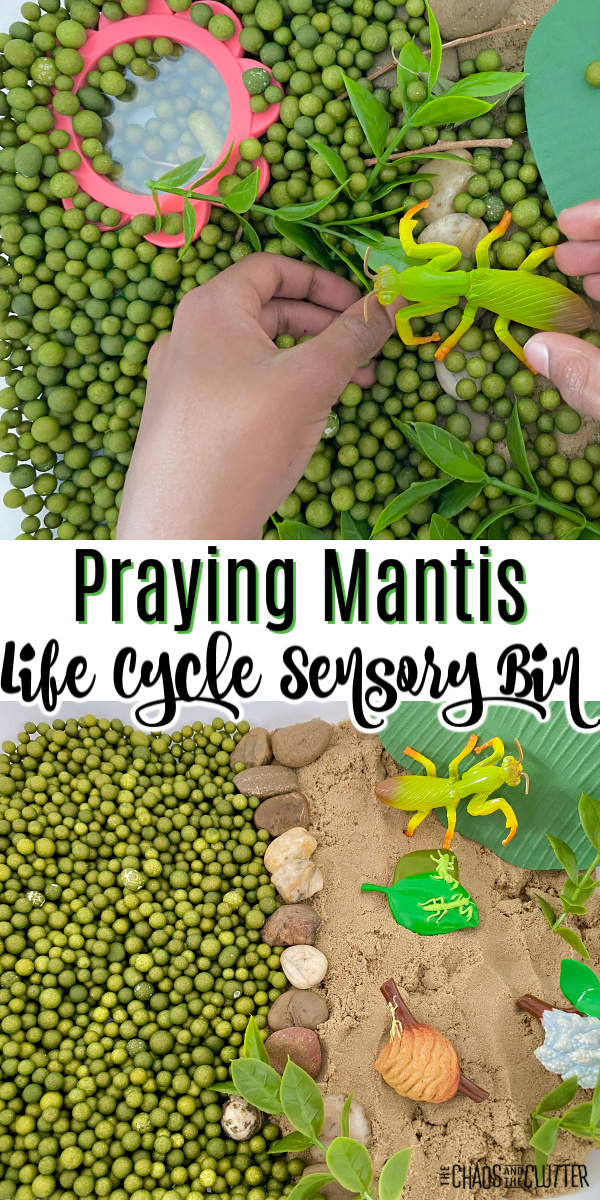 Kids can see how the cycle from soft egg case to hard egg to nymph (young) to adult. The more they learn about this fascinating insect, the more their interest will be piqued.
  Directions: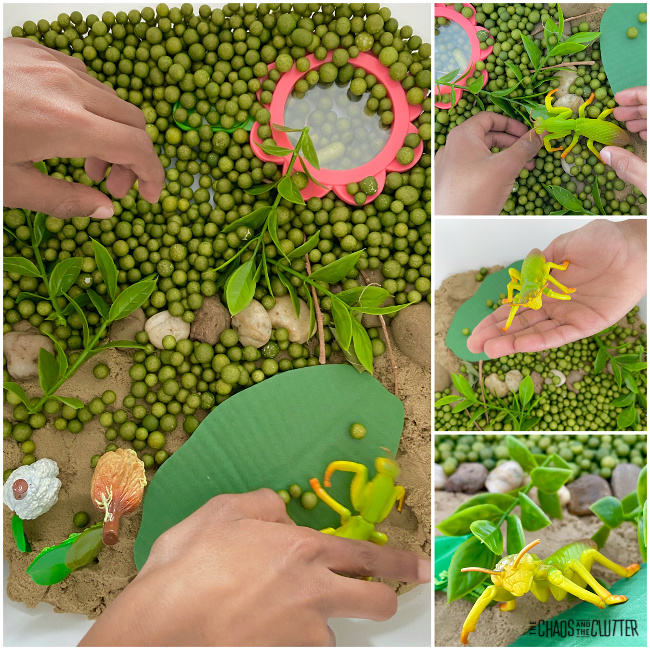


 How to Use the Journal: