• Skip to primary navigation
  • Skip to main content
  • Skip to primary sidebar
  • Home
  • About
  • Contact
  • Privacy + Terms
  • Affiliates

The Chaos and the Clutter

  • Facebook
  • Twitter
  • Pinterest
  • Google Plus
  • RSS
  • Email
  • School at Home
  • Sensory
    • Sensory Processing Disorder
    • Awesome Sensory Play Activities
      • Sensory Bins
      • Sensory Bottles
      • Sensory Bags
  • Family Games
    • Minute to Win It Games
  • Special Needs Parenting
    • Childhood Anxiety
    • Reactive Attachment Disorder
    • Sensory Processing Disorder
  • Store
  • Course Login

Special Needs Parenting

How Can I Help My Child Control His Emotions?

How Can I Help My Child Control Their Emotions? #specialneedsparenting #parentingtips #emotions

By Sharla Kostelyk

Although kids aren’t the only ones to struggle with controlling their emotions (as was evident last week when I cried over not being able to find Velcro dots!), they do not have the coping skills and life experience to be able to navigate through big emotions without some guidance. How Can I Help My Child Control Their Emotions? #specialneedsparenting #parentingtips #emotionsMany parents aren’t sure where to start when it comes to helping their child control their emotions. This will give you a roadmap to help them.
How to Help a Child Control their Emotions:

Provide an emotional vocabulary.

The first step in helping your child learn to manage their own emotions is to teach them to identify their feelings. Give them the language to be able to name their feelings. This is a powerful tool to arm a child with.

The Teaching Emotions Toolkit has everything needed to give kids the vocabulary they need to be able to identify and name their own feelings.

Learning to recognize feelings in others.

Once a child is more fluent in the language of emotions, they can begin to recognize feelings not only in themselves, but in others as well.

If you’re watching a movie or TV show, discuss how the situations may make the characters feel. Do this especially with situations that kids may find themselves in someday such as bullying.

Model talking about your own feelings and your coping strategies.

Name your feelings honestly. Then provide your child some insight into your coping strategies. This will help them to learn how to manage their own emotions.

  • “I feel disappointed that it’s snowing today so I can’t go for a run like I planned. I guess I’ll have to walk on the treadmill instead.”
  • “I am frustrated that my computer isn’t working. I want to throw it across the room which would not be wise, so I’d better get up and walk away. I’ll take a little break and come back to try again when I’m feeling calmer.”
  • “I’m excited that tomorrow is the big birthday party. I think I’ll go to bed a bit early tonight in case it takes me longer to fall asleep.”
  • “I’m worried about my interview on Friday. I know that worry doesn’t do any good. It helps to talk about my feelings and practise what I’ll say in the interview. Would you help me with that?”
  • “I’m feeling angry. I’m going to sit here and do some calm down breathing for a few minutes.”

Listen.

By actively listening to your child express their feelings, you are showing them that their feelings matter to you, that your child matters to you. You can repeat the emotion words back to them.

“I hear you say that you felt angry when he took away your toy. Do you want to tell me more about that?” By listening to your child’s feelings, they will learn that you are a safe place for them.

Help them identify their triggers.

Triggers are very dependant on the child. For some, it may be sensory triggers or a trauma trigger, while for others, it may be a particular feeling such as frustration that serves as a trigger for a meltdown or an aggressive response. Once you help your child to identify what their most common triggers are, you can help them to recognize them in the early stages and put in place some coping strategies.

Gauge the intensity of the emotion.

Using a feelings thermometer or chart, help your child determine how intense their feeling is.

Prevent emotional outbursts or meltdowns as much as possible.

Adequate sleep, good nutrition, water, regular exercise, and sensory breaks can go a long way towards preventing meltdowns before they start.

I know that I’m certainly more able to handle life’s curveballs when I’ve had a good night’s sleep. I’m also way more reasonable when I’m not hangry!

Teach that it’s okay to make mistakes.

Mistakes are how we learn. Kids who fear making mistakes or strive for perfection tend to have a harder time coping with emotions.

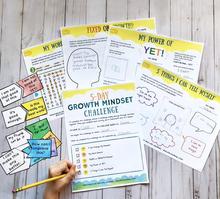
The Growth Mindset Challenge Kit and the Big Life Journal are two of my favourite tools for this. I also really like the book Your Fantastic, Elastic Brain for this reason. It is so good at explaining the concept of mistakes being necessary in a way that kids can understand.
Teach coping strategies.

Calm down strategies are a big part of teaching coping strategies, but they are not the only part. If a child takes a break or walks away when they see a trigger arise, that is also a coping strategy.

If there is a particular situation that comes up repeatedly that causes big emotions in your child, help him think of a strategy for managing that particular situation.

Come up with a plan together. Role play and practise often. Once he has practised managing that situation with his new strategies, he will be better equipped to deal with it in real life.

Teaching your child to better manage their emotions will empower them. They will feel more in control. This will equip them with the skills needed to face their day.

Join me for a free 5 part email series, Little Hearts, Big Worries offering resources and hope for parents.

You may find these articles helpful as well:

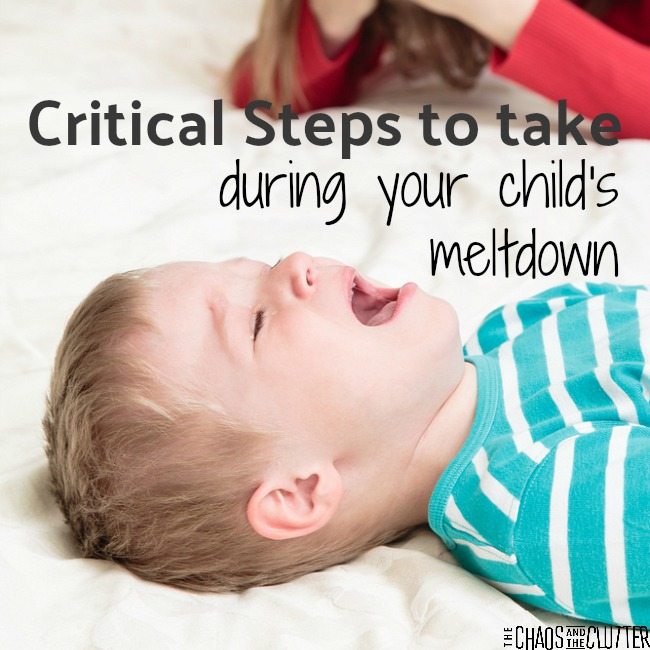
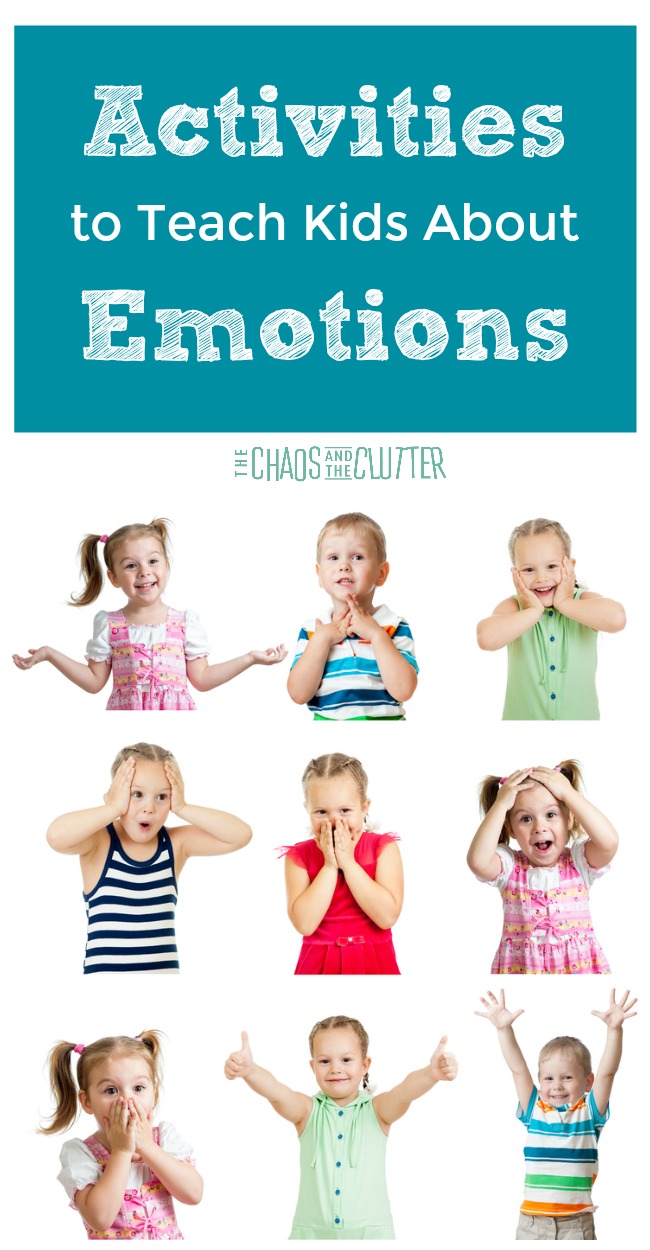
5 Critical Steps to Take When Your Child Has a Meltdown Activities to Teach Kids About Emotions 
Filed Under: Parenting in the Chaos, Special Needs Parenting

What is the Treatment for RAD?

By Sharla Kostelyk

There are several treatment options for Reactive Attachment Disorder. In most cases, a combination of treatments is used. Love alone is not enough to cure RAD. Treatment Options for Reactive Attachment Disorder #adoption #RAD #specialneedsparentingPlease remember that I am not a therapist or official expert in the field of Reactive Attachment Disorder. I am a mom. Two of my kids happen to have the diagnosis. This article is based on the current research into the treatment for RAD as well as my personal experience. I have not tried everything on this list.

There is no “one size fits all” treatment package I’m afraid when it comes to RAD. What works depends on the child, the family, and a variety of other factors such as other diagnoses.

In many cases, a diagnosis of RAD is not an isolated diagnosis. It often comes alongside other diagnoses such as Sensory Processing Disorder, Post Traumatic Stress Disorder or developmental trauma disorder, ADHD, an anxiety disorder, depression, cognitive delays, or FASD.

In fact, it is not uncommon for kids to have several diagnoses on the list. This is one of the reasons why a treatment plan needs to be customized to the child.

TBRI:

The treatment that we have found the most effective for our kids with RAD was TBRI (Trust Based Relational Intervention). It is based off this theory; “Our children were harmed in relationship and they will experience healing through nurturing relationships” ~ Karyn Purvis.

We used TBRI along with some of the other treatment strategies listed in this article.

The main principles of TBRI include:

  • Safe and Structured Environment
  • Sensory Needs
  • Nutrition
  • Empowering Principles
  • Connecting Principles
  • Observational Awareness
  • Self-Awareness
  • Skills of Attachment
  • Playful Engagement
  • Attunement
  • Correcting Principles
  • Proactive Behavioural Strategies
  • Responsive Behavioural Strategies

The abbreviated program activity list here (near the bottom) is very helpful.

Medication:

Choosing to medicate a child is a very personal decision. I share some of our experience with that here. There is no prescription that will magically cure RAD, but there are some that will treat some of the symptoms such as anxiety, aggression, trouble sleeping, and difficulty focusing.

It is certainly more complicated than just treating a symptom with a pill. There are many factors to consider. I suggest consulting a paediatric psychiatrist who specializes in or is at least very familiar with treating attachment and trauma disorders.

Choosing to medicate is a big decision and one where it doesn’t hurt to get a second opinion.

Counselling:

Whether you choose individual and/or family psychological counselling, it is very important to choose a therapist who is trauma informed and experienced in attachment disorders.

If you seek the help of a therapist who does not have experience with Reactive Attachment Disorder, they can be distracted by the child’s coping skills (which can come across as charming) and not recognize the signs of RAD.

Parent-Child Attachment/Trauma Program:

With each of our kids, I attended a one year long program specific to attachment and trauma. I feel so fortunate that our area has such a program.

If you are fortunate to have one in your area, be sure that it is based on the current science of the impact of trauma on the developing brain and the science of attachment.

Play Therapy:

Play therapy can be particularly beneficial for kids who were very young (babies or prenatally) at the time when their trauma or neglect occurred.

Talk therapy is often not as productive for kids who were preverbal at the time of their abuse or neglect because they hadn’t developed language at that time in order to be able to discuss it later.

The use of sand trays in particular can be useful in helping kids play out some of their past and better process it.

Art Therapy:

Art therapy can help children process what happened to them. It is a non-threatening approach that works very well with some children.

There is more and more research being done in the area of art therapy. It is becoming easier to access. Again, it is best if you can find a therapist who is attachment and trauma informed.

Animal Assisted Therapy:

One of our sons did animal assisted therapy for over a year. It was extremely therapeutic for him. Where the love of another human can feel so threatening to kids with RAD, allowing themselves to love and be loved by animals can sometimes help bridge that gap.

It is also wonderful for them to build confidence in themselves by taking care of an animal. Therapeutic programs use a variety of animals including horses, dogs, chickens, llamas, donkeys, and even pigs.

Important note: There are some kids with RAD who harm animals. If this is the case with your child, inform the therapists ahead of time. They may not feel that your child is a good fit for the program or they may be willing to have them attend but offer increased supervision.

Neurofeedback:

Neurofeedback is a type of biofeedback that uses real-time displays of brain activity to teach clients self-regulation. It is not something suitable for young children or those with severe cognitive delays. Most commonly, it uses EEG.

Neurofeedback is still a fairly controversial approach. The scientific data at this time points to more of a placebo effect. Neurofeedback can be expensive as well.

EMDR:

EMDR on the other hand has more and more scientific data backing up its effectiveness in treating PTSD. As many of “our” kids with attachment issues also have a trauma history, it stands to reason that EMDR can be an effective treatment for them at least where the root of their trauma is concerned.

This article on adapting EMDR specifically for children with RAD has some excellent suggestions.

EMDR stands for eye movement desensitization and reprocessing. It works best in adults or older children who were verbal at the time of their trauma, so it may not be as effective if the abuse or neglect happened during the very early months or years.

We have found EMDR gives good results. We also use bilateral stimulation with the kids at home if they are having a hard time calming themselves down.

Residential Treatment:

In some cases, it is no longer safe to have a child in the home, either because they are a danger to a parent, a sibling or themselves. In these cases, a period of removing the child from the home for a period of time may be necessary.

Obviously, residential treatment is more of a last resort option. It can further compound the belief the child has that they are not loveable or that anyone who is supposed to love them will eventually leave them, but others in the home deserve to feel safe and sometimes, there really is no alternative.

Sometimes residential treatment can compound the rejection and abandonment issues for a child while other times, it can actually lead to tremendous healing.

Other possible options of treatment for RAD:

  • circle of security intervention
  • vision therapy
  • QEEG brain map
  • neuro-reorganization exercises

Important note: Avoid any attachment therapies that involve forcibly holding or physical discipline.

More information about Reactive Attachment Disorder:

What is Reactive Attachment Disorder? 

Recognizing the Signs of Reactive Attachment Disorder Recognizing the Signs of Reactive Attachment Disorder

Is there Hope for Reactive Attachment Disorder?Is there hope for children with Reactive Attachment Disorder? #adoption #parenting #RAD #reactiveattachmentdisorder

Filed Under: Adoption, Special Needs Parenting

What is Reactive Attachment Disorder?

By Sharla Kostelyk

One of the questions I hear a lot is “What is Reactive Attachment Disorder?”

I remember sitting in one of my first adoption and foster care classes and having the instructor take out a packet of Post-It notes. She gave one to each of us and asked us to stick it to one surface and then another and then another. What is Reactive Attachment Disorder? #adoption #reactiveattachmentdisorder #radShe encouraged us to stick it on surfaces such as a blanket or clothing where it would pick up lots of gunk or on the floor where it would pick up pieces of dirt as well as sticking it to smooth surfaces such as a table.


Then she pointed out that as we moved our Post-It note from one place to another, it became less sticky, particularly after it was placed somewhere that it picked up a lot of stuff that stayed with it.

She used the analogy of that Post-It note to explain how children have a harder time attaching the more placements they have been in or the more trauma they have experienced.

Just like how the sticky part on the Post-It note didn’t adhere as well with more moves or more gunk, the child would also have a harder time attaching after multiple moves and having picked up some “yuck” along the way.

While it’s not a perfect analogy for RAD, it’s one of the best ones I’ve ever come across.

What is Reactive Attachment Disorder?

Attachment issues fall across a spectrum. Reactive Attachment Disorder is the most extreme in that spectrum. Children with RAD feel unsafe attaching to a primary caregiver or parent.

These children were unable to form a healthy attachment due to neglect, early childhood trauma, insecure or disorganized attachment style in the parent, multiple placement such as foster care or multiple caregivers such as in an orphanage, or abuse.

Reactive Attachment Disorders and other attachment disorders take place when a child has been unable to form a consistent connection with a parent or primary caregiver.

If a young child feels that their basic survival needs are not met, they perceive that they cannot depend on others.

The child feels threatened by attachment and that people who are supposed to love you are not to be trusted.

If you suspect that your child or a child you know may have Reactive Attachment Disorder, you can read how to recognize the signs of it here. Of course, that is just a stepping off point. You will need to consult with a professional in order to get an official diagnosis. Recognizing the Signs of Reactive Attachment Disorder

Risk Factors for Developing RAD:

  • neglect
  • loss of a parent at a young age
  • early and lengthy hospitalization due to prematurity or health concerns
  • severe postpartum depression in their mother
  • living in an orphanage or institutional care
  • bouncing around from one home/foster home to another
  • physical, emotional, or sexual abuse
  • early childhood trauma

Regardless of what the cause of Reactive Attachment Disorder is, it requires treatment and the development of trust within a nurturing relationship in order to heal.

You may also want to read:

Is there Hope for Reactive Attachment Disorder? deep levels of healing Karyn Purvis quote

Books for Reactive Attachment Disorder 

Filed Under: Adoption, Special Needs Parenting

What is Positive Parenting?

By Sharla Kostelyk

When our older two boys were young, I had basically no idea what I was doing as a parent. I had gone to a Barbara Coloroso seminar while I was pregnant with my oldest and that gave me a few new tools to use as well as some new philosophies to think about. What is positive parenting? #positiveparenting #parentingtips #parentingThis statement she made impacted me immediately:
“Encouraging a child means that one or more of the following critical life messages are coming through, either by word or by action: I believe in you, I trust you, I know you can handle this, you are listened to, you are cared for, you are very important to me.” ~Barbara Coloroso

I wanted to raise my children in such a way that they would feel that they were important and valued, that they were capable and loved. I just wasn’t sure how to go about doing that.

Over the next years, I struggled to find a parenting style. I’ve swung from overly permissive to overly rigid and back again. I tried different discipline methods, read so many parenting books, attended parenting seminars, only to feel like I was failing as a mom.

It was actually after we became foster parents and were taking mandatory training for that when I began to stumble upon some truths that sat well with me.

The idea of positive parenting or connected parenting brought me back to what had struck home for me about that Barbara Coloroso quote from so many years before. I wanted to raise my kids in such a way that they would feel like that.

Since changing my parenting to follow the models of positive parenting or connected parenting set for me by such incredible experts as Dr. Karyn Purvis, I have been able to feel more confident about my responses as a parent.

That’s not to say that I have it all together. Most days I still struggle and there are still plenty of moments when I need a “do-over” for my own reactions, but the trajectory is at least going in the right direction.

I know that my kids have more positive interactions with me than negative ones. My kids are learning how to effectively express their emotions. I’m learning to stay calm even in the heated moments. Our home is becoming more peaceful. It’s still loud, as you can imagine with so many kids under one roof, but I’m becoming more skilled at handling the conflicts that arise.

I know that when people hear the term “positive parenting”, they can sometimes assume that means a parenting style that has the kids walking all over the parents, but that isn’t what positive parenting is about.

What is positive parenting?

Positive parenting is a school of thought that allows children to be treated with respect. It emphasizes relationship and communication and its goal is to teach children, not to punish. Positive parenting is about nurturing the relationship between parent and child.

Positive parenting solutions:

  • emphasis on attachment and relationship
  • connection before correction
  • clearly defined rules so that children know what to expect
  • validating child’s feelings
  • getting down on the child’s level and making eye contact
  • offering choices which allows the child to feel that they have a voice and allows them to have a sense of control
  • saying “yes” when you can
  • not using any physical punishment
  • focusing on connection
  • using discipline methods such as natural consequences, time-ins, redirection, and the art of the compromise
  • offering meaningful, thoughtful praise
  • seeing negative behaviour as a method of communication

Is positive parenting effective for children with special needs?

Traditional parenting methods are not effective with most children with special needs. Traditional parenting methods may include things such as long lectures, time outs, grounding, and corporal punishment (spanking).

While positive parenting is wonderful for all children, it is particularly effective with children who have special needs.

In particular, children with attachment issues or Reactive Attachment Disorder, sensory processing disorder, early childhood trauma, autism, and chromosomal disorders respond best to positive parenting.

Is positive parenting easy to do?

I’m not going to lie to you. It can be very challenging to use positive parenting methods if you were raised with other parenting methods yourself. Your default will usually be to react in a similar way to how your own parents reacted.

It takes time, a lot of intentionality and learning, and practise, practise, practise before these things start to feel more natural. Even then, during times of extreme stress or when you are overtired or overwhelmed, it can be easy to slip back into your default parenting style.

When that happens, give yourself grace. Apologize to your child (which provides a great opportunity to model taking accountability for our actions!) and try again.

Give yourself credit for the efforts you’re making and the baby steps you’re taking towards being the kind of parent you ultimately want to be.

Read about how positive parenting skills can forever change your family.

Join me for a free 5 part email series, Little Hearts, Big Worries offering resources and hope for parents.

Check out some other parenting help: 

Connection Activities for Parents and Their Kids Connection Activities for parents to do with their kids #parenting #connection #attachmentBooks for Connected Parenting 

Filed Under: Parenting in the Chaos, Special Needs Parenting

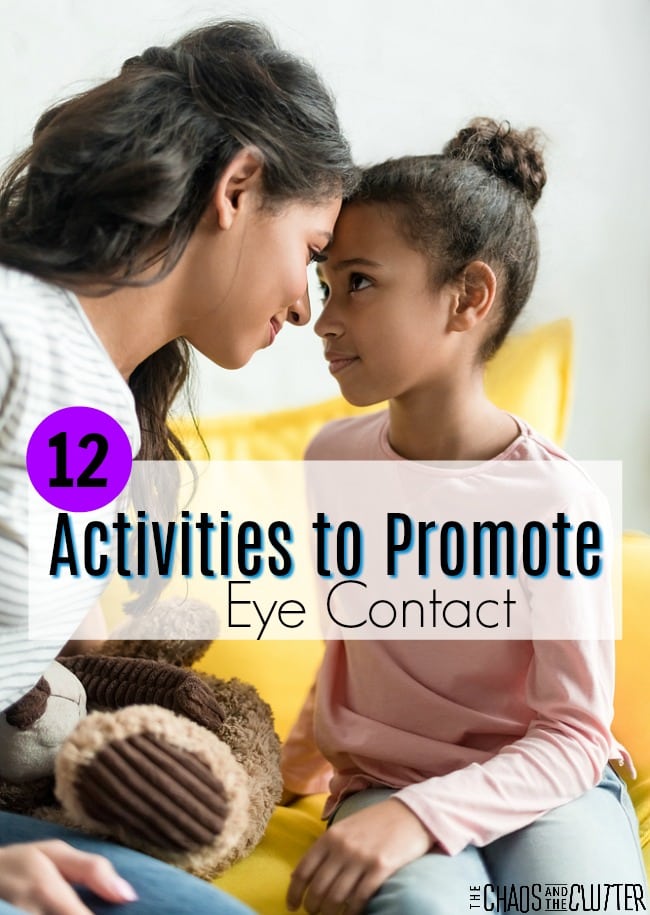
12 Activities to Promote Eye Contact

By Sharla Kostelyk

For many kids, making eye contact comes fairly naturally. For kids who are on the autism spectrum or for kids who lacked nurturing in the early years or have experienced early childhood trauma, eye contact is far from natural. Some kids find it uncomfortable while others can find it downright painful. If your child struggles with eye contact due to RAD, autism, SPD, or FASD, there are some simple activities you can do that help promote eye contact in a non-threatening way.

I want to share one comment before I get started with the activity ideas. It’s important not to say “look me in the eye” during these activities. You are looking to foster natural connection and get your child comfortable with eye contact.

You are wanting to get your child used to eye contact and build up their tolerance for it. It is important not to increase their anxiety or make them feel like they are in trouble for not complying.

I remember well the days when making eye contact was painful for one of our sons. It was hard to watch. It’s so much easier for him now, but it will likely never be as easy as it is for most people.

But there has been tremendous process. I really believe that much of that progress was due to us repetitively doing many of these activities.

Activities to promote eye contact:

Face painting – This is my favourite one. It is so subtle. While painting your child’s face, you will create natural proximity and be looking into each other’s faces. Try having them paint yours (that takes courage, but mama, I believe in you)! Be sure to use washable face paint.

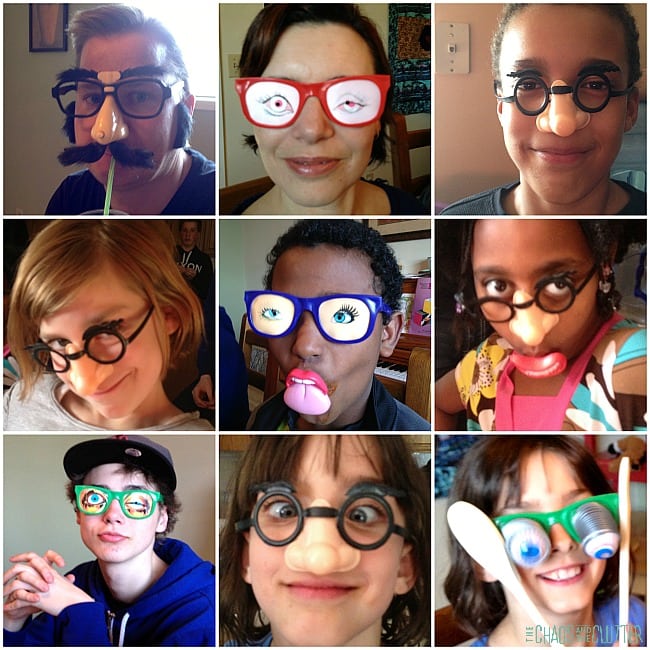
Silliness – Make funny faces or use silly getups such as clown noses, glasses with funny noses attached, or stick-on moustaches. silly glasses collageThose pictures above are from a Family Fun Night we had. You better believe there was a lot of eye contact practise happening that night even if the kids had no idea there was a purpose beyond laughter! 

Stickers – Put stickers or googly eyes on your face. Gradually put them closer to your eyes.

Peek-a-boo – Even with older kids, this game works. With older kids, you’ll have to infuse more silliness to get them to play along. Another way is to teach them to play peek-a-boo with a baby. Ask them to entertain a baby this way and they will be rewarded by smiles and squeals from the baby.

Push them on a swing – Stand in front of them while pushing them on a swing. This encourages eye contact and is great vestibular sensory input.

Secret handshake – Inventing a secret handshake with your child fosters connection and family identity. It also encourages eye contact. Major bonus points if your secret handshake ends with your foreheads touching!

Butterfly kisses and Smurf kisses – Butterfly kisses are when you touch your eyelashes together and blink quickly like butterfly wings flapping. Smurf kisses are when you rub noses. These will obviously be too vulnerable for kids who are at heightened stages of their attachment journey (?).

Board games – Connect 4 is the best one for this if you sit on opposite sides of the board. Because of the level of the board, accidental eye contact is inevitable!

Bubble gum – This is a trick I learned from the late great Karyn Purvis. Bubble gum is good sensory feedback both for proprioception and gustatory (taste). Keep hoards of bubble gum in your child’s favourite flavour. To get a piece of gum, all they have to do is ask “may I please have some gum?” with some degree of eye contact and the answer is always “yes”.

Count freckles – If your child has freckles on their face, count them and assign names to them. Or have them count and name yours. There’s bound to be some eye contact here and there.

Have a staring contest – For kids who are older or further along in their eye contact progress, a staring contest can increase their tolerance for it in a fun way. Don’t attempt with kids who are

Play an eye signal game – Have your child stand a few feet in front of you (or closer if they’ll allow). Signal to them with only your eyes to move to the side (by looking to that side), the other side, stepping back (eyes up), or taking a step forward (one blink).

Join me for a free 5 part email series, Little Hearts, Big Worries offering resources and hope for parents.

Filed Under: Adoption, Special Needs Parenting

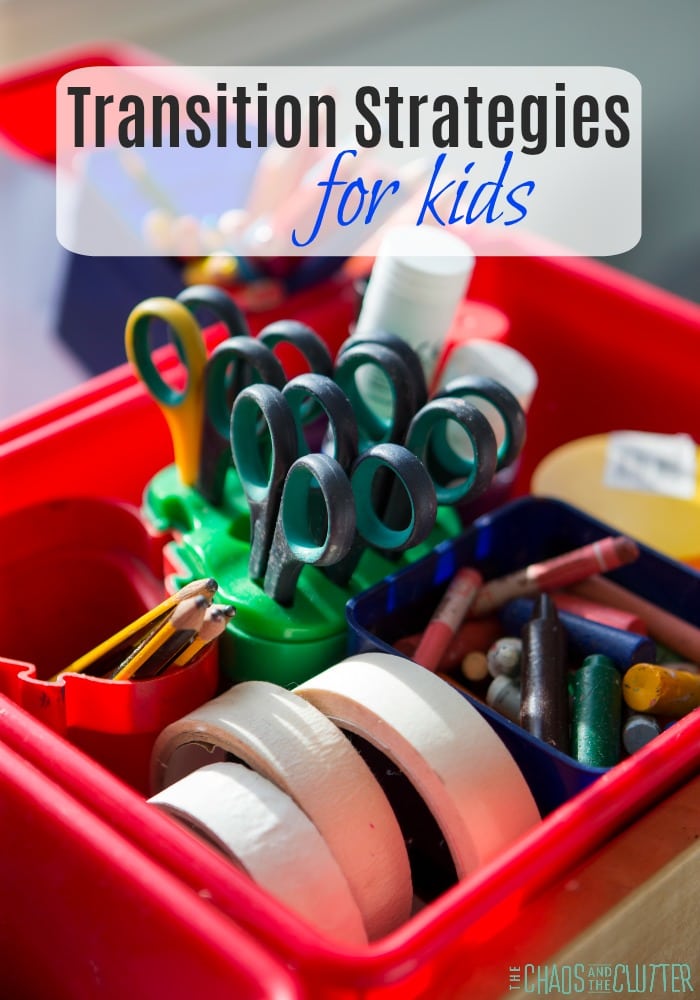
Transition Strategies for Kids

By Sharla Kostelyk

Change is hard for kids. Whether it’s big changes like moving to another town or small ones like moving from one activity to the next, transitions are hard. Transition strategies can help prevent meltdowns and lower anxiety in children. Transition Strategies for Kids #specialneedsparenting #parentingtips #transitionsFor some kids, such as children with autism, ADHD, Sensory Processing Disorder, PTSD, or other special needs, transitions are even more difficult. This can lead to challenging behaviours.
All children, and particularly those with special needs need a sense of predictability. Being prepared with transition strategies is key. These may take place before, during, or after the transition.

Transition Strategies for Kids:

  1. Prepare them. Give kids advance warning for how long an activity will last. Help them know what to expect in a day.
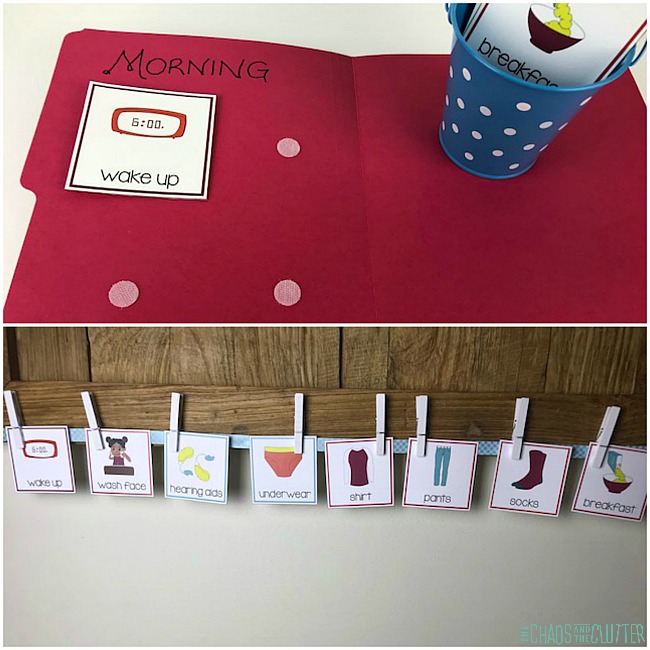
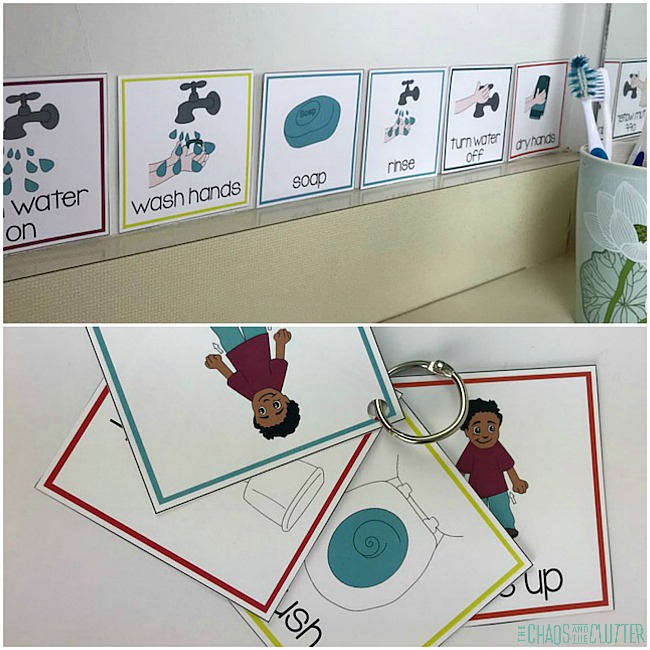
  2. Use a visual schedule. This makes it clear what a child can expect and what is coming up next. It can be helpful to put the activities that are most challenging for the child closer to the beginning of the day when they are less tired.
  3. Use a visual timer or a visual countdown system.
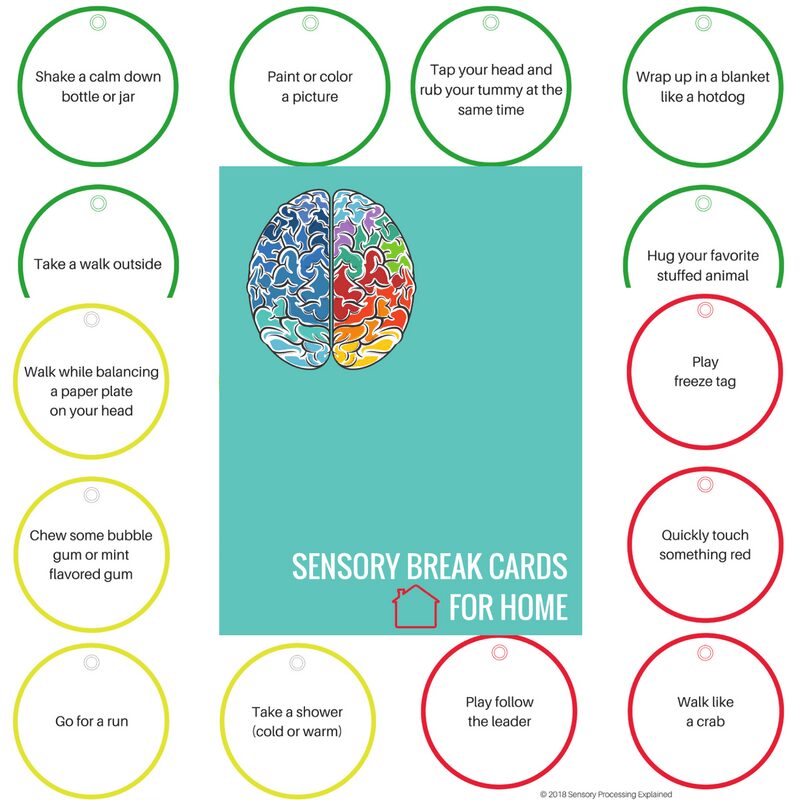
  4. Offer sensory breaks. Sensory activities make great transition bridges. Check out these sensory break cards for home or these sensory break cards for the classroom.
  5. Use a transition object. For some children, having their special blanket, doll, or stuffed animal with them can smooth transitions. This is especially true in the case of a child transitioning from one location to another such as from home to school or from home to preschool. Bringing a small photo album or laminated picture of mom or dad can also be helpful.
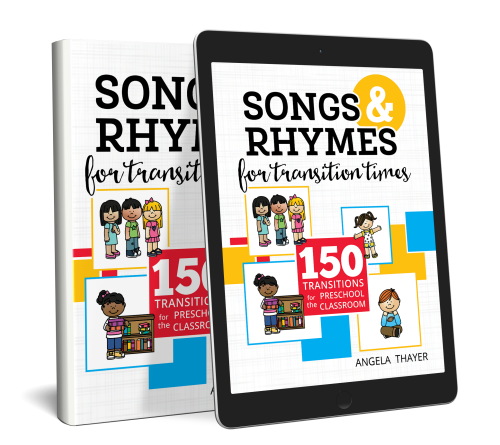
  6. Teach transition songs. Transition songs are a great way to help kids move from one activity to the next. Kids love music. These songs are light hearted. They help kids pay attention. They help them mentally prepare for the next activity or time of the day. You can make up your own to the tune of any familiar tune or you can find transition songs here.
  7. Choose transition activities. These would be things that could be done in between two other things such as skipping over to the car or counting to ten before moving on to the next thing.
  8. Allow for extra time. If you’re rushing, your child will pick up on your energy and become even more agitated. By not leaving things until the last minute, you will give your child extra time to adjust. You will also be calmer, which will help them stay calm.
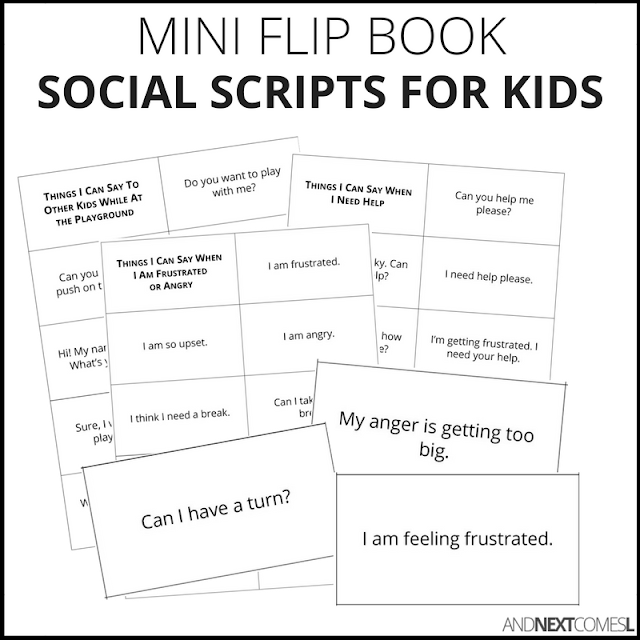
  9. Use social stories. For children who have a particularly hard time with transitions, preparing them with relevant social stories ahead of time can be beneficial.
  10. Maintain consistency. As much as possible, try to stick with the schedule and routines that you have laid out.


Printable Visual SchedulePrintable Visual ScheduleBuy NowTransition Songs and RhymesTransition Songs and RhymesBuy NowSocial Scripts for KidsSocial Scripts for KidsBuy Now

Why transitions are challenging for kids:

You know that moment when you know that it’s time to leave the playground but it’s gotten crowded since you arrived and you dread the scene that you know is going to unfold as soon as you tell your child it’s time to leave? We’ve all been there.

When your child is engrossed in an activity that they are enjoying, it’s hard for them to get their brain to switch tracks.

Even as an adult, it’s sometimes hard to want to leave something that we are enjoying to move on to something we perceive as less enjoyable.

Kids have less control of their lives. They don’t make the timetable or choose where they are going or what they are doing (most of the time). This makes it more frustrating for them to have to quit something they are enjoying.

Transitions and special needs:

Children with autism and kids with ADHD tend to hyperfocus on what they are interested in or what they are doing. Disruptions are unwelcome and can result in a meltdown. Attention shifts require flexible thinking and this is challenging for most kids who have autism.

Kids who have autism also have trouble with nonverbal cues, so they may not pick up on things that other children in the classroom do to prepare them for transitions. That’s why it’s especially important that things are spelled out clearly for them and that they get visual cues as well as verbal ones.

Children with sensory needs can also struggle with transitions more than other kids. This is due to their bodies needing to adapt to new sensory stimuli with each new location or activity.

As an example, in a classroom setting when a child is engrossed in a math activity, sitting at a desk and the time comes to put that away and eat lunch.

Where they were likely not getting enough sensory stimuli at their desk, moving to a cafeteria or into the busy hallway to retrieve their lunch may offer too much stimuli with the increased noise, physical activity, and taste sensations. Going to such extremes rapidly is difficult and can lead to meltdowns.

Transitioning from home to school and back home:

One of the most difficult transition of the day for kids can be the one from home to school/preschool or the one from school back home. If this is a particularly challenging issue for your child, it’s best to work together with the teachers to come up with a game plan.

A transition object can be useful. This is usually something familiar from home that brings the child comfort.

Have something the child does every day right before leaving the classroom. This should be simple and easy to maintain such as placing their notebook on the teacher’s desk or placing an X on their student planner.

Although you want the teacher to be aware of this routine, you don’t want to involve them in it. If for example the child’s post-school ritual was to high-five the teacher every day, imagine the meltdown the child could have if the teacher were absent one day.

Coming back home after school is particularly difficult for many children. The reintegration into the house after holding in their emotions all day and being in a very different environment can cause big meltdowns.

We have discovered an After School Meltdown Strategy that actually works. It has made the after school transition much smoother in our home. Other parents have also found it works for their child.

Remember that communication between you and your child as well as between you and the school are critical in helping your child make these changeovers as seamless as possible.

Resources for assisting kids in transitions:

The After School Meltdown Strategy that really works 

Printable Visual Schedule for Kids with Special Needs

Sensory Break Cards 

Filed Under: Sensory, Special Needs Parenting

  • « Go to Previous Page
  • Page 1
  • Interim pages omitted …
  • Page 5
  • Page 6
  • Page 7
  • Page 8
  • Page 9
  • Interim pages omitted …
  • Page 19
  • Go to Next Page »

Primary Sidebar

Categories

We are a participant in the Amazon Services LLC Associates Program, an affiliate advertising program designed to provide a means for us to earn fees by linking to Amazon.com and affiliated sites.

Copyright © 2026 • The Chaos and the Clutter • Site Design by Jeni @ The Blog Maven

Return to top of page

Copyright © 2026 · Chaos and the Clutter 2.0 on Genesis Framework · WordPress · Log in