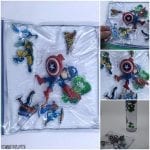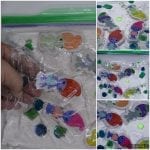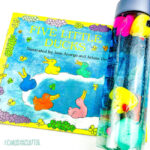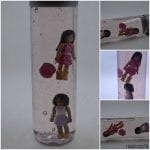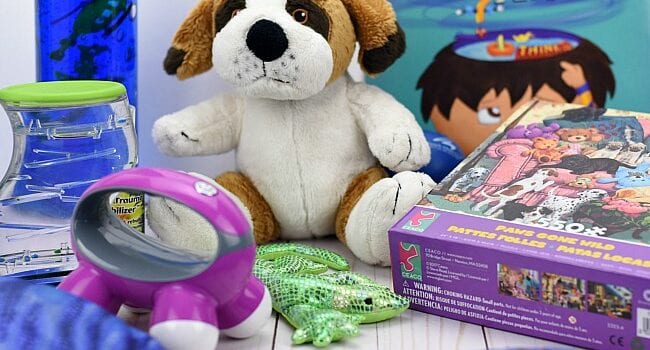
When I created a calm down kit for our daughter, it was a turning point for all of us. It helped her in so many ways. It gave her tools and strategies to calm herself and help regulate her emotions. She is empowered. These suggestions of the best things to include in a calm down kit should be helpful for you to create your own.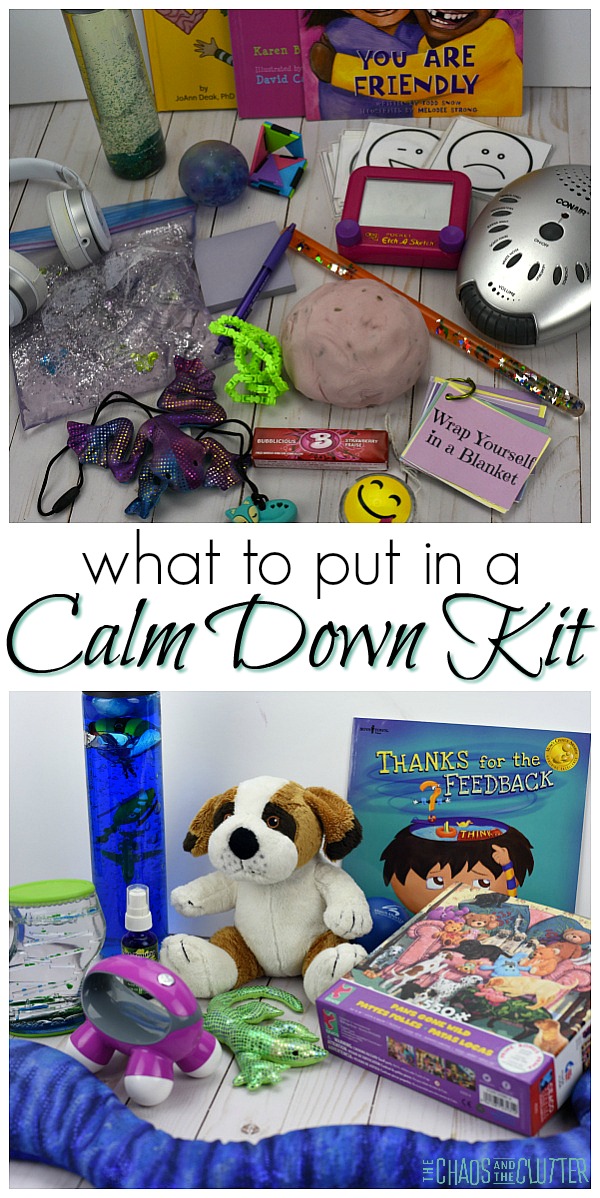
It is important to note that what works best in a calm down kit for one child will not necessarily work for another. You’ll start to see in time what is most effective for your child.
It’s only once you’ve used the kit a number of times that you’ll get a sense of what items might not be necessary and even what type of things to perhaps include more of.
It’s important to teach your child to use the kit and “practise” using it when they are calm. During a meltdown or period of anxiety, a child can go into fight, flight, or freeze mode, making it difficult for them to make decisions and think logically.
Practising using the calm down kit during down times will enable them to know what things help in times of distress.
What to Include in a Calm Down Kit:
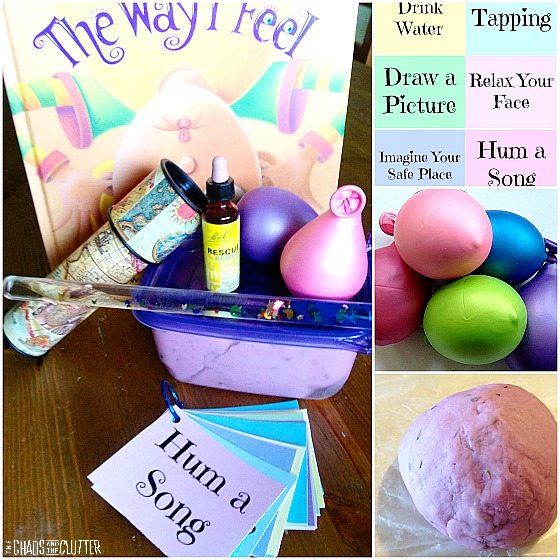
- calm down cards
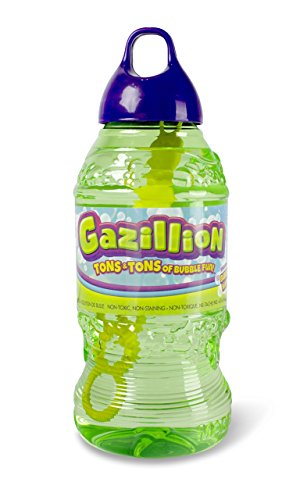
- small container of bubbles
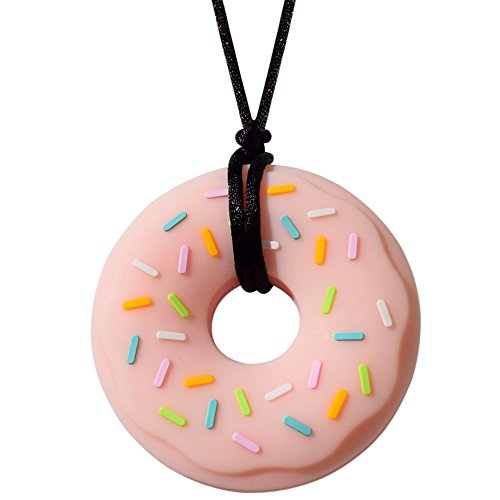
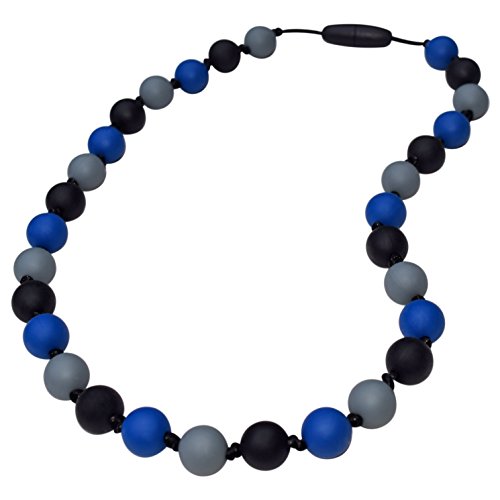
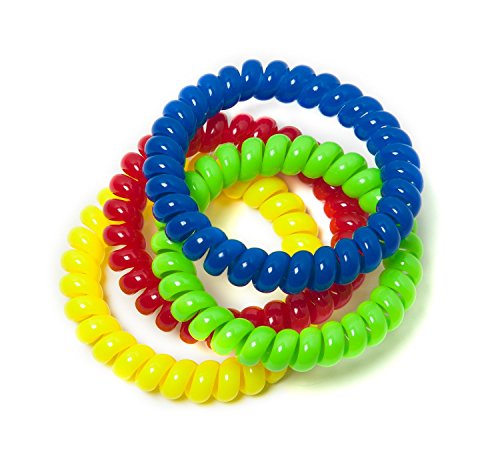
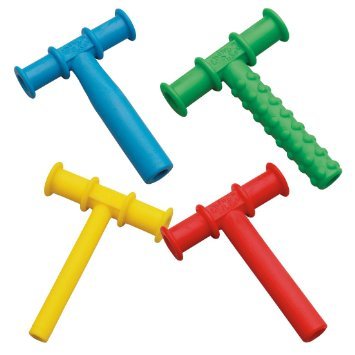
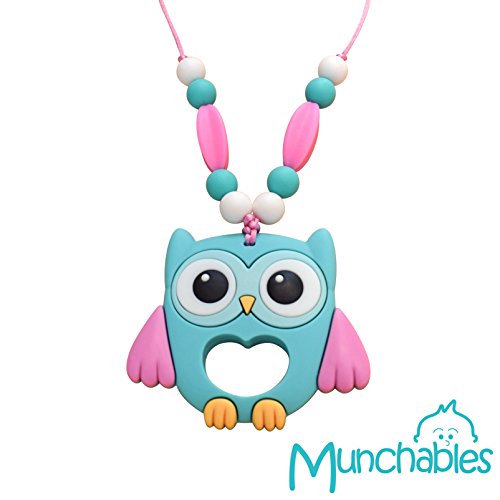
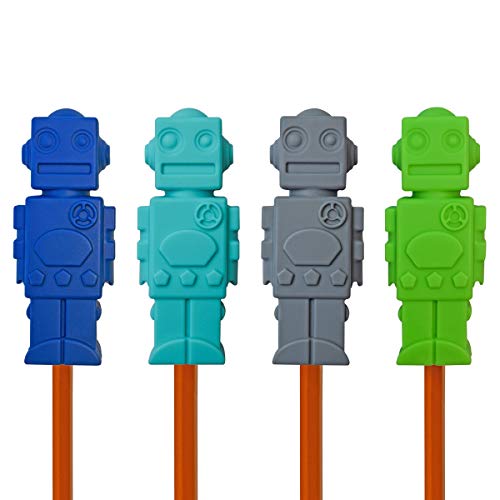
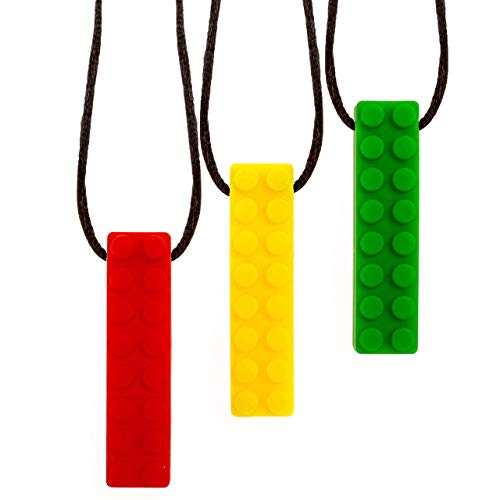
- chewelry
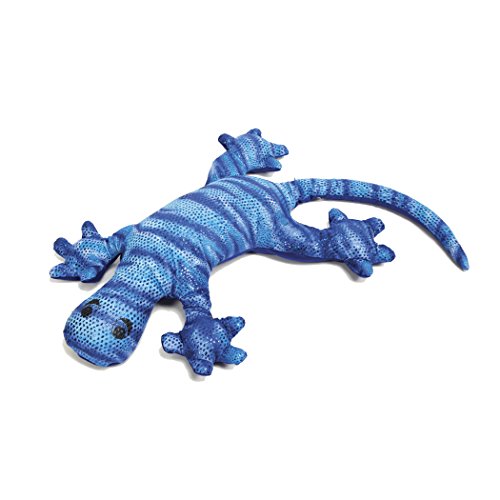
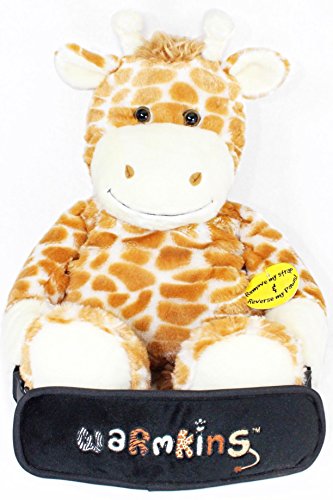
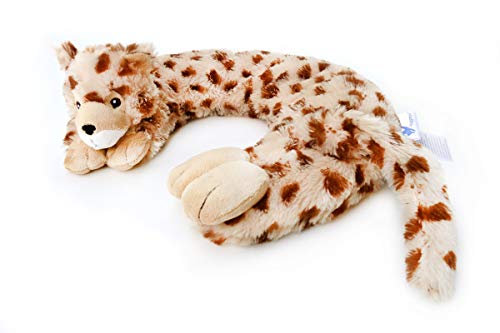
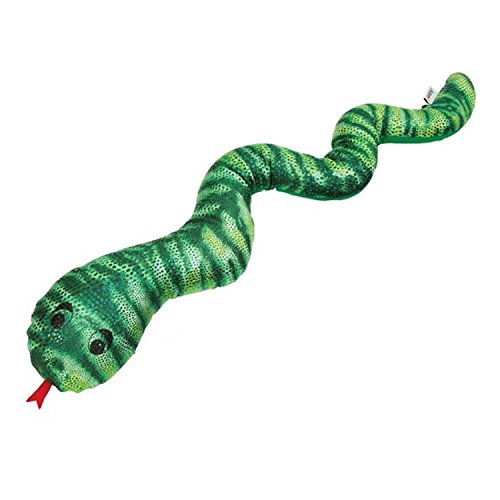
- weighted stuffed animal
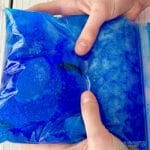
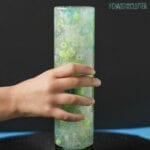
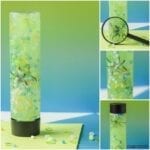
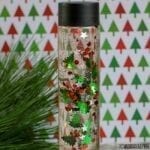
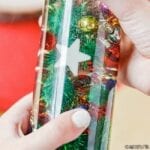
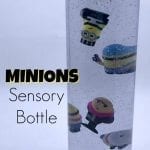
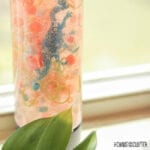
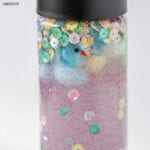
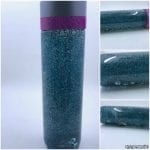
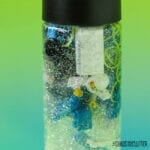
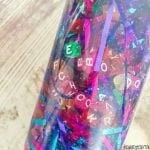
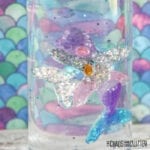
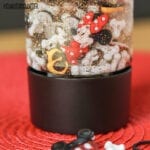
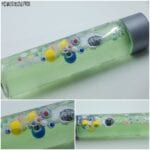
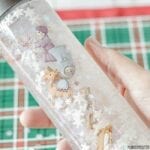
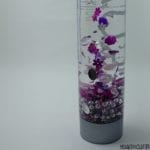
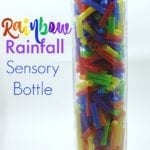
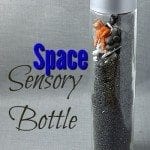
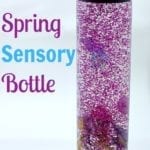
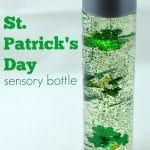
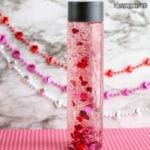
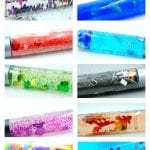
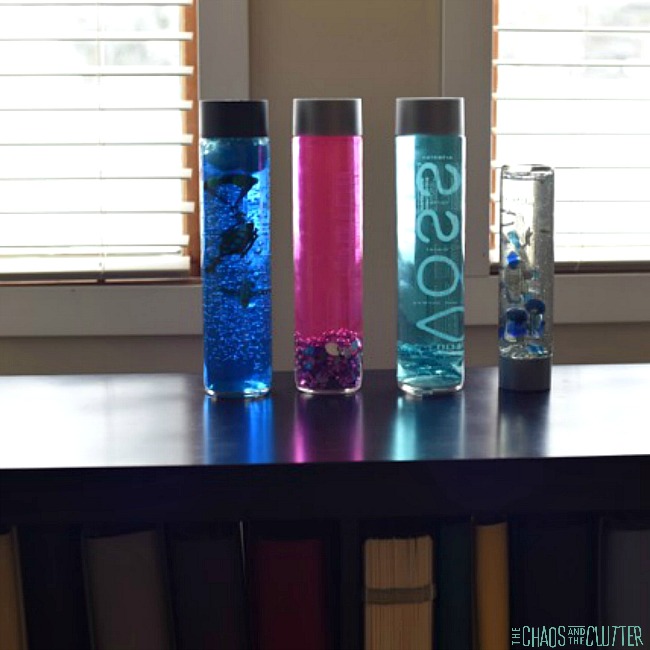
- calm down bottle
- emotion cards
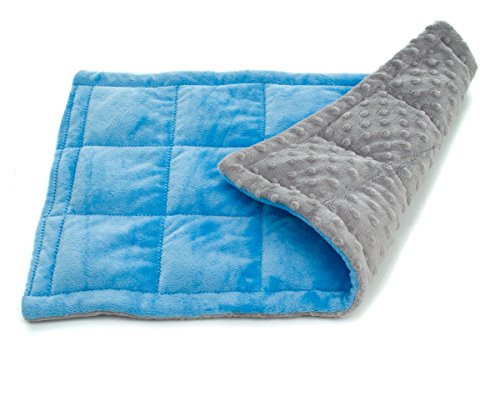
- weighted blanket or soft blanket
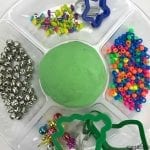
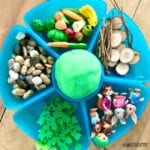
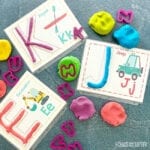
- playdough (this calming lavender playdough is perfect)
- noise cancelling headphones
- stress ball (easily make your own)
- water bottle with a chewable straw
- sound machine
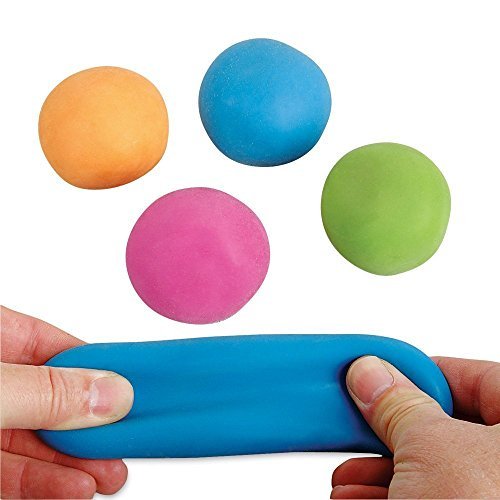
- slime or silly putty
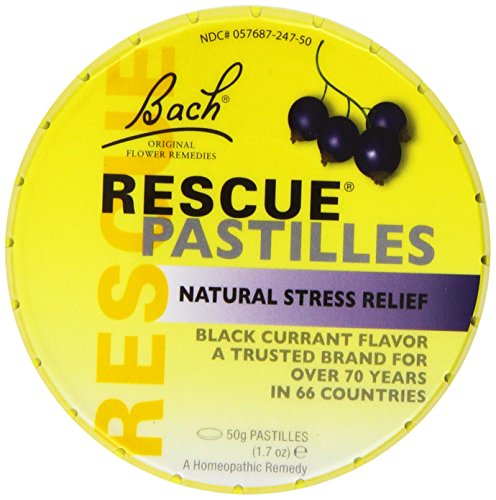
- Rescue Remedy
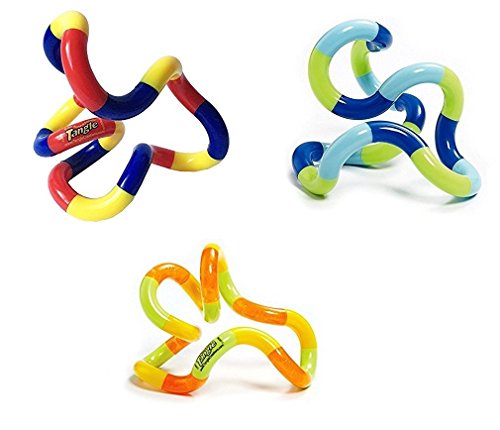
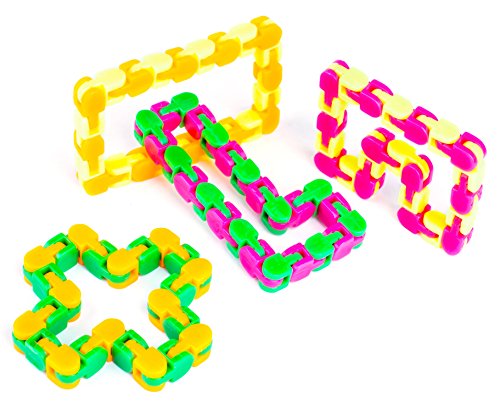
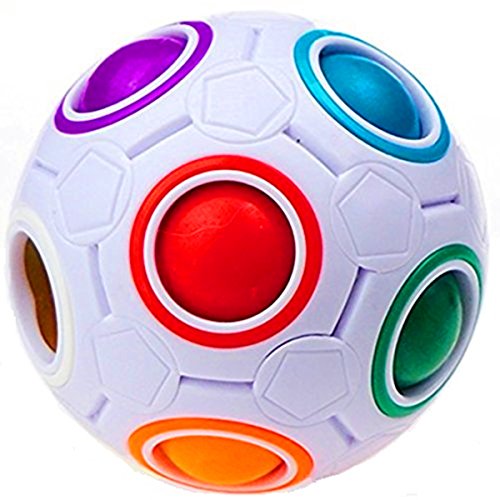
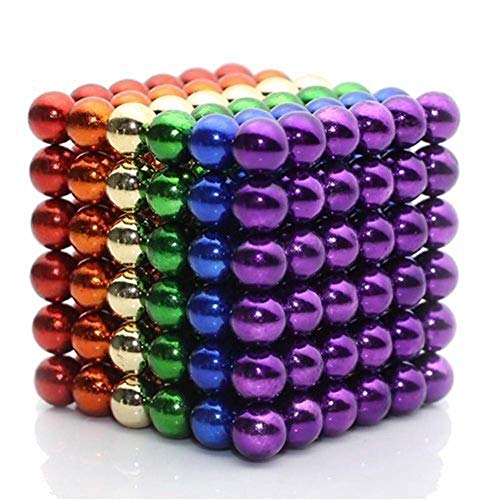
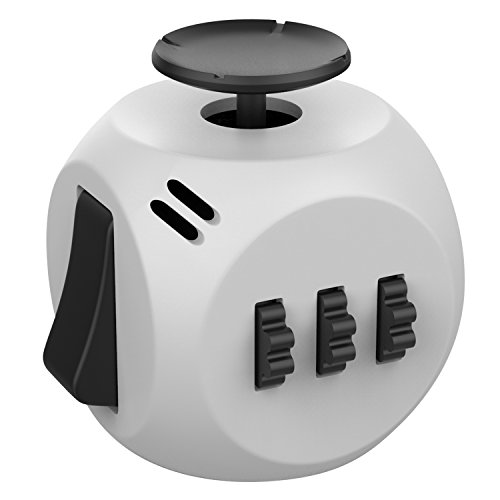
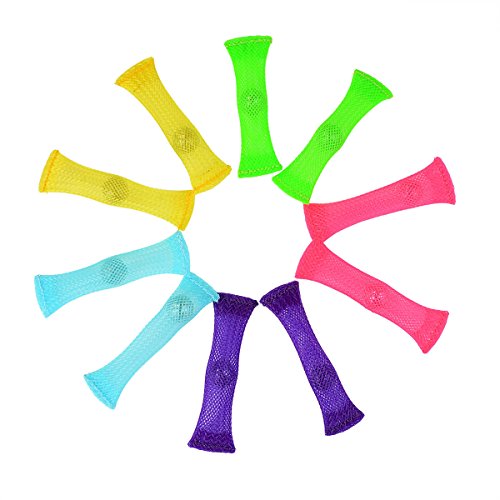
- fidgets
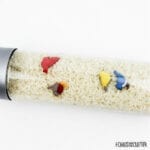
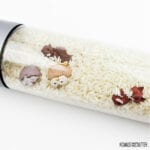
- I Spy wand
- kaleidoscope
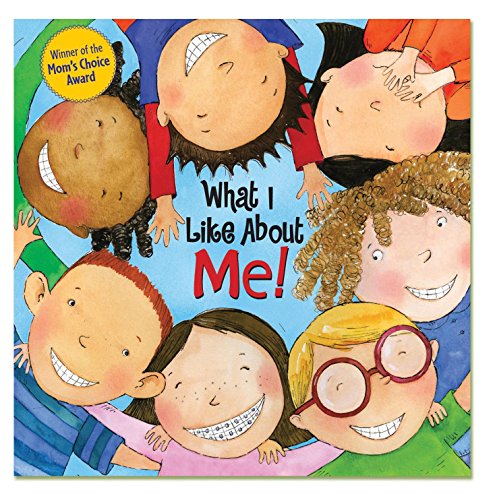
- favourite book or a book about feelings
- affirmations colouring book and crayons
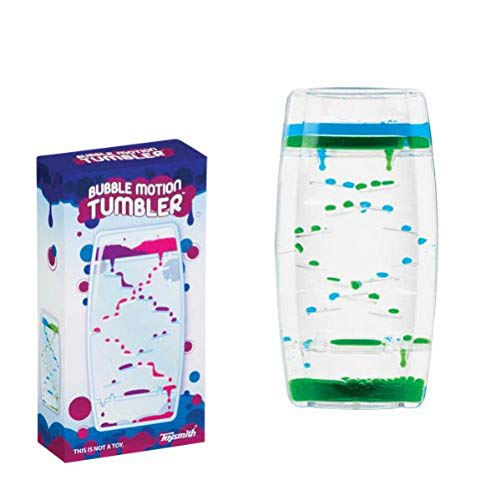
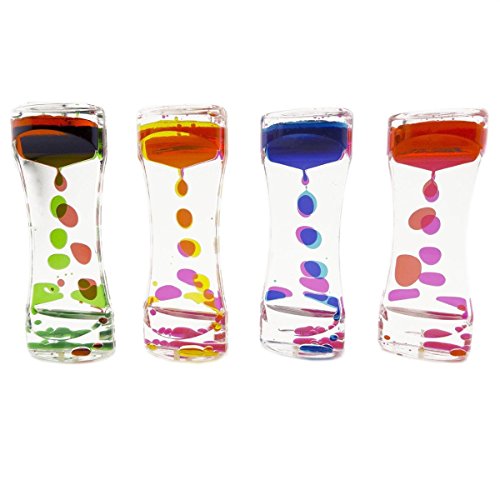
- liquid motion bubble timer
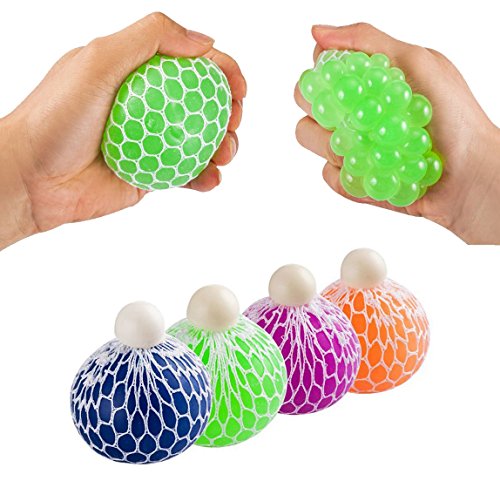
- squishies
- small framed photo of their family or beloved pet
- mini Etch-a-Sketch
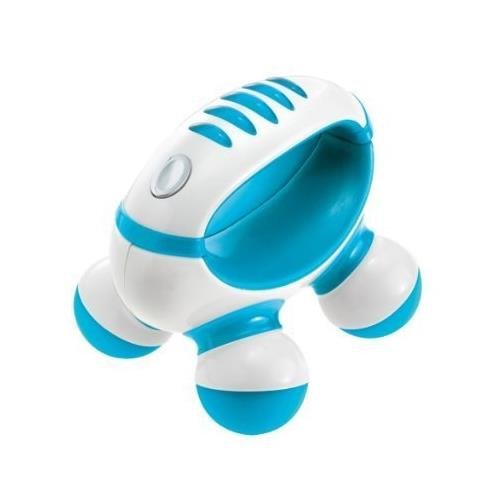
- palm massager
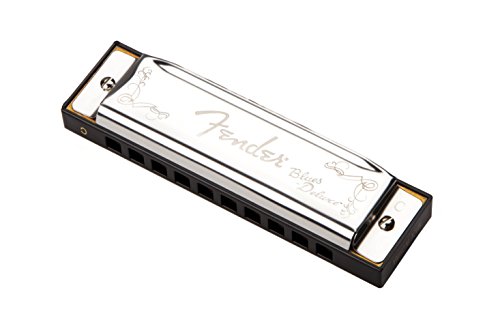
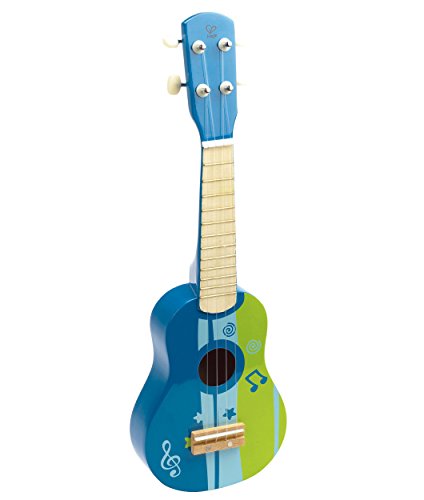
- harmonica
- smell bottles
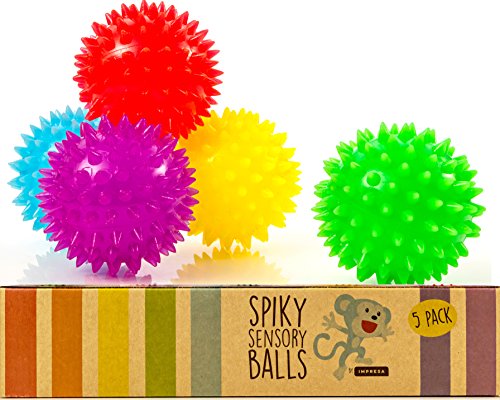
- textured sensory balls
- pinwheel
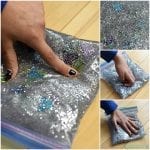
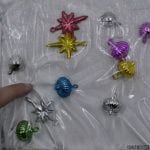
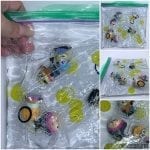
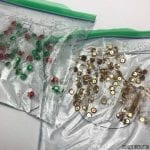
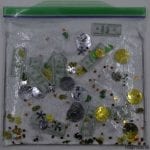
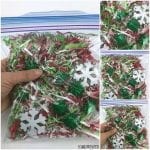
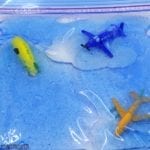
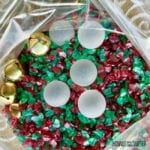
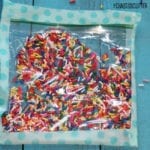
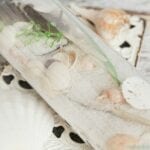
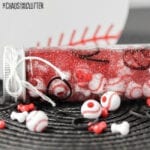
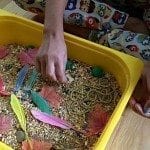
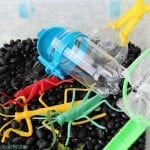
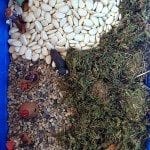
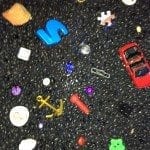
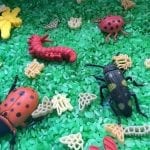
- sensory bag
Lego Sensory Chew Necklace Noise Cancelling HeadphonesConair Sound Therapy Sound MachineKids Rescue Remedy Natural Stress Relief DropsCrazy Aaron’s Thinking PuttyRetro Voyage Map KaleidoscopeWonder TubesLiquid Motion Bubble TimersPalm Massager
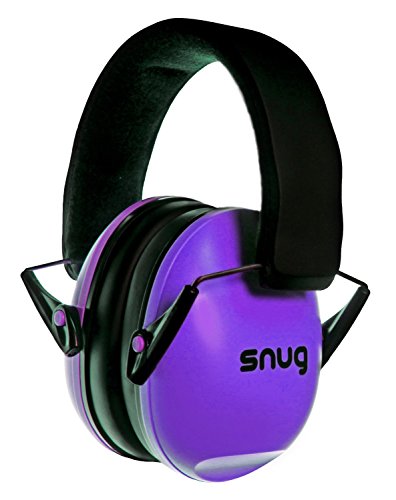
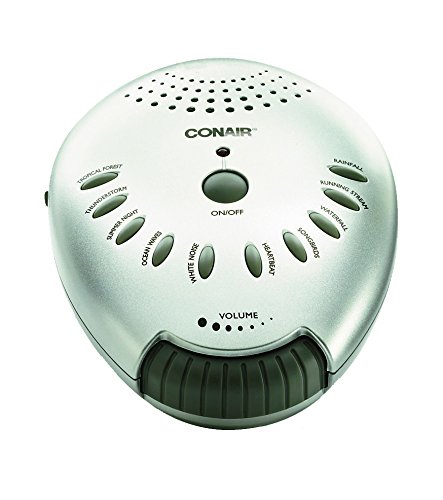

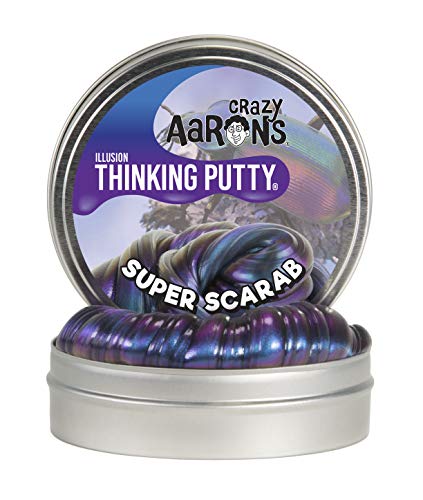
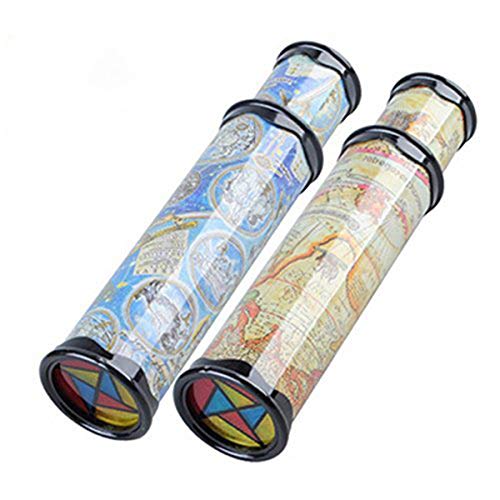

For younger kids, it is sometimes best to use pictures on the calm down prompt cards even if the child can read. If they are in a state of fight, flight, or freeze, reading will be difficult for them. The easier you make it, the better.
What to Include in a Calm Down Kit for Older Kids:
- anything from the list above
- calm down cards
- hard candies to suck on
- favourite book
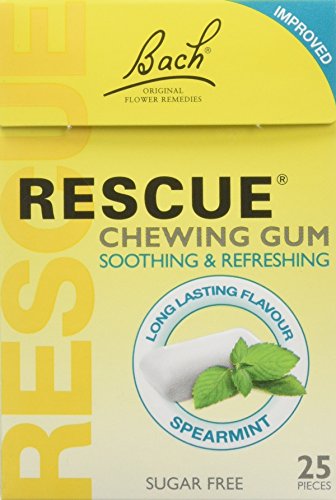
- chewing gum
- puzzle
- Rubik’s cube
- bubble wrap (for popping)
- Big Life Journal
- colouring book and markers or pencil crayons
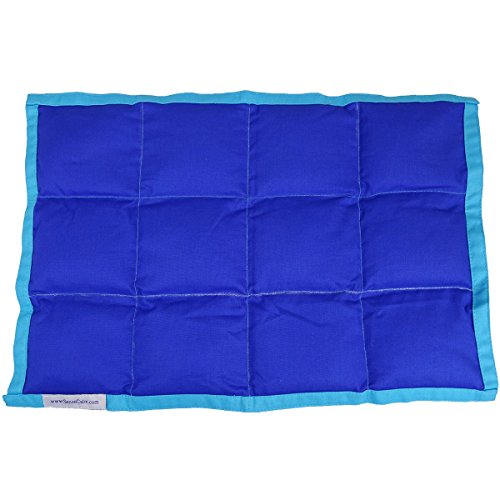
- weighted lap pad
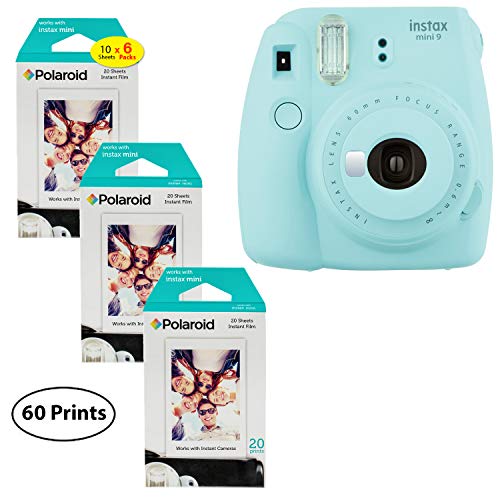
- instant camera (for taking “selfies” to better understand their emotions)
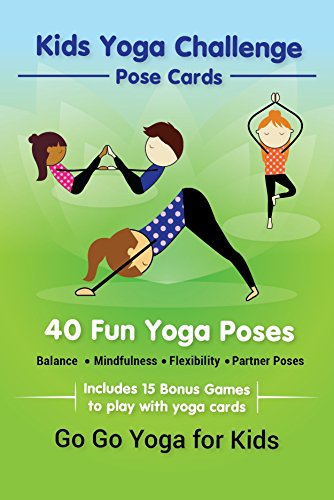
- yoga pose cards
- journal and pen
- knitting or crocheting (for kids who know how to knit or crochet)
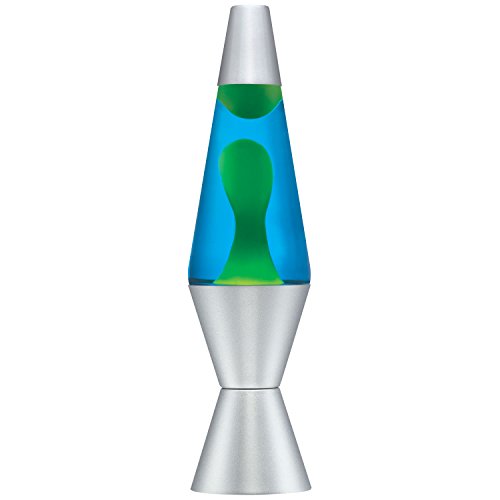
Big Life JournalBuy NowLava LampSensory Weighted Lap PadRescue Remedy Rescue Chewing GumBach Rescue Remedy Hard CandyKids Yoga Challenge Pose CardsInstant Camera

If possible, provide a quiet area in the home or classroom that the child can go to use their calm down kit. This could be a corner with a bean bag chair or exercise ball to sit on. 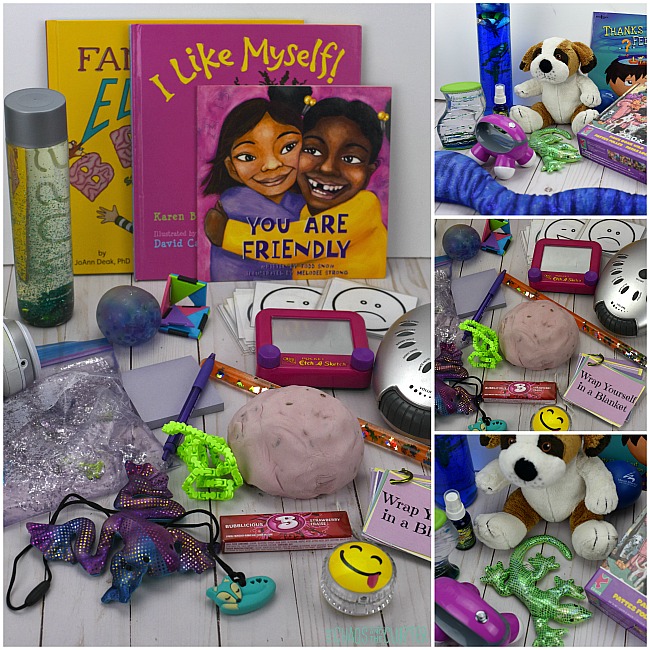 One thing to keep in mind when making an anti-anxiety kit for your child is to personalize it. One way to do this is to consider their sensory preferences (ie: a child who is sensory avoidant for auditory would prefer noise cancelling headphones in their kits whereas a child who is sensory seeking for auditory would prefer an audiobook or harmonica in theirs).
Another way to personalize the kit is to consider what interests your child has and include those. If your child loves dinosaurs, you could include this dinosaur chew necklace, this dinosaur squeeze ball, this dinosaur sensory slap bracelet, and this dinosaur fidget.
Creating a personalized kit for each child is also a great way for them to feel known and special. You can choose any theme that suits them.
Get printable calm down cards to include in your kit.
Read about how we use our calm down kit and other tips here:
Create Your Own Calm Down Kit for Children

 If you’re new to the term “sensory meltdown”, I encourage you to take a few minutes and

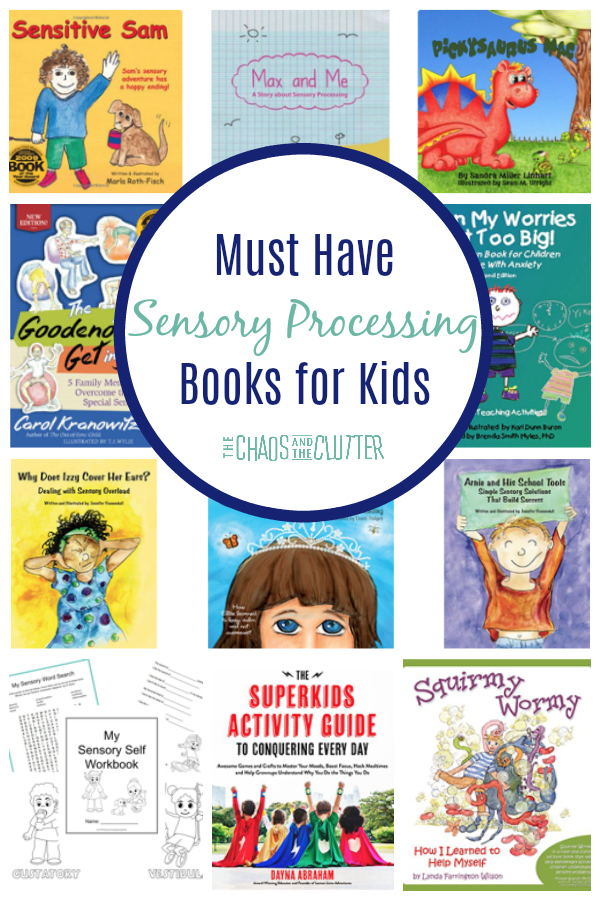 By involving the siblings and classmates of kids with Sensory Processing Disorder in the learning, they will they be better able to understand and support the child with SPD. Feeling understood goes a long way.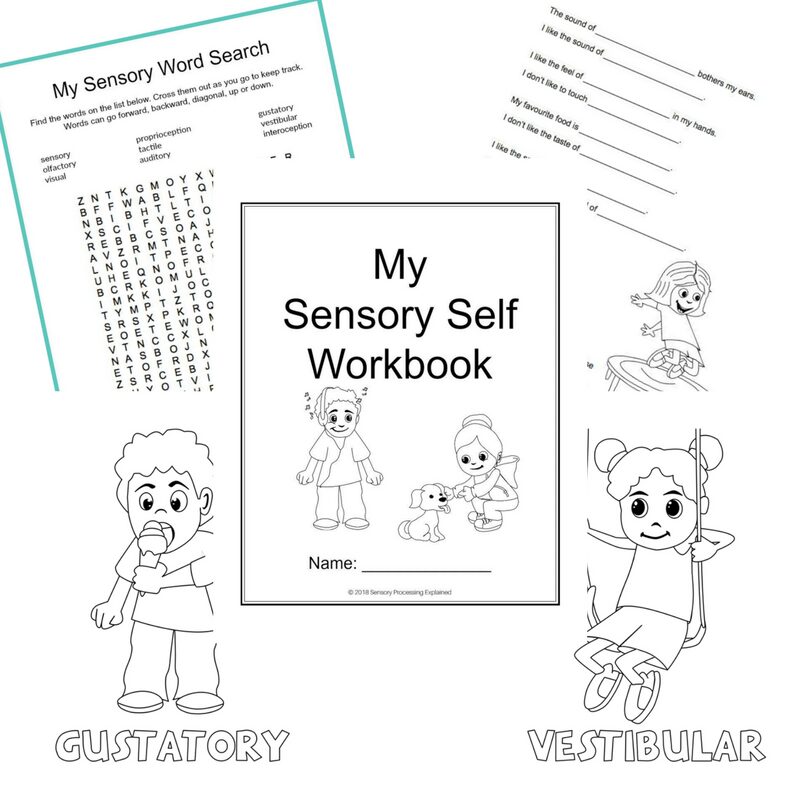
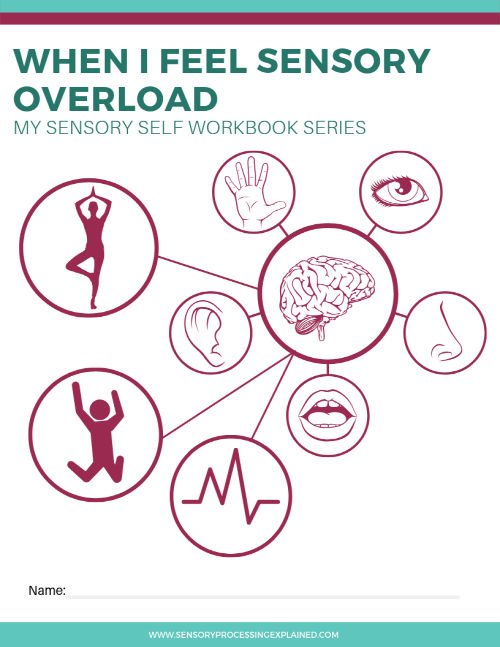
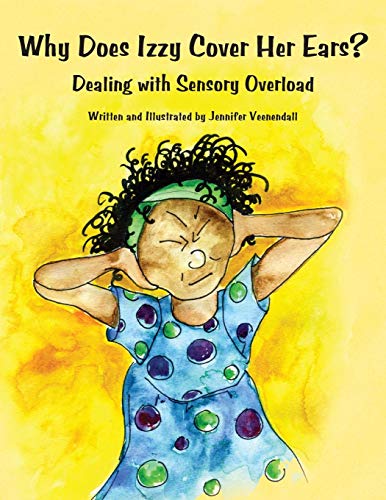
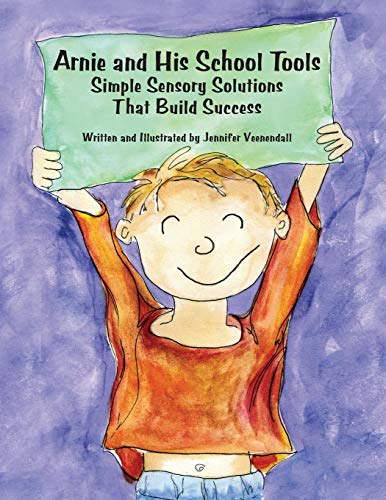
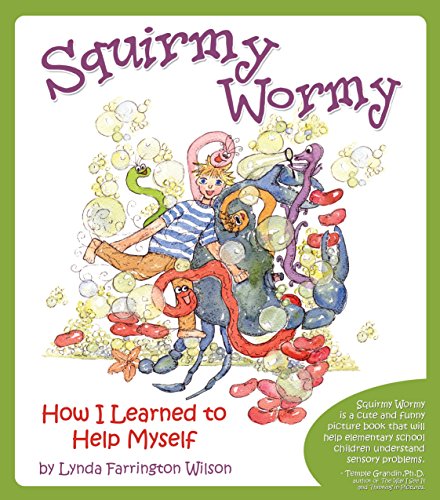
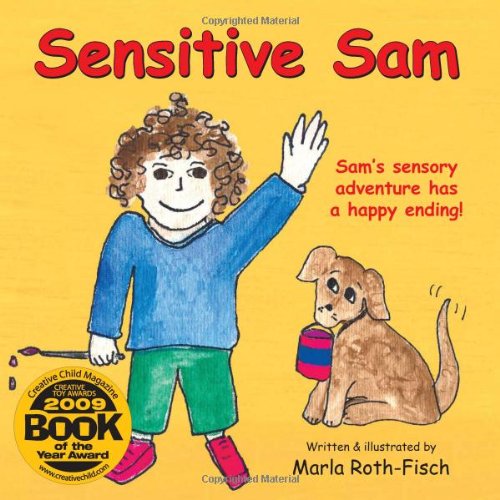
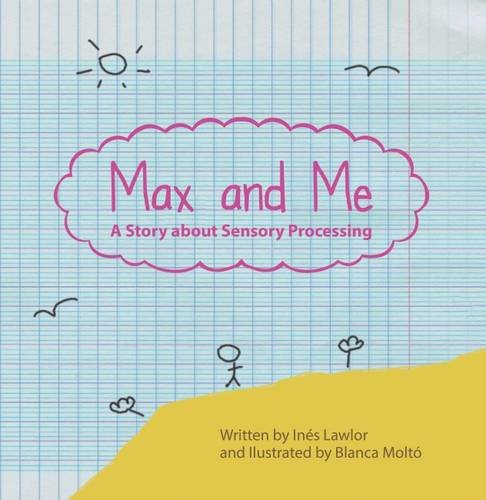




 Have you ever been fine and then suddenly felt like everything was just too much? There’s too much talking, too much noise, the music is too loud.
 Fast forward to the evening and me picking this particular son up from his sports practise…
 Those of you with teen boys know that it isn’t going to work to say “hey, come play in a sensory bin”. Teen girls you can usually entice with slime (because it’s “cool”). And some boys enjoy slime too.
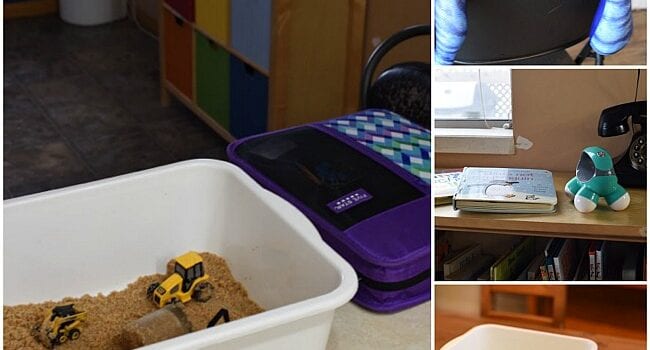
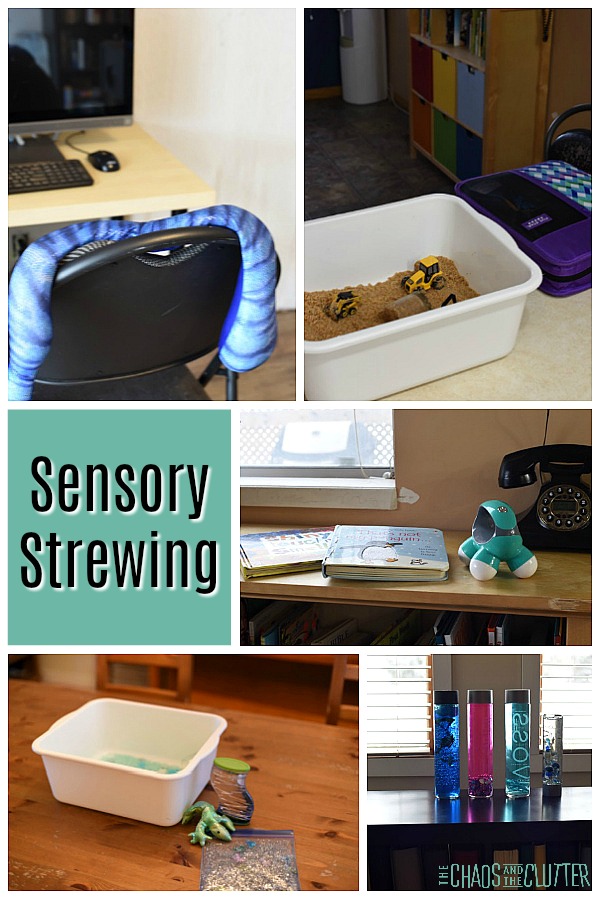
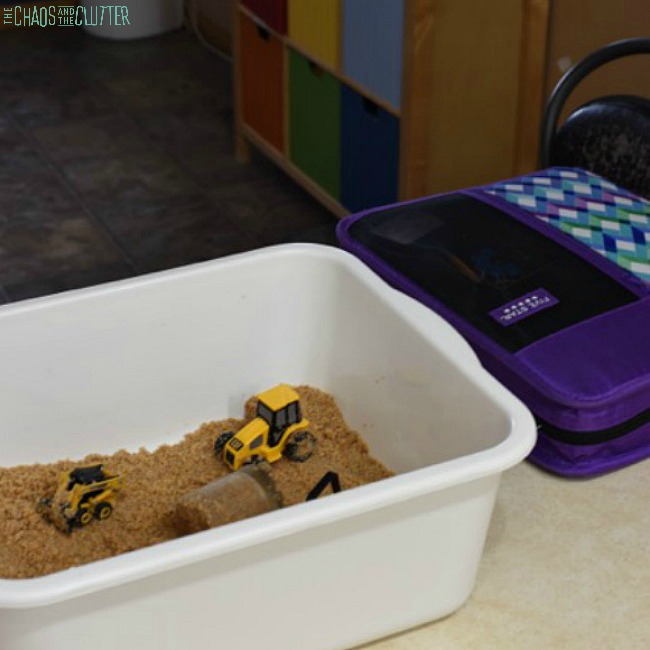 I place
 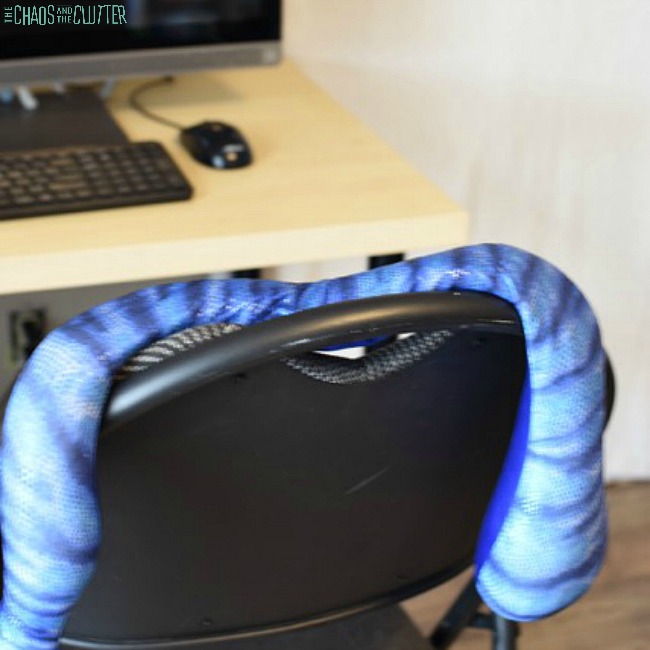 I leave out baking supplies in plain view knowing that my girls love to bake, which will lead them to rolling and kneading and mixing.
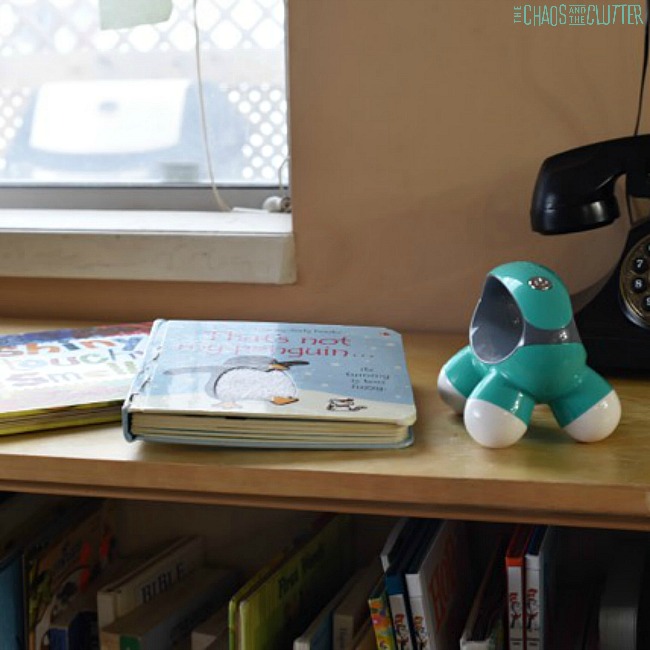
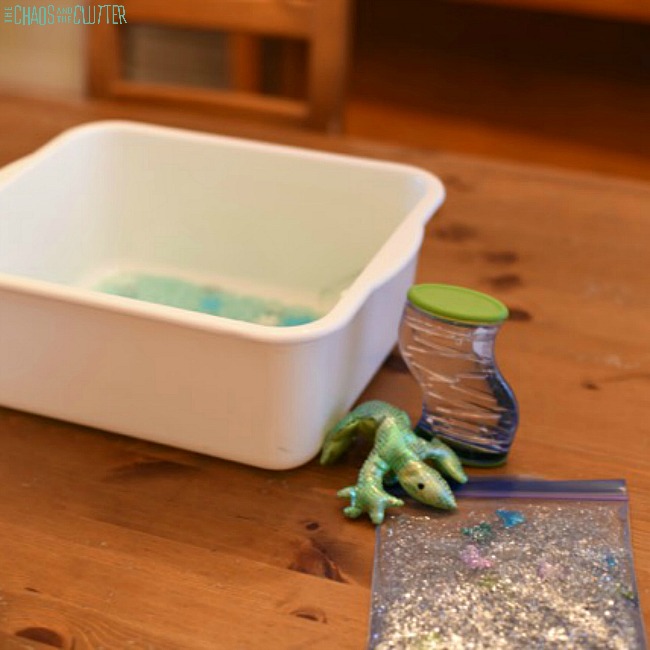 In the higher traffic areas of our house such as the playroom, kitchen, dining room, and living room, I leave out sensory rich toys, games, art supplies, fidgets, and opportunities for sensory play. I leave them on the coffee table, the bookshelves, the kitchen table, counter, and windowsill.
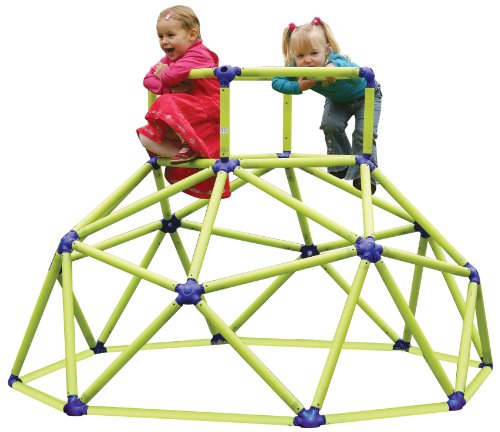
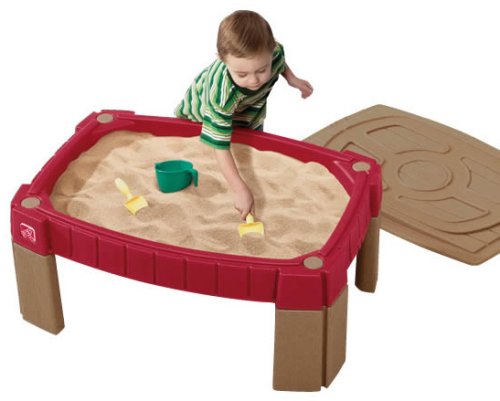
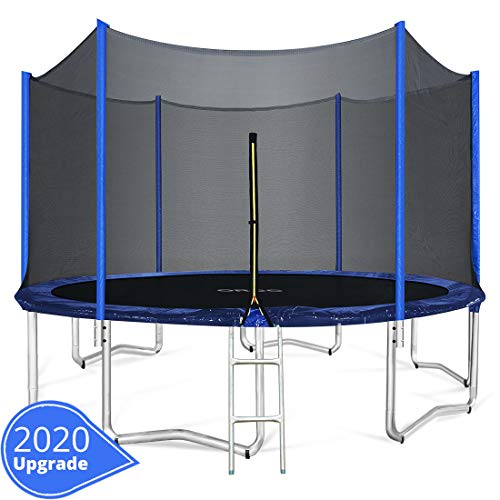
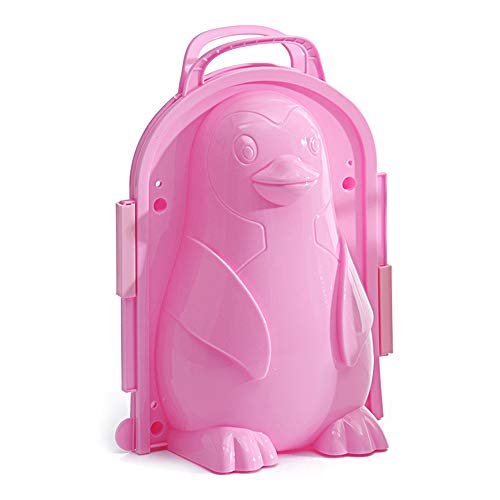
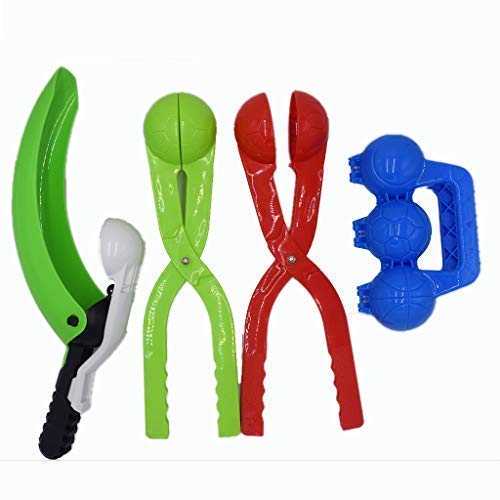
 I also take this concept outside. Our yard is filled with opportunities for sensory input. We have a climbing wall, sandbox, trampoline, merry-go-round (amazing for vestibular input!), ropes course in the trees, and of course, the trees themselves for climbing. Seasonal items such as shovels, snow forms, bubbles, sidewalk paint, and parachutes get strategically placed as well.
 You don’t want to create clutter with your strewing. In fact, if there is too much clutter in the house, your kids won’t notice the items you have intentionally left out for sensory purposes.