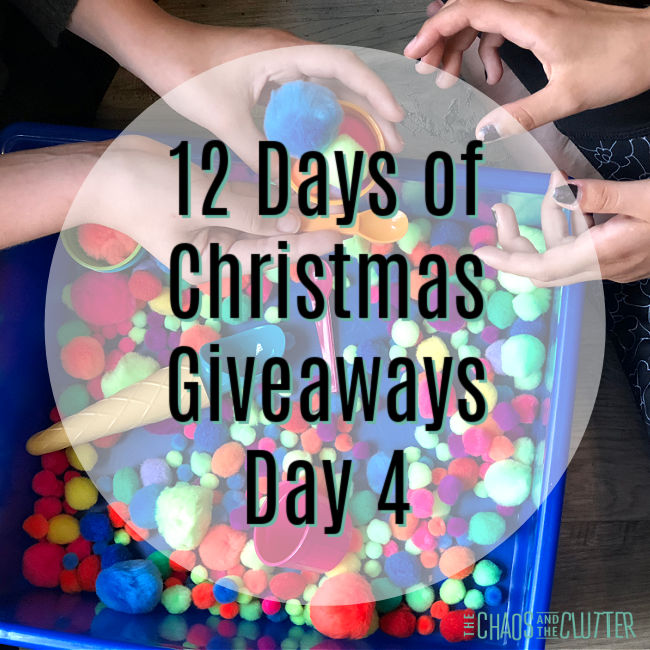
Sensory bins are simple to put together but provide a big “punch” in terms of benefits. Improved fine motor skills, sensory input (tactile, visual, proprioception, and sometimes auditory and/or gustatory), communication skills, and hands-on learning are just some of the opportunities that are presented to a child with sensory bin play.
If you’re new to creating sensory bins for your child or classroom, I’ve put together a Sensory Bin Starter Kit guide for you. 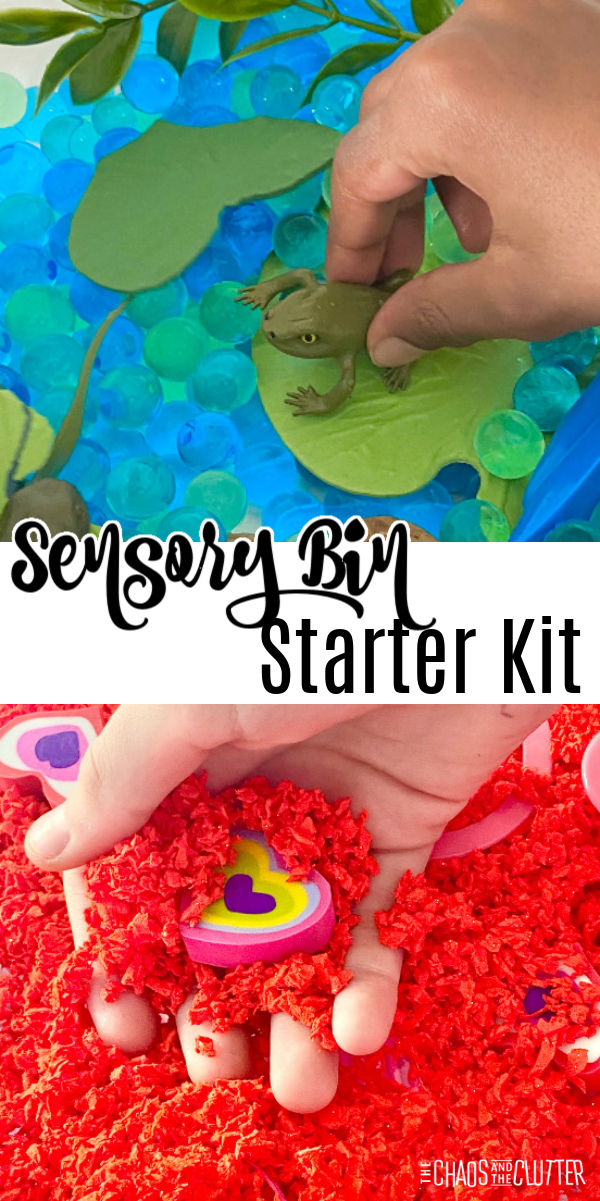
Here are some ideas to help you put together your own sensory bin starter kit:
Sensory Bins eBook
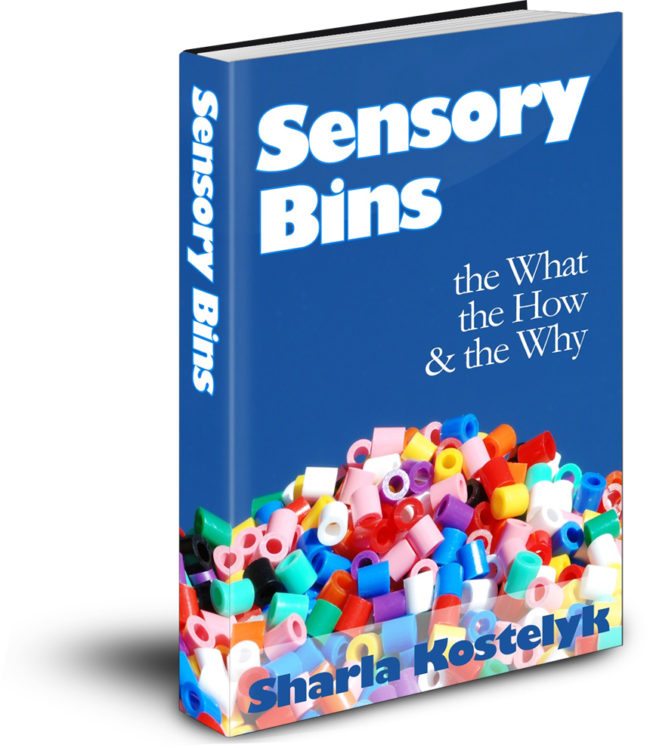
The Sensory Bins book includes idea lists, storage tips, money saving hints, information on sensory processing in how it pertains to sensory bins, and sensory play recipes. It’s a great place to start.
Pluffle
This stuff is so fun! It kind of moves which is just super neat. I discovered it just last year. It makes a great sensory bin filler and is so versatile. You can see a video below of the pluffle in action.
Learning Resources Helping Hands Fine Motor Tool Set
Sensory bins are a wonderful way to improve fine motor skills. This tool set includes large Gator Grabber tweezers, a Handy Scooper, Twisty Dropper, and Squeezy Tweezers. These are all designed for fine motor skill development. 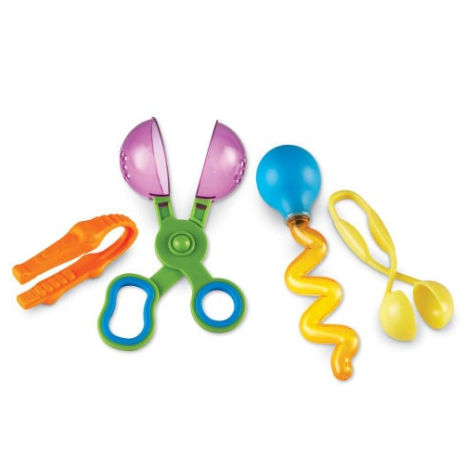
Adding one or more of these into a sensory bin will offer more ways to play and explore. I especially like the Handy Scooper for water bead sensory bins.
For similar effects, you can also add kitchen tools such as measuring cups, measuring spoons, tongs, scoops, ladles, strainers, small bowls, and spatulas. These are great for scooping, pouring, measuring, moving, pinching, and grabbing.
Water Beads
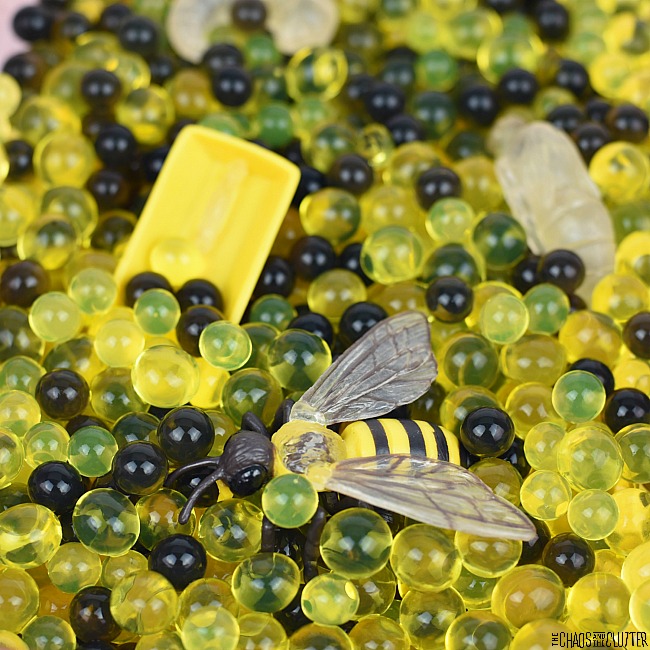
Water beads are such a versatile sensory item. They make an easy sensory bin filler. I’ve used them in so many of our sensory bins.
Small Toys or Items for Play
One of the things I use most in my sensory bins are little toys found in these things called Toobs. I’ve used the space set, human organs, ocean animals, in the sky, arctic, insects, fruits and vegetables, penguins, dinosaur skulls, and many others.
Small toy cars, miniature trees, pompoms, and mini figures are other common items we often use in our bins. 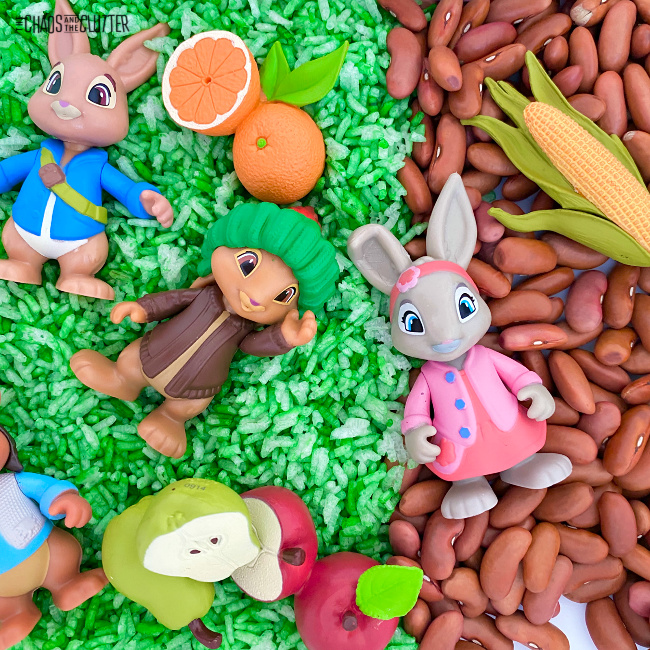 If you have all of these basic components and add them to a bin, you can create all kinds of wonderful sensory bins for your child to explore!
As with all sensory play, adult supervision should be used at all times.

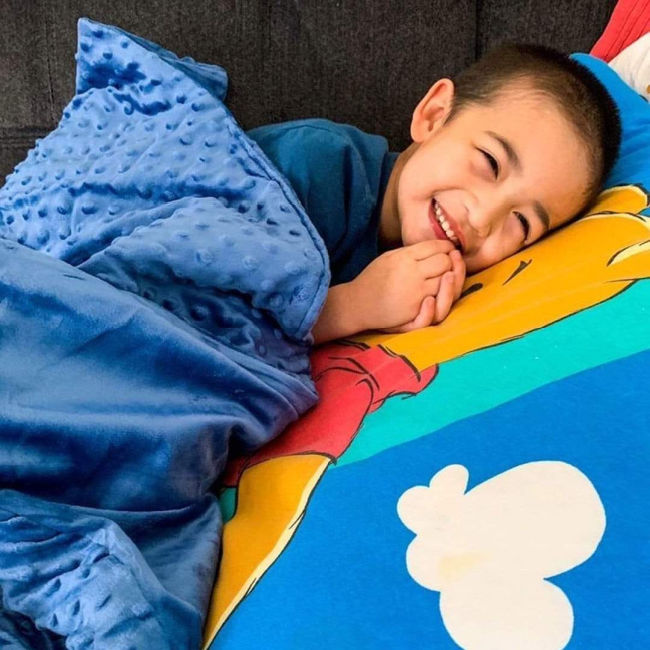
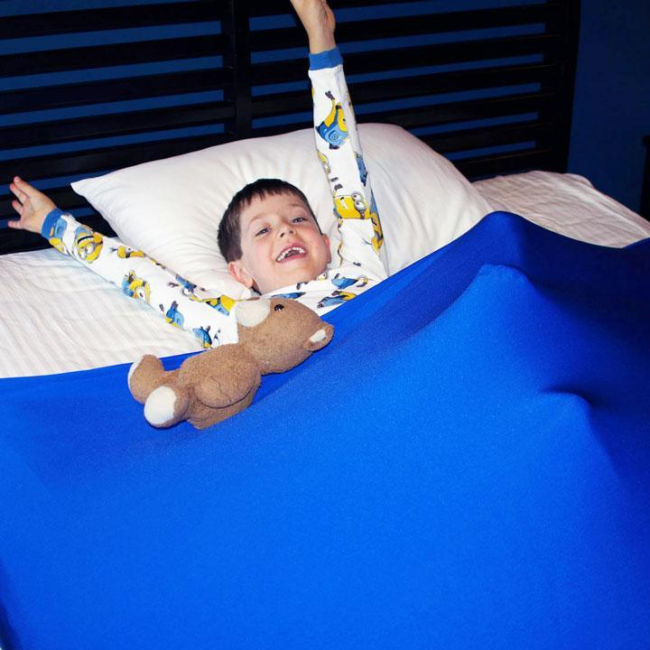 It’s a great alternative to a weighted blanket for those that don’t want the heavy weight or heat of a weighted blanket.
 Weighted neck wraps can be particularly beneficial for those with sensory processing disorder, autism, or ADHD. They can help reduce excessive movement and provide more focus and calming.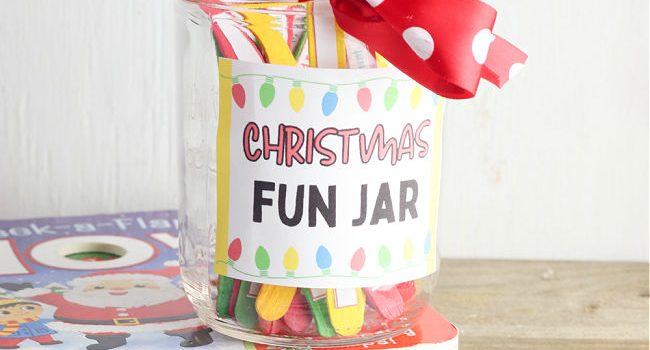
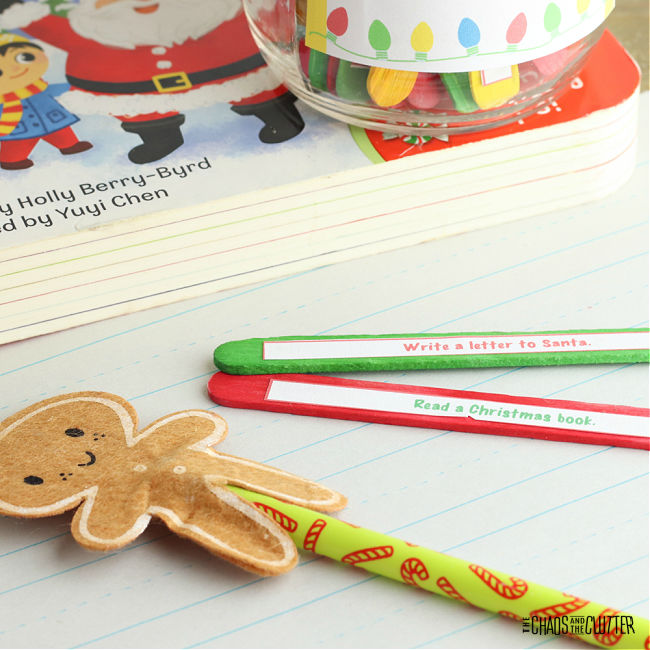
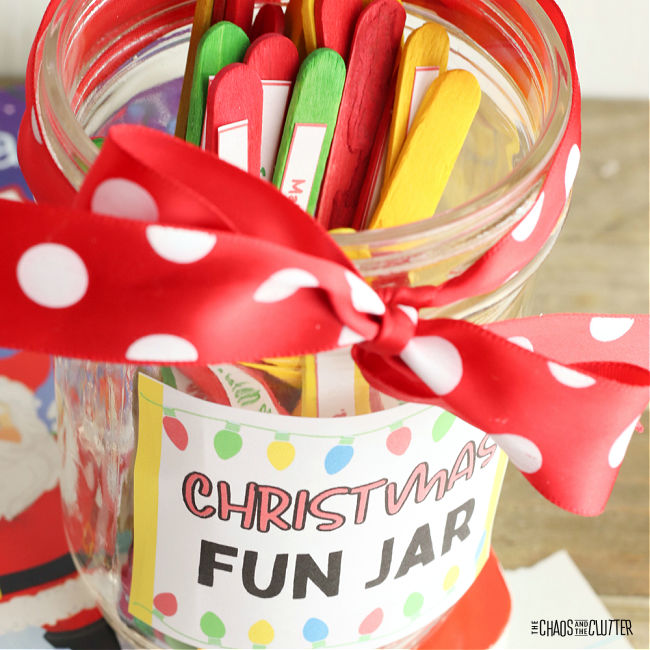
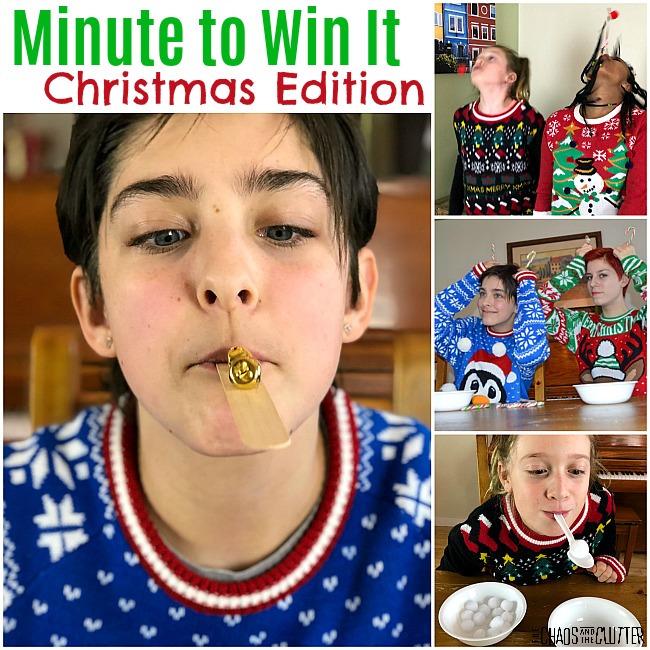
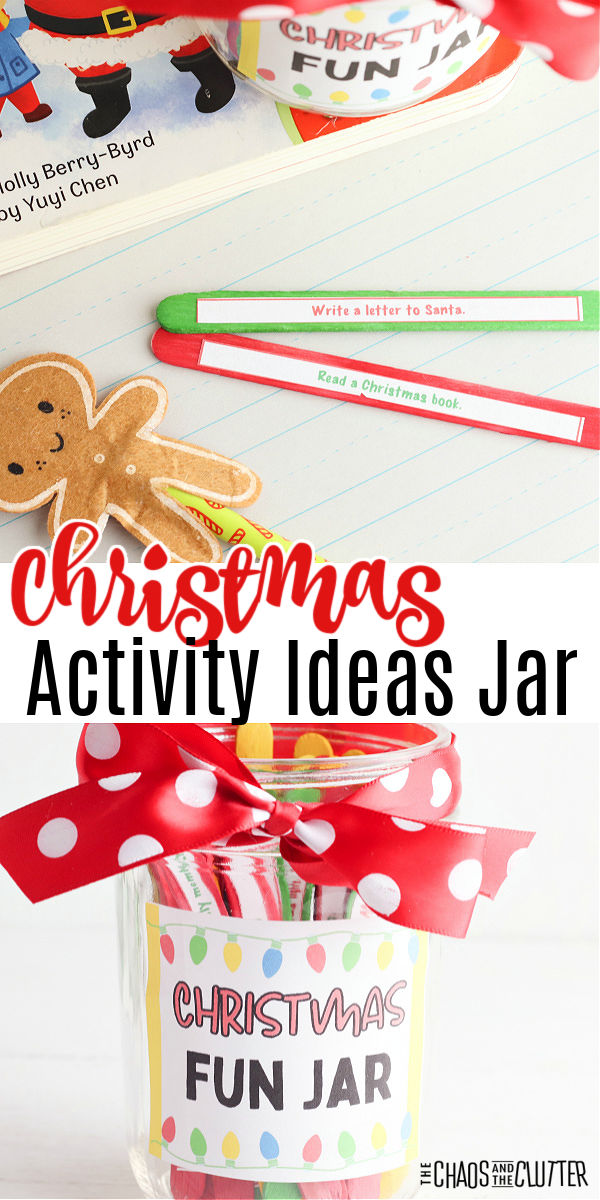 What if I could make it super simple for your family to enjoy the holiday season together with the help of a variety of fun activities? This adorable Christmas fun jar is a great way to come up with activities your family can enjoy during the holiday season with very little effort on your part.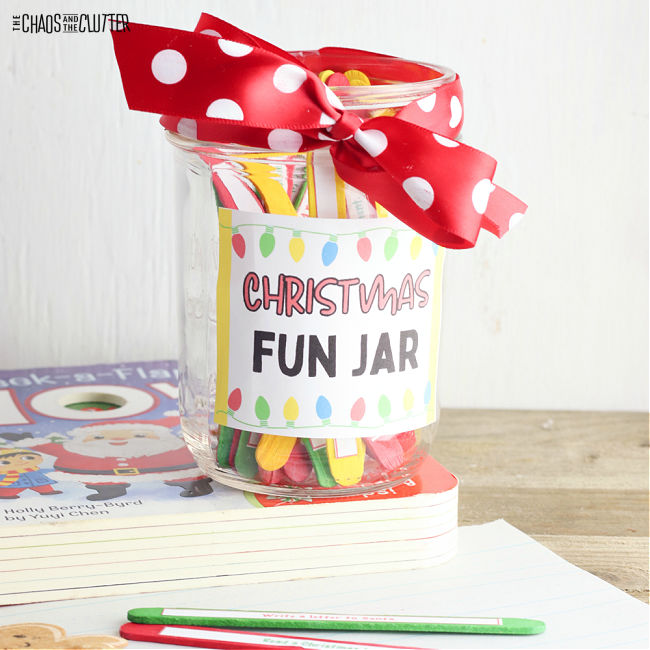
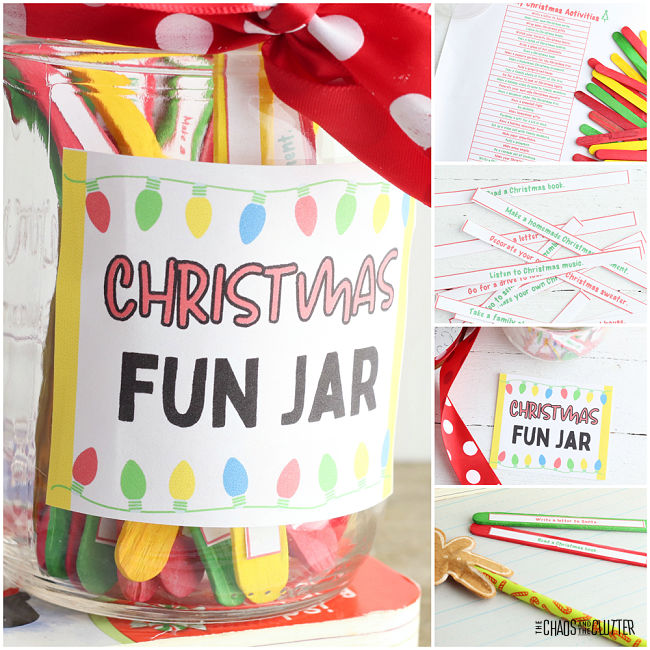
 Directions: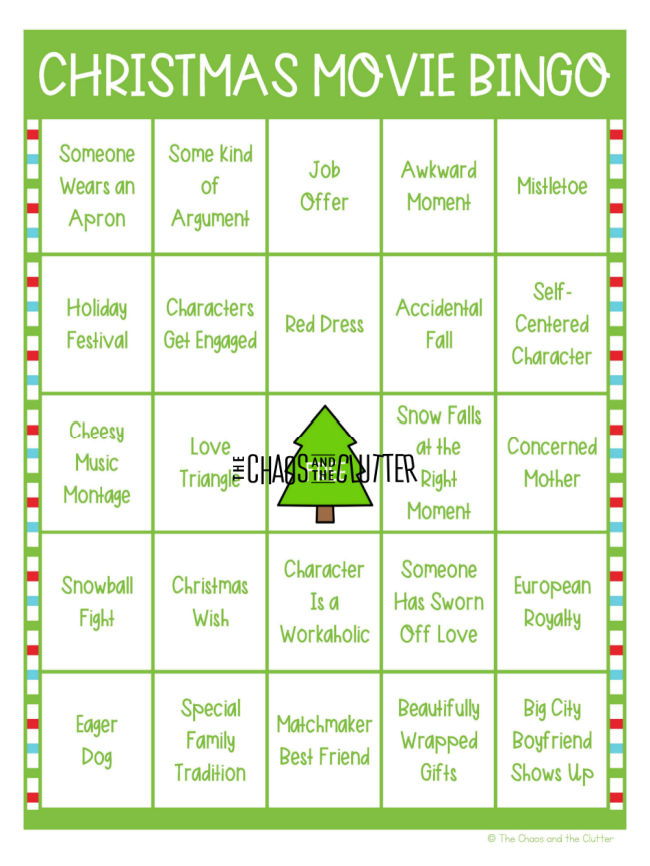

 My friend Courtney from Click-it-up-a-Notch has designed a course called
  I know that this Christmas and the weeks leading up to it might look very different than you’re wishing they did. But I also know that you can make the best of them.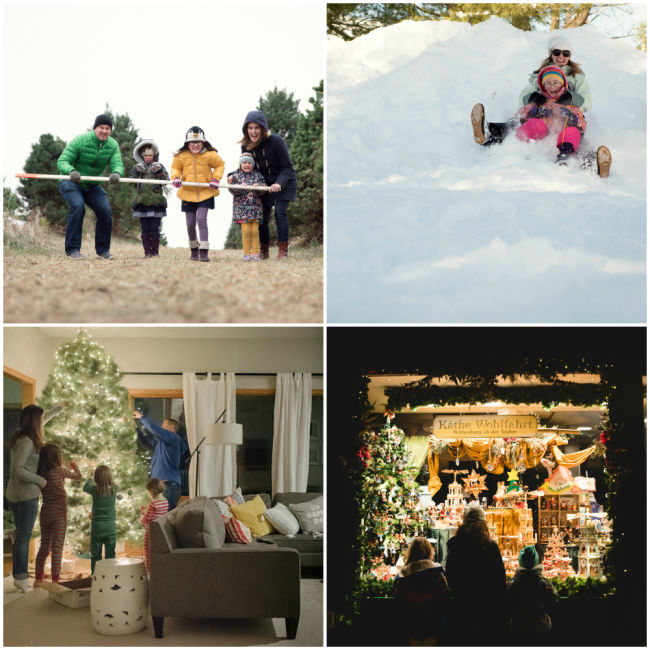

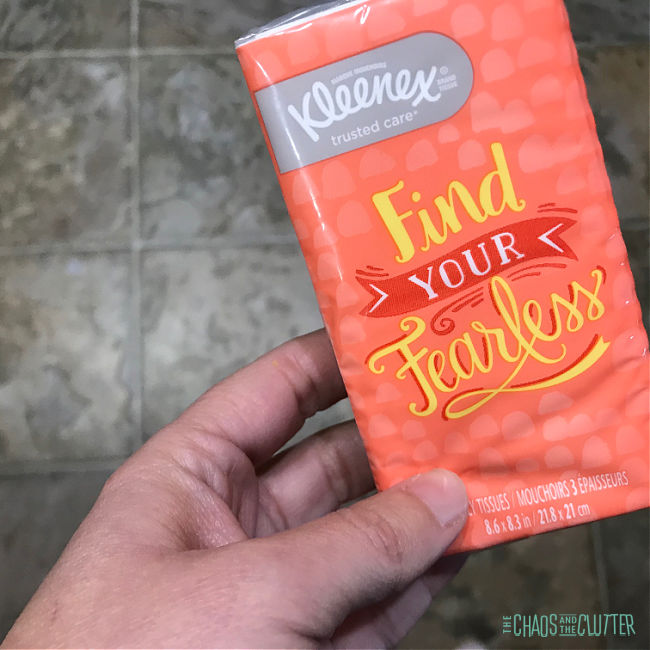
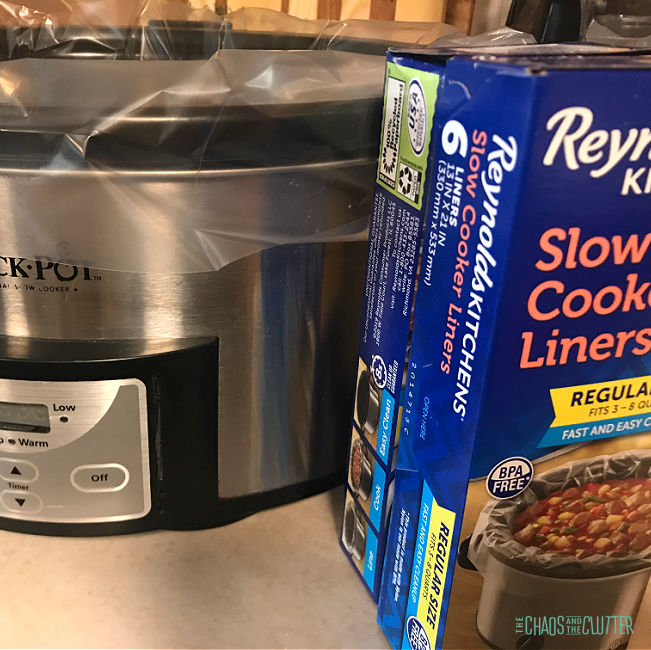
 Today’s giveaway is a collection of my favourite things.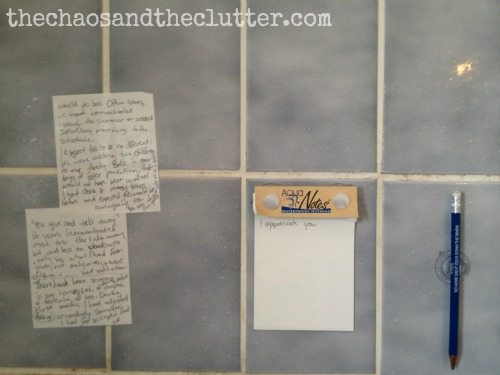
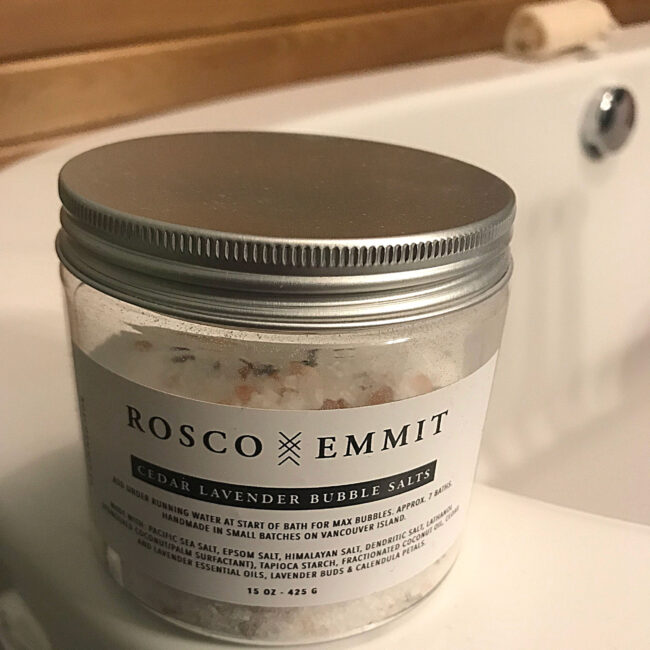
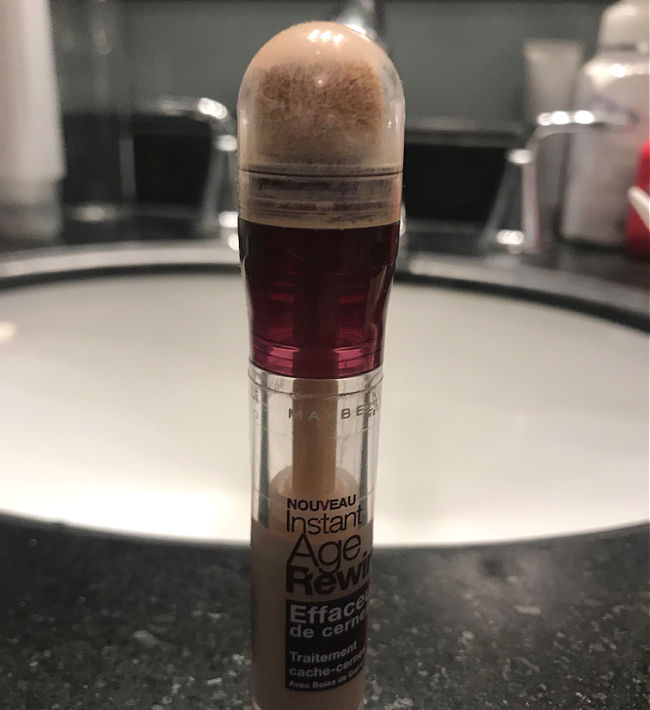 (I’ll be contacting the winner to see what skin shade you need.)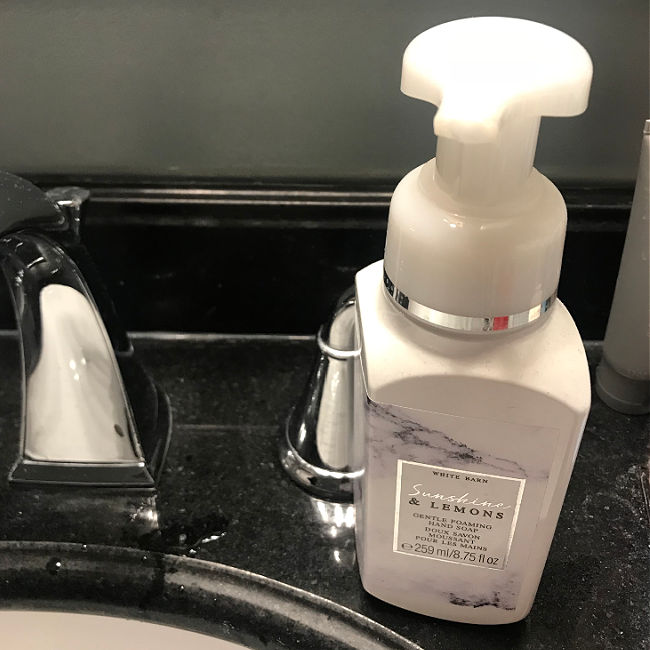
 As a sign of my appreciation, I decided to host 12 Days of Christmas giveaways. I know 2020 has been a hard year for many of us. I also know that a few free prizes aren’t going to make up for all that loss. But they might bring a bit of extra cheer. They are a nice distraction too.