February is a time for celebrating love. Not just romantic love, but friendship and family. Kids can however have mixed feelings about Valentine’s Day. They may feel jealous of those who receive more Valentine’s, indifferent, happy, or sad due to circumstances within their family or with friends.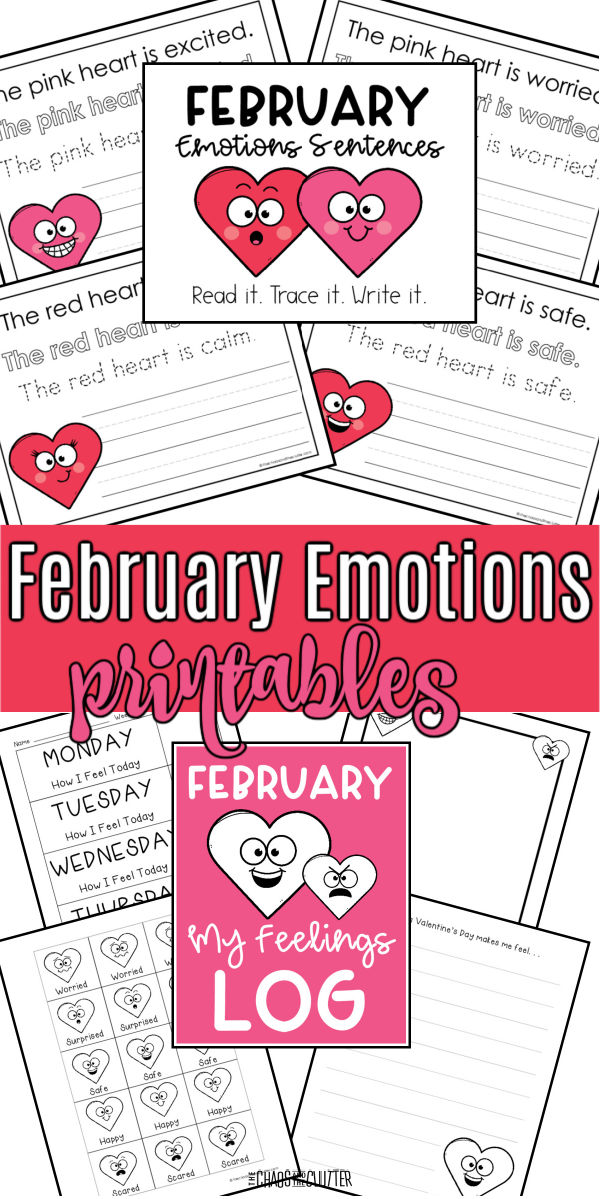
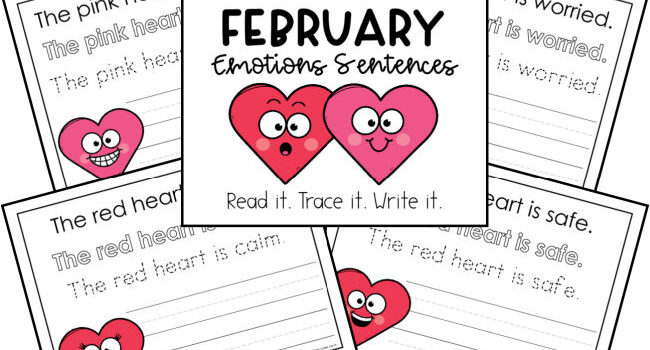
These Valentine’s themed February emotions printables can help kids identify and talk about their feelings.
February Copywork Emotions Sentences:
I strongly believe that teaching emotions is more important than teaching academics. Children need to develop a firm understanding of emotions and learn how to effectively express their own. These February emotions printing practise worksheets allow kids to practise their printing while also normalizing talking about emotions.
These copywork pages allow students to explore emotion words and associate the images with the corresponding feeling. This expands their emotional vocabulary.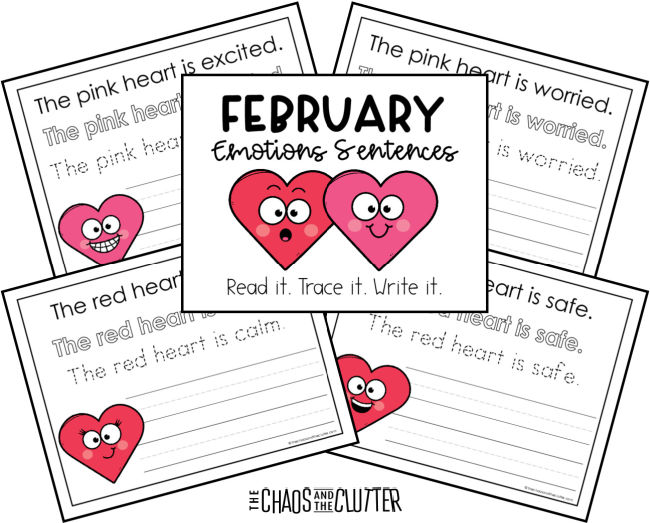
Supplies needed:
- February Emotions printables
- pencil or pen OR
- plastic sleeve AND dry erase marker
Download the printable pages. If you want them to be reusable, laminate the pages or slip them into a plastic page protector. Students can then use a dry erase marker to complete the tracing and writing.
For one time use, give the student a pencil, crayons, coloured pencils, or markers and the printed papers.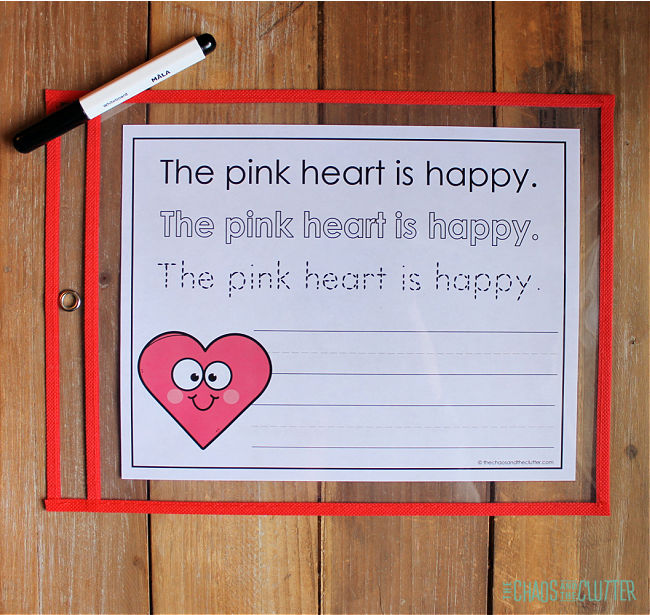
Instructions for the student:
- Read the sentence.
- Fill in the outline.
- Trace the dotted words.
- Write the sentence on the lines provided.
- Discuss the different emotions.
These worksheets can be the jumping off point for a discussion with the whole class or one-on-one talk about different emotions. They can be used by teachers, homeschoolers, parents, or therapists.
February Feelings Log:
Keeping a daily log of feelings helps kids to look at their emotions. It can also allow them and their teacher or parents to recognize any patterns they see emerging when looking back through the log. This can provide a lot of insight.
Doing this quick daily exercise is an easy way to help kids to talk about their emotions and get to the root of why they are feeling the way they are. Doing this at the same time each day can develop a positive habit.
It may be most helpful to do this in the morning to then be able to adjust activities or expectations based on how the student is feeling or it may be best to do after supper or before bed to reflect on and analyze the day. 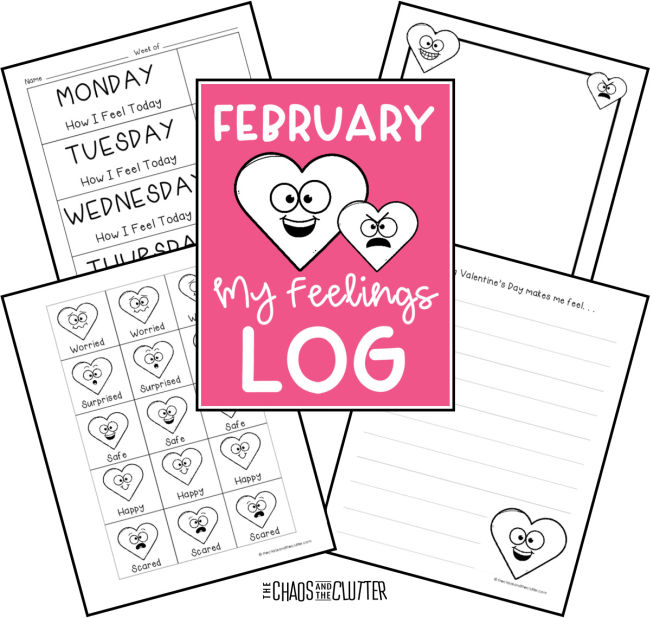
Teaching emotions is such a powerful tool. It arms children with a skill they can use their whole life.
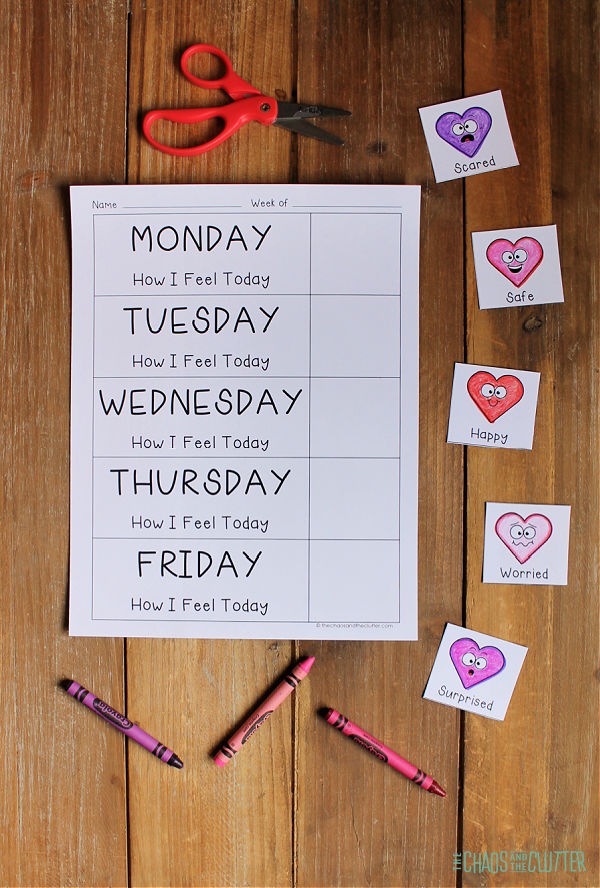
I’ve created a special Feelings Log for February. It includes a writing prompt and drawing prompt about Valentine’s Day, and weekly tracking sheet of “Today I feel” along with cute heart faces to use to help them better express their emotions.
Supplies needed:
- printed Feelings Log pages (download here)
- scissors
- markers, pencil crayons, or crayons
- pencil or pen
 Enter your email below to download the free February Emotions Printables. You can use this with your child at home or print it off to use with your students in the classroom.
Our other monthly emotions printables:
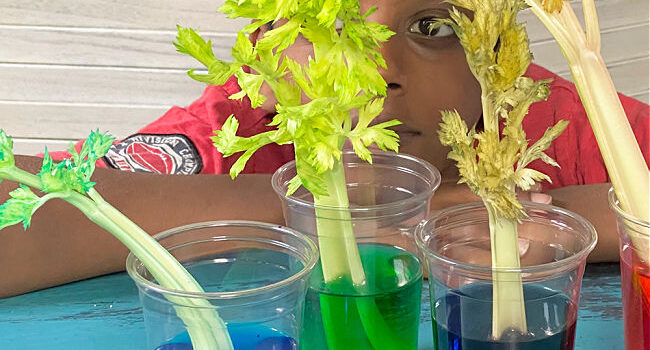
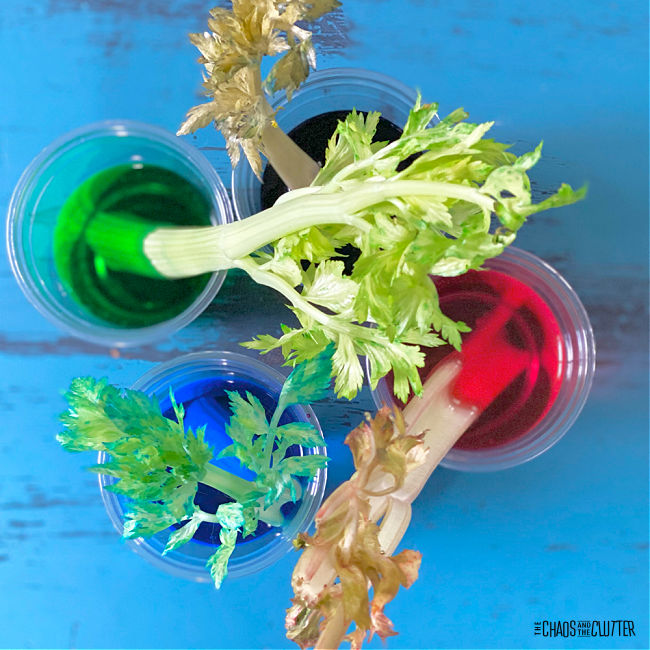
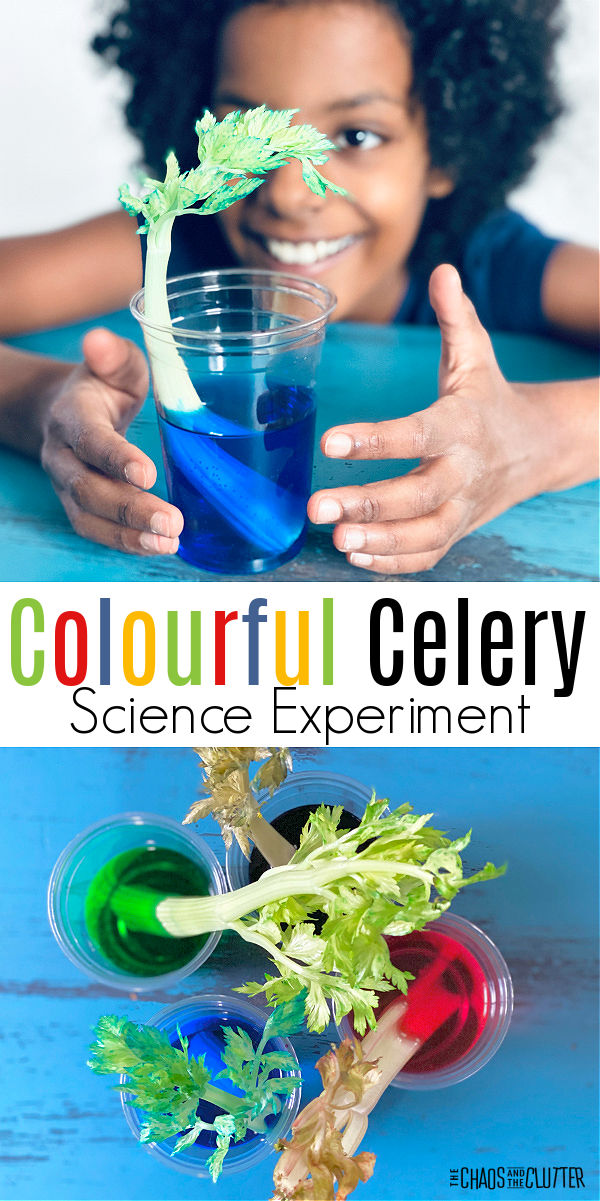 Kitchen science experiments are a great way for kids to learn. They are using materials that are familiar to them. This experiment uses celery, food colouring, and water which are all things that are familiar to most kids.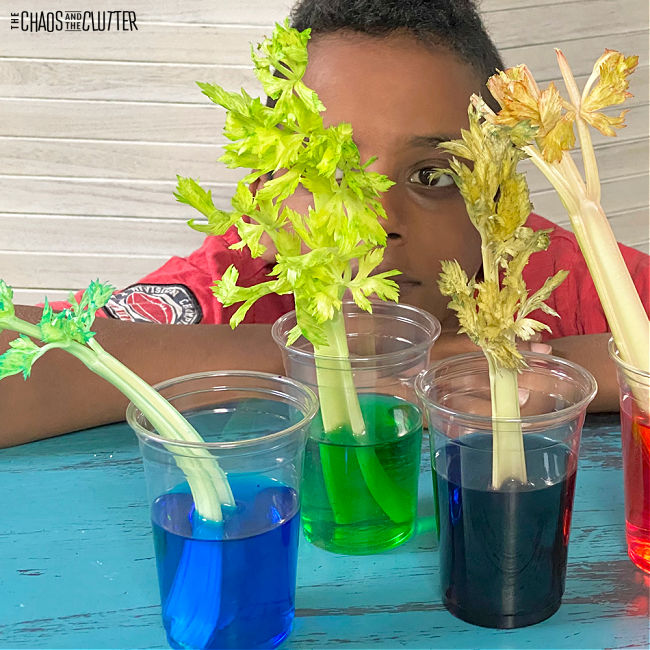
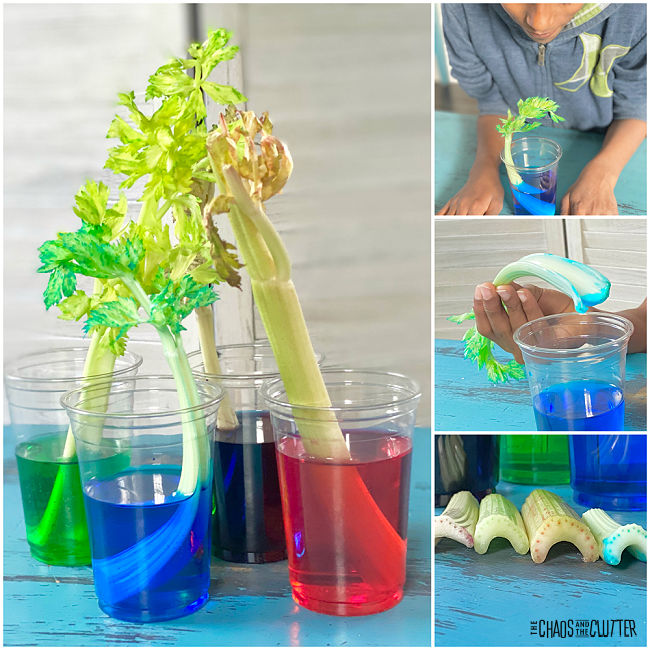 The colour will climb up the celery stalk through the capillaries which shows how plants pull up the water and nutrients. This is a great visual explanation. The results are more noticeable if you leave the leafy part on the celery.
 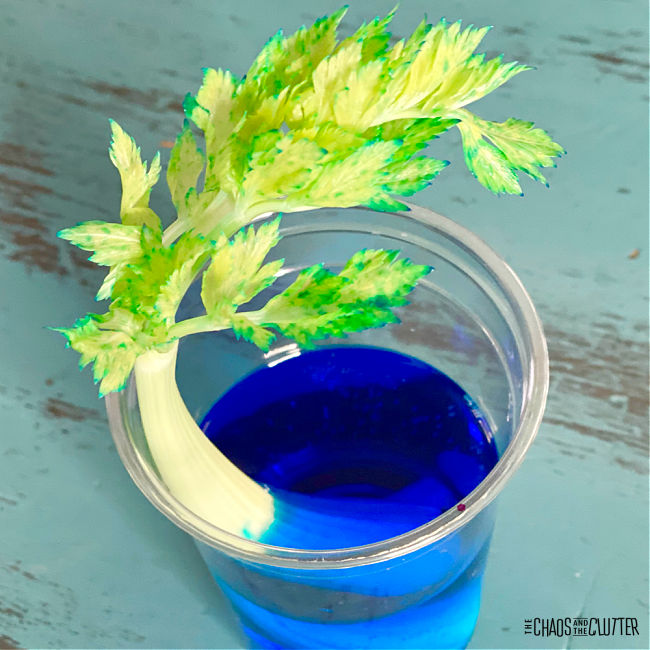 This is such an easy science experiment to do and a great visual aid for kids learning about plants and osmosis!
 When I started homeschooling and began to incorporate hands-on science fun into our days, it made me wish that I had had the opportunity to do more of that kind of learning when I was in school. I know that many schools now recognize the importance of this and are doing experiments in the classrooms. Learning by doing is learning that lasts.
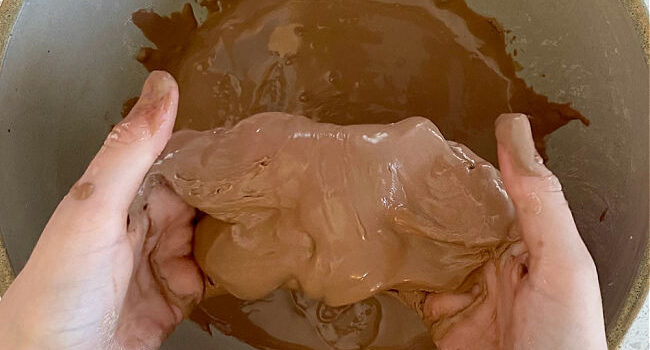
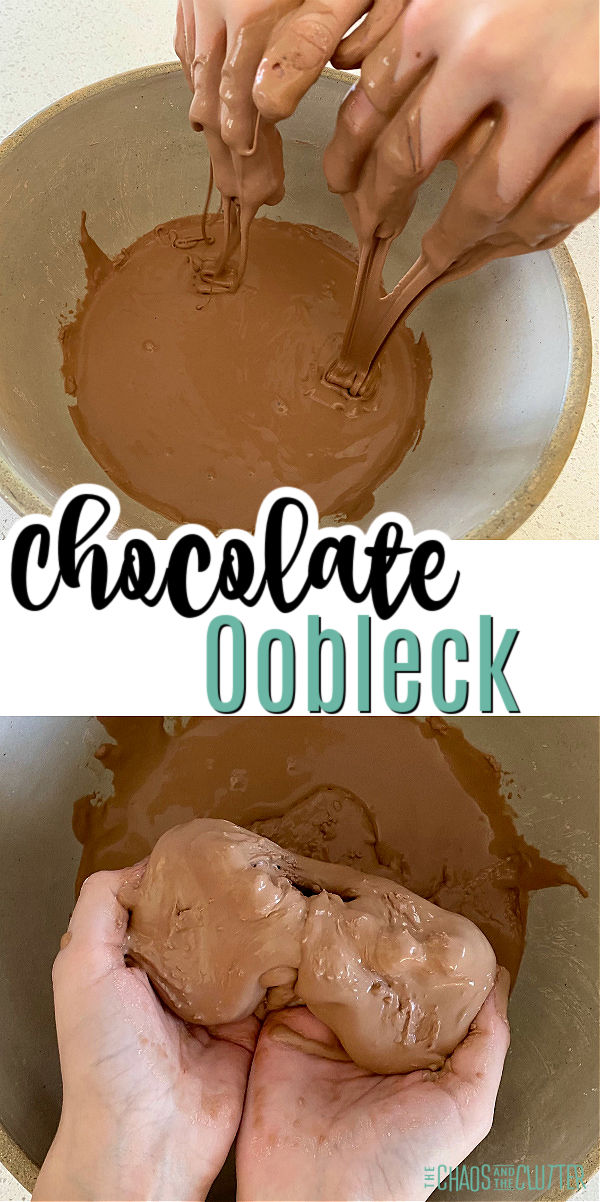 This recipe makes great messy fun for kids. It can be used at home or in the classroom for a fun sensory activity. Because it’s taste safe, it can even be used with toddlers or preschoolers.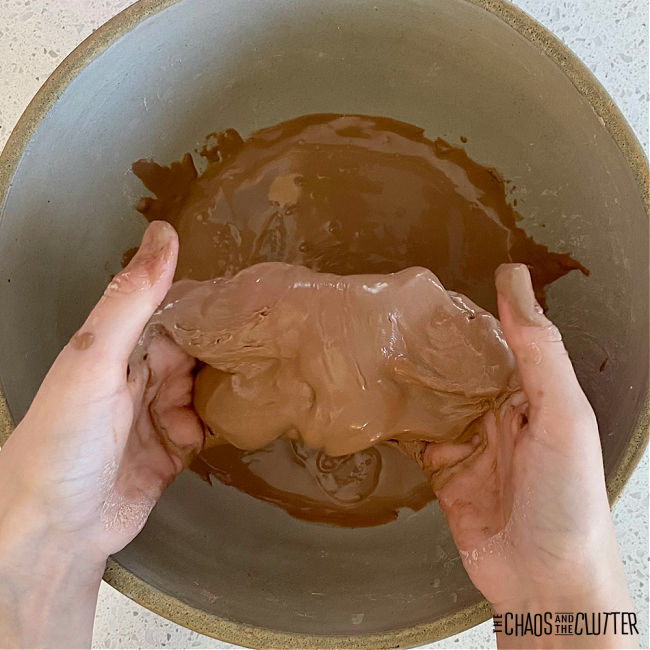
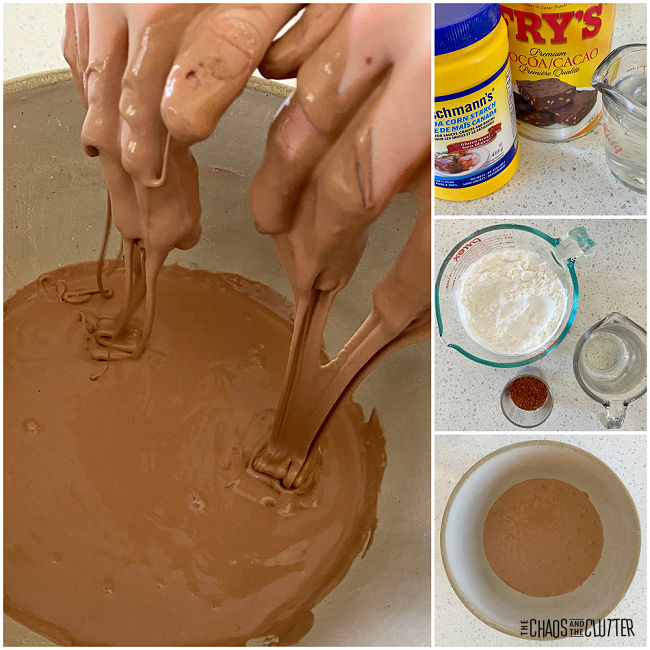 Important notes: Make your oobleck on the day you want to play with it as it doesn’t keep longer than a day or two. NEVER dispose of oobleck down the drain as it will clog your drain. Allow it to dry uncovered and then scoop it into the garbage.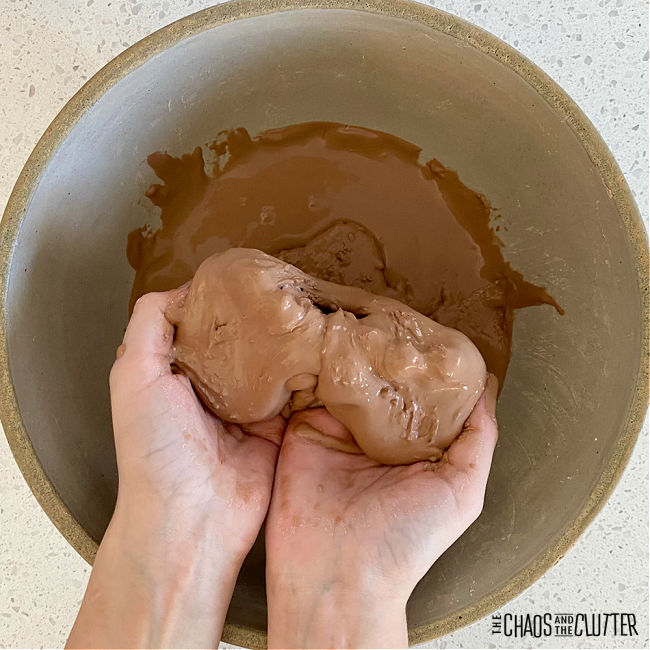
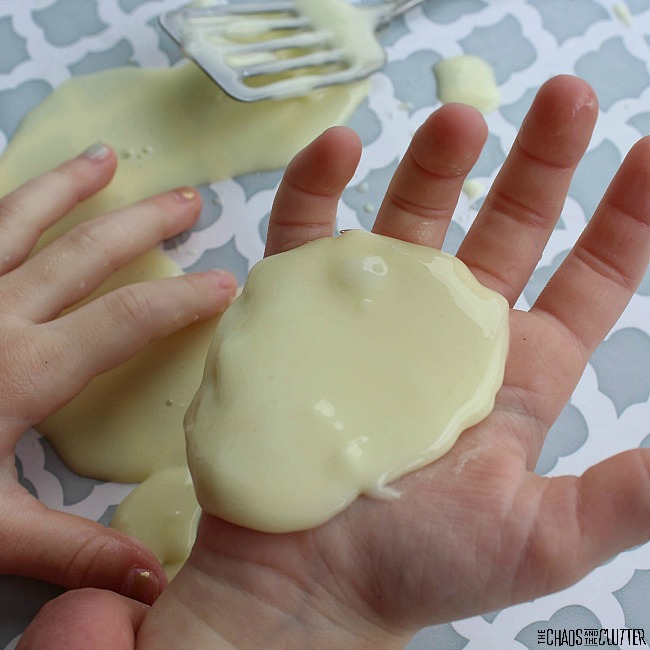
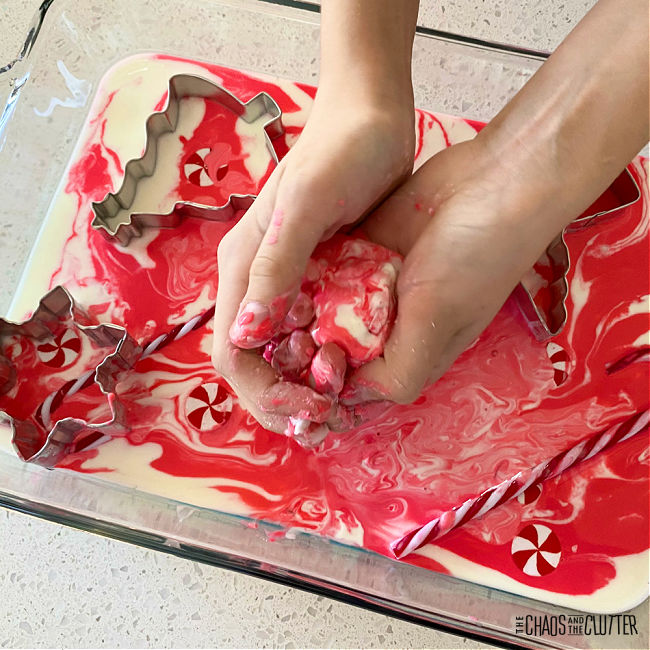

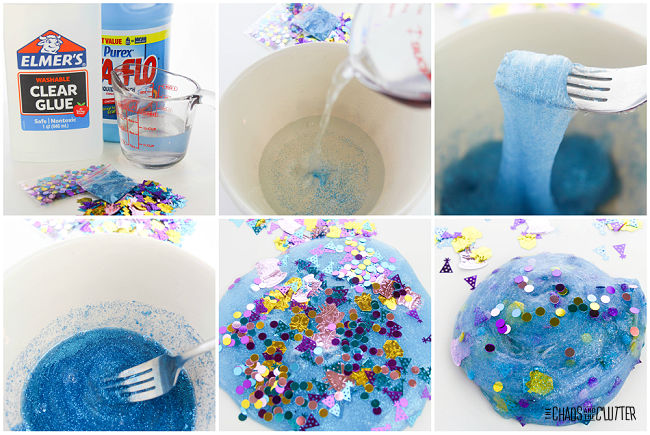 Directions:
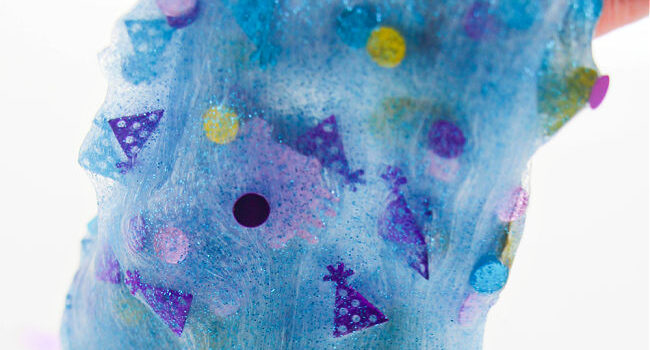
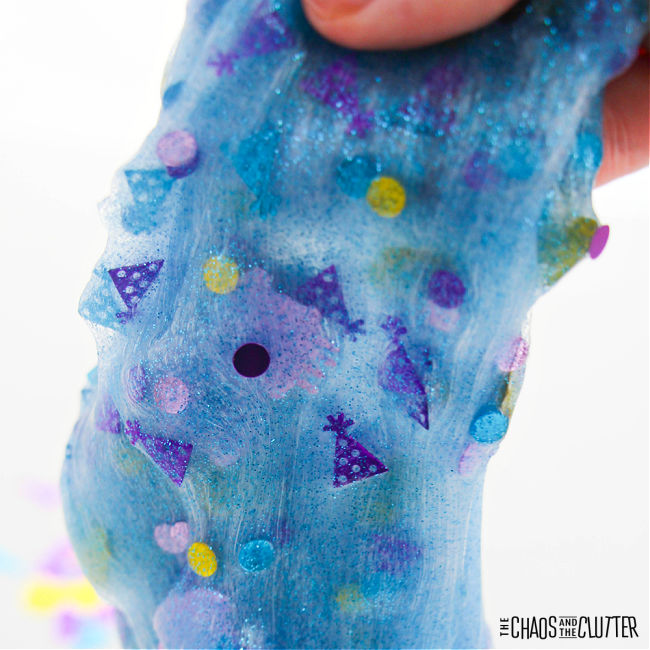
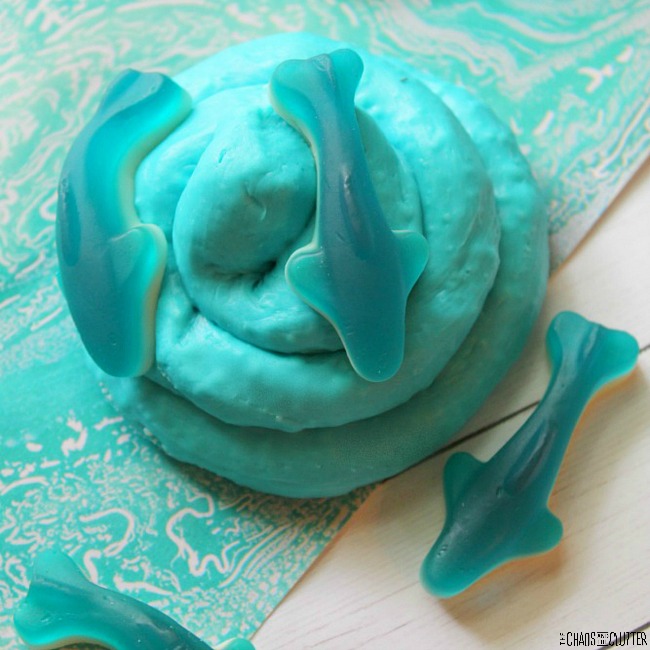
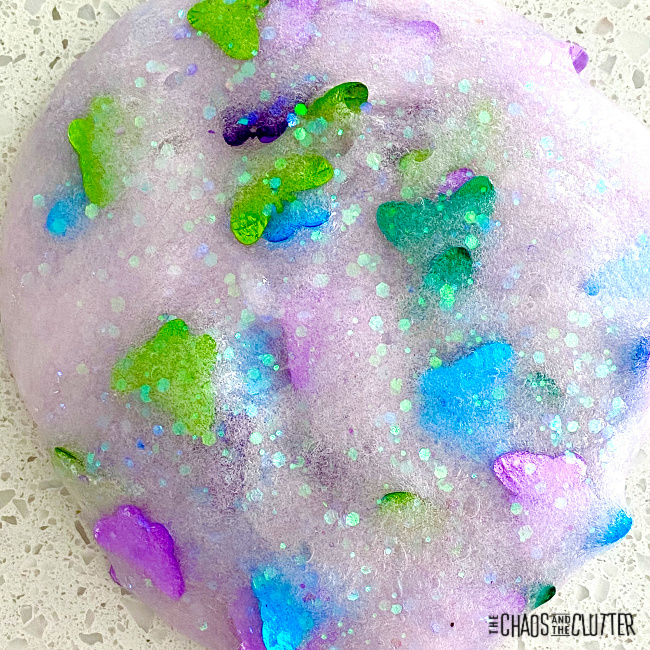
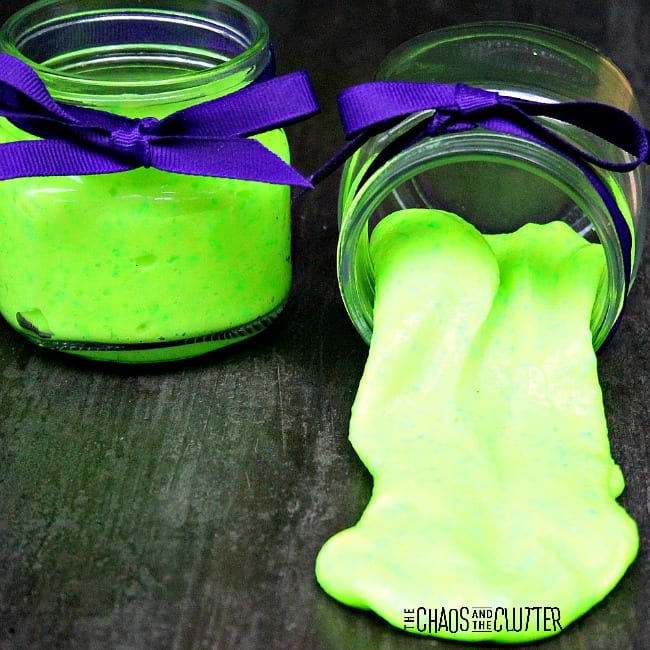
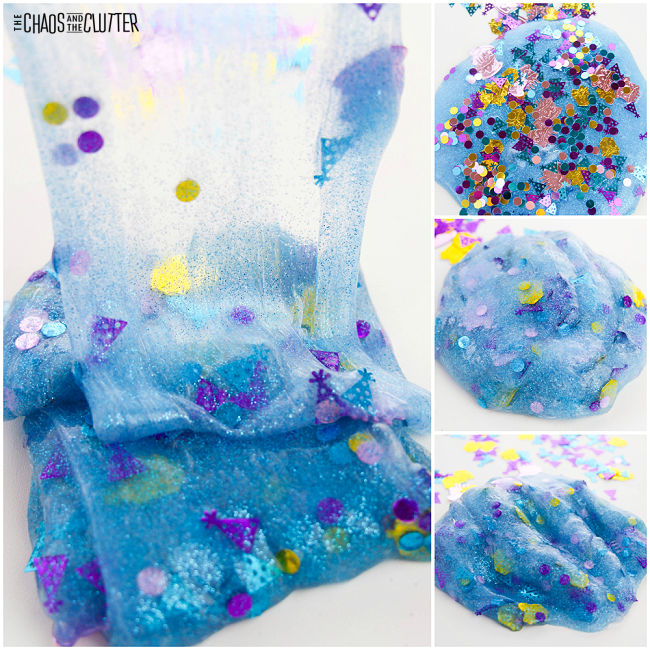 When not in use, store in an airtight container or resealable bag. Adult supervision should be used for this and all sensory play. Be sure to wash hands well after handling slime.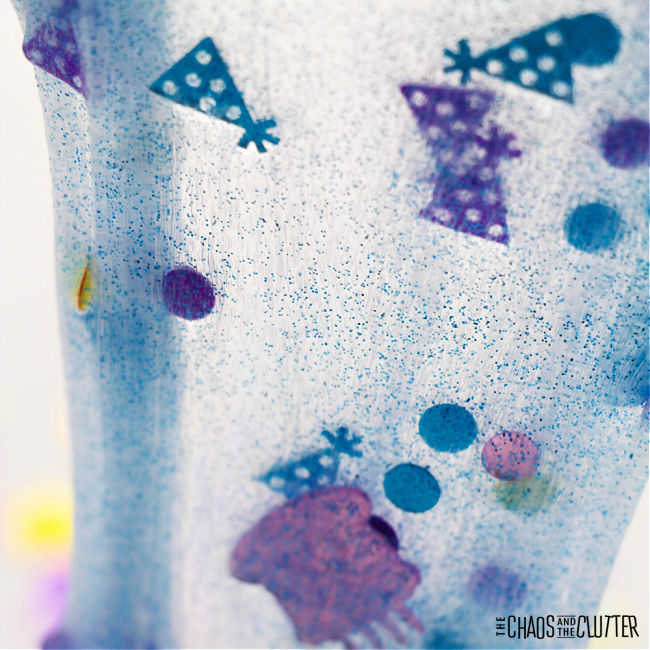

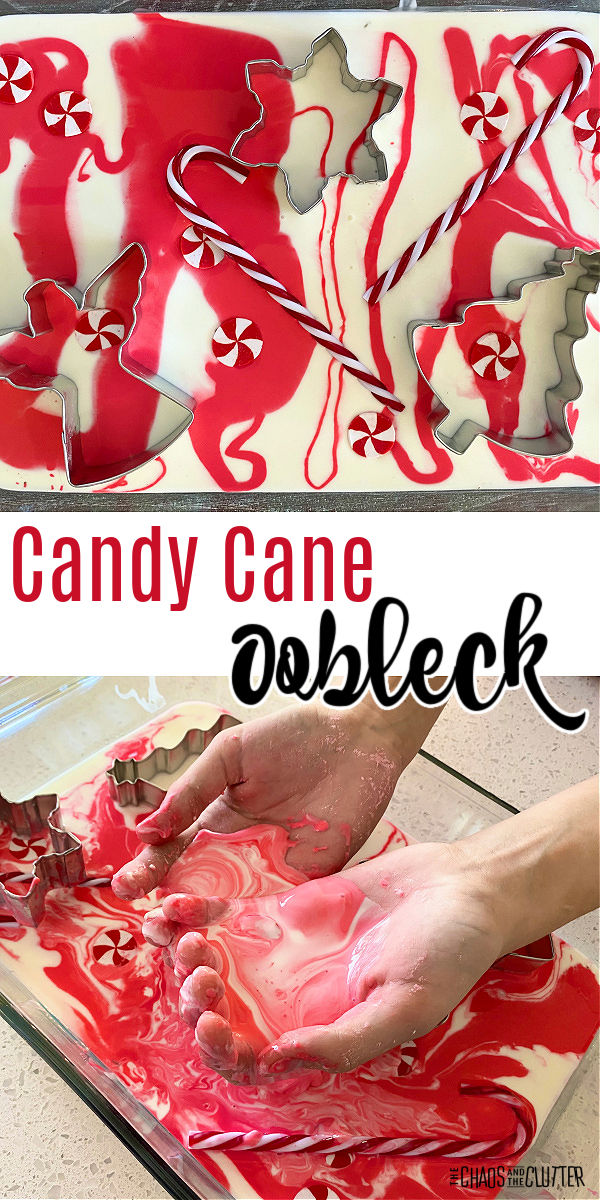 My kids love playing with oobleck and this candy cane themed one was especially fun. They enjoyed creating patterns and molding and squishing it into a ball and then watching as that ball turned to liquid and slid off their hands.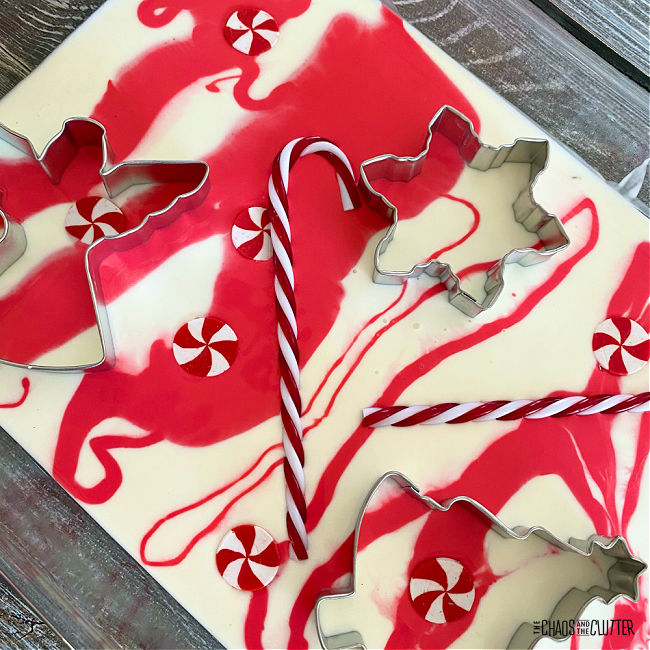
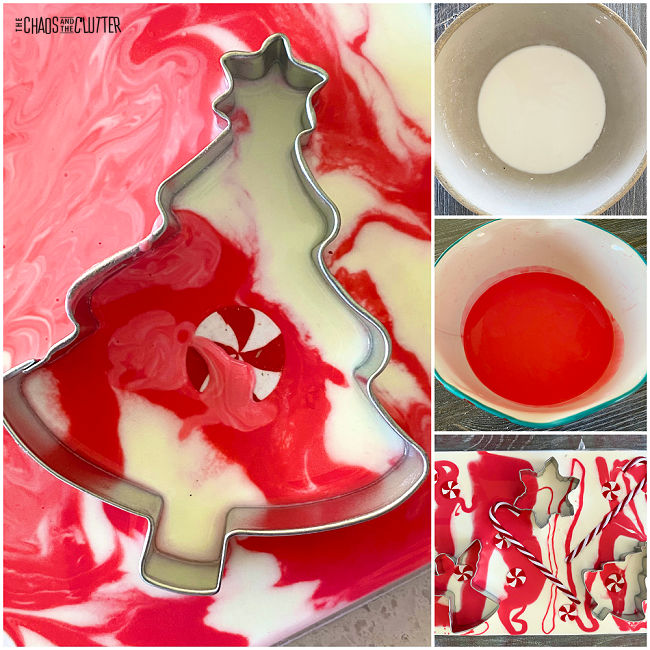 There is so much great sensory input in this activity. It provides wonderful tactile input, visual input, proprioceptive input, and if you use scent, olfactory input. Kids can squish it, squeeze it, tap it, drizzle it, smush it around, and pour it.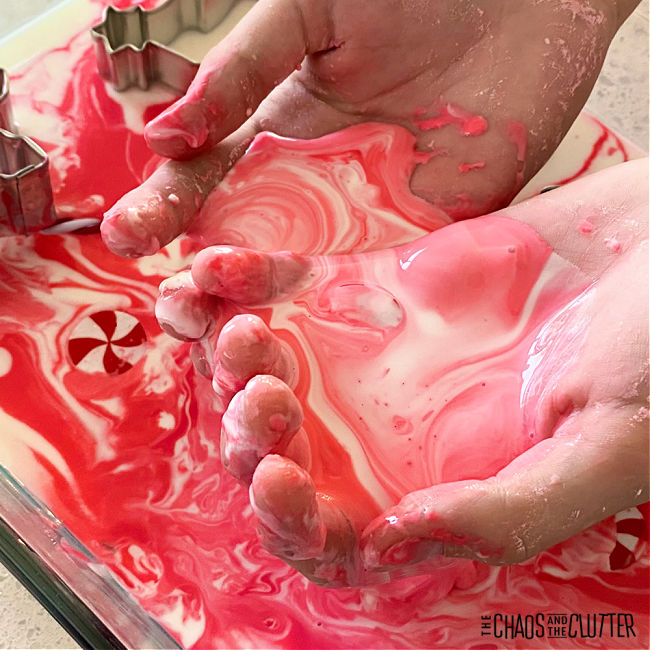



 Players or teams can go one at a time or you can do a head-to-head style of play where two players or one person from each team attempt to complete the challenge at the same time and the first to complete it correctly is the winner of that round. That adds some competition.
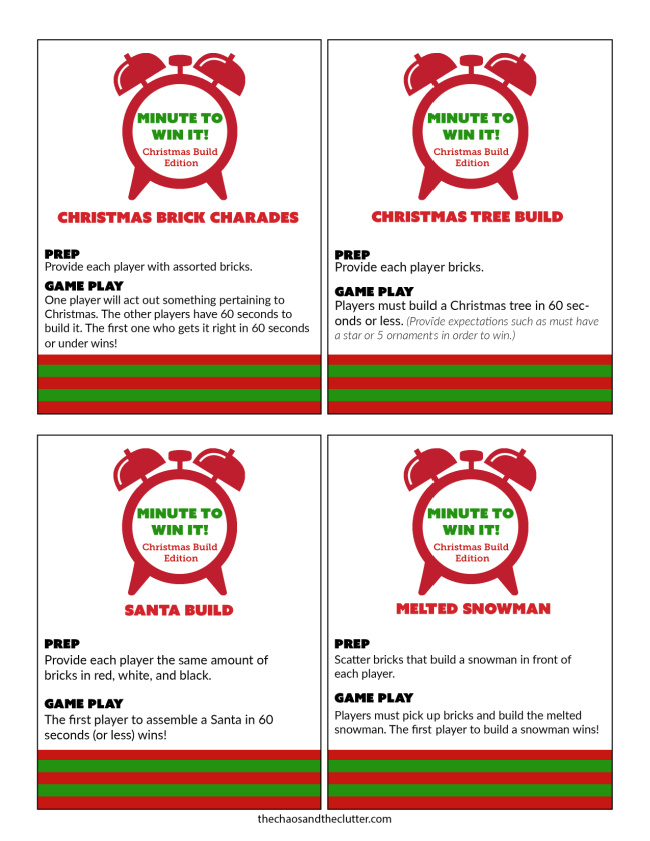 Get your free printable Minute to Win It Build challenge cards by entering your email below. You will also be entered into our email series 5 Secrets to Powerful Family Connection.