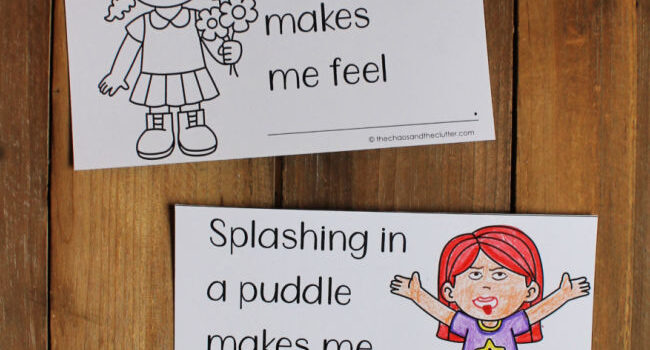
Use this mini book as a tool to help kids talk about their feelings. When children are able to write about and talk about their emotions, they are better able to process and manage them. 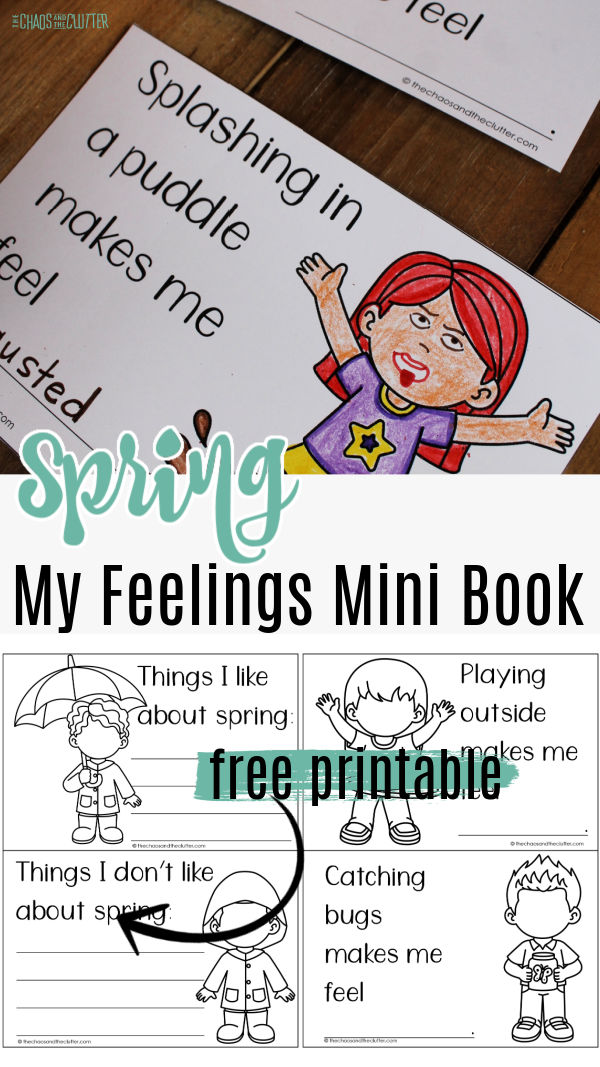 The pages in this Spring themed mini book contain some common seasonal happenings. They are simple enough, but that’s actually the beauty of them. When kids are given the opportunity to talk about how they feel about everyday things, they begin to develop a comfort in speaking about and writing about their emotions in general, which can lead to them sharing about deeper things in the future.
This also allows us to get some insight into our kids or students. While some may delight in splashing in puddles, those with certain sensory issues may feel scared at even the thought of it. Flying a kite may bring along with it happy memories for some students, while for others, it brings sadness as it may be something they have never been able to experience.
My Spring Feelings Mini Book for Kids:
Supplies needed:
- My Spring Feelings mini book printable pages. (download here)
- scissors
- pencil or pen
- markers, crayons, or pencil crayons
- stapler and staples
Instructions:
- Download the My Spring Feelings mini book.
- Print the pages.
- Cut apart the booklet pages.
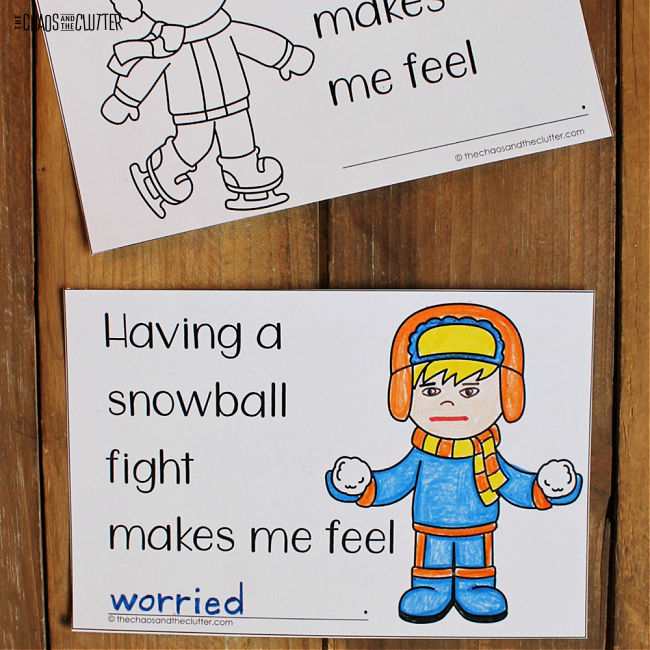
- Let your student decide how he or she feels about each seasonal activity and draw a corresponding face on the child on that page. Your student can use the Emotions Word Bank for ideas (for words to use and for faces to draw).
- When your student has completed the book, stack the pages together with the cover on top and staple on the left side to create a little book.
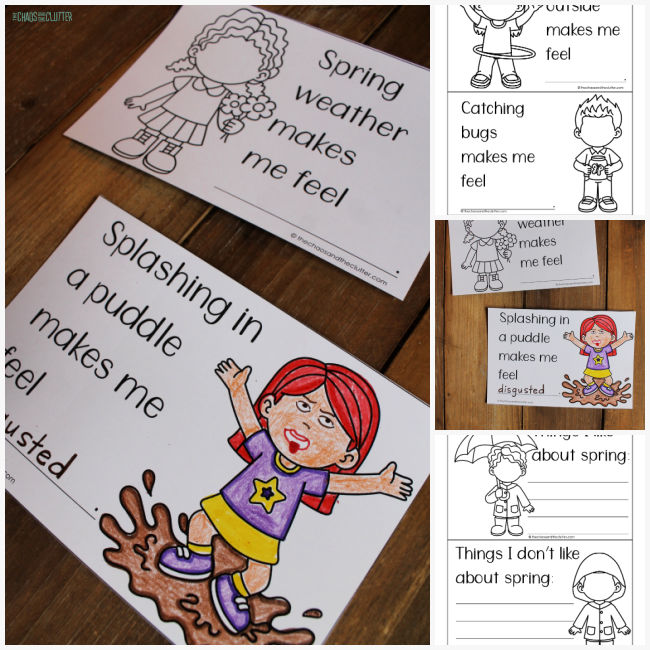 It can be helpful for you to sit down and debrief with the child you’re working with after they fill out their book. This will give you a better understanding of their feelings and allow you to ask further clarifying questions to provide you even more insight.
It is also good practise for them in talking about their emotions in a healthy way with those they trust.
Download your free printable Spring mini book and get this activity started with your child or students.
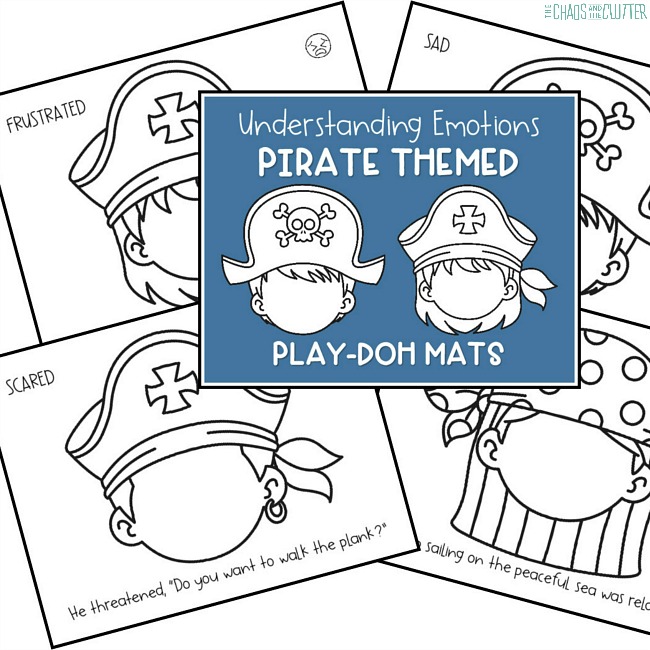
Check out these other helpful printable tools for helping kids with their emotions:
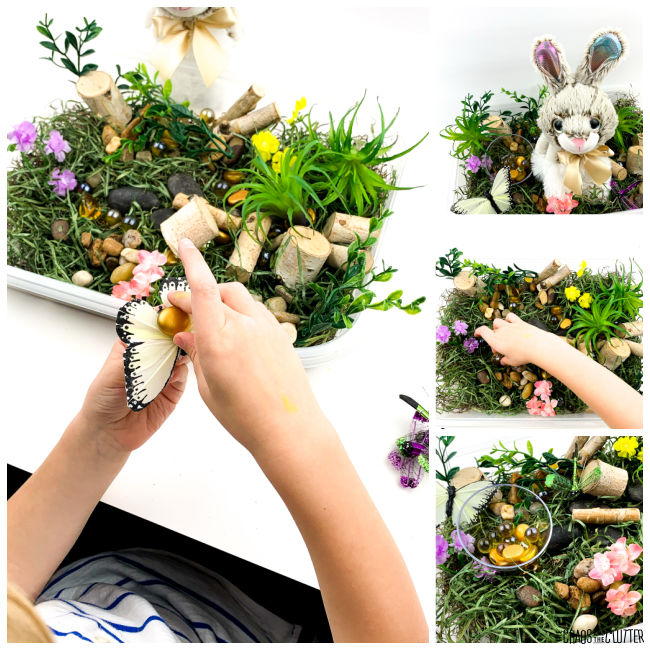
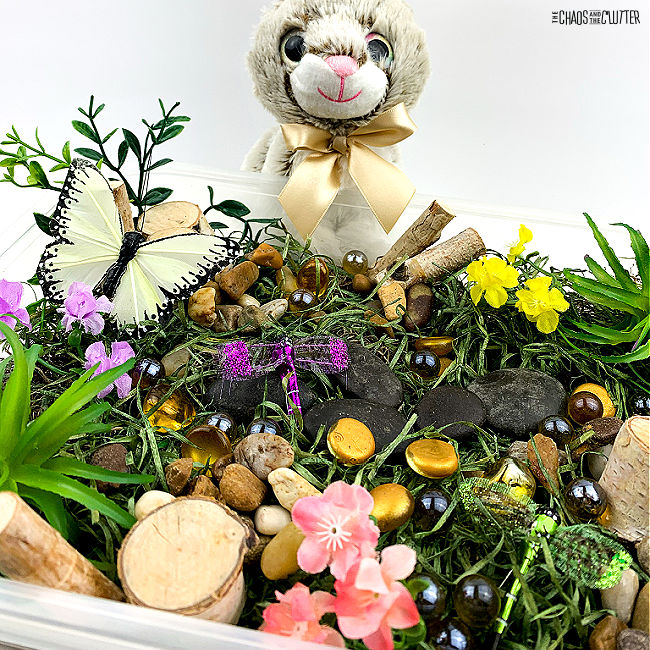 Instructions: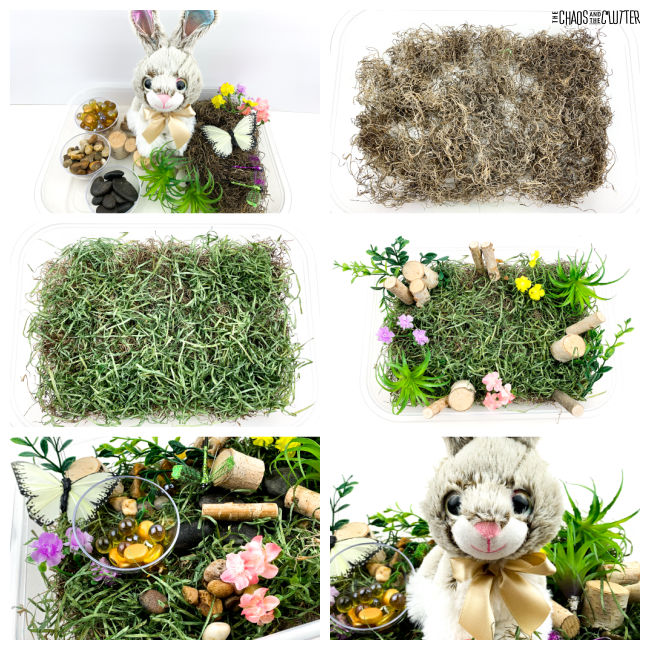
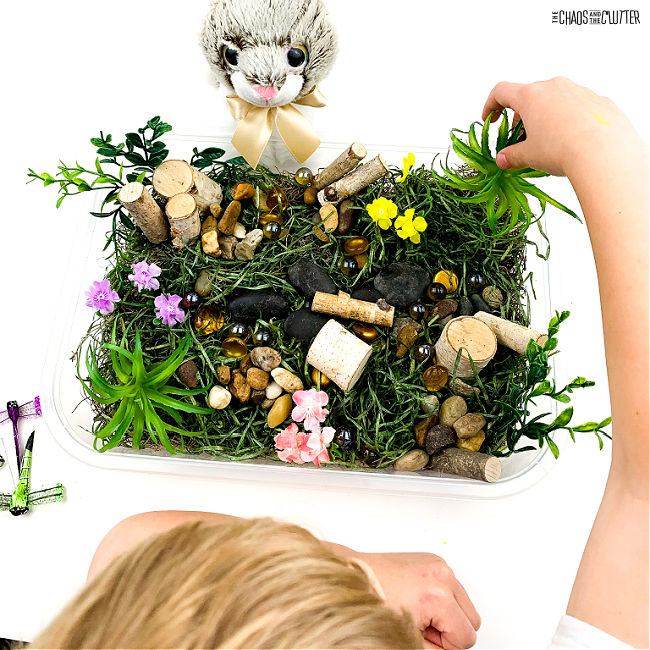
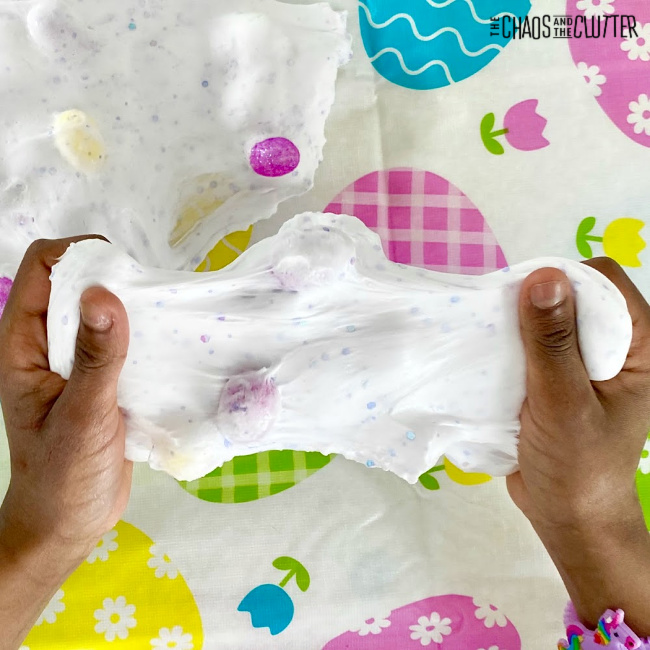
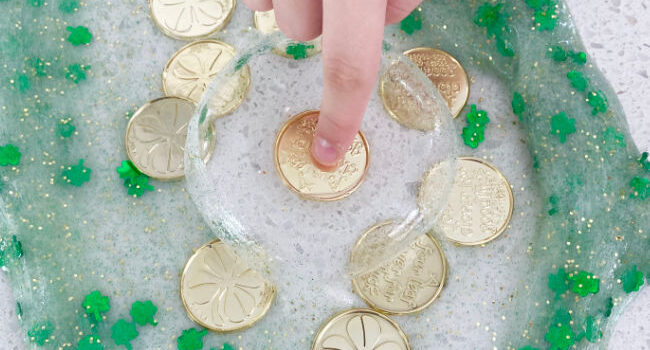
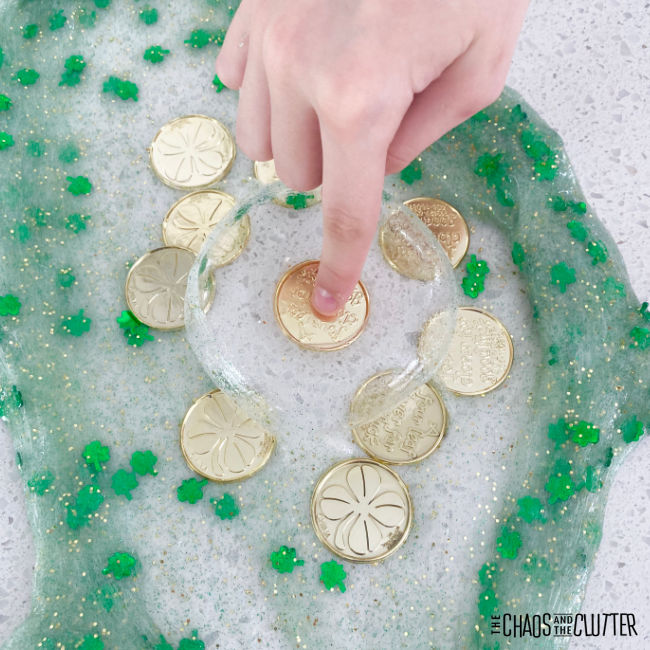
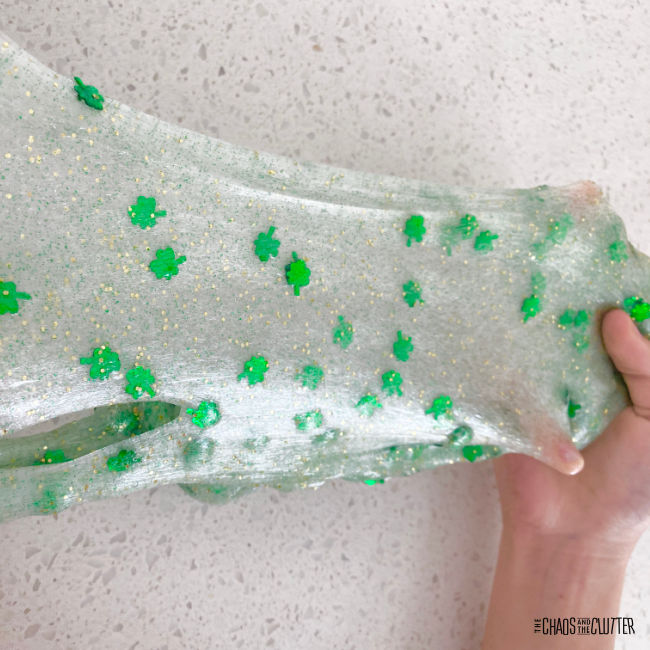
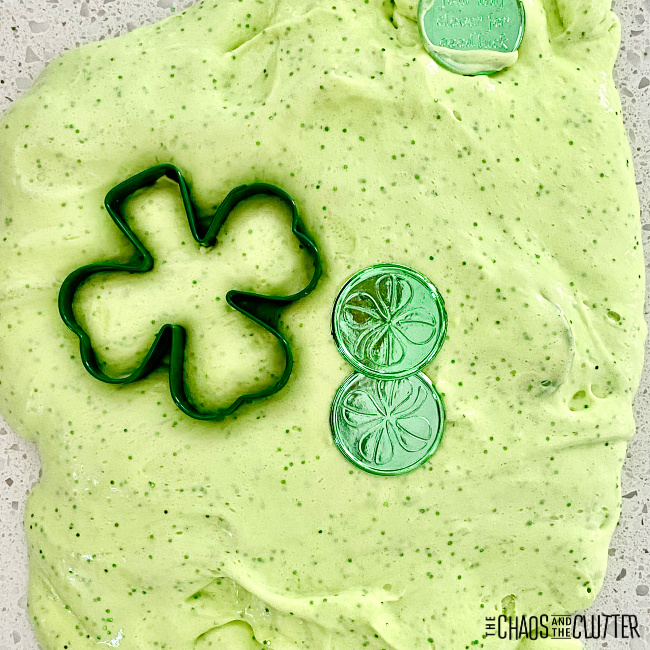
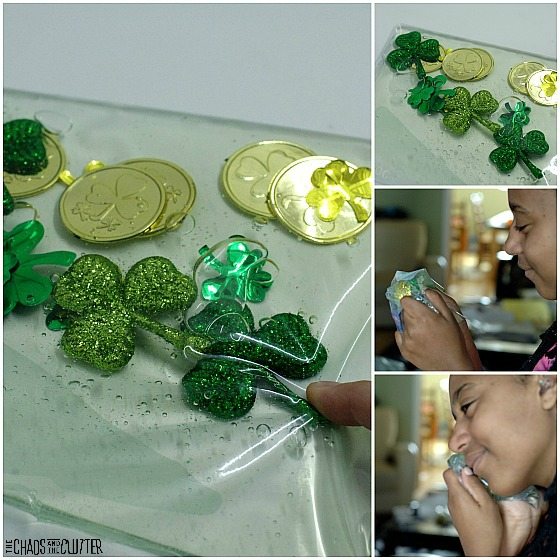
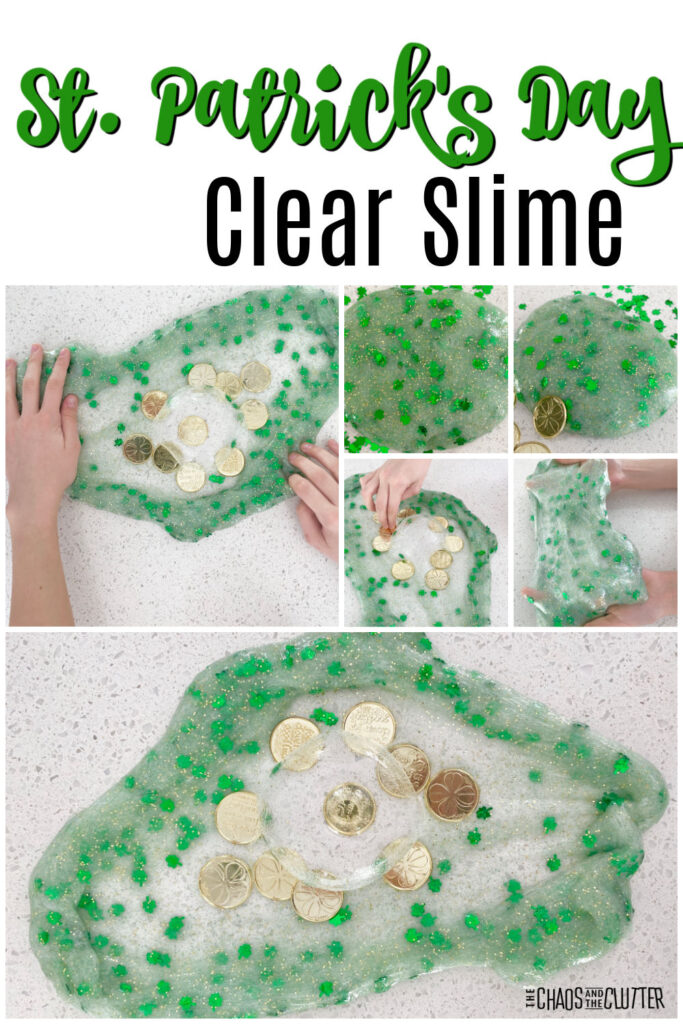 What’s so great about making clear slime is how easily it can be adapted to the holiday season. Use the basic recipe to make the slime, then mix in different elements based on your celebration. To make your own St. Patrick’s Day slime, grab some gold glitter, shamrock confetti, and plastic coins for your kids to incorporate into their homemade recipe.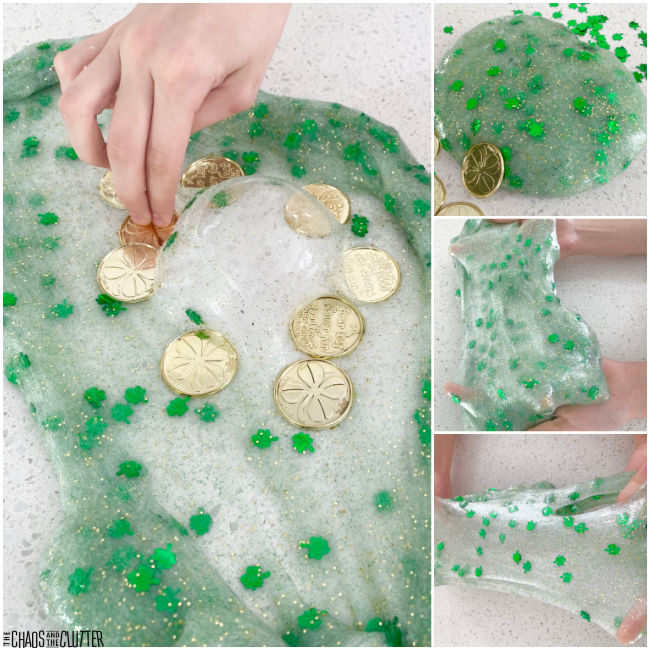
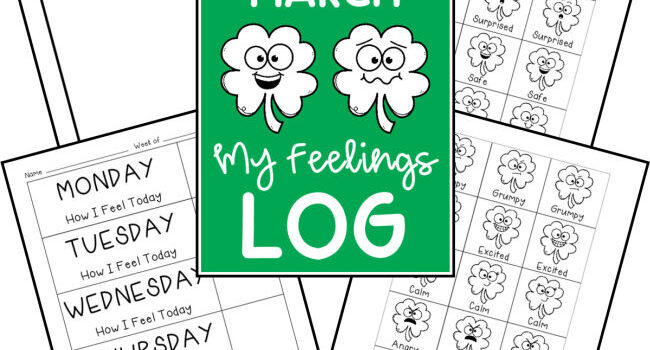
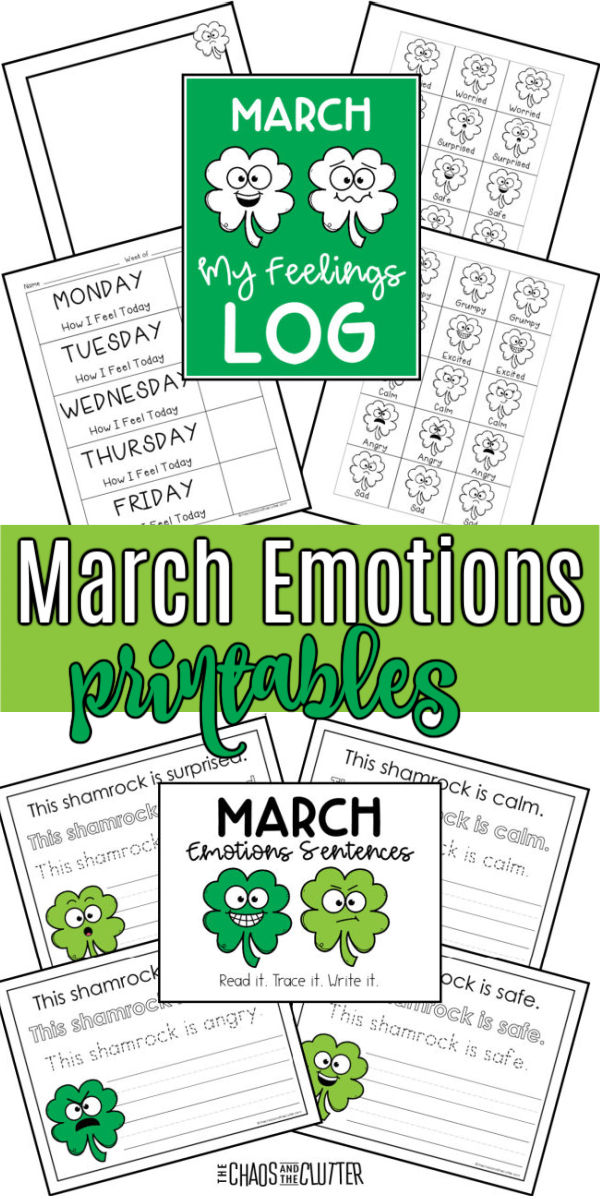
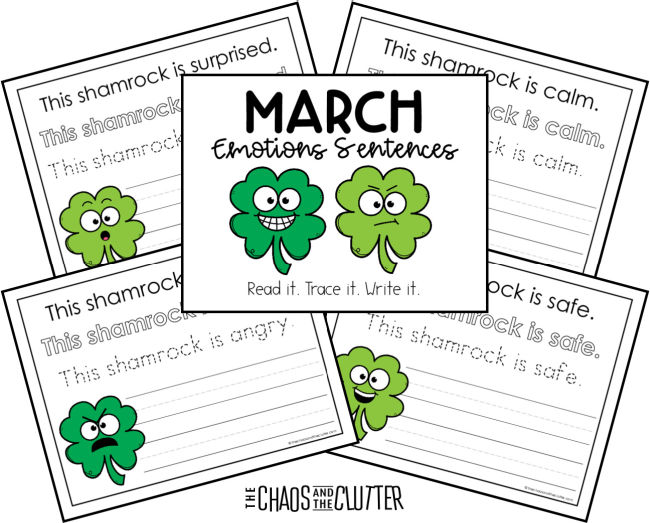
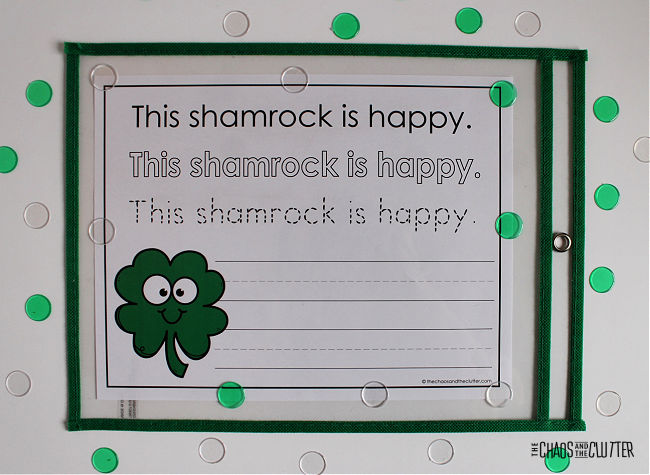
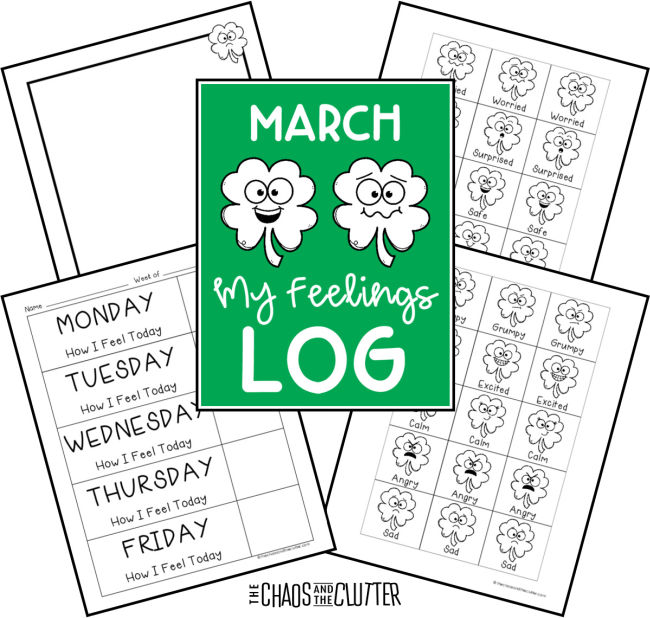
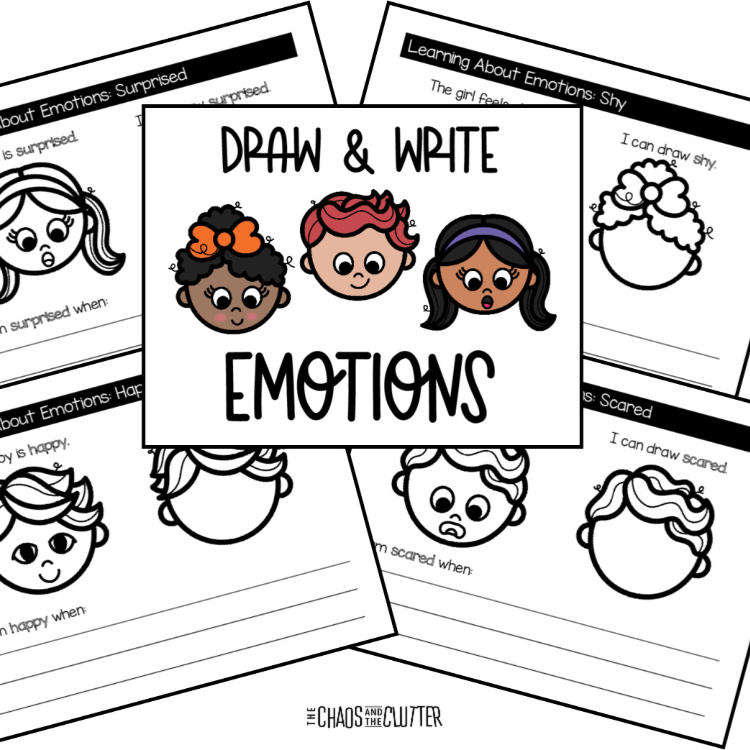
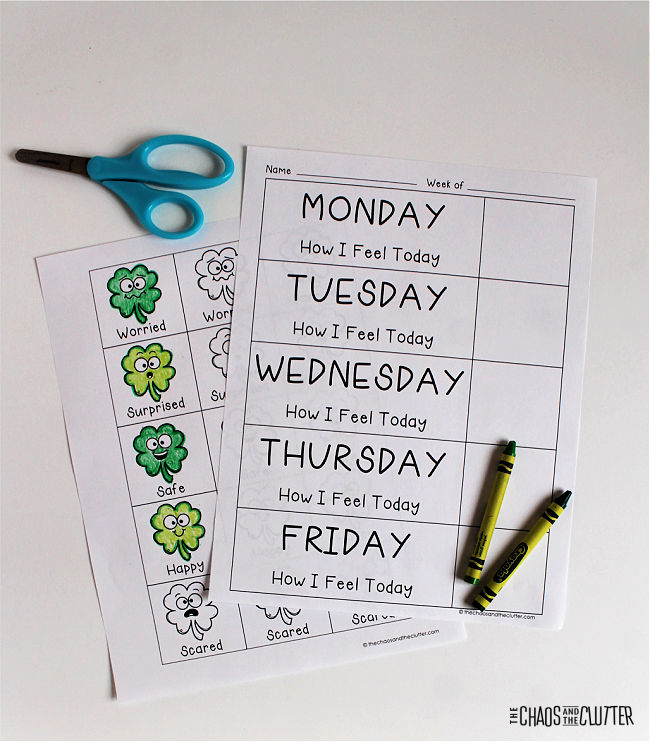 Enter your email below to get your free March Emotions Printables bundle. You can use this with your child at home or print it off to use with your students in the classroom.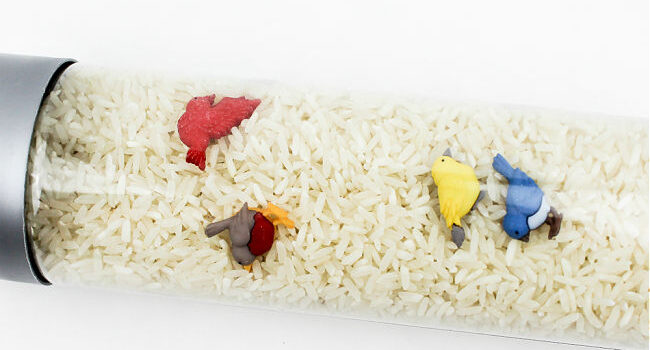
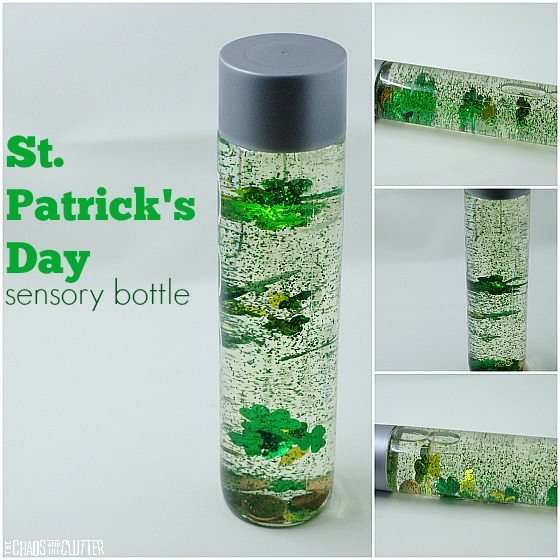
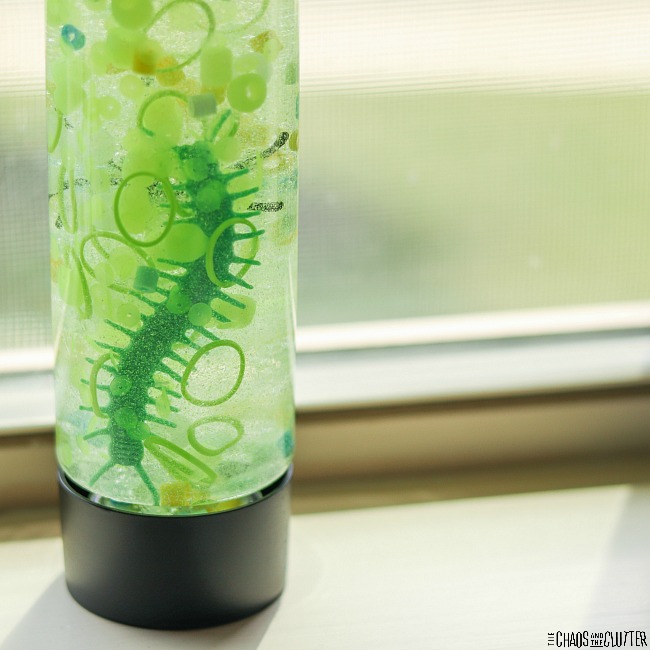
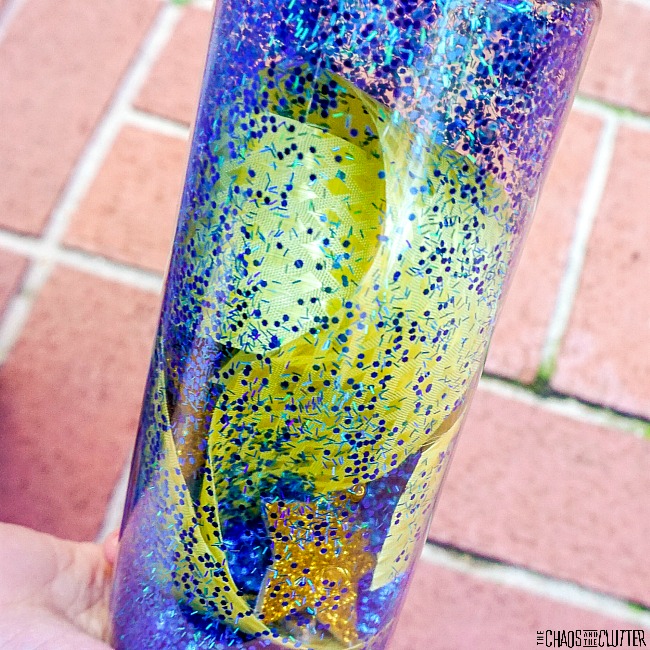
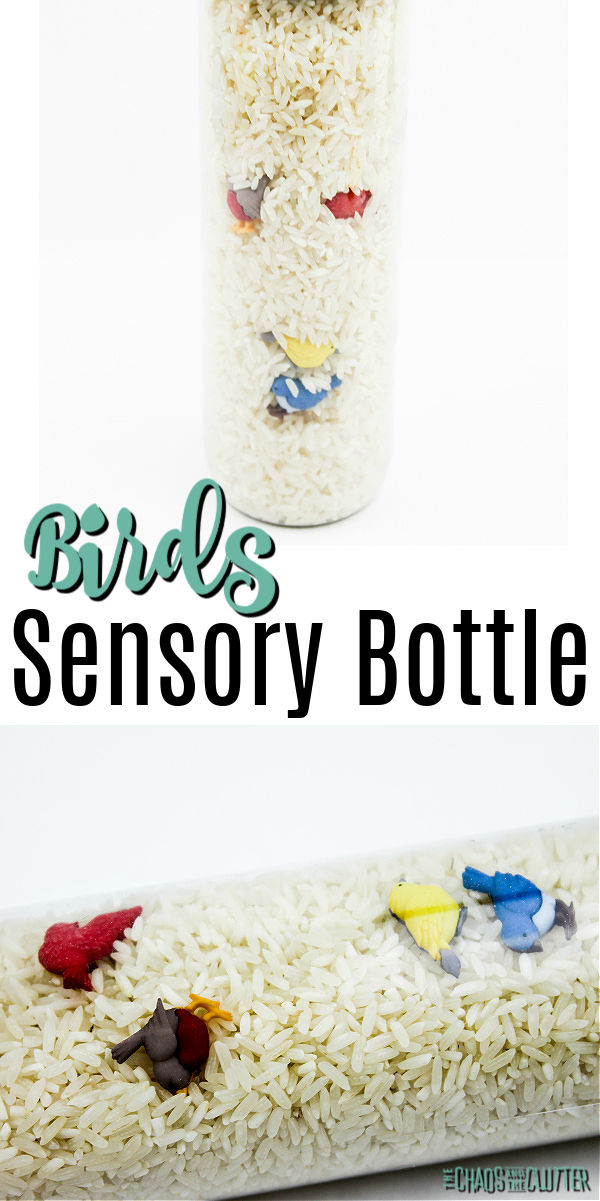 This sensory bottle creates opportunity for kids to use their tactile, visual, and proprioceptive sensory systems. Sensory input is an important part of child development and emotional regulation.
 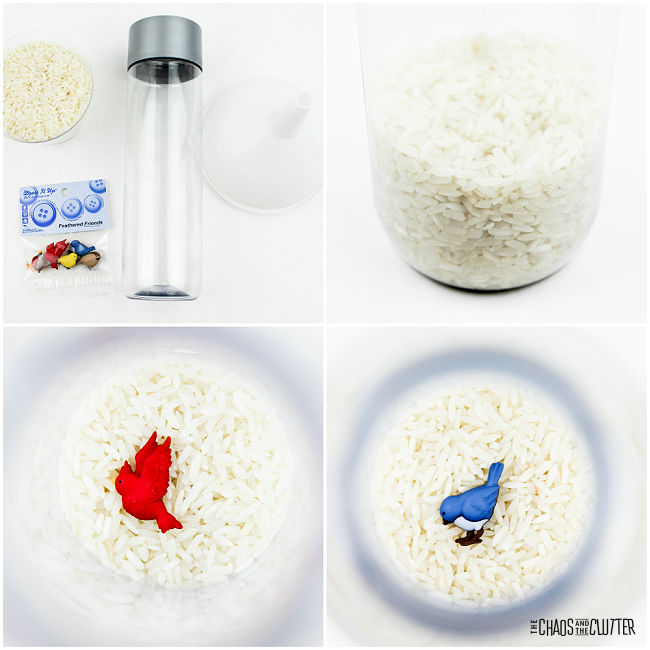 Allow the child to move and shake the rice around until they find all of the birds. They can even expand the activity by researching what type of birds they are.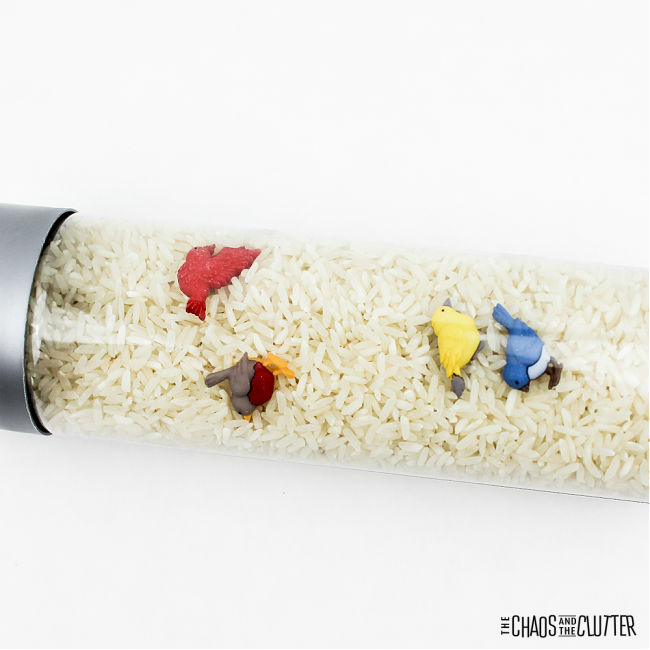
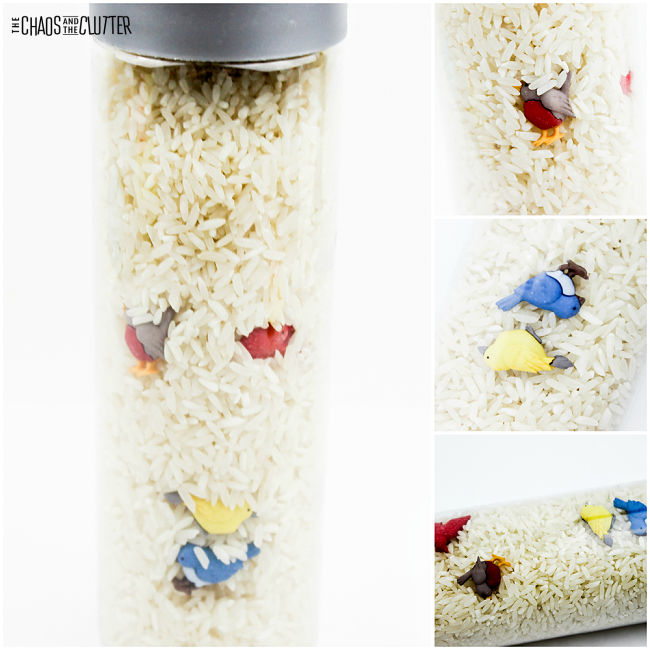 As with all sensory play activities, adult supervision should be used at all times. Even if you have secured the lid with glue, it is still possible to get it open and the bottle contains small parts which are choking hazards for children.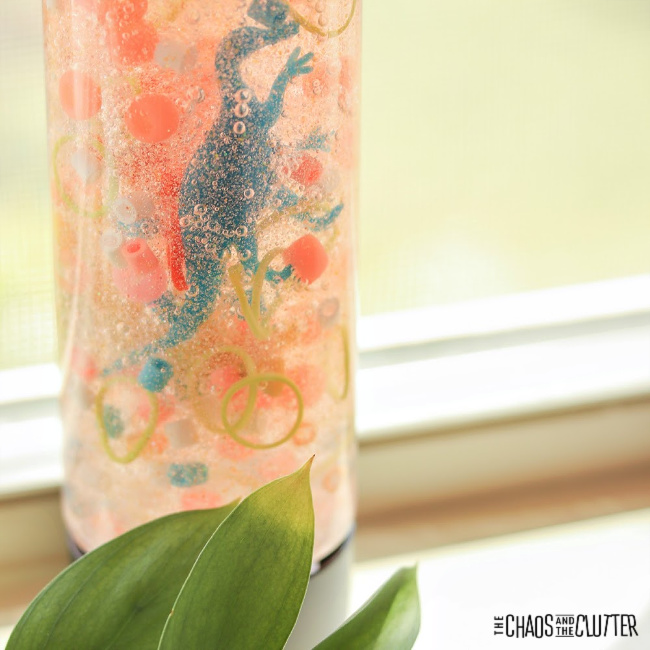
 Whenever you can add a sensory activity into learning, it increases the amount of information children can retain. Sensory bins are a simple way to do this and as kids discover through their senses, they can ask questions which will increase their learning.
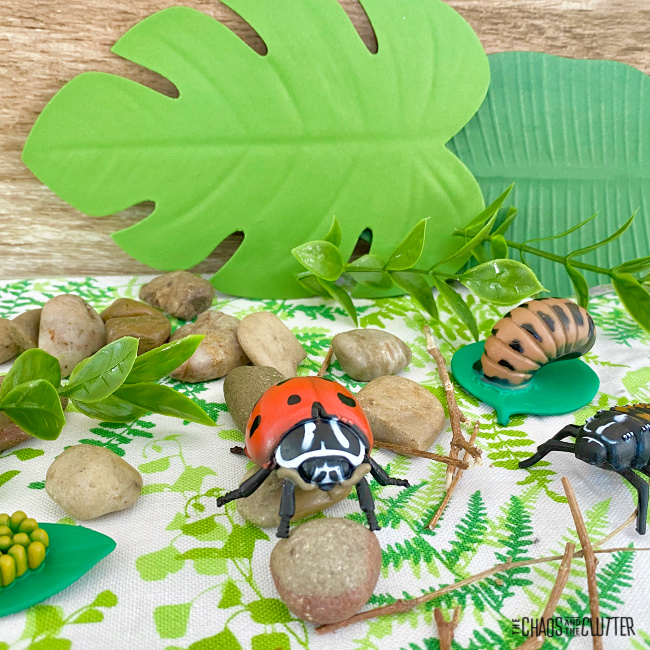 Instructions:
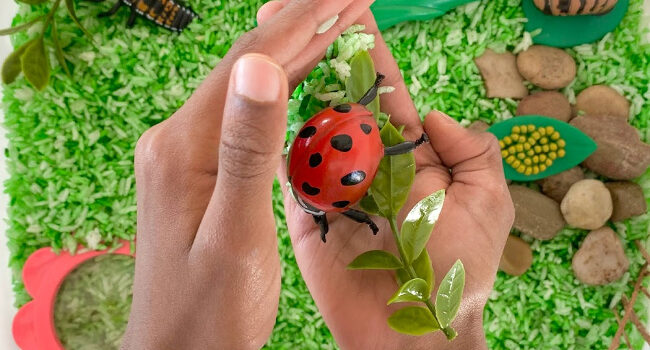
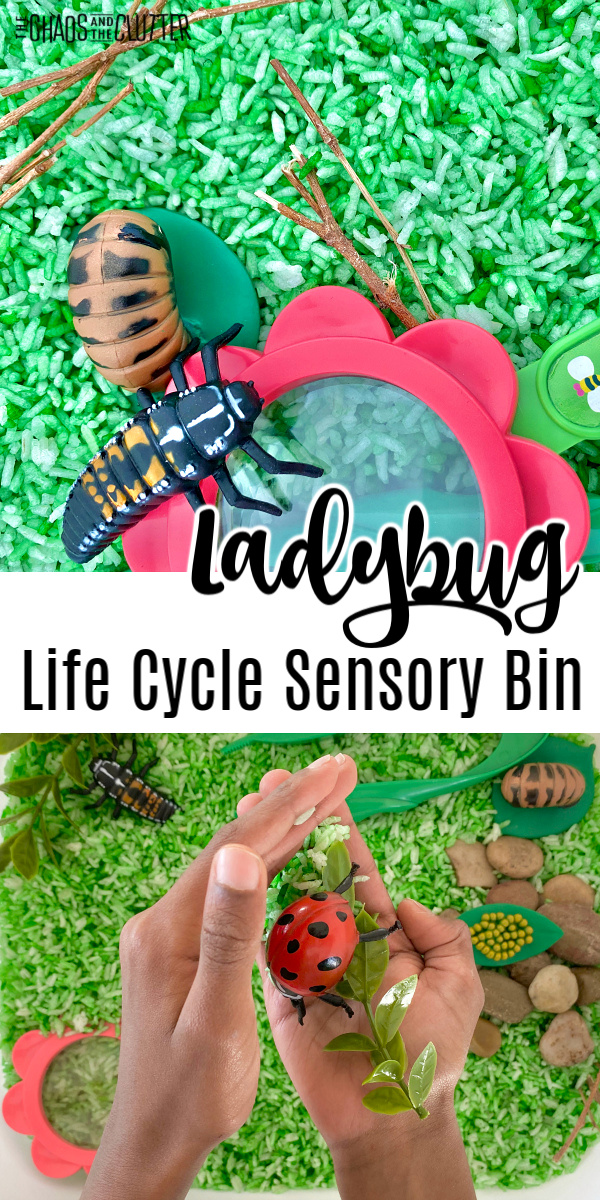
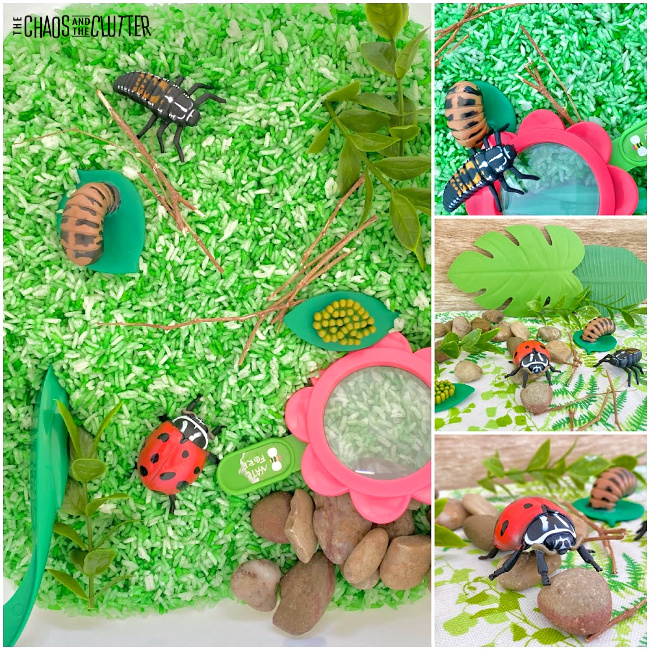 This sensory bin contains small parts. Adult supervision should always be used when kids play.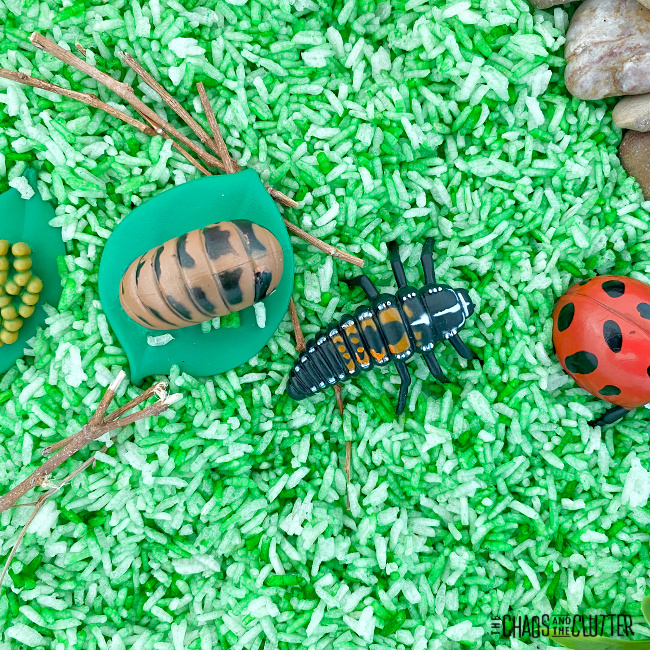
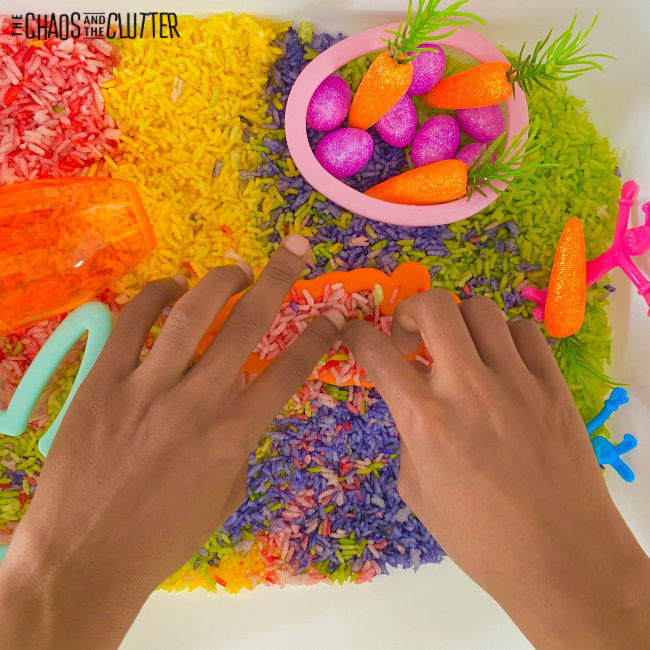
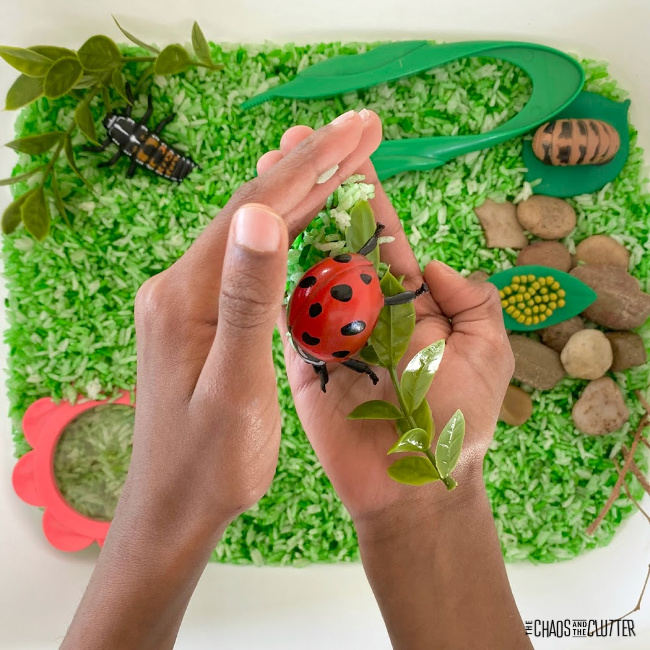 Kids will engage their visual, tactile, and proprioceptive sensory systems by playing in this sensory bin. You can also add something for the olfactory (smell) system by scenting the rice using essential oil.