• Skip to primary navigation
  • Skip to main content
  • Skip to primary sidebar
  • Home
  • About
  • Contact
  • Privacy + Terms
  • Affiliates

The Chaos and the Clutter

  • Facebook
  • Twitter
  • Pinterest
  • Google Plus
  • RSS
  • Email
  • School at Home
  • Sensory
    • Sensory Processing Disorder
    • Awesome Sensory Play Activities
      • Sensory Bins
      • Sensory Bottles
      • Sensory Bags
  • Family Games
    • Minute to Win It Games
  • Special Needs Parenting
    • Childhood Anxiety
    • Reactive Attachment Disorder
    • Sensory Processing Disorder
  • Store
  • Course Login

Sharla Kostelyk

Unicorns and Fairies Sensory Bottle

By Sharla Kostelyk

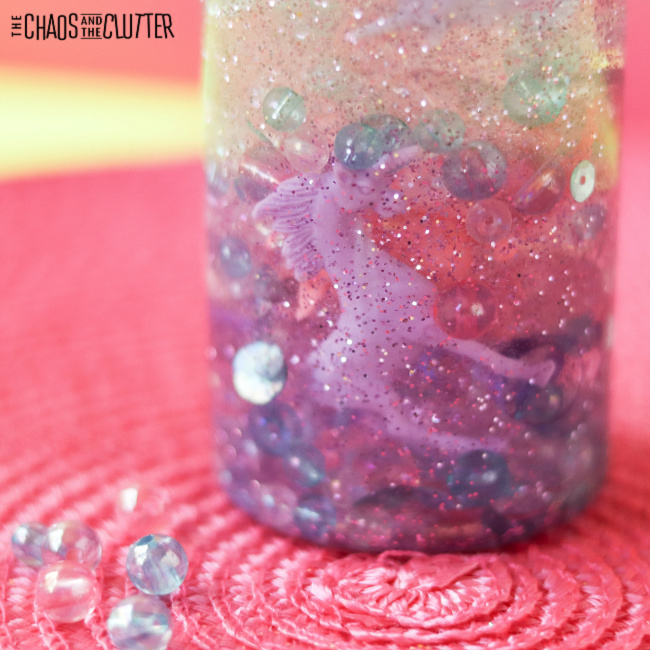
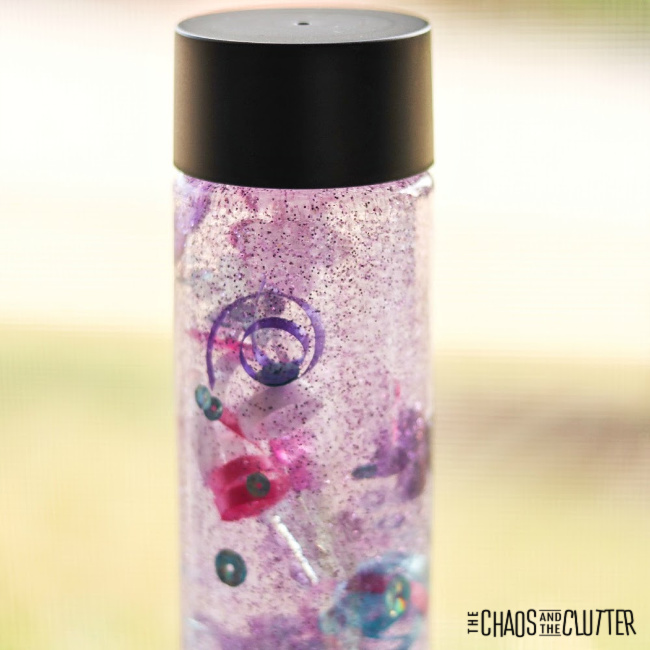
Girls (and some boys!) are going to go crazy over this Unicorns and Fairies Sensory Bottle. It’s so pretty that it could even be used as a bedroom or playroom decoration when they are finished playing with it. bottle filled with flowers and glitter and pink liquid against a sunny window with text that reads "Unicorns and Fairies Sensory Bottle"
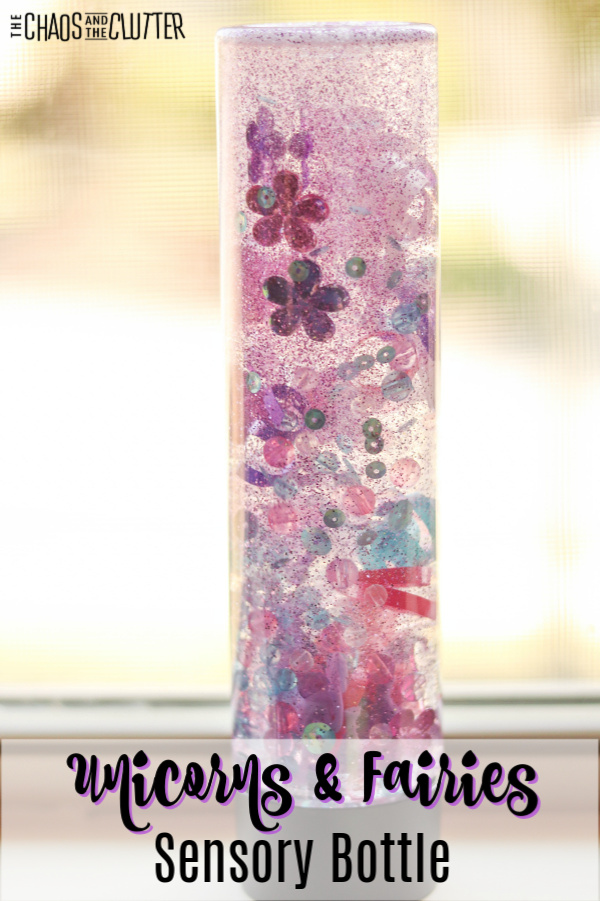
Unicorns and Fairies Sensory Bottle:

Supplies needed:

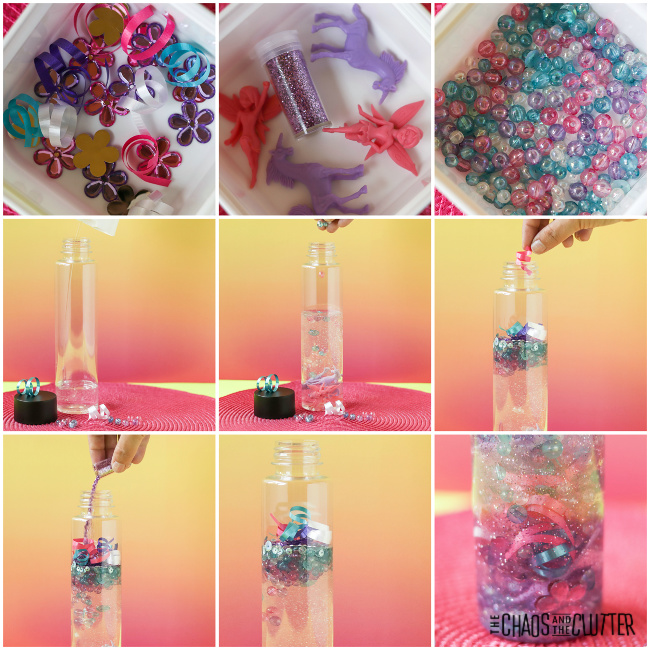
  • empty water bottle (I prefer the look of Voss bottles or craft store sensory bottles)
  • clear dish soap (Dawn or LemiShine are good because they are thicker)
  • small unicorn and fairy figurines (you can often find these in the party favour section of the Dollar Store or Target)
  • purple glitter
  • pink, purple, teal, and white pony beads
  • small flower gems
  • short ribbon curls in pink, purple, teal, and white
  • optional: Superglue to seal

Directions:

  1. Cut short lengths of ribbon. Use scissors to curl them.
  2. Pour clear dish soap into the container until it’s 2/3 full.
  3. Add the glitter, unicorn and fairy toys, beads, ribbon curls, and flowers.
  4. Fill any remaining space with water.
  5. Replace the lid. If you’re going to be using with younger kids, then I recommend that you super glue the lid in place and allow the glue to dry before giving it to your child to play with.
As with all sensory activities for kids, adult supervision is recommended at all times. Even if you’ve Superglued the lid in place, it can still come off and the bottle contains small parts which are choking hazards.

Sensory and Learning Opportunities:

This Unicorns and Fairies Sensory Bottle allows children to engage their visual, tactile, and proprioceptive sensory systems.

Kids can practise counting as their count the unicorns and fairies. They can get it some colour and counting learning as they count how many pink flowers there are or how many purple ribbons.
Are you looking for more easy sensory play recipes? Join us for a five day email series on Sensory Activities and Solutions and get a free sample of our Sensory Play Recipes eBook.

Discover some of our other creative sensory bottles:

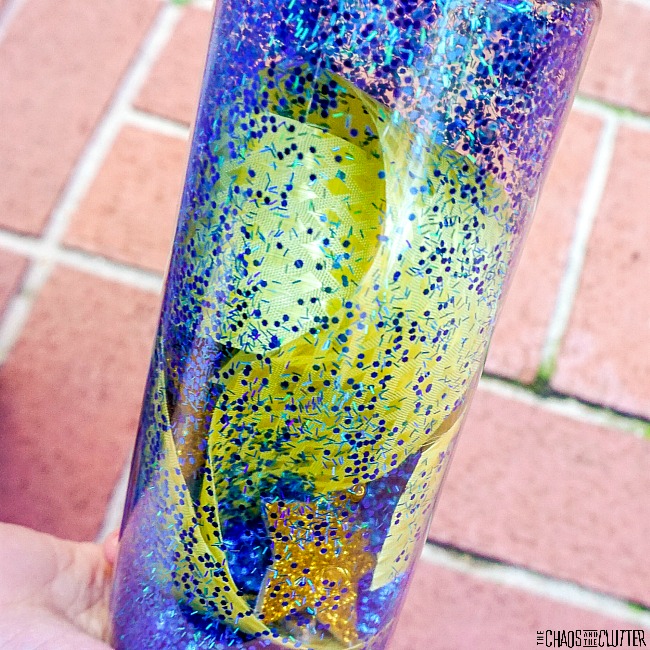
Van Gogh Inspired Starry Night Sensory Bottle
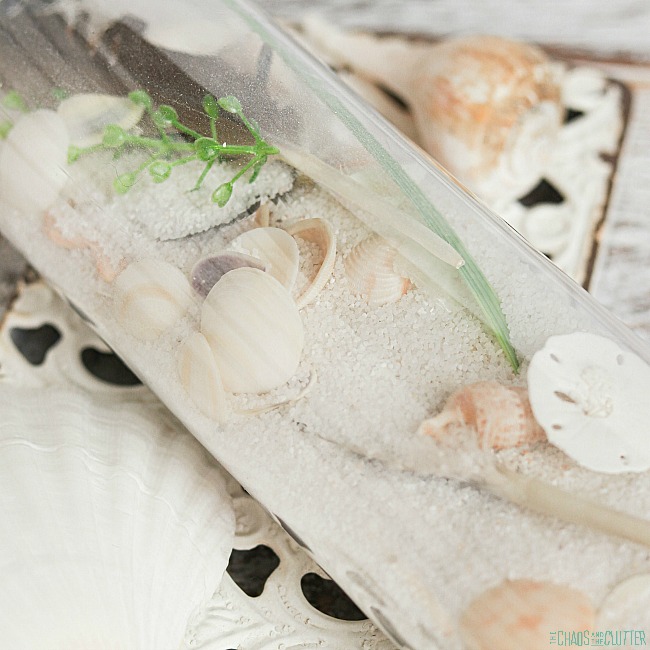
At the Beach Natural Sensory Bottle

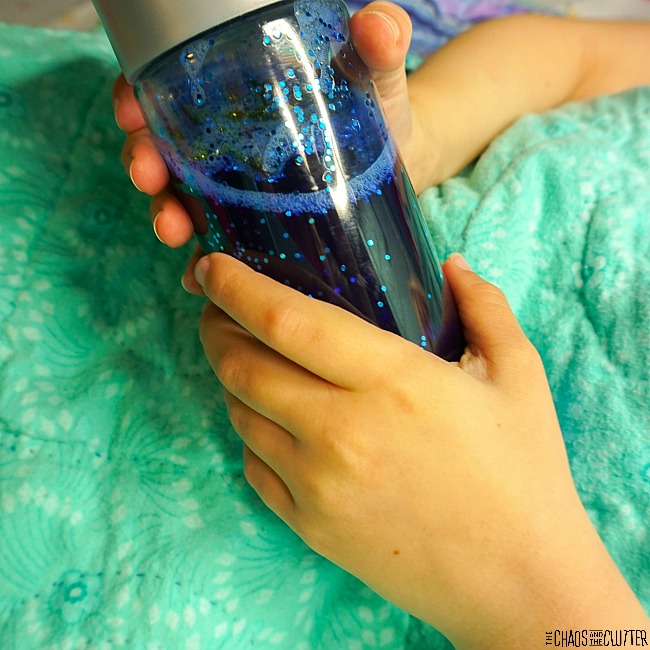
Bedtime Calming Sensory Bottlea child's hands hold a blue calm down bottle. The child's hands are all that is visible as the child is snuggled underneath a green blanket.

Filed Under: Sensory Tagged With: sensory bottles, sensory play

Dinosaur Sensory Bottle

By Sharla Kostelyk

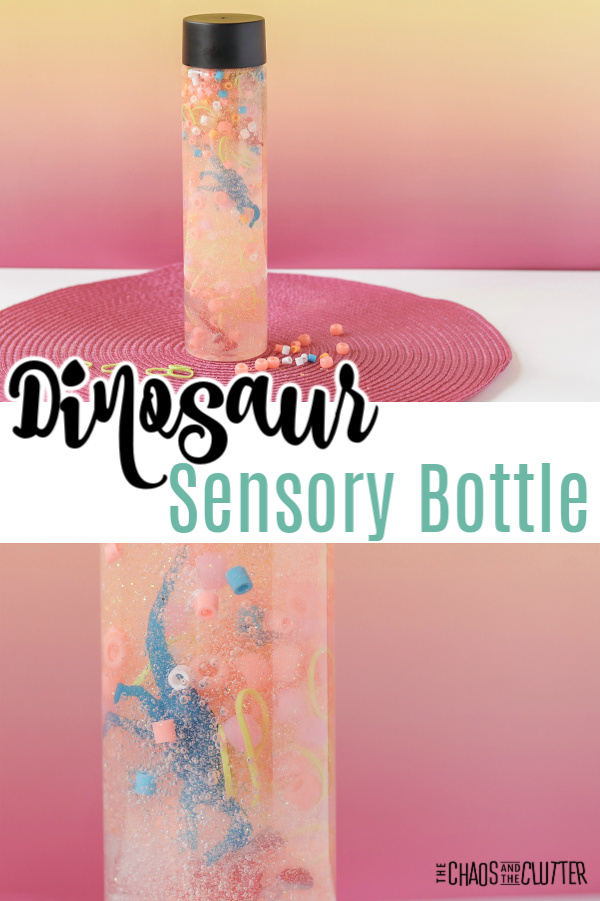
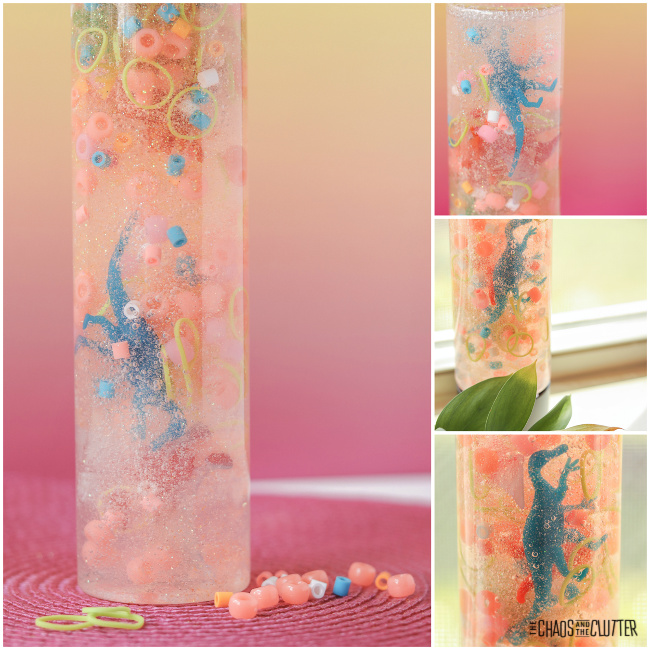
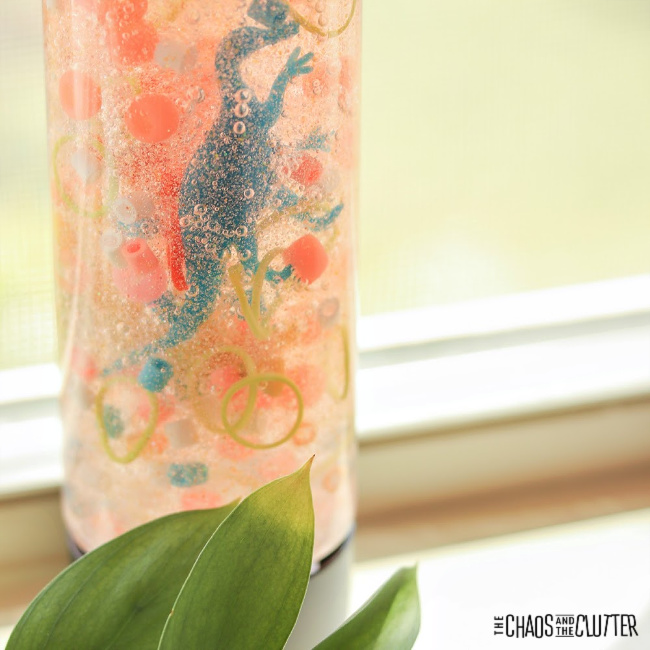
I love this Dinosaur Sensory Bottle. I know it’s a gender stereotype to say that pink is for girls, but the reality is that it still is generally thought to be more of a feminine colour. So what I love about this is that it takes what is typically thought to be a boy interest (dinosaurs) and pairs it with colours typically associated with girls.

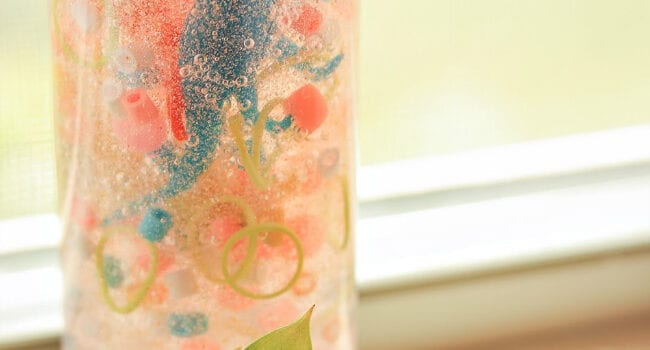
What is created is a sensory experience perfect for boys and girls. liquid filled bottle on a round pink mat with text that reads "Dinosaur Sensory Bottle"

Dinosaur Sensory Bottle:

Supplies needed:

  • empty water bottle (I prefer the look of Voss bottles or craft store sensory bottles)
  • clear dish soap (Dawn or LemiShine are good because they are thicker)
  • brightly coloured dinosaur figurines
  • orange and gold glitter
  • orange, white, blue, and peach pony beads and smaller beads
  • green mini rubber bands (like the Rainbow Loom elastics you probably have laying around the house!)
  • optional: Superglue or hot glue to seal the bottle cap

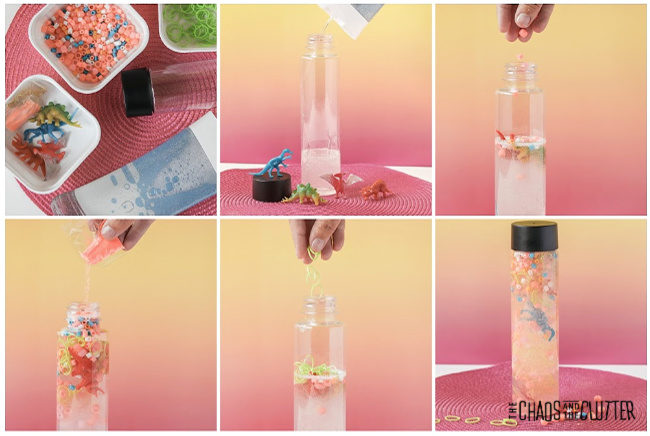
Directions:

  1. Pour enough clear dish soap into the bottle to make it 2/3 full.
  2. Add the glitter, mini rubber bands, dinosaur toys, and coloured beads.
  3. Fill the rest of the container with water.
  4. Put the lid back on. If you’re going to be using this sensory bottle with young children, then I suggest that you superglue the lid in place or use hot glue to secure. Be sure to let the glue dry before giving it to your child to play with.

Adult supervision should be used at all times when kids are playing with this activity. Even if you glue the lid in place, it can come off especially over time. The bottle contains small parts which are choking hazards.
Sensory and Learning Opportunities:

The visual, tactile, and proprioceptive sensory systems and engaged when using the dinosaur sensory bottle.

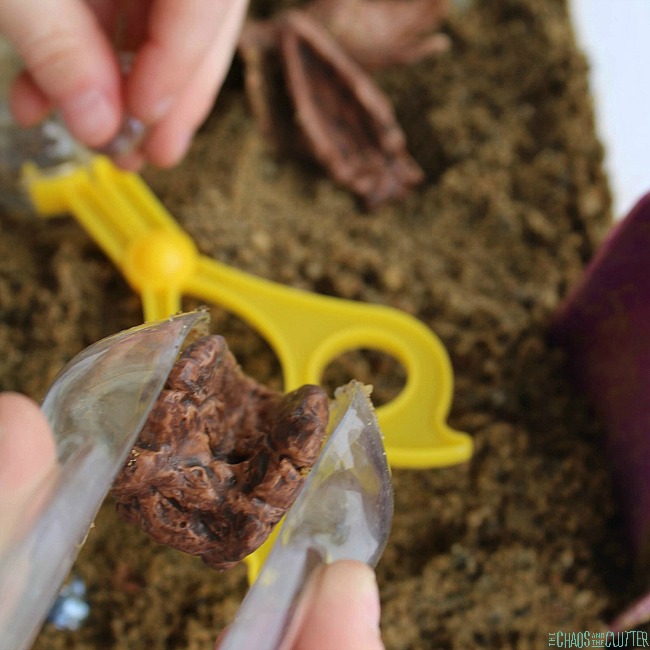
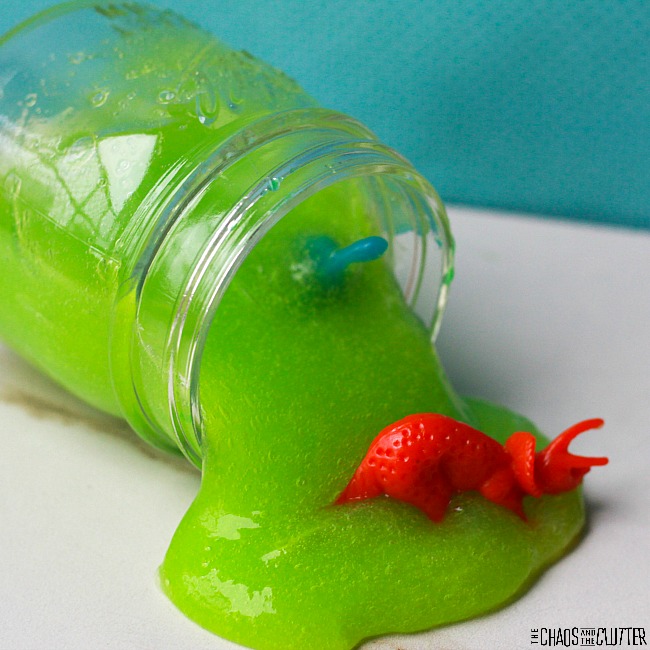
This sensory bottle can be used for a dinosaur unit study at home or in the classroom. Here are some other suggestions for interactive sensory learning about dinosaurs:

Dinosaur Fossils in Playdough

Dinosaur Sensory Bin

Dinosaur Slime

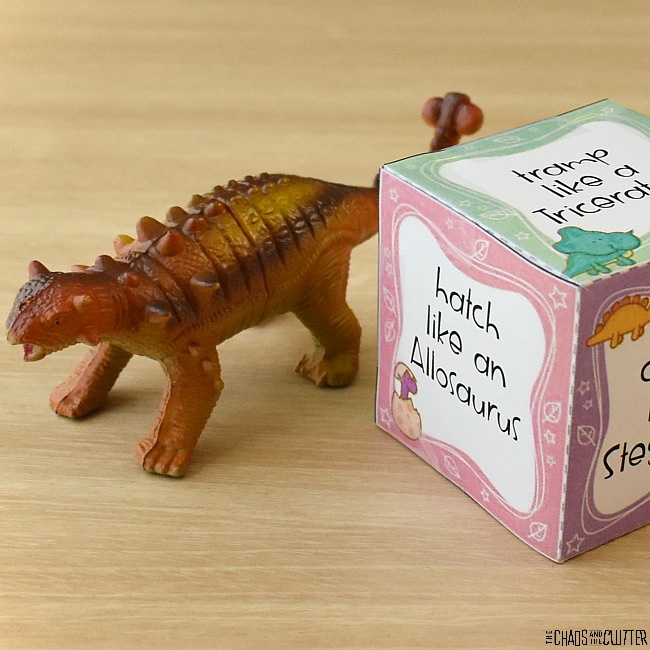
Gross Motor Dinosaur Action Cube

Are you wanting more easy sensory play ideas? Join us for a five day email series on Sensory Activities and Solutions and get a free sample of our Sensory Play Recipes eBook.

Filed Under: Sensory Tagged With: sensory bottles, sensory play

Valentine’s Day Playdough Station

By Sharla Kostelyk

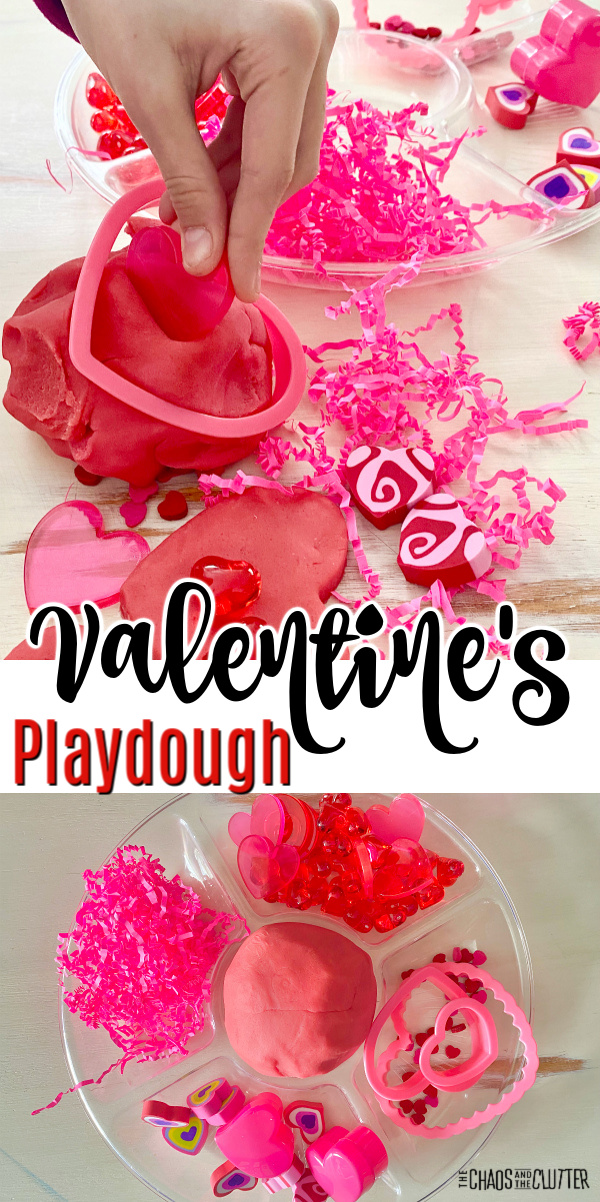
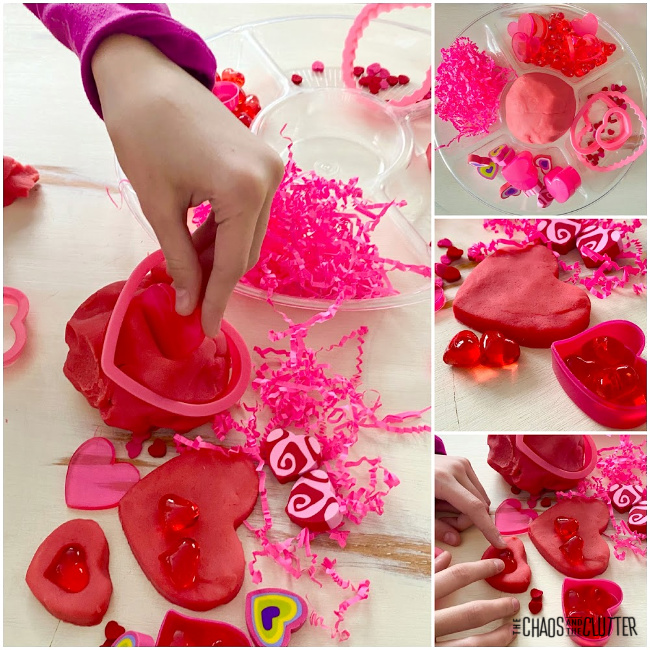
Create a sensory station at home or in your classroom with this open-ended Valentine’s Day playdough invitation to create. Kids are free to explore and use their imaginations as they engage their senses.

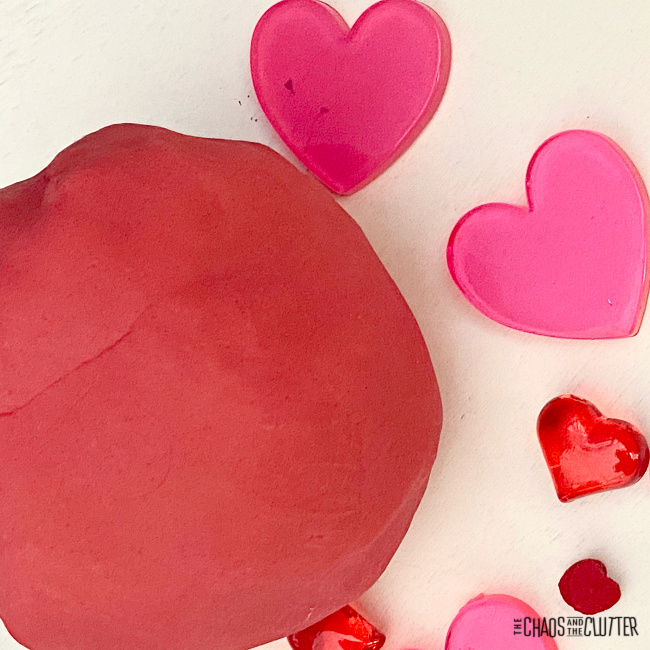
hand presses heart cookie cutter in red playdough. Text reads "Valentine's Playdough"

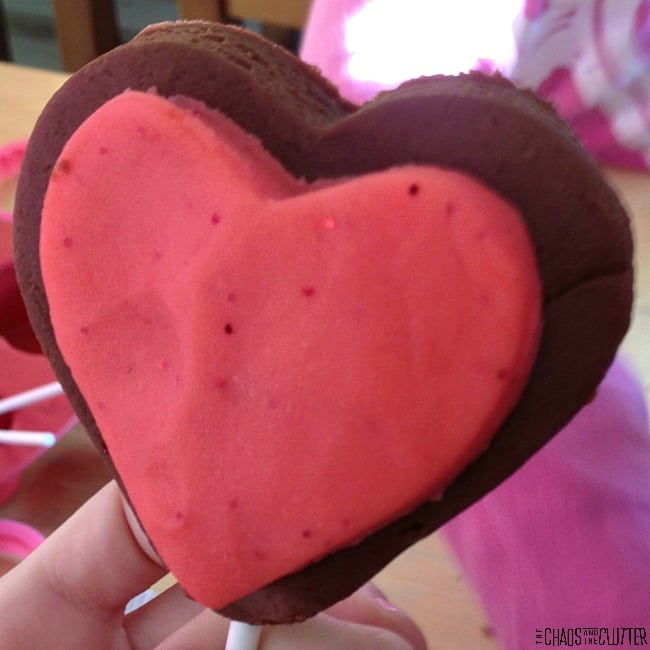
One year to celebrate Valentine’s Day, we made Chocolate and Strawberry Playdough for the kids to create with, but this year, we stuck to something a bit more basic.

Valentine’s Day Playdough Recipe:

Supplies:

  • 1 cup flour
  • 1/2 cup salt
  • 2 Tbsp. cream of tartar
  • 1 Tbsp. oil
  • pink food gel
  • 1 cup water (boiling if making with KitchenAid)
  • red glitter
  • optional: a few drops of essential oil in rose or lavender*

*a note about choosing scents: Some scents are calming while others are alerting. If you want this activity to be a calming one, be sure to choose a calming scent as opposed to choosing a more alerting scent if you are wanting to create an activity that helps keeps kids focused.

KitchenAid Directions:

  1. Put the dry ingredients in a KitchenAid mixer.
  2. Add the oil and colour and begin mixing with the flat beater.
  3. As it is mixing on the lowest setting, pour in the boiling water.
  4. Add in the red glitter. If you want to scent the playdough, add a few drops of essential oils. Mix until the playdough texture you want is achieved.
  5. Store in an airtight container or resealable bag when not being played with.

Stovetop Directions:

  1. Mix the dry ingredients together in a pot and stir in the oil, water and the food colouring.
  2. Cook over medium heat, stirring constantly, being sure to scrape the sides and bottom of the pot.
  3. Cook until the dough forms a ball. Remove from heat.
  4. Place it on a piece of wax paper. Knead. Add glitter in at this point and if you want, a few drops of essential oils for scent.
  5. Allow to cool. Store in an airtight container or in a resealable bag.

Valentine’s Playdough Sensory Station:

Supplies:

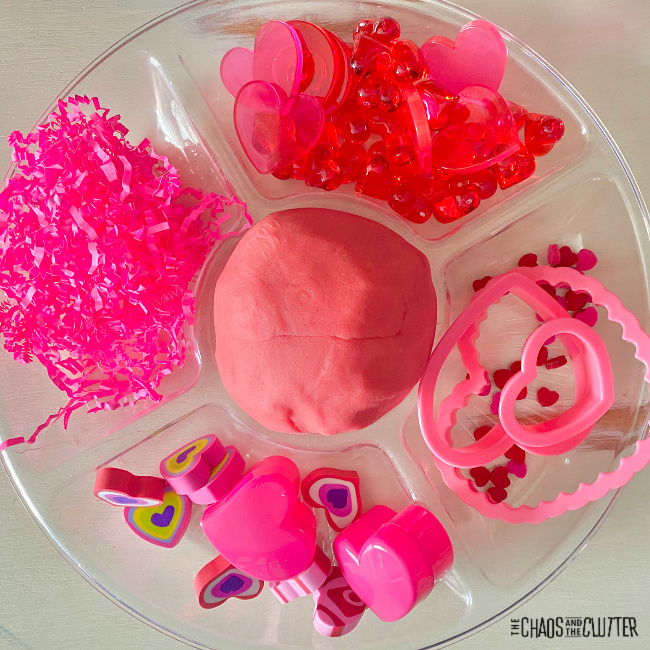
  • tray with separated compartments
  • playdough (recipe above)
  • plastic hearts of various sizes
  • pink Easter grass
  • heart confetti
  • heart shaped erasers
  • cookie cutters in various sized hearts
  • small plastic heart containers

I found most of my supplies at the Dollar Store.

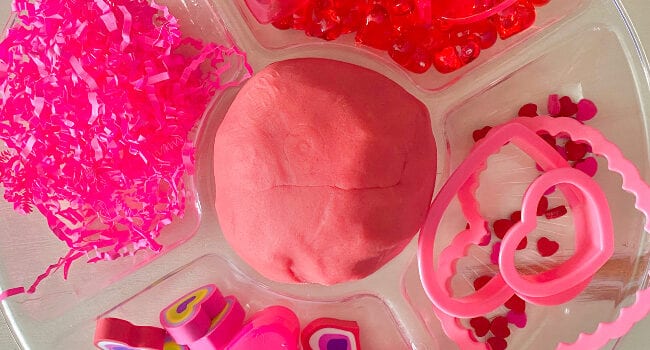
Directions:

  1. Set the playdough in the center of the tray.
  2. Place the other items in the compartments all around it.
  3. Invite your child to use their imagination to explore and play.

When kids interact with this playdough station, they engage their visual, tactile, and proprioceptive sensory systems as they push, knead, gather, roll, squish, and pull. If you use essential oils in the recipe, then their olfactory (smell) system is also involved.

Are you looking for other easy sensory play recipes? Join us for a free five day email series on Sensory Activities and Solutions and get a sample of our Sensory Play Recipes eBook.
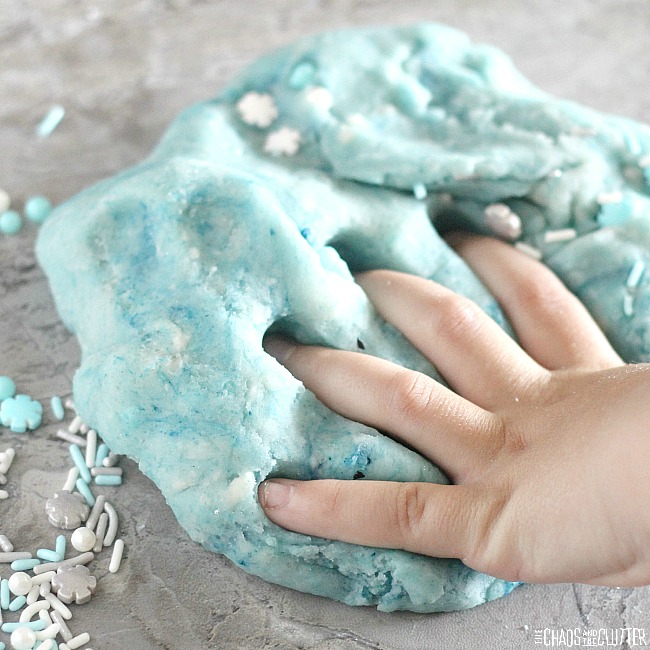
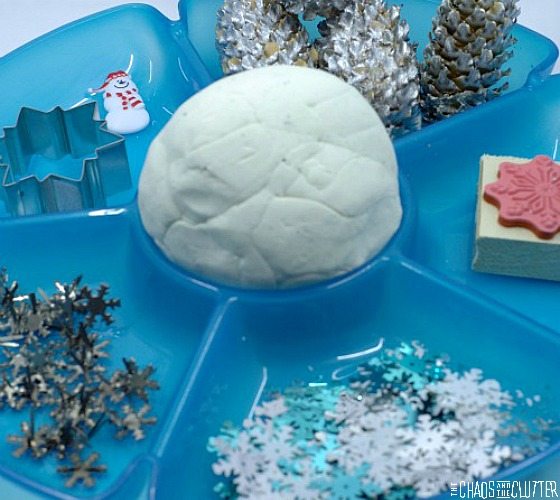
You may want to see some of our most popular playdough recipes:

Frozen Inspired Microwave Elsa Playdough

White Snow PlaydoughSnow Playdough and invitation to play

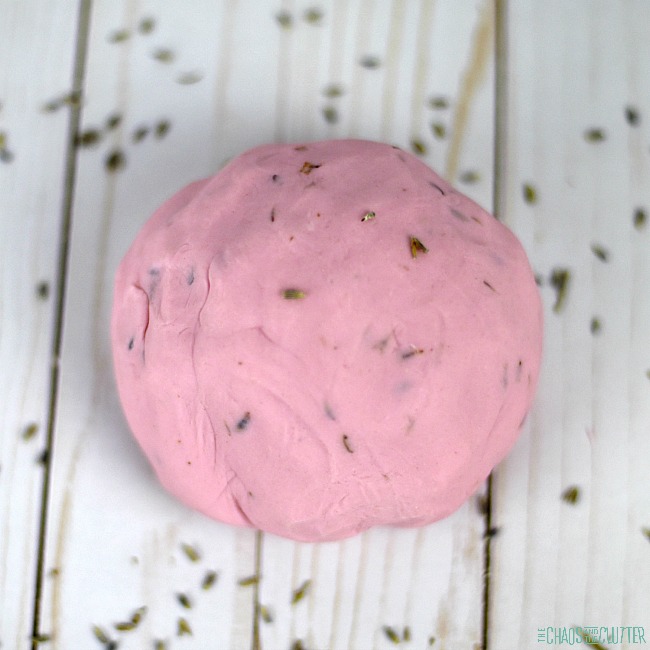
Calming Lavender Scented Playdough

Filed Under: Sensory Tagged With: playdough stations, sensory play

Valentine’s Day Fluffy Slime

By Sharla Kostelyk

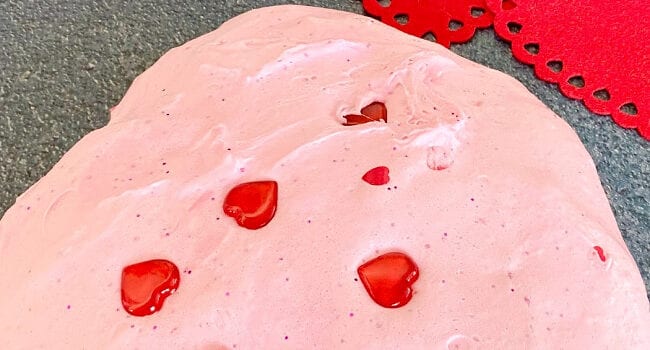
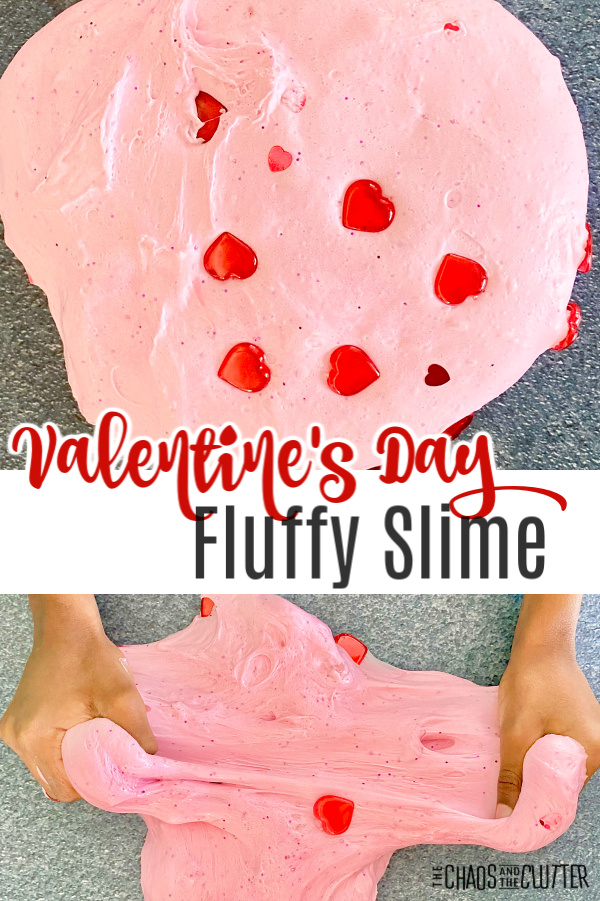
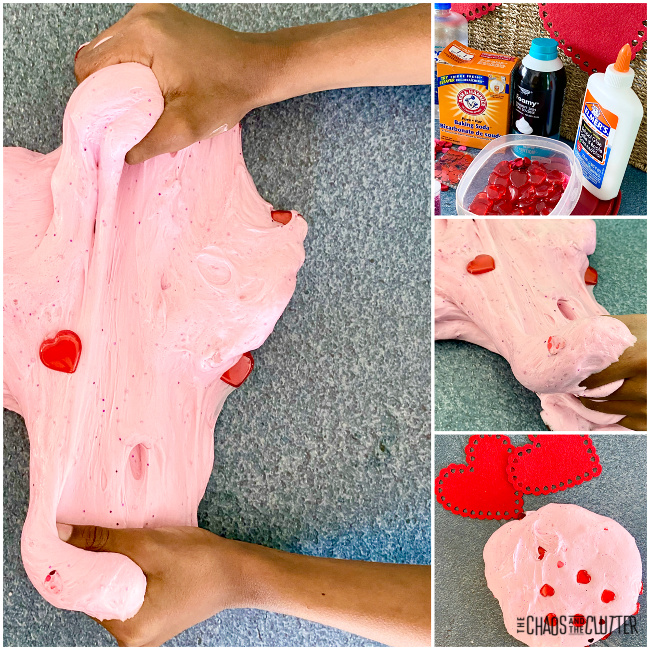
If you’re looking for an easy sensory play activity for February, you’re in luck. This Valentine’s Day Fluffy Slime recipe is simple to make and provides hours of fun. puffy pink slime with red hearts. Text reads "Valentine's Day Fluffy Slime"

What is fluffy slime?

I seem to go in phases when it comes to slime. I’m currently in a bit of a fluffy slime craze. Fluffy slime is just basically regular slime with shaving cream added. I like the texture and the stretch of it. If you like your slime fluffier, you can simply add more shaving cream.

Valentine’s Day Fluffy Slime:

Ingredients:

  • 2/3 cup of Elmer’s white School Glue
  • 1/2 teaspoon baking soda
  • 1/4 cup water
  • 2 1/2 cups shaving cream
  • 1 1/2 Tbsp. contact lens solution
  • pink glitter
  • pink food paste
  • tiny red heart confetti
  • red plastic hearts
Directions:
  1. Add glue to a bowl.
  2. Mix in water and baking soda.
  3. Add shaving cream and mix.
  4. Stir in food colour.
  5. Slowly add contact solution. Mix.
  6. Knead.
  7. If it’s still too sticky, add a drop more of contact solution and knead some more.

Fluffy Slime Troubleshooting Tips:

You’ll need to use contact solution as the activator to create your slime. Otherwise, the glue and shaving cream will just be a blob of goo.

If your slime isn’t fluffy enough, fold in some additional shaving cream. When the slime isn’t stretchy after a few days of play, you can add a bit of hot tap water or a small amount of lotion.

If the slime is too sticky, add a drop or two more contact solution or a small bit of baby oil and knead.

Looking for more easy sensory play recipes to inspire creativity? Join us for a five day email series on Sensory Activities and Solutions and get a free sample of our Sensory Play Recipes eBook.
You might also be interested in these other Valentine’s activities:

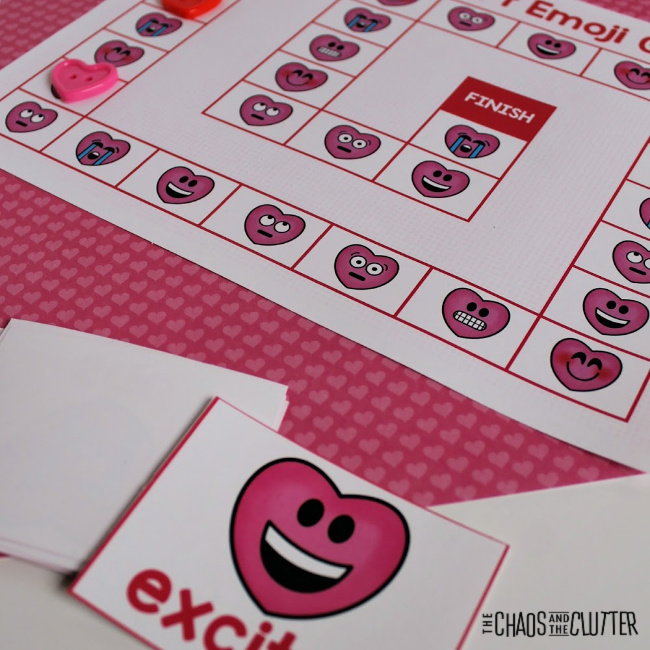
Valentine’s Emotion Game for Kids

Valentine’s Pluffle Sensory Bin

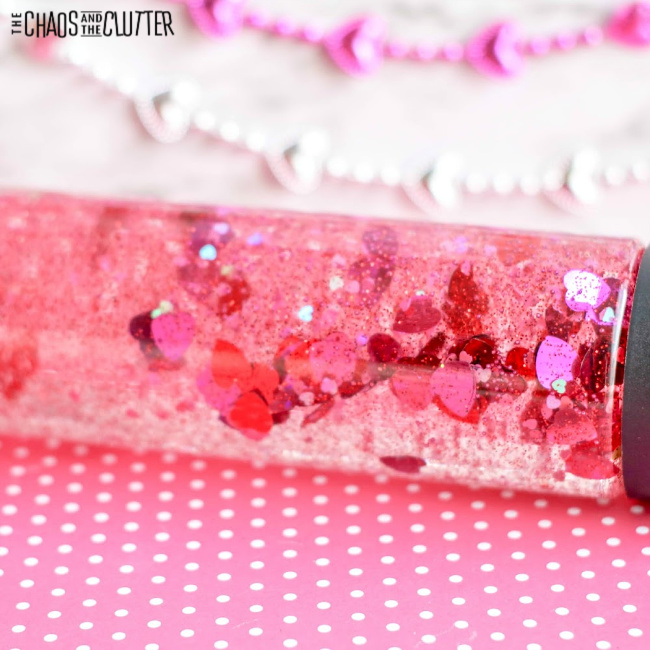
Valentine’s Day Sensory Bottle

Filed Under: Sensory Tagged With: sensory play, slime

Sea Turtle Life Cycle Sensory Bin

By Sharla Kostelyk

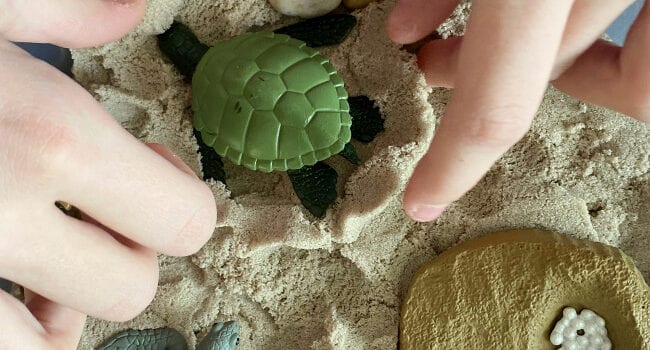
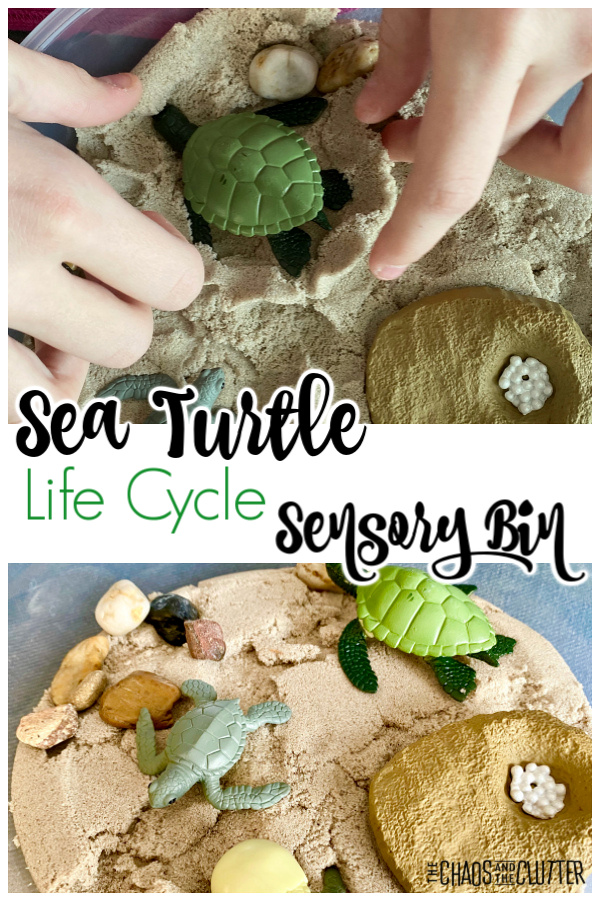
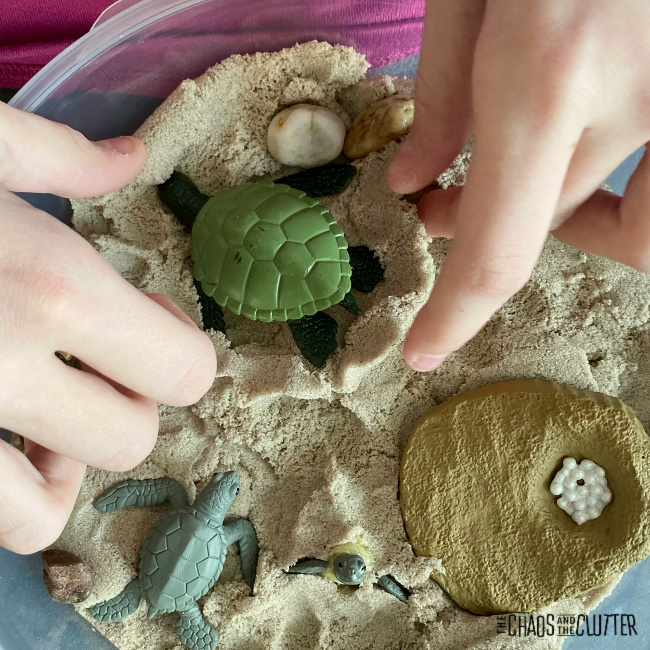
This Sea Turtle Life Cycle Sensory Bin is an easy hands-on way to study these remarkable creatures. Kids can explore science with their senses while they learn how sea turtles are born and live. small hands explore in sand with plastic figures and rocks and text that reads "Sea Turtle Life Cycle Sensory Bin"

My friend Jamie who lives in Florida volunteers to check on nests and make protected trenches for the baby sea turtles in her area. It’s been so interesting to see her pictures and videos and hear about her experiences. While we may not live anywhere near the ocean, that doesn’t mean that we can’t learn about this amazing phenomenon ourselves.

A few facts to get you started:

The mother turtles dig holes in the sand or mud to create a nest which they lay their eggs in. They then bury the eggs to protect them.

Less than 1% of the eggs survive and make it to the sea. Some do not fully develop, but most fall victim to predators. Once the hatchlings emerge from their shell, they must dig their way out of the hole and make it to the ocean.

Racoons, crabs, birds, fish, fire ants, dogs, lizards, and coyotes are among the main predators of the eggs and young offspring.

Sea Turtle Life Cycle Sensory Bin:

We saw sea turtles at the Monterey Bay Aquarium on a road trip and our kids were fascinated. We also had the opportunity to see protected areas of sea turtle nests on the beach in Florida on another trip. There, we attended an information evening teaching us about conservation efforts. Education is always the first step towards conservation so the more you teach your kids, the better.

This sensory bin may spark the beginning of an interest for them in learning more.

Supplies needed:

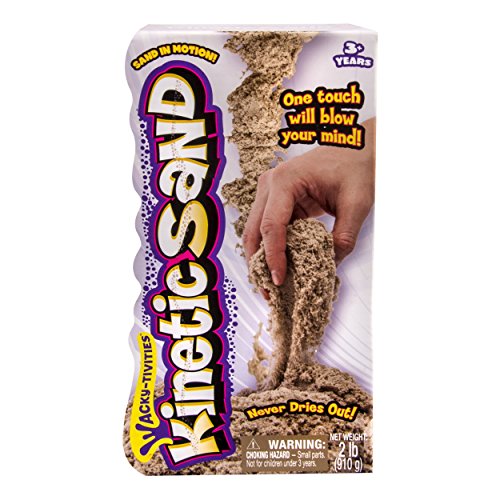
  • sand or kinetic sand
  • rocks
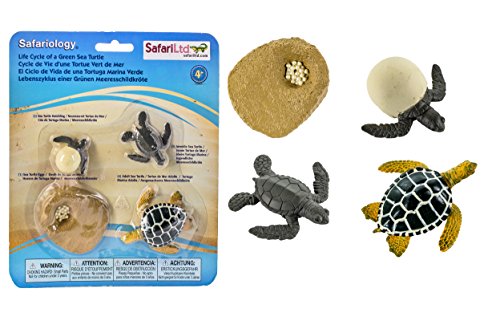
  • Sea Turtle Life Cycle pack

Directions:

  1. Fill a small container with sand or kinetic sand.
  2. Add some rocks.
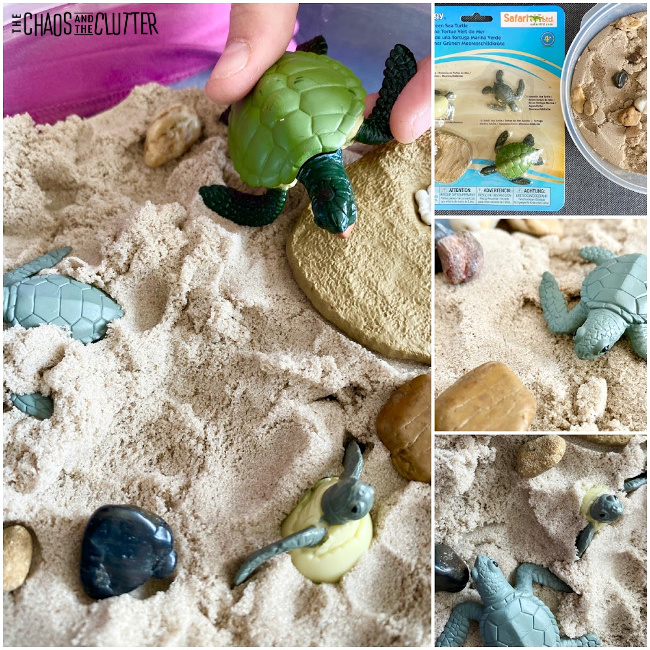
  3. Place the figures from the Sea Turtle Life Cycle pack in the sand.
  4. Encourage play.

This sensory bin is great for use at home or in the classroom while doing a unit study. It enables kids to reenact what they are learning. Using more of their senses and learning through play allows for better retention. What may seem like a simple activity can allow kids to cement their knowledge and make it more real.

This sensory play activity includes small parts. As with any children’s activity, adult supervision is required.

Resources for Learning about Sea Turtles:

If you want to further your study, here are some resources to delve deeper and expand your knowledge about sea turtles.

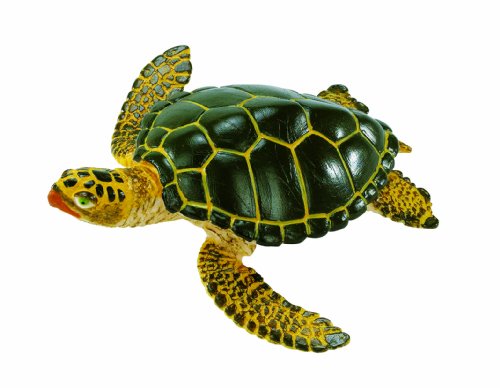
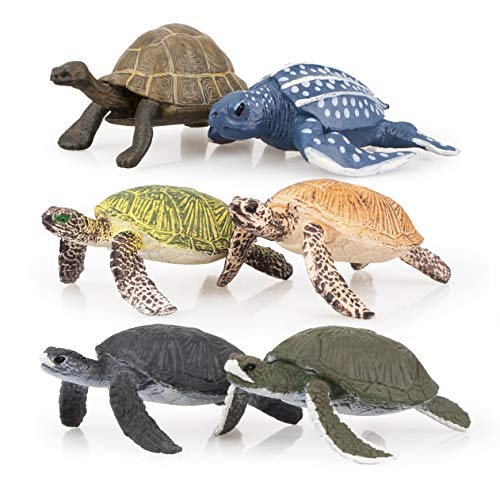
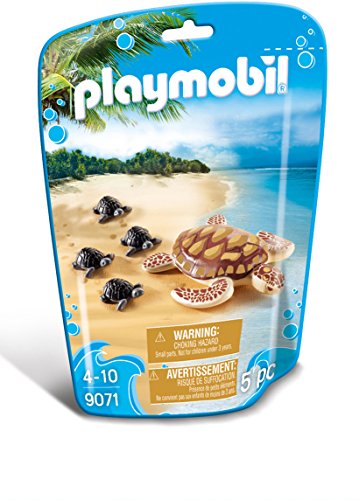
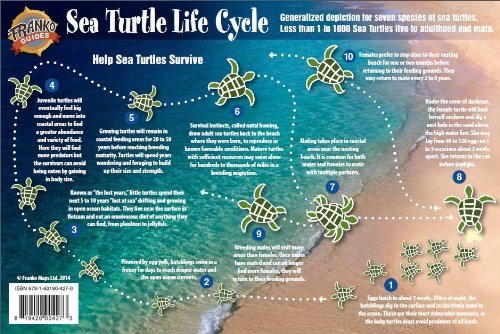
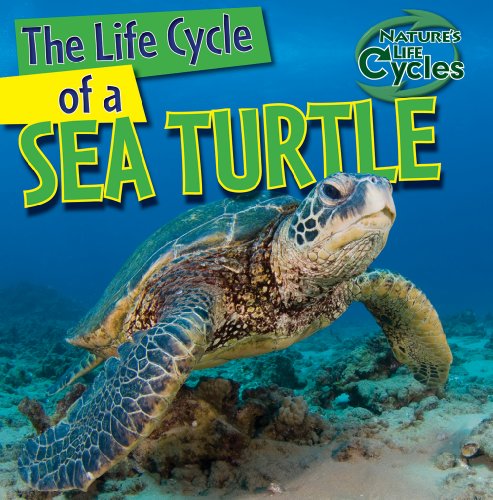
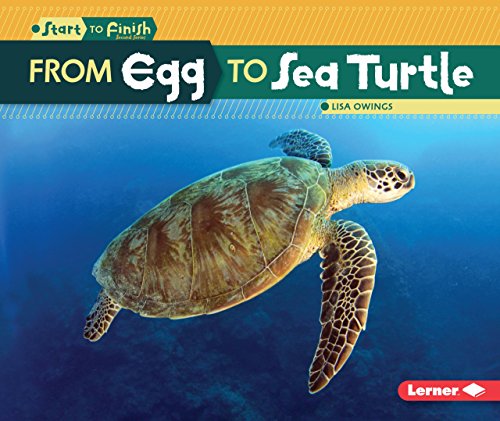
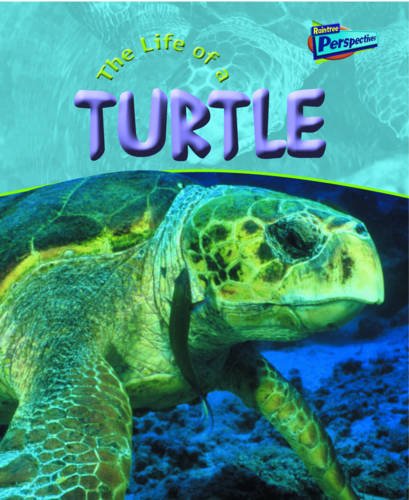
Life Cycle of a Green Sea TurtleLife Cycle of a Green Sea TurtleLife Cycle of a Green Sea TurtleSea Life Green Sea TurtleSea Life Green Sea TurtleSea Life Green Sea TurtleKinetic SandKinetic SandKinetic SandRealistic Sea Turtle Plastic FigurinesRealistic Sea Turtle Plastic FigurinesRealistic Sea Turtle Plastic FigurinesSea Turtle with Babies Building SetSea Turtle with Babies Building SetSea Turtle with Babies Building SetSea Turtle Life Cycle Guide Laminated CardSea Turtle Life Cycle Guide Laminated CardSea Turtle Life Cycle Guide Laminated CardThe Life Cycle of a Sea TurtleThe Life Cycle of a Sea TurtleThe Life Cycle of a Sea TurtleFrom Egg to Sea TurtleFrom Egg to Sea TurtleFrom Egg to Sea TurtleThe Life of a Sea TurtleThe Life of a Sea TurtleThe Life of a Sea Turtle

  • Sea Turtle Life Cycle and Nesting Locations
  • Sea Turtle Lifecycle Interactive Diagram
  • Green Sea Turtle Facts (includes an open sea cam)
  • A Sea Turtle’s Life Cycle Explained Video (short, but quite informative)
  • Sea Turtle Life Cycle Video (animated – Australia)
  • Make a Sea Turtle Life Cycle Craft out of WikkiSticks
  • Sea Turtle Life Cycle Worksheets (free)
  • Sea Turtle Life Cycle Printable Pack (free)

Looking for more easy sensory play ideas to inspire learning? Join for a five day email series on Sensory Activities and Solutions and get a free sample of our Sensory Play Recipes eBook.
Check out some of our other life cycle sensory bins that can be used for science unit studies:

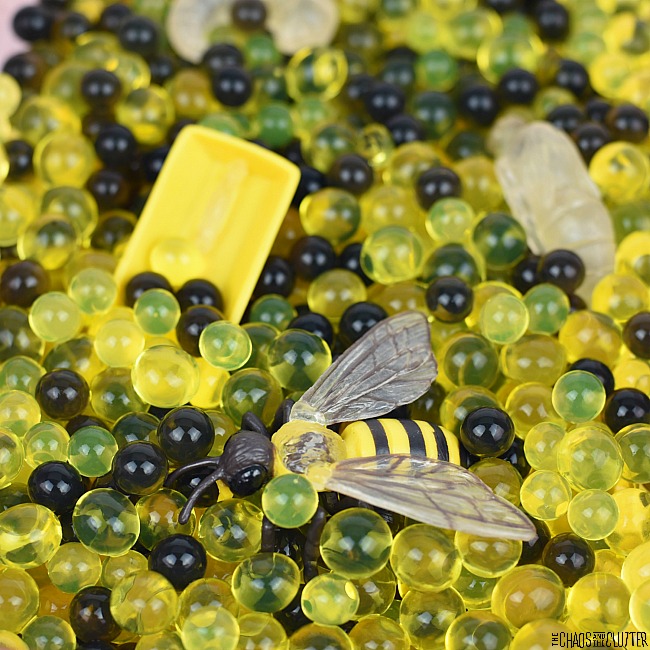
Bee Life Cycle Sensory Bin

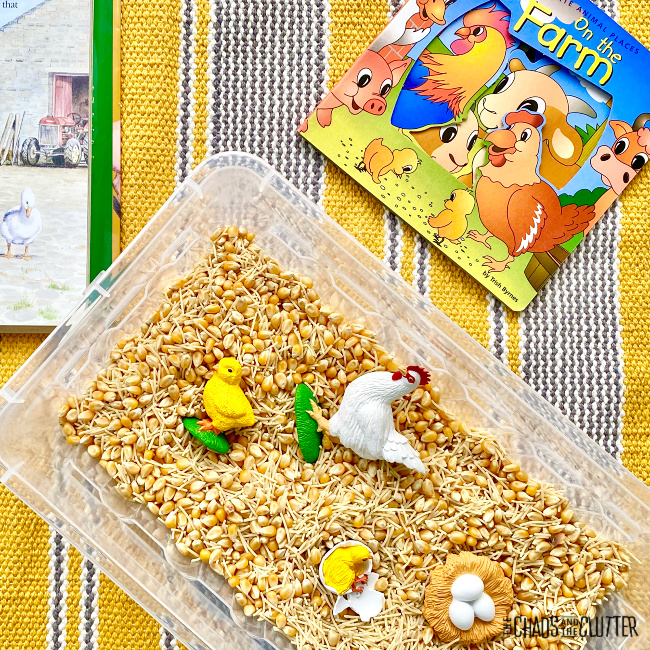
Chicken Life Cycle Sensory Bin

Filed Under: Homeschooling, Sensory Bins, Simple Science Tagged With: sensory play

Valentine’s Day Slime

By Sharla Kostelyk

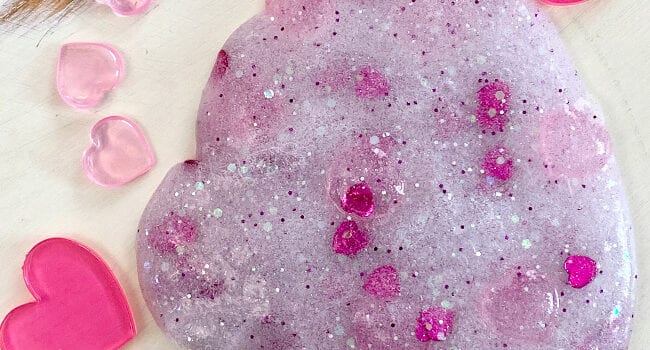
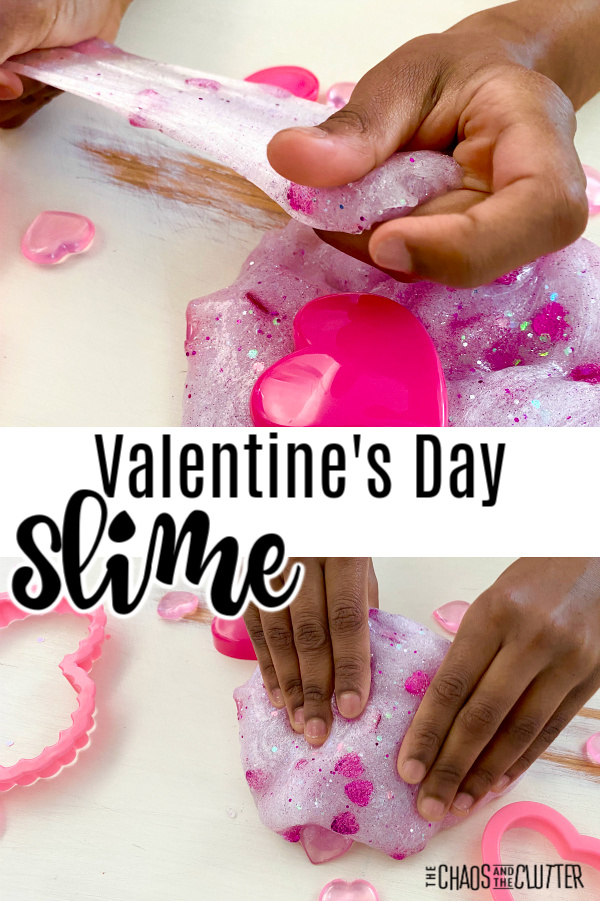
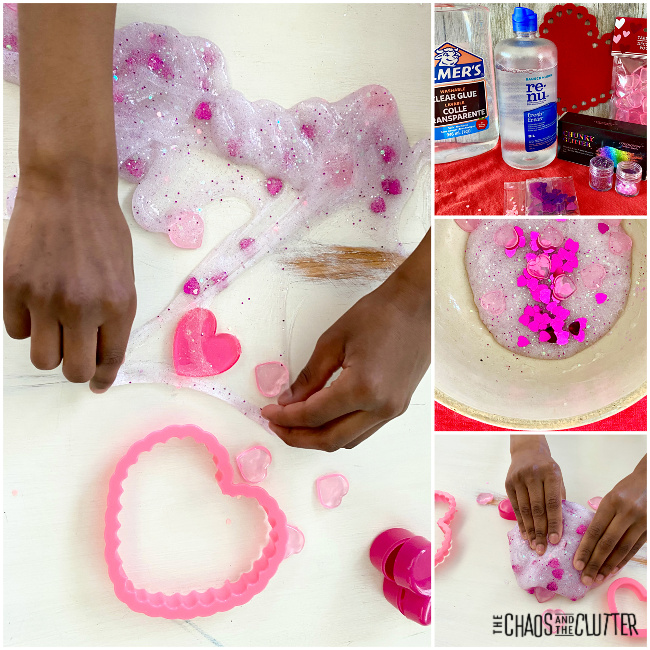
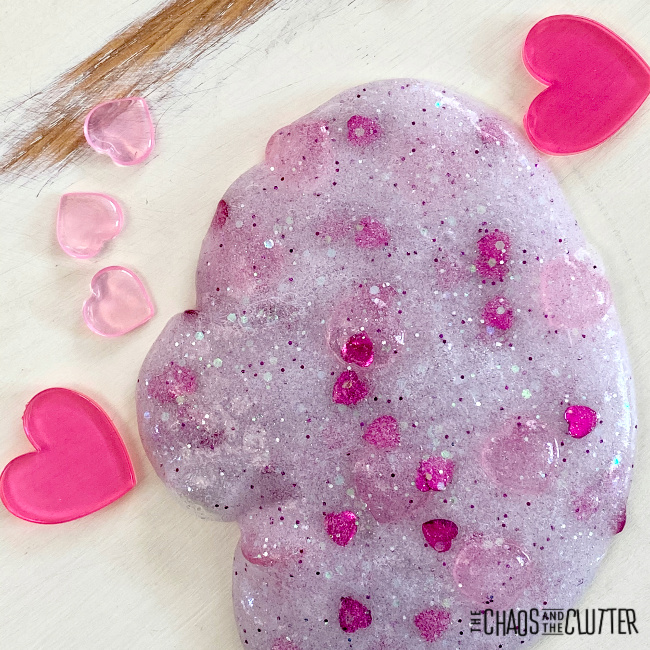
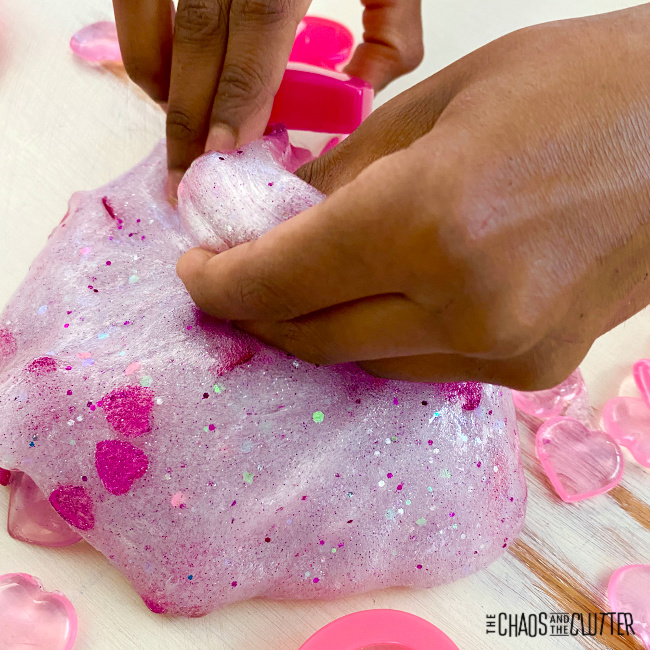
Create this Valentine’s Day Slime for your friends, child, or classroom. It’s super stretchy. This contact solution recipe is an easy one to master. little hands stretch out slime with hearts. Text reads "Valentine's Day Slime"If you’re looking for a homemade Valentine’s gift, this slime recipe and/or our Valentine’s Fluffy Slime recipe can be put in a small container or resealable bag.

Valentine’s Day Slime:

Supplies needed:

  • 1 cup Elmer’s Clear School glue
  • 2-3 Tbsp. contact lens saline solution
  • 1/2 tsp. baking soda
  • unicorn glitter
  • heart confetti
  • small plastic hearts
  • optional: heart shaped cookie cutters and plastic heart containers for extended play

Directions:

  1. Pour the glue into a large mixing bowl and stir the baking soda into it.
  2. Begin to add the contact lens solution a few drops at a time as you stir.
  3. When you find that the mixture begins to pull away from the bowl, it’s time to begin kneading.
  4. Add the glitter, hearts, and confetti. Continue kneading.
  5. If the slime is still too sticky to play with, add one or two more drops of contact solution and knead.

Sensory and Learning Opportunities:

Set out heart shaped cookies cutters, additional plastic hearts, and plastic heart containers to allow your child the chance to engage in imaginative sensory play. You can also set up a sensory station in your classroom with this as one of the activities.

The visual, tactile, and proprioceptive sensory systems are involved during slime play.

Looking for more great sensory play recipes to inspire imagination? Join us for a five day email series on Sensory Activities and Solutions and get a free sample of our Sensory Play Recipes eBook.
Find other sensory play opportunities for February:

Valentine’s Day Fluffy Slime

Chocolate and Strawberry Playdough Station

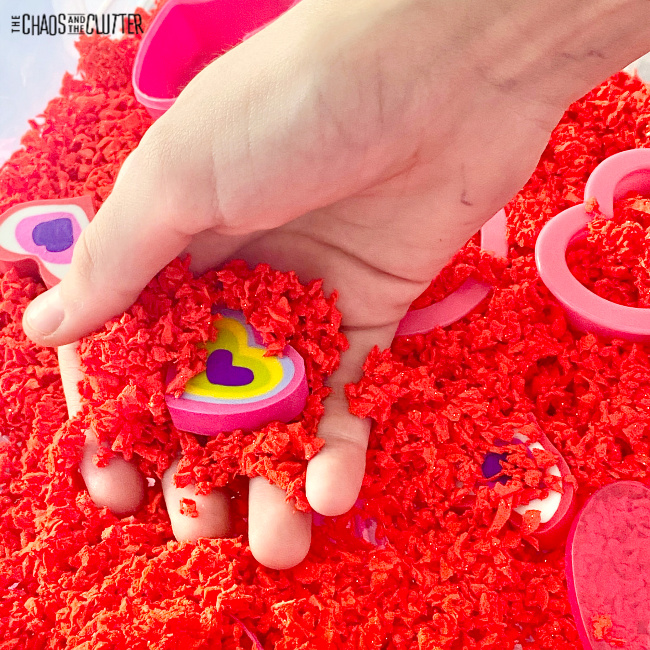
Scented Valentine’s Sensory Bin

Filed Under: Sensory Tagged With: sensory play, slime

  • « Go to Previous Page
  • Page 1
  • Interim pages omitted …
  • Page 24
  • Page 25
  • Page 26
  • Page 27
  • Page 28
  • Interim pages omitted …
  • Page 128
  • Go to Next Page »

Primary Sidebar

Categories

We are a participant in the Amazon Services LLC Associates Program, an affiliate advertising program designed to provide a means for us to earn fees by linking to Amazon.com and affiliated sites.

Copyright © 2026 • The Chaos and the Clutter • Site Design by Jeni @ The Blog Maven

Return to top of page

Copyright © 2026 · Chaos and the Clutter 2.0 on Genesis Framework · WordPress · Log in