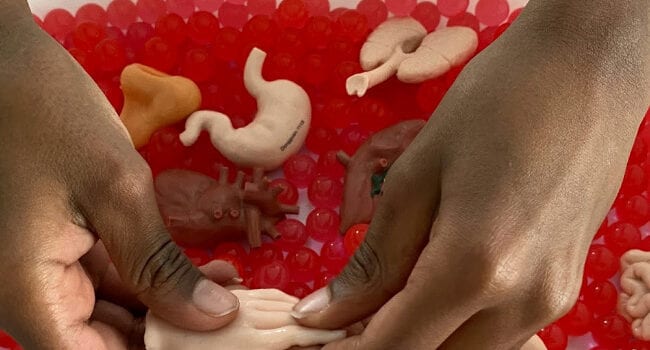
I know this one is a bit gross at first glance, but bear with me. Kids are able to retain more information when they incorporate their senses and learn through play. That’s how I came up with the idea for this Human Body Sensory Bin.
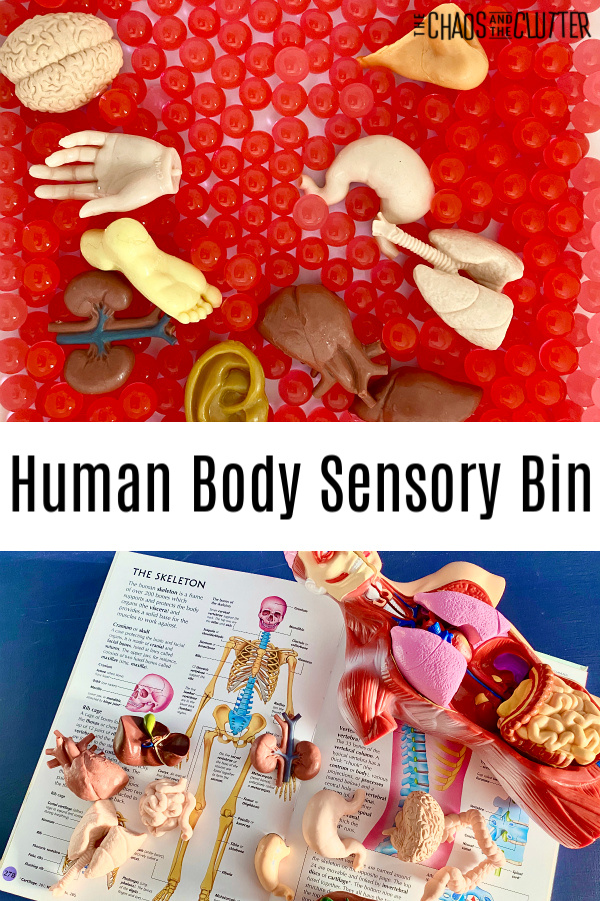 As kids learn about the human body, they can explore through sensory play. This can lead them to asking more questions and finding new discoveries.
What I love about this sensory play activity is that there are so many ways you can use it to expand learning. Suggestions for how to use this as part of a human body unit study:
- set out books on the human body, handouts, diagrams, and worksheets near the bin.
- kids can match the organs and body parts in the bin to the ones in the books.
- print out cards with the names of the organs and ask kids to place the cards in the sensory bin next to the corresponding organ.
- invite students to talk about what each of the organs does in the body.
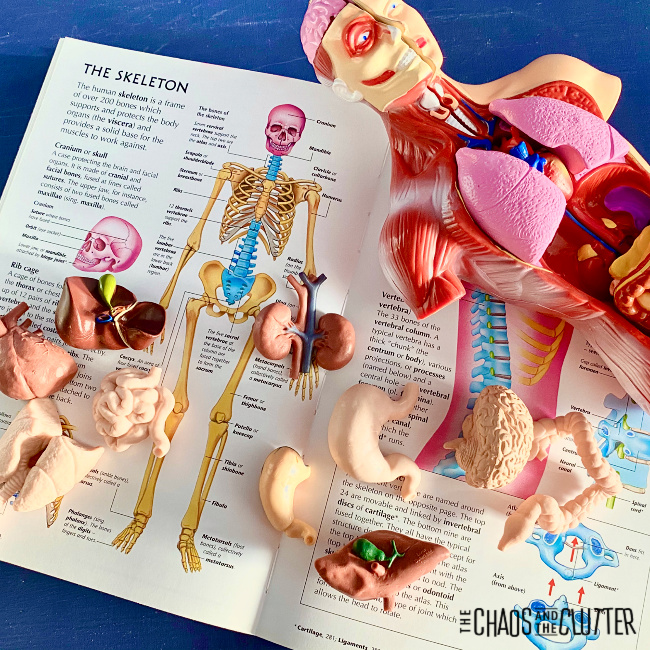
Human Body Sensory Bin:
Supplies needed:
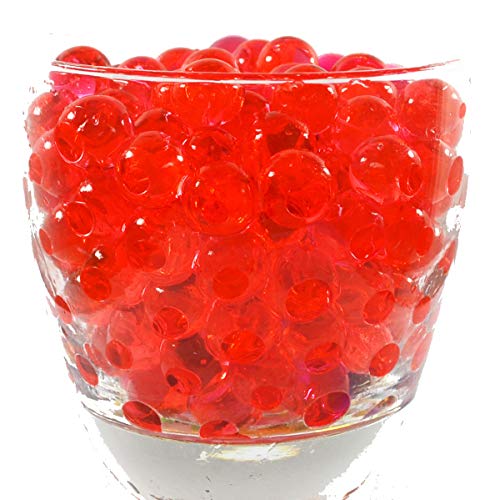
- red water beads
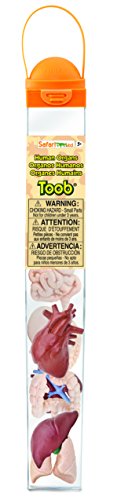
- Human Organs Toob
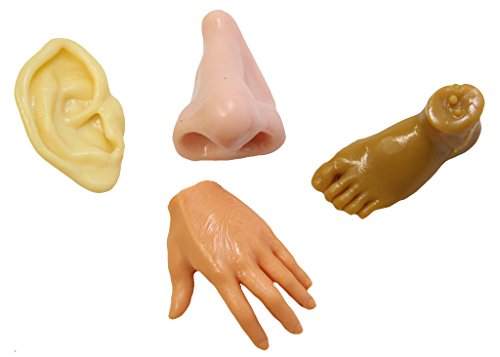
- stretchy body parts
- plastic bin
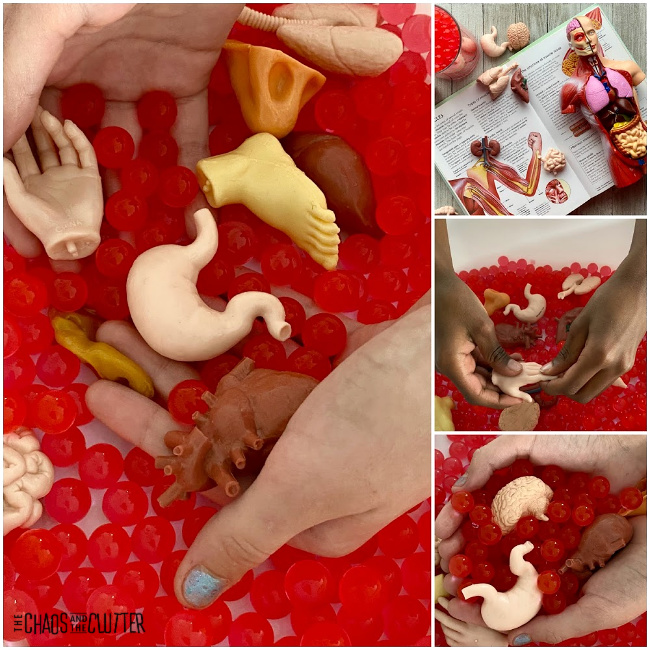 Directions:
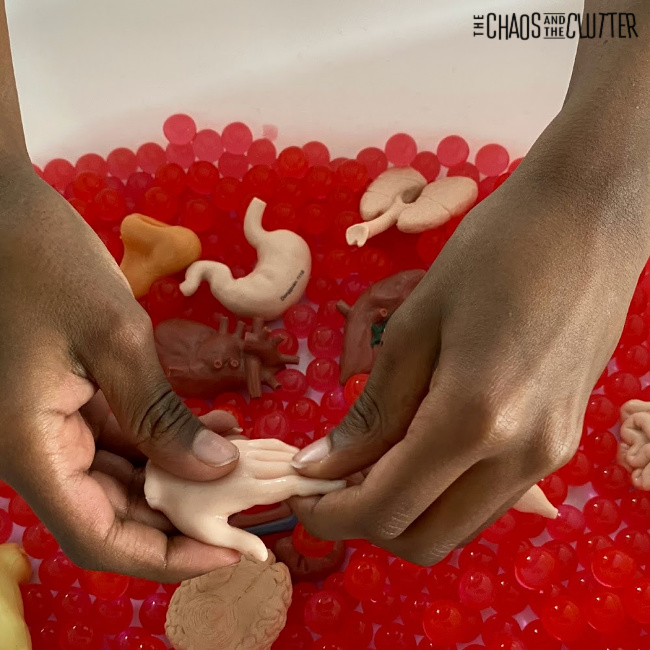
- Place the water beads in a plastic tub and add water. Wait for them to expand.
- Toss in the plastic human organs and stretchy body parts. (Even typing that makes me laugh because it sounds so gross!)
- Set the bin out in your home or classroom for students to explore.
Body Parts Stretchy Fidgets – Ear, Hand, Foot Nose – Anatomy Human Organs TOOBRed Water Beads
 Some other resources to accompany your human body unit study:
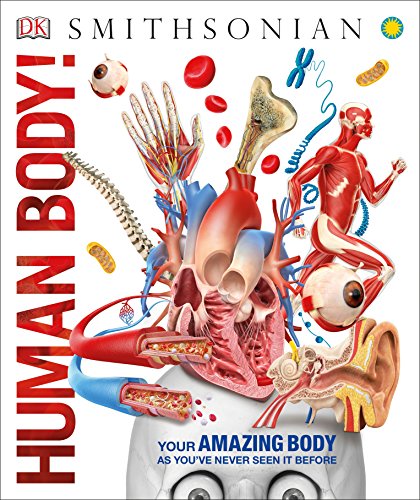
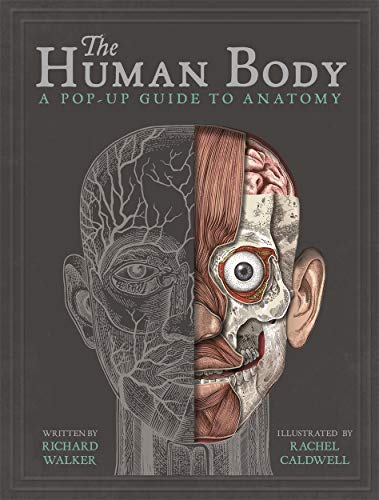
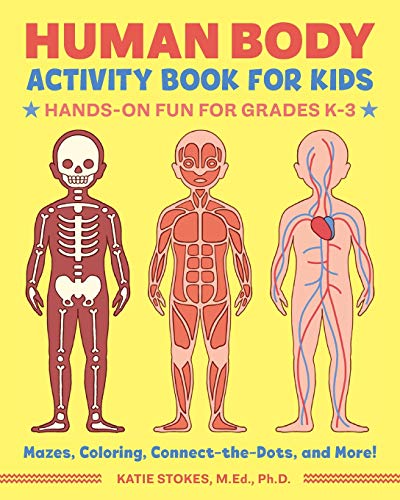
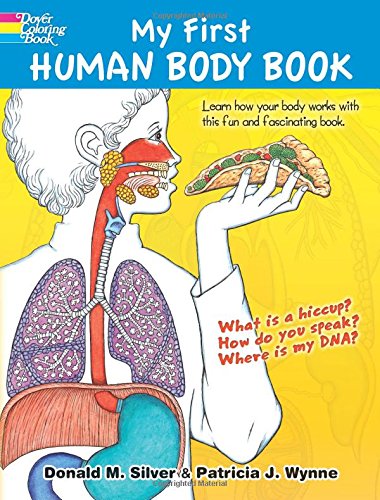
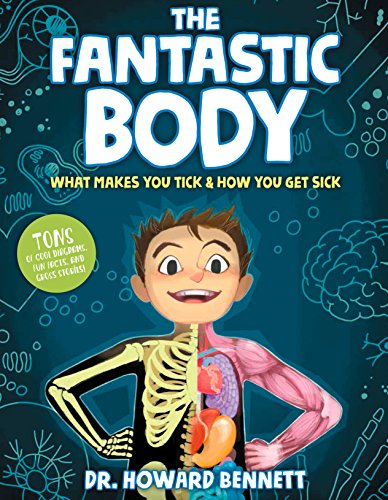
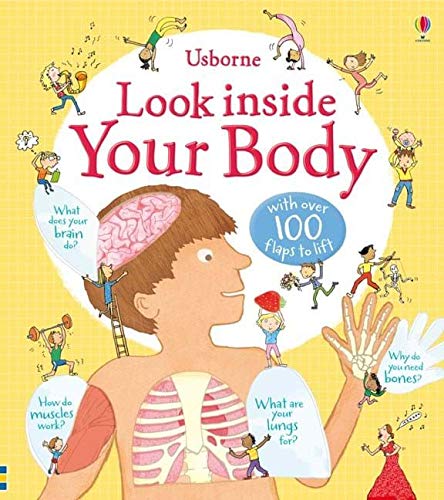
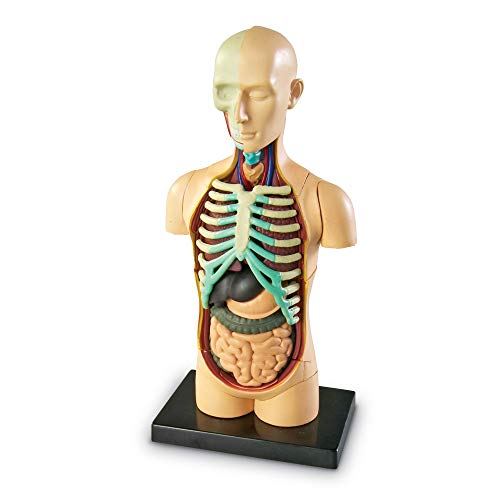
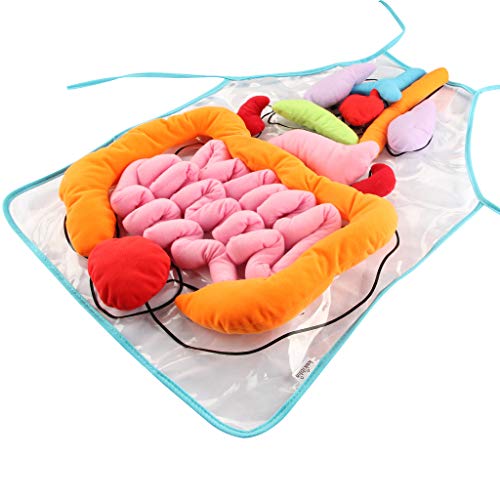
Human Body! (Knowledge Encyclopedias)The Human Body: A Pop-Up Guide to AnatomyHuman Body Activity Book for KidsMy First Human Body BookThe Fantastic Body: What Makes You Tick & How You Get SickLook Inside: Your BodyLearning Resources Human Body Model3D Organ Apron
Expand your study further with these free printable human body worksheets:
Setting out corresponding worksheets near the sensory bin station encourages learning.
- Anatomy Notebooking Pages
- Human Body Dot Marker Pages (good introduction to the unit or for younger students to get involved)
- Human Body 3 Part Cards
- Human Body Printables for Kids
More hands-on learning activities for the human body:
- What is Blood Made of?
- Life Sized Felt Anatomy Model
- Playdough X-ray
- Create a Model of how the Lungs Work
- Make the Backbone out of Pool Noodles
- Make a Human Brain out of Clay
Check out some of our other sensory science ideas:
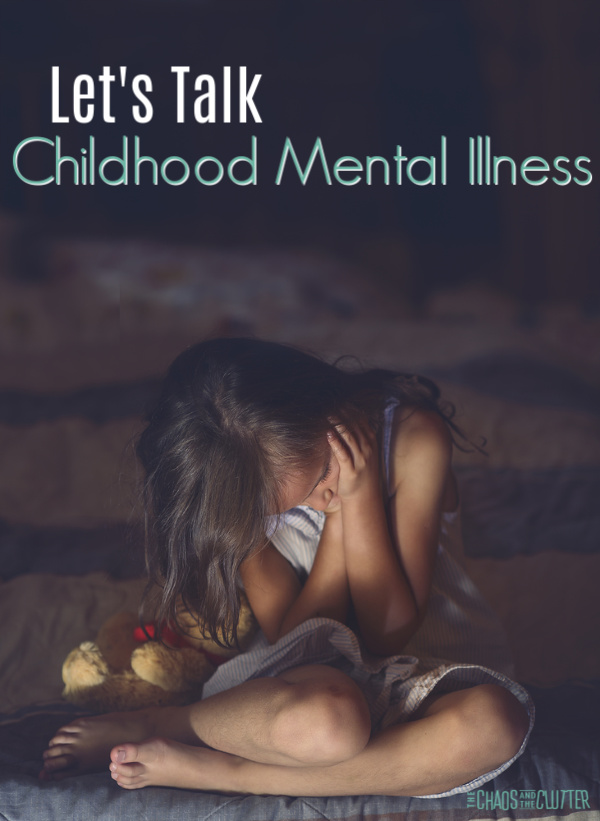
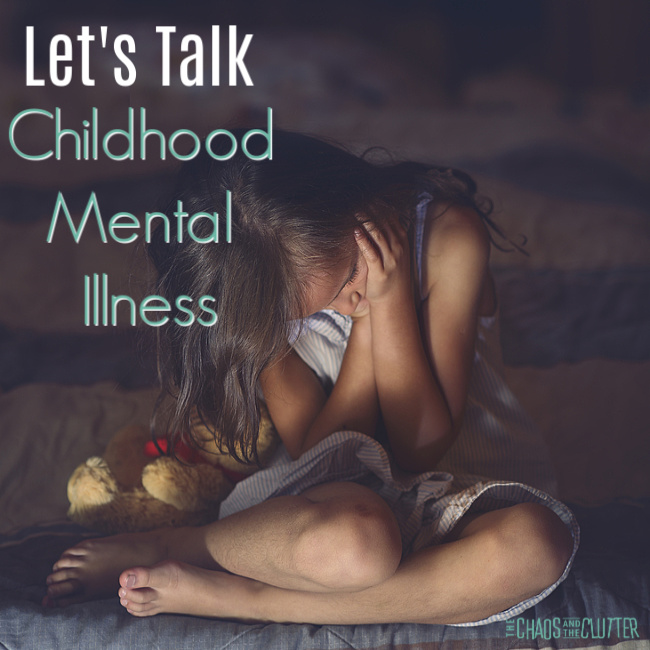 Let’s talk about childhood mental illness and the effect it’s having on our society, our schools, our young people, and our homes. Just as we would share with friends and family if our child were suffering from a cold or the flu or had been diagnosed with a more serious physical disease such as asthma, we need to be sharing about how our kids are doing from a mental health perspective.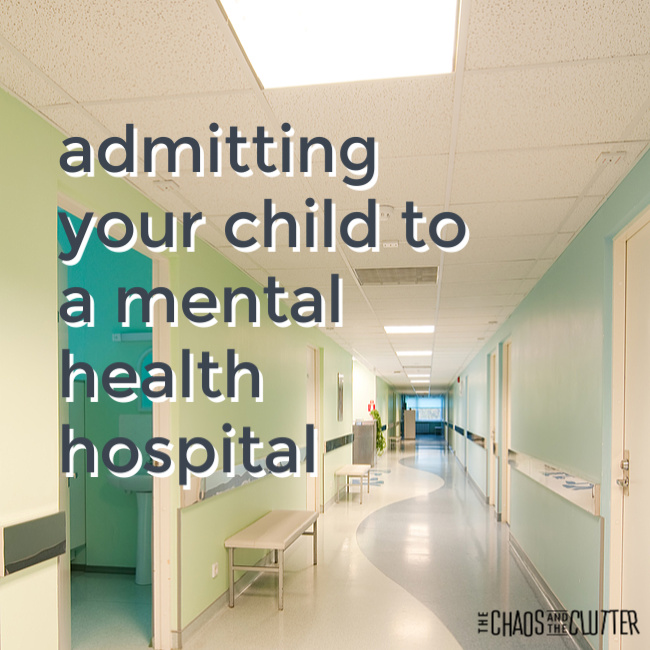
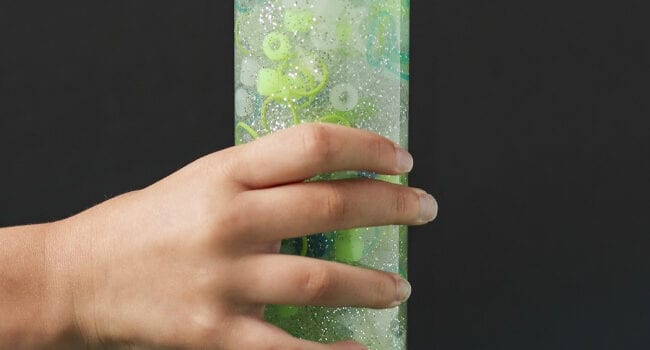
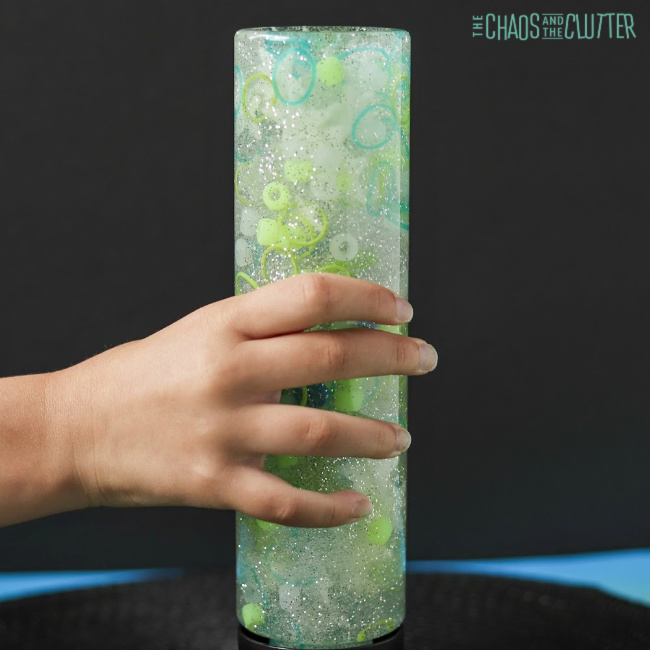 Directions:
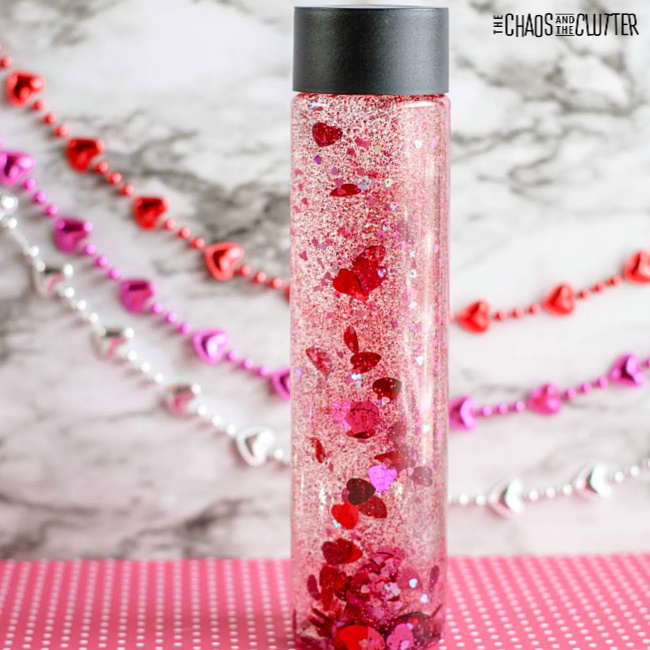
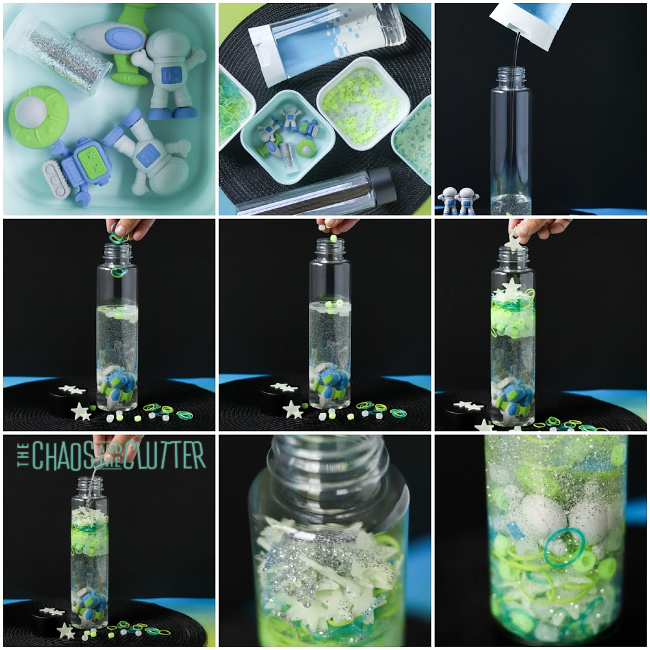 As with all of our sensory activities, adult supervision should be used. Even if you have glued the lid in place, it can still come off. The bottle contains small parts which are choking hazards so always use caution.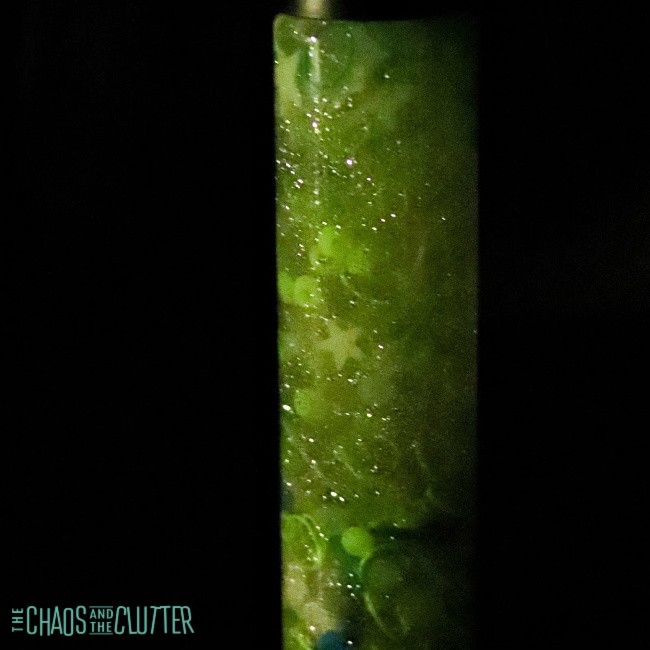
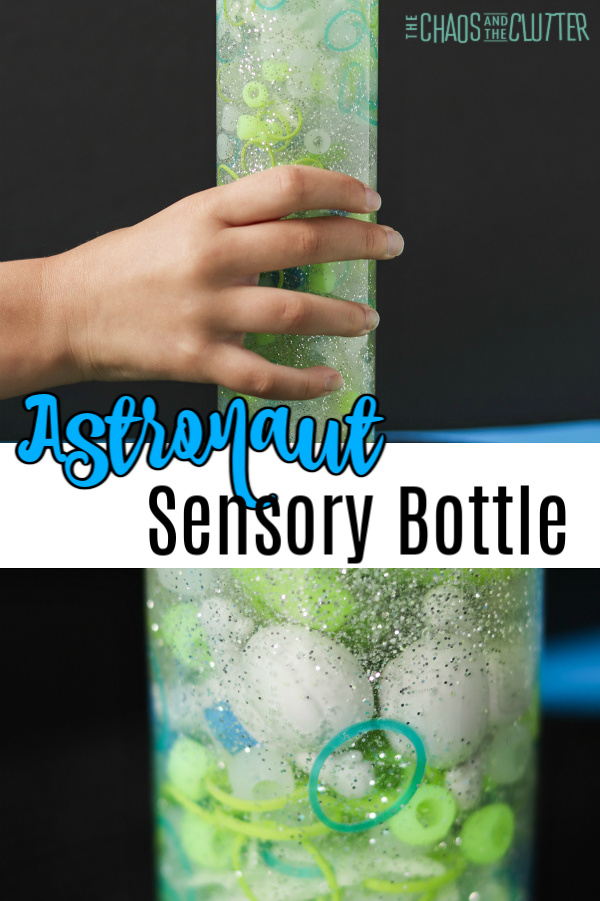
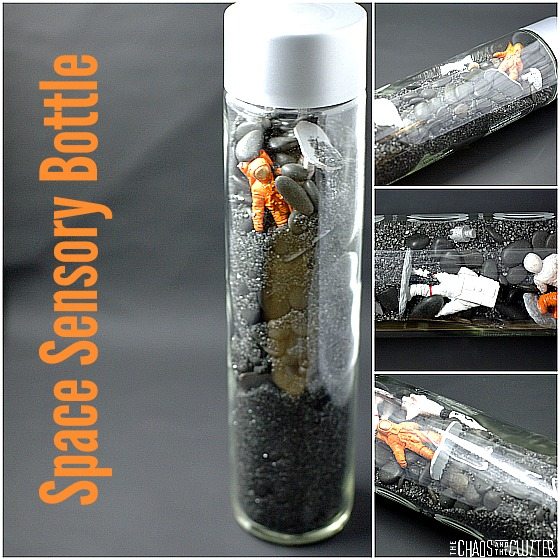
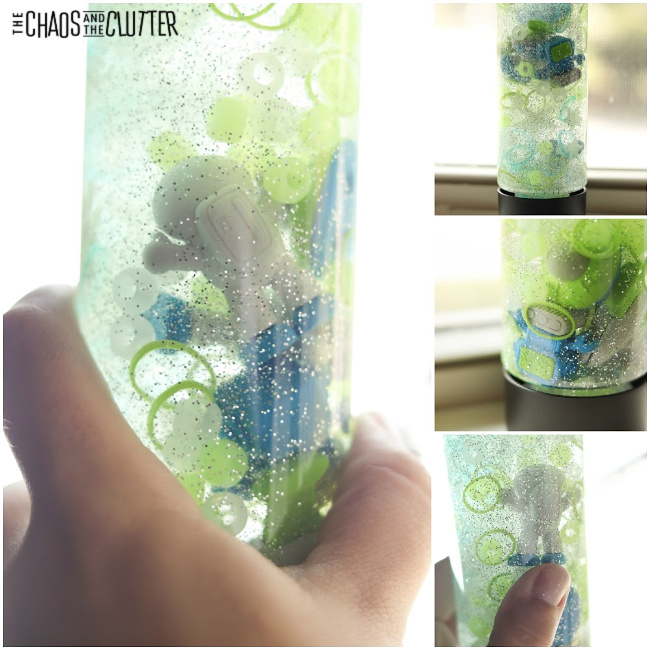 If you’re doing a unit study on the Solar System, you can set out this Astronaut Sensory Bottle as a hands-on addition to your studies. When kids incorporate their senses into their learning, they show better retention. You can set up an entire Space Sensory Station at home or in your classroom to encourage learning.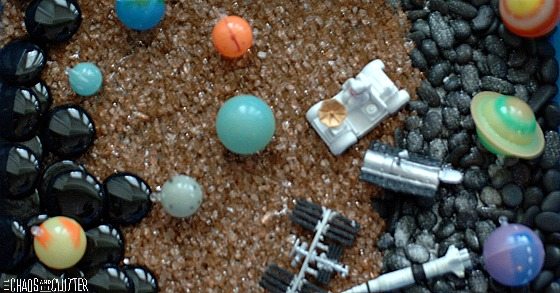
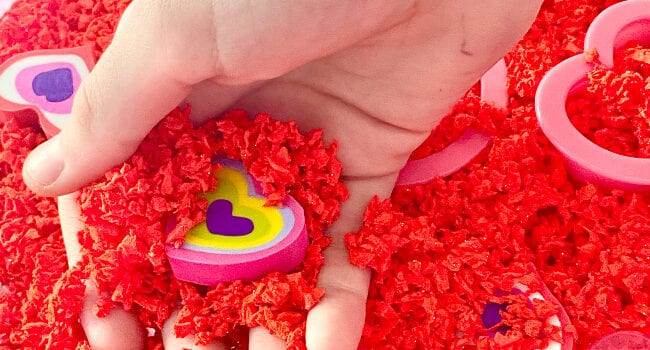
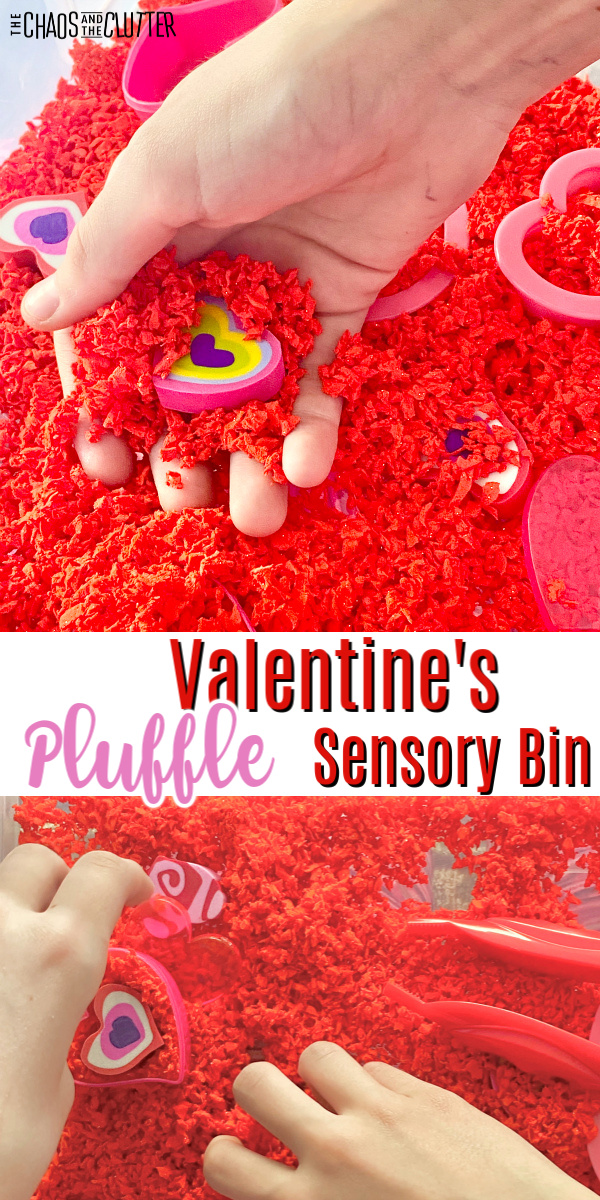 Pluffle is a play foam. I don’t know the science behind it, but it kind of moves on its own. It’s a bit creepy, but also very fun. Kids are pretty fascinated while they watch the movement as it expands.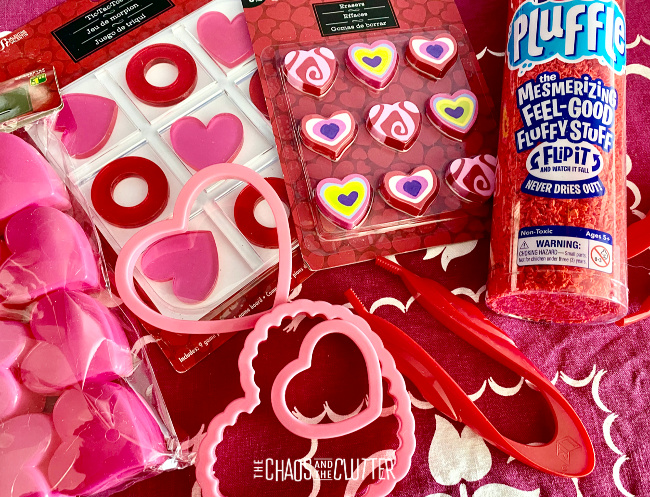
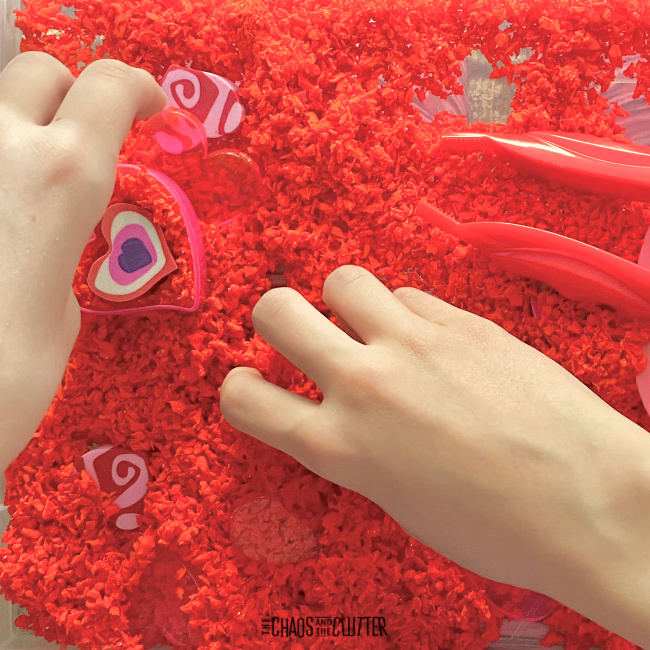
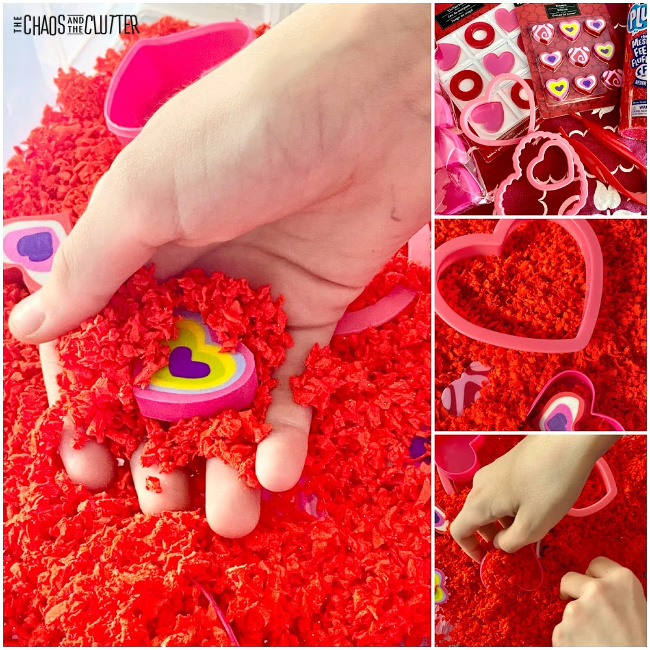 Vocabulary – Talking about patterns, colours, and what textures they are feeling can help kids improve their communication skills and encourage them to ask questions.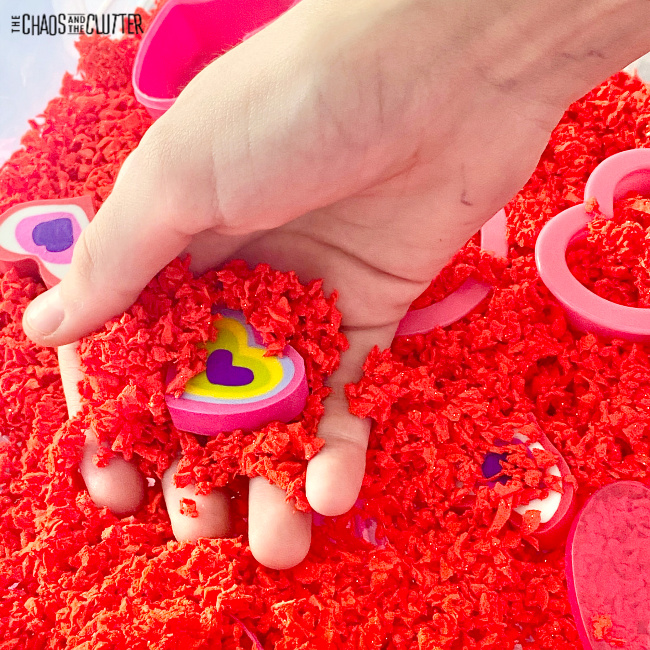
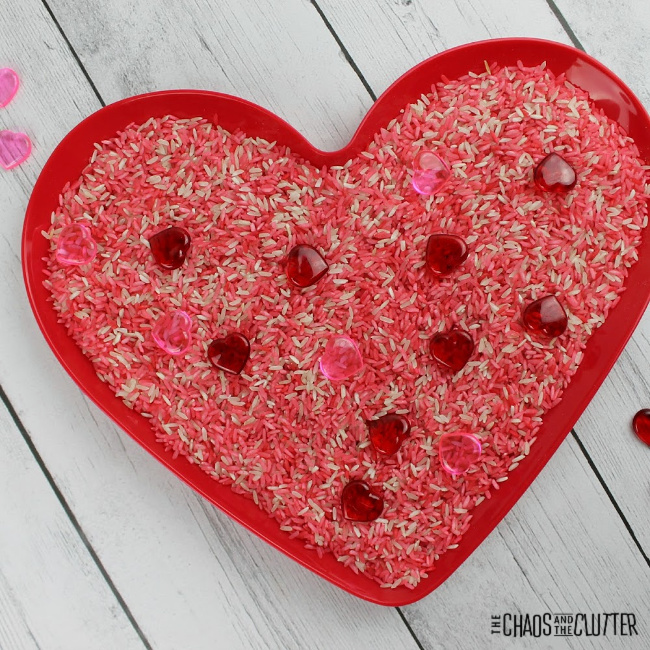
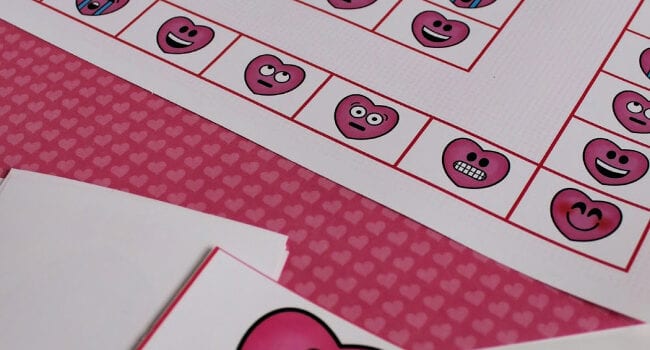
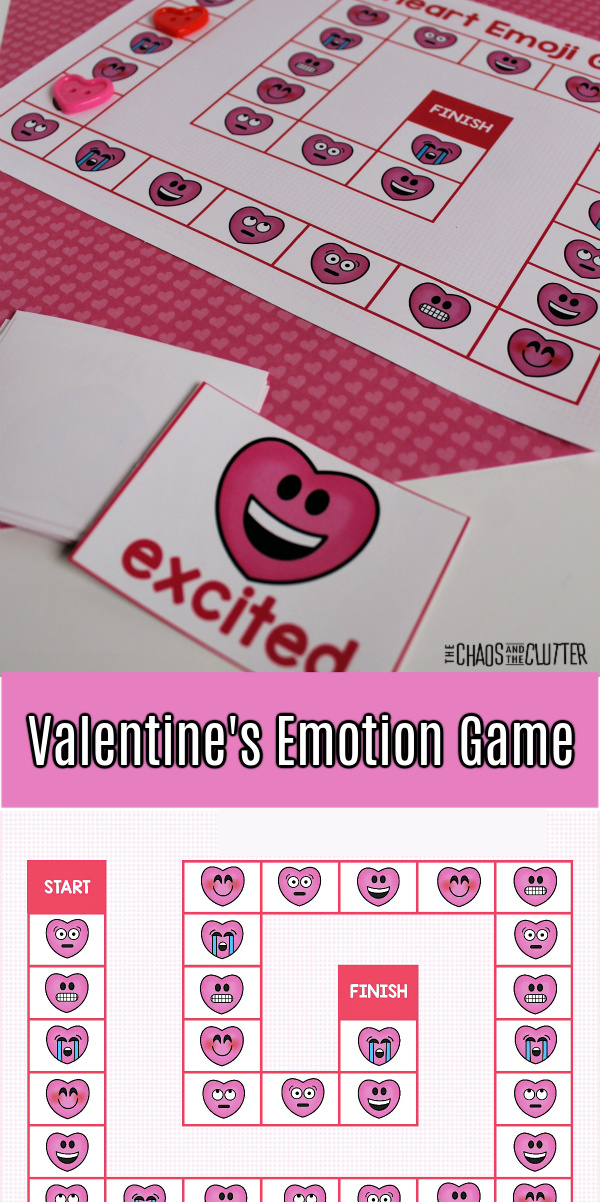
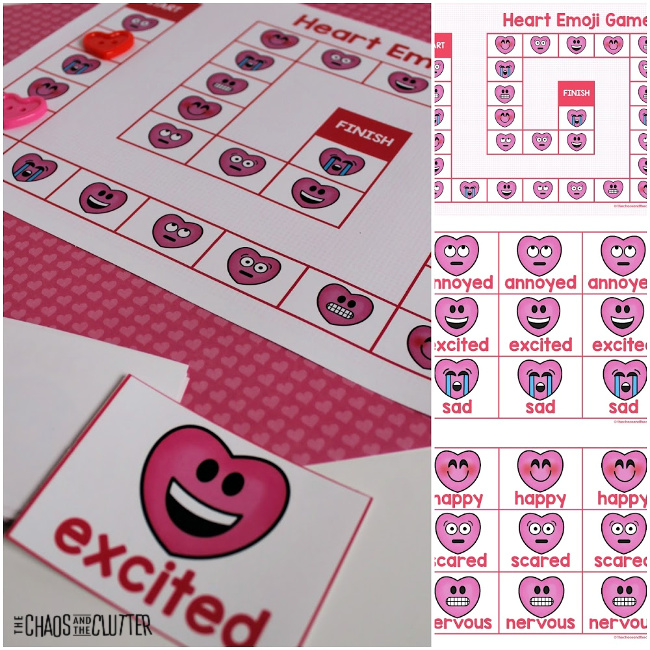 Game Play Variation:
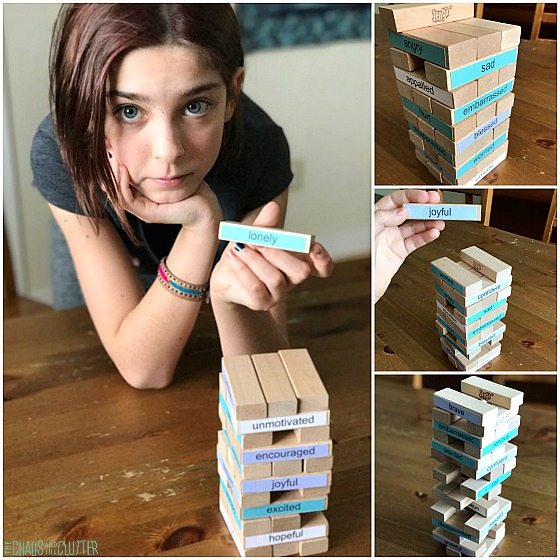
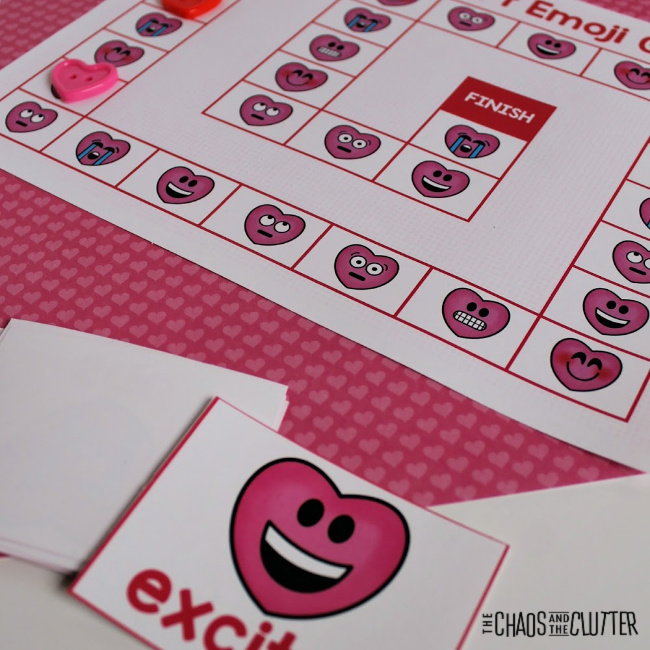 Allowing kids to get used to talking about their emotions through opportunities such as this game, you normalize it. Kids learn best through play. Particularly when it comes to discussing hard topics, play allows kids to let down their walls and open up.
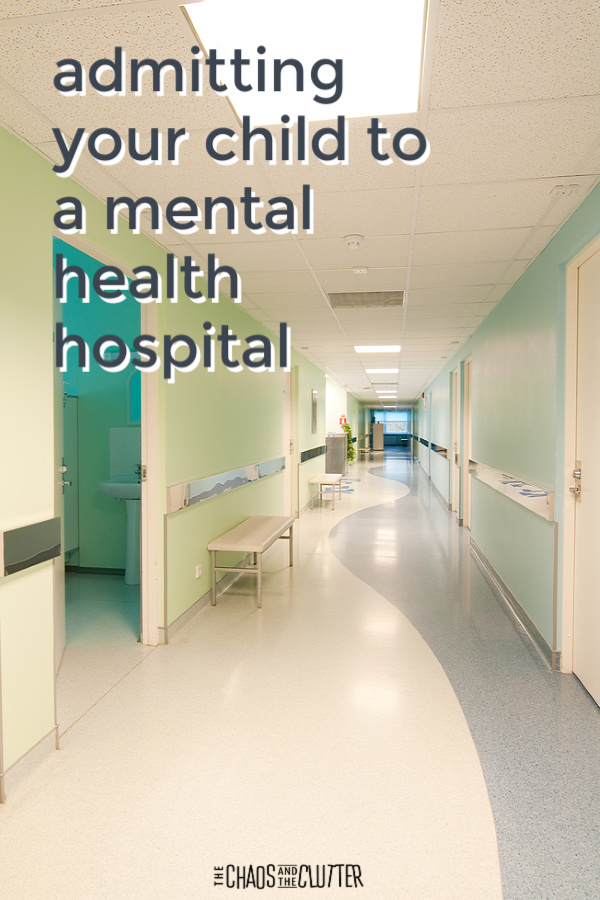 The decision to admit our daughter was not one we had arrived at lightly. In fact, the wait list for this particular program was about a year long, so we had had a lot of time to think and rethink our decision. No matter how conflicted we felt though, the bottom line remained the same: we had to give it a try. We were out of other options. We had tried medication, therapy, and outpatient treatment programs. She was suffering. Our family was hurting. We were all living in fear as she continued to decline. It was time.