• Skip to primary navigation
  • Skip to main content
  • Skip to primary sidebar
  • Home
  • About
  • Contact
  • Privacy + Terms
  • Affiliates

The Chaos and the Clutter

  • Facebook
  • Twitter
  • Pinterest
  • Google Plus
  • RSS
  • Email
  • School at Home
  • Sensory
    • Sensory Processing Disorder
    • Awesome Sensory Play Activities
      • Sensory Bins
      • Sensory Bottles
      • Sensory Bags
  • Family Games
    • Minute to Win It Games
  • Special Needs Parenting
    • Childhood Anxiety
    • Reactive Attachment Disorder
    • Sensory Processing Disorder
  • Store
  • Course Login

Sharla Kostelyk

Glow in the Dark Sensory Bottle

By Sharla Kostelyk

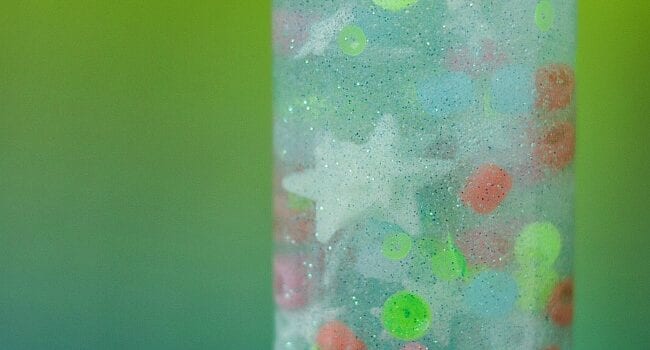
There are lots of ways to make a glow in the dark sensory bottle, but you know me; I like to keep things simple. Instead of making this glow through a complicated scientific process, this involves using glow in the dark items so that the hard part is done for you. bottle filled with multicoloured beads and stars and liquid on a blue and green background
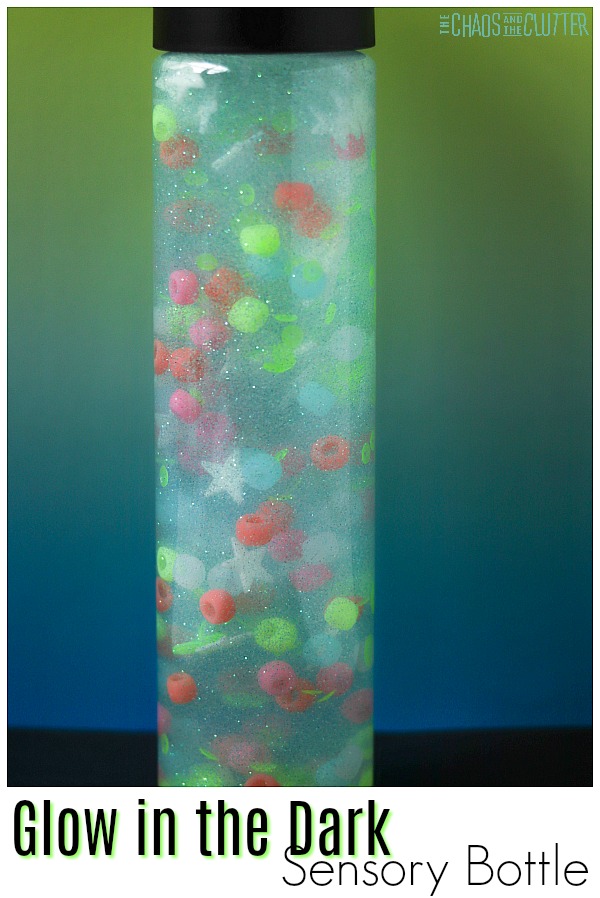
I don’t know about your kids, but mine have always loved anything glow in the dark. They like to take it into the one bathroom we have that doesn’t have a window and turn the lights off so that it’s as dark as possible. 
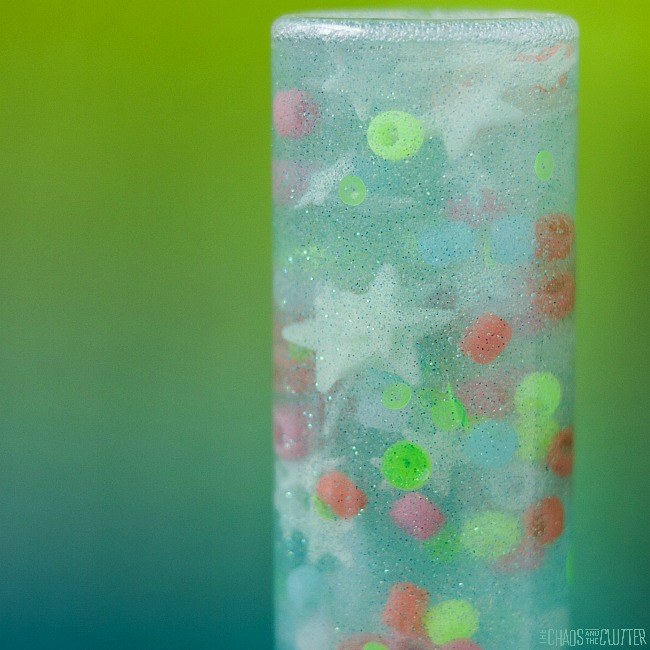
Glow in the Dark Sensory Bottle:

Supplies to make the sensory bottle:

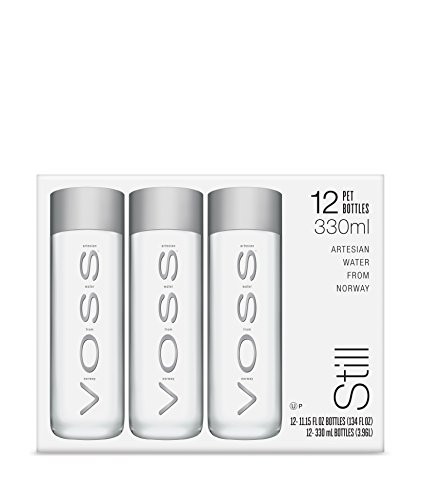
  • Voss style plastic water bottle* (see note)
  • clear dish soap
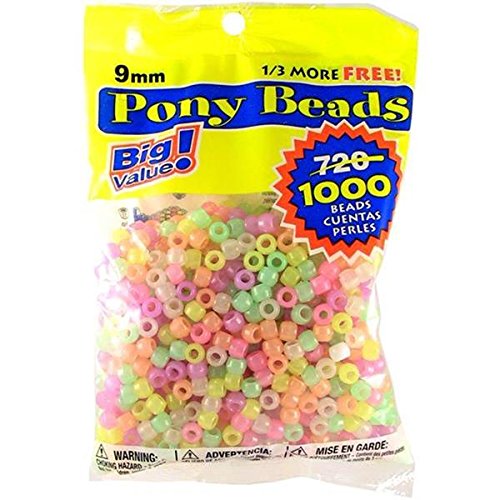
  • glow beads
  • bright sequins
  • glitter
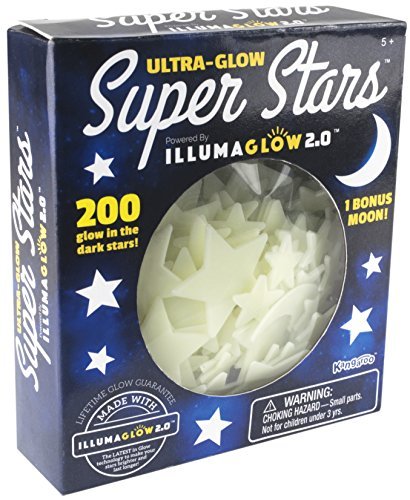
  • glow ceiling stars
  • super glue

*I like to look of Voss water bottles, but sometimes Michael’s carries empty bottles that look similar but are just slightly smaller. The Michael’s ones are a bit easier for little hands to grip. The problem is that they are not always easy to find. 
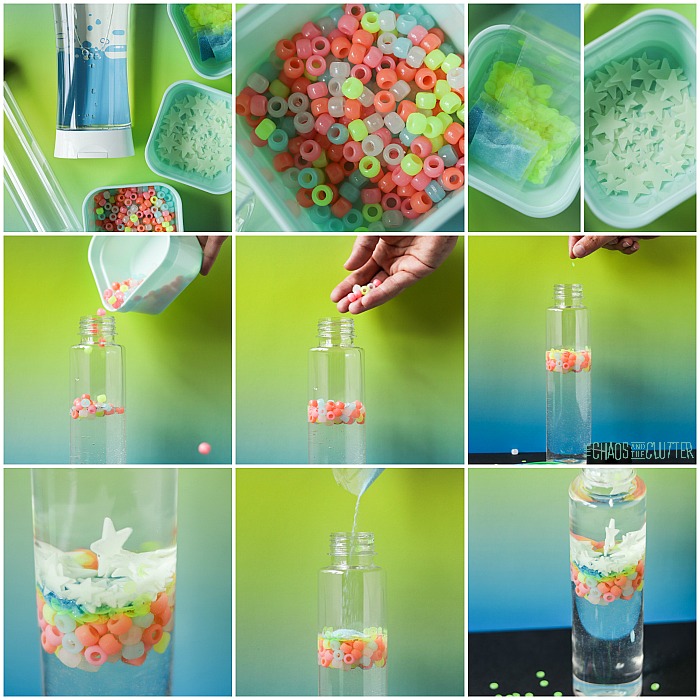
VOSS Plastic Water BottlesVOSS Plastic Water BottlesVOSS Plastic Water BottlesGlow in the Dark Pony BeadsGlow in the Dark Pony BeadsGlow in the Dark Pony BeadsGlow in the Dark StarsGlow in the Dark StarsGlow in the Dark Stars

Instructions:

  1. Pour dish soap into the empty bottle until it is 2/3 of the way full.
  2. Add glow beads, glitter, sequins, and stars.
  3. Fill the remaining space in the bottle with water. Super glue the lid in place, especially if young children will be using the bottle.
  4. When your child is not playing with this sensory bottle, keep it in the light so that the “glow” items can recharge.
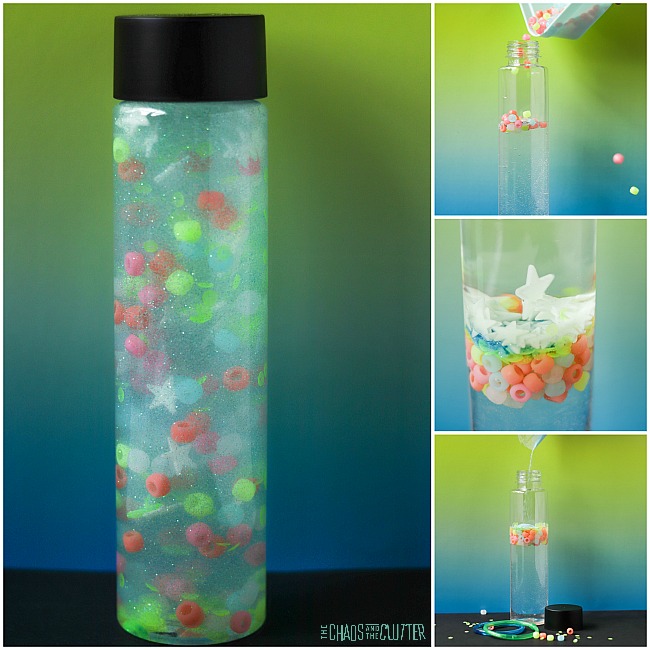
Parental supervision should be used for this or any other sensory play activity. Even if the lid is secure with glue, it is possible that your child could get it open and there are small objects inside that could be choking hazards.

Learning and Sensory Benefits:

This activity provides children the chance to improve their communication and vocabulary as they describe what they observe.

Kids can experience the change when taking the sensory bottle from the light into the dark. Older kids may want to research what it is that causes the glow in the dark items to glow and why they need to recharge. This sensory play activity offers visual sensory input as well as a bit of tactile (holding the bottle) and proprioceptive (carrying and flipping over the bottle) input.
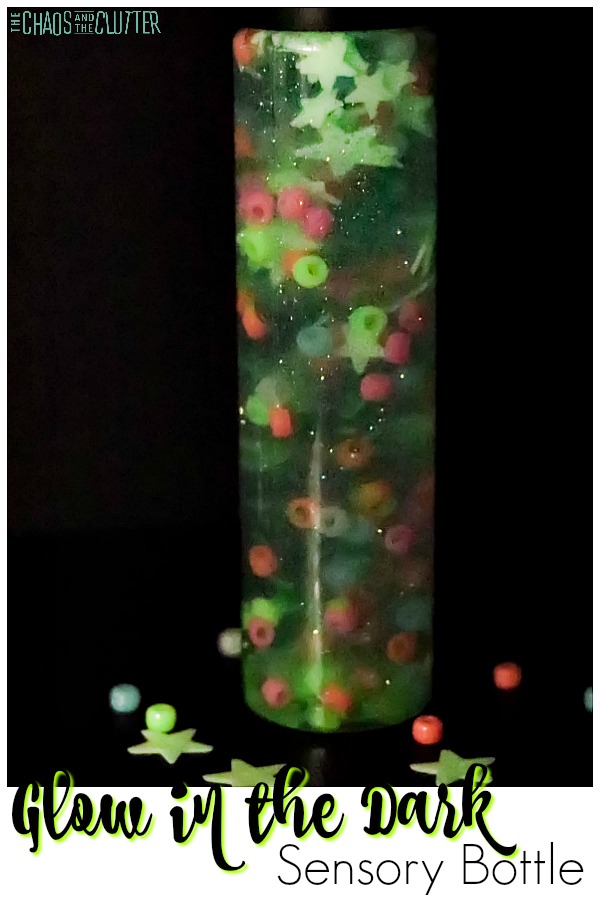
You can also incorporate math concepts by having your child count the number of stars they see or the number of a certain colour of bead.

Join the thousands of others who have enjoyed the free 5 part email series Sensory Solutions and Activities (just pop your email into the box below) and get a printable list of 175 Great Sensory Ideas.

You might also enjoy these sensory bottles:
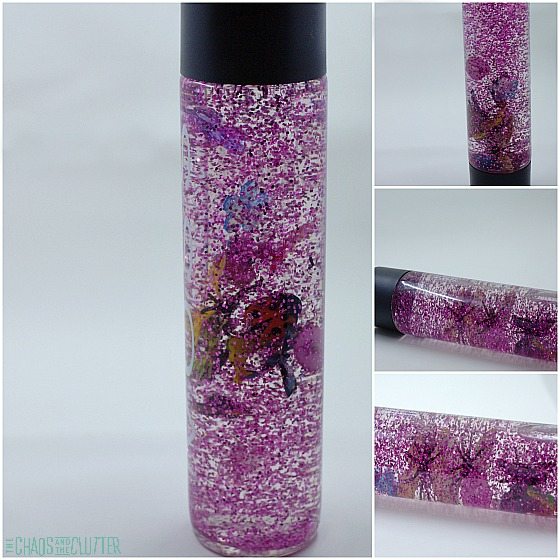
Spring Sensory Bottle 

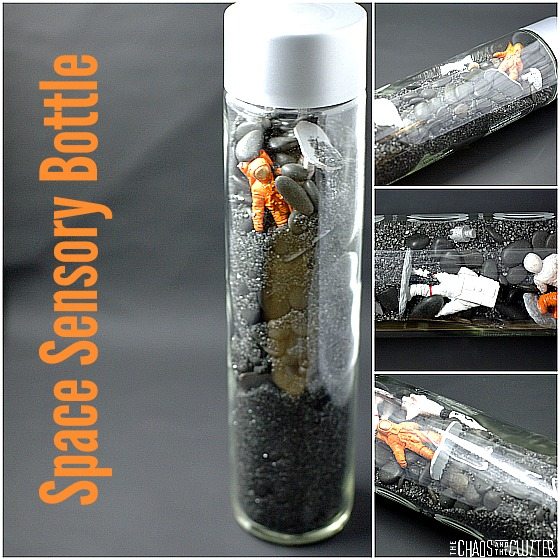
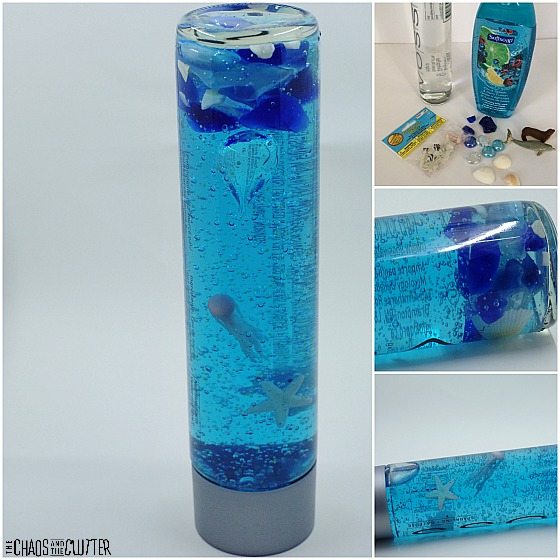
Ocean Sensory Bottle (one of our all-time favourites!) Space Sensory Bottle This Space sensory bottle is naturally weighted. Kids can also use it as an I-Spy activity.
Filed Under: Sensory Tagged With: sensory bottles, sensory play

Nature Inspired Spring Sensory Soup

By Sharla Kostelyk

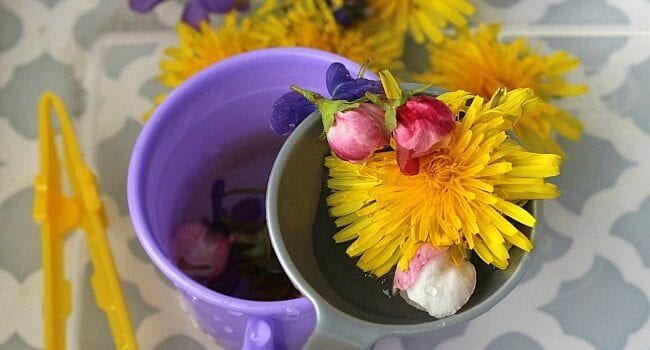
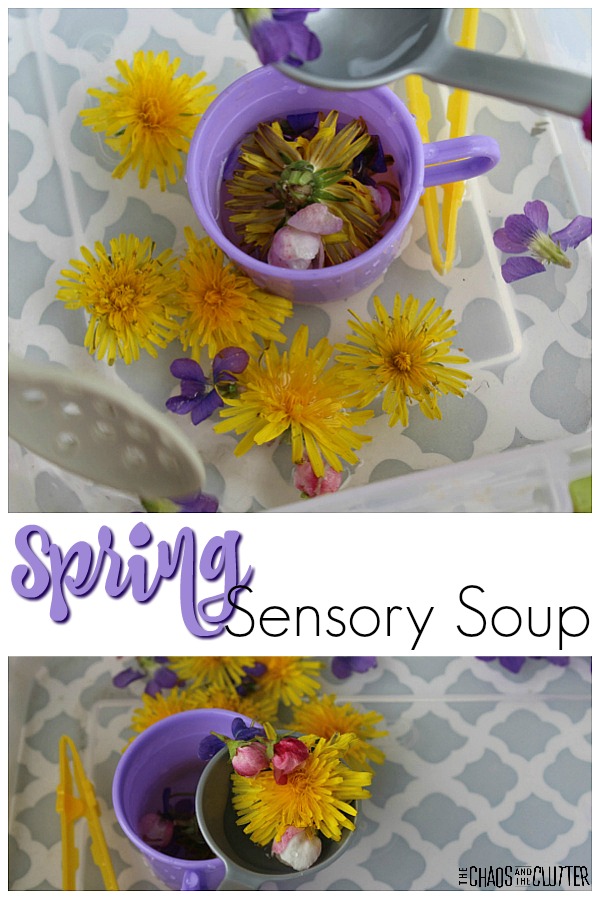
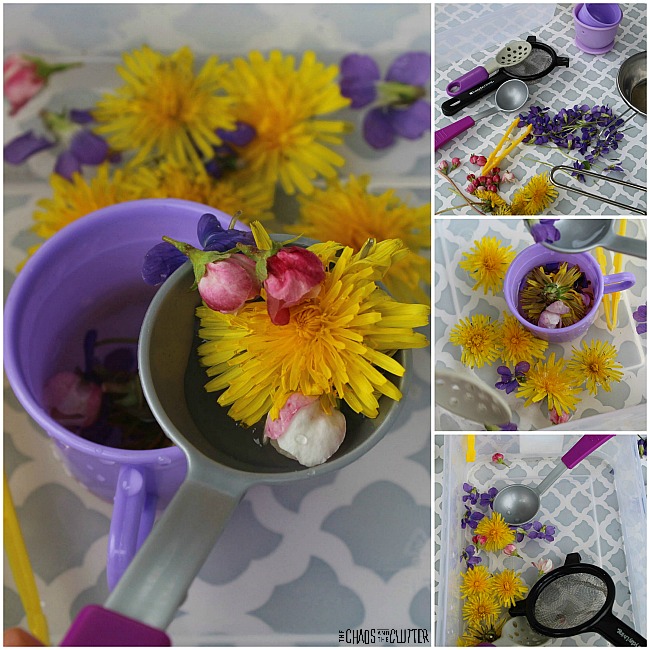
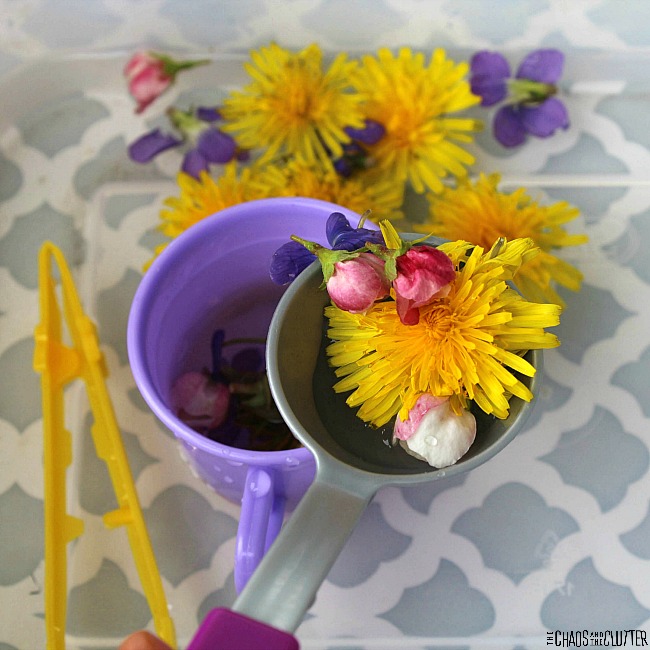
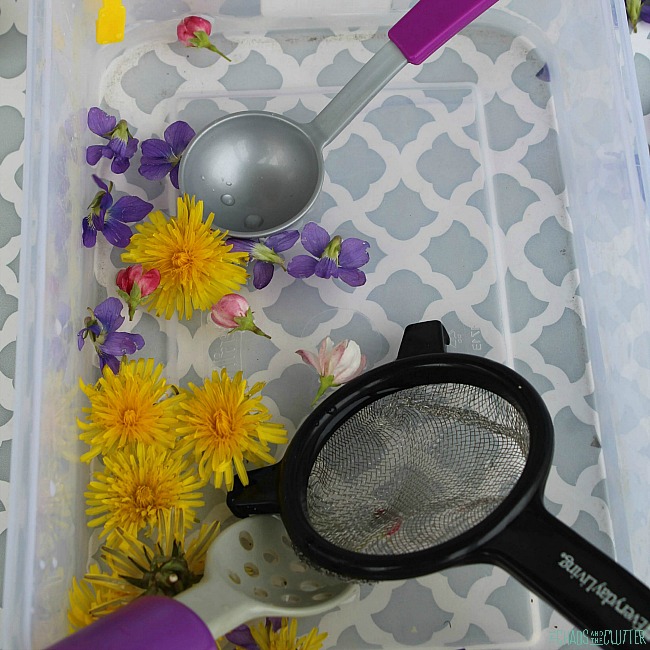
I love this Spring sensory soup activity. It is inspired by nature. Each soup will be different depending on what is available in your area and what your child decides to include.plastic bin filled with water filled with yellow, purple, and pink flowers, leaves, a purple cup, and a grey strainer
I like the idea of being able to gather and use local materials. Other than the plastic bin, this sensory play activity costs nothing!
 
Since you don’t need to buy any supplies, you won’t have to plan ahead before making this.

What is sensory soup?

Sensory soup is essentially a water based sensory bin. Items are added to the water and usually, kitchen gadgets are included as well to encourage kids to scoop, stir, spoon, and pour.
 
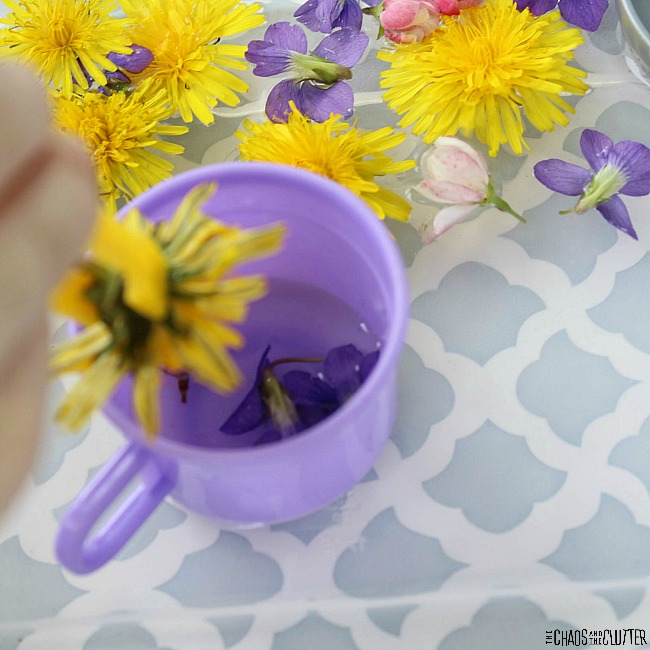
Kids can engage their senses as well as use their imaginations. They can pretend to make a soup, as well as stir and serve the soup.a child's hand dipping a yellow dandelion into water in a purple cup that is inside a sensory bin filled with water and other flowers

Spring Sensory Soup:

Materials needed:
  • plastic bin
  • spoons, ladles and tongs
  • stainer
  • small plastic cups and bowls
  • spring flowers and flower petals gathered from the yard or forest (dandelions, forget-me-nots, tulips, etc.)
  • leaves, grass, weeds, twigs, etc.
  • water
Instructions: 
  1. Explore outside with your child. Collect various flowers, grasses and weeds. Allow your child to take the lead on what they want to choose to include in their soup. You can bring a bag or container with you on your nature walk to gather things as you go.
  2. When you have collected a good assortment of natural items, fill a plastic bin about halfway with water.
  3. Float the flowers, petals, weeds, leaves and anything else you collected in the water.
  4. Add spoons and tongs to the bin. It’s best to include a variety of spoons such as slotted spoons, soup spoons, and ladles. These can be actually kitchen utensils or plastic toy ones.
  5. Add small plastic cups and bowls to the sensory bin.
  6. You can add a strainer or two as well.
  7. Invite your child to stir and serve spring soup using the utensils, cups and bowls.

Learning and Sensory Benefits:

Using the spoons will give kids the opportunity to practice manipulation skills as they transfer the flowers to the cups and bowls.

If you include measuring cups and measuring spoons, your child can practise their math skills.
 
The tongs are good for kids to practice their fine motor skills.
Water play creates the opportunity to splash and pour without worry because any that gets out of the bin will dry out and not create a mess.
 
This Spring sensory soup provides visual, tactile, and olfactory sensory input. Kids can see the different shapes and colours with their eyes. They can explore textures through touch and they can smell the leaves and flowers with their nose. They can also see how the smells change as the flowers mix together in the “soup”.

Join thousands of other people who have found help and guidance in the free 5 part email series, Sensory Solutions and Activities. (You’ll also get a printable list of 175 Great Sensory Ideas.) 

Check out some other Spring Sensory Soup ideas:

Lemonade Sensory Soup 

Calming Lavender Sensory Soup Lavender Sensory Bin

Filed Under: Sensory, Sensory Bins Tagged With: sensory play

Lemonade Sensory Soup

By Sharla Kostelyk

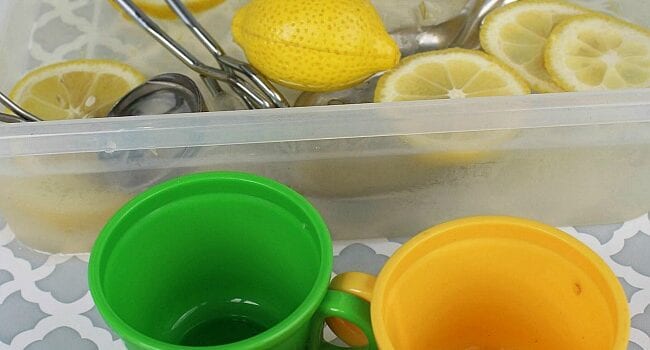
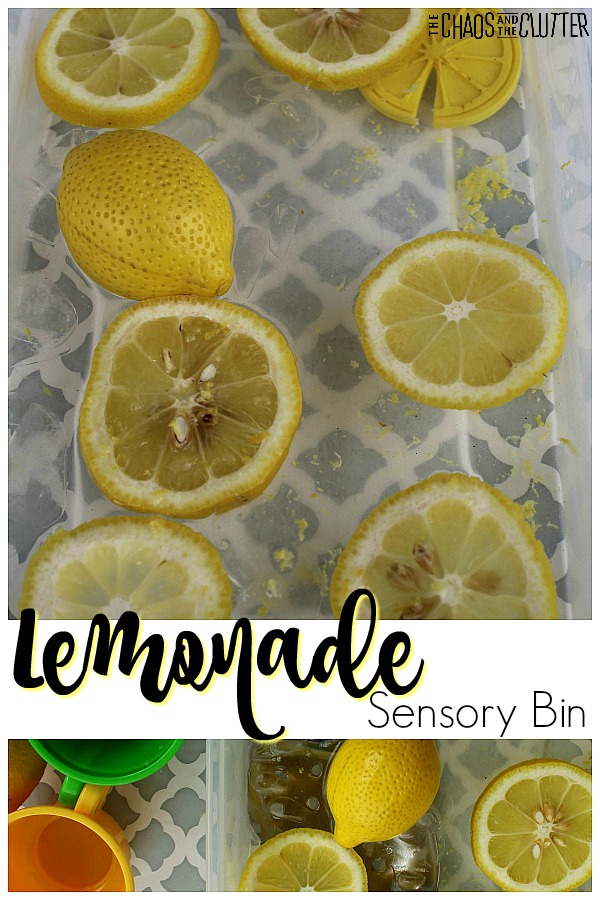
Have the feeling of summer any time of the year with this lemonade sensory bin water play activity. Give kids the opportunity to explore through many senses. In the colder months, you can bring a bit of sunshine in by creating this bin inside. And in the Spring or Summer, this is a great sensory play activity for outside. Lemonade Sensory Bin #sensorybins #sensorybin #sensoryplay #sensory #sensoryactivitiesThis lemonade sensory bin offers olfactory, tactile, gustatory, and visual sensory feedback.
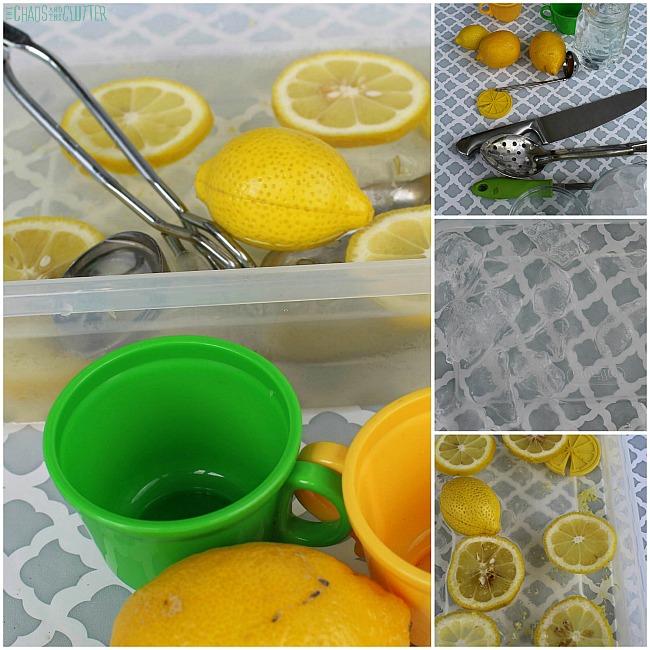
Olfactory (smell) – Kids can smell the lemons.

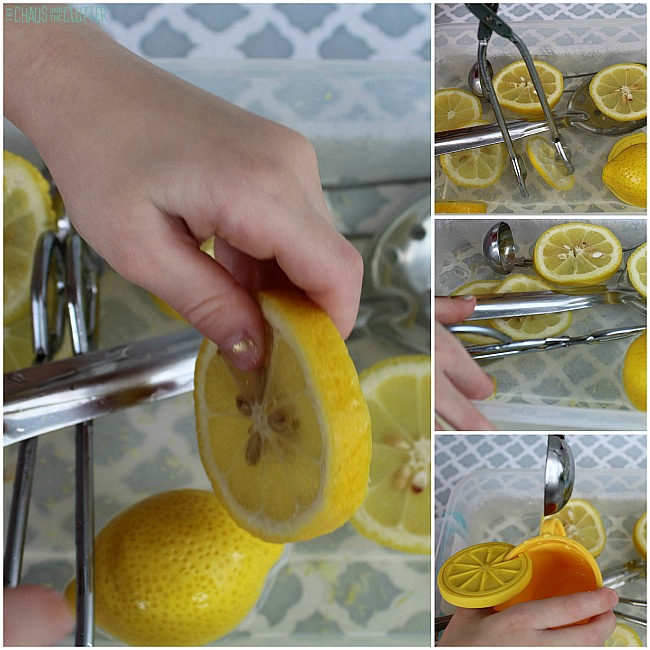
Tactile (touch) – Children have the opportunity to explore temperature with the cold of the ice. They can discover textures with the feel of the outside of the lemon contrasting with the inside, the seeds, the water, the ice, and the added kitchen tools.

Gustatory (taste) – This is a sensory activity where tasting is encouraged. Some kids will love the sour taste while others will not. But this gives them the chance to talk about their thoughts on the taste of the lemons.

Visual (sight) – The bright colour of the lemons against the water really pops. Most children will find this activity visually appealing. 

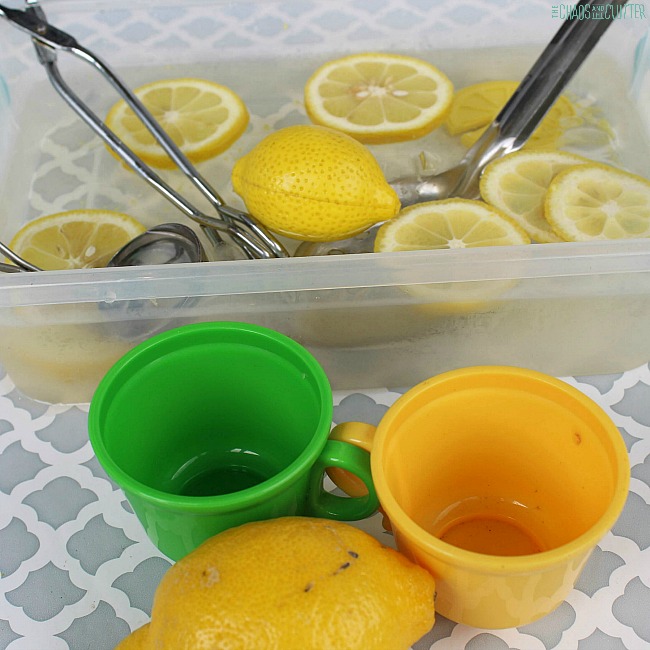
Lemonade Sensory Bin:

You’ll want to prepare this sensory bin immediately before your child plays with it so that the ice doesn’t melt before they begin to play.

Materials needed:

  • lemons
  • ice cubes
  • water
  • tongs
  • ladle
  • slotted spoon
  • plastic cups
  • bin
  • optional: zester
  • play food lemons or play lemon slices
Directions:
  1. Pour several cups of water into a plastic container.
  2. Slice several lemons. (This step should be done by an adult or by an older child with adult supervision.)
  3. Add a few cups of ice cubes to the bin.
  4. Float the lemon slices in the bin.
  5. If desired, you can zest some lemon peel into the water. This will add more scent.
  6. Add spoons, ladles, tongs, cups, or other kitchen gadgets to the bin.
Invite your child to play in the bin. They can touch, squeeze, smell and even taste the lemon slices. Kids can pretend to be making lemonade or lemon soup. playing in Lemonade Sensory Bin
The opportunity to taste and smell the lemons will also provide a chance for vocabulary practise as they learn or reinforce words like “yellow”, “sour”, “fresh”, “bright”, “cold”, and more.
This sensory invitation to play activity is great for kids of all ages. As with all sensory play activities, adult supervision should be used.
Check out some of our other olfactory sensory activities:
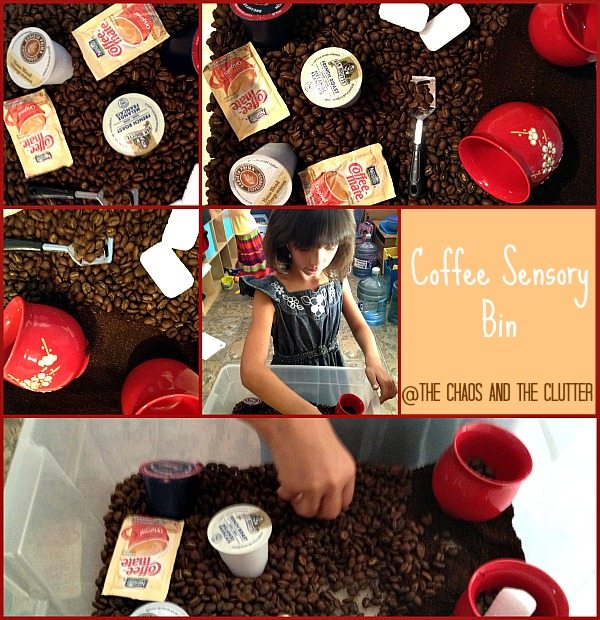
Coffee Sensory Bin Coffee Sensory Bin at The Chaos and The Clutter
Calming Lavender Sensory Bin Water Play Lavender Sensory Bin
Peppermint Scented Playdough Invitation to Play 

Filed Under: Sensory, Sensory Bins Tagged With: sensory play

DIY Sensory Wall – Inexpensive and Easy to Make

By Sharla Kostelyk

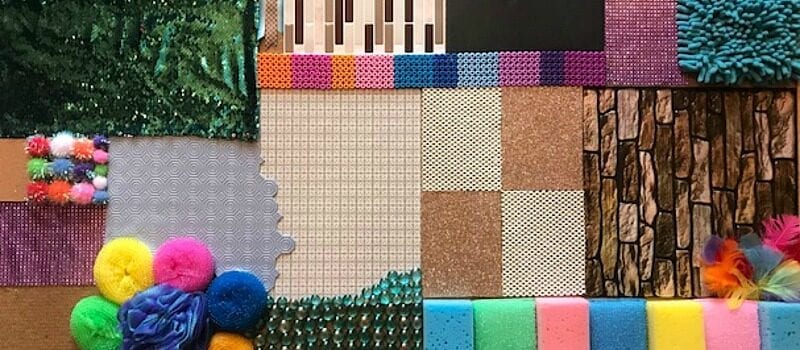
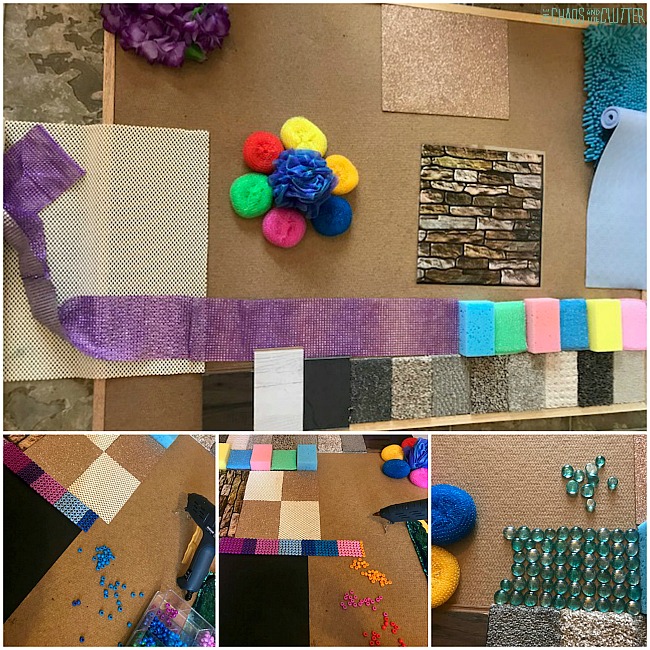
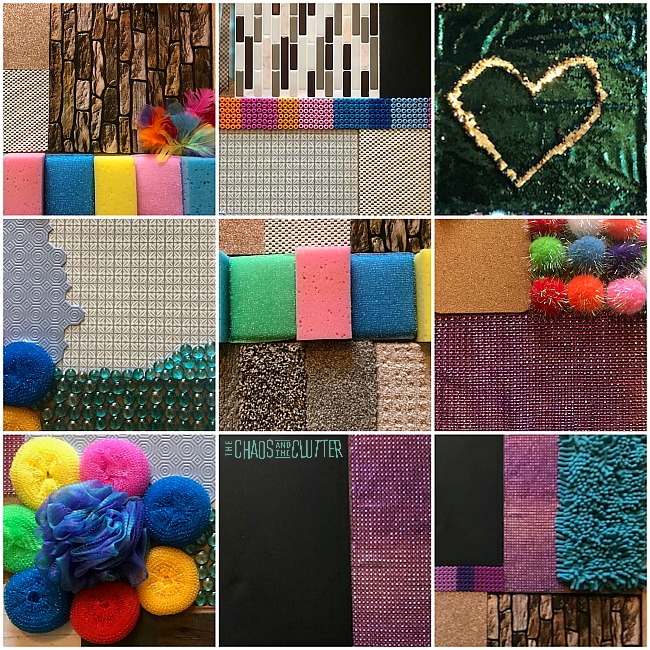
As soon as I started to plan out our Sensory Room, I knew I wanted to include a sensory wall. My DIY skills aren’t that impressive, so I had to come up with something that was easy and could be done on a budget. This tactile sensory wall is a great addition to our sensory room.DIY Textured Sensory Wall #sensory #sensoryroom #sensoryprocessingdisorder #sensoryboard #texturewall #tactileThe room that we are using for our sensory room isn’t ideal (it’s a converted closet area, so it’s smaller than I’d like), so I didn’t want to affix anything permanently to the wall in there which is what brought me to the decision to essentially create a large sensory board.
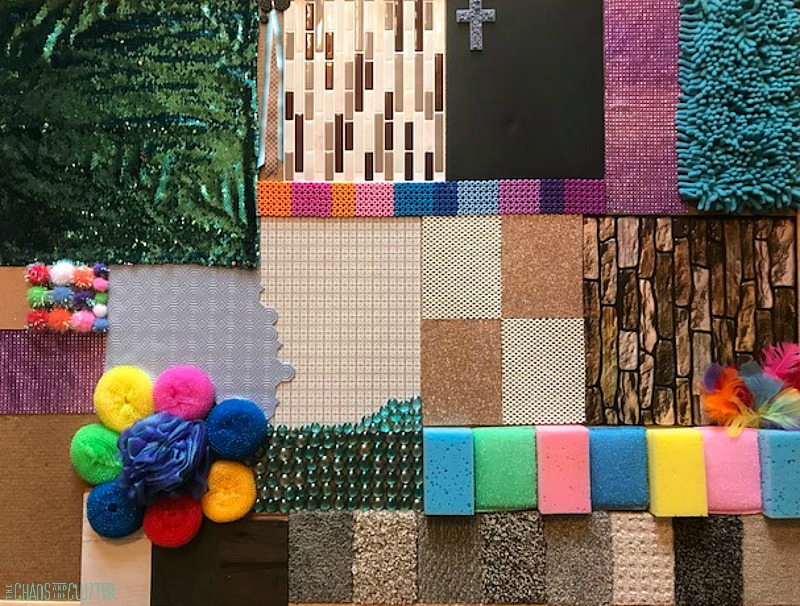
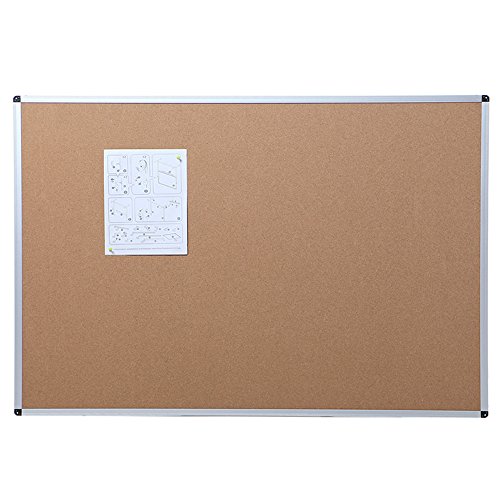
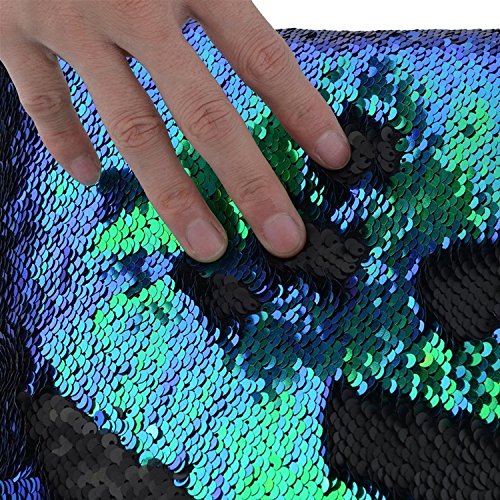
Sensory boards sell for hundreds of dollars, but I was able to make this one for under $100. In fact, if I had already owned a cork board, my cost would have come in at under $25!

There were parts of the project that were a bit tedious, so it was a time commitment, but it was so easy. Even with my limited DIY skills, I was easily able to complete this project myself.

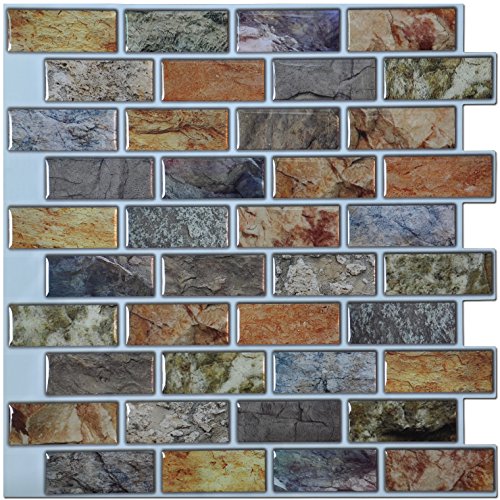
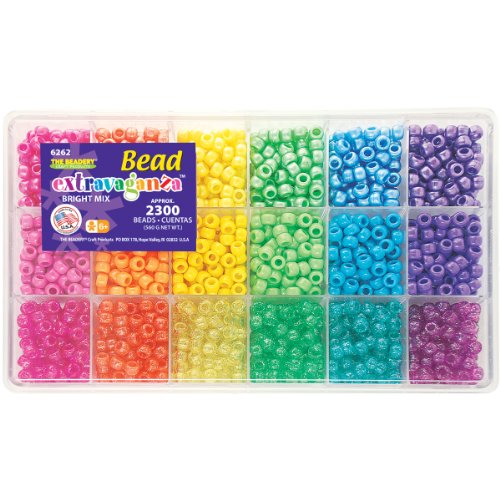
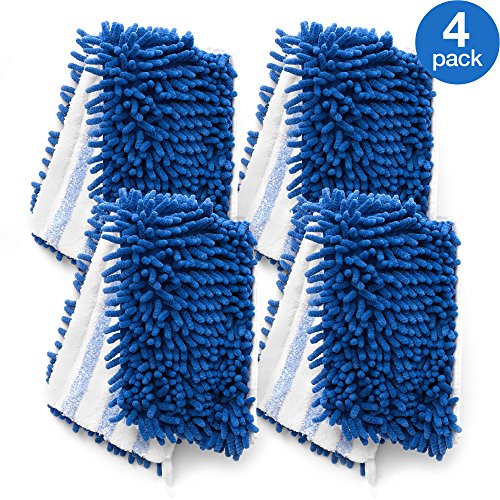
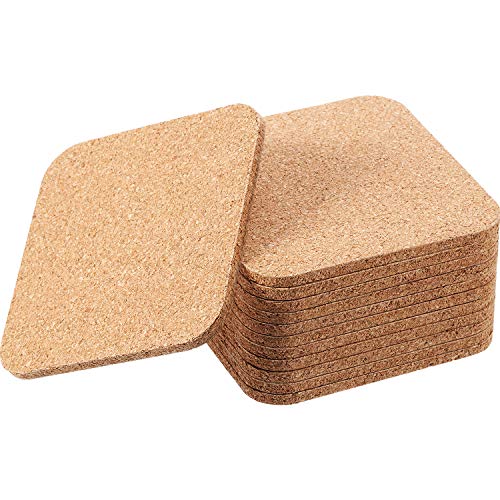
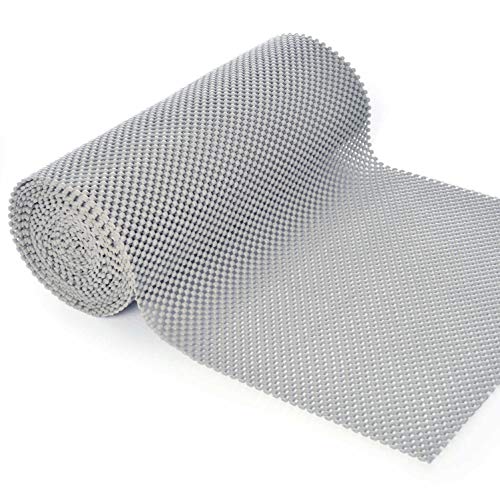
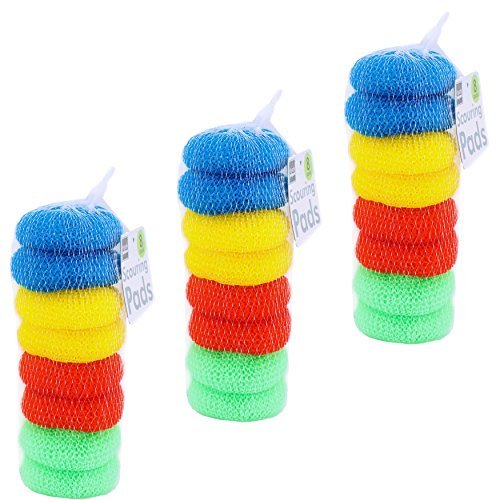
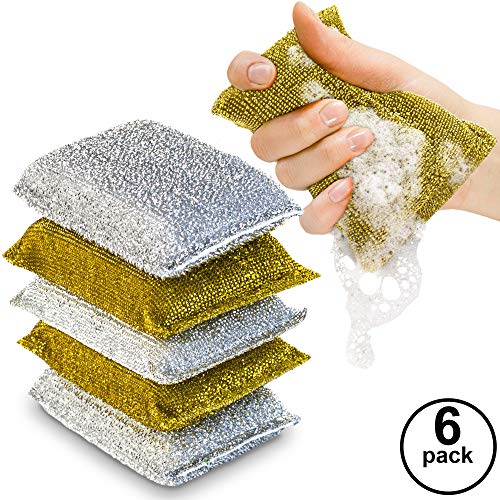
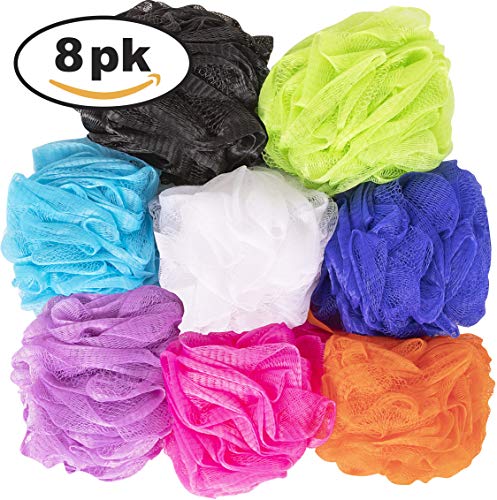
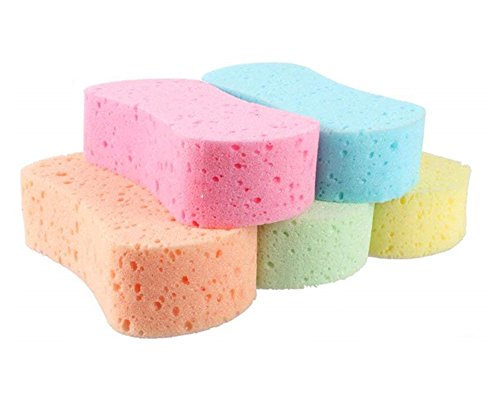
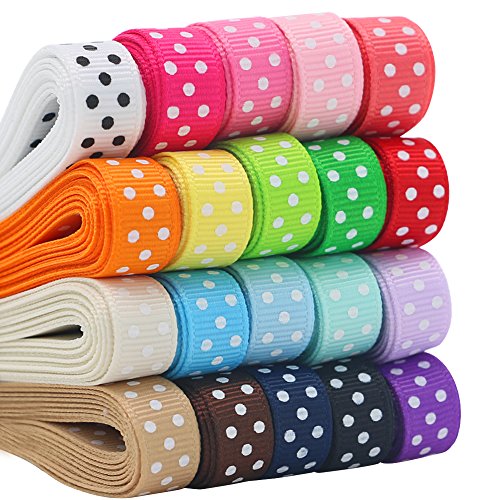
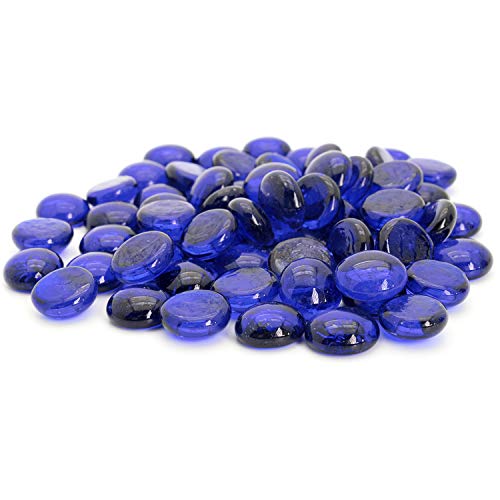
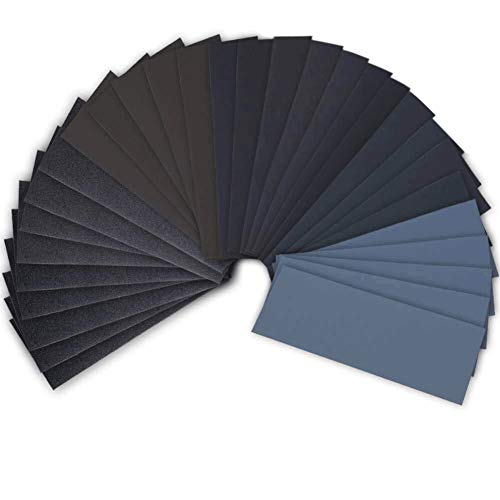
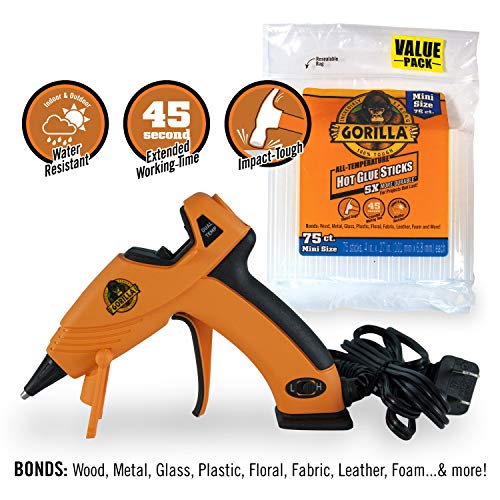
Cork Board 48 X 36 InchesCork Board 48 X 36 InchesCork Board 48 X 36 InchesReversible Mermaid Sequin FabricReversible Mermaid Sequin FabricReversible Mermaid Sequin FabricPeel & Stick Faux TilePeel & Stick Faux TilePeel & Stick Faux TilePony Bead BoxPony Bead BoxPony Bead BoxMop HeadsMop HeadsMop HeadsCork CoastersCork CoastersCork CoastersGrip Cupboard LinerGrip Cupboard LinerGrip Cupboard LinerRound Nylon Dish Scouring PadsRound Nylon Dish Scouring PadsRound Nylon Dish Scouring PadsKitchen Scrubbing SpongesKitchen Scrubbing SpongesKitchen Scrubbing SpongesMesh Bath SpongesMesh Bath SpongesMesh Bath SpongesCar Wash SpongesCar Wash SpongesCar Wash SpongesRibbonRibbonRibbonGlass BeadsGlass BeadsGlass BeadsSandpaperSandpaperSandpaperGorilla Hot Glue Gun and SticksGorilla Hot Glue Gun and SticksGorilla Hot Glue Gun and Sticks

How to make a sensory wall:

Supplies needed:

  • large cork board with frame (the one I used was 36×48)
  • carpet samples
  • flooring samples
  • sandpaper (use coloured sandpaper if you want)
  • reversible sequin mermaid fabric*
  • glittered foam sheet
  • feathers
  • pony beads
  • faux tile or brick panels
  • cork coaster
  • beaded or sequinned fabric
  • glass beads
  • mop head
  • ribbon
  • textured brads
  • embroidered cross
  • cupboard liners (I used several types)
  • pompoms
  • dish scrubbers
  • sponges
  • nylon dish scrubbers (round)
  • mesh bath sponge
  • textured paper
  • hot glue gun (not the small ‘warm’ glue guns)
  • hot glue sticks
  • optional: scissors

making a sensory wall

Instructions to make the sensory board:

  1. Shop for the supplies. I bought the cork board at an office supply store. I got the carpet samples (free) and the flooring samples (under $1 each) from a home improvement center. All the other items were purchased at the dollar store or things I already owned.
  2. Lay the cork board on the floor. Set items on top of it and move them around until you’re happy with how it looks. I played around with different layout options for quite awhile before I decided where I wanted things.
  3. Begin attaching the items to the board using the hot glue gun. This should be done by an adult as the glue gun and the glue are hot enough to cause burns. Note that if you are gluing something like mesh or lace, you’ll want to use a book to press it down instead of your hand or the glue will seep through and burn you. (ask me how I know!)
  4. For smaller items such as the beads, I put down a line of glue directly on the board before placing the beads using tweezers. I then pressed them into the glue.
  5. Allow the glue to dry completely before lifting the board up.
  6. Lean the board up against the wall or attach it securely to the wall. I suggest you do this at the bottom of a wall so that even young children can touch everything on it.

I used glue for attaching everything, even materials such as the faux tile panels that had a sticky back because I wanted to secure things well.

Using scissors, I cut some of the items to make things fit or to create interesting lines. I tried to place things in such a way that maximized different textures, heights, and colours. Just for added visual appeal, I created a flower out of nylon dish scrubbers and a mesh bath sponge.

*For the sequin mermaid fabric, I was able to find a pillow cover at the Dollar Store. My oldest daughter took the stitching out to remove the back. It was satin, so I had been planning to use that as a separate texture element but I ran out of space. 

Other ideas to include on your texture wall:

  • corrugated cardboard
  • buttons
  • silicone moulds
  • silicone dish scrubbers
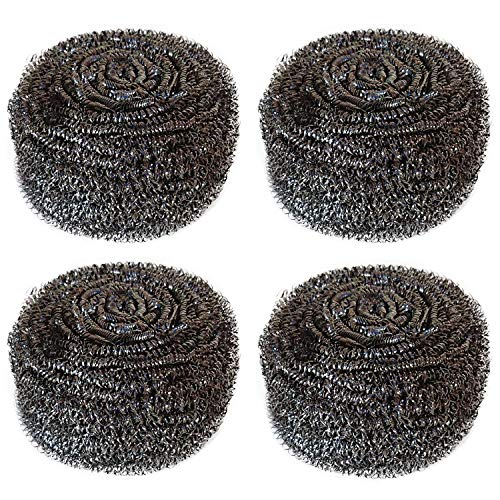
  • metal scouring pad
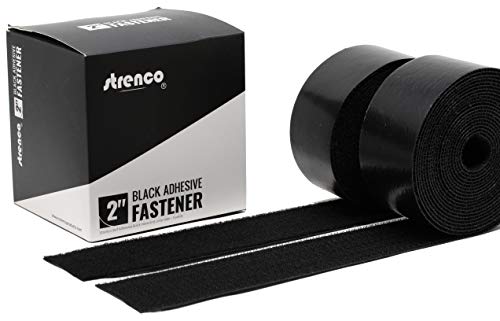
  • velcro
  • dry pasta
  • seashells
  • pipe cleaners
  • cotton balls
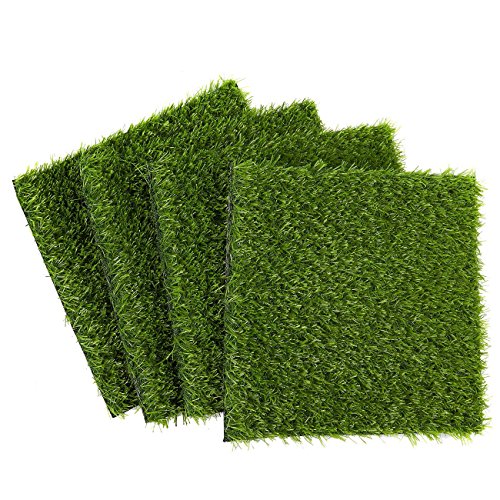
  • fake grass
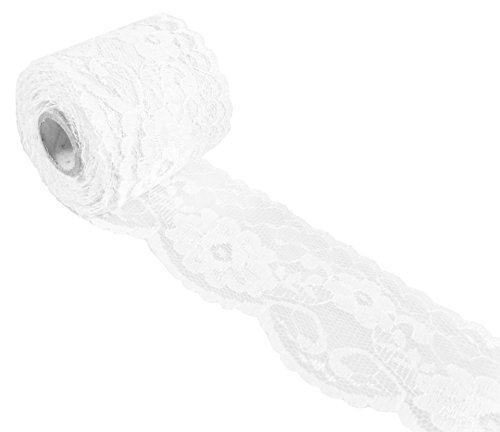
  • lace
  • glue (make designs in glue and allow to dry for kids to trace with their fingers)
  • a variety of fabric swatches (silk, satin, flannel, cotton, denim, spandex, wool, suede, seersucker, etc.)
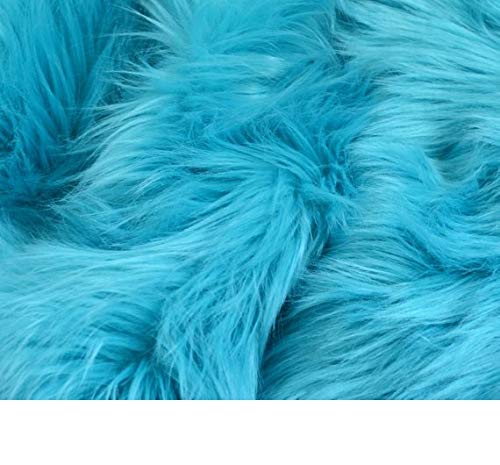
  • faux fur
  • rocks
  • beans
  • straws
  • crayons
  • toothpicks
  • happy face sponges
  • foam
  • tissue paper
  • lycra or latex band
  • mesh
  • screen
  • makeup sponges
  • foam shapes
  • tin foil
  • cotton
  • corks
  • wire
  • pretend flowers
  • straw beach mat
  • costume jewelry such as Mardi Gras beads
  • balloons
  • bubble wrap
  • Lego plates
  • wood
  • bag filled with gel
  • wallpaper samples
  • bamboo
  • burlap
  • bark
  • twigs
  • felt
  • shammy
  • gauze
  • doily
  • old curtains or tablecloth

Corrugated CardboardCorrugated CardboardCorrugated CardboardSilicone ScrubbersSilicone ScrubbersSilicone ScrubbersButtonsButtonsButtonsMetal ScrubbersMetal ScrubbersMetal ScrubbersVelcroVelcroVelcroFake GrassFake GrassFake GrassFaux Fur Fabric PieceFaux Fur Fabric PieceFaux Fur Fabric PieceSensory Latex BandsSensory Latex BandsSensory Latex BandsHappy Face ScrubbersHappy Face ScrubbersHappy Face ScrubbersLEGO BaseplateLEGO BaseplateLEGO BaseplateWallpaper SamplesWallpaper SamplesWallpaper SamplesLace RibbonLace RibbonLace Ribbon

Why create a sensory wall?

Sensory walls provide an opportunity for rich sensory exploration. They give tactile, visual, and auditory sensory input. They are an invitation for children to explore through their senses and discover more about their own sensory preferences. It is important for kids to learn about the sensory systems and sensory preferences.

A sensory wall can be enjoyed by toddlers, preschoolers, and even older kids and adults. You are never too old to explore through your senses!

As kids explore through touch, they will find texture they like and ones they don’t. They will have their favourites and ones that they never touch again. One of my daughters even has a particular carpet sample she likes best and keeps going back to.

A perfect example of sensory preferences is that my middle daughter asked me to please keep a section of the cork board empty because she couldn’t get enough of touching it. It’s hard to describe the feel of it. It’s not traditional cork (though I did attach a cork coaster). This cork board is kind of hairy and rough. The funny part was that I couldn’t stand touching it. I was avoiding it as I worked on building the sensory wall and here my daughter was saying that it was her favourite part!

Strangely enough, the mop head turned out to be my favourite thing on the board.
Children can also discover with their eyes as they take in the colours, shapes, and patterns on the wall. They can explore sounds by running their fingers or nails over the beads or scratching on the sandpaper or scrunching the kitchen scrubbers.

This type of play is also great for vocabulary and communication. Kids can describe what they are seeing, hearing, and feeling. They can ask questions and express their likes and dislikes.

Other sensory wall ideas:

Use a pegboard to attach things to. This creates a sensory board that can be changed around for different seasons, themes, or as your child grows and their interests and sensory needs evolve.

Sensory Wall for a Large Room – Teach Me Mommy

Busy Board for Babies and Toddlers – Kara Carrero

DIY Sensory Boards for Little Ones – Fun at Home with Kids

If you create you own sensory wall, send me a picture or tag me on social media. I would love to see what you come up with!

Looking for sensory play recipes? Join for a five day email series on Sensory Activities and Solutions and get a free sample of our Sensory Play Recipes eBook.

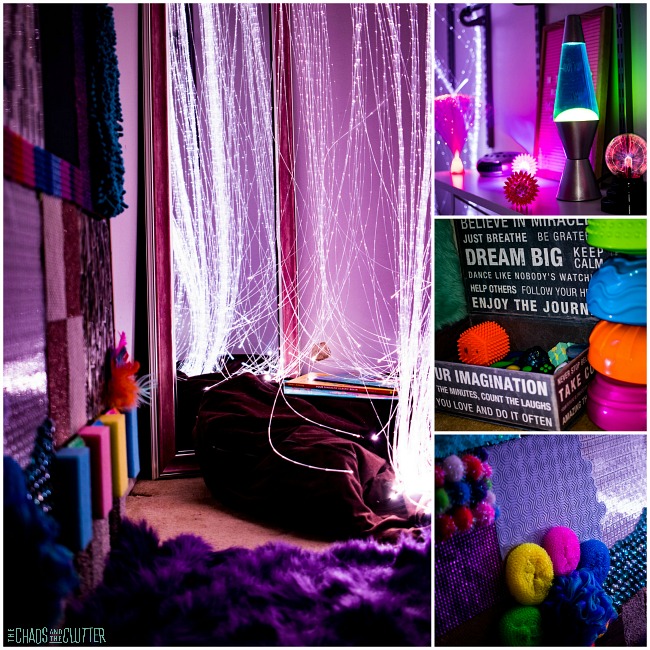
Check out our whole Sensory Room (including a video tour)!

These other articles may interest you as well:

Sensory Bin Fillers and Tools 

Surefire Clues Your Child has Sensory Issues

An After School Meltdown Strategy that actually works 

Filed Under: Sensory

Melting Ice Cream Playdough

By Sharla Kostelyk

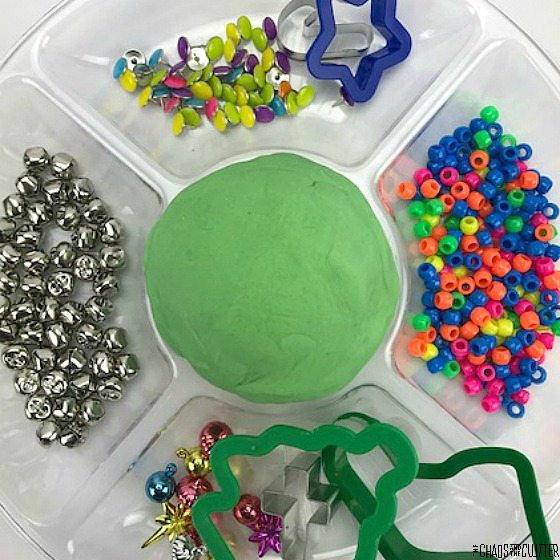
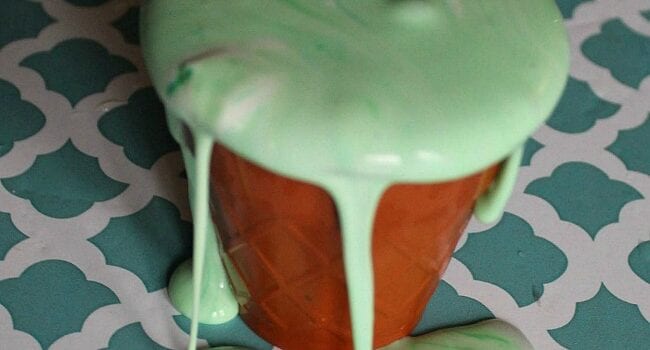
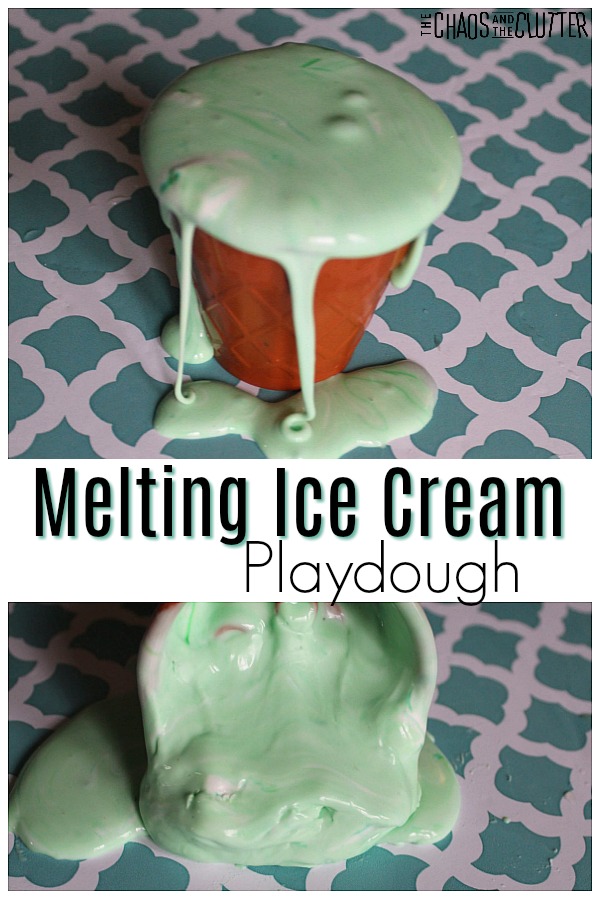
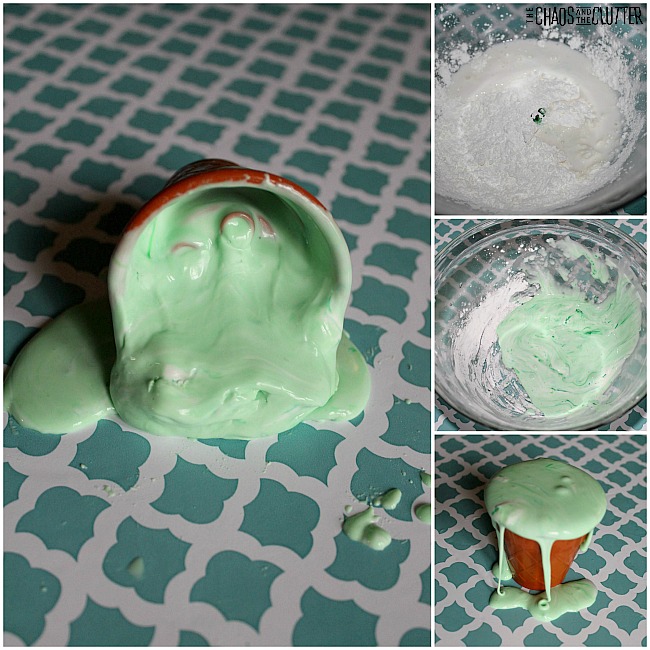
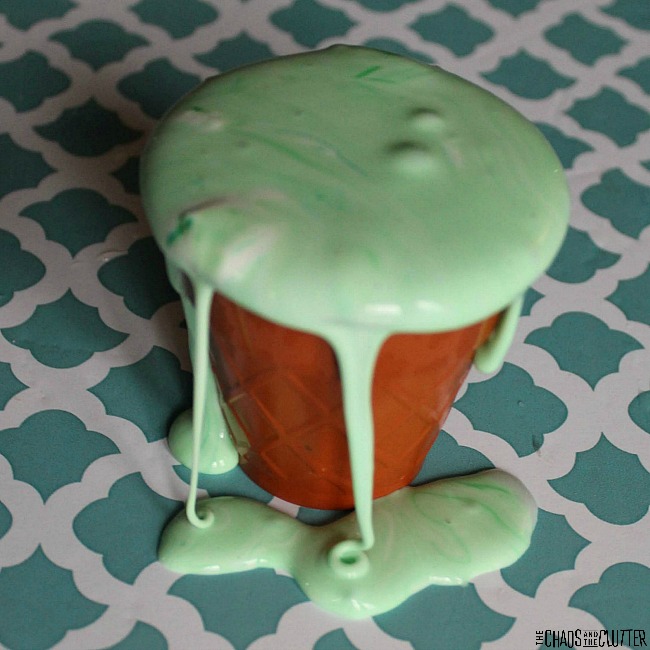
Pretend play comes alive with this melting ice cream playdough. With a consistency in between oobleck and playdough, it really does mimic the look of melting ice cream. Melting Ice Cream Playdough #sensoryplay #playdough #sensory #kidsactivitiesKids can pretend that they are making ice cream or creating a play ice cream parlour. It’s fun to make this dough in several colours.
Melting Ice Cream Playdough:

Materials needed:
1/2 cup of cornstarch
1/4 cup of coffee creamer
a few drops of food colouring
Directions:
  1. Combine the coffee creamer and the cornstarch.
  2. Add a few drops of food colouring.
  3. Mix well.
  4. You will be able to form a ball with the dough, but it will ‘melt’.
  5. When not playing with it, store the ice cream playdough in a resealable freezer bag in the fridge.
  6. Allow it to sit out for a bit to get to room temperature before playing again.
The dough feels like a solid, but it behaves as if it is a liquid. The result is an interesting and engaging sensory play material!
Although this playdough recipe is technically taste-safe, it doesn’t taste good! So while kids may want to pretend to be assembling ice cream cones, they probably won’t want to pretend to eat them.
Sensory Play ideas:
Create a playdough station. Set out plastic ice cream cones, bowls, spoons, and an ice cream scoop. I’ve found some really cute ice cream bowls and spoons at the Dollar Store that would be perfect. If you want, you can also set out sprinkles. Kids can then make pretend ice cream cones. 
While they play, kids can discuss the texture of the dough and what happens when they handle it. They can also talk about the look and smell of the dough. It may smell a bit like ice cream and they can try to guess why that might be based on the ingredients in it.
Check out some of our other playdough stations:
Snow Playdough Snow Playdough and invitation to play
Peppermint Scented Playdough 

Filed Under: Sensory Tagged With: playdough stations, sensory play

Butterfly Sensory Bag

By Sharla Kostelyk

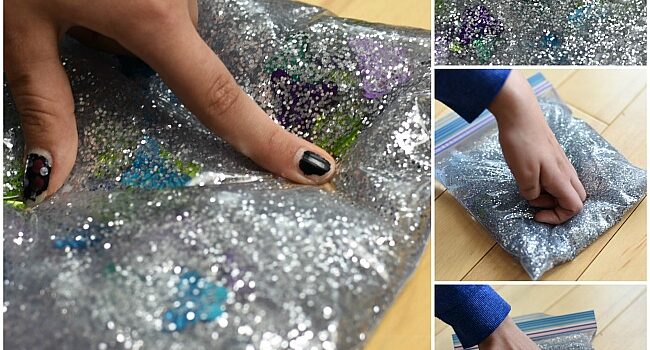
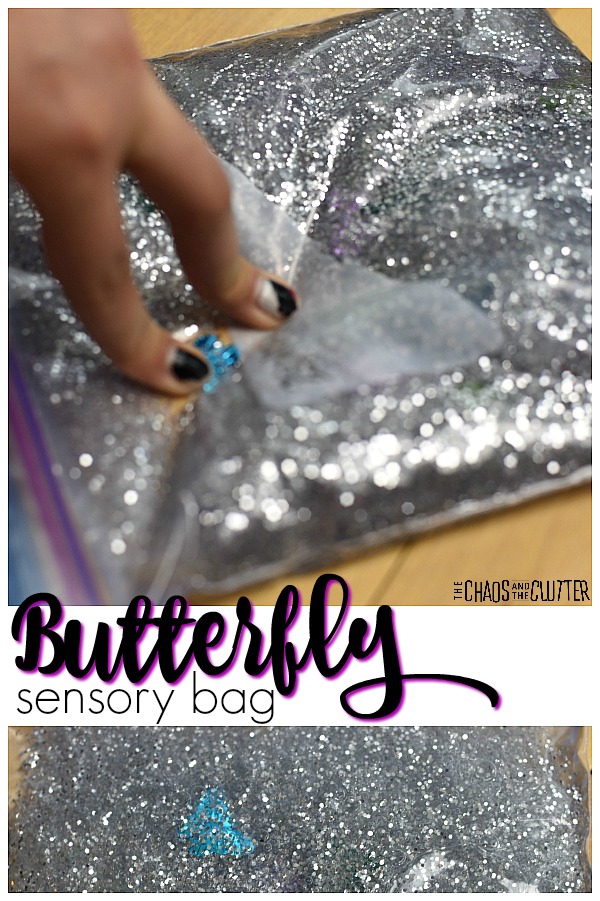
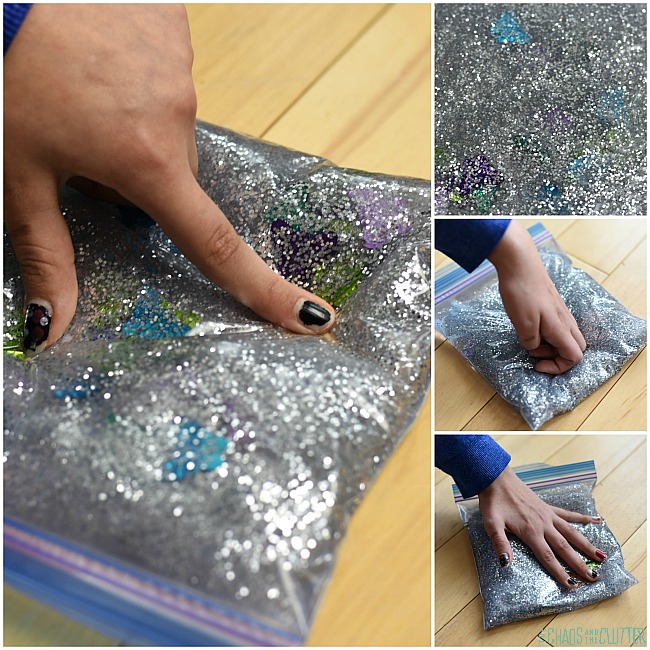
This simple butterfly sensory bag provides a calming effect for kids. The glitter makes it appealing for kids to play with. You can make it just for fun or to go along with a butterfly unit in school or homeschool.Butterfly Sensory Bag #sensorybags #sensoryplay #sensory #kidactivitiesOne of the things I like about sensory bags is how portable they are. While sensory bins provide more opportunity for a variety of textures and sensory experiences, sensory bags are smaller and can be taken anywhere. We have also made a butterfly sensory bin, but it was not of course as portable.
Butterfly Sensory Bag:

Materials needed:

  • medium sized resealable bag
  • hand sanitizer
  • silver glitter
  • butterfly confetti in various colours
  • optional: duct tape 
  1. Fill the bag about half full with the hand sanitizer.
  2. Add a fair amount of glitter. (*see note below)
  3. Put in some butterfly confetti.
  4. Seal the bag, taking out as much air as you can.
  5. If younger kids are going to be using this sensory bag, take duct tape and fold it in half over each of the sides of the bag (4 pieces of duct tape total). You can even use a pretty butterfly tape.

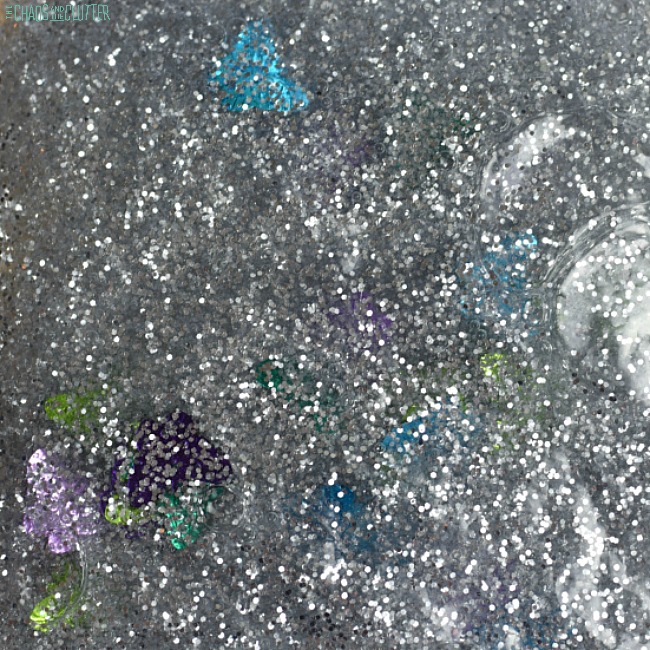
*A note about the glitter: I usually say that there’s no such thing as too much glitter, but in this case, I may have put in a bit too much glitter! It made it hard to see the butterflies.

Mistakes don’t have to ruin your activity though. I turned it around. I told the kids that the goal was to try to find all the butterflies and count them.

Sensory benefits:

This butterfly sensory bag provides tactile (touch) and visual (sight) sensory input. When kids, squeeze, squish, and press the bag, it gives them proprioceptive sensory feedback.

Language and math skills:

A child can discuss how the bag feels (squishy, gooey, textures, etc.). They can talk about the colours of the butterflies and they can count the butterflies or sort them by colour.

Get 175 sensory activity ideas in convenient printable lists which are ideal for using in the home, classroom or in a therapeutic setting.

Some of our other easy to put together sensory bags:

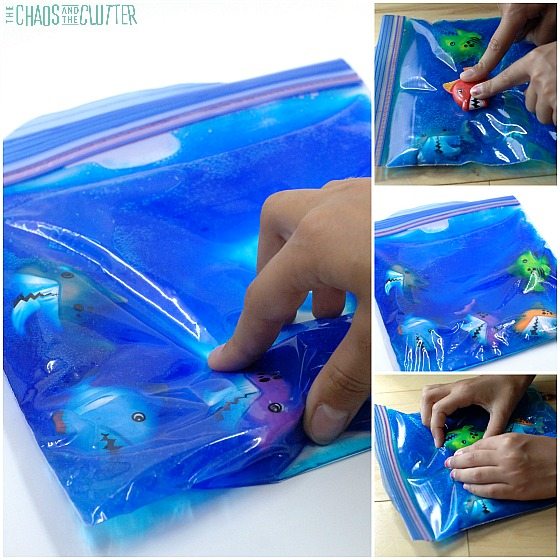
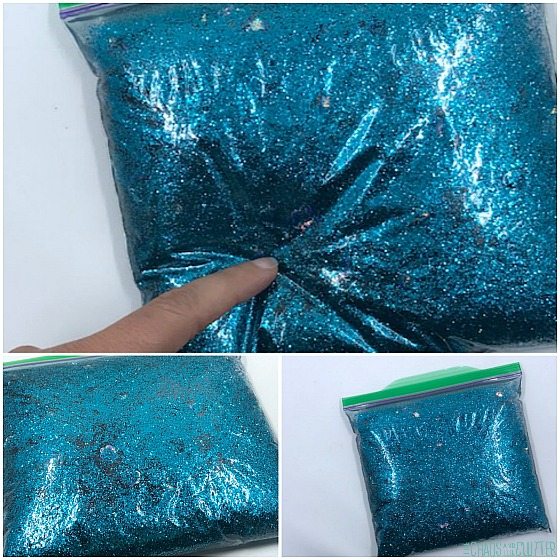
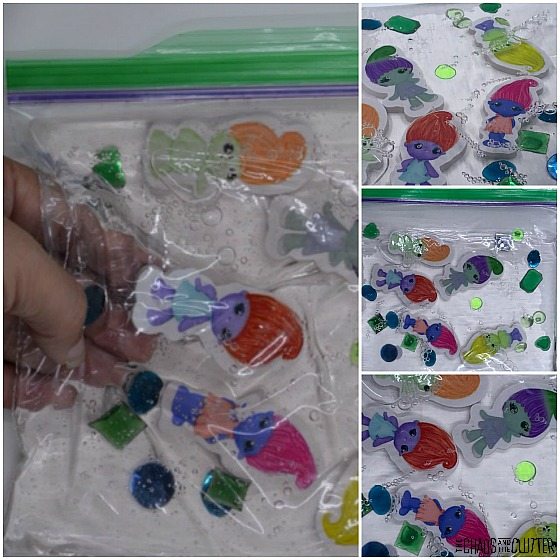
Squishy Shark Sensory Bag Mermaid Sensory Bag Trolls Sensory Bag 

Filed Under: Sensory Tagged With: sensory bags, sensory play

  • « Go to Previous Page
  • Page 1
  • Interim pages omitted …
  • Page 38
  • Page 39
  • Page 40
  • Page 41
  • Page 42
  • Interim pages omitted …
  • Page 128
  • Go to Next Page »

Primary Sidebar

Categories

We are a participant in the Amazon Services LLC Associates Program, an affiliate advertising program designed to provide a means for us to earn fees by linking to Amazon.com and affiliated sites.

Copyright © 2026 • The Chaos and the Clutter • Site Design by Jeni @ The Blog Maven

Return to top of page

Copyright © 2026 · Chaos and the Clutter 2.0 on Genesis Framework · WordPress · Log in