• Skip to primary navigation
  • Skip to main content
  • Skip to primary sidebar
  • Home
  • About
  • Contact
  • Privacy + Terms
  • Affiliates

The Chaos and the Clutter

  • Facebook
  • Twitter
  • Pinterest
  • Google Plus
  • RSS
  • Email
  • School at Home
  • Sensory
    • Sensory Processing Disorder
    • Awesome Sensory Play Activities
      • Sensory Bins
      • Sensory Bottles
      • Sensory Bags
  • Family Games
    • Minute to Win It Games
  • Special Needs Parenting
    • Childhood Anxiety
    • Reactive Attachment Disorder
    • Sensory Processing Disorder
  • Store
  • Course Login

Sharla Kostelyk

Edible Shark Fluffy Slime

By Sharla Kostelyk

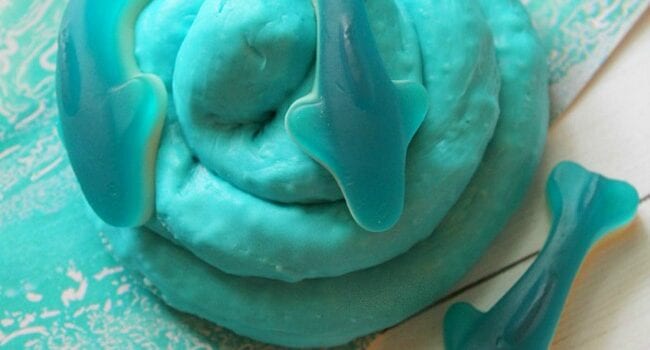
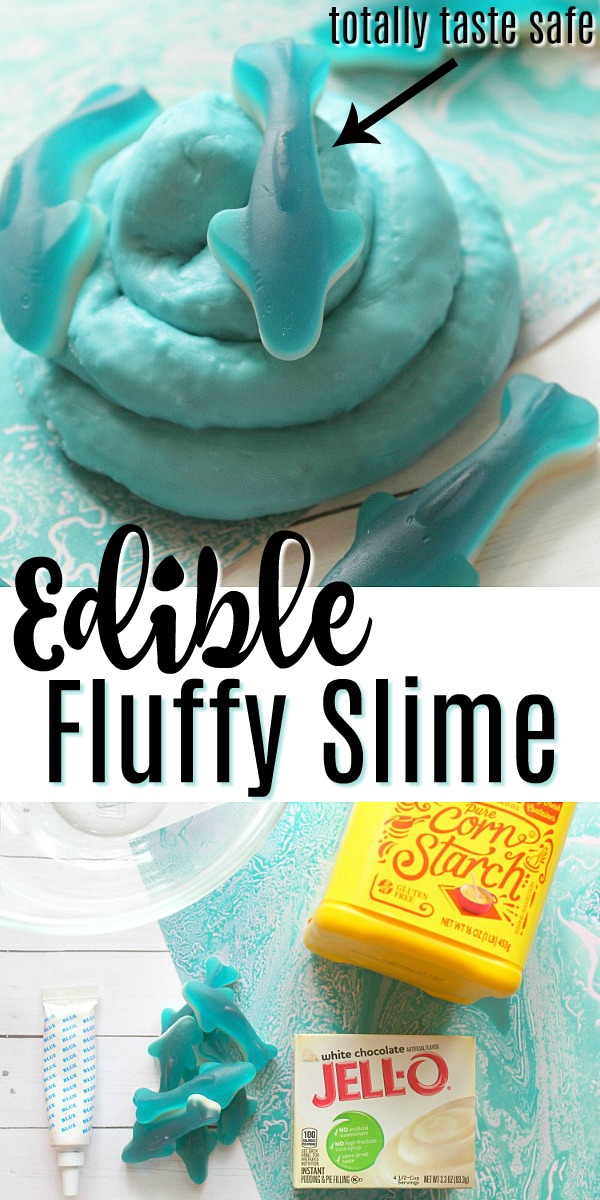
You’re going to love this shark themed edible fluffy slime. It’s fun to play with and taste safe, so it’s good for toddlers or preschoolers. It smells great too (like white chocolate)! a pale blue slime sits in a swirl on a blue and white surface. A blue gummy shark candy is on top. There is an arrow pointing to the shark that says "totally taste safe". The text reads "Edible Fluffy Slime". There is a box of jello, shark candies, corn starch, and an empty bowl at the bottom.This fluffy slime recipe goes well with a unit study on the ocean or is the perfect pairing for Shark Week. You could also use it for an Ocean or Shark themed party.
Edible Shark Fluffy Slime Recipe:

Slime ingredients:

  • 1/3 cup white chocolate instant pudding mix 
  • 1 cup of cornstarch
  • blue food colouring
  • gummy sharks candy 
  • 1/3 cup water

How to make edible fluffy slime:

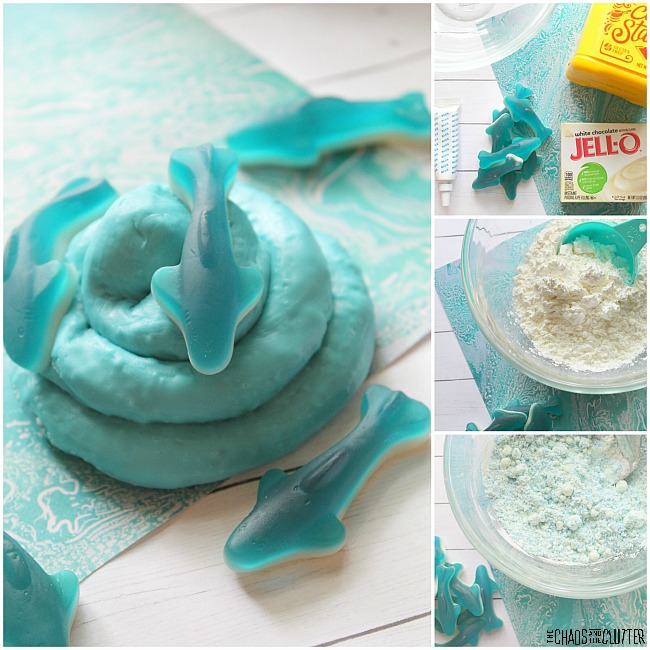
  1. Empty the dry pudding mix pouch into a bowl. Add the cornstarch. Mix well.
  2. Pour in the water and begin to stir quickly. There will be some clumps, but you can break them apart with your spoon. 
  3. Keep stirring and breaking the clumps. A crumbly dough will form. Add a few drops of blue food colouring so that you get just the shade you’re looking for.
  4. As soon as the crumbly dough forms, press it and knead it until the slime forms.
  5. If your mixture feels too dry and crumbly, continue to add a teaspoon of water at a time until you get the right consistency. If  it feels too wet, sprinkle in equal parts of pudding mix and corn starch until it thickens up and becomes the desired consistency.
  6. The more you stir or knead it, the better the consistency gets.
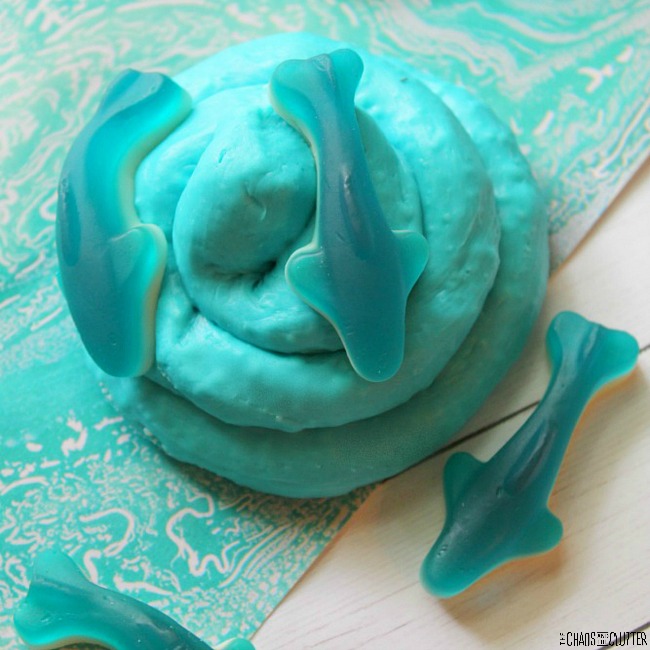
  7. Finish this slime off with gummy sharks. You can mix them in or use them to top the slime. Of course, there may be a few of the candies that find their way into little mouths!
One of the nice things about edible slimes is that they are borax free. This makes them safe for all ages (though of course adult supervision should be used with this and all sensory play activities).

Taste Safe Slime Sensory benefits:

Slime is always a great sensory activity, but a taste safe slime allows even more sensory systems to be involved.

Visual – The soft blue of this slime is visually appealing.

Tactile – Little hands can touch this sensory play recipe. If you choose to add the shark gummy candies into it, it will add another texture element which is good for tactile input.

Gustatory (taste) – Since this is a taste safe slime recipe, it provides a great gustatory opportunities for licking and even biting and chewing. I wouldn’t recommend eating the whole thing though as it’s quite cornstarch-y. Olfactory (smell) – Sniffing fully allowed. This slime smells like white chocolate. Yum!
Proprioception – Involving the kids in the process of making the slime allows even more proprioceptive input as they knead, smash, and press. Pulling, scrunching, and stretching while playing with the slime also involves the proprioceptive system.

Looking for more awesome sensory play recipes for kids? You can grab a free sample chapter of our Sensory Play Recipes eBook here.

Check out some of our other slime recipes:
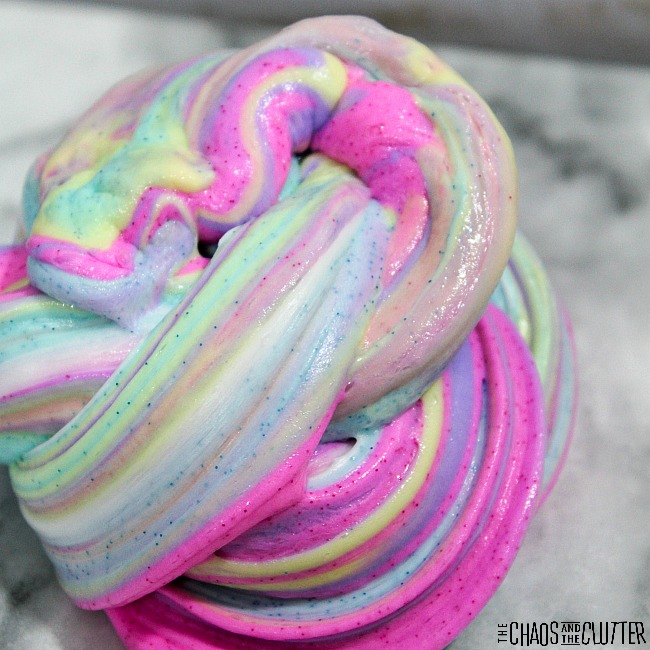
Unicorn Fluffy Slime

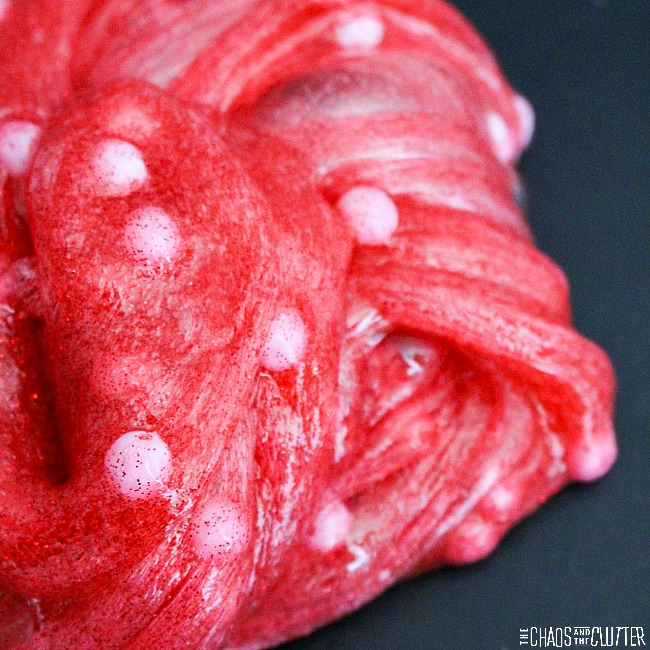
Minnie Mouse Inspired SlimeOn a black background sits a swirly clump of glittery red slime with white balls that look like polka dots.

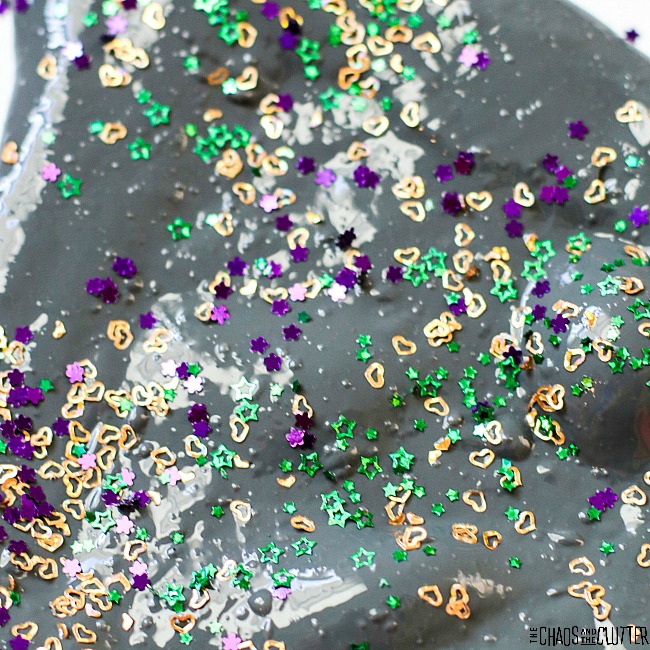
Mardi Gras Slime

Filed Under: Sensory Tagged With: sensory play, slime

How to Teach Kids Kindness in a Sometimes Selfish World

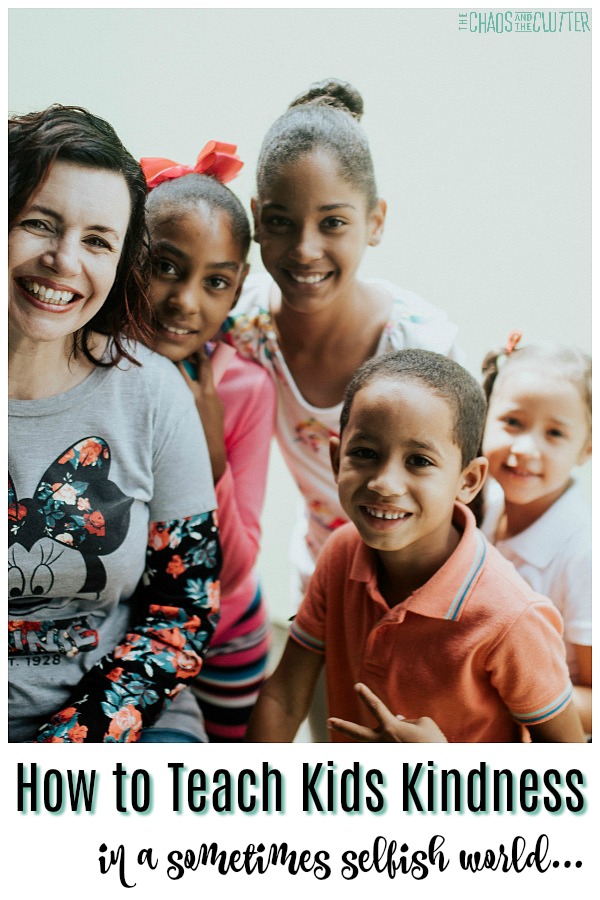
a brunette woman sitting with four children around her. The text on the image says "how to teach kids kindness in a sometimes selfish world"

By Sharla Kostelyk

Raising kids is hard. Raising kids to be kind is even harder. The advances in technology are wonderful for so many things, but they also bring additional challenges, especially for parents wanting to teach kids kindness and empathy. a brunette woman sitting with four children around her. The text on the image says "how to teach kids kindness in a sometimes selfish world"

Yes, I want my children to grow up to be capable and confident. I wouldn’t hate it if they were successful in their careers and family lives. But one of the things I want most for my children is for them to be kind.

I want them to show compassion for others and to be able to look outside themselves, for them to see a need and try to meet it or at the very least, to come alongside that person and show them that they are not alone.

Why teach kindness?

Nurturing our children’s character is one of our most important jobs as parents. There are benefits to our child as well.

Showing kindness to others boosts self-image. It enriches life. Social and emotional intelligence are just as important (if not more so) than academic intelligence.

As parents, there are a few obvious ways we can teach kindness to our children:

  • model kindness
  • teach gratitude
  • talk about the feelings of others
  • discuss the joy you get out of helping others
  • be sure that your child knows that there are those less fortunate in the world

An effective way to teach kids kindness:

All the above ideas to teach kindness are necessary if you want your child to think outside of themselves, but there is one thing I have found that goes a step further and that is child sponsorship.

Child sponsorship is an activity the whole family can get involved in. In this world of cell phones and internet, although in some ways the world can feel like a small place, in others, it can be easy to feel disconnected. Sponsoring a child in a developing country can be a way to bridge that connection.

Some suggestions to make this activity even more meaningful:

    • involve your child in the process of choosing the child you want to sponsor
    • perhaps choose a child who is the same age as your child or the same gender or who has similar interests
    • send letters back and forth to your sponsored child which will allow your child to make a connection and for them to learn more about them and about their country (not sure what to write. Read what to write to your sponsored child.)
    • place the picture of your sponsored child in a prominent area in your home and talk about them or pray for them as a family
    • allow your child to help in the money aspect – this can involve them selling some of their toys at a garage sale, donating some of their allowance or birthday money, or even them sacrificing going out for ice cream or fast food so that they money that would have been spent can instead go towards the sponsored child
    • go as a family to meet your sponsor child – I know this option may not be possible for all people, but it really takes this experience to the next level as you are able to see firsthand the difference your support is making


Child Sponsorship:

Back in March, I was privileged to go to the Dominican Republic with an organization called One Child Matters. It is hard for me to put into words what my time there meant and how transformative it was for me. I fell in love with the community there and with the children that I spent time with.

But I also fell in love with One Child Matters and their heart for the people they serve. I will admit that I was somewhat skeptical going in. I didn’t know much about them or what they stand for. It didn’t take long for me to be blown away for the work they are doing there and around the world.

They don’t march into communities and assume that they have all the answers. They find well respected community members who are already working with children and partner with them. And then they ask what is needed for that particular community. It’s a smart model.

I wish I could have taken you with me so that you could have seen the need, looked into the faces of those who would benefit most from your sponsorship. The joy of the children contrasted so starkly with the tremendous poverty and conditions. But the work of One Child Matters there was already changing lives. We witnessed it.

Be the difference for one child today…

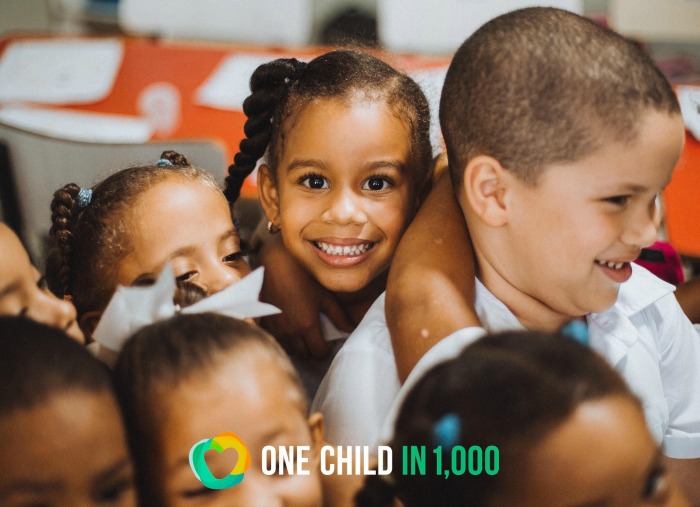
I’d like to bring you along on the journey and allow you to breathe in the smells and bear witness to the tears and the transformations. The best I can do is to invite you to take in some of the pictures and ask that you would consider if your family could help just one child.

Those of us who went on that trip have set a huge goal for ourselves to get 1,000 kids sponsored. When you hear such a big number, it sounds impossible, but not when you think about just one child. Would you help us by sponsoring just one child? Be the difference for one child today.

The amazing photos in this post are thanks to Ashlee Kay, Kaylin Perdomo, Jo Lord, David Alink, and Luis Sanchez. 

More stories from those who went on the trip:

What to Write to Your Sponsored Child – Teaching Mama

Why Meeting Your Sponsor Child is Worth the Time and Expense – Math Geek Mama

The Mother Teresa of Latin America – Preschool Inspirations

Filed Under: Parenting in the Chaos

Bugs Sensory Bottle

By Sharla Kostelyk

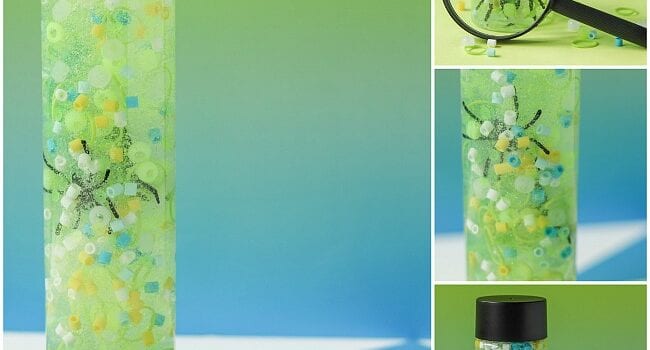
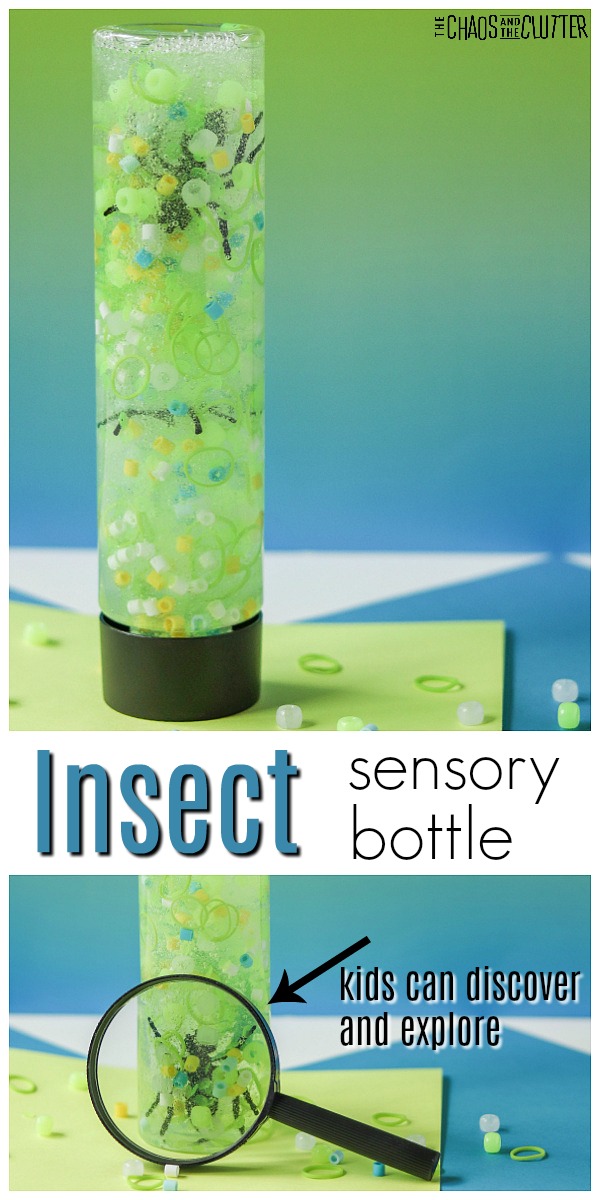
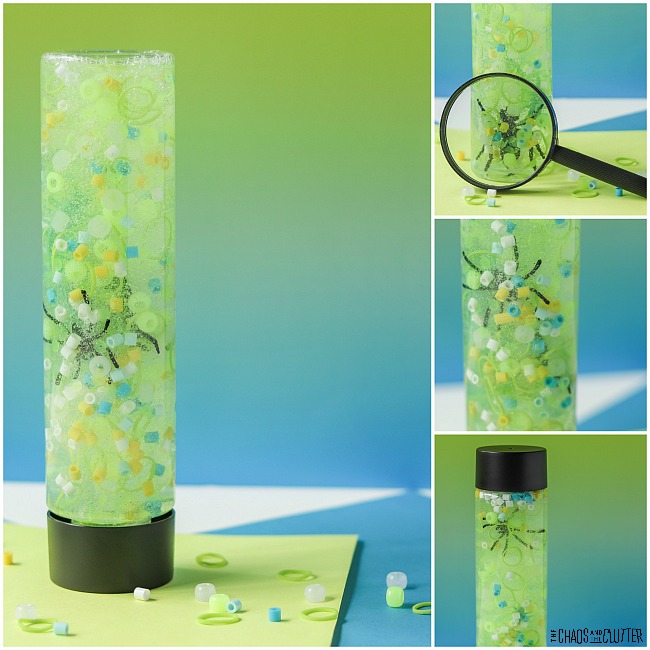
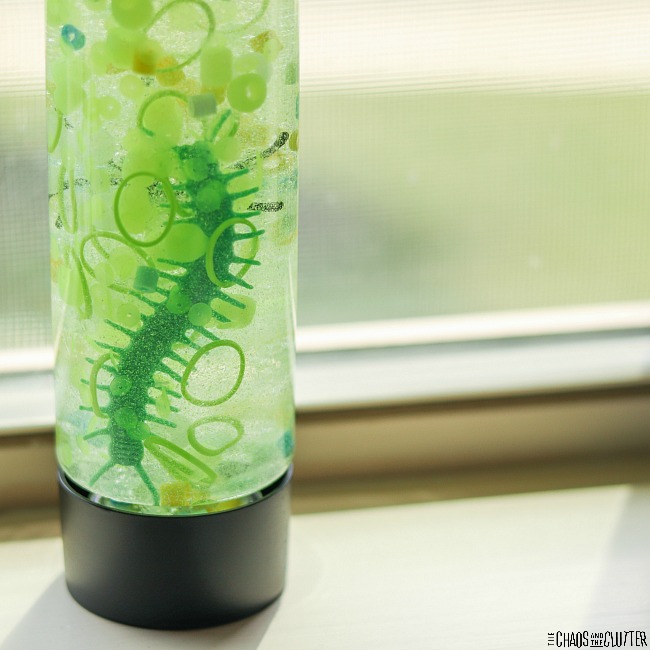
This bugs sensory bottle is almost too beautiful to play with! The colours are very inviting. Kids are generally fascinated with insects. This is a great vehicle for that.

the top image shows a bottle filled with green and blue. In the bottom image, a magnifying glass shows a black plastic spider inside the bottle. The words "Insect sensory bottle" are in text. An arrow points to the bottle with the words "kids can discover and explore".

Bugs Sensory Bottle:

Supplies needed:

  • Voss style empty water bottle
  • clear dish soap*
  • small plastic bugs
  • spider ring
  • yellow and green glitter
  • various types of yellow, white, and blue beads
  • green mini rubber bands
  • super glue
  • magnifying glass

*any dish soap will do, but I like the thickness of Dawn

Instructions:

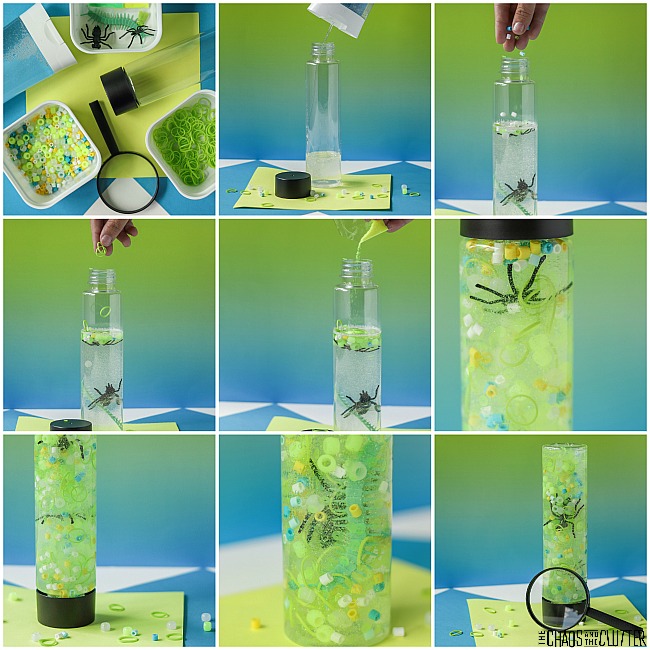
  1. Pour clear dish soap into the bottle until it’s about 2/3 of the way full.
  2. Add in the plastic bugs and the spider ring.
  3. Sprinkle the beads in.
  4. Next, drop the small rubber bands in. This is a great way to make use of all those leftover rainbow loom elastics that are floating around your house!
  5. Pour the glitter into the bottle.
  6. Fill any remaining space with water.
  7. Super glue the lid in place and allow to dry before handing it over to your child to play with.
  8. Set out a magnifying glass so that kids can explore all the different insects in the bottle.

This sensory bottle contains small parts. Even though the lid is glued in place, kids are determined little creatures and they may be able to find a way to get it open. As with all sensory activities, adult supervision is required at all times.

Learning and sensory benefits:

Unit study – This discovery bottle can be used in a bug/insect unit study. Students can jot down their observations of the different bugs such as number of legs, antennae, and other visual characteristics.

Sensory – This activity provides visual and proprioceptive sensory input. The use of the magnifying glass adds more of a visual element. The complimentary colours are pleasant to look at and will encourage kids to explore what they can find. Math – Your child can count how many of a certain coloured bead there are or how many bugs are in the bottle. They can also guess if there are more green beads or blue beads etc.

Science – You can set out books about bugs to encourage children to do their own research and learning.

Bugs GaloreBugs GaloreBugs GaloreThe Bug BookThe Bug BookThe Bug BookSome BugsSome BugsSome BugsThe Very Hungry CaterpillarThe Very Hungry CaterpillarThe Very Hungry CaterpillarThe Big Bug Book: A Pop-up CelebrationThe Big Bug Book: A Pop-up CelebrationThe Big Bug Book: A Pop-up CelebrationThe Ants Go Marching: A Count-and-Sing BookThe Ants Go Marching: A Count-and-Sing BookThe Ants Go Marching: A Count-and-Sing Book

Communication – Vocabulary and communication skills are encouraged by kids asking questions and talking about their observations. They can talk about how quickly the glitter falls, what they feel and see, what types of bugs are included, what colours they observe, and any other things they notice.

Check out these other sensory bottles:

ABC I Spy Sensory Bottle

At the Beach Sensory Bottle

Filed Under: Sensory Tagged With: sensory bottles, sensory play

Bug Slime without Borax

By Sharla Kostelyk

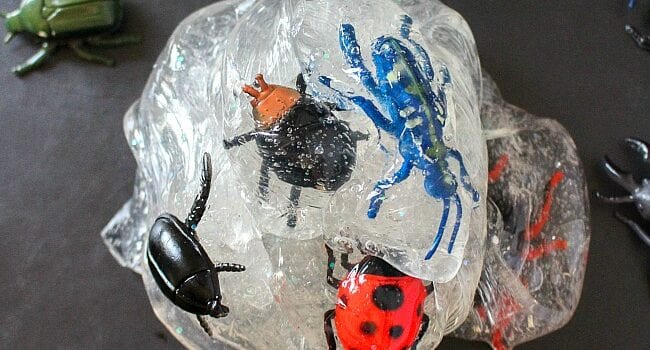
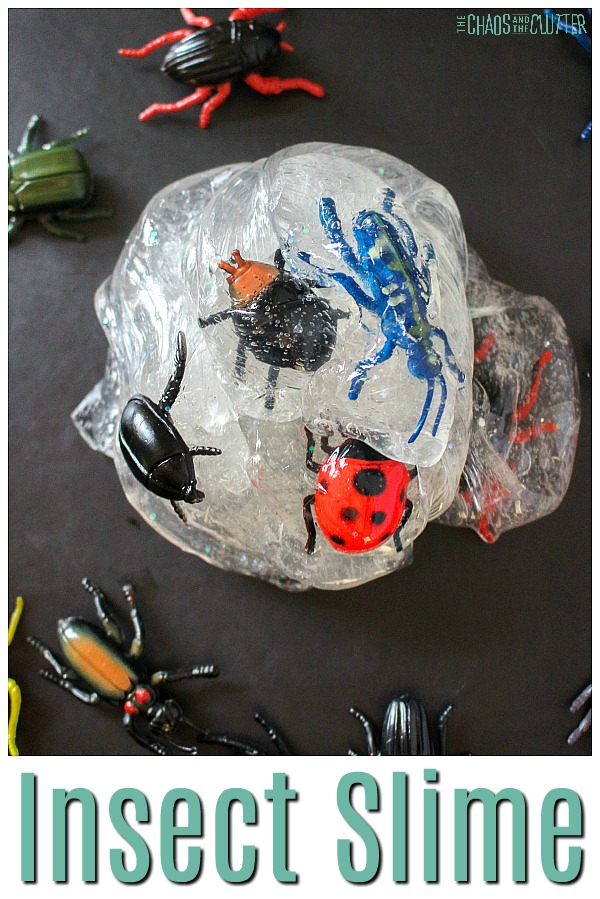
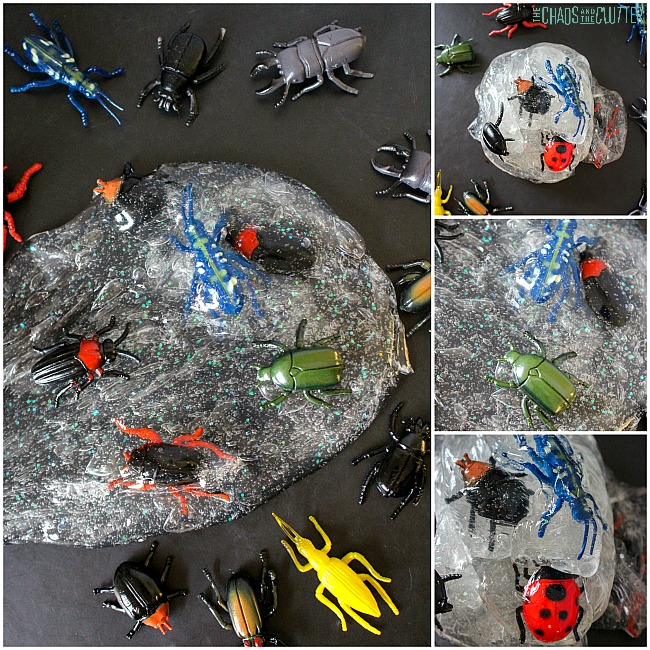
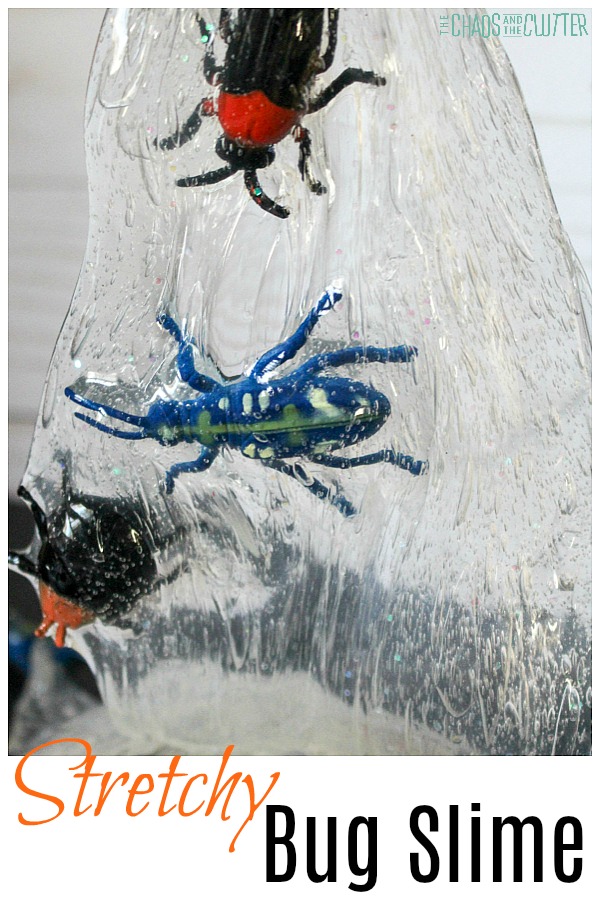
This bug slime without borax would go well with an insect theme unit. It also is a nice one for Spring or Summer. It’s a way for kids to play with bugs without them being real bugs! Bug Slime #sensoryplay #slimerecipes #slime #insectsMy kids love slime that is super stretchy. That is one of the things we really like about this particular recipe. It has a good amount of stretch to it.

Incorporating the insects into the slime allows for this to be used in your school or homeschool in a science unit. The clear slime allows kids to examine each of the insects and make observations about their characteristics.

Bug Slime without Borax Recipe:

  • 5 oz. Elmers clear school glue
  • 1/2 cup water
  • 1/2 tsp baking soda
  • 1 Tbsp. contact solution (be sure to use contact solution that includes both boric acid and sodium borate in the ingredient list or it won’t work)
  • a variety of plastic bugs

Instructions:

  1. In a bowl, pour 5 oz clear glue.
  2. Add 1/2 cup water.  Mix until the glue has broken up and is incorporated into the water.
  3. Mix 1/2 cup baking soda in.  Baking soda will help determine your slime thickness.
  4. Add 1 Tbsp. of contact solution. Mix immediately. The slime will be ready to knead when it begins to pull away from the sides of the bowl. 
  5. Knead the slime. It will be sticky at first, but keep kneading it. This should make it less sticky. If you find that it is still too sticky, you can add a little bit more contact solution, a little at a time.
  6. Once your slime has formed, you can add your bugs and knead them inside.  
  7. Store in an airtight container.

Slime makes an excellent sensory play material. It incorporates the visual, tactile, and proprioceptive sensory systems. Kids can pull, knead, stretch, and squish the slime.

Check out some of our other slime recipes:
Mardi Gras Slime Peppermint Scented Slime Stretchy Bug Slime

Filed Under: Sensory Tagged With: sensory play, slime

Lemonade Oobleck Summer Sensory Play for Kids

By Sharla Kostelyk

Oobleck is a great sensory play opportunity for kids. This lemonade oobleck brings the feel of summer into play even if it’s the middle of winter. It combines sensory and science to create a very cool sensory play material. I was inspired by our lemonade sensory soup.

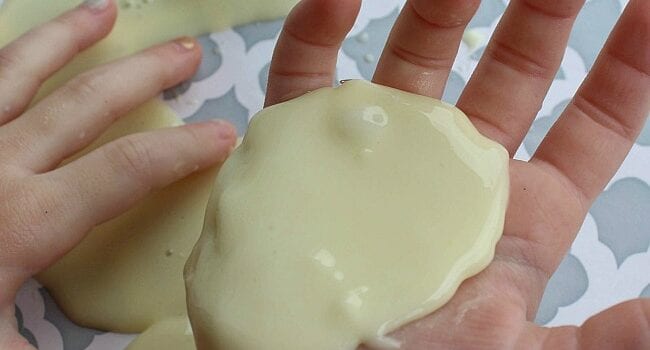
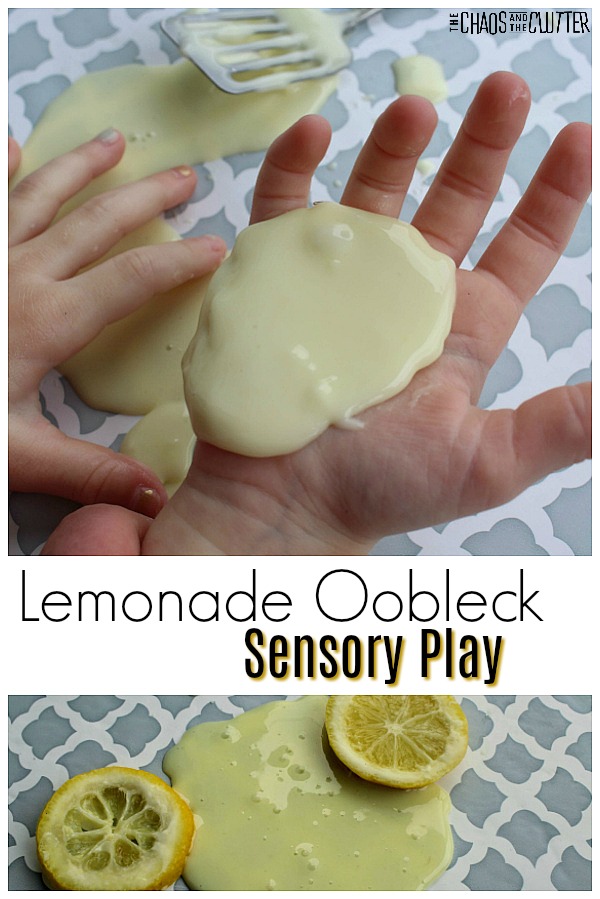
A young child's hands are visible. With one hand, he is touching a light yellow slimey substance that is on a table and with the other hand, he is holding the yellow substance in the palm of his open hand. The words "Lemonade Oobleck Sensory Play" appear on white in the middle of the image and at the bottom, the light yellow substance is spread on a table and there are two lemon slices on top of it.This scented sensory play recipe is so simple. Only 3 ingredients are needed. Kids can easily make this oobleck slime themselves. Younger ones that need mom or dad’s help can help to measure and pour by stirring.
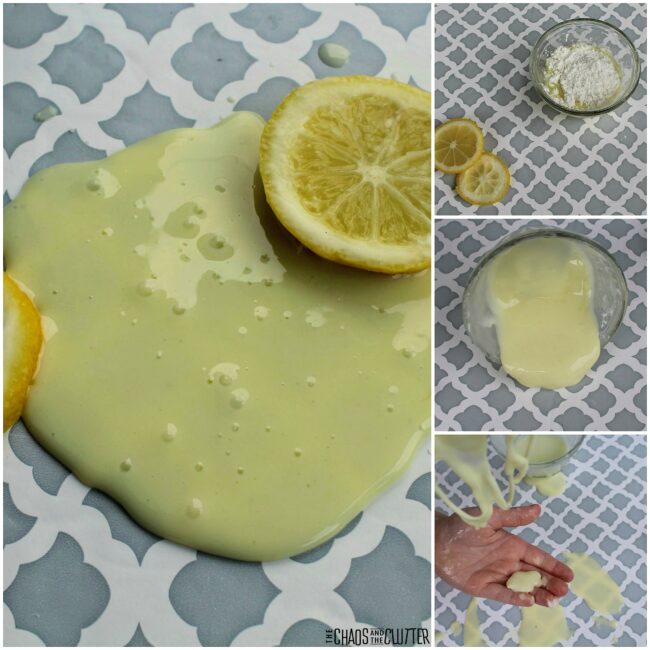
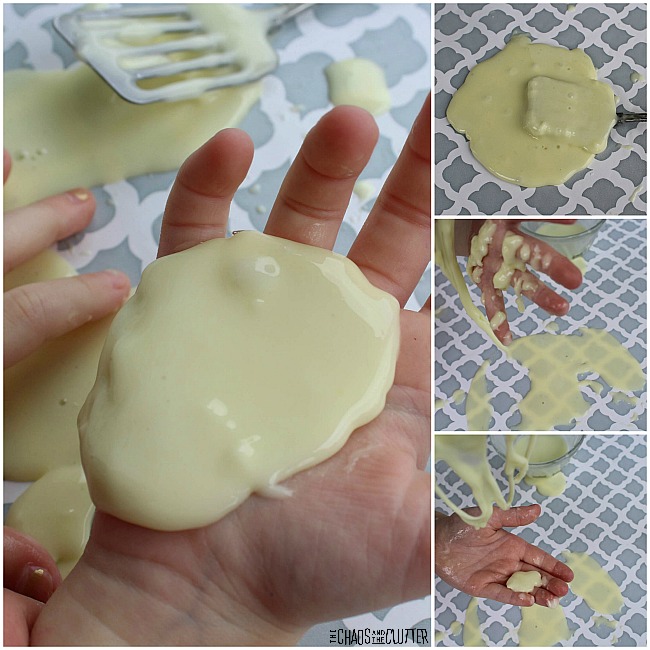
Lemonade Oobleck Recipe:

Materials needed:

  • 1 cup of cornstarch
  • 1/2 cup of water
  • 2 Tbsp. of powdered lemonade mix
  • bowl
  • craft/popsicle stick

Directions:

  1. Pour the water into the bowl.
  2. Add the powdered lemonade mix and stir with the popsicle stick until well mixed.
  3. Add the cornstarch and mix.

Sensory and Learning Opportunities:

Math – Kids can measure the ingredients. Doubling the recipe or halving the recipe provides a more advanced math learning opportunity.

Science – This hands-on science project is a great example of suspension, as the grains of cornstarch are suspended in the water, but over time will settle to the bottom if allowed to rest for an extended amount of time.

Is it a liquid? Is it a solid? That depends on how you touch it. When pressure is applied, the cornstarch bonds together to form a solid. Yet, when a soft touch is applied, it remains in its liquid state.

To expand on the science lesson, research non-Newtonian fluids and why oobleck can be both a liquid and a solid. Read more about the science behind this substance. Sensory – Lemonade oobleck provides visual, tactile, proprioception, and olfactory sensory input. Children can see (visual) the colour and explore shape as it changes from liquid to solid. They can touch (tactile) and feel the texture of the state of matter change.
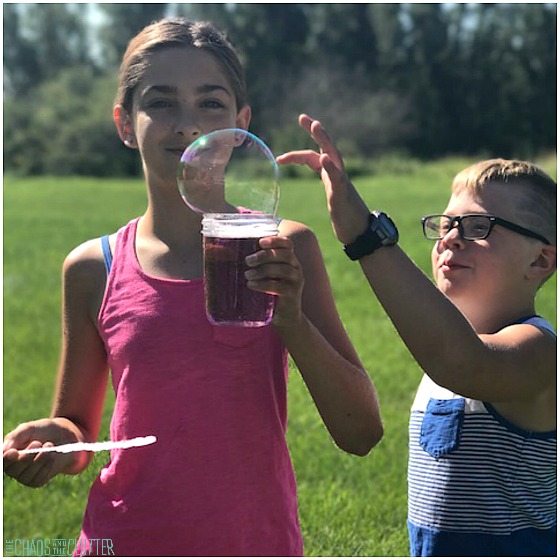
Their proprioception will be engaged while they apply pressure to the oobleck to form it into a solid. And they will smell (olfactory) the scent of lemon.

Vocabulary and communication – Kids can communicate their observations of this sensory science activity. They can ask questions and expand their vocabulary as they learn.

Looking for more great sensory play recipes? Join thousands of others who are loving the five day email series, Sensory Activities and Solutions and you’ll get a free sample of our Sensory Play Recipes eBook.

Check out some of our other scented sensory play recipes:

Calming Lavender Scented Bubbles

Peppermint Scented Slime

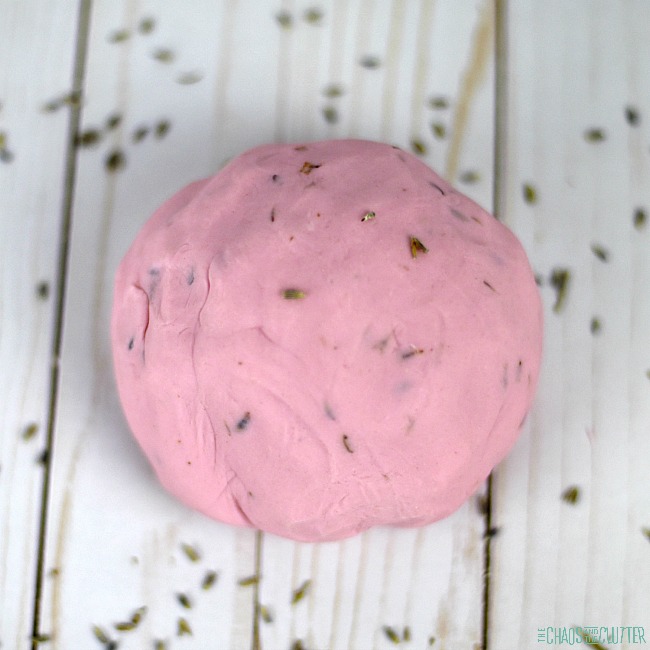
Lavender Scented Playdough

Filed Under: Sensory Tagged With: sensory play

4th of July Stars and Stripes Sensory Bin

By Sharla Kostelyk

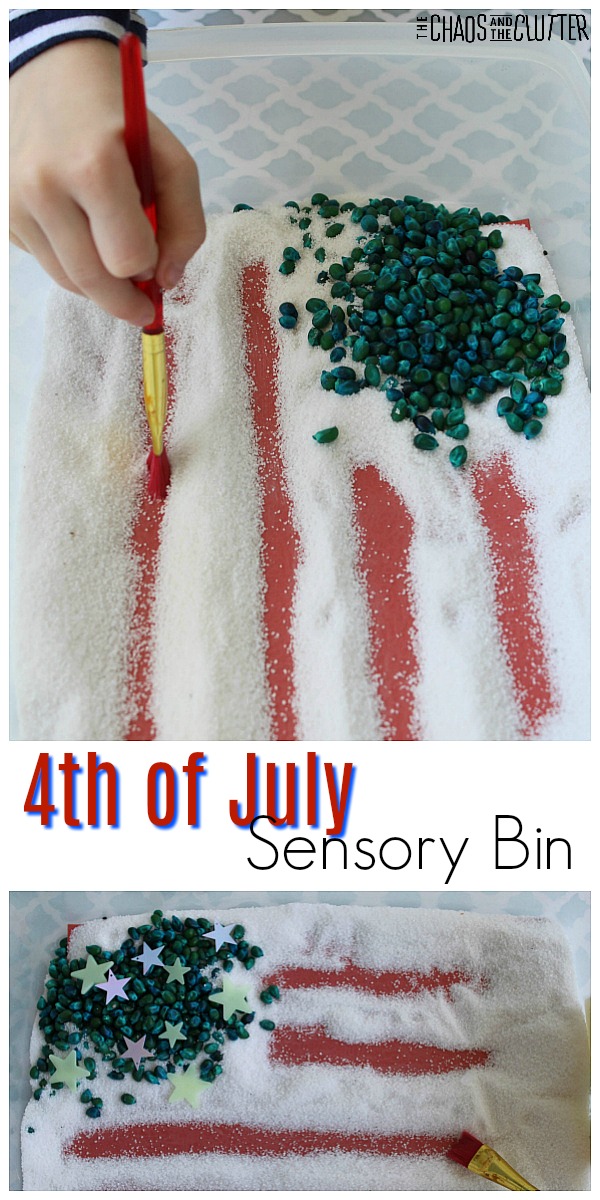
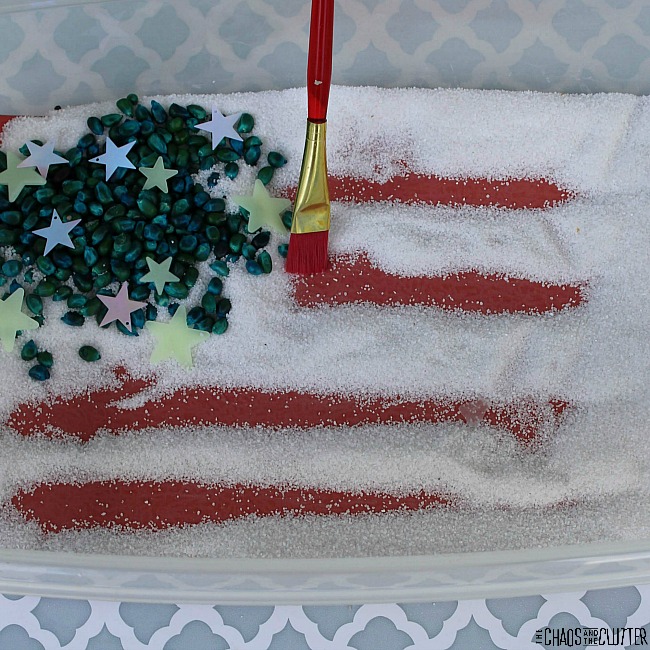
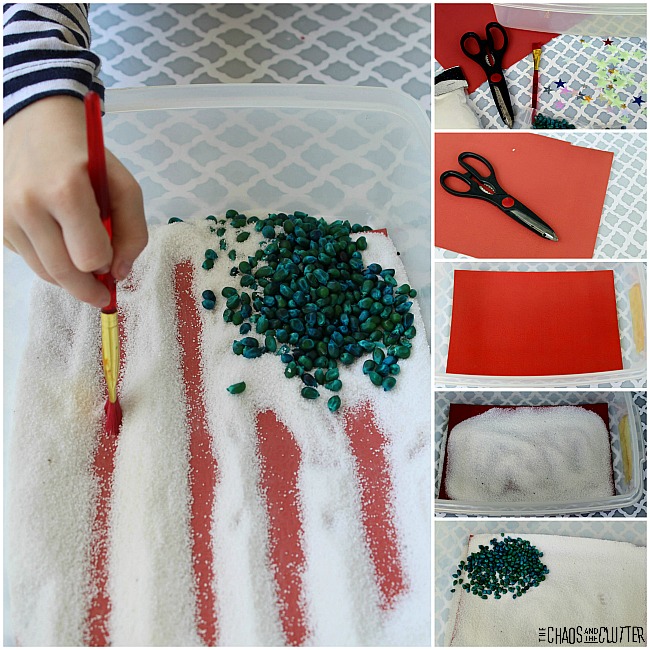
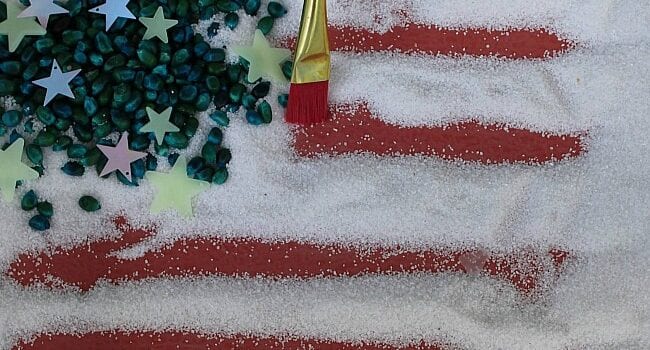
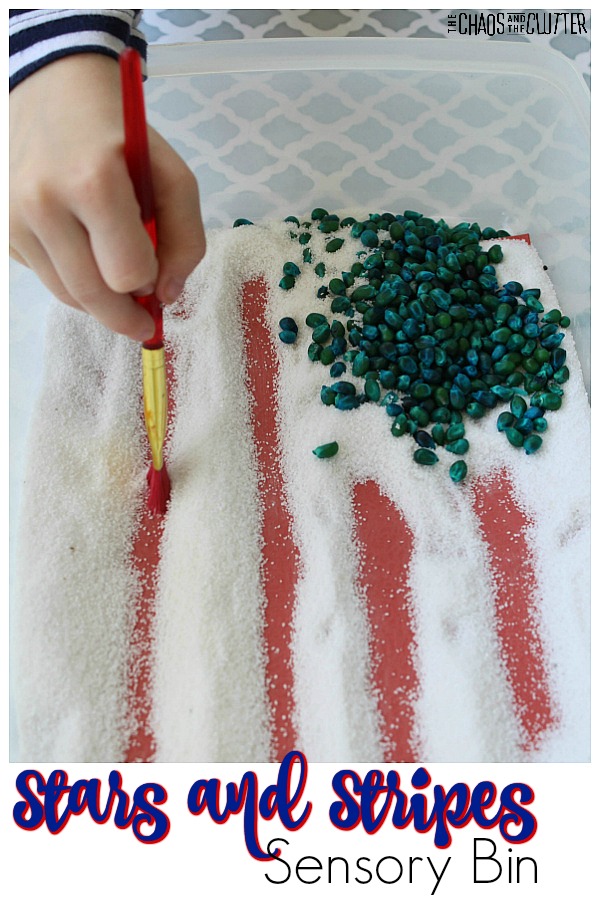
There’s something that I should probably get out of the way before we start. I’m Canadian. I actually had someone else make this sensory bin for me and take the photos of it because it just wouldn’t be authentic for me to have my kids playing in this 4th of July Stars and Stripes Sensory Bin! In the top part of the image, a young child's hand holds a red paintbrush and is brushing aside white sand to reveal red paper underneath. There is a pile of blue popcorn kernels in the corner. The words "4th of July Sensory Bin" are in the middle of the image. On the bottom is a sensory bin with red stripes in white sand, a pile of blue popcorn in the top corner, and stars sprinkled on top of the popcorn kernels.

Rest assured that the sweet little hands you see in the bin are 100% American! I wanted to be as authentic as possible, so I want to be up front about the whole US thing!

Even though I’m Canadian, I wanted to have an example of something like this for my American friends and readers. This sensory bin would be great for your 4th of July celebrations. It imitates the USA flag.

I love how interactive this sensory activity is. It doesn’t look like the American flag until the child begins to use their paintbrush to create the stripes. They will love seeing the stripes appear.

Stars and Stripes Sensory Bin:

Materials needed:
  • popcorn kernels
  • hand sanitizer
  • blue food colouring
  • white craft sand (or salt if you don’t have white sand)
  • red card stock paper
  • star confetti
  • small glow in the dark stars
  • paint brush
  • plastic bin with lid
  • scissors
  • resealable plastic bag
Directions:
To make the blue dyed popcorn:
  1. Place 1/2 a cup of unpopped popcorn kernels, 2 generous drops of hand sanitizer and several drops of blue food colouring in a resealable plastic bag and seal.
  2. Shake well.
  3. Allow the kernels to dry in the bag overnight or spread them out on a paper towel on a cookie sheet to dry for several hours.
To assemble the sensory bin:
  1. Cut a sheet of red card stock so that it fits inside the bin. Place it in the bottom of the bin.
  2. Pour white craft sand (or salt) over the red paper.
  3. In the upper left section, pour the blue dyed popcorn kernels.
  4. Add a paint brush and an assortment of stars.
  5. Invite your child to brush some of the sand away to create the stripes.
  6. Encourage your child to add the stars to the area where the popcorn kernels are.
  7. When not in use, replace the lid on the bin for easy storage for future play!

This patriotic sensory play activity is also a good way to talk to kids about the American flag and its history. You can read a book such as F is for Flag together.
Looking for some great sensory play recipes? Join for a five day email series on Sensory Activities and Solutions and get a free sample of our Sensory Play Recipes eBook.

Check out these other fun Summer sensory bins:

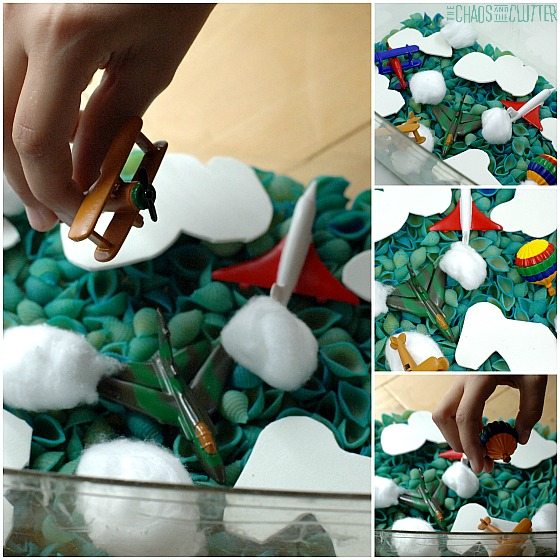
Sky Sensory Bin

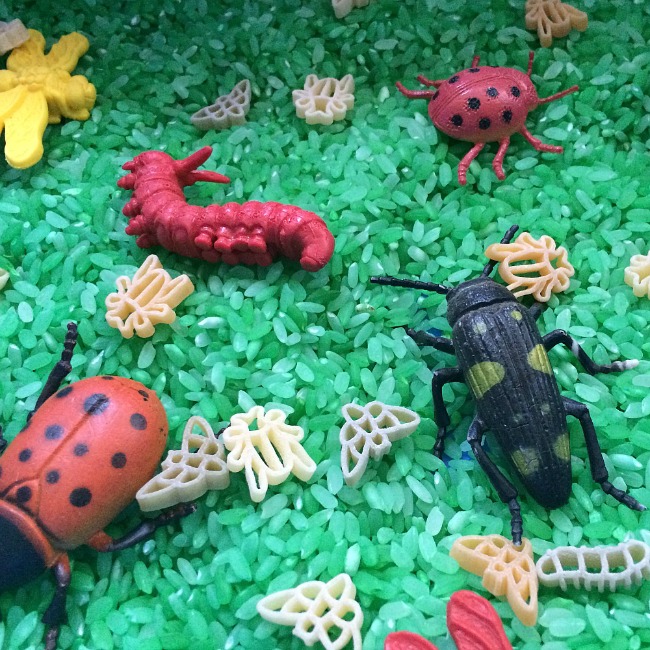
Insect Sensory Bin

Summer Sensory Bin

Filed Under: Sensory, Sensory Bins

  • « Go to Previous Page
  • Page 1
  • Interim pages omitted …
  • Page 36
  • Page 37
  • Page 38
  • Page 39
  • Page 40
  • Interim pages omitted …
  • Page 128
  • Go to Next Page »

Primary Sidebar

Categories

We are a participant in the Amazon Services LLC Associates Program, an affiliate advertising program designed to provide a means for us to earn fees by linking to Amazon.com and affiliated sites.

Copyright © 2026 • The Chaos and the Clutter • Site Design by Jeni @ The Blog Maven

Return to top of page

Copyright © 2026 · Chaos and the Clutter 2.0 on Genesis Framework · WordPress · Log in