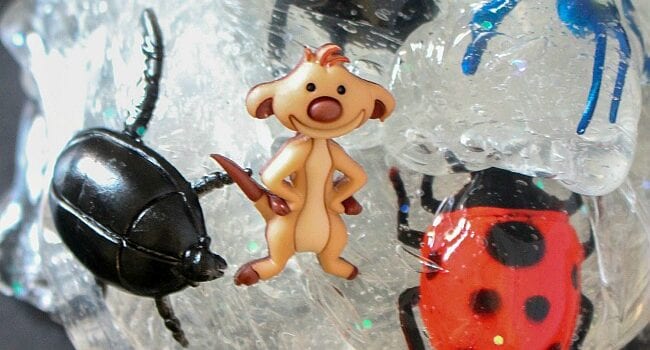
Timon is a meerkat from the Lion King movie. Timon is known for his love of bugs and most especially, grubs. This Timon inspired Lion King Slime will quickly be a favourite for kids who are a fan of the movie. 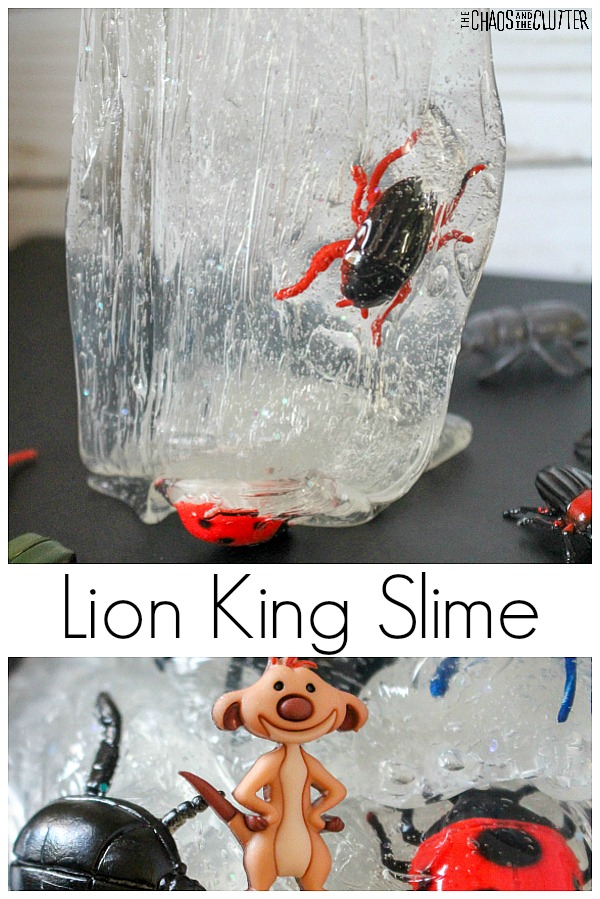 This beloved character is pretty cute, even if he does eat bugs!
Timon Inspired Lion King Slime Recipe:
- 5 oz. clear glue*
- 1/2 cup water
- 1/2 tsp baking soda
- 1 Tbsp. contact solution (use a buffered contact lens saline solution)
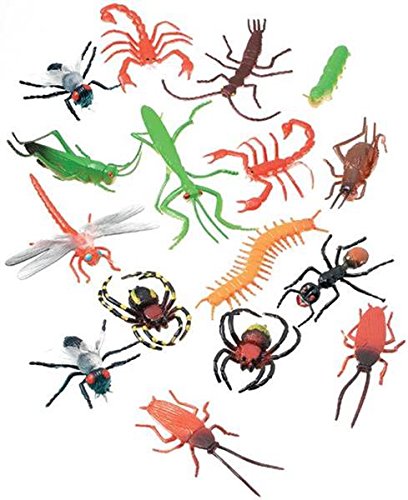
- plastic bugs
- Timon mini figurine or cake pick
*A note about the glue: I find that when making slime, Elmers school glue works best. I’ve tried other glues and the results haven’t been as predictable as they are when I use Elmers for my slime. 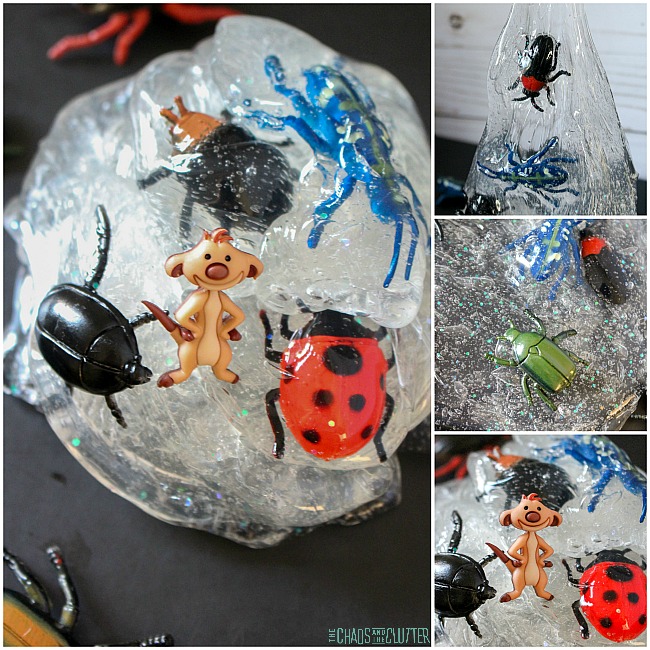 Instructions:
- In a bowl, pour 5 oz. of clear glue.
- Add 1/2 cup of water. Mix until the glue has broken up and is incorporated well in the water.
- Mix 1/2 cup baking soda in. Baking soda will help determine your slime’s thickness.
- Add 1 Tbsp. of contact solution. Mix. The slime will be ready to knead when the slime pulls away from the sides of the bowl. Contact solution is what makes the stickiness of the slime.
- Knead the slime. It will be too sticky at first. Just keep kneading it! If you have to, you can add a drop or two more of the contact solution, but be careful not to over-activate.
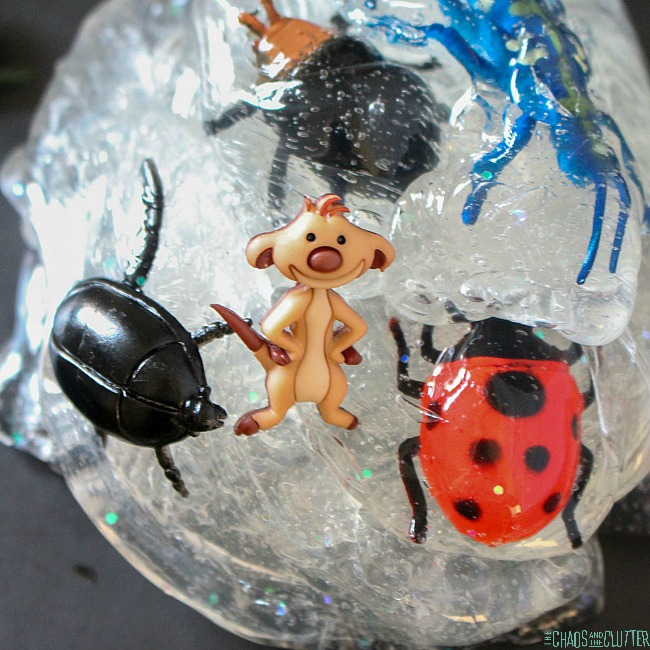
- Once your slime has formed, you can add your bugs and knead them inside.
- Place the Timon figure in or on the slime.
- Store the slime in an airtight container when not playing with it.
 Slime is a great sensory play material. It allows for visual, tactile, and proprioceptive feedback. It can be an effective calming tool when used for proprioception. Ideas for doing this include:
- stretching
- pulling
- kneading
- pressing, pushing
- squishing
Check out these other fun slime recipes:

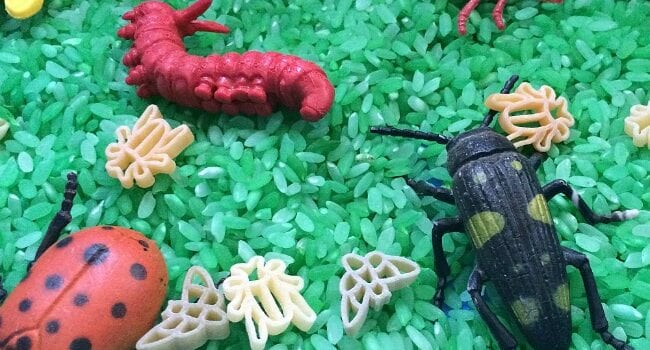
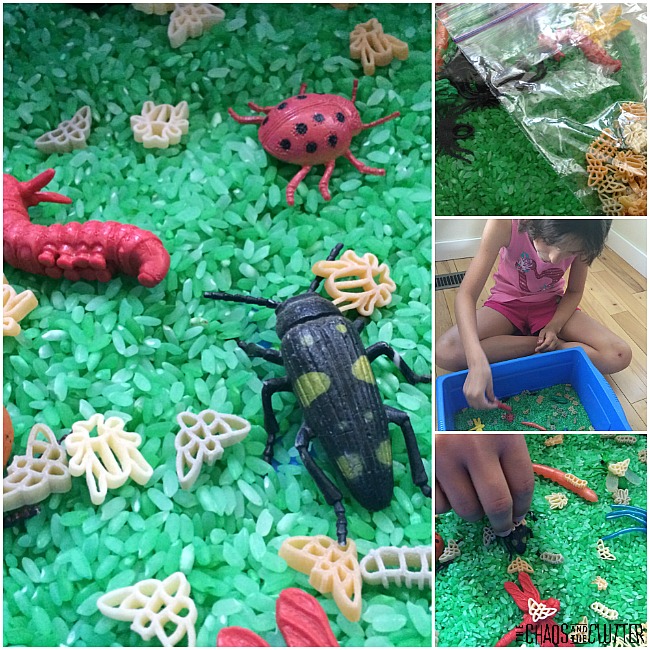
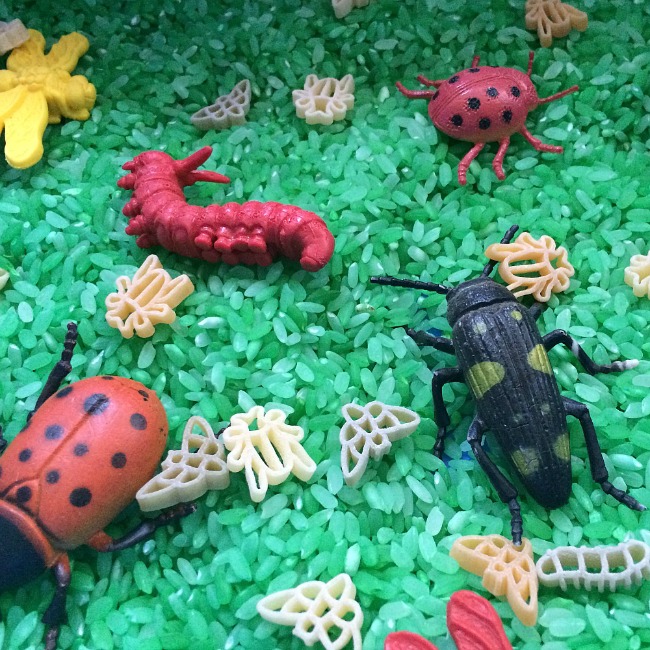
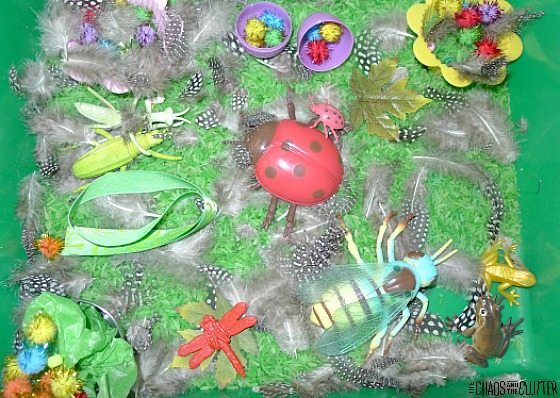
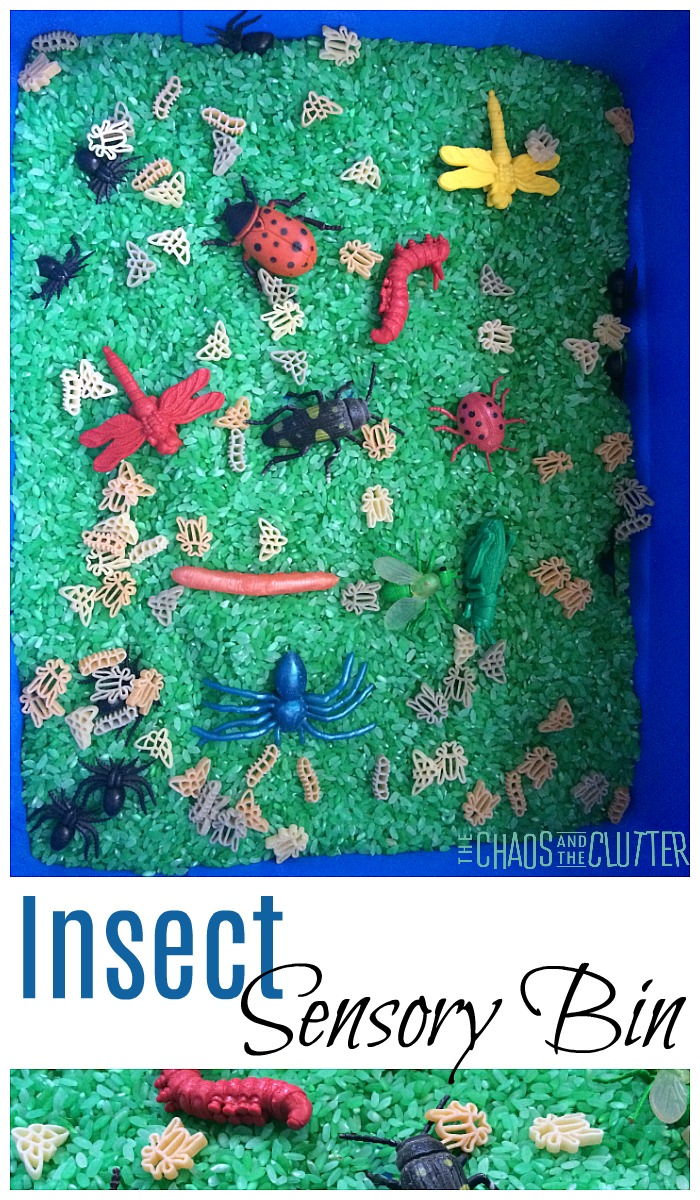 We used this sensory bin while studying insects in our homeschool. The kids enjoyed playing in it. The green rice looks like grass and made us look forward to Spring.
 This particular sensory bin was one of the ones we had made in our

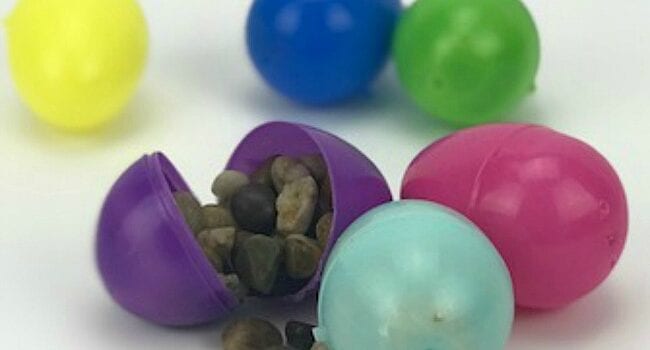
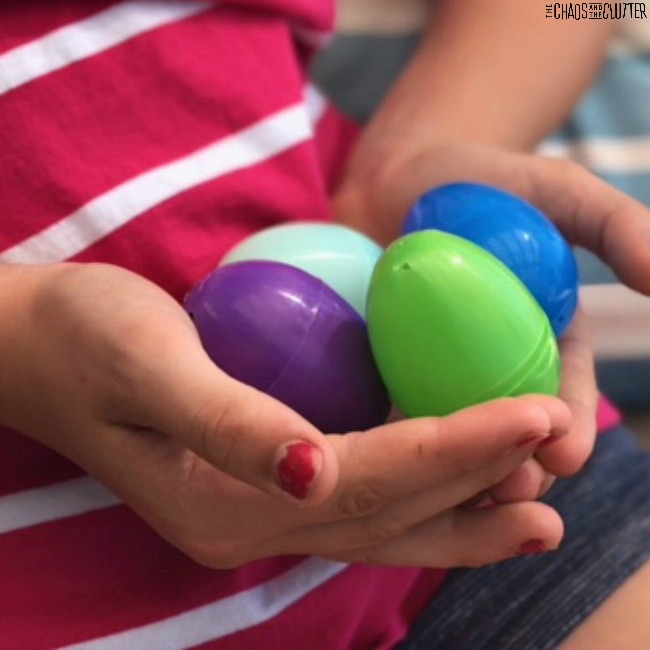
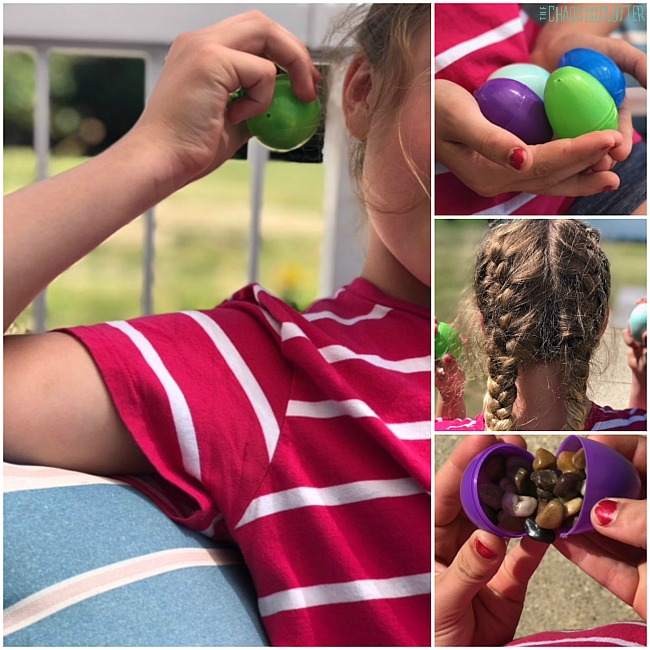
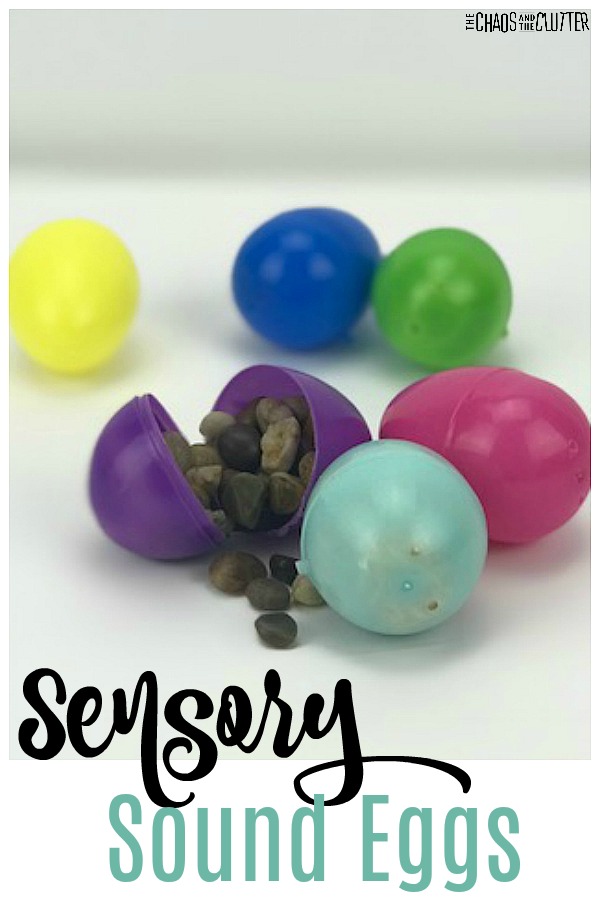 Sensory sound eggs are great at helping children with early auditory discrimination skills. As they use their sense of sound and other clues such as weight to determine what item is in each egg, they are developing important skills.
 This is very inexpensive to do. If you buy plastic eggs right after Easter, you can get them on sale for ridiculously cheap!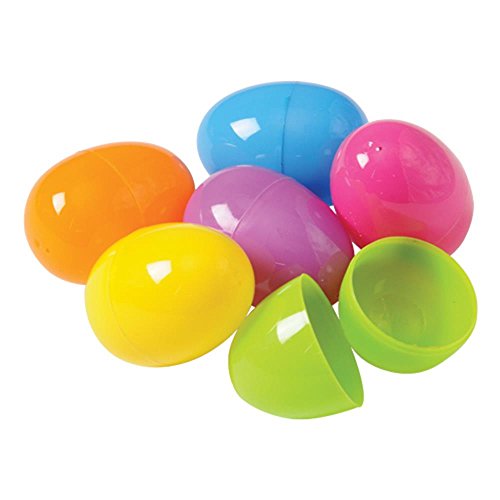
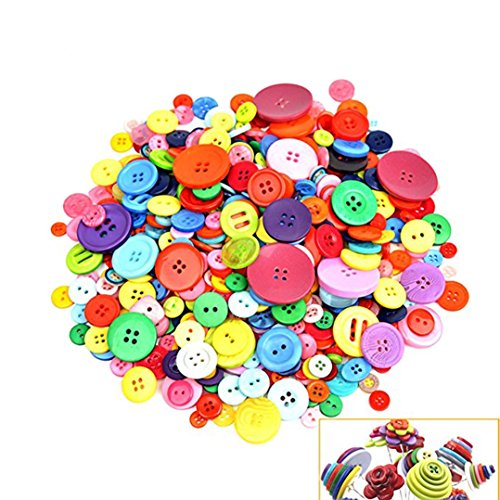
 Ways to Adapt this Sensory Activity: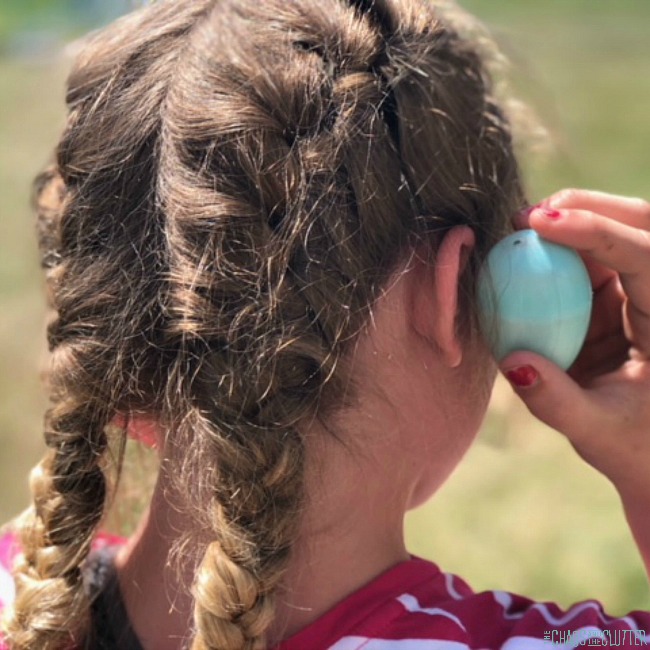

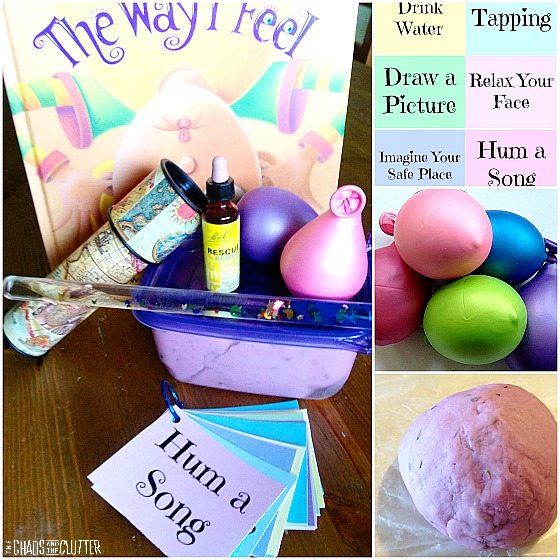
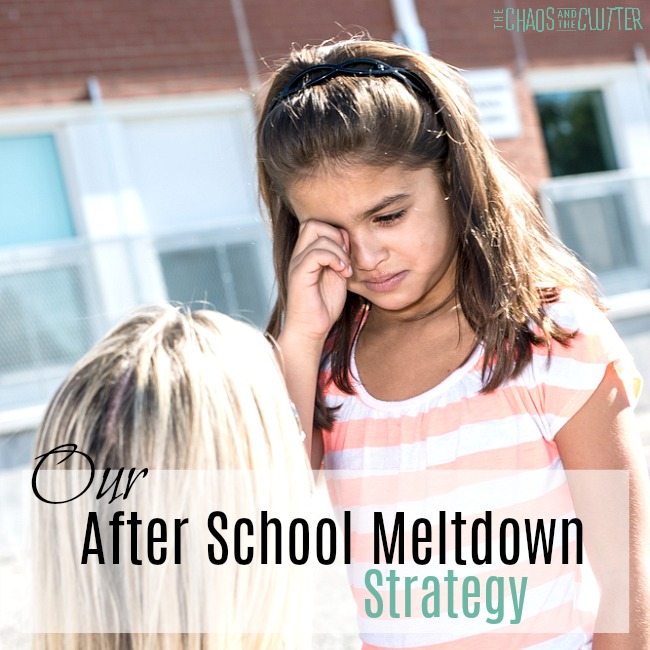
 Calm down techniques work for any child (or adult for that matter!). They are especially good to use for kids with autism, ADHD, Sensory Processing Disorder, FASD, early childhood trauma, Reactive Attachment Disorder, or anxiety.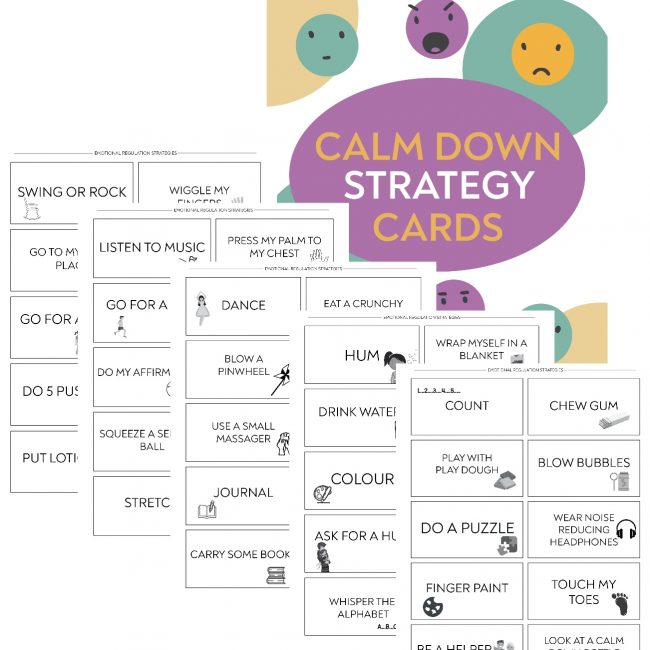

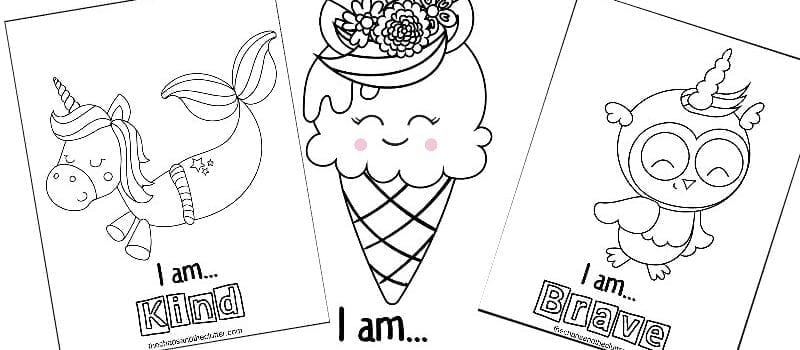
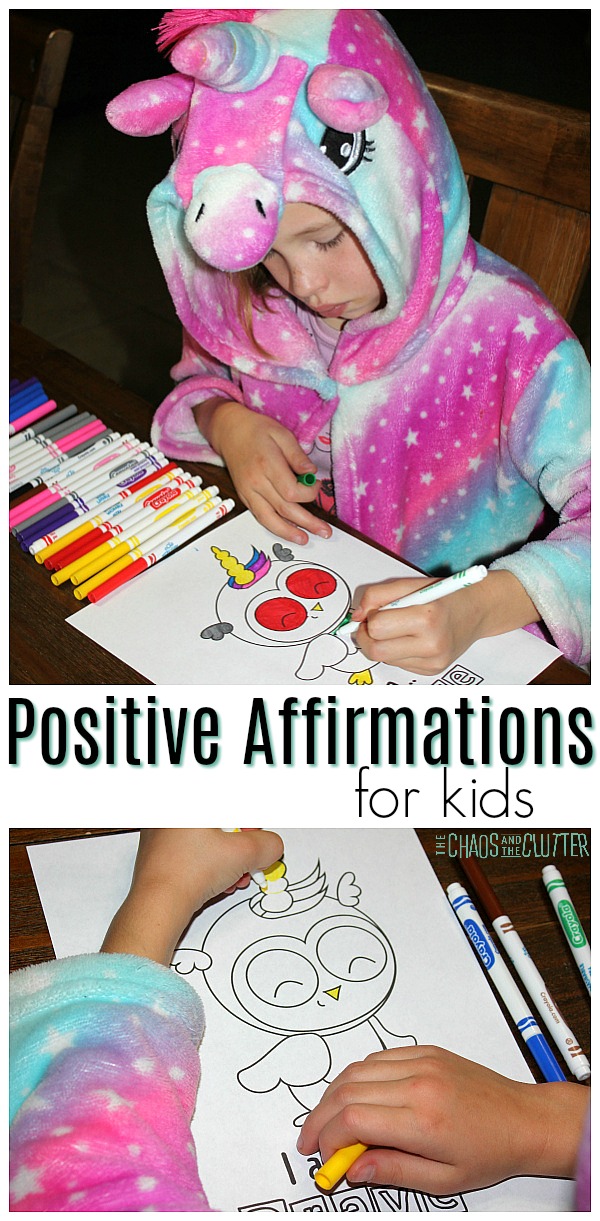 The thing about something that you hear or say over and over is that it gets stuck in your brain. It becomes part of your inner voice. This is true for both positive and negative words.
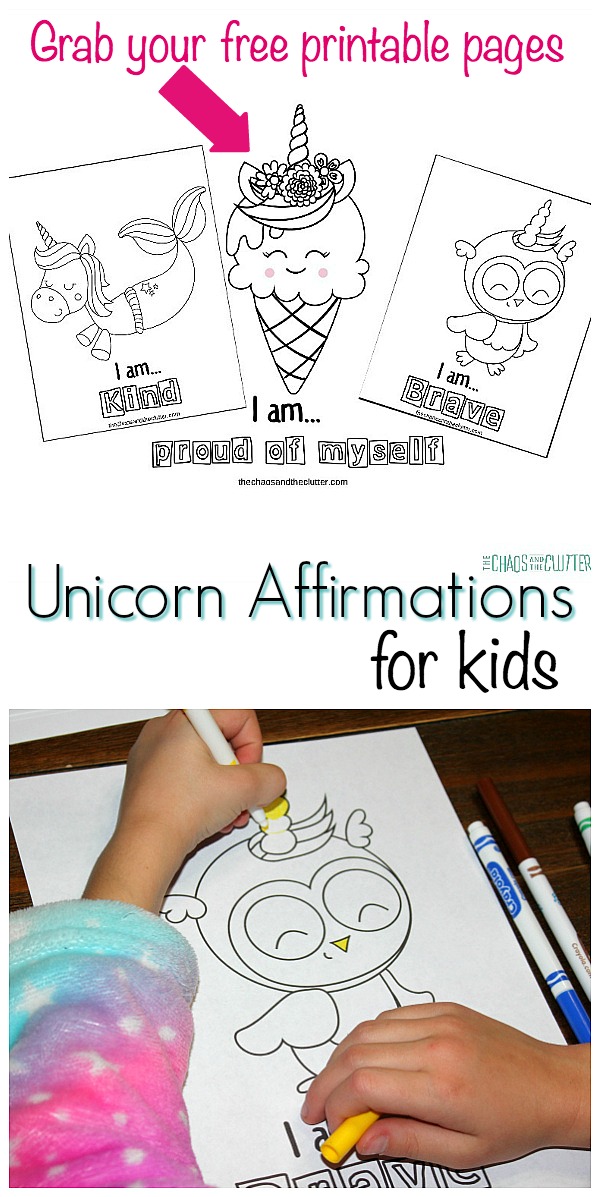
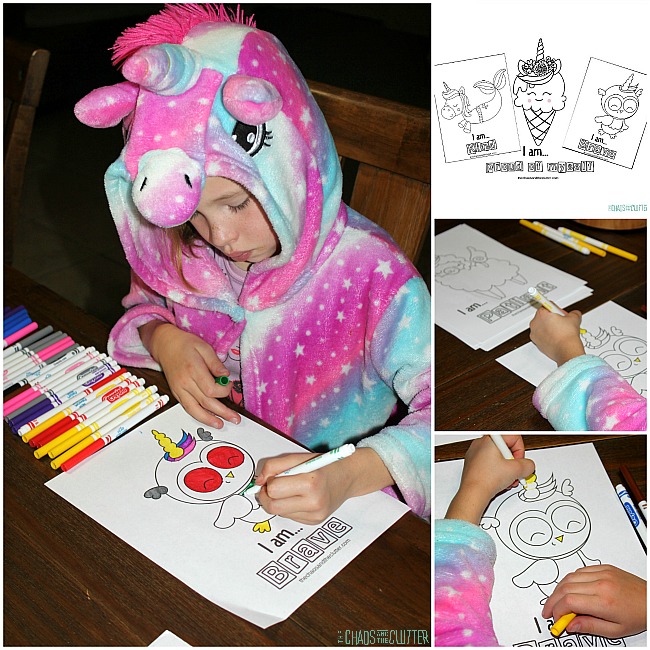 A positive affirmation is a statement meant to overcome negative thoughts. Negative thoughts contribute to self-sabotage, stress, pessimism, anxiety, and depression. Therefore, you want to retrain your child’s brain to replace those negative thoughts with positive ones.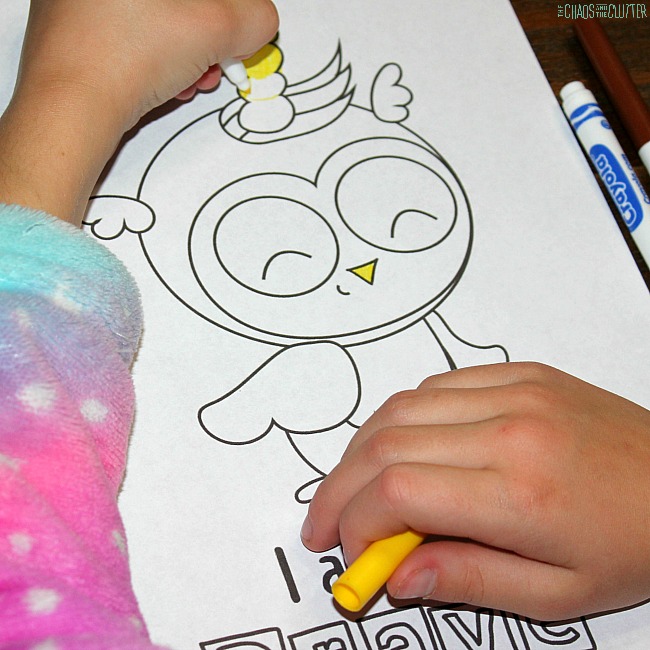
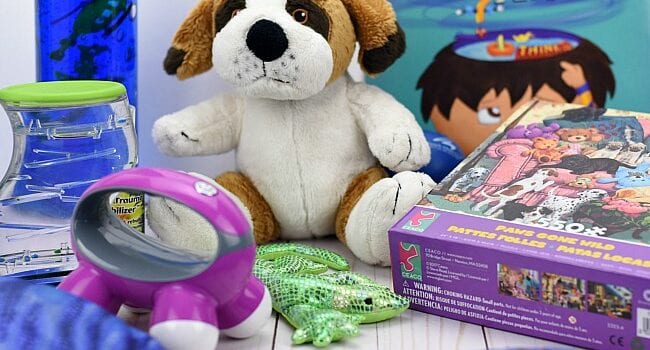
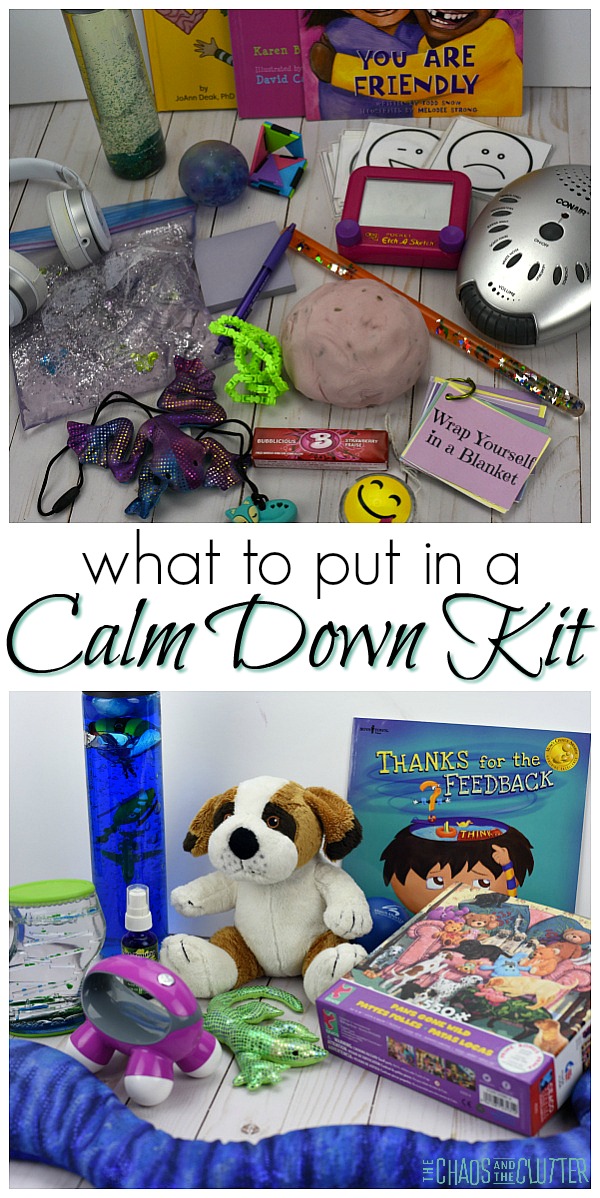
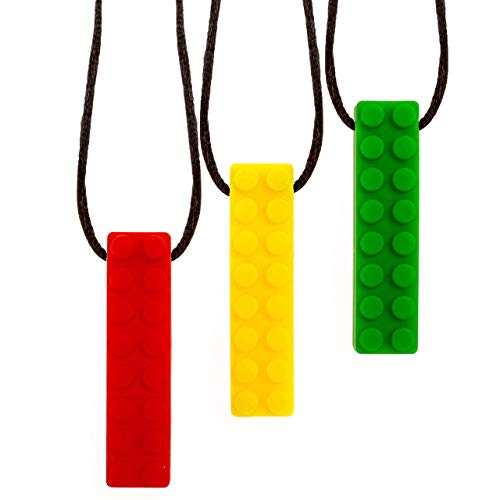
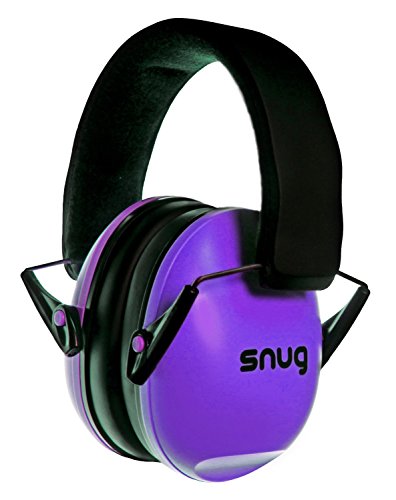
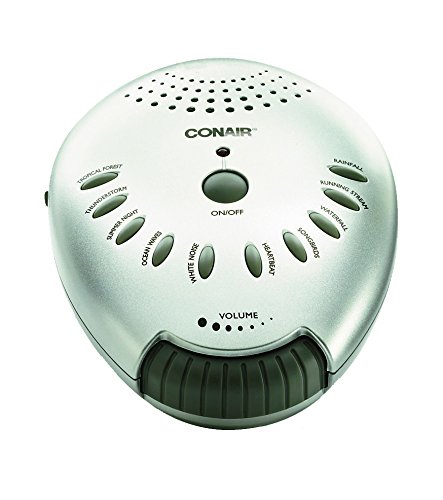
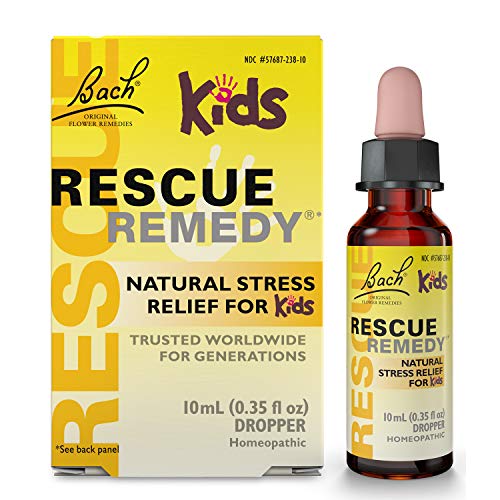
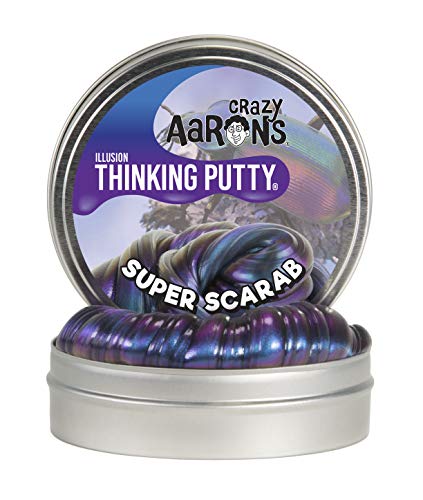

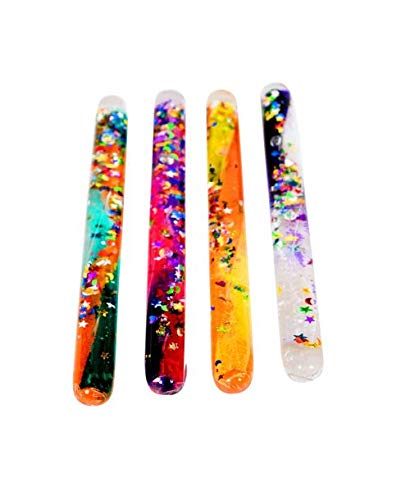
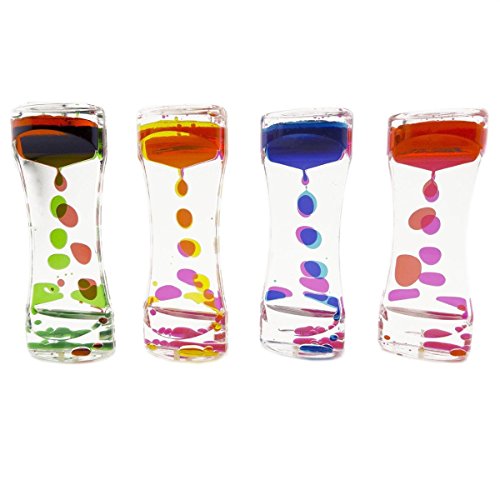
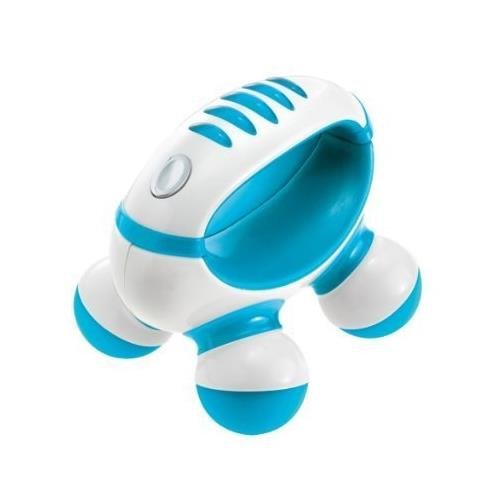

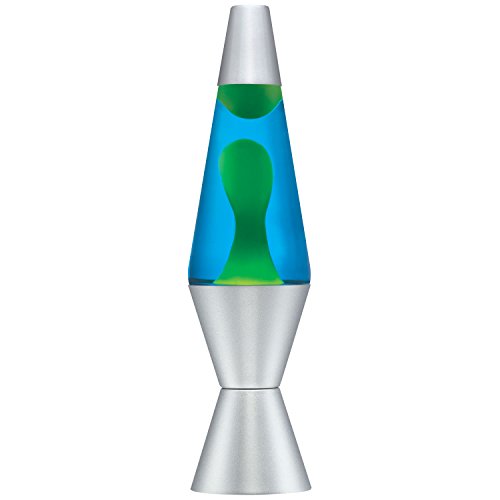
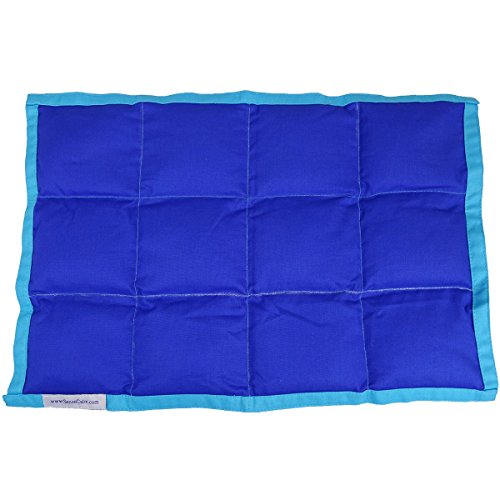
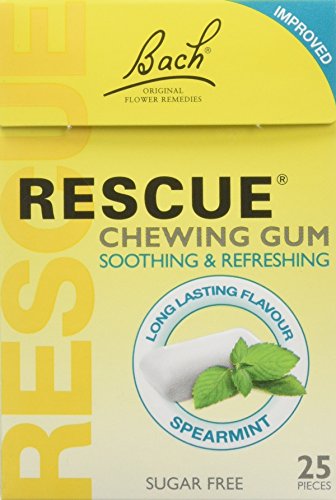
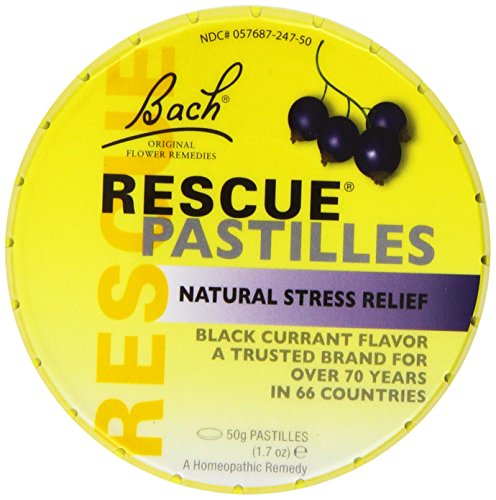
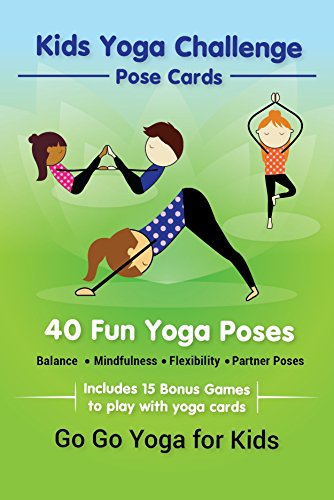
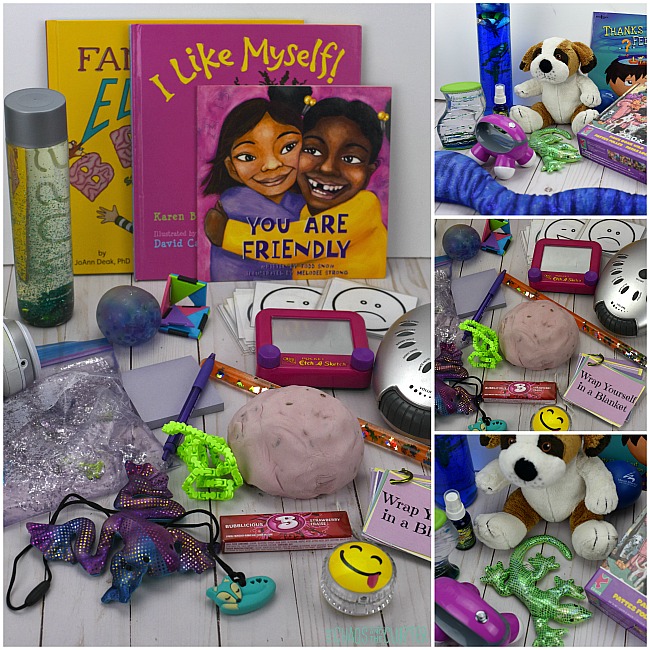 One thing to keep in mind when making an anti-anxiety kit for your child is to personalize it. One way to do this is to consider their sensory preferences (ie: a child who is sensory avoidant for auditory would prefer noise cancelling headphones in their kits whereas a child who is sensory seeking for auditory would prefer an audiobook or harmonica in theirs).