• Skip to primary navigation
  • Skip to main content
  • Skip to primary sidebar
  • Home
  • About
  • Contact
  • Privacy + Terms
  • Affiliates

The Chaos and the Clutter

  • Facebook
  • Twitter
  • Pinterest
  • Google Plus
  • RSS
  • Email
  • School at Home
  • Sensory
    • Sensory Processing Disorder
    • Awesome Sensory Play Activities
      • Sensory Bins
      • Sensory Bottles
      • Sensory Bags
  • Family Games
    • Minute to Win It Games
  • Special Needs Parenting
    • Childhood Anxiety
    • Reactive Attachment Disorder
    • Sensory Processing Disorder
  • Store
  • Course Login

Sharla Kostelyk

Calming Lavender Scented Playdough

By Sharla Kostelyk

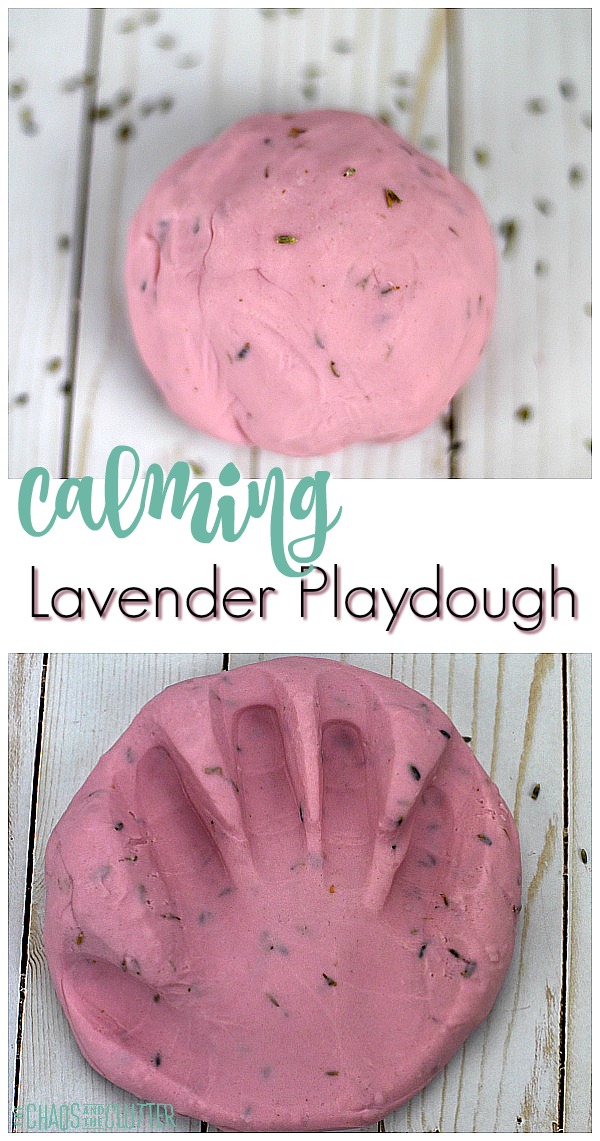
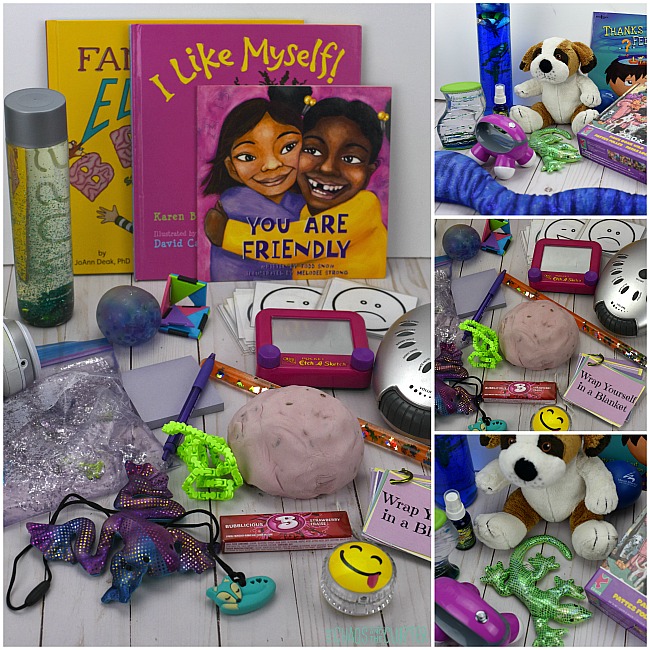
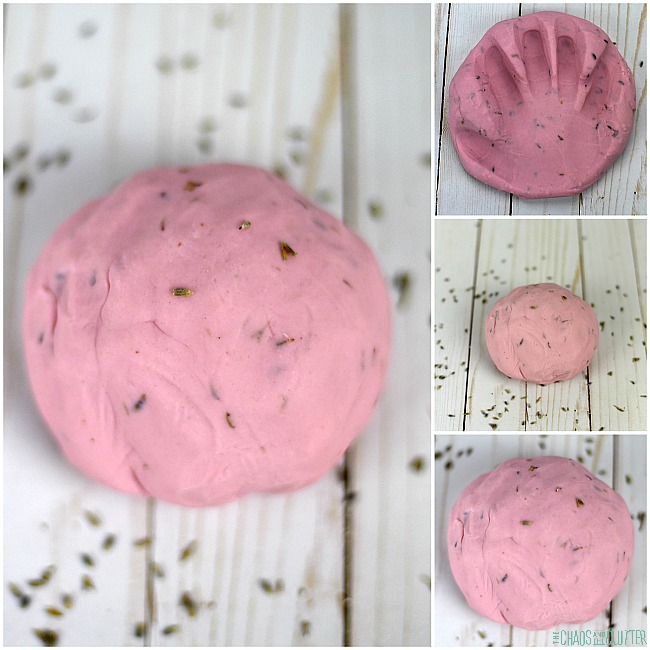
I made a calm down kit for my youngest daughter for her anxiety and I wanted to include some lavender scented playdough. The playdough makes a good sensory outlet for her and lavender is a soothing scent. I chose purple because purple is supposed to be the most calming colour and it also happens to be her favourite. It turned out really well. Calming Lavender Scented Playdough for sensory play #sensoryplay #playdough #lavender #specialneedsparentingI have since made this recipe several times. I have made it on the stovetop or in the KitchenAid. The reason that I prefer that method is because it is easier on my arms. Either method works though.
Lavender Scented Playdough Recipe:

  • 2 cups flour
  • 1/2 cup salt
  • 3 Tbsp. cream of tartar
  • 1 Tbsp. lavender or 3 drops lavender essential oil
  • 2 Tbsp. vegetable oil
  • 2 cups water (boiling if using the KitchenAid method)
  • purple food colouring
  • glitter (optional – I used purple)

Stovetop instructions:

  1. Mix the dry ingredients including the lavender together in a pot and stir in the oil, water and food colouring.
  2. Cook over medium heat, stirring constantly, being sure to scrape the sides and bottom.
  3. Cook until dough forms a ball.
  4. Remove from heat.
  5. Place it on a piece of wax paper.
  6. Knead.
  7. If you are adding glitter, add it in at this point.
  8. Let cool. Store in an airtight container or in a resealable bag.

KitchenAid instructions:

If you’re not a fan of getting a sore arm from stirring the playdough, you can instead make it in a KitchenAid mixer. To use this method (which I highly recommend!):

  1. Place the dry ingredients into the mixer.
  2. Add the oil and food colouring and begin mixing with the flat beater (the one for making dough).
  3. Add 2 cups of boiling water and continue to mix until a playdough texture is achieved.
  4. Next, take the dough out of the mixer and knead for one minute. If you’re adding glitter, add it at this stage and knead to combine it throughout the dough.
  5. Allow to cool. Store in an airtight plastic container or in a resealable bag.
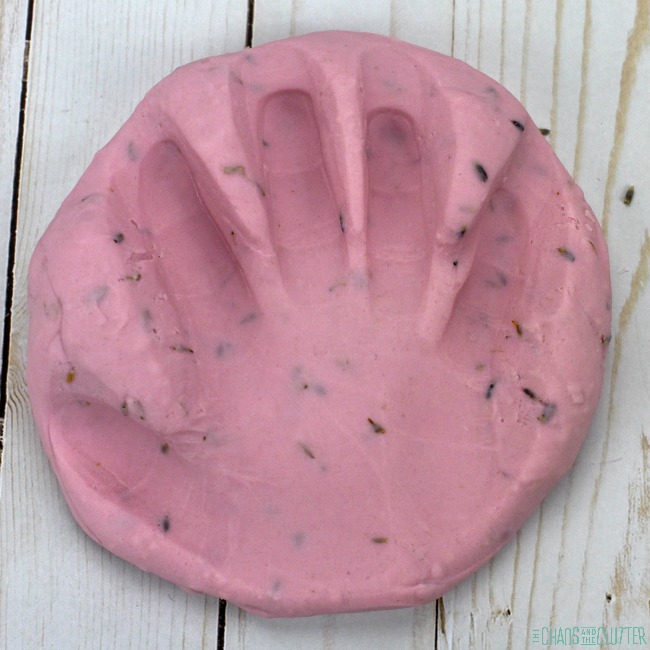
Playdough handprintOnce the playdough is made, it can be played with just like regular playdough.

As kids knead and pull and shape the dough, the lavender scent and the proprioceptive sensory feedback will provide a calming effect.

You can include a container of lavender playdough in your child’s calm down kit.
Ideas for Sensory Play with Playdough:

  • squish
  • knead
  • pull
  • smash
  • cut with plastic scissors (great for fine motor)
  • twist
  • roll
  • use a rolling pin
  • press cookie cutters in
  • stretch
  • stamp
  • play
  • shape onto a playdough mat
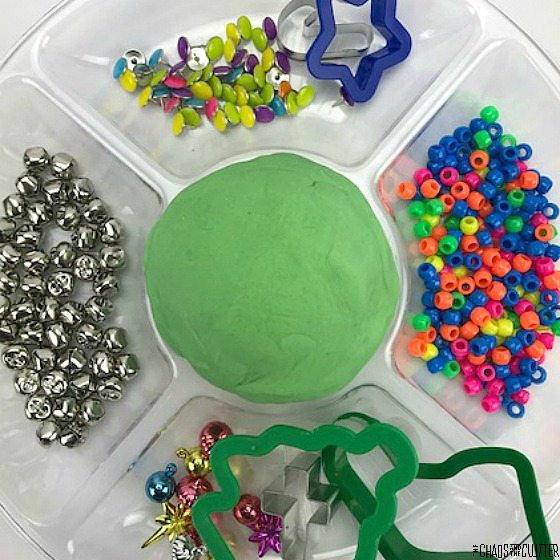
  • press buttons, beads, pipe cleaners, pompoms, dry pasta, shells, small toys, rocks, sticks, pine cones, googly eyes, leaves, keychains, or gems in

For kids who are sensory avoiding, you can put the playdough into a medium sized resealable bag and seal. The child can then squish and squeeze to their heart’s content without the texture of the dough actually touching their hands. They can also trace shapes or letters into the dough through the bag. This playdough engages the tactile, olfactory, visual, and proprioceptive senses.
Looking for more great sensory play recipes? Join for a five day email series on Sensory Activities and Solutions and get a free sample of our Sensory Play Recipes eBook.

Some of our other popular playdough ideas:
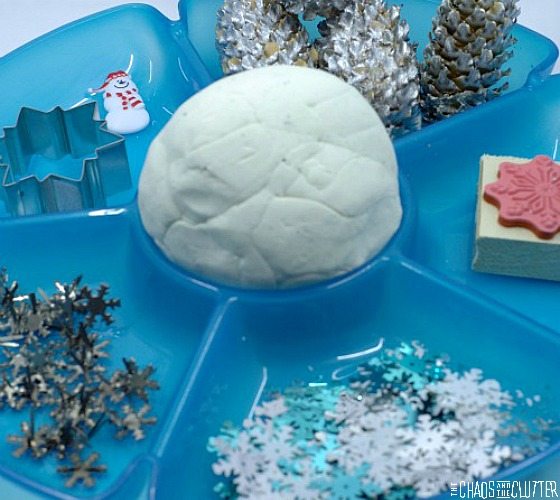
Peppermint Scented PlaydoughSnow Playdough Snow Playdough and invitation to play

Filed Under: Sensory Tagged With: playdough stations, sensory play

Sensory Meltdown Tips from Moms Who’ve Been There

By Sharla Kostelyk

If you’re a parent or teacher who has experienced a sensory meltdown, you know that there is no fun to be had there. It’s upsetting for the child, for the adult present, and awkward and uncomfortable for anyone within a one mile radius! While I have my own tried and true strategies for helping my kids through these, I know that one size does not fit all, so I wanted to gather sensory meltdown tips from other moms who’ve been there.

I know that their words are going to help you. Not only will you gather more tools for yourself by learning what works for them, you will be able to know without a doubt that you are not alone. I know that you will hear yourself in some of what they say.

Sensory Meltdown Tips from Moms Who've Actually Been There #sensory #SPD #sensoryprocessingdisorder #parentingtips #sensorymeltdownsIf you’re new to the term “sensory meltdown”, I encourage you to take a few minutes and read about the difference between a tantrum and a sensory meltdown. You can also read about meltdown prevention and strategies that really help. (just click that link above or the photo below)

Sensory Meltdown Tips from Moms Who’ve Been There:

“Stay calm yourself, as hard as that may be.” ~ Dyan from And Next Comes L

“Stop talking! As parents it’s our instinct to comfort our child and say “it’s okay” or ask what they need, but every word you say during a meltdown is just more sensory input your child’s brain needs to decode.” ~ Kaylene from Autistic Mama

“If you can start documenting the meltdowns, do it. Even something as simple as a journal to mark down things like possible triggers, time of day, location, etc. The more you can keep track, the better. Then you might be able to determine possible causes and figure out the most appropriate solutions.” ~ Kori from Kori at Home

You can find a sensory trigger log to help you document in the More Calm in the Chaos Planner for Moms.

“We try to leave the situation and I hold him tightly in a hug (if he will let me). I’ve learned that getting mad or raising my voice never helps. So I try to talk calmly and use words like “I understand you feel overwhelmed…” ” ~ Angela from Teaching Mama

“Counteract negative sensory input with positive sensory input. By doing so it’s easier to bring the child back to the present and move forward. We do this by making sure we have sensory kits ready at home or on the go. Once the child is calm and brought back to the present moment we can communicate feelings appropriately and come up with a solution together to solve the initial sensory issue.” ~ Renae from Every Star is Different

“Doctor recommended lollipops for grocery store trips. Taste, smell and texture helped my boys stay calm long enough to do quick shopping. Oldest son is autistic and seemingly constantly was in a state of meltdown. I was a single mom. Kids went everywhere with me. Lollipops helped.” ~ Samantha M.

More Sensory Meltdown Tips by Moms with Experience:

“We always have a box of sensory stuff in our car as well as I have a big purse that I throw a few things in for any outing. Her ear muffs, chewy necklace, snack( usually a cracker of some sort) and a spill proof water bottle. She does horrible in crowds and will chew her fingers raw if we don’t have her chewy necklace and with the ear muffs we have cut our meltdowns in half because she isn’t overwhelmed by the noises but still can hear somewhat.” ~ Ari C.

“I always have earplugs in my bag for unexpected noise. We have invested in a swing ( daughter is 12 and swing takes up to 30stone in weight so will last) Swinging helps a lot and is calming so we get her on the swing. A rocking chair I picked up from the charity shop is good too.” ~ Samantha T.

“My son loves the brushing and joint compressions still at 14. He gets so relaxed and calm. If we venture out to eat, and it gets to be overwhelming, I can do his joints in his fingers and he loves it.” ~ Jill L.

“During meltdowns, we rock together and I will also tap on his head. Learned that one from a chiropractor.” ~ Michelle W.

“It’s absolutely about prevention. Once a child is in a meltdown, their brains cannot think things through as they normally would. Recognize, avoid, accommodate.” ~ Amanda W.

You can also read helpful tips on how to stop sensory overload from turning into a sensory meltdown, as I know that is a common issue for parents.


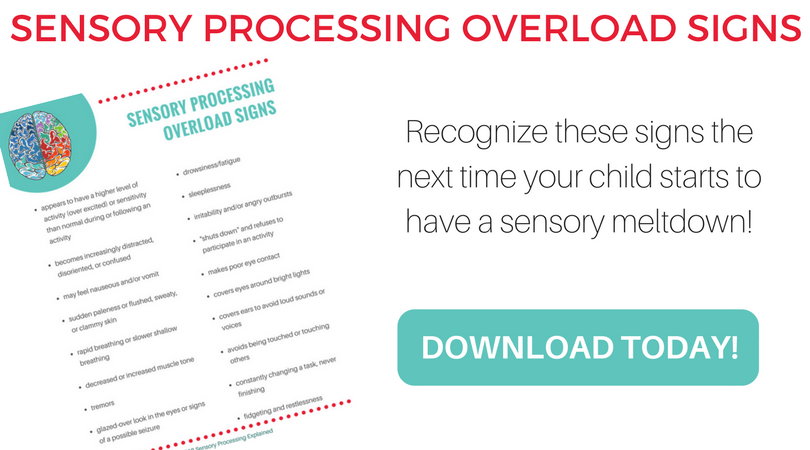
Being able to recognize the signs of sensory overload can help you to take action before it turns into a full blown sensory meltdown. My friend Heather and I created a free cheatsheet to help you see the signs. Read more about the signs of sensory overload here or get your own copy of the cheatsheet to print off and keep as a reminder here. 

Filed Under: Sensory, Special Needs Parenting

Sensory Busy Bags For Kids

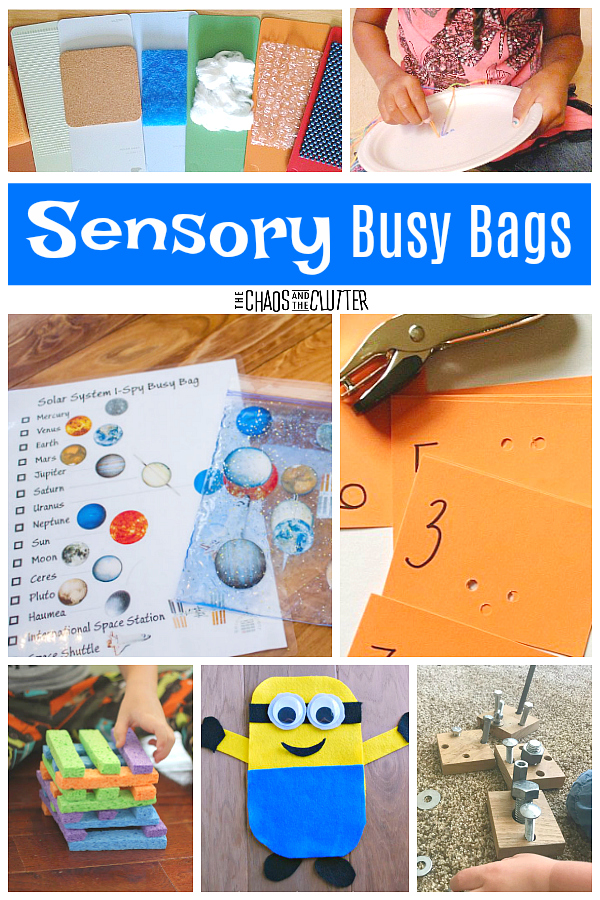
A collage of 7 photos and the words "Sensory Busy Bags". The photos include a blue, yellow, and black Minion made of felt, nuts and bolts with wooden blocks, multicoloured sponges being stacked by a small hand, a hole punch and orange cards, a solar system sensory bag with a printable sheet of the planets, a girl's hands sewing yarn into a paper plate, and multiple colours of textured cards

By Sharla Kostelyk

Busy bags are wonderful for times when kids need a quiet activity. They are great for reinforcing learning concepts. These sensory busy bags for kids are perfect for both of those things.

These sensory busy bags will enhance your child's learning and allow them to have fun in the process #sensoryplay #sensory #busybags #kidsactivities

Busy Bags

While all busy bags have some degree of sensory input to them, I’ve put together a list of those that offer really good sensory feedback.

When you incorporate more senses into learning, kids are more able to retain the concepts. Engaging sensory systems other than just the visual system helps both in memory and retention and in having a child’s sensory needs met.

These sensory busy bags can be used during quiet time with toddlers and preschoolers, in waiting rooms, on road trips, for church or while mom is busy making supper or helping other kids.  Busy bags help to teach independence too.  As an added bonus, many of these busy bag ideas below are excellent for fine motor practise.

By combining sensory elements into a busy bag, you can provide a rich learning opportunity for your child.

When making a busy bag, consider adding additional textures, sounds, or smells to enrich the experience. This doesn’t have to be complicated to do. Simply adding a drop of vanilla to a busy bag with felt cupcakes would increase the sensory experience.

Our Sensory Busy Bag Ideas:

Texture Cards (tactile, visual)

Simple String Busy Bag (proprioception, visual, tactile)

Smell Bottles (olfactory)

Simple Sewing Busy Bag (tactile, visual, proprioception)

Counting Busy Bag for Math Skills (tactile, proprioception)

I-Spy bag (visual, tactile)

Simple Scooping Busy Bag (visual, tactile)

Busy Bags with Pipe Cleaners (visual, tactile, auditory, proprioception)

Beading Busy Bag (proprioception, visual, tactile)

Colours and Fine Motor Busy Bag (tactile, visual)

Lacing Cards (tactile, visual)

7 Busy Bags for Teaching Colours (visual, proprioception, tactile)

Colour Mixing Sensory Bags (visual, proprioception, tactile)

More Busy Bags:

Here are some other sensory rich busy bags that you can create. Kids will love these!

Nuts and Bolts Busy Bag from Teaching Mama

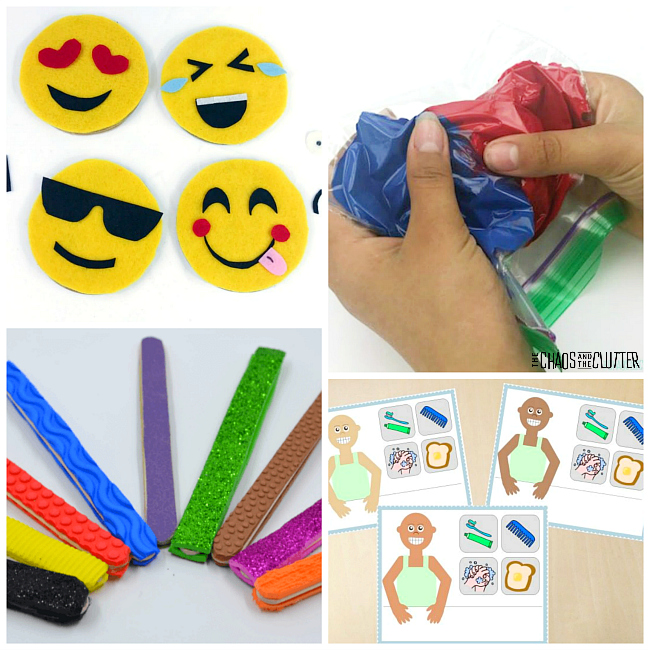
Textured Pattern Craft Sticks at Growing Hands on Kids

Sponge Tower from Toddler Approved

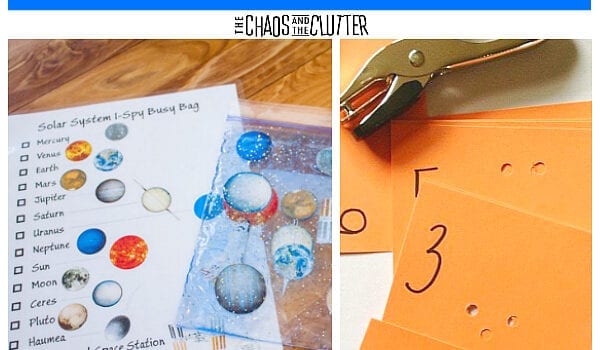
Solar System I-Spy Busy Bag from Research Parent

Self-Care and Morning Routine Busy Bag at Lalymom

Felt Emoji Busy Bag from Views for a Step Stool

Build a Minion Busy Bag from Happy Brown House

Fun Food Play Dough Mats from Picklebums

Tic Tac Toe on Simple Play Ideas

Color Match Game from Glued to my Crafts

Jelly Beans Busy Bag from Teach Me Mommy

Acorn Math on Toddler Approved

Practical Life Button Turkey from Natural Beach Living

Felt Sandwich Busy Bag from Glued to my Crafts

Beautiful Bugs Playdough Mats over on Picklebums

Bug I-Spy Busy Bag from Views from a Step Stool

Calming Busy Bag on Lemon Lime Adventures

Join us for a five day email series on Sensory Activities and Solutions and get a free sample of our Sensory Play Recipes eBook.

Filed Under: Busy Bags, Sensory

Mardi Gras Slime

By Sharla Kostelyk

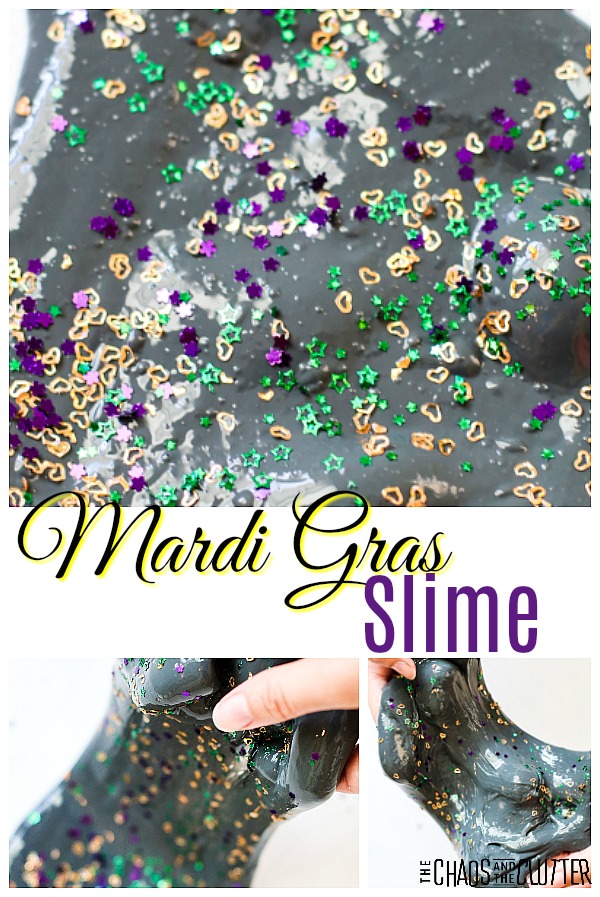
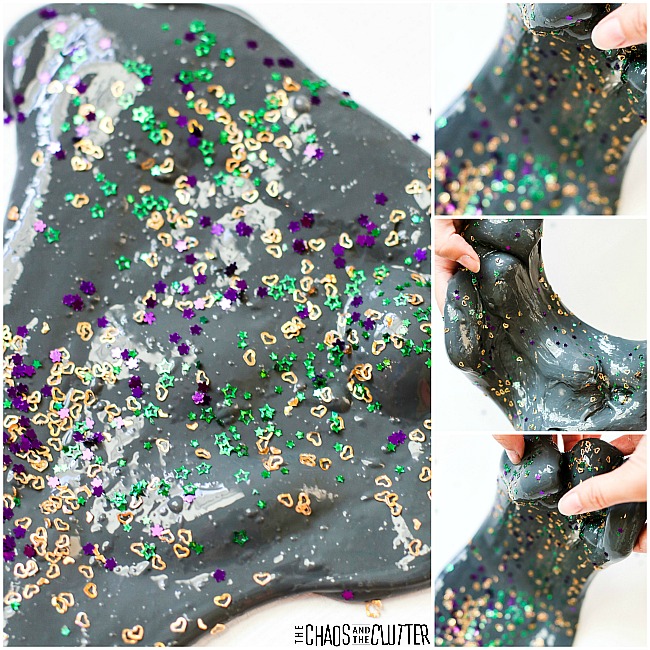
I should probably admit that I’ve never actually been to New Orleans, so Mardi Gras isn’t something I’ve personally experienced, but that’s no reason I can’t bring the party to my house. This Mardi Gras Slime brings the party to sensory play.

Mardi Gras Slime #slimerecipes #slime #sensoryplay #sensoryactivitiesMardi Gras Slime Recipe:

  • 5 oz. bottle of Elmer’s clear school glue
  • ½ cup water
  • ½ tsp baking soda
  • 1 Tbsp. contact solution
  • grey acrylic paint
  • purple, green, and gold confetti
  • optional: Mardi Gras beads for playing

Instructions:

  1. Pour the whole 5 oz. bottle of clear glue into a small mixing bowl.
  2. Add in ½ cup of warm water and stir.
  3. Mix in the baking soda.
  4. Drop in a few drops of grey acrylic paint. Stir. If desired colour isn’t achieved, you can add in another drop or two.
  5. Add 1 Tbsp. contact solution to the mixture. It will begin to form instantly. At this point, it will be quite sticky. Don’t worry! Continue to mix the contact solution in the bowl until it starts to pull away from the sides and form.
  6. Knead the slime until it is no longer sticky.
  7. Add the confetti and mix in.
  8. Store the Mardi Gras slime in an airtight container.

You can set this slime out with Mardi Gras beads. This will provide another element for sensory input in the play. The stretchy slime will contrast against the hard beads, offering a great tactile experience.
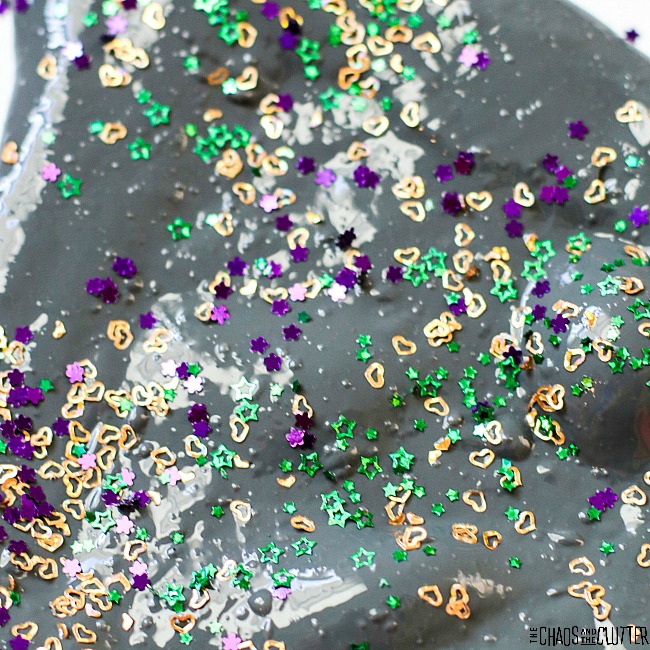
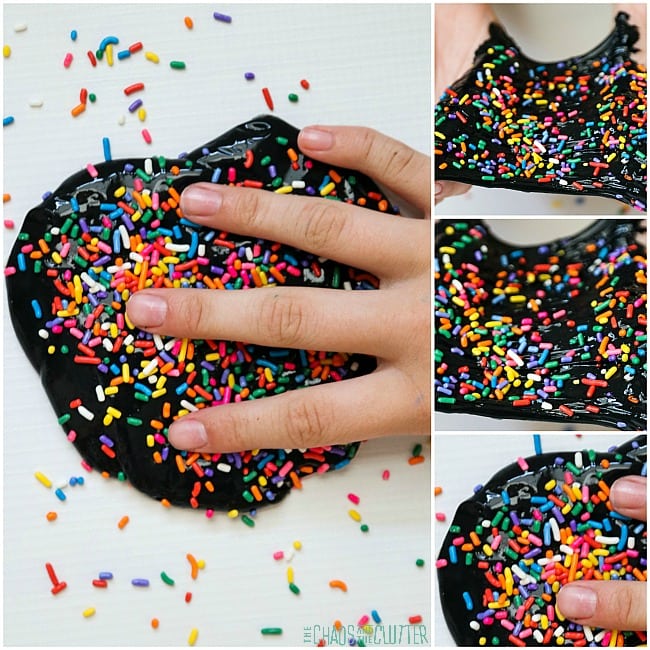
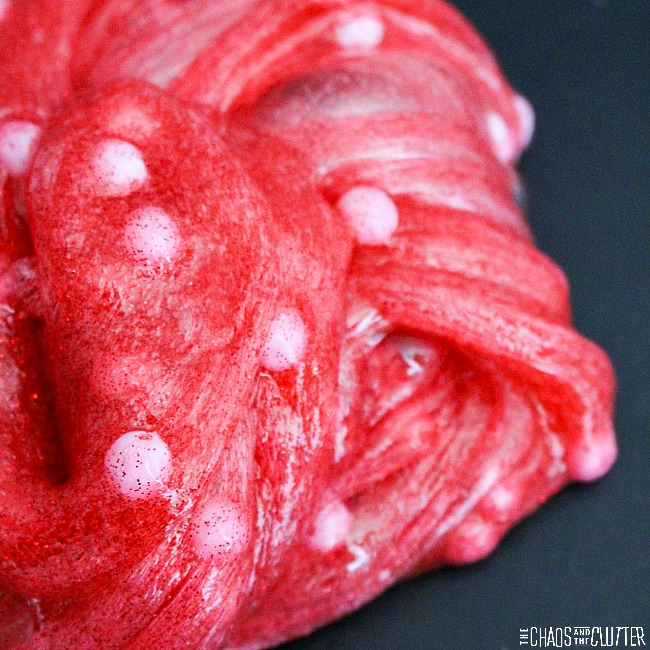
Kids will enjoy playing with this and watching the confetti mix in. The contrast of colours is really quite striking!

Slime can be part of a sensory diet. It offers visual, tactile, and proprioceptive sensory input. 

Find other sensory play recipes including slimes by grabbing a free sample of our Sensory Play Recipes eBook. Simple enter your email below and you’ll be set!

Check out some of our other slime recipes:

Rainbow Confetti Party Slime Minnie Mouse Slime 

Filed Under: Sensory Tagged With: sensory play, slime

Must Have Sensory Processing Books for Kids

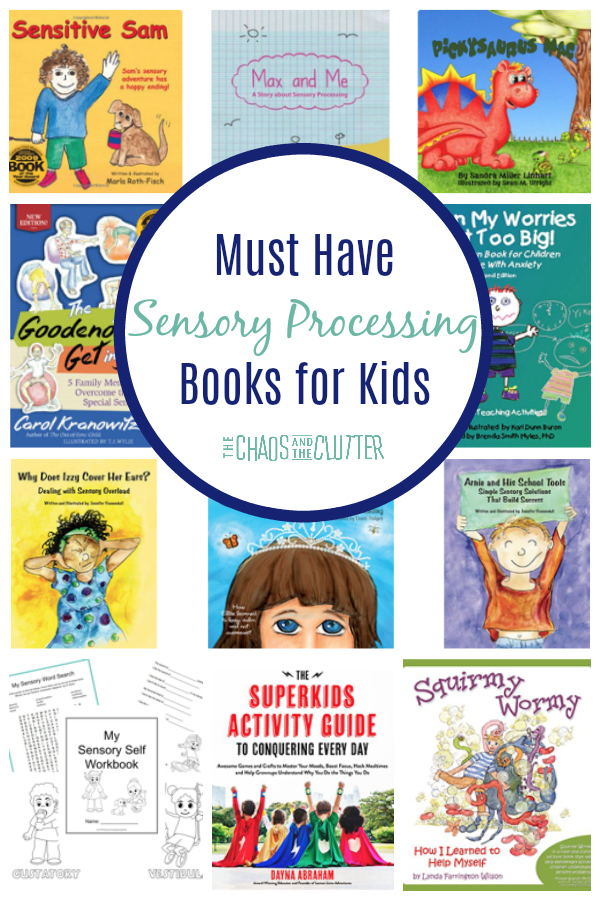
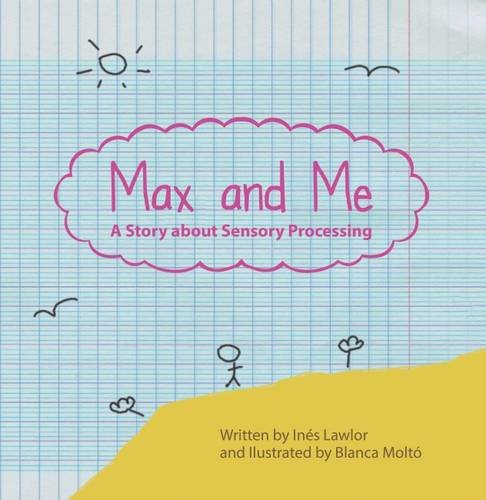
The image is a collage of the covers of 11 books for kids. There is a white circle in the middle of the collage with a navy frame around it. In the circle are the words "Must Have Sensory Processing Books for Kids".

By Sharla Kostelyk

With words like “vestibular”, “proprioception”, and “interoception”, sensory processing can be difficult to understand even for adults. It can be difficult to introduce the concepts to kids. Books are a great way to begin the conversation. These must have sensory processing books for kids include titles not only for kids with sensory challenges, but for their siblings and classmates as well.

These must have sensory processing books for kids include titles not only for kids with sensory challenges, but for their siblings and classmates as well. #sensoryprocessing #sensoryprocessingdisorder #spd #booksforkidsBy involving the siblings and classmates of kids with Sensory Processing Disorder in the learning, they will they be better able to understand and support the child with SPD. Feeling understood goes a long way.
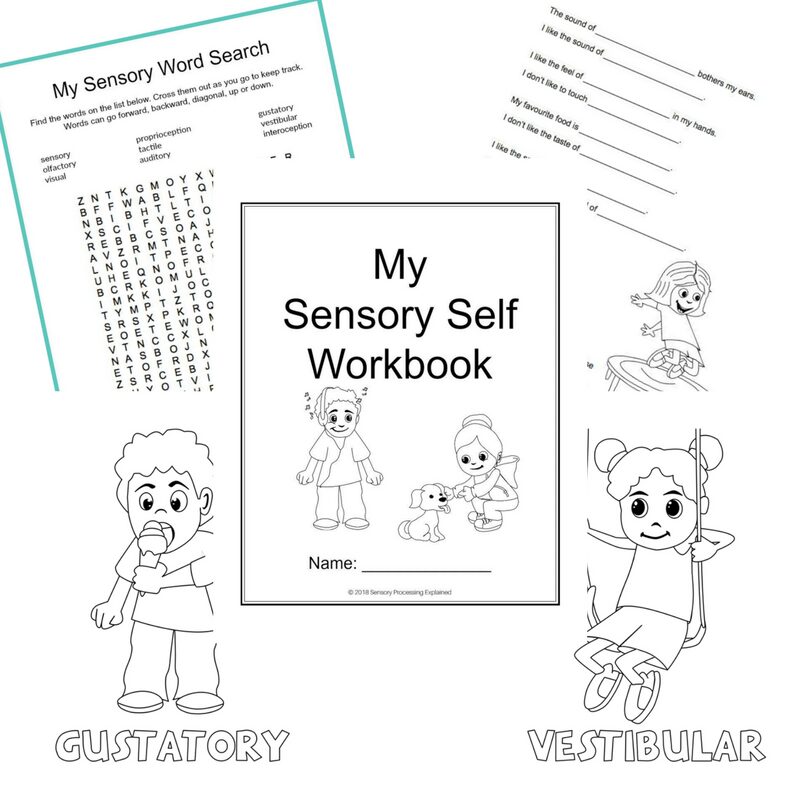
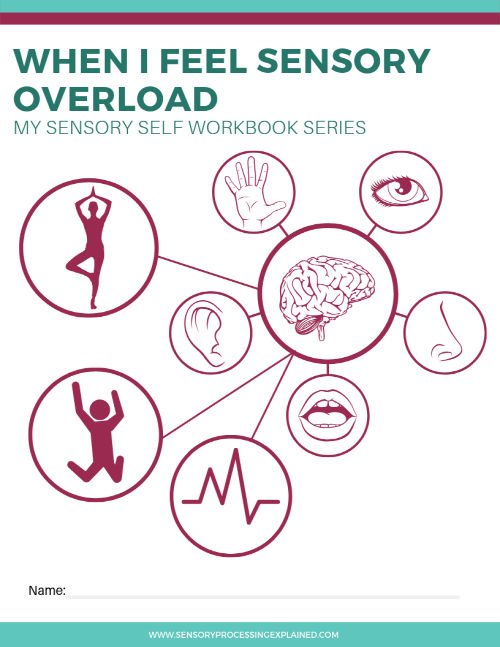
Kids need to develop an understanding of sensory processing. They also need to learn to recognize their own sensory signals. For a child with Sensory Processing Disorder, this is even more important. Books are a wonderful tool for parents and teachers to use.


Must Have Sensory Processing Books for Kids:

My Sensory Self Workbook for Kids: Helps Kids Learn the 8 Sensory Systems and Discover Their Unique Sensory PreferencesMy Sensory Self Workbook for Kids: Helps Kids Learn the 8 Sensory Systems and Discover Their Unique Sensory PreferencesBuy NowWhen I Feel Sensory OverloadWhen I Feel Sensory OverloadBuy Now


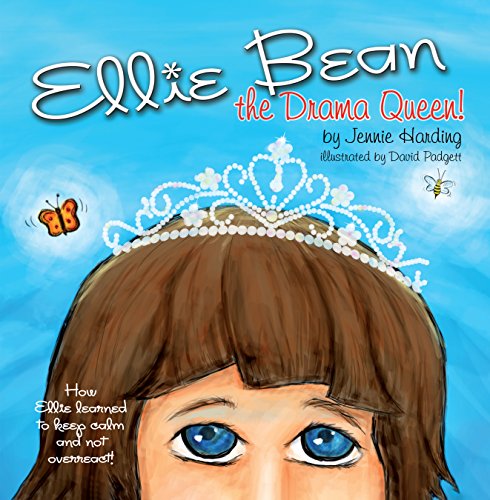
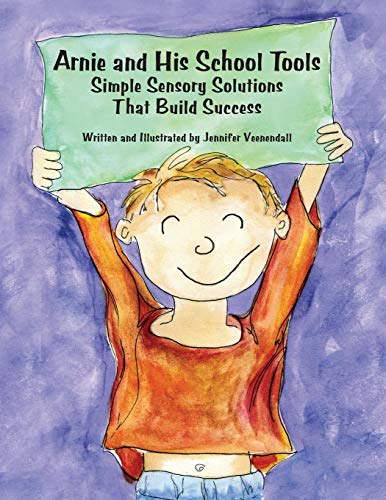
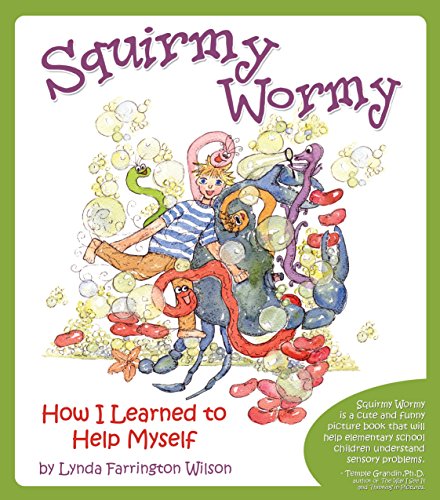
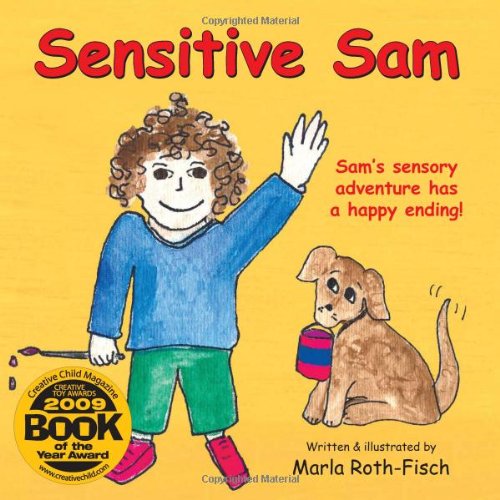
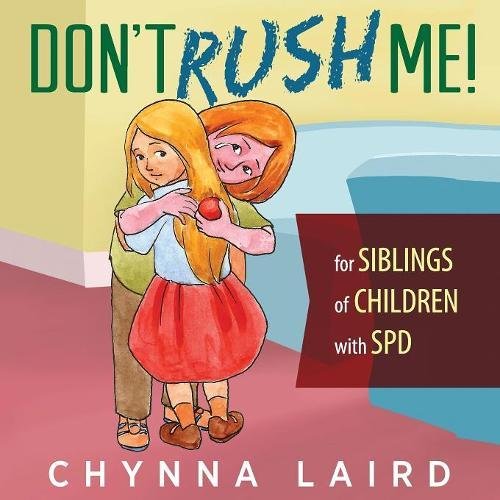
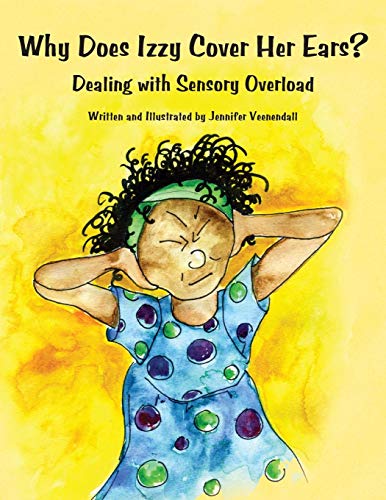
Why Does Izzy Cover Her Ears? Dealing with Sensory OverloadWhy Does Izzy Cover Her Ears? Dealing with Sensory OverloadWhy Does Izzy Cover Her Ears? Dealing with Sensory OverloadEllie Bean the Drama QueenEllie Bean the Drama QueenEllie Bean the Drama QueenArnie and His School Tools: Simple Sensory Solutions That Build SuccessArnie and His School Tools: Simple Sensory Solutions That Build SuccessArnie and His School Tools: Simple Sensory Solutions That Build SuccessSquirmy Wormy: How I Learned to Help MyselfSquirmy Wormy: How I Learned to Help MyselfSquirmy Wormy: How I Learned to Help MyselfSensitive Sam: Sam's Sensory Adventure Has a Happy Ending!Sensitive Sam: Sam’s Sensory Adventure Has a Happy Ending!Sensitive Sam: Sam's Sensory Adventure Has a Happy Ending!Max and Me: A Story About Sensory ProcessingMax and Me: A Story About Sensory ProcessingMax and Me: A Story About Sensory ProcessingPickysaurus MacPickysaurus MacPickysaurus MacDon't Rush Me: For Siblings of Children with Sensory Processing DisorderDon’t Rush Me: For Siblings of Children with Sensory Processing DisorderDon't Rush Me: For Siblings of Children with Sensory Processing Disorder

There are a few on this list that I would like to go into a bit more detail about.

My Sensory Self Workbook for Kids was born out of a wish. With five of my kids having Sensory Processing Disorder, I had always wished that a resource existed that would have helped me teach them about sensory processing. I wanted something that not only taught them the terminology in a fun way, but also helped them discover their own sensory preferences.

I teamed up with my friend Heather who is an OTA so that we could pair her professional experience with my real world experience. We created the workbook especially for kids. Even kids who don’t have SPD have sensory preferences (as we all do). This workbook is a great teaching tool. Help take the mystery out of sensory processing.

When I Feel Sensory Overload helps children think through their reactions to meltdowns and what may have led up to that in the first place. This enables them to identify their triggers and react differently in the future.

Squirmy Wormy has some sensory strategies interspersed throughout the story, which I quite like.

Arnie and His School Tools is a good book for teachers to read to the classroom. The story explains why some kids may need to use sensory tools in the school. It can also help kids with SPD feel less self-conscious about the tools they use.

Don’t Rush Me! is specifically written for siblings of kids with SPD. This is a much needed area to be addressed. Siblings are affected and may not have the vocabulary to ask questions or express their feelings about it. This book can be a starting point for that.

Pickysaurus Mac is a cute story for kids who are picky eaters due to sensory issues.

Sensory Processing Books for Older Kids:

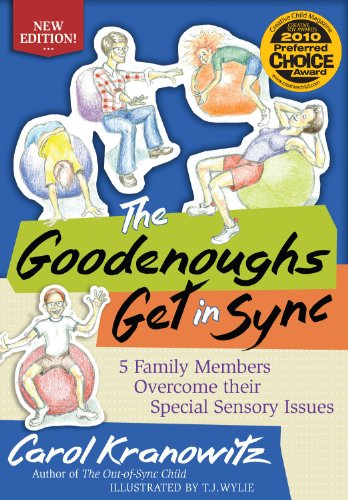
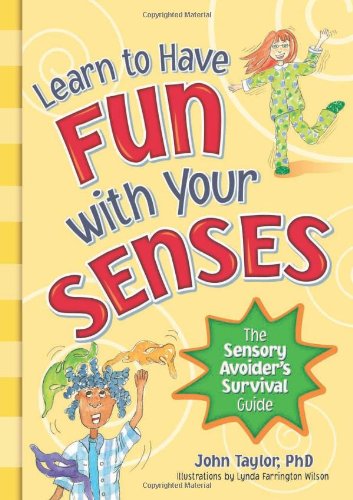
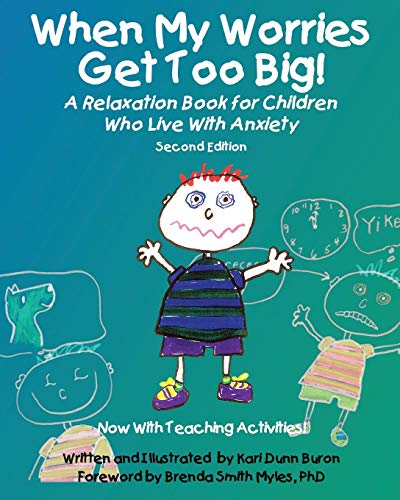
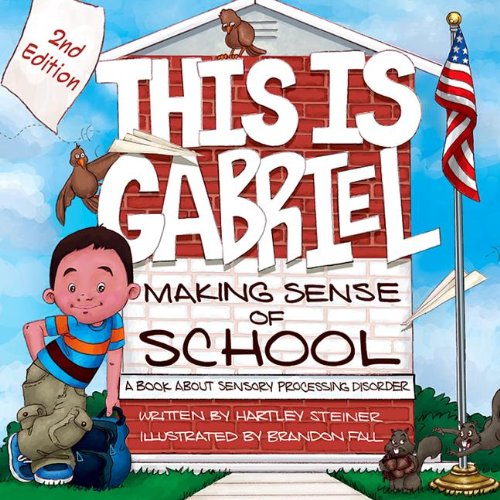
The Superkids Activity Guide: Awesome Games and Crafts to Master Your Moods, Boost Focus, Hack Mealtimes and Help Grownups Understand Why You Do the Things You DoThe Superkids Activity Guide: Awesome Games and Crafts to Master Your Moods, Boost Focus, Hack Mealtimes and Help Grownups Understand Why You Do the Things You DoThe Superkids Activity Guide: Awesome Games and Crafts to Master Your Moods, Boost Focus, Hack Mealtimes and Help Grownups Understand Why You Do the Things You DoThe Goodenoughs Get in Sync: 5 Family Members Overcome their Special Sensory IssuesThe Goodenoughs Get in Sync: 5 Family Members Overcome their Special Sensory IssuesThe Goodenoughs Get in Sync: 5 Family Members Overcome their Special Sensory IssuesLearn to Have Fun with Your Senses: The Sensory Avoider's Survival GuideLearn to Have Fun with Your Senses: The Sensory Avoider’s Survival GuideLearn to Have Fun with Your Senses: The Sensory Avoider's Survival GuideWhen My Worries Get Too Big!: A Relaxation Book for Children Who Live with AnxietyWhen My Worries Get Too Big!: A Relaxation Book for Children Who Live with AnxietyWhen My Worries Get Too Big!: A Relaxation Book for Children Who Live with AnxietyThis is Gabriel: Making Sense of School: A Book about Sensory Processing DisorderThis is Gabriel: Making Sense of School: A Book about Sensory Processing DisorderThis is Gabriel: Making Sense of School: A Book about Sensory Processing DisorderI'm Not Weird, I Have Sensory Processing Disorder: Alexandra's JourneyI’m Not Weird, I Have Sensory Processing Disorder: Alexandra’s JourneyI'm Not Weird, I Have Sensory Processing Disorder: Alexandra's Journey

While the cute picture books are great for preschoolers and early elementary, older kids with sensory issues need this information too. Thankfully, some books have come out geared towards an older audience.

Many kids with SPD also struggle with anxiety and When My Worries Get Too Big has long been a favourite of mine to address that. The anxiety is often related to their sensory issues. This book is a great way to begin discussions and help them work through some of what they are dealing with.

The Superkids Activity Guide to Conquering Everyday is a really distinct resource in that it empowers kids while also giving parents a better understanding. And it helps kids celebrate their uniqueness instead of hiding from it.

Our Favourite Sensory Processing Books for Parents:

If you’re a parent who is just starting out on this sensory journey, thankfully, you do not need to go it alone. There are some wonderful resources designed to help you along the way. I highly recommend you start with these:

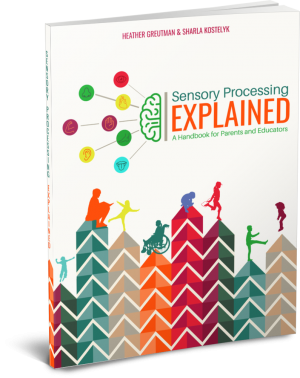
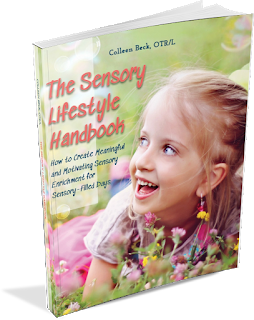
Sensory Processing Explained: A Handbook for Parents and EducatorsSensory Processing Explained: A Handbook for Parents and EducatorsBuy NowThe Sensory Lifestyle Handbook by Colleen BeckThe Sensory Lifestyle Handbook by Colleen BeckBuy NowThe Out-of-Sync Child: Recognizing and Coping with Sensory Processing DisorderThe Out-of-Sync Child: Recognizing and Coping with Sensory Processing DisorderThe Out-of-Sync Child: Recognizing and Coping with Sensory Processing Disorder

You can read more about these books for parents here.

Looking for other ways to help your child with their sensory differences? Join me for a free 5 part email series Sensory Solutions and Activities and get your Sensory System Behaviours Easy Reference Cards.

Filed Under: Sensory, Special Needs Parenting

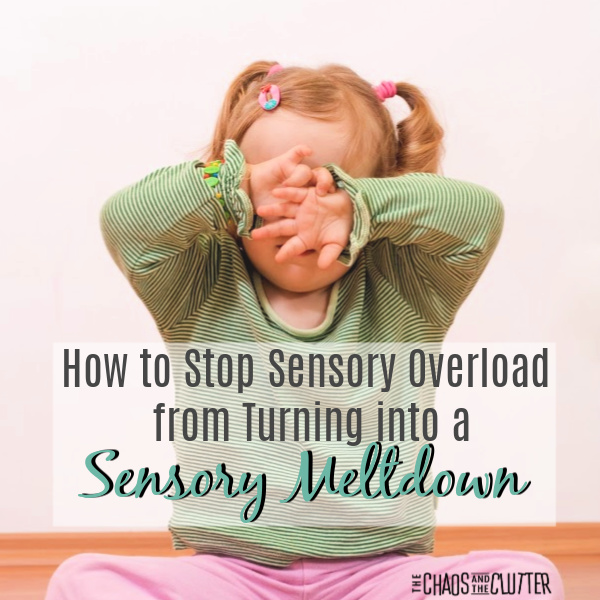
How to Stop Sensory Overload from Turning into a Sensory Meltdown

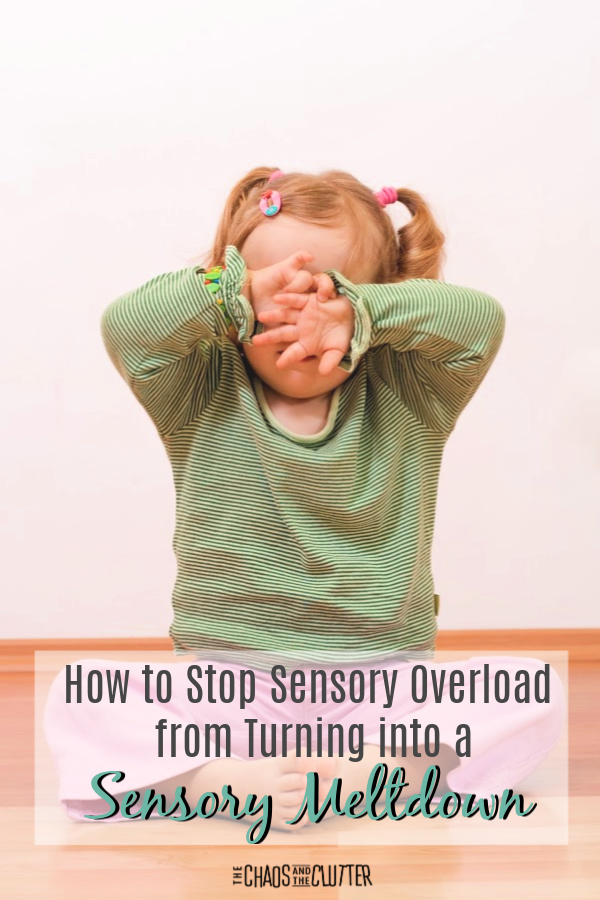
a young girl wearing a green and white striped long sleeve shirt and pink pants sits cross legged on the floor with her hands covering her eyes. The words "How to Stop Sensory Overload from Turning into a Sensory Overload".

By Sharla Kostelyk

One of the questions I commonly get from other parents is “how do I stop sensory overload from turning into a sensory meltdown?”

You know the old Benjamin Franklin quote “an ounce of prevention is worth a pound of cure”? Well, good old Ben knew what he was talking about!

When it comes to sensory overload, prevention is key. Getting ahead of it or preventing it from building up in the first place is so much easier than trying to play catch up when the scales have already been tipped into overload.

How to Stop Sensory Overload from Turning into a Sensory Meltdown #sensoryprocessingexplained #sensory #spd #sensorymeltdown #sensoryoverload #parentingtips #parentingHave you ever been fine and then suddenly felt like everything was just too much? There’s too much talking, too much noise, the music is too loud.
Even I have felt sensory overload on occasion. When we go on road trips with the kids (that’s two adults and a lot of children in a cramped space!), I sometimes hit a point where it’s all just too much. The sensory stimuli builds up (smells, sounds, sights, touch, vestibular input from the movement of the vehicle, proprioceptive input from the seatbelt, interoceptive input at being hungry or tired) until I can’t take one more minute of it.

Usually, if we pull over somewhere and I step outside for a few minutes and eat something so that I’m not hungry anymore, I can regulate myself again. Maybe you can relate.

It’s not uncommon for people to experience sensory overload even if they don’t have normally sensory issues.

Being overtired, stressed, or even hungry can make you more susceptible for sensory overload. These factors are especially important to consider when it comes to kids.

Those with autism, anxiety, PTSD, and Sensory Processing Disorder (SPD) are more prone to experiencing sensory overload. Sensory overload can also occur during migraines.

Once it begins, those suffering from it feel as though their senses are heightened. They are hyperaware of every sound, sight, smell, touch, and feeling. Sensory overload can often look like a panic attack. It is even more unpleasant for the person experiencing it as it is for those around them.

Stop sensory overload before it starts:

  • Choose neutral or calming paint colours.
  • Avoid patterned wallpaper or busy carpets.
  • Keep your home or classroom decor simple and minimalistic.
  • Lower the noise level.
  • Consider background noise such as overhead ceiling fans, outside noise coming in through an open window, and humming fluorescent lights.
  • Avoid scented candles, perfumes, air fresheners, and reduce cooking smells when possible.
  • Use a dimmer switch to lower lighting or close blinds.
  • Have the child (or adult) wear sunglasses in bright sunlight.
  • Use noise cancelling headphones in places where sound can’t be reduced.
  • Plan days so that only one busy event is happening on a single day and book days of rest in between.
  • Avoid places with crowds and a lot of sensory stimuli.
  • Plan ahead somewhere (a room or vehicle – depending on their age) the child can go to if they begin to feel overwhelmed. You can also use a designated signal word that they can use to indicate to you that they need to leave.
  • Provide regular sensory breaks throughout the day.
  • If you are in an environment with a lot of stimuli, have the person take regular breaks to do deep breathing or “get some air”.
  • Maintain a regular routine, particularly for bedtimes and mealtimes.
  • Provide regular snacks and plenty of water.

Recognize the Signs of Sensory Processing Overload:

Being able to recognize the signs of sensory overload can help you to take action before it turns into a full blown sensory meltdown. My friend Heather and I created a free cheatsheet to help you see the signs. You can read more about the signs of sensory overload here or get your own copy of the cheatsheet to print off and keep as a reminder here. 

Stop sensory overload from leading to a meltdown:

  1. Even when you’ve done what you can to prevent sensory overload, it can still happen. Catch it early. This is key.
  2. As soon as you recognize signs of sensory overload, remove the child or person from the situation. Avoid touching them as this will only heighten their overload. If it’s a small child and you need to carry them or lead them by the hand, give them a verbal warning in a soft, calm voice beforehand.
  3. Don’t ask open ended questions. Keep things very quiet. Allow them to put a hoodie or blanket over their eyes if they wish. Provide noise cancelling headphones if you have them.
  4. Give them space and time.
  5. If you need to drive home, it is sometimes best to have a quiet time in the vehicle first as the motion of the drive will give vestibular input and could cause motion sickness once they are already experiencing sensory overload. (We’ve learned that one the hard way!)
  6. Coach your child through some calm down breathing.
  7. Wordlessly offer a comfort object such as a special blanket or stuffed animal if they want it.

When sensory overload leads to a sensory meltdown:

If you are unable to prevent sensory overload from turning into a sensory meltdown, remain calm. The tips here: How to Respond to a Sensory Meltdown will provide you with the tools you need to be able to help your child to regain control.

You likely won’t be able to prevent every sensory meltdown, but you will be able to curb most of them once you learn to recognize the things that create sensory overload for your child. You’ll have to play detective for awhile, looking for what seems to be most difficult for them. In time, you will recognize their sensory triggers and be able to stop meltdowns before they start.

Some other articles you may find helpful:

Sensory MeltdownsCalming Your Child’s Fight, Flight, or Freeze Response 

Filed Under: Sensory, Special Needs Parenting

  • « Go to Previous Page
  • Page 1
  • Interim pages omitted …
  • Page 42
  • Page 43
  • Page 44
  • Page 45
  • Page 46
  • Interim pages omitted …
  • Page 128
  • Go to Next Page »

Primary Sidebar

Categories

We are a participant in the Amazon Services LLC Associates Program, an affiliate advertising program designed to provide a means for us to earn fees by linking to Amazon.com and affiliated sites.

Copyright © 2026 • The Chaos and the Clutter • Site Design by Jeni @ The Blog Maven

Return to top of page

Copyright © 2026 · Chaos and the Clutter 2.0 on Genesis Framework · WordPress · Log in