
 Maybe you’ve been there. When it comes to sensory meltdowns, I’ve been present for my fair share. I’m taken back to one particular episode my son was having. All the kids and I were at the convenience store waiting in line to pay for our gas fill-up and the Slurpees we had in our hands and he was having what appeared to everyone around us to be a tantrum. He was on the floor of the store, kicking and screaming and I wasn’t sure what to do with the Slurpees we were holding. I knew I had to get him out of that crowded store, but there were people ahead of us and people behind us and then, it happened…
“Isn’t your son too old to be having a tantrum? I never would have let my kids get away with that at his age.”
A lady who was a few people behind us in line piped up loudly to no one in particular. I wished the floor would open beneath me and swallow me up. I wish I could tell you that I turned to her assertively and told her that my ten year old was most certainly not having a tantrum and that his response was neither a reflection on him or on my parenting or that I had calmly handed her a Sensory Meltdown Awareness card, but my response was to turn beet red and stare straight ahead while I prayed for the line to move more quickly. After we paid, I got my son and other kids out of there as fast as I possibly could.
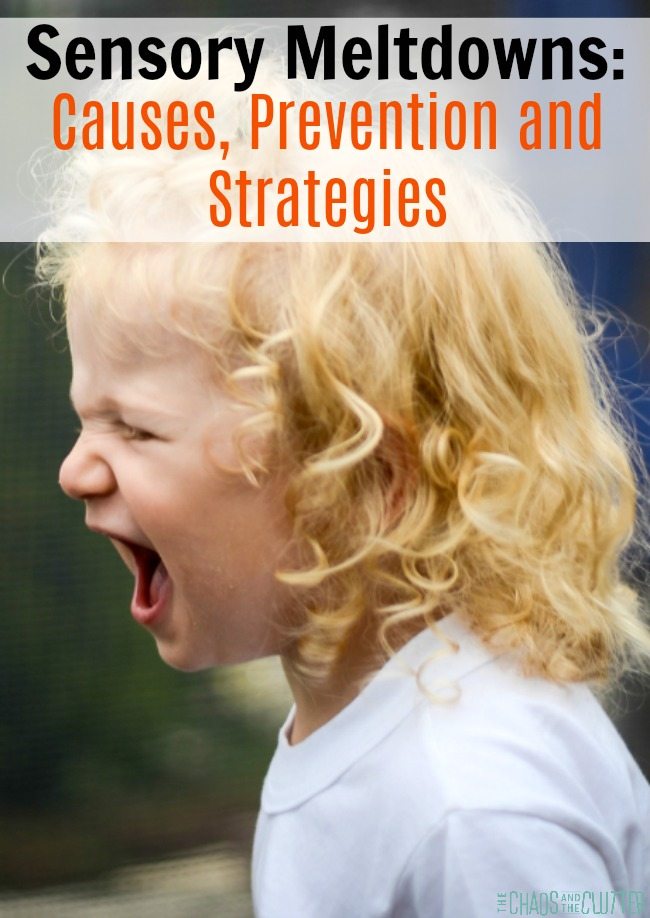 I wish that back then I had had the language and confidence to be able to turn to that lady and tell her that my son was not having a tantrum. That he was having a neurological response that caused a fight or flight reaction in his brain. That he needed compassion and help instead of judgment and condemnation.
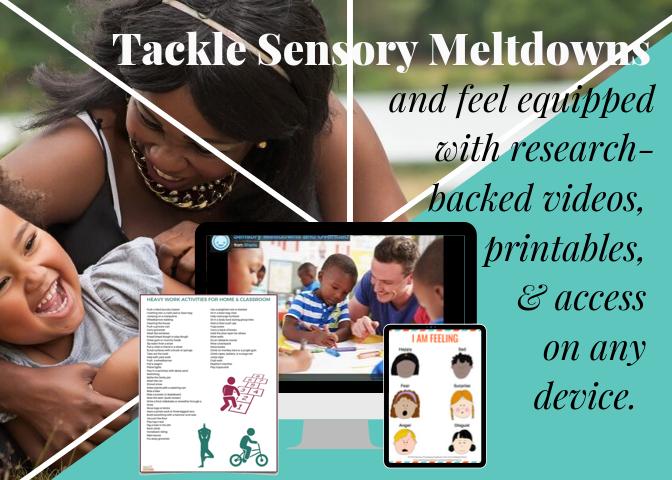
Learn everything you need to know about preventing sensory overload, preventing sensory meltdowns, managing meltdowns once they happen, talking to your child about them while still maintaining a connection, and handling difficult situations like biting, screaming, hitting, kicking, and public meltdowns in our digital course, Overcoming Sensory Meltdowns.
What is a sensory meltdown?
A sensory meltdown is a fight, flight or freeze response to sensory overload. It is often mistaken for a tantrum or misbehaviour.
The main way to be able to tell the difference between a tantrum and a sensory meltdown is that tantrums have a purpose. They are designed to elicit a certain response or outcome.
Sensory meltdowns are a reaction to stimuli or something in the environment and are usually beyond the child’s control. A child will stop a tantrum when they get the desired response or outcome, but a sensory meltdown will not stop just by “giving in” to the child.
Another difference between tantrums and sensory meltdowns is that tantrums are often for attention whereas the last thing a child having a sensory meltdown wants is more attention.

Common causes of sensory meltdowns:
- sensory overload
- sensory underload (not really a word!), meaning seeking sensory stimuli
- being in a new or challenging situation
- change in routine
- difficulty with transitions
- inability to accurately communicate
- lack of sleep
- hunger or poor nutrition
- thirst
- dysregulation
How to respond to a sensory meltdown:
Control your own response – remember that your child is having a neurological response. You cannot help your child calm down if you are not calm yourself.
Talk as little as possible. Once your child is having a fight, flight, freeze response, their ability to access the part of the brain that processed language is essentially shut down. What works best is to say something repetitively in a very calm, soft voice such as “let’s breathe”.
Remove the child from the environment to a place with very little sensory stimuli.
If possible, provide a sensory area for your child to go to with calming music, a soft or weighted blanket, noise cancelling headphones, chewelry, fidgets, a vibrating palm massager, and low lighting.
Use a calm down kit. Be sure to have practised while your child is calm so that the items and techniques will be familiar.
Help them focus on regulating their breathing. Blowing bubbles, blowing a pinwheel or placing their hand on their stomach to feel it rise and fall are good techniques to try.
What does a sensory meltdown look like?
Each child is different and no two meltdowns will look exactly the same even from the same child. Much of the sensory meltdown is due to a fight, flight or freeze response so that will determine some of what you see. Here are some of the things you might see in a sensory meltdown:
- running away
- whining
- hiding
- avoiding eye contact
- curling up in the fetal position
- covering their eyes or ears
- screaming
- crying
- hitting
- punching
- pushing
- biting
- spitting
- yawning
- shutting down, not speaking, not moving
Preventing sensory meltdowns before they start:
While certainly not all sensory meltdowns can be prevented, there are things you can do to reduce the intensity and frequency of them.
Ensure that your child is always well hydrated by keeping your child’s water bottle filled and reminding them to drink from it often.
Provide healthy snacks often throughout the day.
Identify and avoid your child’s sensory triggers. As an example, if you know that your child is triggered by loud noises, use noise cancelling headphones for places that might be an issue or avoid times or locations where it may be too noisy or where sudden, loud sounds may occur. Keeping a sensory triggers log is crucial and can provide you with so much information. There is a Sensory Triggers Log included in the More Calm in the Chaos printable planner.
Be sure that your child is getting sufficient sleep. Being overtired contributes to meltdowns. If they are having a hard time falling asleep or staying asleep, you may want to try these sensory sleep solutions.
Teach your child techniques for calming and for self-regulation. I find that having an anti-anxety kit made specifically for your child and helping them practise with it is very effective for this.
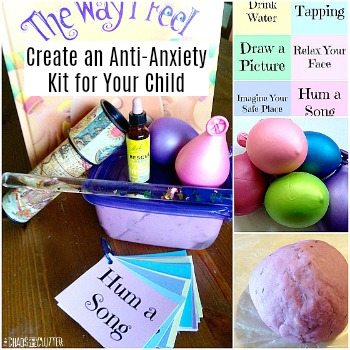 Work on giving them an emotional vocabulary so that they can express their feelings more easily.
Ensure that your child is regularly accessing sensory activities that give them sensory input for all sensory systems. Heavy work activities are especially important.
Carry a small sensory toolkit with you with items such as sensory balls (you can easily make your own) and small fidgets.
Teach calming breathing techniques.
Use social stories.
Be sure to include some routines each day that your child can count on.
Give lots of lead-up and warning before transition times. Transition times are particularly difficult and are often the source of meltdowns if not properly handled.
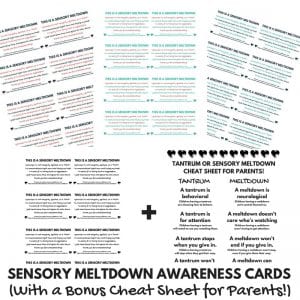
These Sensory Meltdown Awareness Cards are perfect for handing out to increase understanding and cut back on judgment in public.
Looking for more help in parenting a child with sensory processing disorder? Join me for a free 5 part email series Sensory Solutions and Activities and get your Sensory System Behaviours Easy Reference Cards.
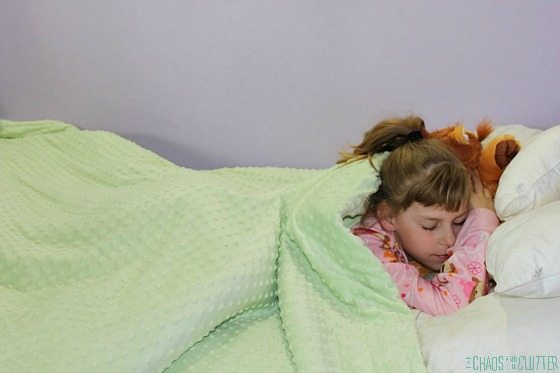 Sleep Solutions for Children with Sensory Needs
 What Does Behaviour Have to do with Sensory Systems?

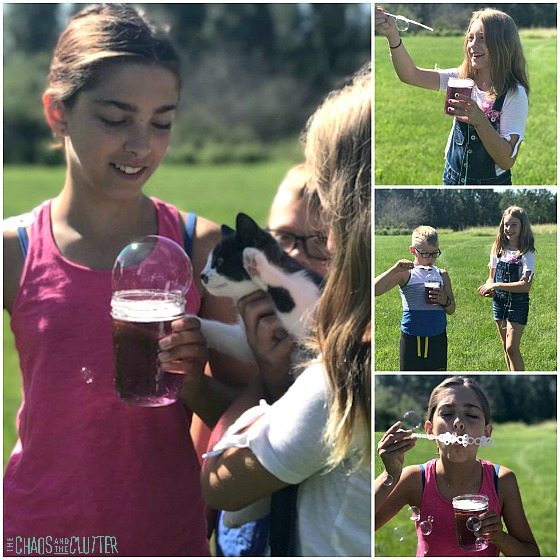
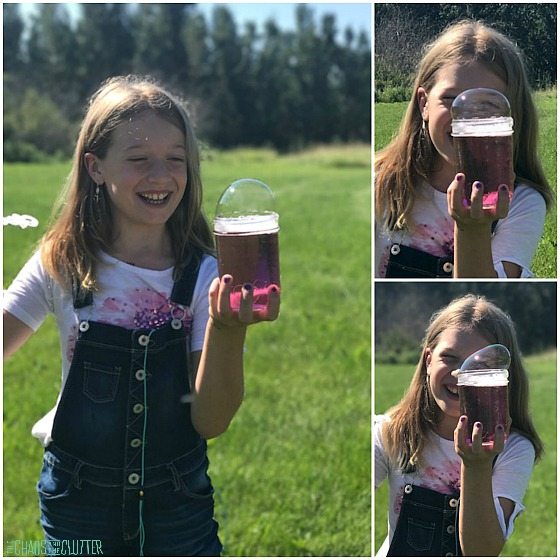
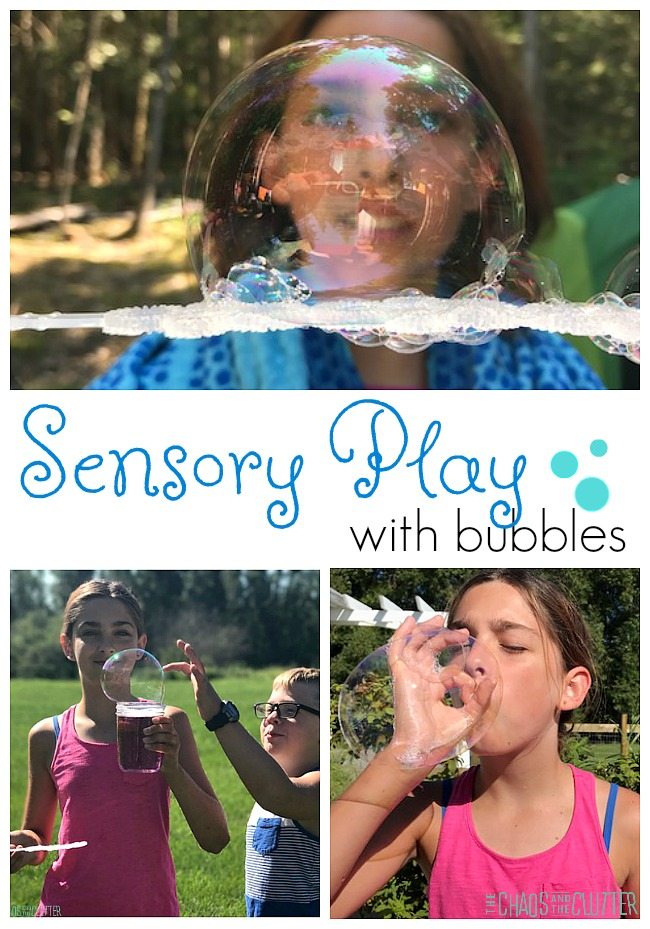 These suggestions give ideas on how to use bubbles to involve many of your child’s sensory systems:



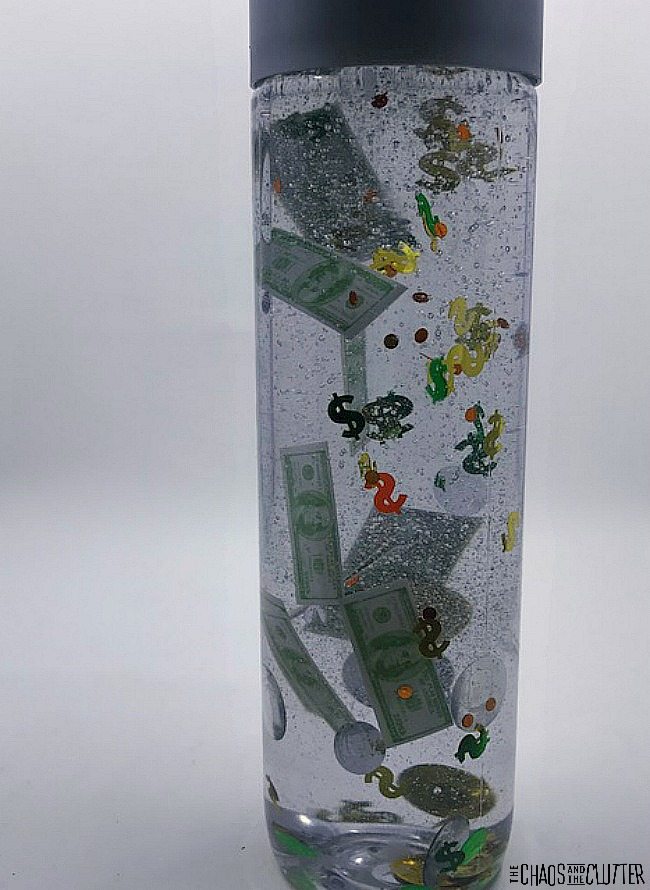
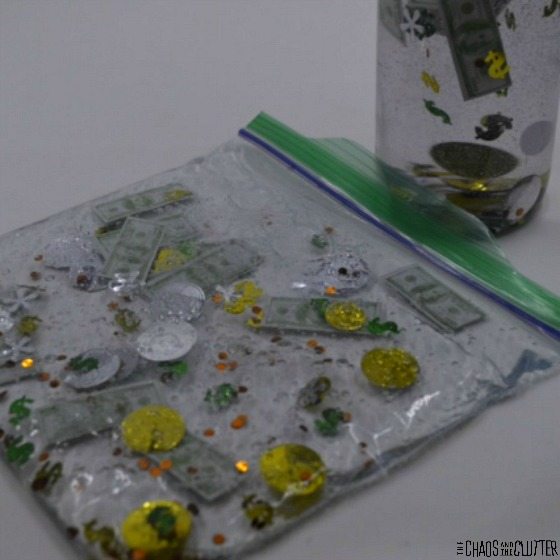
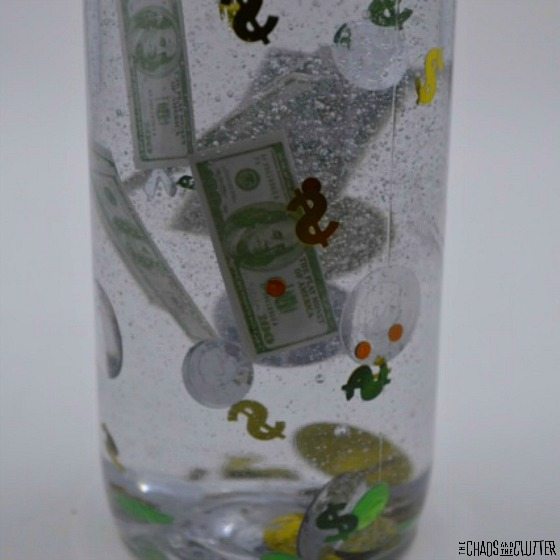 To create this money sensory bottle, empty the water out of the water bottle and fill most of the way to the top with the clear liquid hand soap. Add the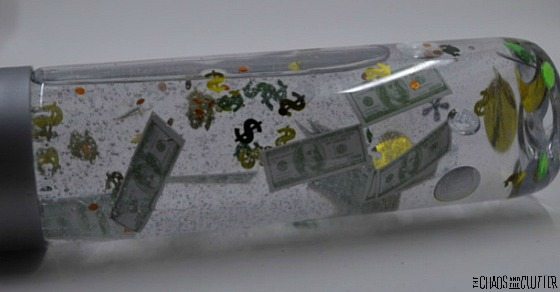
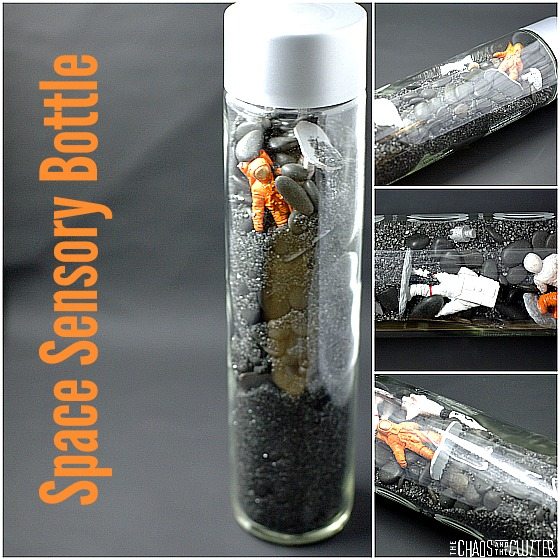
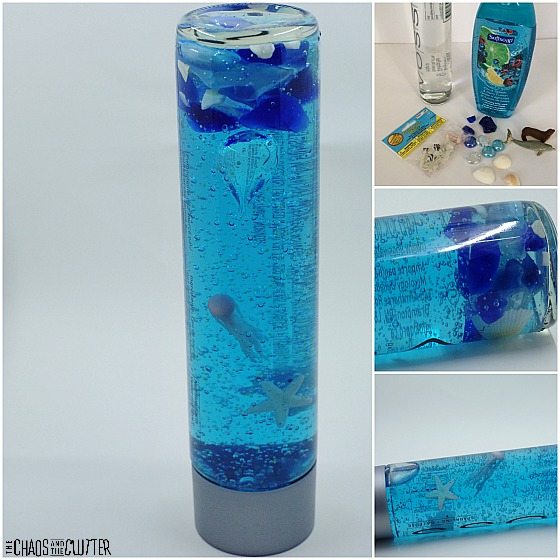

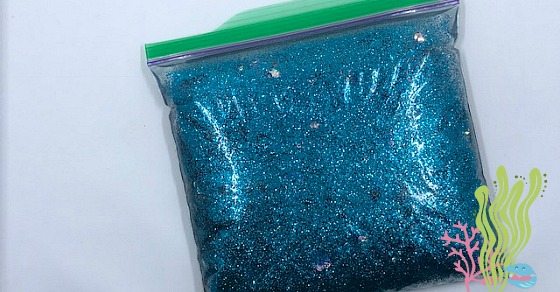
 Making this mermaid sensory bag couldn’t be easier. With just a few items, you can create a sensory experience that your child can squish and poke and knead and press.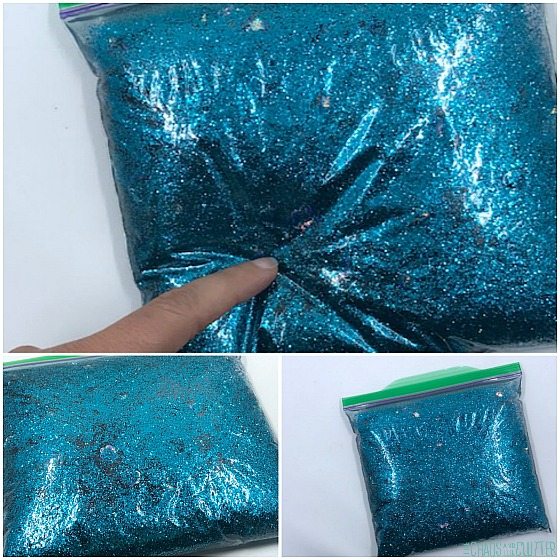
 Looking for more awesome sensory activities that are easy to put together? Join me for a free 5 part email series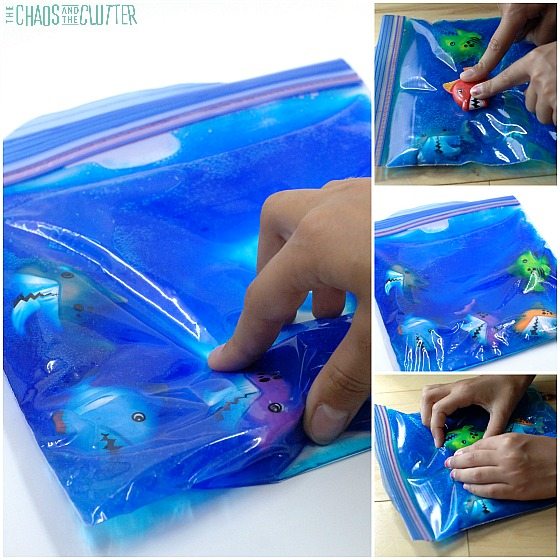
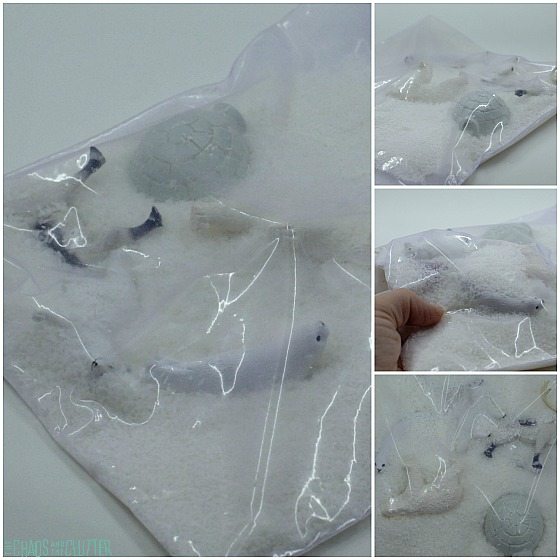 Arctic Sensory Bag
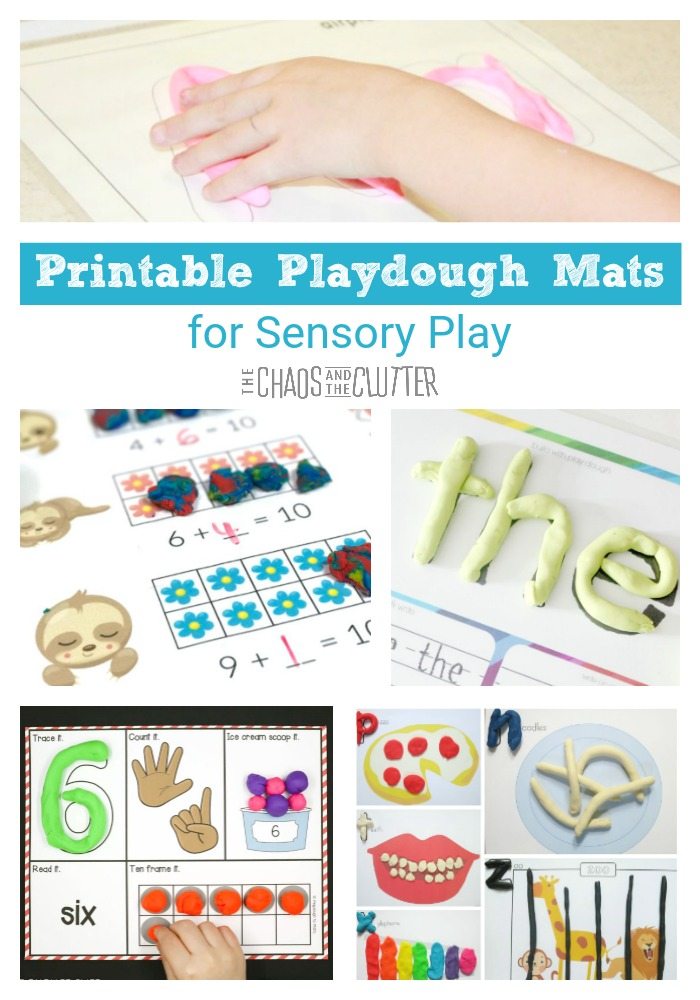 Below, you will find two lists to make it easier to find what you are looking for: regular playdough mats that include Math, Alphabet and other learning ideas and seasonal playdough mats that cover holidays and seasons like Christmas, Earth Day, Spring, and St. Patrick’s Day.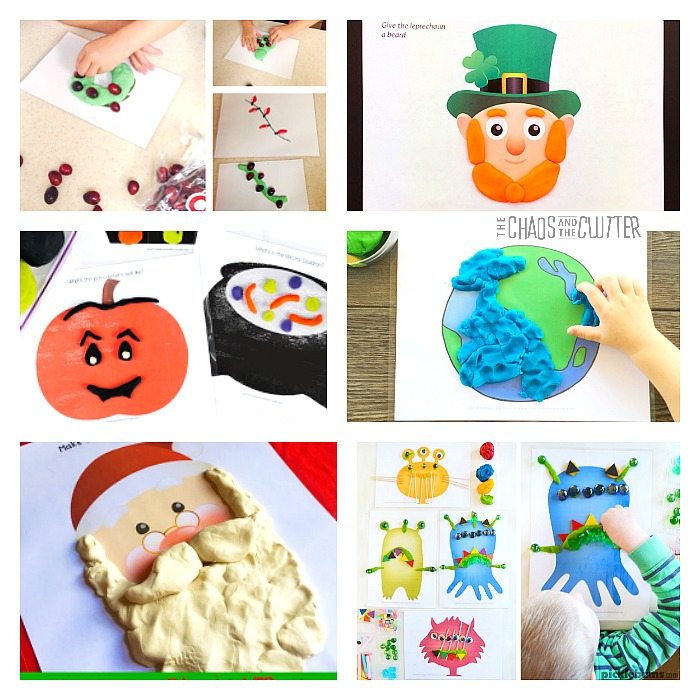

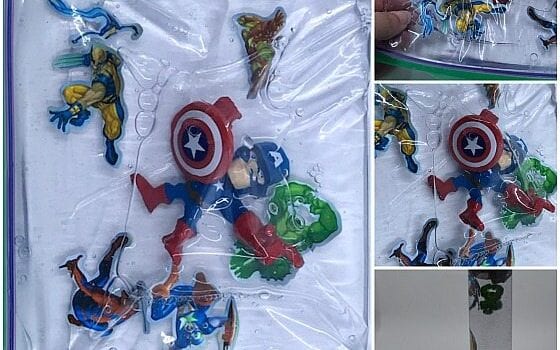
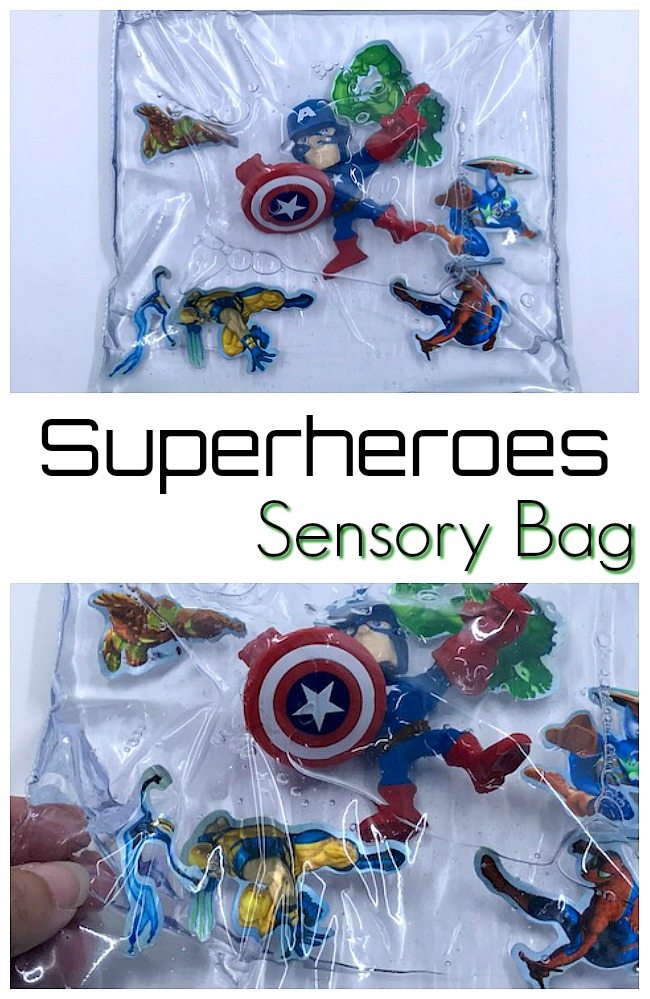 I created this Superheroes Sensory Bag to encourage Superkids to celebrate the things that make them unique.
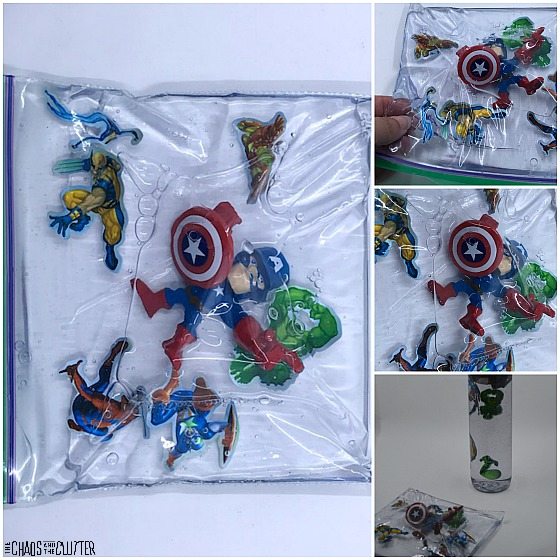 Open the resealable bag and fill about halfway with hand sanitizer. Drop in the stickers and mini action figure(s). Remove the excess air and seal the bag. If you’re going to be using this sensory activity with younger kids, you will want to use duct tape to fold over the edges of the bag to seal it completely. I would suggest using