• Skip to primary navigation
  • Skip to main content
  • Skip to primary sidebar
  • Home
  • About
  • Contact
  • Privacy + Terms
  • Affiliates

The Chaos and the Clutter

  • Facebook
  • Twitter
  • Pinterest
  • Google Plus
  • RSS
  • Email
  • School at Home
  • Sensory
    • Sensory Processing Disorder
    • Awesome Sensory Play Activities
      • Sensory Bins
      • Sensory Bottles
      • Sensory Bags
  • Family Games
    • Minute to Win It Games
  • Special Needs Parenting
    • Childhood Anxiety
    • Reactive Attachment Disorder
    • Sensory Processing Disorder
  • Store
  • Course Login

sensory bin

Nature Inspired Easter Sensory Bin

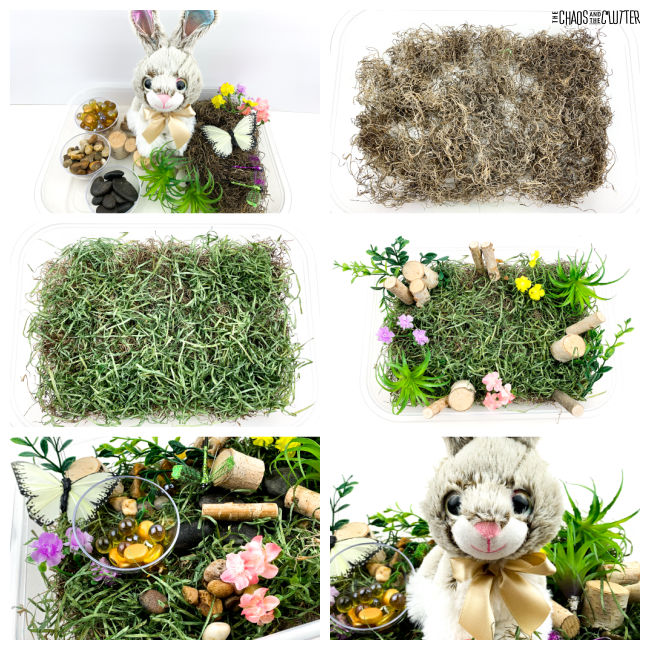
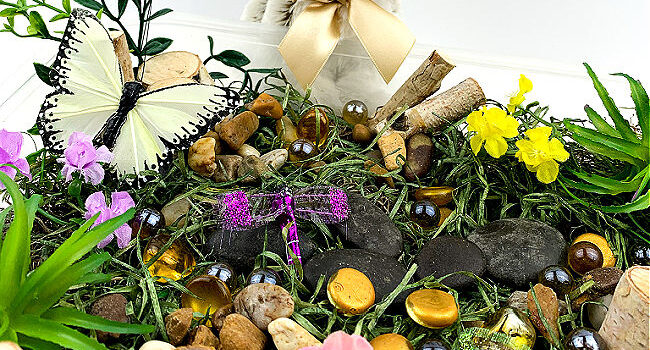
plush bunny sits by a sensory bin filled with moss, grass, and toy butterflies

By Sharla Kostelyk

Using nature as inspiration for your sensory bin is a great way to provide your toddler or preschooler with educational interactive fun. And since spring is right around the corner, Easter is the perfect time to create a nature activity for your kids. With this nature inspired Easter sensory bin, your little ones can have some educational fun while exploring nature at home. stuffed bunny, moss, grass, sticks, and toy insects. Text reads "Nature Inspired Easter Sensory Bin"Nature provides your kids with tons of opportunities to explore and meet their sensory needs. From smelling the flowers to touching the soft grass, there are several ways your child can use their senses while playing outside. And that’s why nature is the perfect inspiration for an Easter sensory bin.collage of photos of a hand playing in a Spring sensory bin
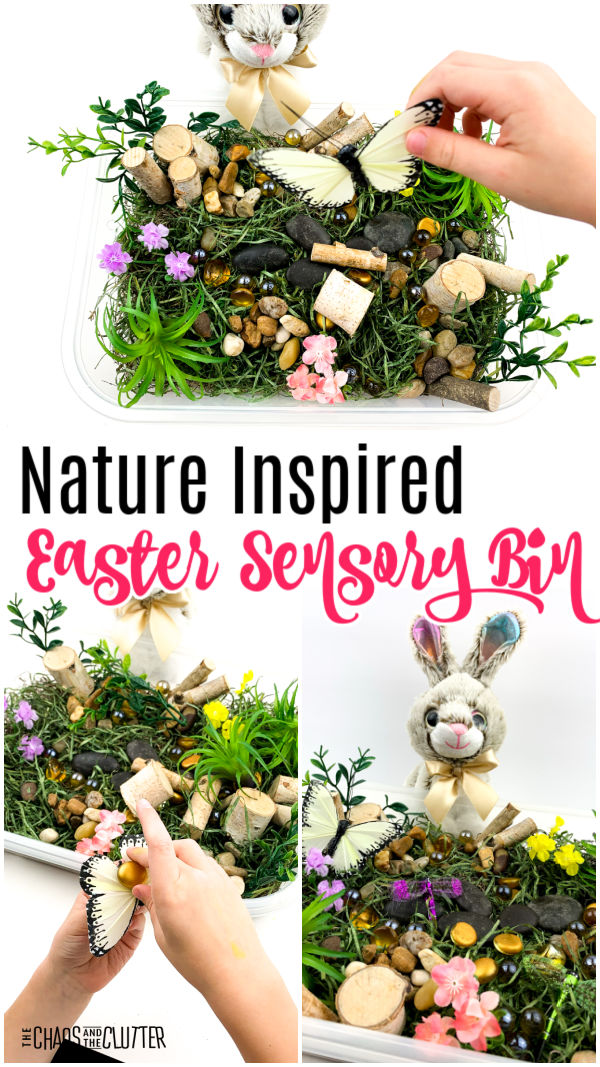
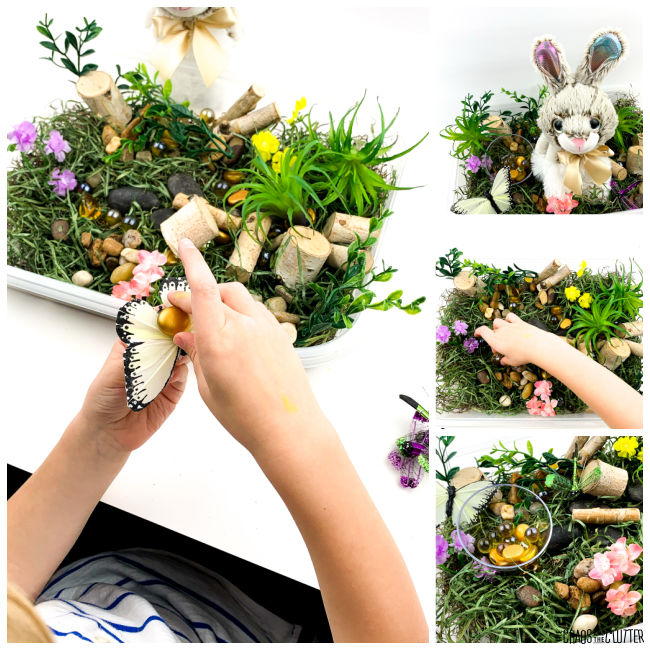
Nature Inspired Easter Sensory Bin:

Supplies needed: 

  • plastic tub
  • plush Easter bunny
  • rocks
  • gold gems
  • stones
  • artificial grass
  • Spanish moss 
  • artificial flowers and plants
  • mini birch logs
  • artificial insects like butterflies/dragonflies 
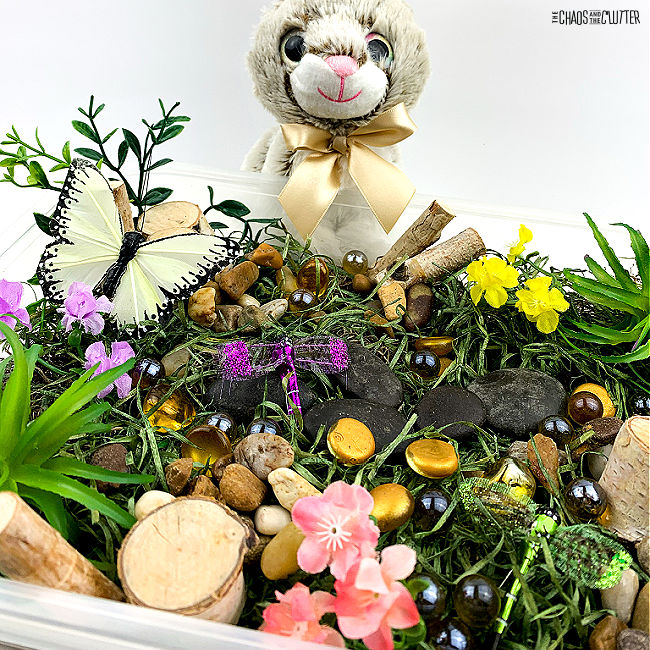
plush bunny sits by a sensory bin filled with moss, grass, and toy butterfliesInstructions: 

  1. Add the Spanish moss to the tray. Add the artificial grass on top. Spread out evenly.
  2. Place the artificial plants, flowers, and mini birch logs around the bin. 
  3. Add the stones, rocks, and gems to the bin. 
  4. Add the butterflies and dragonflies to the bin. 
  5. Set the bunny near the bin. 

collage of photos of creating an Easter sensory bin

Nature Inspired Sensory Bin Activities

Once you have your sensory bin put together, it’s time to let your kids explore.

If you’re looking for ways to encourage your kids to play, try these fun activity suggestions:

  • Play with the bunny in the bin. Encourage pretend play by asking your child to play with the bunny in the bin. They can make the bunny interact with the different elements of the bin and use their imagination as they play.
  • Touch the different elements and compare the textures. Explore their sense of touch by touching each item to see what it feels like. Then, compare the different textures to see which ones are similar, like the rocks and gems, and which ones are different, like the logs and moss.
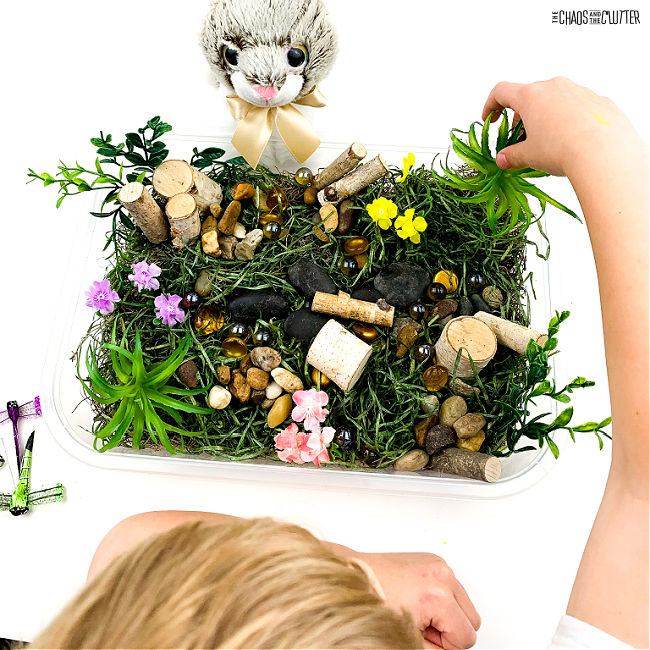
hand playing in an Easter sensory bin

  • Listen to nature sounds. In addition to invoking your kids’ sense of touch, this nature inspired sensory bin can also let your child use their ears to hear. Figure out what sounds the elements make when rubbed together or moved from spot to spot.
  • Encourage imaginative play. After child plays with the bunny, your child can also use the butterflies and dragonflies for play. Show them how the insects interact with the different elements in the bin, then let them use their imagination to play with the toys.
  • Sort and organize. Practice sorting and organizing the elements in the bin into different categories, like colour, shape, or size.
  • Compare to nature. Take a look at each element in the bin and compare it to items found in nature. Ask your child what each item looks like and then let them guess what it is and where in nature you can find it.
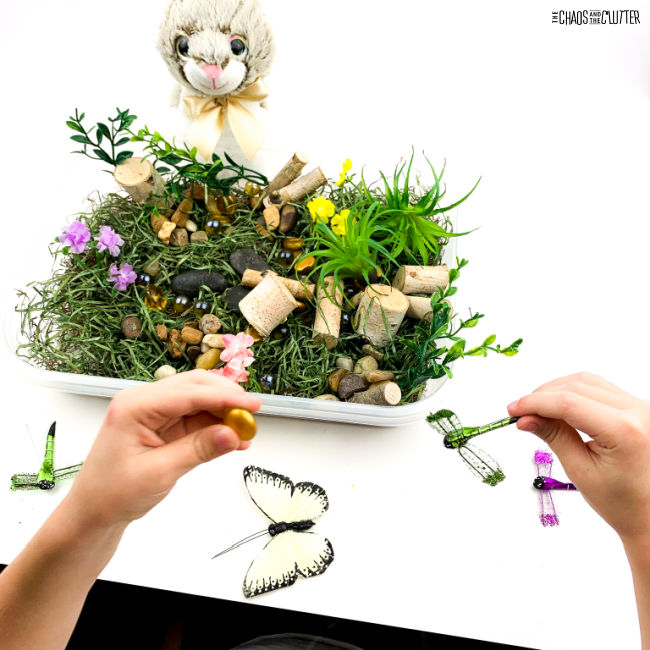
hands holding toy butterflies

Check out some of our other Easter sensory activities for kids:
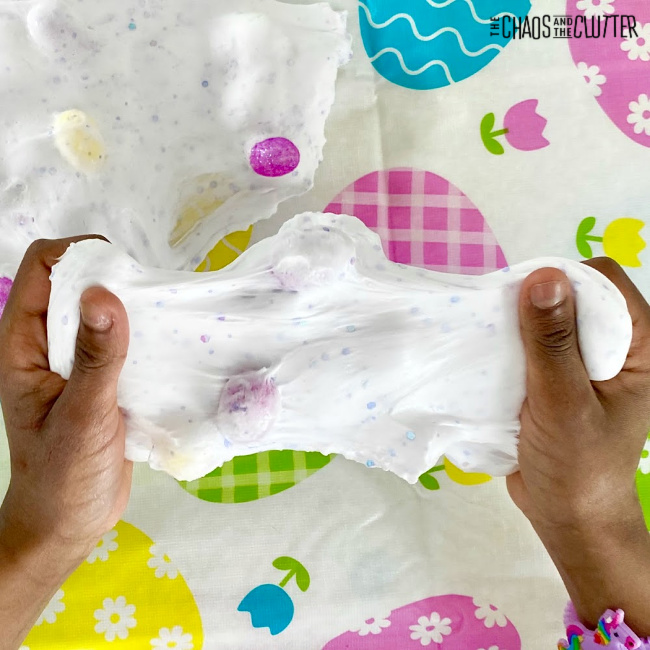
Easter Fluffy Slime

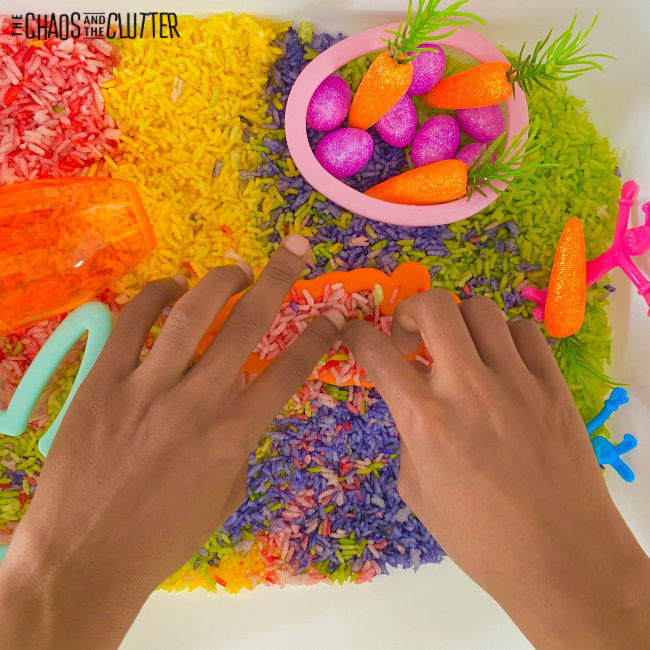
Eggs and Carrots Easter Sensory Bin

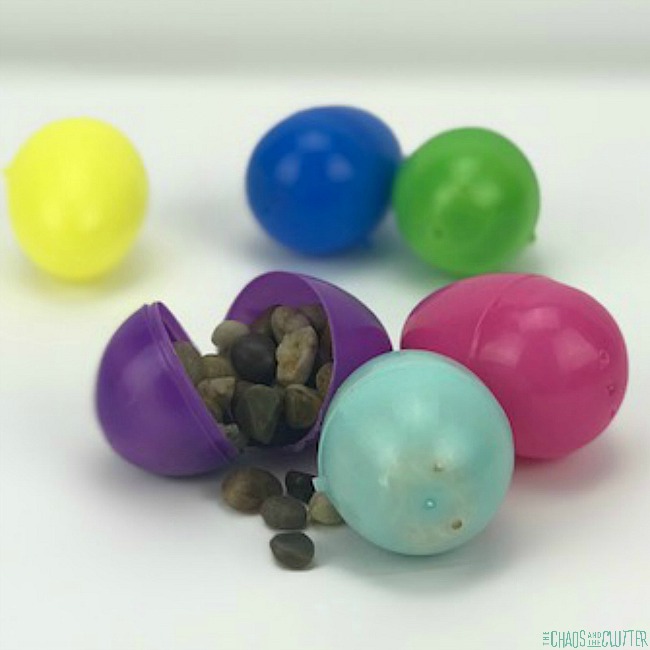
Sensory Sound Eggs

Filed Under: Crafts and Activities, Sensory Bins Tagged With: sensory bin, sensory play

On the Go Christmas Sensory Tub

By Sharla Kostelyk

The holidays are full of excitement. They also carry with them their fair share of stress, even for kids. It’s with that in mind that we created this On the Go Christmas Sensory Tub.

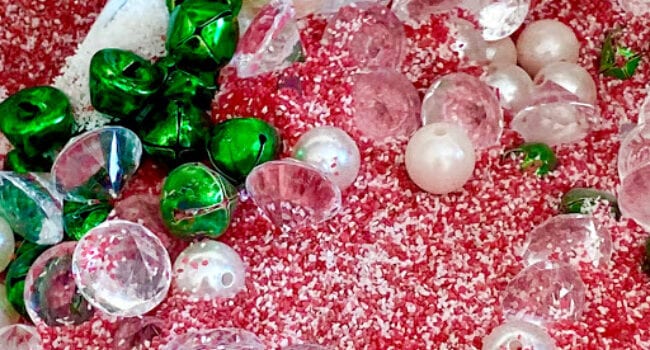
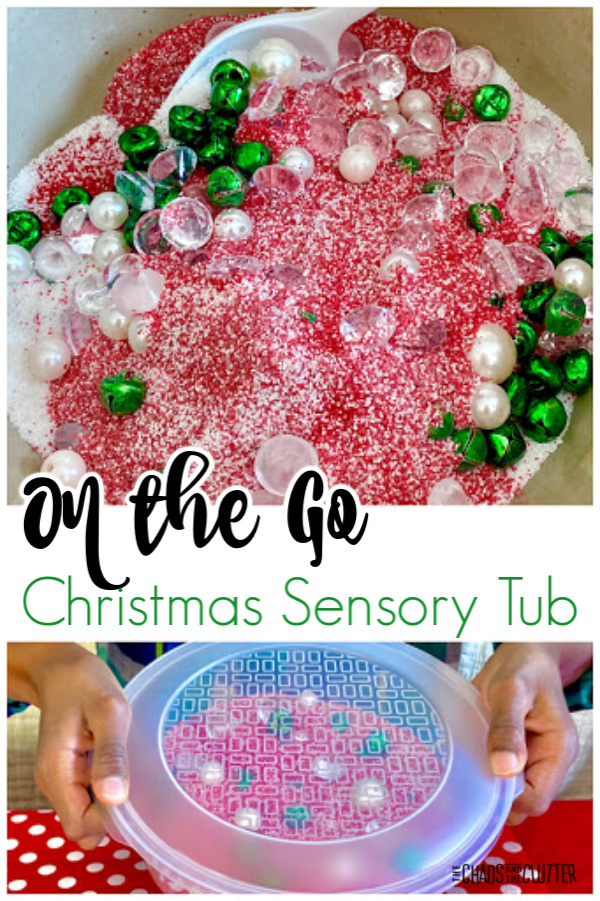
Sensory play can be very calming for kids. Being able to take something like this with them to events or in the vehicle can help your child better manage their emotions. It would also make a good addition to their Christmas Calm Down Kit. red and white sand with green jingle bells and clear gems with text "On the Go Christmas Sensory Tub"The items for this portable sensory activity were all purchased at the Dollar Store, so it is very inexpensive to create.
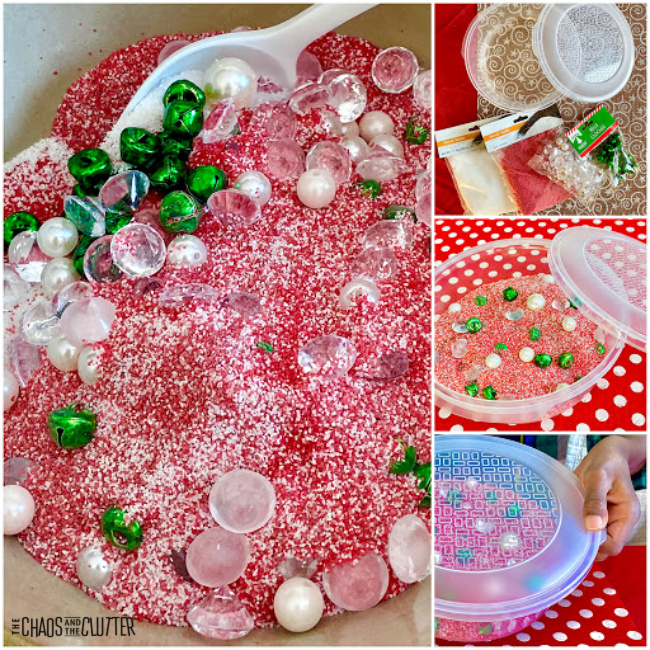
The red and white sand swirled together gives a bit of a candy cane look. The jingle bells add a sound element as well as giving a nice contrast of colour.

On the Go Christmas Sensory Tub:

Supplies needed:

  • plastic container with lid
  • white sand
  • red sand
  • white round beads
  • clear gems
  • green jingle bells
  • scoop or spoon

Directions:

  1. In a bowl, mix together the red and white sand.
  2. Toss in the other materials. Mix together.
  3. Transfer into portable containers with lids.

As with all sensory activities, adult supervision should be used at all times.

Helpful tip: If you’re wanting to use this in the vehicle and are worried about mess or spills, you can transfer the contents to a resealable bag and seal to create a Christmas Sensory Bag.

This on the go Christmas Sensory Tub engages the visual, tactile, and auditory (because of the jingle bells) sensory systems.

Check out these other holiday sensory activities:

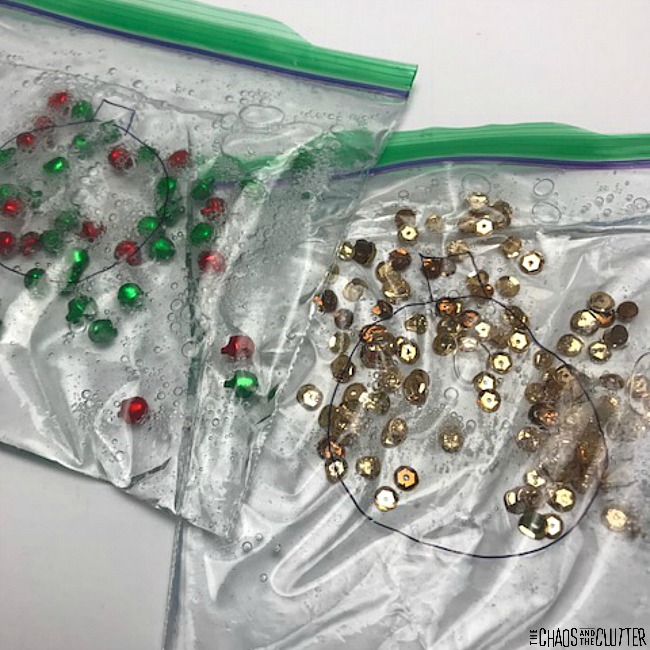
Fill an Ornament Sensory Bag

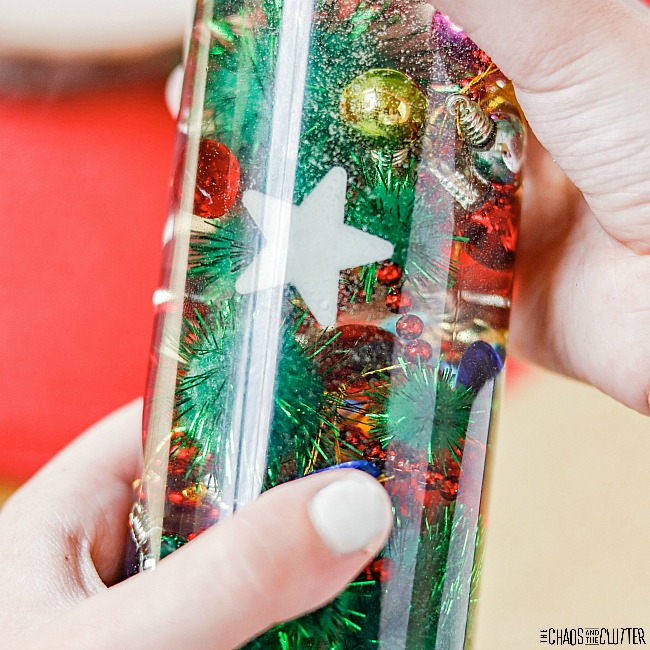
Deconstructed Christmas Tree Sensory Bottle

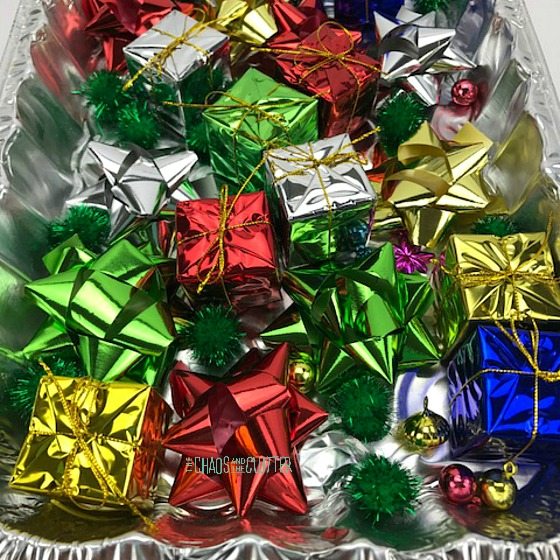
Christmas Gifts Sensory Bin

Filed Under: Christmas Tagged With: sensory bin, sensory play

Bee Life Cycle Sensory Bin

By Sharla Kostelyk

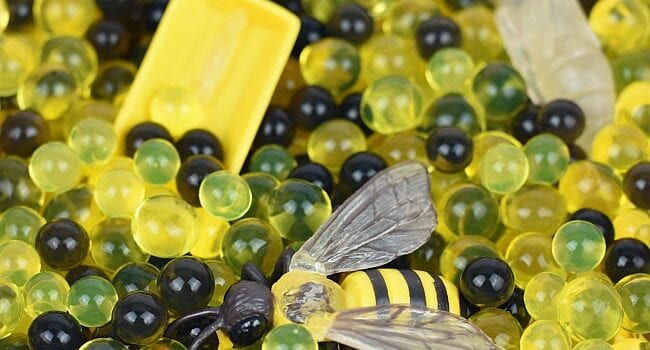
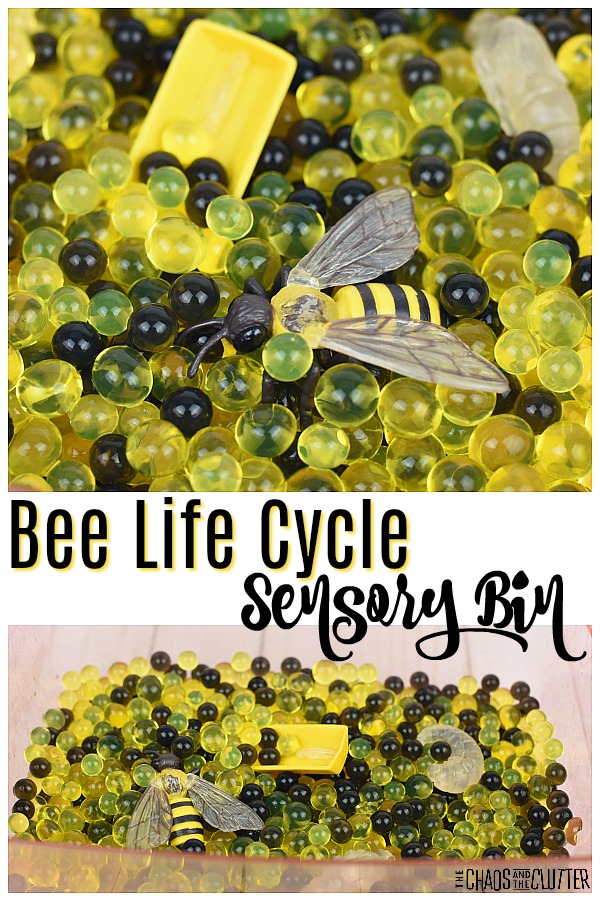
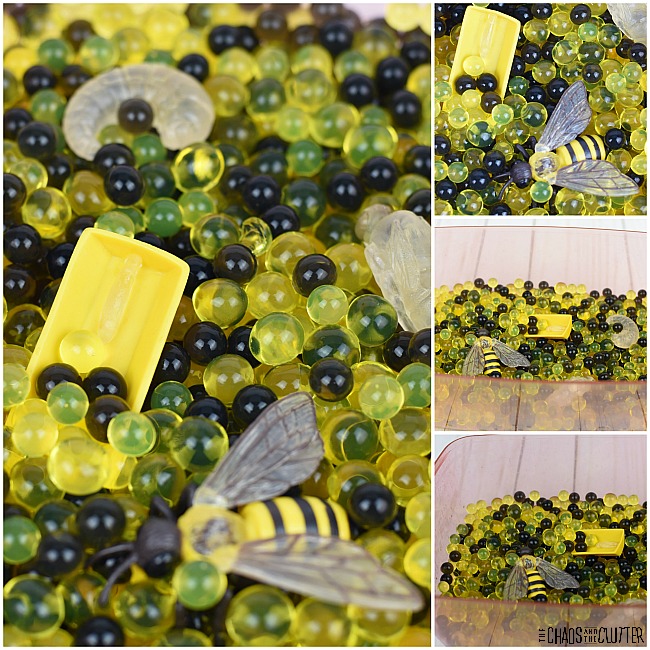
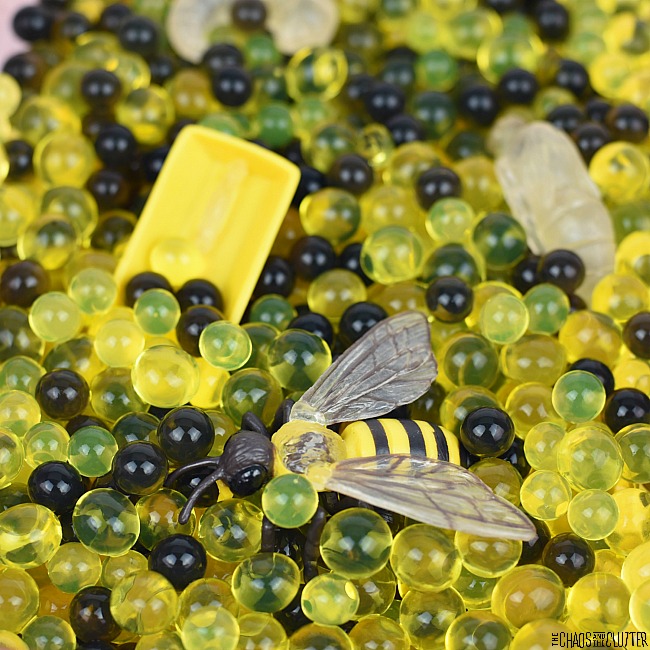
A bee life cycle sensory bin is a hands-on way to reinforce learning for kids on this topic. You can use this bin in a science unit or at a sensory station in your home or classroom.Bee Life Cycle Sensory Bin #sensorybin #sensoryplay #beelifecycle #kidsactivities #scienceWalk kids through the transformation of a bee from egg to larva to pupa to a mature honey bee. You can either add everything to the bin all at once, or you can add them in after the amount of time they would happen in real life.
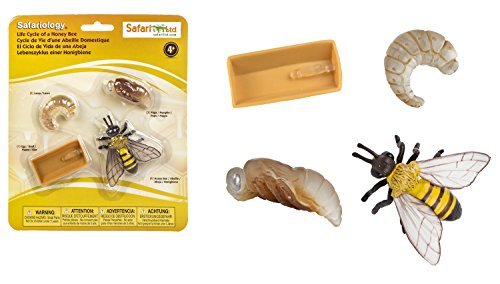

In that case, you would add the egg on the first day and it would “hatch” into the larva after 3 or 4 days, so you could add the larva on that day. The next stage takes between 6 and 11 days depending on whether the bee is a future queen or a worker bee.

Bee Life Cycle Sensory Bin:

Materials needed:

  • plastic bin
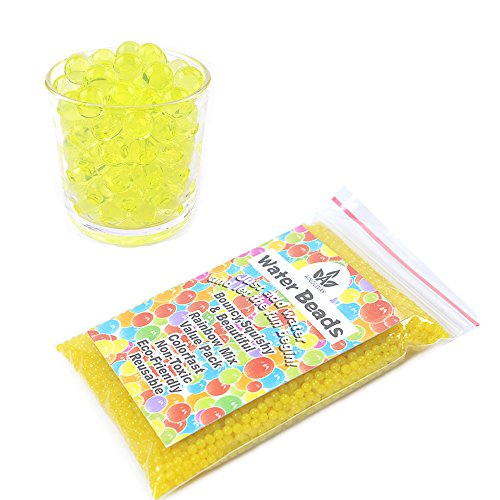
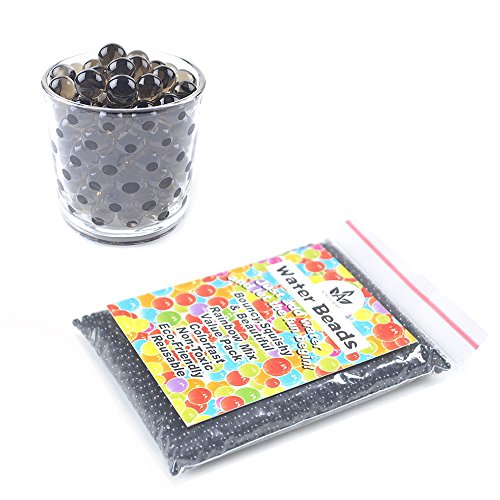
  • black and yellow water beads
  • the life cycle of a honey bee pack
  • optional: small jar of honey to touch, taste, and smell

Life Cycle of a Honey BeeLife Cycle of a Honey BeeLife Cycle of a Honey BeeYellow Water BeadsYellow Water BeadsYellow Water BeadsBlack Water BeadsBlack Water BeadsBlack Water Beads

  1. Place the water beads in a plastic container. I used three packs of yellow beads and one pack of black water beads.
  2. Add water.
  3. Allow the water beads to expand fully (this will take several hours) before adding the items from the life cycle of a bee package.

Kids can use their hands to dig in the bin and touch each of the stages in the honey bee cycle. If you’ve included some honey, they will also be able to use their sense of taste and smell to enhance their learning.
This sensory bin engages the visual and tactile sensory systems and if honey is included, it also engages the olfactory (smell) and gustatory (taste) systems as well. This is hands-on learning at its best.

If you’re doing a learning unit on bees, here are some other great resources to check out:

Free Bee Life Cycle Printables from Homeschool Preschoool

How to Make a Bee Habitat from Natural Beach Living

Printable Life Cycle of a Bee Layer Book from Passionate Curiosity

Books that would go along well with this unit:

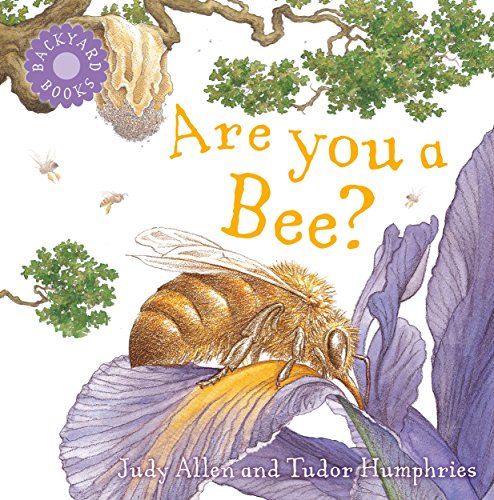
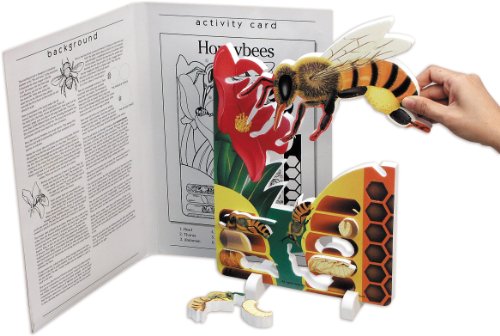
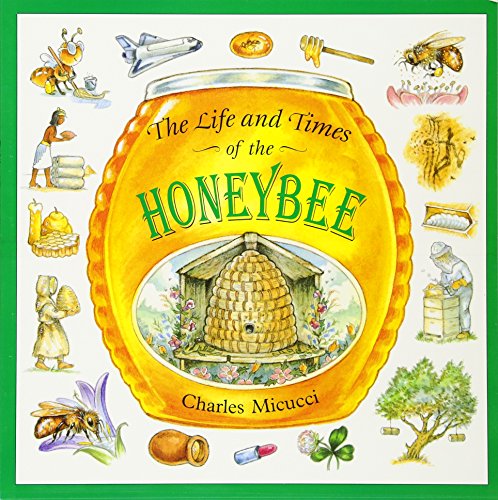
Are You a Bee?Are You a Bee?Are You a Bee?Book Plus Bee Life Cycle Foam ModelBook Plus Bee Life Cycle Foam ModelBook Plus Bee Life Cycle Foam ModelThe Life and Times of the HoneybeeThe Life and Times of the HoneybeeThe Life and Times of the HoneybeeThe Life Cycle of a HoneybeeThe Life Cycle of a HoneybeeThe Life Cycle of a HoneybeeThe Bee BookThe Bee BookThe Bee BookFive Bizzy Honey BeesFive Bizzy Honey BeesFive Bizzy Honey Bees

Check out some of our other science related sensory bins:

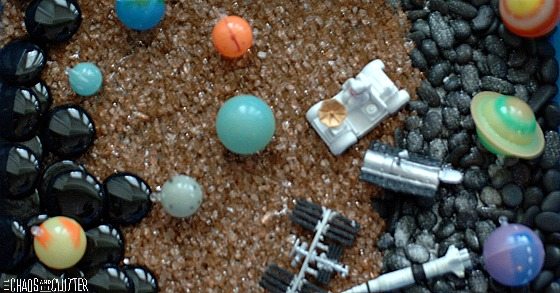
Solar System Sensory Bin Solar System sensory bin glows in the dark

Insect Sensory Bin 

Filed Under: Sensory, Sensory Bins Tagged With: sensory bin, sensory play

Insect Sensory Bin with Pasta

By Sharla Kostelyk

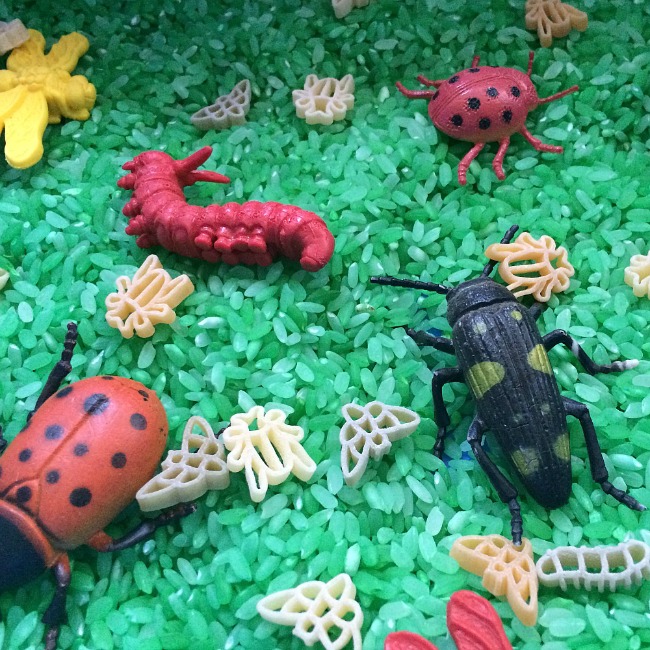
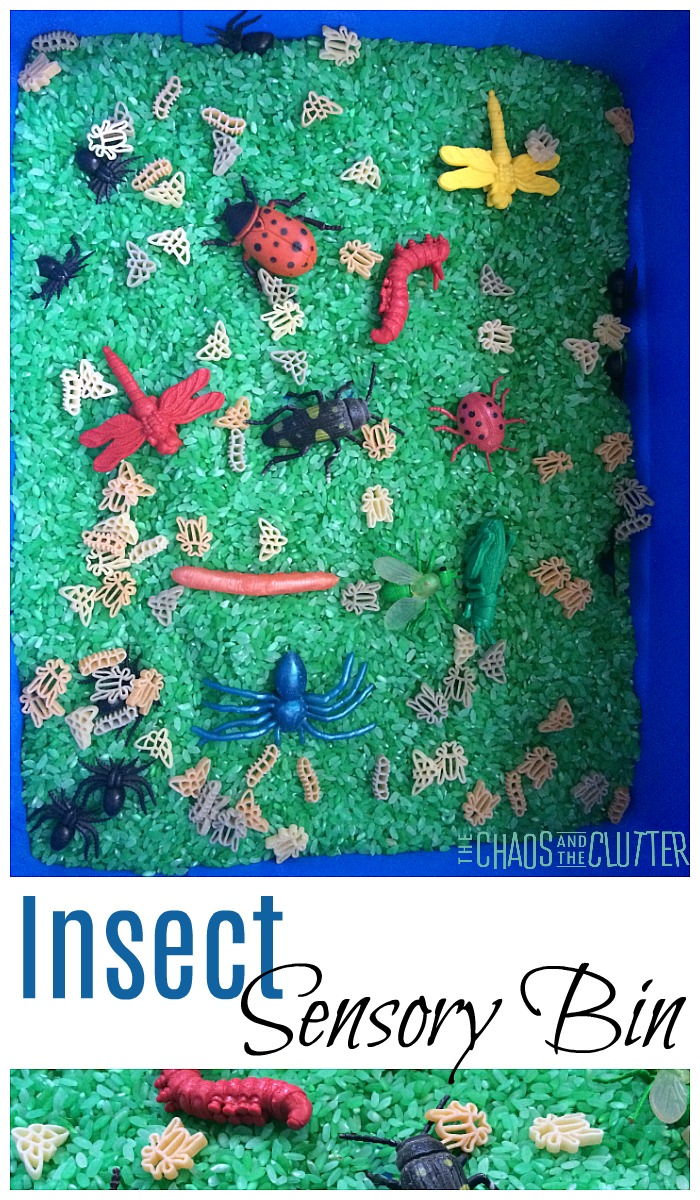
This Insect Sensory Bin is a great addition to a preschool unit on insects or Spring. It has a variety of textures and colours. This adds to both the visual and tactile sensory experiences.

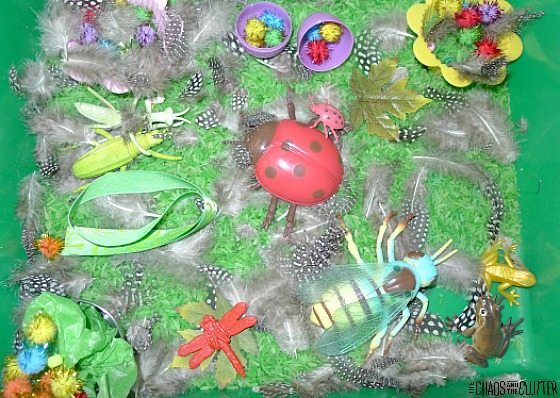
Insect Sensory Bin #sensory #sensoryplay #sensorybins #sensoryscienceWe used this sensory bin while studying insects in our homeschool. The kids enjoyed playing in it. The green rice looks like grass and made us look forward to Spring.
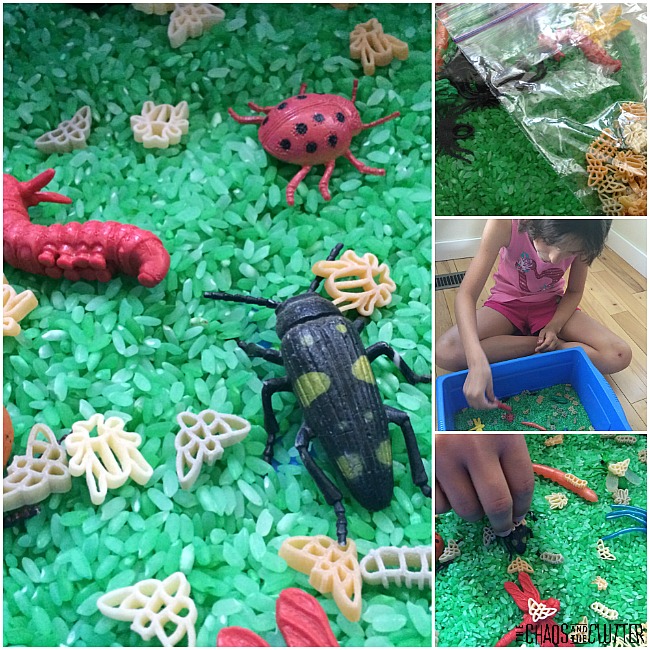
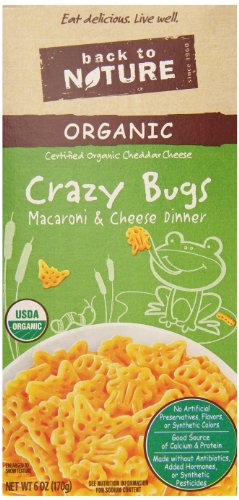
My kids were quite surprised that there was a pasta shaped like insects! We used some of the pasta for the sensory bin and cooked the rest for lunch. This created a gustatory (taste) sensory experience for them as well.This particular sensory bin was one of the ones we had made in our sensory bin swap. That meant that when the kids and I got to the insect unit in our science, I could easily just dump the contents of the bag into a bin and voila!
Insect Sensory Bin:

  • rice dyed green*
  • insect shaped dry pasta
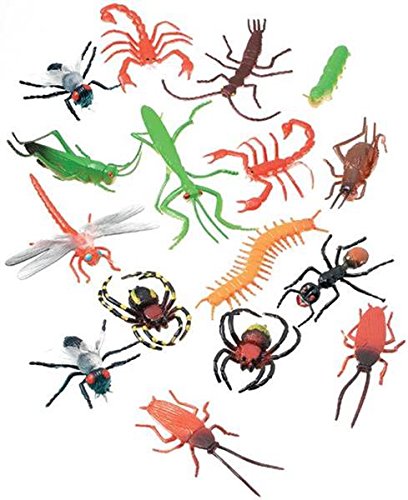
  • toy bugs
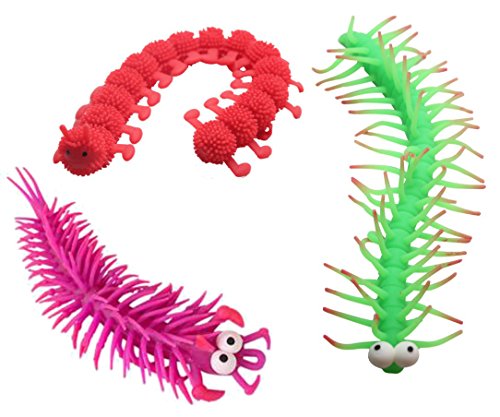
  • stretchy insects
  • spiders (see note below on spiders)

*you can find a tutorial on how to dye rice for sensory play here.

Bug Shaped PastaBug Shaped PastaBug Shaped PastaStretchy BugsStretchy BugsStretchy BugsPlastic Bugs and ArachnidsPlastic Bugs and ArachnidsPlastic Bugs and Arachnids

A note about the dyed rice:

When you’re finished using this sensory bin, you can store the green rice in a resealable plastic bag. The green rice makes a nice sensory bin base for a lot of different themes because it looks like grass. You can also use it inside sensory bottles or bags.

Spiders are not insects:

Yes, I know that spiders are not an insect. The kids wanted to add them and we actually used it as a compare and contrast science lesson on why they are not an insect. If you prefer to have this be an authentic insect sensory bin, simply leave the spiders out!

Ideas to expand the learning:

  • Add magnifying glasses to the sensory bin.
  • Set out books about insects and let the kids try to match them up.
  • Add scoops, small cups, and tweezers for fine motor skill practise.

You may also be interested in checking out these sensory bins:

Frog Sensory Bin Frog Sensory Bin Play

Spring Sensory Bin 

Filed Under: Sensory, Sensory Bins Tagged With: sensory bin, sensory play

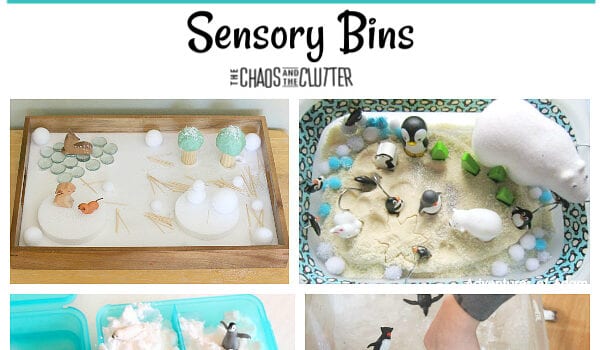
Winter Sensory Bins

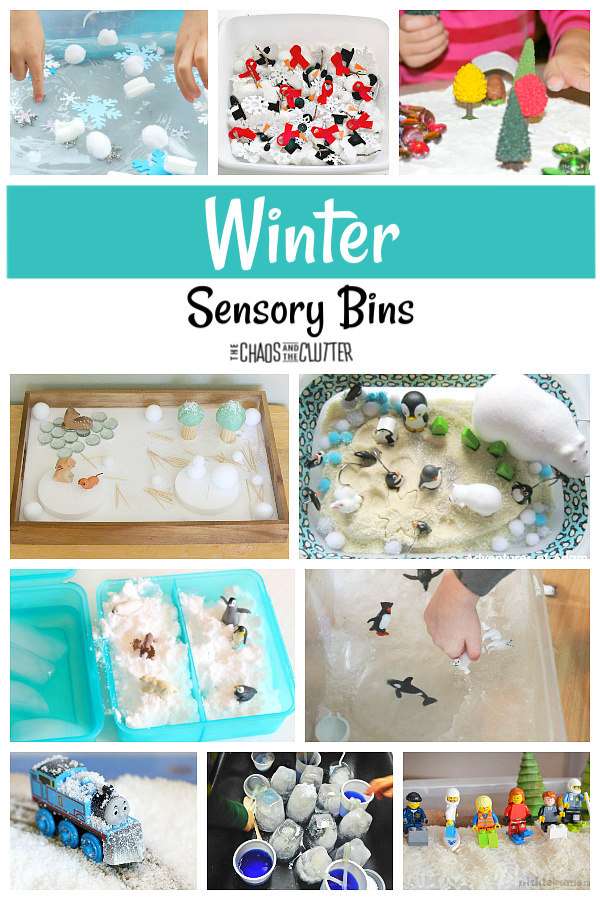
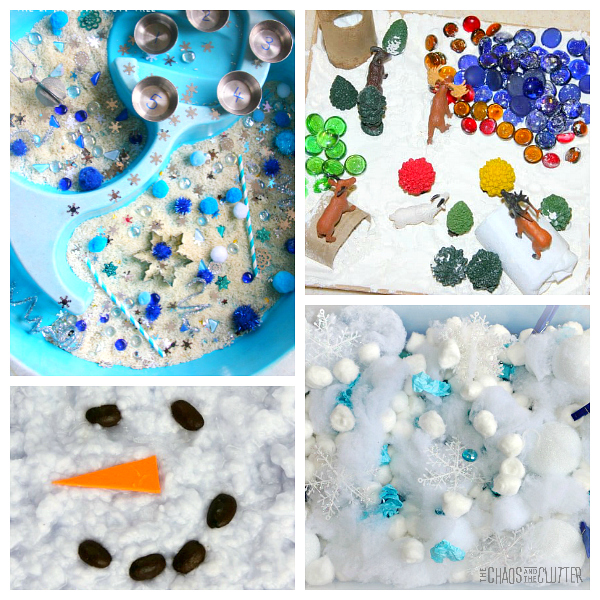
a collage of different winter themed sensory bins and the words "Winter Sensory Bins"

By Sharla Kostelyk

It’s that time of year again. The snow is falling, temperatures are dropping, and kids are starting to go stir crazy! These winter sensory bins are a great way to bring the outdoors indoors without bringing the cold in with it.

Sensory play is an important part of development for all kids, particularly those who have sensory issues. The additional sensory input meets their needs and helps with emotional regulation and mood.

Winter Sensory Bins:

Winter Wonderland Sensory Bin from here on The Chaos and The Clutter

Winter Sensory Tray from here on The Chaos and The Clutter

Arctic Animals Sensory Bin at Teaching Mama

Snowman Sensory Bin at Every Star is Different

Snow Sensory Tub from Simple Fun for Kids

Animals Hibernating in Winter ~ Sensory Bins for Preschoolers from The Natural Homeschool

Winter Counting Sensory Table from The Imagination Tree

Arctic Sensory Bin from Adventures and Play

Frozen Oobleck Sensory Bin on Messy Little Monster

Pretend Snow Snowman Sensory Bin from Housing a Forest

Pretend Snow Sensory Bin from Mommy’s Bundle

Exploring Ice in the Sensory Table at Teaching 2 and 3 Year Olds

Winter Diorama Ideas: Animals that Adapt in Winter from The Natural Homeschool

Mini Polar Sensory Bin from Mom Inspired Life

Figure Skating Sensory Bin from Every Star is Different

Pretend Snow Sensory Play with Trains from Play Trains

Winter Wonderland Small World Play from Buggy and Buddy

Snow Sensory Activity with Shaving Cream from 123 Homeschool 4 Me

Snow Slope Imaginary Play over at Picklebums

Bring the snow inside with this Real Snow Sensory Bin from Messy Little Monster

Simple Snowman Sensory Bin from Living Life and Learning

Snowball Water Play Winter Activity at Fantastic Fun and Learning

Winter Preschool Treasure Hunt Bin from Brain Power Boy

Winter Sensory Bin from Paper and Glue

Penguin Sensory Bins:

Penguin Sensory Bin from here on The Chaos and The Clutter

Penguin Sensory Bin from Adventures and Play

Make a Penguin Sensory Bin at Mama Smiles

Penguin Pretend Play from Nurture Store

Penguin Ice Play for Toddlers at Messy Little Monsters

Penguin Sensory Play from Fantastic Fun and Learning

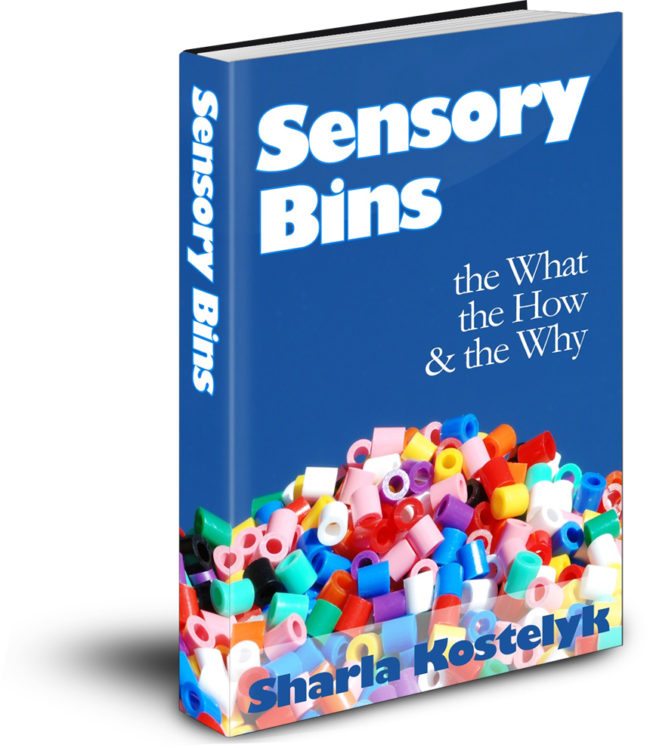
As you can probably tell from these examples, sensory bins are simple to create. You likely have most of the supplies in your home today to make a sensory bin that your child would love. If you are looking for more in-depth information on creating sensory bins including filler ideas, sensory recipes, storage, and money saving ideas, you can find those in my ebook on Sensory Bins. Sensory Bins ebook Get 175 sensory activity ideas in convenient printable lists which are ideal for using in the home, classroom or in a therapeutic setting.

Filed Under: Sensory Tagged With: sensory bin, sensory play

How To Make Kinetic Sand At Home

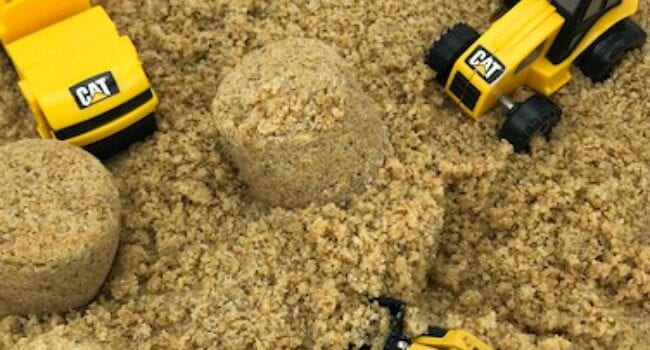
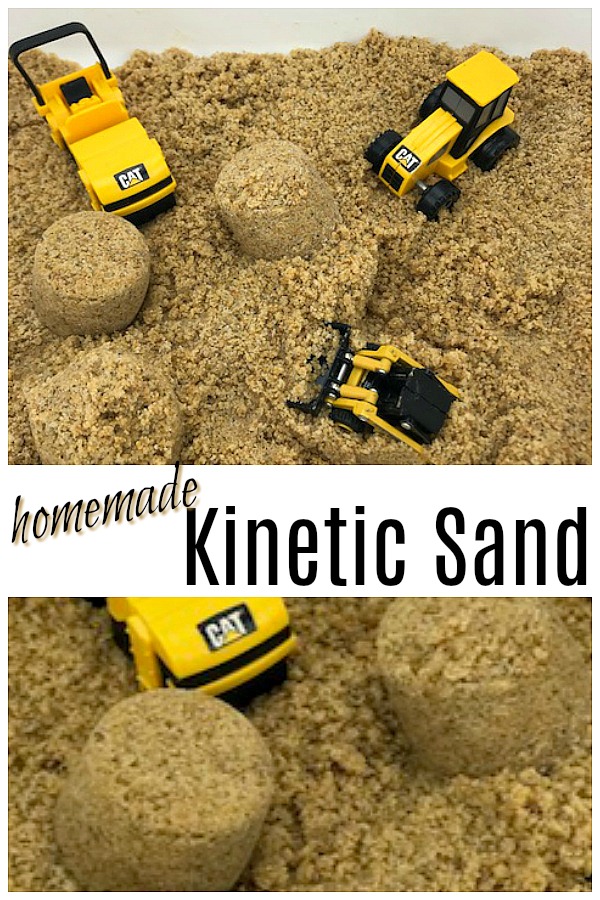
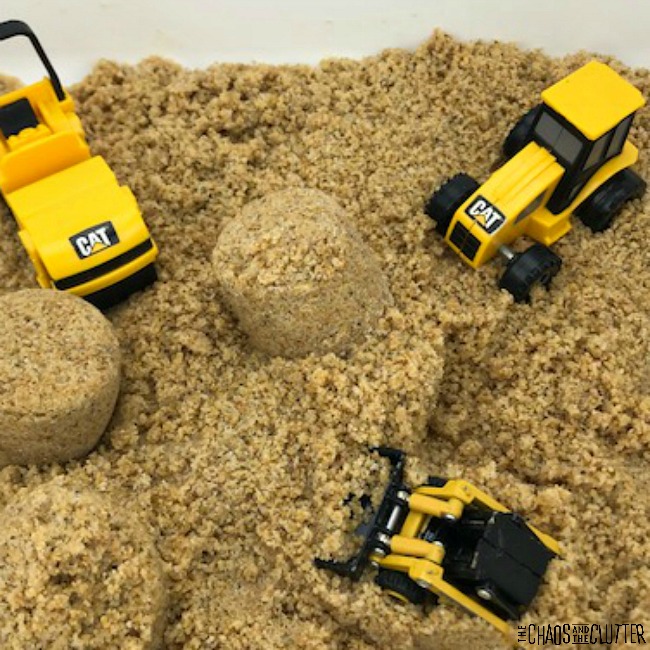
a white bin filled with kinetic sand also contains 3 small construction vehicle toys that are yellow and black in colour.

By Sharla Kostelyk

Kinetic sand is such a neat sensory experience for kids. It is fun to play with, sparks creativity, and offers great sensory input. I don’t know if you’ve noticed or not, but the kinetic sand in stores is expensive.

Once your kids play with the kinetic sand for a while (particularly if it’s in a classroom or day care and multiple children have their hands in it), it can get dirty. That means it needs to be thrown out. Which means you need to buy more. That’s why homemade kinetic sand is such a great option. You won’t believe how easy this recipe is to make!

Homemade Kinetic Sand #sensoryplay #sensoryplayrecipes #kineticsand

What is Kinetic Sand?

Kinetic sand is sand that has had ingredients added to it so that it becomes mouldable like clay. It continues to have the grainy properties of sand, creating an interesting texture experience.

Yet it sticks to itself, much like wet sand at the beach. When you are on the shore making sand castles or sand sculptures, you need to add water to keep the structures from becoming too dry and crumbling. This is essentially the idea behind kinetic sand.

DIY Kinetic Sand Recipe

Ingredients:

  • 4 cups sand
  • 2 1/2 cups flour
  • 3/4 cup vegetable oil

How To Make Kinetic Sand:

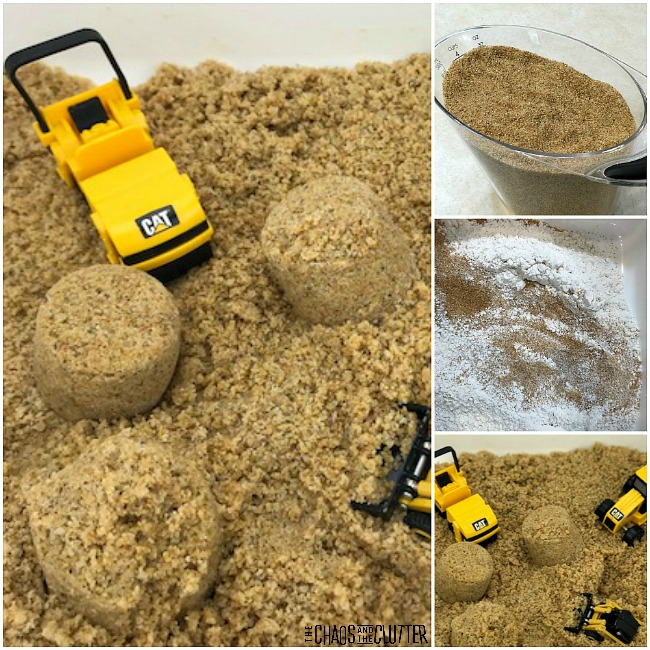
  1. Measure out the sand and flour and add to a large bowl.
  2. Mix the sand and flour together.
  3. Stir in the oil. Combine well.

Now you have your own homemade kinetic sand to play with!

This recipe is included in our Sensory Play Recipes eBook. It includes more than 25 easy to make recipes for awesome sensory activity options. If you’d like a sample that includes 5 recipes from the book, just pop your email into the box below.

Does Kinetic Sand Dry Out?

If the sand begins to dry out after a few weeks, you can mix in a few drops more of vegetable oil and give it a good stir.   

Homemade kinetic sand is wonderful for playing with and such an easy recipe to make. You can buy enough sand to make large quantities of your own kinetic sand for the same cost as one pack of store bought variety.

You can also purchase sand in cool colours. This allows you to make coloured kinetic sand.

I put the kinetic sand in a sensory bin and added some small construction vehicles and a scoop. This created a sensory bin that encouraged imaginative play. Even my teens enjoyed playing with this one. They especially liked packing it into small cups and creating mounds and then pushing them over with the toy steamroller.

One of my sons couldn’t seem to get enough of squishing this in his fists and then releasing it to feel it fall through his fingers.

how to make your own kinetic sand

Other Play Ideas

You could also use this play material to create a beach sensory bin with seashells, small sand toys, glass beads, and rocks.

Or you could simply dump it in a kinetic sand tray and let your child’s imagination lead the way. They can stamp in this sensory play material with cookie cutters or stamps. Kids can experiment with creating shapes. They can add small toys to create a small world. There are so many options.

For therapists, this is an interesting material to use in sand trays. The proprioceptive sensory feedback kids receive from squishing and squeezing the sand can create a calming effect. You can still have the child add toys and play out scenes.

Once you know how to make kinetic sand at home and realize how easy it is, you’ll never need to buy it again!

Click here for more easy sensory play ideas:

Snow Playdough

Milky Slime Recipe

Unique Types of Slime

The Mega List of Sensory Bottles 

Filed Under: Sensory Tagged With: sensory bin, sensory play

  • « Go to Previous Page
  • Page 1
  • Page 2
  • Page 3
  • Page 4
  • Page 5
  • Interim pages omitted …
  • Page 9
  • Go to Next Page »

Primary Sidebar

Categories

We are a participant in the Amazon Services LLC Associates Program, an affiliate advertising program designed to provide a means for us to earn fees by linking to Amazon.com and affiliated sites.

Copyright © 2026 • The Chaos and the Clutter • Site Design by Jeni @ The Blog Maven

Return to top of page

Copyright © 2026 · Chaos and the Clutter 2.0 on Genesis Framework · WordPress · Log in