• Skip to primary navigation
  • Skip to main content
  • Skip to primary sidebar
  • Home
  • About
  • Contact
  • Privacy + Terms
  • Affiliates

The Chaos and the Clutter

  • Facebook
  • Twitter
  • Pinterest
  • Google Plus
  • RSS
  • Email
  • School at Home
  • Sensory
    • Sensory Processing Disorder
    • Awesome Sensory Play Activities
      • Sensory Bins
      • Sensory Bottles
      • Sensory Bags
  • Family Games
    • Minute to Win It Games
  • Special Needs Parenting
    • Childhood Anxiety
    • Reactive Attachment Disorder
    • Sensory Processing Disorder
  • Store
  • Course Login

sensory play

Valentine’s Day Slime

By Sharla Kostelyk

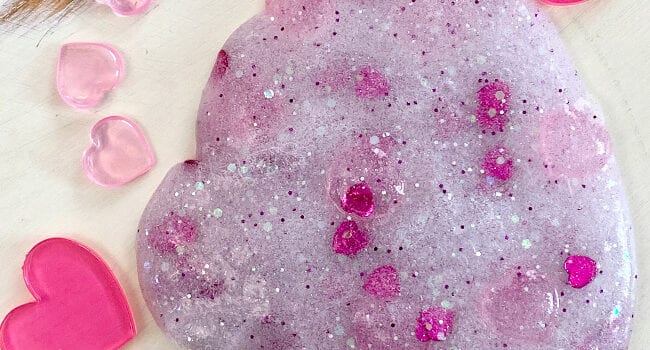
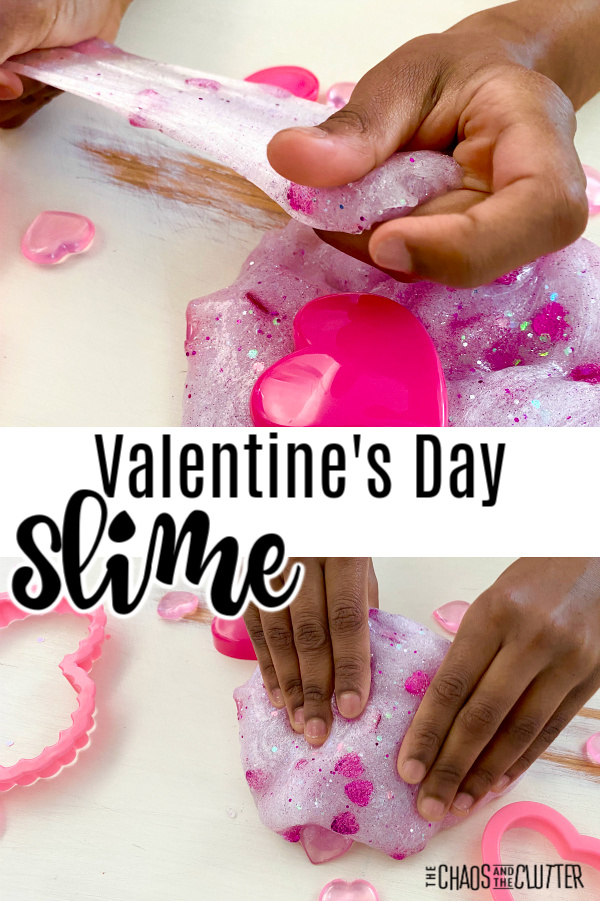
Create this Valentine’s Day Slime for your friends, child, or classroom. It’s super stretchy. This contact solution recipe is an easy one to master. little hands stretch out slime with hearts. Text reads "Valentine's Day Slime"If you’re looking for a homemade Valentine’s gift, this slime recipe and/or our Valentine’s Fluffy Slime recipe can be put in a small container or resealable bag.
Valentine’s Day Slime:

Supplies needed:

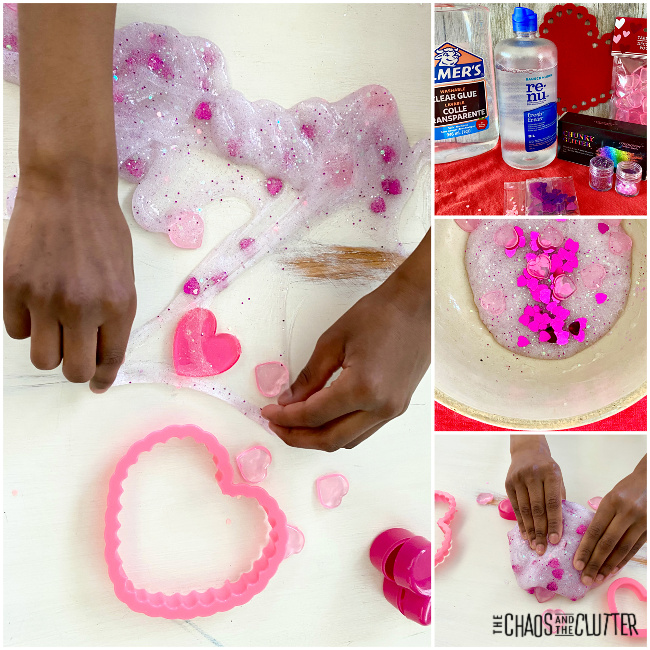
  • 1 cup Elmer’s Clear School glue
  • 2-3 Tbsp. contact lens saline solution
  • 1/2 tsp. baking soda
  • unicorn glitter
  • heart confetti
  • small plastic hearts
  • optional: heart shaped cookie cutters and plastic heart containers for extended play
Directions:

  1. Pour the glue into a large mixing bowl and stir the baking soda into it.
  2. Begin to add the contact lens solution a few drops at a time as you stir.
  3. When you find that the mixture begins to pull away from the bowl, it’s time to begin kneading.
  4. Add the glitter, hearts, and confetti. Continue kneading.
  5. If the slime is still too sticky to play with, add one or two more drops of contact solution and knead.
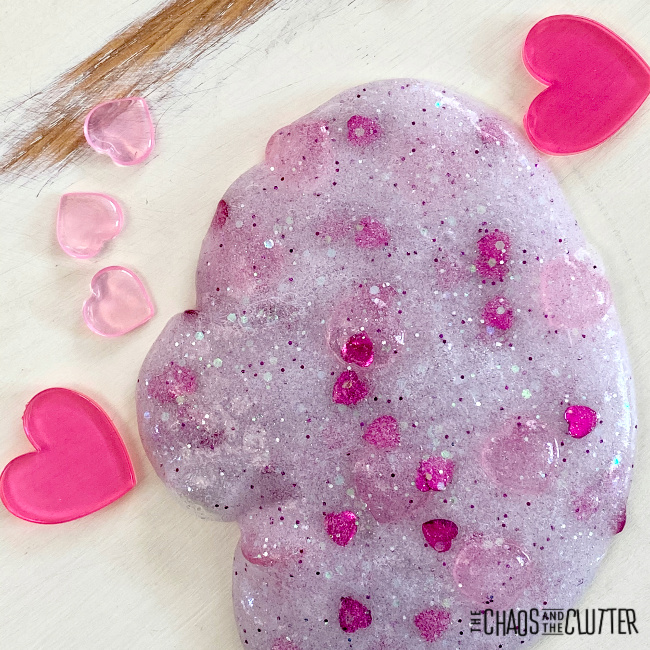
Sensory and Learning Opportunities:

Set out heart shaped cookies cutters, additional plastic hearts, and plastic heart containers to allow your child the chance to engage in imaginative sensory play. You can also set up a sensory station in your classroom with this as one of the activities.
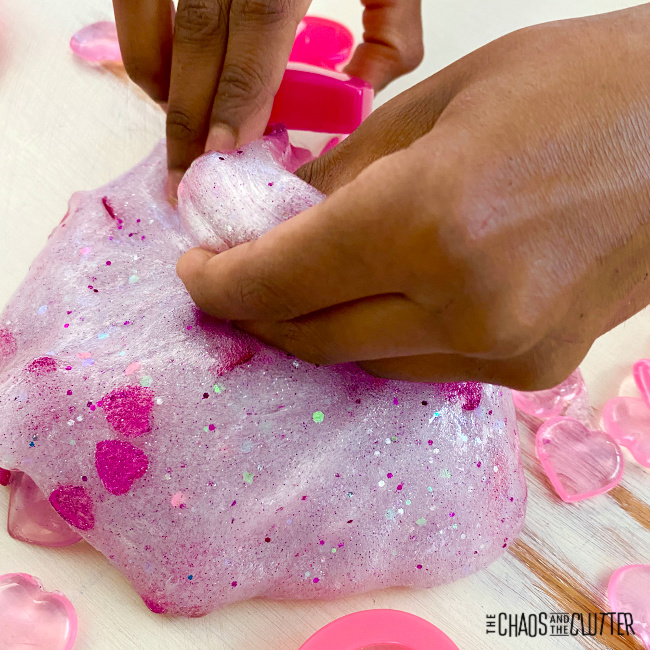
The visual, tactile, and proprioceptive sensory systems are involved during slime play.

Looking for more great sensory play recipes to inspire imagination? Join us for a five day email series on Sensory Activities and Solutions and get a free sample of our Sensory Play Recipes eBook.

Find other sensory play opportunities for February:

Valentine’s Day Fluffy Slime

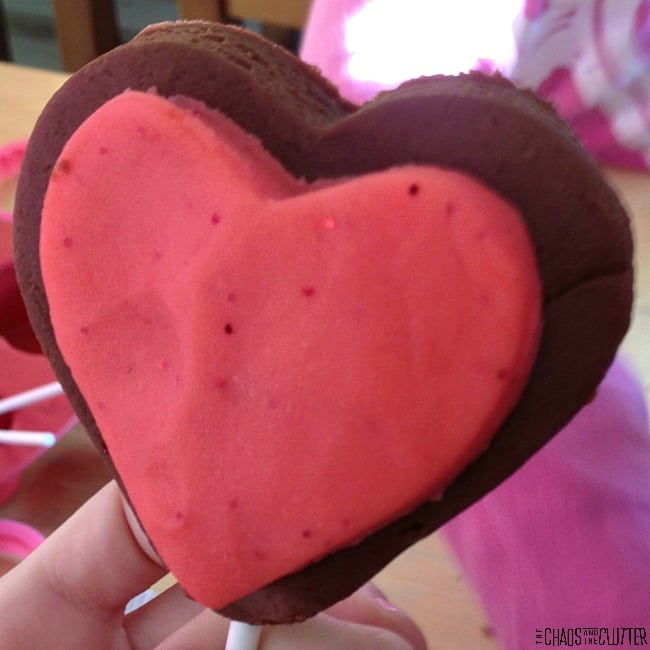
Chocolate and Strawberry Playdough Station

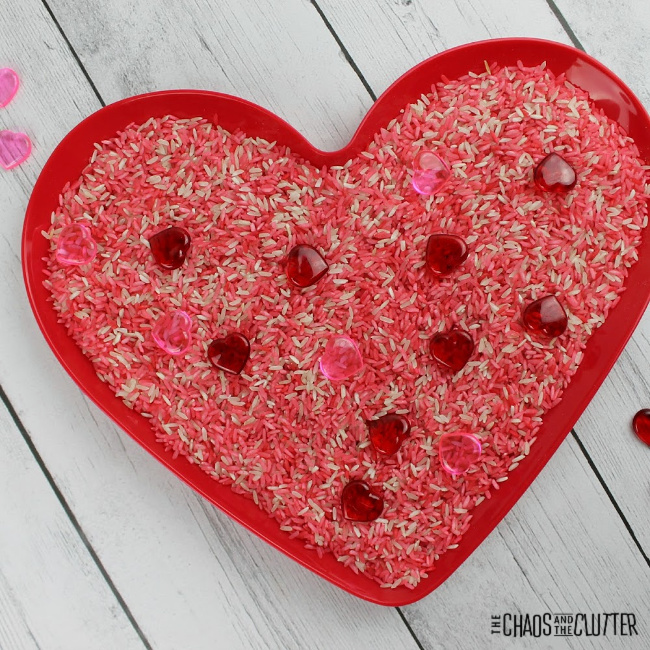
Scented Valentine’s Sensory Bin

Filed Under: Sensory Tagged With: sensory play, slime

Human Body Sensory Bin

By Sharla Kostelyk

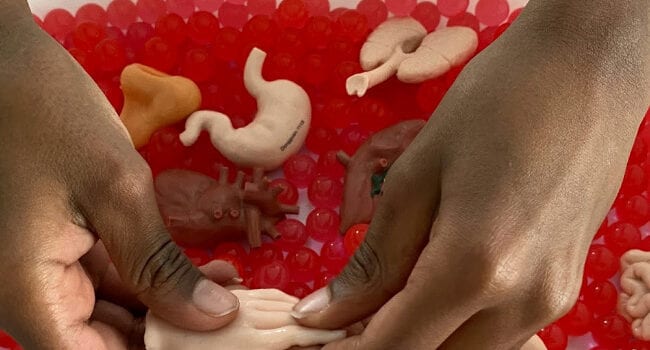
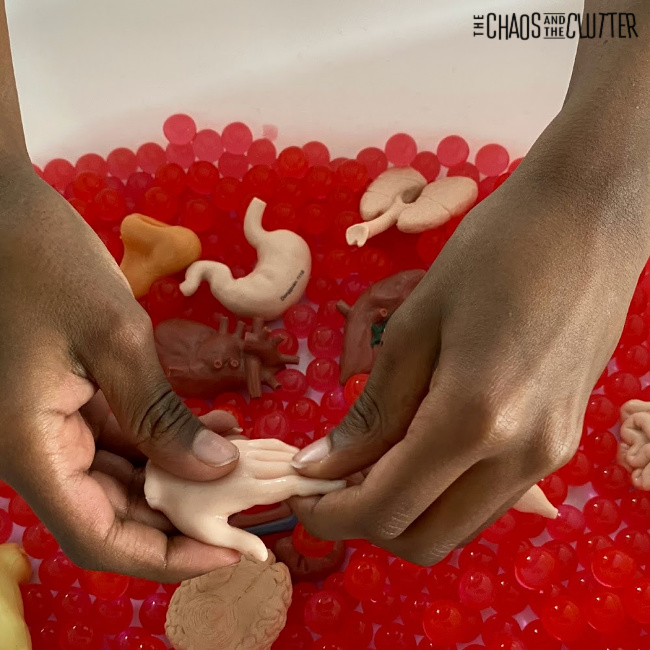
I know this one is a bit gross at first glance, but bear with me. Kids are able to retain more information when they incorporate their senses and learn through play. That’s how I came up with the idea for this Human Body Sensory Bin.

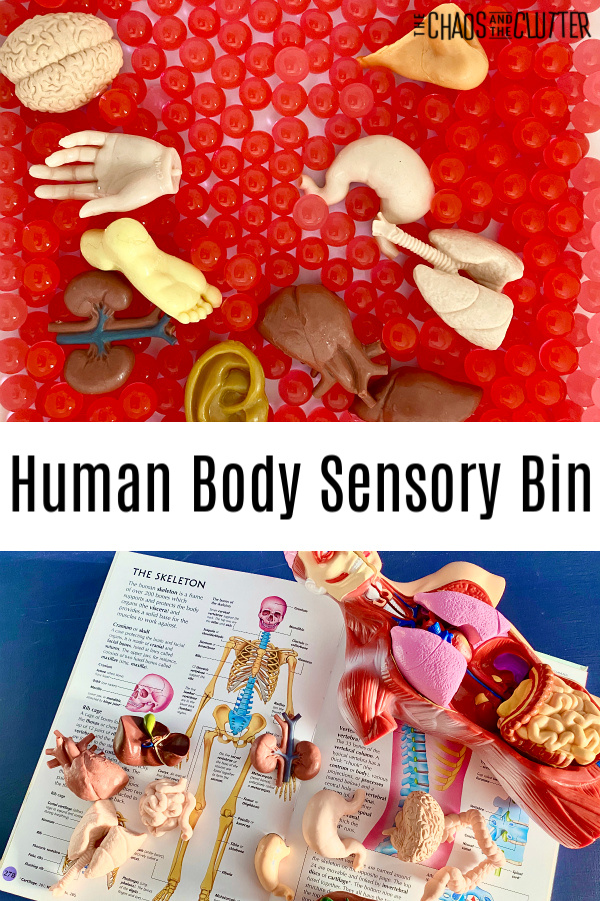
red water beads with toy body parts and organs and a book of the skeletal system with text that reads "Human Body Sensory Bin"As kids learn about the human body, they can explore through sensory play. This can lead them to asking more questions and finding new discoveries.
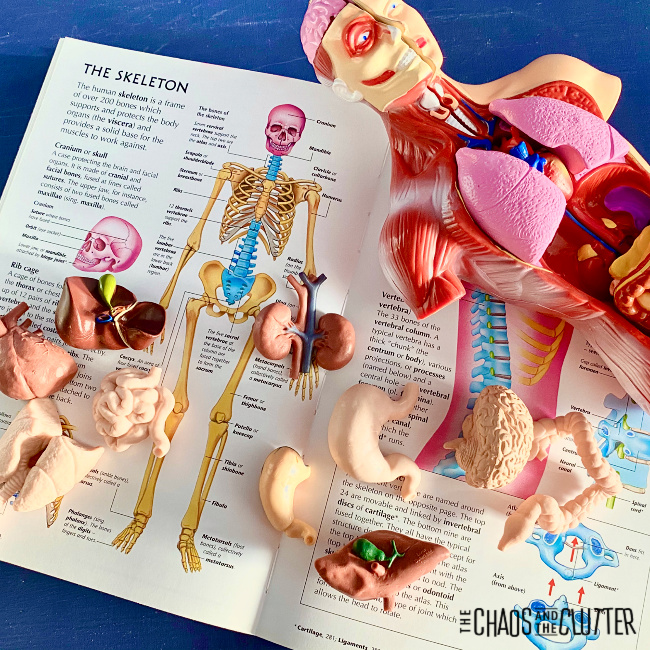
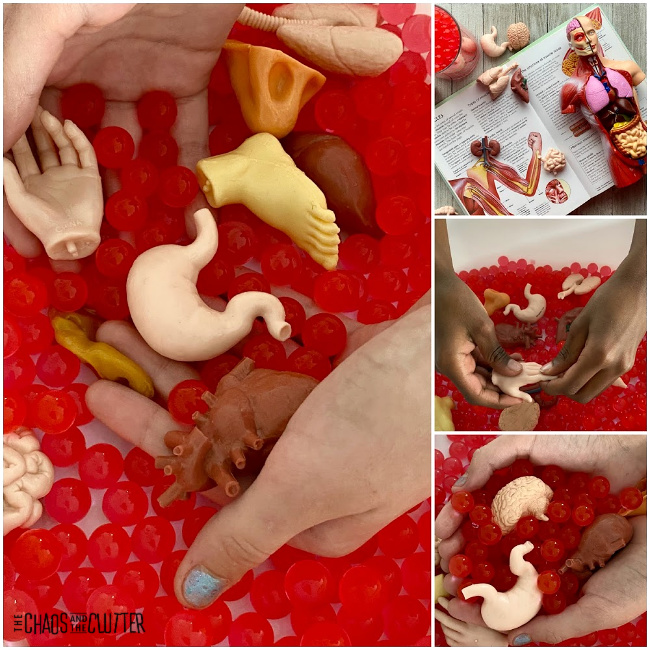
What I love about this sensory play activity is that there are so many ways you can use it to expand learning. Suggestions for how to use this as part of a human body unit study:

  • set out books on the human body, handouts, diagrams, and worksheets near the bin.
  • kids can match the organs and body parts in the bin to the ones in the books.
  • print out cards with the names of the organs and ask kids to place the cards in the sensory bin next to the corresponding organ.
  • invite students to talk about what each of the organs does in the body.

Human Body Sensory Bin:

Supplies needed:

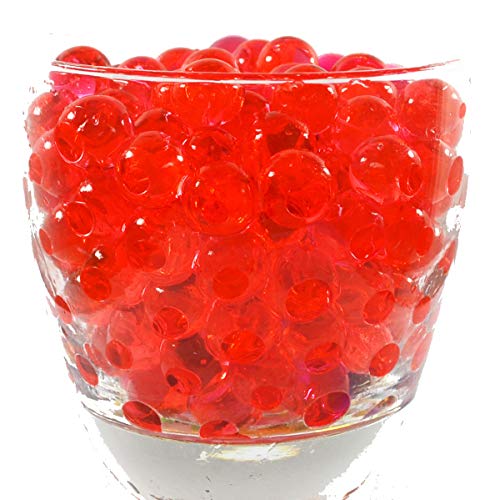
  • red water beads
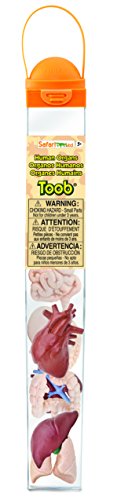
  • Human Organs Toob
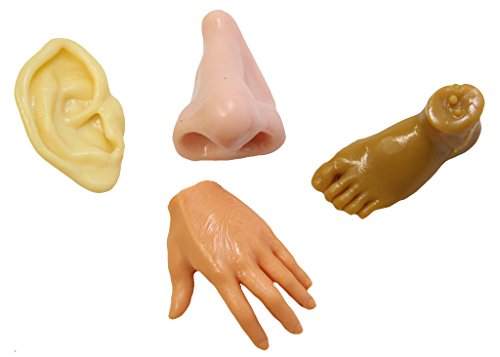
  • stretchy body parts
  • plastic bin

Directions:

  1. Place the water beads in a plastic tub and add water. Wait for them to expand.
  2. Toss in the plastic human organs and stretchy body parts. (Even typing that makes me laugh because it sounds so gross!)
  3. Set the bin out in your home or classroom for students to explore.

Body Parts Stretchy Fidgets - Ear, Hand, Foot Nose - AnatomyBody Parts Stretchy Fidgets – Ear, Hand, Foot Nose – AnatomyBody Parts Stretchy Fidgets - Ear, Hand, Foot Nose - AnatomyHuman Organs TOOBHuman Organs TOOBHuman Organs TOOBRed Water BeadsRed Water BeadsRed Water Beads

Some other resources to accompany your human body unit study:
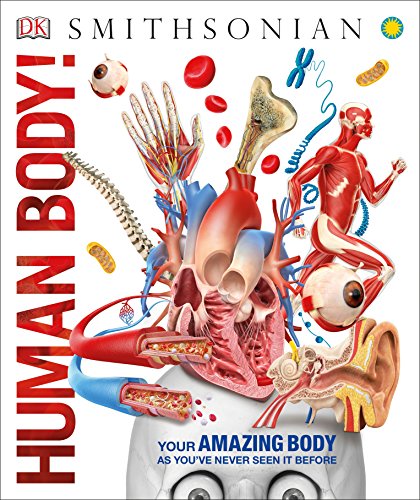
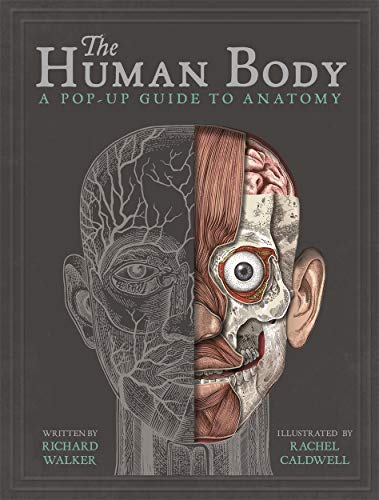
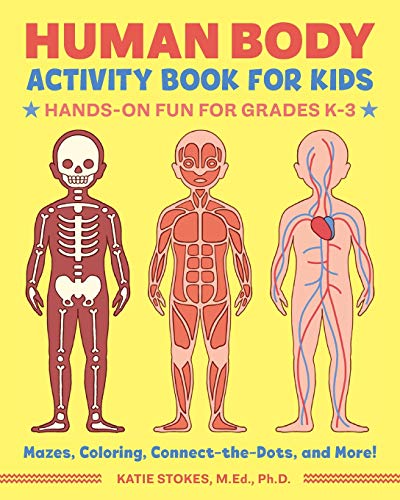
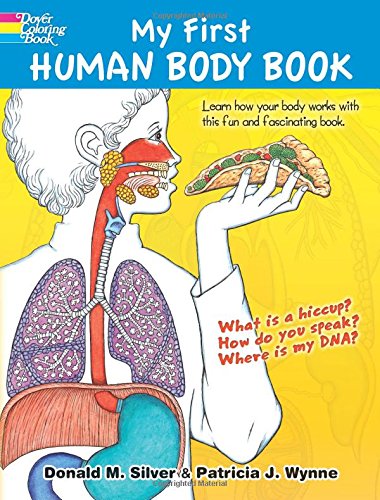
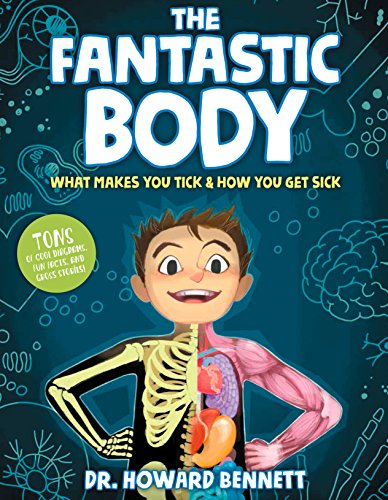
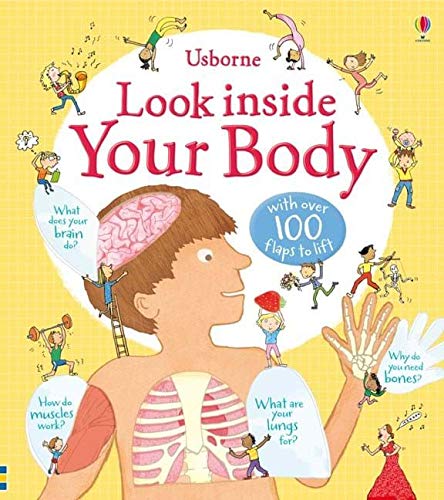
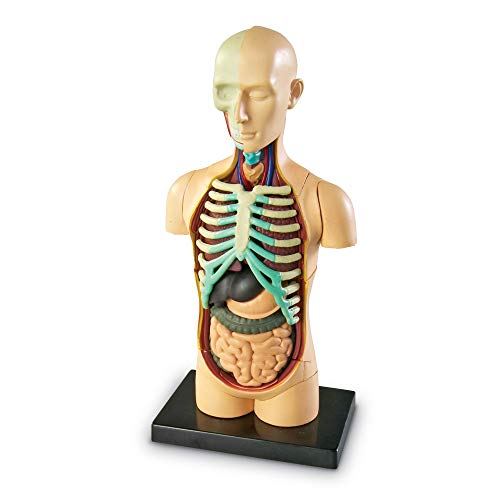
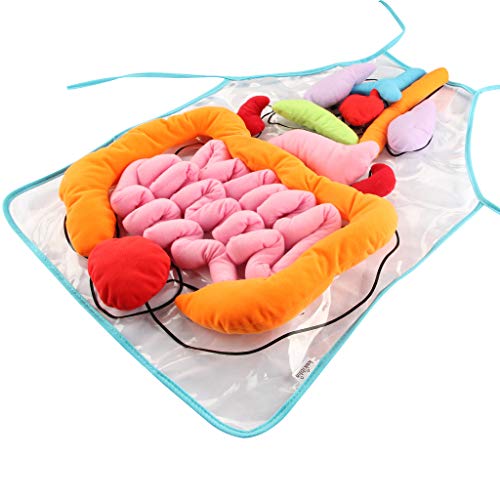
Human Body! (Knowledge Encyclopedias)Human Body! (Knowledge Encyclopedias)Human Body! (Knowledge Encyclopedias)The Human Body: A Pop-Up Guide to AnatomyThe Human Body: A Pop-Up Guide to AnatomyThe Human Body: A Pop-Up Guide to AnatomyHuman Body Activity Book for KidsHuman Body Activity Book for KidsHuman Body Activity Book for KidsMy First Human Body BookMy First Human Body BookMy First Human Body BookThe Fantastic Body: What Makes You Tick & How You Get SickThe Fantastic Body: What Makes You Tick & How You Get SickThe Fantastic Body: What Makes You Tick & How You Get SickLook Inside: Your BodyLook Inside: Your BodyLook Inside: Your BodyLearning Resources Human Body ModelLearning Resources Human Body ModelLearning Resources Human Body Model3D Organ Apron3D Organ Apron3D Organ Apron

Expand your study further with these free printable human body worksheets:

Setting out corresponding worksheets near the sensory bin station encourages learning.

  • Anatomy Notebooking Pages
  • Human Body Dot Marker Pages (good introduction to the unit or for younger students to get involved)
  • Human Body 3 Part Cards
  • Human Body Printables for Kids

More hands-on learning activities for the human body:

  • What is Blood Made of?
  • Life Sized Felt Anatomy Model
  • Playdough X-ray
  • Create a Model of how the Lungs Work
  • Make the Backbone out of Pool Noodles
  • Make a Human Brain out of Clay

Check out some of our other sensory science ideas:

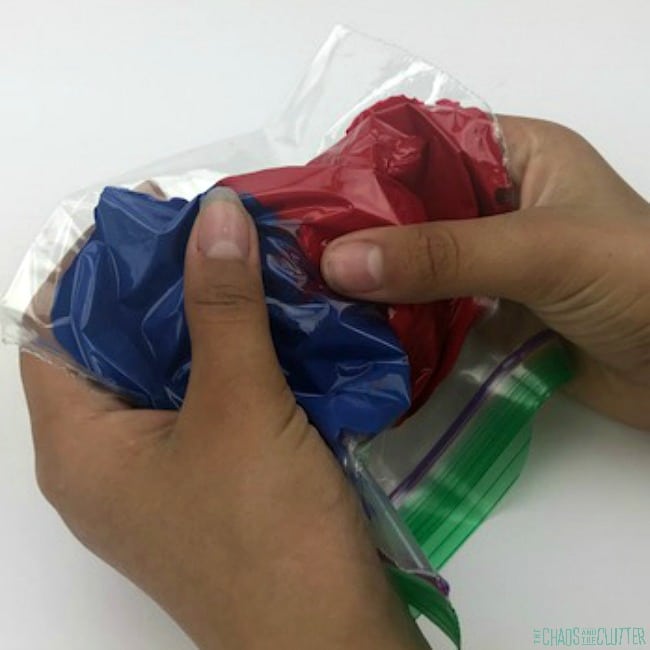
Colour Mixing Sensory Bag

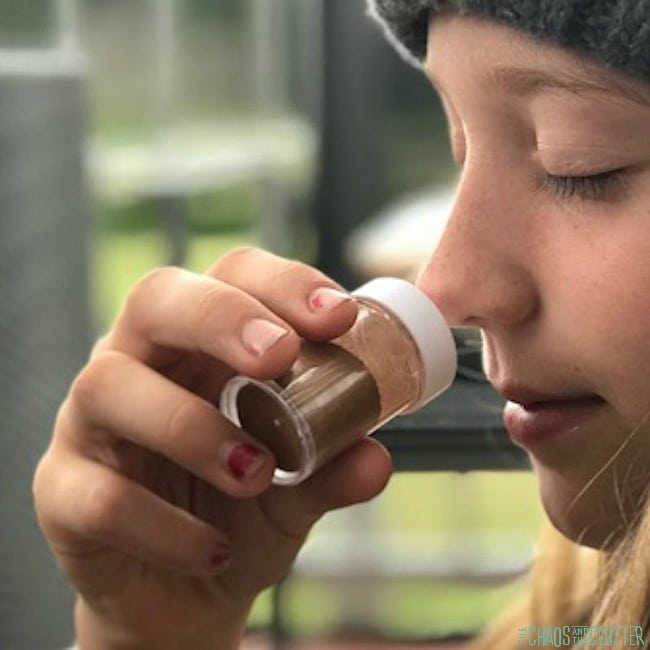
Sensory Smell Bottles

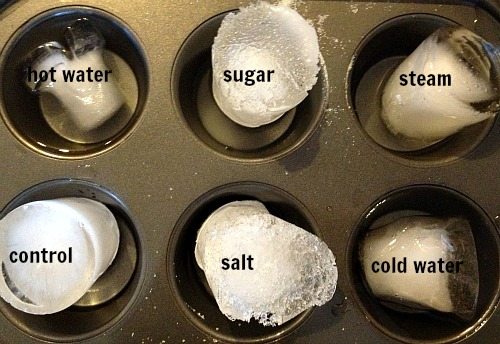
Melting Ice Experiment

Filed Under: Homeschooling, Sensory Bins, Simple Science Tagged With: sensory play

Astronaut Sensory Bottle

By Sharla Kostelyk

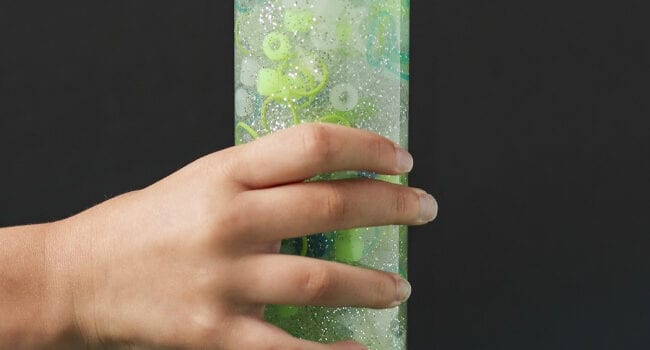
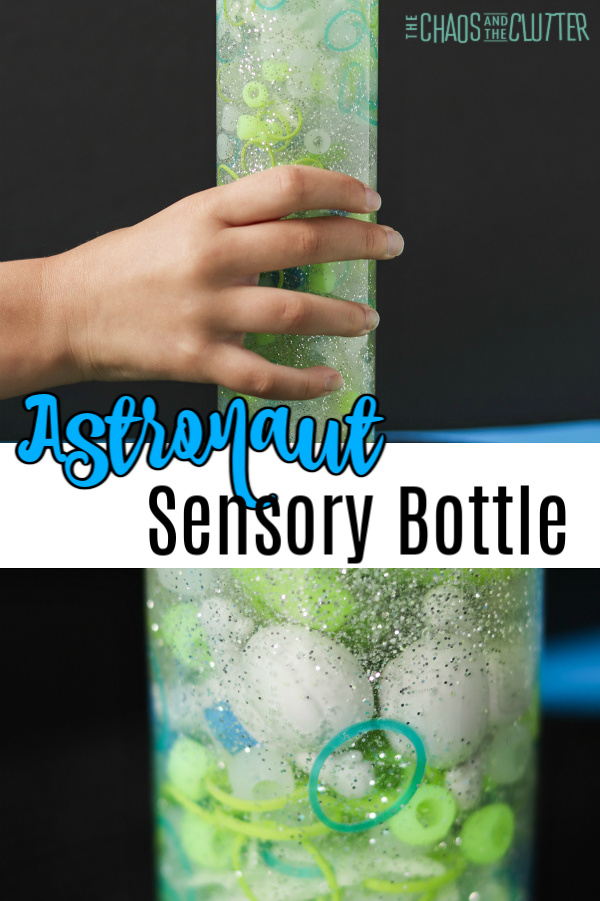
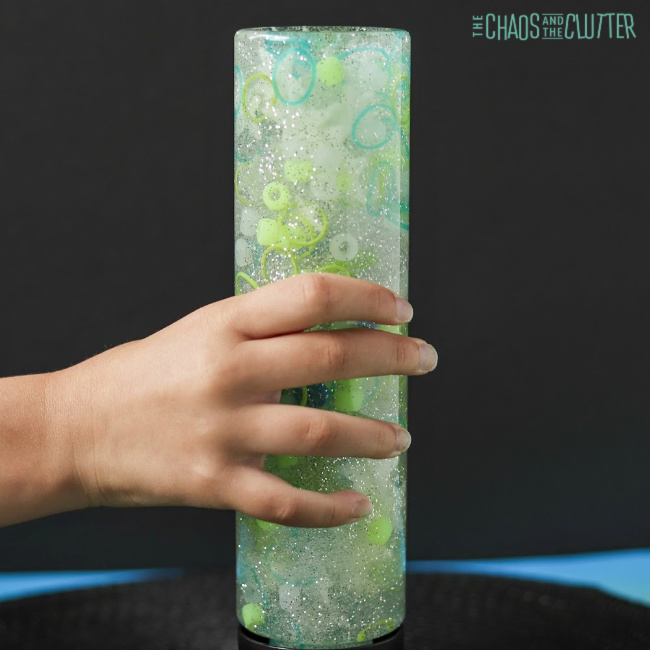
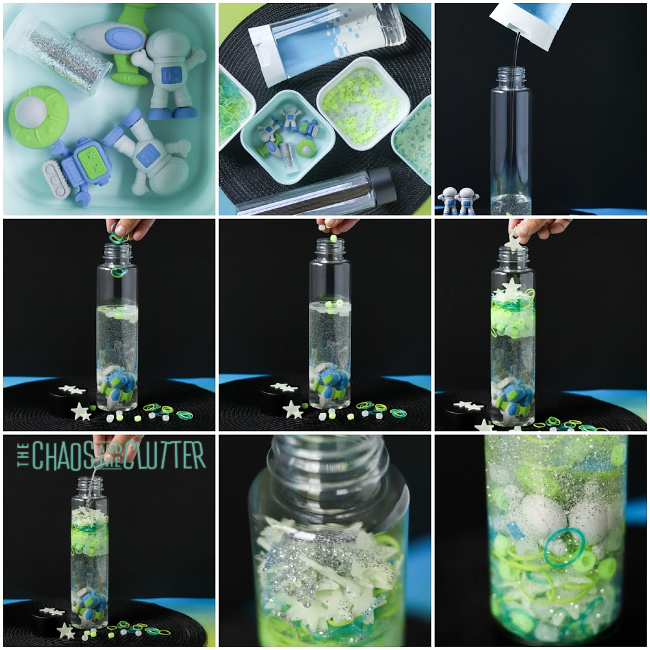
Awww, this activity is so fun and so cute! Kids can explore their interest in outer space with this Astronaut Sensory Bottle. It engages the senses and the mind.

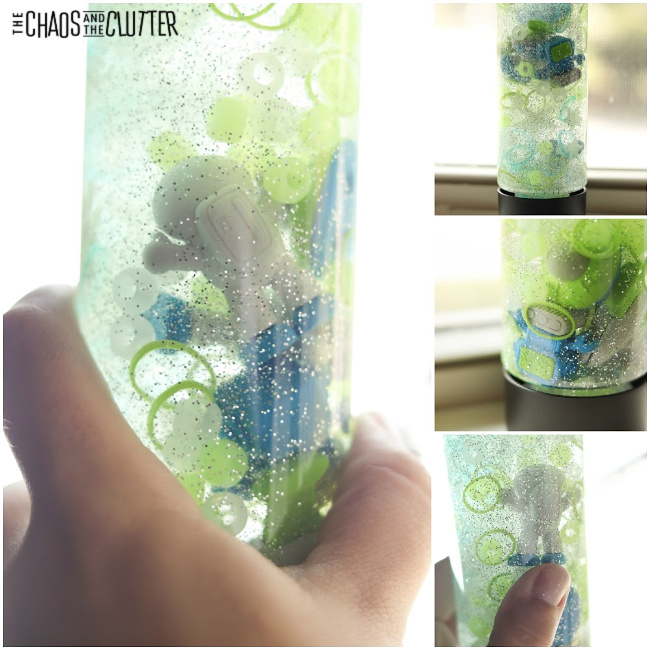
hand holds a bottle filled with liquid, glitter, and beads with text that reads "Astronaut Sensory Bottle"

Astronaut Sensory Bottle:

Supplies needed:

  • empty water bottle (I prefer the look of Voss bottles or craft store sensory bottles)
  • clear dish soap (Dawn or LemiShine are a good thickness for this)
  • astronaut and rocket erasers
  • glow in the dark mini ceiling stars
  • small teal and green rubber bands (like the Rainbow Loom ones)
  • silver glitter
  • optional: Superglue or hot glue to seal the top of the bottle

Directions:

  1. Pour clear dish soap into the bottle to 2/3 of the way full.
  2. Add the glitter, mini rubber bands, space erasers, and ceiling stars.
  3. Fill up to the top with water.
  4. Put the lid back on. If you’re going to use with younger kids, then it’s best to superglue the lid in place or secure with hot glue. Be sure to allow the glue time to dry before giving it to a child to play with.

As with all of our sensory activities, adult supervision should be used. Even if you have glued the lid in place, it can still come off. The bottle contains small parts which are choking hazards so always use caution.
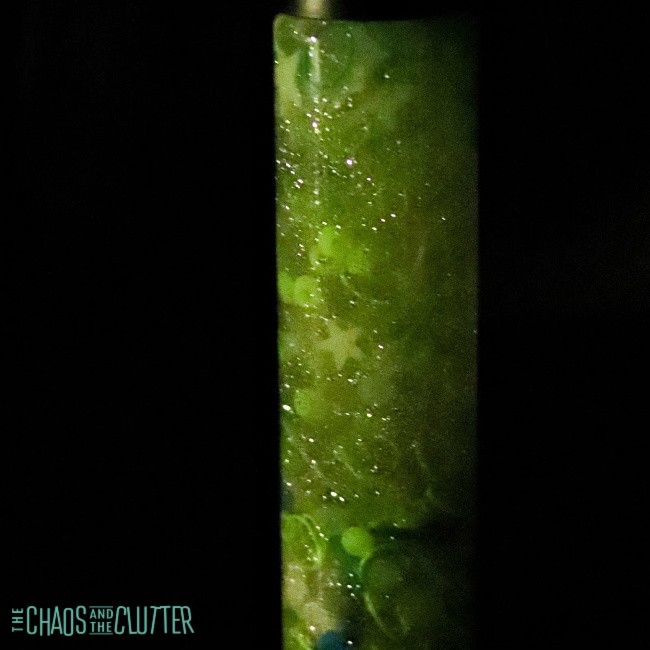
This activity has an added bonus. Because of the ceiling stars, it is glow-in-the-dark. Just be sure to leave it in the light long enough to charge and then the sensory bottle will glow. Some kids may be comforted by bringing their glowing bottle into their room with them at night.

Sensory and Learning Opportunities:

This Astronaut Sensory Bottle engages the visual, tactile, and the proprioceptive sensory systems.

If you’re doing a unit study on the Solar System, you can set out this Astronaut Sensory Bottle as a hands-on addition to your studies. When kids incorporate their senses into their learning, they show better retention. You can set up an entire Space Sensory Station at home or in your classroom to encourage learning.
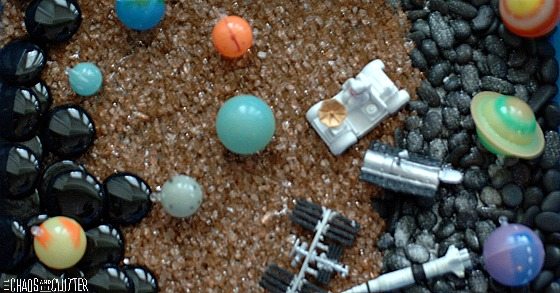
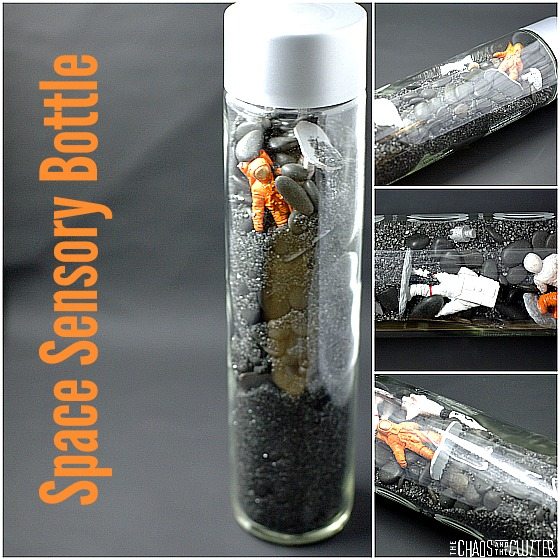
Here are some other activities that would work well at your Space Sensory Station:

Glow in the Dark Solar System Sensory BinSolar System sensory bin glows in the dark

Space Sensory BottleThis Space sensory bottle is naturally weighted. Kids can also use it as an I-Spy activity.

Are you looking for more simple sensory play recipes? Join us for a five day email series on Sensory Activities and Solutions and get yourself a free sample of our Sensory Play Recipes eBook.

Filed Under: Sensory Tagged With: sensory bottles, sensory play

Valentine’s Pluffle Sensory Bin

By Sharla Kostelyk

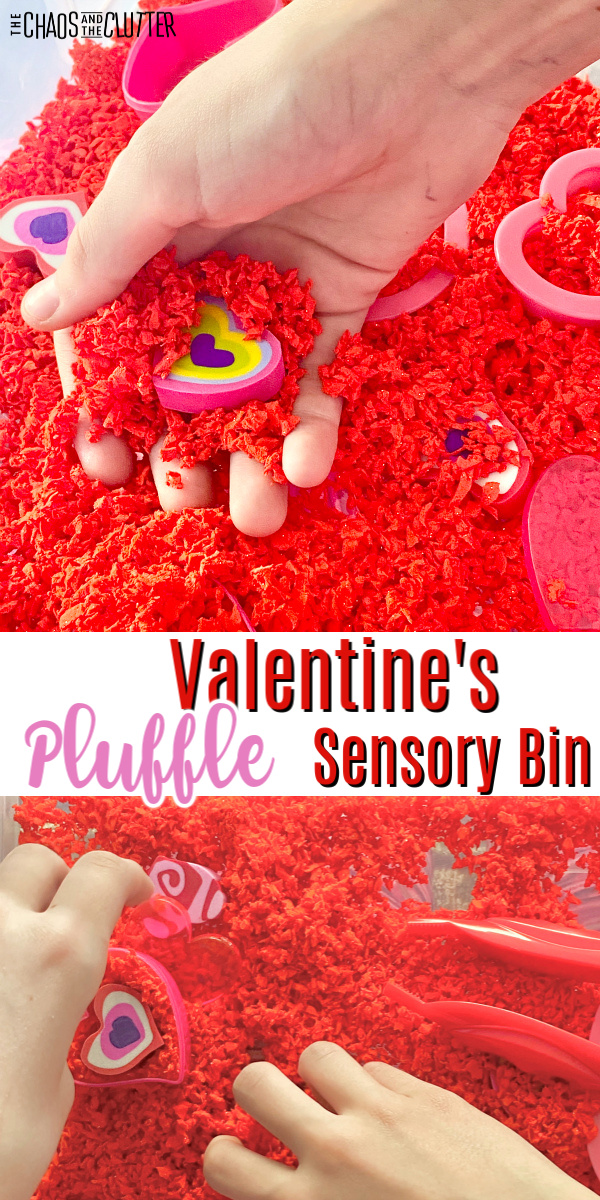
I recently discovered this new play material called Pluffle. I haven’t decided yet if I think it’s cool or icky (it moves a bit like little worms – ewww!), but I can tell that I’m going to be using it in a lot of upcoming play activities! This Valentine’s Pluffle Sensory Bin is the first.

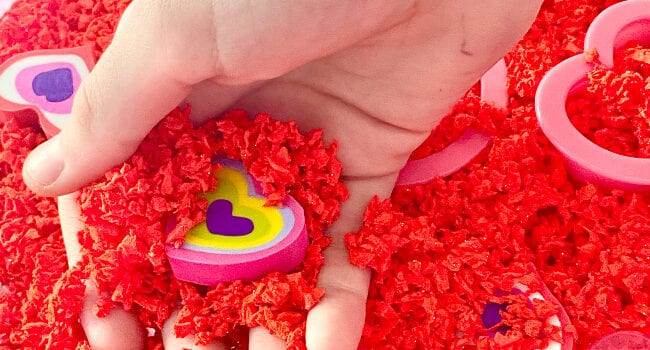
hand holding red playfoam and a heart eraser with text that reads "Valentine's Pluffle Sensory Bin"Pluffle is a play foam. I don’t know the science behind it, but it kind of moves on its own. It’s a bit creepy, but also very fun. Kids are pretty fascinated while they watch the movement as it expands.
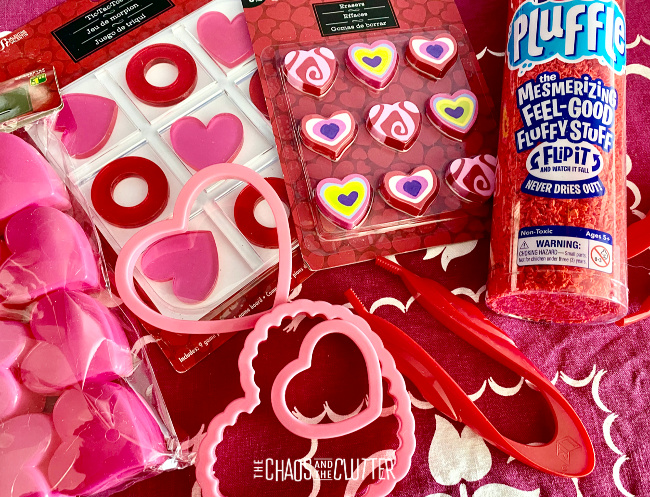
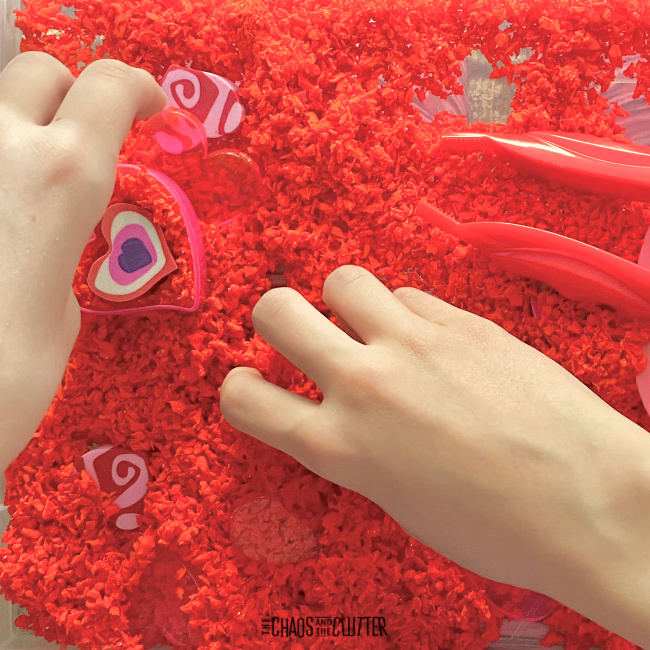
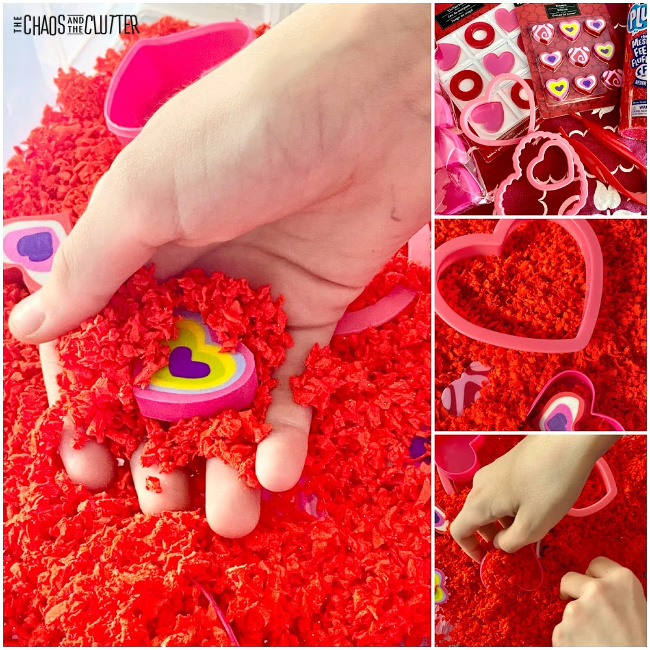
Valentine’s Pluffle Sensory Bin:

Supplies needed:

  • red Pluffle
  • heart shaped erasers (from the Dollar Store)
  • red jumbo kid tweezers
  • pink heart shaped cookie cutters
  • small pink heart shaped containers (from the Dollar Store)
  • pink and red tic tac toe placeholders (from the Dollar Store)
  • plastic bin

Directions:

  1. Empty a container of Pluffle into a plastic container.
  2. Drop in some heart shaped erasers, the cookie cutters, jumbo tweezers, and plastic heart containers.
  3. Invite your child or students to play.

Sensory and Learning Opportunities:

Fine motor skills – Kids can use the heart containers to scoop and fill. They can use the tweezers to pick up the Pluffle or to pick up the erasers and move them.

Math – Students can arrange the cookie cutters from smallest to largest or use spacial concepts to fit hearts inside each other.

Vocabulary – Talking about patterns, colours, and what textures they are feeling can help kids improve their communication skills and encourage them to ask questions.
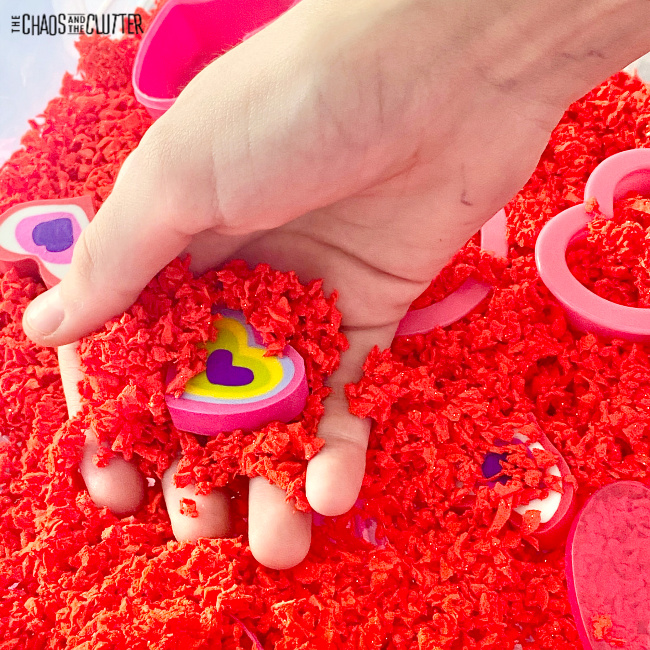
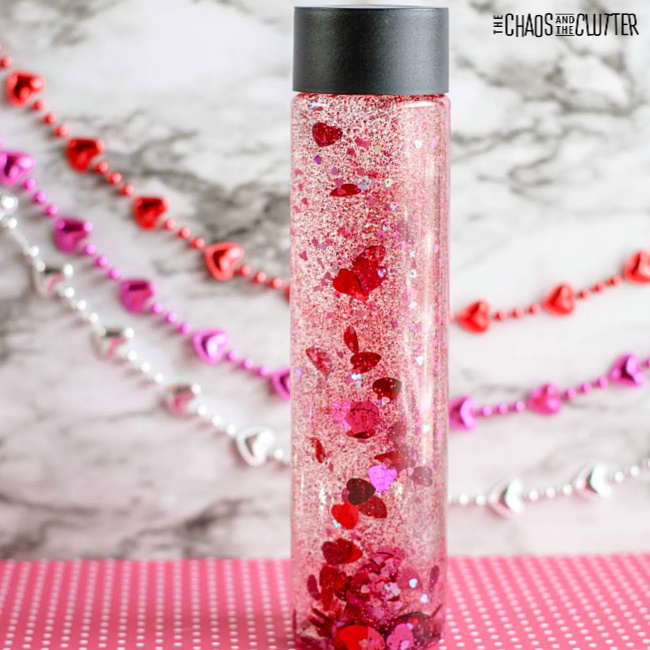
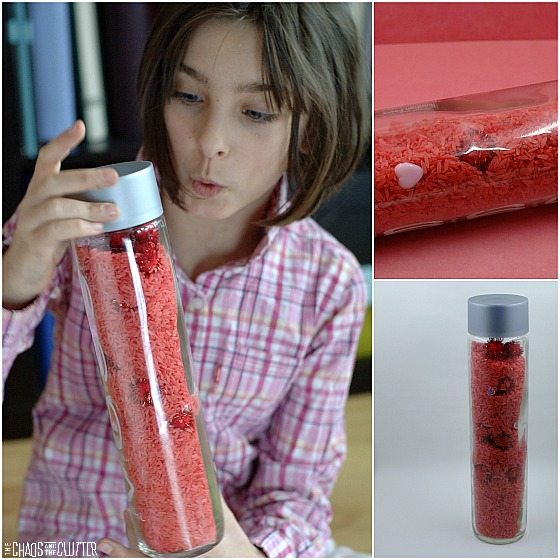
Sensory – This Valentine’s Sensory Bin provides visual and tactile sensory feedback along with a bit of proprioception. There are a lot of textures to explore with the soft pluffle and the squishy erasers and the hard tic tac toe tiles.

Check out some of our other Valentine’s sensory play activities:

Scented Valentine’s Sensory Bin

Valentine’s Calm Down Bottle

Valentine’s Sensory BottleValentines Sensory Bottle whose contents can be turned into a Valentines sensory bin.

Filed Under: Sensory Bins Tagged With: sensory play

Mermaid Calm Down Bottle

By Sharla Kostelyk

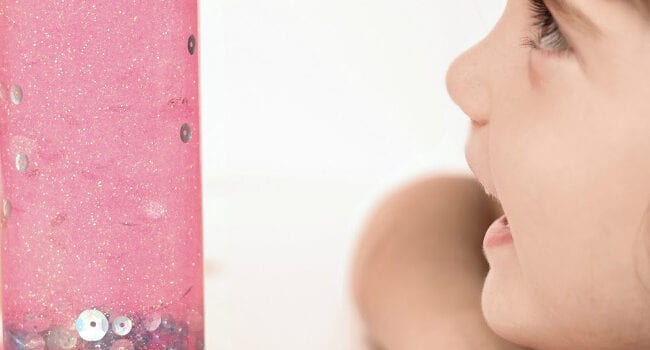
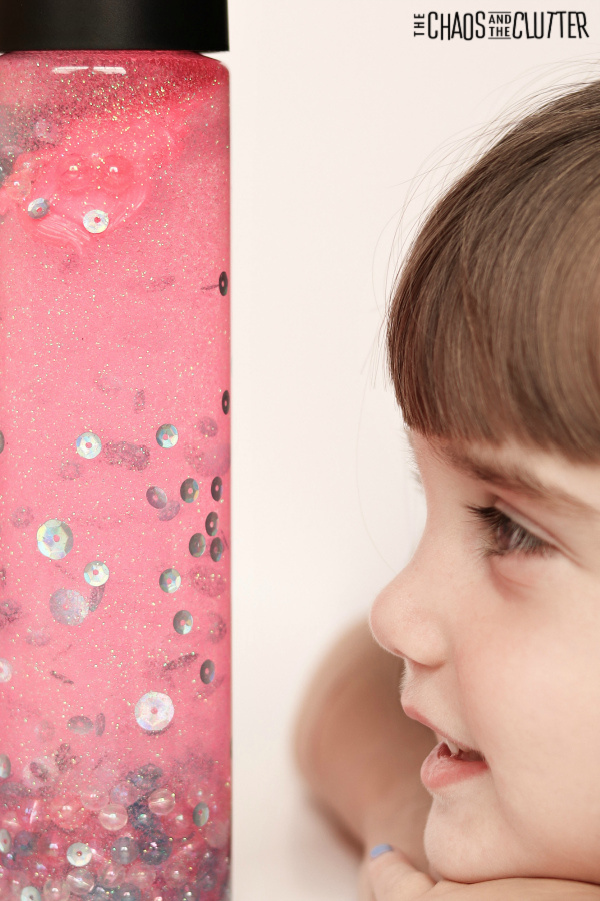
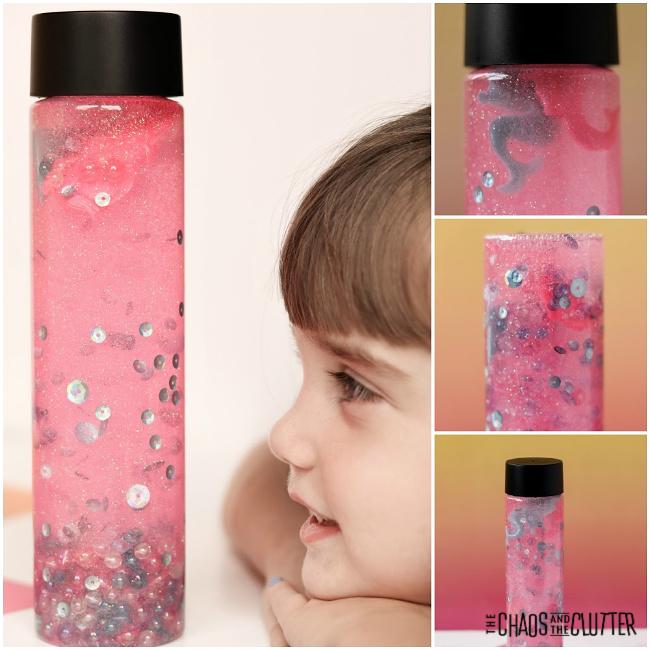
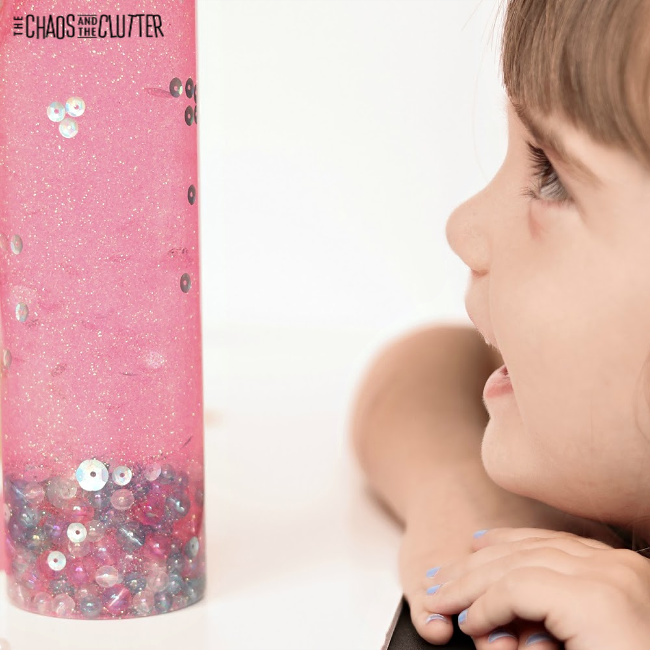
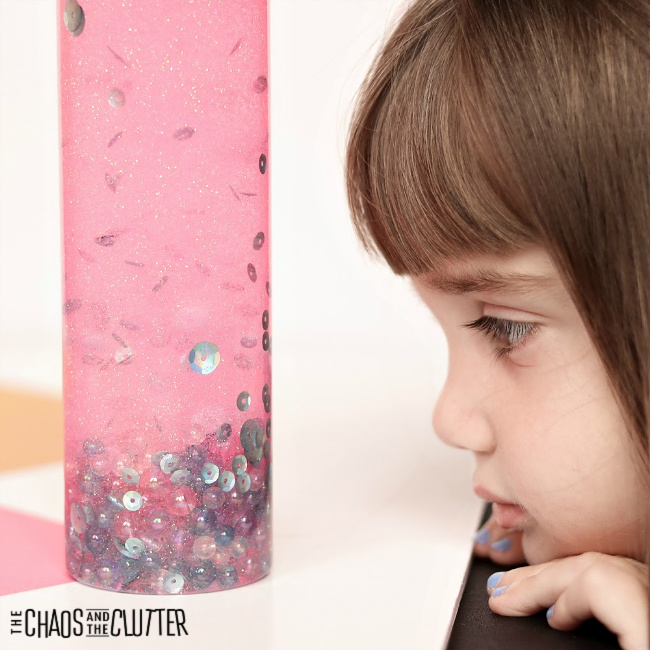
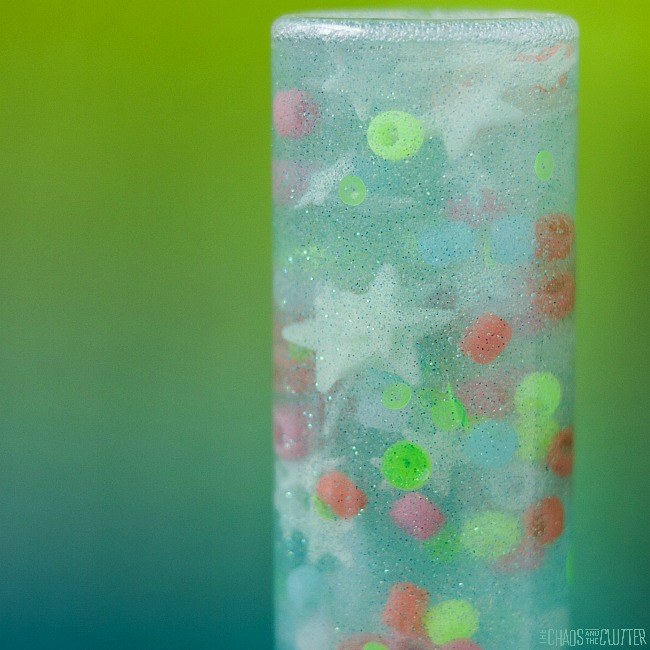
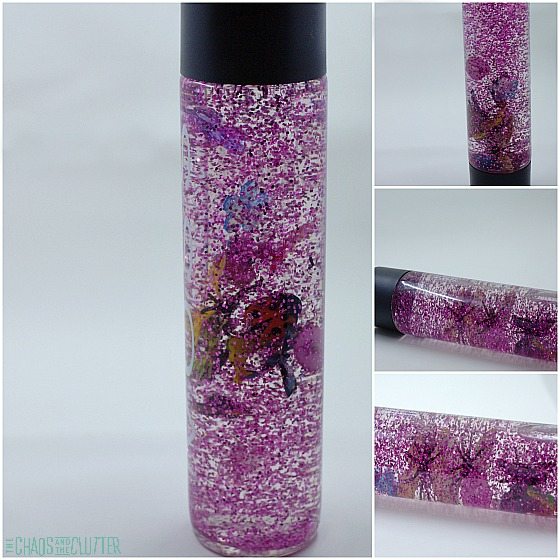
This Mermaid Calm Down Bottle is so pretty. Children are mesmerized as they watch items slowly drift down towards the bottom which helps them to regulate their breathing and regain focus when upset.

little brown haired girl looking at a bottle filled with pink liquid with sequins and glitter.

Mermaid Calm Down Bottle:

Supplies needed:

  • empty water bottle (I prefer the look of Voss bottles or sensory bottles from the craft store)
  • clear dish soap (Dawn or LemiShine are good because they are thicker)
  • small mermaid figures (I used stretchy ones from the Dollar Store)
  • white and pink glitter
  • teal sequins
  • pink, purple, teal, and white pony beads
  • optional: Superglue to seal the bottle top

Directions:

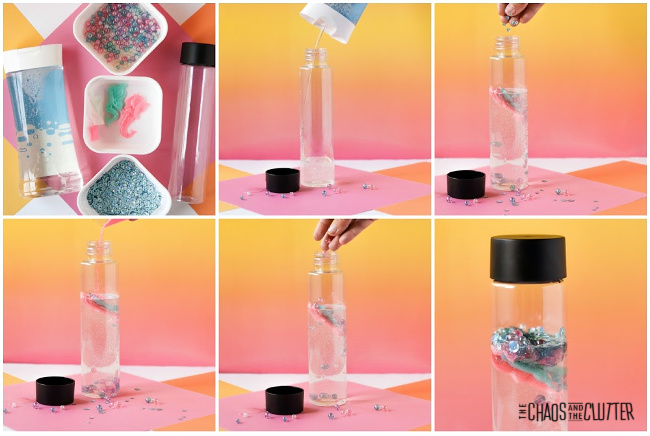
  1. Pour clear dish soap into the container until it’s 2/3 full.
  2. Add the glitter, beads, sequins, and mermaid toys.
  3. Fill the leftover space with water.
  4. Replace the lid. If younger kids will be playing with the bottle, then I recommend that you use Superglue or hot glue to secure the lid in place.  Allow the glue to dry before giving it to your child to play with.

As with all sensory activities for kids, adult supervision is required at all times. Even if you have glued the lid in place, it can come off and the bottle contains small parts which are choking hazards.
Sensory and Learning Opportunities:

This Mermaid Calm Down Bottle allows children to explore through the visual, tactile, and proprioceptive sensory systems.

While this bottle can be used as a tool for improving communication and discussing colours, it’s main purpose is to serve as sensory input and as a calming tool. The thick dish soap allows the glitter, sequins, beads, and mermaid toys to fall more slowly through the bottle than they would in water. It really is quite calming to watch  (even for adults!).

As your child watches the items travel through the bottle, encourage them to slow down their breathing. This often happens naturally. Give them simple verbal reminders such as “in through your nose, out through your mouth” or sit nearby and slow down your own breathing to model it for them.

I use this tool when I see one of my kids struggling to regulate their emotions or behaviour. I will often just wordlessly shake up the bottle and set it in front of my child. They begin watching it automatically and I can see their breathing begin to slow almost immediately. It’s a bit like magic actually!Looking for more sensory play ideas? Join us for a five day email series on Sensory Activities and Solutions and get a free sample of our Sensory Play Recipes eBook.
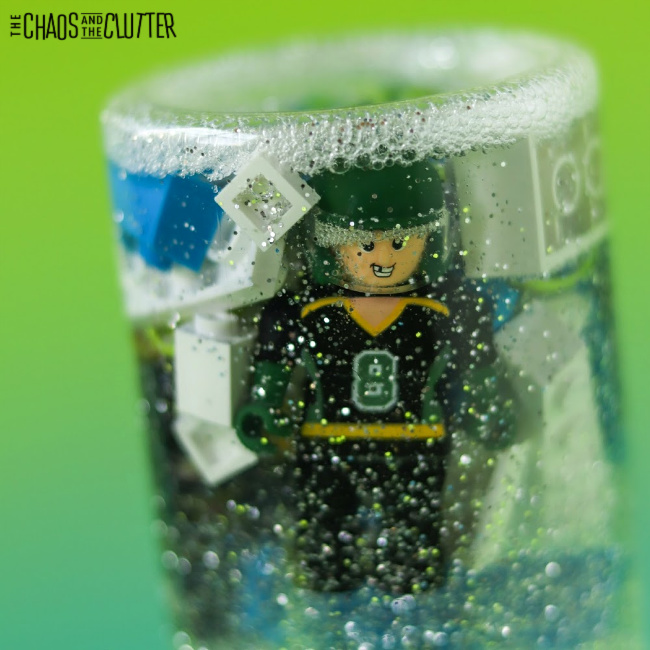
Find ideas for other calm down bottles:

Lego Sensory Bottle

Glow in the Dark Sensory Bottle

Spring Sensory Bottle

Filed Under: Sensory Tagged With: sensory bottles, sensory play

Valentine’s Calm Down Bottle

By Sharla Kostelyk

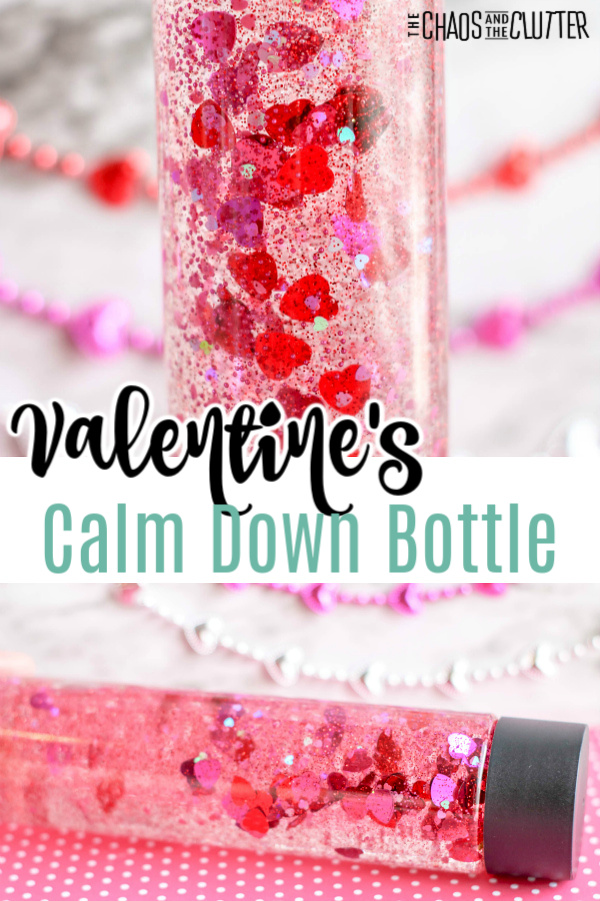
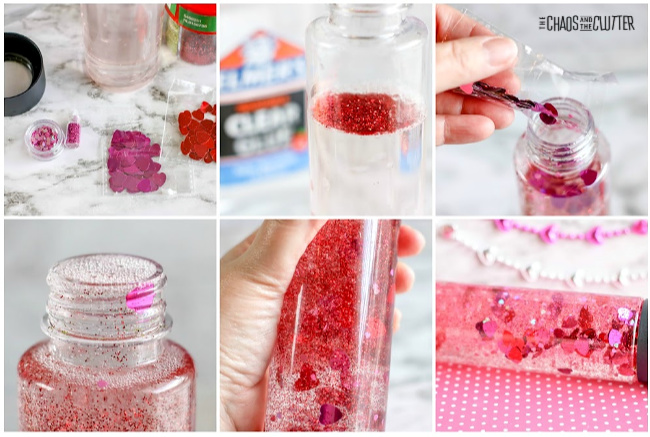
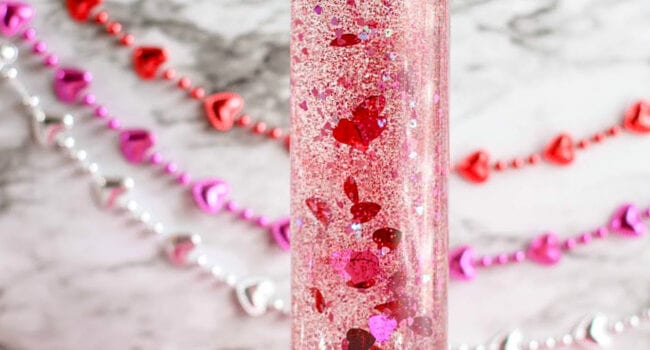
It’s amazing how simple it is to make a Valentine’s Calm Down Bottle. Using common items, you can create a Valentine themed sensory bottle that provides calming feedback.

strings of red and pink beads in back with a clear plastic bottle with heart confetti and pink glitter with text that reads "Valentine's Calm Down Bottle"

Valentine’s Calm Down Bottle:

Supplies needed:

  • empty plastic water bottle (I prefer the look of either the craft store sensory bottles or the Voss water bottles)
  • Elmer’s Clear School Glue
  • warm water
  • heart confetti
  • mini heart pink glitter
  • red glitter
  • optional: hot glue or Superglue

Directions:

  1. Fill the water bottle about half full with glue.
  2. Add warm water until the bottle is more than three quarters full and seal with the lid. Shake well to combine the glue with the water.
  3. Add the glitter and confetti to the bottle.
  4. Seal the jar again and shake well. If the confetti and glitter don’t move as easily as you want them to, you can add more warm water. If the glitter or confetti move too quickly, then add additional glue. When the contents of the sensory bottle move the way you want them to, seal the bottle.
  5. If you’re going to be handing the bottle to young children, you’ll want to use hot glue or Superglue to secure the lid. Allow the glue to fully dry before they begin play.

Even if you have secured the lid with glue, adult supervision should be used with this or any other sensory activities.

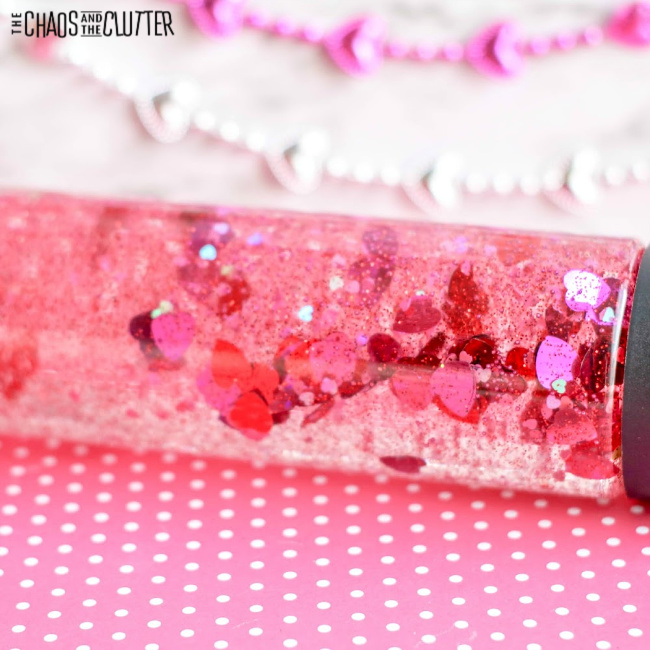
As the glitter and heart confetti move slowly through the liquid, it can be quite mesmerizing to watch. Kids (or adults) who watch the falling colour usually experience a slowing of their heart rate and the effect of helping regulate their emotions.

Combine that with the sensory benefits of tactile, visual, and proprioceptive input and this really does become a calm down bottle.

Are you looking for more easy sensory play ideas? Join me for a five day email series on Sensory Activities and Solutions and get a free sample of our Sensory Play Recipes eBook.
Check out some of our other Valentines sensory activities:

Heart Shaped Valentine’s Sensory Bin

Valentine’s Sensory BottleValentines Sensory Bottle whose contents can be turned into a Valentines sensory bin.

Filed Under: Sensory Tagged With: sensory bottles, sensory play

  • « Go to Previous Page
  • Page 1
  • Interim pages omitted …
  • Page 11
  • Page 12
  • Page 13
  • Page 14
  • Page 15
  • Interim pages omitted …
  • Page 45
  • Go to Next Page »

Primary Sidebar

Categories

We are a participant in the Amazon Services LLC Associates Program, an affiliate advertising program designed to provide a means for us to earn fees by linking to Amazon.com and affiliated sites.

Copyright © 2026 • The Chaos and the Clutter • Site Design by Jeni @ The Blog Maven

Return to top of page

Copyright © 2026 · Chaos and the Clutter 2.0 on Genesis Framework · WordPress · Log in