• Skip to primary navigation
  • Skip to main content
  • Skip to primary sidebar
  • Home
  • About
  • Contact
  • Privacy + Terms
  • Affiliates

The Chaos and the Clutter

  • Facebook
  • Twitter
  • Pinterest
  • Google Plus
  • RSS
  • Email
  • School at Home
  • Sensory
    • Sensory Processing Disorder
    • Awesome Sensory Play Activities
      • Sensory Bins
      • Sensory Bottles
      • Sensory Bags
  • Family Games
    • Minute to Win It Games
  • Special Needs Parenting
    • Childhood Anxiety
    • Reactive Attachment Disorder
    • Sensory Processing Disorder
  • Store
  • Course Login

sensory play

Scented Valentine’s Sensory Bin

By Sharla Kostelyk

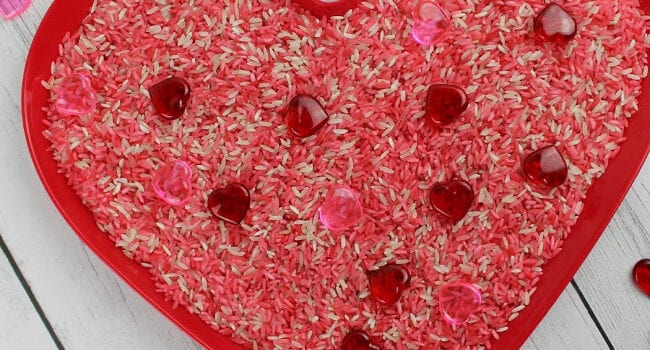
When it comes to sensory activities for home or the classroom, it doesn’t have to be complicated. This simple scented Valentine’s sensory bin encourages hands-on play.red heart shaped tray with pink, white and red rice and pink and red plastic hearts and text that reads "Scented Valentine's Sensory Bin" Because of the scent, this activity is reminiscent of cinnamon hearts which are of course a Valentine’s Day staple.
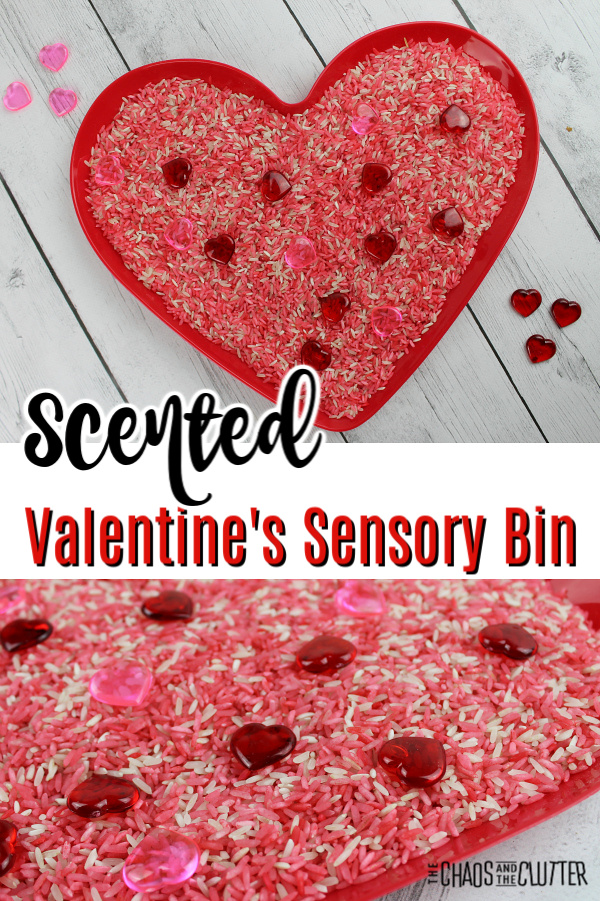
Scented Valentine’s Sensory Bin:

Supplies needed:

  • white rice
  • white vinegar
  • red food colouring
  • cinnamon essential oil
  • heart gems
  • heart shaped container (can often be found at the Dollar Store) or sensory bin
  • optional: scoops or spoons for play

Directions:

  1. Add 2 cups of rice to a gallon sized resealable plastic bag.
  2. Drop 2 tsp. of vinegar to the rice.
  3. Add 20-30 drops of red food colouring. (more drops = deeper colour)
  4. Put in 3-7 drops of cinnamon essential oil (depending on how strong you want the smell to be).
  5. Seal the bag and shake. Mix well until the rice is evenly coloured.
  6. Line a baking sheet with paper towel.
  7. Pour the coloured rice onto paper towel, spread out evenly, and allow the rice to dry. (I usually leave mine overnight.)
  8. Once dry, add one cup of white rice and mix. The mix will look red, white, and pink.
  9. Pour the rice into a heart shaped tray.
  10. Add hearts for sensory play.
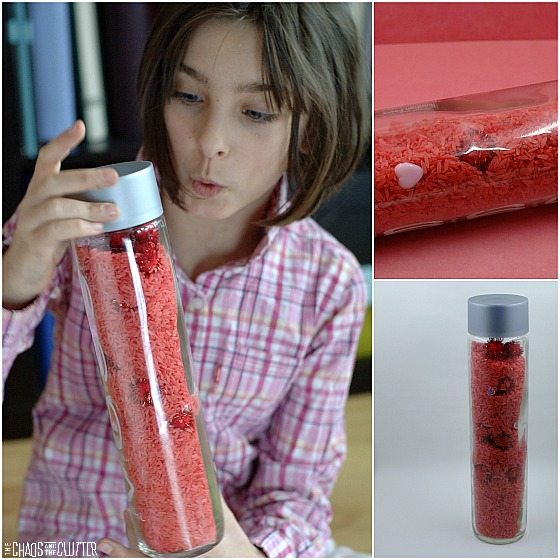
  11. When the bin is no longer being played with, you can store the rice and hearts in a clear glass or plastic jar or bottle as decoration.

Sensory and Learning Opportunities:

Kids playing in this Valentine’s sensory bin engage their olfactory (smell), tactile (touch), visual (sight), and proprioceptive sensory systems.

You can expand this activity by creating a seek and find in the rice with sight words related to Valentine’s or by having kids count the number of red or pink hearts and discuss which one there are more of.

Are you looking for other easy sensory play ideas for kids? Join us for a free five day email series on Sensory Activities and Solutions and get a free sample of our Sensory Play Recipes eBook.

Some of our other Valentine’s sensory activities:
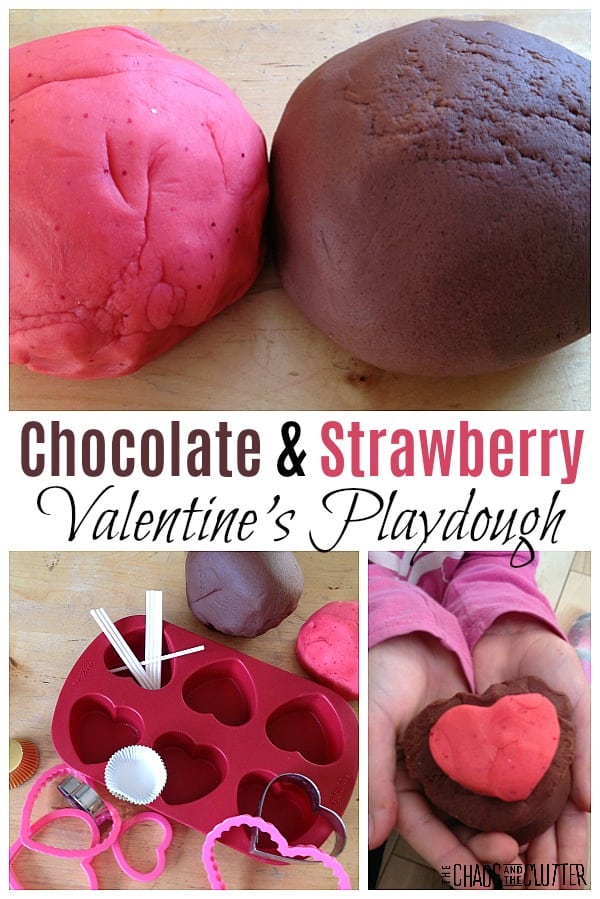
Valentine’s Playdough StationStrawberry and Chocolate Playdough Valentines invitation to play #sensoryplay #chocolateplaydough #playdoughinvitationtoplay #playdough

Valentine’s Sensory BottleValentines Sensory Bottle whose contents can be turned into a Valentines sensory bin.

Filed Under: Sensory Bins Tagged With: sensory play

Lego Sensory Bottle

By Sharla Kostelyk

If you’re a parent, chances are, you’ve got access to Lego. Maybe you’ve even experienced the universal pain of stepping on a piece! If you’ve already got the supplies, this Lego Sensory Bottle is easy and inexpensive to make.

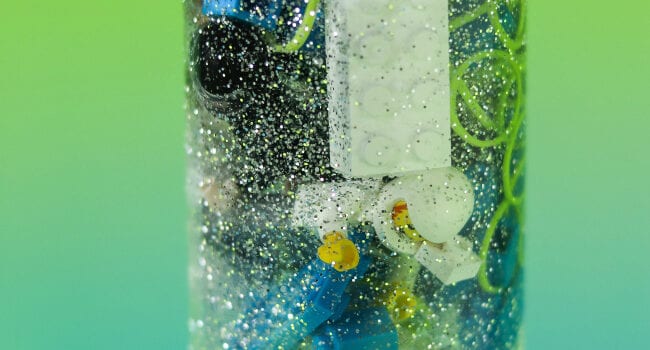
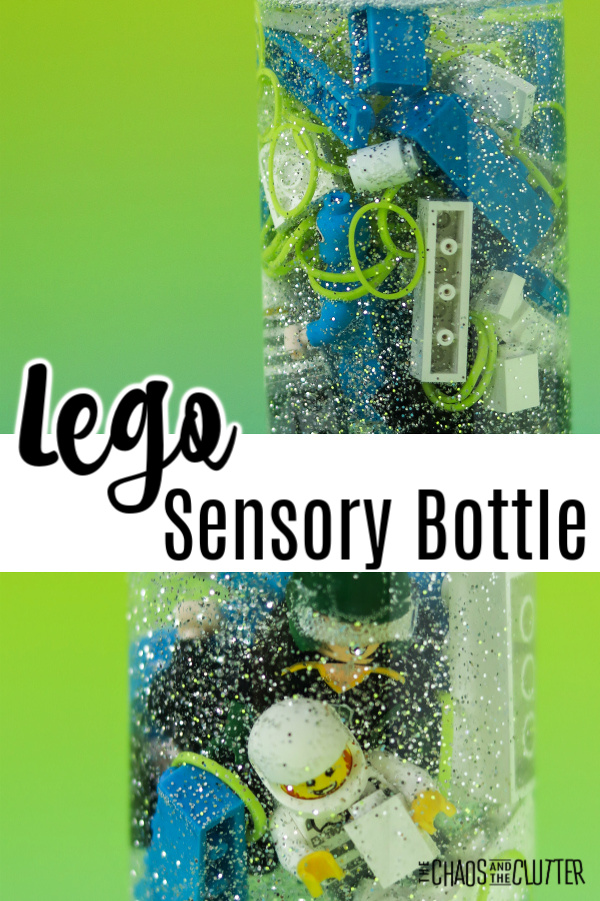
blue, green, and white building bricks in liquid in a bottle with text that reads "Lego Sensory Bottle"It can be a great calm down tool for kids as they sit and watch, mesmerized by the movement of the slow falling glitter, green bits, and Lego.
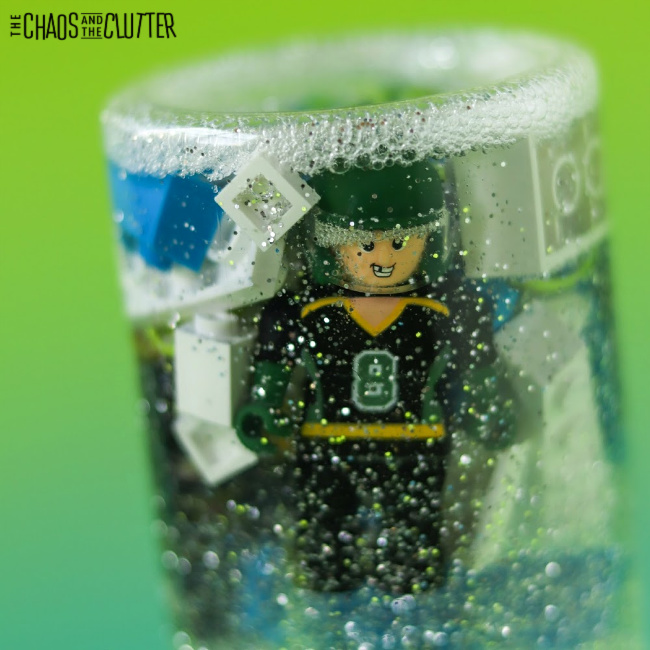
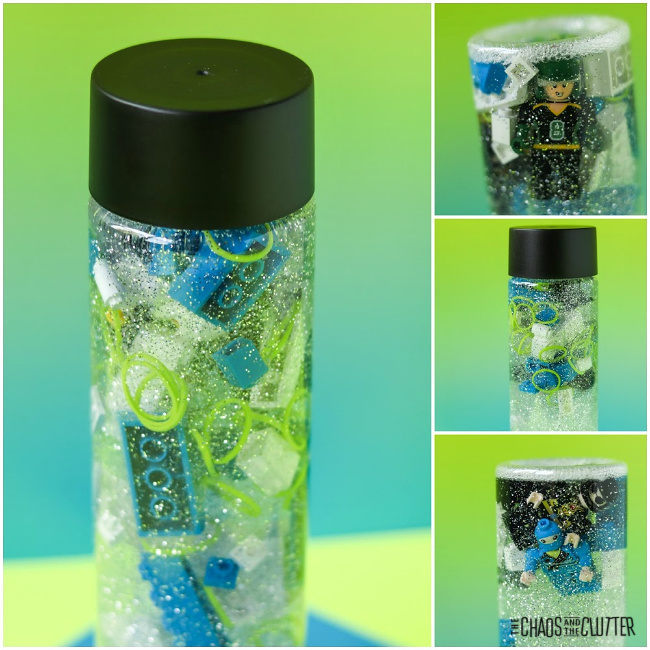
This sensory bottle also makes a cute decoration for a playroom or bedroom. And if you’re hosting a Lego themed birthday party, making these as a group is a fun activity. You can then allow guests to take their creations home as a party favour.

Lego Sensory Bottle:

Supplies needed:

  • empty water bottle (I prefer the look of Voss bottles or craft store sensory bottles)
  • clear dish soap (Dawn or LemiShine are good because they are thicker)
  • Lego figurines (also called mini figs)
  • white and blue Lego blocks
  • small green rubber bands (like the kind you may have leftover from the Rainbow Loom craze!)
  • silver glitter
  • optional: Super glue to seal the bottle cap

Directions:

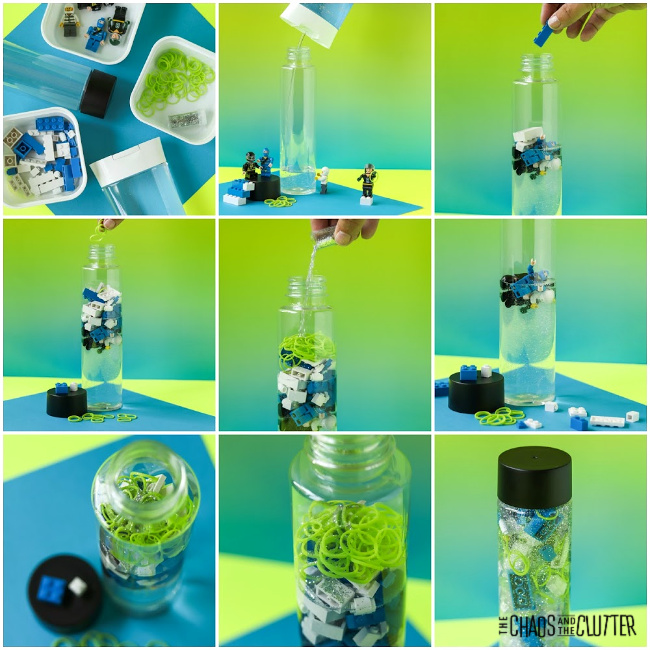
  1. Pour clear dish soap into the container until it’s 2/3 full.
  2. Add the glitter, mini rubber bands, figurines, and Lego pieces.
  3. Fill the remaining space with water.
  4. Replace the lid. If you’re going to be using with younger kids, then I recommend that you super glue the lid in place and allow the glue to dry before giving it to your child to play with.

As with all sensory activities, adult supervision should be used at all times. Even if you have glued the lid in place, it can come off and the bottle contains small parts which are choking hazards.
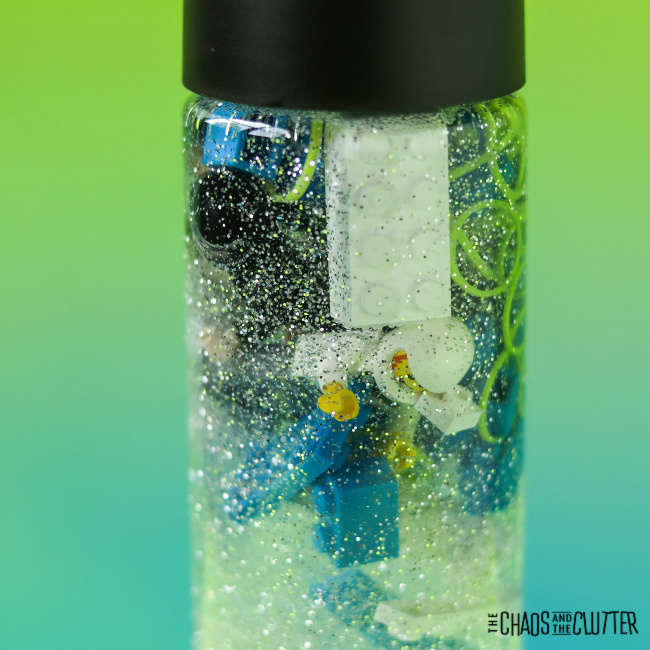
Sensory and Learning Opportunities:

This Lego Sensory Bottle incorporates the visual, tactile, and proprioceptive sensory systems.

Using this visual, kids can work on concepts like colours and counting. They can also work on the math concept of guestimating by guessing how many small elastics there may be in the whole bottle by counting the amount in one section and multiplying that by the number of sections of that size that there are.

As the liquid allows items to move through more slowly than they would through water, kids can focus on the slow falling items to help them regulate their breathing. It creates a calming experience.Are you looking for other easy sensory play ideas? Join us for a five day email series on Sensory Activities and Solutions and get a free sample of our Sensory Play Recipes eBook.
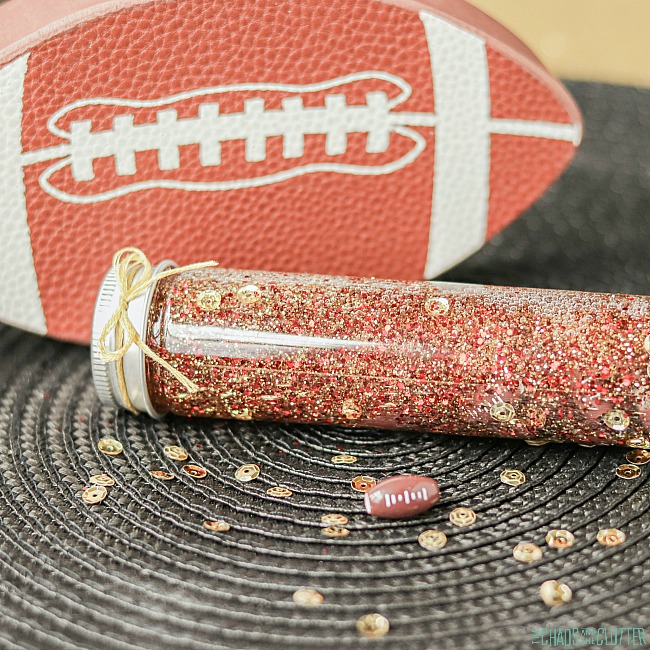
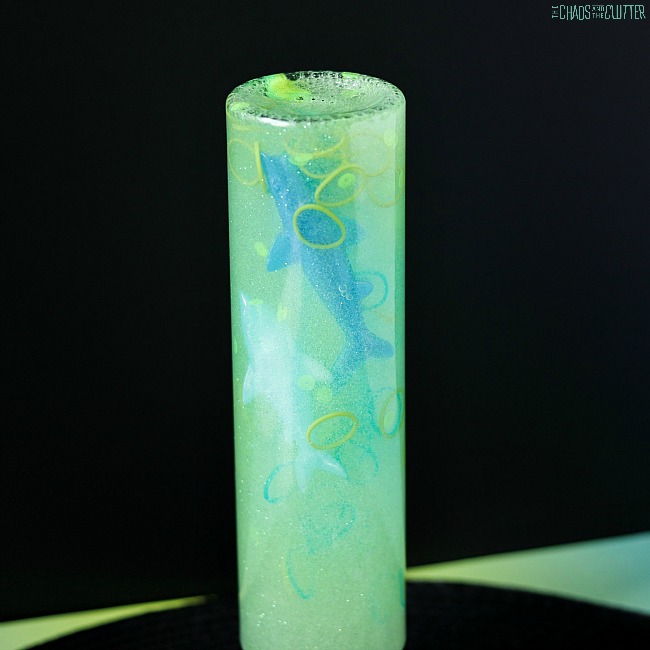
Check out some of our other fun sensory bottles for kids:

Football Mini Sensory Bottle

Shark Sensory Bottle

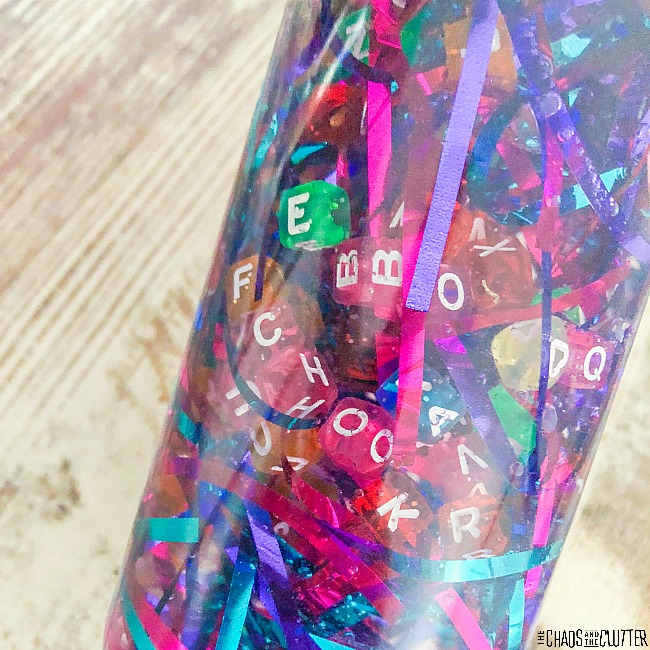
ABC I-Spy Sensory BottleA closeup picture of a sensory bottle filled with bright colours of alphabet beads and bright coloured tinsel.

Filed Under: Sensory Tagged With: sensory bottles, sensory play

Kinetic Sand Sensory Bins

By Sharla Kostelyk

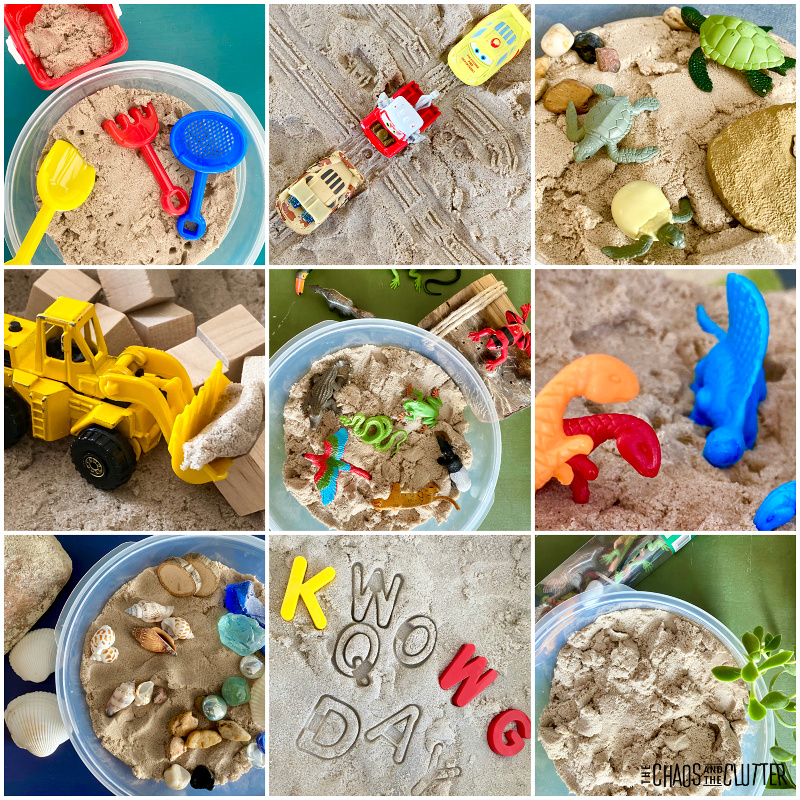
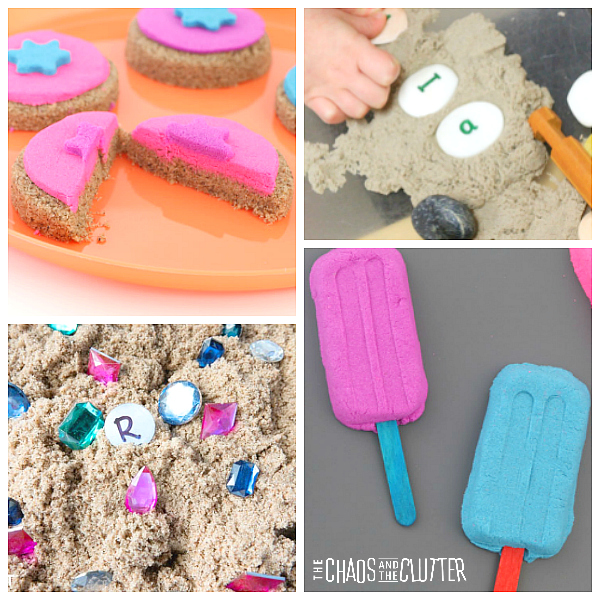
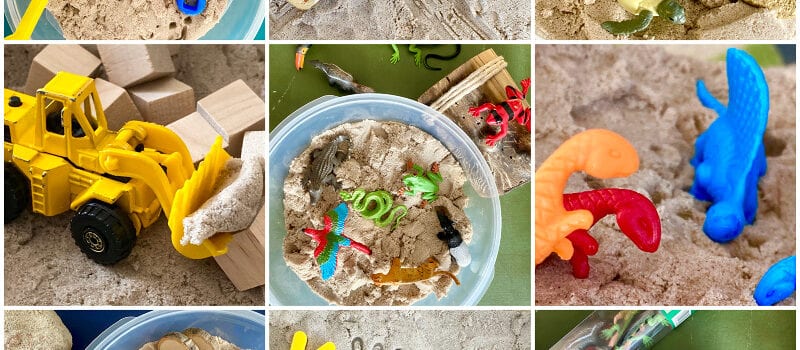
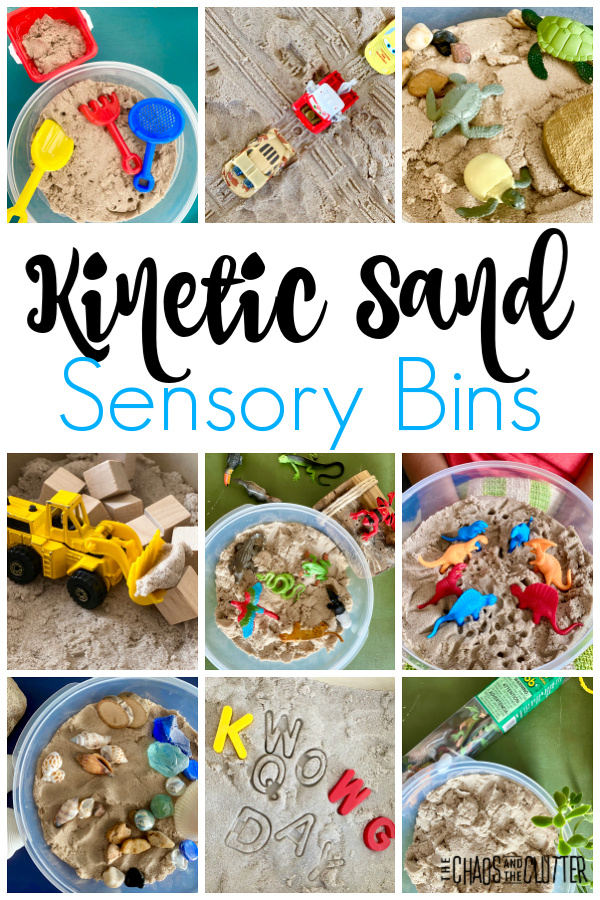
Kinetic sand is such a versatile sensory play material. I wanted to demonstrate just some of the many easy ways you can create a sensory bin using kinetic sand. collage of photos of many types of sensory play experiences with the same base and text that reads "Kinetic Sand Sensory Bins"Store bought kinetic sand can be expensive, so I usually make my own using this homemade kinetic sand recipe.

I wanted to show how easily you could create an interactive sensory experience using only kinetic sand and a few items that you may already have around your house. So for this, I used one package of purchased kinetic sand.

Kinetic Sand Sensory Bins:

The possibilities really are endless. You can reuse the same base over and over and create a new experience each time by changing what you fill it with. I also used a few different bin options including one with a lid so that it is a portable sensory bin. Plus if you have cats, the lid keeps them from thinking it’s a litter box!

Kinetic sand looks similar to regular sand but acts more like wet sand as it can be moulded and can hold shapes. Those properties make it an ideal tool for sensory play.

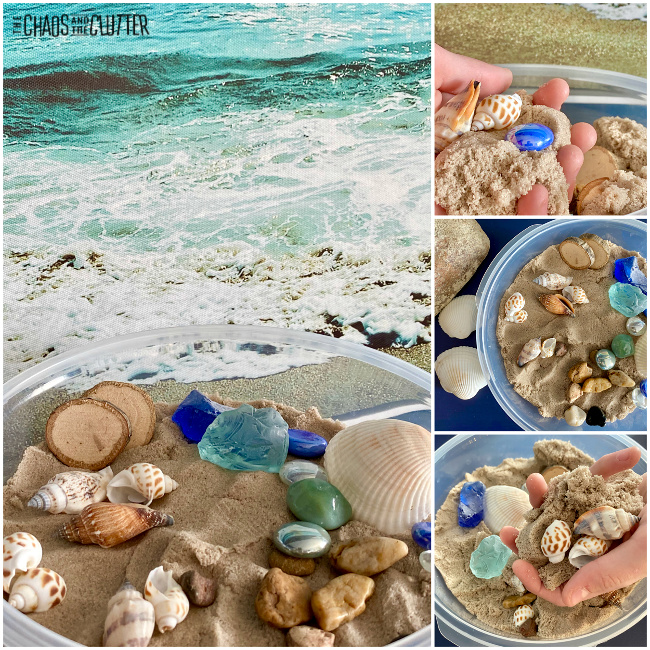
Bring the Beach Home Sensory Bin:

This one is especially appealing at the moment given the temperature outside! Create your own mini beach scene at home no matter how far you live from the beach.
Supplies needed:

  • kinetic sand
  • shells
  • glass beads
  • small wood slices
  • rocks

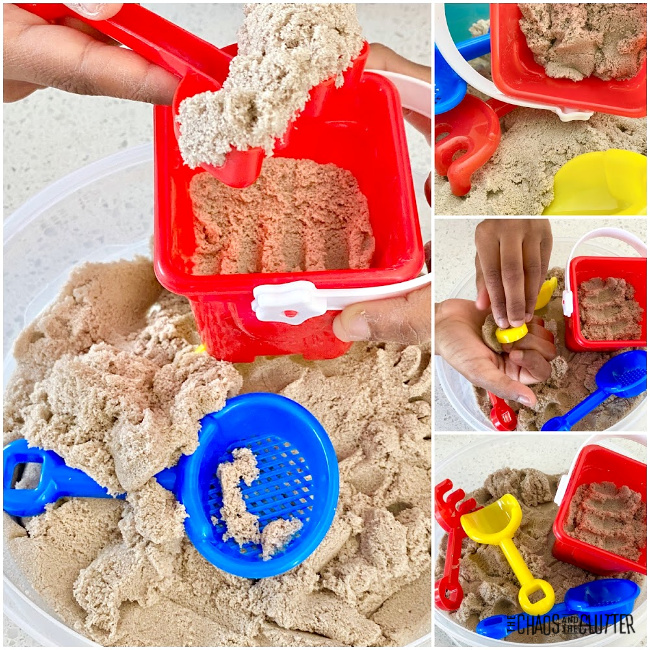
Sandcastle Building Sensory Bin:

Recreate the feeling of playing in the sand while at home. Dig, build sandcastles, create moats.

Supplies needed:

  • kinetic sand
  • mini beach toys

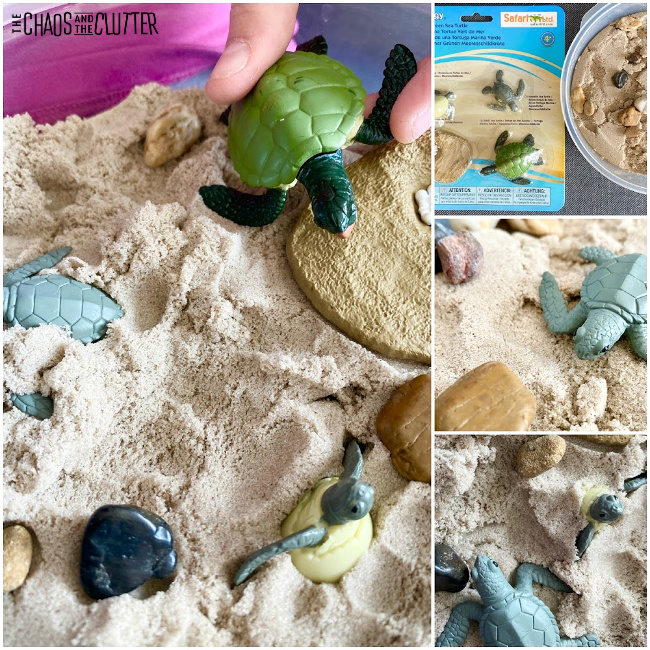
Sea Turtle Sensory Bin:

Explore the life cycle of green sea turtles with this kinetic sand bin.

Supplies needed:

  • kinetic sand
  • rocks
  • Sea Turtle Life Cycle pack

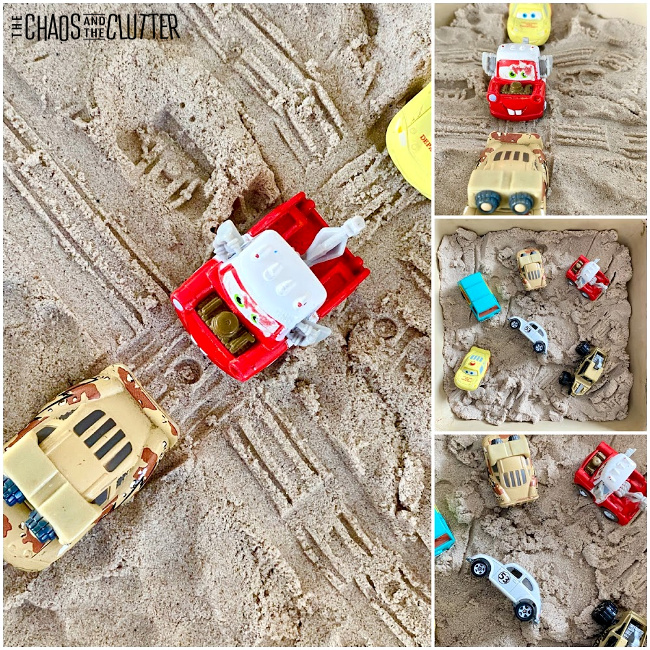
Cars Sensory Bin:

Use characters from the Cars movie or any toy cars you have on hand.

Supplies needed:

  • kinetic sand
  • toy cars

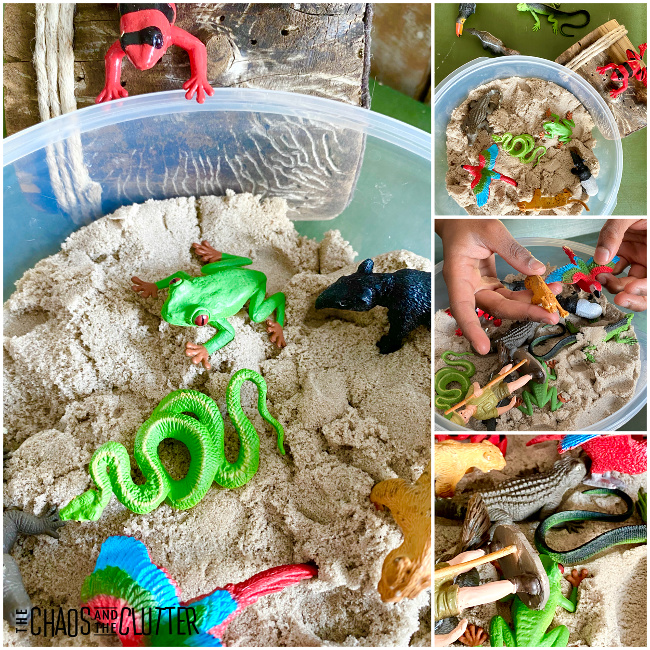
Rainforest Animals Sensory Bin:

Create an interactive learning station at home or in a classroom.

Supplies needed:

  • kinetic sand
  • Rainforest animals Toob
  • optional: sticks or leaves

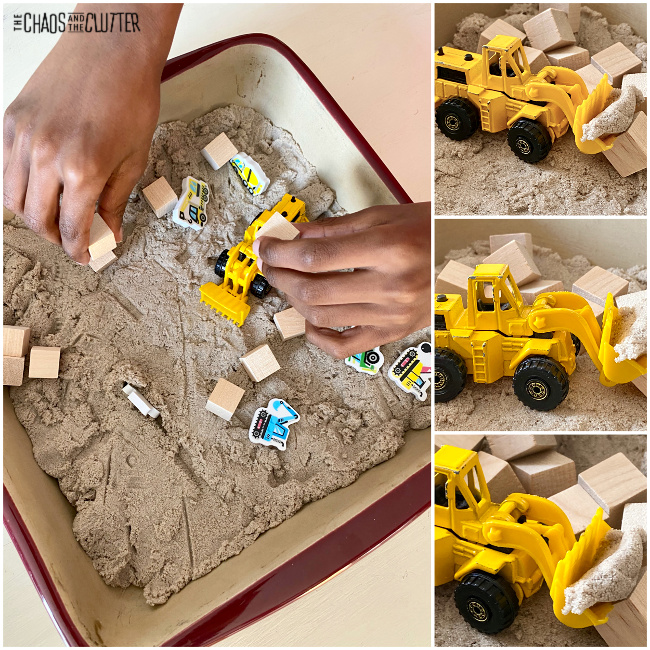
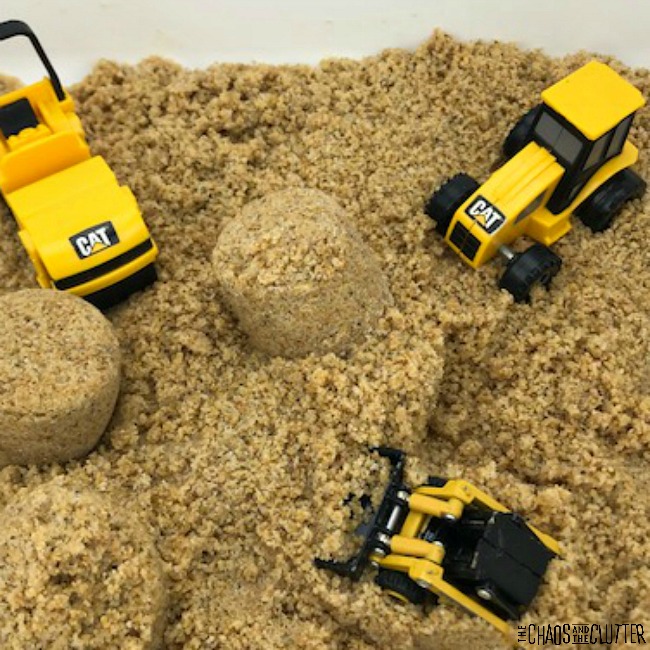
Construction Sensory Bin:

This theme is especially popular with boys! They can dig, scoop, move, build, and imagine.

Supplies needed:

  • kinetic sand
  • small construction vehicles
  • construction mini erasers
  • small wooden blocks

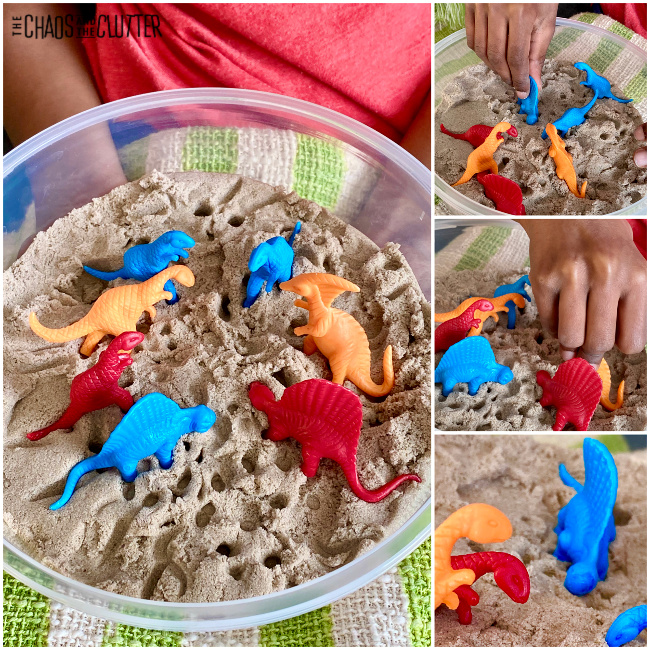
Dinosaur Sensory Bin:

This activity can be just for fun or to pair with a dinosaur learning unit.

Supplies needed:

  • kinetic sand
  • plastic dinosaurs
  • optional: leaves or sticks or small toy trees

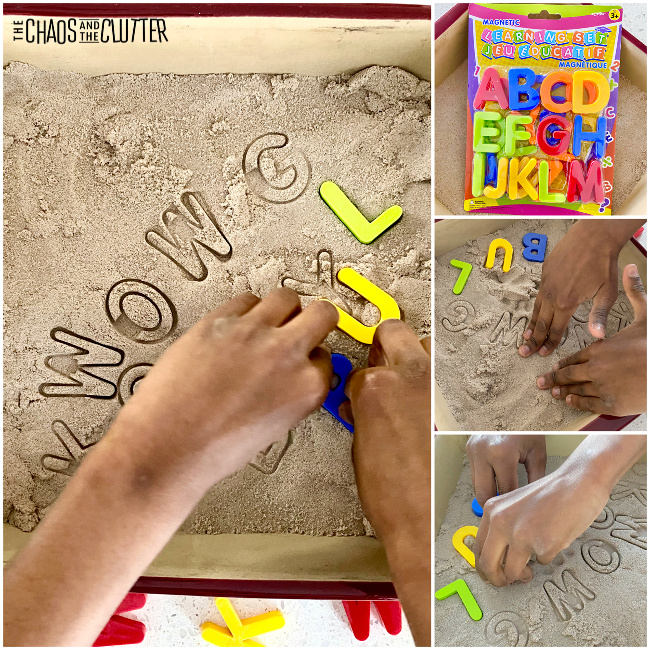
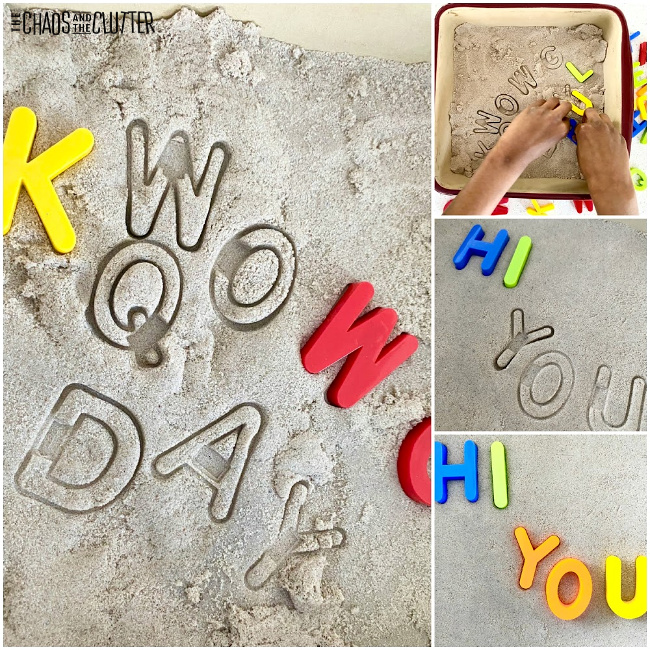
Alphabet Sensory Bin:

It’s amazing how much you can do with just a set of alphabet letters and kinetic sand!

Supplies needed:

  • kinetic sand
  • Alphabet letters

With this sensory activity, here are some things you can do to help kids work on their letter recognition, reading, and spelling:

  • have kids spell out words of their choosing
  • have them recreate words from a spelling list
  • allow them to seek out and read words that you make in the sand
  • have them match a letter with its imprint and say the name of the letter
  • imprint the letters of the word and take the letters out of the bin and have your child find the corresponding letter that matches the imprint like a puzzle.

Looking for more easy sensory play ideas? Join for a five day email series on Sensory Activities and Solutions and get a free sample of our Sensory Play Recipes eBook.
You might also want to read:

DIY Kinetic Sand Recipea white bin filled with kinetic sand also contains 3 small construction vehicle toys that are yellow and black in colour.

Kinetic Sand Activities

Filed Under: Sensory Bins Tagged With: sensory play

Stretchy Butterfly Slime

By Sharla Kostelyk

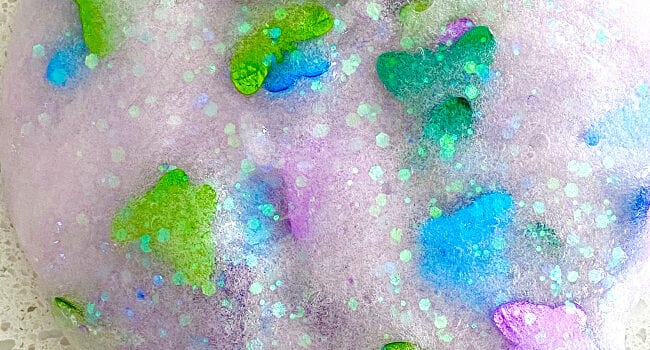
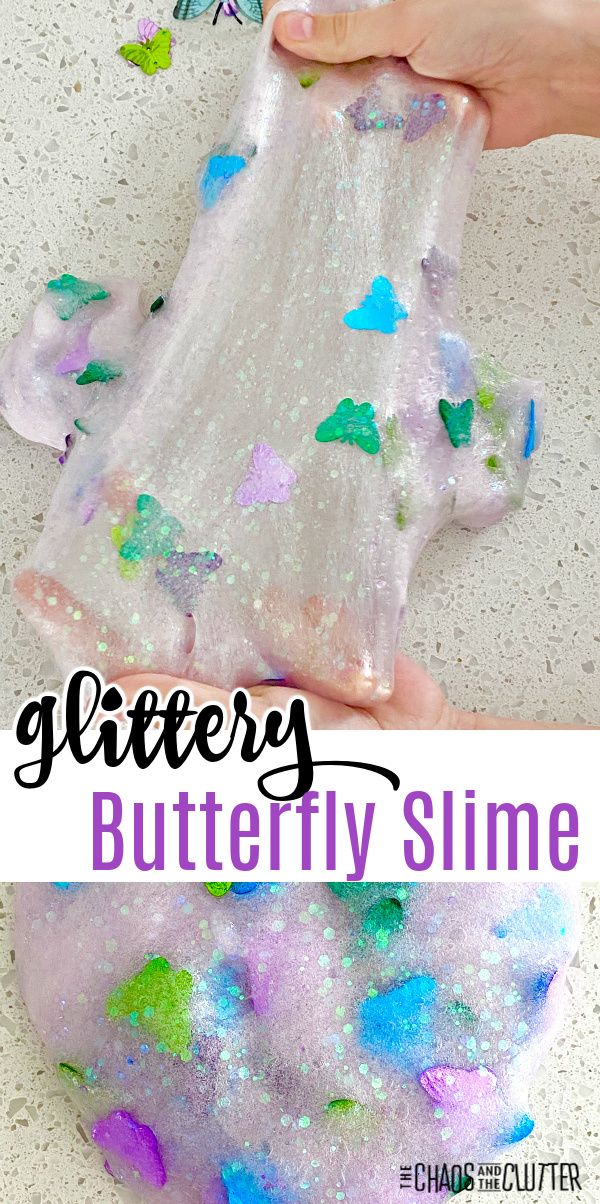
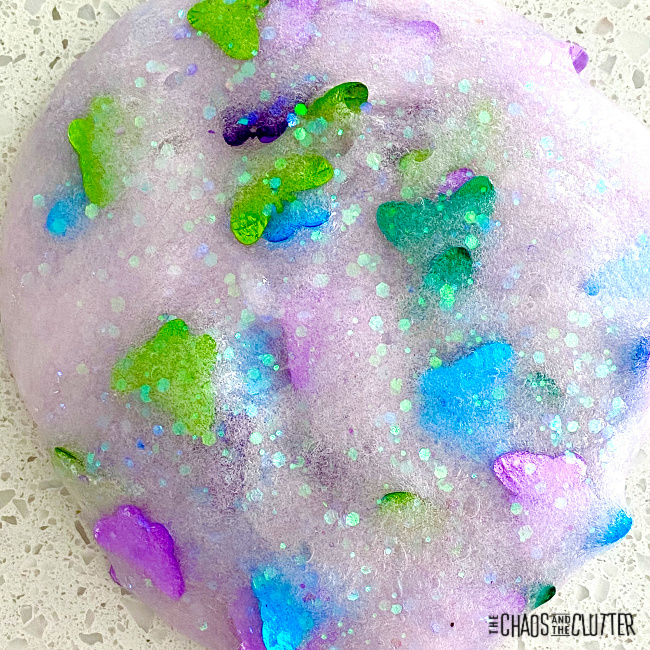
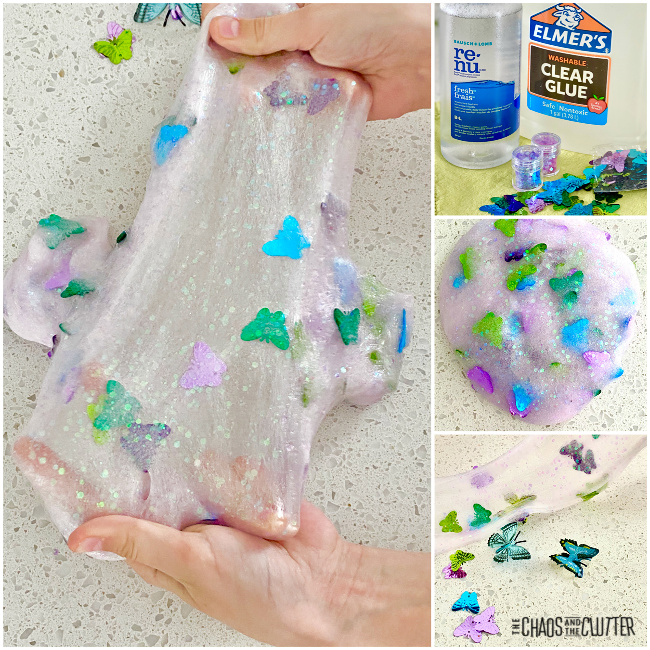
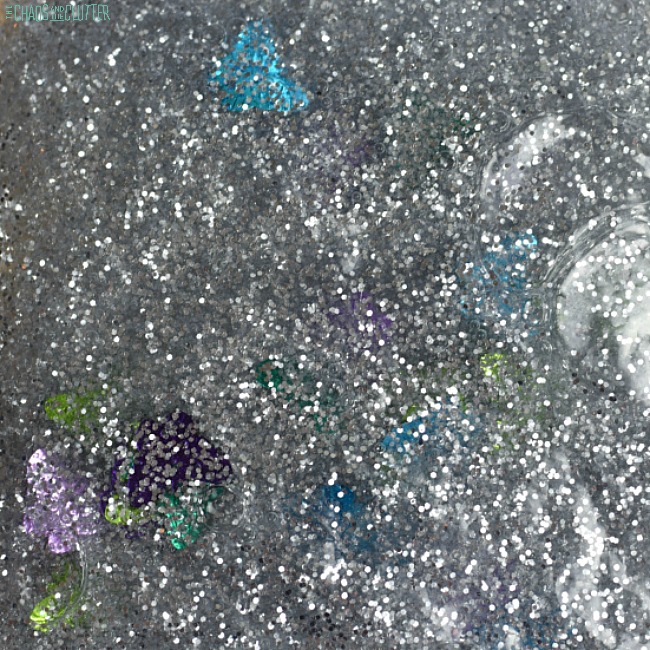
This easy butterfly slime is just a clear slime recipe using contact lens solution as the base with some added pizzazz. It is a nice sensory play recipe for Spring or for when you wish Spring would come soon. stretched out clear slime with specks and multicoloured butterflies with text that reads "Glittery Butterfly Slime"As I type this, it is -40° outside when I live up in Canada. Yes, that’s -40° in both Fahrenheit and Celsius! Now this temperature is cold even for us seasoned Canadians so this is exactly the kind of day that has me dreaming of Spring. I’ve been thinking about flowers and butterflies and green grass as I stay bundled inside and look out at the snow.

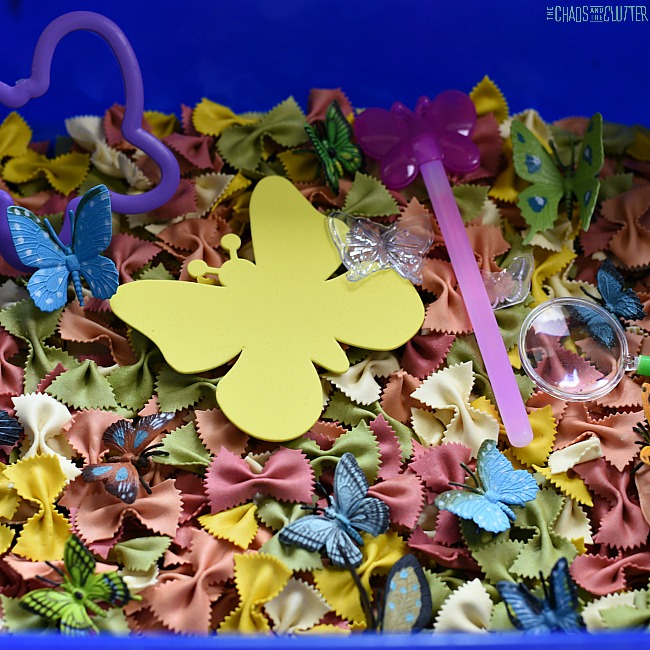
You can use this slime just for play or in a unit on Spring or butterflies. If using it as part of a unit, you can also create a Butterfly Sensory Bin and Butterfly Sensory Bag.

Butterfly Slime Recipe:

Supplies needed:

  • 1 cup Elmer’s Clear School glue
  • 2-3 Tbsp. contact lens saline solution
  • 1/2 tsp. baking soda
  • unicorn glitter
  • butterfly confetti
  • optional: butterfly toys for extended play

Directions:

  1. Pour the glue into a large mixing bowl and stir the baking soda into it.
  2. Begin to add the contact lens solution a few drops at a time as you stir.
  3. When you find that the mixture begins to pull away from the bowl, it’s time to begin kneading.
  4. Add the glitter and confetti. Continue kneading.
  5. If the slime is still too sticky to play with, add one or two more drops of contact solution and knead.

You can set out some butterfly toys and silk flowers alongside the slime to encourage imaginative play.

This slime provides visual, tactile, and proprioceptive sensory feedback. Kids who help with the kneading when making the recipe will get more proprioceptive input.

Looking for more easy sensory play recipes to inspire creativity? Join us for a free five day email series on Sensory Activities and Solutions and get a free of our Sensory Play Recipes eBook.

Check out these other Spring sensory activities for kids:

Butterfly Sensory BinButterfly Sensory Bag

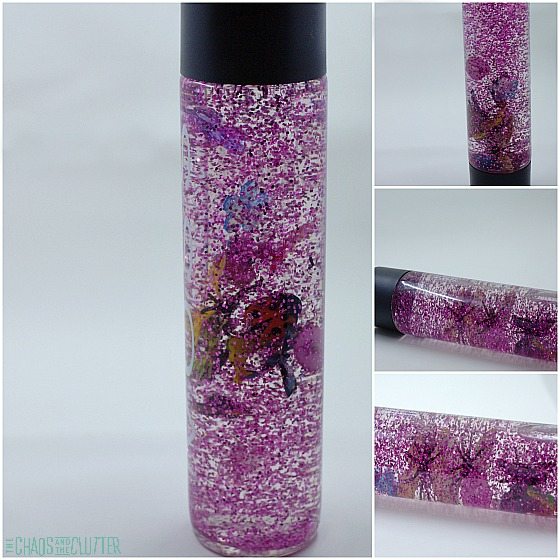
Spring Sensory Bottle

Filed Under: Sensory Tagged With: sensory play, slime

Snowflake Sensory Bag

By Sharla Kostelyk

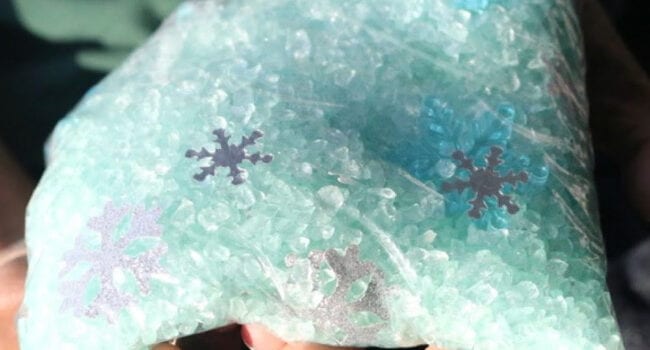
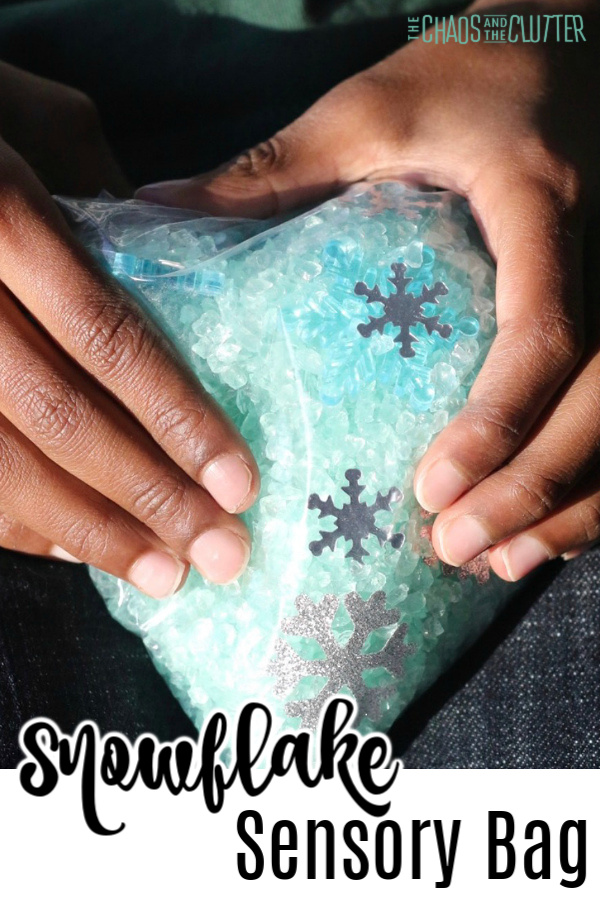
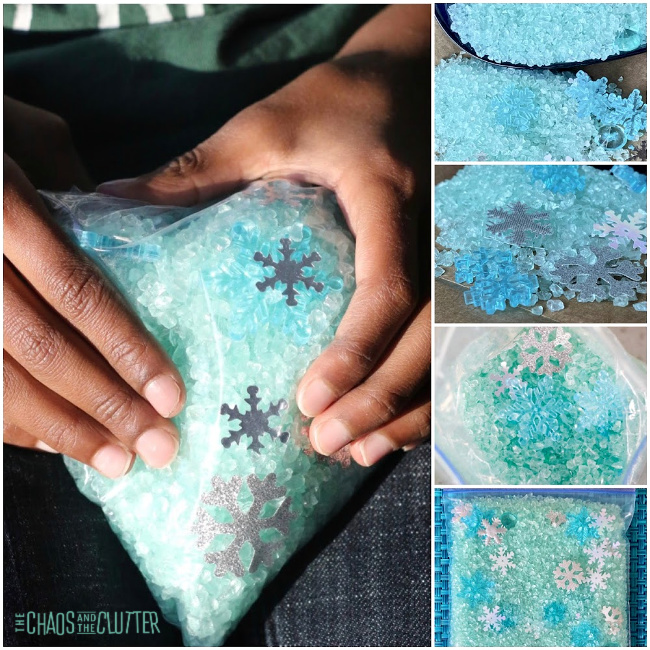
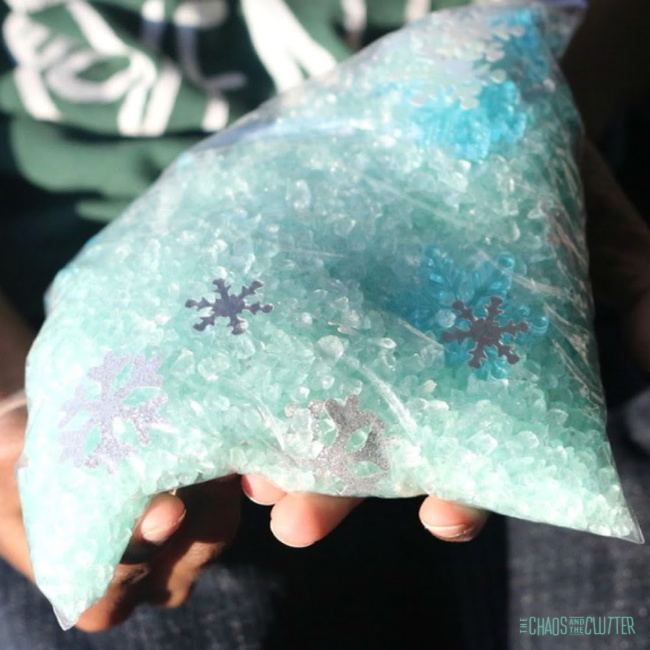
I used some of the leftover materials from our Snowflake Sensory Bin to create this bag. It’s easy to create this simple snowflake sensory bag for kids to play with or as part of a winter theme in the classroom.

a child's hands holding a bag with blue glitter rocks and silver snowflakes. Text reads "Snowflake Sensory Bag"

Snowflake Sensory Bag:

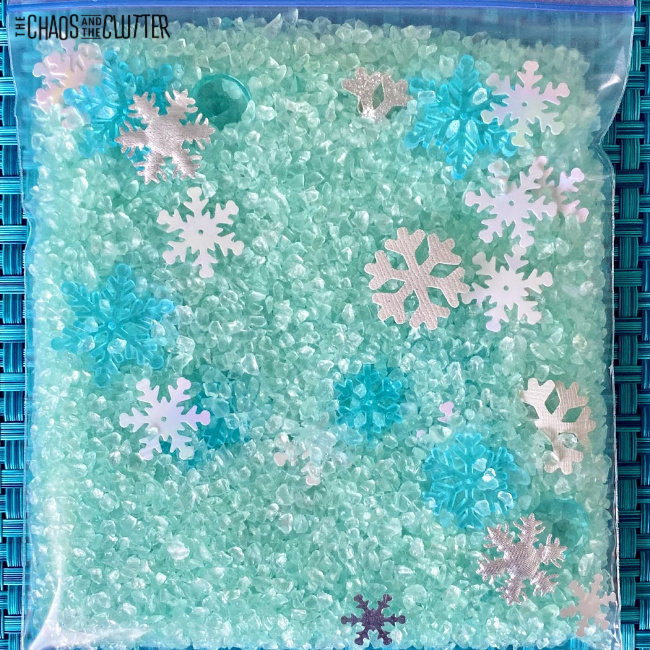
Supplies needed:

  • resealable plastic bag
  • light blue or light green glitter gravel*
  • snowflake confetti
  • plastic snowflakes
  • silver fabric snowflakes
  • blue gems
  • optional: duct tape for sealing (blue or snowflake pattern)

*I always buy my glitter gravel at the Dollar Store. I like using it as a sensory play material. It provides a different texture and you can purchase it in a variety of colours. And it’s super inexpensive!

Directions:

  1. Mix together all the supplies in a bowl. You can skip this step if an adult is making the bag themselves. If making it with kids, I like to mix things together in a bowl first because it allows the child more opportunity for sensory exploration as they mix with their hands or a spoon. Alternately, you can use the same items to first create a snowflake sensory bin and then transfer some of them into a bag or several bags to expand upon the play possibilities.
  2. Pour everything into the bag. Seal the bag.
  3. If there will be young children using the bag, you can fold duct tape over all the edges to seal more completely.

Sensory Opportunities:

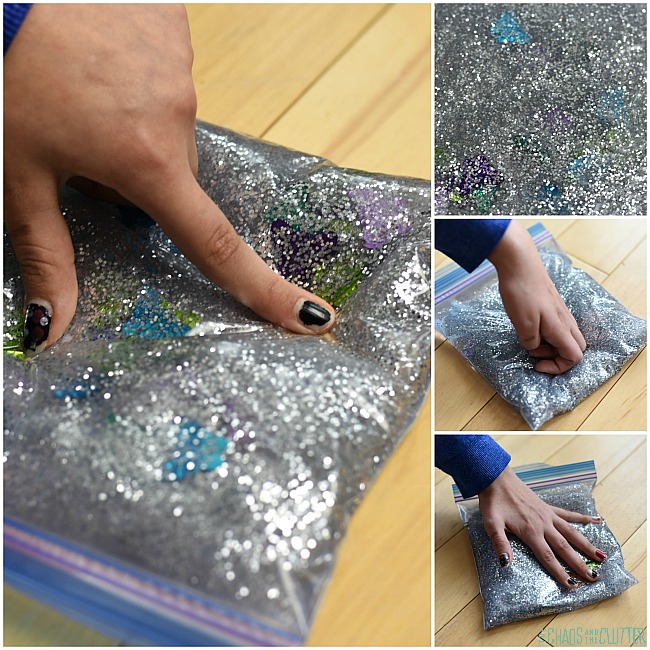
The snowflake sensory bag offers an opportunity for kids to engage their visual and tactile sensory systems. There are many different textures that can be felt through the bag because of the sharp, hard glitter gravel, the edges and shape of the plastic snowflakes, and the soft squish of the fabric snowflakes.

Please note: Even if you seal the bag with tape, there are sharp edges inside that can cause holes in the bag and for items to fall out. Since there are small parts, this could become a choking hazard so adult supervision is required during play.Are you looking for more easy sensory play ideas like this one? Join us for a five day email series on Sensory Activities and Solutions and get a free sample of our Sensory Play Recipes eBook.
You can also check out some of our other sensory bags:

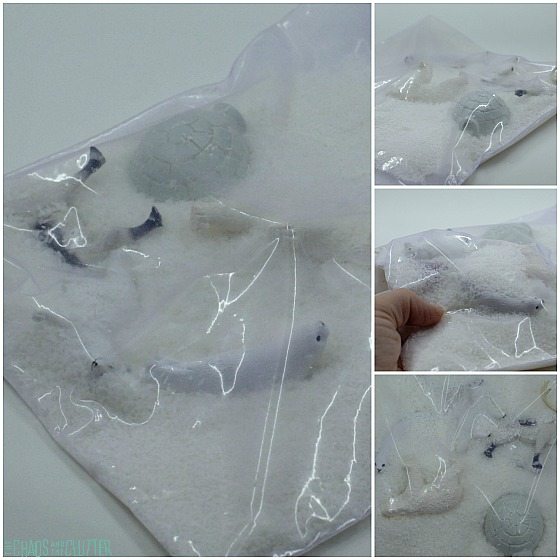
Arctic Sensory Bag

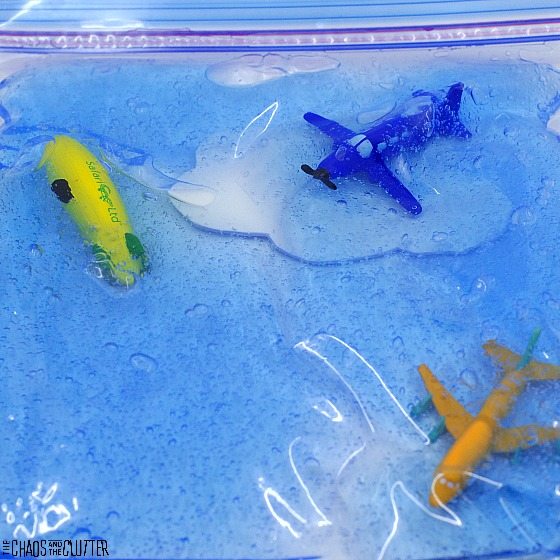
Squishy Sky Sensory Bag

Butterfly Sensory Bag

Filed Under: Sensory Tagged With: sensory bags, sensory play

New Year’s Eve Noisemakers

By Sharla Kostelyk

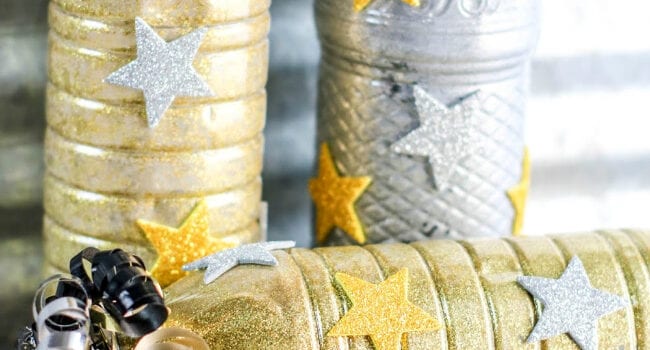
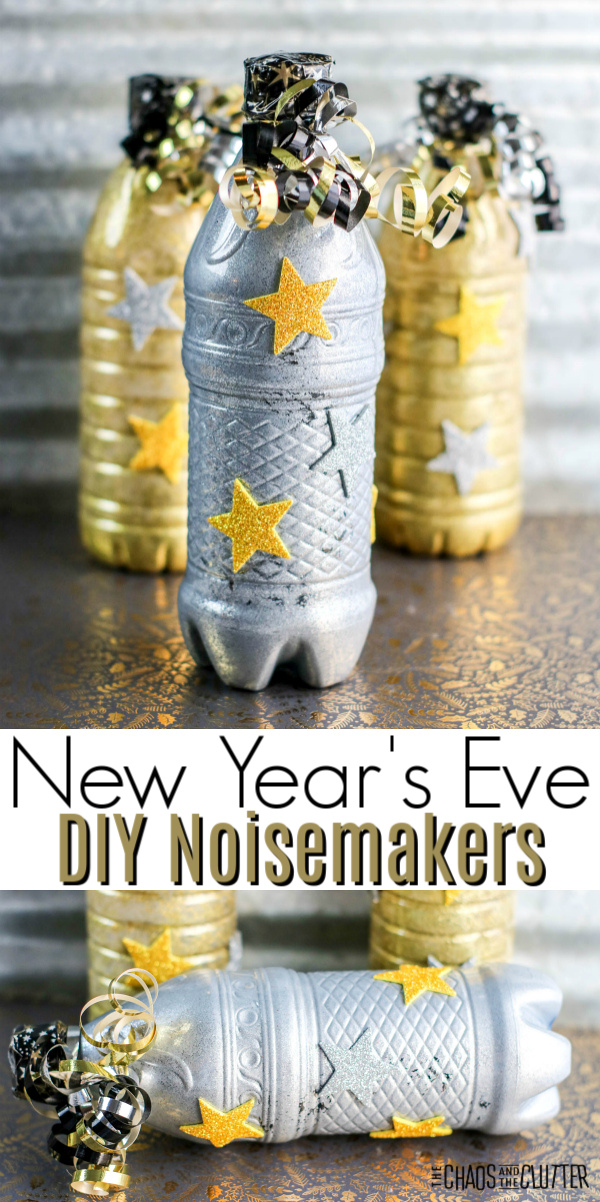
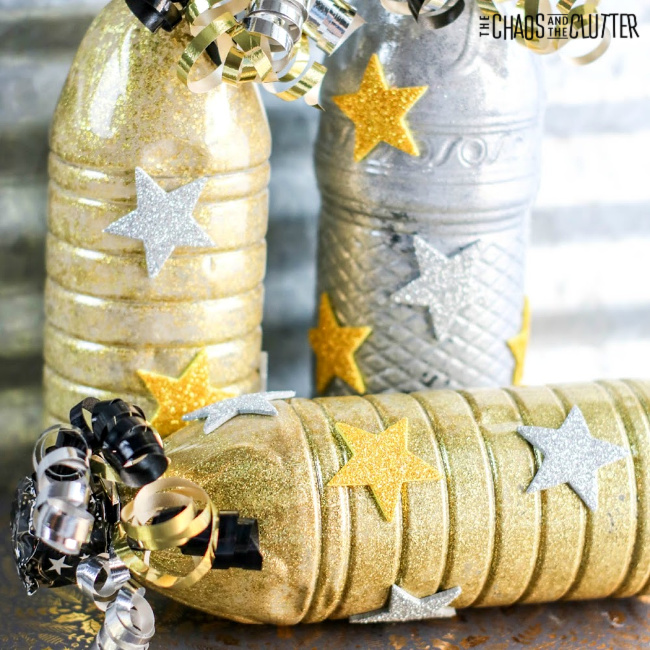
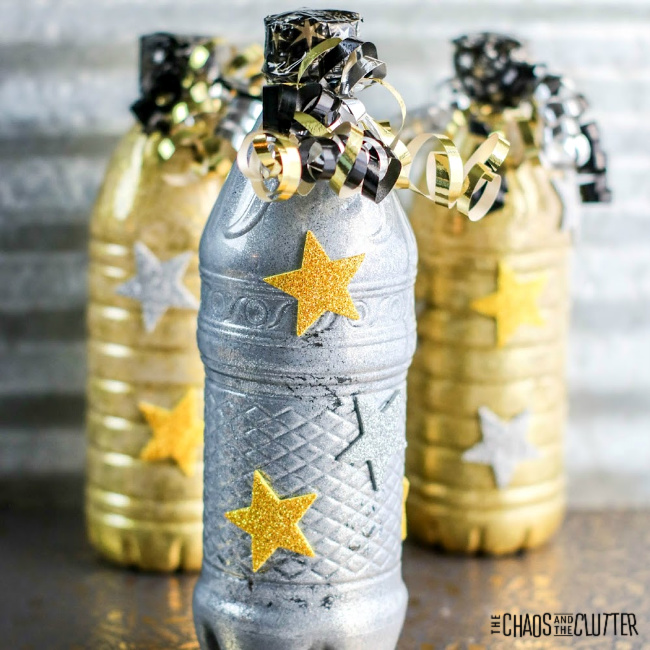
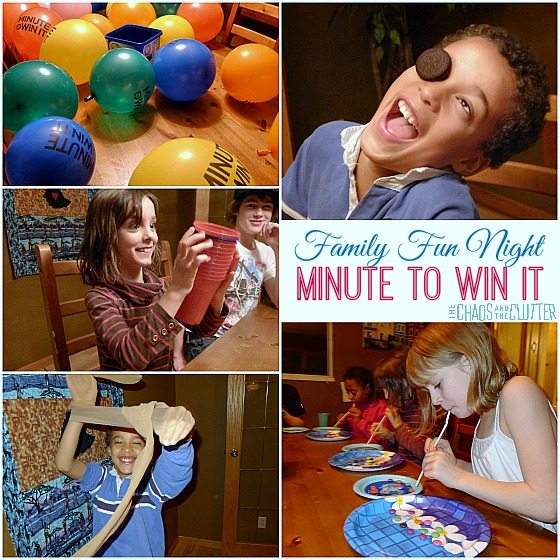
These New Year’s Eve Noisemakers are great for involving kids in the New Year’s celebration. They also provide sensory input and are a good way to use empty water bottles. gold and silver bottles with stars and curly streamers and text reading "New Year's Eve DIY Noisemakers"This New Year’s Eve, let the whole family get in on the festivities with activities such as this easy to make New Year’s Eve Sensory Bottle and these fun Minute to Win It games for all ages.
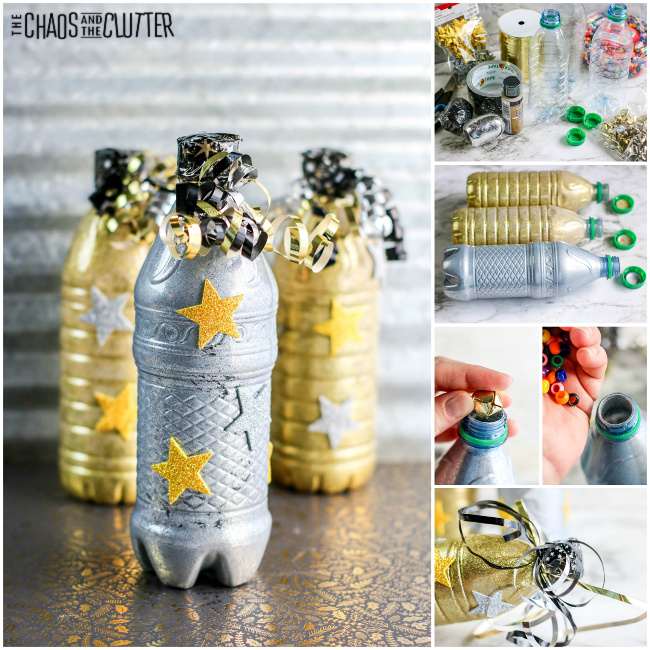
New Year’s Eve Noisemakers:

Supplies needed:

  • water bottles, empty and dry
  • glitter paint in gold and silver
  • gold and silver glitter
  • festive duct tape or washi tape
  • jingle bells (about 2 for each noisemaker)
  • pony beads (for additional noise if desired)
  • foam star stickers
  • curling ribbon (we used black, silver, and gold)
  • scissors

Directions:

  1. Take the lids off from the water bottles and make sure bottles are completely dry on the inside.
  2. Squirt about 2 Tablespoons of paint into each bottle (the exact amount depends on the size of the bottle) and replace the lid. Shake the bottle while turning to coat the inside of the bottle with paint.
  3. Remove the lids and liberally pour glitter into the bottles. Seal tightly and shake the bottles until all of the glitter has stuck to the paint.
  4. Take the lids off again and place the bottles on their side until completely dry inside.
  5. Once the paint is dry, add a few bells bells and some beads to each bottle to make as much noise as desired.
  6. Close each bottle.
  7. To avoid having the lid removed and the excess glitter, beads, and bells being poured out, use decorative tape to cover the lid completely.
  8. Decorate the bottle with foam star stickers.
  9. Cut curling ribbon so that it’s about 8 inches long. Tie the curling ribbon around the neck of the bottle, making a knot to keep it attached. Use scissors to curl the ends of the ribbon.

Sensory Opportunities:

Essentially, these are just fancy sensory sound bottles. Homemade New Year’s Eve Noisemakers engage the visual, auditory, tactile, and proprioceptive sensory systems.

Meeting your child’s sensory needs can help them better regulate their emotions and behaviour. And as a parent or educator, I’m sure you know that sometimes that comes in extra handy around the holidays!

Check out these other New Year’s activities for kids:

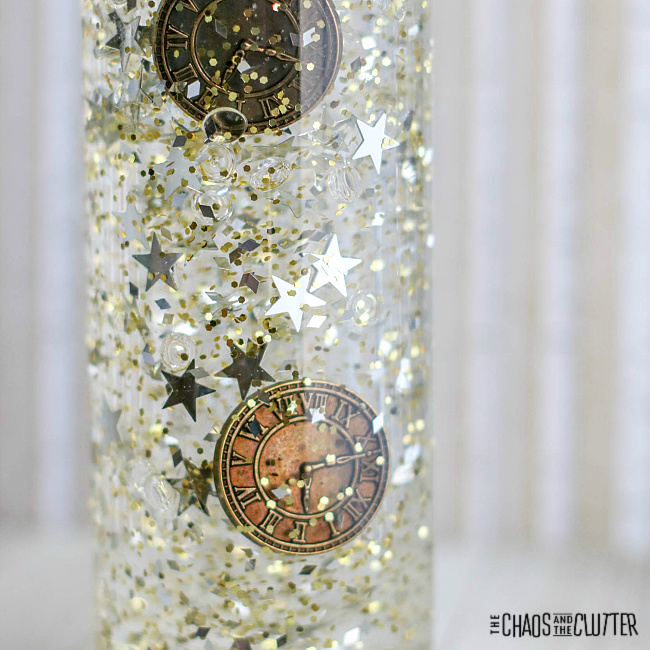
New Year’s Eve Sensory Bottle

Minute to Win It Games

Filed Under: Sensory Tagged With: sensory bottles, sensory play

  • « Go to Previous Page
  • Page 1
  • Interim pages omitted …
  • Page 12
  • Page 13
  • Page 14
  • Page 15
  • Page 16
  • Interim pages omitted …
  • Page 45
  • Go to Next Page »

Primary Sidebar

Categories

We are a participant in the Amazon Services LLC Associates Program, an affiliate advertising program designed to provide a means for us to earn fees by linking to Amazon.com and affiliated sites.

Copyright © 2026 • The Chaos and the Clutter • Site Design by Jeni @ The Blog Maven

Return to top of page

Copyright © 2026 · Chaos and the Clutter 2.0 on Genesis Framework · WordPress · Log in