• Skip to primary navigation
  • Skip to main content
  • Skip to primary sidebar
  • Home
  • About
  • Contact
  • Privacy + Terms
  • Affiliates

The Chaos and the Clutter

  • Facebook
  • Twitter
  • Pinterest
  • Google Plus
  • RSS
  • Email
  • School at Home
  • Sensory
    • Sensory Processing Disorder
    • Awesome Sensory Play Activities
      • Sensory Bins
      • Sensory Bottles
      • Sensory Bags
  • Family Games
    • Minute to Win It Games
  • Special Needs Parenting
    • Childhood Anxiety
    • Reactive Attachment Disorder
    • Sensory Processing Disorder
  • Store
  • Course Login

sensory play

Nature Inspired Spring Sensory Soup

By Sharla Kostelyk

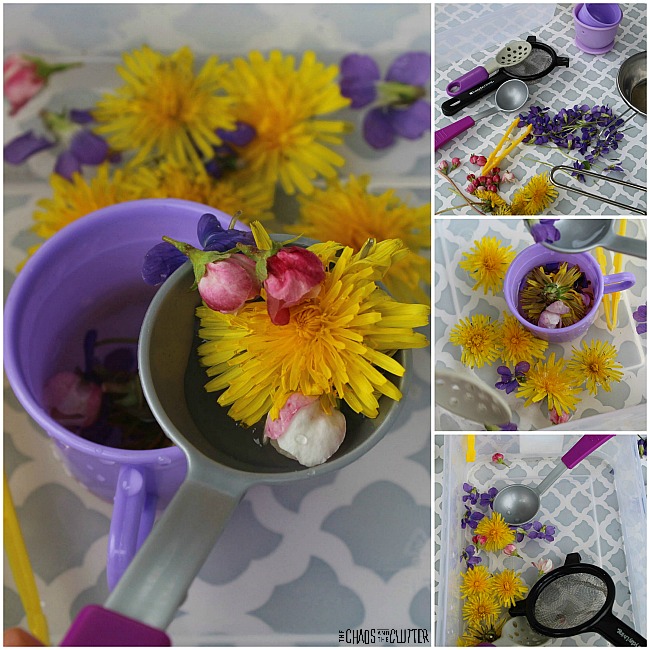
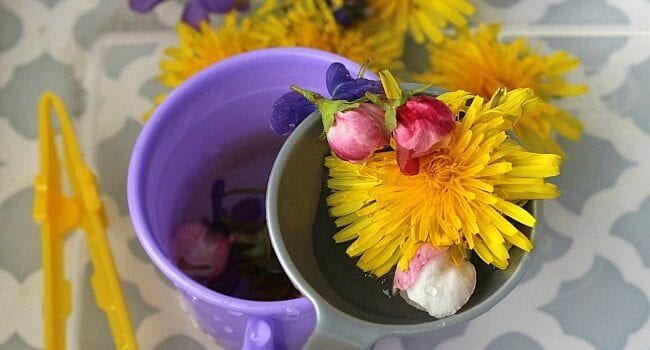
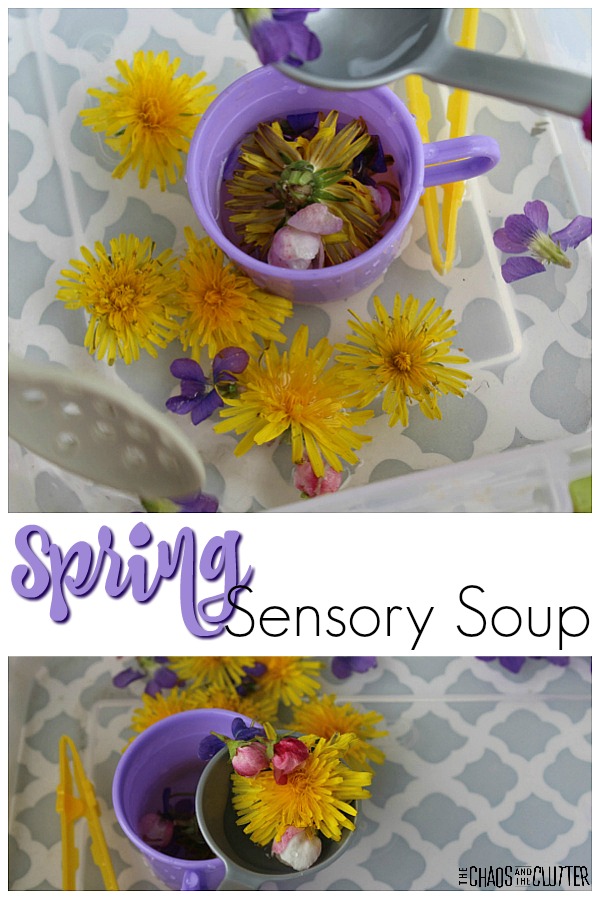
I love this Spring sensory soup activity. It is inspired by nature. Each soup will be different depending on what is available in your area and what your child decides to include.plastic bin filled with water filled with yellow, purple, and pink flowers, leaves, a purple cup, and a grey strainer
I like the idea of being able to gather and use local materials. Other than the plastic bin, this sensory play activity costs nothing!
 
Since you don’t need to buy any supplies, you won’t have to plan ahead before making this.

What is sensory soup?

Sensory soup is essentially a water based sensory bin. Items are added to the water and usually, kitchen gadgets are included as well to encourage kids to scoop, stir, spoon, and pour.
 
Kids can engage their senses as well as use their imaginations. They can pretend to make a soup, as well as stir and serve the soup.a child's hand dipping a yellow dandelion into water in a purple cup that is inside a sensory bin filled with water and other flowers
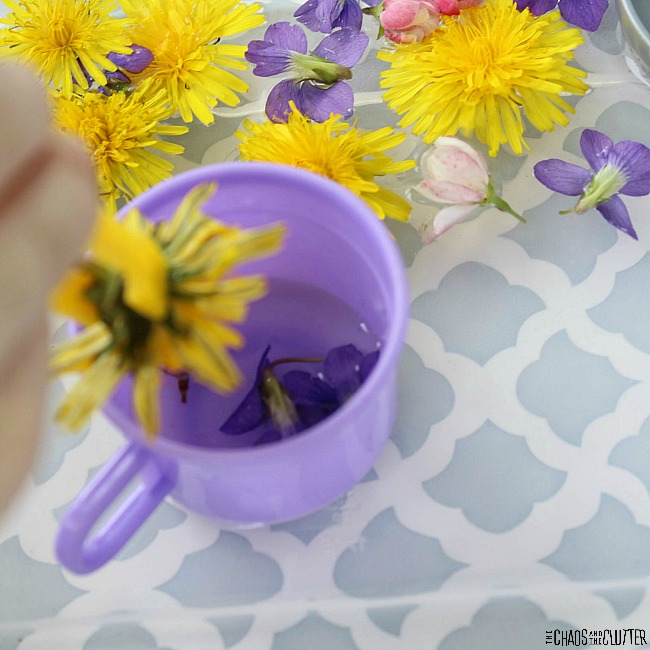
Spring Sensory Soup:

Materials needed:
  • plastic bin
  • spoons, ladles and tongs
  • stainer
  • small plastic cups and bowls
  • spring flowers and flower petals gathered from the yard or forest (dandelions, forget-me-nots, tulips, etc.)
  • leaves, grass, weeds, twigs, etc.
  • water
Instructions: 
  1. Explore outside with your child. Collect various flowers, grasses and weeds. Allow your child to take the lead on what they want to choose to include in their soup. You can bring a bag or container with you on your nature walk to gather things as you go.
  2. When you have collected a good assortment of natural items, fill a plastic bin about halfway with water.
  3. Float the flowers, petals, weeds, leaves and anything else you collected in the water.
  4. Add spoons and tongs to the bin. It’s best to include a variety of spoons such as slotted spoons, soup spoons, and ladles. These can be actually kitchen utensils or plastic toy ones.
  5. Add small plastic cups and bowls to the sensory bin.
  6. You can add a strainer or two as well.
  7. Invite your child to stir and serve spring soup using the utensils, cups and bowls.
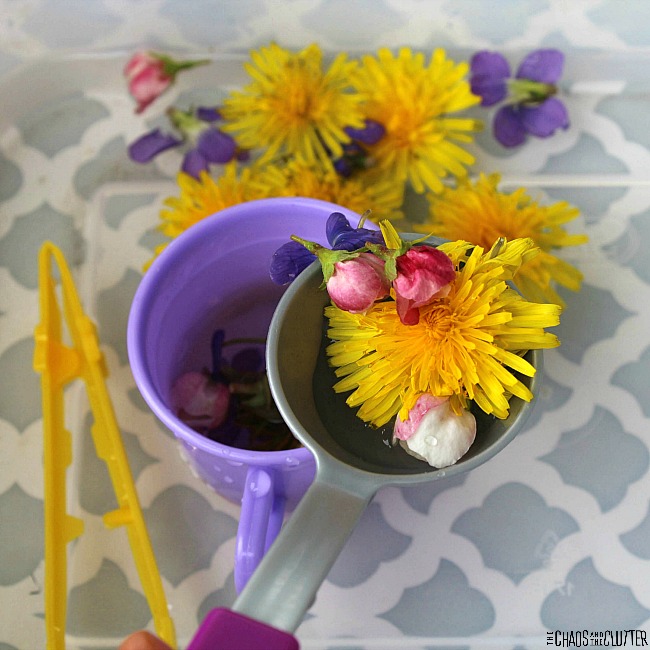
Learning and Sensory Benefits:

Using the spoons will give kids the opportunity to practice manipulation skills as they transfer the flowers to the cups and bowls.

If you include measuring cups and measuring spoons, your child can practise their math skills.
 
The tongs are good for kids to practice their fine motor skills.
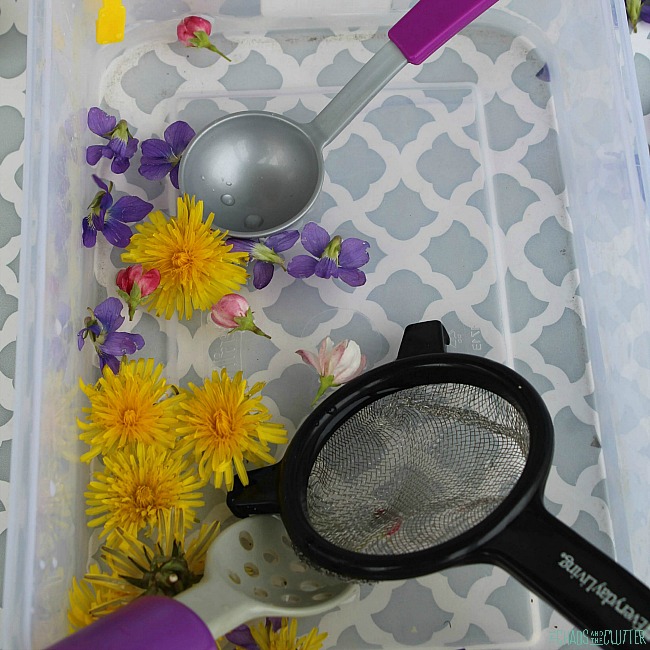
Water play creates the opportunity to splash and pour without worry because any that gets out of the bin will dry out and not create a mess.
 
This Spring sensory soup provides visual, tactile, and olfactory sensory input. Kids can see the different shapes and colours with their eyes. They can explore textures through touch and they can smell the leaves and flowers with their nose. They can also see how the smells change as the flowers mix together in the “soup”.

Join thousands of other people who have found help and guidance in the free 5 part email series, Sensory Solutions and Activities. (You’ll also get a printable list of 175 Great Sensory Ideas.) 

Check out some other Spring Sensory Soup ideas:

Lemonade Sensory Soup 

Calming Lavender Sensory Soup Lavender Sensory Bin

Filed Under: Sensory, Sensory Bins Tagged With: sensory play

Lemonade Sensory Soup

By Sharla Kostelyk

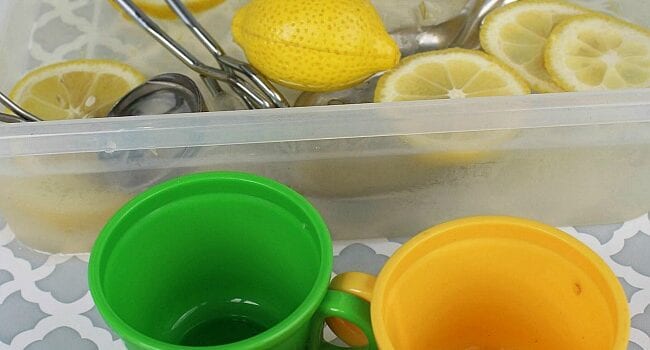
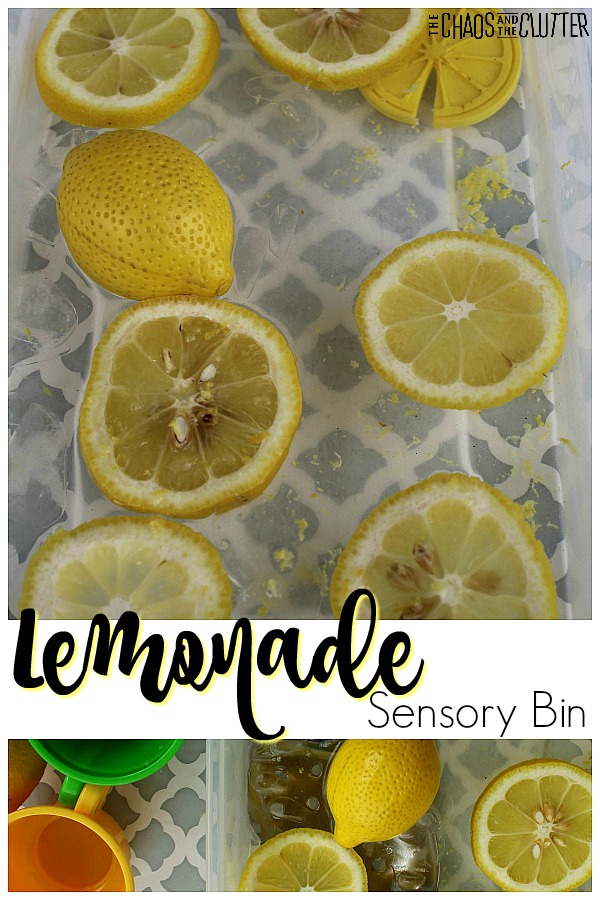
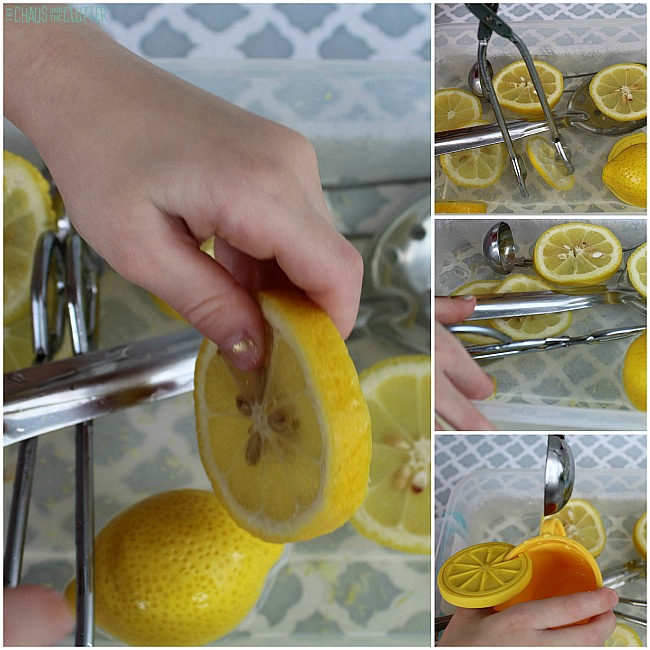
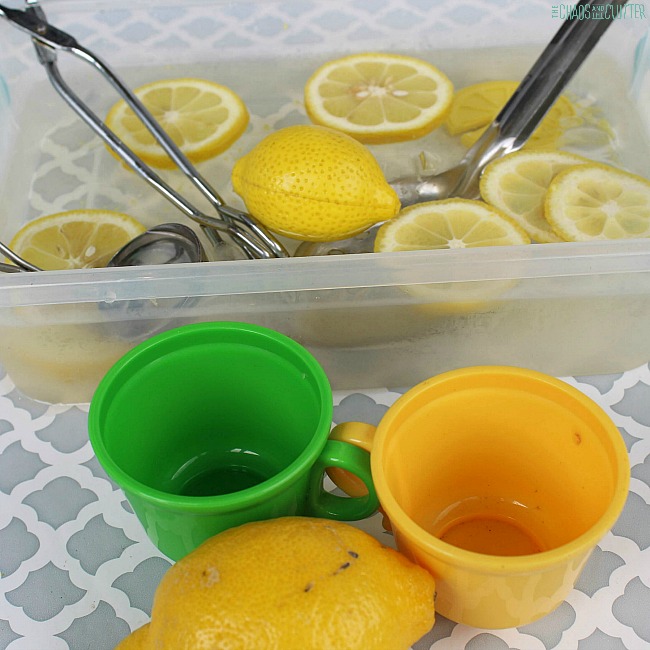
Have the feeling of summer any time of the year with this lemonade sensory bin water play activity. Give kids the opportunity to explore through many senses. In the colder months, you can bring a bit of sunshine in by creating this bin inside. And in the Spring or Summer, this is a great sensory play activity for outside. Lemonade Sensory Bin #sensorybins #sensorybin #sensoryplay #sensory #sensoryactivitiesThis lemonade sensory bin offers olfactory, tactile, gustatory, and visual sensory feedback.
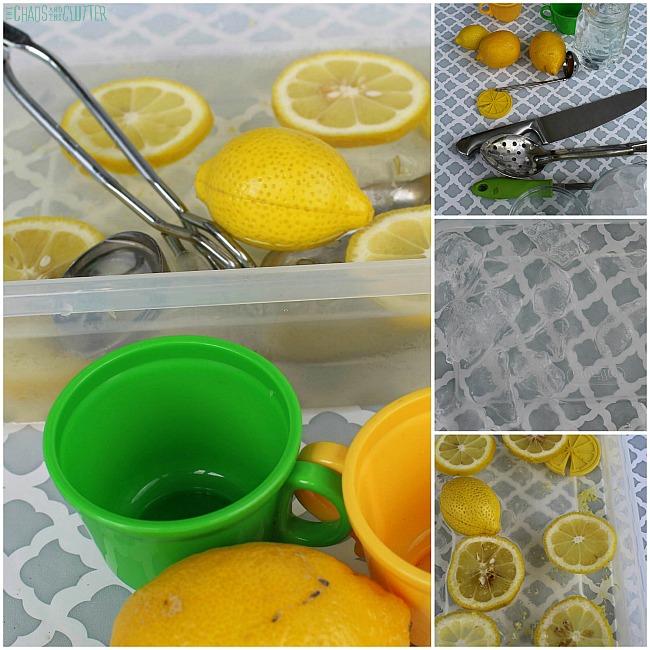
Olfactory (smell) – Kids can smell the lemons.

Tactile (touch) – Children have the opportunity to explore temperature with the cold of the ice. They can discover textures with the feel of the outside of the lemon contrasting with the inside, the seeds, the water, the ice, and the added kitchen tools.

Gustatory (taste) – This is a sensory activity where tasting is encouraged. Some kids will love the sour taste while others will not. But this gives them the chance to talk about their thoughts on the taste of the lemons.

Visual (sight) – The bright colour of the lemons against the water really pops. Most children will find this activity visually appealing. 

Lemonade Sensory Bin:

You’ll want to prepare this sensory bin immediately before your child plays with it so that the ice doesn’t melt before they begin to play.

Materials needed:

  • lemons
  • ice cubes
  • water
  • tongs
  • ladle
  • slotted spoon
  • plastic cups
  • bin
  • optional: zester
  • play food lemons or play lemon slices
Directions:
  1. Pour several cups of water into a plastic container.
  2. Slice several lemons. (This step should be done by an adult or by an older child with adult supervision.)
  3. Add a few cups of ice cubes to the bin.
  4. Float the lemon slices in the bin.
  5. If desired, you can zest some lemon peel into the water. This will add more scent.
  6. Add spoons, ladles, tongs, cups, or other kitchen gadgets to the bin.
Invite your child to play in the bin. They can touch, squeeze, smell and even taste the lemon slices. Kids can pretend to be making lemonade or lemon soup. playing in Lemonade Sensory Bin
The opportunity to taste and smell the lemons will also provide a chance for vocabulary practise as they learn or reinforce words like “yellow”, “sour”, “fresh”, “bright”, “cold”, and more.
This sensory invitation to play activity is great for kids of all ages. As with all sensory play activities, adult supervision should be used.
Check out some of our other olfactory sensory activities:
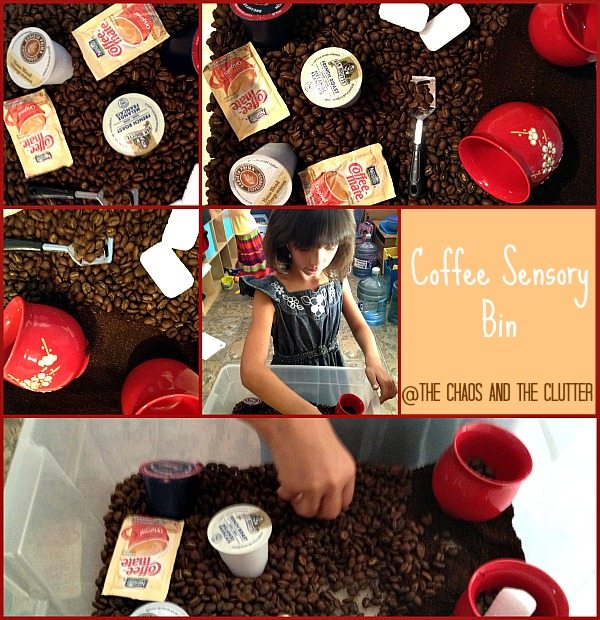
Coffee Sensory Bin Coffee Sensory Bin at The Chaos and The Clutter
Calming Lavender Sensory Bin Water Play Lavender Sensory Bin
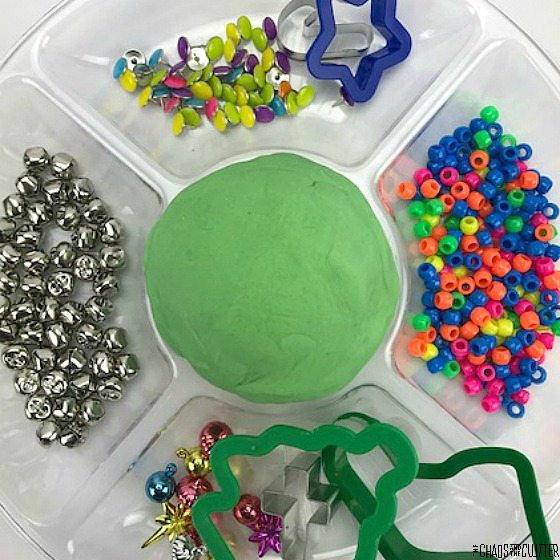
Peppermint Scented Playdough Invitation to Play 

Filed Under: Sensory, Sensory Bins Tagged With: sensory play

Melting Ice Cream Playdough

By Sharla Kostelyk

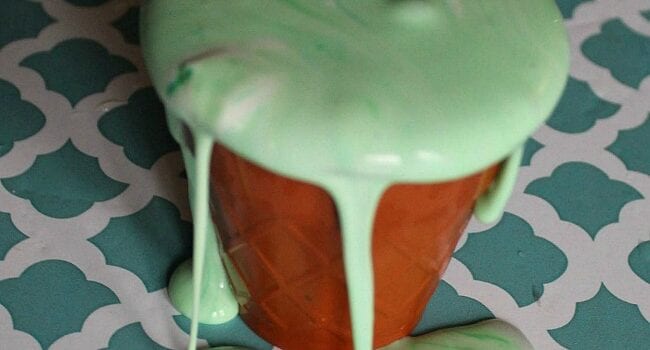
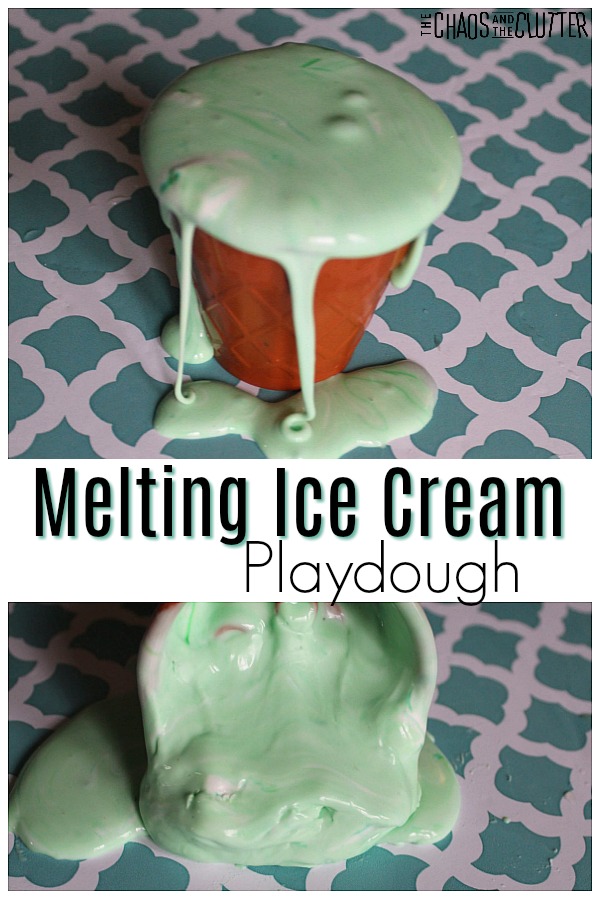
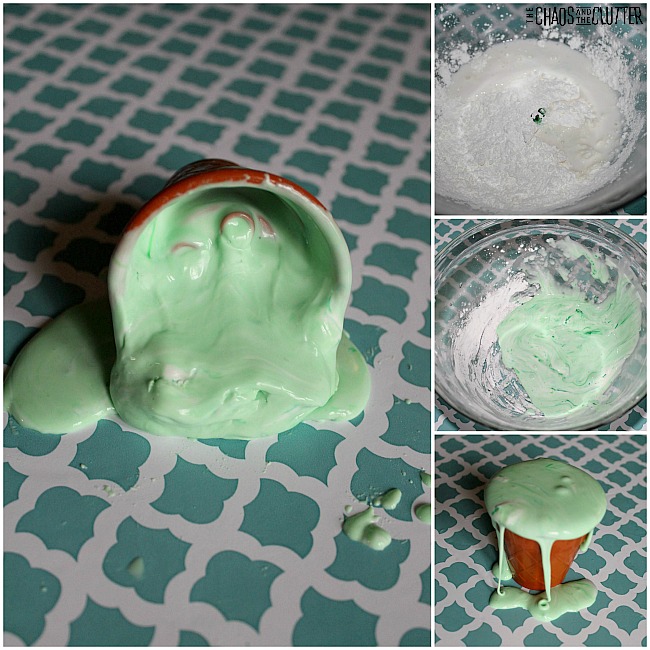
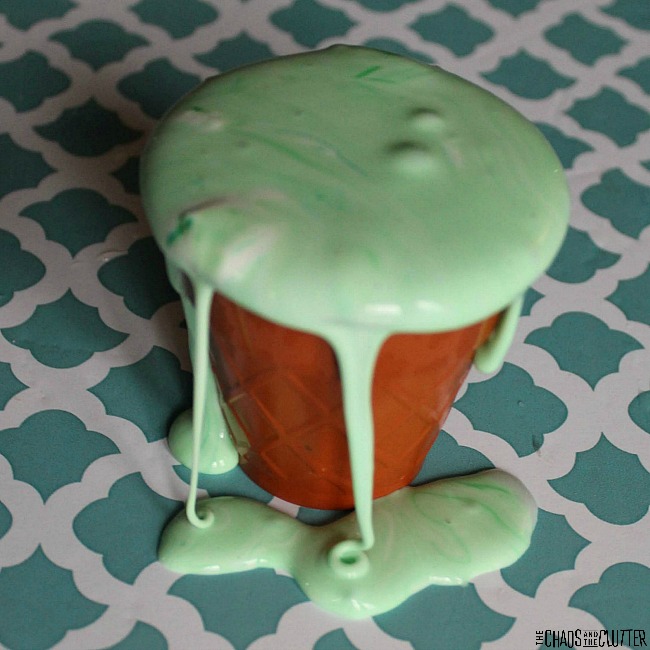
Pretend play comes alive with this melting ice cream playdough. With a consistency in between oobleck and playdough, it really does mimic the look of melting ice cream. Melting Ice Cream Playdough #sensoryplay #playdough #sensory #kidsactivitiesKids can pretend that they are making ice cream or creating a play ice cream parlour. It’s fun to make this dough in several colours.
Melting Ice Cream Playdough:

Materials needed:
1/2 cup of cornstarch
1/4 cup of coffee creamer
a few drops of food colouring
Directions:
  1. Combine the coffee creamer and the cornstarch.
  2. Add a few drops of food colouring.
  3. Mix well.
  4. You will be able to form a ball with the dough, but it will ‘melt’.
  5. When not playing with it, store the ice cream playdough in a resealable freezer bag in the fridge.
  6. Allow it to sit out for a bit to get to room temperature before playing again.
The dough feels like a solid, but it behaves as if it is a liquid. The result is an interesting and engaging sensory play material!
Although this playdough recipe is technically taste-safe, it doesn’t taste good! So while kids may want to pretend to be assembling ice cream cones, they probably won’t want to pretend to eat them.
Sensory Play ideas:
Create a playdough station. Set out plastic ice cream cones, bowls, spoons, and an ice cream scoop. I’ve found some really cute ice cream bowls and spoons at the Dollar Store that would be perfect. If you want, you can also set out sprinkles. Kids can then make pretend ice cream cones. 
While they play, kids can discuss the texture of the dough and what happens when they handle it. They can also talk about the look and smell of the dough. It may smell a bit like ice cream and they can try to guess why that might be based on the ingredients in it.
Check out some of our other playdough stations:
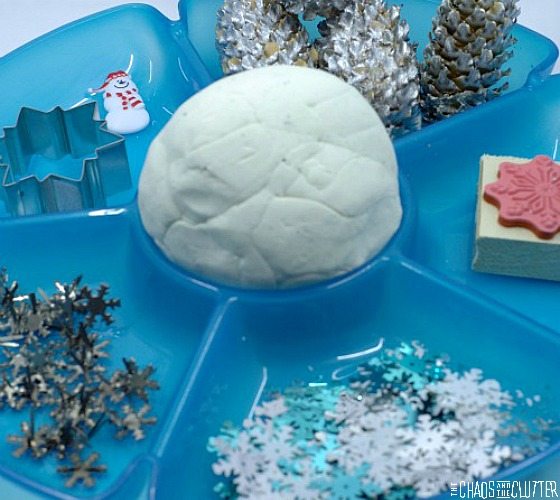
Snow Playdough Snow Playdough and invitation to play
Peppermint Scented Playdough 

Filed Under: Sensory Tagged With: playdough stations, sensory play

Butterfly Sensory Bag

By Sharla Kostelyk

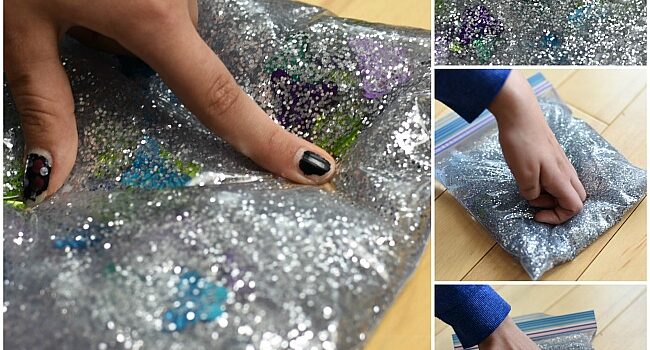
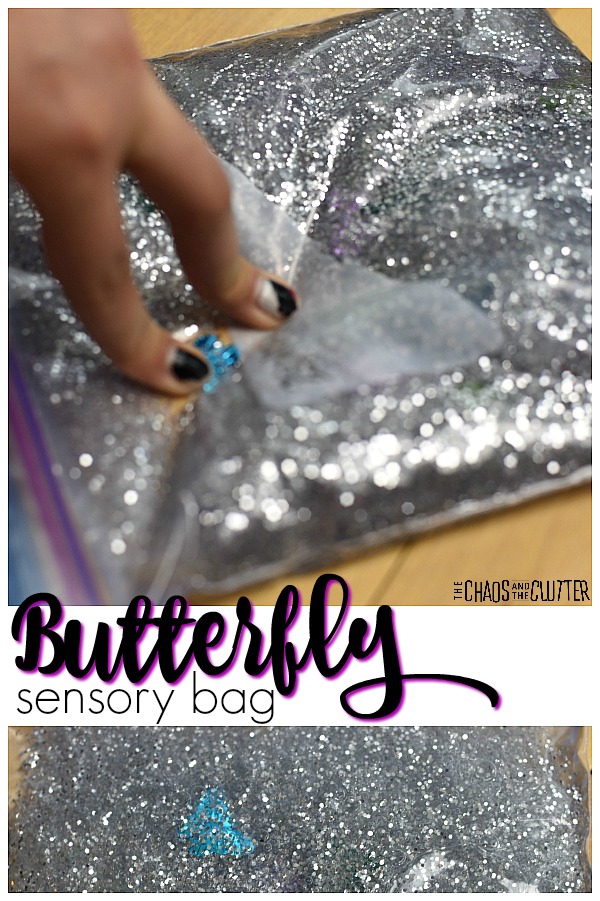
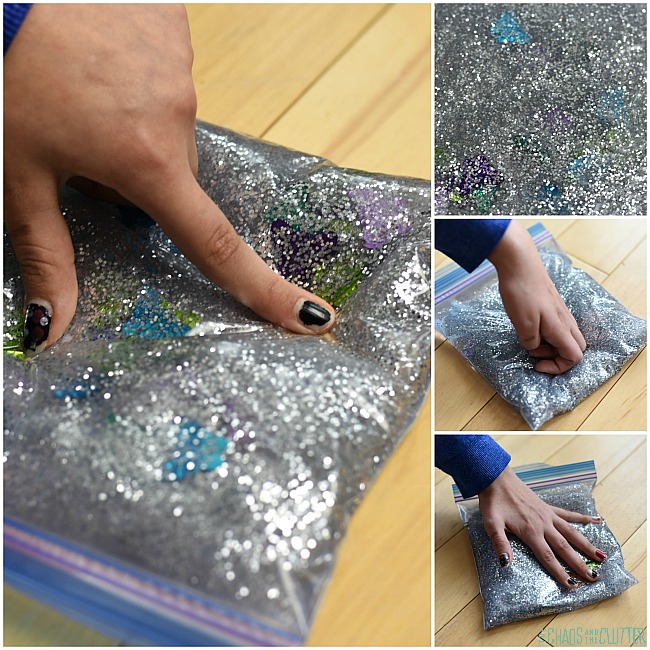
This simple butterfly sensory bag provides a calming effect for kids. The glitter makes it appealing for kids to play with. You can make it just for fun or to go along with a butterfly unit in school or homeschool.Butterfly Sensory Bag #sensorybags #sensoryplay #sensory #kidactivitiesOne of the things I like about sensory bags is how portable they are. While sensory bins provide more opportunity for a variety of textures and sensory experiences, sensory bags are smaller and can be taken anywhere. We have also made a butterfly sensory bin, but it was not of course as portable.
Butterfly Sensory Bag:

Materials needed:

  • medium sized resealable bag
  • hand sanitizer
  • silver glitter
  • butterfly confetti in various colours
  • optional: duct tape 
  1. Fill the bag about half full with the hand sanitizer.
  2. Add a fair amount of glitter. (*see note below)
  3. Put in some butterfly confetti.
  4. Seal the bag, taking out as much air as you can.
  5. If younger kids are going to be using this sensory bag, take duct tape and fold it in half over each of the sides of the bag (4 pieces of duct tape total). You can even use a pretty butterfly tape.

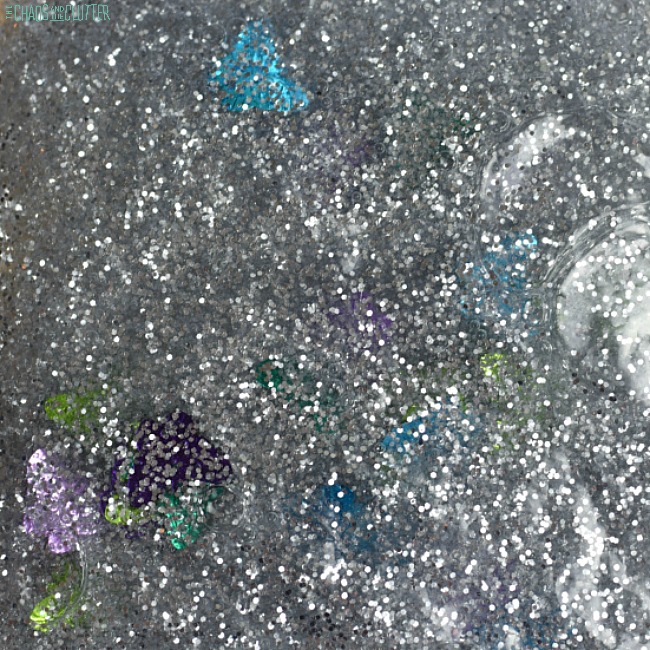
*A note about the glitter: I usually say that there’s no such thing as too much glitter, but in this case, I may have put in a bit too much glitter! It made it hard to see the butterflies.

Mistakes don’t have to ruin your activity though. I turned it around. I told the kids that the goal was to try to find all the butterflies and count them.

Sensory benefits:

This butterfly sensory bag provides tactile (touch) and visual (sight) sensory input. When kids, squeeze, squish, and press the bag, it gives them proprioceptive sensory feedback.

Language and math skills:

A child can discuss how the bag feels (squishy, gooey, textures, etc.). They can talk about the colours of the butterflies and they can count the butterflies or sort them by colour.

Get 175 sensory activity ideas in convenient printable lists which are ideal for using in the home, classroom or in a therapeutic setting.

Some of our other easy to put together sensory bags:

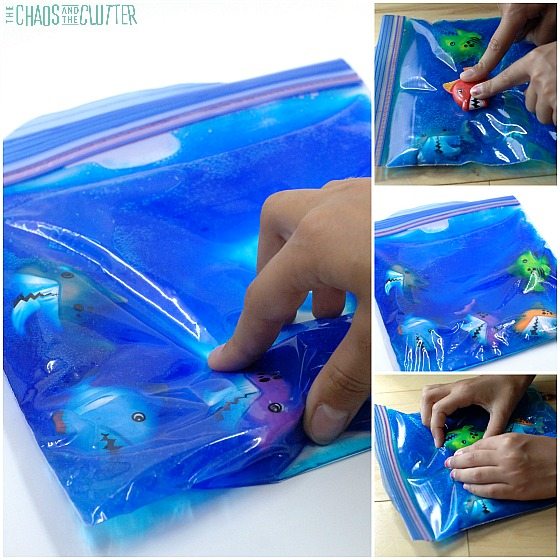
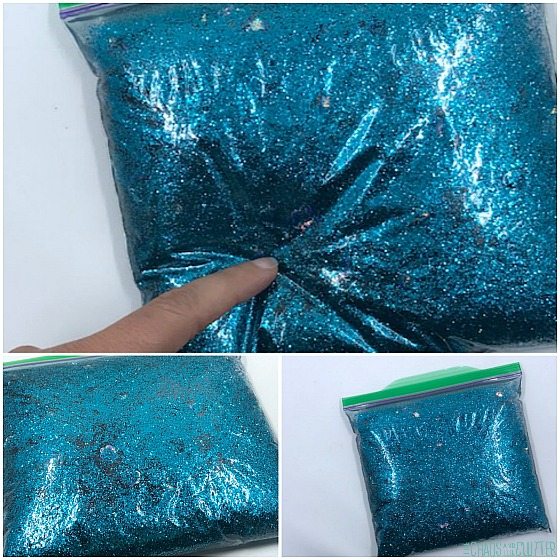
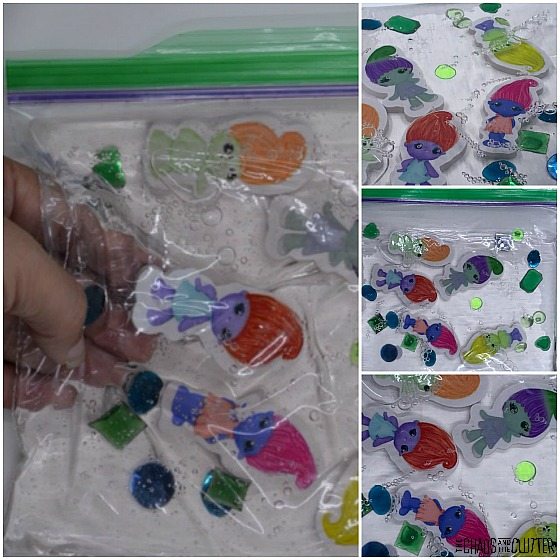
Squishy Shark Sensory Bag Mermaid Sensory Bag Trolls Sensory Bag 

Filed Under: Sensory Tagged With: sensory bags, sensory play

Tactile Sensory Play with Texture Balloons

By Sharla Kostelyk

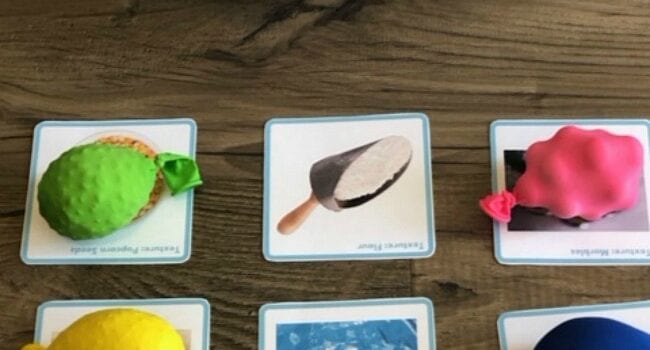
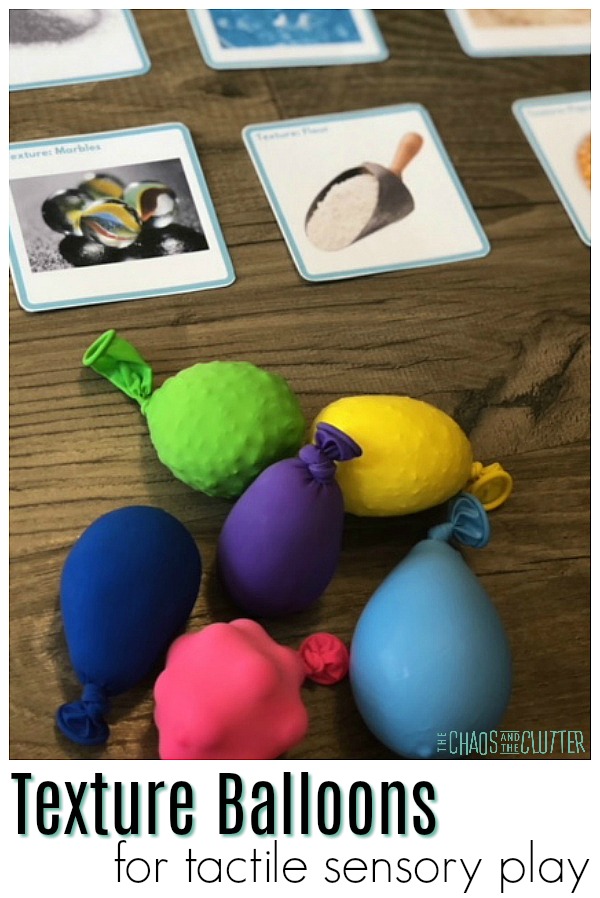
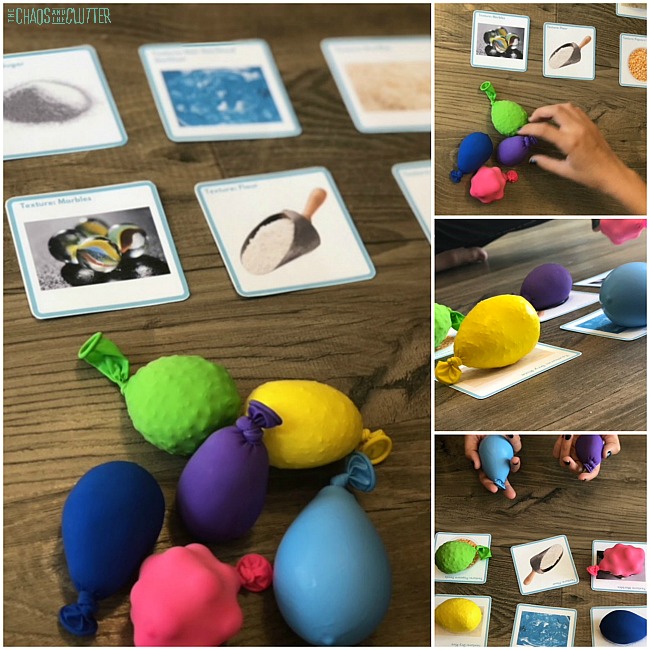
Your kids are going to love this tactile sensory play with texture balloons. They will enjoy deciphering what is inside each one and the tactile sensory input they get. You will like how simple and inexpensive this activity is to put together. Tactile Sensory Play with Texture Balloons #sensoryplay #tactile #sensory #kidsactivities #sensoryscienceThese tactile sensory balloons are a great way for sensory avoiders to experience textures without touching them directly. As an example, if your child doesn’t like the feel of water beads, you can place water beads in a balloon and they can feel the shape, squishiness, and movement of them without having to feel the wetness or gooeyness.
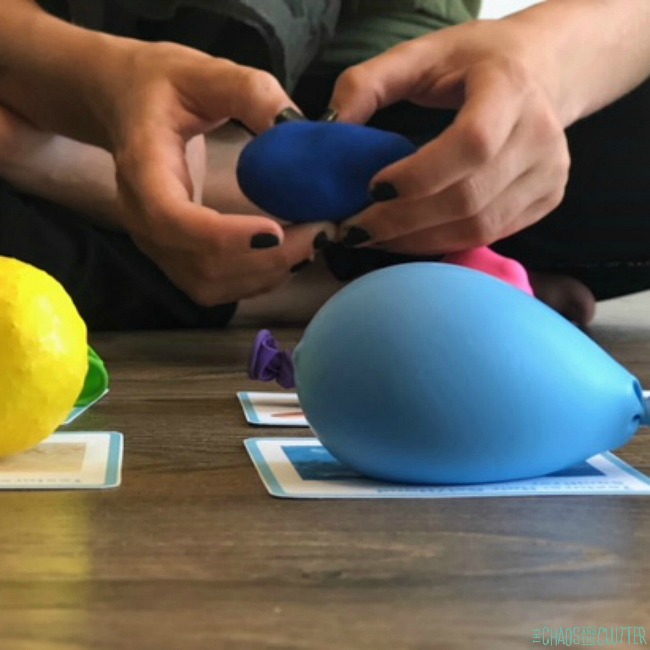
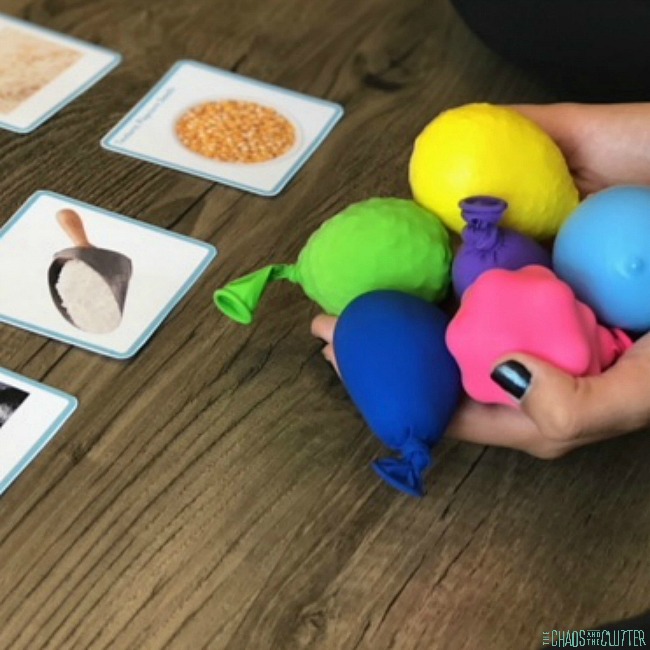
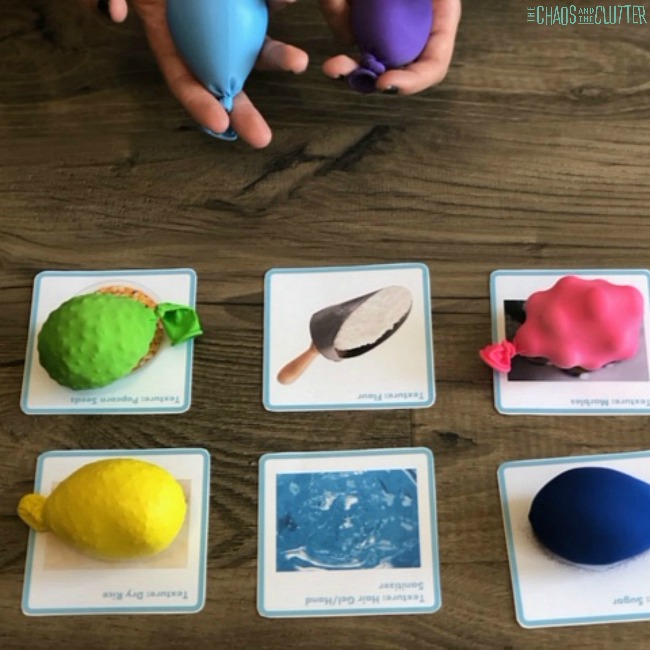
This activity presents learning opportunities. The guessing and matching is science. Language skills are enhanced while discussing the characteristics of each filler and when reading the cards.

How to make texture balloons:

  • helium balloons
  • popcorn seeds
  • hair gel or hand sanitizer
  • sand
  • dry rice
  • flour
  • marbles
  • optional: cards to match up with the corresponding item

  1. Fill each of the balloons with one of the fillers (popcorn seeds, gel, sand, rice, flour, marbles) and tie in a knot at the top to close.
  2. It can be challenging to fill the balloons. The best way I have found is to blow the balloon up first and let the air out.
  3. Insert the end of a funnel into the top of the balloon and place the filler in the funnel. For the marbles, you’ll have to slip them in the top of the balloon one at a time.
  4. Have the child use their senses to try to determine which filler is in each balloon.

Other ideas for items to fill your texture balloons with:

  • cornstarch
  • coffee beans or coffee grounds
  • water beads
  • water
  • salt
  • slime
  • playdough
  • whatever else your imagination can come up with

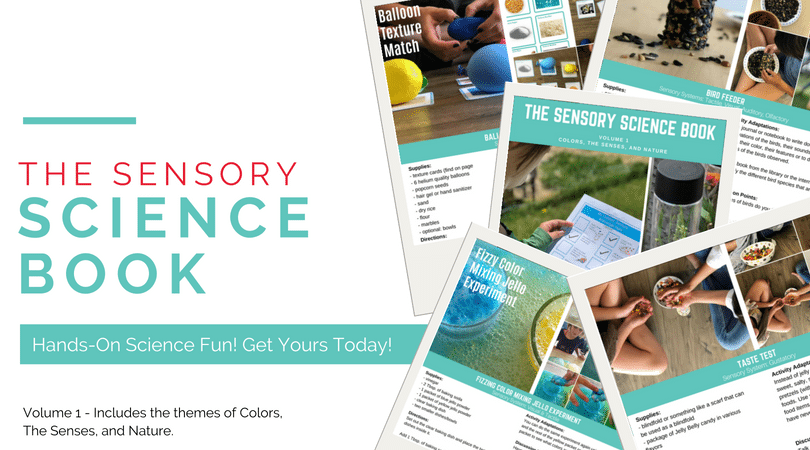
You can find printable cards for the tactile balloons in The Sensory Science Book Volume 1. You’ll also find other easy to create hands-on science activities for kids.

Discussion points:

Encourage your child to also use their auditory sense in addition to their sense of touch. Discuss how the flour and the sugar sound different in the balloon and why that might be.

For older children, you could also fill one balloon with water and another with water and then freeze the balloon so that it is filled with ice and talk about states of matter.

Join me for a free 5 part email series called Sensory Solutions and Activities (just pop your email into the box below) and you’ll also get a free sample of our Sensory Play Recipes eBook.

Other sensory science activities you may enjoy:

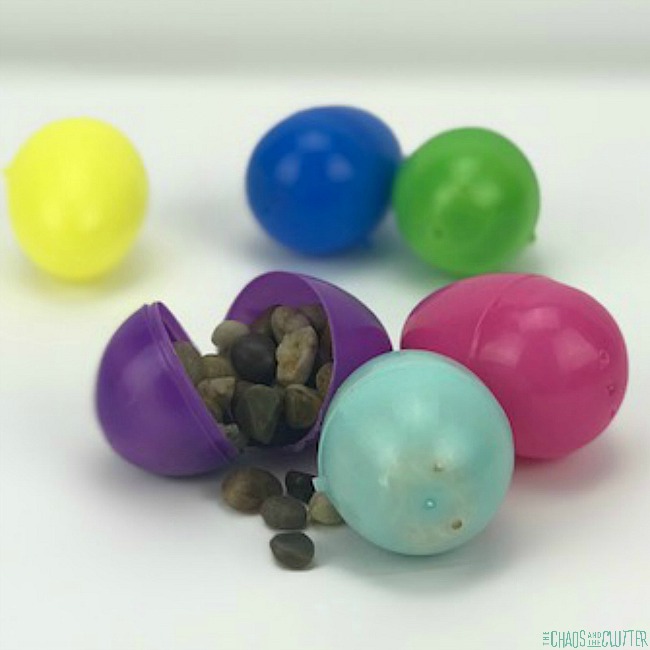
Sensory Sound Eggs 

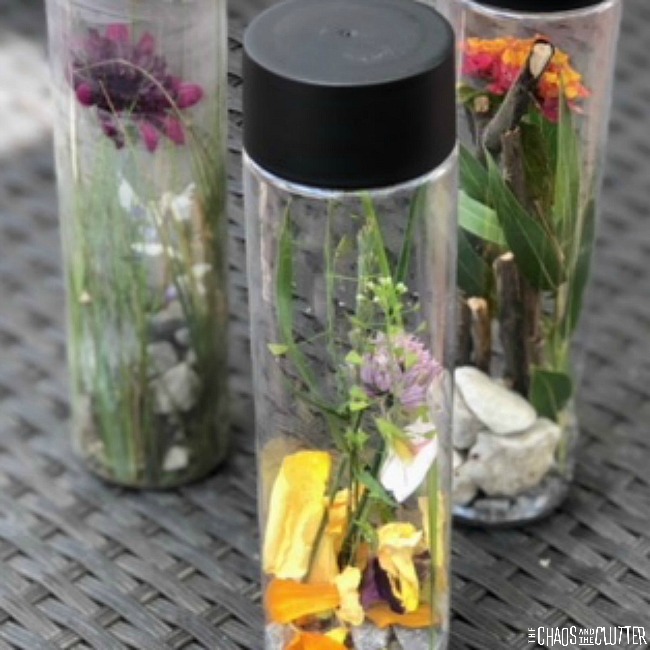
Nature Sensory Bottle 

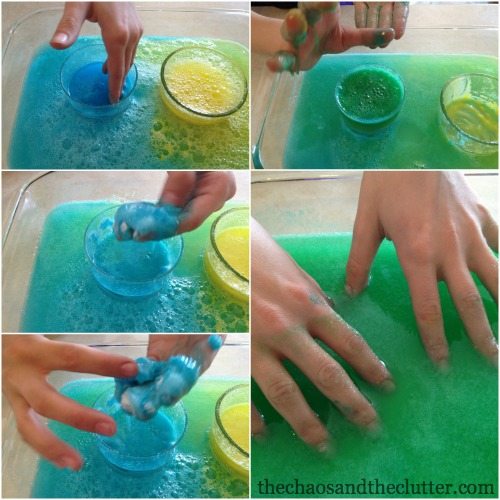
Jello Colour Mixing Experiment jello colour mixing experiment

Filed Under: Sensory, Simple Science Tagged With: sensory play

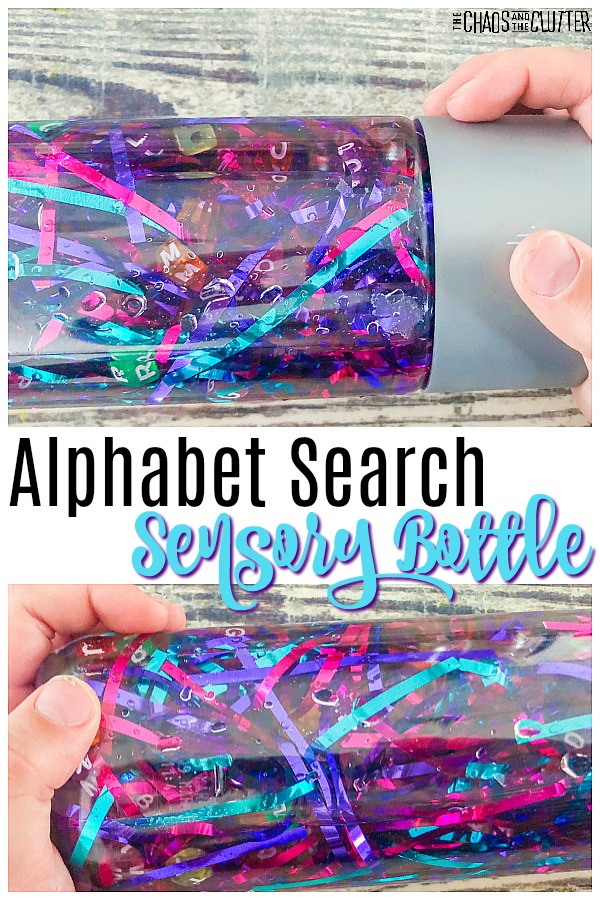
Lightweight ABC I Spy Sensory Bottle

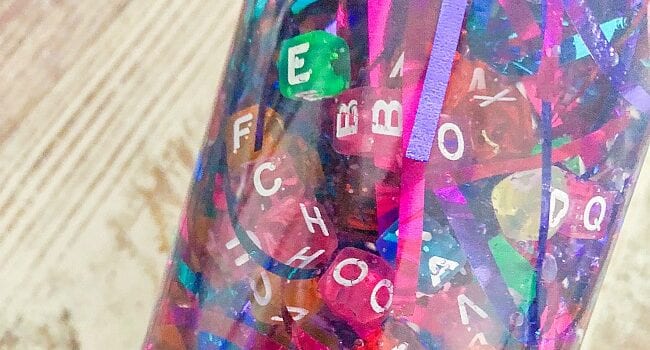
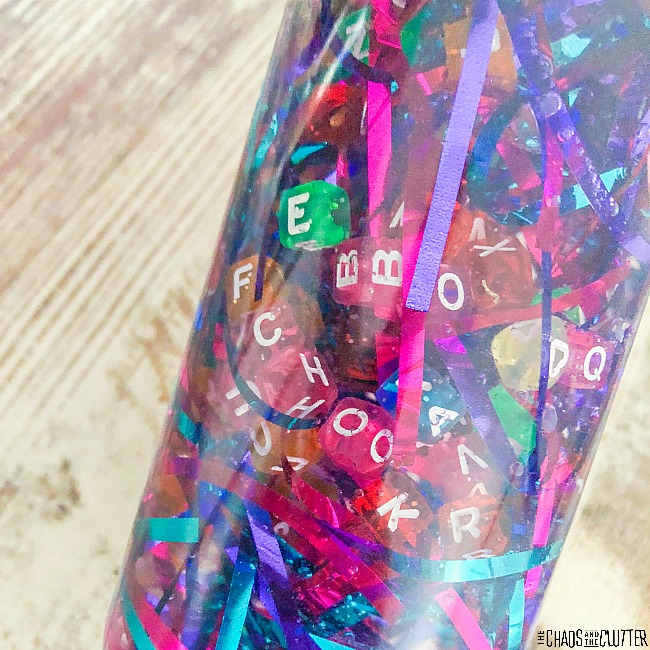
A closeup picture of a sensory bottle filled with bright colours of alphabet beads and bright coloured tinsel.

By Sharla Kostelyk

This lightweight ABC I Spy sensory bottle provides all kinds of learning opportunities. The colours are engaging. This provides great sensory play for preschoolers.Alphabet Search Sensory Bottle #sensoryplay #sensorybottle #sensory #preschool

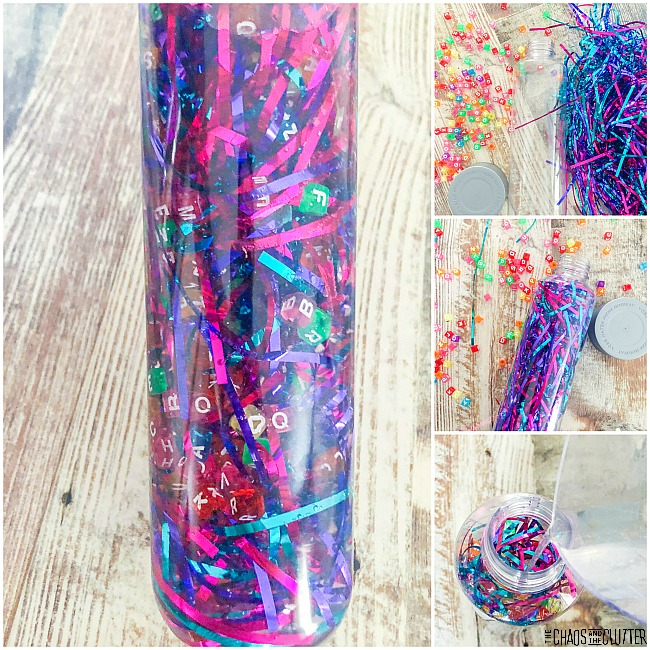
ABC I Spy Sensory Bottle:

  • plastic Voss water bottle
  • tinsel*
  • ABC beads
  • water
  • Super glue, optional

*You can often find tinsel at the Dollar Store or in the party decoration section of a department store. 

Directions:

  1. Add tinsel to an empty plastic bottle with a wide mouth. There is no right or wrong amount of tinsel, but you do want to fill the bottle pretty well.
  2. Add the alphabet beads into the bottle.
  3. Fill the rest of the bottle with water. Using a funnel makes this part easier. 
  4. Secure the lid and play! Note: If you are intending to use this sensory bottle with small children, seal the lid with super glue before screwing the lid back on. You will need to give the super glue 15 minutes to dry before giving it to a child.

Learning Objectives:

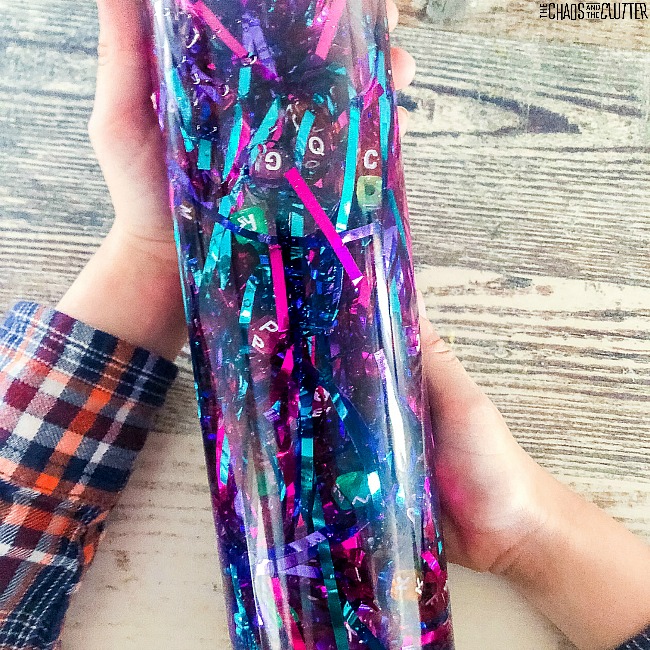
Sensory – describe how the bottle feels (light, heavy, etc). Describe visual observations. Shake this bottle – what sounds does it make, how does the tinsel swirl, etc.

Math/Science Skills – Count the beads, observe and describe how the tinsel interacts with light, make one of these bottles without using water and make a hypothesis in how you think they will differ and then compare/contrast. Literacy – Identify the letters, name words with the same beginning sounds as you spot letters, rhyme words to the colour of the bead that starts with the letter on the bead.

Social Skills – take turns sharing the bottle. Practice phrases like “my turn”, “your turn”, “go”, and “stop”.

Fine Motor – Let kids push the tinsel into the bottle and pinch up the beads to add them into the bottle.

Language Skills – have kids use descriptive language to explain what the tinsel looks like and what they are experiencing. Practice pragmatic language for rules on how to use the sensory bottle and how to share the sensory bottle (informing, demanding, stating, and requesting).

Check out these preschool sensory bottles:

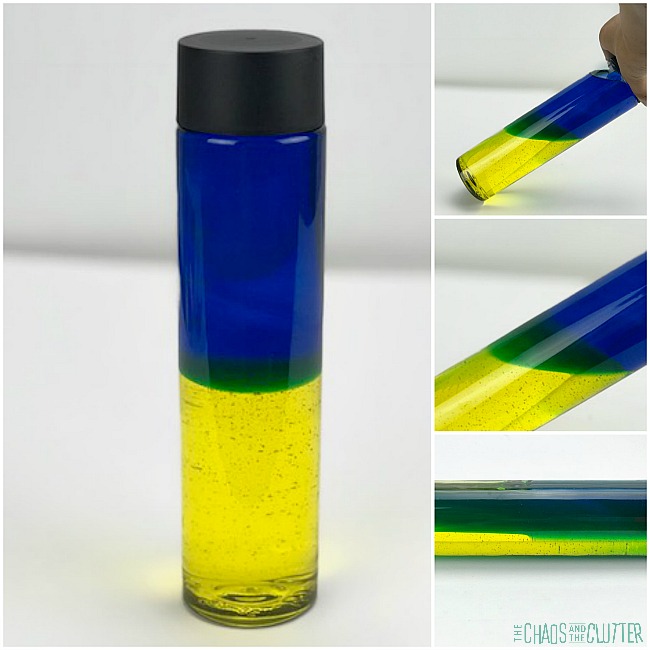
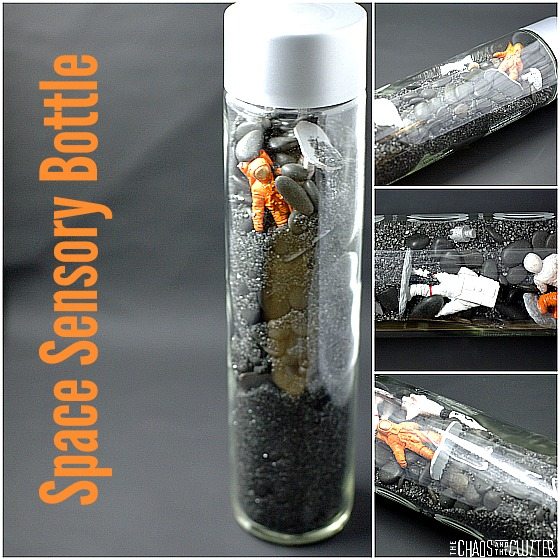
Colour Mixing Sensory Bottle Rainbow Rainfall Sensory Bottle Space Sensory Bottle This Space sensory bottle is naturally weighted. Kids can also use it as an I-Spy activity.

Filed Under: Sensory Tagged With: sensory bottles, sensory play

  • « Go to Previous Page
  • Page 1
  • Interim pages omitted …
  • Page 19
  • Page 20
  • Page 21
  • Page 22
  • Page 23
  • Interim pages omitted …
  • Page 45
  • Go to Next Page »

Primary Sidebar

Categories

We are a participant in the Amazon Services LLC Associates Program, an affiliate advertising program designed to provide a means for us to earn fees by linking to Amazon.com and affiliated sites.

Copyright © 2026 • The Chaos and the Clutter • Site Design by Jeni @ The Blog Maven

Return to top of page

Copyright © 2026 · Chaos and the Clutter 2.0 on Genesis Framework · WordPress · Log in