• Skip to primary navigation
  • Skip to main content
  • Skip to primary sidebar
  • Home
  • About
  • Contact
  • Privacy + Terms
  • Affiliates

The Chaos and the Clutter

  • Facebook
  • Twitter
  • Pinterest
  • Google Plus
  • RSS
  • Email
  • School at Home
  • Sensory
    • Sensory Processing Disorder
    • Awesome Sensory Play Activities
      • Sensory Bins
      • Sensory Bottles
      • Sensory Bags
  • Family Games
    • Minute to Win It Games
  • Special Needs Parenting
    • Childhood Anxiety
    • Reactive Attachment Disorder
    • Sensory Processing Disorder
  • Store
  • Course Login

sensory play

How To Make Kinetic Sand At Home

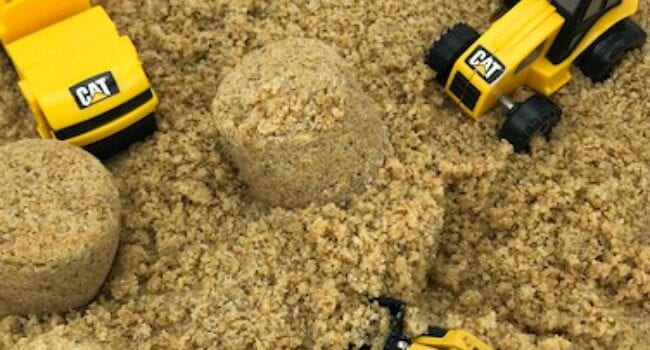
a white bin filled with kinetic sand also contains 3 small construction vehicle toys that are yellow and black in colour.

By Sharla Kostelyk

Kinetic sand is such a neat sensory experience for kids. It is fun to play with, sparks creativity, and offers great sensory input. I don’t know if you’ve noticed or not, but the kinetic sand in stores is expensive.

Once your kids play with the kinetic sand for a while (particularly if it’s in a classroom or day care and multiple children have their hands in it), it can get dirty. That means it needs to be thrown out. Which means you need to buy more. That’s why homemade kinetic sand is such a great option. You won’t believe how easy this recipe is to make!
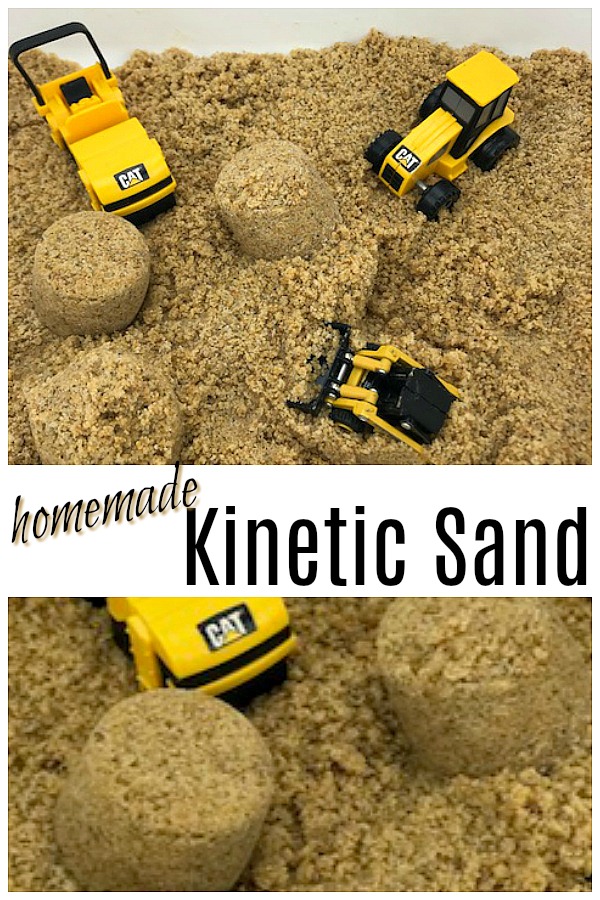
Homemade Kinetic Sand #sensoryplay #sensoryplayrecipes #kineticsand

What is Kinetic Sand?

Kinetic sand is sand that has had ingredients added to it so that it becomes mouldable like clay. It continues to have the grainy properties of sand, creating an interesting texture experience.

Yet it sticks to itself, much like wet sand at the beach. When you are on the shore making sand castles or sand sculptures, you need to add water to keep the structures from becoming too dry and crumbling. This is essentially the idea behind kinetic sand.

DIY Kinetic Sand Recipe

Ingredients:

  • 4 cups sand
  • 2 1/2 cups flour
  • 3/4 cup vegetable oil

How To Make Kinetic Sand:

  1. Measure out the sand and flour and add to a large bowl.
  2. Mix the sand and flour together.
  3. Stir in the oil. Combine well.

Now you have your own homemade kinetic sand to play with!

This recipe is included in our Sensory Play Recipes eBook. It includes more than 25 easy to make recipes for awesome sensory activity options. If you’d like a sample that includes 5 recipes from the book, just pop your email into the box below.

Does Kinetic Sand Dry Out?

If the sand begins to dry out after a few weeks, you can mix in a few drops more of vegetable oil and give it a good stir.   
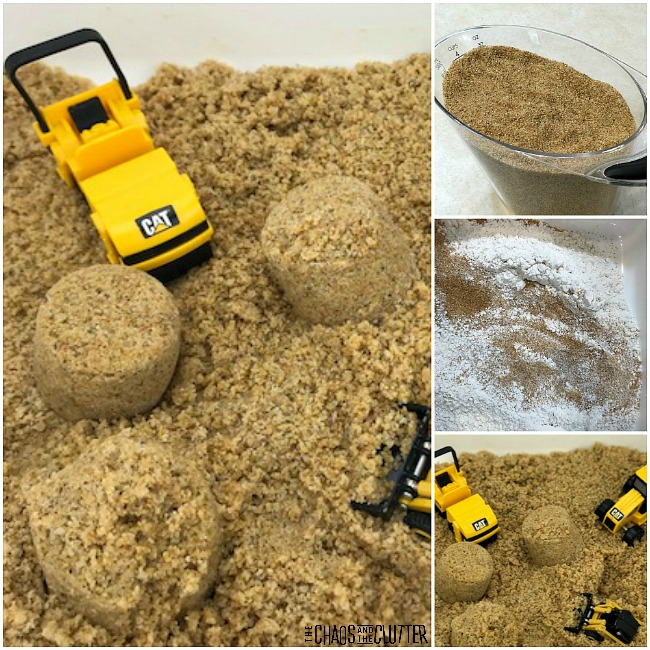
Homemade kinetic sand is wonderful for playing with and such an easy recipe to make. You can buy enough sand to make large quantities of your own kinetic sand for the same cost as one pack of store bought variety.

You can also purchase sand in cool colours. This allows you to make coloured kinetic sand.

I put the kinetic sand in a sensory bin and added some small construction vehicles and a scoop. This created a sensory bin that encouraged imaginative play. Even my teens enjoyed playing with this one. They especially liked packing it into small cups and creating mounds and then pushing them over with the toy steamroller.

One of my sons couldn’t seem to get enough of squishing this in his fists and then releasing it to feel it fall through his fingers.
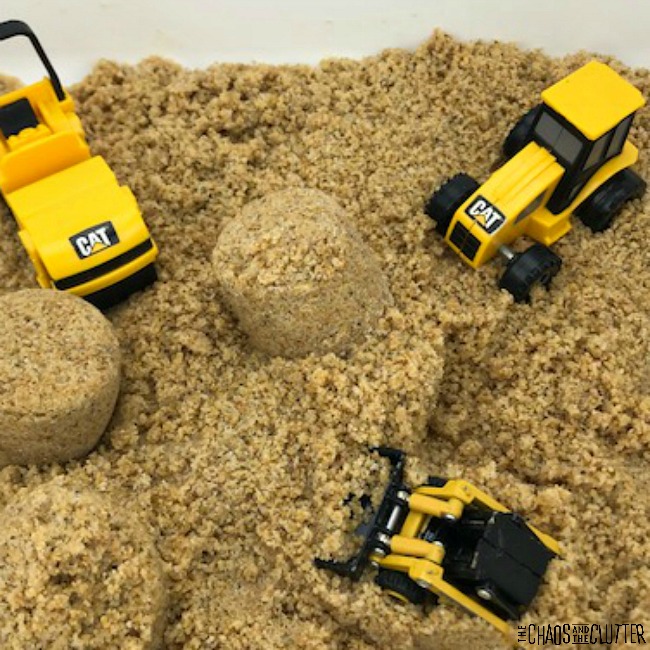
how to make your own kinetic sand

Other Play Ideas

You could also use this play material to create a beach sensory bin with seashells, small sand toys, glass beads, and rocks.

Or you could simply dump it in a kinetic sand tray and let your child’s imagination lead the way. They can stamp in this sensory play material with cookie cutters or stamps. Kids can experiment with creating shapes. They can add small toys to create a small world. There are so many options.

For therapists, this is an interesting material to use in sand trays. The proprioceptive sensory feedback kids receive from squishing and squeezing the sand can create a calming effect. You can still have the child add toys and play out scenes.

Once you know how to make kinetic sand at home and realize how easy it is, you’ll never need to buy it again!
Click here for more easy sensory play ideas:

Snow Playdough

Milky Slime Recipe

Unique Types of Slime

The Mega List of Sensory Bottles 

Filed Under: Sensory Tagged With: sensory bin, sensory play

Pumpkin Pie Scented Moon Dough

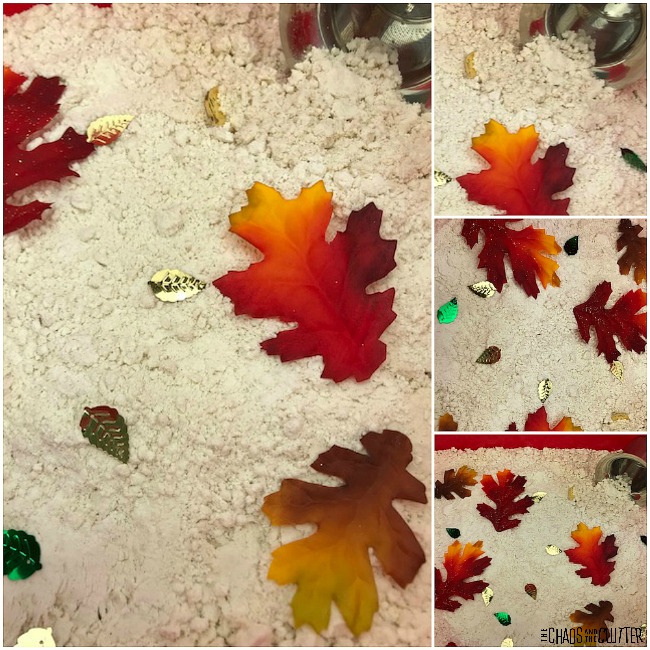
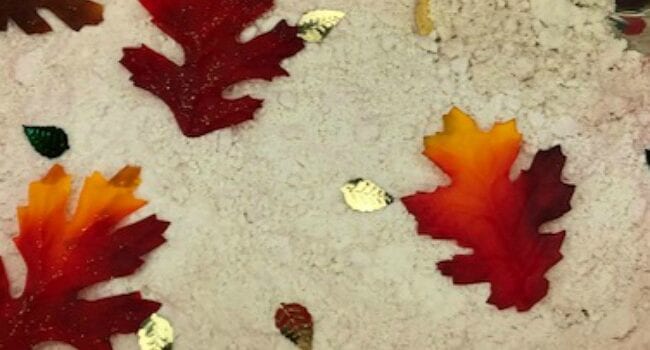
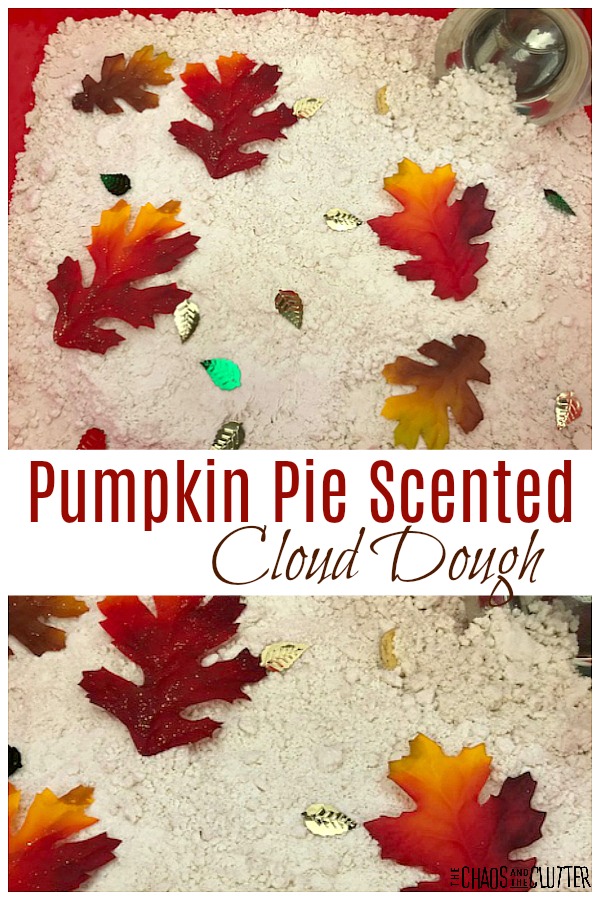
in a red plastic bin, light almost white cloud dough is sprinkled with fall coloured plastic leaves and small metallic leaf shaped confetti. There is also a metal scoop in the corner.

By Sharla Kostelyk

This pumpkin pie scented moon dough is the perfect Fall sensory bin filler. Create a sensory experience that involves both the olfactory and tactile sensory systems.

To me, the smell of Fall is encapsulated in pumpkin pie spice. The scent reminds me of my grandma’s pumpkin muffins and takes me back to my childhood. Pumpkin Pie Scented Cloud Dough #olfactory #sensoryplay #clouddough

Pumpkin Pie Scented Moon Dough Recipe:

Supplies:

  • 4 cups flour
  • 2 tsp. pumpkin pie spice
  • 1/2 cup vegetable oil

Directions:

  1. In a bowl, mix the flour together with the pumpkin pie spice.
  2. Pour in the vegetable oil.
  3. Stir well and then knead by hand.

Since everything in this play recipe is edible, this moon dough is taste safe. This makes it a good sensory play option to use with babies and toddlers. Of course, adult supervision should always be used.
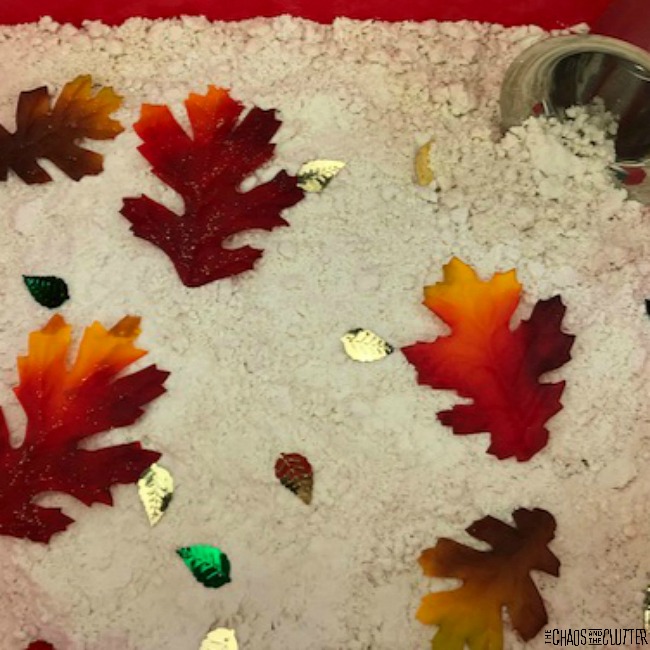
Dump the scented moon dough in a plastic bin. If you want, you can add some Fall themed items. I added silk fall leaves, leaf confetti, and a small scoop in our bin. If using this bin with babies, skip the addition of the leaves and confetti.

This recipe is included in our Sensory Play Recipes eBook. It includes more than 25 easy to make recipes for awesome sensory activity options. You can get a sample of 5 of the recipes in the book by filling in your email below:

This dough is soft and mouldable. It forms shapes in your hand but can still revert to its powered state. The addition of the pumpkin pie spice provides the scent and also a slight hint of brown in the dough, adding to the Fall feel of the experience.Moon dough can be messy. Messy play is great for kids, but not always as fun for parents!
It works well to put an old sheet or tablecloth underneath the area you are playing in. You can also use a shower curtain purchased from the dollar store. This contains the mess. When the kids are done playing, you can gather up the corners and shake it outside.

You may be interested in some of our other sensory experiences:

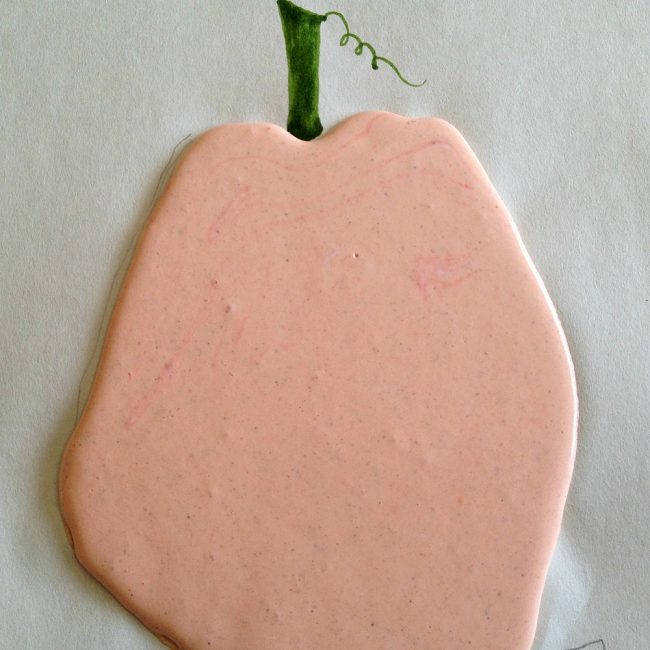
Pumpkin Scented Puffy Paint

How to Colour Moon Dough

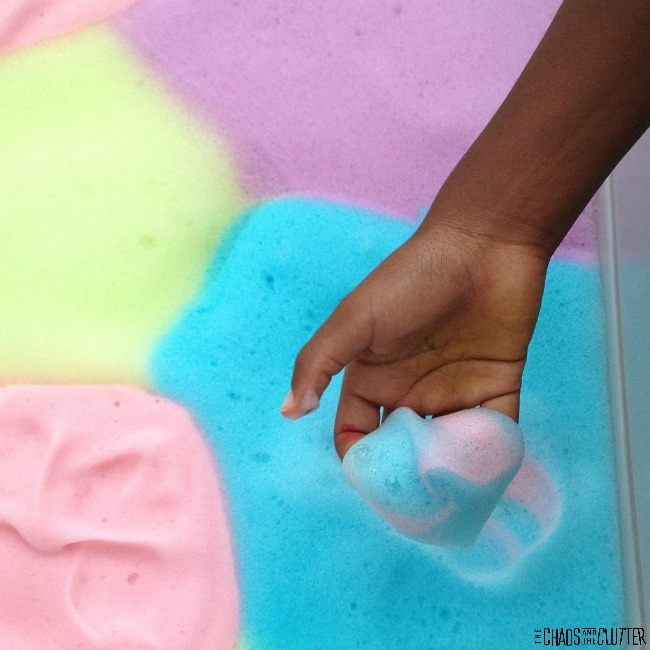
Rainbow Soap Foam

Filed Under: Sensory Tagged With: sensory bin, sensory play

How to Colour Moon Dough

By Sharla Kostelyk

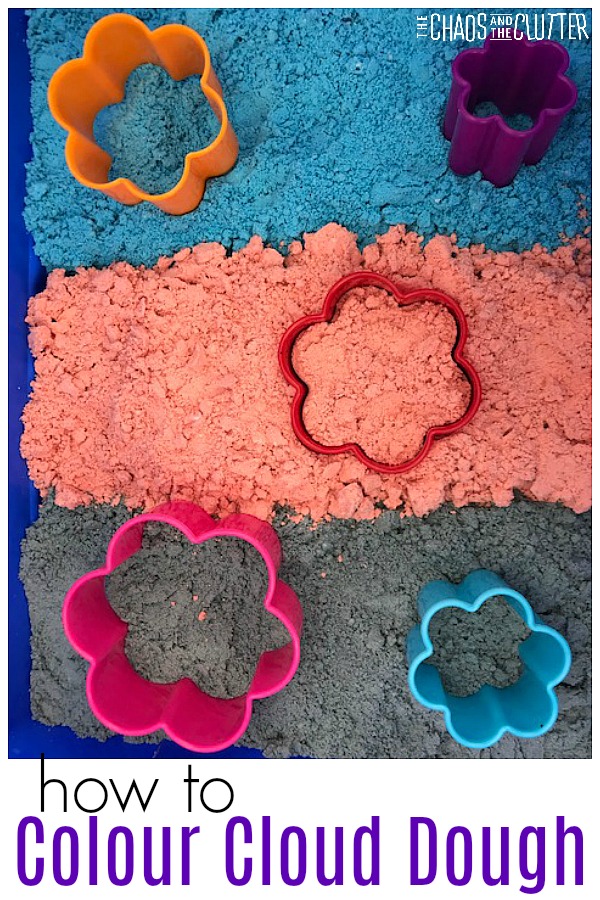
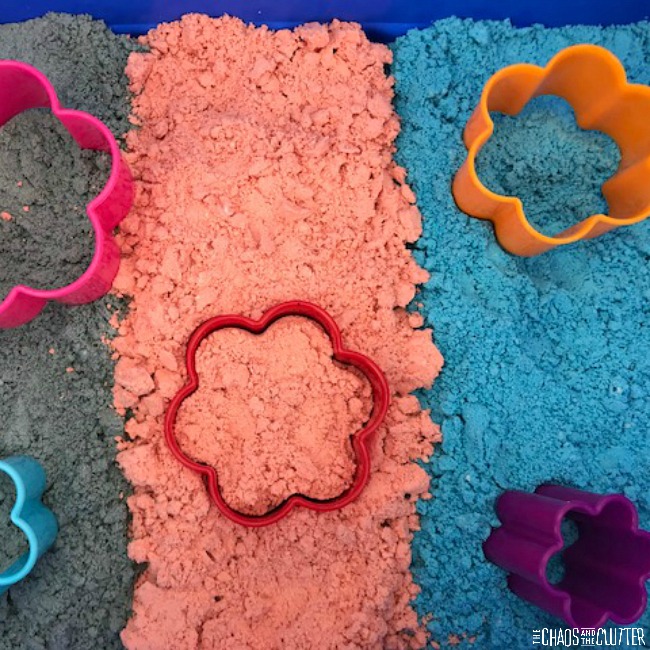
Moon dough (sometimes called Cloud Dough) is great for sensory play. Follow these simple instructions for how to colour moon dough. Being able to make it in a variety of colours enables you to make it for specific themes or holidays. How to Colour Cloud Dough #sensoryplay #clouddough #kidsactivitiesI love the silky soft feel of moon dough. The texture is hard to beat. It is messy sensory play at its best. It is easy to make. Moon dough uses common ingredients that are already in most people’s kitchens.
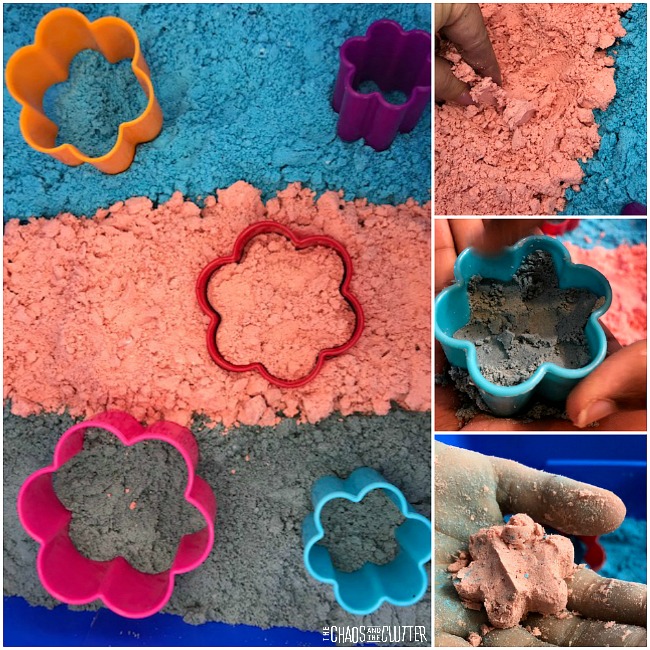
Playing with moon dough is fun for kids as they explore the feel of it. It is powdery, but it is also moldable. This creates endless possibilities for play. My favourite recipe is one that uses baby oil, but I wanted this recipe to be taste safe for it to be baby safe, so I have used an edible oil in this one instead.
How to Colour Moon Dough:

Supplies:

  • 2 cups flour
  • 1/4 cup canola oil
  • 1 tsp. candy colour*

* It is important that you use candy colour in this recipe and not food colouring. Food colouring won’t mix with the oil, but oil based candy colour will.

Directions:

  1. Pour the candy colour into the oil and stir well.
  2. In a medium sized bowl, dump the 2 cups of flour.
  3. Pour the coloured vegetable oil into the flour and stir.
  4. Once it is well mixed, knead with your hands to continue to distribute the colour throughout the dough.

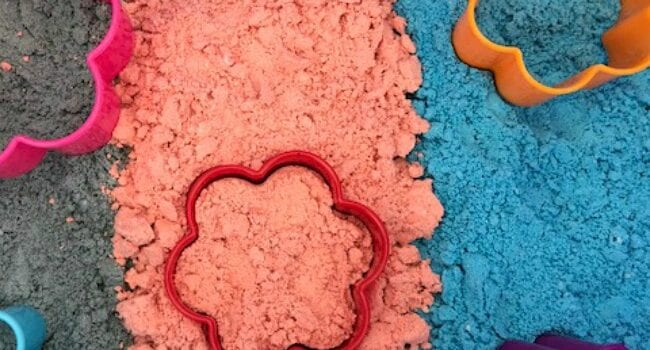
You can repeat the process as many times as you like to create different colours. This recipe is taste safe so it can be used with babies who have a tendency to put everything in their mouths as they explore the world around them. It won’t taste great, but it isn’t harmful.

As with all sensory play, adult supervision should be used at all times.

This recipe is included in our Sensory Play Recipes eBook. It includes more than 25 easy to make recipes for awesome sensory activity options. You can try a sample of five of the recipes just by putting your email below:

Another way to colour moon dough:

Supplies:

  • 2 cups of flour
  • sidewalk chalk
  • 1/4 cup vegetable oil

Directions:

  1. Grate or pound a piece of sidewalk chalk into powder.
  2. Mix the chalk powder into the flour in a medium bowl.
  3. Pour in the vegetable oil and mix.
  4. Knead by hand to further combine.

Repeat the process with other colours of chalk to create more colour options.

This recipe is obviously not taste safe because of the chalk in it. It is best to use the other recipe with babies and little ones who may try to put it in their mouths. This moon dough recipe is a good one to use with older kids though.

What about the mess?

Coloured moon dough is messy no matter which recipe you use. It’s best to keep it away from carpet or couches that may stain.

I know that messy sensory play is something that can make parents squirm, but there are ways to keep the mess somewhat contained and still give your kids all the benefits of sensory play.

Place the moon dough in a bin and take it outside if possible. In the cold of winter, you can place the bin on an old sheet or buy a shower curtain from the dollar store to put it on.

When play time is over, gather up the corners of the sheet or shower curtain and take it outside. Give it a shake. Just like that, any of the dough not in the bin won’t be on your floor!

Check out some of our other sensory play recipes:

Pumpkin Pie Scented Moon Doughin a red plastic bin, light almost white cloud dough is sprinkled with fall coloured plastic leaves and small metallic leaf shaped confetti. There is also a metal scoop in the corner.

Rainbow Soap Foam Condensed Milk Paint

Filed Under: Sensory Tagged With: sensory play

Glow in the Dark Slime with Glitter

By Sharla Kostelyk

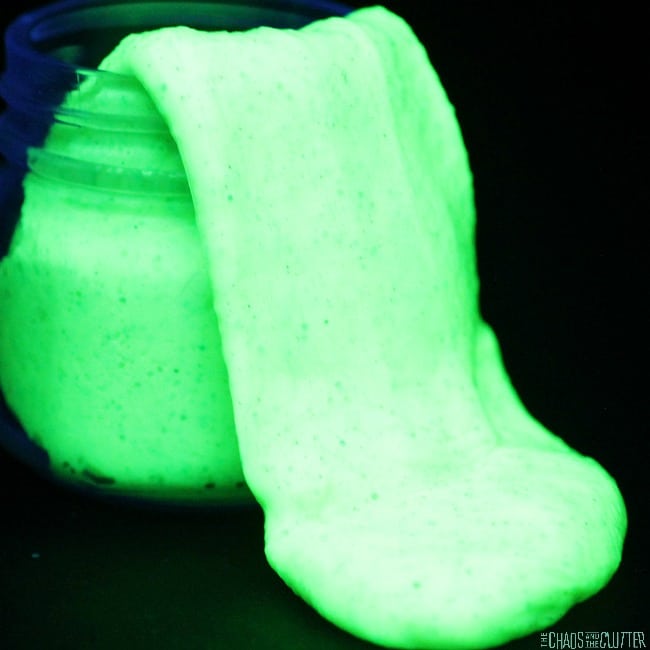
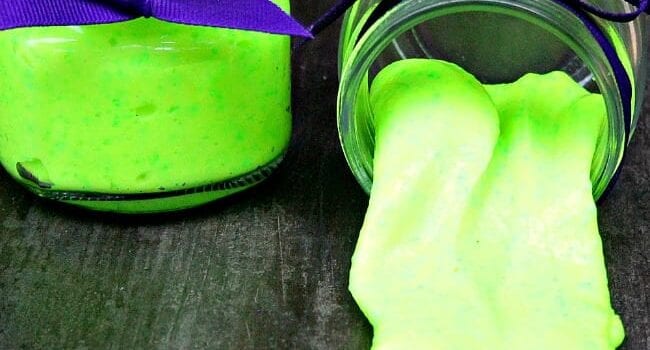
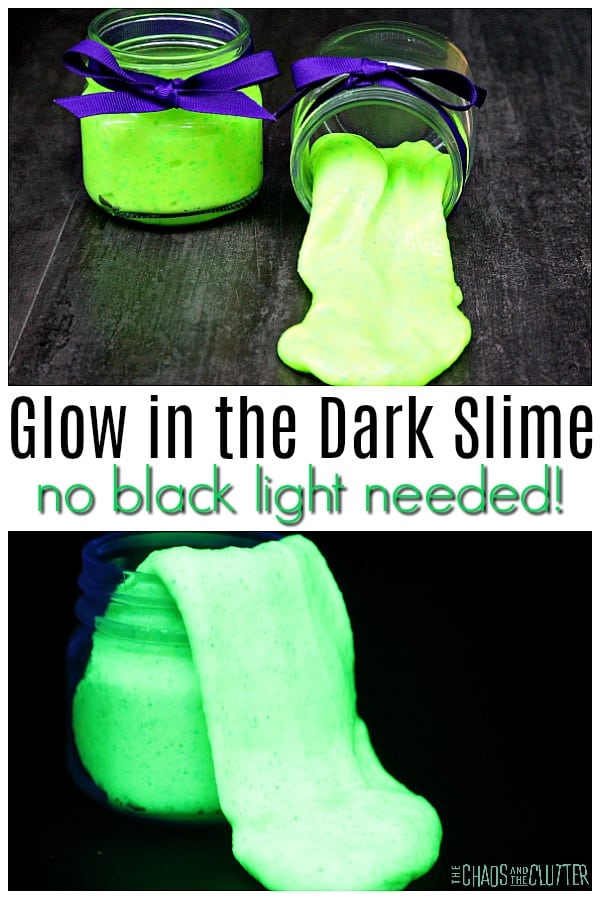
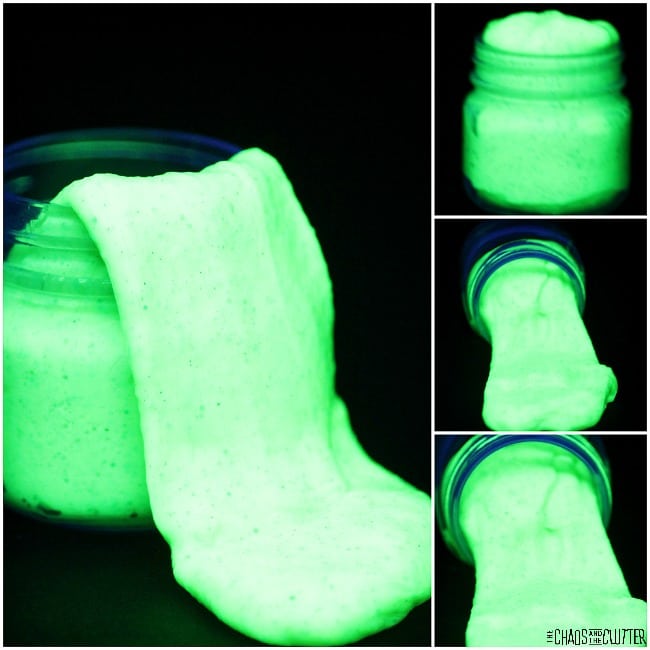
Glow in the dark slime is easier to make than you may think. This particular slime doesn’t even need a black light to glow. Glow in the Dark Slime (no black light needed) #sensoryplay #glowinthedarkslime #slimerecipesAdult supervision should always be used when making slime.
Glow in the Dark Slime Recipe:

  • 6 oz. Elmer’s washable clear school glue
  • 10 drops vetiver essential oil
  • 1 Tbsp. baking soda
  • 2 tsp. glow in the dark paint or gel
  • 1 Tbsp. glow in the dark powder
  • 1-3 Tbsp. contact solution (be sure that the contact solution you use includes both boric acid and sodium borate in the ingredient list or it won’t work)
  • 2-3 Tbsp. of neon glitter Instructions:
  1. Add the glue and essential oil to a small glass bowl and stir.
  2. Add the glow in the dark paint or gel, the glow in the dark powder, and the baking soda.
  3. Mix everything together.
  4. Add 1 Tablespoon of contact solution to the bowl. Mix well.
  5. You know that the slime mixture is ready to come out of the bowl when it pulls away from the edges of the bowl. You may need to add another Tablespoon or two to the mixture for it to come away completely.
  6. Remove the slime from the bowl* and knead it on a flat surface until it’s nice and smooth.
  7. Add the glitter and continue to knead until it is incorporated into the slime.

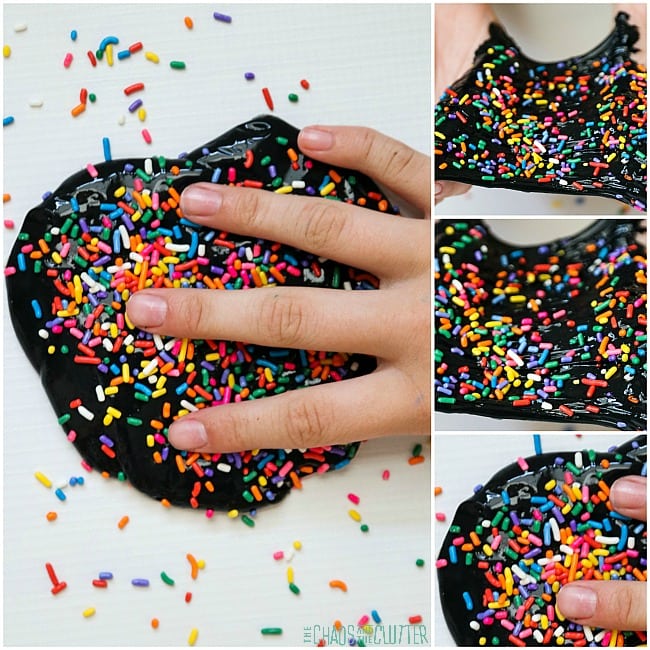
To make the slime glow, hold it under a light or take it into the sunlight for about 30 seconds. Then, bring it into a completely dark room and it will glow! Store the glow in the dark slime in an airtight container or plastic bag. If stored properly, this slime will keep for a long time.
*Pro slime making tip: Squeeze a drop of the saline solution onto your finger and rub gently onto both hands before handling the slime. This will prevent the slime from sticking to you.

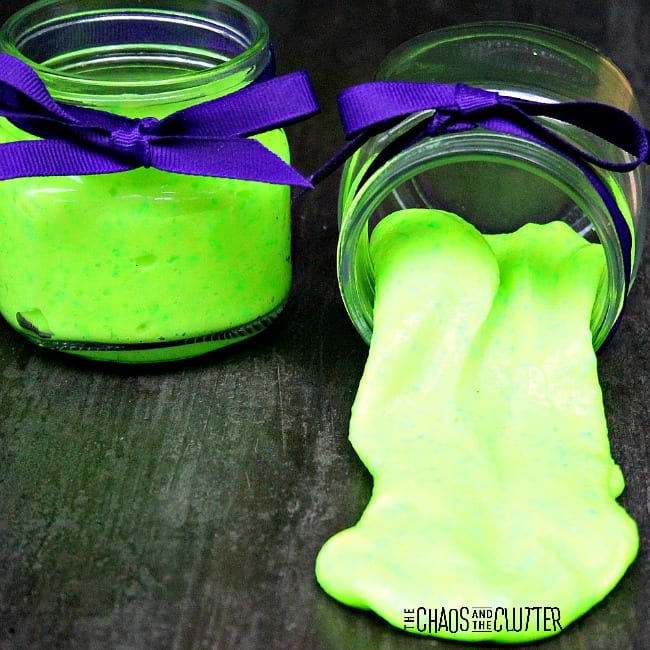
This slime would be cool to make for Halloween or for a sleepover party. The kids could enjoy its glow after dark. If you want to give it out as party favours, you can use baby food jars as containers wrapped with purple ribbon around the top.
Check out some of our other awesome slime recipes:

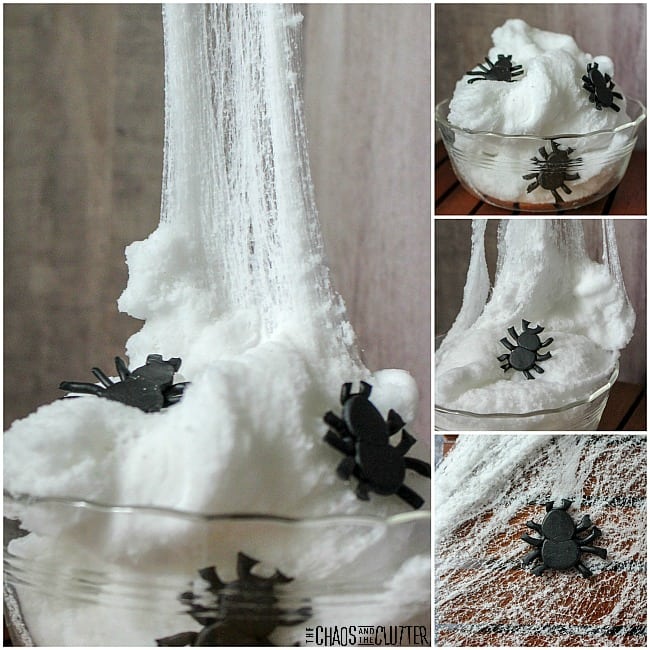
Creepy Spider Web Slime

Peppermint Ribbon Scented Slime

Rainbow Confetti Party Slime

Filed Under: Crafts and Activities, Sensory Tagged With: sensory play, slime

Easy Fall Sensory Bag

By Sharla Kostelyk

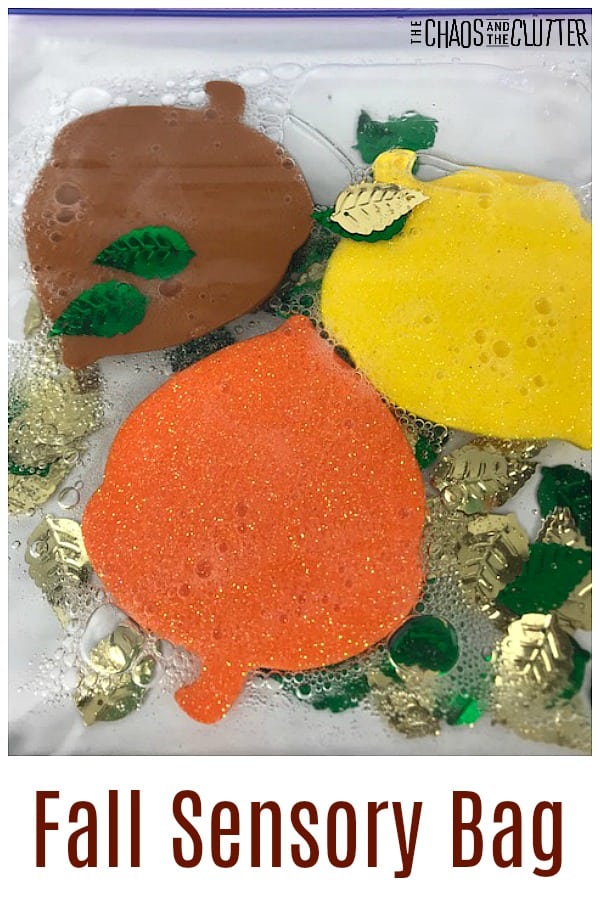
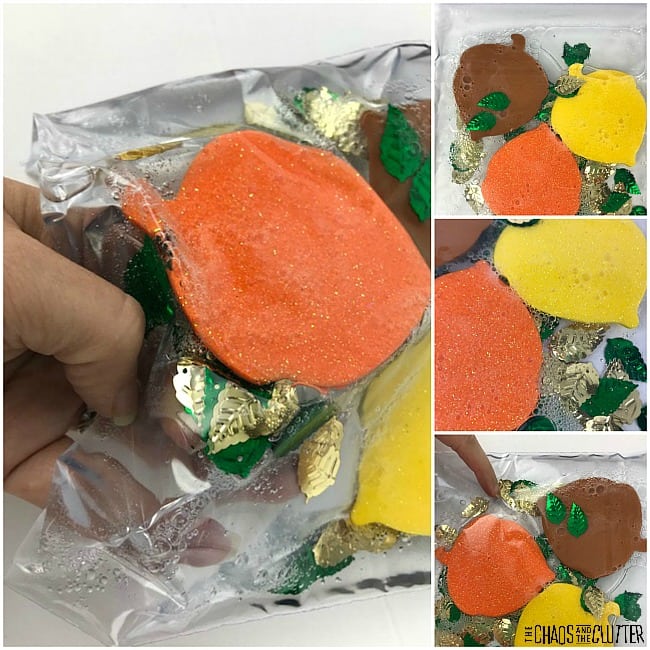
I love the colours of autumn. I wanted to bring that into this activity. With just a few items, you can create a simple Fall sensory bag. This is great for a sensory station or easy busy bag.

This Fall sensory bag is as simple as it gets. #sensoryplay #sensorybagsSensory bags engage the senses while containing the mess.
Of course, if you have little ones, you’ll want to seal the bag and make sure that they don’t put it in their mouths. To seal the bag, simple fold duct tape over all the edges. You can use duct tape in fall patterns or fun colours.

How to make a Fall Sensory Bag:

  • foam acorn shapes
  • confetti leaves
  • hand sanitizer
  • resealable plastic bag
  • glitter (optional)
  • duct tape (optional)

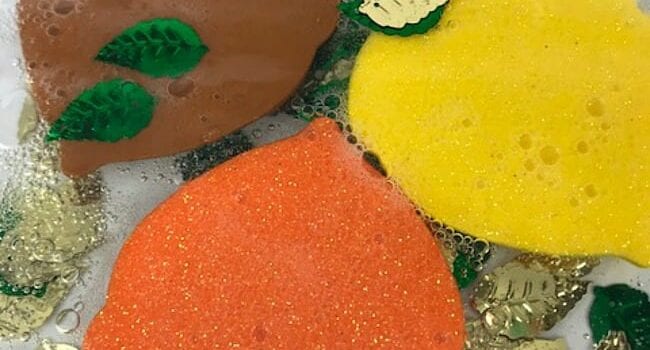
Place two or three of the foam shapes in a medium sized or sandwich sized resealable bag. Add in the confetti leaves. Squeeze some hand sanitizer into the bag and begin to seal. Remove as much excess air as you can and completely seal the bag. If you’re using the sensory bag with babies, toddlers, or preschoolers, I recommend sealing the bag with duct tape. Fold duct tape over all sides of the bag. You can find all kinds of fun coordinating prints and colours.
Some of the foam shapes we used had glitter on them, so I didn’t feel it necessary to add glitter to our sensory bag, but you could add in some glitter in gold or brown.

We also made a Fall Sensory Bottle and a Fall Sensory Bin to play with.

Check out some of our other sensory bags for kids:

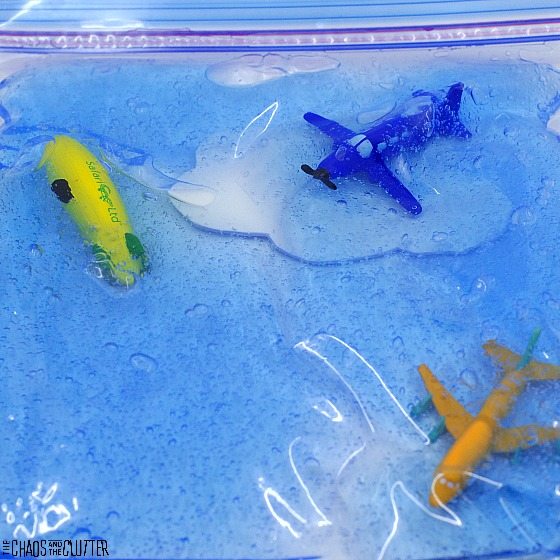
Squishy Sky Sensory Bag

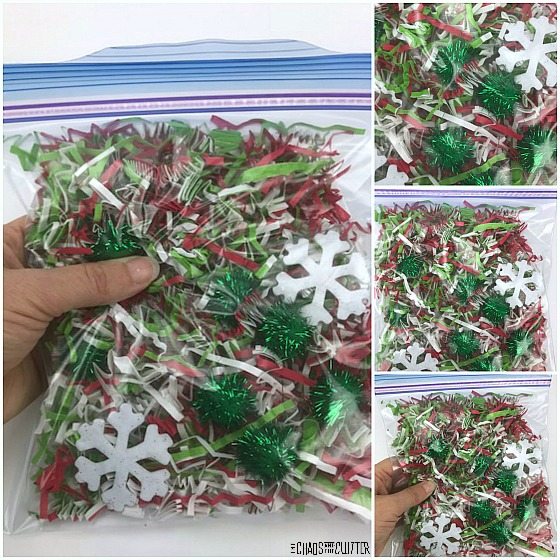
Christmas Sensory Bag

Filed Under: Sensory Tagged With: sensory bags, sensory play

Peppermint Scented Slime Recipe

By Sharla Kostelyk

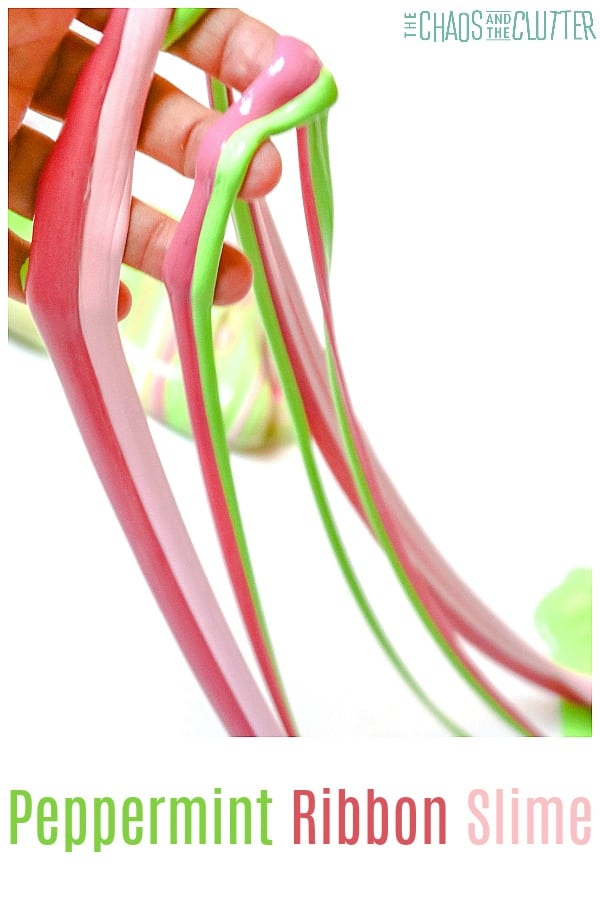
I’ve been wanting to try to make a scented slime for awhile now. This peppermint scented slime is just the kind I was hoping to make. Peppermint Scented Slime #slimerecipes #sensoryplay #sensoryactivities #sensoryprocessingexplained

Slime is already such an intense sensory experience. It engages the visual, tactile and proprioception sensory systems. Adding scent to it engages the olfactory sense as well.

Be aware that peppermint is an alerting scent, so this is not a good pre-bedtime activity! Alerting scents can be extremely useful though.

If you find that your child is in a state of their “engine running low”, an alerting scent combined with the proprioceptive input of playing with slime can “wake” them up. This can help them maintain attention and be more engaged. 

Peppermint Scented Slime:

  • 16 oz. Elmer’s washable school glue
  • 1 cup liquid starch
  • 3-5 drops of peppermint essential oil
  • lime green acrylic paint
  • raspberry pink acrylic paint
  • light pink acrylic paint

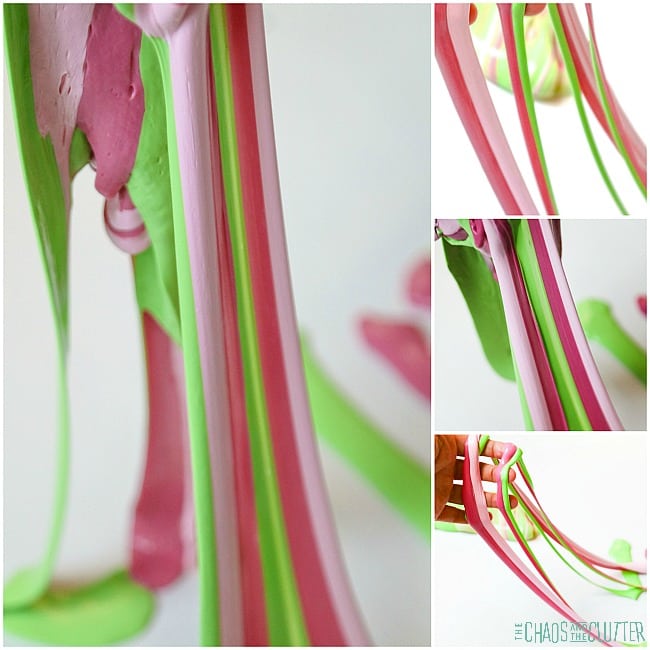
Mix together the white glue and drops of peppermint essential oil in a large bowl. Add the liquid starch slowly, a bit at a time and stir as you add. When it starts to pull away from the sides, divide it in equal parts into three smaller bowls.

In one bowl, stir in a few squirts of the green paint. In another bowl, stir in a few quirts of the darker pink paint. In the last bowl, mix in the lighter pink paint. Knead each one separately until it becomes the consistency of slime.
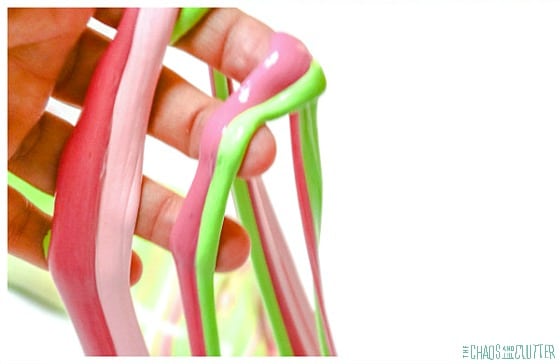
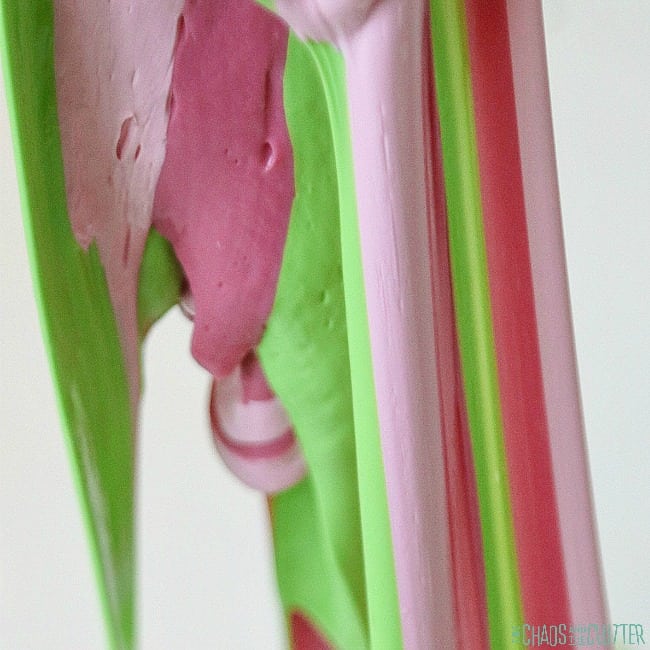
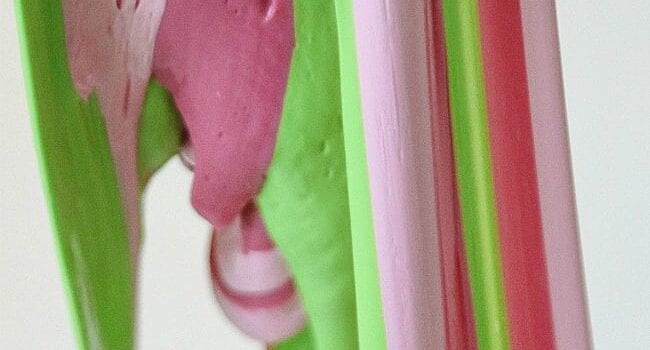
The cool thing is that if you set the colours next to each other in thin strips, it looks like peppermint ribbon candy! Just a little note to add: once you start playing with all three colours together, they will eventually mix. The colours don’t stay magically separated!

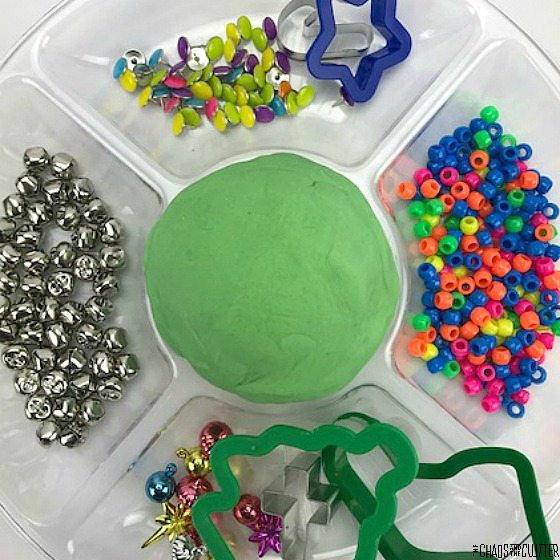
When not in use, store the slime(s) in airtight containers or sealed bags at room temperature.

Check out these other scented sensory play activities:

Calming Lavender Scented Bubble Recipe 

Peppermint Scented Christmas Playdough 

Filed Under: Christmas, Crafts and Activities, Sensory Tagged With: sensory play, slime

  • « Go to Previous Page
  • Page 1
  • Interim pages omitted …
  • Page 23
  • Page 24
  • Page 25
  • Page 26
  • Page 27
  • Interim pages omitted …
  • Page 45
  • Go to Next Page »

Primary Sidebar

Categories

We are a participant in the Amazon Services LLC Associates Program, an affiliate advertising program designed to provide a means for us to earn fees by linking to Amazon.com and affiliated sites.

Copyright © 2026 • The Chaos and the Clutter • Site Design by Jeni @ The Blog Maven

Return to top of page

Copyright © 2026 · Chaos and the Clutter 2.0 on Genesis Framework · WordPress · Log in