• Skip to primary navigation
  • Skip to main content
  • Skip to primary sidebar
  • Home
  • About
  • Contact
  • Privacy + Terms
  • Affiliates

The Chaos and the Clutter

  • Facebook
  • Twitter
  • Pinterest
  • Google Plus
  • RSS
  • Email
  • School at Home
  • Sensory
    • Sensory Processing Disorder
    • Awesome Sensory Play Activities
      • Sensory Bins
      • Sensory Bottles
      • Sensory Bags
  • Family Games
    • Minute to Win It Games
  • Special Needs Parenting
    • Childhood Anxiety
    • Reactive Attachment Disorder
    • Sensory Processing Disorder
  • Store
  • Course Login

Sharla Kostelyk

August Emotions Printables

By Sharla Kostelyk

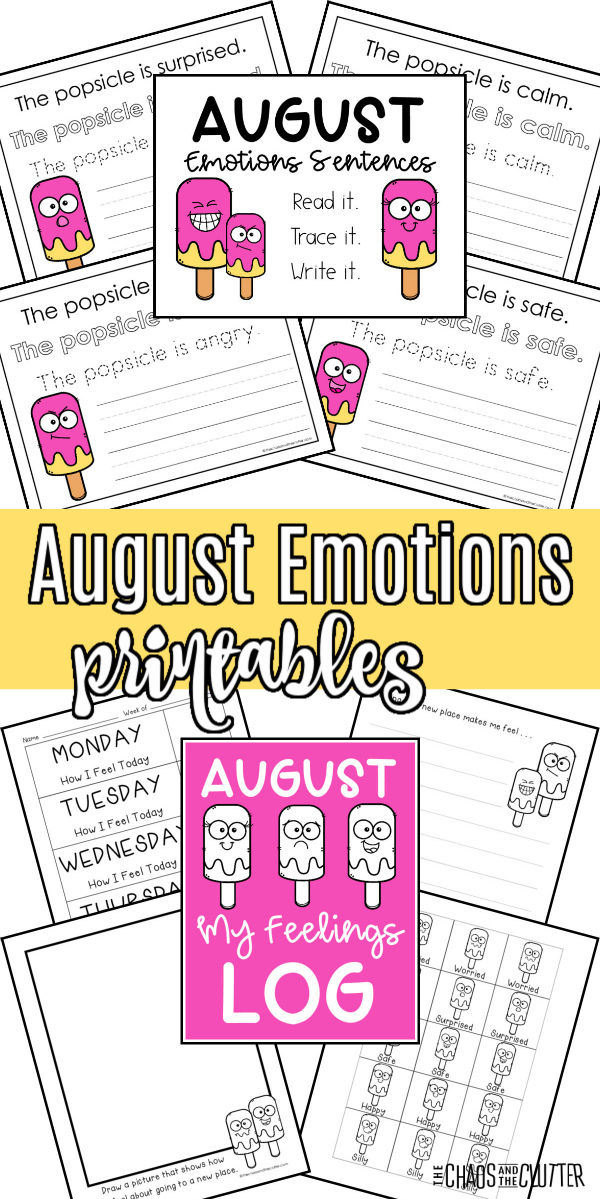
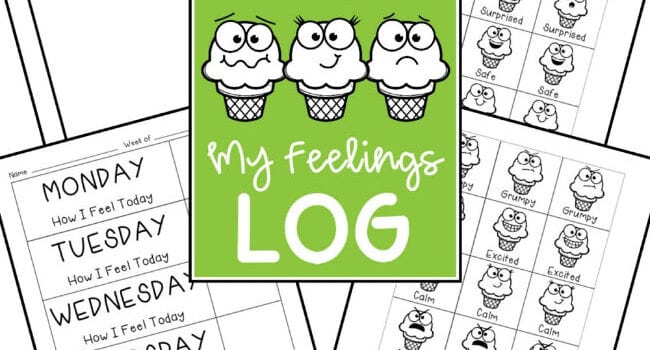
These adorable popsicle themed emotions printable sets for August are great for helping kids express themselves. These printables are free to download and use with your child or students. collage of printed pages for kids about emotionsI’m a big believer in giving kids a strong emotional vocabulary to help them advocate for what they need and feel empowered and comfortable in managing their own emotions. These worksheets can be a tool towards that.
August Printables for Kids:

August Copywork Emotions Sentences:

Supplies needed:

  • August Emotions Printable pages (download Emotions pages here)
  • pen or pencil OR
  • plastic sleeve AND dry erase marker

If you want sheets to be reusable, simply laminate the pages or slip them into a plastic page protector. Students can then use a dry erase marker to do the tracing and writing themselves. Or they can write directly on the pages with a pen, pencil, marker, or coloured pencils.
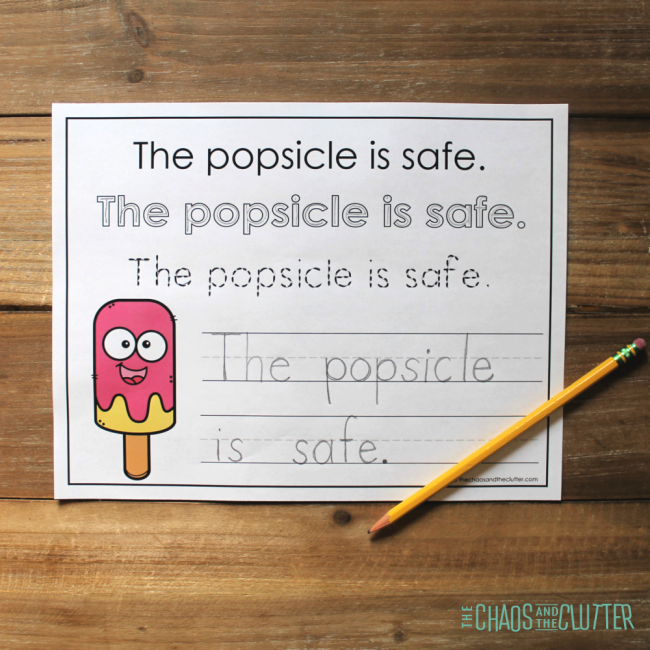
Copywork Sentences Instructions for the child:

  1. Read the sentence.
  2. Fill in the outline.
  3. Trace the dotted words.
  4. Write the sentence on the lines provided.
  5. Discuss the various emotions.

While copying out sentences may not seem that significant, these sentences do more than simply help a child practise their penmanship! Copying out sentences about feelings can be a good launching off place for discussions and they help create a culture where it’s normal to hear about and talk about their own feelings.

You can also expand this by having your child talk about a particular time or situation in their life where they felt that emotion and how that was for them.
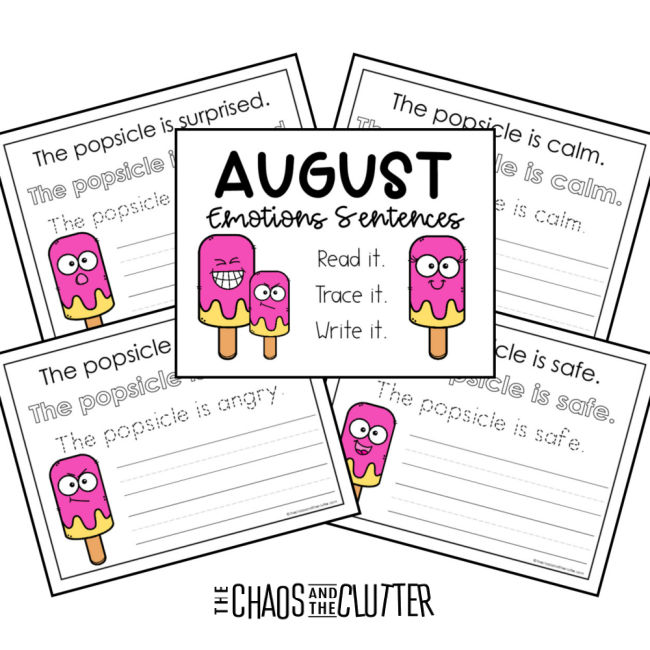
August My Feelings Log:

Supplies needed:

  • printed Feelings Log (download Emotions pages here)
  • scissors
  • glue stick
  • markers, pencil crayons (coloured pencils), or crayons
  • pen or pencil

My Feelings Log Instructions for the child:

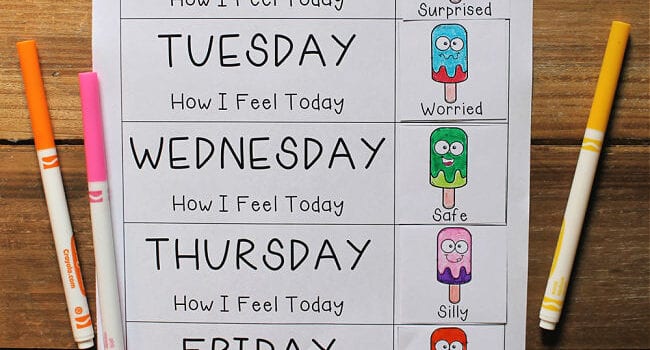
  1. Choose one popsicle icon each day to colour, cut, and paste into your log to represent how you are feeling at that time.
  2. At the end of the month, you’ll be able to look back and see all the different emotions you felt.
  3. Discuss your feelings with a parent or trusted adult.
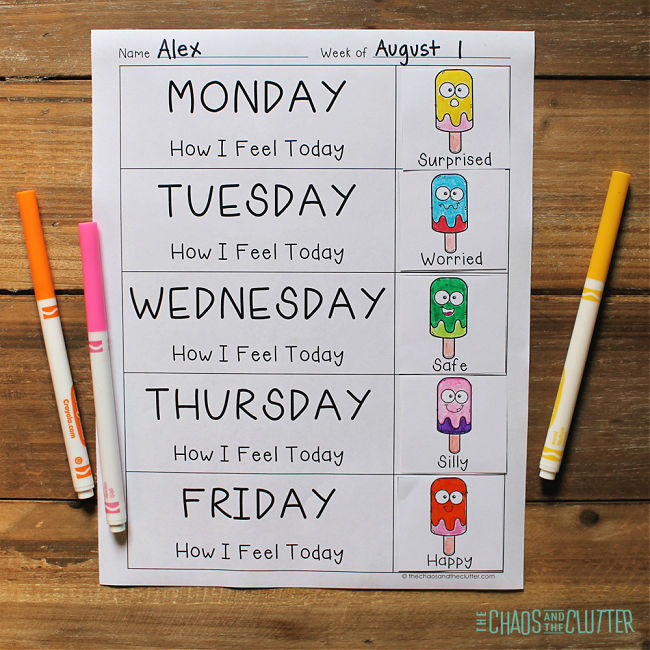
This month’s Feeling Logs focus on feelings about going to a new place. This can relate to going to a new school, new classroom, new vacation spot, or any other place that is new for your child. 

These cute popsicle visuals can be a tool to help your child better identify and then work through their own emotions. You can sit down together and have them show you which they have chosen.

Once you see HOW they are feeling that day, you can help them dig into the WHY behind those feelings. Be sure to explain to them that it’s normal to have more than one emotion in the course of a day and that there are no “right” or “wrong” feelings. 

After figuring out what their feelings are and the root of them, you can work together with your child on strategies for better managing how they deal with that emotion.
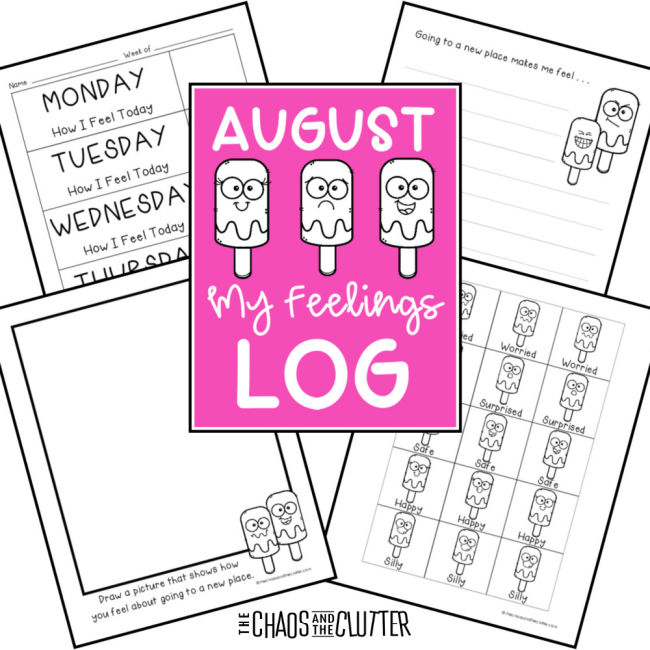
Enter your email in the box below to download your August Emotions Printable Worksheets. You can then easily print them off to use at home with your child or with your students. 

You may also be interested in:
  • July Emotions Printables
  • June Emotions Printables
  • May Emotions Printables
  • April Emotions Printables

Filed Under: Homeschooling, Printables

July Emotions Printables

By Sharla Kostelyk

Summer is in full swing. While we can sometimes think of summer as a more carefree time for kids, it can also be full of mixed emotions. Some children struggle with the lack of routine while others thrive in it. Events such as family gatherings or camping trips bring with them their own joys and challenges too.

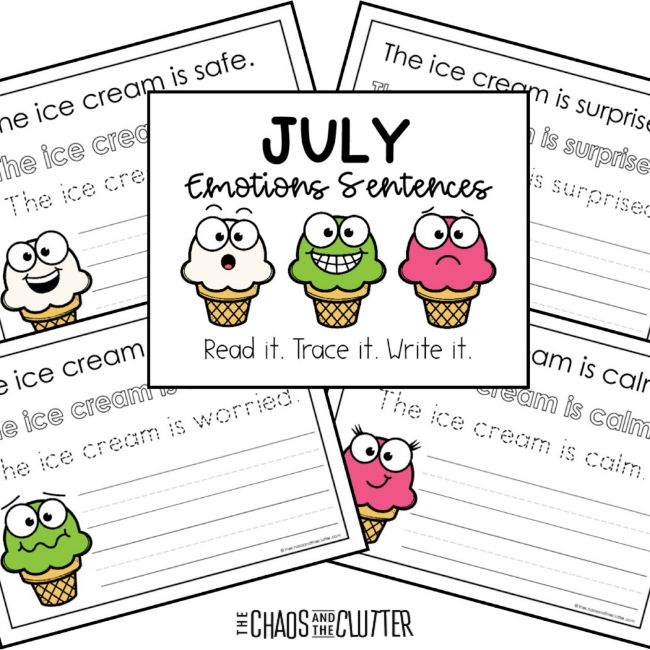
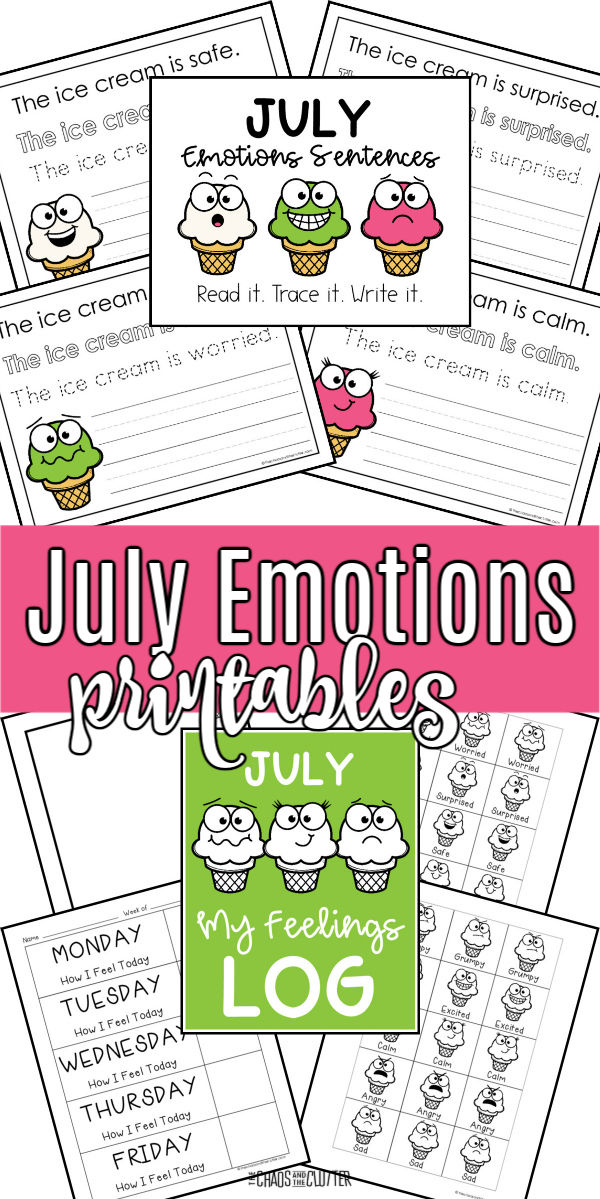
collage of pages with ice cream cones and printing. Text reads "July Emotions printables"

These worksheets are a great tool to help your child practise skills related to their emotions. Increasing a child’s emotional vocabulary is a step towards increasing empathy and emotional regulation.

July Emotions Printables for Kids:

July Copywork Emotions Sentences:

Supplies needed:

  • July Emotions Printable pages (download Emotions pages here)
  • pen or pencil OR
  • plastic sleeve AND dry erase marker

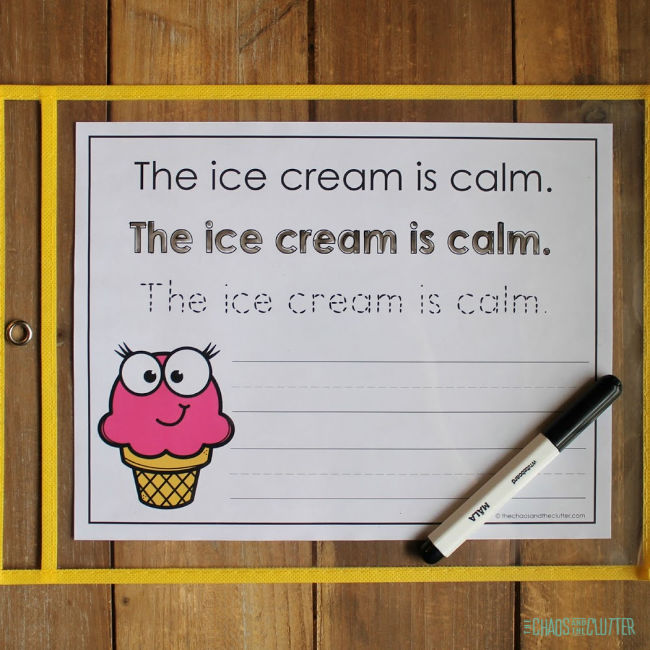
If you want for the sheets to be reusable, simply laminate the pages or slip them into a plastic page protector. Students can then use a dry erase marker to do the tracing and writing themselves. Or they can write directly on the pages with a pen, pencil, marker, or coloured pencils.

paper to print "The ice cream is calm" with a marker nearby

Copywork Sentences Instructions for the child:

  1. Read the sentence.
  2. Fill in the outline.
  3. Trace the dotted words.
  4. Write the sentence on the lines provided.
  5. Discuss the various emotions.

It may not seem like copying out sentences would lead to anything significant, but these sentences can do more than help a child practise penmanship. They are a good starting point for discussions about different feelings and they help create a culture where it’s normal to hear and talk about feelings.

You can expand the activity by having your child talk about a particular circumstance or time in their life when they felt that emotion.

July My Feelings Log:

Supplies needed:

  • printed Feelings Log (download Emotions pages here)
  • scissors
  • glue stick
  • markers, pencil crayons (coloured pencils), or crayons
  • pen or pencil

My Feelings Log Instructions for the child:

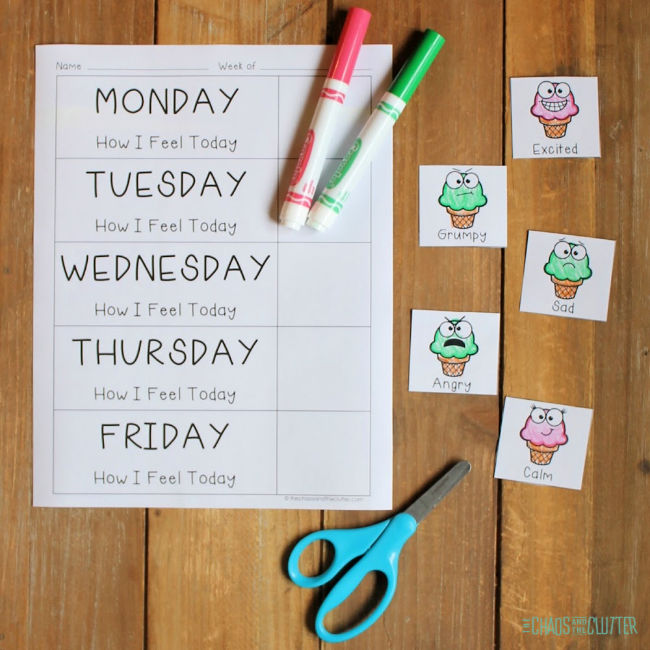
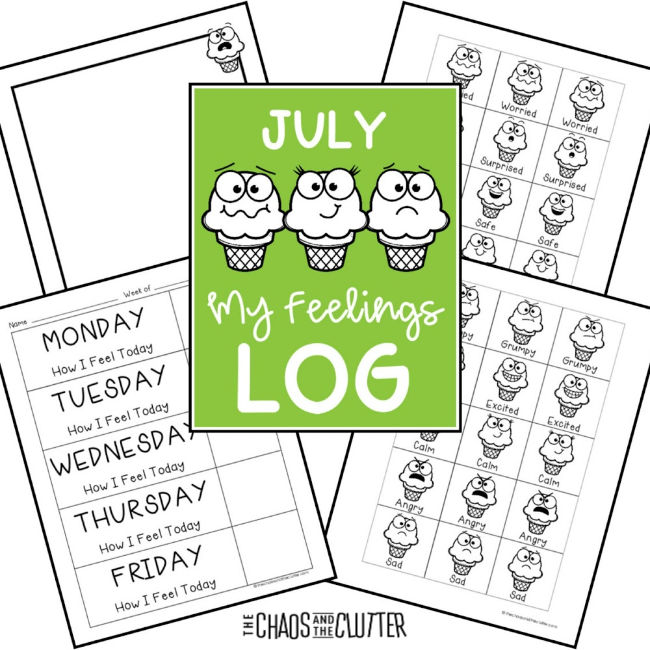
  1. Choose one ice cream icon each day to colour, cut, and paste into your log.
  2. At the end of the month, you’ll be able to look back and see all the different emotions you felt.
  3. Discuss your feelings with a parent or trusted adult.

These adorable ice cream visuals can help your child better identify and work through their own emotions. You can sit down together and see which they have chosen. Once you see HOW they are feeling that day, you can help them dig into the WHY behind those feelings. Be sure to explain to them that it’s normal to have more than one emotion in the course of a day. 

After figuring out what the feelings are, you can work together with your child on strategies for better managing how they deal with that emotion.

Enter your email in the box below to download the July Emotions Printable Worksheets. Print them off to use at home with your child or with your students. 

You may also be interested in:
  • June Emotions Printables
  • May Emotions Printables
  • April Emotions Printables

Filed Under: Homeschooling, Printables

How to Dye Noodles for Sensory Play

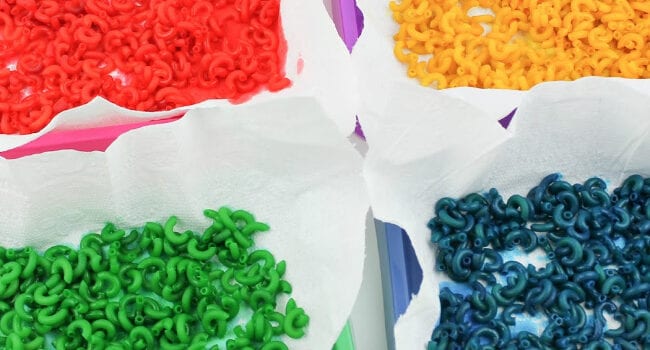
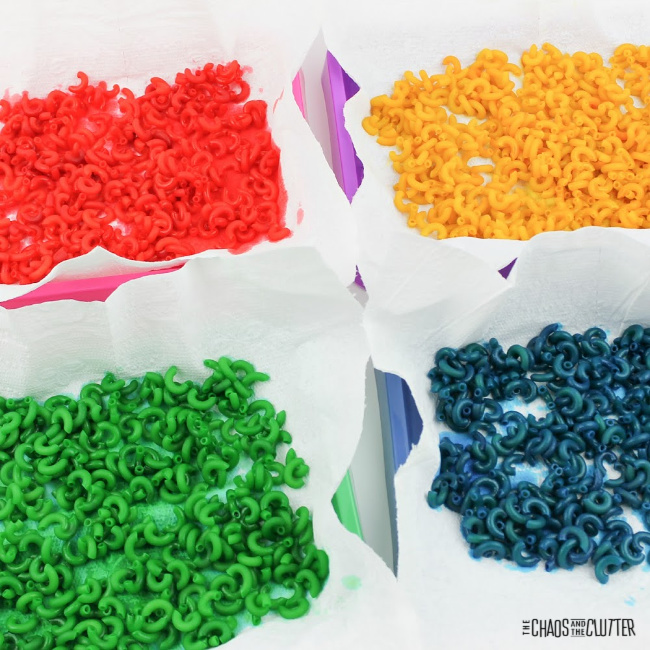
four trays. One with red macaroni, another with yellow, another with green, and the other with blue.

By Sharla Kostelyk

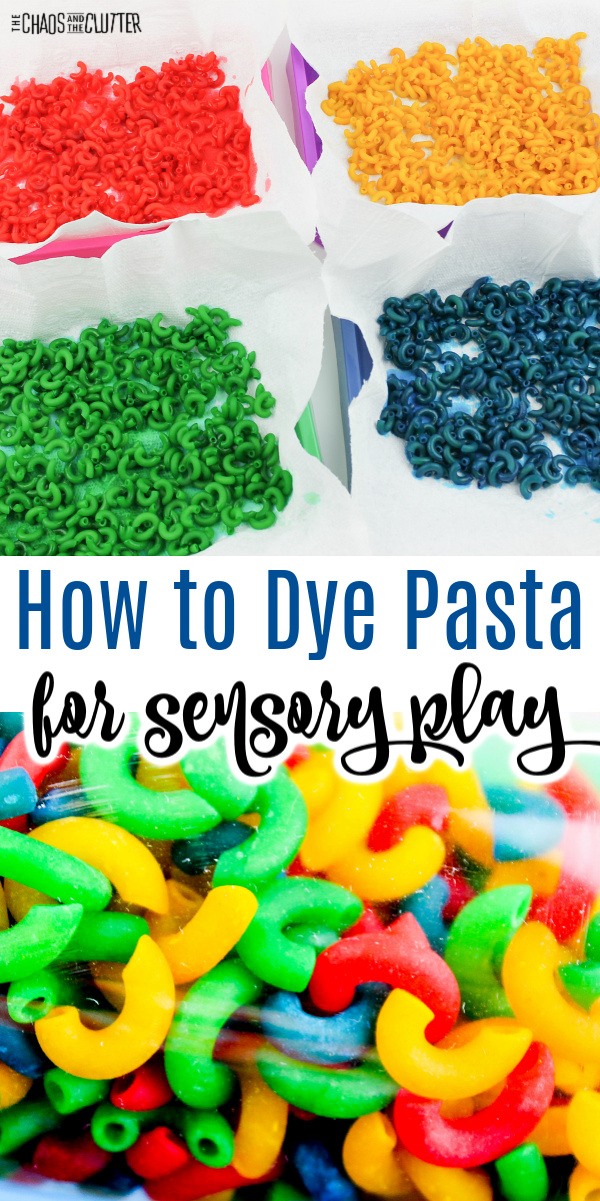
Remember the days of making macaroni necklaces at school to present to your mom for Mother’s Day? Coloured pasta is just as fun now as it was back then! Once you learn how to dye noodles, you can use them for sensory play or a variety of other activities with kids. trays of red, yellow, green, and blue macaroni noodles with text that reads "How to Dye Pasta for Sensory Play"In our house, we do a lot of sensory play. I keep a variety of materials on hand for this including dyed noodles and dyed rice. Read our instructions on how to dye rice.
How to Dye Noodles:

Supplies needed:

  • macaroni noodles (or other small noodle)
  • food colouring*
  • rubbing alcohol or white vinegar
  • plastic resealable sandwich bags (you’ll need one for each colour that you want to make
  • paper towel lined baking tray

*A note about the food colouring: You can use regular food colouring or for more vibrant colours, you can use Wilton food gel.

four trays. One with red macaroni, another with yellow, another with green, and the other with blue.Directions:

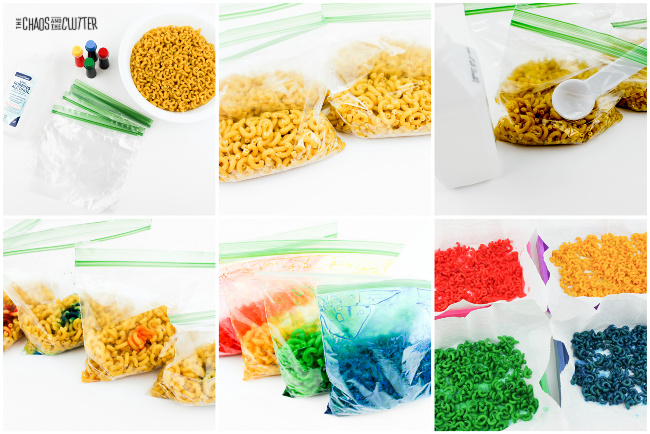
  1. Add 1 cup of dry noodles to each zipper bag. Do not seal the bags yet.
  2. Pour 1 Tbsp. rubbing alcohol or 2 tsp. vinegar into each bag.
  3. Into each bag, drop 10-20 drops of one colour of food colouring.
  4. Seal the bag well.
  5. Mix the noodles around in the bag by moving with your hands and shaking gently until they are is evenly coloured.
  6. Open the bags and pour each colour of macaroni (or other noodle shape) onto a tray to dry.
  7. Check on the macaroni noodles during the drying process and stir around to ensure the noodles are drying properly. It can take several hours for them to dry. I usually leave mine overnight to be sure.
  8. The coloured noodles are now ready to be used in sensory play.
  9. When not in use, store your dyed pasta in an airtight container or sealed bag. 

dry noodles in a clear plastic bag being dyed red, yellow, green, and blueYou can now use your brightly coloured noodles for art activities, preschool crafts, stringing onto yarn to make a necklace, or all kinds of sensory play. Dyed noodles make a great sensory bin filler or can be used in sensory bags or sensory bottles. You can make a simple sensory bottle by filling an empty bottle with coloured noodles or you can make an I-Spy type bottle by “hiding” other items in among the noodles for kids to find. 
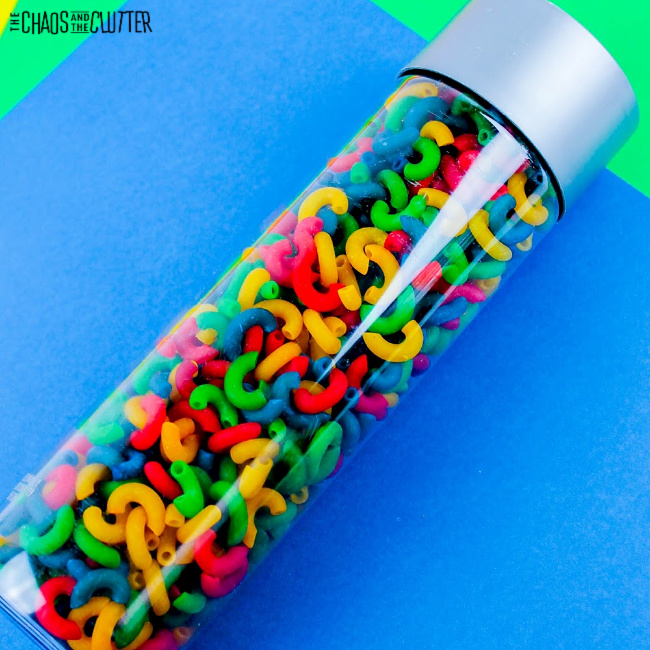
clear bottle filled with red, yellow, green, and blue macaroni noodles on a blue backgroundThis method can be used to dye pasta of any shape. For larger noodles, you may find that you need slightly more food colouring. I find that you get the best colour results from using small pastas such as orzo, mini shells, Alphabet noodles, and macaroni. 
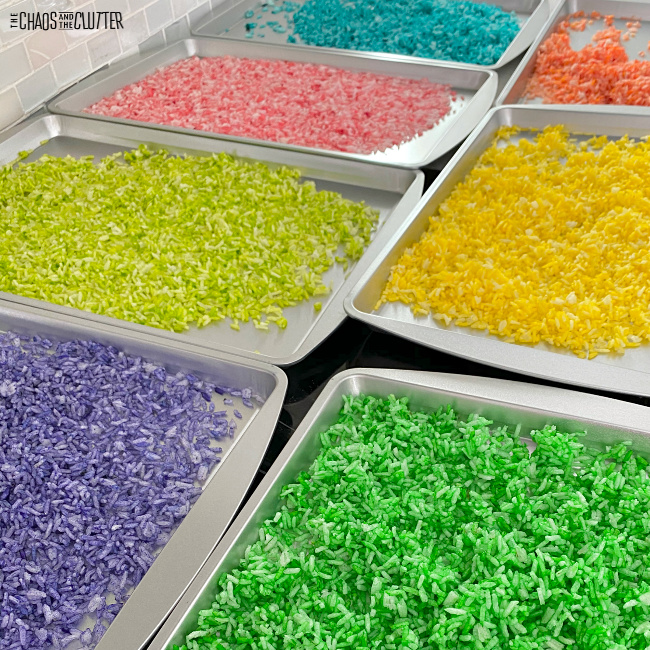
Some schools don’t allow food to be used in classrooms for play. If that’s the case, we also have a list of non-food sensory bin fillers.

Looking for other sensory play recipes to create fun options for your kids? Join us for a free five day email series on Sensory Activities and Solutions and get a free sample of our Sensory Play Recipes eBook.

You may also want to read:

How to Dye Rice for Sensory Playseven metal trays each with a different colour of rice on it

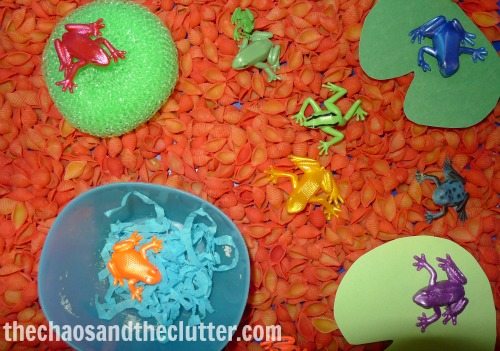
Frog Sensory Bin with Dyed Pastared pasta with bright toy frogs and green lily pads in a bin

Sensory Bin Fillers and Toolscollage of bright coloured sensory bins

Filed Under: Crafts and Activities Tagged With: sensory play

Cool Camo Fluffy Slime

By Sharla Kostelyk

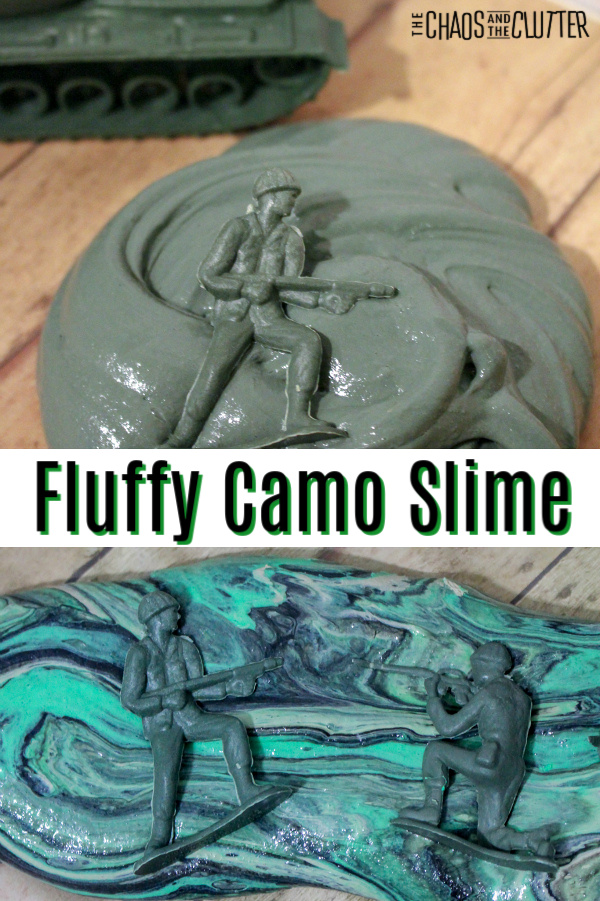
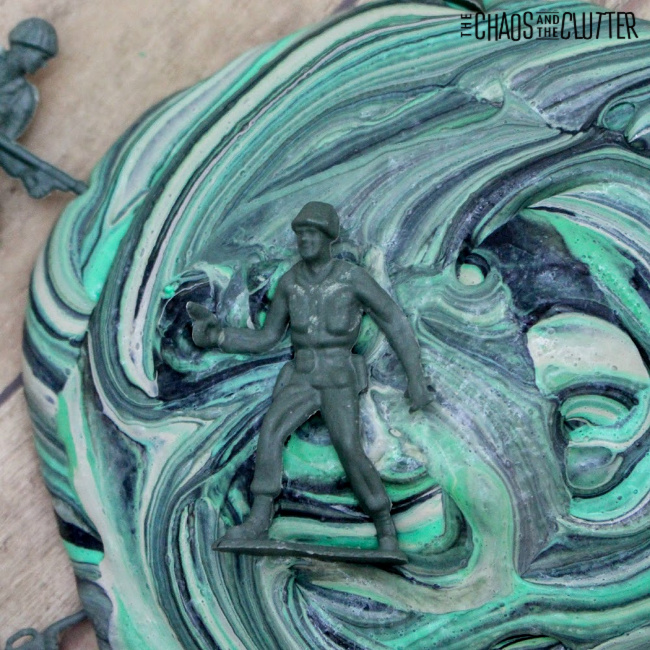
One of my daughters loves camo anything. She wears it, doodles it, dreams it. So I thought it would be fun to make this cool camo fluffy slime with her. toy soldier in army green slime pile. Text reads "Fluffy Camo Slime"There are so many fun play options with this camo fluffy slime recipe. It also makes a great party favour for birthday parties too. When my middle son was younger, he had an army theme birthday party and I wish I’d had this recipe back then.
Camo Fluffy Slime Recipe:

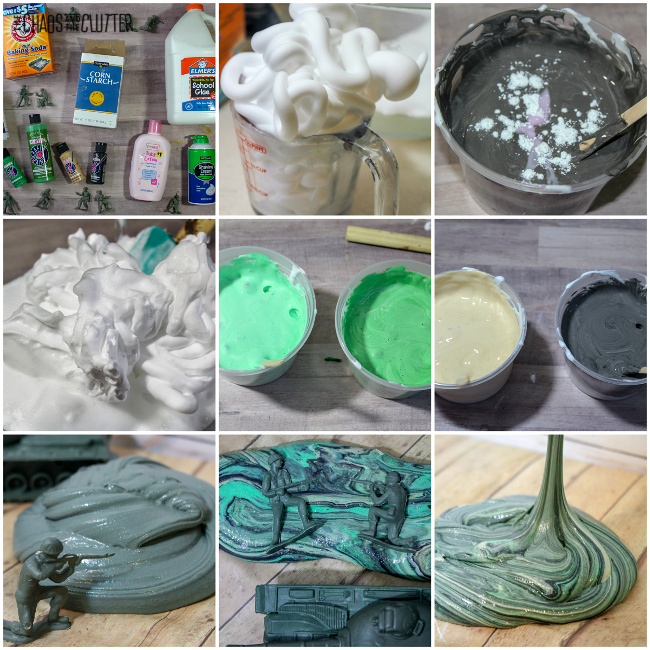
Supplies needed:

  • 2 cups white school glue (I find that Elmer’s school glue works the best for slime recipes.)
  • 2 cups foaming hand wash
  • 2 cups shaving cream
  • 2 tsp. lotion
  • 2 tsp. cornstarch
  • green paint
  • darker green paint
  • tan paint
  • black paint
  • 2 tsp. baking soda
  • 4 Tbsp. contact solution
  • optional: toy soldiers

Directions:

  1. Pour 2 cups of white glue in a large bowl.
  2. Add 2 cups of foaming hand wash.
  3. Scoop in 2 cups of shaving cream. 
  4. Mix with a spatula until smooth.
  5. Divide this mixture into 4 smaller bowls.
  6. Into each of the bowls, add ½ tsp. each of lotion and cornstarch. Mix.
  7. Using the paint, tint each bowl a different colour. You will end up with a green, dark green, tan and black.
  8. Add ½ tsp. baking soda to each of the bowls and stir.
  9. Lastly, add 1 Tbsp. of contact solution to each and stir until it pulls away from the side of the bowl. It is best to do this full step on each bowl before moving on to the next.
  10. Knead the slimes until they are no longer sticky.
  11. Once all of the slimes are kneaded, stretch your slimes out and then combine them into one blob. 
  12. If you want to, you can add in some plastic toy soldiers.
  13. Play.

At first, the slime will have that marbled camouflage look but of course, eventually with play, the colours will combine. When this happens, your slime should turn an army green which is also a lot of fun.
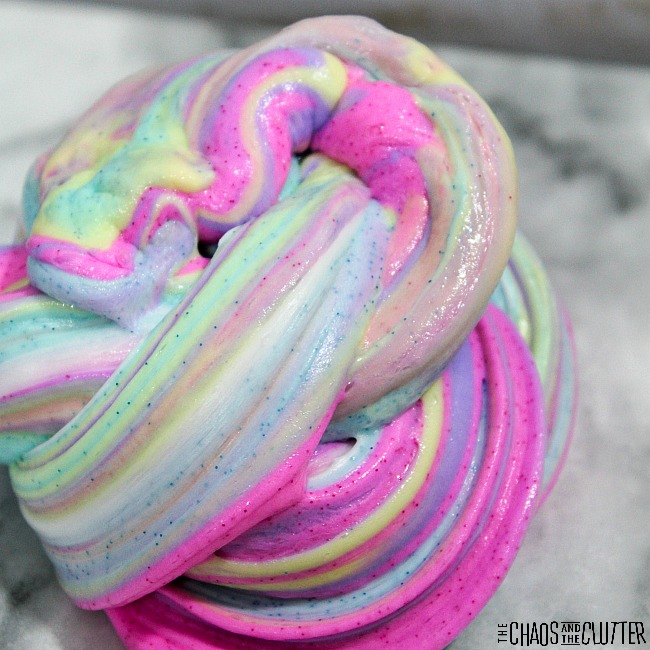
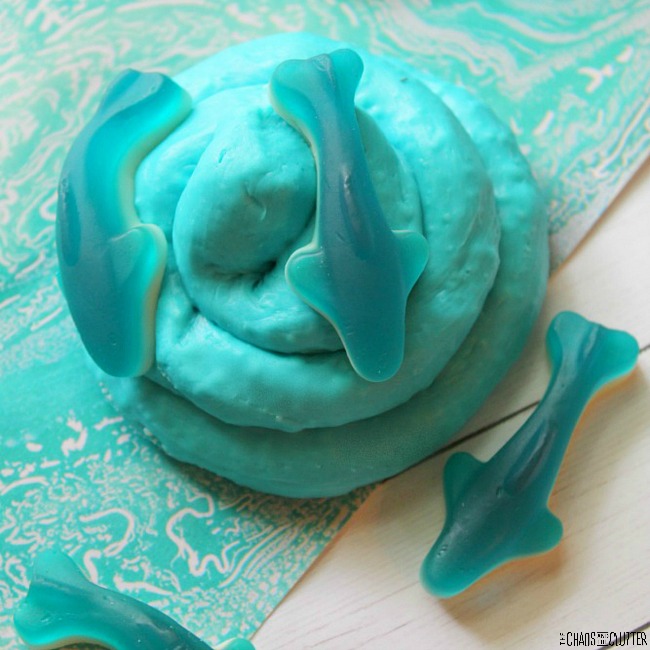
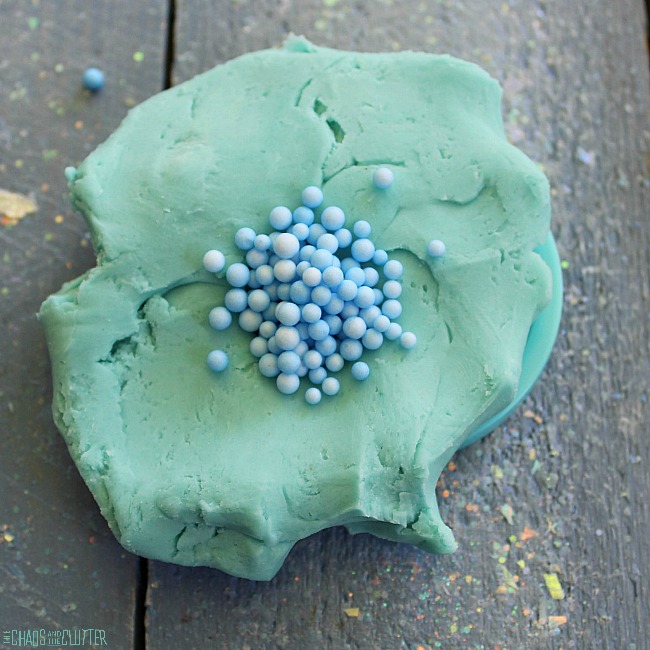
By kneading and stretching, pulling, pinching, and squishing, kids will engage their proprioceptive sensory system with this slime. It also involves their visual and tactile sensory systems.

Looking for more easy sensory play recipes? Join us for a free five day email series on Sensory Activities and Solutions and get a free of our Sensory Play Recipes eBook.

Check out some of our most popular slime recipes:

Unicorn Fluffy Slime

Shark Edible Slime

Textured Butter Slime

Filed Under: Crafts and Activities Tagged With: sensory play, slime

Sensory Lego Letters Preschool Activity

By Sharla Kostelyk

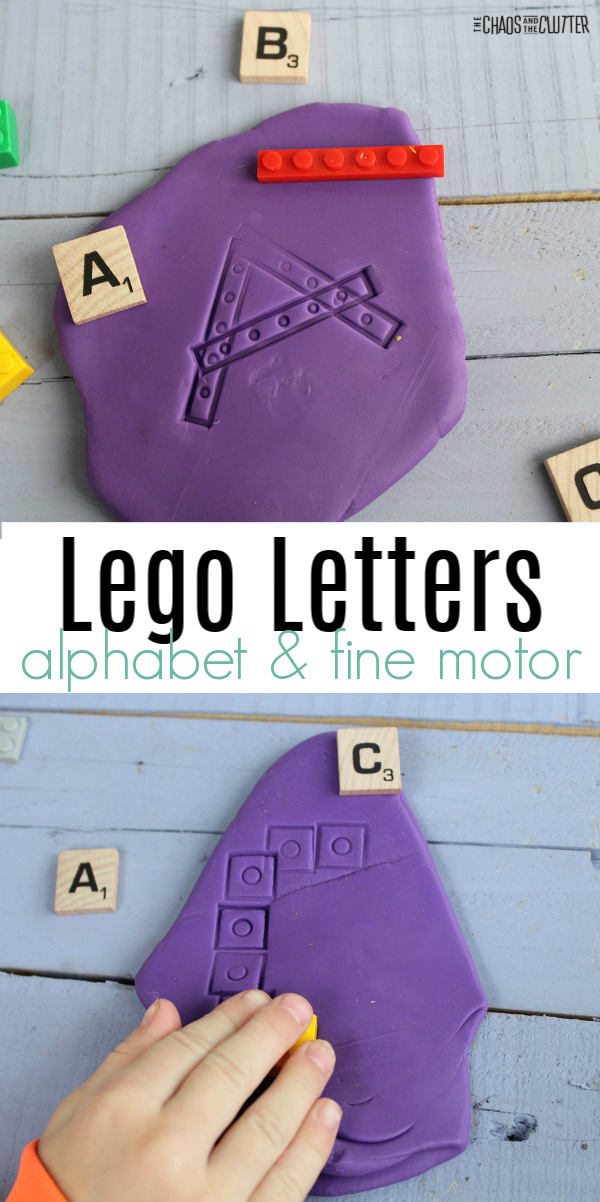
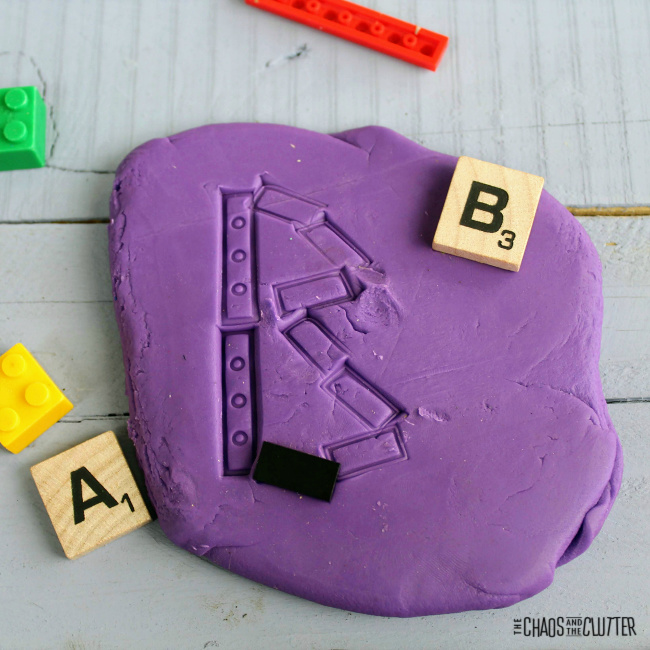
This is one of those easy to set up activities that packs in a lot of learning. Lego Letters playdough activity combines fine motor, sensory, and letter recognition practise into one simple preschool activity.purple dough with a little hand pressing a Lego piece in to create an A. Text reads "Lego Letters alphabet and fine motor"

Sensory Lego Alphabet Activity: 

Supplies needed:

  • Lego bricks in a variety of lengths
  • playdough (store bought or you can use homemade playdough)
  • rolling pin, toy rolling pin, or can to roll the dough with
  • Scrabble tiles or magnetic alphabet shapes

Directions:

  1. Make the playdough into a ball and roll it out.
  2. Set out a selection of Lego bricks.
  3. Select several letters to practice.
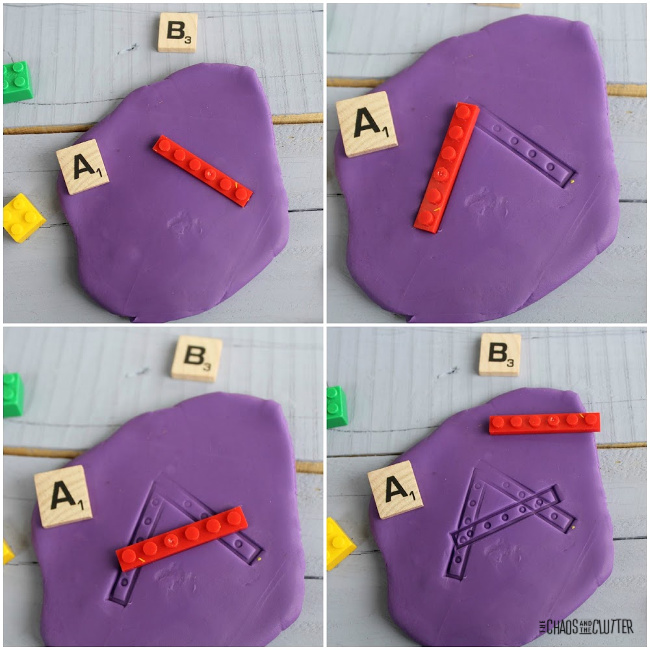
  4. Choose one letter to start. Encourage your child to say the letter, then stamp the shape of the letter using Legos. 
  5. After your child completes one letter, have them roll the playdough smoothly again and try to recreate another letter.

It can be helpful to start this activity with letters your child is most familiar with such as the letter their first name starts with. 
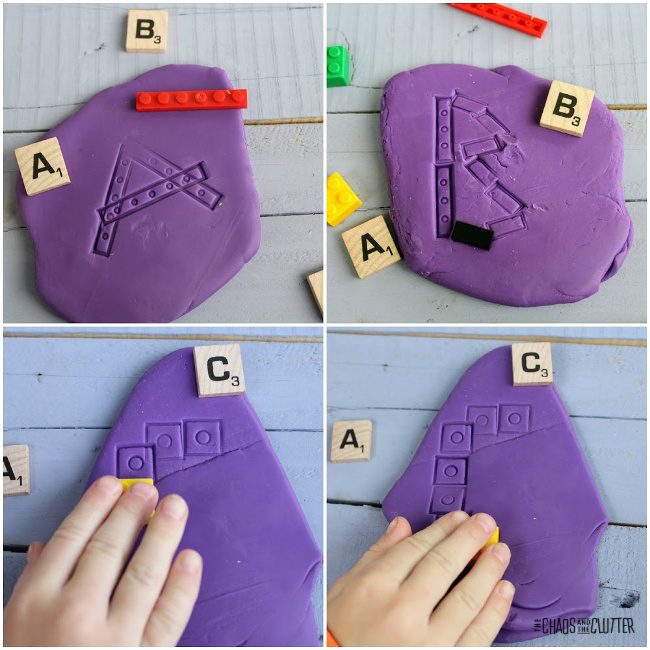
With curved letters, it can be best to use smaller Lego pieces.Be sure to allow your child to come up with their own way to stamp the letter in the playdough. As long as they get the basic shape of the letter, there is no “right” or “wrong” way to create it. It can be tempting to step in and show them and you may need to show them how to do one as an example, but once they get the idea, step back and allow them to create. 
Ways to expand this activity:

  1. Talk to the child about what the sound of that letter is and have them see if they can think of words that have that letter as their beginning sound.
  2. Numbers or shapes can be stamped into the playdough.
  3. Sing the alphabet song.
  4. Set out books about the alphabet.

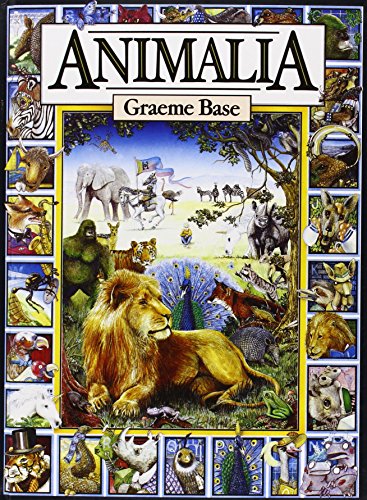
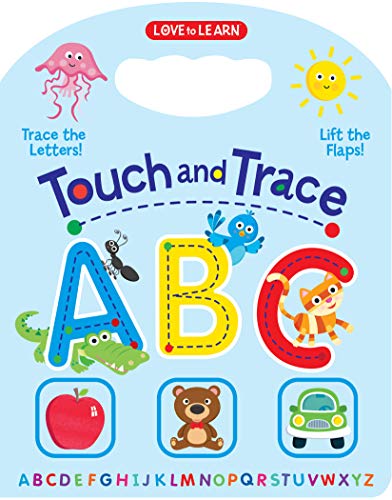
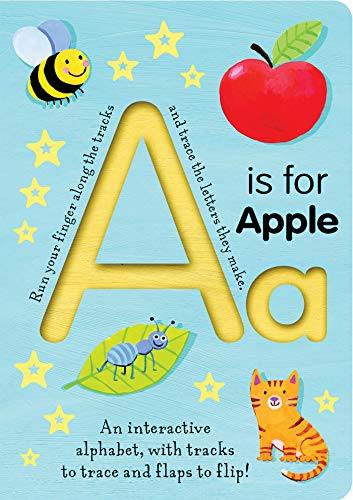
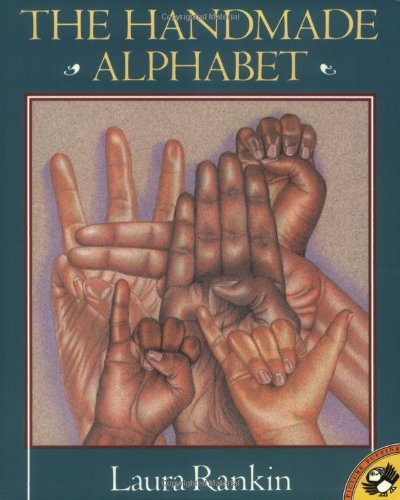
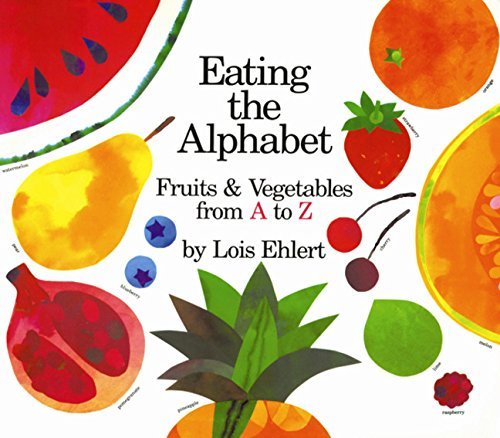
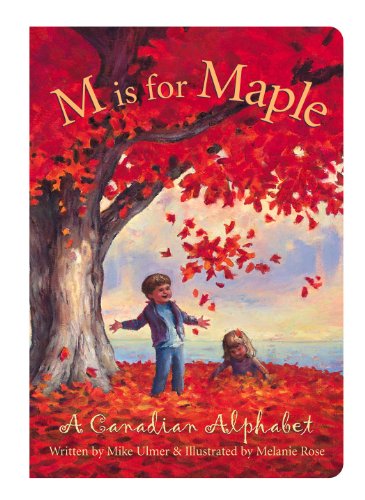
Chicka Chicka Boom BoomChicka Chicka Boom BoomChicka Chicka Boom BoomDr. Seuss's ABCDr. Seuss’s ABCDr. Seuss's ABCAnimalia (MY PERSONAL FAVOURITE!)Animalia (MY PERSONAL FAVOURITE!)Animalia (MY PERSONAL FAVOURITE!)Touch and Trace ABC Board BookTouch and Trace ABC Board BookTouch and Trace ABC Board BookA is for Apple (Kids Trace-and-Flip)A is for Apple (Kids Trace-and-Flip)A is for Apple (Kids Trace-and-Flip)The Handmade AlphabetThe Handmade AlphabetThe Handmade AlphabetEating the AlphabetEating the AlphabetEating the AlphabetM Is For Maple: A Canadian AlphabetM Is For Maple: A Canadian AlphabetM Is For Maple: A Canadian Alphabet


You may be interested in some of our other preschool learning ideas:

Alphabet Sensory Bin

Thankfulness Bingo Style Game

Rainbow Playdough Counting and Colours Game

Filed Under: Crafts and Activities Tagged With: sensory play

The Best Butter Slime Recipes

By Sharla Kostelyk

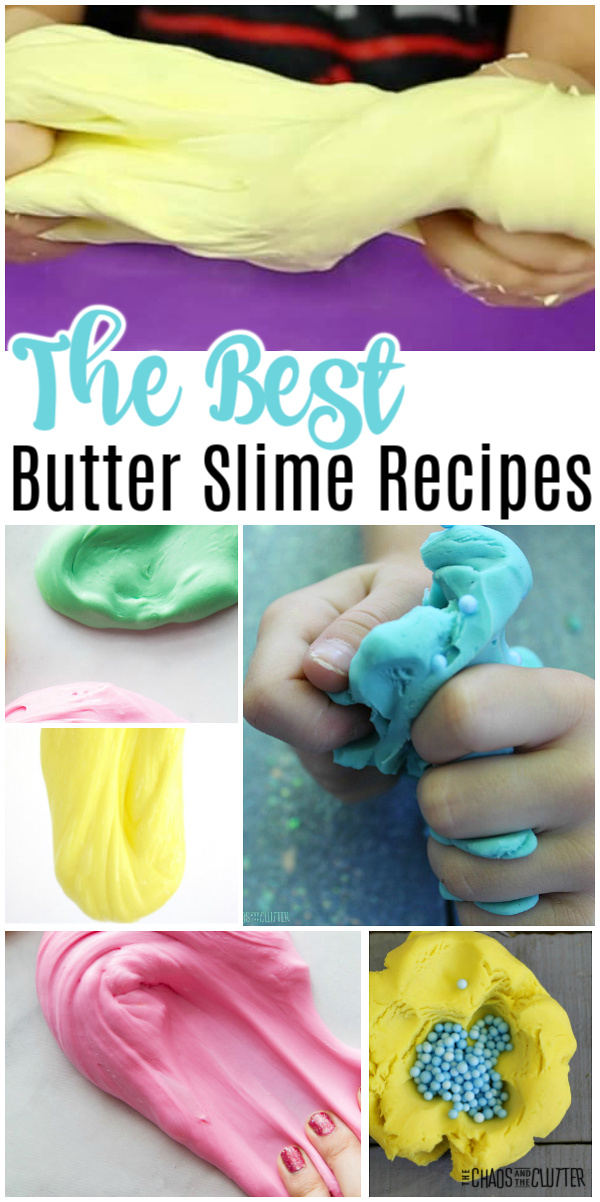
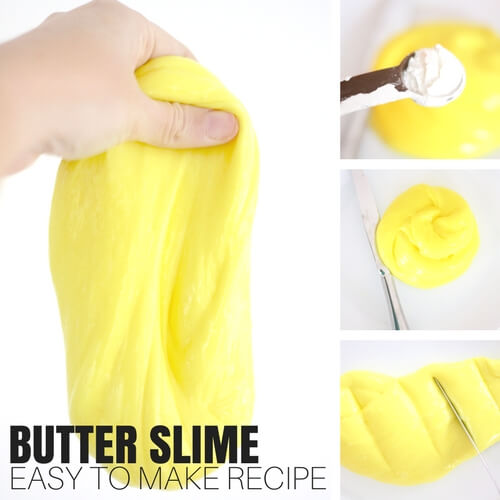
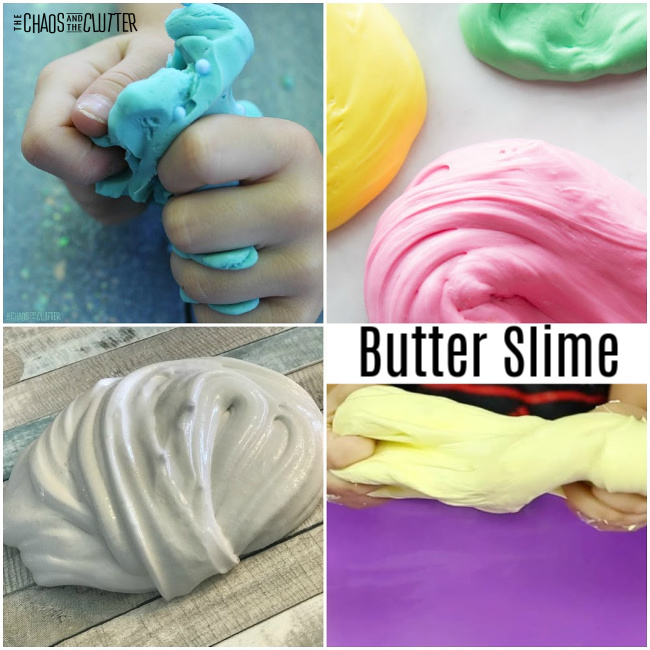
Butter Slime gets its name from its buttery texture. Some make it yellow in colour as a play on the name. One of the things I like about butter slime is that most recipes don’t stick. As a mom, this is a big selling point!collage of different colours and shapes of slime. Text reads "The Best Butter Slime Recipes"I thought it might be helpful for those who are looking to try this kind of sensory fun if I put together a list of the best recipes out there for this type of slime. If you’re feeling really ambitious, you may even want to make several of the recipes and see which one is your favourite. 
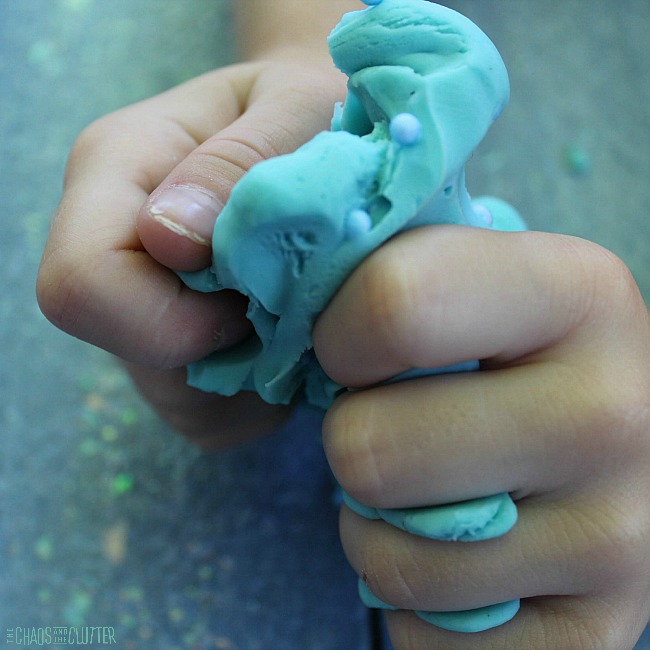
If you’re new to this kind of thing, check out our Complete Guide to Making Slime for tips and tricks to help you get the best results possible. That can also help you troubleshoot if you run into any issues.

The Best Butter Slime Recipes

Image for Textured Butter Slime

Textured Butter Slime

The smoothness of the slime contrasts with the textured beads to create an awesome sensory experience.

Image for Butter Slime
Photo Credit: www.thebestideasforkids.com

Butter Slime

This butter slime has a moldable and fluffy like texture to it!

Image for How To Make Butter Slime Without Clay
Photo Credit: littlebinsforlittlehands.com

How To Make Butter Slime Without Clay

Butter slime without the soft clay! No clay is needed for this butter slime with an incredible texture that uses a simple kitchen ingredient instead!

Image for Moldable Model Magic Slime
Photo Credit: sugarspiceandglitter.com

Moldable Model Magic Slime

This moldable - not messy - slime is perfect for kids who love to SQUISH!

Image for Harry Potter Model Magic Butter Slime Recipe
Photo Credit: www.steampoweredfamily.com

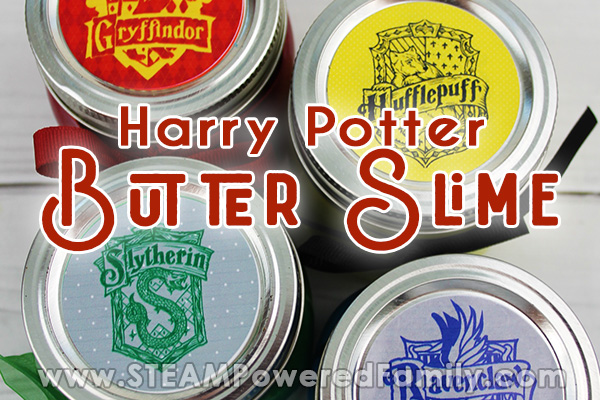
Harry Potter Model Magic Butter Slime Recipe

Harry Potter Butter Slime - embrace the magic of your favourite Hogwarts House with these vibrant and fun butter slime recipes.

Image for How To Make Butter Slime Recipe
Photo Credit: www.funwithmama.com

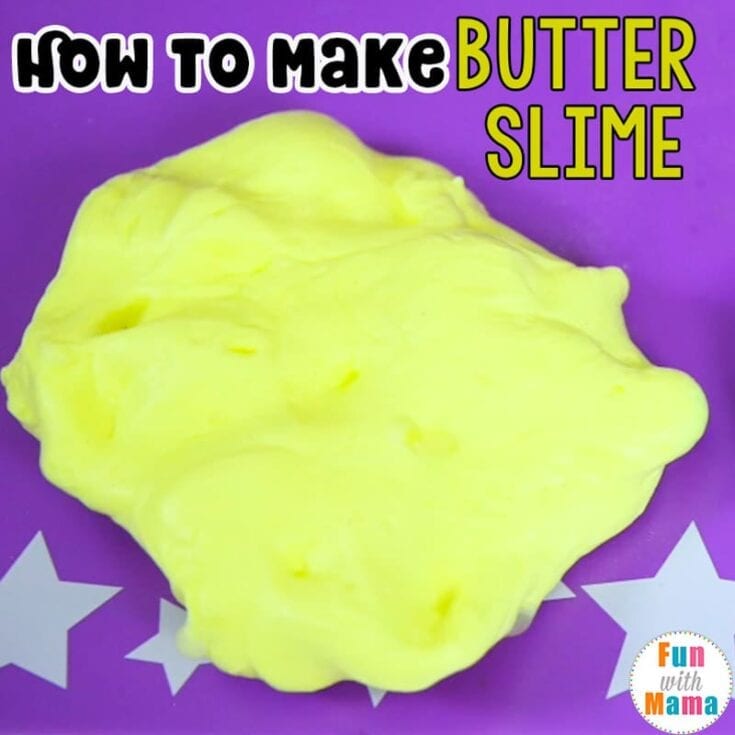
How To Make Butter Slime Recipe

A simple and easy butter slime recipe that the kids are going to love! No clay or playdough in this one.

Butter slime ingredients vary from recipe to recipe. Here are some of the common ones (though obviously not all of these go into one recipe!):

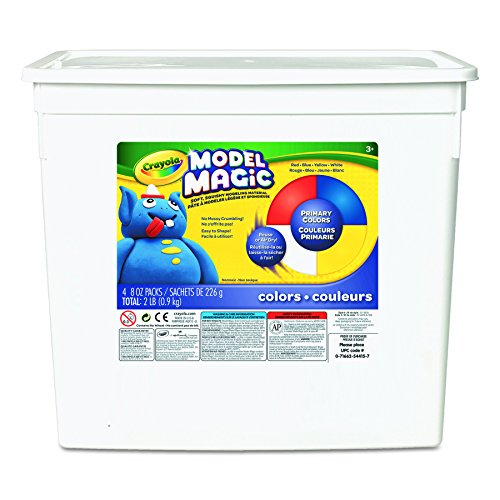
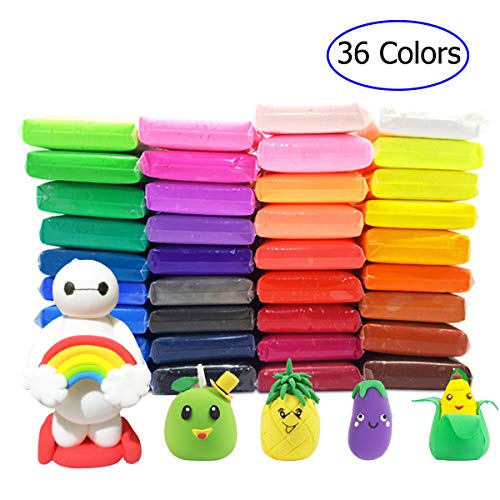
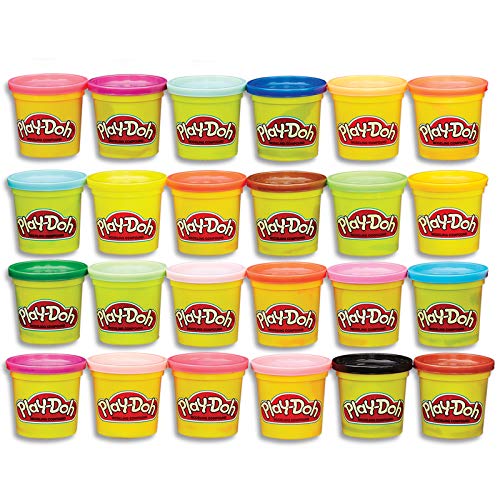
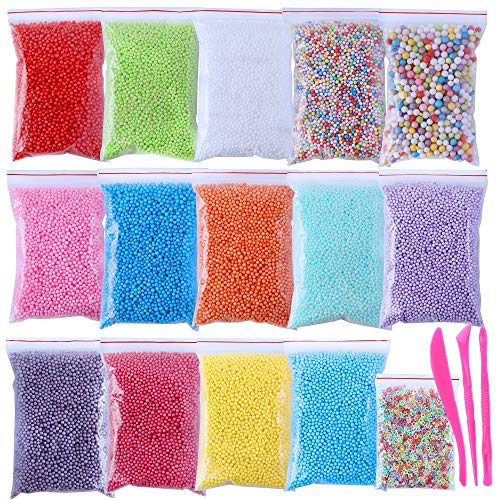
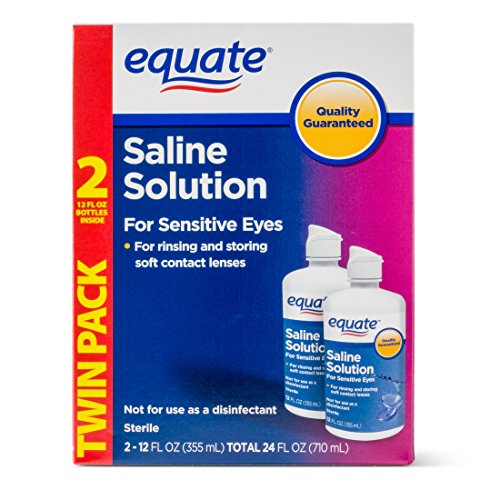
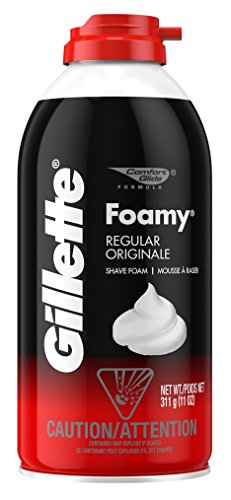
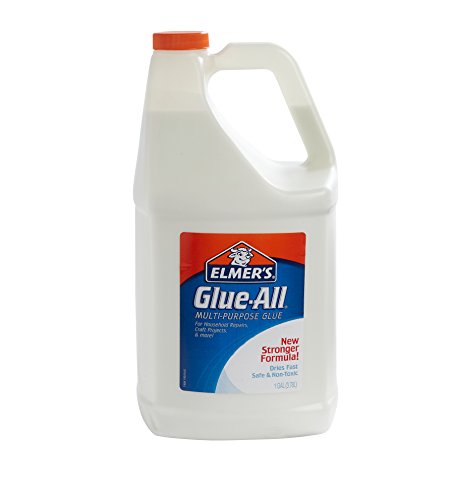
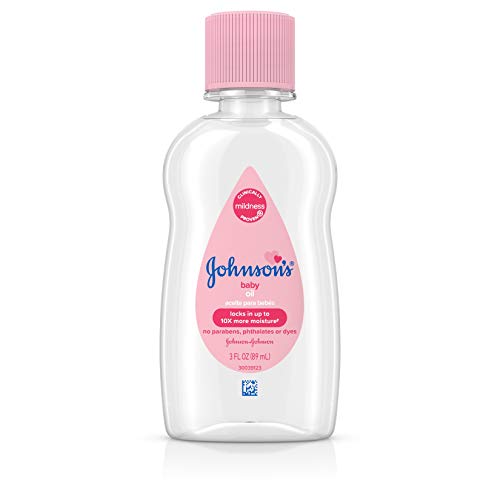
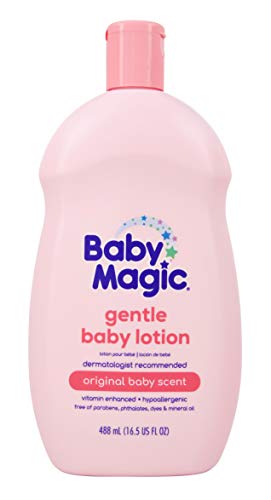
Crayola Model MagicCrayola Model MagicCrayola Model MagicAir Dry ClayAir Dry ClayAir Dry ClayPlay-DohPlay-DohPlay-DohFoam Balls for SlimeFoam Balls for SlimeFoam Balls for SlimeSaline SolutionSaline SolutionSaline SolutionShaving CreamShaving CreamShaving CreamElmer's White GlueElmer’s White GlueElmer's White GlueBaby OilBaby OilBaby OilBaby LotionBaby LotionBaby Lotion


Safety tips:

  1. Adults should always handle the ingredients as there may be chemicals.
  2. Adult supervision should be used both when making or playing with any sensory recipe.
  3. Do not lick or eat the slime or any of the ingredients.
  4. Always wash hands before and after play.
  5. Those with skin sensitivity should wear gloves and long sleeves when playing with their slime and if a rash or skin irritation develops, discontinue play immediately.
  6. When not in play, store properly in an airtight container.

Now that you’re armed with ideas to make this smooth, stretchy slime, you’ll have to give it a try and see what you think!

Check out some of our most popular slimes:

  • Unicorn Fluffy Slime
  • Edible Shark Themed Fluffy Slime
  • Stretchy Butterfly Slime
  • Spider Web Slime
  • Googly Eye Monster Slime

Filed Under: Crafts and Activities

  • « Go to Previous Page
  • Page 1
  • Interim pages omitted …
  • Page 17
  • Page 18
  • Page 19
  • Page 20
  • Page 21
  • Interim pages omitted …
  • Page 128
  • Go to Next Page »

Primary Sidebar

Categories

We are a participant in the Amazon Services LLC Associates Program, an affiliate advertising program designed to provide a means for us to earn fees by linking to Amazon.com and affiliated sites.

Copyright © 2026 • The Chaos and the Clutter • Site Design by Jeni @ The Blog Maven

Return to top of page

Copyright © 2026 · Chaos and the Clutter 2.0 on Genesis Framework · WordPress · Log in