With just a few simple supplies that you may already have kicking around the house, you can create all kinds of fun ways for your child to work on their fine motor skills. These button stacking activities are easy and effective. 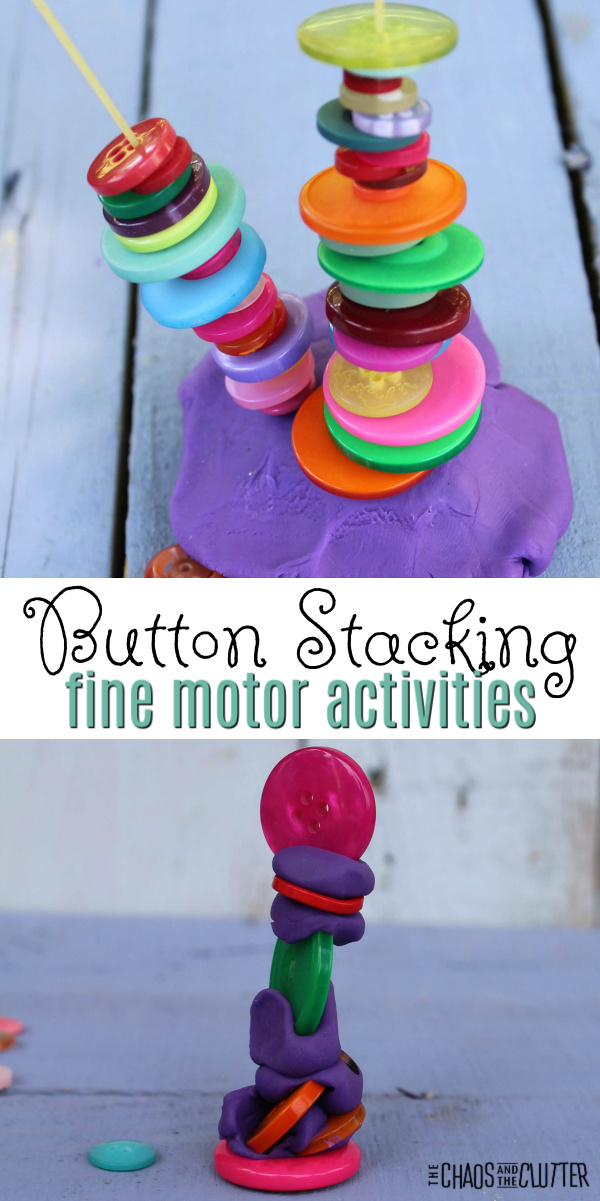 You can easily set these up at home or as a learning station in a preschool or Kindergarten classroom. It is inexpensive and fast to set up.
Button Stacking Activities:
Supplies needed:
- dry spaghetti noodles
- buttons of different sizes and colours
- playdough (purchase it or make your own)
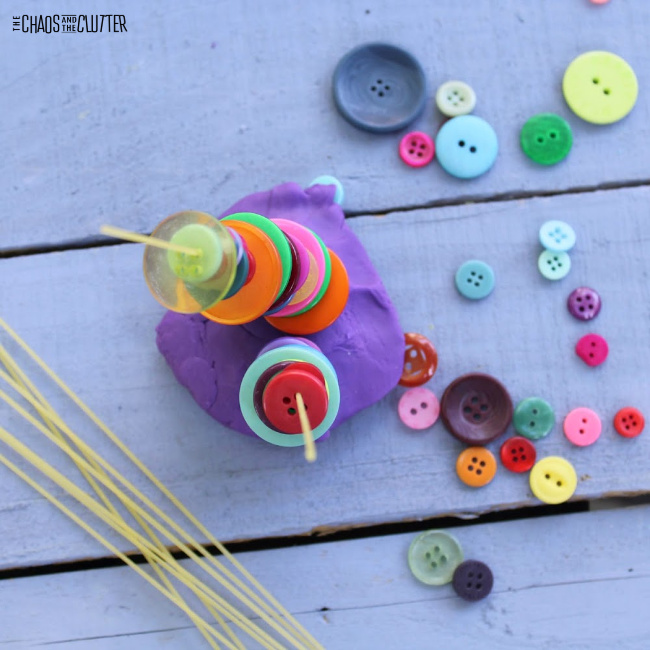 Directions for the noodles and buttons activity:
- Make a ball of playdough and press down to flatten it.
- Insert a few sticks of dry spaghetti into the playdough.
- Lay out an assortment of buttons. It’s best to include as much variety as you can.
- Show your child how to thread the buttons on the pasta and encourage them to try.
- See how many buttons your child can stack without breaking the dry pasta.
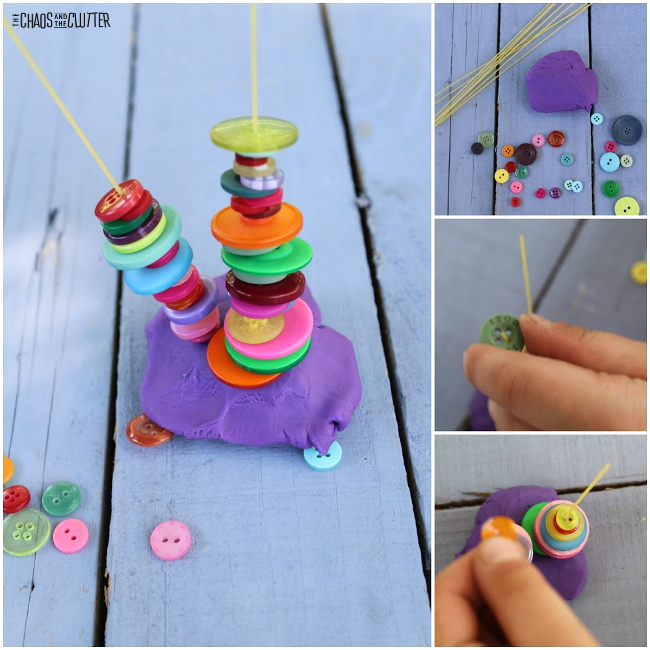 Depending on the age and ability of your child you can have them insert the spaghetti noodles or you can set that part up for them.
Directions for the button tower building activity:
- Roll playdough into small balls.
- Set out an assortment of buttons in a variety of sizes and colours.
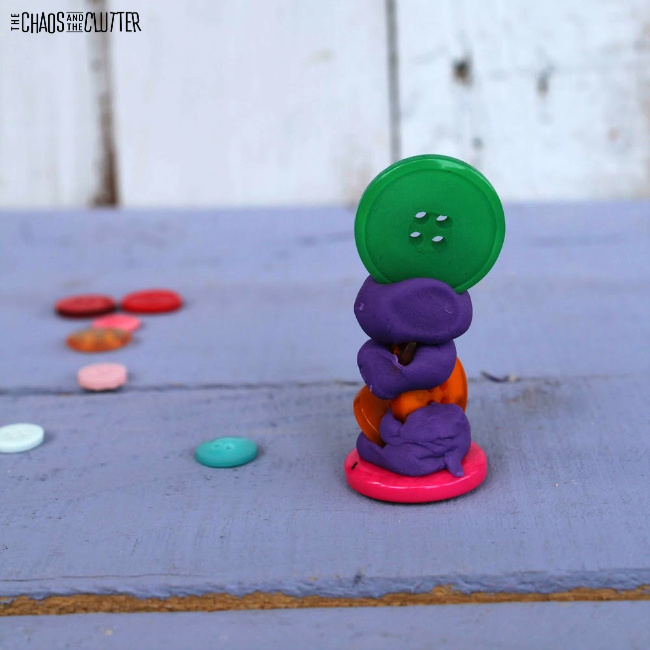
- Invite your child to stack the buttons and the balls of playdough creating towers.
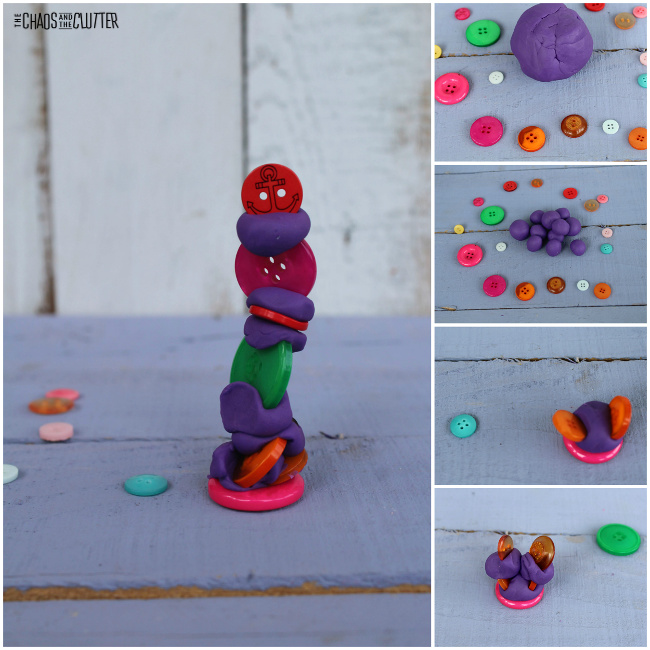 The playdough and buttons create a unique building material. What may seem like a simple activity is actually an introduction to engineering concepts. Kids can discover how many buttons they can stack before their tower tumbles or if stacking the buttons flat or sideways yields better results. They can also experiment with what building methods are most stable.
Sensory and learning opportunities:
These seemingly simple button stacking activities offer a lot of learning opportunities for kids.
- language development as kids discuss things like colours and shapes
- building dexterity
- fine motor skill practise
- STEM (engineering, science, and simple math such as counting buttons and balls)
- tactile, visual, and proprioceptive sensory input
Check out these other fine motor activities for preschoolers:
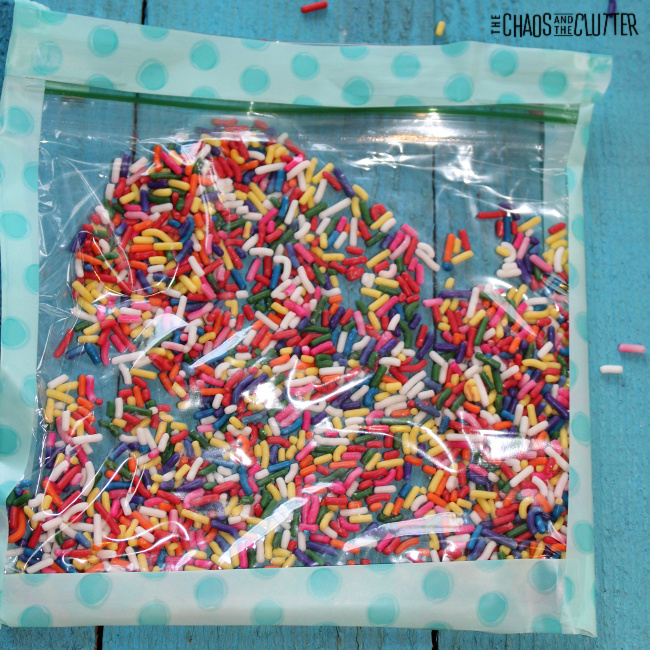
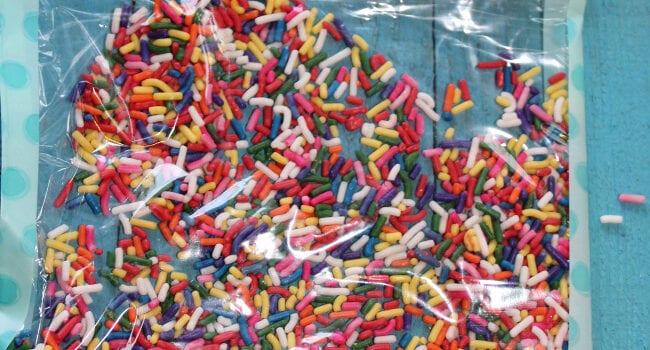
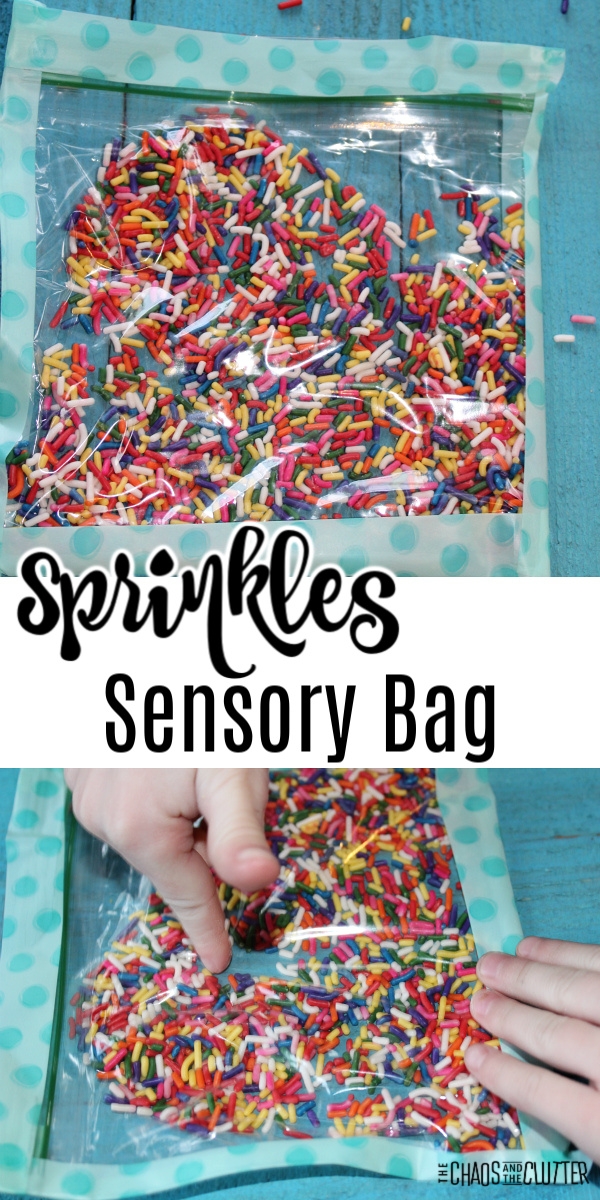
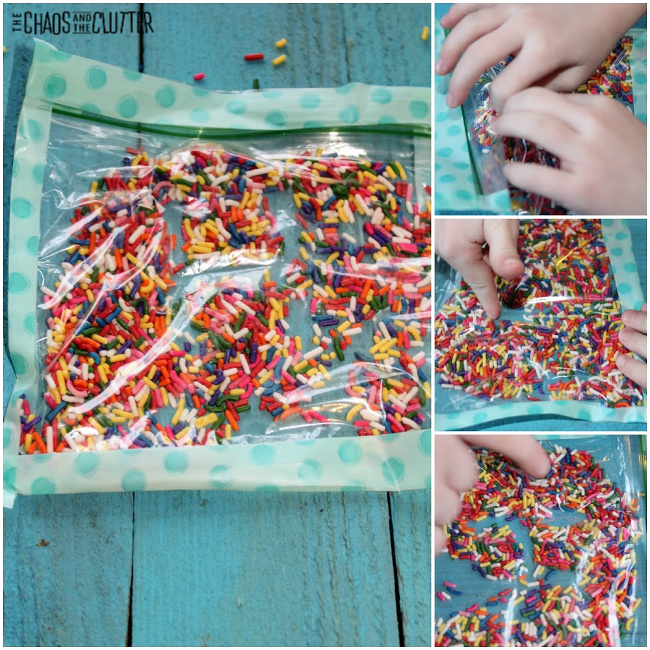 Your child can trace letters, numbers, or shapes in the sprinkles with their finger. This will help reinforce learning and also give them fine motor practise.
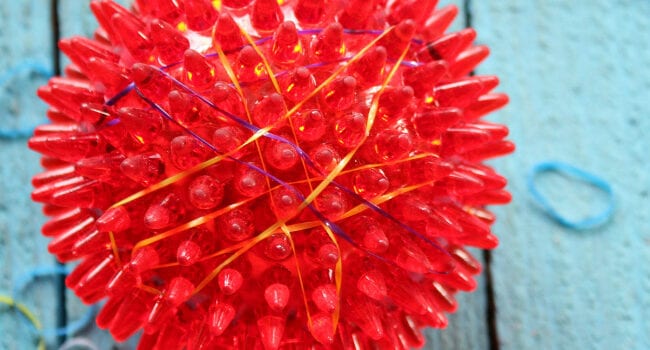
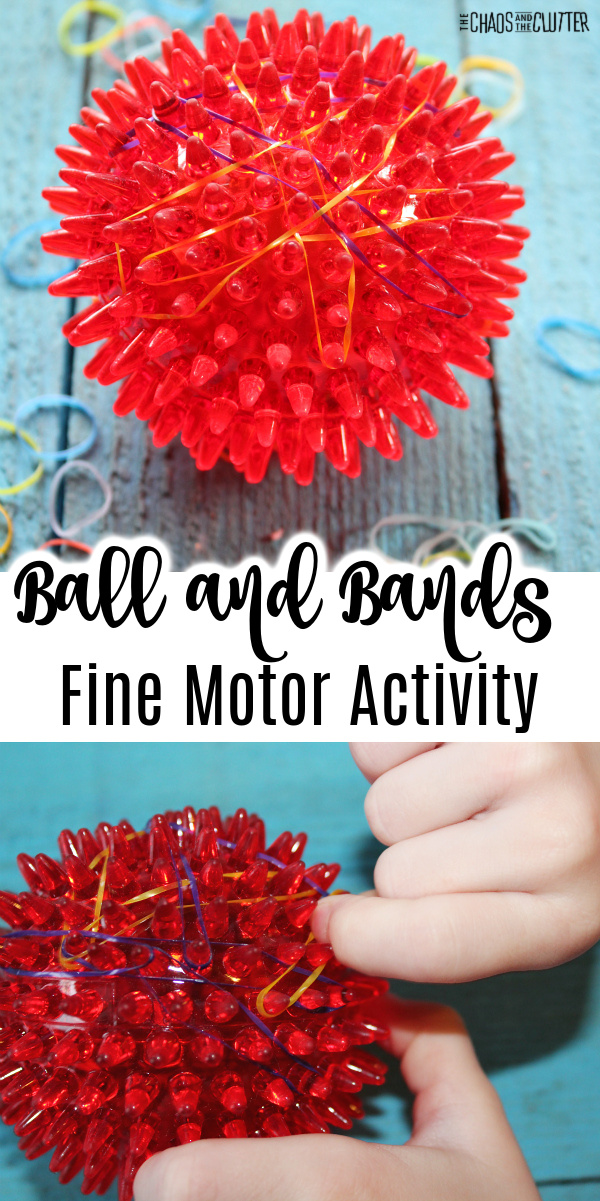
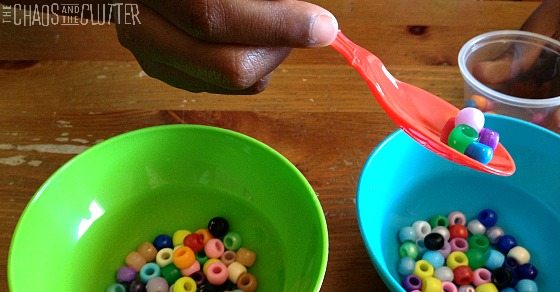
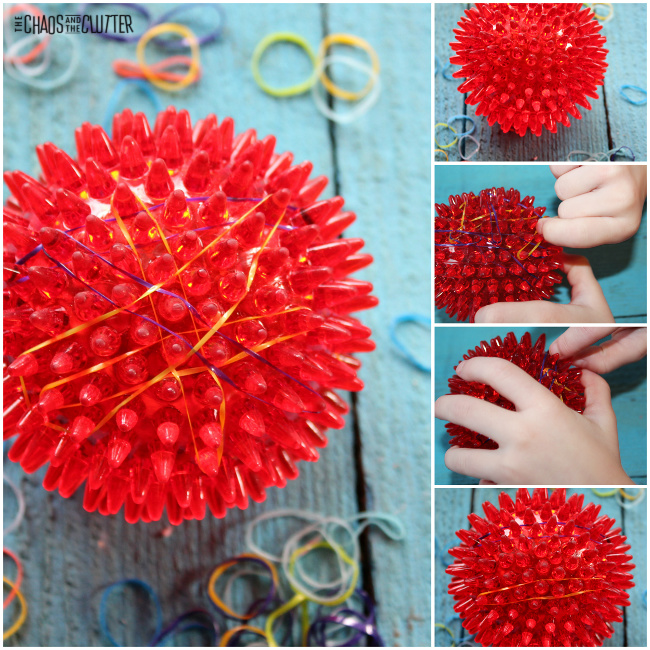 In addition to working on pincer grasp, fine motor, and concentration, kids will also be receiving that all important sensory input. So this seemingly simple activity packs big value.
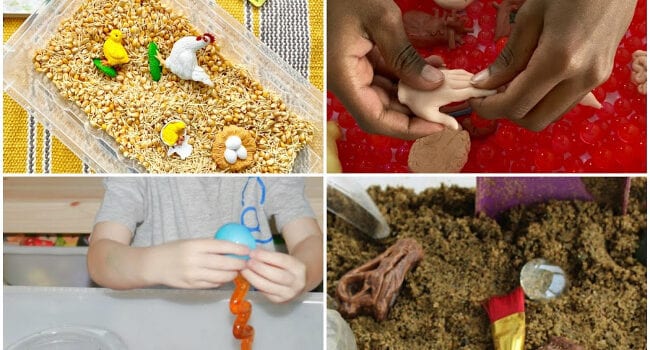
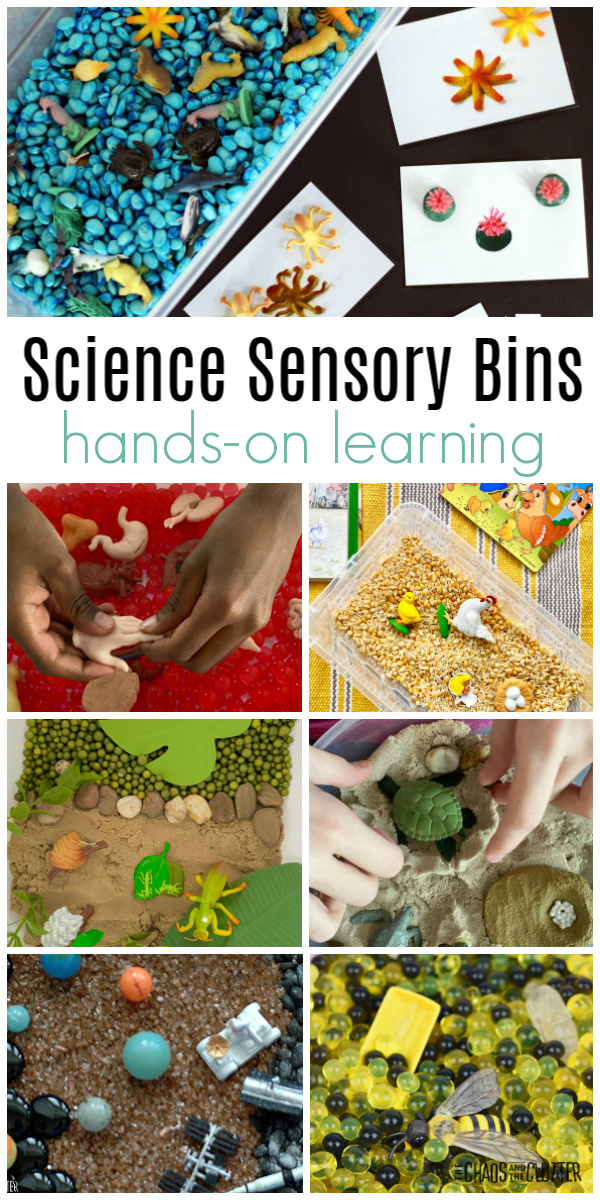 Hands-on learning is also a great way to increase retention of concepts. Sensory bin are easy to set up but offer a big payoff in terms of interest and interaction.

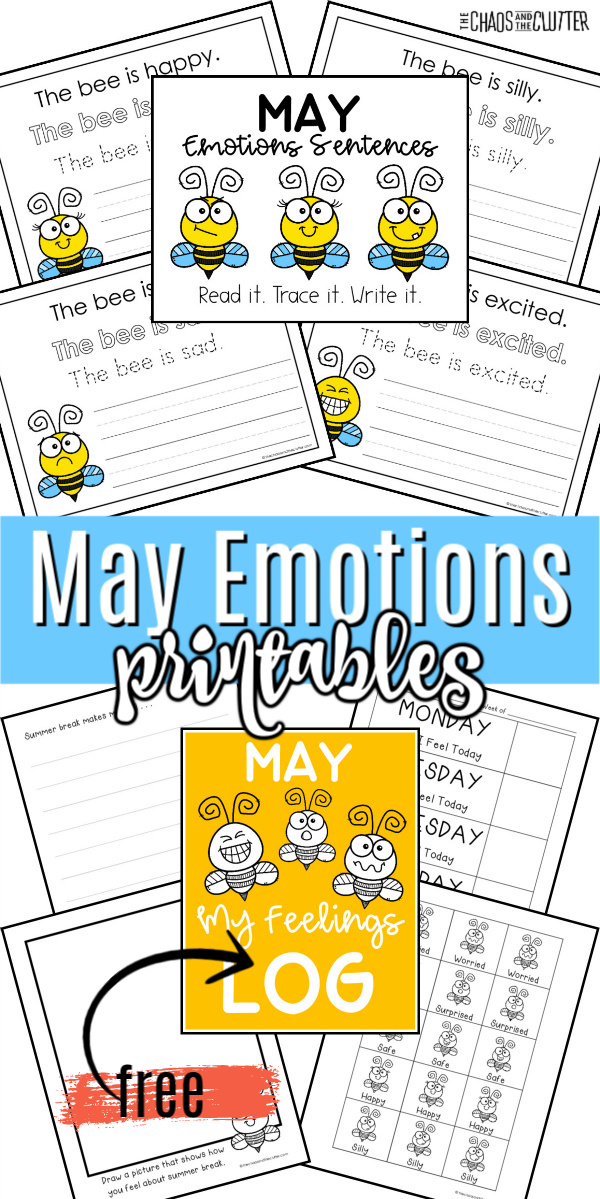
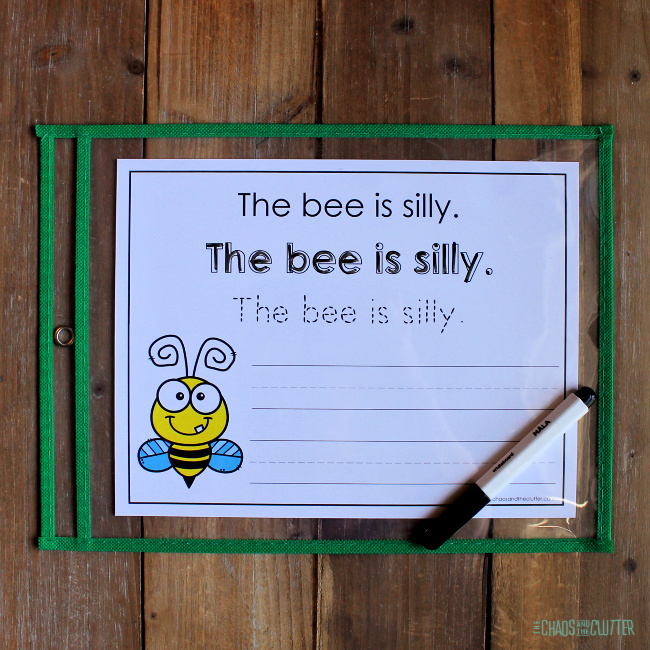 Copywork Sentences Instructions for the child:
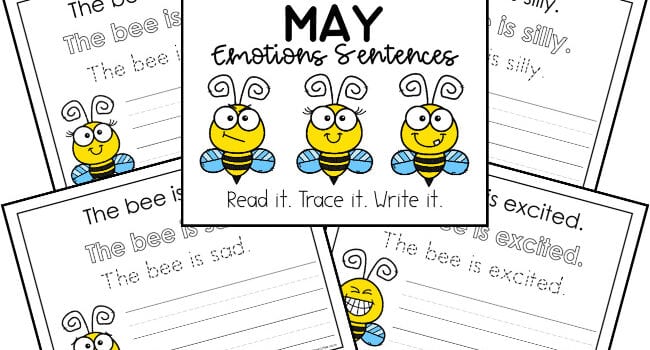
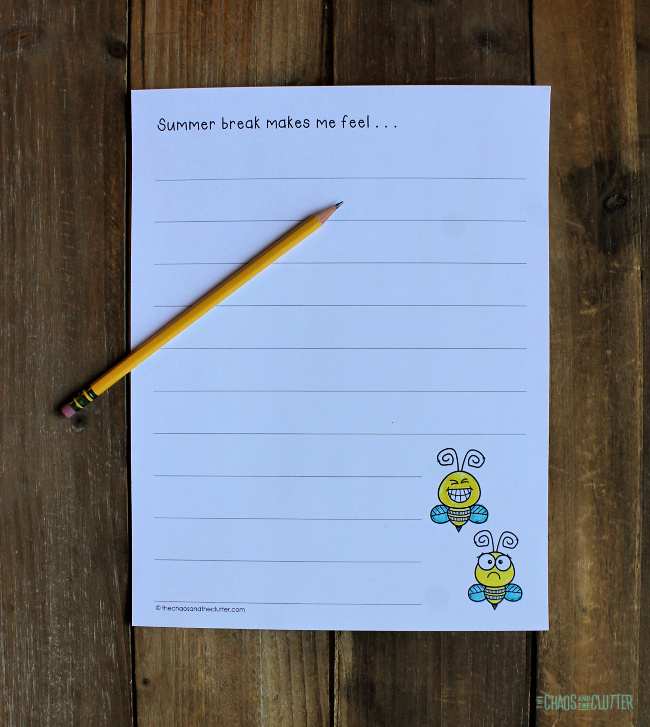 These worksheets can be a jumping off point for a discussion about various emotions. You can further expand this activity by having your child describe a time when they have felt that emotion. They can also come up with a story describing why the bee might be experiencing that particular feeling.
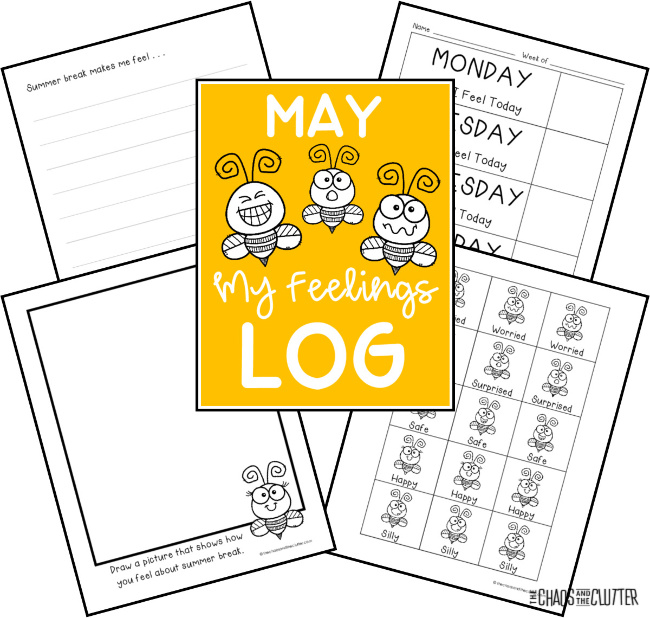 The bee emotion visuals help kids better identify and work through their own feelings in a way that feels less vulnerable because it’s a cute bee face. Once you know HOW they are feeling that day, you can help them dig into the WHY behind those feelings.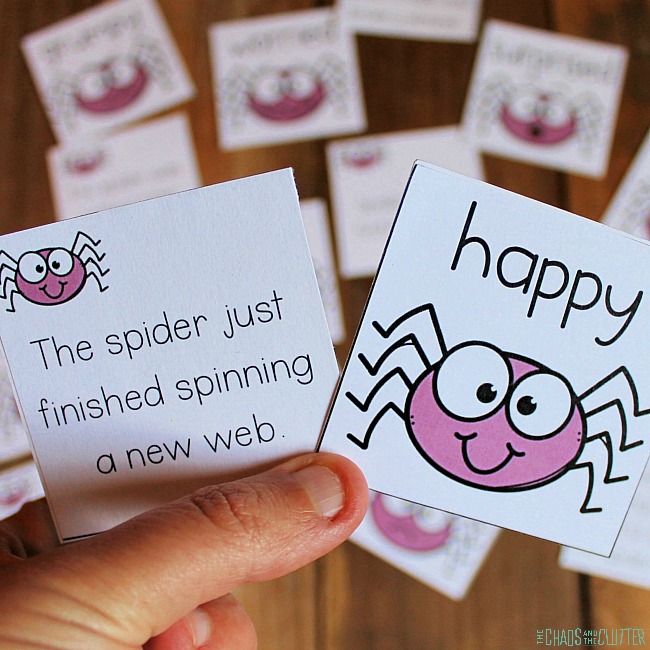

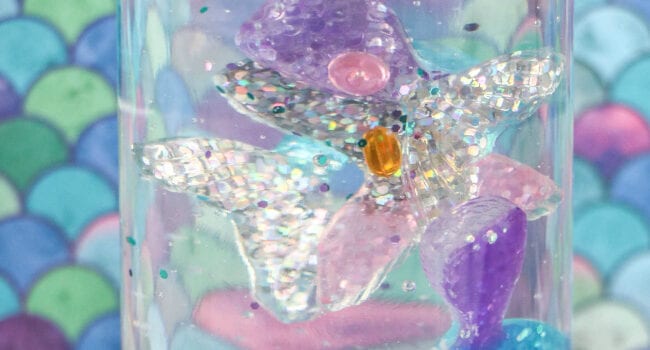
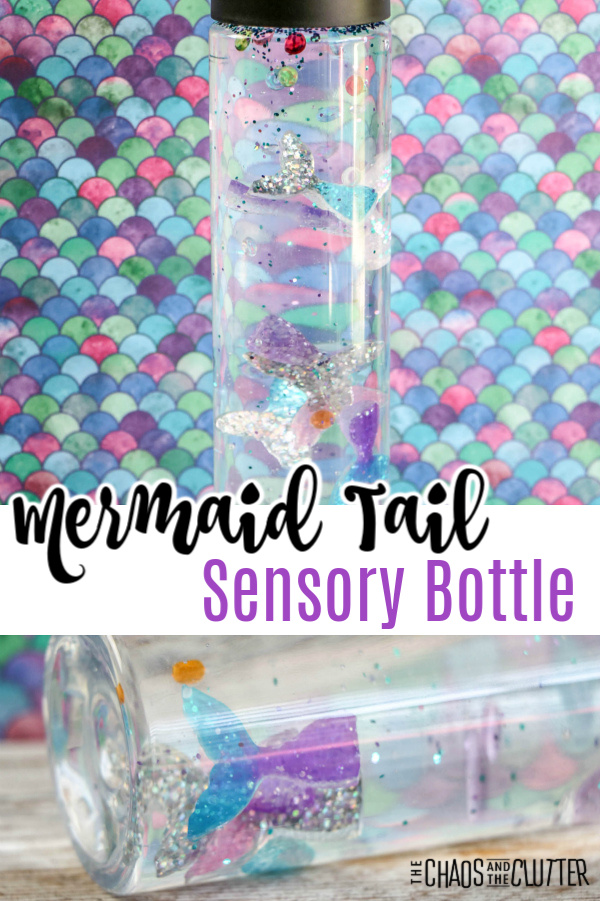 The glitter falls slowly through the glue and water mixture, creating a calm down effect. This sensory bottle also provides tactile, proprioceptive, and visual sensory feedback for kids.
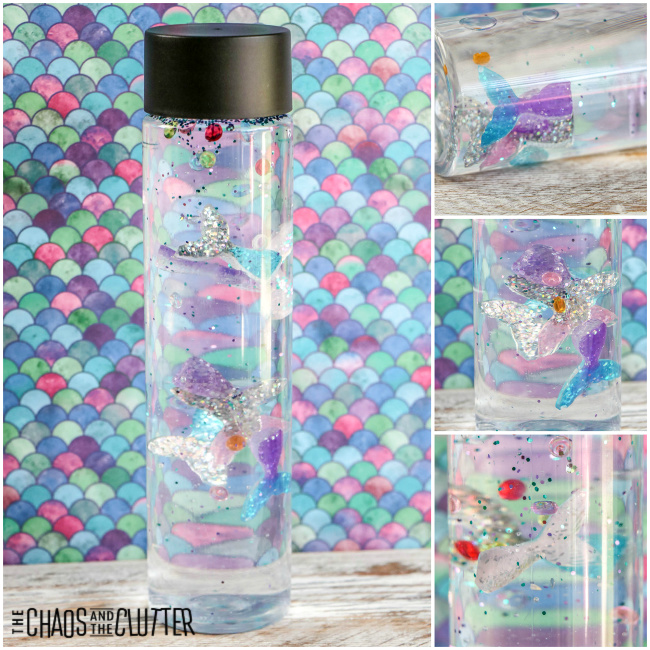 Directions:
 Are you looking for more easy sensory play ideas? Join us for a five day email series on Sensory Activities and Solutions and get a free sample of our Sensory Play Recipes eBook.