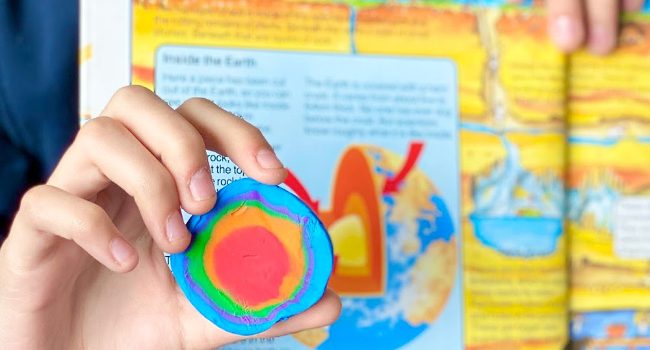
When teaching students about the structure of the Earth, this 3D layers of the Earth project really helps bring it to life. Using a hands-on activity like this helps kids be able to conceptualize what they’re learning and be able to retain it. 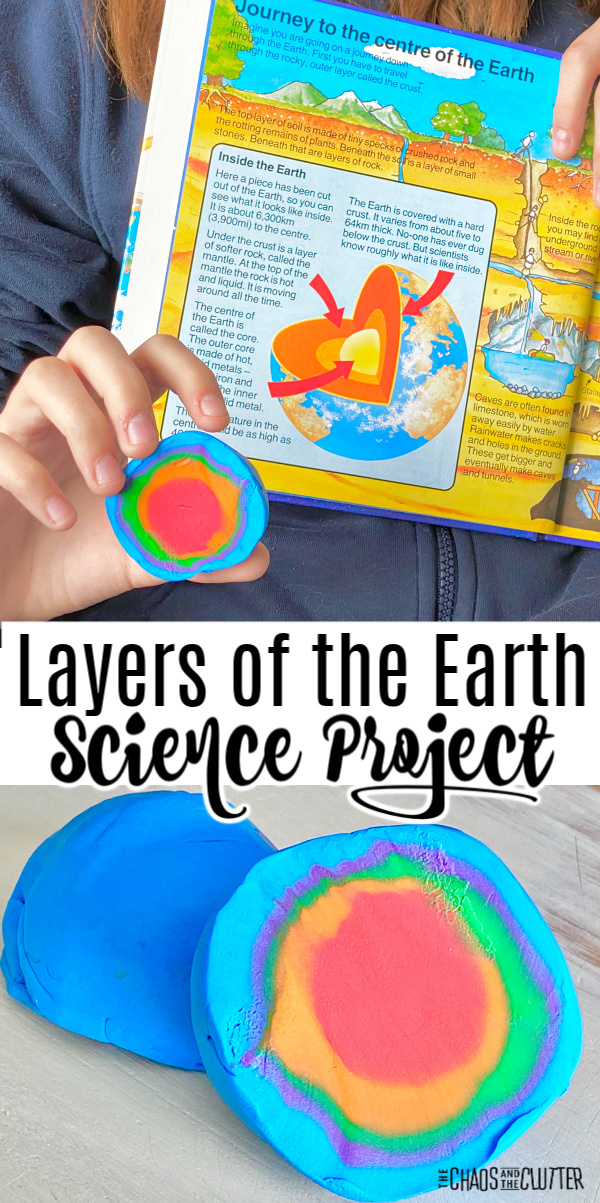 This project is super easy to make with minimal supplies. Watch the video below to see exactly how to shape your layers of the Earth visual model.
Layers of the Earth Activity:
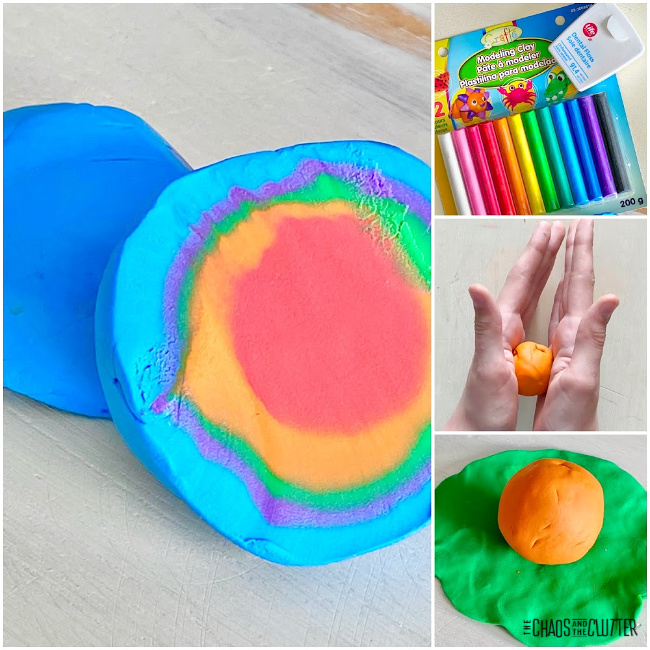
To create this 3D model of the layers of the Earth, you will need just a few easy-to-acquire supplies.
Supplies needed:
- 5 colours of modelling clay
- waxed dental floss
 Directions:
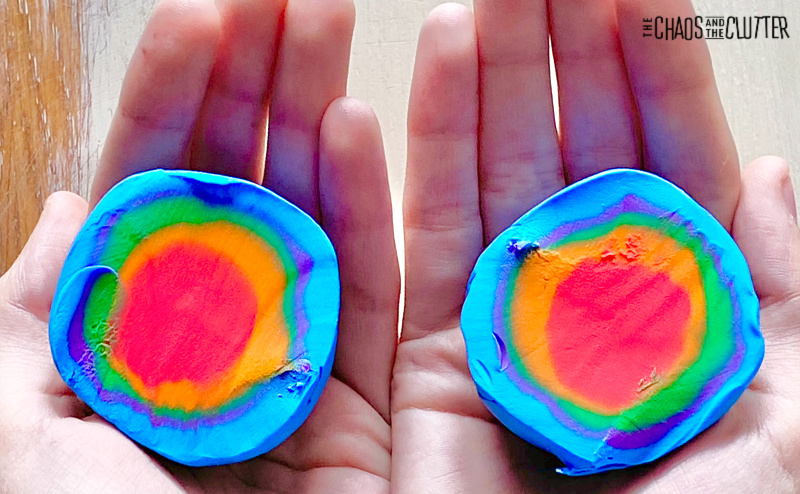
- Form a ball to represent the inner core. We chose red to represent the intense heat of the inner core.
- Next, roll out a circle of another colour and wrap around the ball and roll gently. This next layer represents the outer core.
- Each subsequent colour will need more modelling clay than the last. You will need a colour to represent the lower mantle, another for the upper mantle, and the outer layer for the crust.*
- Once your ball of 5 layers of modelling clay is complete, use a piece of waxed dental floss to cut the ball down the middle, revealing all the layers underneath.
*Be sure not to press the layers too firmly together so that the colours don’t mix.
Ways to expand on this activity:
- Have your child draw a diagram depicting the layers and labelling them.
- Set out books about the Earth for your child to peruse.
- Hang up a learning poster in your classroom or home to give kids another visual cue.
- Make a Layers of the Earth Soap with the kids.
- Make some Layers of the Earth Pudding Cups as a related snack.
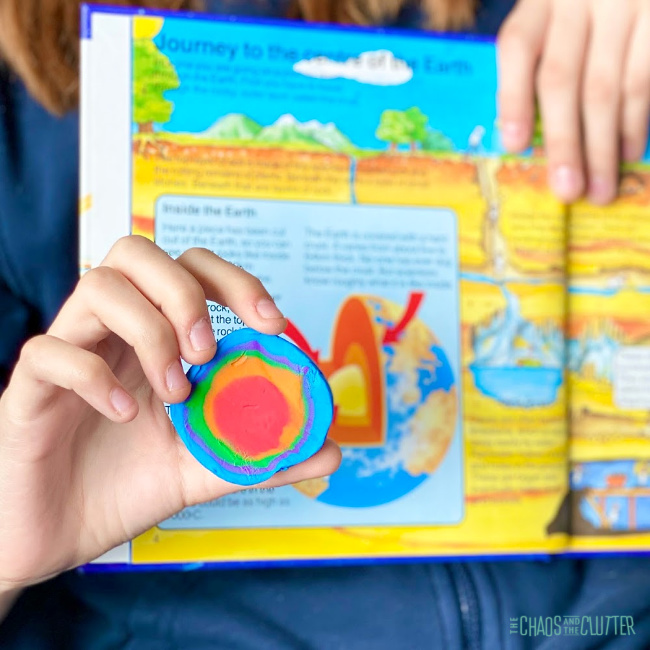
Earth Books to go along with this science unit:
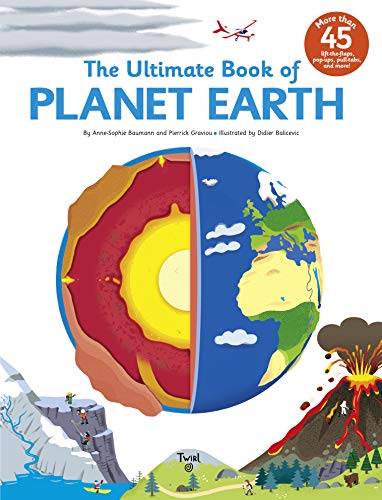
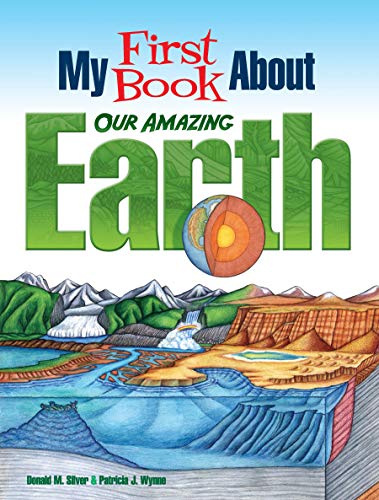
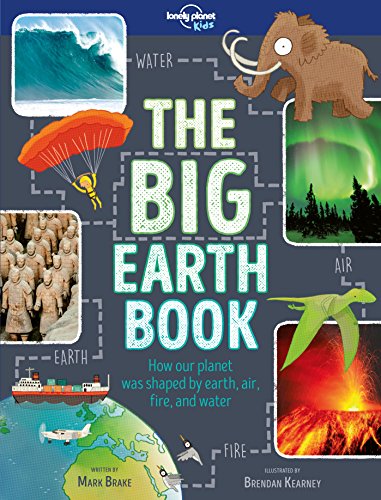
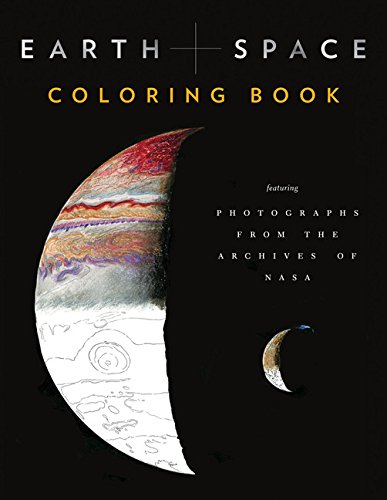
The Ultimate Book of Planet Earth My First Book About Our Amazing EarthThe Big Earth BookEarth and Space Colouring Book: Featuring Photographs from the Archives of NASA
You may also be interested in these hands-on science activities for kids:

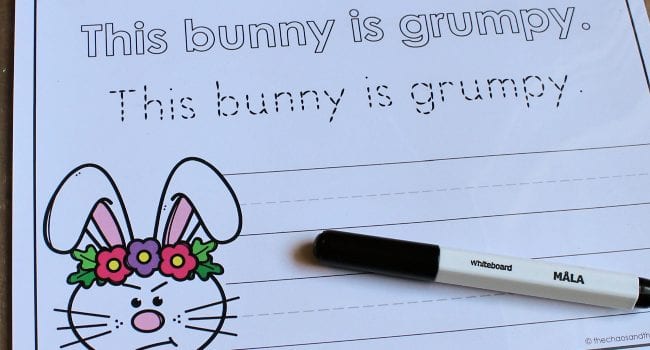

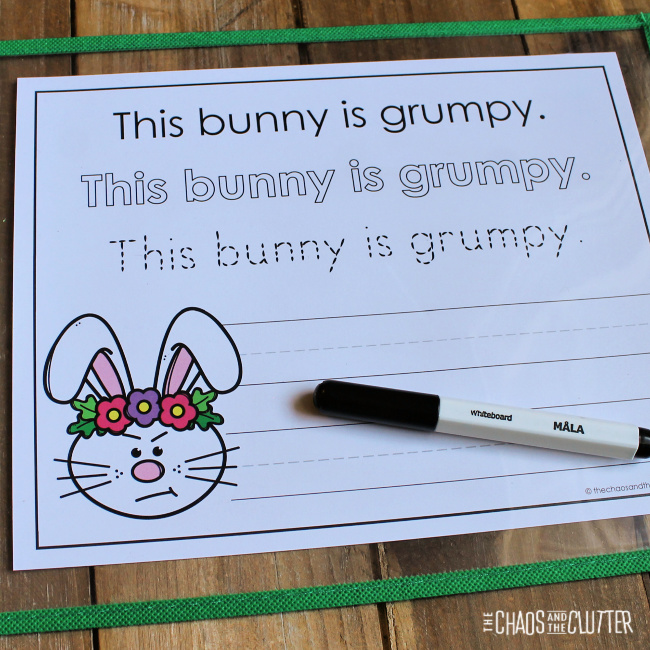 These worksheets can be a starting point for a talk about different emotions. You can further expand on this by having the child describe a time when they have felt that emotion. They can also come up with a story describing why the Easter bunny might be experiencing that particular feeling.
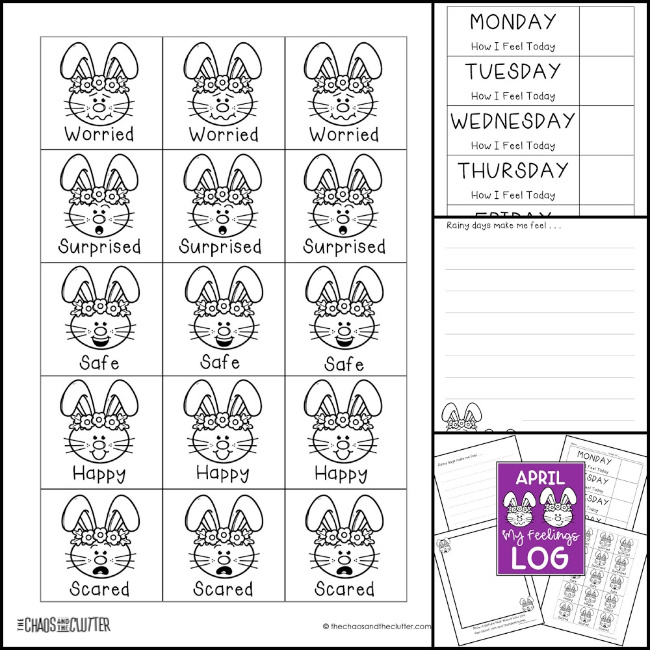 The bunny emotion visuals can help children better identify and work through their own feelings in a way that feels less vulnerable. Once you know HOW they are feeling that day, you can help them dig into WHY they might be feeling that way. Together, you can then work on strategies for managing that emotion.

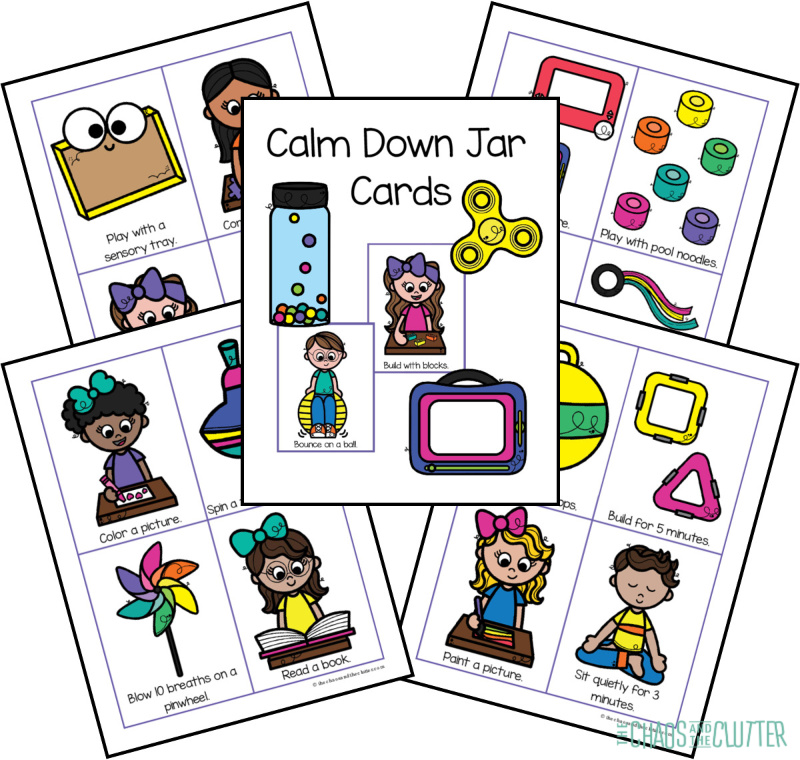
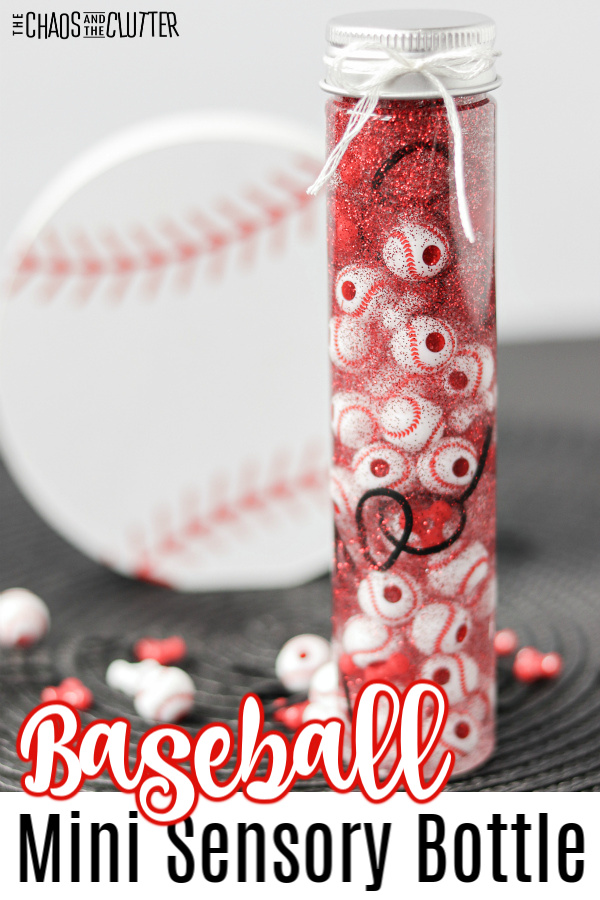
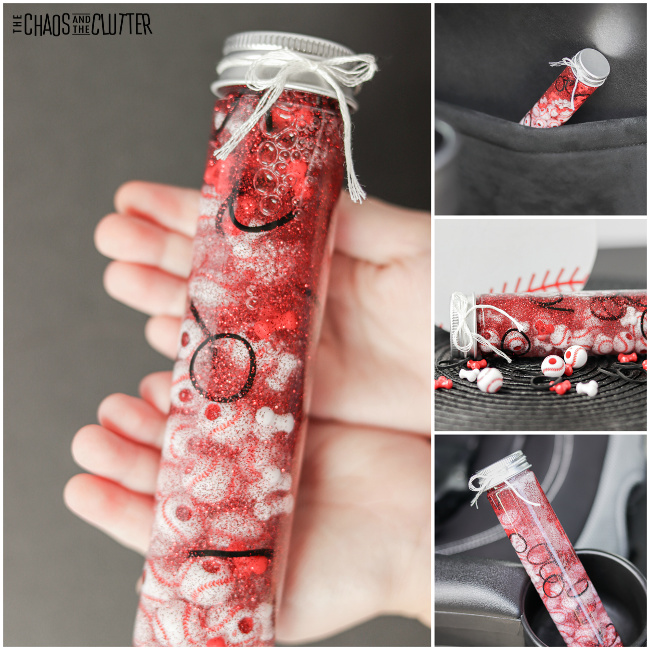 Directions: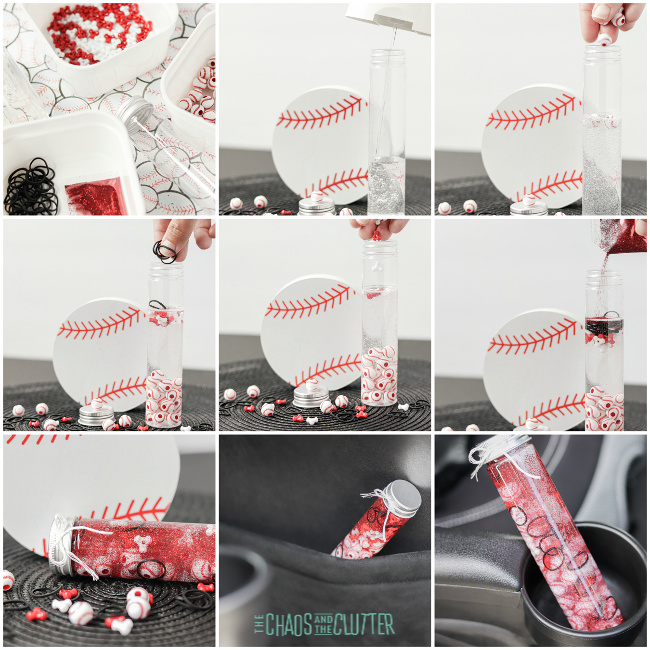
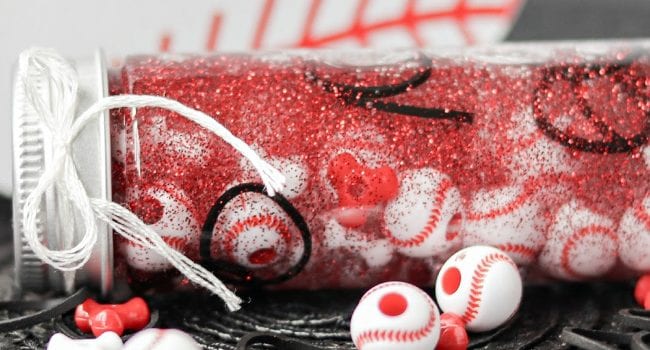
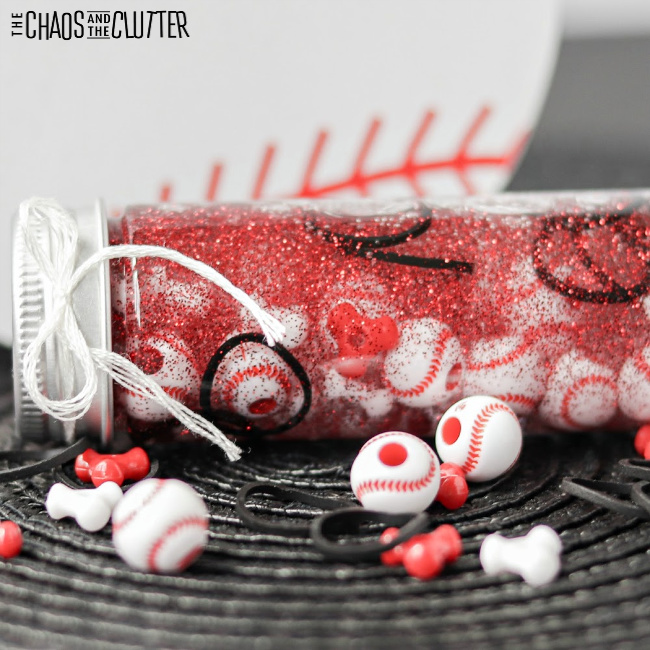
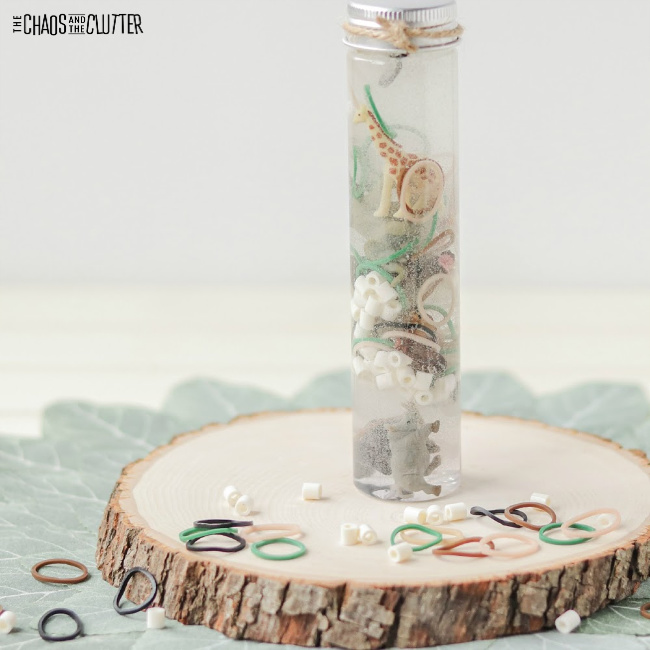
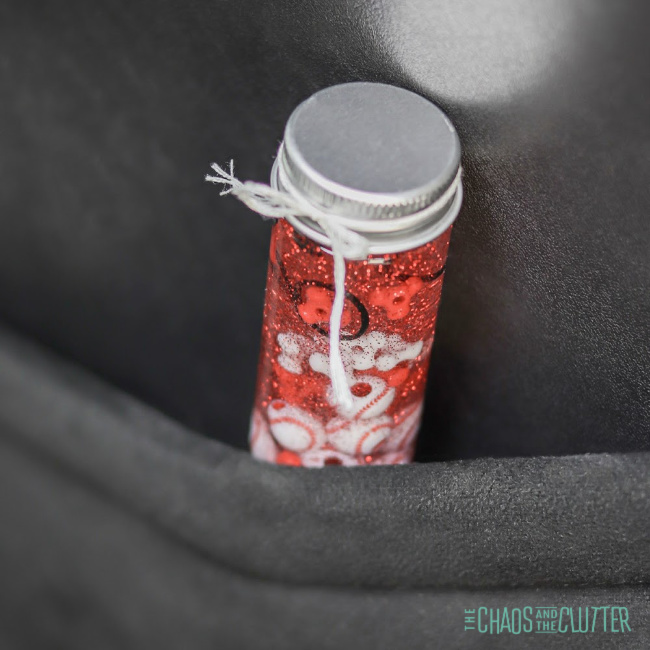 This adorable mini bottle incorporates both the visual and tactile sensory systems. Because the glitter and beads stay suspended in the dish soap and fall slowly as it is turned or flipped over, this can also serve as a calm down bottle. Children can watch the glitter slowly fall as they focus on regulating their breathing.
  Are you looking for more easy sensory play ideas to use with kids? Join us for a five day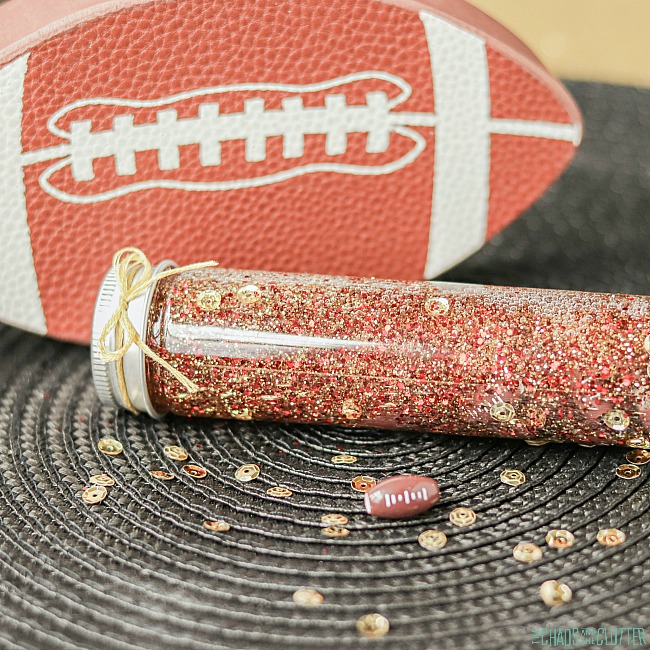

 Communities are reacting in an attempt to protect their members. Yesterday, our community announced the closure of all schools, community centers, libraries, and large gatherings including church services. It’s a lot to take in.