• Skip to primary navigation
  • Skip to main content
  • Skip to primary sidebar
  • Home
  • About
  • Contact
  • Privacy + Terms
  • Affiliates

The Chaos and the Clutter

  • Facebook
  • Twitter
  • Pinterest
  • Google Plus
  • RSS
  • Email
  • School at Home
  • Sensory
    • Sensory Processing Disorder
    • Awesome Sensory Play Activities
      • Sensory Bins
      • Sensory Bottles
      • Sensory Bags
  • Family Games
    • Minute to Win It Games
  • Special Needs Parenting
    • Childhood Anxiety
    • Reactive Attachment Disorder
    • Sensory Processing Disorder
  • Store
  • Course Login

Sensory

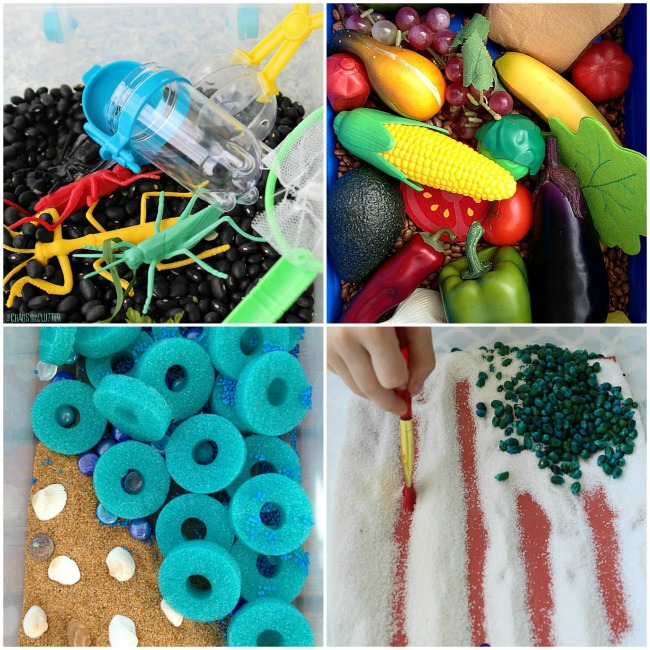
Over 100 Sensory Bin Themes

By Sharla Kostelyk

I always find that it’s easier to come up with creative sensory bins if I choose a theme. If you are a teacher or homeschooler, it is nice to have sensory play that corresponds to the current unit study. For these reasons, I’ve compiled a list of sensory bin themes.It’s easier to spark your creativity when you have a head start. These sensory bin themes will give you the inspiration and ideas to create your own! You’ll find things for toddlers, preschoolers, and beyond.

You can find examples of sensory bins for each theme by clicking on the link.

Sensory Bin Themes:

Seasons

  • Fall
  • Winter
  • Spring Sensory Soup
  • Spring
  • Summer

Science

Some of the animal sensory bins could work as science units also.

  • Ant Life Cycle
  • Blood (human body unit)
  • Bugs
  • Butterfly
  • Butterfly Life Cycle
  • Chicken Life Cycle
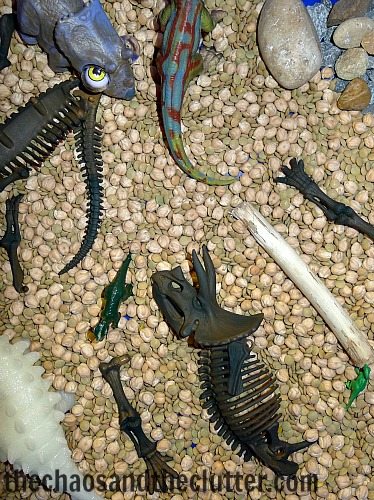
  • Dinosaur
  • Fossils
  • Frog Life Cycle
  • Going on a Bug Hunt
  • Honey Bee Life Cycle
  • Human Body
  • Insects
  • Magnets
  • Moon and Space
  • Ocean
  • Rainbow
  • Solar System
  • Weather

Animals

  • Arctic Animals
  • Birds
  • Hedgehogs
  • Horses
  • Frogs
  • Penguins
  • Pigs
  • Sea Turtle
  • Shark

Sensory Bins Based on Books

  • Are you my Mother?
  • Big Red Barn
  • Brown Bear, Brown Bear
  • Cat in the Hat
  • Chicka Chicka Boom Boom
  • Cloudy with a Chance of Meatballs
  • Goodnight Construction Site
  • Goodnight Moon
  • Green Eggs and Ham
  • If You Give a Mouse a Cookie
  • The Lorax
  • One Duck Stuck
  • The Very Hungry Caterpillar

Alphabet and Reading

  • Alphabet
  • Alphabet Ocean
  • Family (Vocabulary)
  • Learning Names
  • Letter A
  • Letter C
  • Letter Dig
  • Letter Matching Seashells
  • Marshmallow Sight Words
  • Spelling
  • Spell Your Name

Social Studies

  • Community
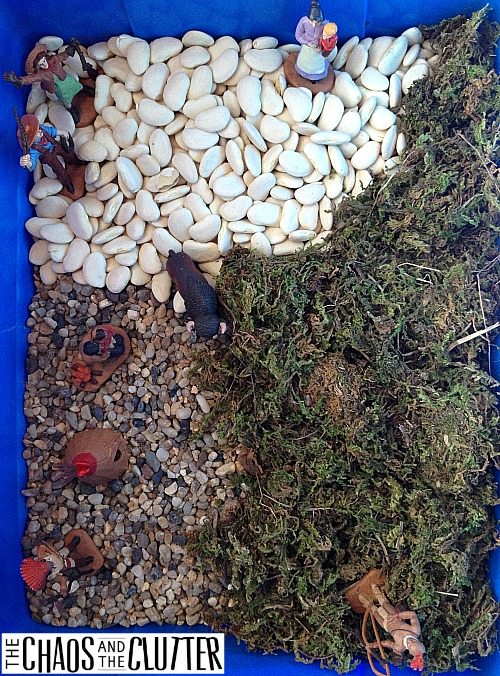
  • History
  • Knights
  • Pirate

Math

  • Caterpillar Math
  • Counting Stars
  • Telling Time

Holidays

  • New Year’s
  • Valentine’s Day
  • St. Patrick’s Day
  • Easter
  • Canada Day
  • Fourth of July
  • Halloween
  • Thanksgiving
  • Christmas

Other Sensory Bin Themes

This list includes every theme you can imagine (and some you never would!) from A to Z.

  • Airplanes
  • Apples
  • Autism Awareness
  • Baby Bath
  • Baking
  • Beach
  • Berry Picking
  • Bird Nest
  • Birdseed
  • Birthday Cake
  • Birthday Party
  • Bunny
  • Butterfly
  • Calming Lavender
  • Candy
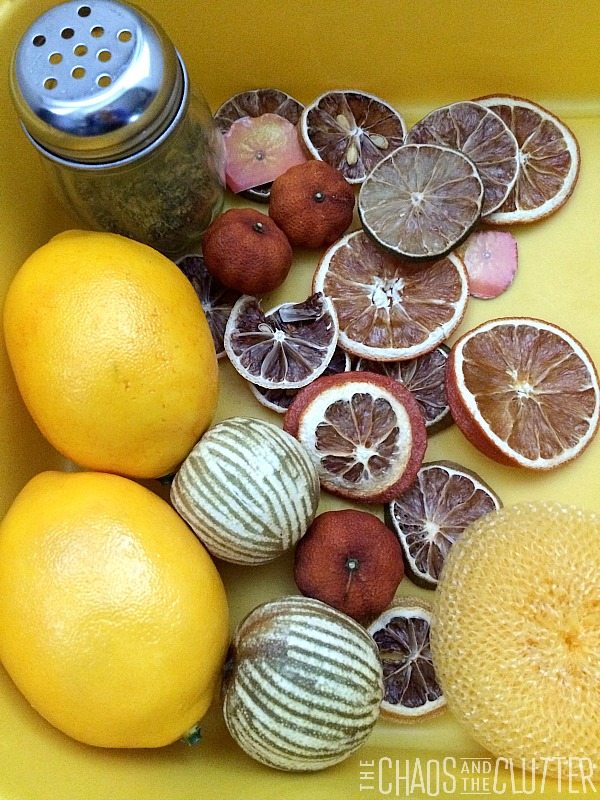
  • Citrus
  • Coffee
  • Construction
  • Colour
  • Desert
  • Dishwashing
  • Dollar Store
  • Duck Pond
  • Emotions (Inside Out)
  • Fairies
  • Farm
  • Fish Tank
  • Flowers
  • Football
  • Frozen
  • Garden
  • Harvest
  • Hot Chocolate
  • Ice Cream
  • Iceberg
  • I Spy
  • Ladybug
  • Lemon
  • Lemonade 
  • Lemonade Stand
  • Mermaid
  • Mint
  • Monsters
  • Mud
  • My Family (All About Me theme)
  • Nature
  • Night Sky
  • Nutrition
  • Paint
  • Peas and Carrots
  • Planting Trees
  • Pompom
  • Popcorn
  • Pumpkin Patch
  • Quarry
  • Rubber Ducks
  • Scarecrow
  • Seaside
  • Seek and Find
  • Shapes
  • Sky
  • Snow
  • Snowflake
  • Snowman
  • Spider
  • Squirrel
  • Starry Night (art inspired)
  • Straight Lines
  • Sunflower
  • Tea Bag
  • Tractor
  • Train
  • Transportation
  • Unicorn
  • Water
  • Water beads
  • Watermelon
  • Wetlands
  • Zoo

Join thousands of others who have signed up for our free sensory solutions and activities email series and get a sample of our Sensory Play Recipes eBook.
Filed Under: Sensory, Sensory Bins

Dig for Fossils Sensory Bin

By Sharla Kostelyk

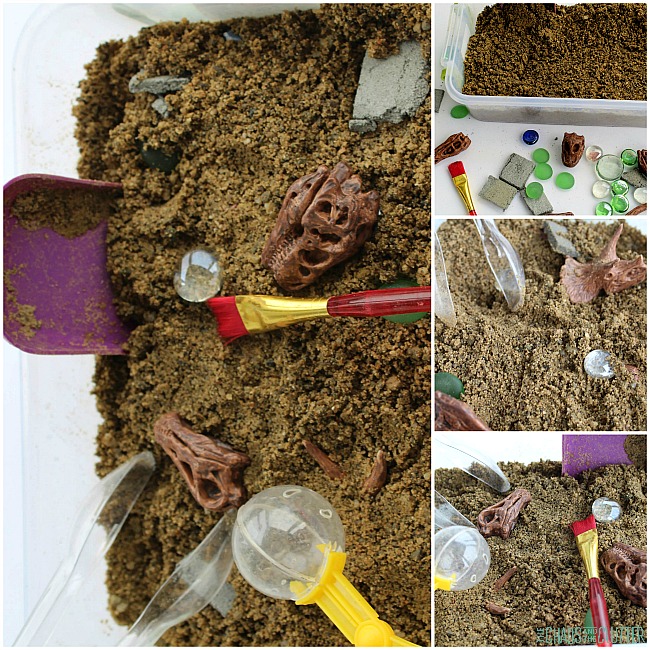
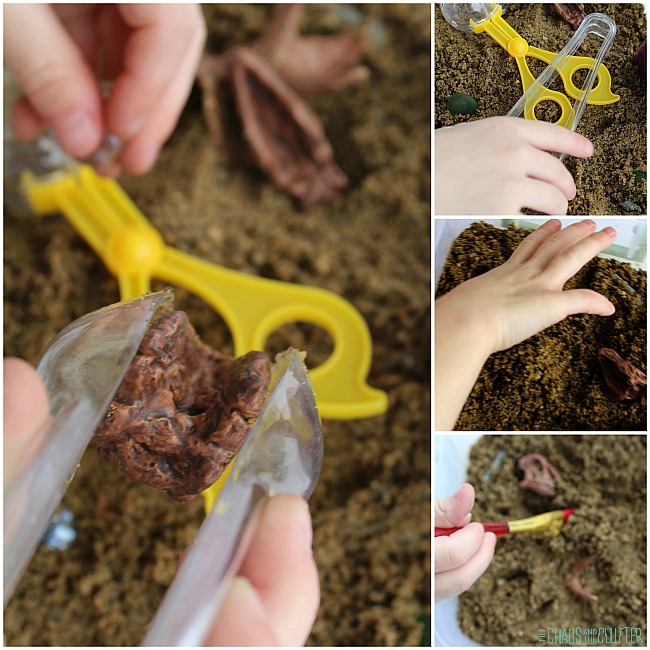
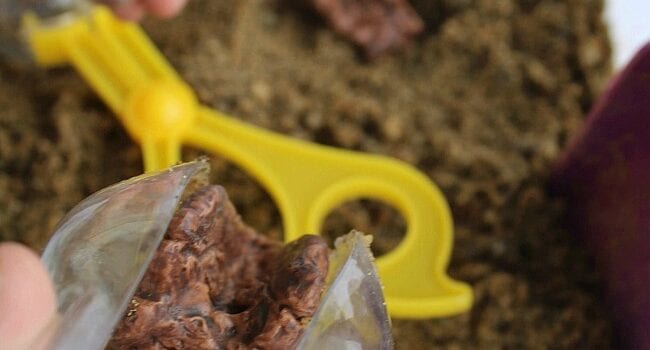
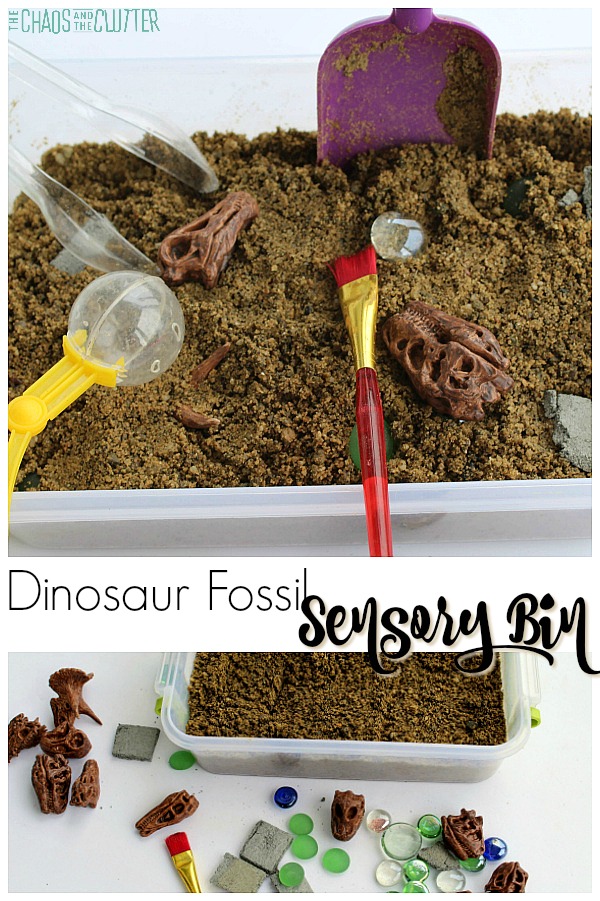
Kids will love to dig and explore in this dinosaur fossils sensory bin. It’s great for fine motor practise as well as supplementing science learning. It pairs well with a dinosaur unit. Dinosaur Fossil Sensory Bin #science #sensoryplay #sensorybins #sensory #kidsactivitiesThere are a variety of textures for kids to explore in this sensory play activity because of the grittiness of the sand, the smoothness of the glass beads, and the rough dinosaur skulls. This provides great tactile input. The bin also allows for visual and proprioception sensory feedback.

Dig for Fossils Sensory Bin:

Supplies:
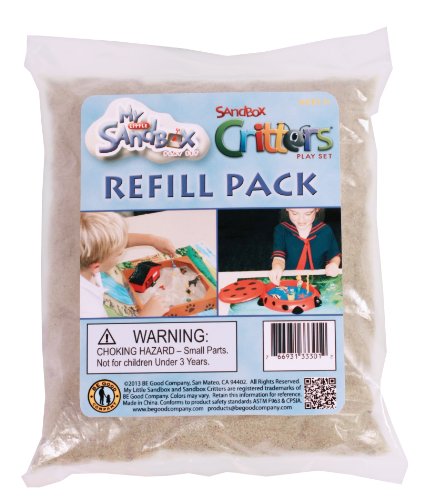
  • sand
  • plastic bin with lid
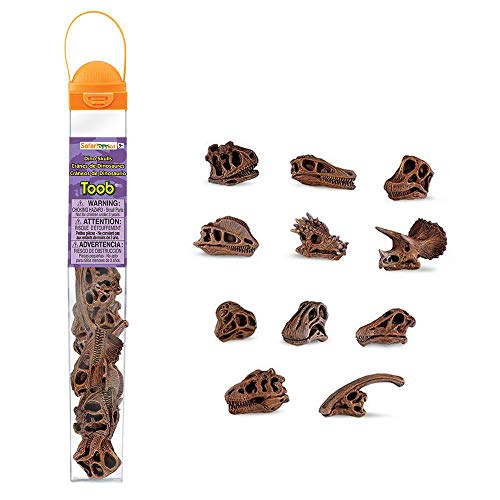
  • dinosaur skull fossils Toob
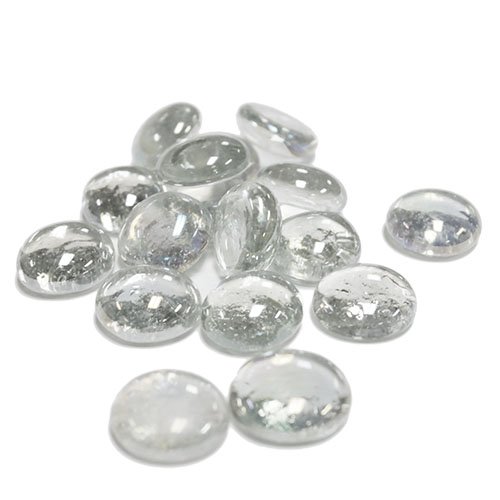
  • glass beads
  • decorative rocks
  • paint brush
  • tongs, plastic shovel or anything else your child can use to practice fine motor skills and excavate dinosaur skulls with
  • optional: magnifying glass

Dinosaur Skulls TOOBDinosaur Skulls TOOBDinosaur Skulls TOOBGlass BeadsGlass BeadsGlass BeadsNatural SandNatural SandNatural Sand

Directions:
  1. Fill a plastic storage bin about halfway up with sand.
  2. Begin adding the rocks, glass beads and dinosaur skulls to the bin.
  3. Bury them in the sand.
  4. Add a few dinosaur skulls to the top and loosely bury them in the sand.
  5. Place tongs, a paint brush and sand toys in the bin.
  6. Invite your child to explore the sensory bin and excavate the contents.
  7. When playtime is over, replace the lid on the bin and give it a good shake so that the next time your child wants to explore the bin, the contents are buried in the sand again!

Learning opportunities:

If you want to expand the learning, you can set out a few books about dinosaurs and dinosaur fossils. This will allow your child to compare the dino skulls with the pictures in the books and determine which type of dinosaur it is.

You can also put out a book about excavation. Children can learn how archeologists uncover their finds. They can then mimic some of what they’ve learned in the excavation sensory bin.

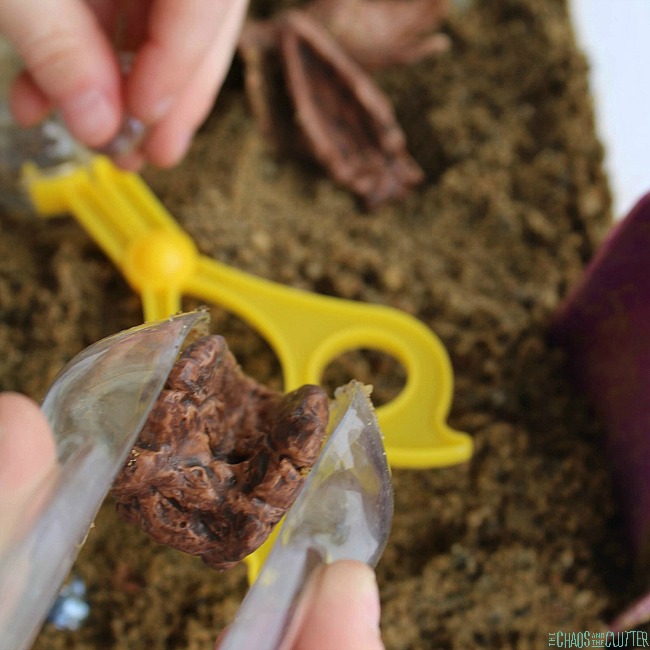
Kids can dig with their hands or with the shovel or scoops. They can use the paintbrush to carefully brush sand off the fossils. The tongs can be used to examine things more closely. You can also include a magnifying glass for closer inspection of the fossils. Check out these other sensory bins:
Dinosaur Sensory Bin Citrus Sensory Bin Citrus Sensory BinHistory Sensory Bin History Sensory Bin

Filed Under: Sensory, Sensory Bins

Dino-riffic Dinosaur Slime

By Sharla Kostelyk

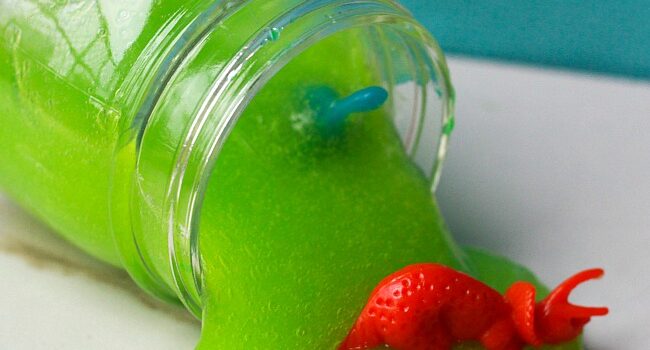
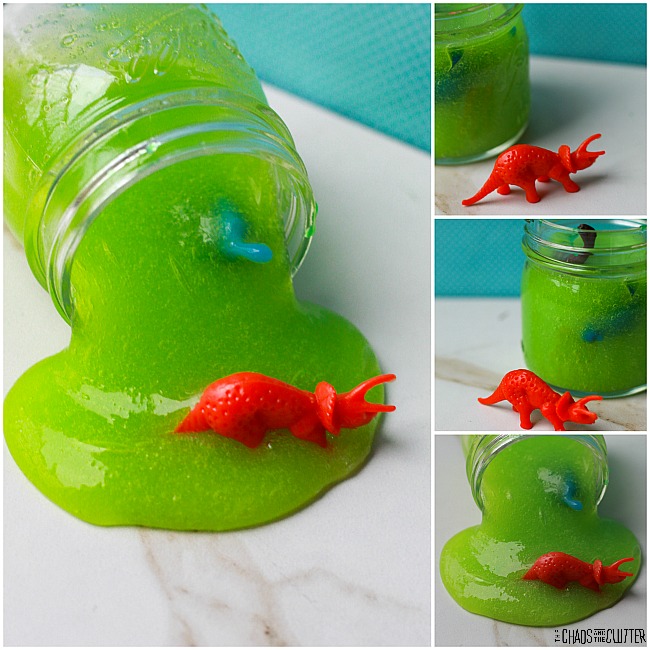
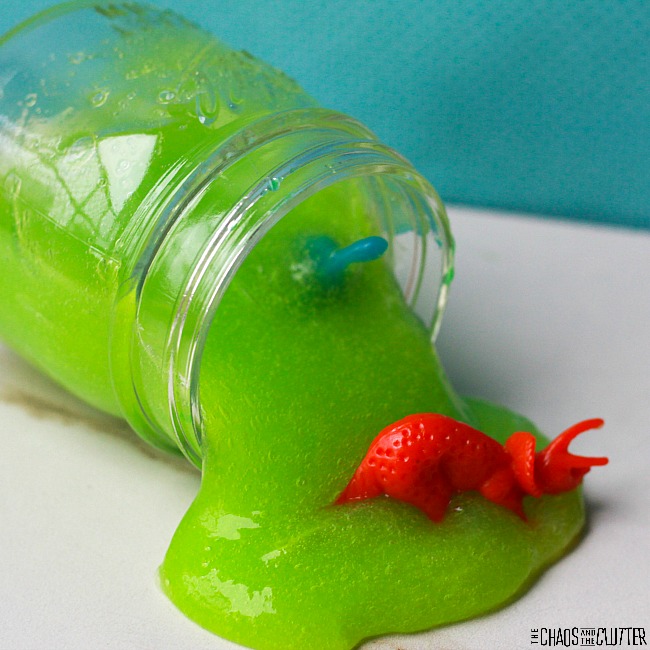
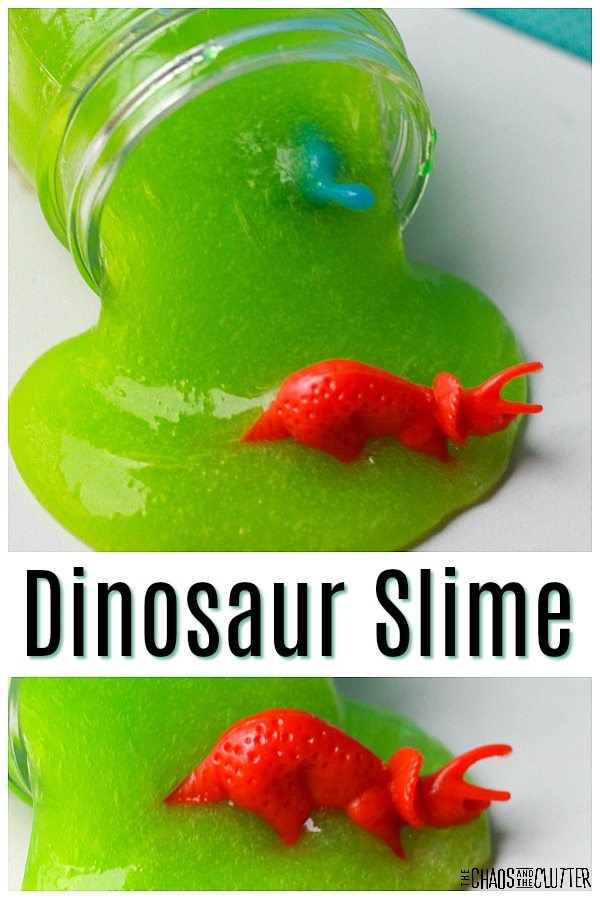
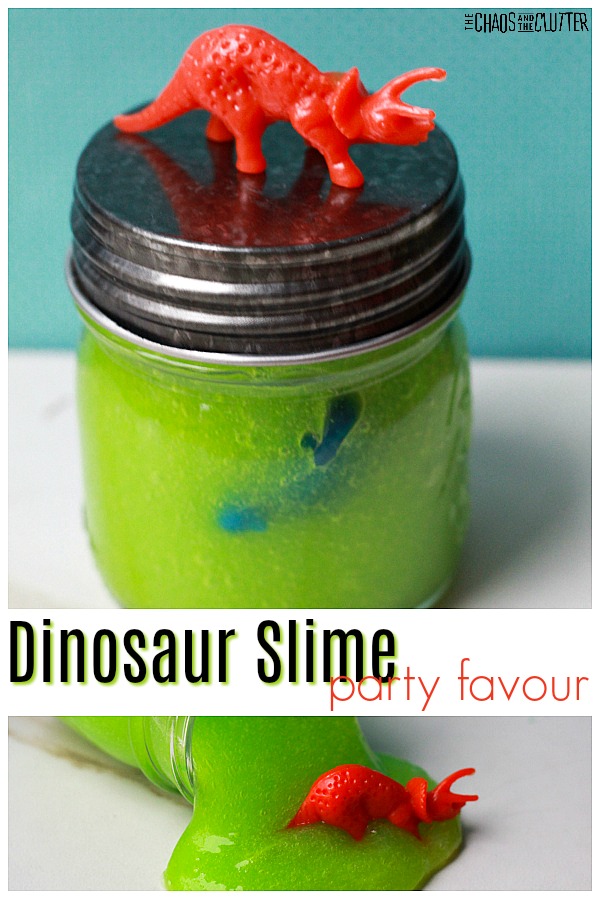
This super fun dinosaur slime makes a perfect party favour. It’s going to be a favourite among kids. The neon green, the stretchy slime, and the dinosaurs all go together to create great sensory play.

Dinosaur Slime #sensoryplay #slimerecipes #slime #sensory #kidactivitiesDinosaur Slime Recipe:

Supplies:

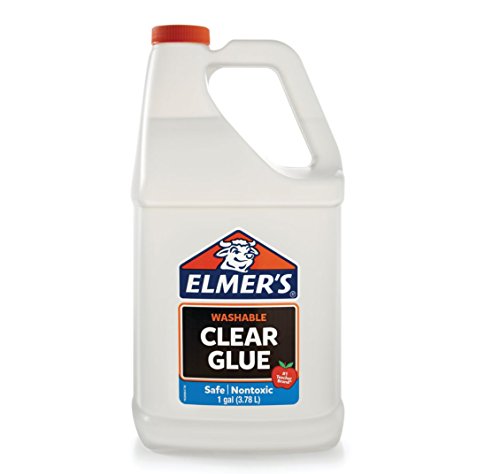
  • ½ cup clear Elmer’s School Glue
  • ½ cup of water
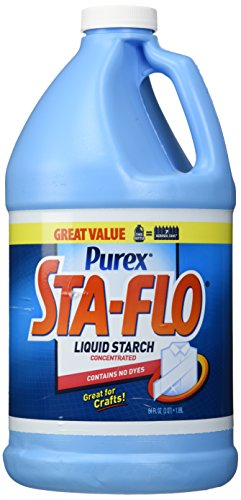
  • ½ cup of liquid starch 
  • neon green food colouring paste
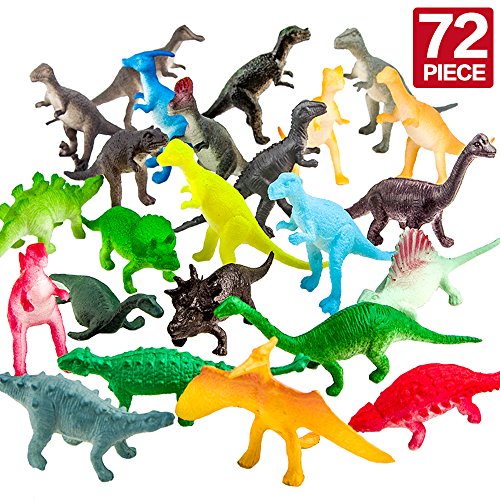
  • plastic dinosaur figures

Elmer's Clear School GlueElmer’s Clear School GlueElmer's Clear School GlueSmall Dinosaur ToysSmall Dinosaur ToysSmall Dinosaur ToysPurex Sta-Flo Liquid StarchPurex Sta-Flo Liquid StarchPurex Sta-Flo Liquid Starch

Directions:

  1. Pour the water and clear Elmer’s glue into a mixing bowl. Combine well.
  2. Next, add in the food colouring and stir. 
  3. Mix the water, glue and additives together well.
  4. Pour in your liquid starch and stir well for at least 30 seconds.
  5. Your slime mixture should start pulling away at the sides of your bowl when mixing. This is when you can start kneading it in your hands to see if it’s a texture you like. It should become a pliable slime ball.
  6. It’s now ready to pull out of your bowl and place on a clean, flat surface.
  7. Your slime is ready to play with. Add in your dinosaur figures.
  8. Enjoy playing with your slime! 

Notes:

The kids can help mix the glue, water and add ins. However, I recommend that an adult or older child handle the liquid starch stage of the recipe.

This makes a sticky slime, but it stretches well. If you want it to be less sticky, you can add in more of the liquid starch. The more starch you add, the less sticky it becomes. It will also become more rigid though, and more likely to break than to stretch. Always supervise young children when playing with slime or with any sensory play activity. Do not allow kids to eat slime. Although it is a fun science experiment, it should be handled with care and with adult supervision.

Dinosaur Themed Slime Party Favours:

This slime makes an adorable party favour. If you’re having a Dinosaur Birthday Party, you can either make these up ahead to include in the treat bags or you can make them with the kids at the party. Each child can take the one they make home with them.

Read about how to make slime with a large group by setting up slime stations here.

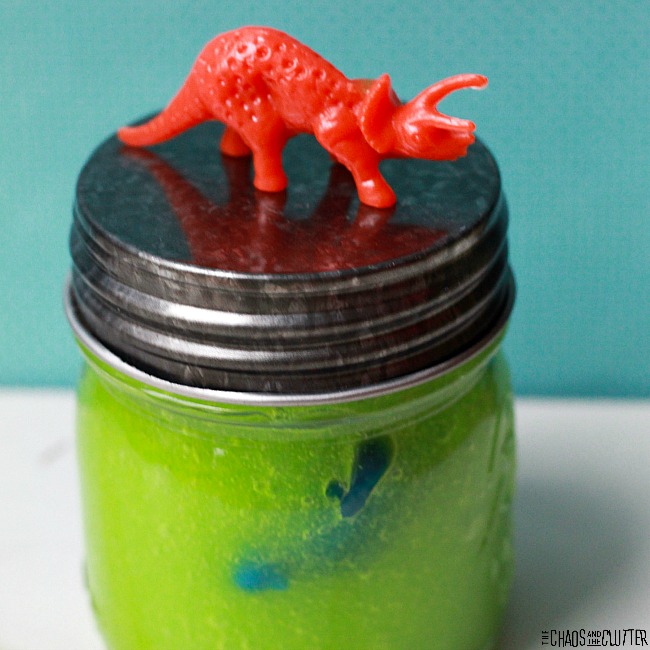
Use small jars with lids such as baby food jars. Fill the jars with a plastic dinosaur toy and slime. As an extra special touch, you can attach a plastic dinosaur to the lid with hot glue. Allow the glue to dry before screwing on the lid. If you’d like, you can also personalize the favours by writing each child’s name on the jar in permanent marker or by decorating the jar with dinosaur stickers that the child chooses. This dinosaur slime makes a great party favour! #partyplanning #dinosaur #slime #slimerecipes #sensoryplay Join me for a free 5 part email series, Sensory Solutions and Activities (just put your email into the box below) and get a printable list of 175 great Sensory Ideas.
Check out some of our other fun slime recipes:

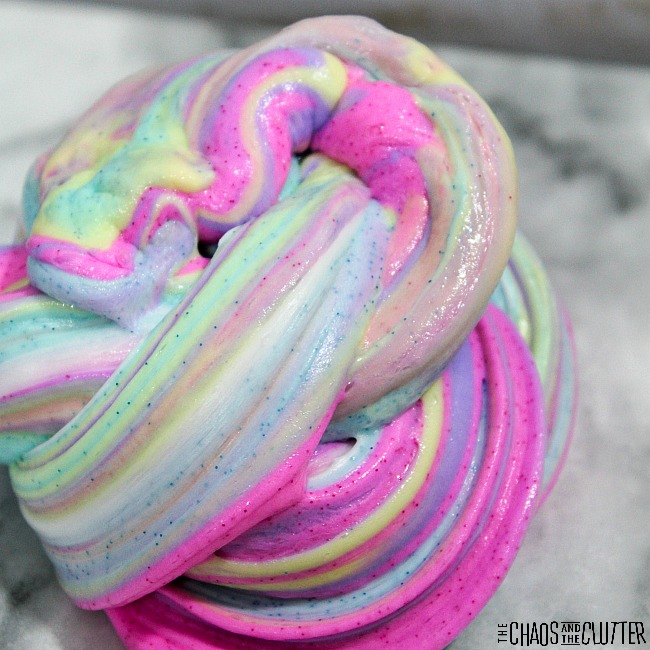
Lion King Inspired Slime Minnie Mouse Slime Unicorn Fluffy Slime 

Filed Under: Sensory Tagged With: sensory play, slime

Edible Shark Fluffy Slime

By Sharla Kostelyk

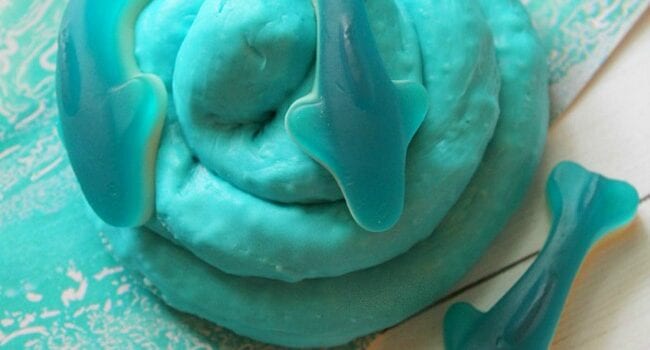
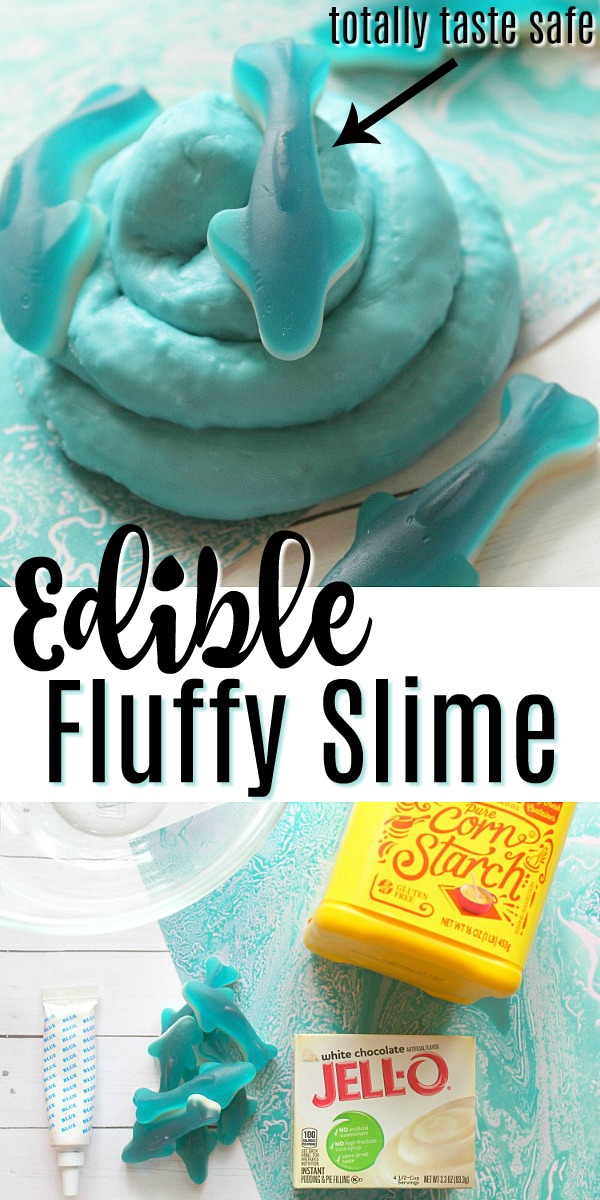
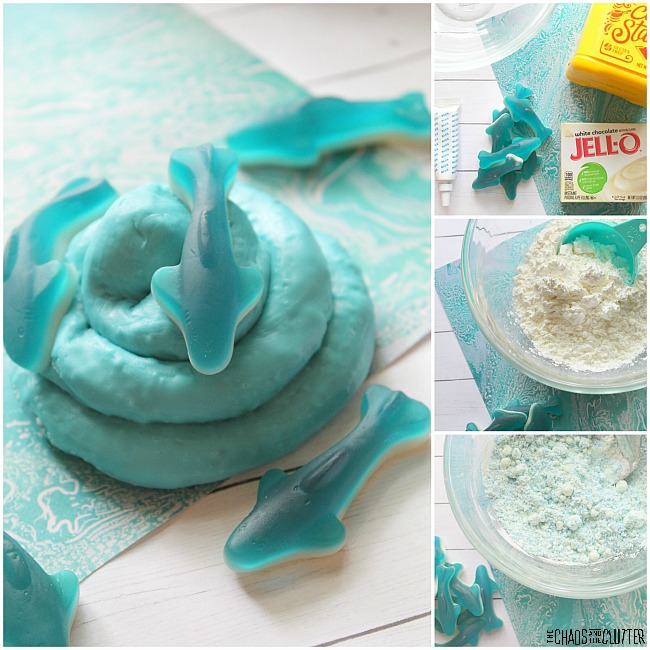
You’re going to love this shark themed edible fluffy slime. It’s fun to play with and taste safe, so it’s good for toddlers or preschoolers. It smells great too (like white chocolate)! a pale blue slime sits in a swirl on a blue and white surface. A blue gummy shark candy is on top. There is an arrow pointing to the shark that says "totally taste safe". The text reads "Edible Fluffy Slime". There is a box of jello, shark candies, corn starch, and an empty bowl at the bottom.This fluffy slime recipe goes well with a unit study on the ocean or is the perfect pairing for Shark Week. You could also use it for an Ocean or Shark themed party.
Edible Shark Fluffy Slime Recipe:

Slime ingredients:

  • 1/3 cup white chocolate instant pudding mix 
  • 1 cup of cornstarch
  • blue food colouring
  • gummy sharks candy 
  • 1/3 cup water

How to make edible fluffy slime:

  1. Empty the dry pudding mix pouch into a bowl. Add the cornstarch. Mix well.
  2. Pour in the water and begin to stir quickly. There will be some clumps, but you can break them apart with your spoon. 
  3. Keep stirring and breaking the clumps. A crumbly dough will form. Add a few drops of blue food colouring so that you get just the shade you’re looking for.
  4. As soon as the crumbly dough forms, press it and knead it until the slime forms.
  5. If your mixture feels too dry and crumbly, continue to add a teaspoon of water at a time until you get the right consistency. If  it feels too wet, sprinkle in equal parts of pudding mix and corn starch until it thickens up and becomes the desired consistency.
  6. The more you stir or knead it, the better the consistency gets.
  7. Finish this slime off with gummy sharks. You can mix them in or use them to top the slime. Of course, there may be a few of the candies that find their way into little mouths!

One of the nice things about edible slimes is that they are borax free. This makes them safe for all ages (though of course adult supervision should be used with this and all sensory play activities).
Taste Safe Slime Sensory benefits:

Slime is always a great sensory activity, but a taste safe slime allows even more sensory systems to be involved.

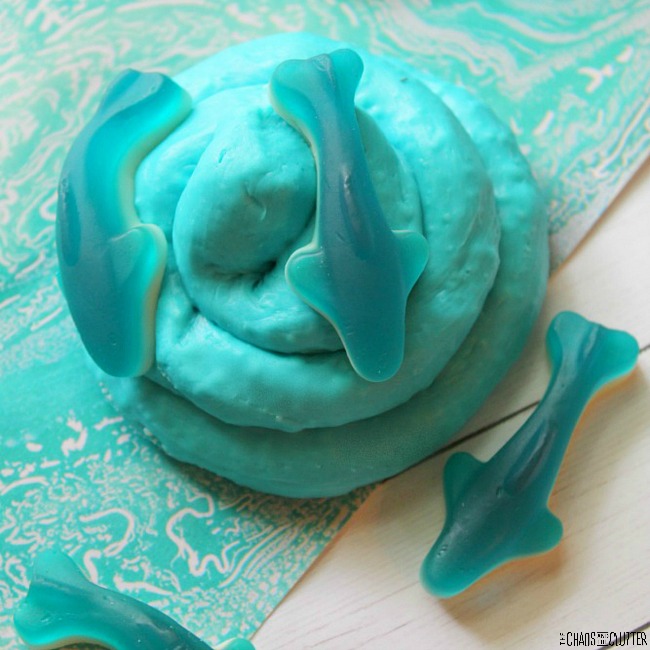
Visual – The soft blue of this slime is visually appealing.

Tactile – Little hands can touch this sensory play recipe. If you choose to add the shark gummy candies into it, it will add another texture element which is good for tactile input.

Gustatory (taste) – Since this is a taste safe slime recipe, it provides a great gustatory opportunities for licking and even biting and chewing. I wouldn’t recommend eating the whole thing though as it’s quite cornstarch-y. Olfactory (smell) – Sniffing fully allowed. This slime smells like white chocolate. Yum!
Proprioception – Involving the kids in the process of making the slime allows even more proprioceptive input as they knead, smash, and press. Pulling, scrunching, and stretching while playing with the slime also involves the proprioceptive system.

Looking for more awesome sensory play recipes for kids? You can grab a free sample chapter of our Sensory Play Recipes eBook here.

Check out some of our other slime recipes:

Unicorn Fluffy Slime

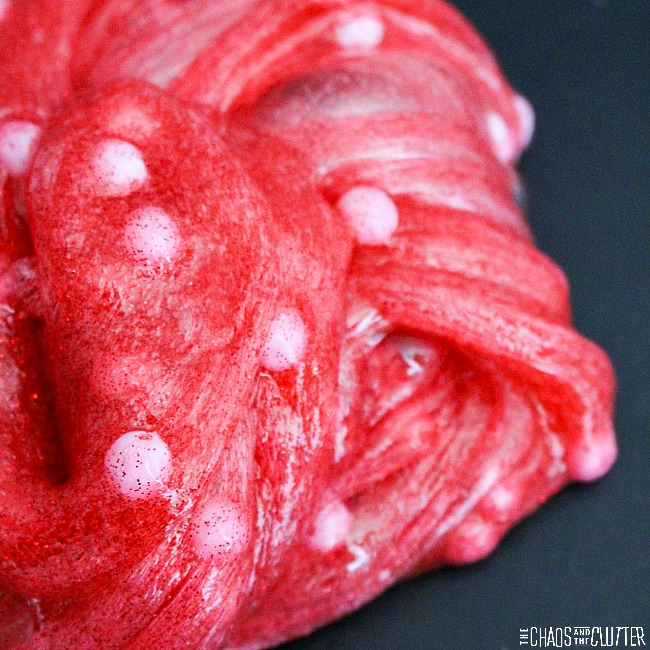
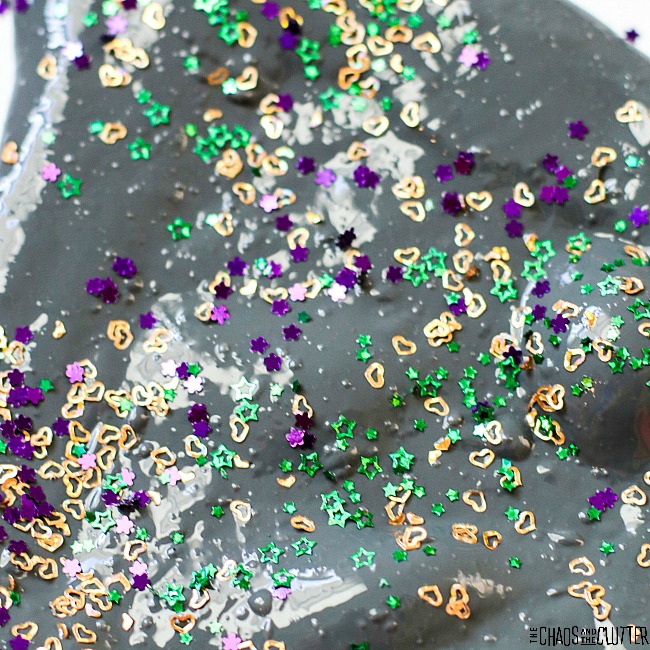
Minnie Mouse Inspired SlimeOn a black background sits a swirly clump of glittery red slime with white balls that look like polka dots.

Mardi Gras Slime

Filed Under: Sensory Tagged With: sensory play, slime

Bugs Sensory Bottle

By Sharla Kostelyk

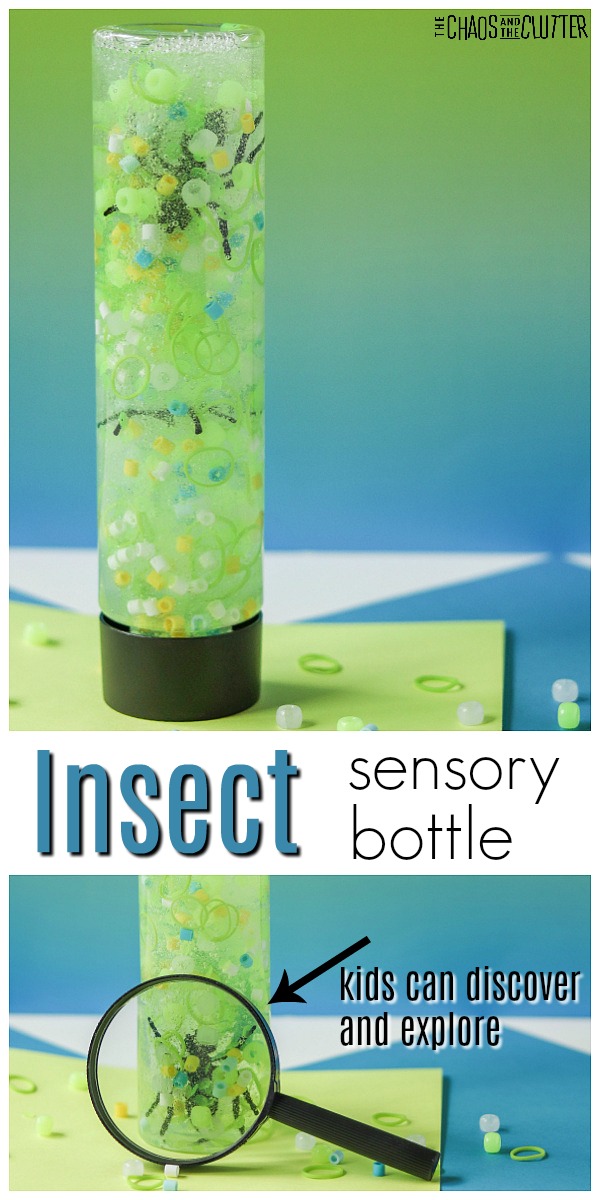
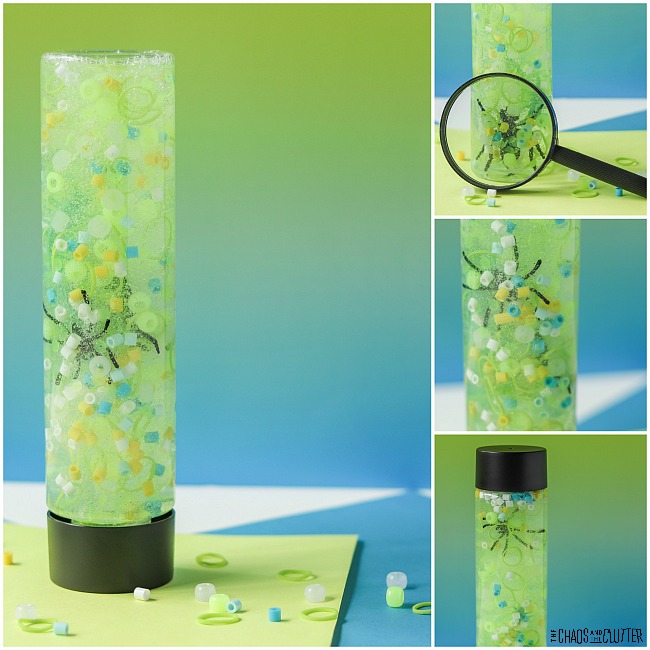
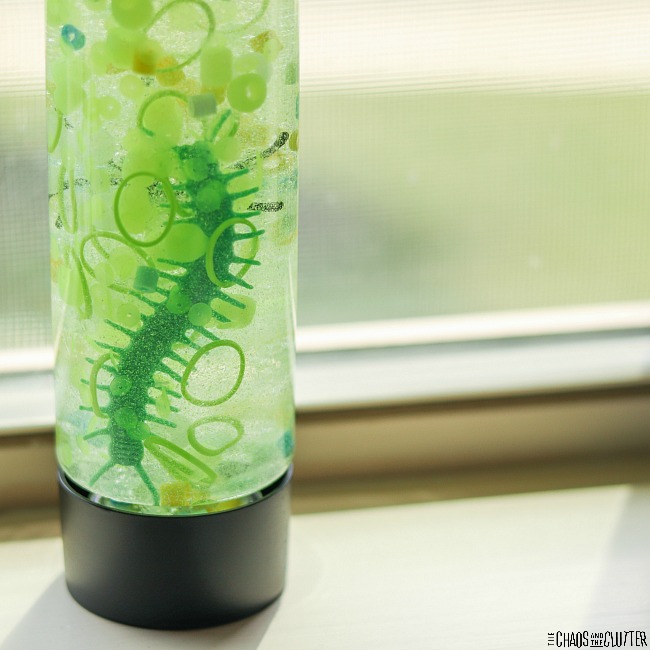
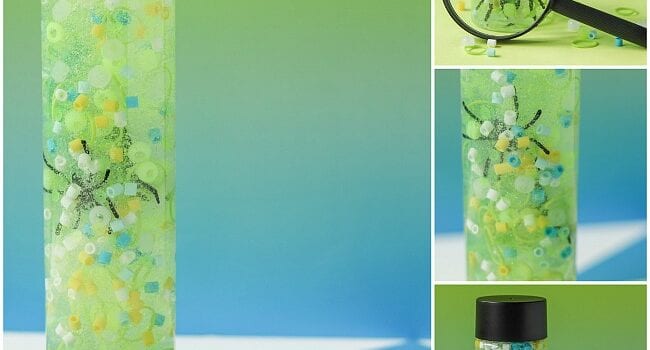
This bugs sensory bottle is almost too beautiful to play with! The colours are very inviting. Kids are generally fascinated with insects. This is a great vehicle for that.

the top image shows a bottle filled with green and blue. In the bottom image, a magnifying glass shows a black plastic spider inside the bottle. The words "Insect sensory bottle" are in text. An arrow points to the bottle with the words "kids can discover and explore".

Bugs Sensory Bottle:

Supplies needed:

  • Voss style empty water bottle
  • clear dish soap*
  • small plastic bugs
  • spider ring
  • yellow and green glitter
  • various types of yellow, white, and blue beads
  • green mini rubber bands
  • super glue
  • magnifying glass

*any dish soap will do, but I like the thickness of Dawn

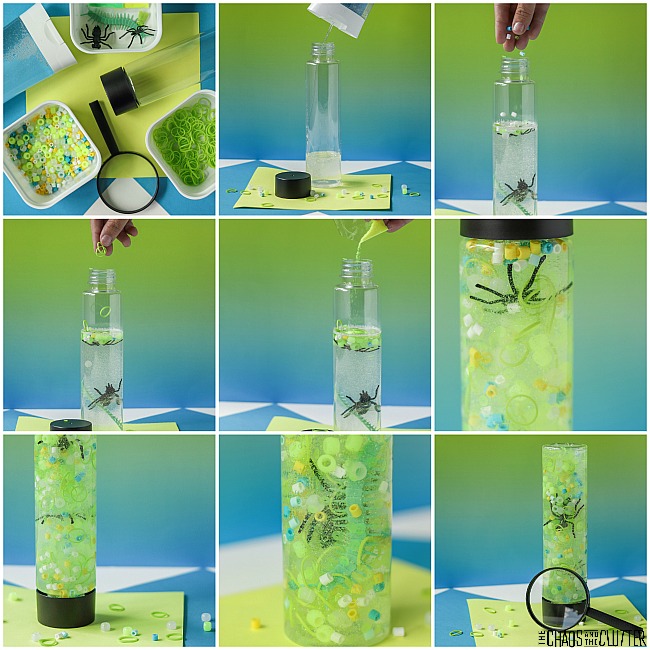
Instructions:

  1. Pour clear dish soap into the bottle until it’s about 2/3 of the way full.
  2. Add in the plastic bugs and the spider ring.
  3. Sprinkle the beads in.
  4. Next, drop the small rubber bands in. This is a great way to make use of all those leftover rainbow loom elastics that are floating around your house!
  5. Pour the glitter into the bottle.
  6. Fill any remaining space with water.
  7. Super glue the lid in place and allow to dry before handing it over to your child to play with.
  8. Set out a magnifying glass so that kids can explore all the different insects in the bottle.

This sensory bottle contains small parts. Even though the lid is glued in place, kids are determined little creatures and they may be able to find a way to get it open. As with all sensory activities, adult supervision is required at all times.

Learning and sensory benefits:

Unit study – This discovery bottle can be used in a bug/insect unit study. Students can jot down their observations of the different bugs such as number of legs, antennae, and other visual characteristics.

Sensory – This activity provides visual and proprioceptive sensory input. The use of the magnifying glass adds more of a visual element. The complimentary colours are pleasant to look at and will encourage kids to explore what they can find. Math – Your child can count how many of a certain coloured bead there are or how many bugs are in the bottle. They can also guess if there are more green beads or blue beads etc.
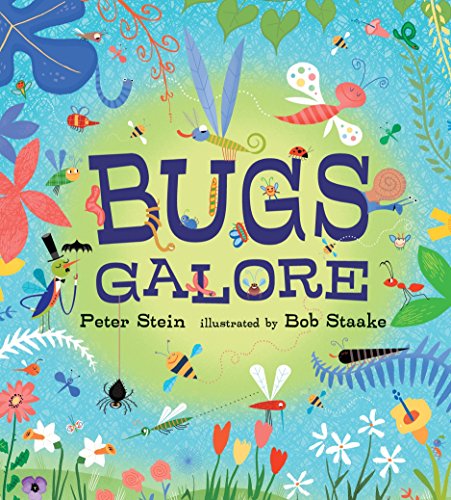
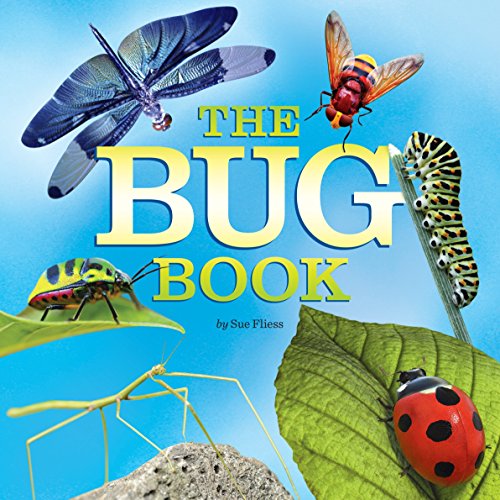
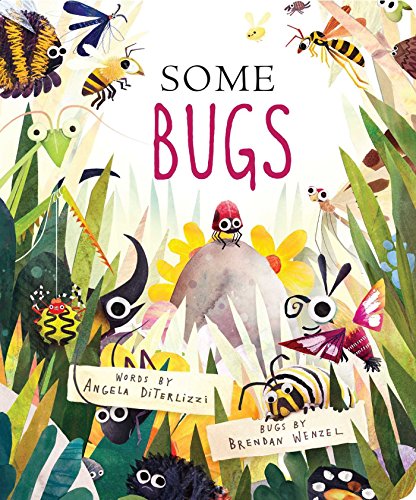
Science – You can set out books about bugs to encourage children to do their own research and learning.

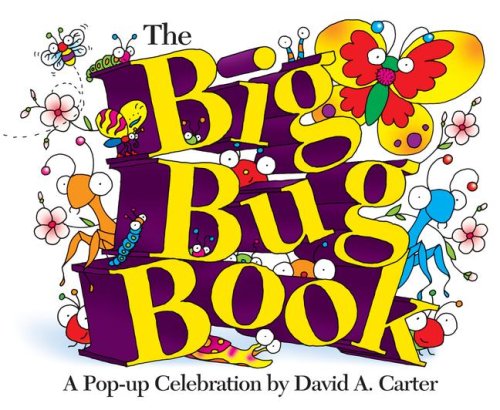
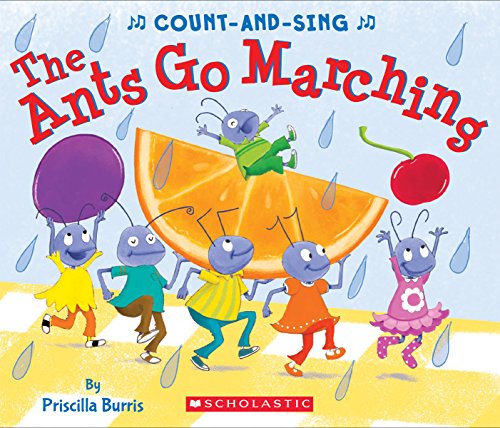
Bugs GaloreBugs GaloreBugs GaloreThe Bug BookThe Bug BookThe Bug BookSome BugsSome BugsSome BugsThe Very Hungry CaterpillarThe Very Hungry CaterpillarThe Very Hungry CaterpillarThe Big Bug Book: A Pop-up CelebrationThe Big Bug Book: A Pop-up CelebrationThe Big Bug Book: A Pop-up CelebrationThe Ants Go Marching: A Count-and-Sing BookThe Ants Go Marching: A Count-and-Sing BookThe Ants Go Marching: A Count-and-Sing Book

Communication – Vocabulary and communication skills are encouraged by kids asking questions and talking about their observations. They can talk about how quickly the glitter falls, what they feel and see, what types of bugs are included, what colours they observe, and any other things they notice.

Check out these other sensory bottles:

ABC I Spy Sensory Bottle

At the Beach Sensory Bottle

Filed Under: Sensory Tagged With: sensory bottles, sensory play

Bug Slime without Borax

By Sharla Kostelyk

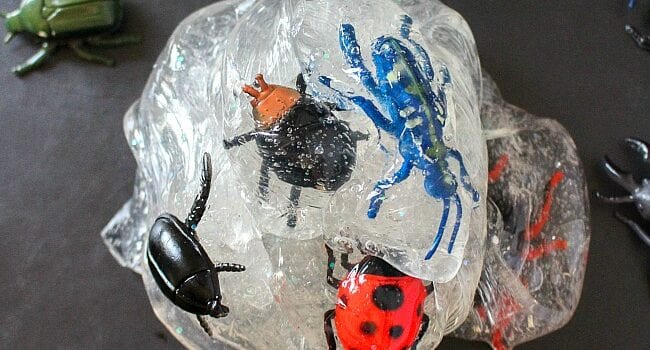
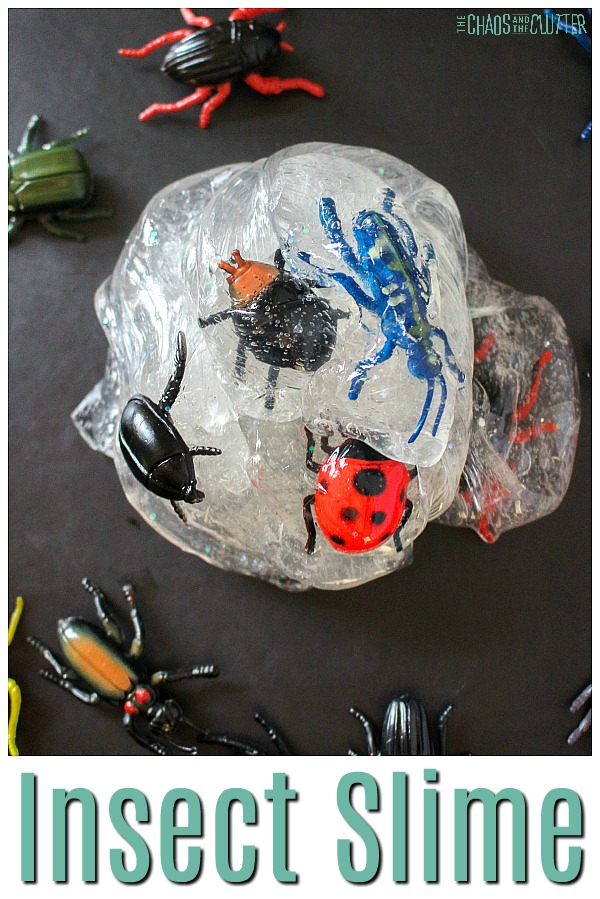
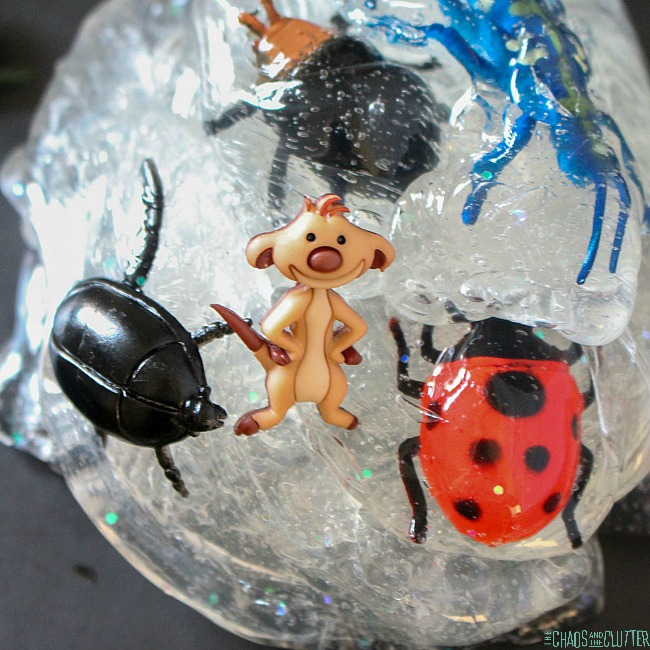
This bug slime without borax would go well with an insect theme unit. It also is a nice one for Spring or Summer. It’s a way for kids to play with bugs without them being real bugs! Bug Slime #sensoryplay #slimerecipes #slime #insectsMy kids love slime that is super stretchy. That is one of the things we really like about this particular recipe. It has a good amount of stretch to it.
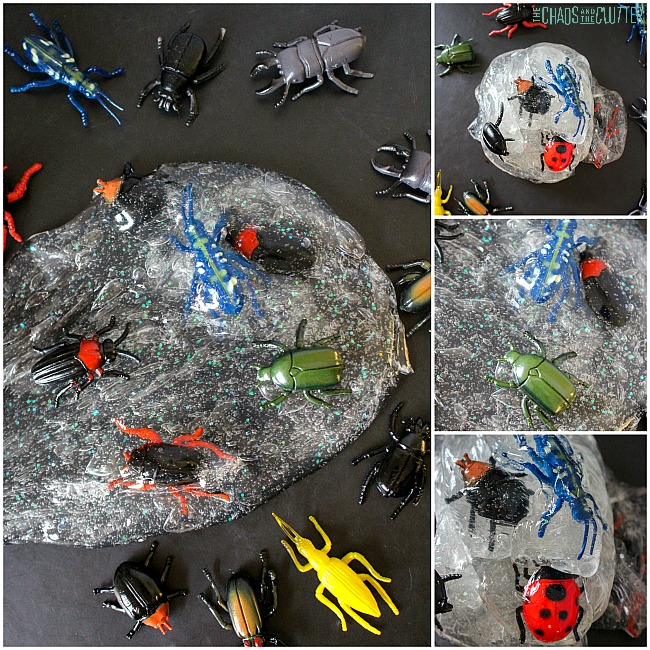
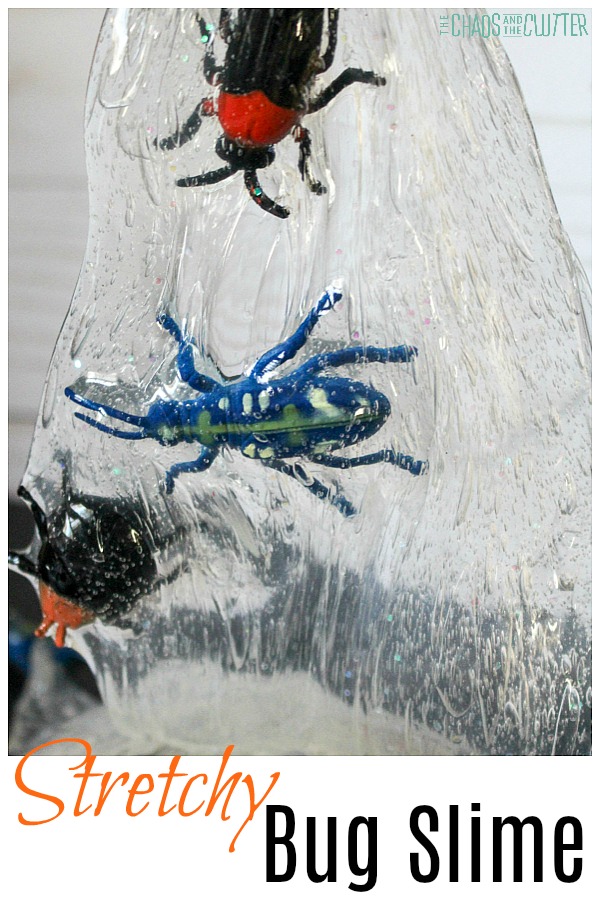
Incorporating the insects into the slime allows for this to be used in your school or homeschool in a science unit. The clear slime allows kids to examine each of the insects and make observations about their characteristics.

Bug Slime without Borax Recipe:

  • 5 oz. Elmers clear school glue
  • 1/2 cup water
  • 1/2 tsp baking soda
  • 1 Tbsp. contact solution (be sure to use contact solution that includes both boric acid and sodium borate in the ingredient list or it won’t work)
  • a variety of plastic bugs

Instructions:

  1. In a bowl, pour 5 oz clear glue.
  2. Add 1/2 cup water.  Mix until the glue has broken up and is incorporated into the water.
  3. Mix 1/2 cup baking soda in.  Baking soda will help determine your slime thickness.
  4. Add 1 Tbsp. of contact solution. Mix immediately. The slime will be ready to knead when it begins to pull away from the sides of the bowl. 
  5. Knead the slime. It will be sticky at first, but keep kneading it. This should make it less sticky. If you find that it is still too sticky, you can add a little bit more contact solution, a little at a time.
  6. Once your slime has formed, you can add your bugs and knead them inside.  
  7. Store in an airtight container.

Slime makes an excellent sensory play material. It incorporates the visual, tactile, and proprioceptive sensory systems. Kids can pull, knead, stretch, and squish the slime.

Check out some of our other slime recipes:

Mardi Gras Slime Peppermint Scented Slime Stretchy Bug Slime

Filed Under: Sensory Tagged With: sensory play, slime

  • « Go to Previous Page
  • Page 1
  • Interim pages omitted …
  • Page 11
  • Page 12
  • Page 13
  • Page 14
  • Page 15
  • Interim pages omitted …
  • Page 50
  • Go to Next Page »

Primary Sidebar

Categories

We are a participant in the Amazon Services LLC Associates Program, an affiliate advertising program designed to provide a means for us to earn fees by linking to Amazon.com and affiliated sites.

Copyright © 2026 • The Chaos and the Clutter • Site Design by Jeni @ The Blog Maven

Return to top of page

Copyright © 2026 · Chaos and the Clutter 2.0 on Genesis Framework · WordPress · Log in