If you are looking for answers to your sensory questions, sign up for our FREE email series, Sensory Solutions and Activities. Enter your email below. Your first message in the series should arrive within an hour. If it doesn’t, check your Spam folder in case it inadvertently ends up there.
Having many children with Sensory Processing Disorder has given me the opportunity to learn so much from our experience. I love being able to share that knowledge with others.
What you’ll find in this email series:
- someone who understands
- tools to help you along the journey
- information about sensory processing
- sensory solutions
- sensory activity suggestions
- sensory meltdowns – what they are, how to prevent them and what to do when they happen
You will also receive free printables to help you in your home or classroom.
The nice thing about getting this information in an email series is that it allows you to read when it’s most convenient for you and to keep the resources that are most relevant to you. 
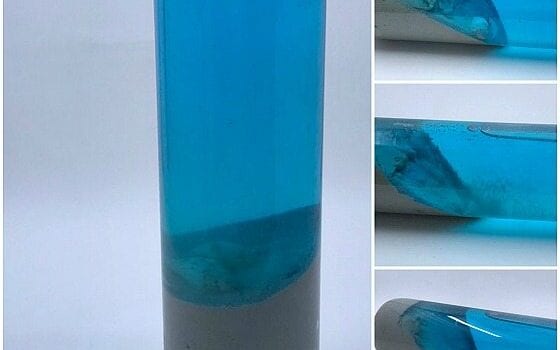
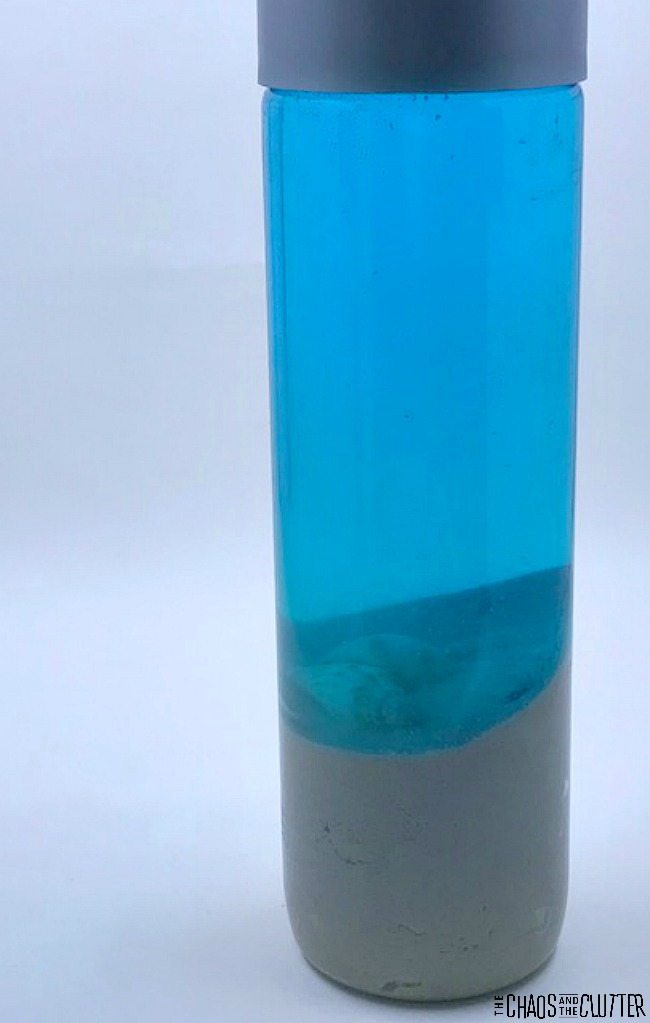
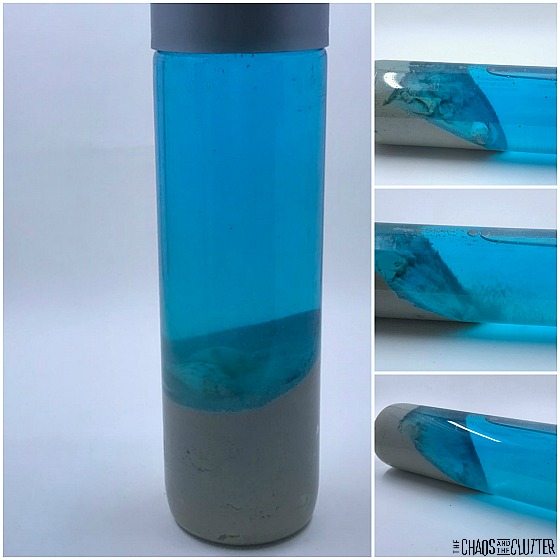 Empty the water out of the water bottle. I know that seems backwards since you’ll be adding water back in, so you can pour it into a measuring cup to use in the bottle afterwards. Fill the bottle about a third of the way with the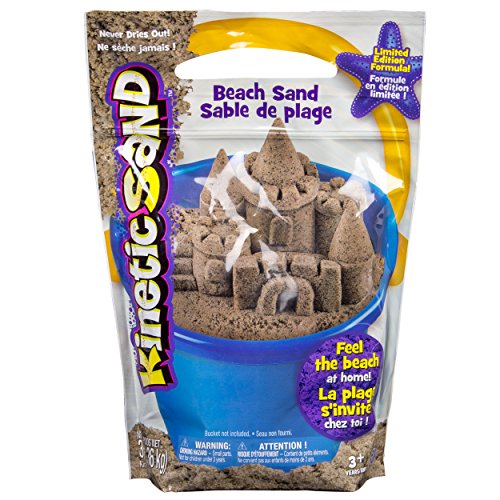

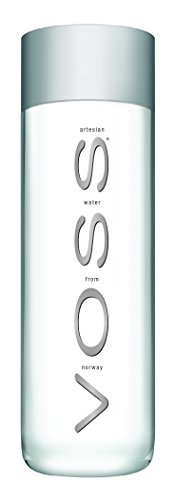
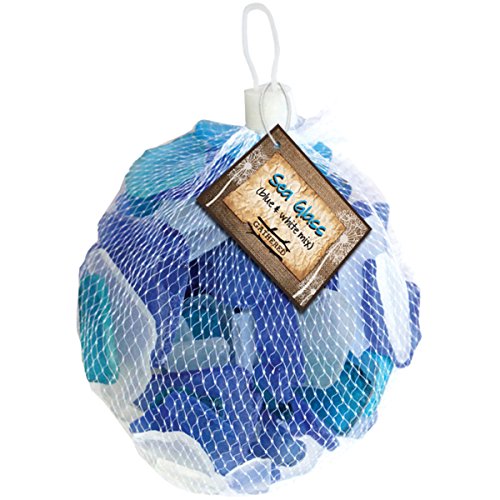
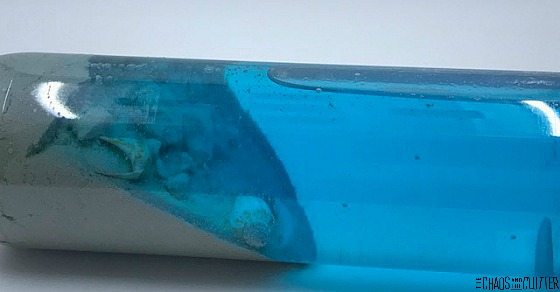 The kinetic sand creates a lovely beach effect when a child tips the bottle or shakes it up. This beach sensory bottle is a nice way to bring the beach home with you, particularly if you use seashells that your child gathered in the sand themselves.
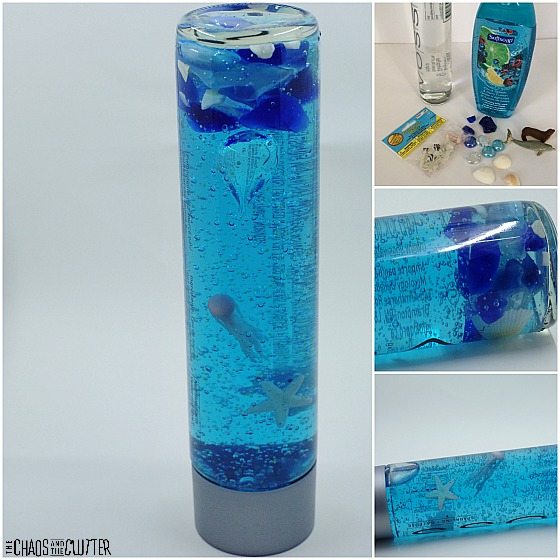
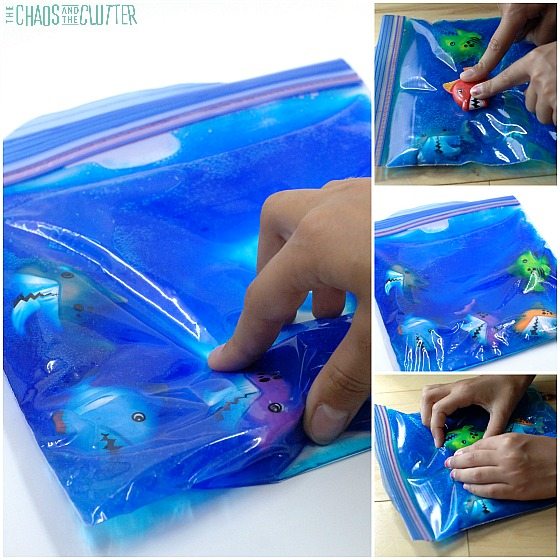




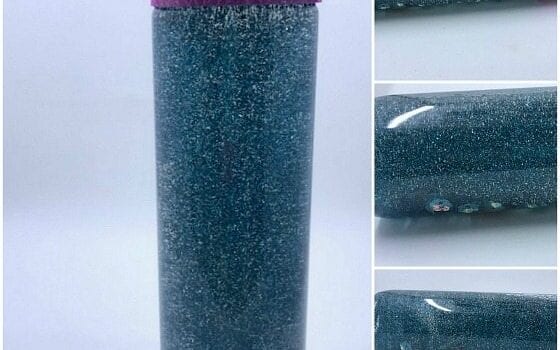
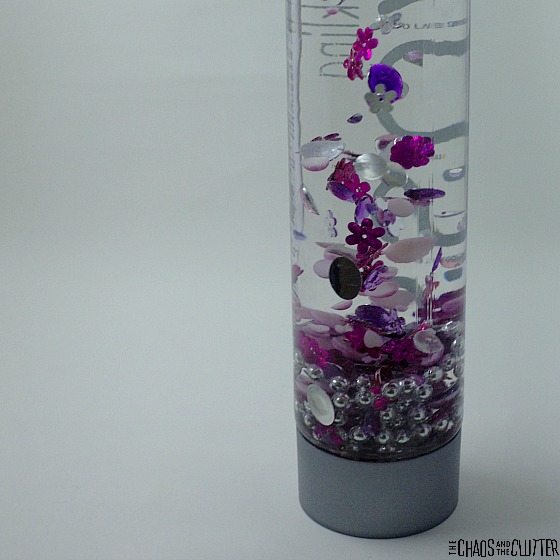
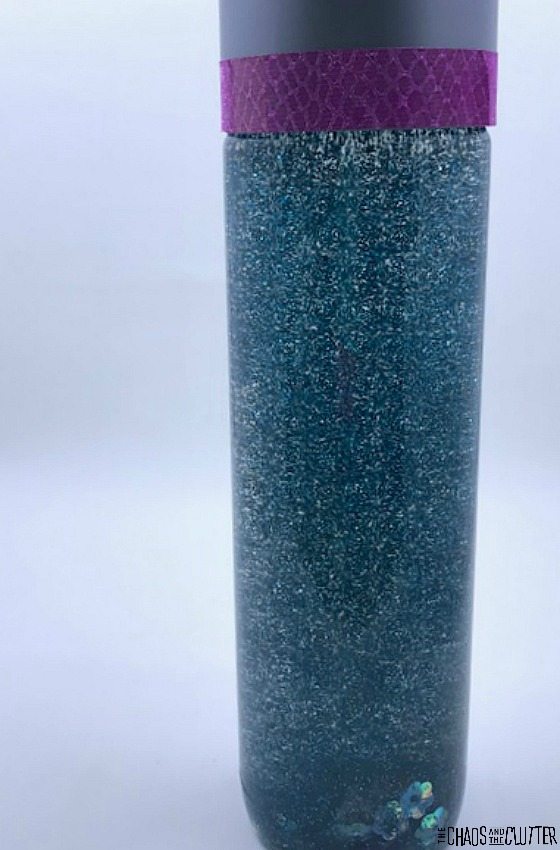 Glitter Mermaid Sensory Bottle: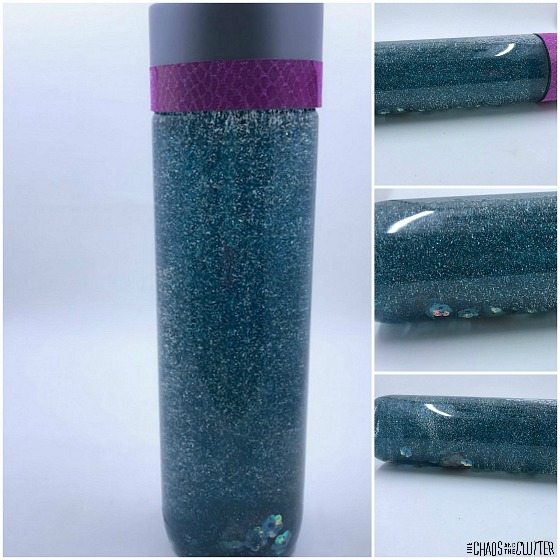
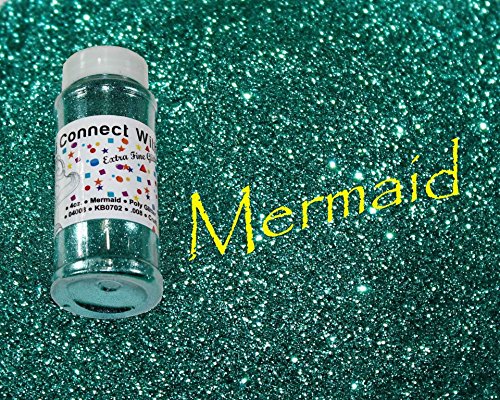
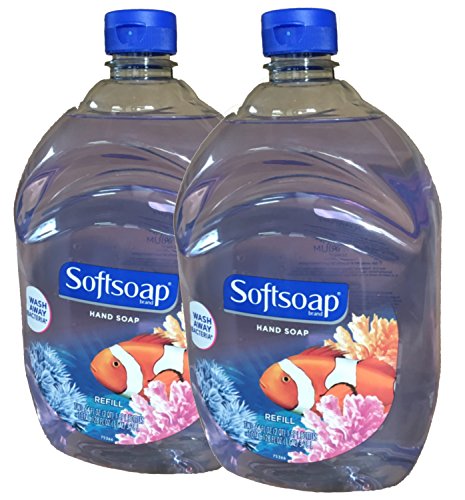
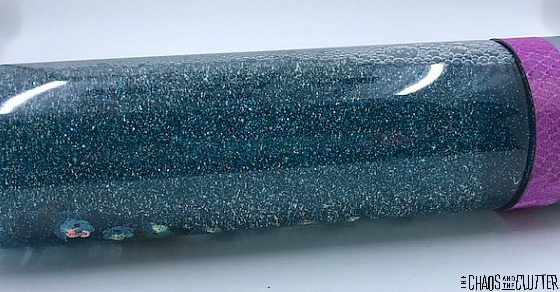 I used many of the same items to create a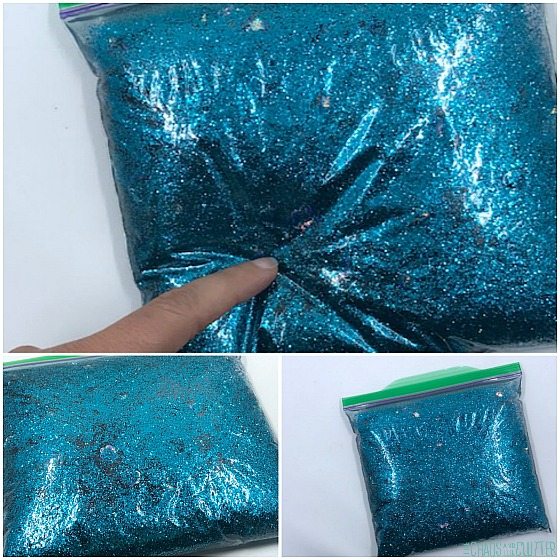
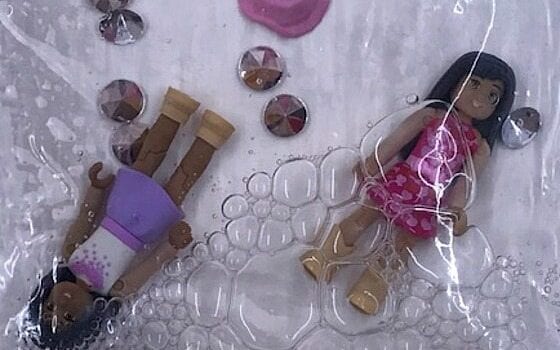
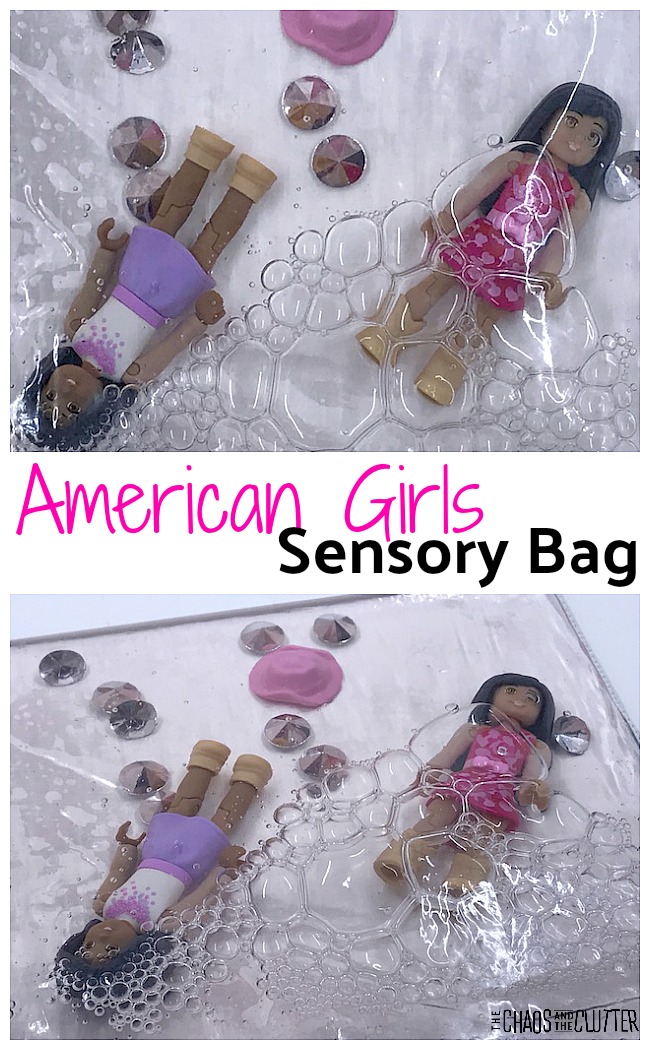 American Girls Doll Sensory Bag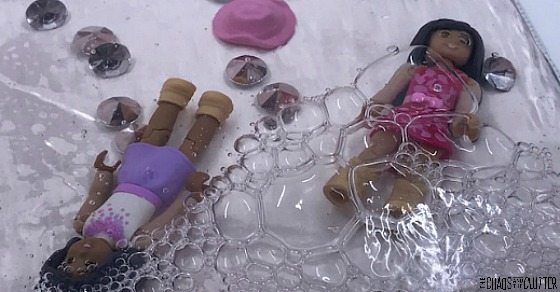
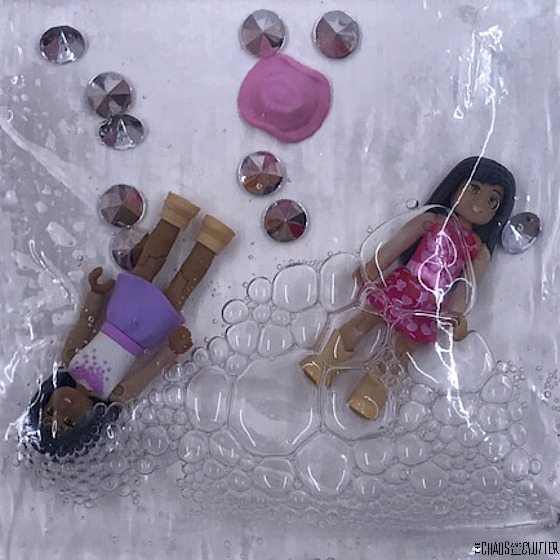 If you want, you can ensure a better seal by using duct tape on all the sides of the sensory bag. As with any sensory activity, children should be supervised while playing.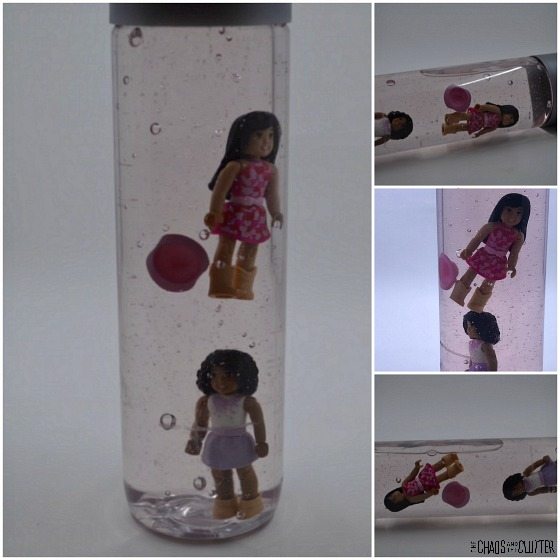

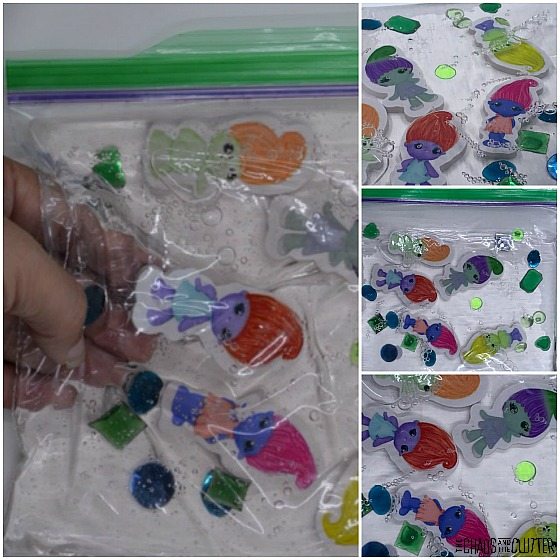
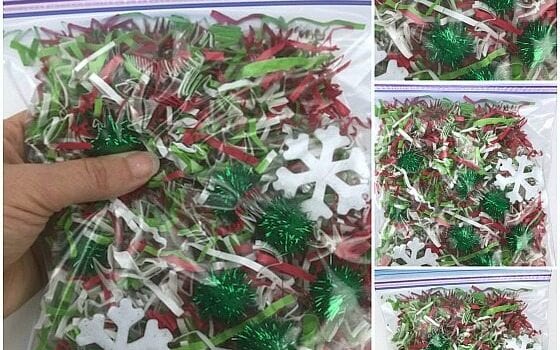
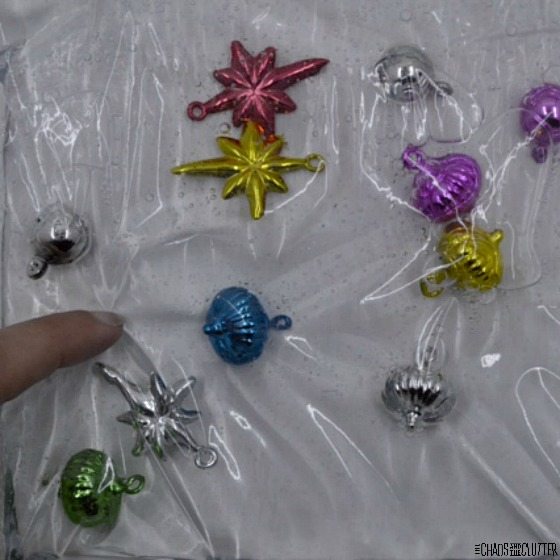
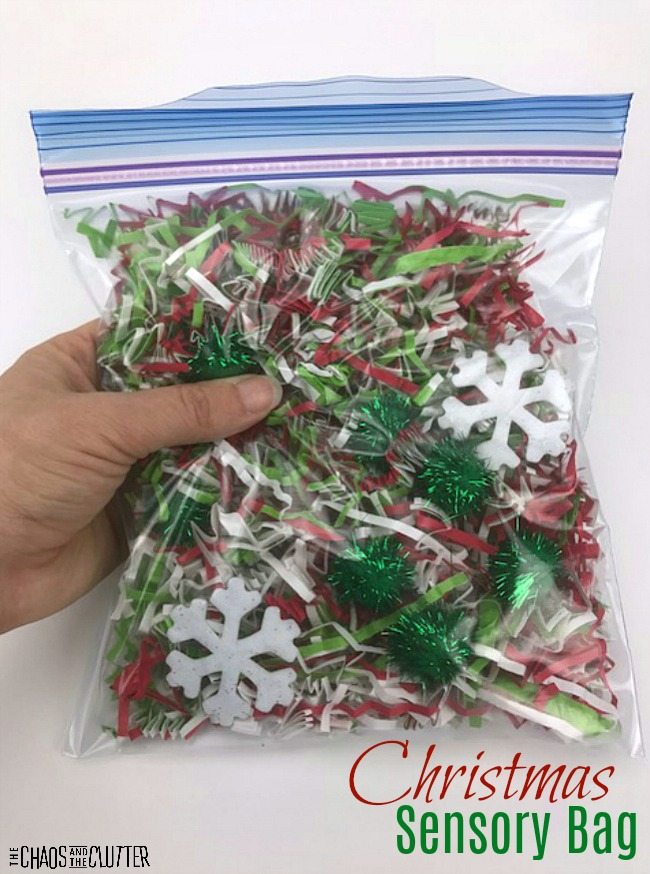 What I like about this particular sensory bag is that it makes a scrunchy sound when you squish it. It also has a few different textures in the bag so it offers tactile, visual and auditory sensory experiences.
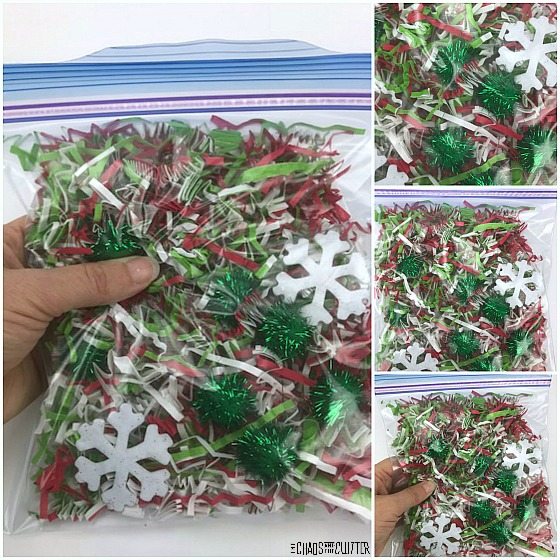 To assemble this Christmas sensory bag, open the resealable bag, fill it half to three quarters full with the coloured paper shreds and then add the other items. Remove the excess air from the bag and seal.
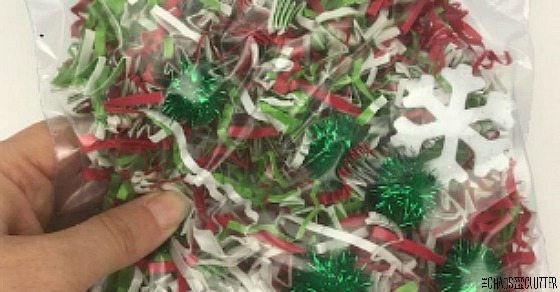 Depending on the age and ability of the child who is using this, you may want to use duct tape to firm up the seal so that they can’t open it and pull out the contents which could be choking hazards for younger kids. You can finds all kinds of Christmasy duct tape to make it look more festive. Of course, as with all sensory activities, adult supervision should be used.