• Skip to primary navigation
  • Skip to main content
  • Skip to primary sidebar
  • Home
  • About
  • Contact
  • Privacy + Terms
  • Affiliates

The Chaos and the Clutter

  • Facebook
  • Twitter
  • Pinterest
  • Google Plus
  • RSS
  • Email
  • School at Home
  • Sensory
    • Sensory Processing Disorder
    • Awesome Sensory Play Activities
      • Sensory Bins
      • Sensory Bottles
      • Sensory Bags
  • Family Games
    • Minute to Win It Games
  • Special Needs Parenting
    • Childhood Anxiety
    • Reactive Attachment Disorder
    • Sensory Processing Disorder
  • Store
  • Course Login

Sharla Kostelyk

The Coolest Slime Recipes

By Sharla Kostelyk

Slime has been gaining in popularity as parents and kids discover its play and sensory possibilities. If you are getting bored with the usual slime ideas, these cool slime recipes are sure to bring a new level of excitement to your slime play!
If you are getting bored with the usual slime ideas, these cool slime recipes are sure to bring a new level of excitement to your slime play!The Coolest Slime Recipes

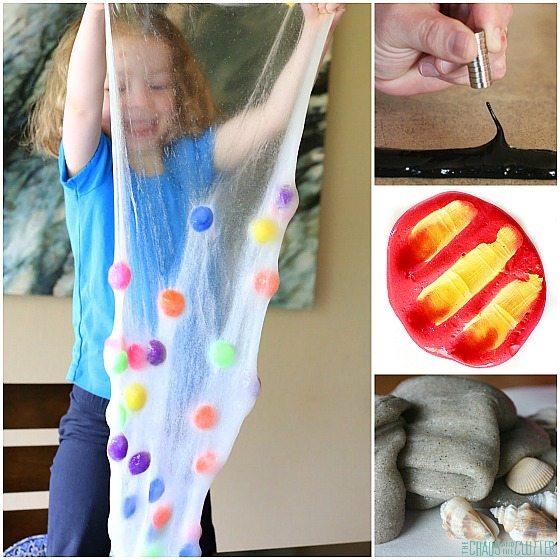
Rainbow Confetti Party Slime found right here at The Chaos and The Clutter

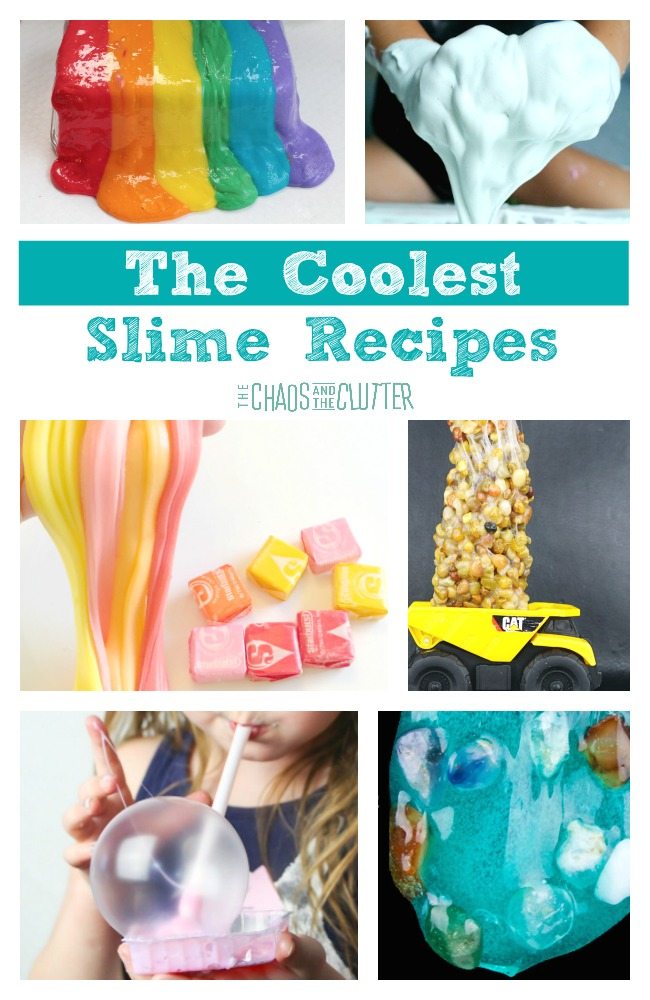
Buildable Rock Slime from over on Left Brain, Craft Brain (pictured)

Unicorn Poop Slime from Schooling a Monkey

Holiday Jingle Bell Slime from The Chaos and the Clutter

Egg Slime from The Pinterested Parent

Bubble Bath Slime from Teaching Mama

Chocolate Milk Slime from The Chaos and the Clutter

Geology Gemstone Slime from STEAM Powered Family (pictured)

Bubble Slime from Sugar, Spice and Glitter (pictured)

Fluffy Oobleck Slime from Fantastic Fun and Learning (pictured)

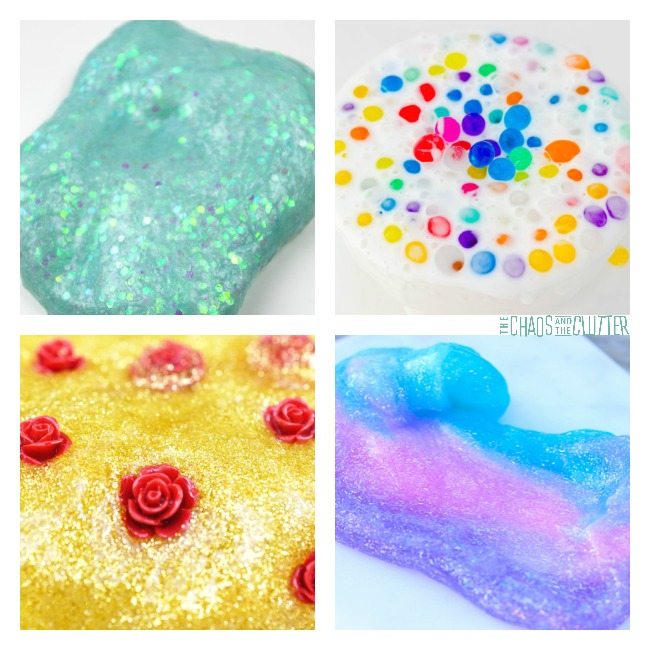
Unicorn Slime by My Frugal Adventures (pictured)

Rainbow Slime by Schooling a Monkey (pictured)
If you are getting bored with the usual slime ideas, these cool slime recipes are sure to bring a new level of excitement to your slime play!

Join me for a free 5 part email series Sensory Solutions and Activities and get your Sensory System Behaviours Easy Reference Cards.

Edible Starburst Slime by Teach Beside Me (pictured)

Beauty and the Beast Slime from As the Bunny Hops (pictured)

Mermaid Slime by The Nerd’s Wife (pictured)

Toothpaste Orbeez Slime from Savvy Naturalista (pictured, and yes, it’s actually made with toothpaste!)

Fluffy Sand Slime from Mom Dot

Erupting Slime by STEAM Powered Family

Fake Snot Edible Slime by Little Bins for Little Hands (yep, you read that right – it’s edible snot slime!)

Avalanche Slime from Mom Luck

Heat Sensitive Colour Changing Slime from Left Brain, Craft Brain

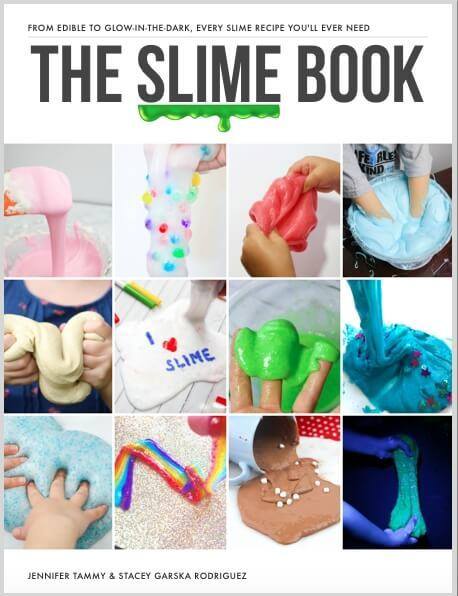
For awesome slime recipes at your fingertips, check out The Slime Book – From Edible to Glow-in-the-Dark Slime – it’s got it all!
You may also want to check out these Unique Slime Recipes.
Filed Under: Crafts and Activities, Sensory Tagged With: sensory play

Secondary Trauma in Adoptive Moms

By Sharla Kostelyk

This is a heavy topic and one that I’ve put off writing about for far too long. I know there are other mommas like me out there. I know because they email me and private message me and the desperation is evident in their words.

I wanted to share some information about secondary trauma and provide a few suggestions to help combat it before I share a bit about my personal story of living with it.

Secondary Trauma in Adoptive Parents - symptoms, treatment and my personal experience with itSecondary trauma, which is also sometimes referred to as vicarious trauma, can affect therapists, first responders and primary caregivers. By bearing witness to the trauma of others, you can take some of that trauma on for yourself. You can imagine that in adoptive parents whose children have endured abuse, neglect, abandonment, or unspeakable evils prior to coming to them, that trauma can become something they themselves can begin to take on.

The DSM states that trauma can affect those who survive a traumatic event, those who witness a traumatic event or those who hear of a traumatic event that affected someone of significance to them. It then stands to reason that parents who hear of their adopted child’s past trauma would be at risk of developing secondary trauma.

Some of the signs of secondary trauma include:

-having difficulty talking about your feelings
-feeling diminished joy towards things you once enjoyed
-feeling trapped
-having a limited range of emotion but anger and irritation always being present
-having an exaggerated startle response
-intrusive thoughts of your child’s history
-nightmares
-feelings of hopelessness
-trouble sleeping
-worrying
-exhaustion
-apathy
-problems with intimacy
-feeling withdrawn and isolated
-feeling impatient
-questioning your worldview
-feeling detached
-low self-image
-perfectionism

There are some strategies that can help combat symptoms of secondary trauma. Exercise that increases your heart rate for at least 12 minutes a day, five days a week, can decrease symptoms. Focusing on your breathing and using mindfulness have also been shown to help. For mindfulness, you can use yoga, a mindfulness app on your phone, gratitude, prayer, or meditation. Finding a support group of others who have walked a similar road can be therapeutic. Individual or family counselling may also be helpful.

For myself, I find that yoga is helpful once I am actually in the class, but rarely make the time for it. I do regularly use a combination of prayer and purposeful gratitude.

Hearing about your child’s past trauma can trigger your own trauma history which is also something to be aware of. If you find that your symptoms are worsening or significantly interfering with your life, seek the help of a licensed therapist.

One further note regarding trauma: secondary trauma can occur from hearing about your child’s past trauma but, as a foster or adoptive parent, you can also be at risk of developing full PTSD (Post Traumatic Stress Disorder). This can happen as a result of your child’s behaviours, for instance if you are attacked or placed at risk. PTSD can also occur if your spouse or other children are harmed or if behaviours occur that require legal intervention. If you suspect you may be suffering from PTSD, seek help from a medical professional or licensed therapist.
My own story of secondary trauma and PTSD:

I didn’t realize for a long time that I was suffering from secondary trauma. It wasn’t something that was talked about in the adoptive community. I knew that I was struggling. Certain aspects what some of my kids had gone through before they came to me haunted me. While it’s normal to feel sympathy for someone else’s suffering, particularly someone you love, there is a point where it can become unhealthy and I had reached that point. I was taking on their suffering. My secondary trauma left me feeling weak and run down and I believe that it put me at greater risk for PTSD.

I strive to keep my children’s privacy, so I won’t publicly go into details of what triggered my PTSD, but I want to share with other adoptive moms (and dads) that it is so important to take care of your own mental health. Being purposeful about practising self-care is a must.I am now in therapy for my secondary trauma and PTSD and have found tremendous healing with the use of EMDR. It feels great to be myself again!

If you suspect that you may be suffering from secondary trauma or PTSD, I urge you to look into therapy and practising self-care. It can make a world of difference.

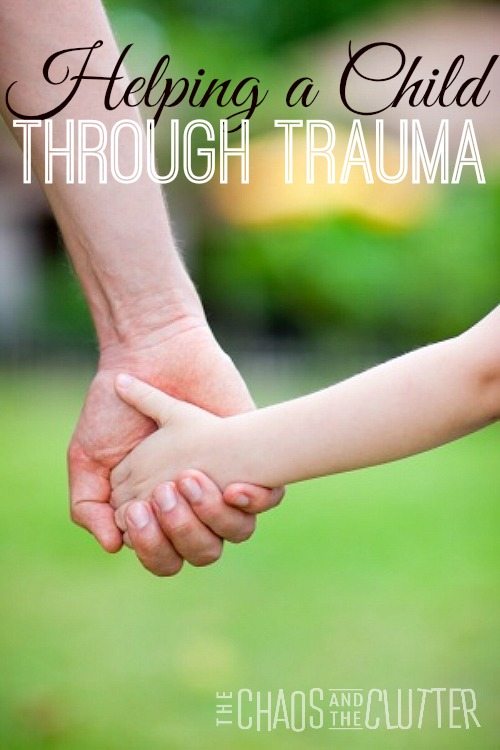
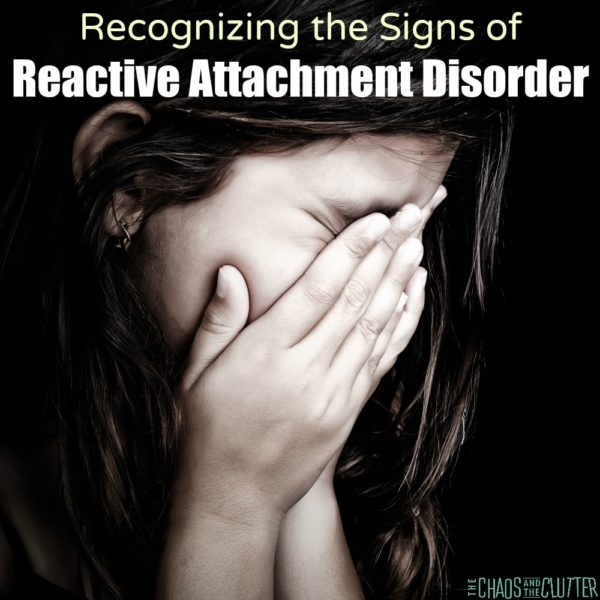
Helping a Child Through TraumaHelping a Child Through TraumaRecognizing the Signs of Reactive Attachment DisorderRecognizing the Signs of Reactive Attachment Disorder

Filed Under: Adoption, Special Needs Parenting

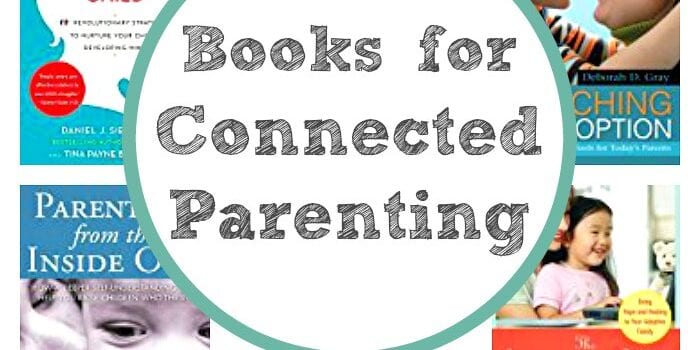
Books for Connected Parenting

By Sharla Kostelyk

What is connected parenting? While connected parenting can certainly be used with any child, the term is most commonly used to describe a type of parenting adopted children who may have experienced early childhood trauma. It looks different than other parenting methods in that it focuses on connection before correction. It takes into account the child’s past hurts and tries to facilitate healing through the parent-child relationship.Connected parenting is also sometimes referred to as therapeutic parenting. If you are new to this parenting style, these books can serve as your guide.

Books for Connected Parenting

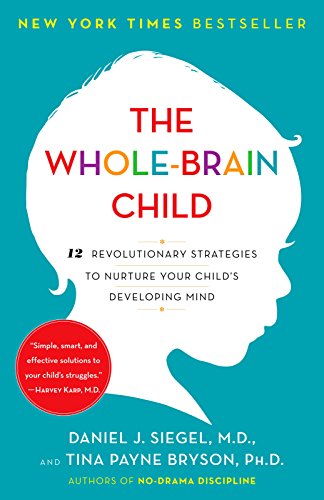
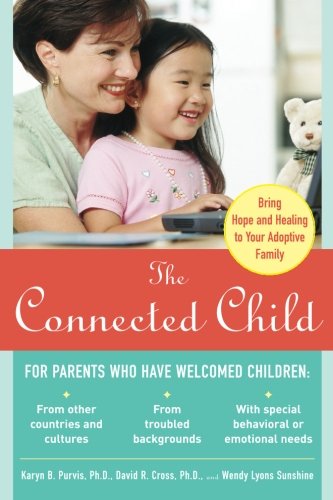
Connected parenting is also sometimes referred to as therapeutic parenting. If you are new to this parenting style, these books can serve as your guide. I would recommend starting with The Whole-Brain Child and The Connected Child.

The Whole-Brain Child will give you a better understand of the “why” behind your child’s behaviours. It will also help you understand how your own brain works and give you a better sense of why you react the way you do to certain triggers which can be immensely helpful in parenting children who’ve experienced trauma.

The Connected Child is written by the late Dr. Karyn Purvis, one of the founders of  The Institute of Child Development at TCU. I am privileged to have been able to speak several times. She truly was such an incredible woman who pioneered much of the research on attachment and trauma in children.

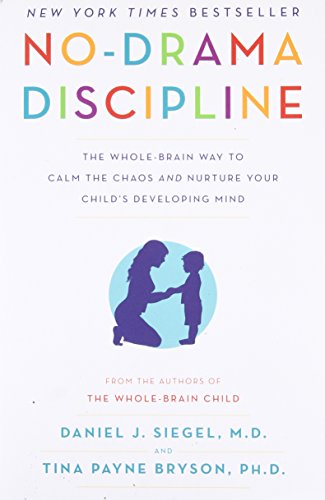
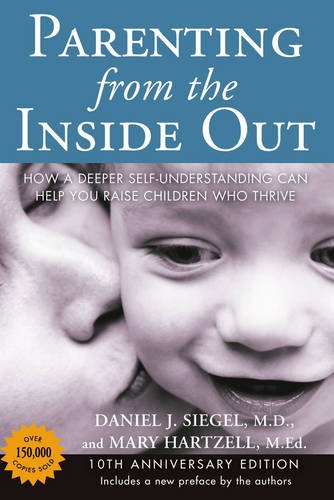
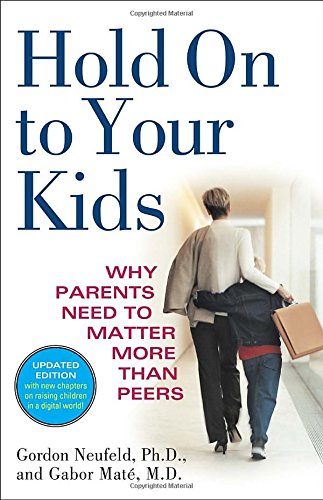
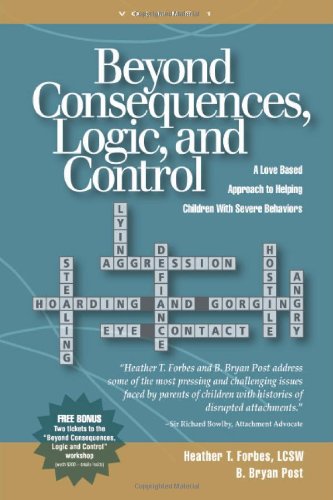
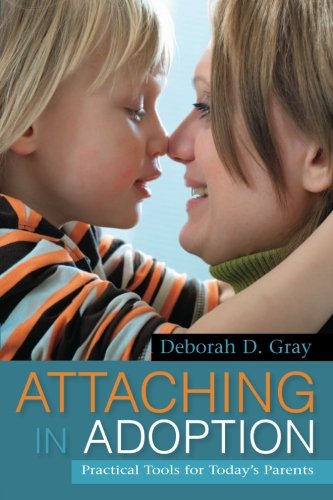
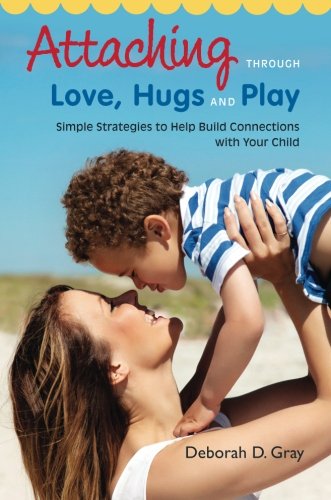
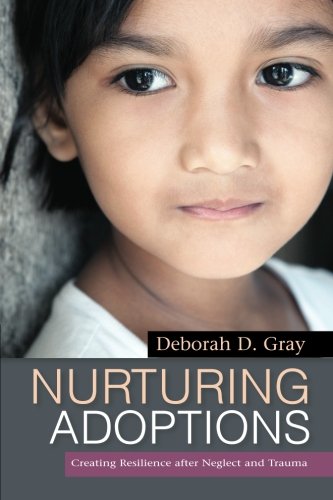
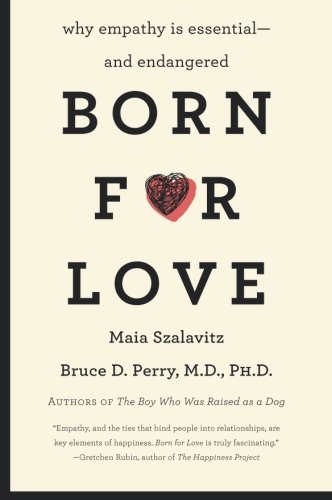
The Whole-Brain Child: 12 Revolutionary Strategies to Nurture Your Child'sThe Whole-Brain Child: 12 Revolutionary Strategies to Nurture Your Child’sThe Connected Child: Bring hope and healing to your adoptiveThe Connected Child: Bring hope and healing to your adoptiveNo-Drama Discipline: The Whole-Brain Way to Calm the Chaos andNo-Drama Discipline: The Whole-Brain Way to Calm the Chaos andParenting from the Inside Out: How a Deeper Self-Understanding CanParenting from the Inside Out: How a Deeper Self-Understanding CanHold On to Your Kids: Why Parents Need to MatterHold On to Your Kids: Why Parents Need to MatterBeyond Consequences, Logic, and Control: A Love-Based Approach to HelpingBeyond Consequences, Logic, and Control: A Love-Based Approach to HelpingAttaching in Adoption: Practical Tools for Today's ParentsAttaching in Adoption: Practical Tools for Today’s ParentsAttaching Through Love, Hugs and Play: Simple Strategies to HelpAttaching Through Love, Hugs and Play: Simple Strategies to HelpNurturing Adoptions: Creating Resilience after Neglect and TraumaNurturing Adoptions: Creating Resilience after Neglect and TraumaBorn for Love: Why Empathy Is Essential--and EndangeredBorn for Love: Why Empathy Is Essential–and Endangered

Join me for a free 5 part email series, Little Hearts, Big Worries offering resources and hope for parents.

Helping a Child Through TraumaHelping a Child Through Trauma

Recognizing the Signs of Reactive Attachment DisorderRecognizing the Signs of Reactive Attachment Disorder

Filed Under: Adoption, Special Needs Parenting

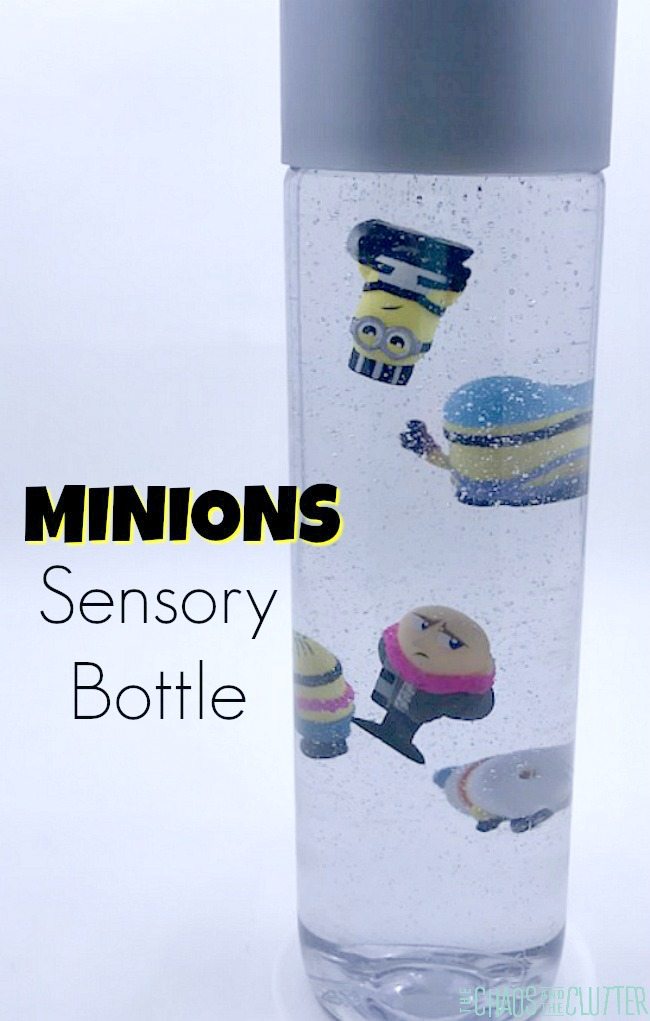
Despicable Me Minions Sensory Bottle

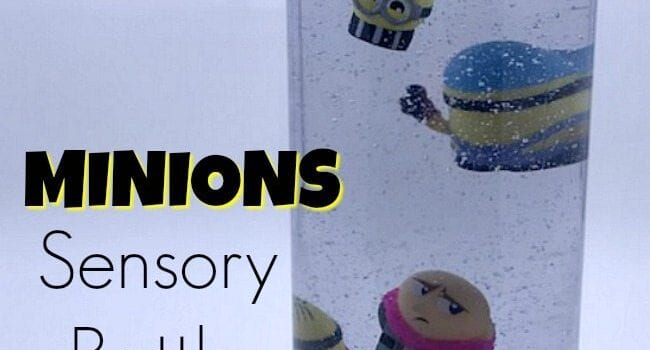
Minions Despicable Me Sensory Bottle

By Sharla Kostelyk

The Despicable Me movies are close to our hearts as an adoptive family and as fans of laughter. They are such cute stories so I thought I would create some sensory play opportunities for the kids. This Despicable Me Minions sensory bottle was simple to make. I later used the same items to make a Minions sensory bag.

Adorable Minions Despicable Me Sensory BottleI often use a clear glue and water mixture in my sensory bottles but due to the recent slime craze, it has been more challenging to find clear glue so I have switched most of my sensory bottles over to liquid hand soap as the main filler.
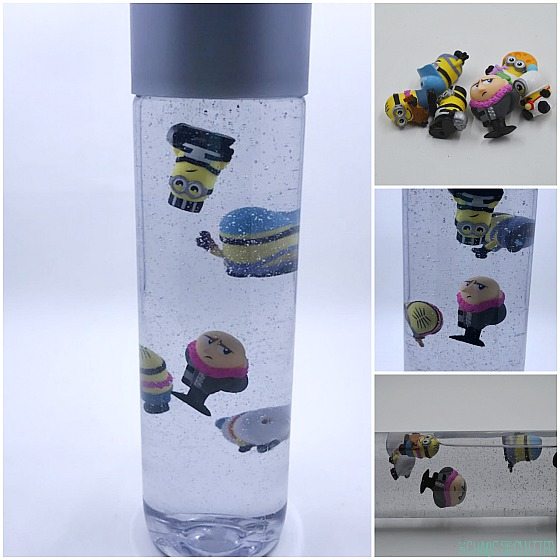
Materials needed:

  • water bottle (I used a Voss bottle)
  • Despicable Me mini figures
  • liquid hand soap
  • Goo Be Gone (optional)

To make this Minions sensory bottle, empty the water out of the water bottle either by drinking it or pouring it into another container. Next, peel off the labels. If you end up with residue from the labels on the bottle, you can use Goo Be Gone to remove it. Add a bit of liquid hand soap to the bottle and then drop in a mini figure. Add more liquid hand soap and then another mini figure. Continue to layer them.
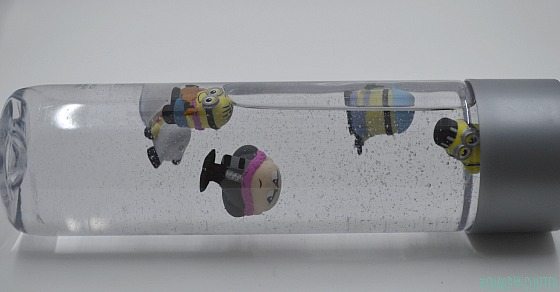
One trick I have is to use a long bamboo skewer to move the mini figures in the bottle so that they are facing the way I want them to.

Fill the bottle to the top with the liquid hand soap and screw on the lid. If you are using this sensory bottle with younger children, you will want to secure the lid in place using hot glue.

If you are looking for other sensory ideas, sign up for our free 5 part email series Sensory Solutions and Activities and get our Sensory System Behaviours Easy Reference Cards.

Rainbow Rainfall Sensory Bottle

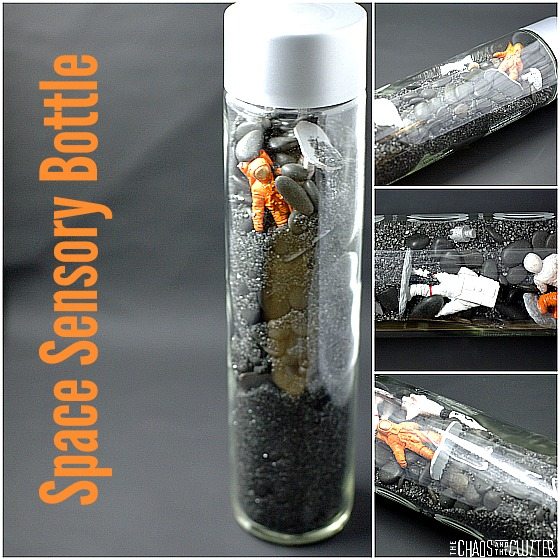
This Space sensory bottle is naturally weighted. Kids can also use it as an I-Spy activity.Weighted Space Sensory Bottle

Filed Under: Sensory Tagged With: sensory bottles, sensory play

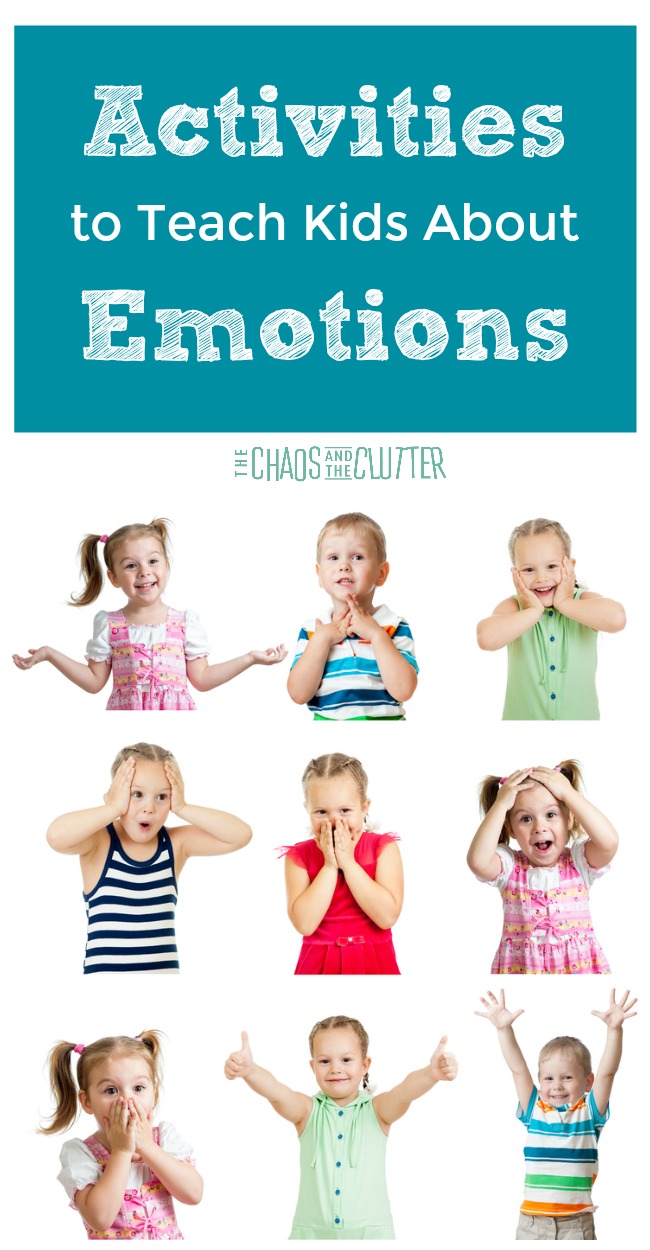
Activities to Teach Kids About Emotions

By Sharla Kostelyk

Giving our kids a solid foundation for emotional health is so important. When we are raising our kids, we want to give them the best foundation as far as their physical health so we make sure that they get enough water and food and exercise and we teach them to tell us when they aren’t feeling well. We even teach them to identify what part of their body is hurting them and we use tools like thermometers to check them for fevers.

Emotional health is no different. Kids don’t come into the world knowing how to care for their emotional health any more than they come into the world knowing how to care for their physical health. It is up to us to teach them.

Part of that comes with giving them the vocabulary. Emotion words can be very challenging for kids to learn, especially those who are on the autism spectrum, have early childhood trauma, or have attachment disorders. It can take a fair bit of repetition and explanation for emotion words to become natural for children and it can take even longer for them to begin to identify their own emotions.Giving our kids a solid foundation for emotional health is so important. These activities to teach kids about emotions are perfect for this.In our house, I try to make learning about emotions fun. It’s also good to make it part of your regular routine. It’s made a big difference for our kids.

Activities to Teach Kids About Emotions

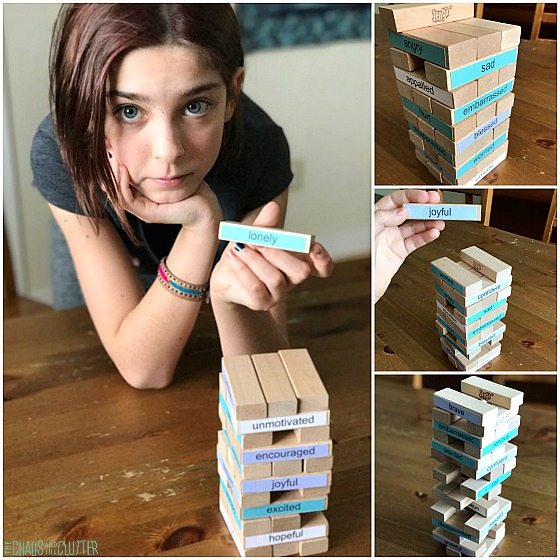
Jenga Feelings Game from here on The Chaos and The Clutter

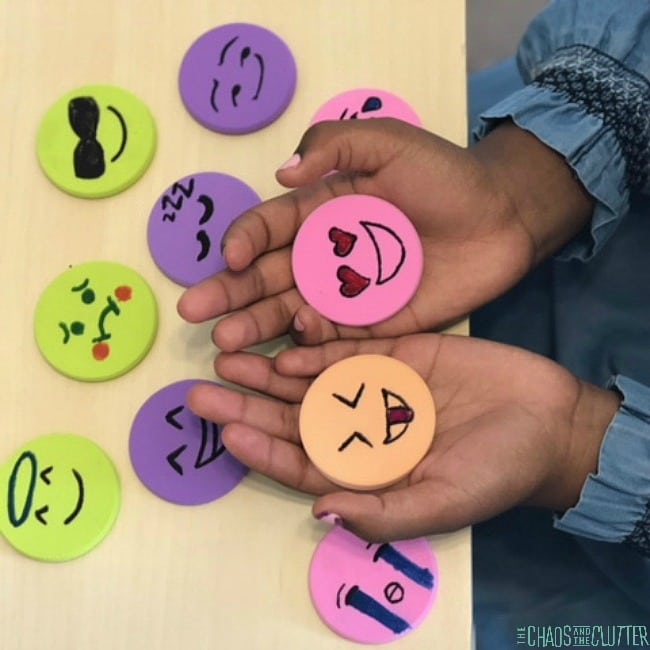
DIY Emoji Squishies from here on The Chaos and The Clutter 

Understanding Emotions Birthday Party Playdough Mats

The Chart that Saved our Emotions (Big Time) by The Natural Homeschool

Emotion Changing Paper Cup Octopus by Easy Peasy and Fun

Strawberry Emotions Matching Game for Toddlers by Simple Fun for Kids

Which Emotion Am I? Guessing Game from Childhood 101

Emotions Discovery Bottles from Lalymom

Emotions Scavenger Hunt from Mosswood Connections

Build a Face Story Stones from Where Imagination Grows

Resources to Teach Kids About Emotions and How to Manage Them from here on The Chaos and The Clutter


Join me for a free 5 part email series, Little Hearts, Big Worries offering resources and hope for parents.

More Activities to Teach Kids About Emotions

Teaching About Emotions and Feelings by Montessori Nature

Montessori Peace Table ~ Why Everyone Should Have One by The Natural Homeschool

Printable Spanish Flashcards: English to Spanish Feelings Flashcards by Look, We’re Learning

Personalized Emotion Game from B-Inspired Mama

Emotions Sensory Bins by Sugar, Spice and Glitter

Create a Feelings Learning Center from Buggy and Buddy

Ideas on How to Teach Kids about Peace {Printable List} by The Natural Homeschool

FREE Printables and Activities on Feelings and Emotions by Homeschool Giveaways

Managing Feelings and Emotions Free Printables by Natural Beach Living

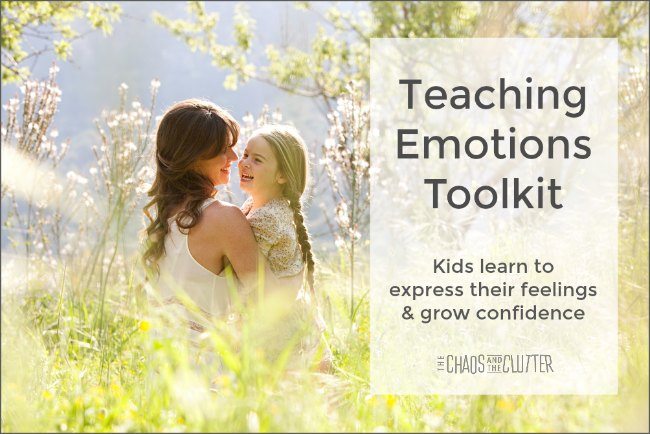
Teaching Emotions Toolkit

Filed Under: Special Needs Parenting

What to Do With Kids Who Chew

If your child chews on clothing or pencils or licks everything in sight because of sensory or anxiety issues, these tips may help.

By Sharla Kostelyk

Have you noticed that your child has been putting things in her mouth and chewing them incessantly? Does your child have sensory challenges? Is an oral fixation a good outlet for your child to process anxiety, perhaps? I have found some solutions that work with my kids and will hopefully help you too.

If your child chews on clothing or pencils or licks everything in sight because of sensory or anxiety issues, these tips may help.

Chewing and the Root of the Problem

Children can be chewing on things because of stress, proprioceptive sensory needs, oral sensory needs, anxiety, body awareness or stimming. It is important for us to figure out why they are turning to this behaviour to try to deal with the root of the issue. But in the meantime, it is also appropriate to help the child with coping mechanisms.

Chewable Jewelry

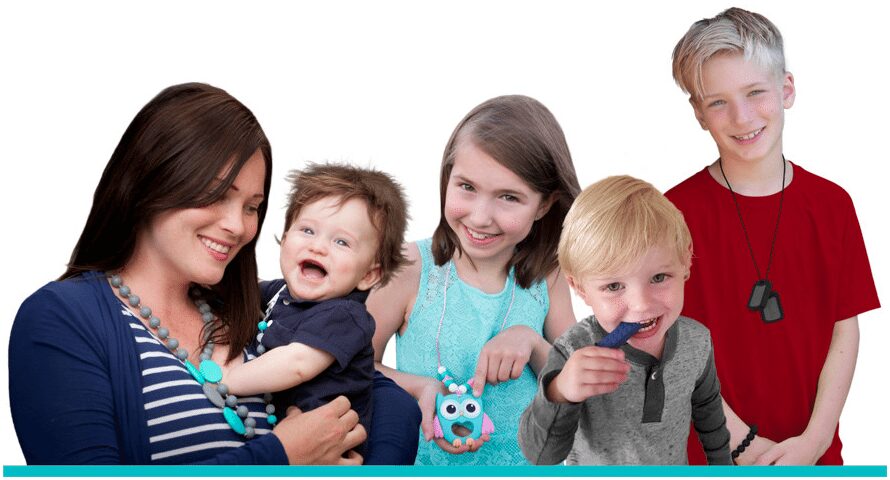
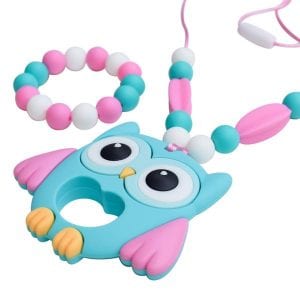
Having a go-to item to chew on is much better than having your child chew on shirt collars, pencils, nails or even rubber balls. We have found some wonderful munchable chewelry for kids to use as an outlet that won’t lead to them wrecking shirts or pencils.

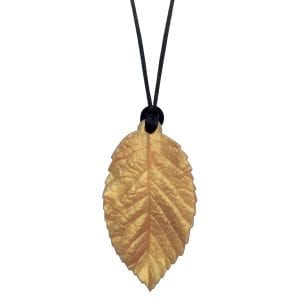
These leaf pendants are great for older kids, especially teen girls as they look just like regular jewelry.

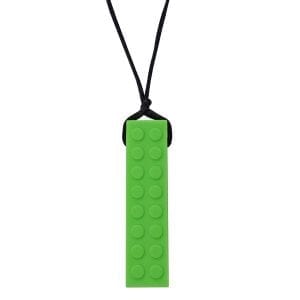
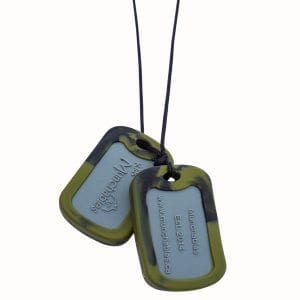
The Lego pendants and dog tag style necklaces are a great option for boys of all ages.

Chewing gum

I used to have a “no gum in the house” rule. Now, I carry packs of bubble gum with me everywhere I go! Gum is an excellent sensory solution, particularly for kids looking for oral input. Chewing gum, especially a thick bubble gum gives good sensory feedback and can even reduce anxiety. You can buy sugar-free, dye free chewing gum as a healthier alternative to regular gum.

Drinking through a straw

This is particularly effective with thicker liquids such as milkshakes or smoothies. You can combine oral input and calming with this sleep smoothie.

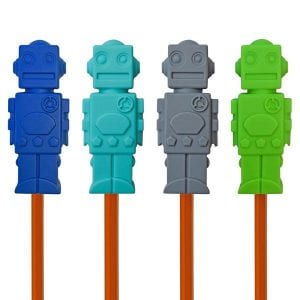
Chewable Pencil Toppers

Say goodbye to chewed up pencils by using fun chewable pencil toppers. My kids’ personal favourite are these robot toppers.

Crunchy Food or Hard Candy

Providing crunchy food such as carrot sticks or celery sticks or hard candy for your child to chew can also be an appropriate way to meet their oral sensory needs. Of course, you need to be sure that your child is old enough to have hard candy because of the potential choking hazard.

Read more suggestions for oral sensory seekers as well as find practical advice for everyday sensory challenges pertaining to clothing, eating, grooming, sleep, and more in Sensory Processing Explained: a Handbook for Parents and Educators. 

You might also like:

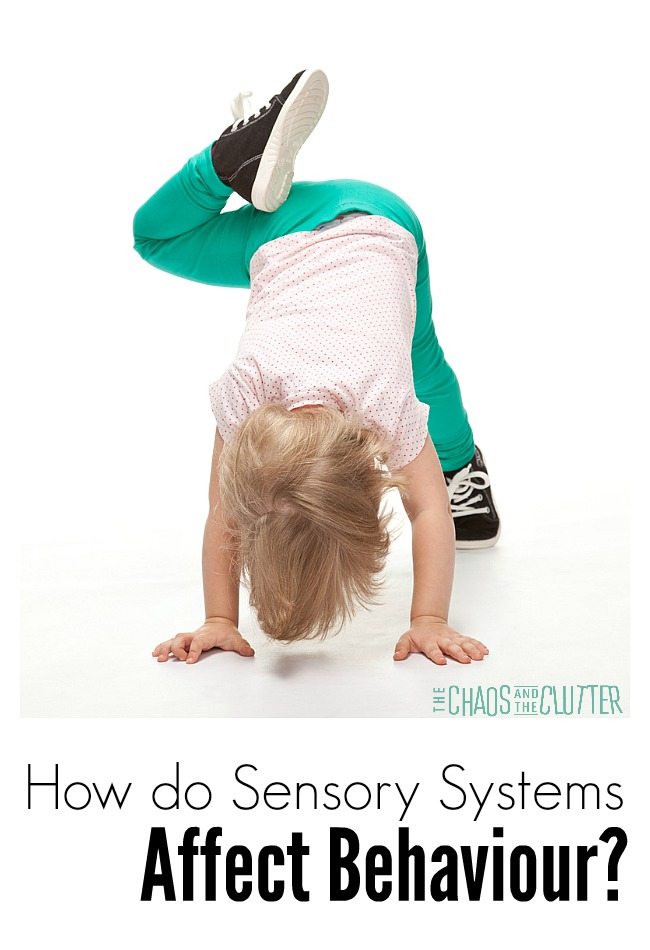
What Does Behaviour Have to do with Sensory Systems?

How is behaviour affected by your child's sensory systems?

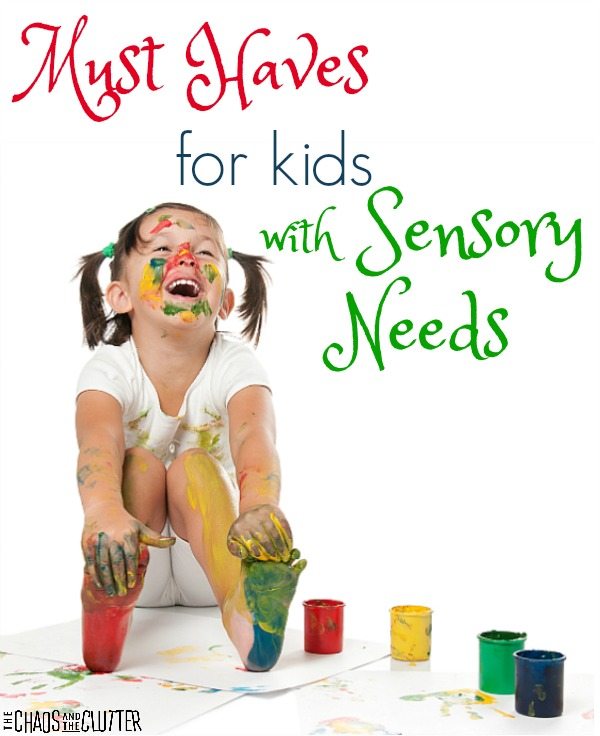
Must Haves for Kids with Sensory Needs

These are must-haves if you have kids with sensory processing disorder (SPD).

Does My Child Have Sensory Processing Disorder?

Does my Child Have Sensory Processing Disorder? If you are wondering whether or not your child has Sensory Processing Disorder, this list of information and resources will be a starting place for you to find help.

Filed Under: Sensory

  • « Go to Previous Page
  • Page 1
  • Interim pages omitted …
  • Page 62
  • Page 63
  • Page 64
  • Page 65
  • Page 66
  • Interim pages omitted …
  • Page 128
  • Go to Next Page »

Primary Sidebar

Categories

We are a participant in the Amazon Services LLC Associates Program, an affiliate advertising program designed to provide a means for us to earn fees by linking to Amazon.com and affiliated sites.

Copyright © 2026 • The Chaos and the Clutter • Site Design by Jeni @ The Blog Maven

Return to top of page

Copyright © 2026 · Chaos and the Clutter 2.0 on Genesis Framework · WordPress · Log in