• Skip to primary navigation
  • Skip to main content
  • Skip to primary sidebar
  • Home
  • About
  • Contact
  • Privacy + Terms
  • Affiliates

The Chaos and the Clutter

  • Facebook
  • Twitter
  • Pinterest
  • Google Plus
  • RSS
  • Email
  • School at Home
  • Sensory
    • Sensory Processing Disorder
    • Awesome Sensory Play Activities
      • Sensory Bins
      • Sensory Bottles
      • Sensory Bags
  • Family Games
    • Minute to Win It Games
  • Special Needs Parenting
    • Childhood Anxiety
    • Reactive Attachment Disorder
    • Sensory Processing Disorder
  • Store
  • Course Login

Parenting in the Chaos

What is Positive Parenting?

By Sharla Kostelyk

When our older two boys were young, I had basically no idea what I was doing as a parent. I had gone to a Barbara Coloroso seminar while I was pregnant with my oldest and that gave me a few new tools to use as well as some new philosophies to think about. What is positive parenting? #positiveparenting #parentingtips #parentingThis statement she made impacted me immediately:
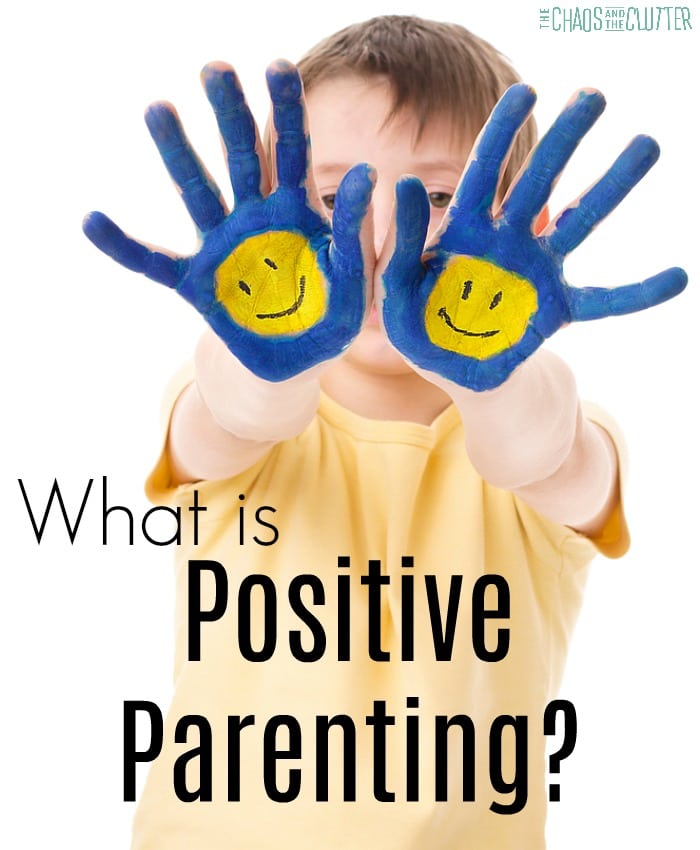
“Encouraging a child means that one or more of the following critical life messages are coming through, either by word or by action: I believe in you, I trust you, I know you can handle this, you are listened to, you are cared for, you are very important to me.” ~Barbara Coloroso

I wanted to raise my children in such a way that they would feel that they were important and valued, that they were capable and loved. I just wasn’t sure how to go about doing that.

Over the next years, I struggled to find a parenting style. I’ve swung from overly permissive to overly rigid and back again. I tried different discipline methods, read so many parenting books, attended parenting seminars, only to feel like I was failing as a mom.

It was actually after we became foster parents and were taking mandatory training for that when I began to stumble upon some truths that sat well with me.

The idea of positive parenting or connected parenting brought me back to what had struck home for me about that Barbara Coloroso quote from so many years before. I wanted to raise my kids in such a way that they would feel like that.

Since changing my parenting to follow the models of positive parenting or connected parenting set for me by such incredible experts as Dr. Karyn Purvis, I have been able to feel more confident about my responses as a parent.

That’s not to say that I have it all together. Most days I still struggle and there are still plenty of moments when I need a “do-over” for my own reactions, but the trajectory is at least going in the right direction.

I know that my kids have more positive interactions with me than negative ones. My kids are learning how to effectively express their emotions. I’m learning to stay calm even in the heated moments. Our home is becoming more peaceful. It’s still loud, as you can imagine with so many kids under one roof, but I’m becoming more skilled at handling the conflicts that arise.

I know that when people hear the term “positive parenting”, they can sometimes assume that means a parenting style that has the kids walking all over the parents, but that isn’t what positive parenting is about.

What is positive parenting?

Positive parenting is a school of thought that allows children to be treated with respect. It emphasizes relationship and communication and its goal is to teach children, not to punish. Positive parenting is about nurturing the relationship between parent and child.

Positive parenting solutions:

  • emphasis on attachment and relationship
  • connection before correction
  • clearly defined rules so that children know what to expect
  • validating child’s feelings
  • getting down on the child’s level and making eye contact
  • offering choices which allows the child to feel that they have a voice and allows them to have a sense of control
  • saying “yes” when you can
  • not using any physical punishment
  • focusing on connection
  • using discipline methods such as natural consequences, time-ins, redirection, and the art of the compromise
  • offering meaningful, thoughtful praise
  • seeing negative behaviour as a method of communication

Is positive parenting effective for children with special needs?

Traditional parenting methods are not effective with most children with special needs. Traditional parenting methods may include things such as long lectures, time outs, grounding, and corporal punishment (spanking).

While positive parenting is wonderful for all children, it is particularly effective with children who have special needs.

In particular, children with attachment issues or Reactive Attachment Disorder, sensory processing disorder, early childhood trauma, autism, and chromosomal disorders respond best to positive parenting.

Is positive parenting easy to do?

I’m not going to lie to you. It can be very challenging to use positive parenting methods if you were raised with other parenting methods yourself. Your default will usually be to react in a similar way to how your own parents reacted.

It takes time, a lot of intentionality and learning, and practise, practise, practise before these things start to feel more natural. Even then, during times of extreme stress or when you are overtired or overwhelmed, it can be easy to slip back into your default parenting style.

When that happens, give yourself grace. Apologize to your child (which provides a great opportunity to model taking accountability for our actions!) and try again.

Give yourself credit for the efforts you’re making and the baby steps you’re taking towards being the kind of parent you ultimately want to be.

Read about how positive parenting skills can forever change your family.

Join me for a free 5 part email series, Little Hearts, Big Worries offering resources and hope for parents.

Check out some other parenting help: 

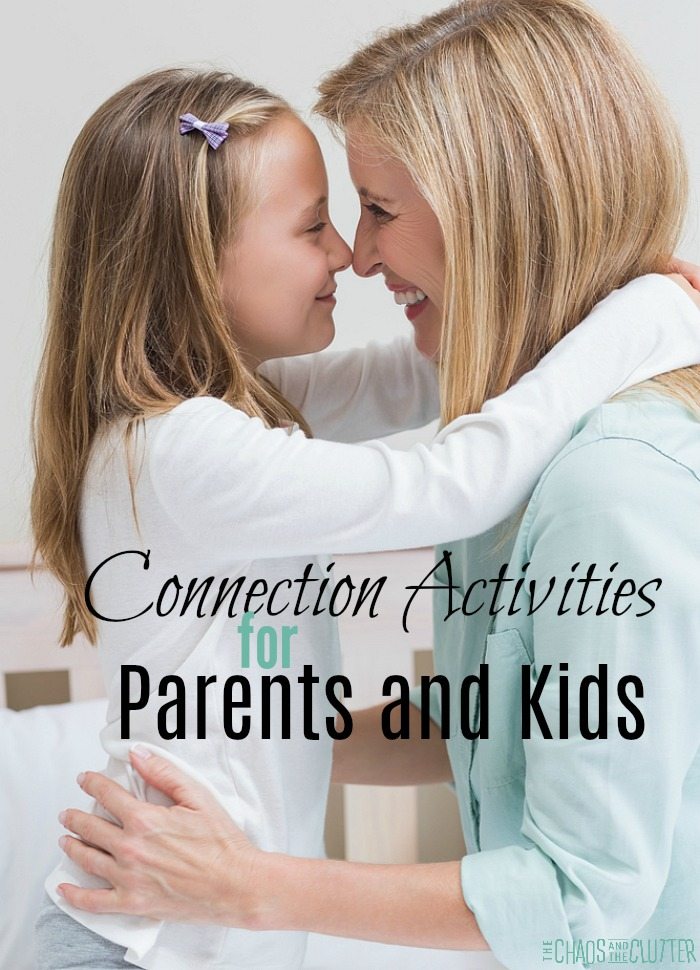
Connection Activities for Parents and Their Kids Connection Activities for parents to do with their kids #parenting #connection #attachmentBooks for Connected Parenting 
Filed Under: Parenting in the Chaos, Special Needs Parenting

A Summer Bucket List for Simple Fun

By Sharla Kostelyk

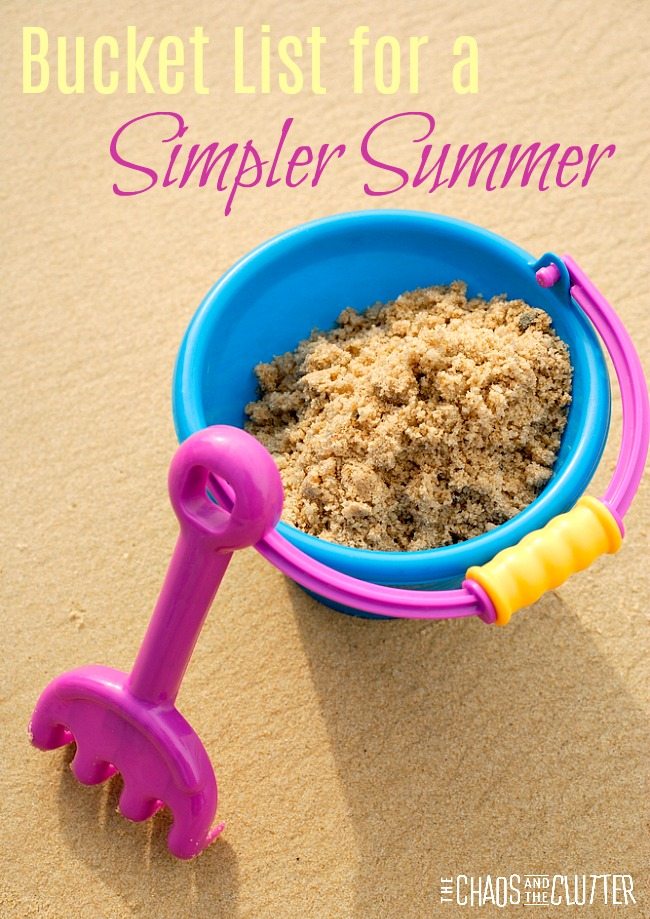
Do you remember lazy summer days spent splashing in a blow up pool with the stickiness of melting popsicles dripping down your hand? The days when you rode your bike with kids kids from the neighbourhood and played hopscotch and raced back home before the streetlights came on? It’s that kind of old-fashioned summer that I’m trying to recreate with this Summer Bucket List. This summer bucket list is all about creating good old fashioned simple memories for your kids this season.

Last year, I made a Summer Bucket List for Moms Who Want to Engage because I became aware of how often I watch my kids having fun but don’t actually join in with them. It was the perfect plan for us for that season of our life. This year, I needed something different.

This year has been chaotic. I am feeling the need to simplify and get back to basics. That led me to creating this summer bucket list. The one I made for this upcoming season is one full of ideas that I remember doing in my childhood summers. I hope you are able to find some gems on here for your family.

I have tried to keep the ideas easy and inexpensive. This will help me to create a simple summer full of childhood memories for my kids.

Summer Bucket List:

  1. Climb trees.
  2. Go berry picking. (Saskatoons are my favourite!)
  3. Ride bikes.
  4. Play horseshoes.
  5. Eat watermelon.
  6. Have a watermelon seed spitting contest.
  7. Count the seconds between the thunder and the lightning during a summer storm.
  8. Blow bubbles.
  9. Play mini golf.
  10. Tent in the backyard.
  11. Have a picnic.
  12. Go fly a kite. (I cannot type that without the Mary Poppins song going through my head!)
  13. Run through a sprinkler.
  14. Go to a splash park.
  15. Eat ice cream…with fixings!
  16. Watch a parade.
  17. Jump rope.
  18. Build tin can stilts.
  19. Fly paper airplanes.
  20. Fish in the pond.
  21. Go bowling.
  22. Make popsicles. Let the kids invent their own popsicle recipes.
  23. Find pictures in the clouds.
  24. Skip rocks.
  25. Tell ghost stories around a campfire.
  26. Sing loudly in the van.
  27. Play board games.
  28. Make a DIY slip ‘n’ slide.
  29. Play tag.
  30. Go to a Farmer’s Market.
  31. Cheer for a local team.
  32. Have a water fight.
  33. Go for a walk.
  34. Make a lemonade stand.
  35. Play hopscotch.
  36. Play cards on a rainy day.
  37. Build a fort.
  38. Go camping.
  39. Paint rocks.
  40. Play in sensory bins.
  41. Run through long grass.
  42. Have a hula hoop contest.
  43. Make s’mores.
  44. Watch fireworks.
  45. Collect seashells on the beach.
  46. Walk barefoot.
  47. Play on the trampoline with a sprinkler running underneath.
  48. Build sandcastles.
  49. Have a three-legged race.
  50. Participate in the summer reading program at the library.
  51. Host a neighbourhood penny carnival.
  52. Make shrinkydinks.
  53. Read by flashlight under the covers.
  54. Play dress-up.
  55. Have fun with face paint.
  56. Put on a puppet show.
  57. Play hide and seek.
  58. Draw with sidewalk chalk.
  59. Go on scavenger hunts.
  60. Skip. (you can, but do not have to, sing “Skip to my Loo” while skipping!)
  61. Get dirty.
  62. Go to the playground.
  63. Plant a garden or even just a flower.
  64. Stay up late.
  65. Make a tin can and string telephone.
  66. Have a family fun night.
  67. Go on a road trip.
  68. Catch butterflies.
  69. Dig up worms.
  70. Write and mail letters to relatives, the old fashioned way, with stamps.
  71. Help out a neighbour.
  72. Play the telephone game. (sometimes called the whisper game)
  73. Make real lemonade.
  74. Red Rover, Red Rover, we call…
  75. Have a sack race.

You can print off a copy of A Bucket List for a Simpler Summer if you want to use it to create your own old- fashioned summer for your kids. I’d love to see pictures of how it goes.

If you are looking for other fun summer ideas, you may be interested in checking out my Summer Sensory Activities Series.

Summer Sensory Activities Series

Filed Under: Crafts and Activities, Parenting in the Chaos

An After School Meltdown Strategy that Actually Works

By Sharla Kostelyk

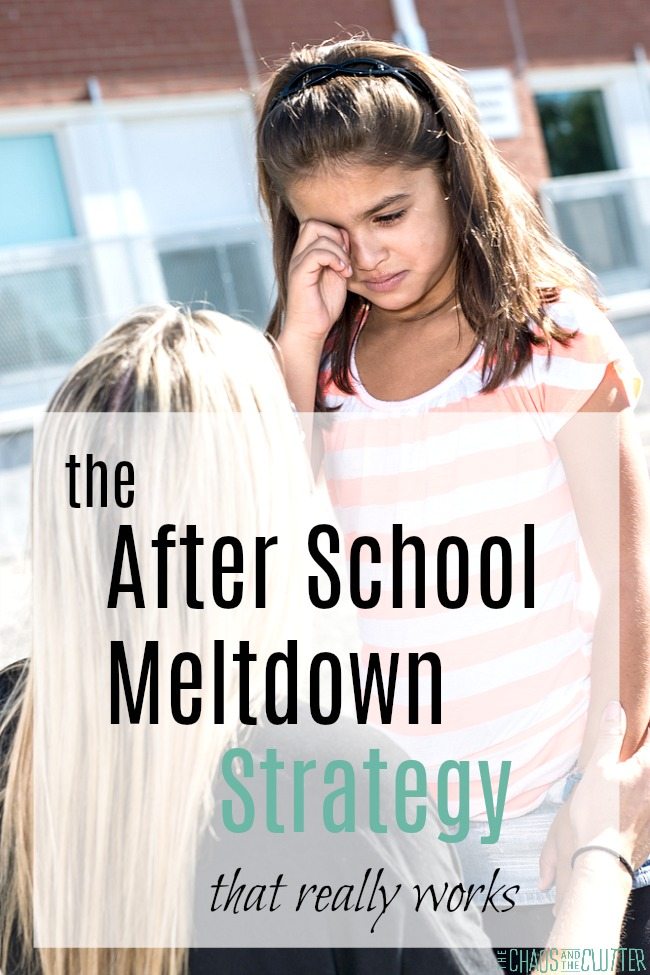
Within days of school starting last Fall, I saw a pattern emerging. Each day in the first half hour after arriving home from school (often in the first few minutes even), our daughter would have an outburst or emotional breakdown. I was beginning to dread the arrival of the school bus. It was perplexing because she loved going to school. She was making friends. She liked her teacher and her aide. That made these after school meltdowns confusing.

An After School Meltdown Strategy that really works #parenting #parentingtips #parentingspecialneedsI played detective. I talked to the school. They confirmed that she was adjusting well there. I listened to her feelings. I tracked any other possible triggers for these behaviours. I was able to come to the conclusion that she was having a hard time transitioning between school and home.

She needed help making that transition. She needed a way to reset after all the feelings (good and bad) and sensory input of the day. My daughter needed me to put a strategy in place to help her.

I was able to come up with a plan that I thought would work and thankfully, it did. Almost every day since, we have used this strategy and it has eliminated the daily after school meltdown.

There have been a few times when I got caught up in being busy with the other kids and haven’t implemented it and almost every time, she has had a breakdown. This shows me how important it is for us to do it every single day.

Why does an After School Meltdown Happen:

Once I began to research my daughter’s reactions, I discovered that the phenomenon of a daily or weekly after school meltdown is something many kids and their parents struggle with. There has even been a term coined by Psychotherapist Andrea Nair to describe this type of occurrence, “after school restraint collapse”.

Essentially, this occurs when kids get to their safe place and can express what they may have been holding in all day. Even if the emotions of the day were positive, there may just be a build-up of them and without the coping strategies to know how to deal with them, kids meltdown or explode.

Think of it this way: your child’s after school meltdown is actually a sign that they trust you! All the emotions of the day get bottled up and release when they feel safe.

What an after school meltdown may look like:

  • defiance
  • screaming
  • tantrum
  • overly emotional
  • easily upset
  • picking fights with siblings or parents
  • refusing to do homework or chores
  • excessive whining

The After School Meltdown Strategy:

  1. Connection. The second my daughter walks in the door, I greet her with eye contact, a smile, a hug or a kiss on the cheek. I say something affirming like “It’s good to see you.”, “I’m happy you’re home”, or on the days where she is already mid-meltdown by the time she gets to the door, “It’s going to be alright”.
  2. Meeting basic needs. Immediately after a moment of connection, it’s time for a glass of water and a snack. It is so important for kids, especially kids who’ve had early childhood trauma, to have those basic survival needs met. Like Maslow’s hierarchy of needs suggests, children need to have their physiological needs met before they can feel safe.
  3. Time to reset. After our daughter has had that connection moment with me and water and a quick snack, she then goes into either her room or the sensory room for half an hour. This time allows her brain to decompress and transition back to home.

When I came up with this strategy, I talked with my daughter the day before we started. We talked about how she was having a hard time transitioning back home after her school days. I told her that it was normal and okay after all the excitement and change at school to feel a lot of different emotions afterwards.

I explained that we were going to start a new after school routine. I told her what to expect and made sure she understood that the time in her room or sensory room was not a consequence or punishment. I talked about how we all need time to ourselves sometimes. I asked her for ideas of what she could do in that time. She wasn’t thrilled about this part of the plan, so it didn’t all go smoothly. We talked about her feelings and I reassured her again that this was not a consequence or rejection. She soon began to talk about how she could use that time to read Archie comics or draw or play with her sensory toys.

This after school meltdown strategy has worked wonders. I no longer dread the time of day when the bus drops my daughter off. The other kids are more calm knowing that these outbursts don’t happen as often. It’s made such a difference to the tone of our home. I hope it can do the same for your home too.

If you’re looking for other parenting strategies, you may want to join me for a free 5 part email series, Little Hearts, Big Worries offering resources and hope for parents. 

You may also want to read:

Create a Sensory Room in Any Space on Any Budget

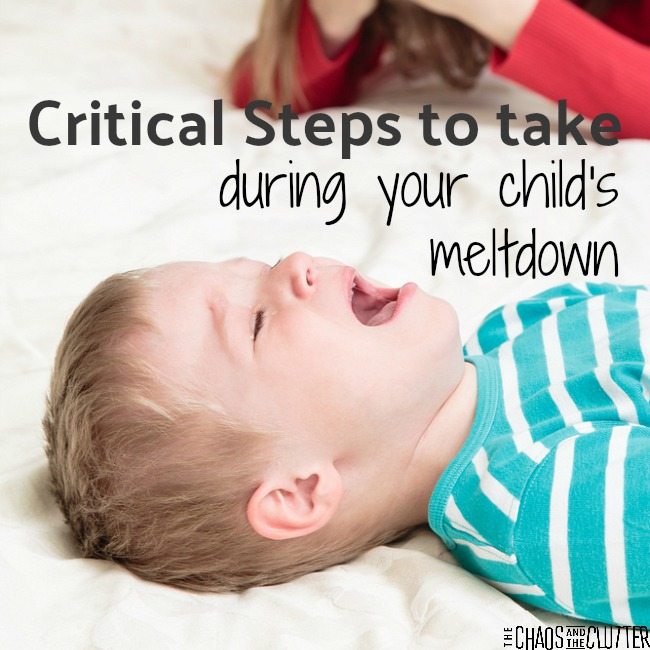
5 Critical Steps to Take When Your Child has a Meltdown Sensory Meltdowns: What They Are and What To Do 


Filed Under: Parenting in the Chaos, Special Needs Parenting

Choosing a Special Song to Dedicate to Your Child

By Sharla Kostelyk

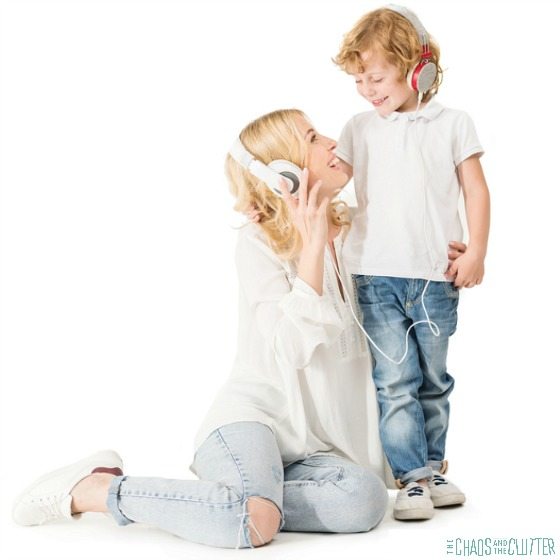
When I wrote a list of connection activities for parents to do with their kids, a lot of my readers were fascinated by the idea of choosing a special song to dedicate to your child. They asked questions about it and were especially looking for song suggestions. Choosing a song for each of my kids is something that I’ve done for as long as I can remember. I don’t recall how it started, but once I did it for one, I felt that I had to do it for the others.Choosing a song to dedicate to your child helps them to feel cherished and loved, increases your bond, gives you something that is shared just between the two of you, and creates an anchor for your child also even once they are grown and have moved out of your home. #parentingtips

“Mommy, can you please sing me my baby song?” My kids call their special songs their “baby song”. For some of them, it is a song that I would sing them when I rocked them to sleep when they were babies. For our kids that we adopted at older ages, there wasn’t an opportunity to rock them to sleep with their song, but that hasn’t stopped me from rocking them and singing their special song to them.

Most of my kids are too big to be rocked now (all but one are taller than I am!), but they still love their “baby songs”. They still sometimes ask me to sing their songs to them when they are sick or upset. They melt when they hear them. Even my teens get all mushy when their “baby song” comes on in the vehicle or when I sing their song to them.

Choosing a special song to dedicate to your child is something I would really encourage you to do. It helps them to feel cherished and loved. It increases your bond. This parenting tool gives you another thing that is shared just between the two of you, which increases emotional intimacy. It creates an anchor for your child also even once they are grown and have moved out of your home.

As an added bonus, when you have a special song for your child, you can also use it to make a memorable video montage using photos of your child growing up as a gift for their graduation, wedding day or milestone birthday.

The key to choosing a song to dedicate to your child is that it is personal. It can be based on who they are now or on what you hope they become or even as an encouragement or life motto that you wish to impart them with. If you can’t find a song with lyrics that you feel fit your child, write them a song. For our youngest daughter, I couldn’t find just the right song, so I invented one. It’s not very beautiful and I’m tone deaf, so I don’t sing it well, but she absolutely loves it and that’s all that counts. So if you can’t find a song to dedicate to your child, write one yourself.

Suggestions for Special Songs to Dedicate to Your Child:

  • A New Day has Come by Celine Dion
  • Amazing by Janelle
  • Anyway by Martina McBride
  • Baby Mine by Alison Krauss
  • Beautiful Boy by John Lennon (there is also a Celine Dion version)
  • The Best Part of Me by Lee Price
  • Blessed by Elton John
  • Ablaze by Alanis Morissette

  • Blue by Beyonce
  • Butterfly Kisses by Bob Carlisle
  • Cinderella by Steven Curtis Chapman
  • The Climb by Miley Cyrus
  • Dance with my Daughter by Jason Blaine
  • Find Your Wings by Brent Miller
  • Gracie by Ben Folds
  • How You Live (Turn Up the Music) by Point of Grace
  • Humble and Kind by Tim McGraw

  • I Hope You Dance by Lee Ann Womack
  • I See the Light by Mandy Moore and Zachary Levi
  • I Will Love You by Fisher
  • I Won’t Let Go by Rascal Flatts
  • In My Daughter’s Eyes by Martina McBride
  • Lullaby by The Dixie Chicks
  • Lullabye (Goodnight my Angel) by Billy Joel
  • A Mother’s Prayer (Hannah’s Song) by Rachel Aldous
  • Mother to Child by Rosita Stone
  • My Little Girl by Tim McGraw
  • My Wish by Rascal Flatts
  • Naleigh Moon by Josh Kelley (international adoption)
  • The One Thing by Shakira
  • The One Who Knows by Dar Williams
  • Priceless by King & Country
  • Red Robin by Clark Richard
  • Slow Down by Nichole Nordeman

  • So Far to Find You by Casting Crowns (international adoption)
  • Speechless by Alicia Keys
  • Stand by Rascal Flatts
  • This Angel by Jennifer Nettles
  • Try Everything (from Zootopia) by Shakira
  • What I Never Knew I Always Wanted by Carrie Underwood

  • When I Pray for You by Dan + Shay
  • When Love Takes You In by Steven Curtis Chapman (older child adoption specific)
  • Who I Am by Jessica Andrews
  • You Are My Baby by Kimya Dawson
  • You’re Gonna Be by Reba McEntire

Looking for more ideas to connect with your child? Join our free 5 Days to Better Family Connection email series.

You might also be interested in reading these articles about parenting:


Connection Activities for Parents and Kids

Easy Traditions to Build Family Connection

Filed Under: Parenting in the Chaos, Special Needs Parenting

Connection Activities for Parents and Kids

By Sharla Kostelyk

Connection is the foundation for human relationships. For some kids, particularly those with attachment issues, anxiety or sensory issues, connection is challenging and may even feel threatening to them. These connection activities can bridge the gap and help foster the parent-child bond.Connection Activities for parents to do with their kids #parenting #connection #attachment

Connection with their primary caregiver comes so naturally for most children, but for others, it can actually feel threatening or uncomfortable. Children who have experienced early childhood trauma (including prenatal trauma or stress), who have had multiple caregivers and homes (foster care, adoption, kinship care), who have sensory issues, or who suffer from anxiety can struggle with connection. The fix is not as simple as incorporating intentional connection activities in your home, but these activities can be a piece of the puzzle and are a step towards better attachment.

While some of these connection activities are straightforward, others require a bit of explanation. I have provided a video below where I explain some of them in more detail as well as explain ways that you can adapt the ideas on this list for kids who are resistant to connecting.

Ideas for Connection Activities:

  • Read together
  • Wear matching clothing
  • Hang family pictures in child’s room
  • Make child a small photo album to carry
  • Give hand massage with lotion
  • Trace shapes or letters on child’s back with your finger
  • Let your child choose your outfit for the day
  • Point out things you have in common
  • Trade Hershey’s Kisses for eye contact and a kiss on the cheek
  • Play a board game or card game
  • Wear matching temporary tattoos
  • Do your child’s hair
  • Give or receive back scratches
  • Have a special one-on-one time after other kids are in bed
  • Give each other pedicures
  • Bake or cook together
  • Snuggle on the couch under a blanket with popcorn to watch a movie
  • Give Smurf and butterfly kisses
  • Hug (but ask permission first)
  • Play clapping games
  • Tuck-ins
  • Choose a special song for each child (see song suggestions below the video)
  • Create art together and hang it prominently
  • Pick your child up to play hooky from school
  • Rock your child
  • Make appointment days special
  • Make up a secret handshake
  • Choreograph a dance together
  • Play “Mother, May I?” or “Simon Says” (Mommy Says)
  • Use the You Are Special plate to mark and celebrate milestones*

You can get a printable version of this list to use as a reminder here.

*Our family uses the You Are Special plate for our kids (or us adults) for supper on their birthday and also to celebrate things such as them overcoming a fear or accomplishing a goal or reaching a milestone (getting their driver’s license, graduating, starting their first job).

The red plate has become such a part of our family culture that if one of the kids is setting the table for a birthday supper, they don’t need a reminder to set out that plate.

Connection Activities Video:

In the video, I touched briefly on how I choose a special song for each of our kids. They call them their “baby song” and they just melt whenever they hear their song. I chose their songs carefully based on who they are and what I felt they most needed to be reminded of or encouraged about. Their songs are personal, so I won’t be saying what they are, but you can find all of them (except for the one I invented for our youngest daughter) on the list included here interspersed with some other song ideas that I think would work well for this.

You might also enjoy reading these articles:

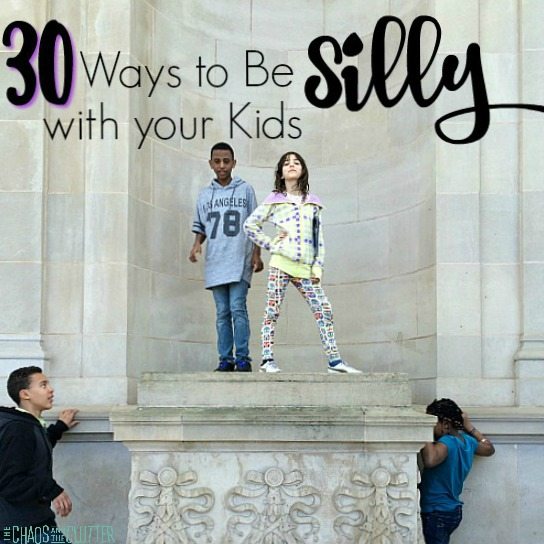
30 Ways to Be Silly with Your Kids

Two Words That Will Transform Your Family

Filed Under: Adoption, Parenting in the Chaos, Special Needs Parenting

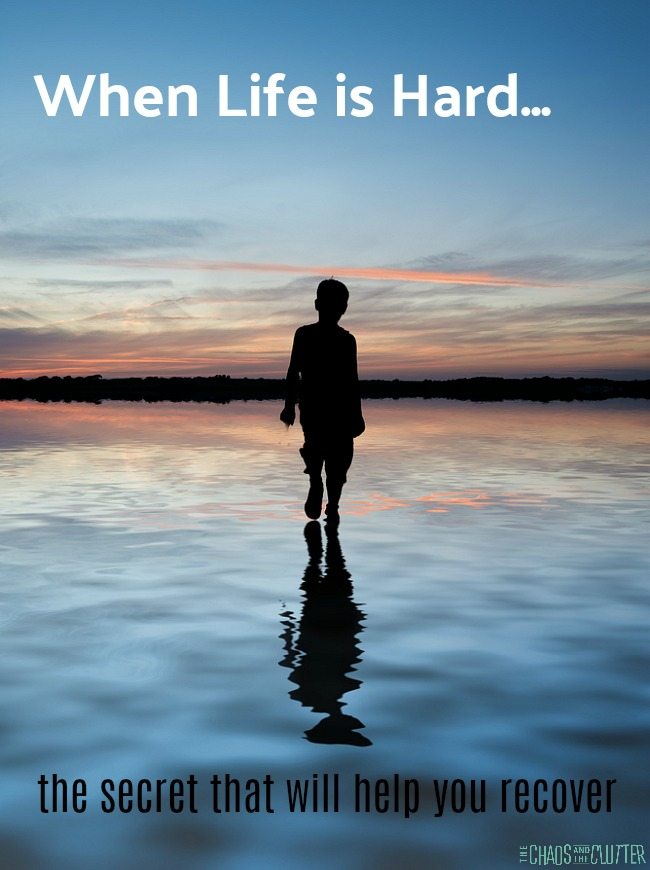
The Best Thing to do When Life is Hard

By Sharla Kostelyk

It’s not a secret that this has been a hard year for our family. Losing my father-in-law and one of my closest friends to cancer within a week of each other, our youngest daughter going deaf, some of our kids struggling with big challenges related to their past or their special needs, having so many teenagers in one house (hormone central over here!), some job changes, unexpected bills including a seventeen thousand dollar dental one, and more have made this a rough year. What I haven’t talked much about is how all of that has affected me personally.

When Life is Hard (the secret trick to get you feeling better) #encouragementLately, I’ve not been in a very positive place. I’ve found myself thinking negatively and feeling discouraged. I have also felt burdened by the overwhelm. There are days when it is just all too much.

I hit a low point this weekend and had to decide to do something to make a change before the overwhelm and sadness swallowed me whole. I thought back to other times in my life when I have felt this way, other hard times when I couldn’t see light at the end of the road and tried to remember how I had gotten out of the funk.

The thing is, I know that there is no changing my situation. There are things over which I have no control. I cannot will my daughter to hear again. I cannot heal my son’s early childhood wounds with hope. I cannot bring people I have lost back to life. I cannot wish my hardships away. But looking back, I realized that there was one thing that had always worked in the past to make me feel better.

Have you ever been in a situation that felt hopeless? Have you ever felt so overwhelmed that you didn’t know how you could possibly overcome?

Maybe right now, life is just hard. Sometimes, it just is. 

The best thing to do when life is hard is counterintuitive. It’s not something that you would naturally think of when you are already overwhelmed and you feel like one more thing on the to-do list will be the straw that breaks the camel’s back.

The best thing to do when life is hard is to do something kind for someone else. I know it may sound like I’m adding another layer of guilt or adding another thing to do when you already have too many.

Think of someone who is struggling. Perhaps there is someone in your community who is battling cancer or is recently widowed or is parenting kids with special needs or is caring for an aging parent. Next, choose one small thing that you can do as an act of kindness to them.

What can I do?

Bring them a meal. I know that if you’re already having a hard time making a meal for your own family, this is daunting, but somehow, if you double the meal you make so that you can give half of it away, the making of it for your own family becomes less of a burden. Perhaps you’ll even feel energized enough to make some freezer meals so that you can have some in your freezer and give some away to help other families.

Send them an encouraging message. It may be a funny gif or joke you text them to brighten their day. It may be a scripture verse you find to uplift them. In the searching for just the right one, you’ll find encouragement too.

  • Send flowers.
  • Smile and wave at a grouchy neighbour.
  • Mail a thank you note to someone who’s made a difference in your life or influenced you.
  • Babysit for an evening for a couple whose marriage has hit a rough patch.
  • Give someone a compliment.
  • Send encouraging words through Cards for Hospitalized Kids.
  • Deliver a coffee to a mom with young kids who didn’t get much sleep last night.
  • Visit a senior’s center.
  • Offer grace.
  • If someone is battling an illness, offer to pick up their groceries or run errands for them.
  • Send a memory to someone who has lost a loved one. Text, call or email to share the memory with them and let them know their loved one is not forgotten.
  • Donate some clothing or household items to a shelter or second hand store.
  • Share your appreciation for good service with a manager.
  • Drop off a large pack of toilet paper at the home of a large family. It will be appreciated!
  • Pay for the coffee of the person behind you in line.
  • Donate to the food bank.
  • Give parking money or gas gift cards to someone who has a loved one in the hospital. (you can read more ways to support a family whose child is in the hospital here)

The secret.

Helping others helps you more than any other single thing you can do. It helps you to take the focus off the negatives in your life. It enables you to see the hurt that others are feeling but gives you a way to bring a small ray of hope to that hurting.

I learned a lot about helping others when your own life is hard from my friend Cathy. During her battle with cancer, she always did what she could to reach out and bless others. She befriended those who were lonely. She baked for teachers and friends. She always made time to listen. She gave thoughtful gifts for no reason other than to encourage. She volunteered. She helped care for other people’s children. She led a children’s choir. She did all of this and so much more in the years, months, weeks, and even days leading up to her death.

Cathy made sure others knew that they were valued, that they were prayed for, that they were worth her time. She took the focus off of her own pain by reaching out and giving to others. She shared with me how much it helped her to help others during the hardest times of her life.

When I realized this weekend that this technique had always worked for me in the past too, it still felt daunting. So I started small. I called someone I knew who was lonely. The call didn’t take long and they seemed to really appreciate it. It was such a simple act of kindness and yet, already, I felt a bit better about my own circumstances.

The next day, I gave one of our sons an extra long tuck-in. This may not sound like an act of kindness. It may just sound like parenting or doing my job. But you know the saying “The kids who need loving the most will ask for it in the most unloving of ways”? That saying describes the weekend well and by Sunday night, I was exhausted and even though I knew in my brain that he needed extra attention and love, I was feeling pretty done for the day. I couldn’t wait to get him tucked in and have some time to myself. I chose (and it was a painful, deep internal conflict kind of choice) to do what I knew he needed. I spent more than an hour with him and his walls started to crumble and he began to let me in. He softened and in the end, I was so thankful I had made that choice, but it was an act of service. It was not an easy thing to do.

Today, I made lavender playdough for a friend whose daughter has been having sensory meltdowns. I doubled the recipe so that I could give half to my youngest daughter since it’s her favourite. Instead of feeling like making the playdough for my daughter was another thing on my never-ending list, I felt good about doing it because it was a small blessing for a friend, a way to remind her that I was thinking of her.

How can I say confidently after only 3 days that I have found the secret to feeling better in a time when life is hard? I know what has worked for me in the past. I know what has worked for others I know. I can already sense the fog lifting and I’m feeling more positive about the future. Tomorrow, I will do one more small thing. And then another and another until I have climbed my way out of this and can see beyond my circumstances to the needs of others and the beauty and blessings that surround me.

I’m not advocating that you put yourself at the bottom of the list and neglect yourself. I am a big proponent of the importance of self-care, but doing small kind things for others can be a way of taking care of yourself. It forces you to see that others have struggles too which makes you feel less alone. Giving of yourself helps you to feel good too.

So if life is hard right now, I encourage you to see if the secret to starting on the road to feeling better works for you too.

Join me for a free 5 part email series, Little Hearts, Big Worries offering resources and hope for parents.

Filed Under: Parenting in the Chaos, Special Needs Parenting

  • « Go to Previous Page
  • Page 1
  • Interim pages omitted …
  • Page 3
  • Page 4
  • Page 5
  • Page 6
  • Page 7
  • Interim pages omitted …
  • Page 12
  • Go to Next Page »

Primary Sidebar

Categories

We are a participant in the Amazon Services LLC Associates Program, an affiliate advertising program designed to provide a means for us to earn fees by linking to Amazon.com and affiliated sites.

Copyright © 2026 • The Chaos and the Clutter • Site Design by Jeni @ The Blog Maven

Return to top of page

Copyright © 2026 · Chaos and the Clutter 2.0 on Genesis Framework · WordPress · Log in