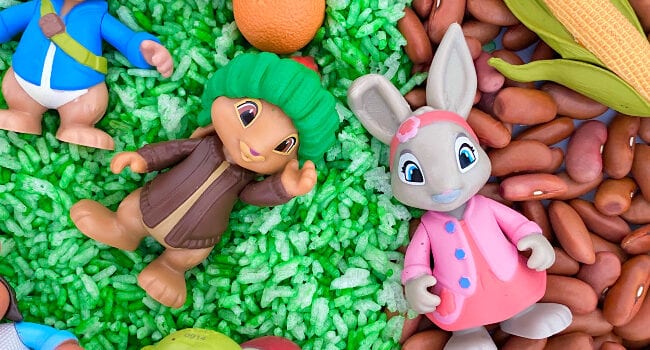
I’ve long been a fan of the Peter Rabbit books. Then they came out with a pretty cute movie and a sequel. Now the world has met these cute bunny characters. This Peter Rabbit Sensory Bin is a cute way to expand the books or the movie. 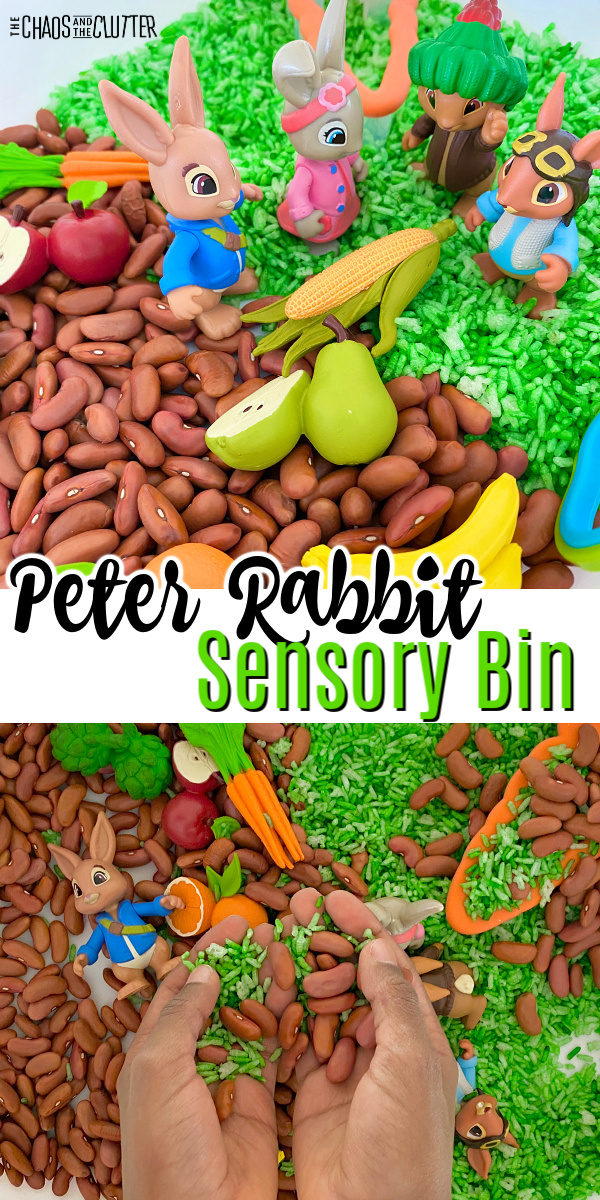 Preschoolers can engage in imaginative play with some of the most beloved characters in this adorable Peter Rabbit Sensory Bin. We later used some of these same items in our Peter Rabbit Invitation to Play.
Peter Rabbit Sensory Bin:
Supplies needed:
- plastic tub
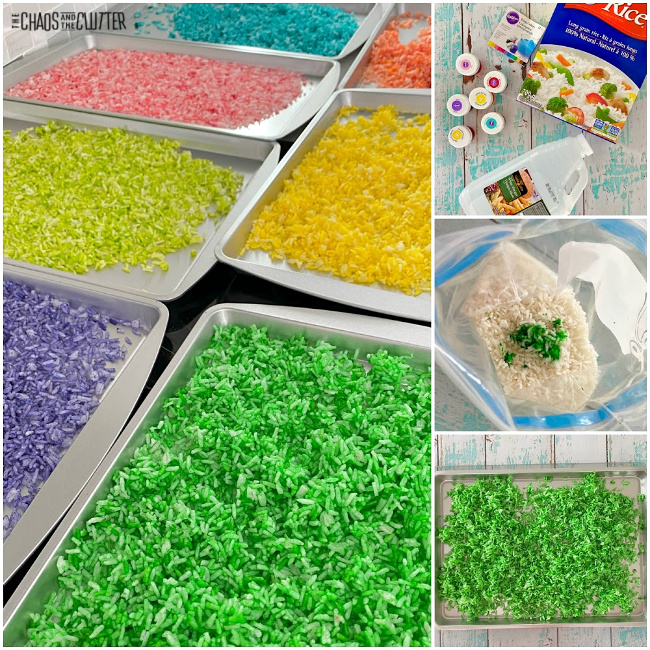
- rice dyed green (get full instructions on how to easily colour rice yourself)
- dry beans
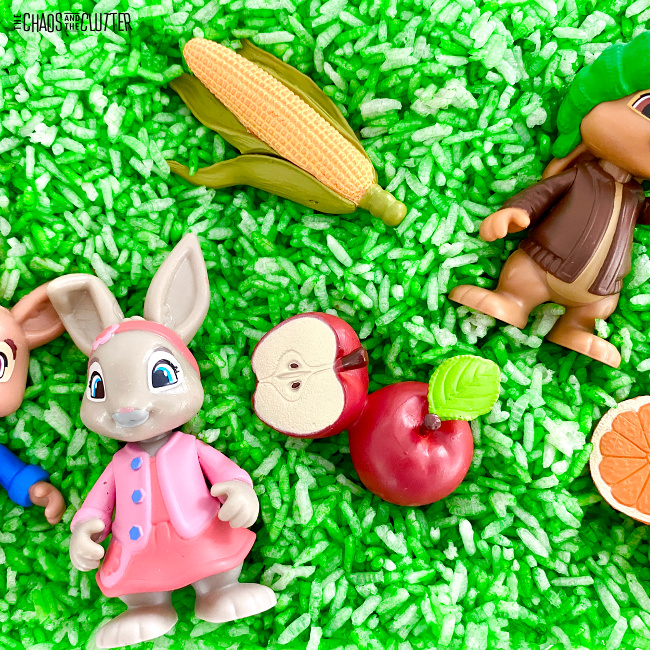
- Peter Rabbit figurines
- fruits and vegetables Toob
- carrot cookie cutter
- scoops and tongs
 Directions:
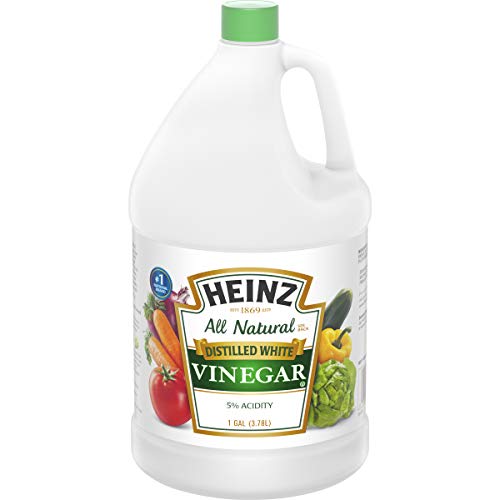
- Dye rice green using these instructions.
- Once it is dry, place it at the bottom of a plastic bin to cover about half.
- Place dry beans in the other half.
- Put the figurines and the other items in the bin.
- Invite your child to play.
The Peter Rabbit Classic Collection Peter Rabbit MovieGUND Classic Beatrix Potter Peter Rabbit Stuffed AnimalPeter Rabbit FiguresA Rabbit’s Tale Felt Figures for Flannelboard StoriesFruits & Vegetables ToobSet of Carrot, Bunny & Bird Cookie Cutters

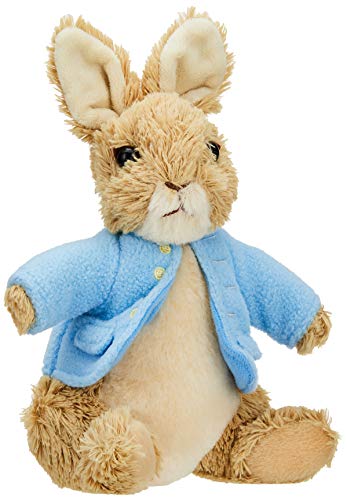

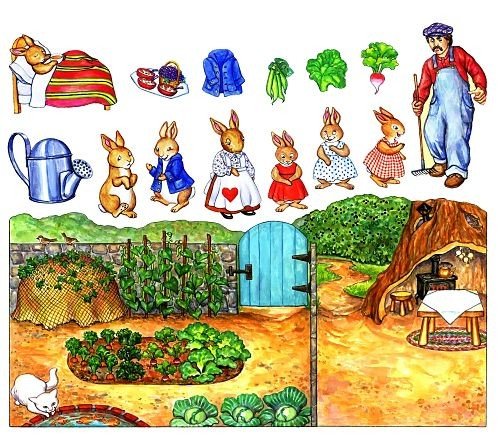
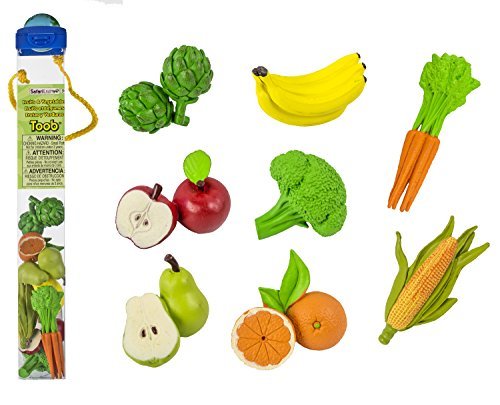
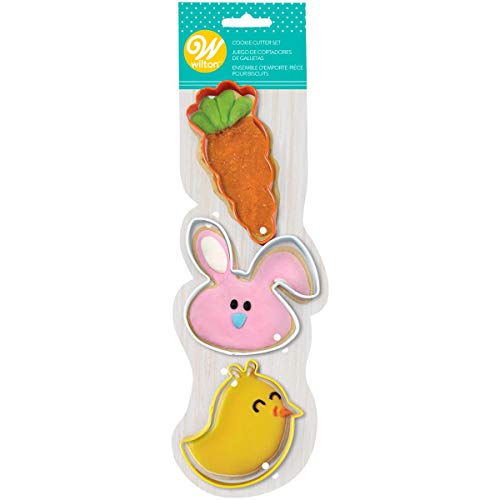
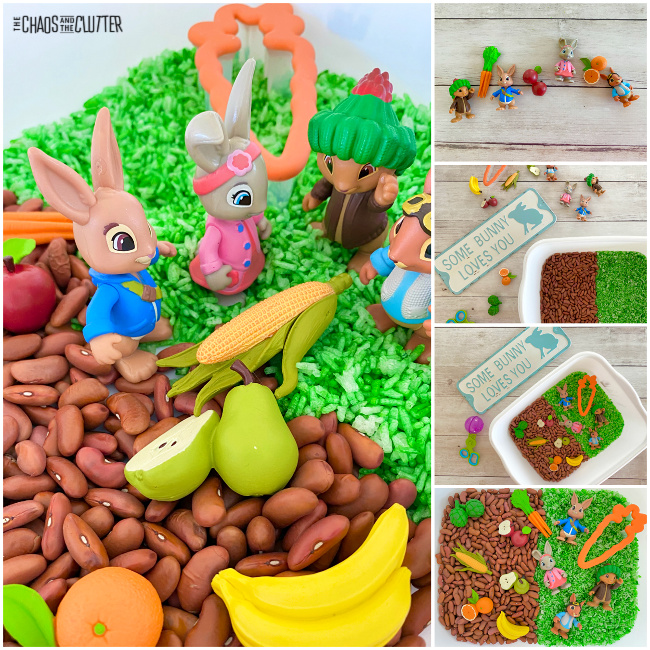
This hands-on sensory bin provides the opportunity for kids to engage their visual, tactile, and proprioceptive sensory systems.
Because of the bunnies, this sensory bin could also be set out at Easter time. Or it could correlate with a literature study or nutrition unit.
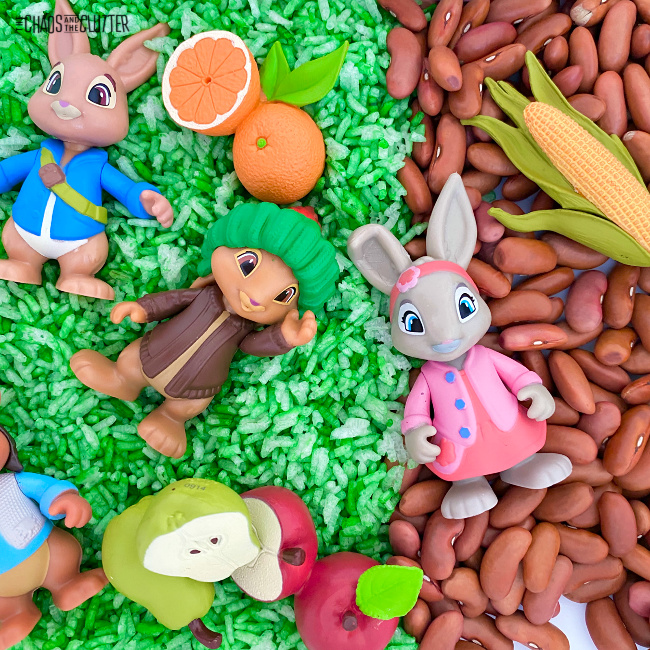
Ways to expand this activity:
- Read one of the Peter Rabbit books aloud to your child while they are playing in the bin.
- Watch one of the movies together.
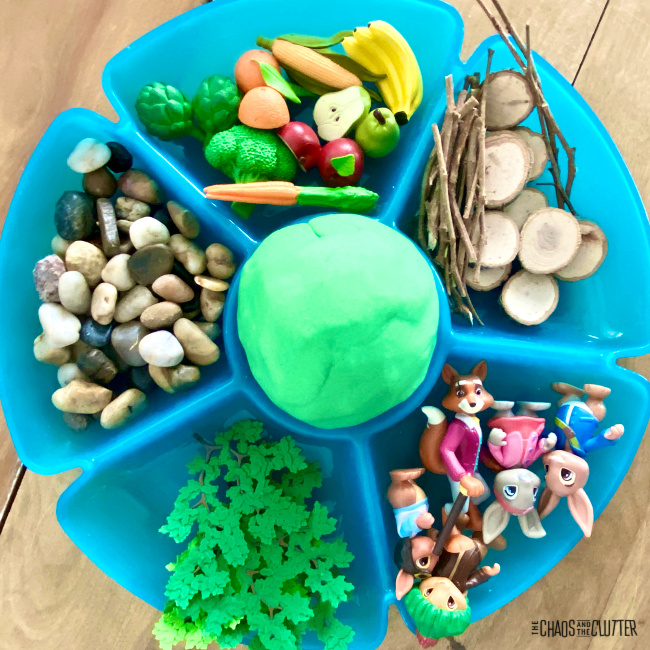
- Create a Peter Rabbit Playdough Invitation to Play.
- Set out real fruits and vegetables for your child to snack on while they play.
- Suggest that your child recreate a scene from the books or movies in their play.
- For older kids, you can create an entire Peter Rabbit unit study and use these free printable worksheets to go along with it.
- Play a Peter Rabbit I Spy game.
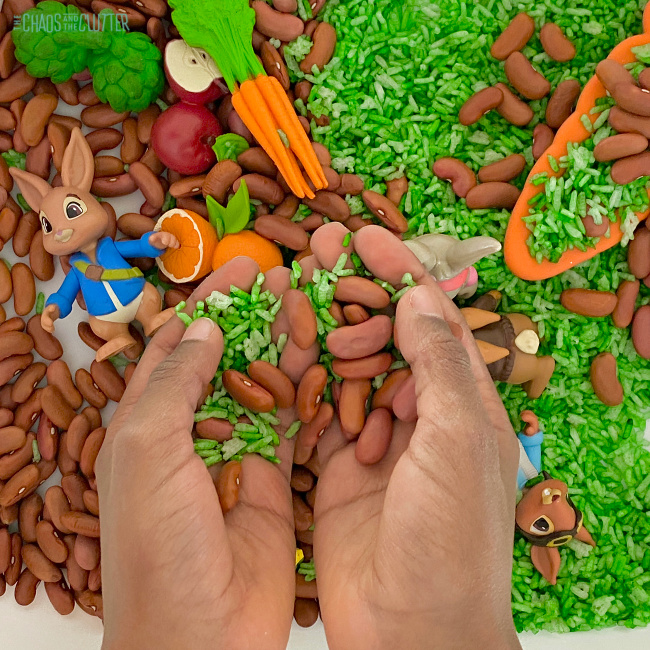
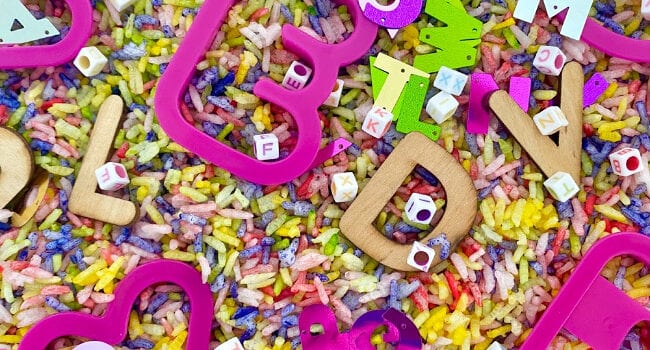
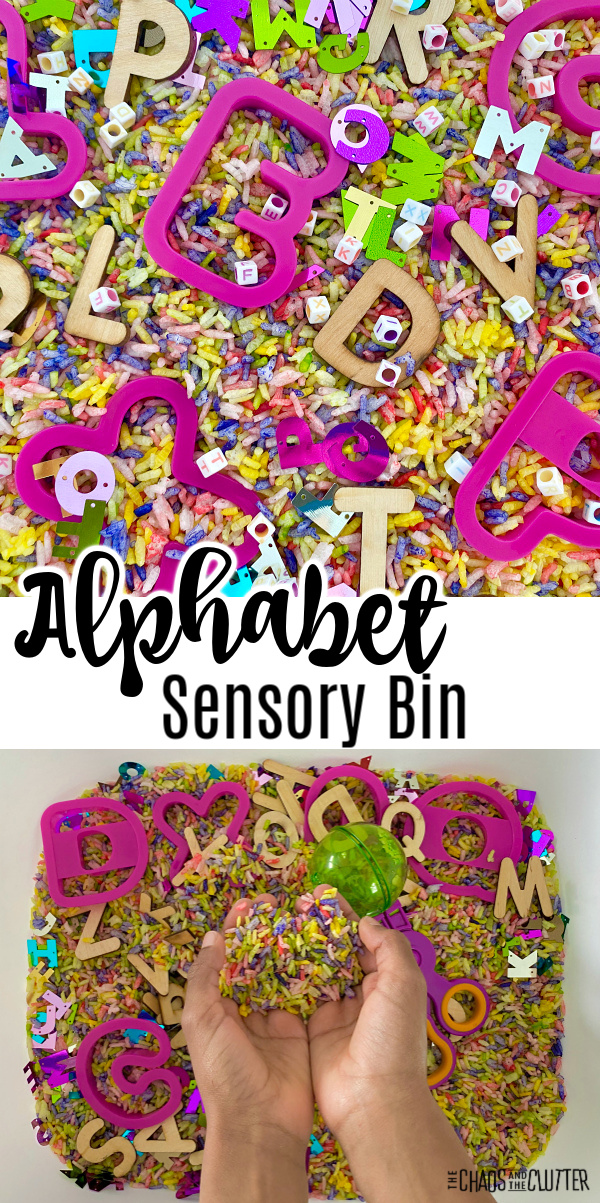
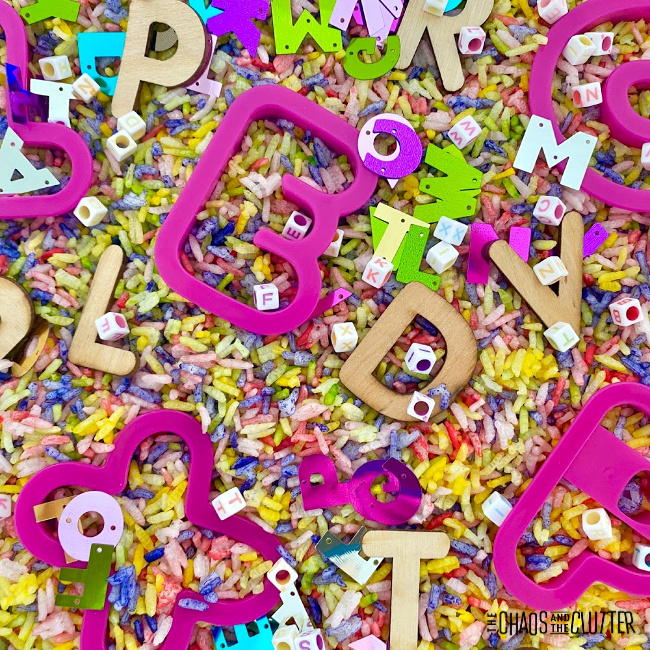 Directions:
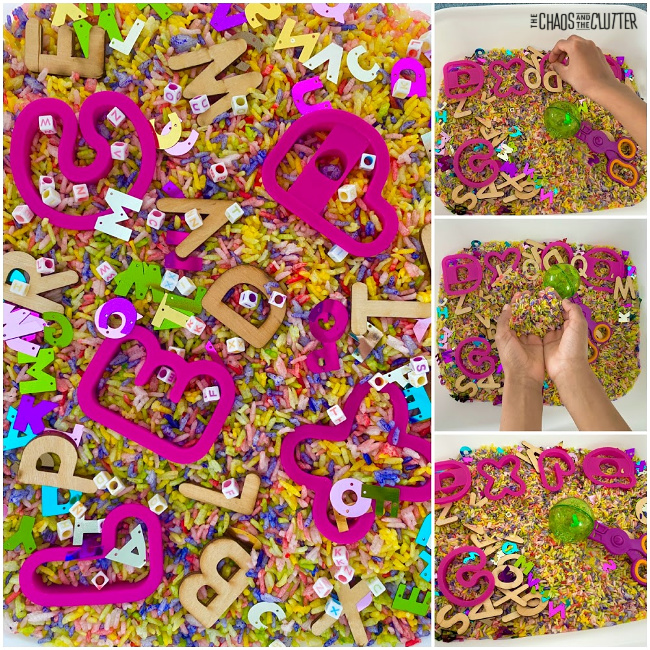 A note about adding multiple types of letters: if your child struggles with the alphabet, it can be best to only include one set of letters to reduce sensory overload and simplify things.

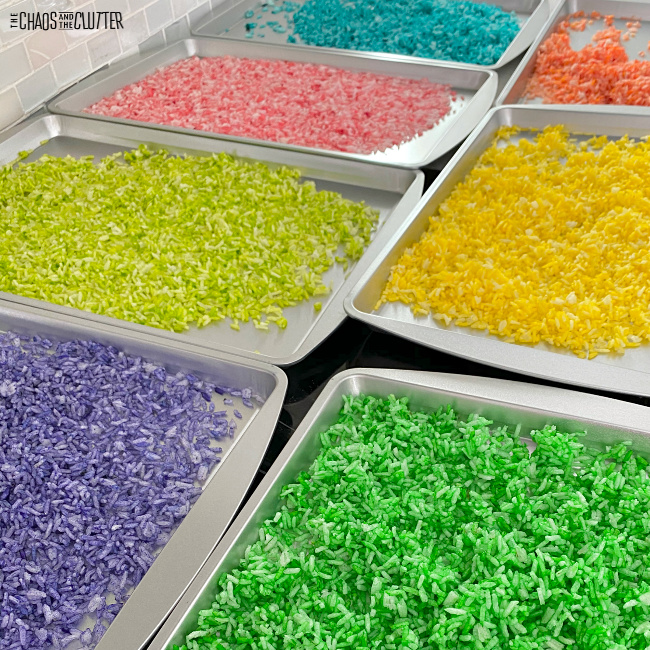

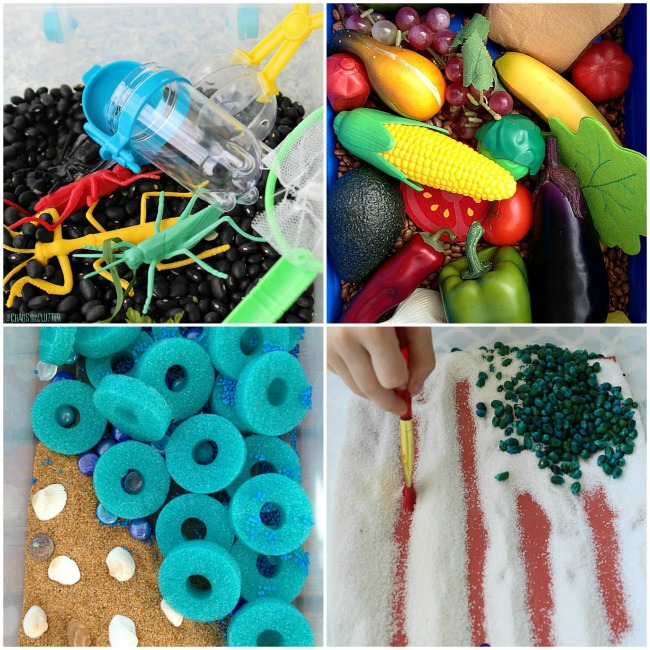
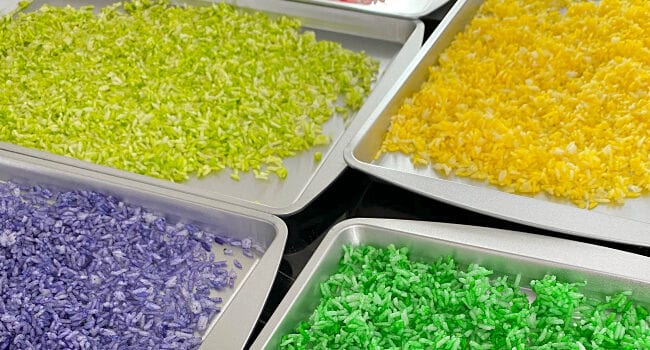
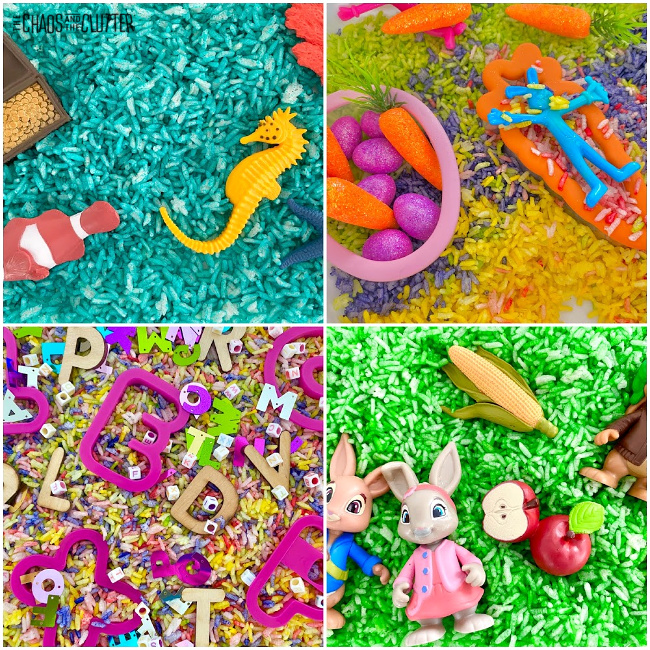
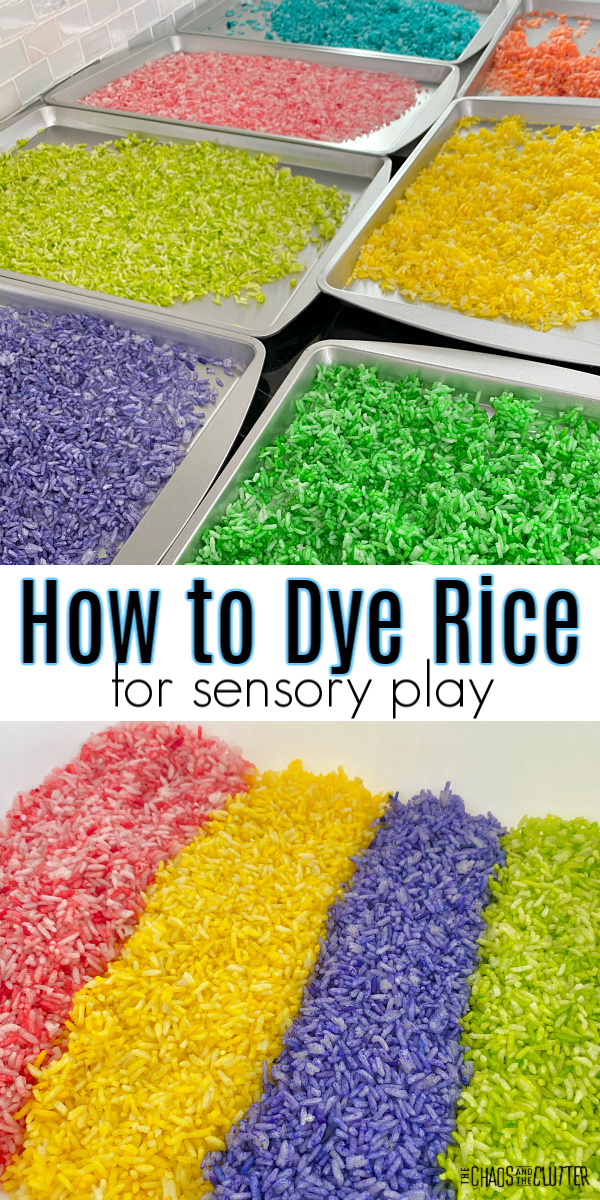 Rice is one of my favourite sensory bin fillers. I always make extra of the green because I find that it looks like grass which makes it versatile for all kinds of sensory bins, bottles, and bags.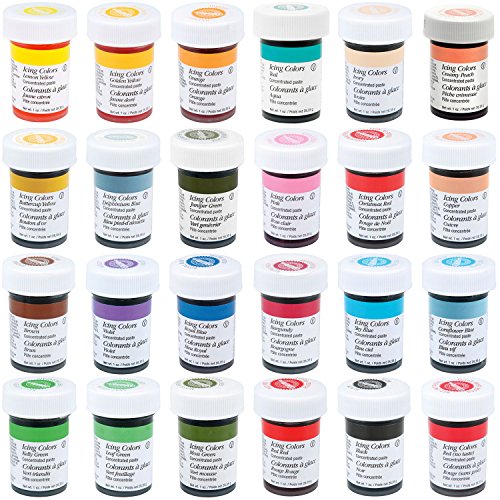
 *A note about the essential oils:
  Other helpful information about sensory play:
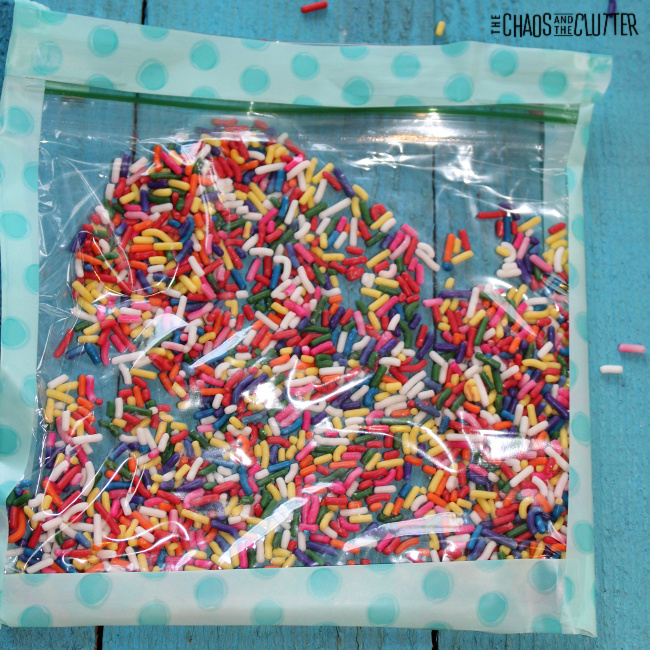
 Whether or not you secure the bag with duct tape, adult supervision should be used as this contains small parts that could present a choking hazard.
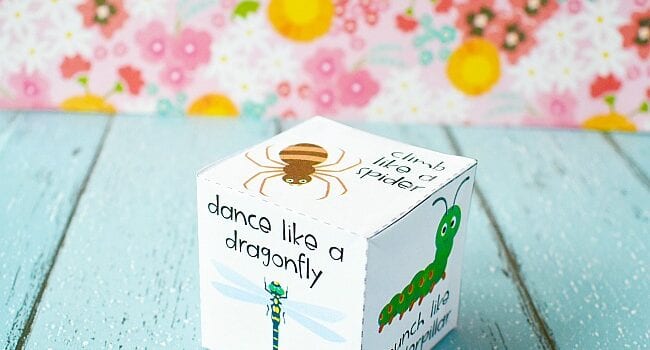
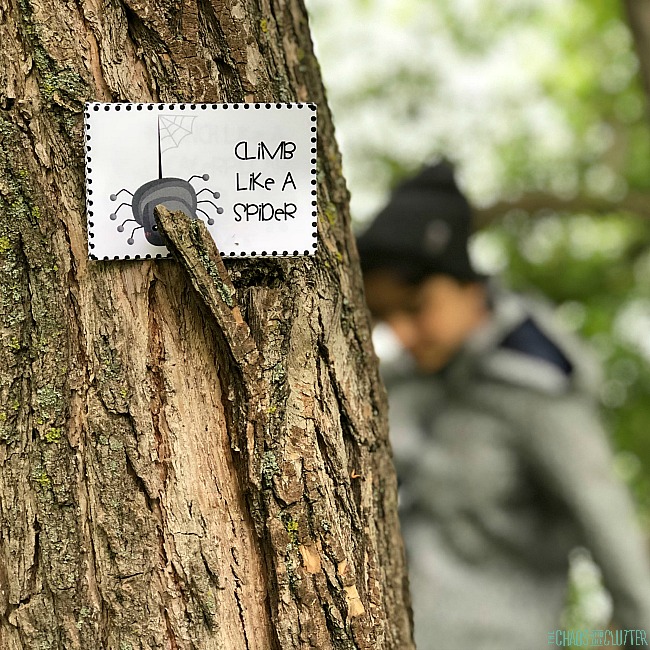
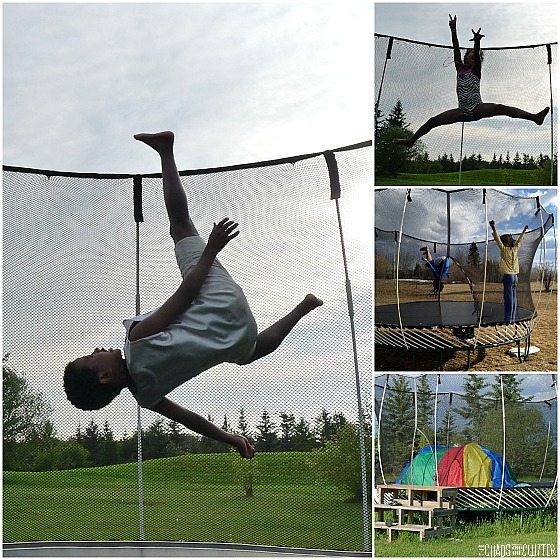
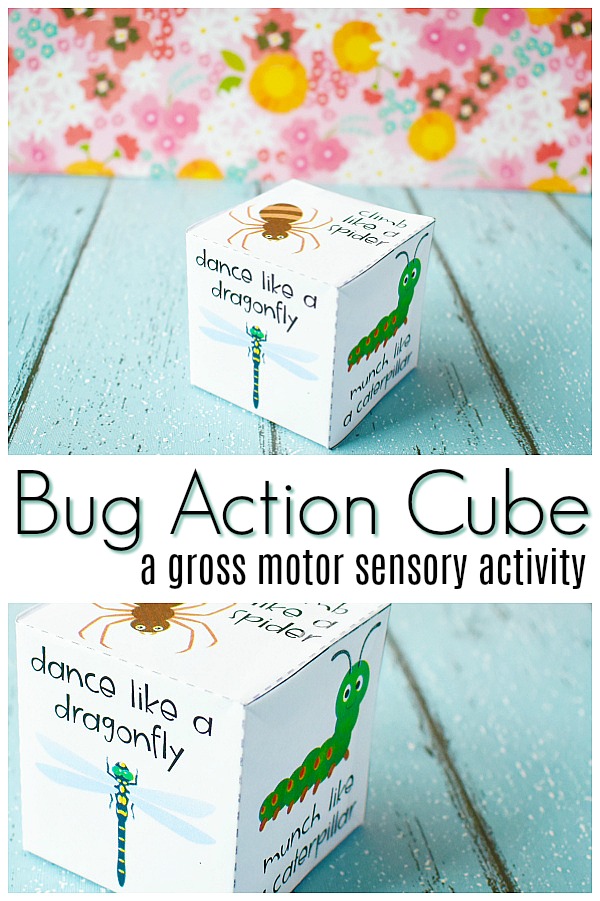 This is a great (and inexpensive) way for kids to burn off energy. If you do an insect learning unit in your classroom or homeschool, it’s also a cute addition to your unit study. You can also pair this cube with our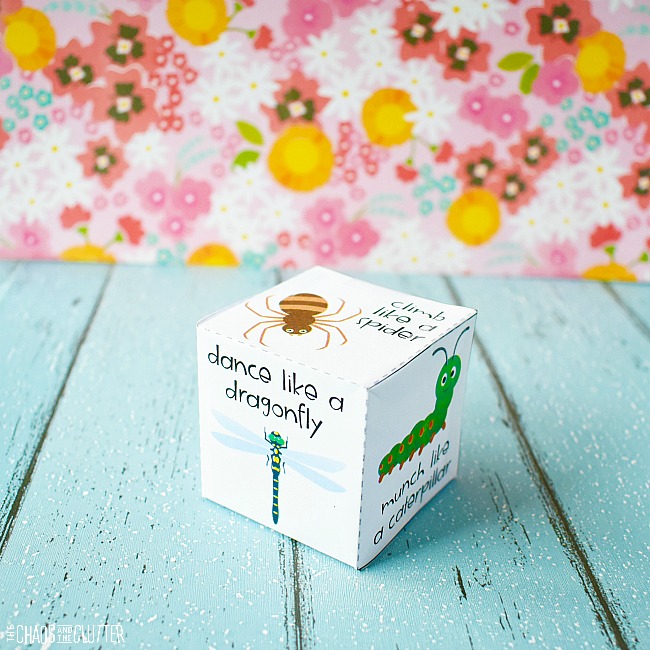
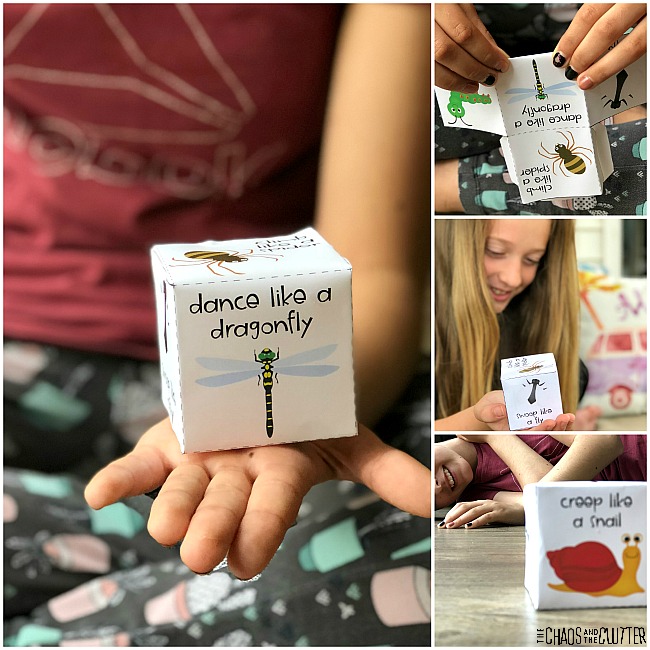
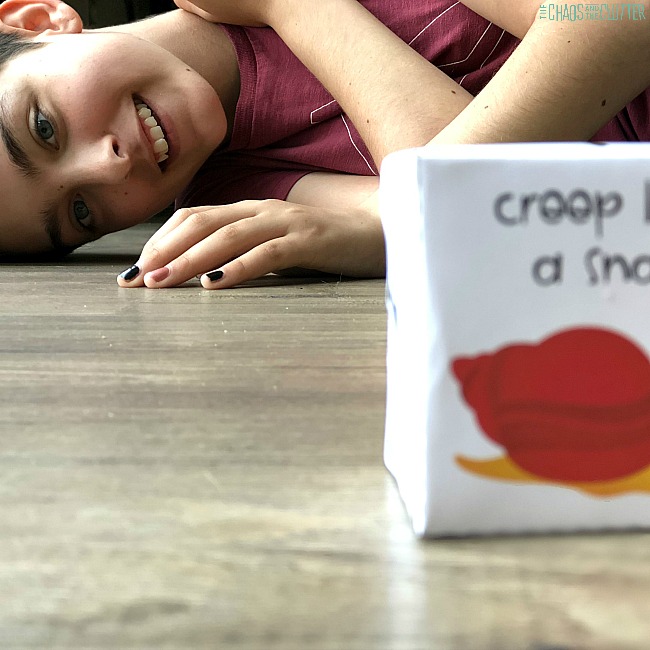 Breaking up schoolwork or screen time by providing a quick five minute brain break like this can actually make a significant difference in focus and concentration. These activities involve whole body movement so they are a wonderful reset to mood as well. You’ll be amazed the difference in your child after just a short brain break like this.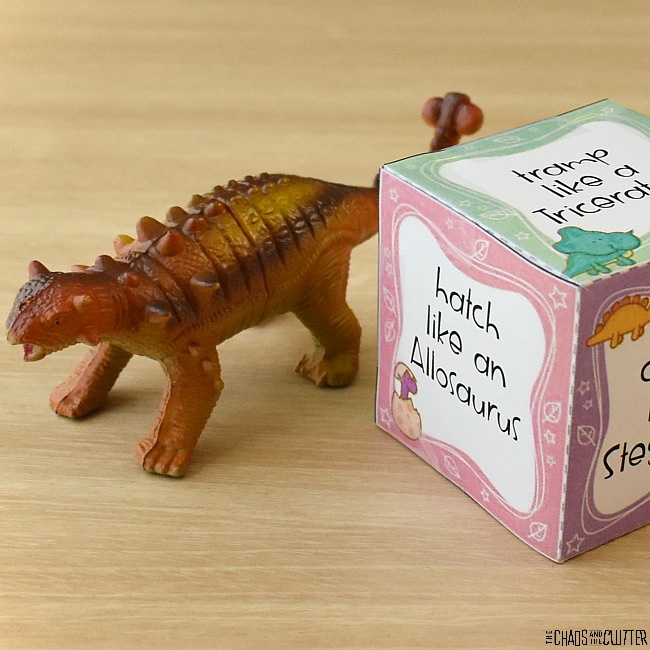

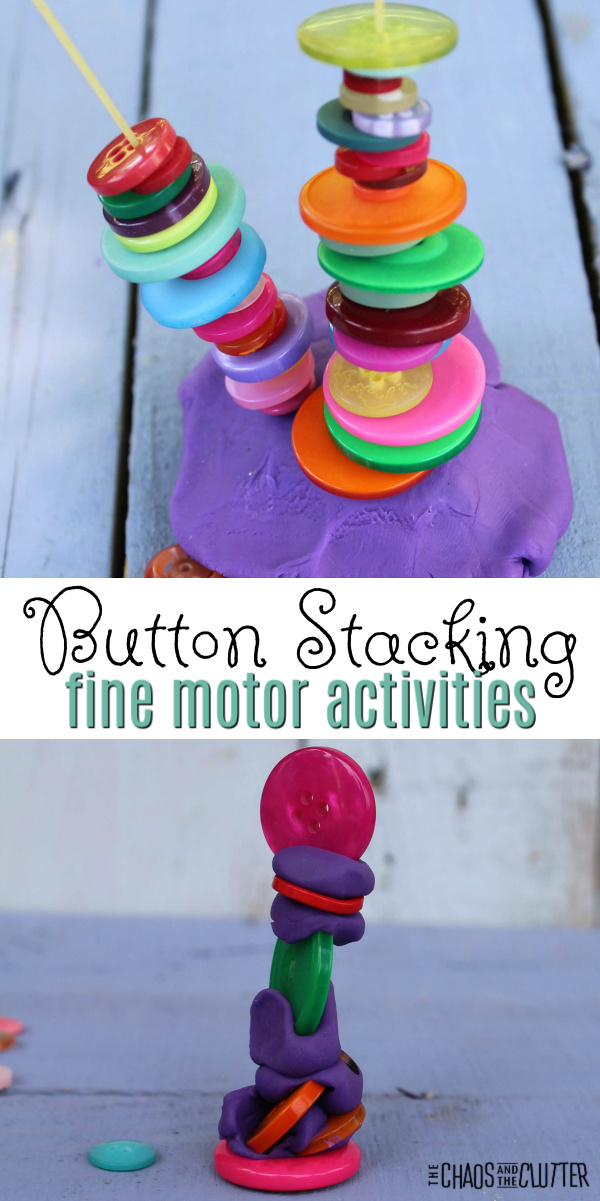 You can easily set these up at home or as a learning station in a preschool or Kindergarten classroom. It is inexpensive and fast to set up.
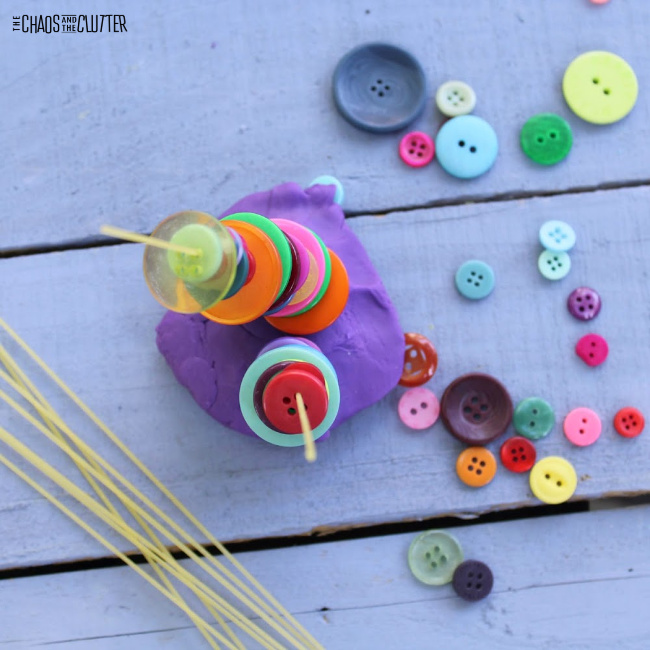 Directions for the noodles and buttons activity:
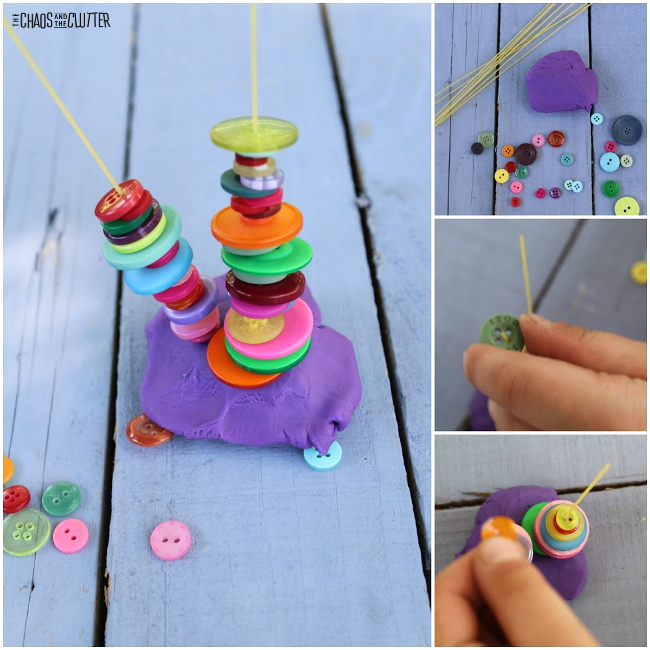 Depending on the age and ability of your child you can have them insert the spaghetti noodles or you can set that part up for them.
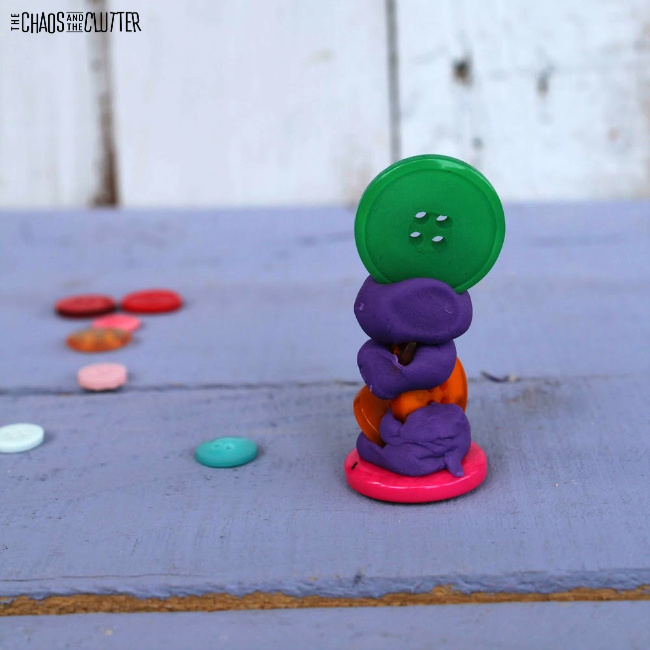
 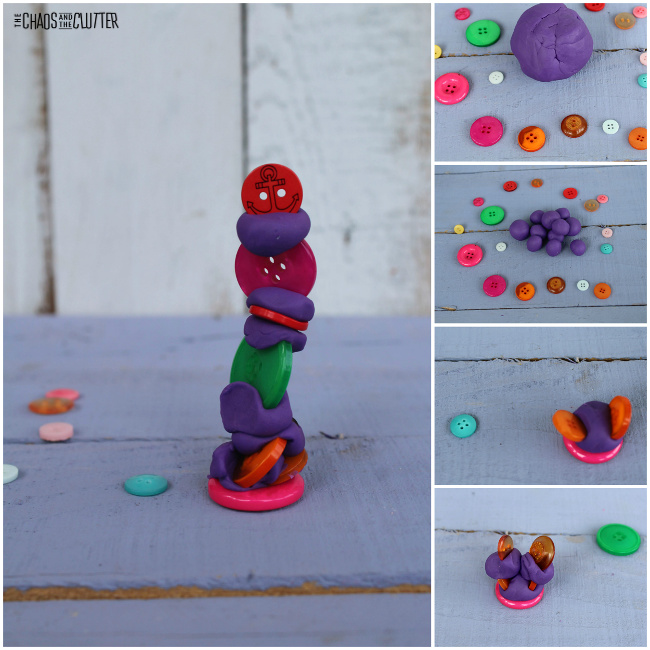 The playdough and buttons create a unique building material. What may seem like a simple activity is actually an introduction to engineering concepts. Kids can discover how many buttons they can stack before their tower tumbles or if stacking the buttons flat or sideways yields better results. They can also experiment with what building methods are most stable.