• Skip to primary navigation
  • Skip to main content
  • Skip to primary sidebar
  • Home
  • About
  • Contact
  • Privacy + Terms
  • Affiliates

The Chaos and the Clutter

  • Facebook
  • Twitter
  • Pinterest
  • Google Plus
  • RSS
  • Email
  • School at Home
  • Sensory
    • Sensory Processing Disorder
    • Awesome Sensory Play Activities
      • Sensory Bins
      • Sensory Bottles
      • Sensory Bags
  • Family Games
    • Minute to Win It Games
  • Special Needs Parenting
    • Childhood Anxiety
    • Reactive Attachment Disorder
    • Sensory Processing Disorder
  • Store
  • Course Login

Crafts and Activities

The Best Butter Slime Recipes

By Sharla Kostelyk

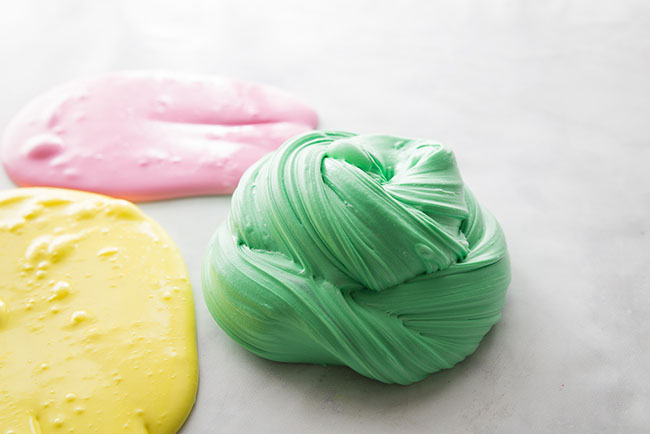
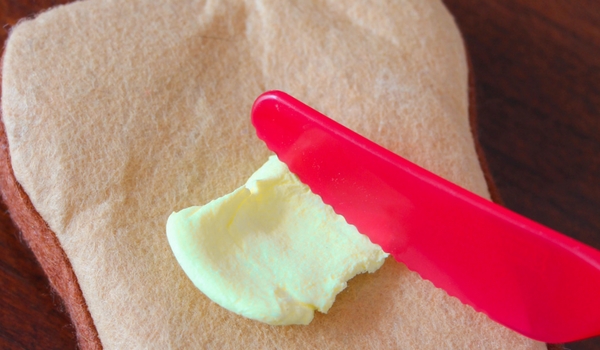
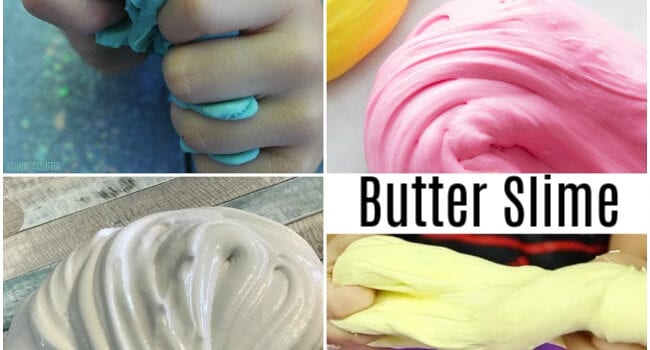
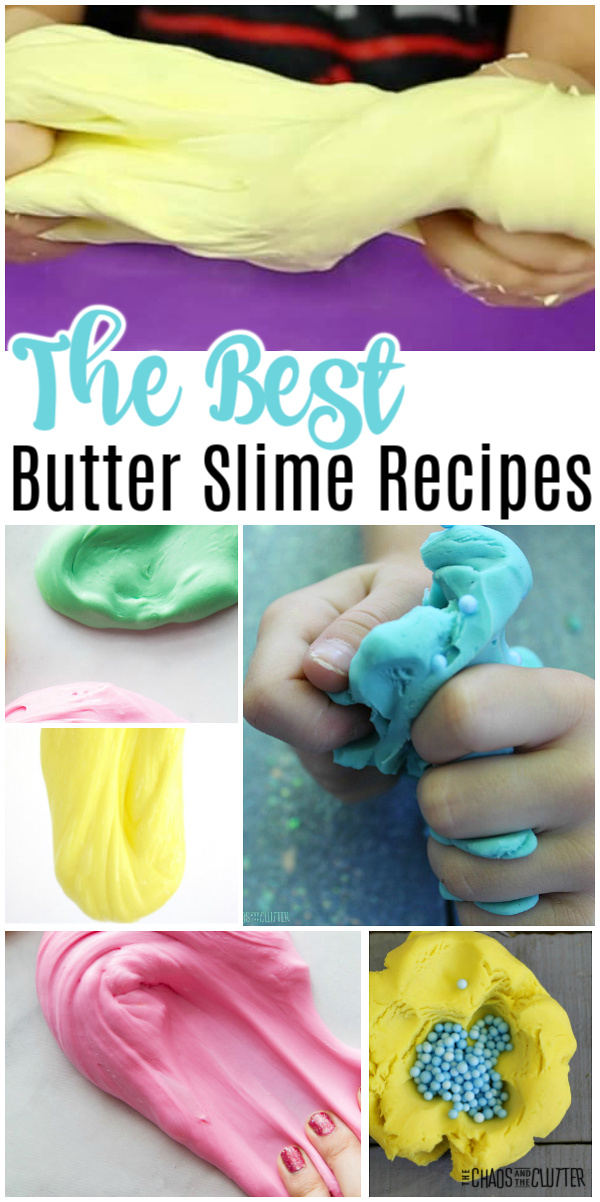
Butter Slime gets its name from its buttery texture. Some make it yellow in colour as a play on the name. One of the things I like about butter slime is that most recipes don’t stick. As a mom, this is a big selling point!collage of different colours and shapes of slime. Text reads "The Best Butter Slime Recipes"I thought it might be helpful for those who are looking to try this kind of sensory fun if I put together a list of the best recipes out there for this type of slime. If you’re feeling really ambitious, you may even want to make several of the recipes and see which one is your favourite. 
If you’re new to this kind of thing, check out our Complete Guide to Making Slime for tips and tricks to help you get the best results possible. That can also help you troubleshoot if you run into any issues.

The Best Butter Slime Recipes

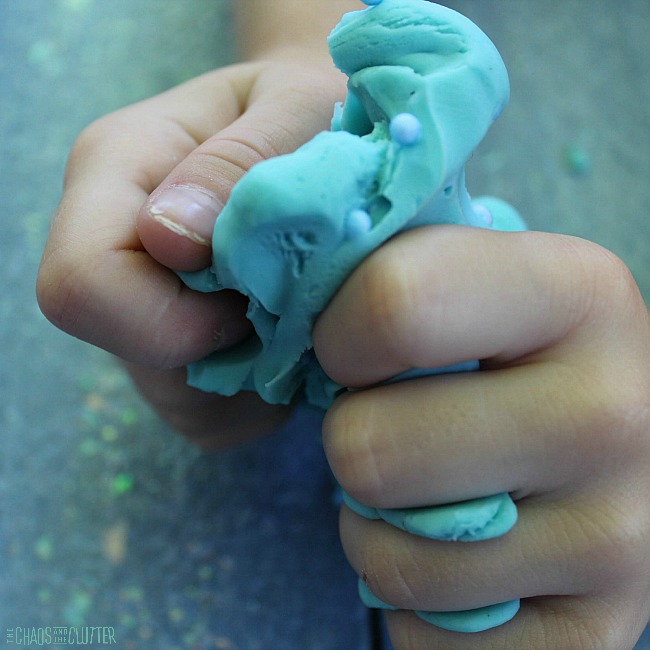
Image for Textured Butter Slime

Textured Butter Slime

The smoothness of the slime contrasts with the textured beads to create an awesome sensory experience.

Image for Butter Slime
Photo Credit: www.thebestideasforkids.com

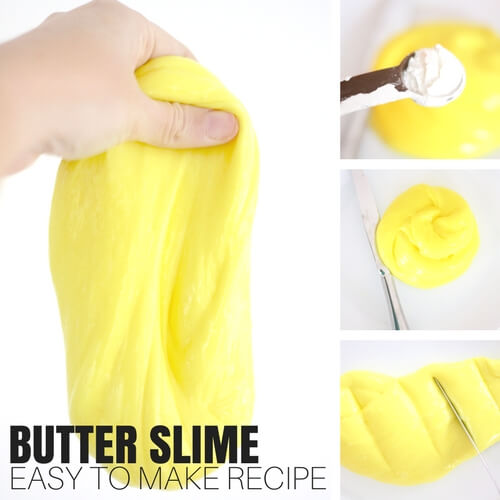
Butter Slime

This butter slime has a moldable and fluffy like texture to it!

Image for How To Make Butter Slime Without Clay
Photo Credit: littlebinsforlittlehands.com

How To Make Butter Slime Without Clay

Butter slime without the soft clay! No clay is needed for this butter slime with an incredible texture that uses a simple kitchen ingredient instead!

Image for Moldable Model Magic Slime
Photo Credit: sugarspiceandglitter.com

Moldable Model Magic Slime

This moldable - not messy - slime is perfect for kids who love to SQUISH!

Image for Harry Potter Model Magic Butter Slime Recipe
Photo Credit: www.steampoweredfamily.com

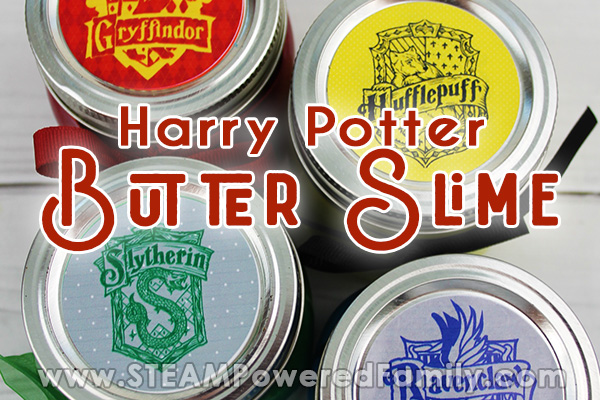
Harry Potter Model Magic Butter Slime Recipe

Harry Potter Butter Slime - embrace the magic of your favourite Hogwarts House with these vibrant and fun butter slime recipes.

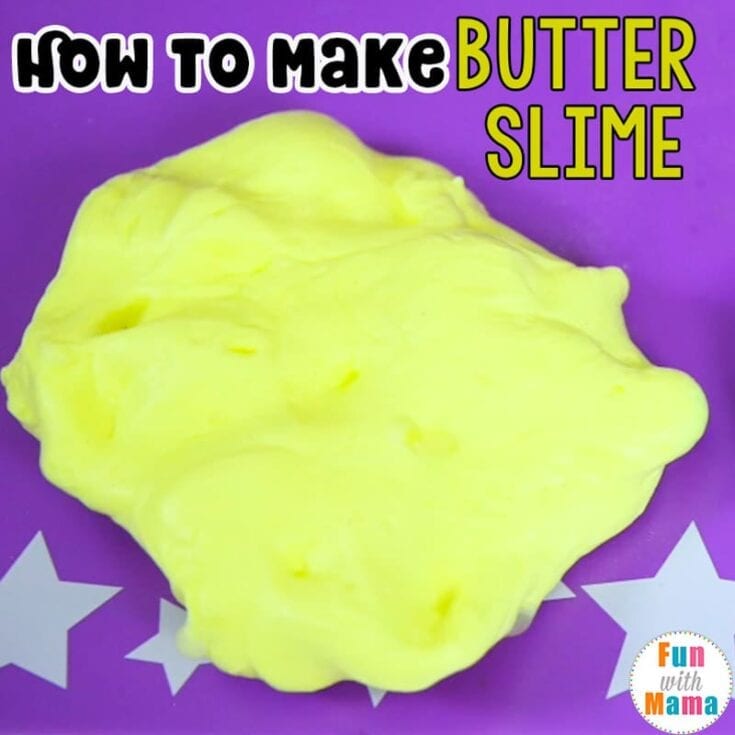
Image for How To Make Butter Slime Recipe
Photo Credit: www.funwithmama.com

How To Make Butter Slime Recipe

A simple and easy butter slime recipe that the kids are going to love! No clay or playdough in this one.

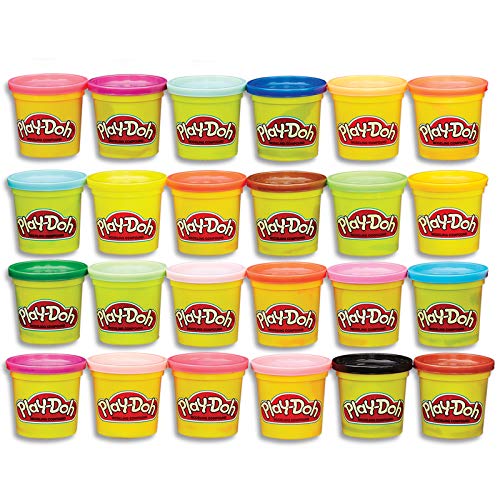
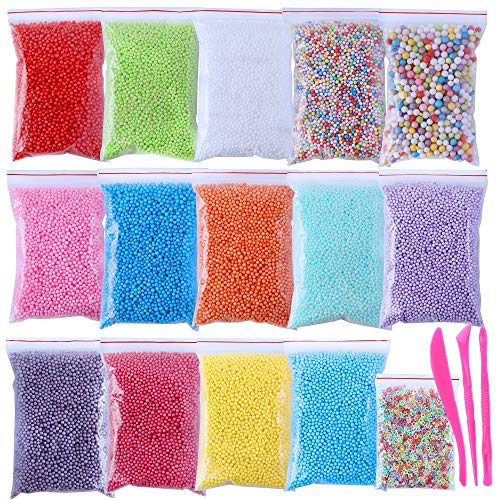
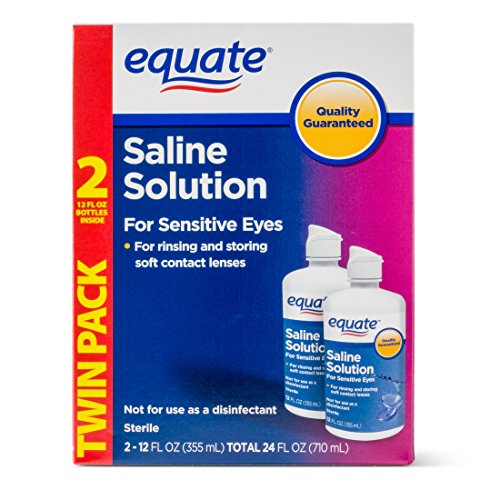
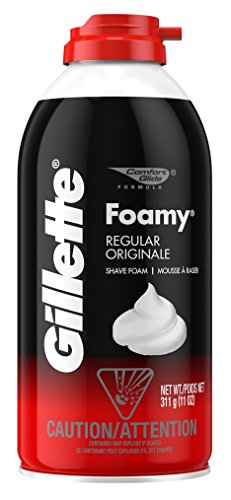
Butter slime ingredients vary from recipe to recipe. Here are some of the common ones (though obviously not all of these go into one recipe!):

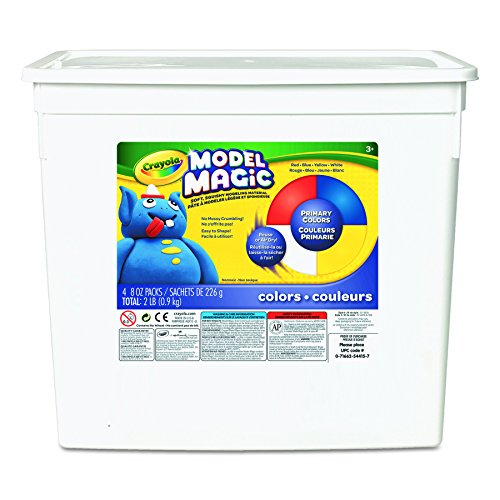
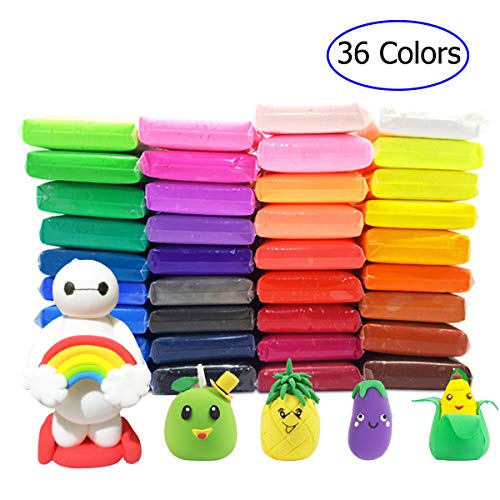
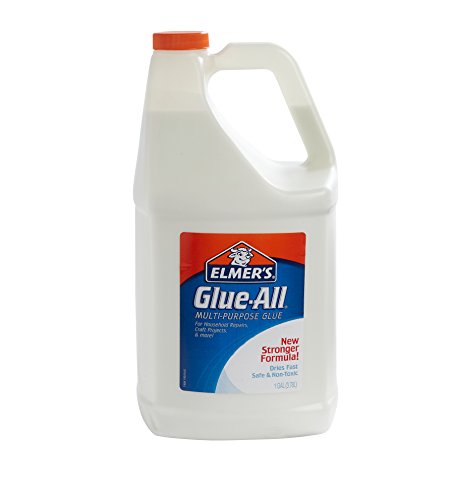
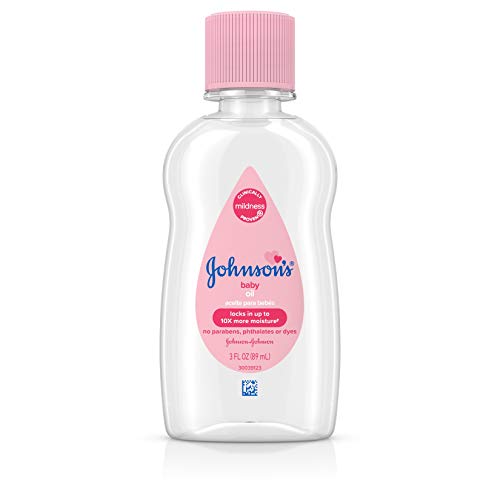
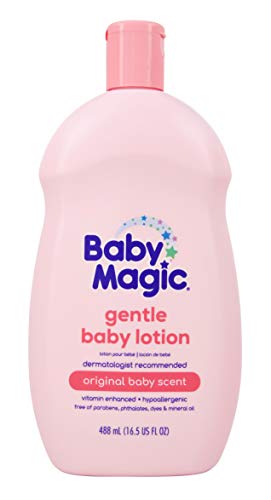
Crayola Model MagicCrayola Model MagicCrayola Model MagicAir Dry ClayAir Dry ClayAir Dry ClayPlay-DohPlay-DohPlay-DohFoam Balls for SlimeFoam Balls for SlimeFoam Balls for SlimeSaline SolutionSaline SolutionSaline SolutionShaving CreamShaving CreamShaving CreamElmer's White GlueElmer’s White GlueElmer's White GlueBaby OilBaby OilBaby OilBaby LotionBaby LotionBaby Lotion


Safety tips:

  1. Adults should always handle the ingredients as there may be chemicals.
  2. Adult supervision should be used both when making or playing with any sensory recipe.
  3. Do not lick or eat the slime or any of the ingredients.
  4. Always wash hands before and after play.
  5. Those with skin sensitivity should wear gloves and long sleeves when playing with their slime and if a rash or skin irritation develops, discontinue play immediately.
  6. When not in play, store properly in an airtight container.
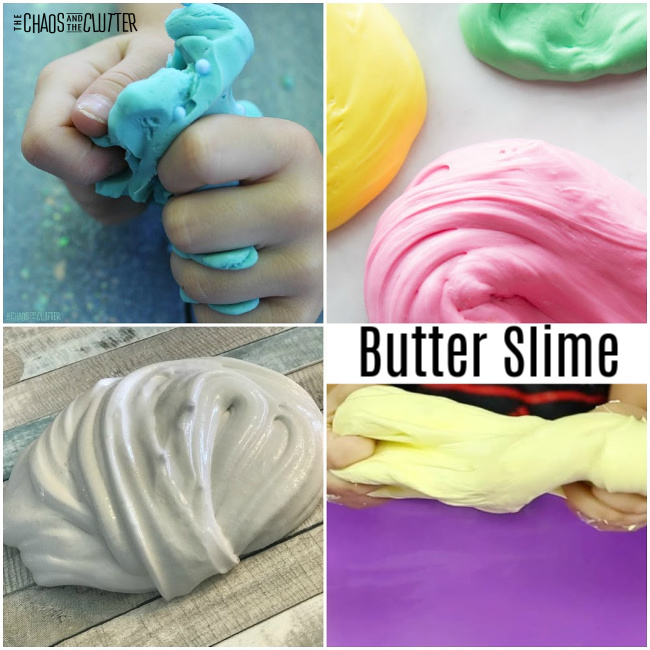
Now that you’re armed with ideas to make this smooth, stretchy slime, you’ll have to give it a try and see what you think!
Check out some of our most popular slimes:

  • Unicorn Fluffy Slime
  • Edible Shark Themed Fluffy Slime
  • Stretchy Butterfly Slime
  • Spider Web Slime
  • Googly Eye Monster Slime

Filed Under: Crafts and Activities

How to Dye Rice for Sensory Play

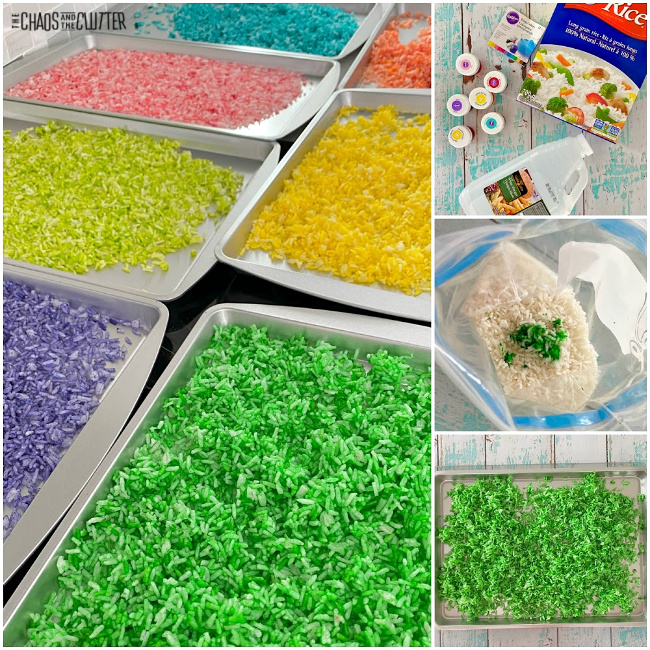
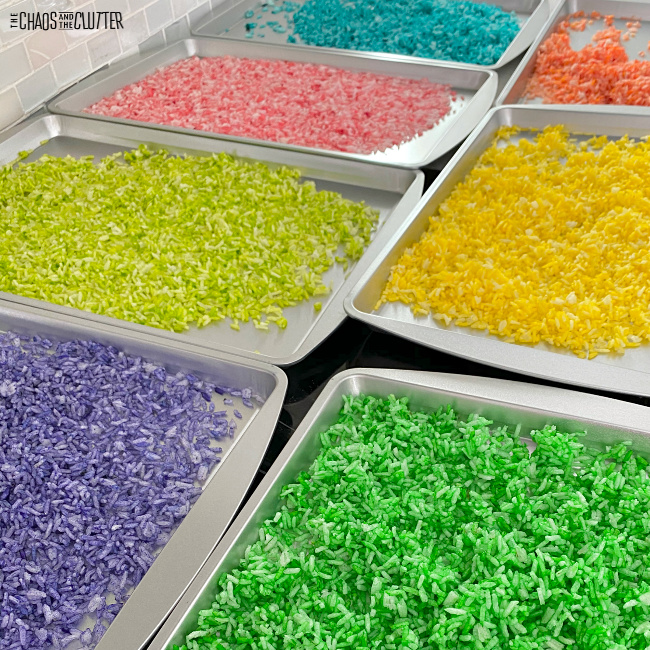
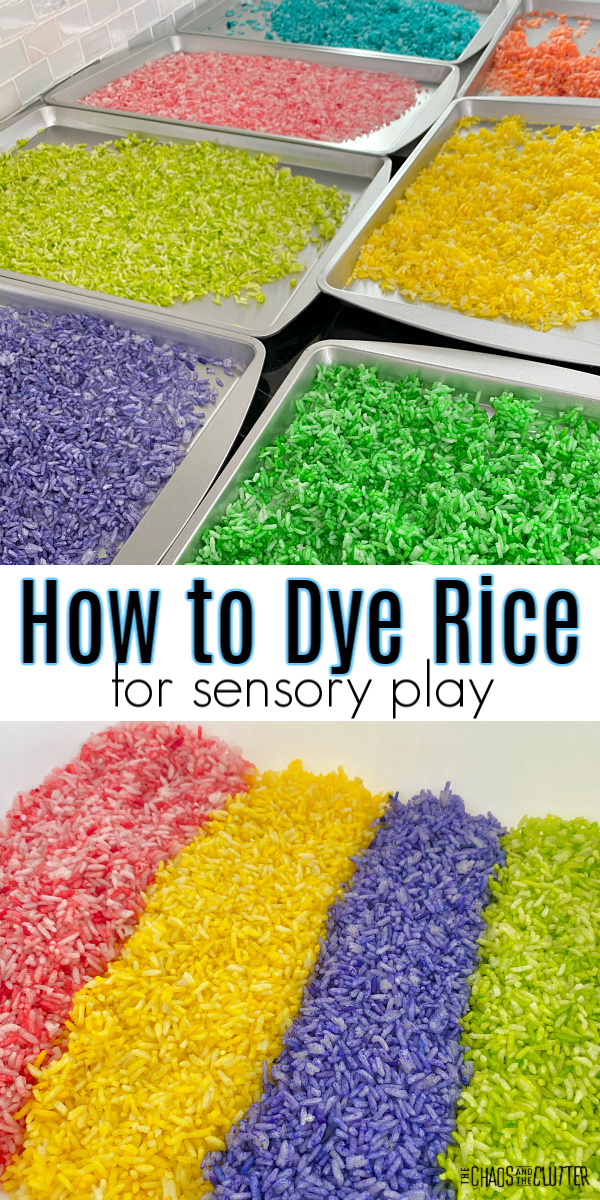
seven metal trays each with a different colour of rice on it

By Sharla Kostelyk

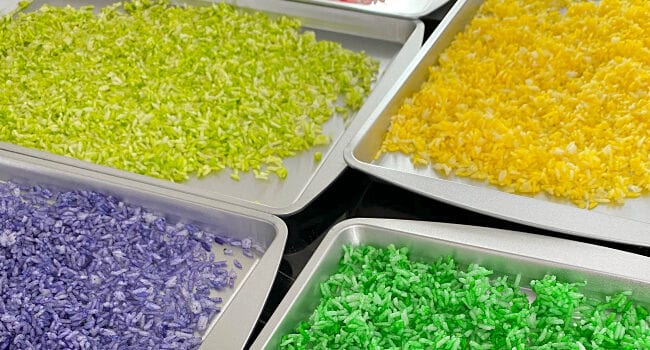
You can easily make your own colourful rice for sensory play at home or in your preschool or classroom. This recipe for dying rice doesn’t use rubbing alcohol, making it safer in case you have kids who put things in their mouth. Simply follow our instructions for how to dye rice. metal trays with purple, green, pink, blue, yellow, and orange rice. Text reads "How to Dye Rice for sensory play"Rice is one of my favourite sensory bin fillers. I always make extra of the green because I find that it looks like grass which makes it versatile for all kinds of sensory bins, bottles, and bags.
How to Dye Rice:

Supplies needed:

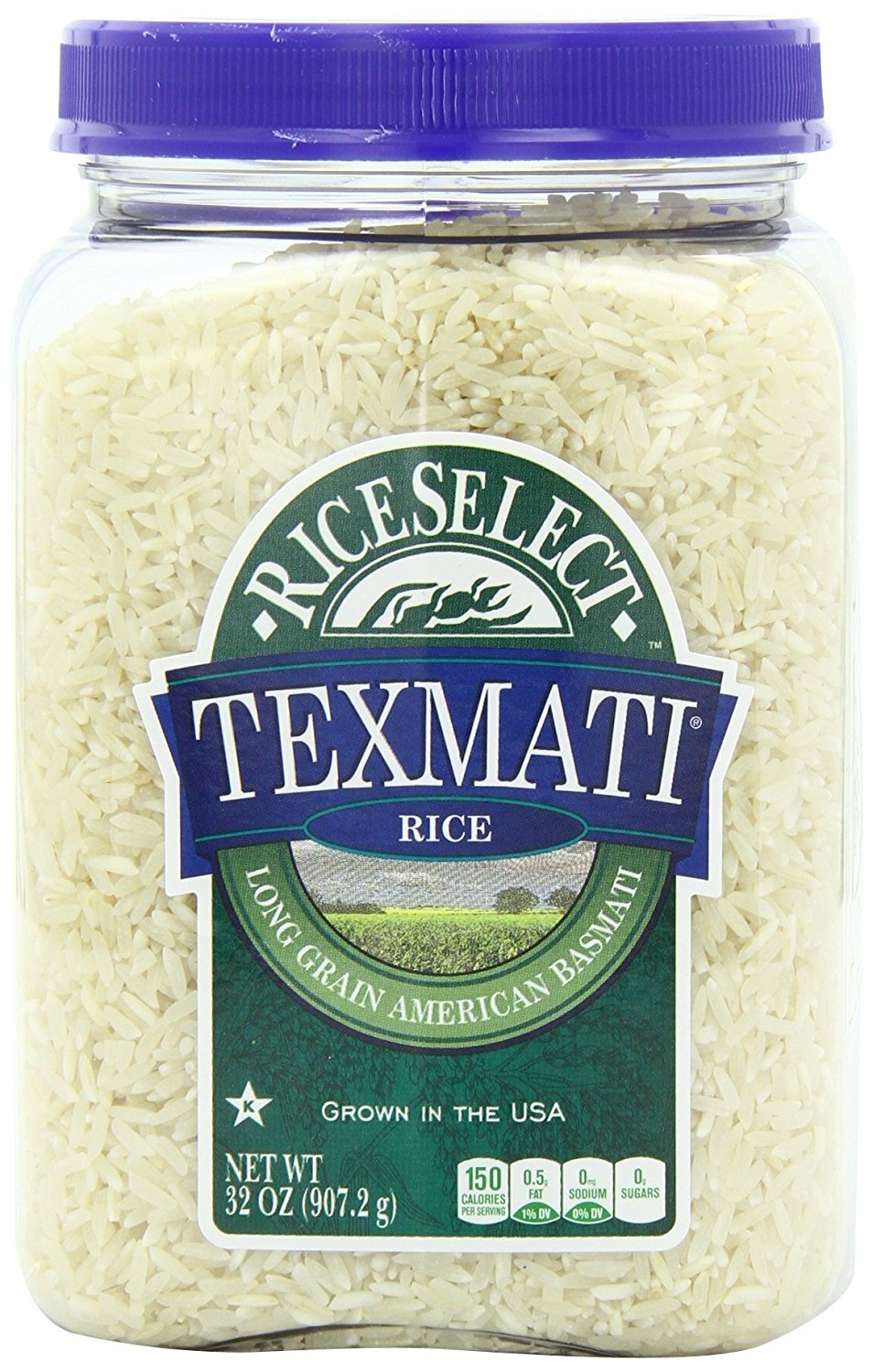
  • 1 cup white rice per colour
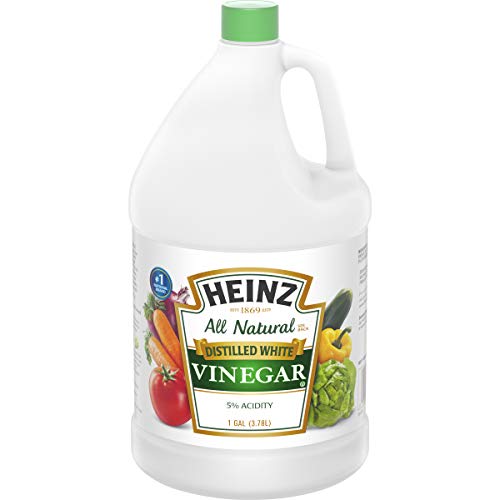
  • 1/2 tsp. vinegar per colour
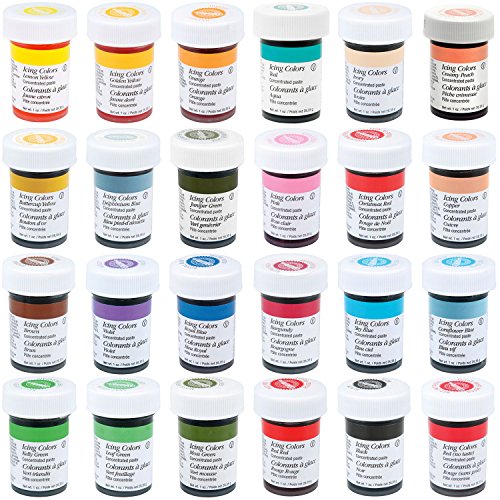
  • coloured food gel or food colouring
  • optional: essential oils*

Wilton Food GelWilton Food GelWilton Food GelWhite VinegarWhite VinegarWhite VinegarWhite RiceWhite RiceWhite Rice


Directions:

  1. Put 1 cup of rice in a resealable plastic bag. 
  2. Add 1/2 tsp. of vinegar and a bit of the icing gel or food colouring. You won’t get colours that are as vibrant if you use food colouring as opposed to the gel. If you want to add essential oil, add a few drops at this point.
  3. Seal the bag and shake well.
  4. Spread the coloured rice out on a baking tray to dry overnight. 
  5. Repeat with other colours.
  6. Use in sensory play.

*A note about the essential oils:

Adding essential oil to the rice will create an extra sensory element as it creates olfactory (scent) input. There are some scents that are calming such as lavender, jasmine, or rose. Other scents are alerting such as lemon, peppermint, or cinnamon. 

You will want to choose the essential oil based on what you are trying to achieve. In a setting where you want your child to be learning, you may want to choose an alerting scent. If you are wanting to create more calming sensory play opportunities, then you’ll want to choose a calming scent for the rice. When not in use, be sure to store your coloured rice in a sealed plastic bag or an airtight container. You can reuse it over and over again as long as it’s properly stored.
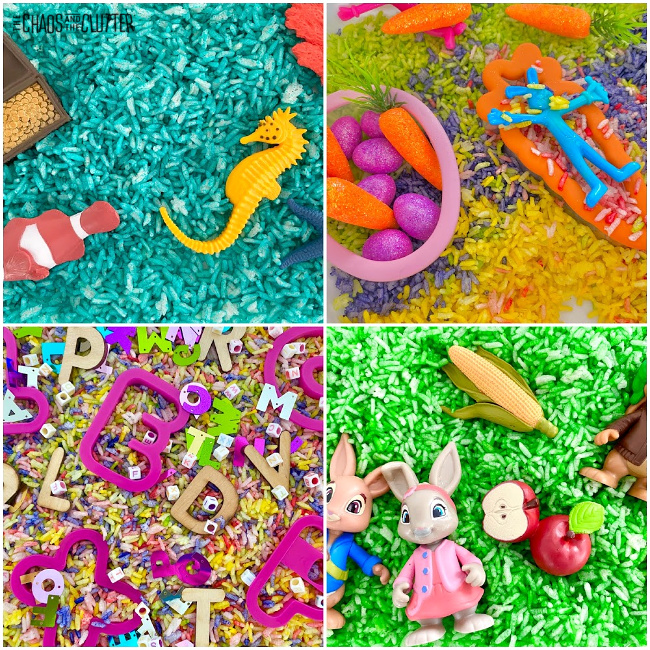
Ways to use coloured rice in sensory play:

Coloured rice can be used in a variety of sensory play activities. If you use more than one colour at a time, the colours will obviously combine through play and create a different look altogether. That’s not a bad thing, but if you have a child prone to getting upset by things not looking the way they think they should, this is something you should warn them about before they begin to engage with their sensory play. 

Here are some ideas:

  • Use coloured rice in a sensory bottle along with some small buttons or toys to create a Seek and Find Discovery Bottle. 
  • Create a rainbow effect by lining up different colours in a sensory tub. Add some scoops and funnels for kids to explore and work on their fine motor skills by scooping and pouring.
  • Use green rice to look like grass for insect, butterfly, Spring, or other outdoor themed sensory bins.
  • Fill a resealable bag about halfway full with coloured rice and then add some small toys or alphabet letters to create an I-Spy type sensory bag.
  • Layer different colours in a jar or bottle.
  • Fill a plastic bottle with some of the rice and leave some space at the top to create a music shaker. 

Other helpful information about sensory play:
  • The Mega List of Sensory Bin Fillers and Tools
  • How to Create Sensory Bins Your Child Will Love
  • Sensory Play Clean Up Tips
  • Non-Food Sensory Bin Fillers
  • How to Host a Sensory Bin Swap
  • Sensory Strewing

Looking for more easy sensory play recipes to use with your kids? Join us for a free five day email series on Sensory Activities and Solutions and get a free sample of our Sensory Play Recipes eBook.

Filed Under: Crafts and Activities, Sensory Bins Tagged With: sensory play

Ocean Sensory Bag

By Sharla Kostelyk

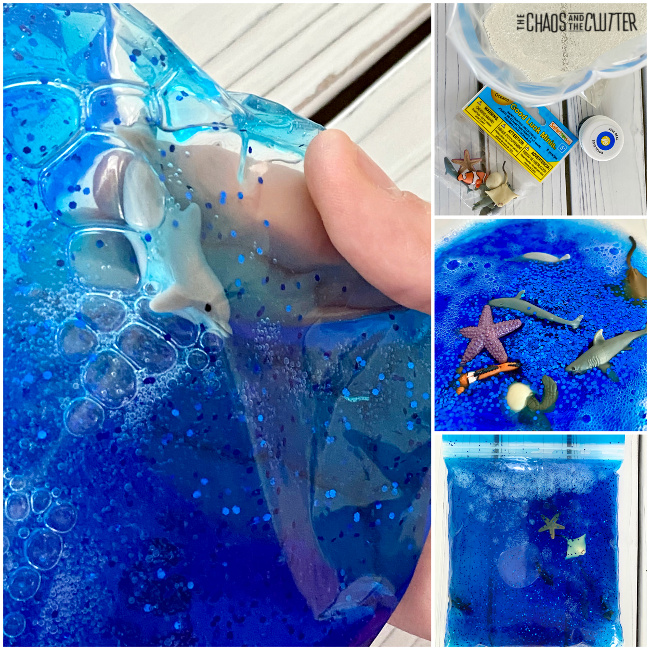
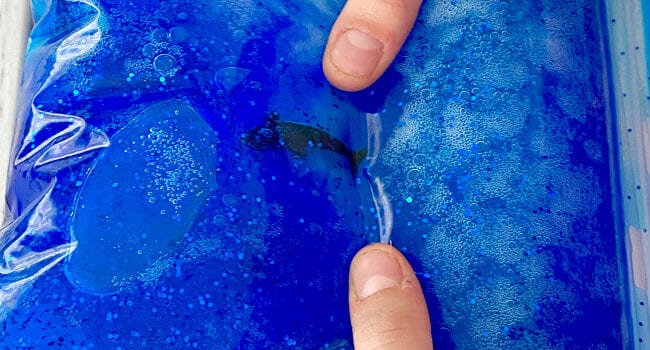
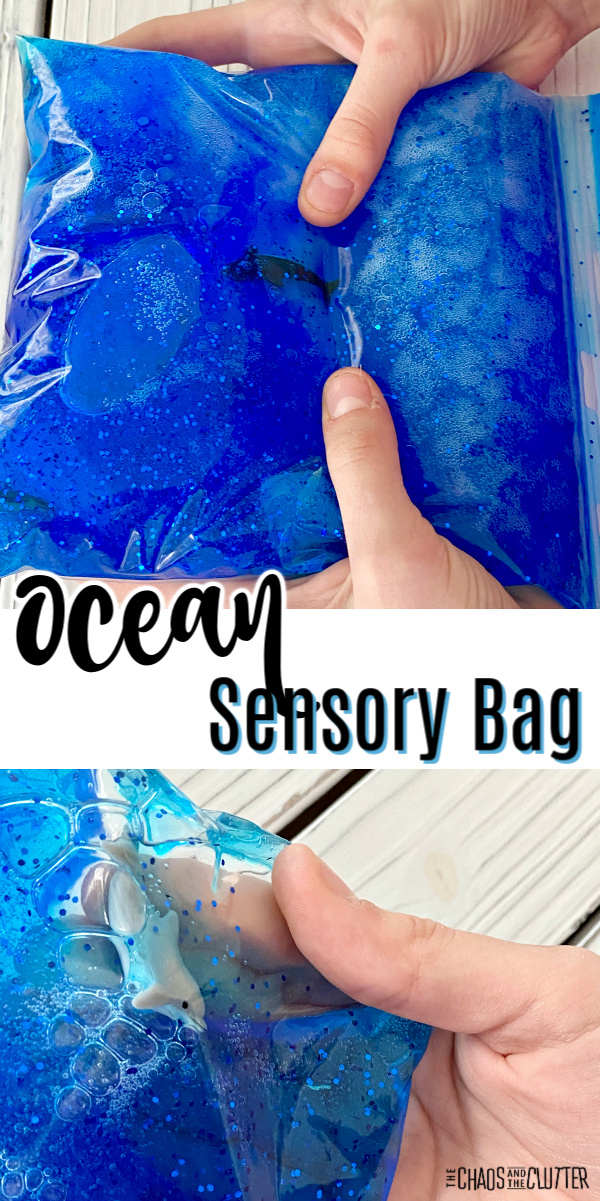
When you can’t go to the ocean, bring it to you! That’s the sentiment behind this ocean sensory bag. It brings the feeling of the sea right into your home. thumbs squish a bag with blue gel with a toy shark inside. Text reads "Ocean Sensory Bag"

Ocean Sensory Bag:

Supplies needed:

  • small or medium resealable plastic bag
  • hand sanitizer or hair gel
  • blue food gel
  • glue glitter (optional)
  • Good Luck minis ocean pack
  • optional: duct tape (blue or mermaid duct tape look nice)

Directions:

  1. Fill a small or medium sized resealable plastic bag less than halfway with hand sanitizer or hair gel. 
  2. Add some blue food gel. If you don’t have any, you can substitute drops of food colouring.
  3. Sprinkle in some blue glitter.
  4. Add the mini figures from the ocean pack.
  5. Seal.
  6. Squish to combine and especially to mix the colour in. 
  7. Open the bag again to remove any excess air and seal again.
  8. If you want, you can fold duct tape over all four edges of the bag to secure. 
  9. Hand the bag to your child to play with.

Whether or not you secure the bag with duct tape, adult supervision should be used as this contains small parts that could present a choking hazard.
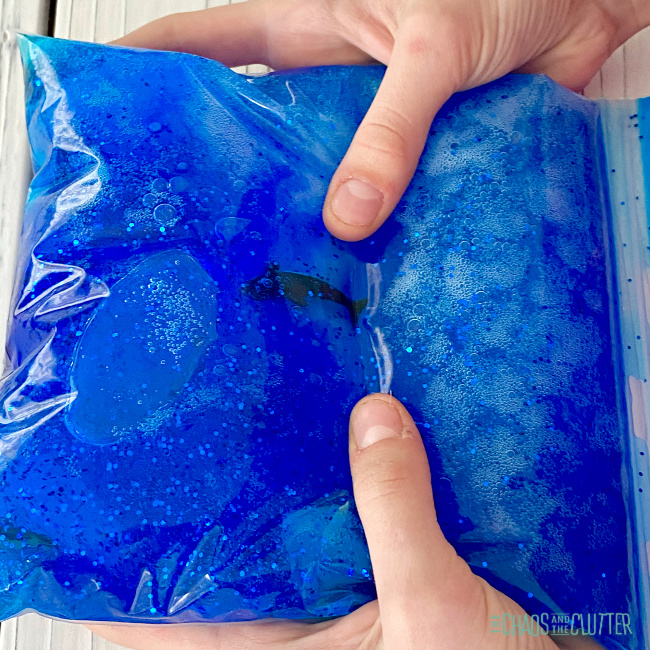
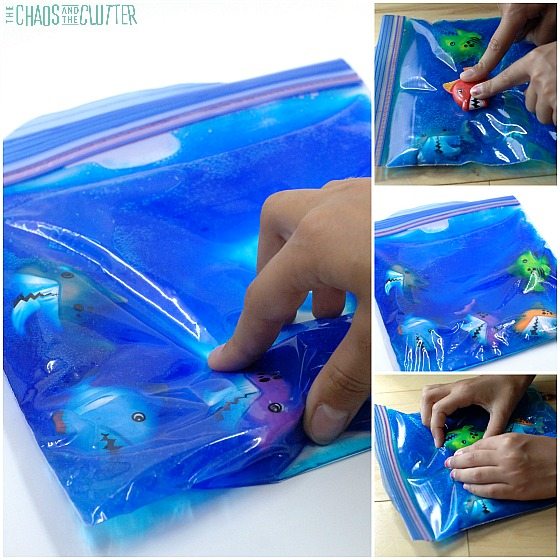
This ocean sensory bag pairs well with an ocean unit study. It’s a nice hands-on activity for kids who are interested in learning about sea life creatures. They can explore and discover through finding each of the aquatic animals.

If you want to expand this activity, you can write down the names of each of the items in the bag and have your child find each one and call out its name. They will delight in discovering the sea turtle, starfish, stingray, dolphin, shark, and fish.

Children get tactile, visual, and proprioceptive sensory input while playing with their sensory bag. 

Looking for more easy sensory play recipes to cultivate fun? Join us for a free five day email series on Sensory Activities and Solutions and get a free of our Sensory Play Recipes eBook.

Try out some of these other ocean themed sensory activities:

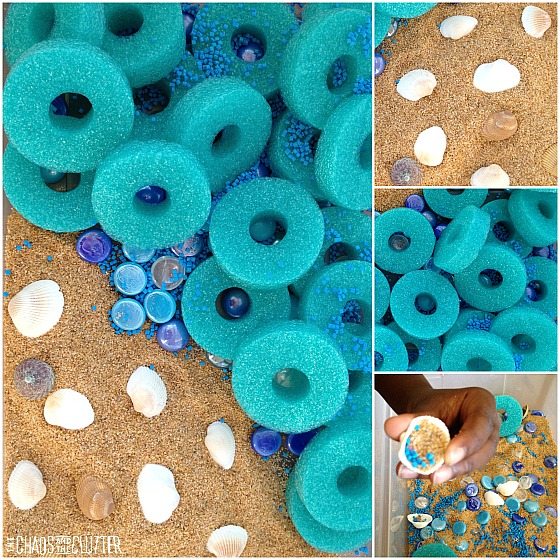
Seaside Sensory Bin

Squishy Shark Sensory Bag

Ocean Sensory Bottle

Filed Under: Crafts and Activities Tagged With: sensory bags, sensory play

Bug Action Cube Gross Motor Fun

By Sharla Kostelyk

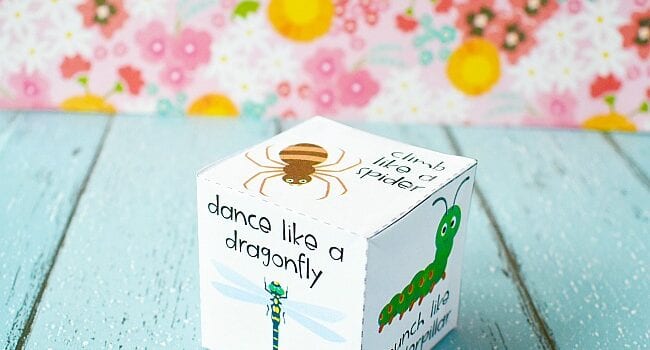
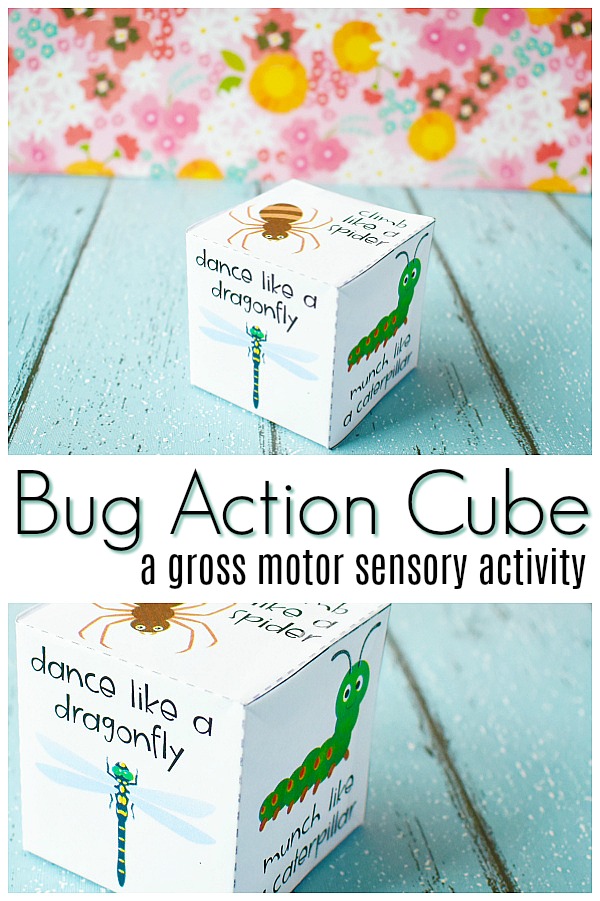
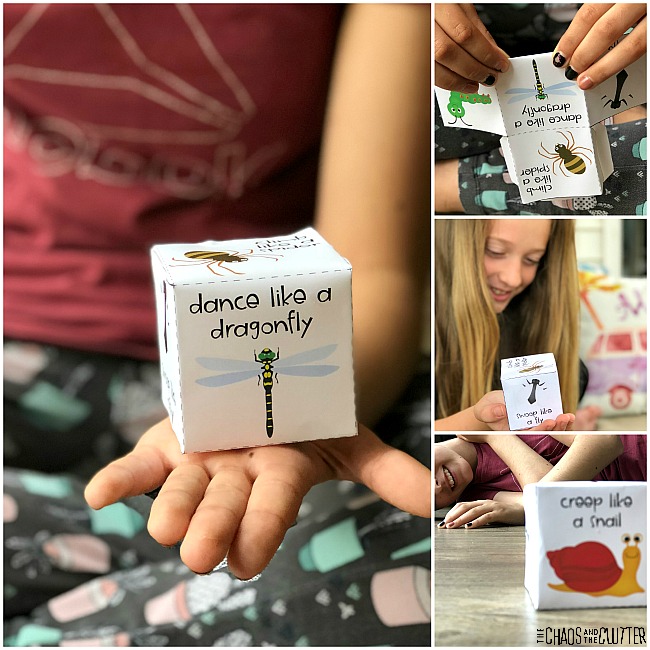
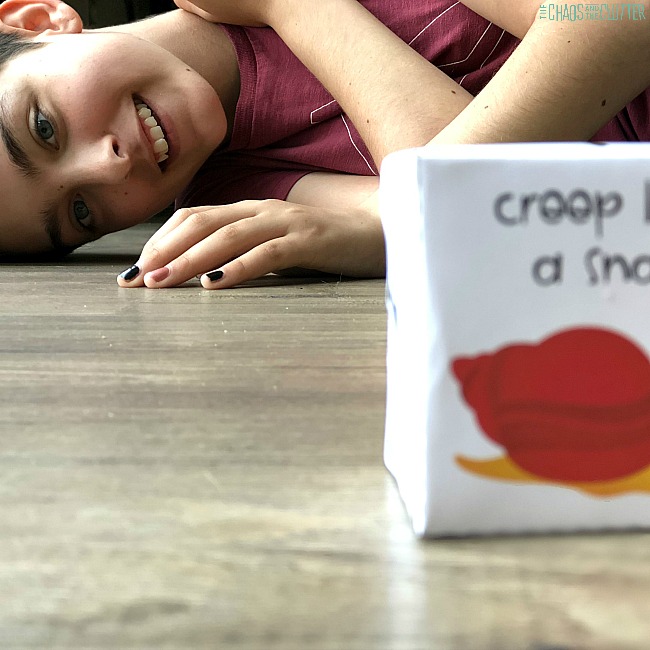
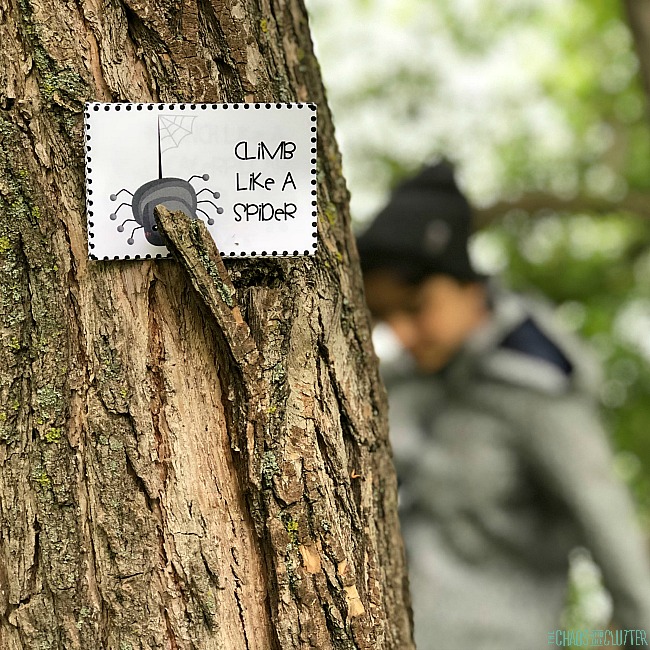
Using this simple bug action cube, kids can work on their gross motor skills and get that all important sensory input. It also of course gives them something to do. This activity can be done inside or outside and is easy to set up.

paper cube on teal wood with flower background. Text reads "Bug Action Cube a gross motor sensory activity"This is a great (and inexpensive) way for kids to burn off energy. If you do an insect learning unit in your classroom or homeschool, it’s also a cute addition to your unit study. You can also pair this cube with our Bug Action Cards.
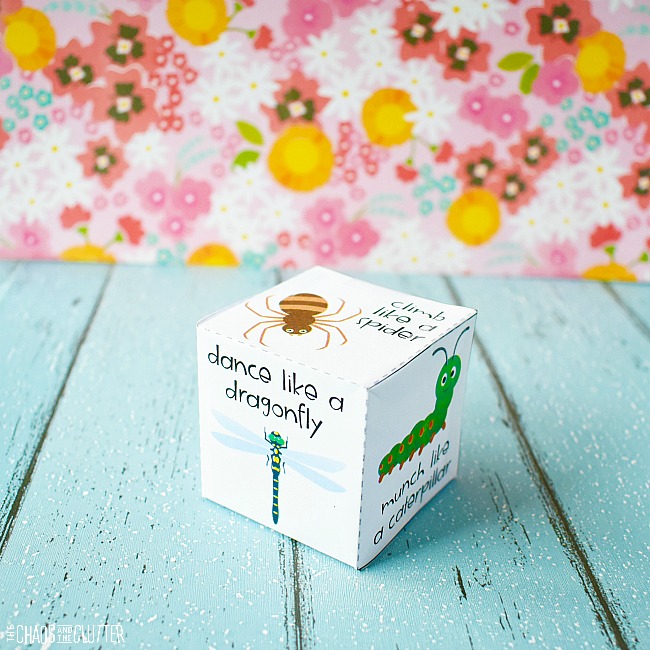
If you use the cube as part of an insect unit study, one way to expand the learning is to have your child read or research or draw each of the bugs represented.

Bug Action Cube:

Supplies needed:

  • paper 
  • printer
  • Bug Action Cube (download that here)
  • scissors
  • glue or tape

Directions:

  1. Download the action cube.
  2. Print it out. 
  3. Cut it.
  4. Fold along the dotted lines into a cube and glue or tape to attach.
  5. Have your child roll the cube and follow the instructions on the side that it lands on.

Sensory and learning opportunities:

  • exercise (endorphins, improved mood, health)
  • reading 
  • gross motor practise
  • improving communication skills
  • engaging the visual, tactile, and proprioceptive sensory systems
  • crossing the midline
  • provide a brain break 

Breaking up schoolwork or screen time by providing a quick five minute brain break like this can actually make a significant difference in focus and concentration. These activities involve whole body movement so they are a wonderful reset to mood as well. You’ll be amazed the difference in your child after just a short brain break like this. 
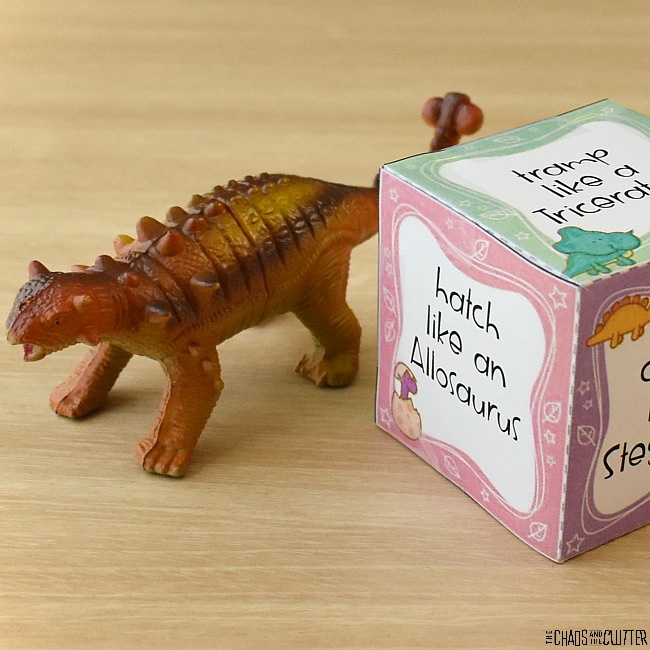
Add your email address to the box below to access your free Bug Action Cube to print off.

You may be interested in these other gross motor activities for kids:

Dinosaur Action Cube

Bug Action Cards

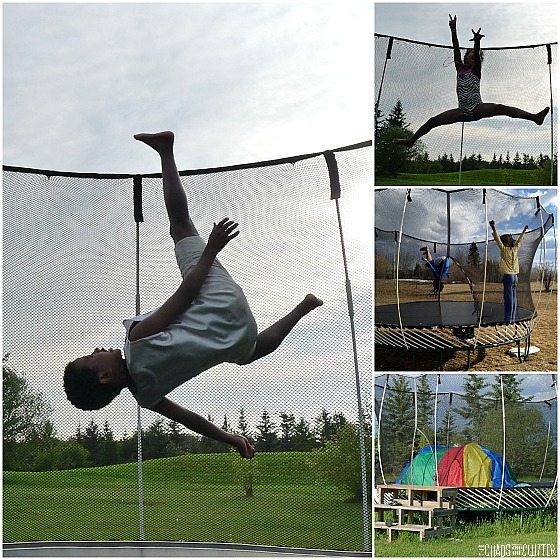
5 Trampoline GamesTrampoline Games and Activities

Filed Under: Crafts and Activities, Homeschooling, Printables Tagged With: sensory play

Button Stacking Fine Motor and Sensory Activities

By Sharla Kostelyk

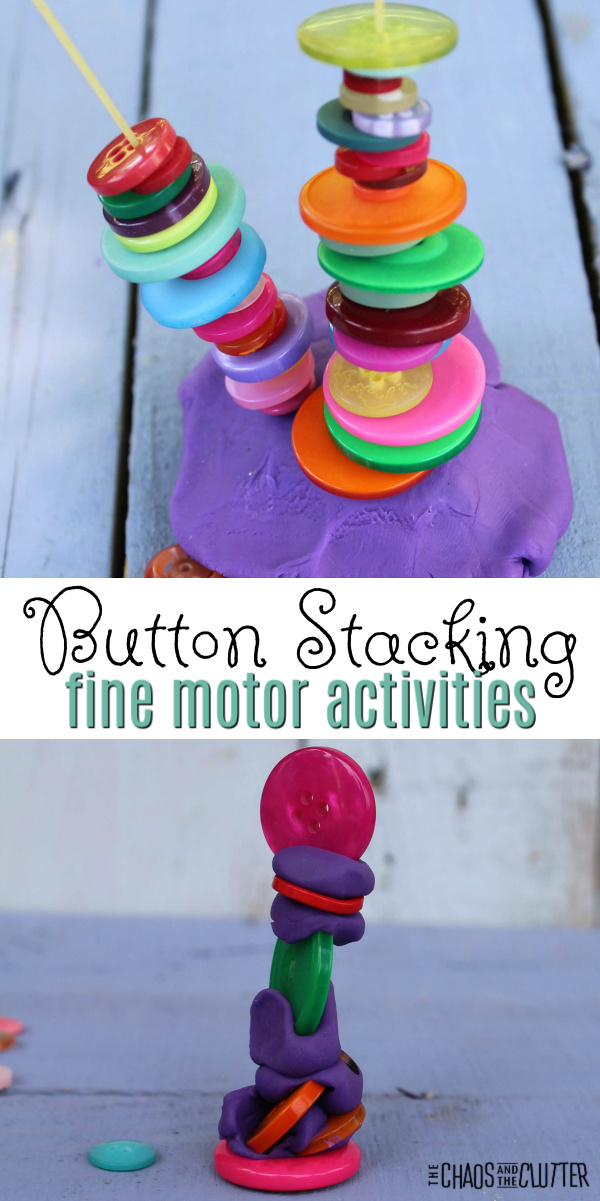
With just a few simple supplies that you may already have kicking around the house, you can create all kinds of fun ways for your child to work on their fine motor skills. These button stacking activities are easy and effective. colourful buttons on a dry spaghetti noodle and others stacked on playdough. Text reads: "Button Stacking fine motor activities"You can easily set these up at home or as a learning station in a preschool or Kindergarten classroom. It is inexpensive and fast to set up.
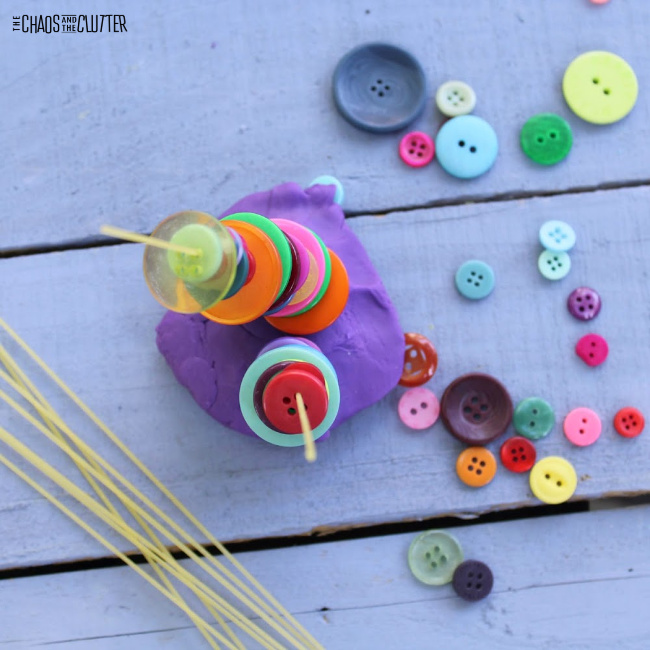
Button Stacking Activities:

Supplies needed:

  • dry spaghetti noodles
  • buttons of different sizes and colours
  • playdough (purchase it or make your own)

Directions for the noodles and buttons activity:
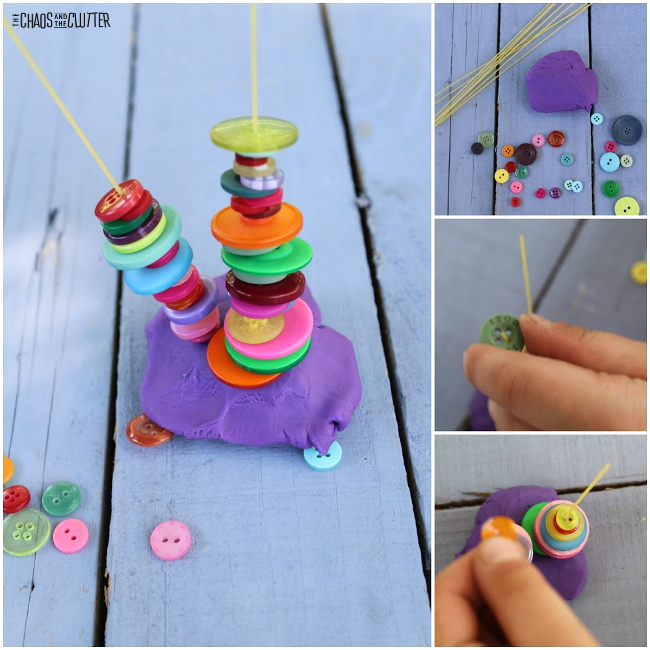
  1. Make a ball of playdough and press down to flatten it.
  2. Insert a few sticks of dry spaghetti into the playdough.
  3. Lay out an assortment of buttons. It’s best to include as much variety as you can. 
  4. Show your child how to thread the buttons on the pasta and encourage them to try.
  5. See how many buttons your child can stack without breaking the dry pasta.

Depending on the age and ability of your child you can have them insert the spaghetti noodles or you can set that part up for them. 
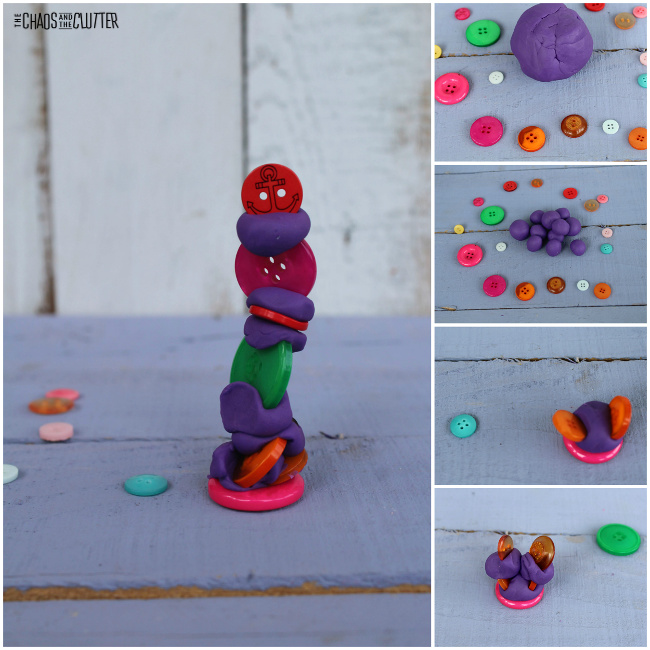
Directions for the button tower building activity:

  1. Roll playdough into small balls.
  2. Set out an assortment of buttons in a variety of sizes and colours.
  3. Invite your child to stack the buttons and the balls of playdough creating towers. 

The playdough and buttons create a unique building material. What may seem like a simple activity is actually an introduction to engineering concepts. Kids can discover how many buttons they can stack before their tower tumbles or if stacking the buttons flat or sideways yields better results. They can also experiment with what building methods are most stable.  
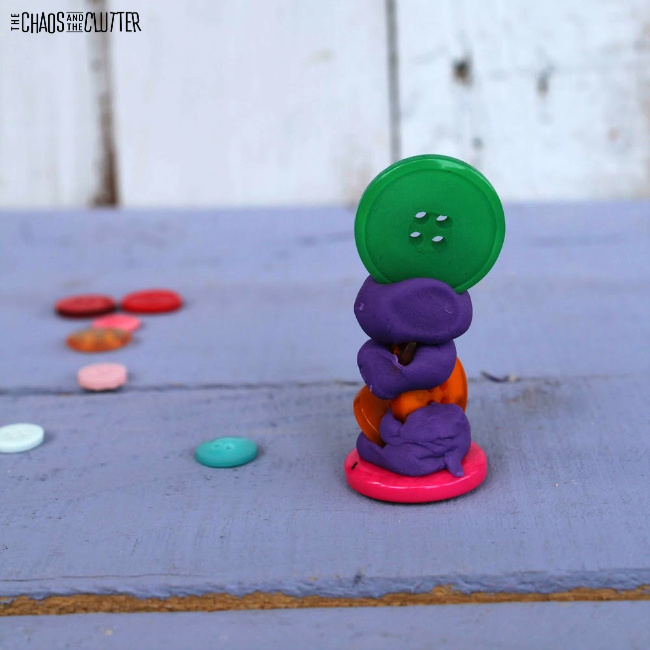
Sensory and learning opportunities:

These seemingly simple button stacking activities offer a lot of learning opportunities for kids.

  • language development as kids discuss things like colours and shapes
  • building dexterity 
  • fine motor skill practise
  • STEM (engineering, science, and simple math such as counting buttons and balls)
  • tactile, visual, and proprioceptive sensory input

Check out these other fine motor activities for preschoolers:

Sprinkles Sensory Bag

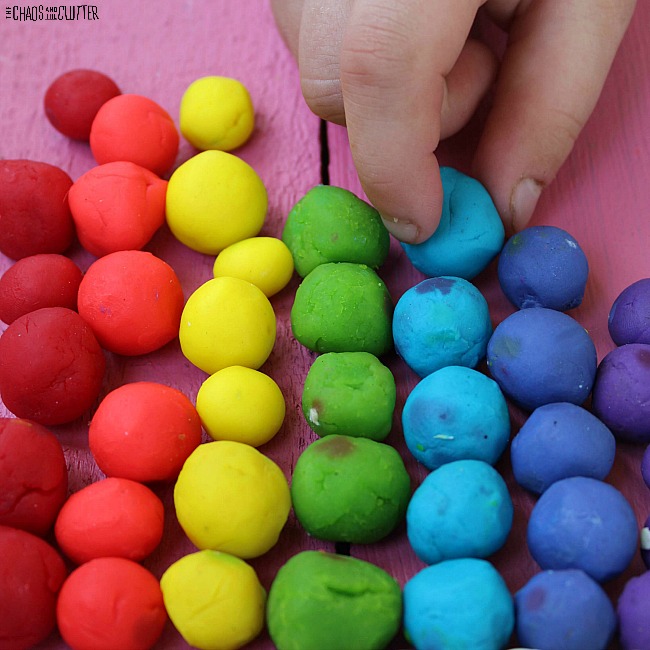
Rainbow Playdough Fine Motor Activity

Ball and Bands Fine Motor Activity

Filed Under: Crafts and Activities Tagged With: sensory play

Sprinkles Sensory Bag

By Sharla Kostelyk

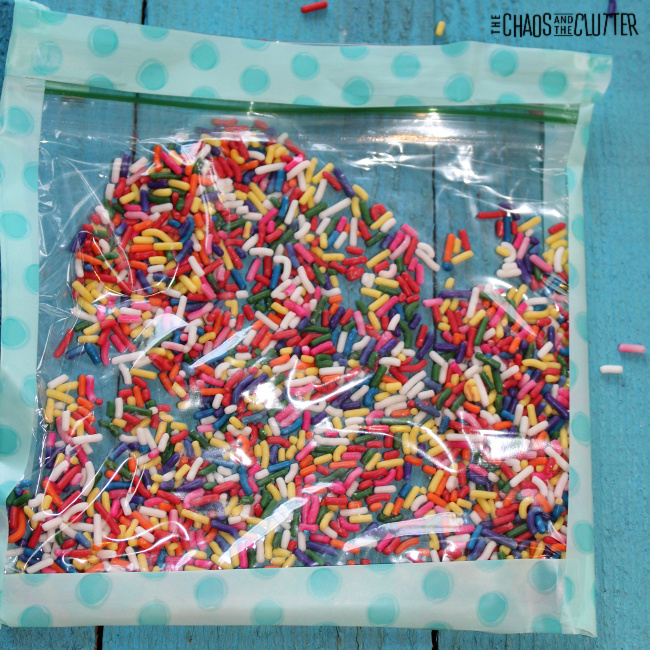
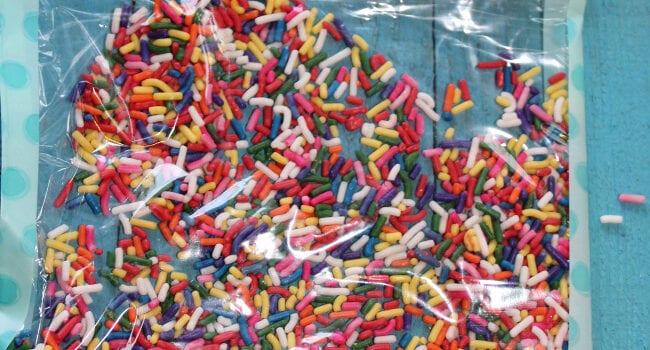
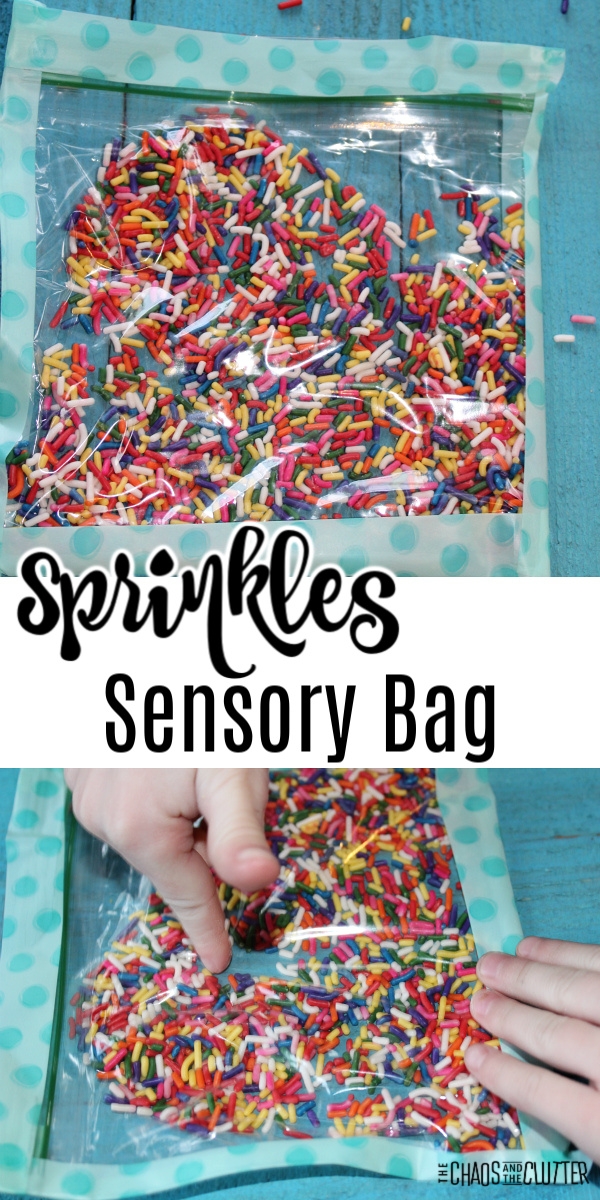
I find that it’s often the easiest activity ideas that are the best. This fits that criteria. By making a Sprinkles Sensory Bag for your child or student, you can create an easy fine motor and sensory activity that also serves as a boredom buster. clear bag with blue edges filled with colourful sprinkles. Text reads "Sprinkles Sensory Bag"

Sprinkles Sensory Bag:

Supplies needed:

  • resealable plastic bag (sandwich or medium size*)
  • cake sprinkles
  • colourful duct tape
  • optional: paper

*While you can use a sandwich bag, I find that the freezer bags in size medium are thicker and less likely to tear so that’s what I always use for our sensory bags. 

Directions:

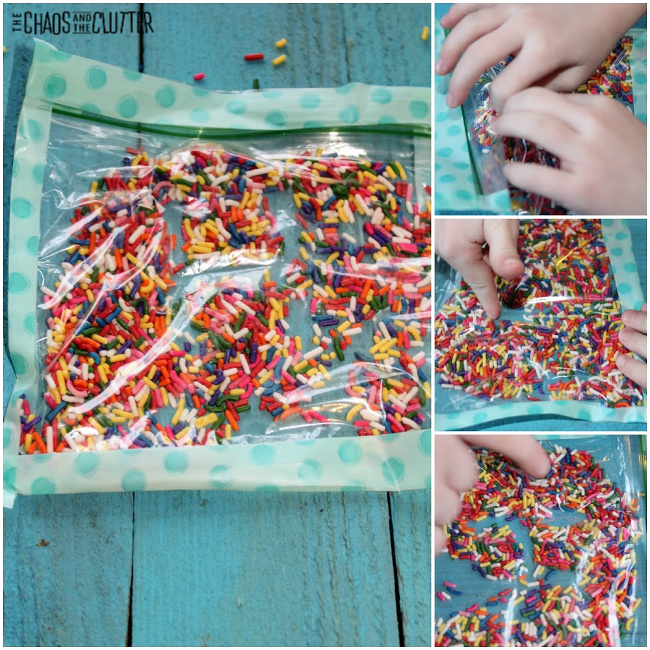
  1. Reinforce the sides and bottom of a zipper seal bag by folding duct tape over them.
  2. Pour in some sprinkles.
  3. Remove the excess air and seal the bag.
  4. Fold another strip of the duct tape over the top.
  5. Give the bag to your child.

Your child can trace letters, numbers, or shapes in the sprinkles with their finger. This will help reinforce learning and also give them fine motor practise.

If you want, you can write a letter, number, or shape on a piece of paper and lay the bag on top of the paper so that they can use that as their guide. 

As far as sensory benefits go, this activity provides tactile, visual, and proprioceptive sensory feedback. If kids shake the bag, there is also a small amount of auditory sensory input as well. One of the things that’s nice about this is that it is safe for preschoolers and even toddlers because even if they are able to get the bag open, the sprinkles are edible. Of course, adult supervision should be used with all kids’ activities. 

You may also be interested in these preschool fine motor activities:

Ball and Bands Fine Motor Activity

Rainbow Playdough Fine Motor Activity

Transportation Alphabet Playdough Mats

Filed Under: Crafts and Activities Tagged With: sensory bags, sensory play

  • « Go to Previous Page
  • Page 1
  • Interim pages omitted …
  • Page 7
  • Page 8
  • Page 9
  • Page 10
  • Page 11
  • Interim pages omitted …
  • Page 35
  • Go to Next Page »

Primary Sidebar

Categories

We are a participant in the Amazon Services LLC Associates Program, an affiliate advertising program designed to provide a means for us to earn fees by linking to Amazon.com and affiliated sites.

Copyright © 2026 • The Chaos and the Clutter • Site Design by Jeni @ The Blog Maven

Return to top of page

Copyright © 2026 · Chaos and the Clutter 2.0 on Genesis Framework · WordPress · Log in