• Skip to primary navigation
  • Skip to main content
  • Skip to primary sidebar
  • Home
  • About
  • Contact
  • Privacy + Terms
  • Affiliates

The Chaos and the Clutter

  • Facebook
  • Twitter
  • Pinterest
  • Google Plus
  • RSS
  • Email
  • School at Home
  • Sensory
    • Sensory Processing Disorder
    • Awesome Sensory Play Activities
      • Sensory Bins
      • Sensory Bottles
      • Sensory Bags
  • Family Games
    • Minute to Win It Games
  • Special Needs Parenting
    • Childhood Anxiety
    • Reactive Attachment Disorder
    • Sensory Processing Disorder
  • Store
  • Course Login

Crafts and Activities

Lego Challenge for Kids

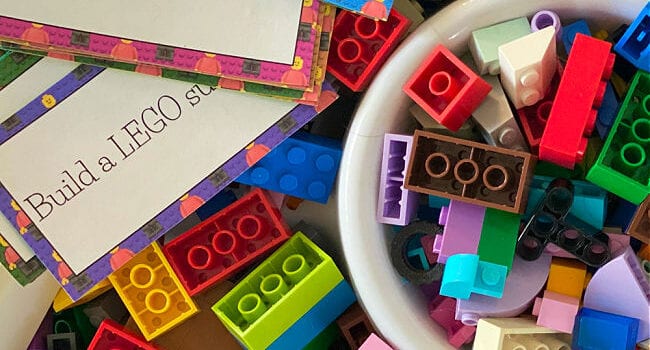
a pile of building blocks with some in a small bowl and printed instruction cards

By Sharla Kostelyk

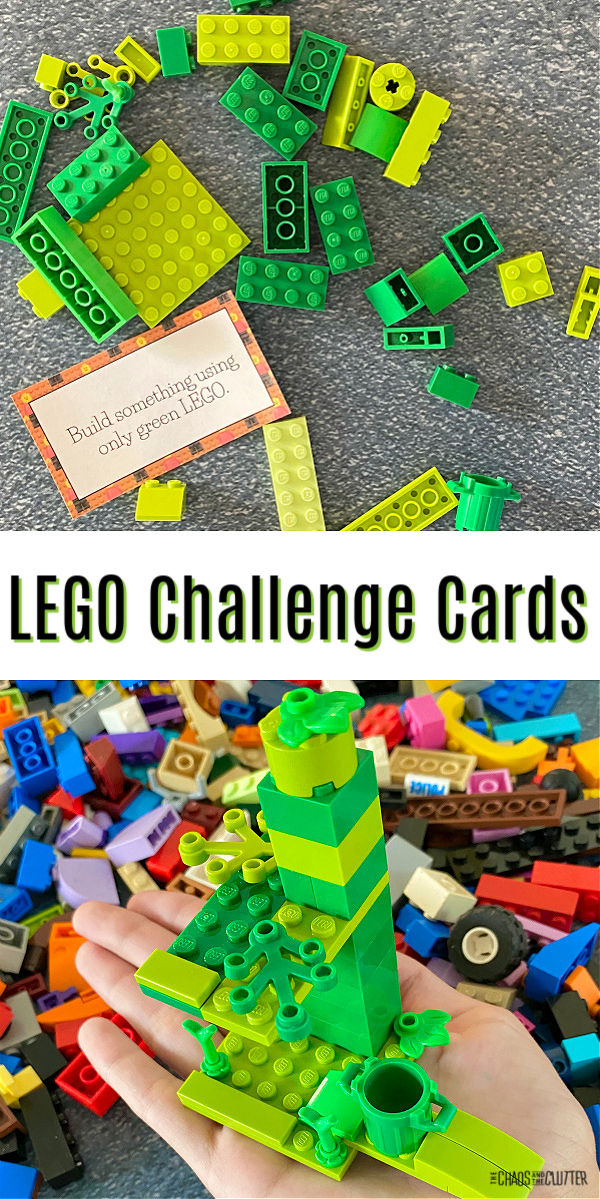
Lego offers so many learning opportunities. Playing with building blocks helps kids with math concepts, engineering, communication, as well as simpler things such as colours and shapes. Using Lego Challenge Cards is a great way to encourage this learning.building blocks scattered on the floor with a printed card. Text reads "LEGO Challenge Cards"Lego is something that I often incorporated in our homeschooling. Whether is was a tool for teaching how earthquakes work, practising letter recognition, including it in a sensory bottle, or just having the kids build and create with it while I read them their history lessons, it was a regular learning tool. We even occasionally had Lego shaped snacks!
My own kids’ enjoyment and learning thanks to creating with blocks is what led me to want to create this activity for other families to enjoy. These can be used as a boredom buster at home or to enhance skills in the classroom.

Lego Challenge Cards:

Supplies needed:

  • LEGO Challenge Cards (download here)
  • scissors
  • building blocks

Directions:

  1. Download and print off the Lego Challenge Cards. 
  2. Cut them out.
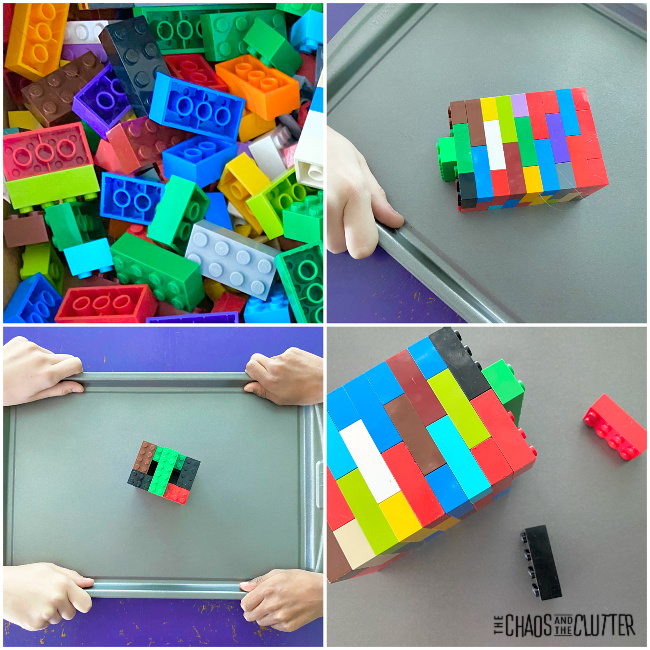
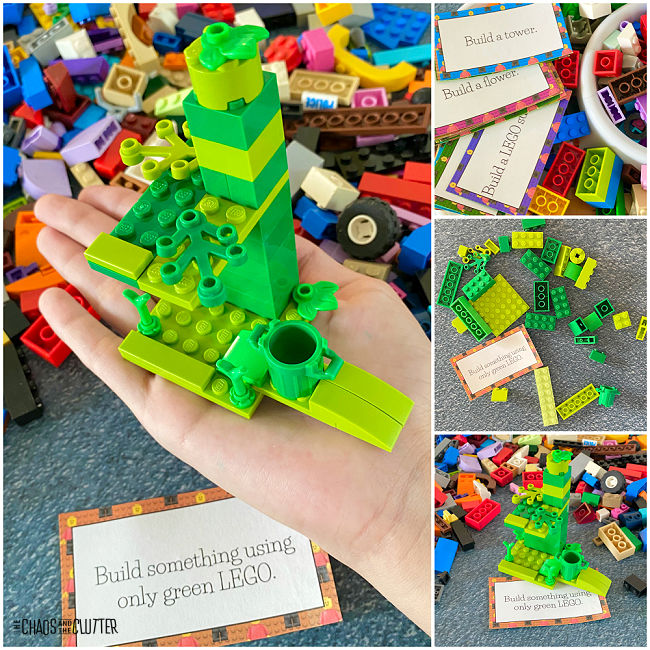
  3. Kids can then follow the prompts on the cards to create things using the building blocks. collage of photos of building blocks and creations made with those blocks

I kept some of the cards open ended in order to inspire creativity. There are also ideas included to foster team work and communication and to encourage thinking outside the box.

Examples of some of the challenges:

  • Build a boat that floats.
  • Build your name in LEGO.
  • Build something blindfolded.
  • Build something in one minute.
  • Build something using 5 different sized LEGO.
  • Build a LEGO pizza.
  • Build a small tower and balance it on your head.
  • Build something by following the instructions of a partner.
  • Build something with just one hand.

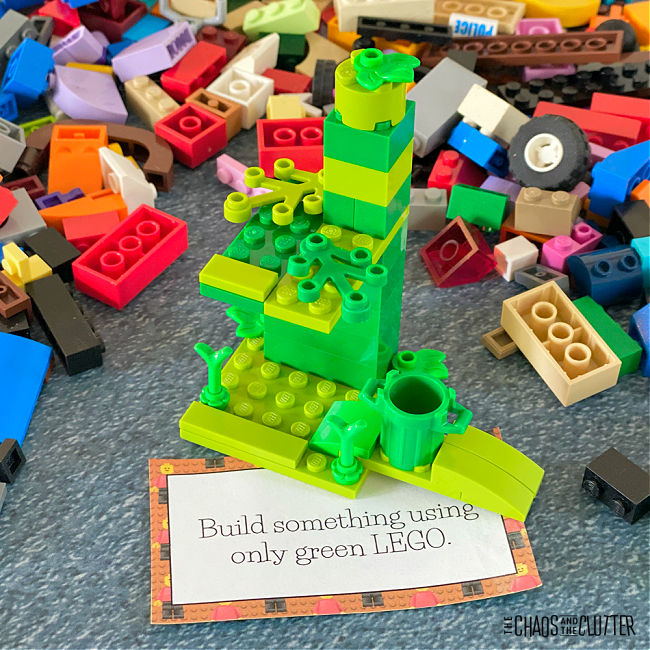
There are a total of 24 challenge cards in this printable set. Each one is designed to keep kids engaged and thinking. green tower built of Lego with other coloured building blocks in the background

Learning Opportunities from using Lego Challenge Cards:

    • following instructions
    • reading comprehension
    • colours 
    • shapes
    • geometry
    • building
    • math
    • engineering concepts (balance, gravity, weight distribution)
    • fine motor
    • hand eye coordination
    • cooperation and communication (if playing with others)

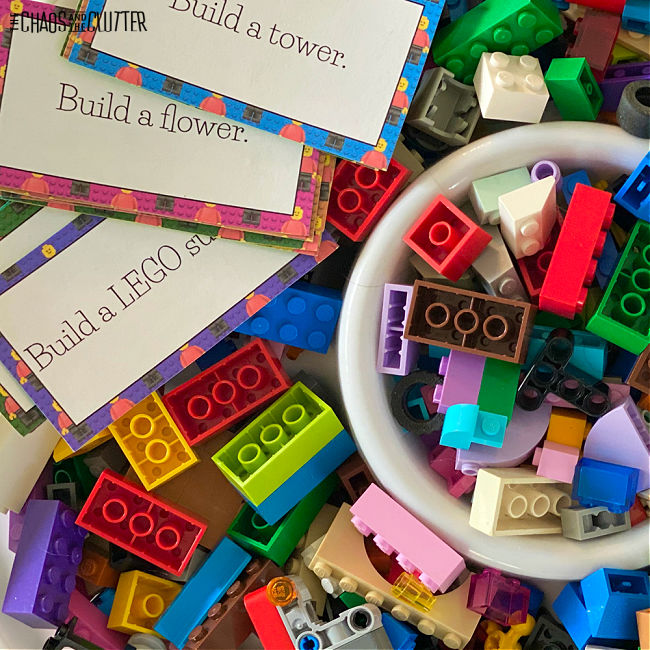
a pile of building blocks with some in a small bowl and printed instruction cardsSign up to receive the complete set of LEGO Challenge Cards free and be entered in our 5 Secrets to Powerful Connection email series.
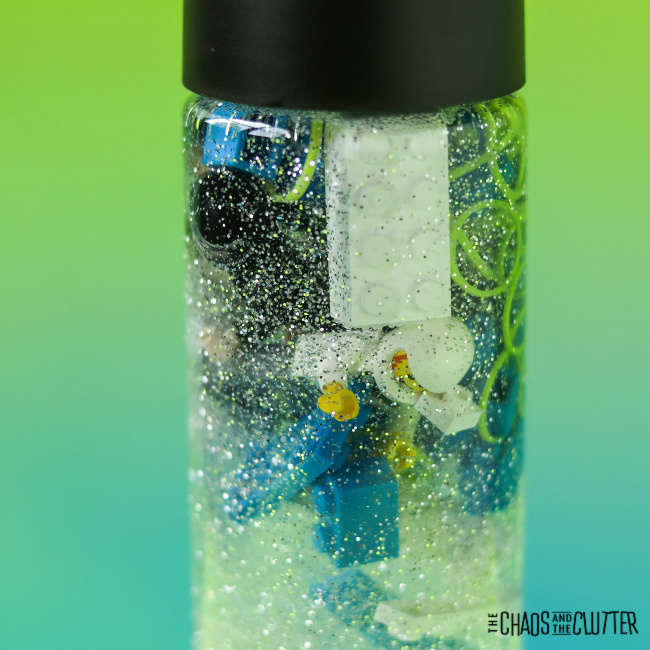
Check out some of our other LEGO themed activities:

LEGO Sensory Bottle

Earthquake Science Experiment

LEGO Letter Practise Activity

Filed Under: Crafts and Activities, Homeschooling, Printables

Basic Homemade Playdough Recipe

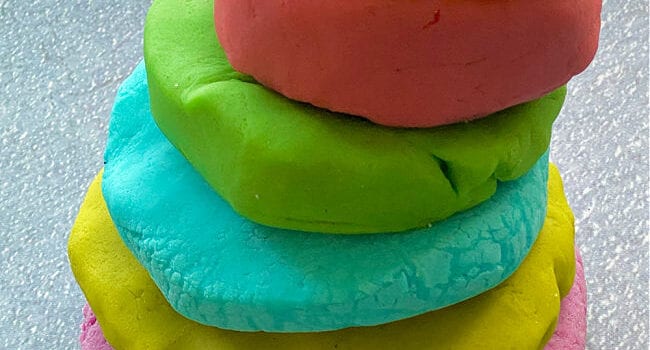
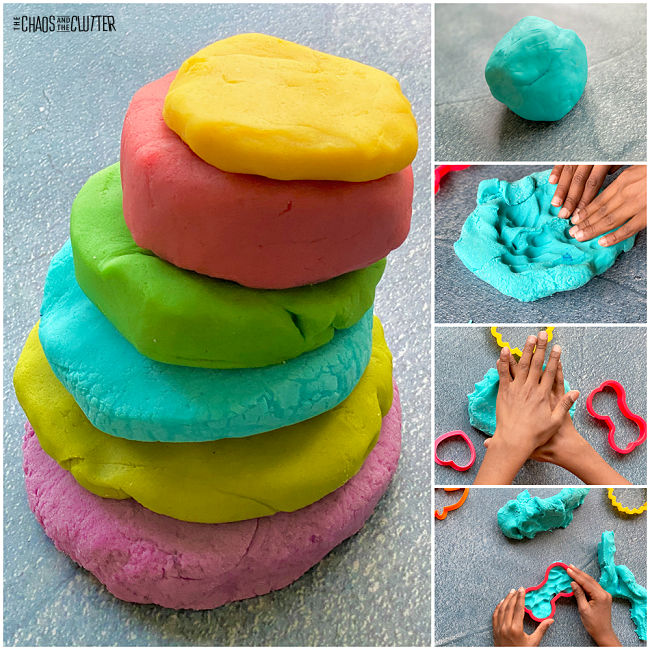
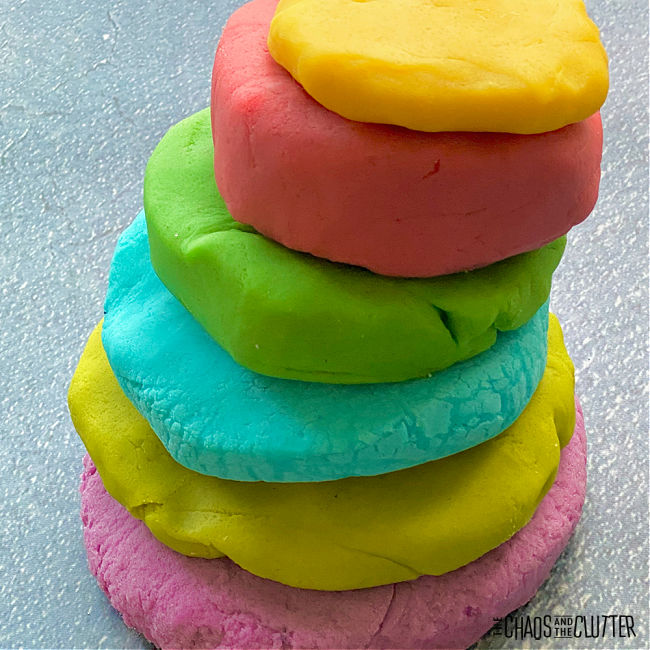
balls of playdough in 6 colours stacked on top of each other

By Sharla Kostelyk

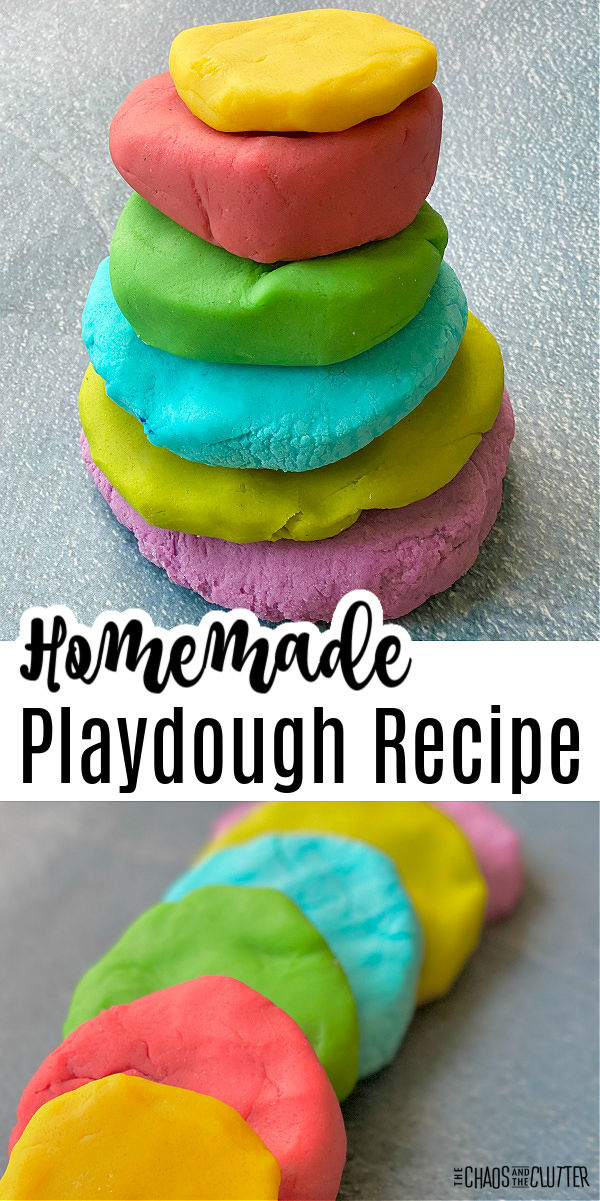
Homemade playdough is so much better than store bought. It’s softer, less crumbly, easier to play with, and it lasts far longer. Making your own is easier than you might expect. 6 different colours of playdough balls stacked on top of each other. Text reads "Homemade Playdough Recipe"When I was growing up, my mom made homemade playdough. For some reason, our playdough was always green. I’m not sure why she never made it another colour, but when I think of homemade playdough, a certain shade of green is what comes to mind!
My mom used a recipe she got from my Auntie Barb. When I became a mom myself,  I started with that same recipe. 

I’ve adapted it slightly, but this is essentially just a good old-fashioned homemade playdough recipe.

Of course, when I discovered that playdough could be made in the KitchenAid and I could avoid sore arms from all the stirring, I never went back to the stovetop method again. 

I’m including instructions for both the KitchenAid and stovetop methods below, but if you have a KitchenAid, that’s the method I recommend. 

Basic Homemade Playdough Recipe using a KitchenAid:

Supplies needed:

  • 1 cup flour
  • 1/2 cup salt
  • 2 Tbsp. cream of tartar
  • 1 Tbsp. cooking oil
  • food gel or food colouring 
  • 1 cup boiling water
  • optional: glitter

Directions:

  1. Put dry ingredients (flour, salt, and cream of tartar) in the KitchenAid mixer. 
  2. Add the oil and food colour and begin mixing using the flat beater. 
  3. As it is mixing on the lowest setting, pour in the boiling water. 
  4. If you want to add glitter, add it at this point.
  5. Continue mixing until the playdough forms a ball and is the right texture.
  6. It is now ready to be played with. When not in use, store in a resealable bag or airtight container.collage of photos of child playing with playdough

Basic Homemade Playdough Stovetop Recipe: 

Supplies needed:

  • 1 cup flour
  • 1/2 cup salt
  • 2 Tbsp. cream of tartar
  • 1 Tbsp. cooking oil
  • food gel or food colouring 
  • 1 cup water
  • optional: glitter

Directions:

  1. Mix the dry ingredients together with the oil, food colour, and water in a pot on the stovetop.
  2. Stir over medium heat with a wooden spoon.
  3. Scrape the sides and bottom, stirring constantly.
  4. Keep stirring!
  5. Cook until the dough forms a ball.
  6. Remove from heat. 
  7. Place the dough on a piece of wax paper. 
  8. Knead. If you’re adding glitter, mix it in at this point.
  9. Allow to cool.
  10. When playdough isn’t being played with, store in an airtight container or resealable bag.

As with all sensory play activities, adult supervision should be used. Consuming large quantities of salt is dangerous for children so this playdough should not be eaten. balls of playdough in 6 colours stacked on top of each other

How to scent playdough:

There are several ways that you can add smell to playdough. You can add a few drops of essential oil, spices, or extracts. Scents are either alerting or calming, so you’ll want to choose a scent accordingly.

If you’re wanting to add it to a calm down kit, you’ll want to choose a calming scent whereas if you’re making playdough for a learning activity, you’ll want to add an alerting scent.

Essential oils to add:

  • lavender
  • peppermint
  • lemon
  • lime
  • wild orange
  • grapefruit
  • chamomile
  • frankincense
  • eucalyptus 

Extracts to add:

  • vanilla
  • peppermint
  • almond
  • caramel
  • coconut

Spices to add:

  • pumpkin spice
  • cinnamon
  • cloves
  • ginger

Add only one type of scent to each batch of playdough. Be sure to be mindful of allergies. 

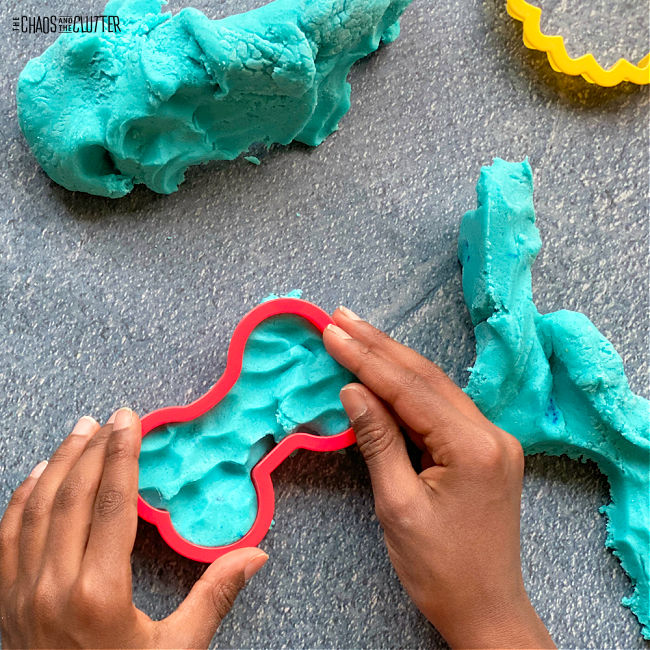
There are so many ways to play with playdough that go so far beyond play. Kids can work on their fine motor skills, hand-eye coordination, communication, shapes, colours, sensory input, and cognitive skills. child's hands press a dog bone shaped cookie cutter into blue playdough

Ways to play with playdough:

  • Use printable playdough mats.
  • Roll it into ropes and use plastic scissors to cut the ropes to practise cutting skills.
  • Play stuck in the mud (especially popular with little boys!).
  • Use cookie cutters to shape it. 
  • Squish it, pull it, scrunch it, knead it. (great for proprioceptive sensory input)
  • Apple Tree Game (for counting and colours)
  • Rainbow Colour and Counting Game
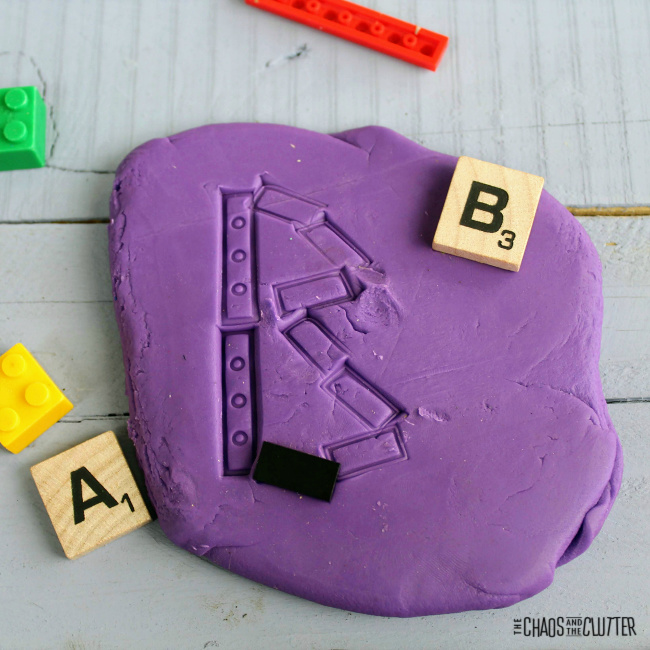
  • Alphabet Stamping using Lego
  • Dinosaur Fossils
  • Rainbow Fine Motor Activity
  • Add a few drops of essential oil to create an olfactory (smell) sensory experience.
  • Set out an invitation to play.
  • Seashell Fossils
  • Make playdough cupcakes.
  • Use spaghetti and cereal to practise fine motor.
  • Playdough letter mazes are great for letter recognition and hand-eye coordination.
  • Make faces.
  • Demonstrate the layers of the Earth.
  • Press household items into it to create prints. 
  • Make playdough Mr. Potato Heads.
  • Use leftover playdough to make butter slime.

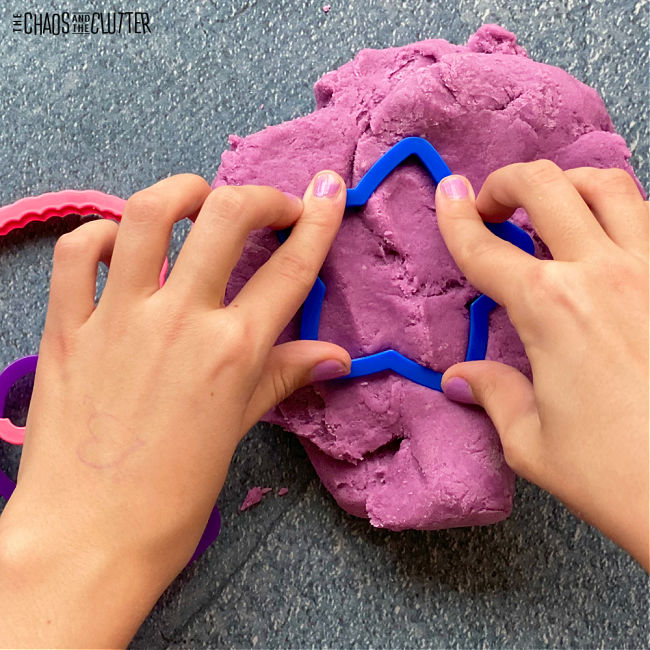
child's hands press a star shaped cookie cutter into purple playdoughGet an entire set of printable transportation alphabet playdough mats free by entering your email address below. You’ll also be signed up to receive our email series Sensory Activities and Solutions.
Filed Under: Crafts and Activities, Sensory Tagged With: sensory play

Winter Bucket List for Families

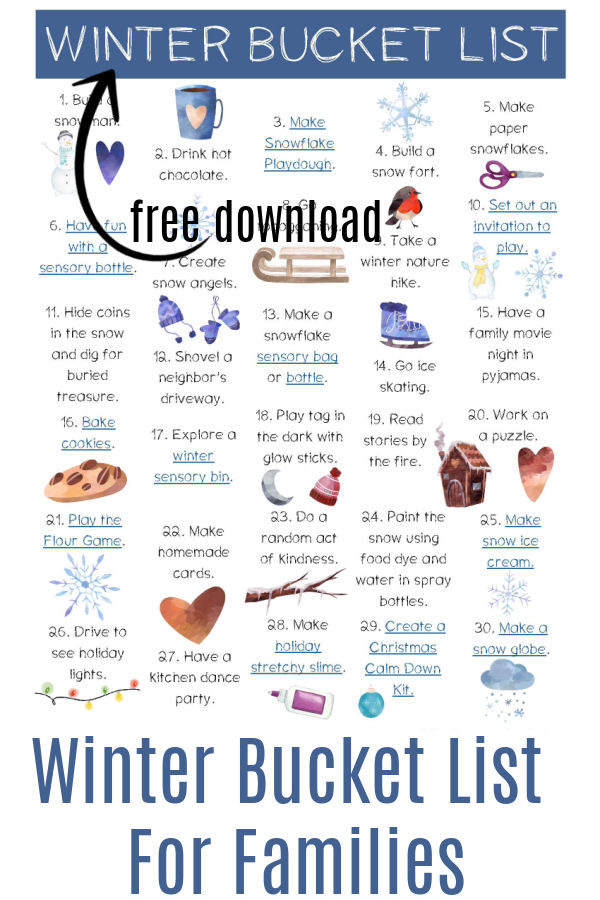
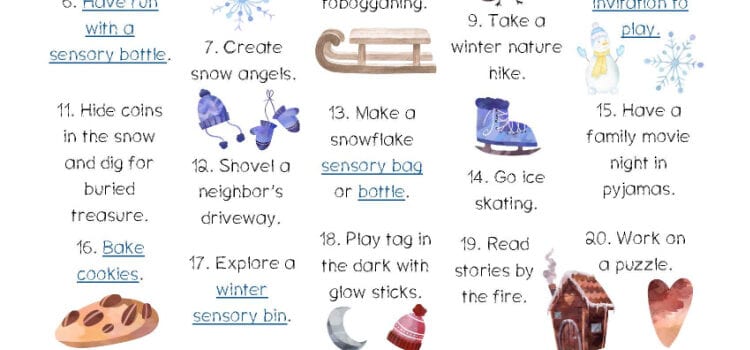
icons and text depicting ideas for seasonal winter fun ideas

By Sharla Kostelyk

Creating memories together is an important part of family connection. With this Winter Bucket List, you can check off simple, fun ideas that will capture moments and make the most of the winter months.

icons of different seasonal activities. Text reads "Winter Bucket List for Families"I chose things for the list that were simple and were either free or cost very little. You can download and print off the bucket list to keep on your fridge or bulletin board.
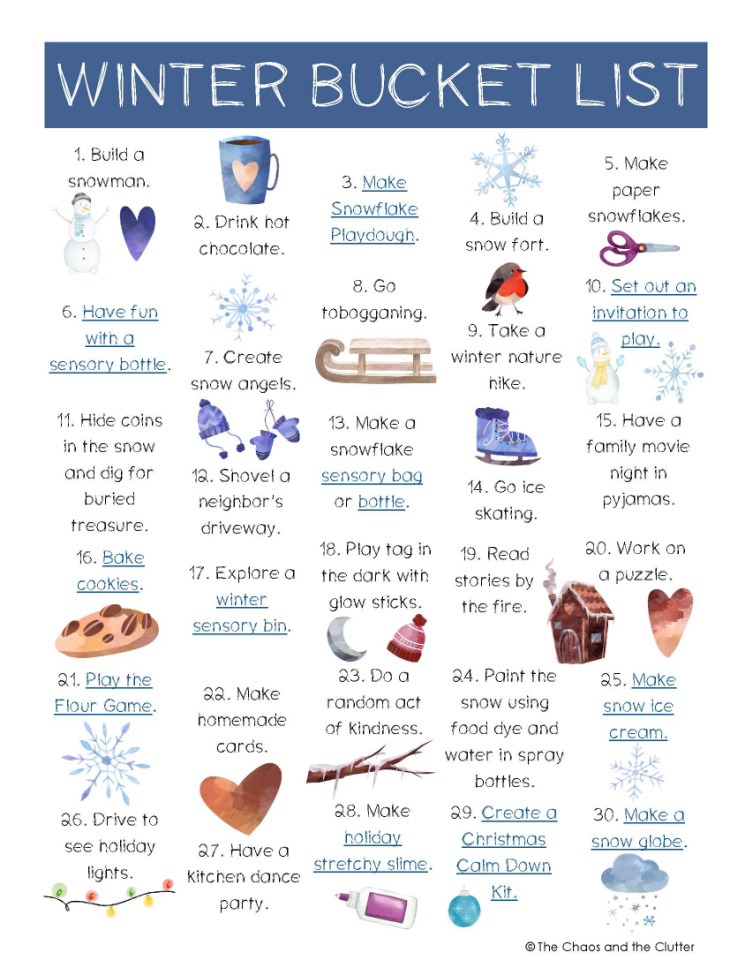
As you finish items, you can cross them off. You can do them in order or choose the order that works best for your family.

Things don’t have to go perfectly or be planned out far in advance. The most important thing is to really be in the moment together.

Winter Bucket List Ideas:

  1. Build a snowman.
  2. Drink hot chocolate.
  3. Make snowflake playdough. 
  4. Build a snow fort.
  5. Make paper snowflakes.
  6. Have fun with a sensory bottle. 
  7. Create snow angels.
  8. Go tobogganing. 
  9. Take a winter nature hike.
  10. Set out an invitation to play.
  11. Hide coins in the snow and dig for buried treasure.
  12. Shovel a neighbour’s driveway.
  13. Make a snowflake sensory bag or bottle.
  14. Go ice skating.
  15. Have a family movie night in pyjamas.
  16. Bake cookies.
  17. Explore a winter sensory bin. 
  18. Play tag in the dark with glow sticks.
  19. Read stories by the fire.
  20. Work on a puzzle.
  21. Play The Flour Game. 
  22. Make homemade cards.
  23. Do a random act of kindness.
  24. Paint the snow using food dye and water in spray bottles.
  25. Make snow ice cream. 
  26. Go for a drive to look at holiday lights.
  27. Have a kitchen dance party.
  28. Make holiday stretchy slime.
  29. Create a Christmas Calm Down Kit.
  30. Make a paper snow globe.

icons and text depicting ideas for seasonal winter fun ideasNote that if you live in a climate where there isn’t snow, many of these ideas can be adapted. For example, “build a snow fort” can simply become “build a blanket fort”. 
Download your Winter Bucket List today and you’ll also get our free email series 5 Secrets to Powerful Family Connection. 

Filed Under: Crafts and Activities, Printables

How to Make Pumpkin Slime

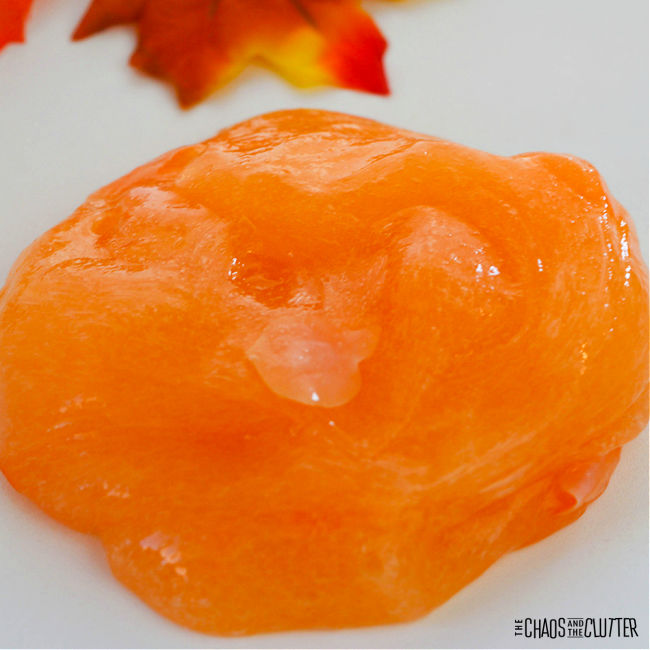
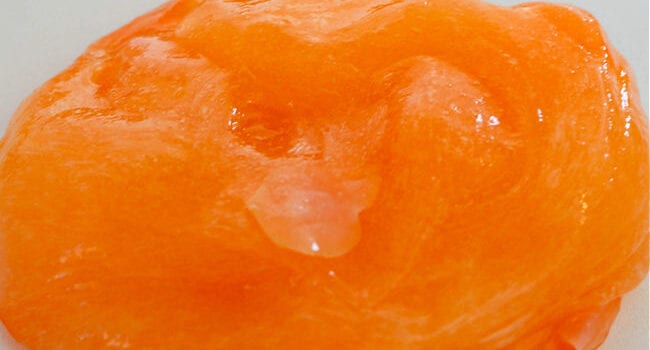
clump of orange slime

By Sharla Kostelyk

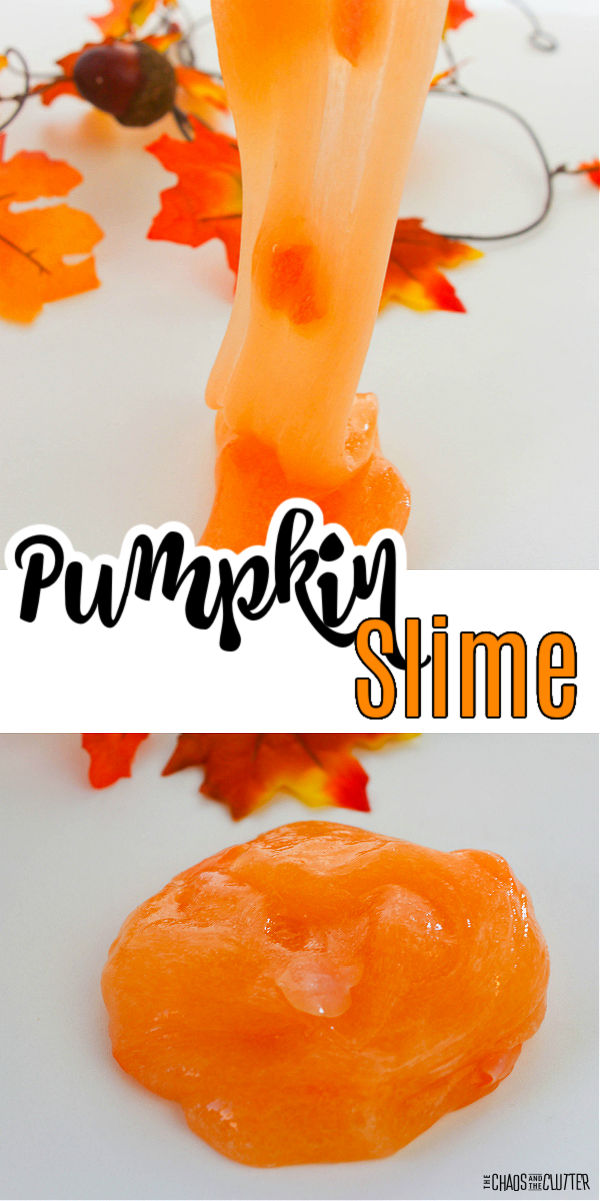
If you’re looking to make a Hallowe’en slime that’s not too scary, this pumpkin slime is a great choice. It’s festive and fun but still good for preschoolers. Once you learn how to make pumpkin slime, you’ll be able to easily make it anytime.orange slime stretched out on top and in a clump at bottom. Text says "Pumpkin Slime"

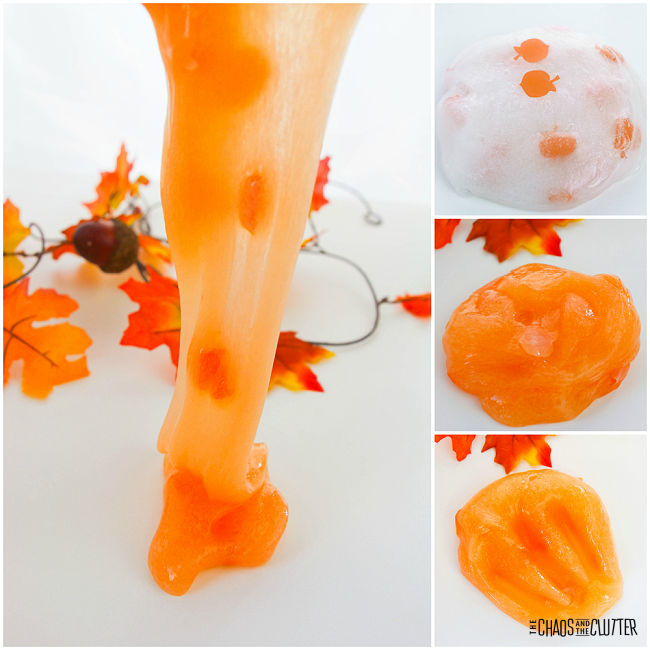
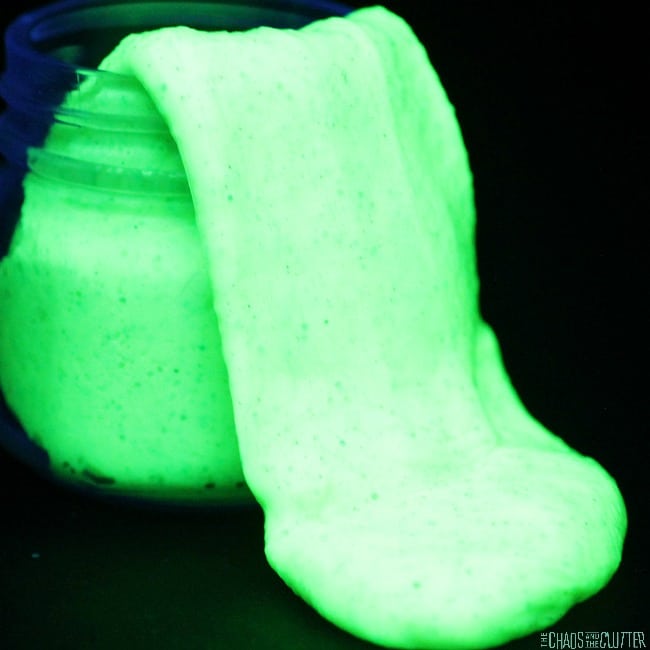
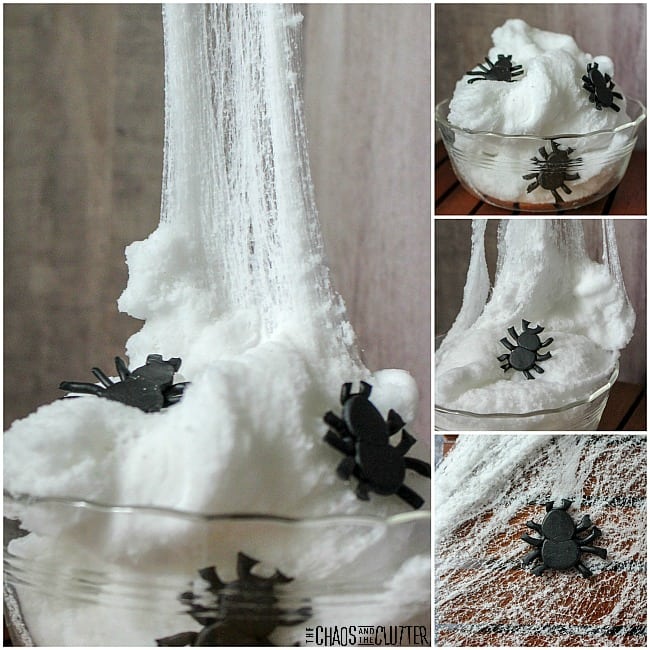
Looking for a creepier version of Hallowe’en slime? You might want to check out our spider web slime or make some glow-in-the-dark slime. Slime is a great addition to a classroom party or an October gathering. collage of photos of pumpkin slime stretched and in clumps

Pumpkin Slime Recipe:

Supplies needed:

  • 1 6 oz. bottle Elmer’s clear glue*
  • 1/4 to 1/2 cup warm water, as needed
  • 1/4 to 1/2 cup liquid starch, as needed
  • orange food dye
  • pumpkin confetti

*Note: You can use other brands of clear glue, but in my experience, Elmer’s washable clear school glue gives the best results for slime. 

clump of orange slimeDirections:

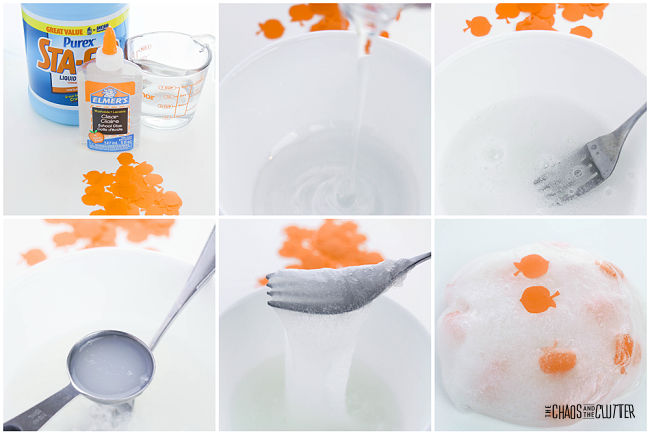
  1. Pour the bottle of clear glue into a medium-sized bowl.
  2. Stir in 1/4 cup warm water using a fork.
  3. Add 1/4 cup liquid starch. Stir well for 2 minutes or so.
  4. Mix in a drop or two of orange food dye.
  5. If the slime is too stiff, add more water. If it’s too sticky, add more liquid starch.
  6. Continue stirring until the slime forms into a ball.
  7. Knead for about 2 minutes, adding more water or liquid starch if necessary to reach the desired consistency.
  8. Once the slime is stretchy and no longer sticky, knead in the pumpkin confetti.

collage showing clear slime with orange pumpkin confetti being madeSlime should be stored in an airtight container or sealed bag when it’s not being played with. Be sure to wash hands thoroughly after handling slime. 
Variations of pumpkin slime:

  • Instead of pumpkin confetti, mix in actual pumpkin seeds.
  • Skip the orange food dye and keep the slime clear. Depending on which confetti you use, it may dye the slime orange over time anyway.
  • The stretchy pumpkin slime is a good one to use for our Halloween sensory game. 

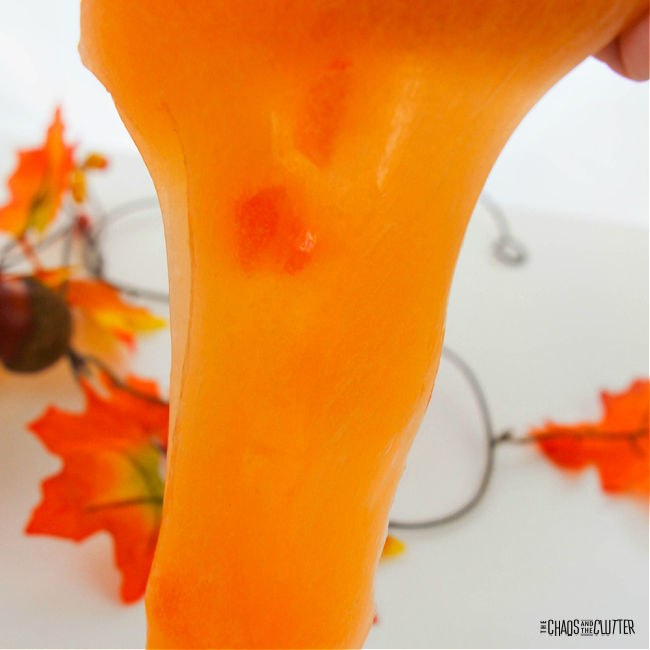
orange slime stretched out with fall leaves in the backgroundAs with all sensory play recipes, adult supervision is recommended. 
Looking for other easy sensory play recipes to make with your kids? Join us for a five day email series on Sensory Activities and Solutions and get a free sample of our Sensory Play Recipes eBook.

Check out these other Hallowe’en slimes:

Spider Web Slime

Black Glitter Slimehands holding dripping black slimeGlow-in-the-Dark Slime

Filed Under: Crafts and Activities Tagged With: sensory play, slime

Halloween Sensory Bottle

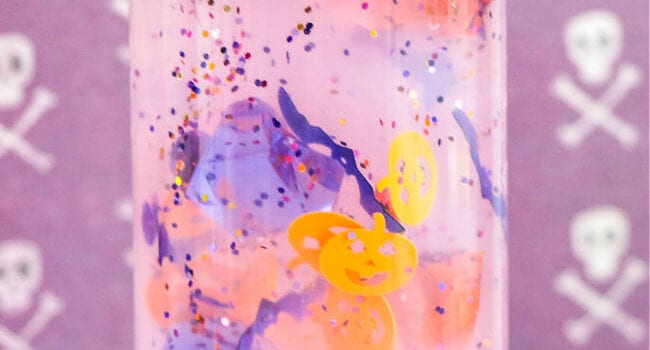
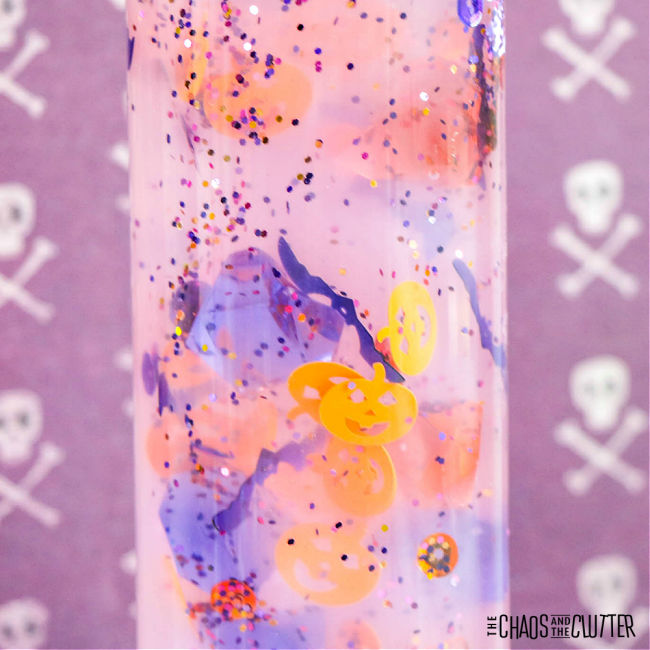
close up of a sensory bottle with orange pumpkins and purple hues

By Sharla Kostelyk

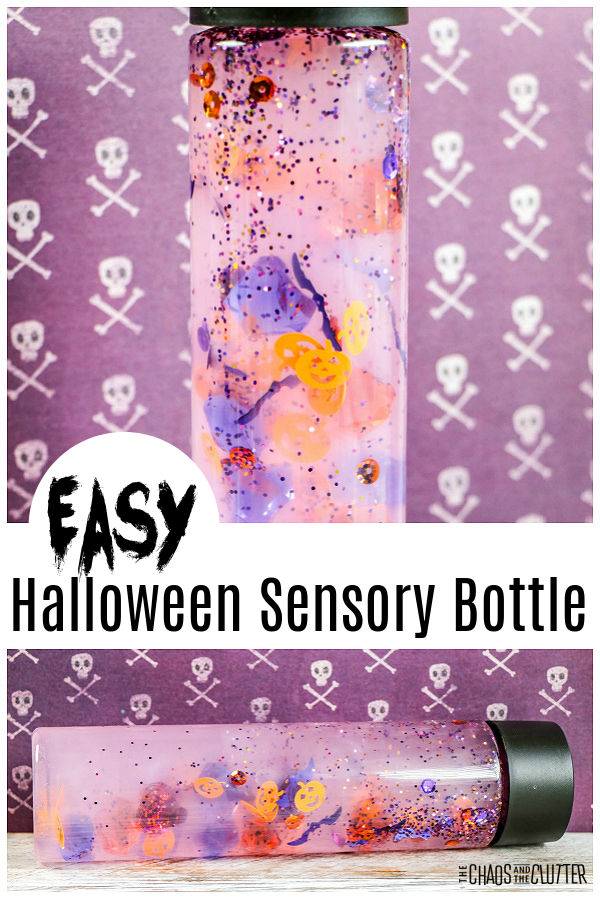
When we think of Halloween, we may think of dark, black, or scary, but the October holiday can also be celebrated with cheerful colours like purple and orange. That’s what I like about this Halloween sensory bottle. bottle filled with liquid and floating orange and purple items. Text reads "Easy Halloween Sensory Bottle"This is a simple activity to do in a preschool class or at home. Because the glitter and confetti travel slowly through the glue and water, it makes a great calm down bottle for kids to observe when their emotions get too big.
Halloween Sensory Bottle:

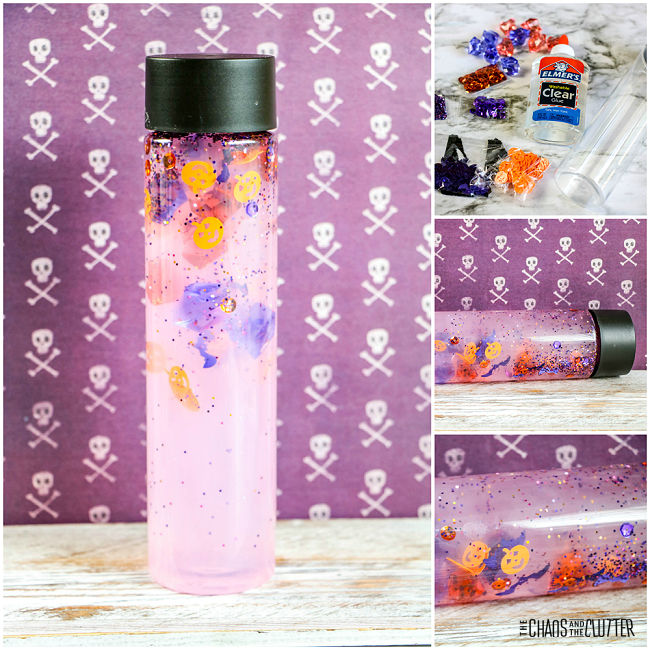
Supplies needed:

  • 1 (16 oz.) plastic bottle 
  • 2-3 bottles Elmer’s Glue in clear, 6 oz. each 
  • approximately 1 cup warm water
  • Halloween foil confetti
  • orange glitter
  • orange and purple sequins
  • plastic aquarium rocks, orange and purple
  • optional: hot glue
  • optional: washi tape or duct tape

close up of a sensory bottle with orange pumpkins and purple huesDirections:

  1. Empty one bottle of clear glue into the plastic bottle. 
  2. Fill the empty glue bottle about half full with warm water and seal with the lid. Shake well to combine the remaining glue with the water. Pour into jar with glue and shake to combine.
  3. Add some of the glitter, sequins, and aquarium rocks.
  4. Seal the jar and shake well. If the glitter or confetti do not move easily, add more warm water. If the glitter or confetti move too quickly, add additional glue. Continuing adding in layers of water and glue with the glitter, sequins, and orange and purple rocks until you achieve the desired effect.
  5. When the contents of the bottle move the way you want them to, seal the bottle with the lid.
  6. You can use a hot glue gun to secure the lid in place to avoid spills.
  7. If you want to make the sensory bottle more festive, you can cover the lid with Halloween themed washi tape or  glow in the dark duct tape.

collage of supplies and finished project of a Halloween sensory bottleAre you looking for more easy sensory play ideas? Join us for a five day email series on Sensory Activities and Solutions and get a free sample of our Sensory Play Recipes eBook.
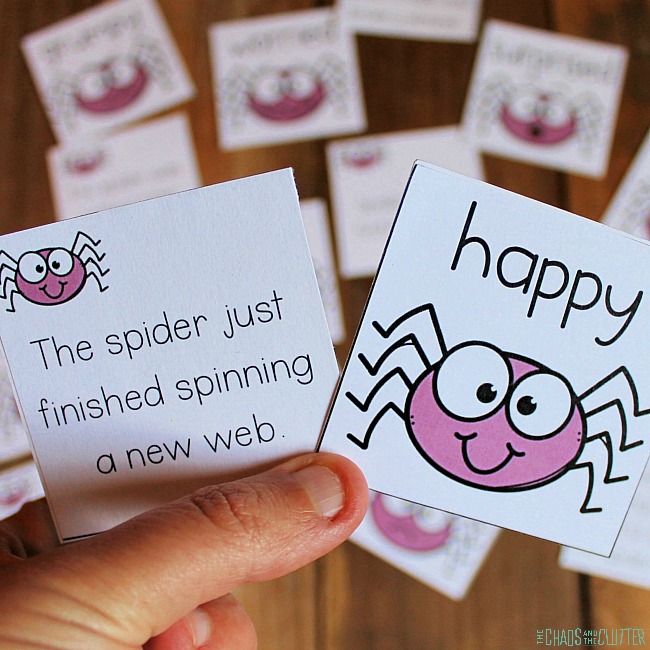
Check out these other Halloween sensory ideas:

Black Glitter Slime perfect for Halloweenhands holding dripping black slime

Hallowe’en Sensory GameSpider Emotions Matching Game

Spider Web Slime

Filed Under: Crafts and Activities Tagged With: sensory bottles, sensory play

Black Glitter Slime Easy Recipe

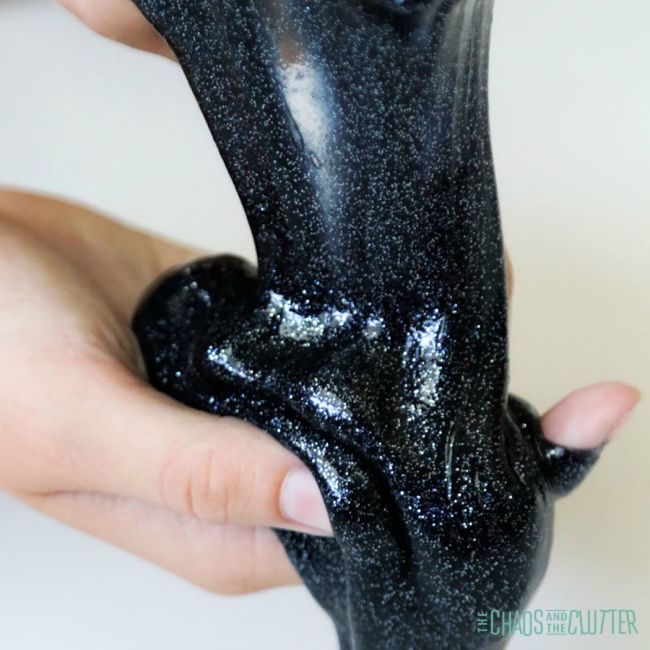
hands holding dripping black slime

By Sharla Kostelyk

Use this easy recipe to make your own black glitter slime. It’s great for Hallowe’en or just for sensory play. The glitter gives it a unique look.

two hands holding black glitter slimeIf you’re looking for a fun Hallowe’en activity that uses slime, check out our Hallowe’en Sensory Game for kids. It’s easy to put together and great for the classroom or for parties.

Black Glitter Slime Recipe:

Supplies needed:

  • 1 (6 oz.) bottle black glitter glue 
  • ¼ cup warm water
  • ½ tsp. baking soda
  • 1½ Tbsp. contact lens solution that contains boric acid
  • 1 Tbsp glitter (if you want a more glittery slime)
  • optional: pumpkin confetti

thumb pulls pumpkin confetti out of black slime

Directions:

  1. Empty the black glitter glue into a medium sized bowl. 
  2. Add 1/4 cup warm water to the empty glue bottle and seal with the lid. Shake well to combine the remaining glue with the water.
  3. Pour into the bowl with the glue and stir to combine.
  4. Add the baking soda to the glue and stir to mix thoroughly. 
  5. If you are adding extra glitter or confetti, stir them into the glue mixture at this point.
  6. Add contact lens solution to the glue mixture and stir well. 
  7. Remove the slime from the bowl allowing any excess liquid to remain in the bowl.  The slime will be sticky. Begin to play with the slime, kneading it as if it were bread dough, to bring the slime together. The slime is ready when it is no longer sticky.

Note: Glitter glue requires more contact lens solution than making slime with regular clear or white glue. Add the contact lens solution slowly, mixing between additions, and add only enough to bring the glue together into a soft ball.

Slime should be stored in an airtight container or resealable bag when not being played with. hands holding dripping black slime

Possible Variations of Glitter Slime:

  • To make this black slime more appropriate for Hallowe’en, you can add different types of Hallowe’en confetti.
  • You can change the look of this slime by adding different colours of glitter.
  • Try adding tiny Hallowe’en themed erasers.

Are you looking for more easy sensory play recipes to try? Join us for a five day email series on Sensory Activities and Solutions and get a free sample of our Sensory Play Recipes eBook.
 

You might also be interested in checking out these other easy slime recipes:

Camo Fluffy SlimeGoogly Eyed Monster Slime

Stretchy Butterfly Slime


Filed Under: Crafts and Activities Tagged With: sensory play, slime

  • « Go to Previous Page
  • Page 1
  • Interim pages omitted …
  • Page 5
  • Page 6
  • Page 7
  • Page 8
  • Page 9
  • Interim pages omitted …
  • Page 35
  • Go to Next Page »

Primary Sidebar

Categories

We are a participant in the Amazon Services LLC Associates Program, an affiliate advertising program designed to provide a means for us to earn fees by linking to Amazon.com and affiliated sites.

Copyright © 2025 • The Chaos and the Clutter • Site Design by Jeni @ The Blog Maven

Return to top of page

Copyright © 2025 · Chaos and the Clutter 2.0 on Genesis Framework · WordPress · Log in