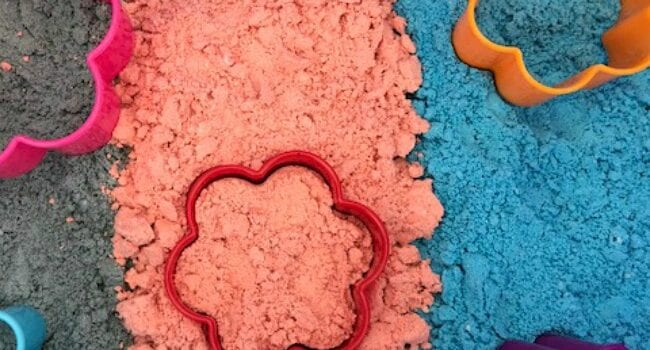
Moon dough (sometimes called Cloud Dough) is great for sensory play. Follow these simple instructions for how to colour moon dough. Being able to make it in a variety of colours enables you to make it for specific themes or holidays. 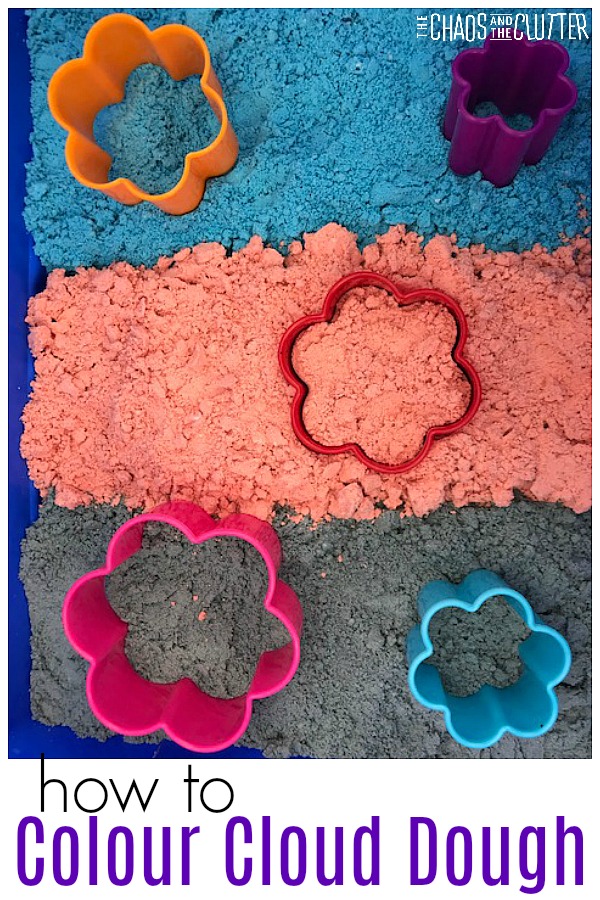 I love the silky soft feel of moon dough. The texture is hard to beat. It is messy sensory play at its best. It is easy to make. Moon dough uses common ingredients that are already in most people’s kitchens.
Playing with moon dough is fun for kids as they explore the feel of it. It is powdery, but it is also moldable. This creates endless possibilities for play. 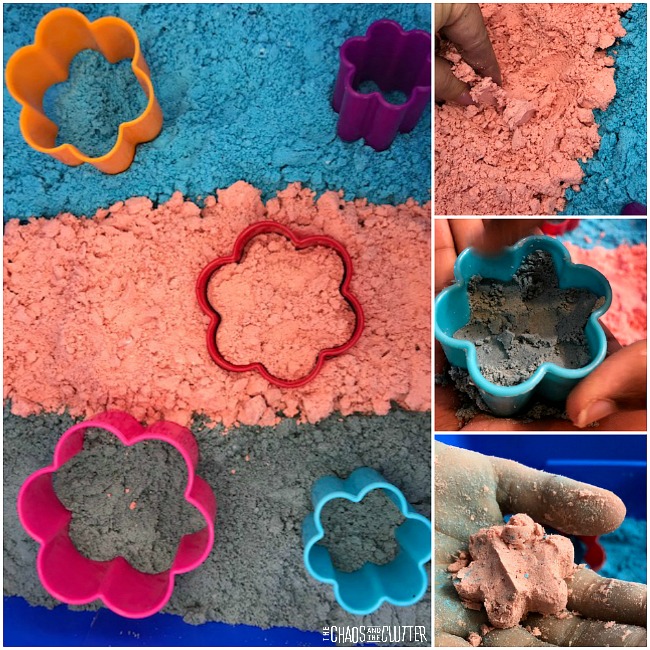 My favourite recipe is one that uses baby oil, but I wanted this recipe to be taste safe for it to be baby safe, so I have used an edible oil in this one instead.
How to Colour Moon Dough:
Supplies:
- 2 cups flour
- 1/4 cup canola oil
- 1 tsp. candy colour*
* It is important that you use candy colour in this recipe and not food colouring. Food colouring won’t mix with the oil, but oil based candy colour will.
Directions:
- Pour the candy colour into the oil and stir well.
- In a medium sized bowl, dump the 2 cups of flour.
- Pour the coloured vegetable oil into the flour and stir.
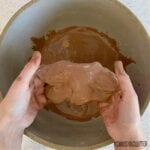
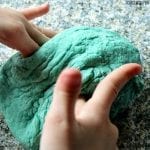
- Once it is well mixed, knead with your hands to continue to distribute the colour throughout the dough.
You can repeat the process as many times as you like to create different colours. 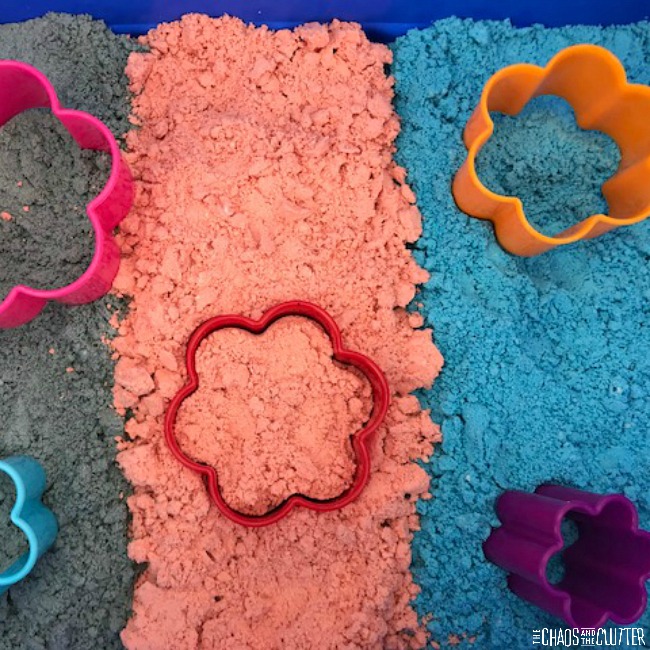 This recipe is taste safe so it can be used with babies who have a tendency to put everything in their mouths as they explore the world around them. It won’t taste great, but it isn’t harmful.
As with all sensory play, adult supervision should be used at all times.
This recipe is included in our Sensory Play Recipes eBook. It includes more than 25 easy to make recipes for awesome sensory activity options. You can try a sample of five of the recipes just by putting your email below:
Another way to colour moon dough:
Supplies:
- 2 cups of flour
- sidewalk chalk
- 1/4 cup vegetable oil
Directions:
- Grate or pound a piece of sidewalk chalk into powder.
- Mix the chalk powder into the flour in a medium bowl.
- Pour in the vegetable oil and mix.
- Knead by hand to further combine.
Repeat the process with other colours of chalk to create more colour options.
This recipe is obviously not taste safe because of the chalk in it. It is best to use the other recipe with babies and little ones who may try to put it in their mouths. This moon dough recipe is a good one to use with older kids though.
What about the mess?
Coloured moon dough is messy no matter which recipe you use. It’s best to keep it away from carpet or couches that may stain.
I know that messy sensory play is something that can make parents squirm, but there are ways to keep the mess somewhat contained and still give your kids all the benefits of sensory play.
Place the moon dough in a bin and take it outside if possible. In the cold of winter, you can place the bin on an old sheet or buy a shower curtain from the dollar store to put it on.
When play time is over, gather up the corners of the sheet or shower curtain and take it outside. Give it a shake. Just like that, any of the dough not in the bin won’t be on your floor!
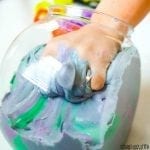
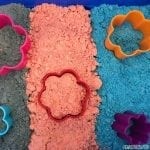
Check out some of our other sensory play recipes:


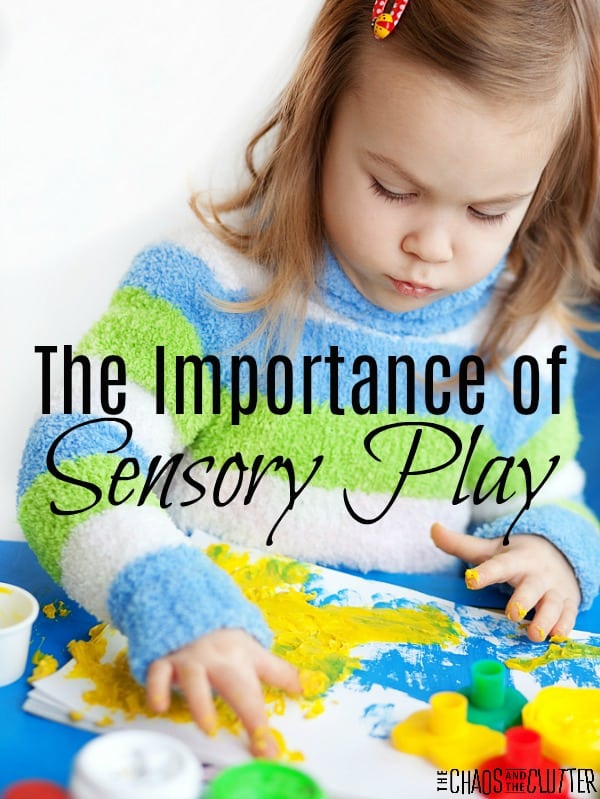 Sensory play may be a popular phrase at the moment, but that doesn’t mean that it is just a passing phase. I believe that as more and more research continues to come out pointing out the benefits of sensory play, it will only increase in prevalence among early childhood educators and parents.


















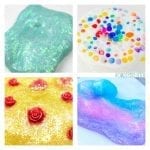



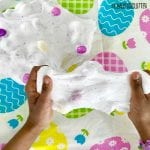




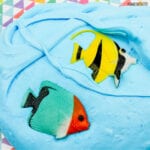



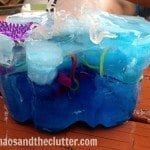
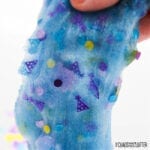


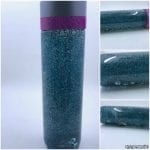






















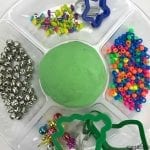

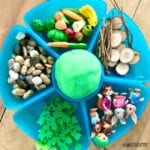
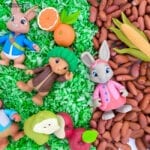











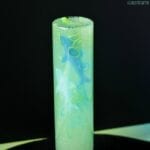


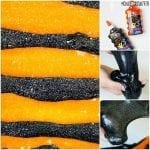






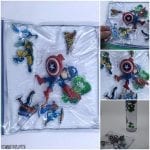
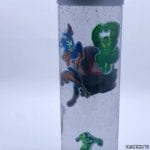



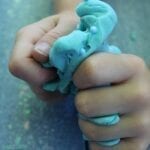

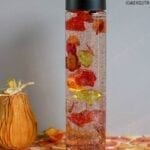











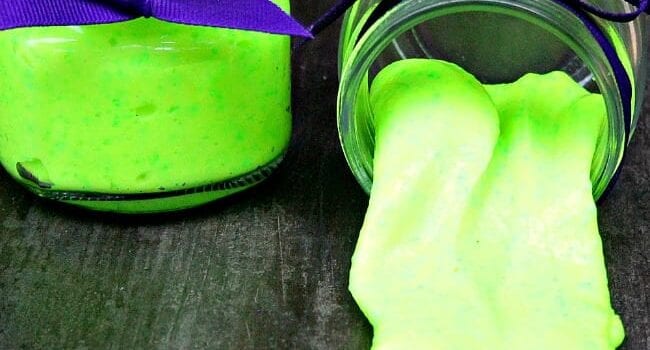
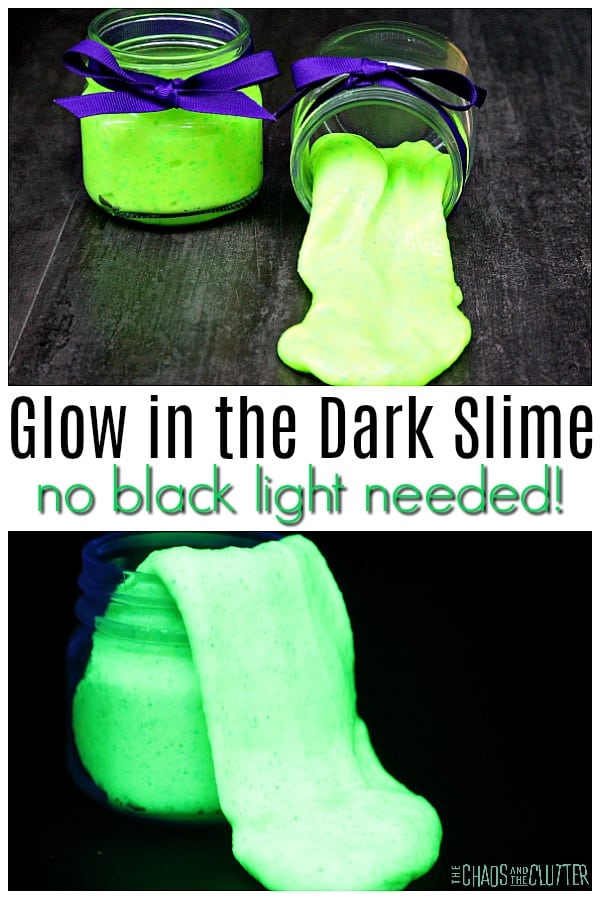 Adult supervision should always be used when making slime.
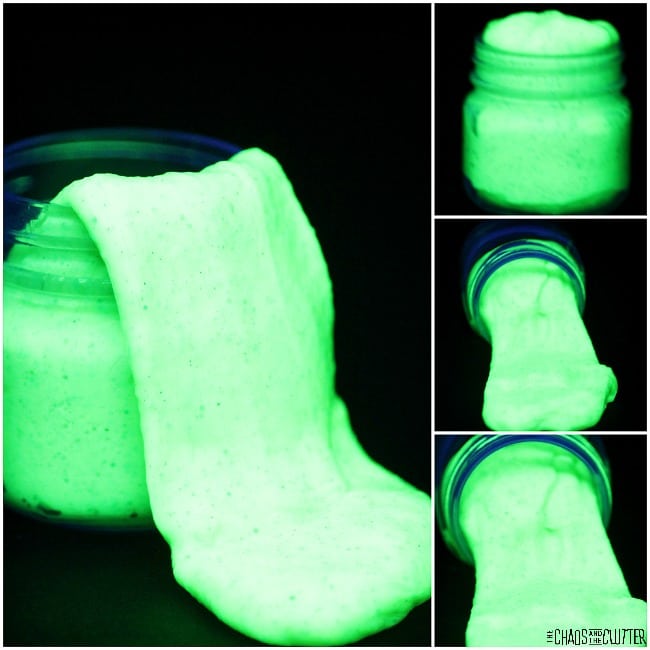 Instructions:
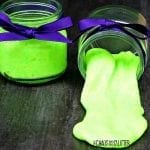
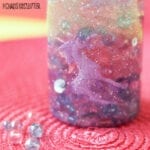
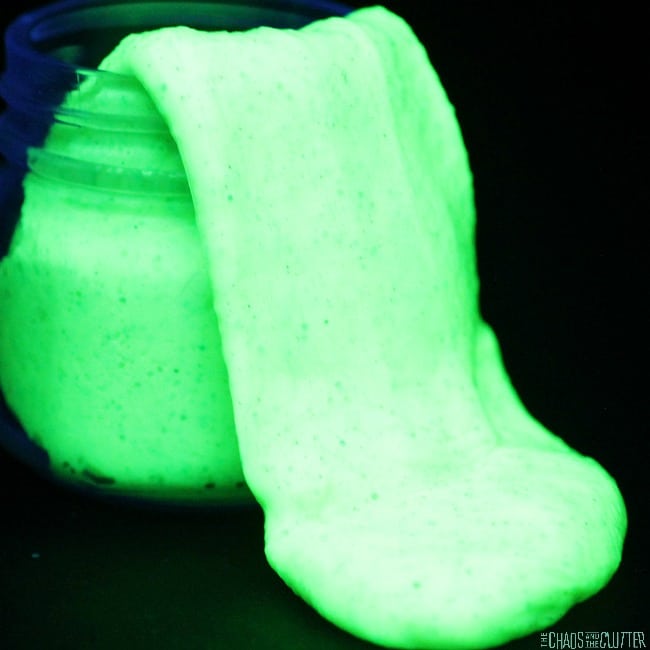 Store the glow in the dark slime in an airtight container or plastic bag. If stored properly, this slime will keep for a long time.
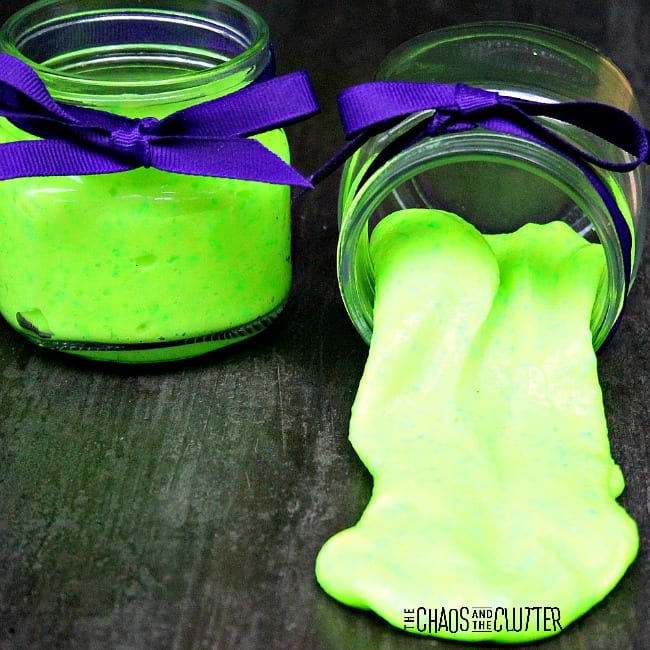 If you want to give it out as party favours, you can use baby food jars as containers wrapped with purple ribbon around the top.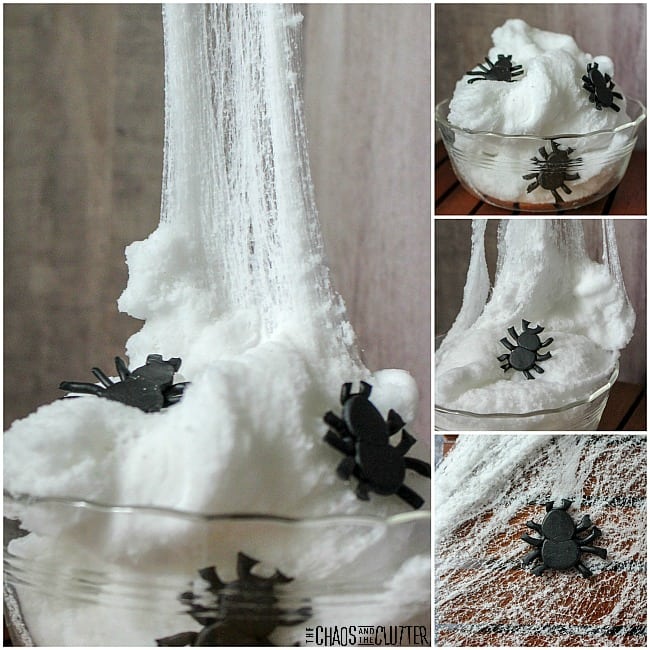

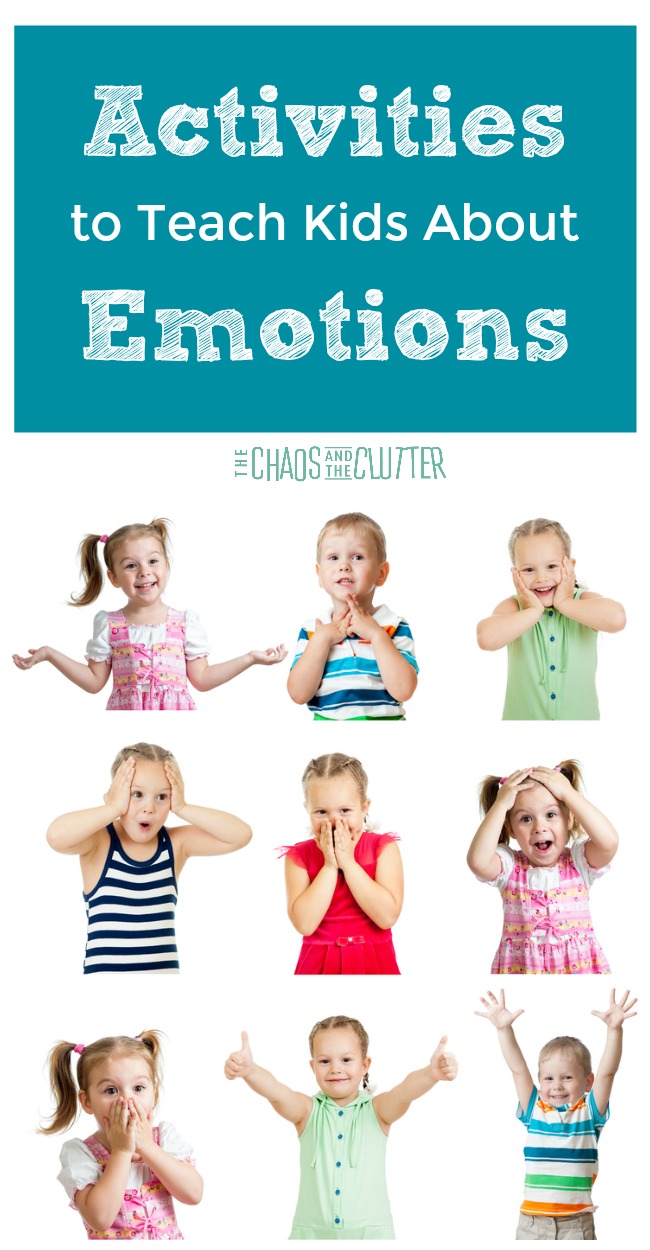
 Many parents aren’t sure where to start when it comes to helping their child control their emotions. This will give you a roadmap to help them.

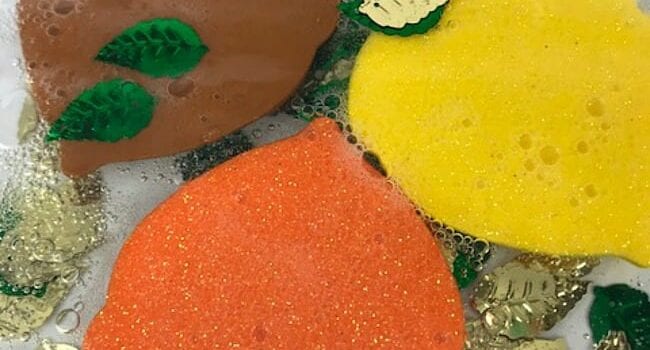
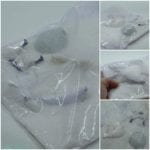
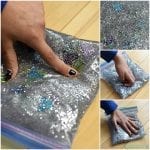
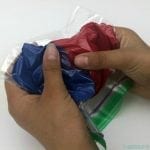
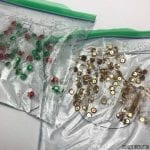
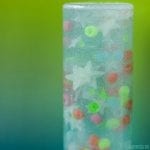
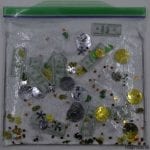
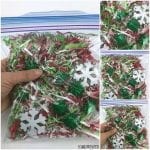
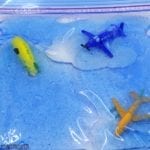
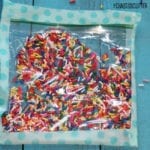
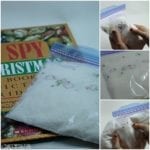
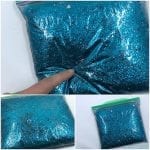
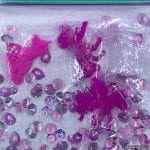
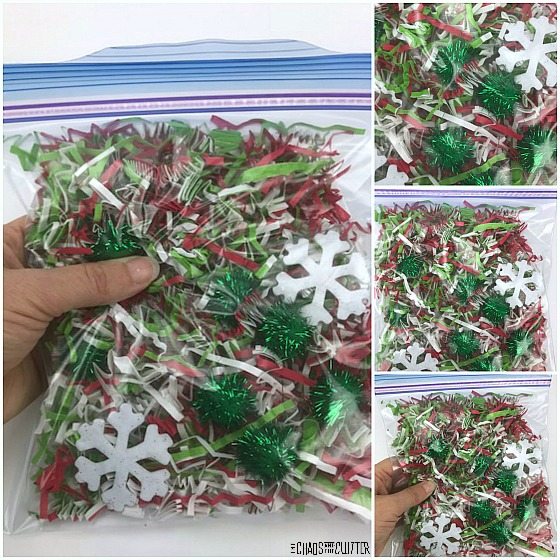
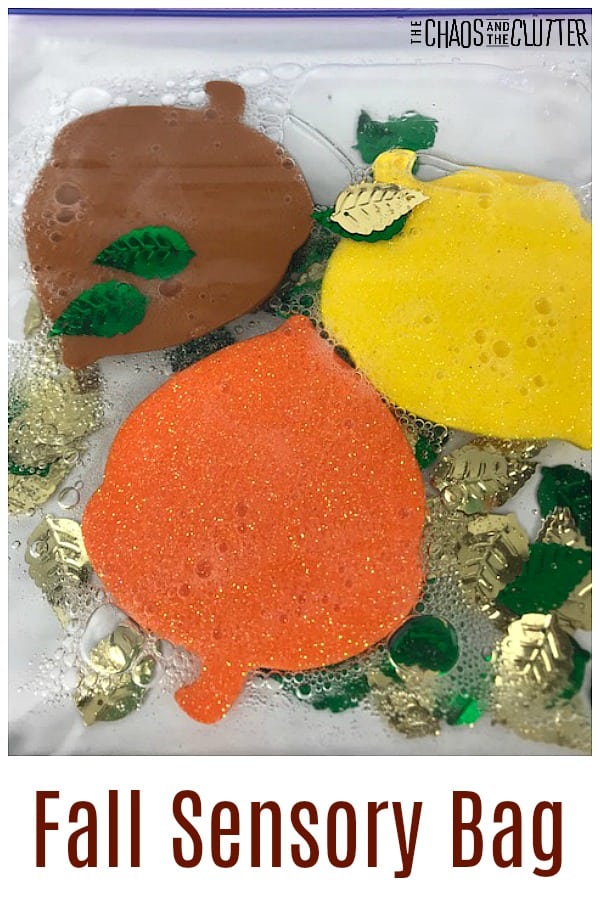 Sensory bags engage the senses while containing the mess.
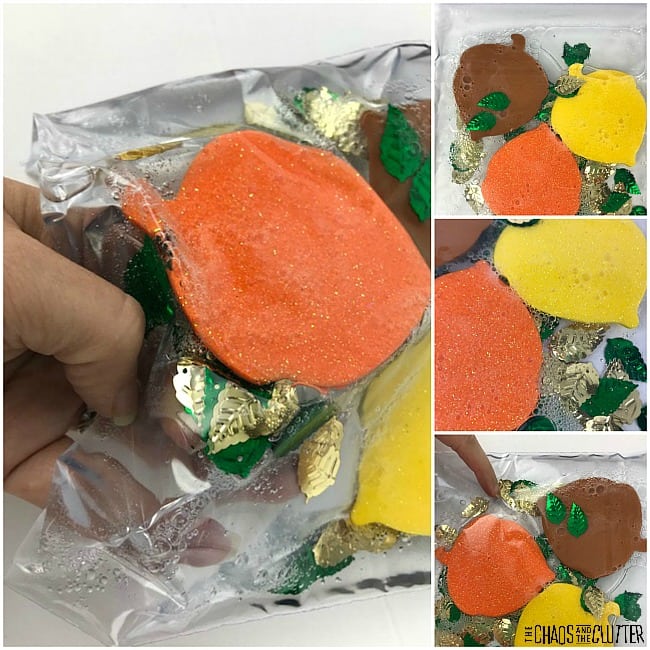 If you’re using the sensory bag with babies, toddlers, or preschoolers, I recommend sealing the bag with duct tape. Fold duct tape over all sides of the bag. You can find all kinds of fun coordinating prints and colours.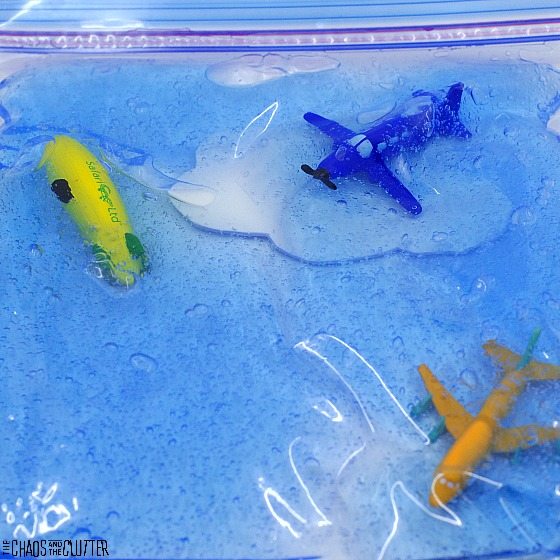

 Please remember that I am not a therapist or official expert in the field of Reactive Attachment Disorder. I am a mom. Two of my kids happen to have the diagnosis. This article is based on the current research into the treatment for RAD as well as my personal experience. I have not tried everything on this list.